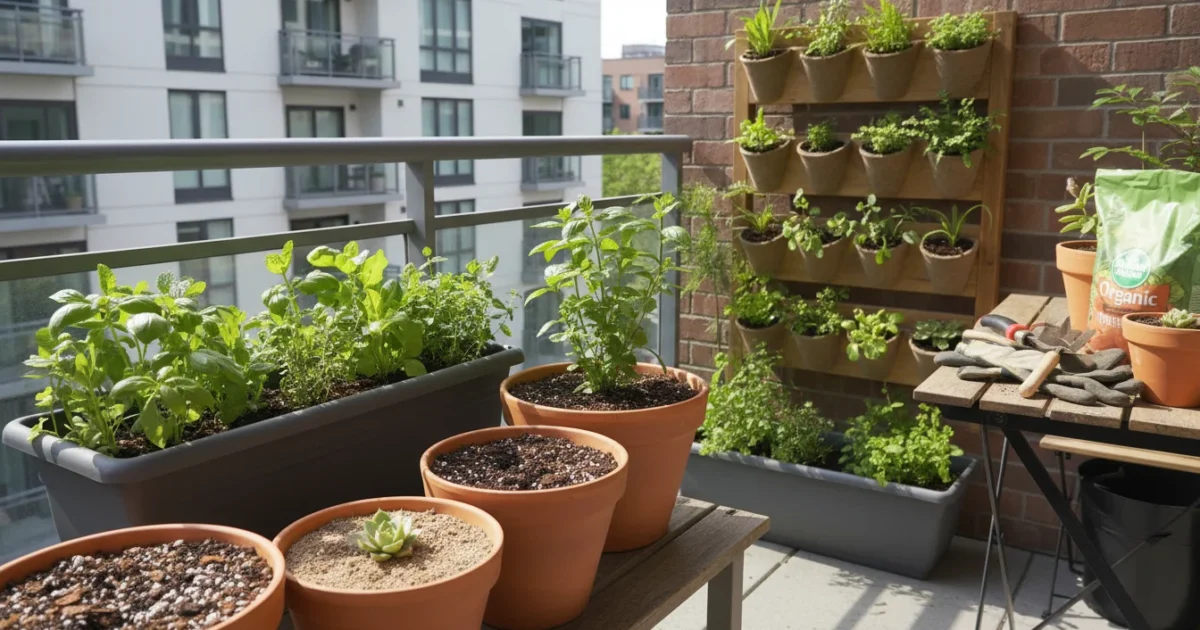
As a passionate balcony gardener, you understand the thrill of nurturing plants in a compact space. You’ve picked out charming pots, dreamed of lush greenery or bountiful harvests, and perhaps even started collecting seeds. But before you scoop any old “dirt” into those containers, pause. The foundation of successful container gardening, especially in small spaces like balconies, isn’t just about sunlight and water. It hinges on one often-overlooked hero: your potting mix.
Many beginner gardeners mistakenly believe any soil will do, but garden soil is not a suitable choice for pots. Your containers create a unique growing environment, demanding a specialized medium that provides optimal drainage, aeration, and nutrient support for your plants’ roots. Selecting the right potting mix makes all the difference, determining whether your efforts lead to thriving plants or disappointing struggles. This guide empowers you to choose the perfect foundation for your balcony garden, ensuring your plants flourish.
Understanding Potting Mix: Why “Dirt” Won’t Do
Before you fill your first pot, grasp a fundamental truth: potting mix is not garden soil. While both support plant life, their compositions and functions differ significantly, especially when confined to a container. Potting mix is a specially engineered growing medium designed to create the ideal environment for roots in a restricted space.
What is Potting Mix?
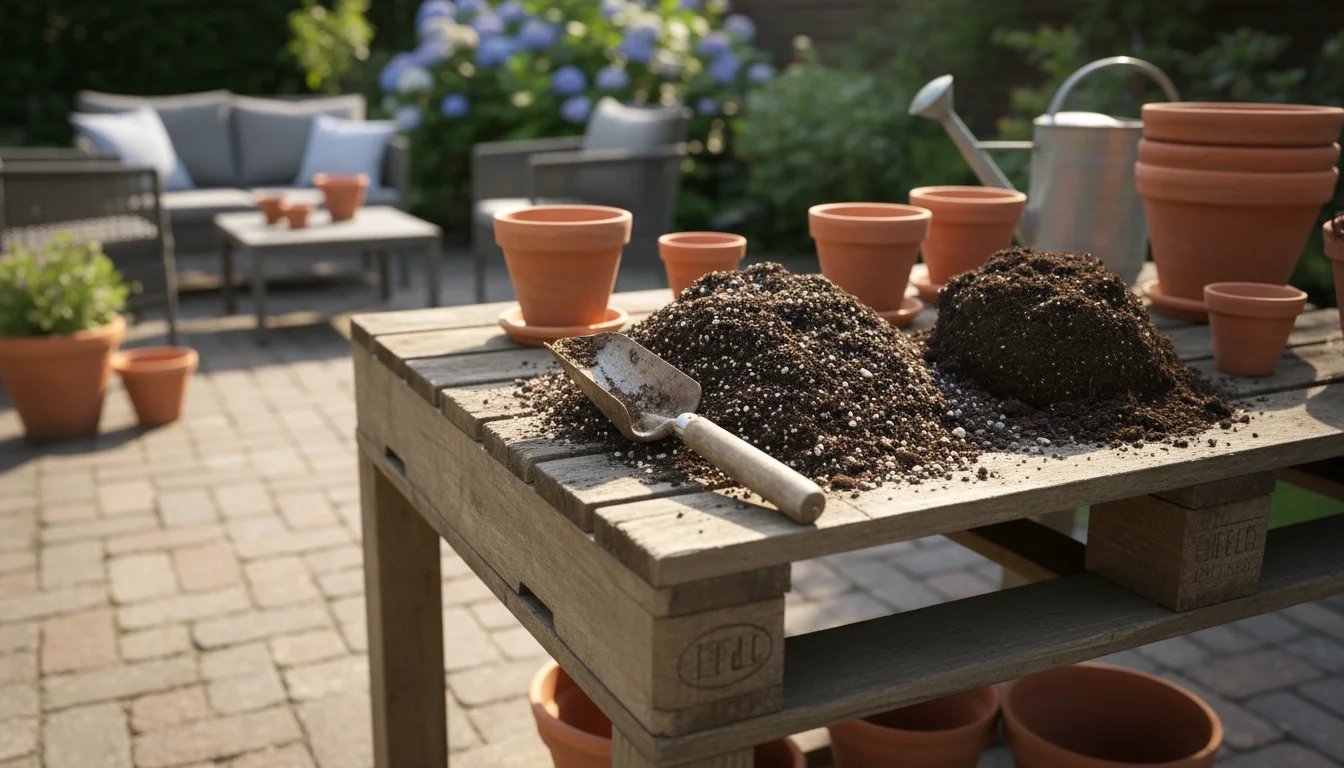
Think of potting mix as a gourmet meal crafted for your container plants. It’s a blend of various ingredients, each playing a crucial role in providing roots with what they need to thrive. Unlike the heavy, dense earth in your backyard, a quality potting mix offers a light, airy, and nutrient-rich home. This carefully balanced composition ensures your plants receive consistent access to water, air, and essential nutrients, which are paramount for robust growth in a pot.
Why It Matters for Containers
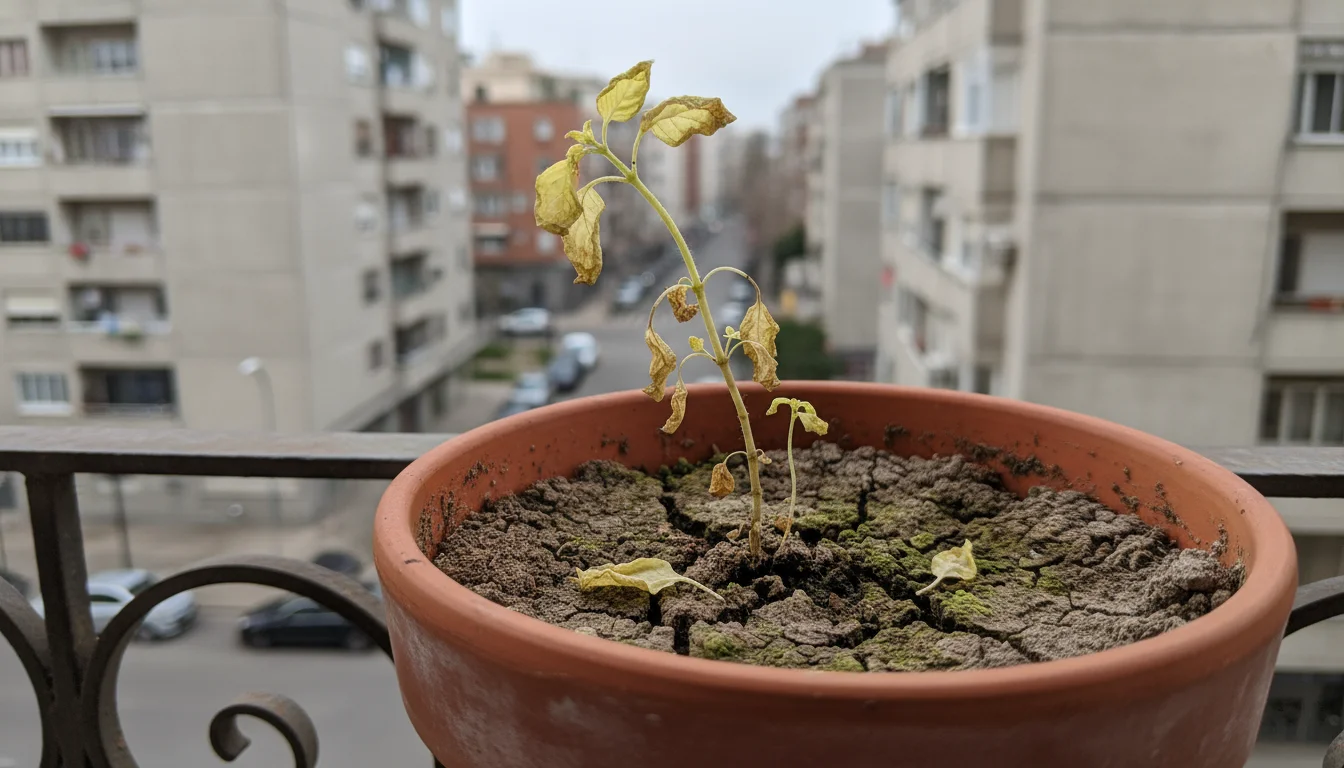
Containers present unique challenges for plant roots. The limited volume means less space for root expansion, quicker nutrient depletion, and a faster drying cycle. Garden soil, by contrast, is heavy and compacts easily in a pot, leading to poor drainage and inadequate air circulation. In such conditions, roots suffocate, rot, and struggle to absorb nutrients, ultimately stifling plant growth.
Key Terms Explained
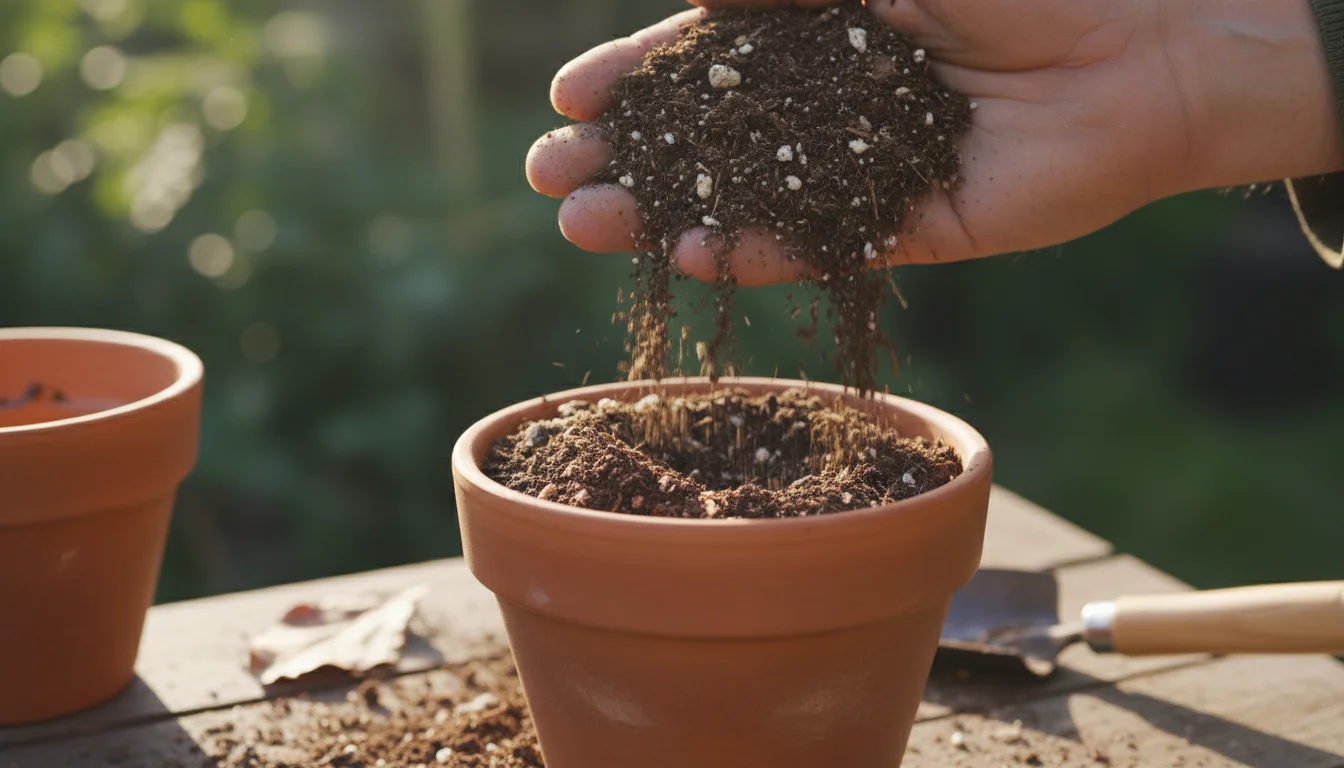
- Drainage: This refers to how effectively water moves through the potting mix and out of the container. Good drainage prevents waterlogging, which can suffocate roots and cause rot. You want water to pass through steadily, not sit stagnant.
- Aeration: Roots, like all living parts of a plant, need oxygen. Aeration means the presence of tiny air pockets within the potting mix, allowing oxygen to reach the roots and carbon dioxide to escape. Proper aeration promotes healthy root development and nutrient uptake.
- Water Retention: While good drainage is vital, the potting mix also needs to hold enough moisture to keep your plants hydrated between waterings. Quality mixes strike a balance, retaining water without becoming soggy.
- Nutrient Delivery: Potting mixes often contain initial nutrients or components that support microbial activity, slowly releasing food for your plants. Garden soil’s nutrient content can be inconsistent and quickly depleted in a confined space.
Understanding these elements helps you appreciate why selecting the correct potting mix is the first, most critical step for success in your balcony garden.
Key Ingredients of Quality Potting Mix: What to Look For
When you examine a bag of quality potting mix, you will notice it contains more than just brown particles. Manufacturers formulate these mixes using a blend of specific components, each contributing to optimal root health and plant growth in containers. Knowing what these ingredients do helps you choose the best product for your specific `balcony gardening basics` and plant needs.
Here are the common ingredients you will find in high-quality `container soil` and their functions:
- Peat Moss or Coco Coir: These are primary components for water retention and creating a lightweight structure.
- Peat Moss: Known for its exceptional ability to hold water and nutrients, peat moss also provides good aeration when mixed with other materials. It is acidic, which is beneficial for many plants. However, its harvesting raises environmental concerns, leading many to seek alternatives.
- Coco Coir: Derived from coconut husks, coco coir is a sustainable and renewable alternative to peat moss. It offers similar benefits, including excellent water retention and aeration, and a more neutral pH.
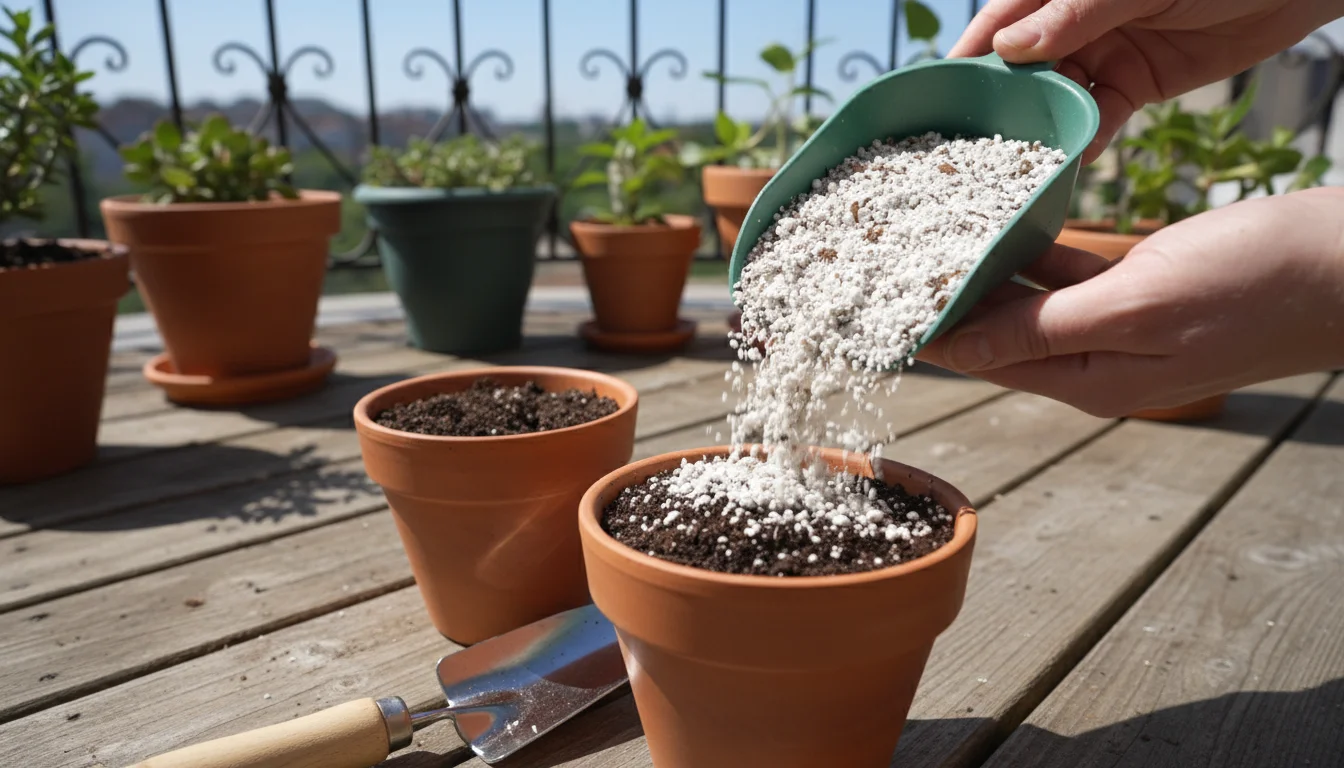
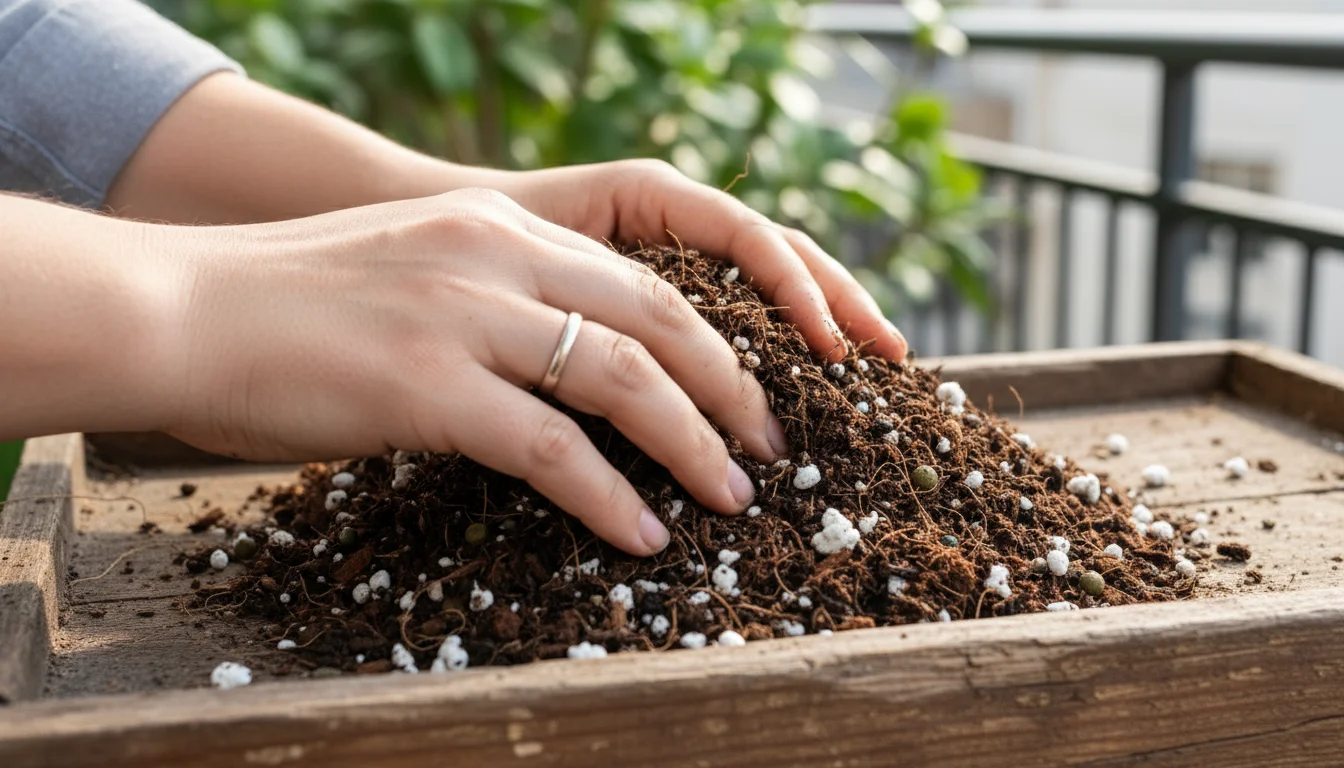
- Perlite: These small, white, lightweight volcanic rocks look like tiny Styrofoam balls. Perlite improves drainage and aeration by creating air pockets in the mix. It does not absorb water itself, making it perfect for preventing compaction and ensuring roots breathe.
- Vermiculite: Similar to perlite in appearance but with a slightly softer, more layered texture, vermiculite also enhances aeration and drainage. Unlike perlite, vermiculite absorbs water and nutrients, releasing them slowly to the plant. This makes it particularly useful for moisture-loving plants or for extending the time between waterings.
- Compost or Other Organic Matter: Ingredients like aged bark, composted forest products, or worm castings provide essential nutrients to your plants as they break down over time. They also support beneficial microbial life, which is crucial for nutrient cycling and overall soil health. These components contribute to a richer, more active `potting mix`.
- Sand (Coarse): While less common in general-purpose mixes, some specialized mixes for cacti and succulents include coarse sand. It significantly improves drainage and adds weight to prevent top-heavy plants from tipping. Ensure it is coarse horticultural sand, not fine play sand, which can compact.
- Fertilizers (Slow-Release): Many commercial `potting mix` products come “pre-fertilized.” This means they include slow-release granular fertilizers that provide a steady supply of nutrients for several weeks or months, giving your plants a strong start.
- Wetting Agents: Peat moss and coco coir can become hydrophobic (water-repelling) when completely dry. Wetting agents are additives that help the mix absorb water more easily and uniformly, ensuring thorough hydration when you water your plants.
- Lime: Since peat moss is acidic, some mixes include lime to adjust the pH to a more neutral range, suitable for a wider variety of plants.
When you evaluate a bag of `potting mix`, look for a balanced blend of these ingredients. A good `container soil` should feel light and airy, not heavy and dense, and it should show visible pieces of perlite, vermiculite, or bark. This visual inspection helps you confirm you are selecting a high-quality product for your balcony plants.
Potting Mix vs. Garden Soil: Why the Distinction Matters for Containers
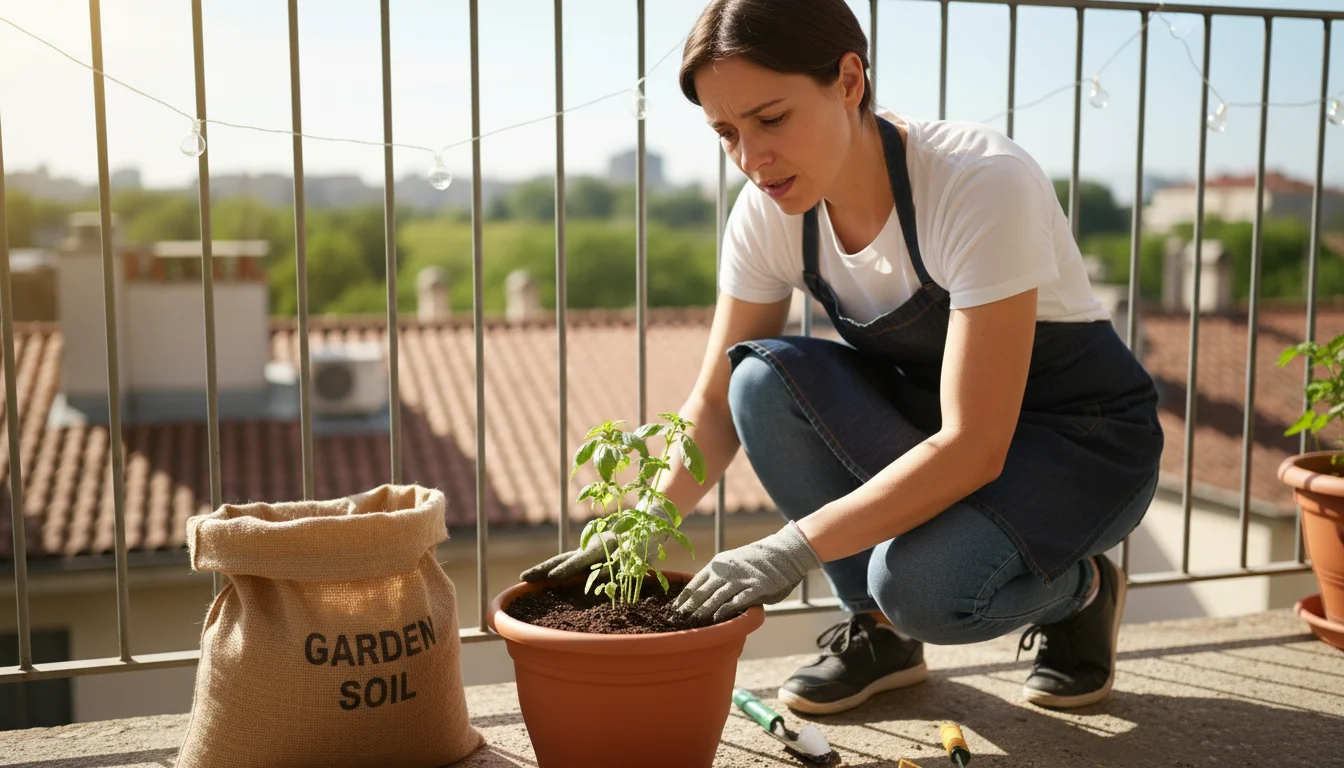
This is arguably the most critical lesson for any beginner gardener venturing into containers, especially for those with limited space on a balcony. Using garden soil in your pots is a common and often detrimental mistake. Understanding the fundamental differences between `potting mix` and garden soil will save you from common plant problems and ensure your `balcony gardening basics` start strong.
Garden Soil: The Wrong Choice for Pots
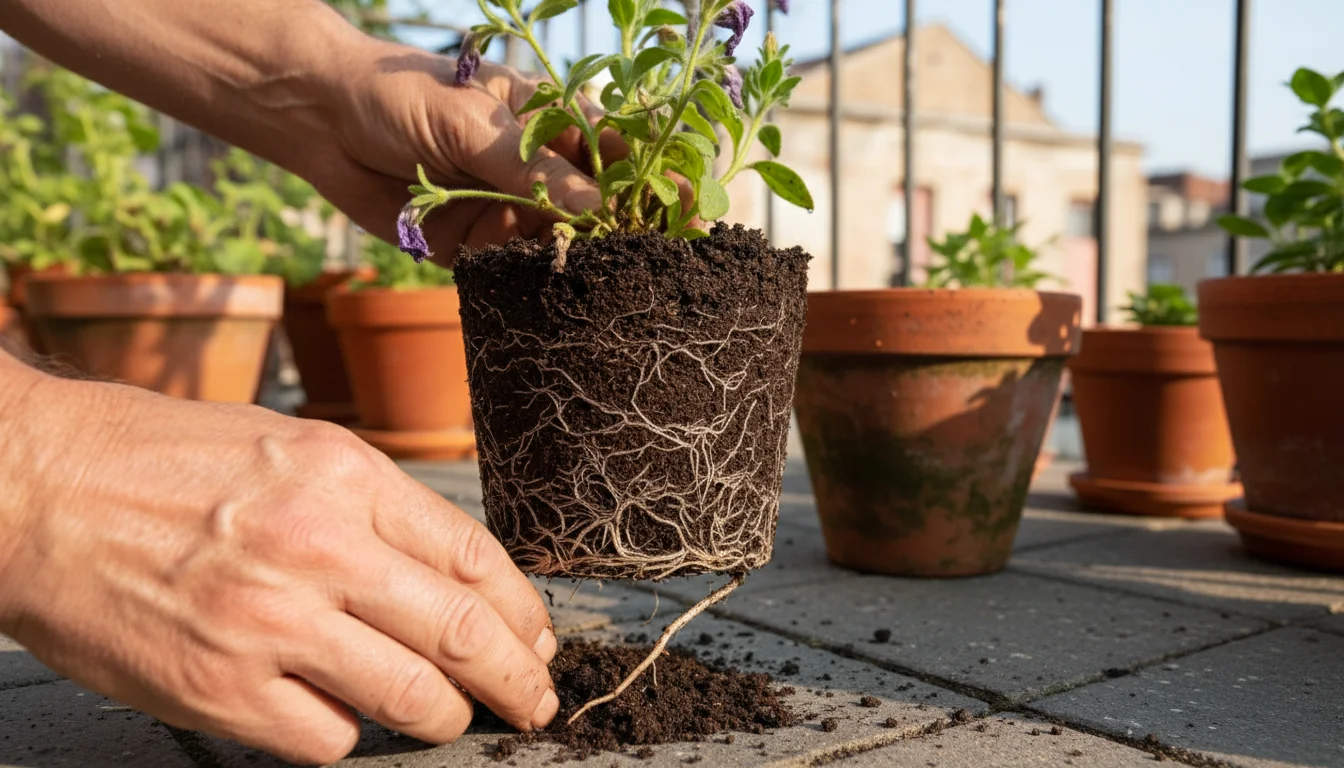
Garden soil, the rich earth you find in your yard, is designed for plants growing directly in the ground. In nature, a vast underground network allows for extensive root growth, constant microbial activity, and natural drainage over a wide area. When you put garden soil into a confined container, several problems immediately arise:
- Heavy Compaction: Garden soil is inherently dense. When watered in a pot, it compacts rapidly, squeezing out vital air pockets. This compaction suffocates roots, preventing them from accessing the oxygen they need to survive and absorb water and nutrients.
- Poor Drainage: Its heavy nature also means garden soil drains poorly in a container. Water sits stagnant, leading to waterlogged conditions that cause root rot, a common killer of container plants. Even with drainage holes, the soil itself does not allow water to flow freely enough.
- Pathogens and Pests: Garden soil contains countless microorganisms, insects, and weed seeds. While many are beneficial in a large garden ecosystem, introducing them to a small, isolated container can quickly lead to disease outbreaks, pest infestations, and unwanted weed growth, competing with your cultivated plants.
- Inconsistent Nutrient Levels: While garden soil can be nutrient-rich, its composition varies wildly. In a small pot, these nutrients deplete quickly, and replenishing them consistently becomes a challenge.
Imagine trying to run a marathon in tightly laced, ill-fitting shoes. That is how your plants feel when confined to garden soil in a pot. Their systems cannot function optimally.
Potting Mix: The Ideal Solution for Containers
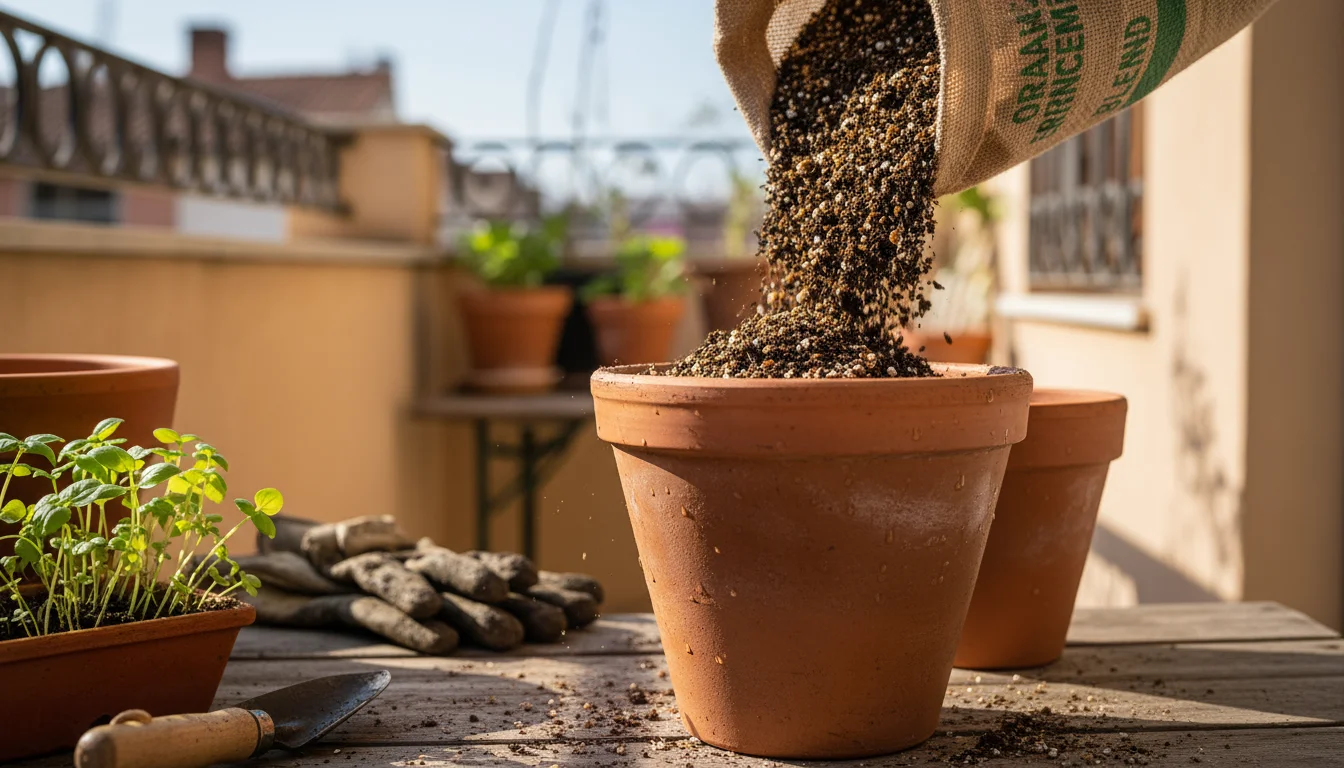
Conversely, `potting mix` (also often called `potting soil` by consumers, though “mix” is more accurate as it contains no actual “soil”) is specifically formulated to counteract the limitations of containers. It is the `best potting soil for container vegetables` and all other potted plants because it addresses their unique needs:
- Lightweight and Aerated: The combination of ingredients like peat moss or coco coir, perlite, and vermiculite creates a light, fluffy structure. This allows for excellent air circulation around the roots, preventing suffocation and promoting healthy growth.
- Superior Drainage: The porous nature of `container soil` components ensures that excess water drains away quickly, preventing waterlogging and root rot. Yet, it still retains enough moisture for the plant.
- Sterile or Nearly So: Most commercial potting mixes undergo sterilization processes to eliminate weed seeds, disease pathogens, and harmful pests. This gives your delicate seedlings and plants a clean, safe start.
- Balanced Nutrients: Many mixes come fortified with initial nutrients or are designed to hold onto fertilizers effectively, providing a consistent food source for your plants.
In short, `potting mix vs garden soil for pots` is not a matter of preference but a matter of necessity for thriving container plants. Investing in quality `potting mix` is an investment in the health and productivity of your balcony garden.
Choosing the Right Mix for Your Plants: Tailoring Your Soil
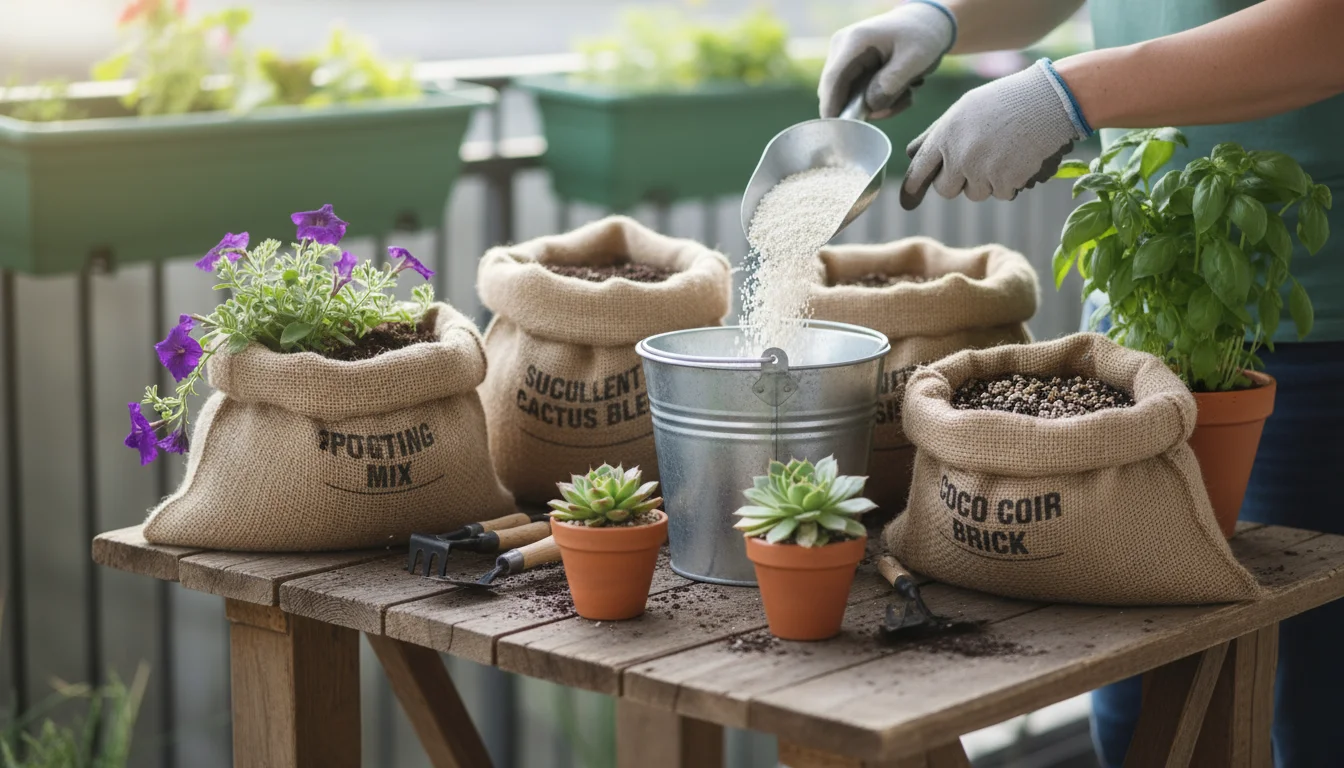
Now that you understand the crucial difference between `potting mix` and garden soil, the next step involves recognizing that not all potting mixes are created equal. Just as different plants have varying light and water needs, they also have specific preferences for their `container soil`. Selecting the appropriate mix for your particular plants significantly impacts their health and yield. This is `what to look for in potting mix` beyond just the basic ingredients.
General Purpose Potting Mix
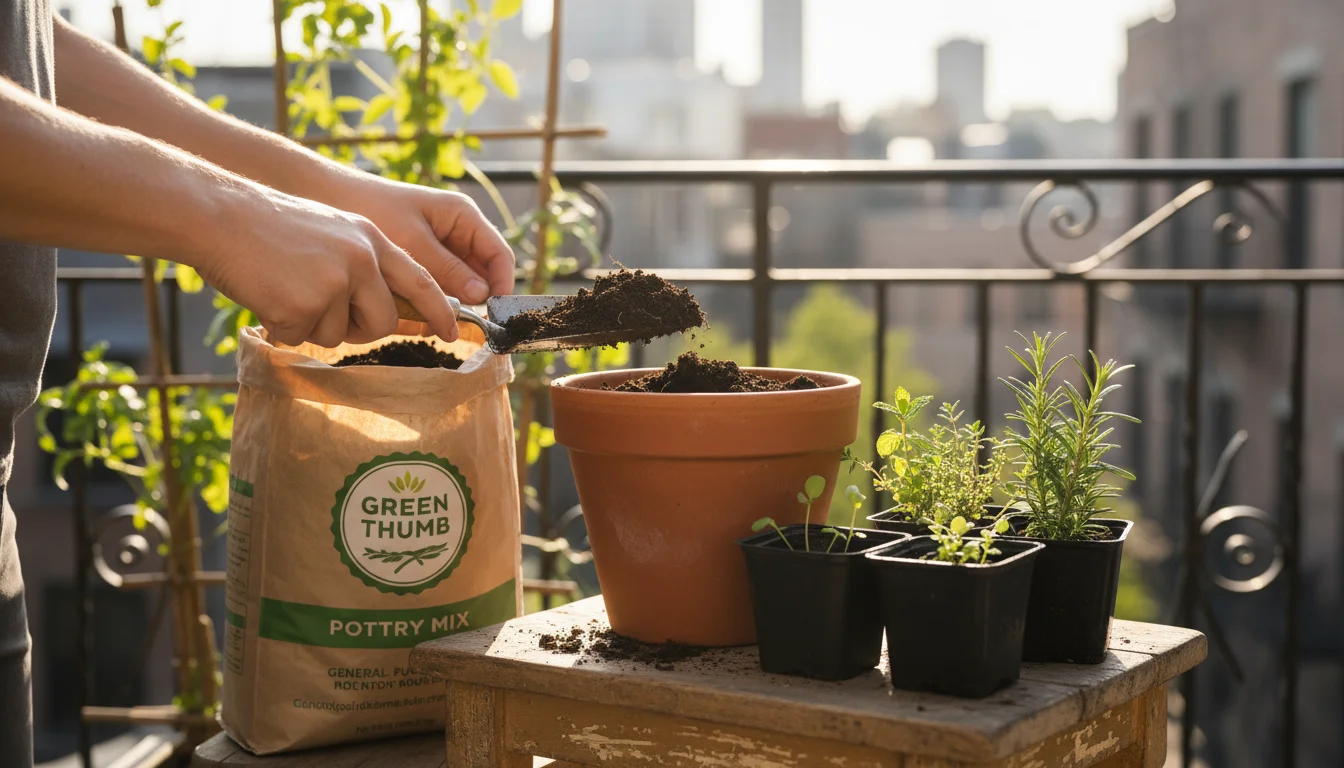
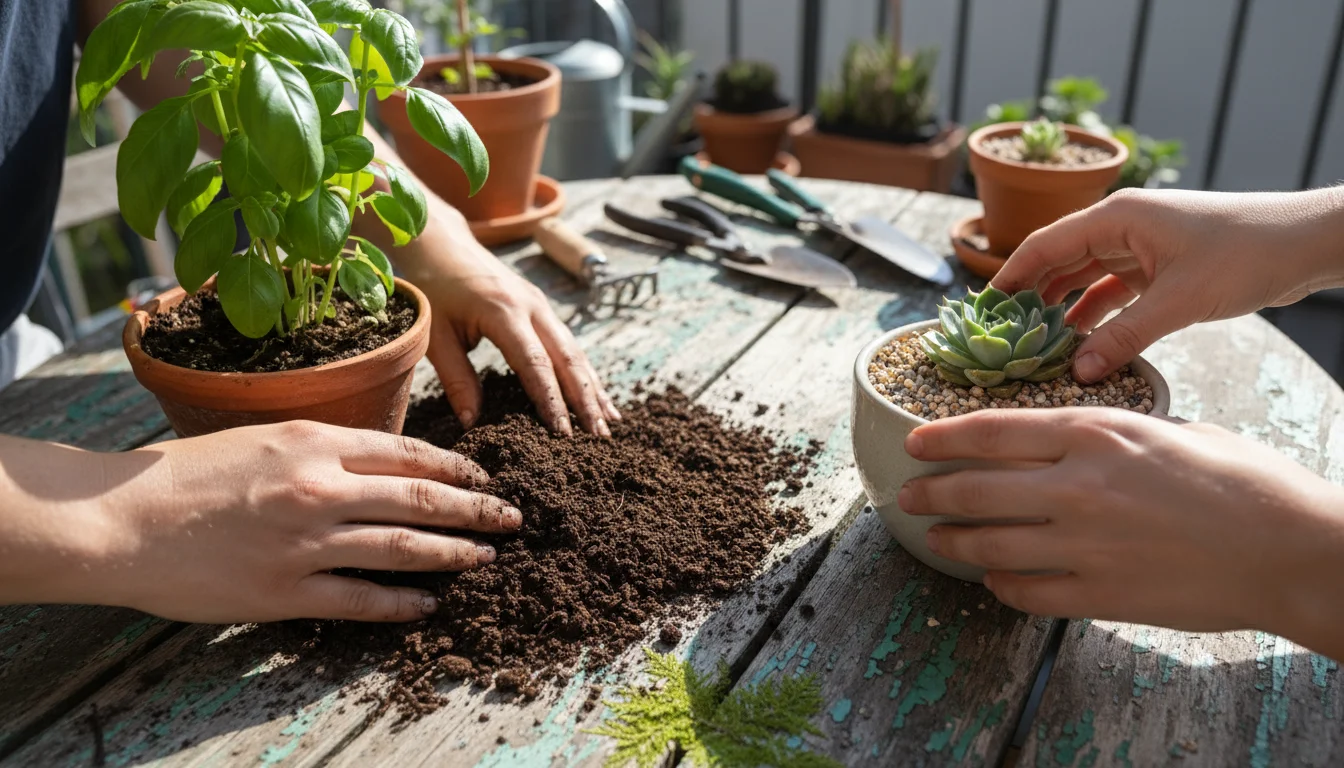
For most common balcony plants, especially if you are a beginner, a good quality general-purpose `potting mix` is an excellent starting point. These mixes are balanced to suit a wide range of plants, including many annuals, herbs, and popular vegetables like lettuce or bush beans. They typically offer a good balance of drainage, water retention, and aeration. If you are unsure, start here and adjust as you gain experience.
Specialized Potting Mixes
However, some plants have very distinct requirements that a general mix cannot adequately meet. Manufacturers formulate specialized mixes to cater to these unique needs:
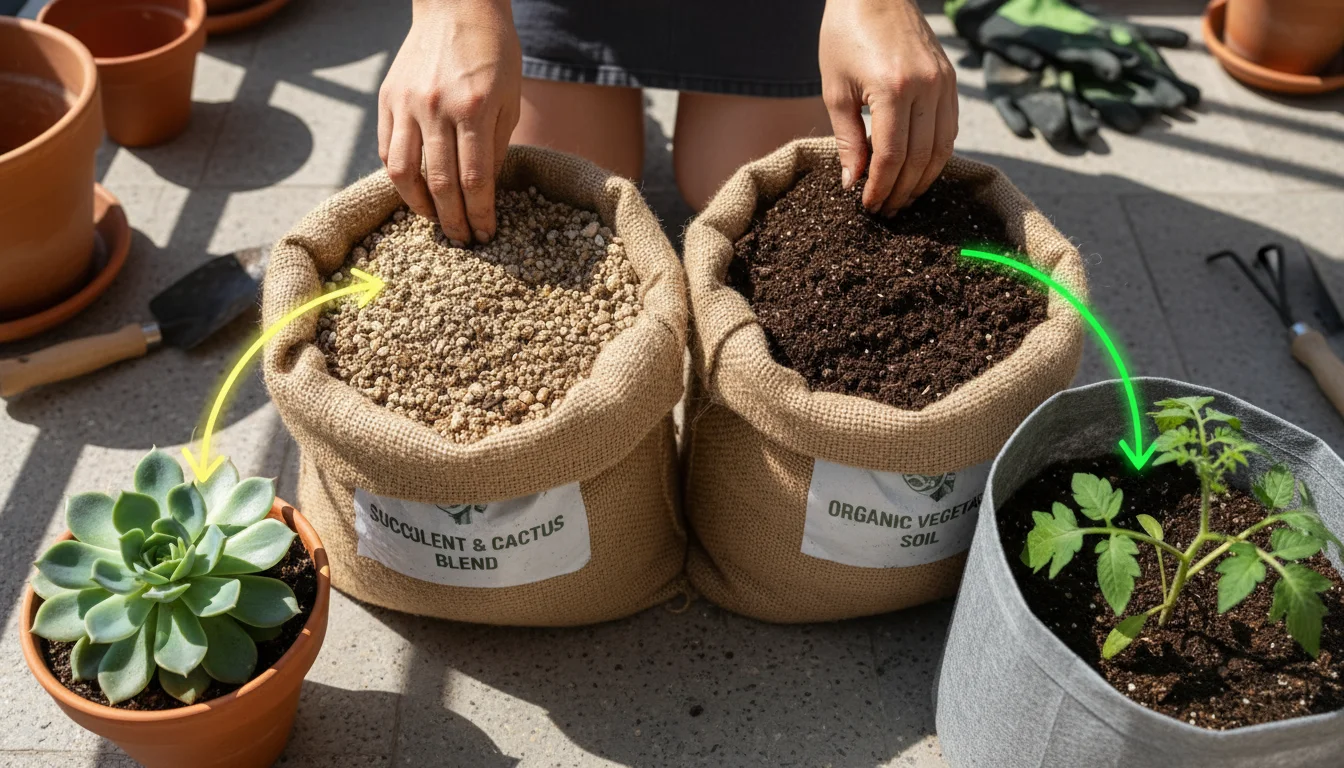
- Vegetable and Herb Potting Mix: This is often the `best potting soil for container vegetables` and herbs. These mixes are typically richer in organic matter and come with a slow-release fertilizer or additional compost. This provides the higher nutrient demands of edible plants, which are usually heavy feeders. They also maintain good moisture retention while ensuring adequate drainage. Look for phrases like “vegetable and herb formula” or “organic garden mix” on the bag.
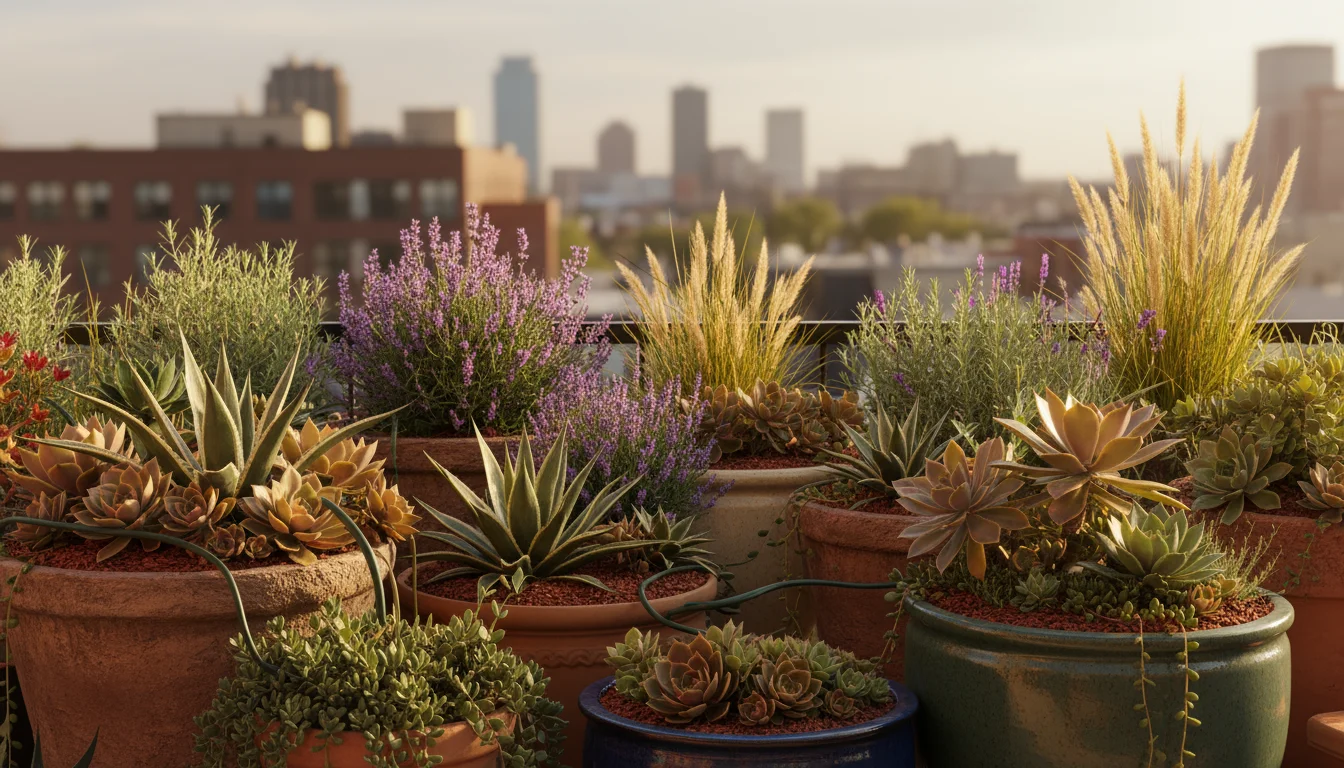
- Cactus and Succulent Mix: Plants like cacti and succulents thrive in very well-draining, gritty soil. These mixes contain a higher proportion of sand, perlite, or pumice and less peat or coco coir. They dry out quickly, preventing the root rot these plants are highly susceptible to. Using a general mix for succulents almost guarantees failure due to excessive moisture retention.
- Seed Starting Mix: If you are starting seeds indoors on your balcony, a dedicated seed starting mix is essential. It has a much finer, lighter texture than standard `potting mix`, allowing tiny roots to emerge easily. It is also completely sterile to prevent damping-off disease, which can devastate young seedlings. These mixes usually contain no added fertilizer, as seeds contain their own initial food supply.
- Orchid Bark Mix: Orchids are epiphytes, meaning they grow on other plants, not in soil, in their natural habitat. Their specific `container soil` needs reflect this. Orchid mixes consist primarily of bark chips, charcoal, and perlite, providing excellent air circulation and quick drainage.
- Acid-Loving Plant Mix: Some plants, like blueberries (which can be grown in large containers on a balcony), azaleas, or camellias, prefer acidic soil. These mixes typically have a higher peat content or specific acidifying amendments to lower the pH.
Reading the Label: Your Guide to Quality
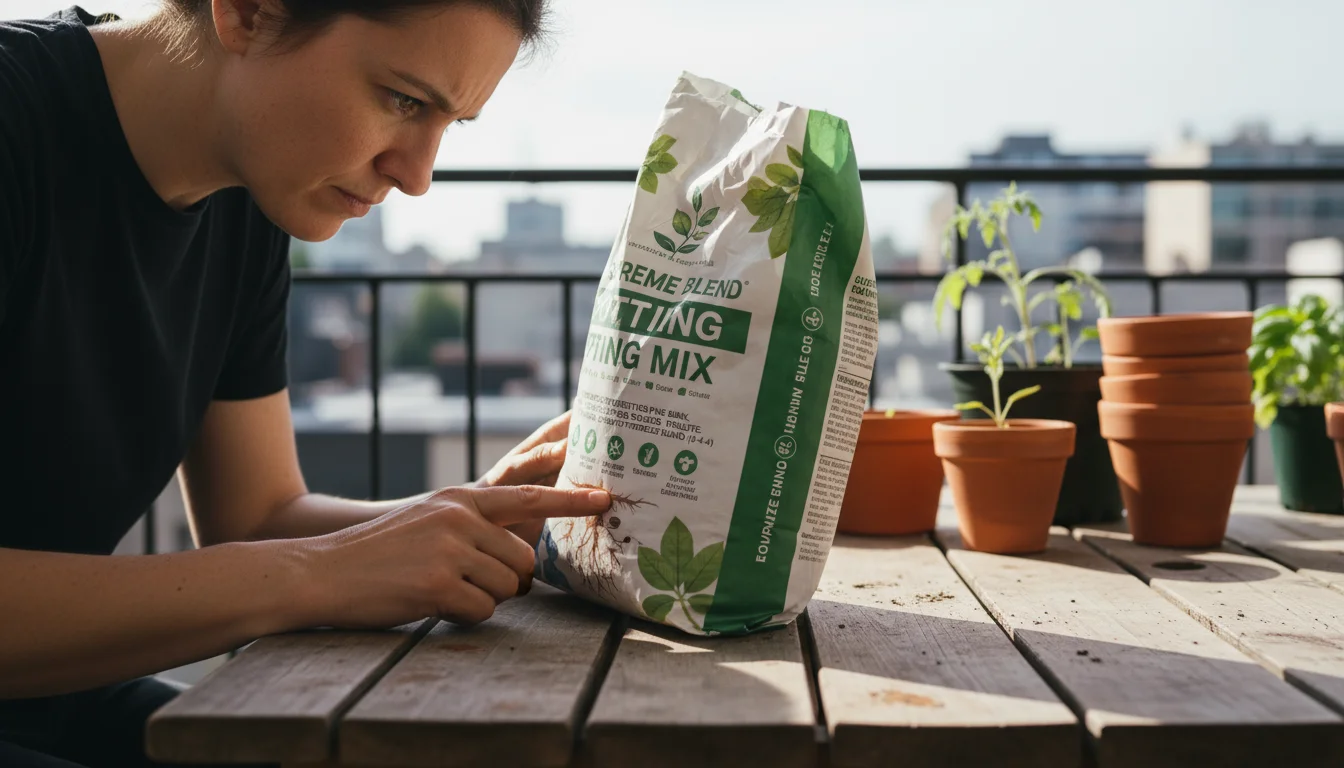
Always read the label on the `potting mix` bag. It provides critical information about the ingredients, intended use, and any added features like slow-release fertilizers or wetting agents. Look for mixes that list specific components like perlite, vermiculite, and coco coir or peat moss. Avoid bags that simply say “topsoil” or “garden soil,” as these are not appropriate for containers.
By matching your `potting mix` to your plants’ specific needs, you provide them with the optimal environment from day one, setting them up for success in your `balcony gardening basics` endeavors.
Balcony Gardening Basics: Specific Needs for Container Plants
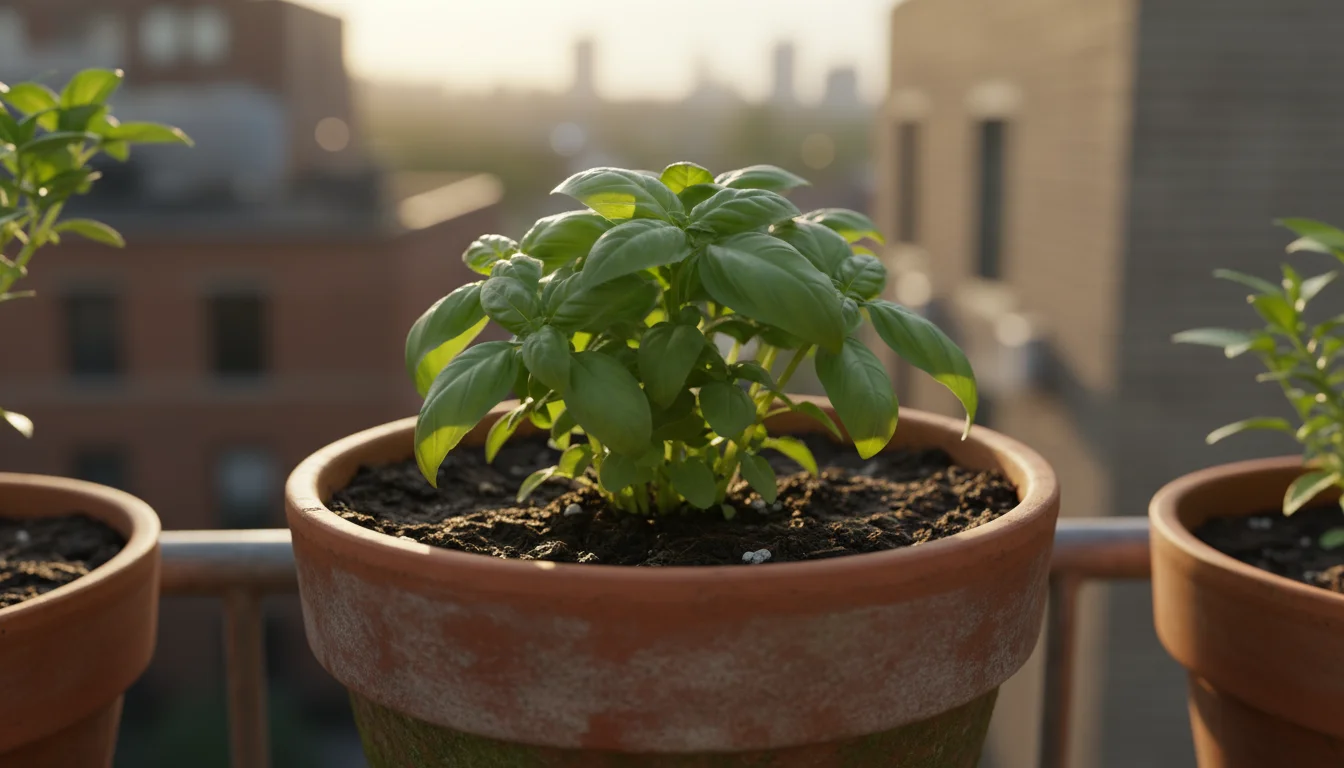
Balcony gardening brings immense joy, but it also presents unique environmental conditions that influence your choice and management of `container soil`. Your plants exist in a microcosm, isolated from the vast ecosystems of an in-ground garden. Understanding these specific needs helps you make smarter choices for your `potting mix` and overall plant care.
The Container Environment: A Unique Challenge
Unlike plants in the ground, your balcony plants are entirely dependent on you and the contents of their pots. This means the potting mix must perform flawlessly in several key areas:
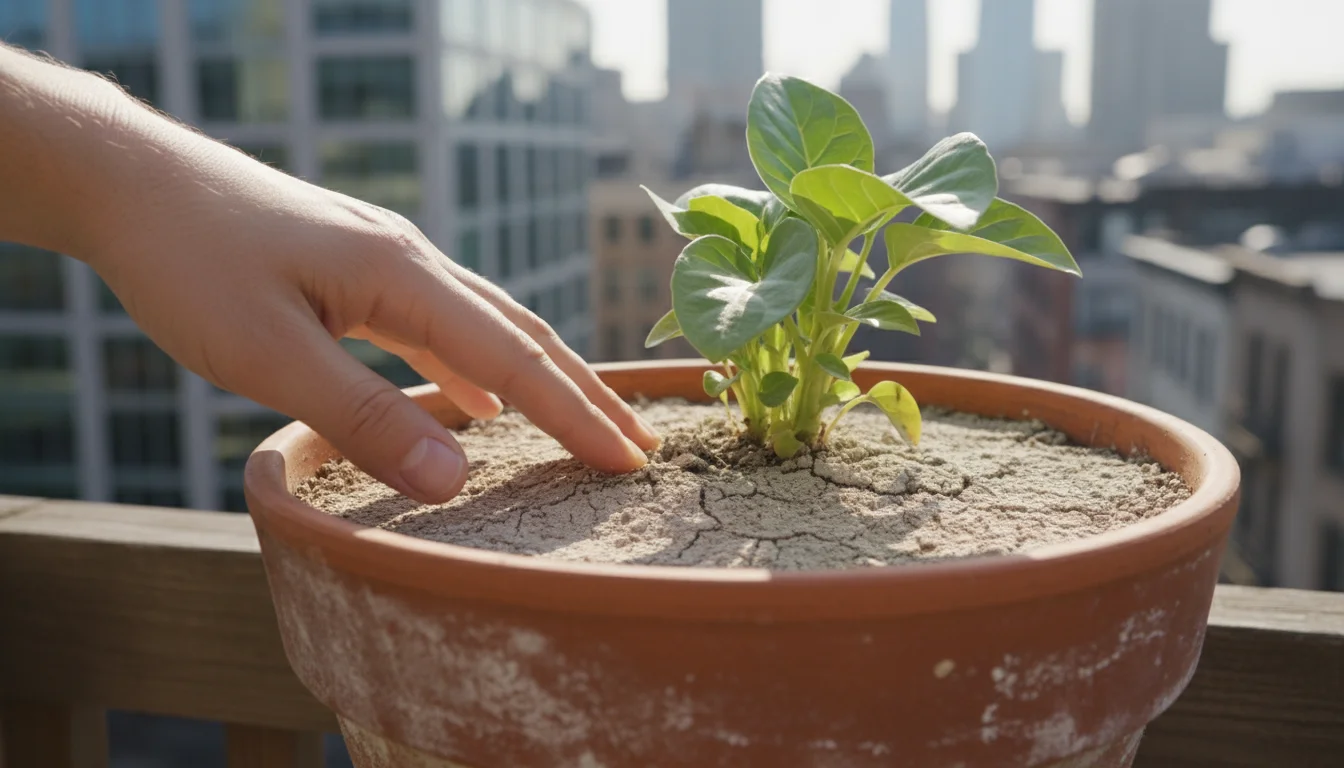
- Rapid Drying: Containers, especially terracotta or fabric pots, lose moisture much faster than garden beds. Exposed to sun, wind, and heat, the limited volume of `potting mix` dries out quickly. Your mix must hold enough moisture to sustain the plant between waterings without becoming waterlogged.
- Nutrient Depletion: Each time you water, especially if water drains through the bottom, essential nutrients can leach out of the `container soil`. Unlike garden beds where nutrients are continually replenished by decomposition, container nutrients deplete over time. This makes a nutrient-rich `potting mix` with good retention crucial, along with a plan for regular fertilization.
- Temperature Fluctuations: Pots, especially dark-colored ones, can heat up significantly on a sunny balcony. This can stress roots and cause the `potting mix` to dry out even faster. A mix that provides good insulation and moisture retention helps mitigate these temperature swings.
- Limited Root Space: Roots in a container cannot spread indefinitely. The `potting mix` needs to remain loose and airy, providing ample oxygen and allowing roots to fully colonize the pot without becoming compacted.
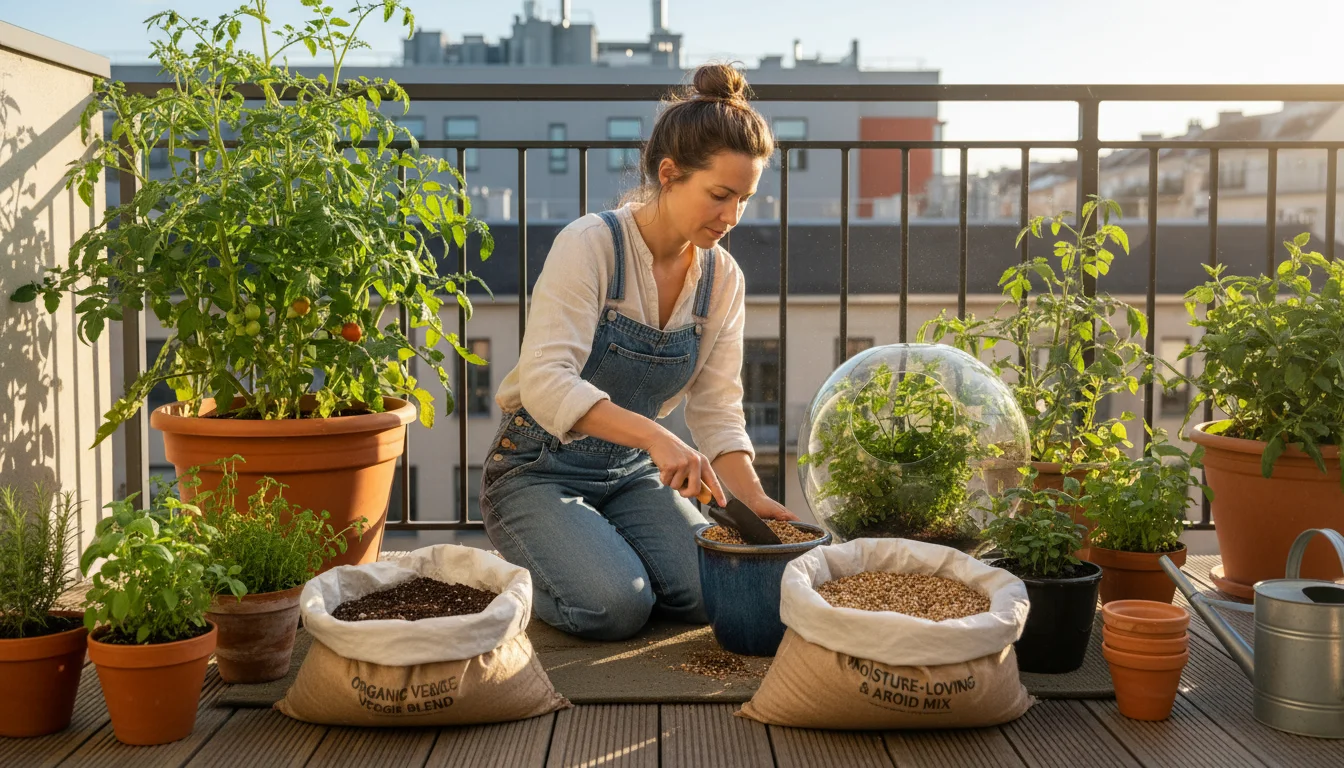
Choosing Mixes for Balcony Conditions
For `balcony gardening basics`, consider these points when selecting your `potting mix`:
- Heavy Feeders (like most vegetables): If you are growing tomatoes, peppers, or other hungry plants, opt for a `potting mix` designed for vegetables or one enriched with compost and slow-release fertilizers. The `best potting soil for container vegetables` prioritizes both nutrient content and structural integrity. You will still need to supplement with liquid fertilizer every 2-4 weeks once plants are established.
- Moisture Lovers: For plants that prefer consistently moist (but not soggy) soil, look for mixes with a higher proportion of coco coir or vermiculite, which excel at moisture retention.
- Full Sun Exposure: If your balcony receives intense, all-day sun, mixes with enhanced water retention properties will reduce the frequency of watering. Consider using larger pots, which hold more `potting mix` and therefore more moisture.
- Windy Balconies: Wind accelerates moisture loss. A quality `potting mix` that retains water well is even more critical here. Fabric pots can be beneficial as they air prune roots and can promote healthier root systems, but they also dry out faster.
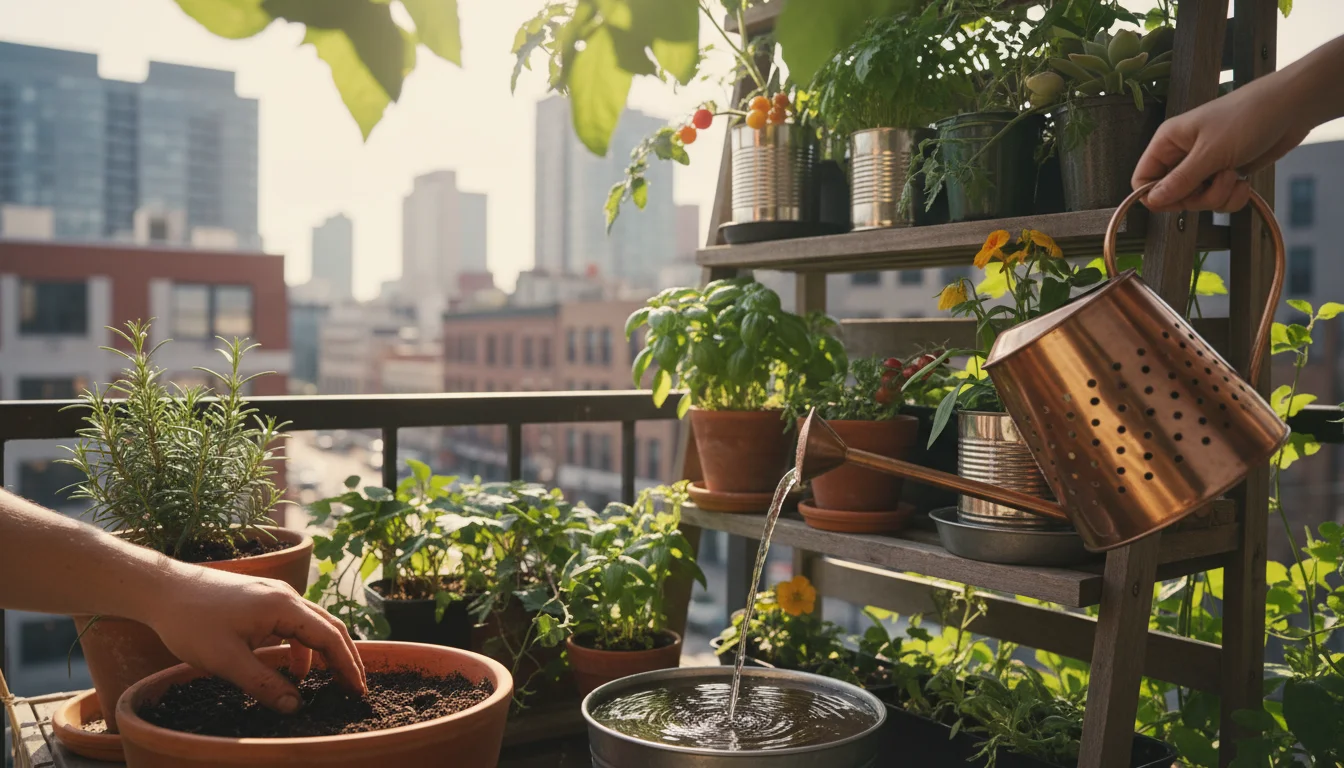
Beyond the Mix: Good Practices for Balcony Containers
Even the perfect `potting mix` needs support. Always ensure your pots have adequate drainage holes. Place a saucer underneath to catch excess water, but do not let pots sit in standing water for extended periods, as this can still lead to root issues. Water deeply until water comes out the bottom, allowing the entire `container soil` volume to get wet. Feel the mix before watering; if the top inch or two is dry, it is likely time to water.
By aligning your `potting mix` choice with the unique demands of your balcony environment, you establish a resilient and productive space for your container plants.
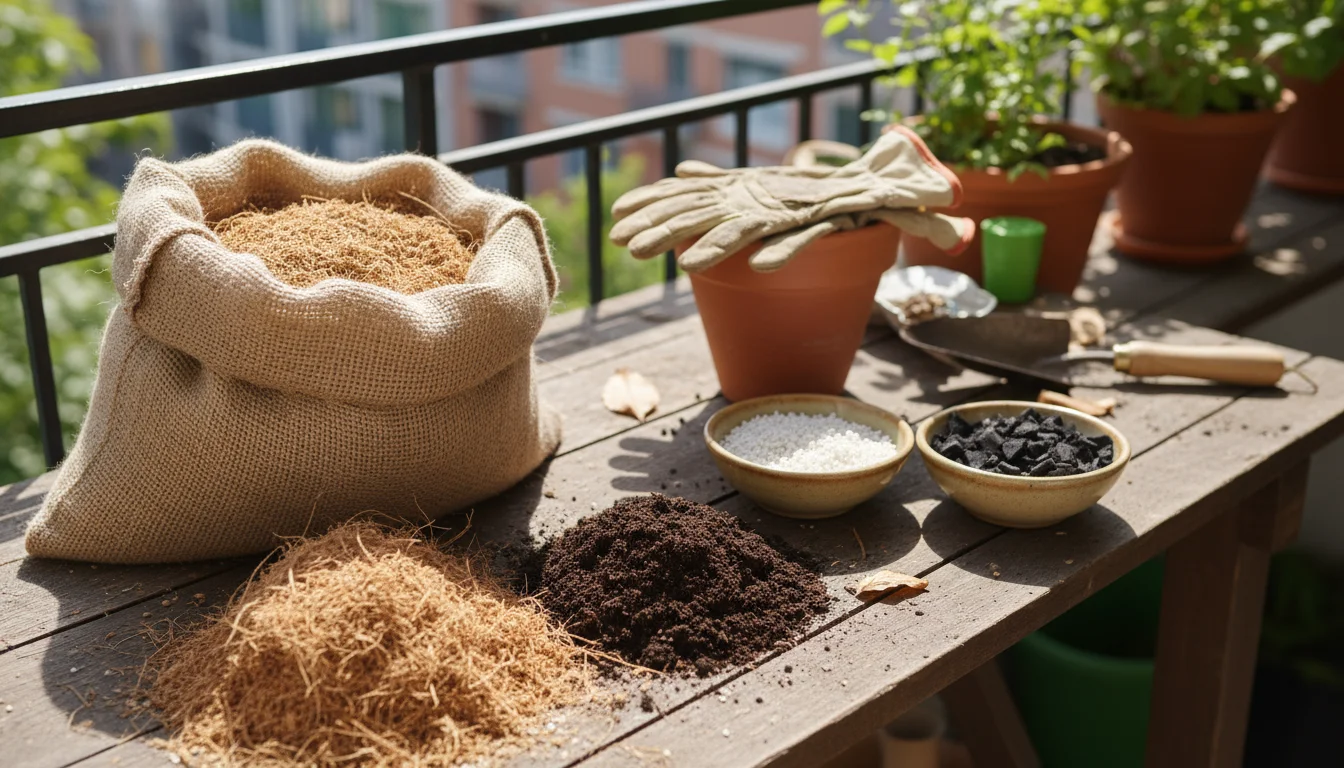
Sustainable Potting Mix Choices: Good for Your Plants, Good for the Planet
As a mindful gardener, you likely care about the environment. Your choice of `potting mix` offers an opportunity to make more sustainable decisions that benefit both your plants and the planet. Traditional potting mixes often rely heavily on peat moss, a non-renewable resource harvested from fragile wetland ecosystems. Fortunately, numerous eco-friendly alternatives and practices exist for your `balcony gardening basics`.
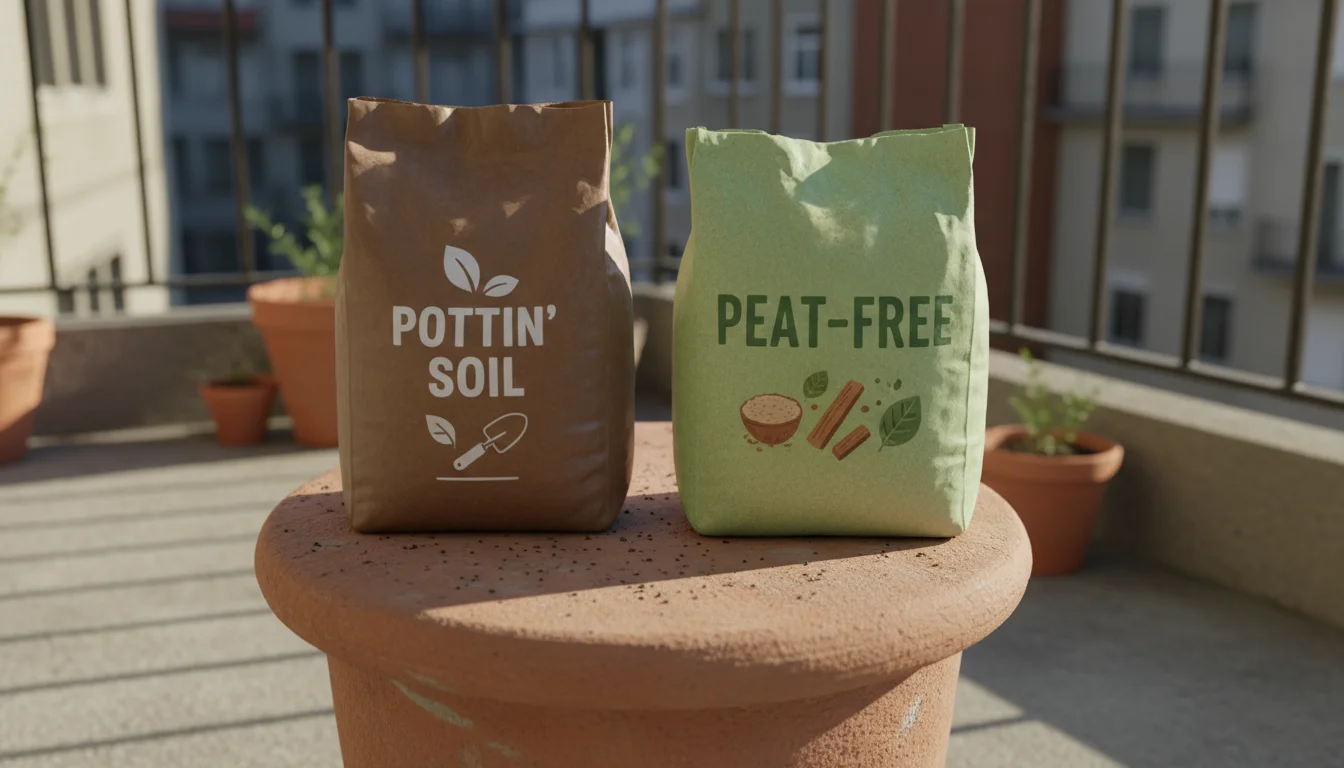
Understanding the Peat Moss Dilemma
Peat moss, a widely used ingredient in `potting mix`, offers excellent water retention and aeration. However, it forms over thousands of years in peat bogs. Harvesting it releases stored carbon into the atmosphere, contributing to climate change, and destroys delicate ecosystems vital for biodiversity. While its use is still prevalent, many gardeners seek alternatives to reduce their environmental footprint.
Eco-Friendly Alternatives and Components
When selecting your `container soil`, look for mixes that incorporate these sustainable ingredients:
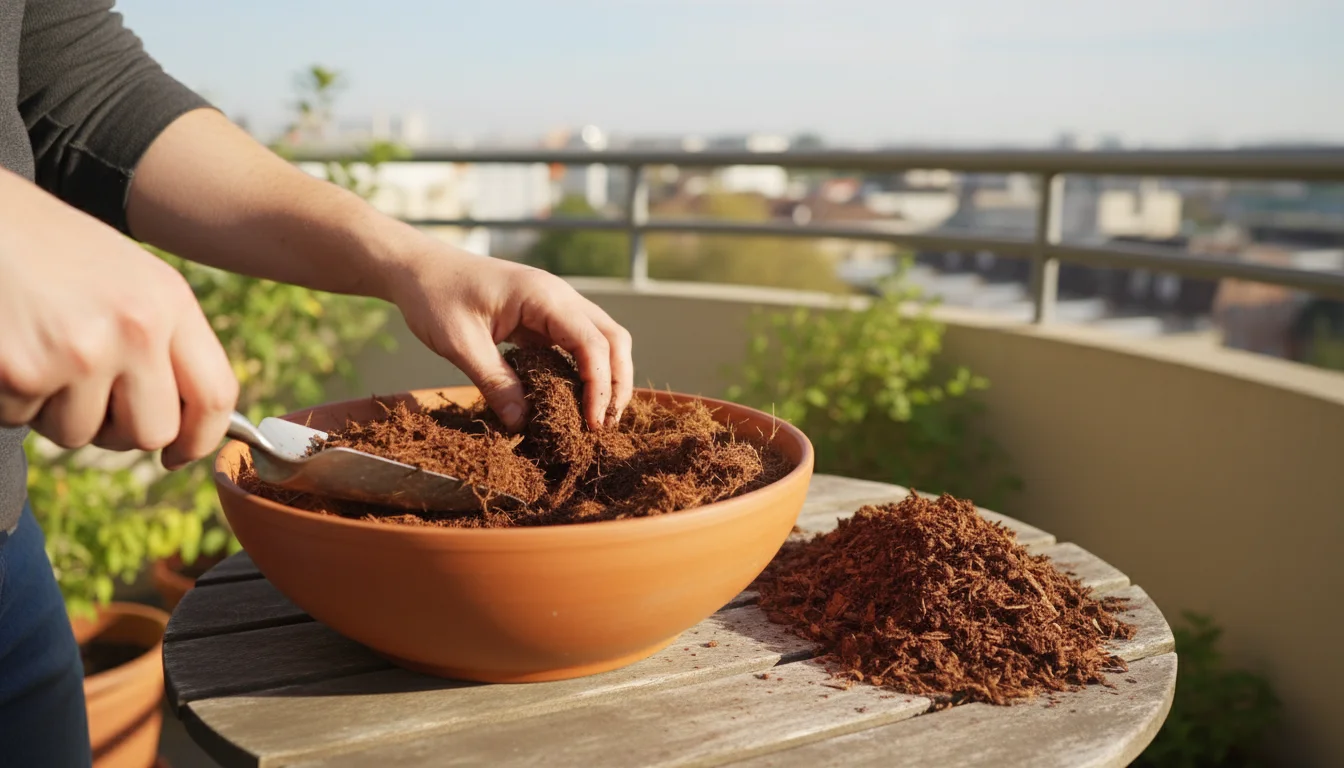
- Coco Coir (Coconut Fiber): This is perhaps the most popular and readily available sustainable alternative to peat moss. Coco coir is a byproduct of the coconut industry, making it a renewable resource. It offers similar benefits to peat: excellent water retention, good aeration, and a stable pH. Many commercial organic `potting mix` brands now feature coco coir as their primary base.
- Composted Forest Products: These include aged bark, composted wood fibers, or other plant-based materials. They add organic matter, improve drainage, and provide slow-release nutrients as they decompose. Sourcing these from sustainably managed forests enhances their eco-credentials.
- Rice Hulls: A byproduct of rice processing, rice hulls are lightweight, improve drainage, and prevent compaction. They are an increasingly popular and sustainable addition to `potting mix` formulations.
- Vermicompost (Worm Castings): Adding worm castings to your `potting mix` introduces beneficial microbes and a rich, slow-release source of nutrients. This highly fertile organic matter is a fantastic natural fertilizer and soil amendment.
- Biochar: This charcoal-like material made from biomass improves soil structure, water retention, and nutrient availability over the long term. It also helps sequester carbon.
Practices for a More Sustainable Potting Mix Lifecycle
Beyond ingredient choice, how you manage your `potting mix` throughout its life cycle also contributes to sustainability:
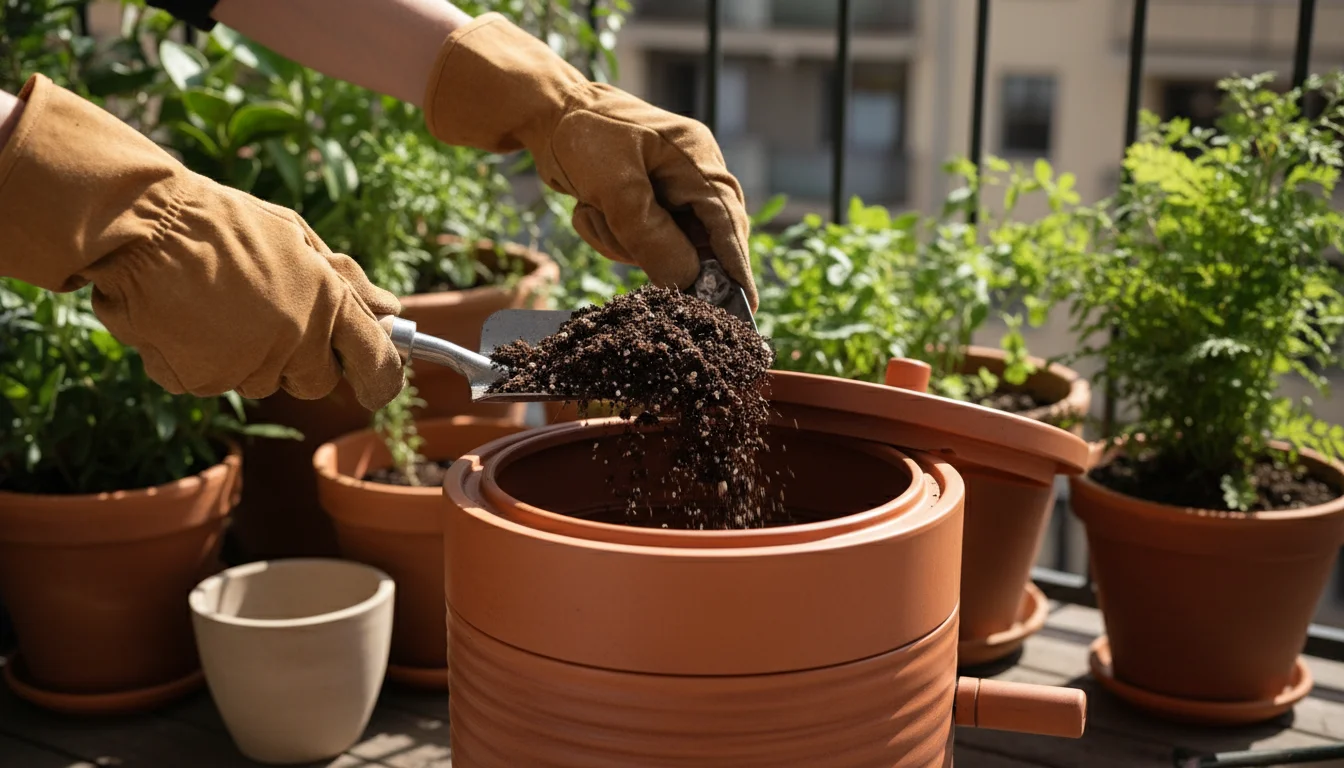
- Reusing Potting Mix (with caution): For annuals or relatively healthy plants, you can often reuse `potting mix` for a second season. Remove old root balls, add fresh compost, and possibly some new perlite or vermiculite to refresh its structure and nutrient content. Avoid reusing mix from diseased plants to prevent pathogen spread.
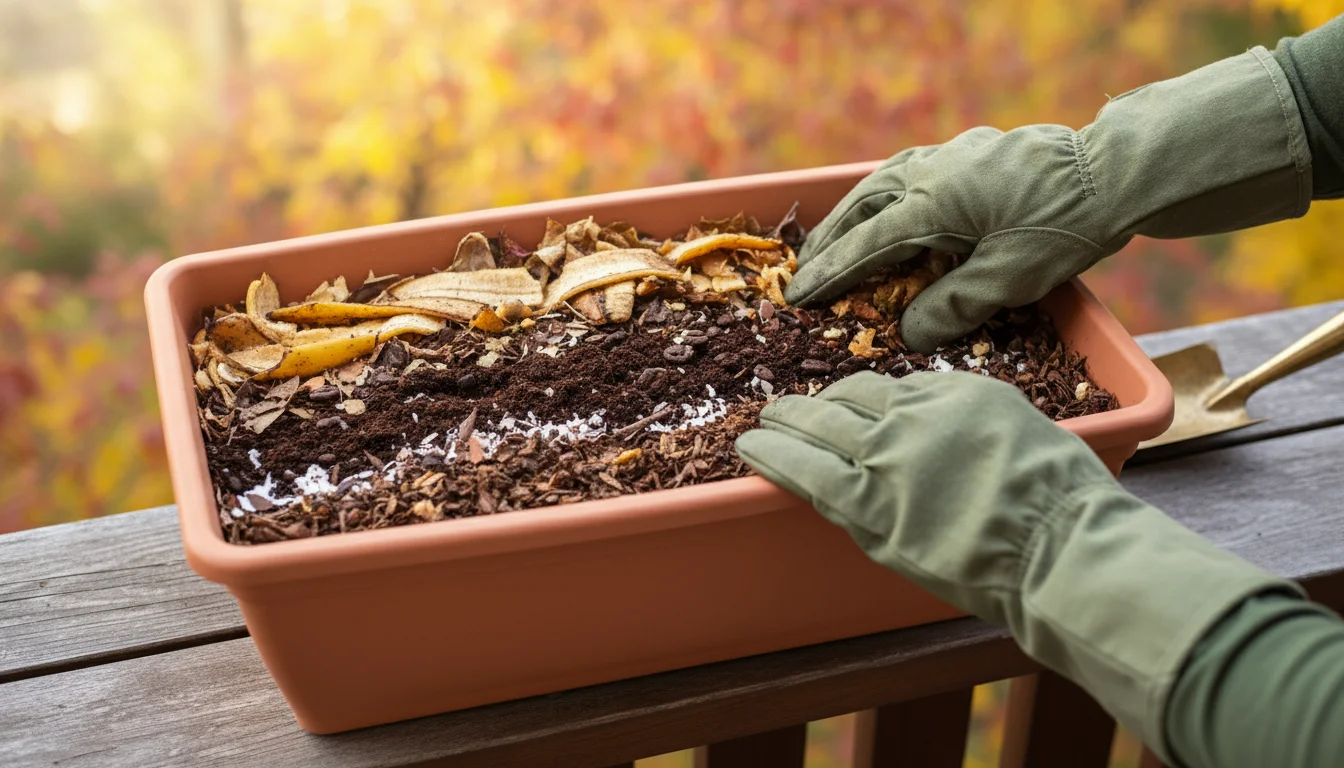
- Composting Old Mix: When you are finished with `potting mix` that has run its course, do not just toss it. Add it to your compost pile. The organic matter will break down, enriching your compost, which you can then add back to new `potting mix` or use in garden beds. This closes the loop and reduces waste.
- Buying in Bulk: If you have the storage space and are growing many plants, consider buying larger bags or compressed bales of `potting mix`. This reduces packaging waste compared to multiple small bags.
- Making Your Own Mix: For advanced gardeners, creating your own `potting mix` from individual components (coco coir, perlite, compost) gives you complete control over ingredients and can be more economical and sustainable in the long run.
Embracing sustainable `potting mix` choices means your `best potting soil for container vegetables` and other plants supports not only vibrant growth but also a healthier planet.
Common Mistakes to Avoid When Buying and Using Potting Mix
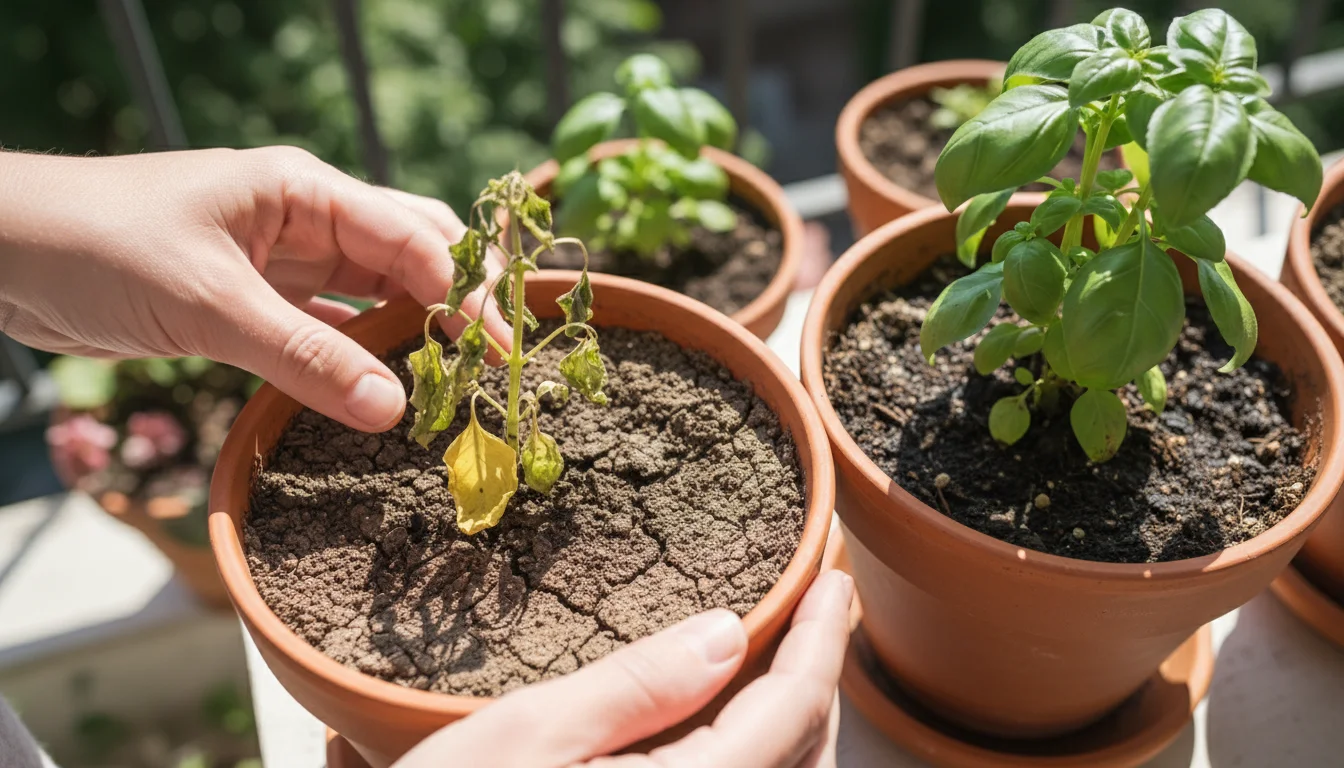
Even with the best intentions, beginner gardeners can stumble when it comes to `potting mix`. Avoiding these common pitfalls ensures your `balcony gardening basics` get off to a solid start and your plants stay healthy. Knowing `what to look for in potting mix` also includes knowing what to avoid.
1. Using Garden Soil in Containers
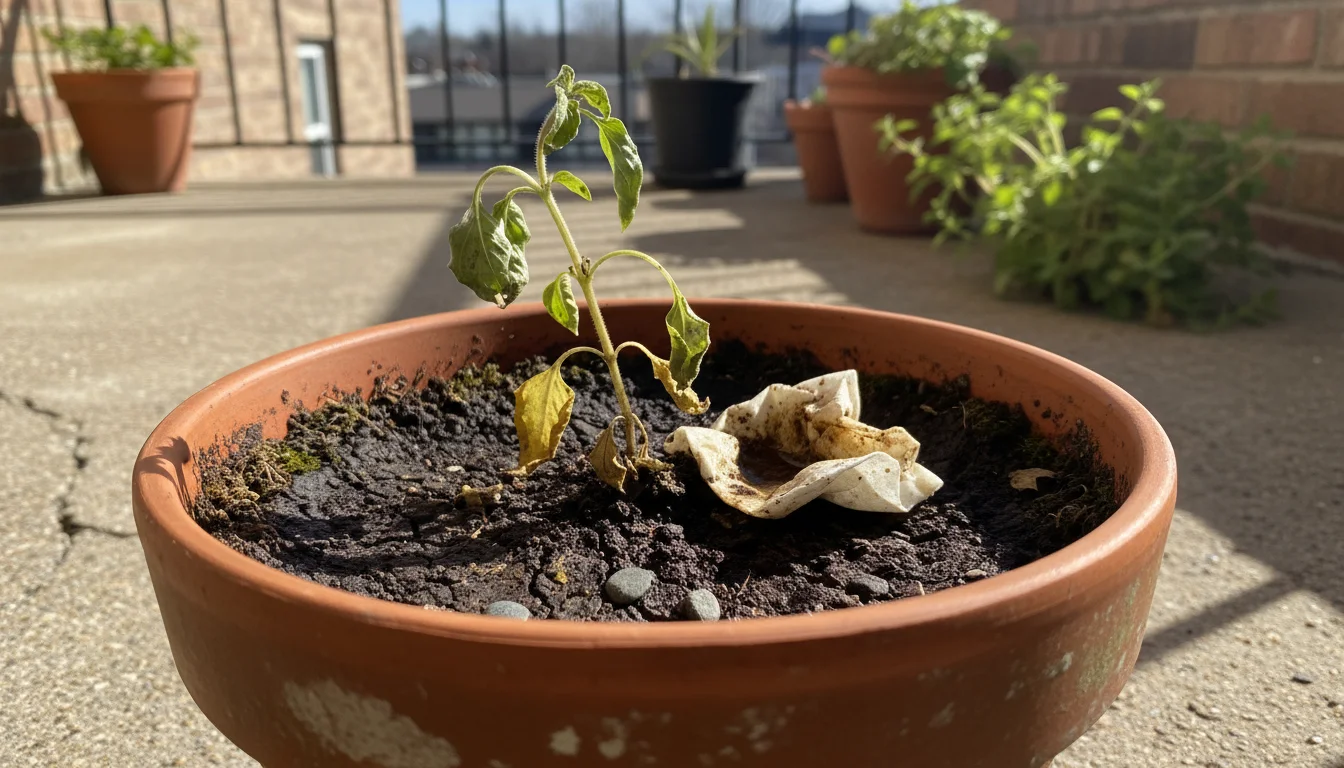
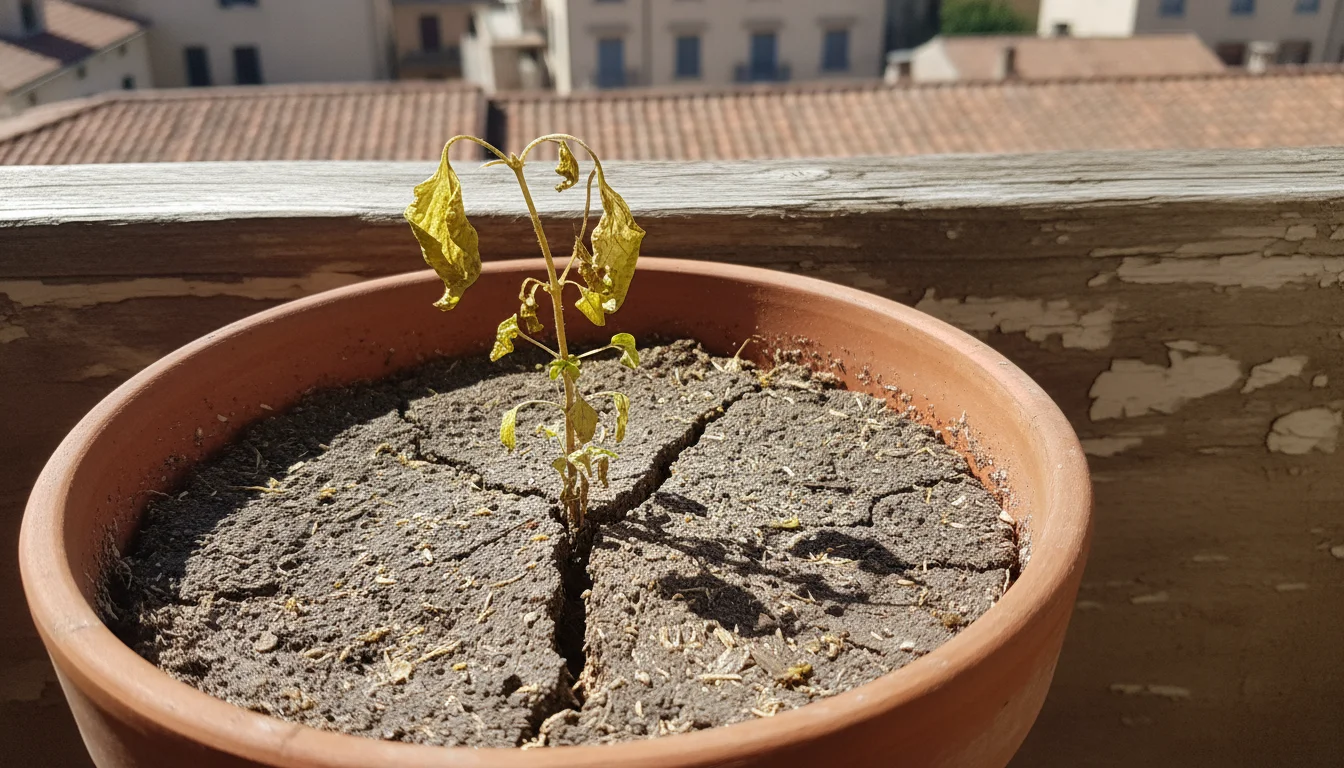
This is the cardinal sin of container gardening. As we discussed, garden soil is too heavy, compacts easily, and lacks the drainage and aeration essential for container plants. It can introduce pests and diseases. Always choose a dedicated `potting mix` for your pots. Remember the `potting soil vs garden soil for pots` distinction is not optional; it is fundamental.
2. Buying the Cheapest “Bargain” Soil
You often get what you pay for. Very cheap “potting soil” or “topsoil” often contains a high percentage of low-quality fillers, sawdust, or fine sand that compacts easily, provides poor drainage, and lacks adequate nutrients. These can lead to stunted growth and frustrating results. Invest in a reputable brand of `potting mix` for healthier plants. Think of it as providing quality food for your plant children.
3. Not Considering Your Plant’s Specific Needs
A general-purpose mix works for many plants, but not all. Using a standard `potting mix` for cacti or succulents, which need fast drainage, is a recipe for root rot. Similarly, nutrient-hungry vegetables will quickly exhaust a low-nutrient mix. Always match the `container soil` to the plant. Is it the `best potting soil for container vegetables` you are trying to grow, or for delicate herbs, or for a drought-tolerant succulent?
4. Over-Compacting the Mix
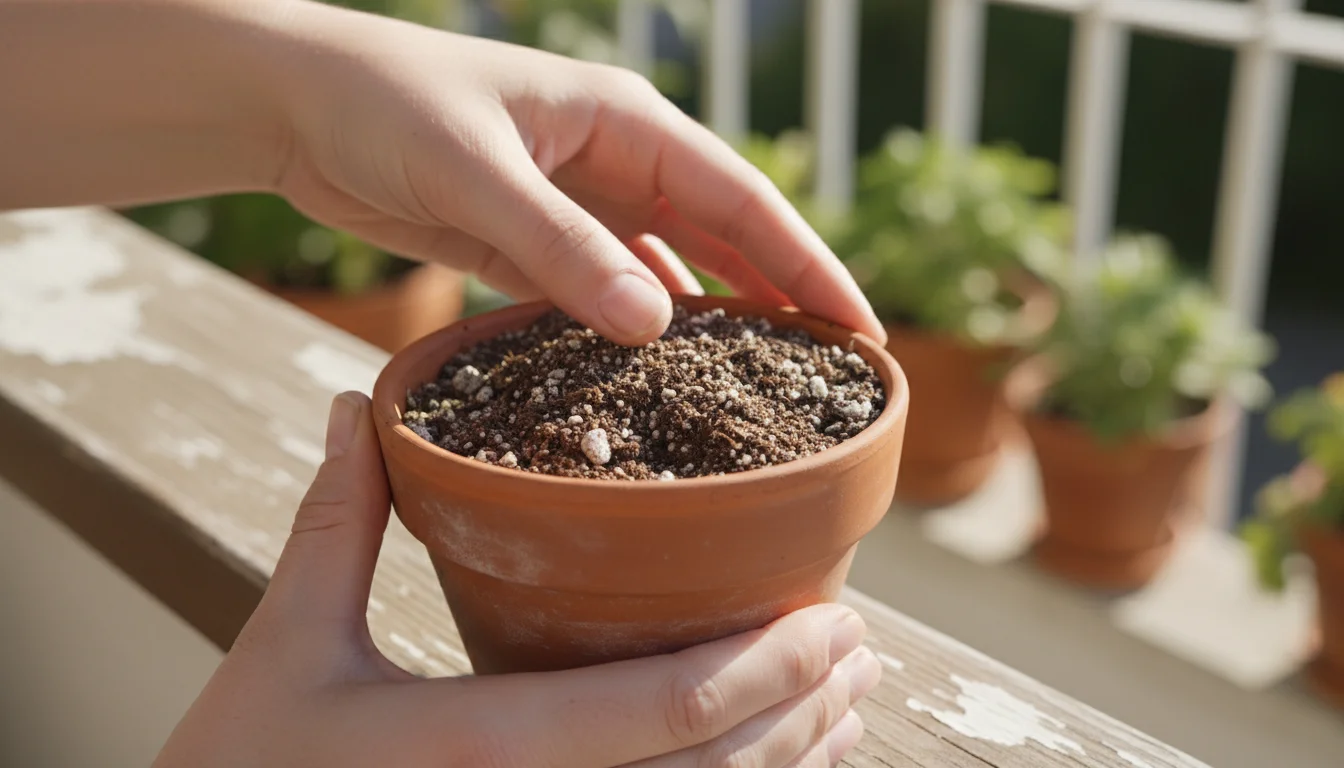
When filling pots, it is tempting to press down firmly on the `potting mix` to “settle” it. However, compacting the mix too much removes the crucial air pockets that roots need. Gently tap the pot on the ground a few times to settle the mix naturally, but avoid pressing it down with your hands. You want it loose and airy.
5. Not Filling Pots Sufficiently
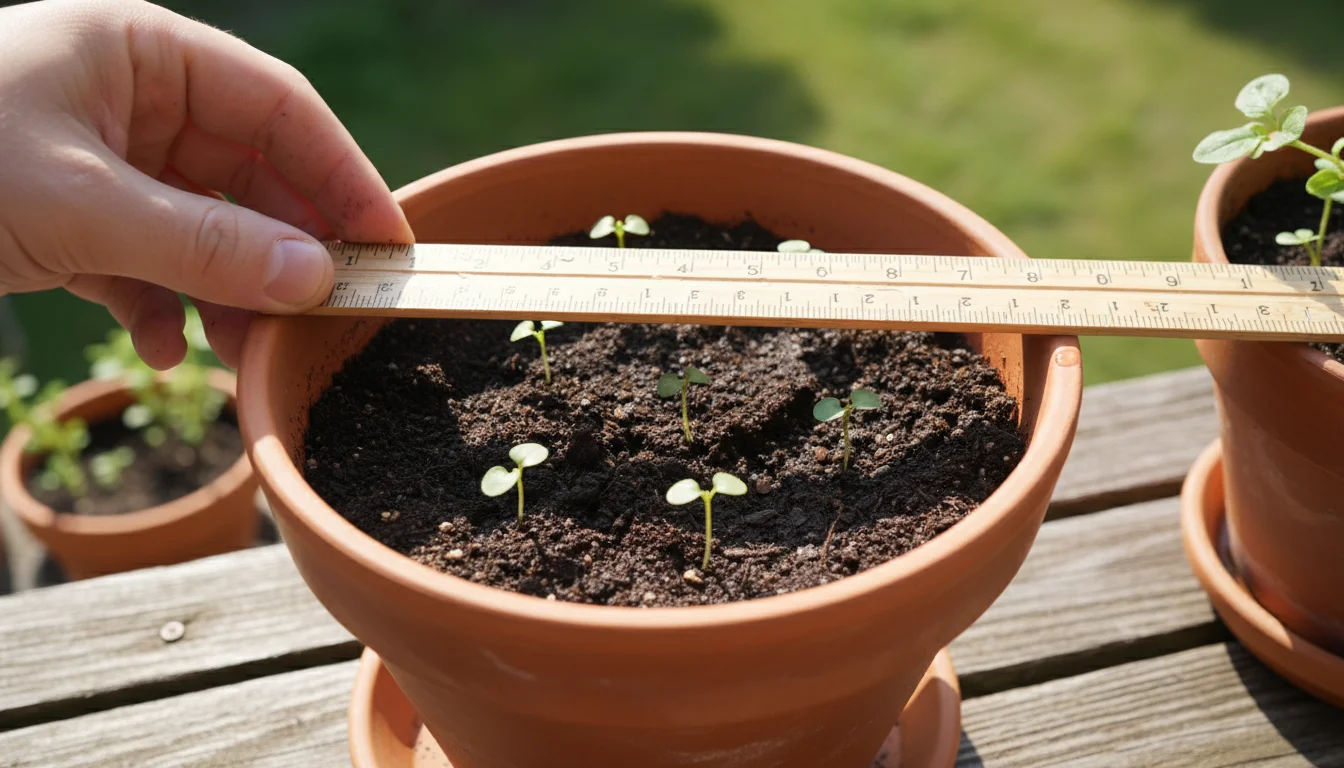
Leave about an inch or two of space between the top of the `potting mix` and the rim of the pot. This “headroom” prevents water from overflowing when you irrigate, ensuring the water soaks into the mix rather than running over the sides. It also allows space for mulch if you choose to add it.
6. Skipping Initial Watering
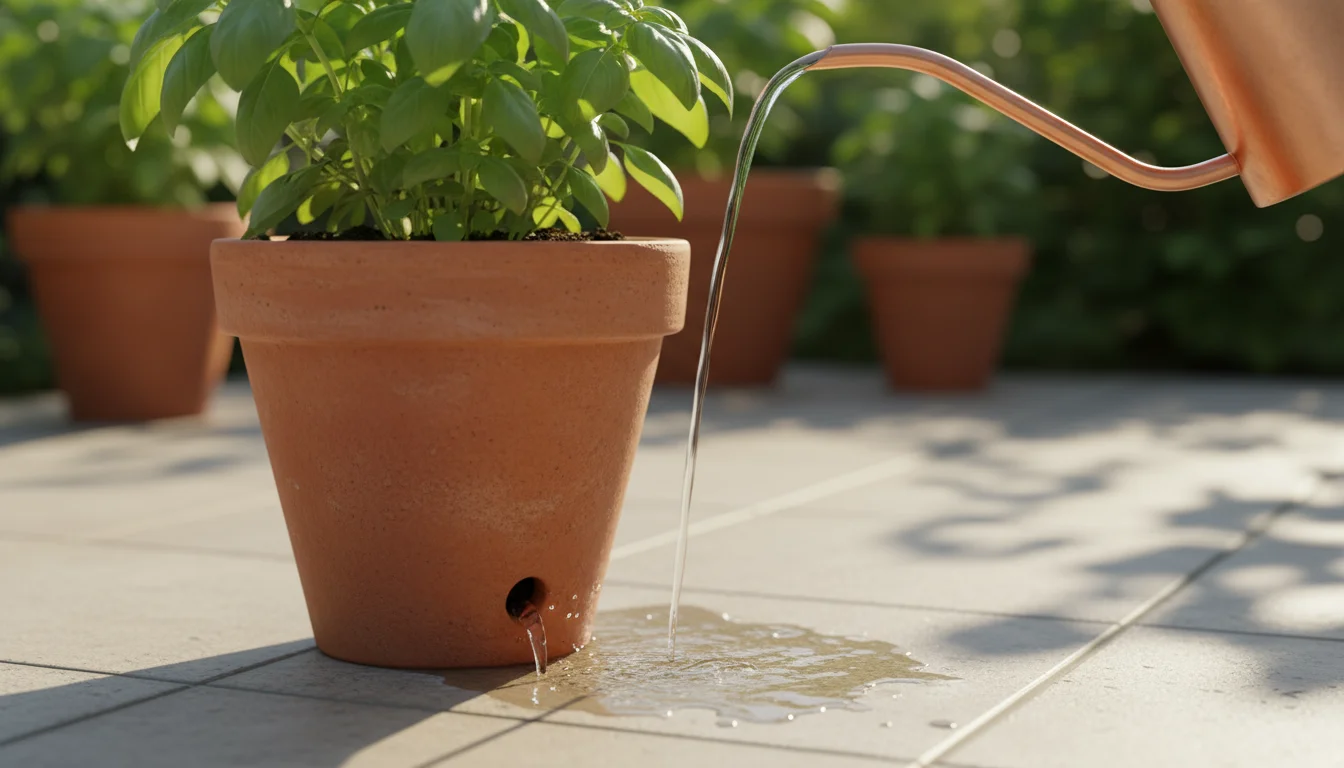
New `potting mix`, especially peat- or coco coir-based mixes, can be quite dry. After potting your plants, water thoroughly until you see water draining from the bottom. This ensures the entire soil volume is moist and the wetting agents activate, preventing dry spots. Sometimes, a second slow watering helps ensure complete saturation.
7. Ignoring Drainage Holes
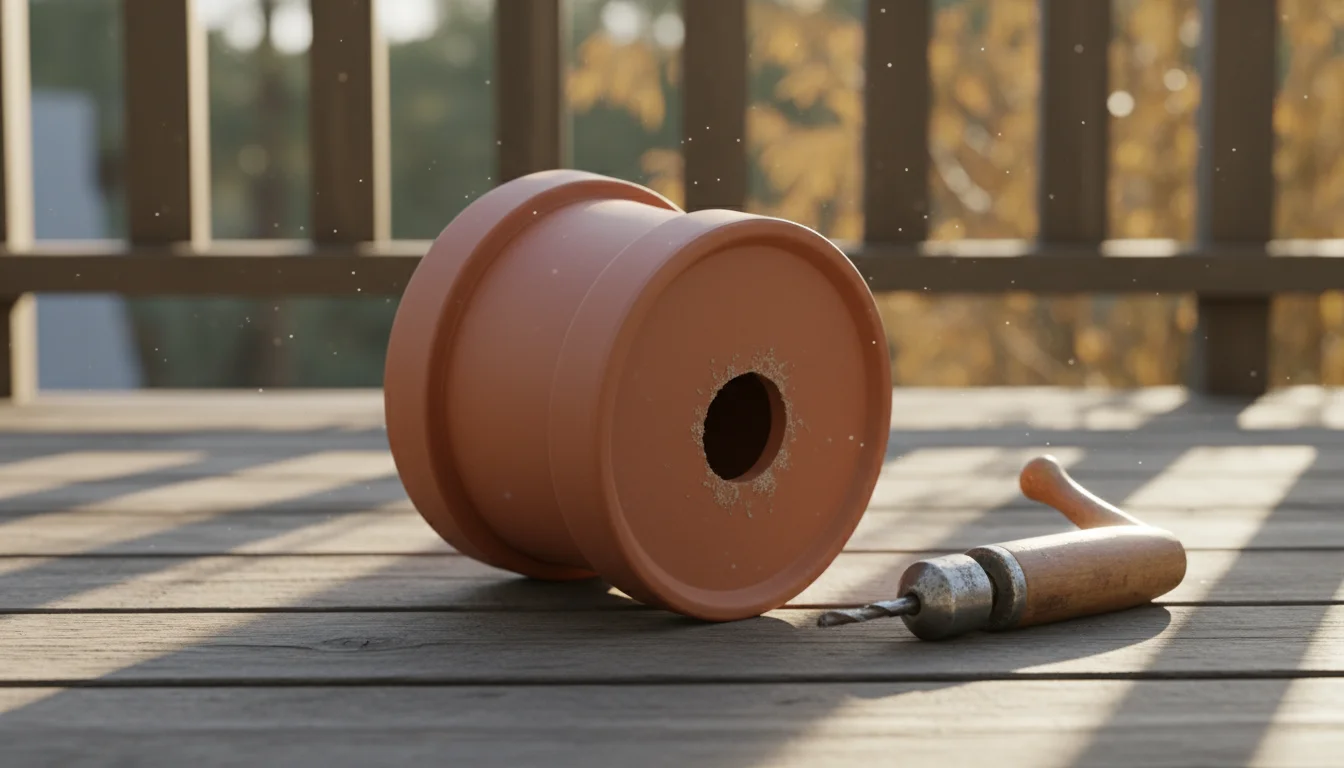
No matter how good your `potting mix` is, without proper drainage holes, your pots will become waterlogged. Ensure every container has adequate holes. If a pot lacks them, drill your own or choose a different pot. Adding gravel or broken pottery at the bottom of a pot is an old myth; it actually impedes drainage and creates a perched water table, making root rot more likely.
8. Not Factoring in Nutrient Depletion
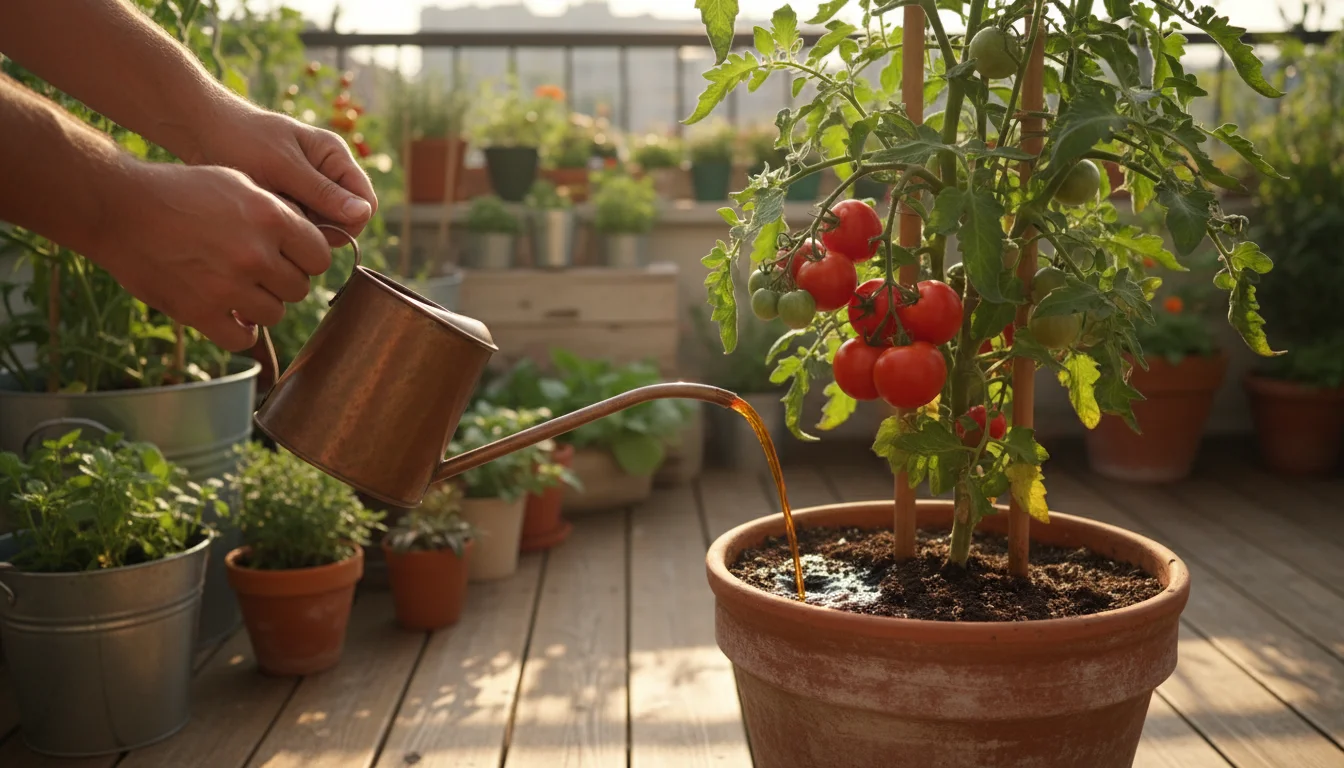
Even `potting mix` with slow-release fertilizer will eventually run out of nutrients, typically after a few weeks to a few months. Do not assume your `container soil` will feed your plants indefinitely. Plan to start a regular fertilization schedule once your plants are established, especially for hungry plants like vegetables and flowering annuals.
By consciously avoiding these mistakes, you set yourself up for greater success and healthier, happier plants on your balcony.
Making Your Potting Mix Last: Tips for Longevity and Rejuvenation
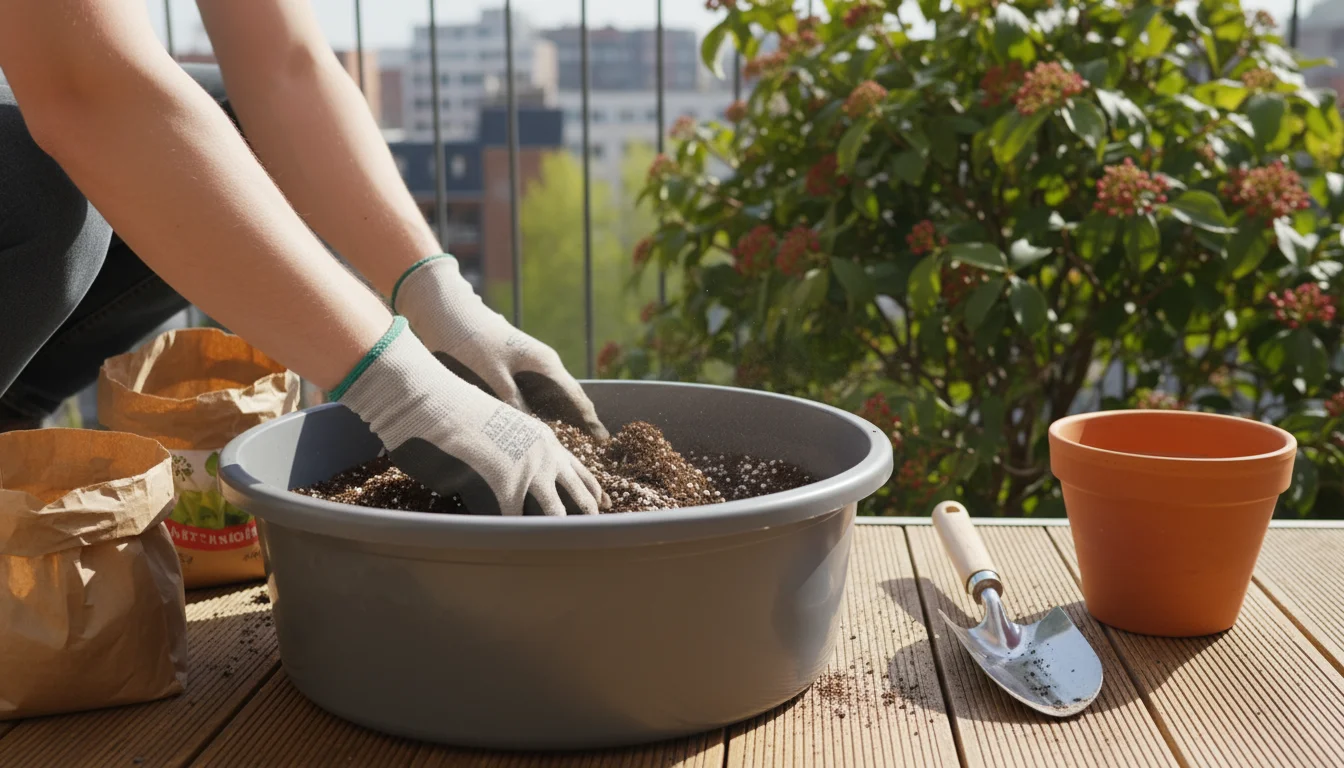
Quality `potting mix` is an investment, and you want to maximize its utility. While it does not last forever, you can employ smart strategies to extend its life, refresh tired mixes, and practice resourcefulness in your `balcony gardening basics`. This saves money and reduces waste.
When to Replace Your Potting Mix Entirely
Some situations warrant a complete change of `container soil`:
- Disease or Pest Infestation: If plants suffered from a fungal disease (like root rot) or persistent pests, discard the old mix. Sterilizing might work, but complete replacement is safer to prevent recurrence.
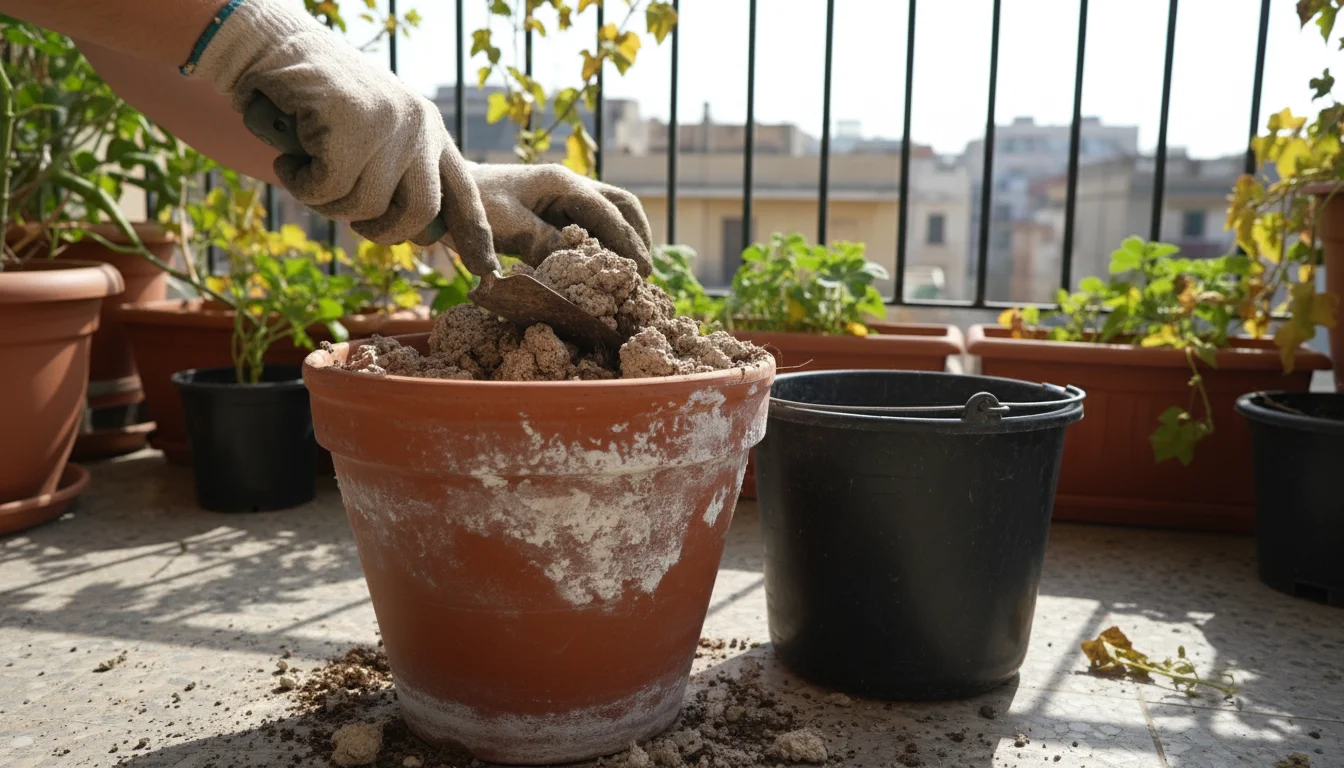
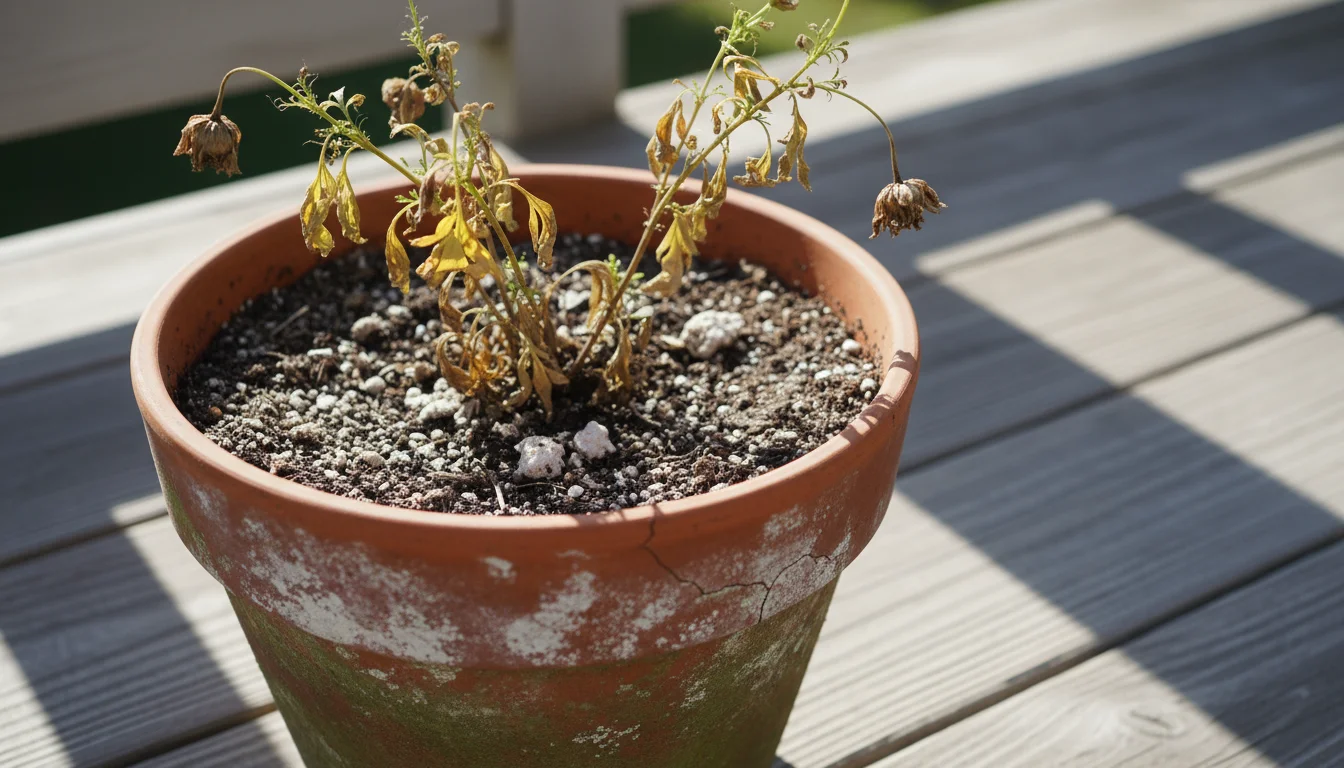
- Severe Salt Buildup: Over time, mineral salts from fertilizers and tap water can accumulate, appearing as a white crust on the surface or rim of the pot. If flushing with plain water does not help, replacing the mix might be necessary, as high salt levels can harm roots.
- Degraded Structure: If the `potting mix` has become dense, muddy, or loses its ability to drain well, it is time for new `container soil`. The organic matter has likely decomposed too much.
Rejuvenating and Reusing Potting Mix
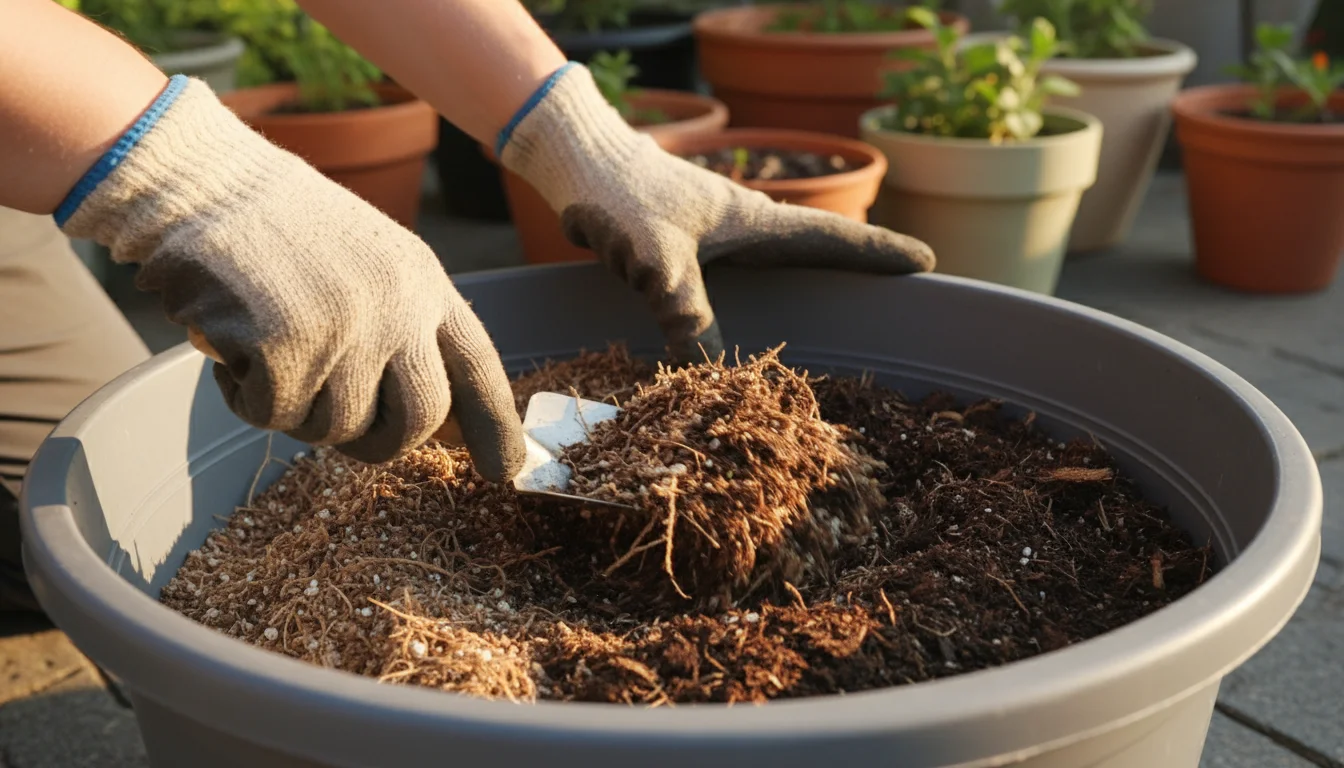
For annuals or plants that were healthy, you can often refresh and reuse `potting mix` for another growing season. This is particularly useful for large containers where frequent complete replacement is cumbersome. Here is how:
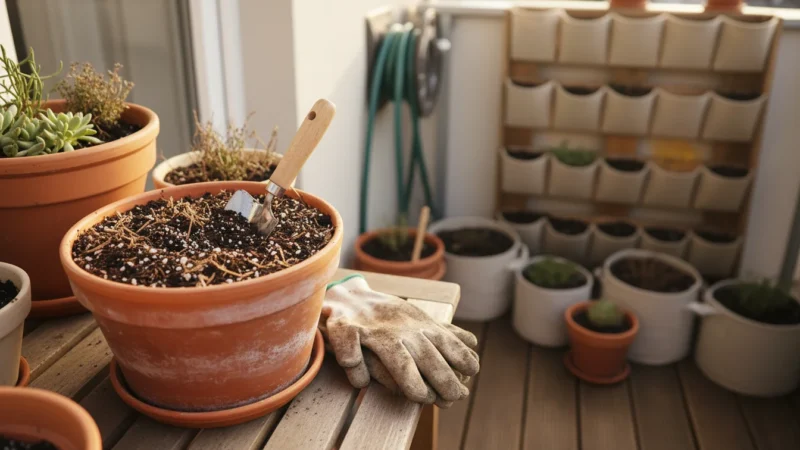
- Remove Old Roots: After a growing season, empty the pot and remove as much of the old root ball as possible. Break up any large clumps of `potting mix`.
- Sift (Optional): For a finer texture, you can sift the old `container soil` through a screen to remove remaining large root pieces and debris.
- Add Fresh Organic Matter: The old mix has likely lost much of its original organic content. Incorporate 20-30% fresh compost, worm castings, or well-rotted manure. This replenishes nutrients and microbial life.
- Restore Structure: Add fresh perlite or vermiculite (about 10-20% by volume) to restore aeration and drainage, as older mixes can start to compact.
- Replenish Nutrients: The old mix’s nutrients are depleted. Add a slow-release granular fertilizer or mix in a balanced organic fertilizer to provide a nutrient boost for your new plants.
- Consider pH Adjustment: If you know your water or previous fertilizers have altered the pH, a soil test can inform adjustments. However, for most home gardeners, refreshing with compost often balances the pH naturally.
Rejuvenated `potting mix` works wonderfully for new annuals, herbs, or `best potting soil for container vegetables` for a second round. Remember, this refreshed mix may not be ideal for very delicate seedlings or plants highly susceptible to disease, where a completely sterile new mix is preferable.
Sterilizing Old Potting Mix (Optional)
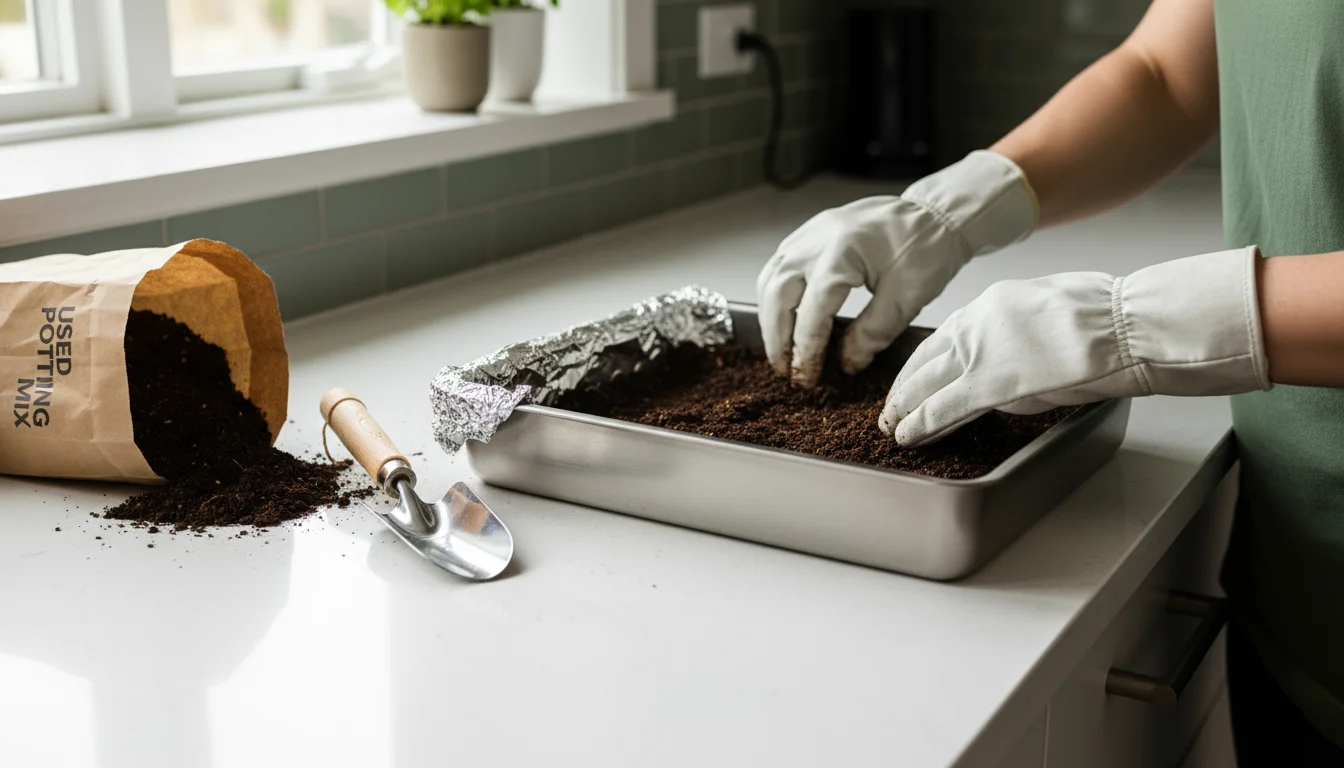
If you suspect minor issues with old `potting mix` (e.g., minor pest presence or slight fungal issues, not severe disease), you can sterilize it, though this is more effort-intensive:
- Oven Method: Spread moist `potting mix` about 4 inches deep in an oven-safe pan. Cover with foil. Bake at 180-200°F (82-93°C) for at least 30 minutes after the center reaches temperature. This kills most weed seeds, pathogens, and pests. Be aware of the strong odor.
- Microwave Method: Place 2 pounds of moist `potting mix` in a microwave-safe container. Heat on high for 2-3 minutes or until hot. Let cool.
Allow sterilized mix to cool completely before using. Sterilization also kills beneficial microbes, so adding fresh compost after cooling is important to reintroduce good bacteria. This method is best for small batches of `container soil`.
By employing these strategies, you extend the utility of your `potting mix`, contributing to a more sustainable and cost-effective `balcony gardening` practice.
Where to Buy Potting Mix and How to Store It
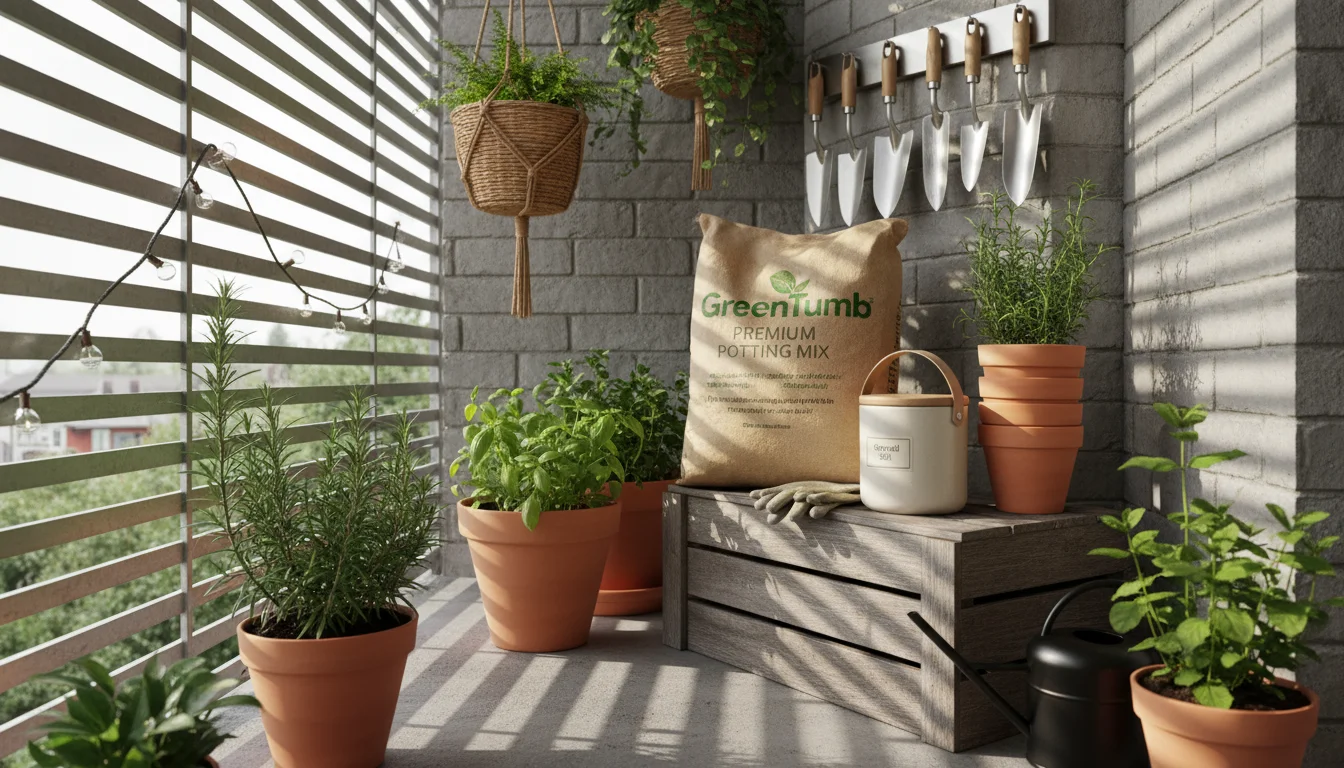
Finding the right `potting mix` and keeping it in optimal condition are practical aspects of successful `balcony gardening basics`. Knowing where to source it and how to store it correctly prevents waste and ensures your `container soil` is ready when your plants need it.
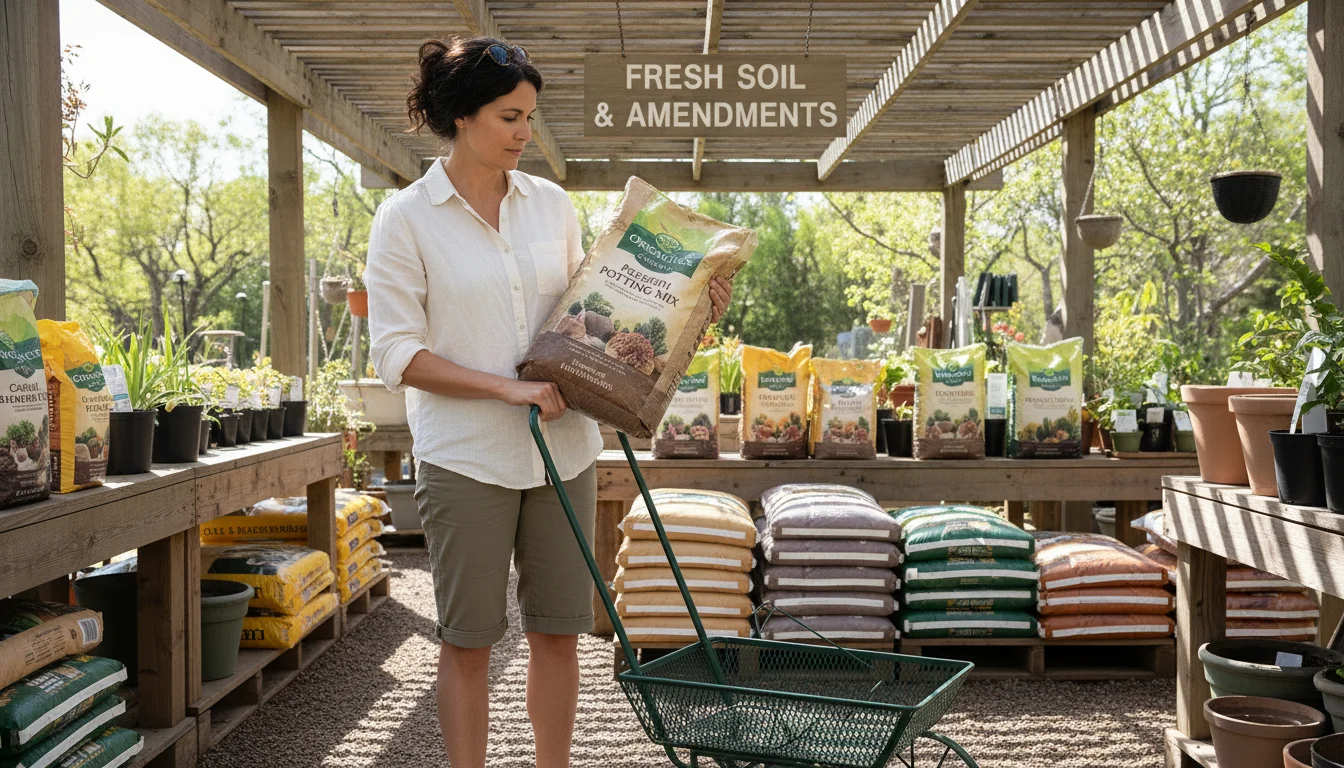
Where to Buy Potting Mix
You have several options for purchasing `potting mix`, ranging from convenience to specialized selection:
- Local Garden Centers and Nurseries: These are often your best bet for high-quality `potting mix`. Staff can offer expert advice, and you will find a wide selection of general-purpose and specialized mixes (like `best potting soil for container vegetables`, succulent mix, etc.). They generally stock fresh inventory.
- Hardware Stores and Home Improvement Centers: Large chains like Lowe’s or Home Depot carry a decent selection of `potting mix`, especially during peak gardening seasons. Prices can be competitive, and it is convenient for bulk purchases. Be sure to check the specific brands and ingredients, as quality can vary.
- Grocery Stores and Supermarkets: During spring and summer, many grocery stores stock basic `potting mix`. These are usually general-purpose mixes and can be convenient for small projects, but the selection is limited, and quality might not be top-tier.
- Online Retailers: Websites like Amazon or specialty gardening sites offer a vast array of `potting mix` options, including organic and specialized blends that might not be available locally. Shipping can be expensive due to weight, but it is excellent for finding specific niche products.
- Farm Supply Stores: If you have one nearby, these stores often carry large bags or bales of `potting mix` at competitive prices, especially if you need a significant quantity for many `balcony gardening` containers.
When buying, check the bags for tears or holes, which can dry out the mix or introduce pests. Also, try to purchase `potting mix` that has not been sitting outdoors in direct sun for extended periods, as this can degrade its quality.
How to Store Your Potting Mix
Proper storage is crucial for maintaining the quality and usability of your `potting mix`. Incorrect storage can lead to dry, hydrophobic mix, pest infestations, or nutrient degradation.
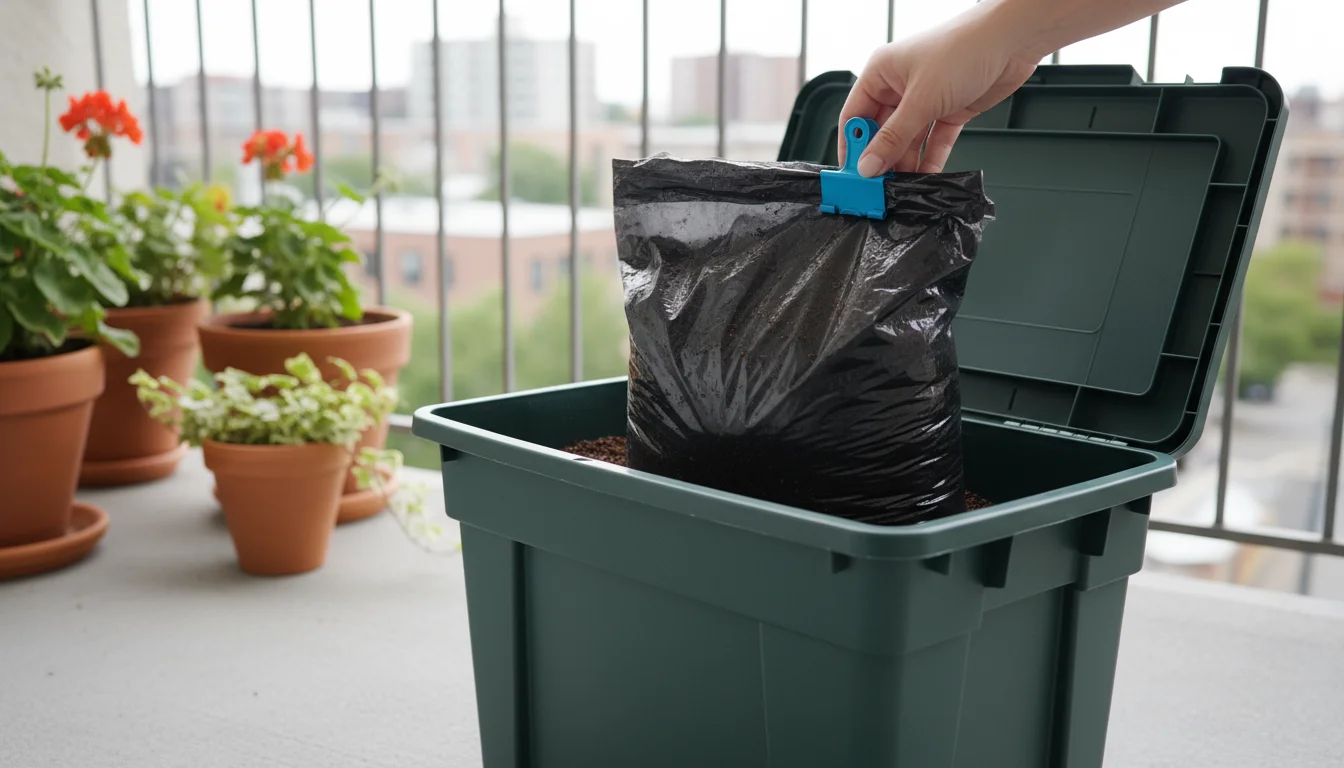
- Keep Bags Sealed: Once opened, reseal the bag tightly. You can roll down the top and secure it with a clip, tape, or twine. This prevents moisture loss, keeps out pests, and maintains the integrity of the mix. For large bags, consider transferring unused portions to airtight bins or heavy-duty garbage cans with lids.
- Store in a Cool, Dry Place: Heat and direct sunlight can dry out `potting mix` and degrade any added fertilizers. Store bags in a shed, garage, or even a cool closet. Avoid extreme temperatures.
- Protect from Pests: An open bag of `potting mix` can become a haven for fungus gnats, ants, or even rodents. Sealing bags and storing them off the ground helps prevent these unwelcome visitors.
- Use Within a Year: While `potting mix` does not “expire” like food, its quality can diminish over time. Organic components break down, nutrients deplete, and wetting agents can lose effectiveness. For best results, aim to use opened `potting mix` within one growing season. Unopened, sealed bags can last longer, but checking for dryness and refreshing with compost is still a good idea.
- Moisture Check Before Use: If your `potting mix` feels bone dry when you open it, pre-moisten it slightly before potting. This helps it absorb water more uniformly once in the container.
By following these guidelines for purchasing and storing, your `potting mix` will always be in prime condition, ready to support the vibrant life in your `balcony gardening` haven.
Frequently Asked Questions
Can I reuse old potting mix?
You can often reuse old `potting mix` for a second season, especially if the previous plants were healthy and free of disease or pests. However, you must refresh it. Old mix loses nutrients, and its organic components break down, leading to compaction. To rejuvenate, remove old root balls, add fresh compost or worm castings (about 20-30% by volume) to replenish nutrients and beneficial microbes. You should also add new perlite or vermiculite to improve aeration and drainage. Avoid reusing mix from diseased plants to prevent spreading pathogens.
How do I know if my potting mix is bad?
Several signs indicate your `potting mix` might be compromised. If it smells foul or moldy (beyond a healthy earthy smell), it likely contains harmful bacteria or fungi. If it is compacted, feels heavy, or does not drain well, its structure has broken down. Visible signs of pests (like fungus gnats) or a white crust on the surface (salt buildup) also suggest it is time to replace or heavily amend the `container soil`. If plants repeatedly struggle or die, the mix could be the culprit.
What’s the difference between potting mix and potting soil?
The terms “potting mix” and “potting soil” are often used interchangeably by consumers, but “potting mix” is the more accurate descriptor. A true `potting mix` is soilless, meaning it contains no actual mineral soil or “dirt.” It is a blend of ingredients like peat moss or coco coir, perlite, vermiculite, and compost. “Potting soil” can sometimes imply the presence of actual garden soil, which, as we have covered, is not ideal for containers. Always check the ingredient list to ensure you are buying a lightweight, well-draining, soilless `potting mix` for your `balcony gardening basics`.
Do I need to fertilize if my potting mix has fertilizer?
Yes, eventually you will need to fertilize. Most `potting mix` products that claim to be “pre-fertilized” contain slow-release fertilizers that provide nutrients for a limited time, typically a few weeks to a few months (often 4-6 weeks). After this initial period, the nutrients will deplete, especially with frequent watering and the demands of growing plants. For optimal growth, especially for hungry plants like `best potting soil for container vegetables` or flowering annuals, begin a regular fertilization schedule (e.g., every 2-4 weeks with a liquid feed) once the initial slow-release fertilizer is exhausted or once plants show signs of needing more nutrients.
Is organic potting mix always better?
“Organic” `potting mix` means its ingredients are derived from natural sources and processed without synthetic chemicals, adhering to organic standards. While organic mixes are excellent for eco-conscious gardeners and those growing edibles, they are not inherently “better” for all plants or situations. Non-organic mixes can also provide excellent drainage, aeration, and nutrient profiles, often at a lower cost. The “best” mix depends on your specific plant needs, environmental concerns, and budget. For `best potting soil for container vegetables`, an organic mix often aligns well with the goal of chemical-free food, but a high-quality non-organic mix can still yield fantastic results.
For trustworthy gardening information, visit: New York Botanical Garden, ASPCA Animal Poison Control, Michigan State University Extension — Gardening, University of Wisconsin Extension — Horticulture and Iowa State University Extension — Yard & Garden. These organizations provide expert, research-based advice for gardeners at all levels.
Disclaimer: This article is for informational purposes only and is not a substitute for professional gardening advice. Always consult local extension services or horticulture experts for region-specific guidance.
Leave a Reply