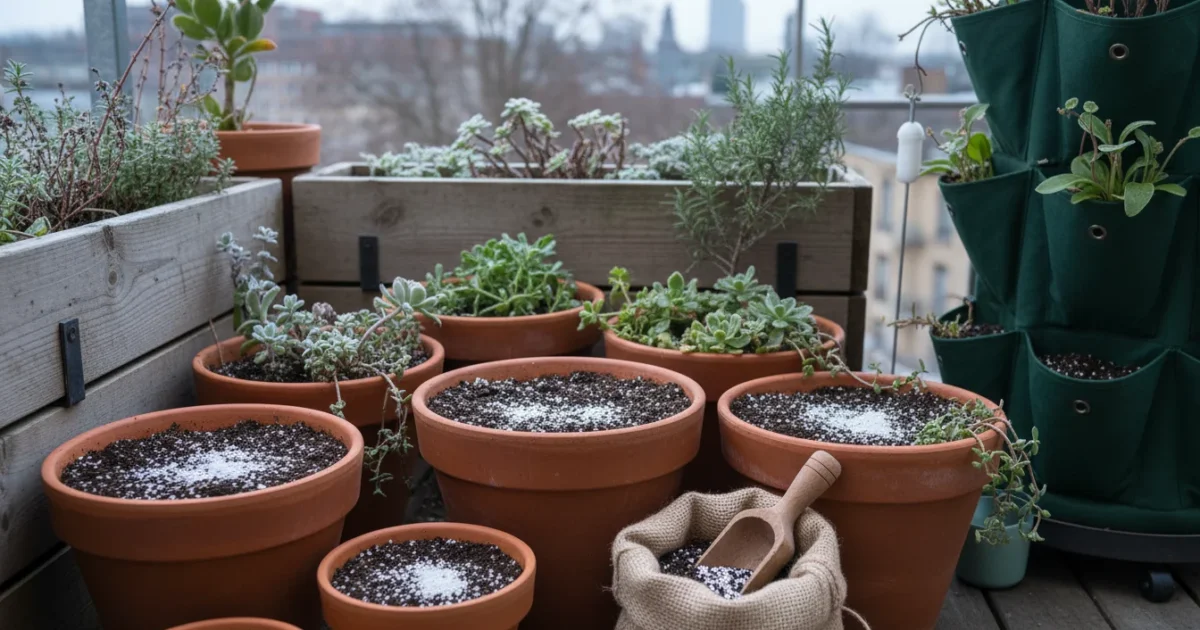
As the days shorten and the chill sets in, your indoor plants often face a significant shift in their growing environment. Lower light, reduced humidity, and cooler temperatures mean their metabolic rate slows down. Traditional chemical fertilizers, designed for active growth, can easily overwhelm and even harm your houseplants during these dormant or semi-dormant periods. What if you could offer your plants a gentle, nourishing snack that supports them through winter without the risk of over-fertilization? The answer lies in the incredible power of worm castings.
Worm castings are nature’s perfect slow-release food, offering a symphony of beneficial microbes and nutrients in a form your plants can utilize exactly when they need them. This organic powerhouse provides a gentle, steady supply of essential elements, fostering resilience and health, even when your plants are resting. You can transform your winter plant care routine, ensuring your green companions emerge vibrant and ready for spring’s new growth.
What Exactly Are Worm Castings?
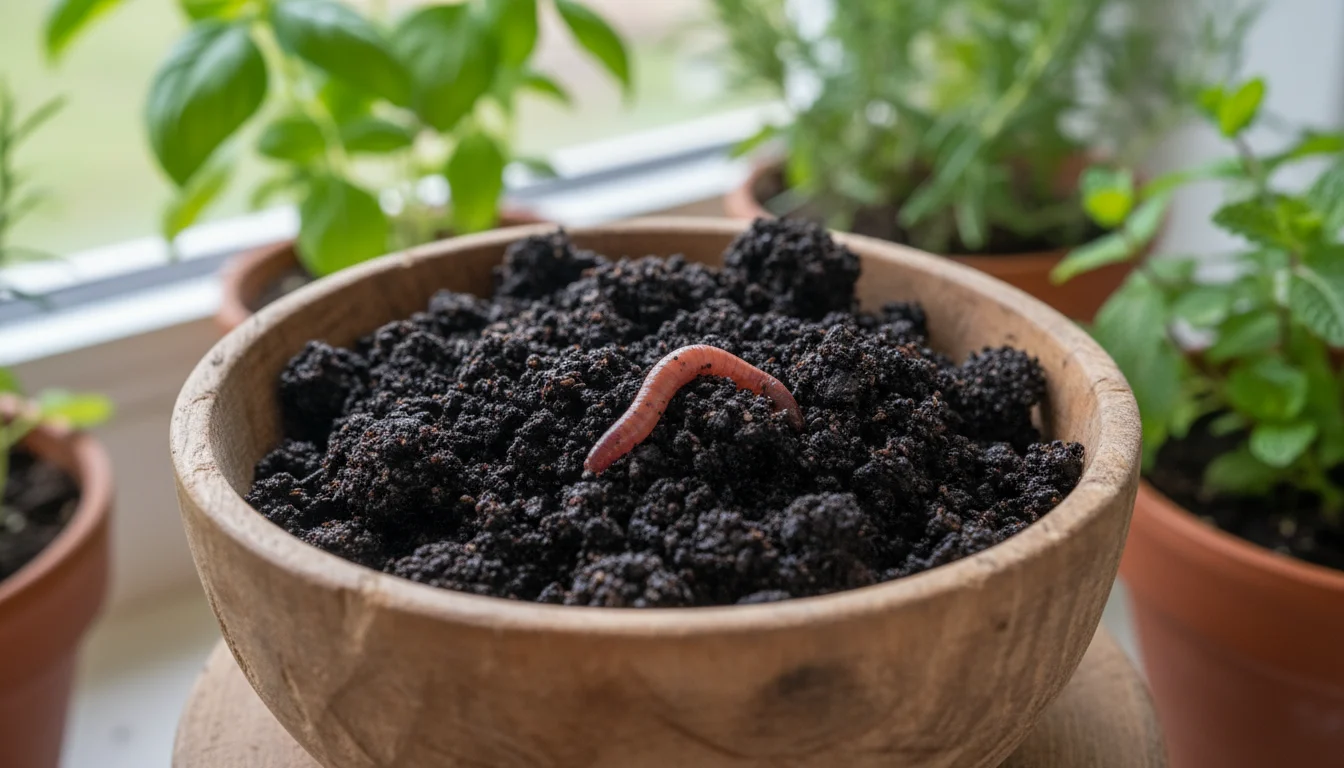
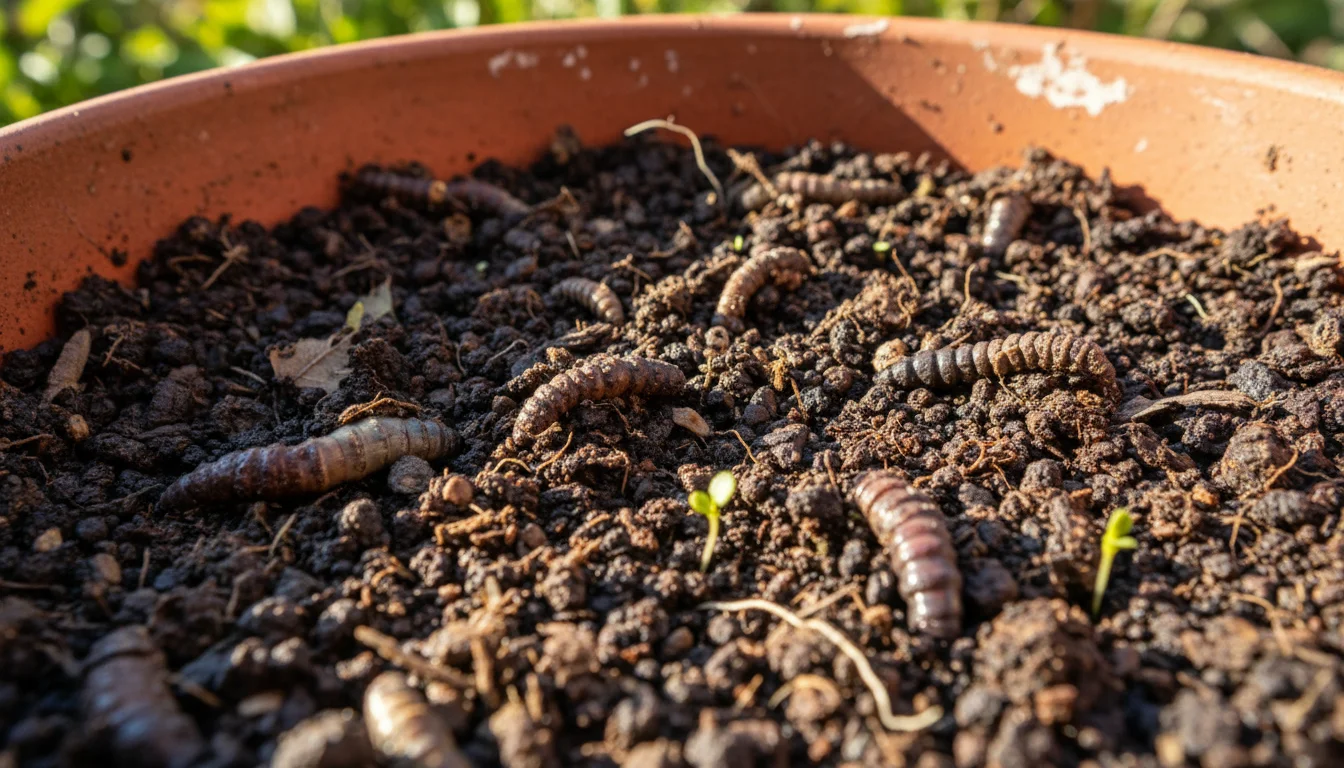
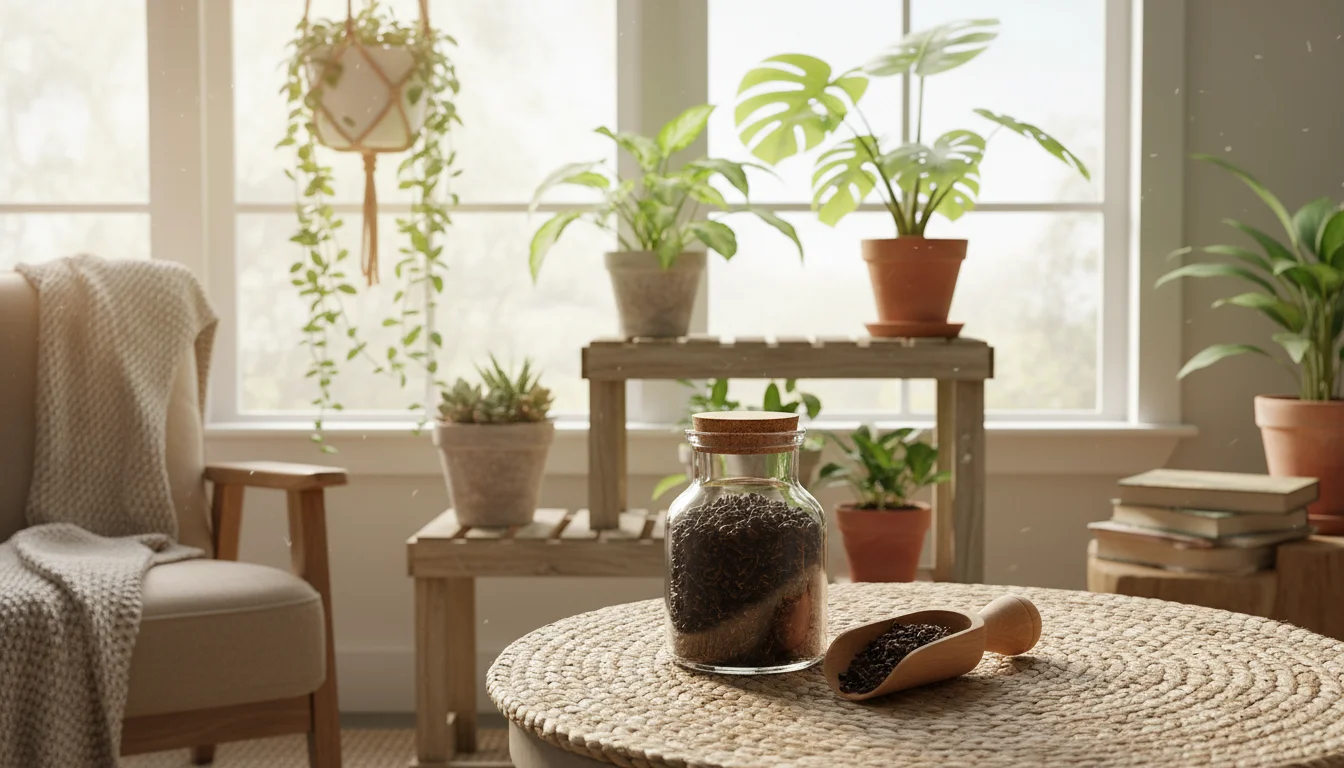
Worm castings, also known as vermicast, are the rich, dark, nutrient-dense excrement of earthworms. These remarkable creatures consume organic matter, such as kitchen scraps, plant debris, and even paper, and digest it, transforming it into a highly beneficial soil amendment. During this process, the worms’ digestive systems break down organic materials into simpler, plant-available forms and introduce a diverse community of beneficial microorganisms.
You can think of worm castings as nature’s most efficient composting system. Unlike raw compost, which can still be in various stages of decomposition, worm castings are a finished product. This means they are stable, odor-free, and teeming with beneficial bacteria, fungi, and enzymes that foster healthy plant growth. The resulting product is a fine, granular material that resembles rich, dark soil, but its nutritional profile and microbial activity far surpass that of ordinary potting mix. They are a fundamental component for improving soil structure and nutrient availability in container gardening, making them an ideal indoor plant food.
Why Winter Feeding is Tricky for Indoor Plants
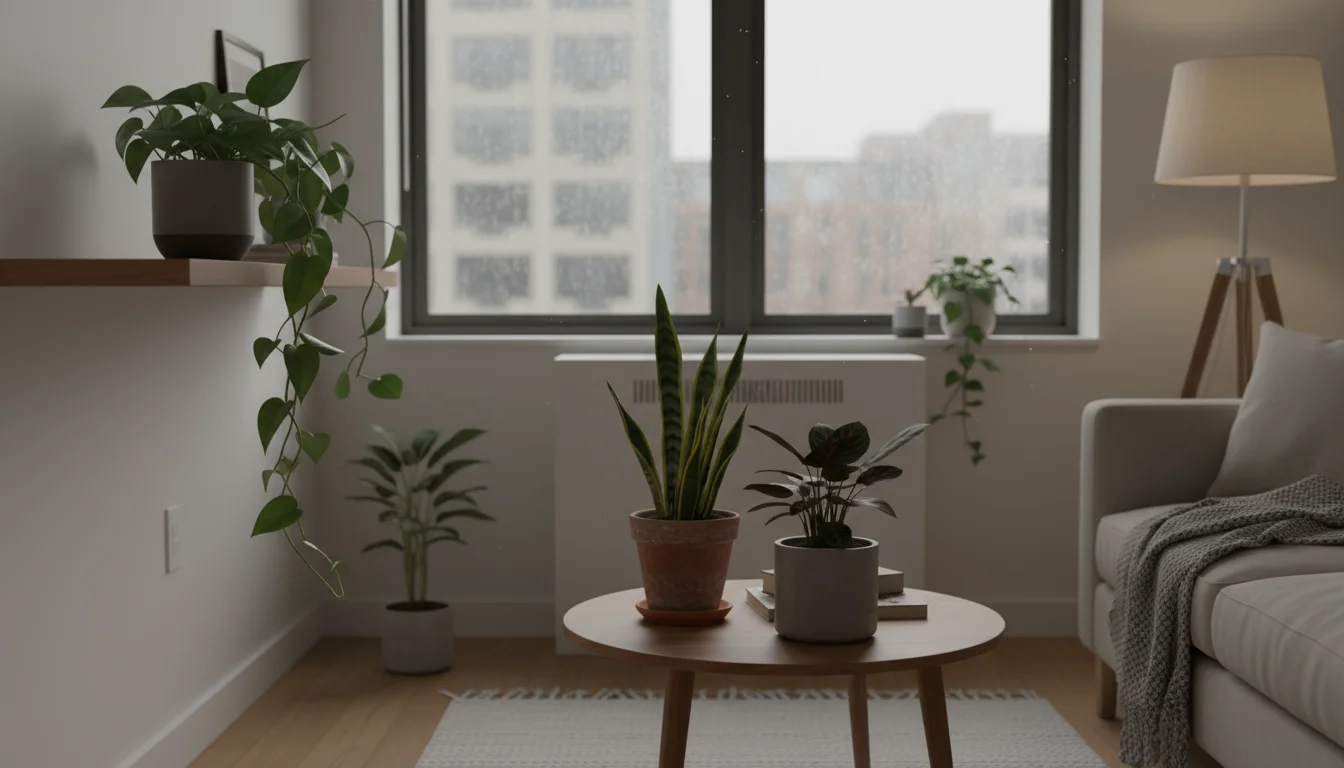
Understanding why winter fertilizing can be problematic for your indoor plants is crucial before you even consider applying any nutrients. Most houseplants originate from tropical or subtropical regions where light levels and temperatures remain relatively consistent year-round. Indoors, however, they experience seasonal changes, even if subtle.
During winter, daylight hours dramatically decrease, and the intensity of the light filtering through windows also diminishes. This reduced light means plants photosynthesize less, slowing down their growth. Consequently, their need for nutrients also decreases. If you apply a standard, high-potency synthetic fertilizer during this period, your plants might not absorb all the nutrients. Excess nutrients then accumulate in the soil, leading to several problems:
- Salt Build-up: Synthetic fertilizers are typically salt-based. Over time, these salts can accumulate in the soil, drawing moisture away from plant roots, causing “fertilizer burn.” This appears as crispy, brown leaf edges or stunted growth.
- Root Damage: A high concentration of salts directly damages delicate root hairs, impairing the plant’s ability to absorb water and remaining nutrients.
- Nutrient Imbalance: Applying excessive amounts of certain nutrients can hinder the uptake of others, creating imbalances that stress the plant.
- Algae and Fungus Gnats: Excess nutrients can also encourage the growth of undesirable organisms like algae on the soil surface, which can lead to fungus gnat infestations, especially in moist conditions.
Your goal in winter is to support, not push, your plants. This is where the concept of a “gentle snack” becomes incredibly relevant, and why worm castings are an invaluable tool for fertilizing indoor plants in winter.
The Gentle Difference: Why Worm Castings Excel at Winter Fertilizing
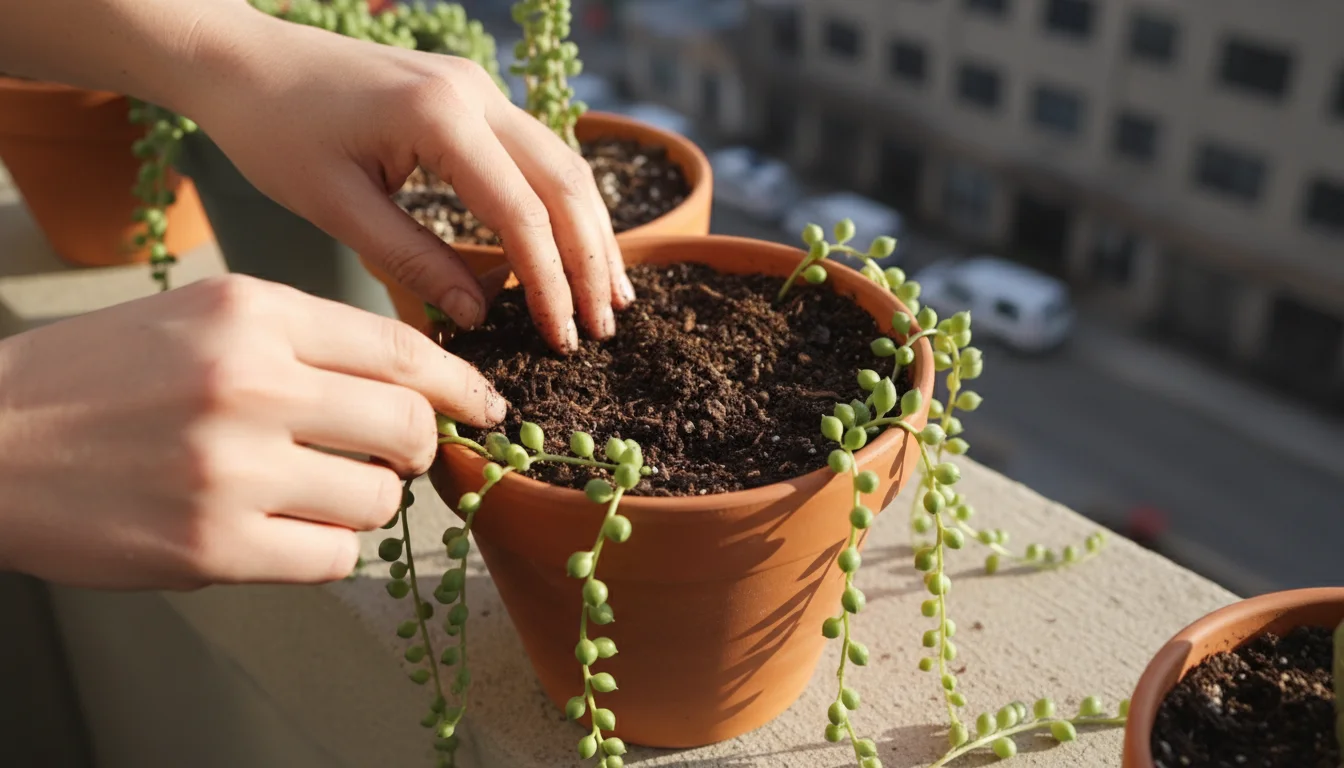
Worm castings stand apart from synthetic fertilizers precisely because they offer a gentle, slow-release nutrient delivery system. This characteristic makes them the perfect solution for winter plant care, addressing the challenges of reduced growth and dormant periods directly.
First, worm castings are entirely natural and organic. They contain no synthetic salts that can build up and cause fertilizer burn. Your plants receive nutrients in a form that is readily available but never overwhelming. The nutrients release slowly as the plant needs them, governed by the activity of the beneficial microbes within the castings and the soil. This prevents the shock and potential damage associated with a sudden flood of synthetic chemicals.
Second, the microbial life within worm castings actively works with your plant’s roots. These microbes facilitate nutrient uptake, essentially acting as tiny delivery services, making essential elements like nitrogen, phosphorus, and potassium more accessible to your plant’s root system. This symbiotic relationship ensures that your plant receives a balanced diet, even when its metabolic rate is low, promoting overall plant vigor without forcing unnatural growth.
Finally, worm castings are almost impossible to over-apply. You don’t risk burning your plants or creating a toxic environment for their roots. Instead, you enrich the soil, building a healthier foundation for long-term growth. This safety factor provides immense peace of mind, especially for beginner gardeners concerned about making mistakes with their precious indoor plants. When considering indoor plant food, especially for container plants, worm castings offer a risk-free, highly effective solution that supports natural plant processes.
The Science Behind the “Snack”: How Worm Castings Nourish Your Plants
The magic of worm castings goes far beyond simple nutrient delivery. They are a complex living ecosystem in miniature, designed by nature to create optimal growing conditions. Understanding their composition helps you appreciate why they are such an effective and gentle indoor plant food.
A Balanced Nutrient Profile
Worm castings contain a comprehensive array of macro and micronutrients essential for plant health. While the exact ratios vary slightly depending on the worms’ diet, you can generally expect a good balance of:
- Nitrogen (N): Crucial for leafy growth and overall plant vigor. In castings, nitrogen is often in nitrate form, which plants absorb easily.
- Phosphorus (P): Essential for root development, flowering, and fruiting.
- Potassium (K): Supports overall plant health, disease resistance, and water regulation.
- Micronutrients: Castings are also rich in trace elements like calcium, magnesium, iron, zinc, copper, and manganese, all vital for various metabolic processes in plants.
Crucially, these nutrients are not locked into salts but are chelated, meaning they are bound to organic molecules. This chelation makes them highly bioavailable, allowing plants to absorb them efficiently without wasting energy. This is a significant advantage over synthetic fertilizers, where nutrients might be present but less accessible to the plant.
The Power of Microbes
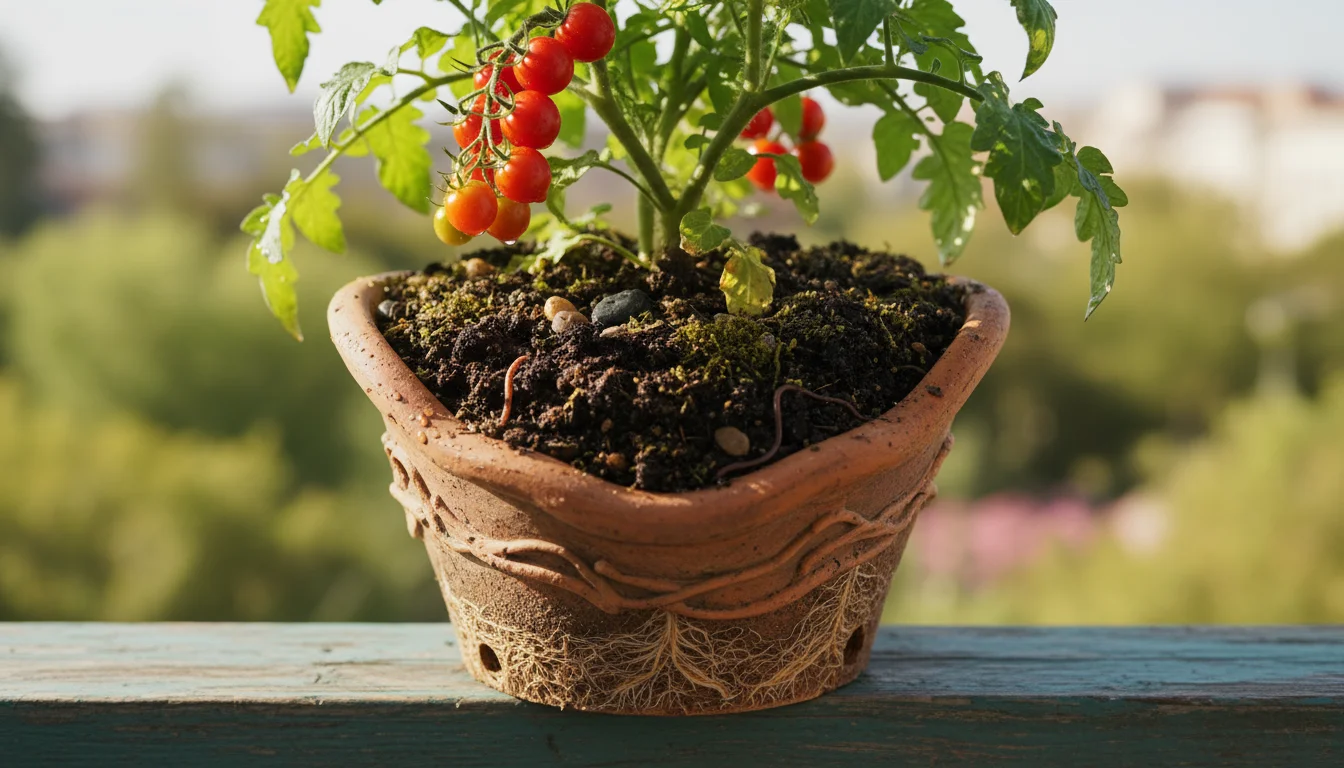
The true genius of worm castings lies in their microbial diversity. Earthworms’ guts are teeming with beneficial bacteria, fungi, protozoa, and nematodes, which are passed into the castings. When you add worm castings to your soil, you introduce a thriving community of microscopic helpers:
- Nutrient Cyclers: These microbes break down organic matter in the soil, converting complex compounds into simpler forms that roots can absorb. This continuous cycling ensures a steady supply of nutrients.
- Disease Suppressors: Many microbes in castings produce antibiotics and fungicides, helping to protect your plants from common pathogens. They also outcompete harmful organisms for resources, creating a less hospitable environment for diseases.
- Growth Promoters: Some microbial species produce plant growth hormones, such as auxins and gibberellins, which stimulate root development and overall plant growth.
- Improved Soil Structure: Microbes produce sticky substances that bind soil particles together, forming aggregates. This process improves soil aeration (how air moves through soil) and drainage (how water moves through soil), preventing compaction and root rot.
The microbial activity is temperature-dependent, slowing down in winter but still present. This means the nutrient release also slows down, perfectly matching your plant’s reduced needs, making it an ideal choice for fertilizing indoor plants in winter.
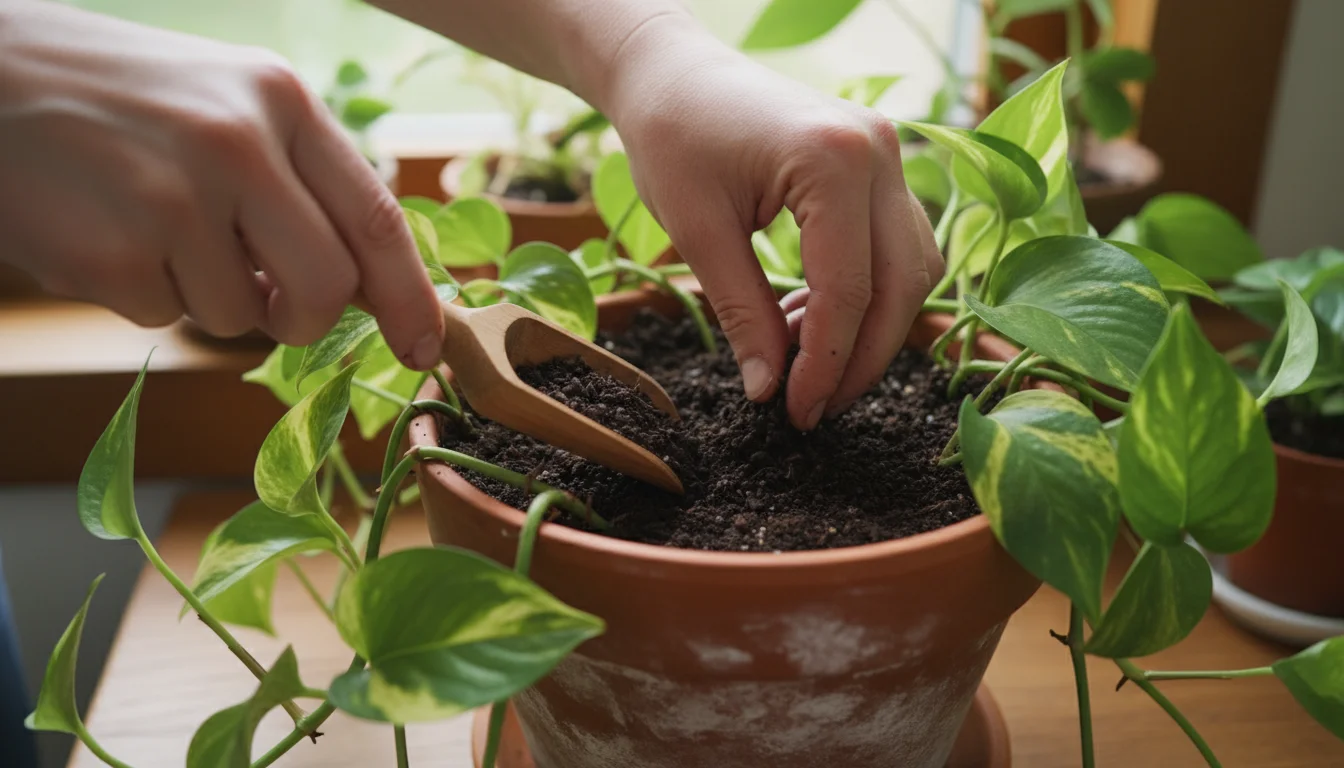
Bringing the Goodness Home: How to Use Worm Castings on Your Houseplants
Using worm castings on your houseplants is wonderfully simple, forgiving, and effective. You have several options, depending on your preference and the specific needs of your plants. This section provides actionable steps for how to use worm castings on houseplants.
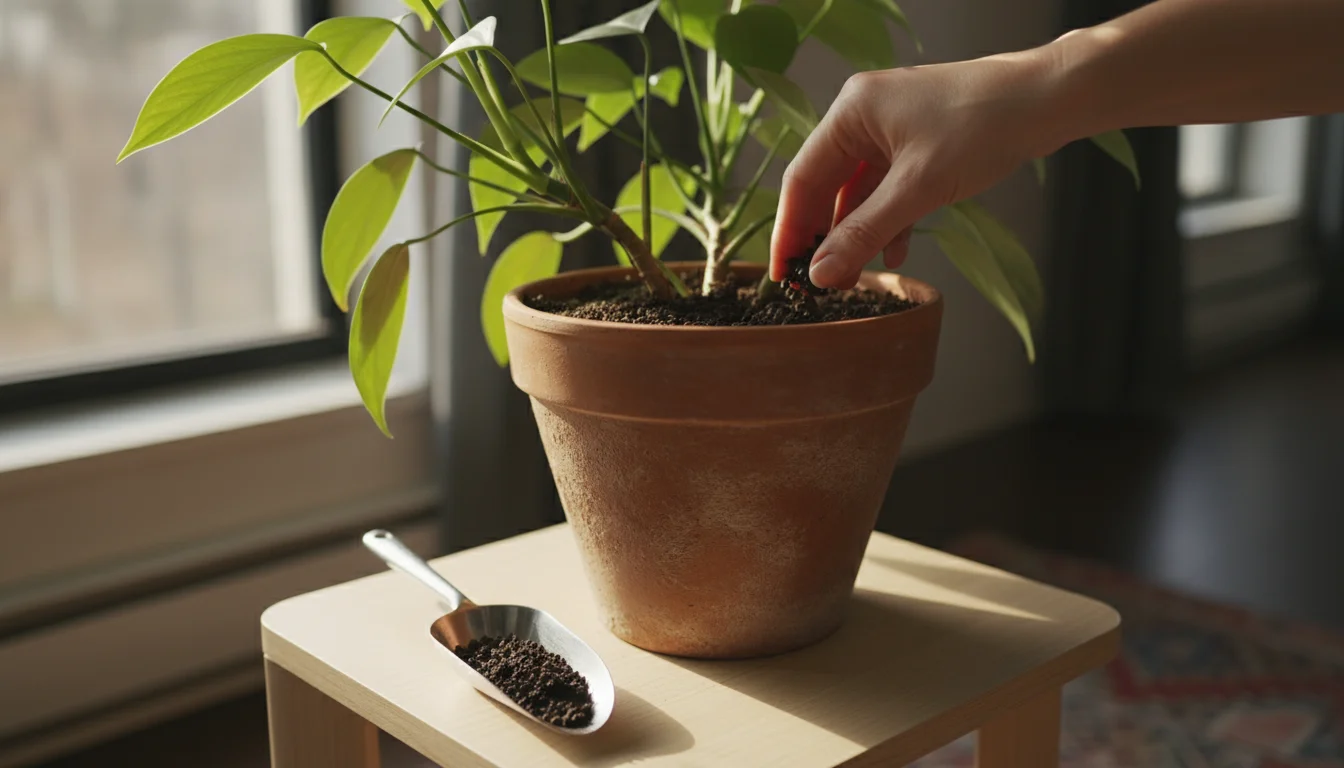
Method 1: Top Dressing
This is arguably the easiest and most popular method for established plants.
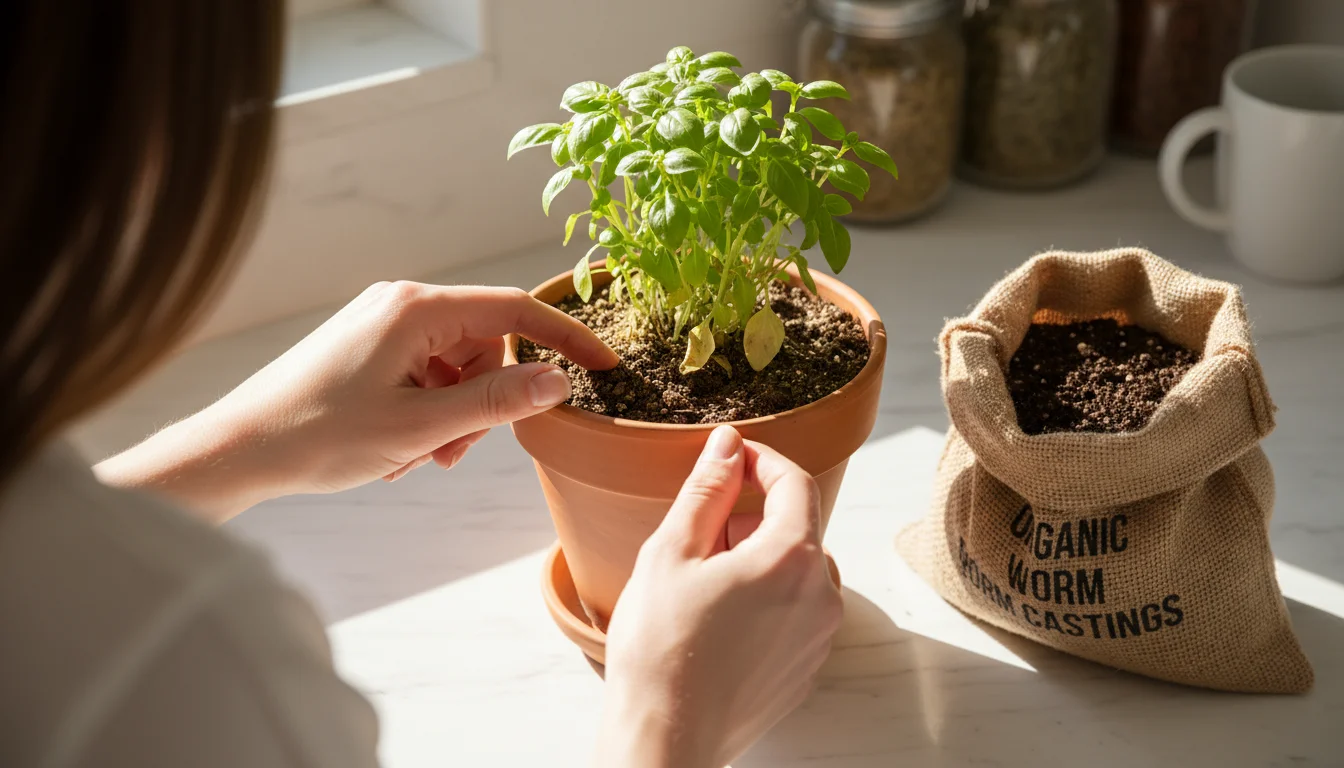
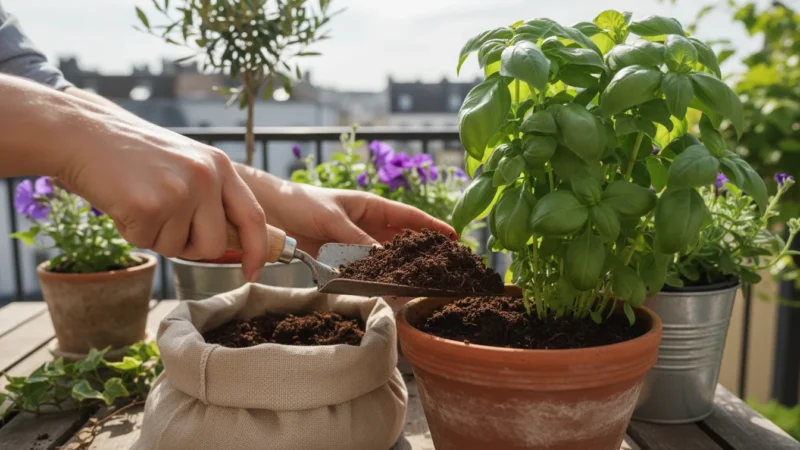
- Measure: For a typical 6-inch (15 cm) pot, use about 1-2 tablespoons of worm castings. Adjust proportionally for larger or smaller pots; a good rule of thumb is about 1/2 inch (1 cm) layer across the top of the soil.
- Apply: Gently spread the worm castings evenly over the surface of your plant’s potting mix.
- Incorporate (Optional): You can lightly scratch the castings into the top inch of soil using your fingers or a small trowel. This helps integrate them and can prevent them from washing away when you water.
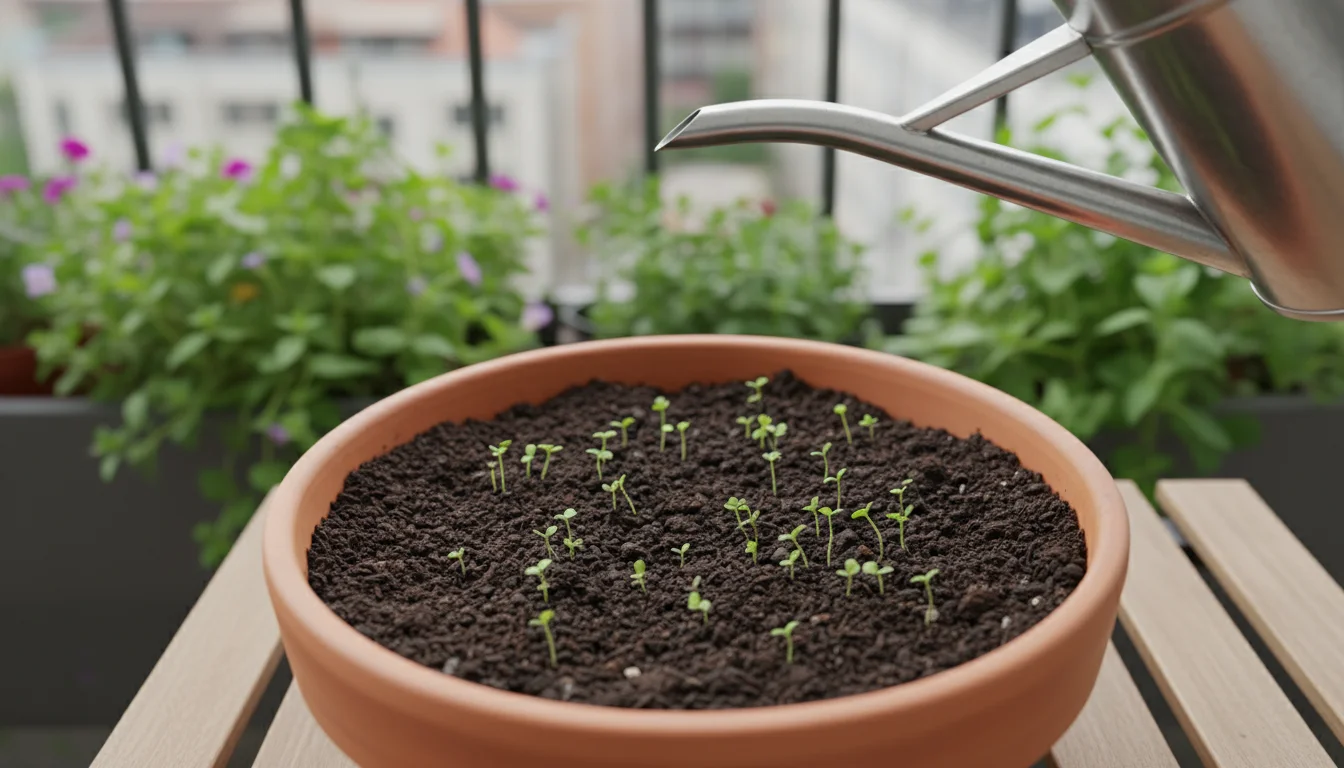
- Water: Water your plant as usual. As you water, the beneficial microbes and water-soluble nutrients will begin to leach down into the root zone.
Frequency: Apply every 2-3 months during the winter, or monthly during active growing seasons. Remember, you cannot overfeed with worm castings, but less is often fine during dormancy.
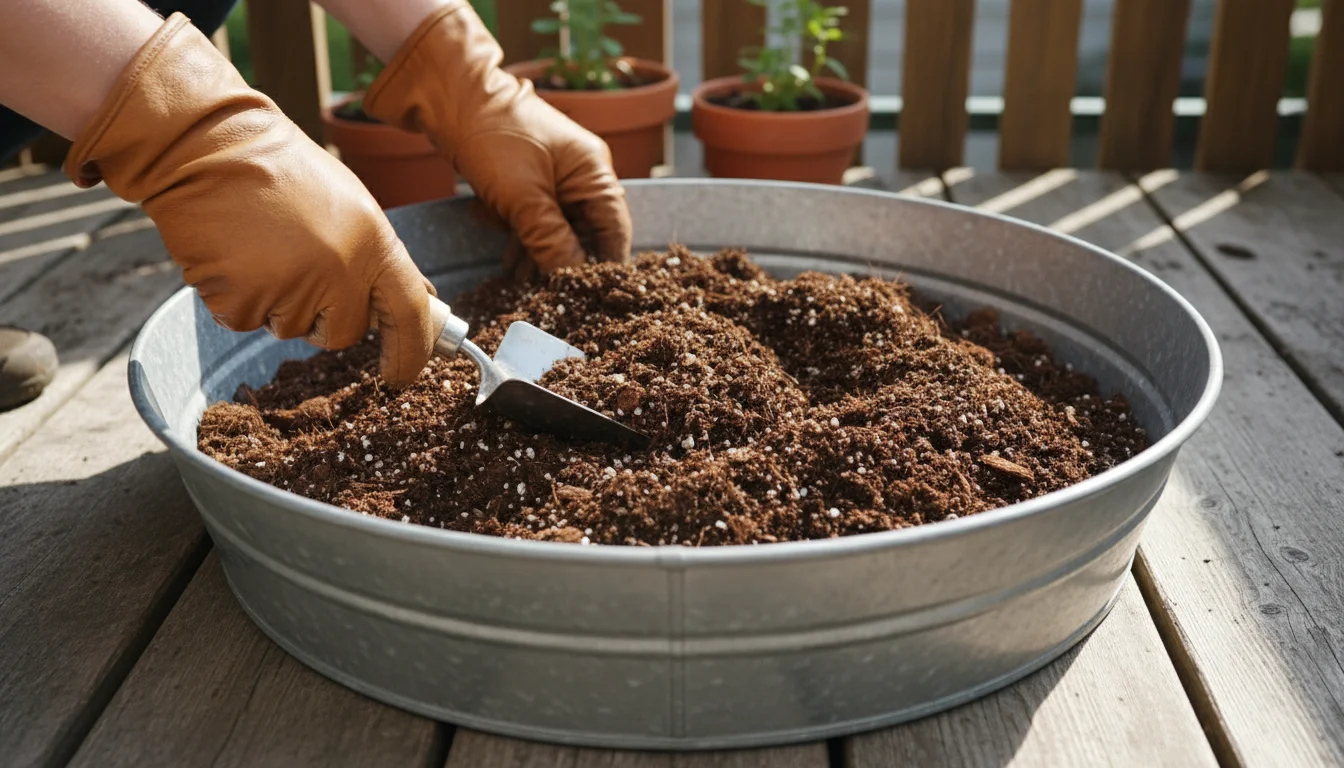
Method 2: Mixing into Potting Mix (for repotting or new plants)
If you are repotting a plant or preparing a new potting mix for a new arrival, this method ensures uniform distribution.
- Ratio: Aim for a ratio of 10-20% worm castings to your total potting mix volume. For example, if you’re using 10 cups of potting mix, add 1-2 cups of worm castings.
- Combine: Thoroughly mix the worm castings with your chosen potting soil. Ensure even distribution throughout the mix.
- Pot: Use this enriched potting mix to repot your plant or pot a new one.
Benefit: This provides a long-lasting reservoir of nutrients and microbes, creating an incredibly healthy root environment from day one. This is an excellent approach for the best natural fertilizer for container plants.
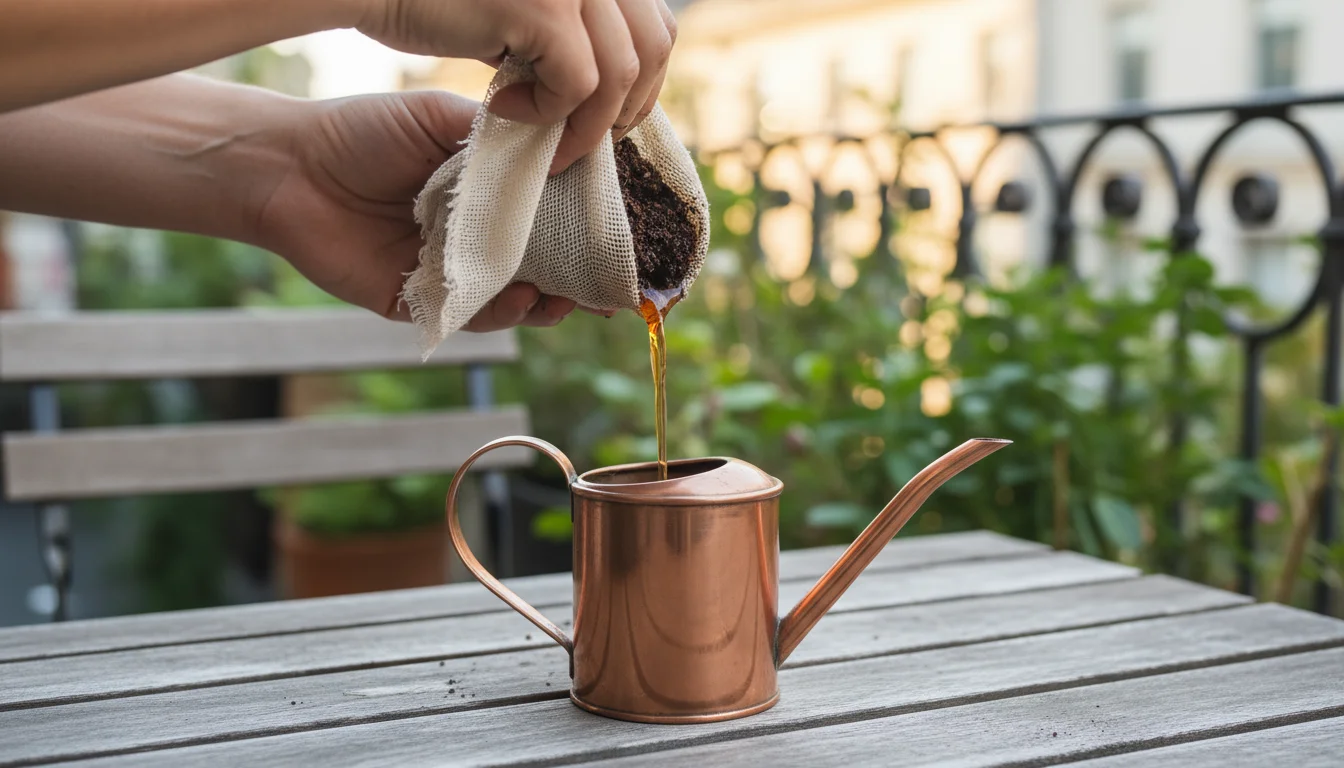
Method 3: Worm Casting “Tea”
Worm casting tea is a liquid fertilizer that provides a quick boost of nutrients and microbes. It’s perfect for giving plants an immediate pick-me-up or for foliar feeding (spraying on leaves).
- Brew: In a bucket or container, combine 1 part worm castings with 3-4 parts dechlorinated water (tap water left out for 24 hours or filtered water). For example, 1 cup of castings to 3-4 cups of water.
- Steep: Let the mixture steep for 12-24 hours, stirring occasionally. This allows the beneficial microbes to multiply and for water-soluble nutrients to dissolve.
- Strain: Strain the liquid through cheesecloth or an old t-shirt to remove solids. The solids can go back into your compost or be top-dressed on outdoor plants.
- Apply: Use the strained “tea” to water your plants as usual, or dilute it further (1 part tea to 1 part water) for a gentler application or foliar spray.
Frequency: Use every 2-4 weeks during active growth, or sparingly once a month in winter if your plants show signs of needing a boost.
Beyond Nutrition: Additional Benefits for Your Indoor Garden
While their primary role as a gentle indoor plant food is undeniable, worm castings offer a suite of benefits that extend far beyond simple nutrition, making them a holistic solution for small-space gardeners.
Improved Soil Structure and Water Retention
Worm castings naturally aggregate soil particles, which means they help create a crumbly, well-aerated soil structure. This improved structure is vital for container plants, preventing the compaction that often plagues potted environments. Better soil structure means better air circulation to the roots and improved drainage, reducing the risk of root rot, a common killer of indoor plants.
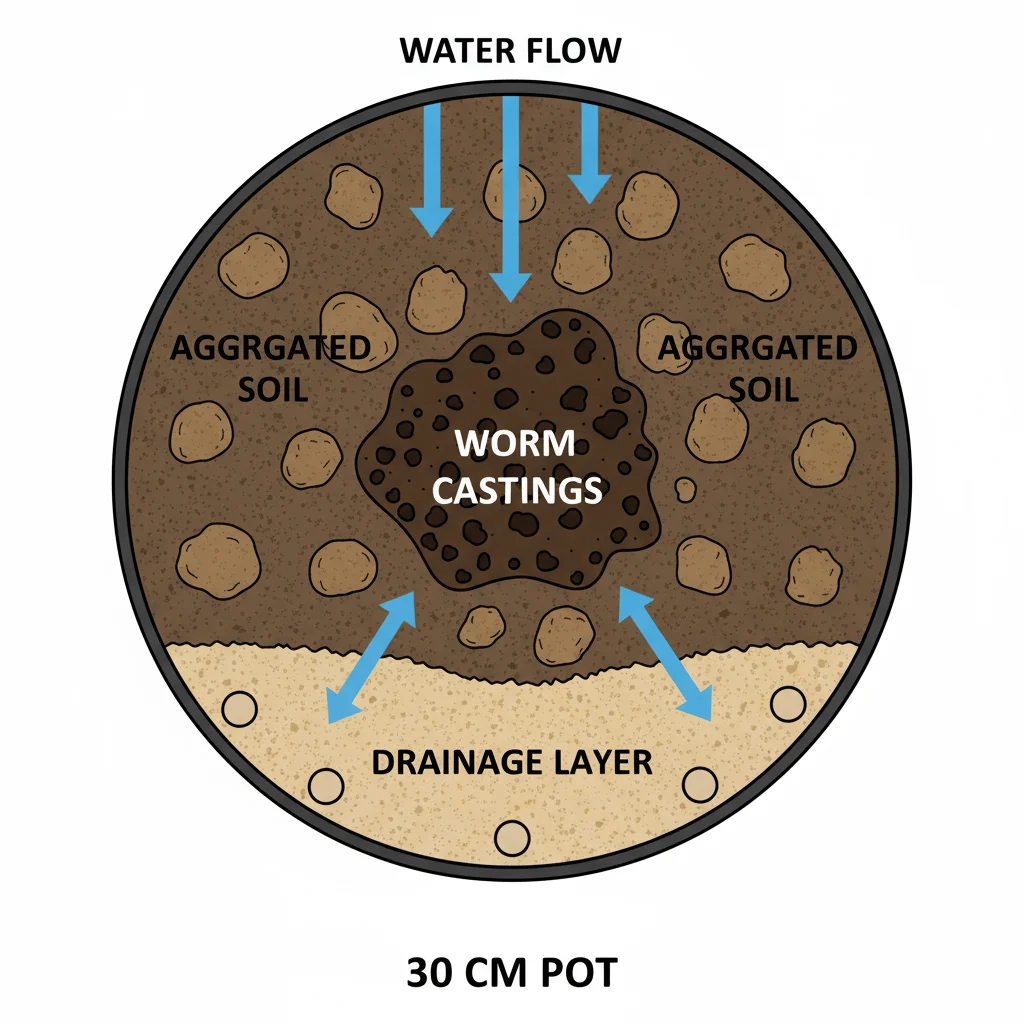
Paradoxically, while improving drainage, castings also enhance water retention. Their spongy texture allows them to absorb and hold significant amounts of water, releasing it slowly to the plant roots as needed. This can reduce the frequency of watering, which is a boon for busy gardeners and helps maintain consistent soil moisture, preventing the stress of cycles of extreme wetness and dryness.
Natural Pest Deterrence
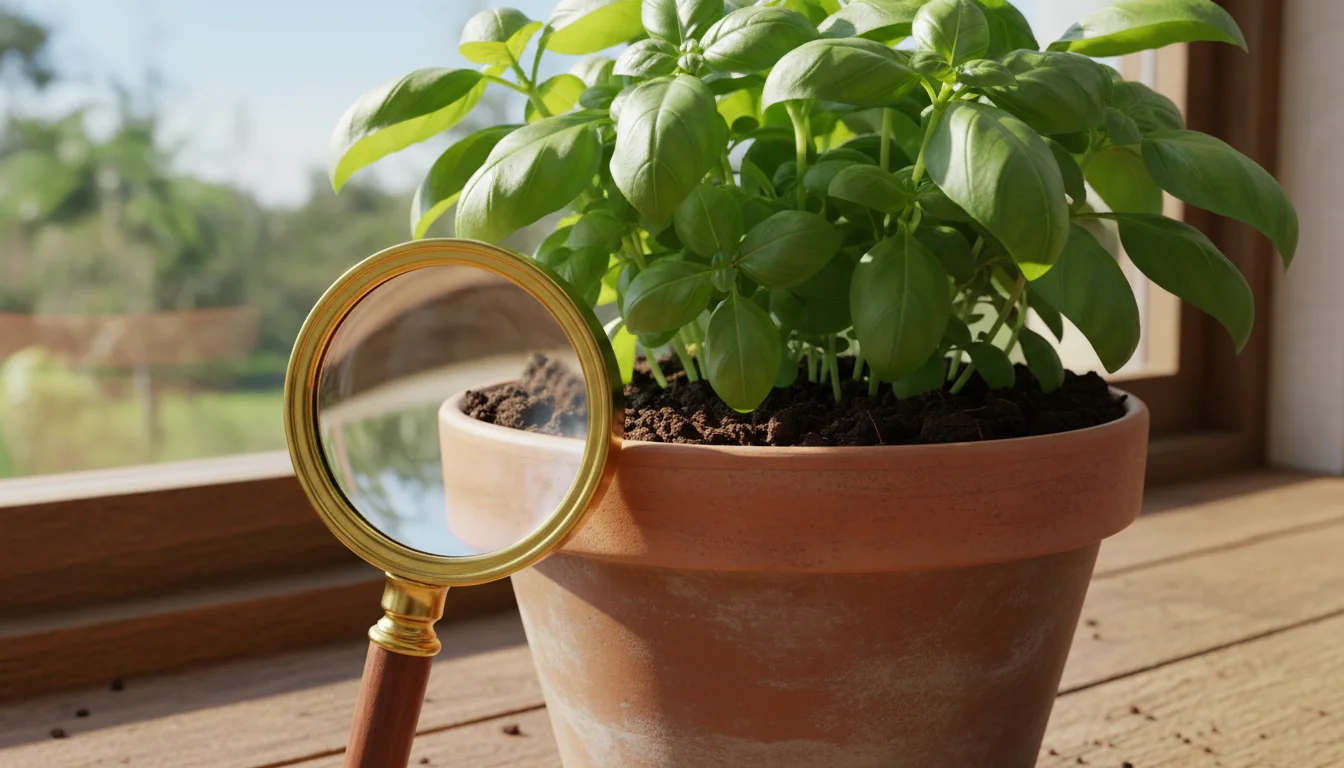
Many gardeners report a noticeable reduction in common indoor plant pests, such as spider mites, aphids, and fungus gnats, after consistent use of worm castings. While the exact mechanisms are still being researched, theories suggest several factors are at play:
- Chitinase Production: Some microbes in worm castings produce an enzyme called chitinase, which breaks down chitin, the main component of insect exoskeletons. When pests ingest plant material treated with castings, their digestive systems can be disrupted.
- Healthier Plants: Plants growing in nutrient-rich, biologically active soil are generally healthier and more robust. Stronger plants are inherently more resistant to pest attacks and can recover more quickly if infestations occur.
- Repellency: Some compounds in castings may act as mild repellents to certain insects, discouraging them from settling on your plants.
While worm castings are not a standalone pesticide, they contribute significantly to an integrated pest management strategy by building resilient plants and potentially making the environment less appealing to pests. This is especially valuable in a closed indoor environment where chemical pesticides are often undesirable.
Disease Suppression
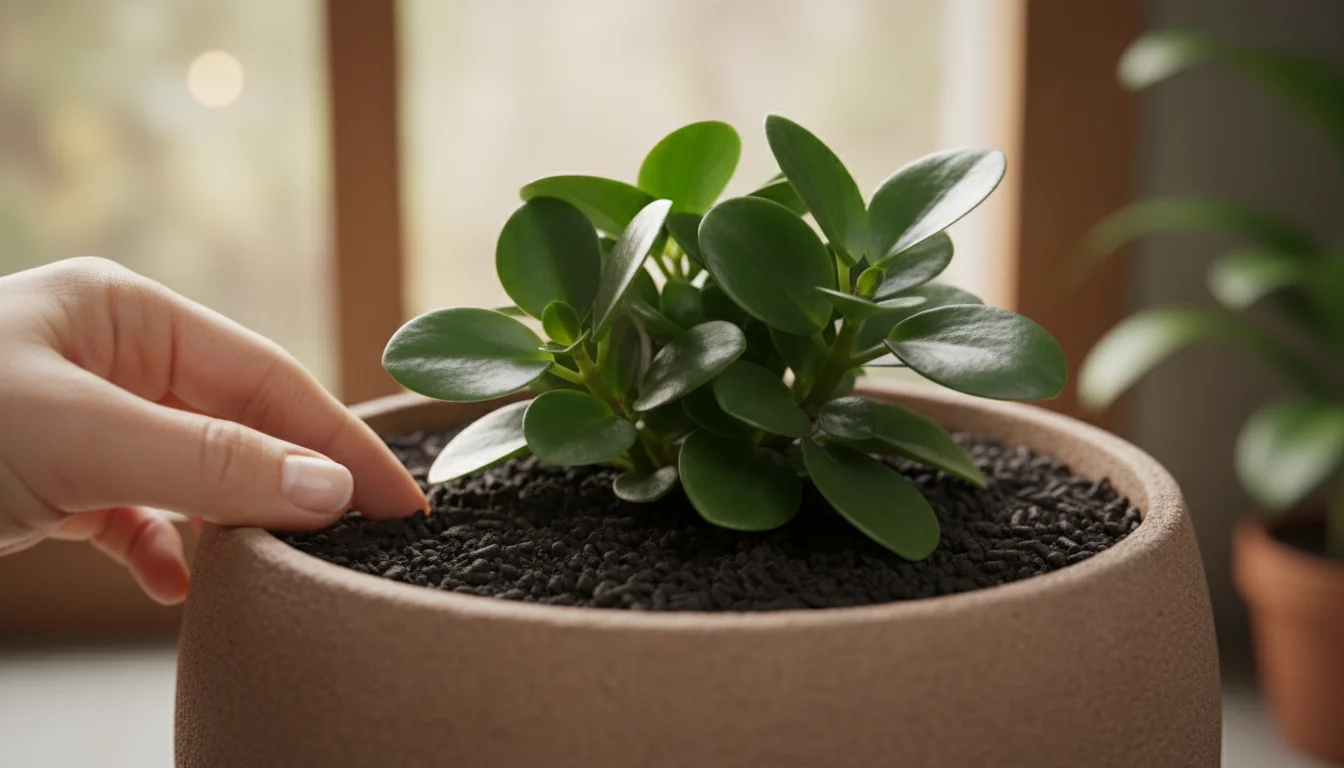
The beneficial microbial populations in worm castings actively suppress plant diseases. These microbes compete with pathogenic fungi and bacteria for resources and space, effectively crowding out the “bad guys.” They also produce antimicrobial compounds that directly inhibit disease organisms. This natural defense mechanism helps protect your plants from common ailments like damping-off, root rot, and various leaf spot diseases, ensuring your indoor garden remains vibrant and healthy.
Tailoring the Treat: Which Indoor Plants Benefit Most and How Often
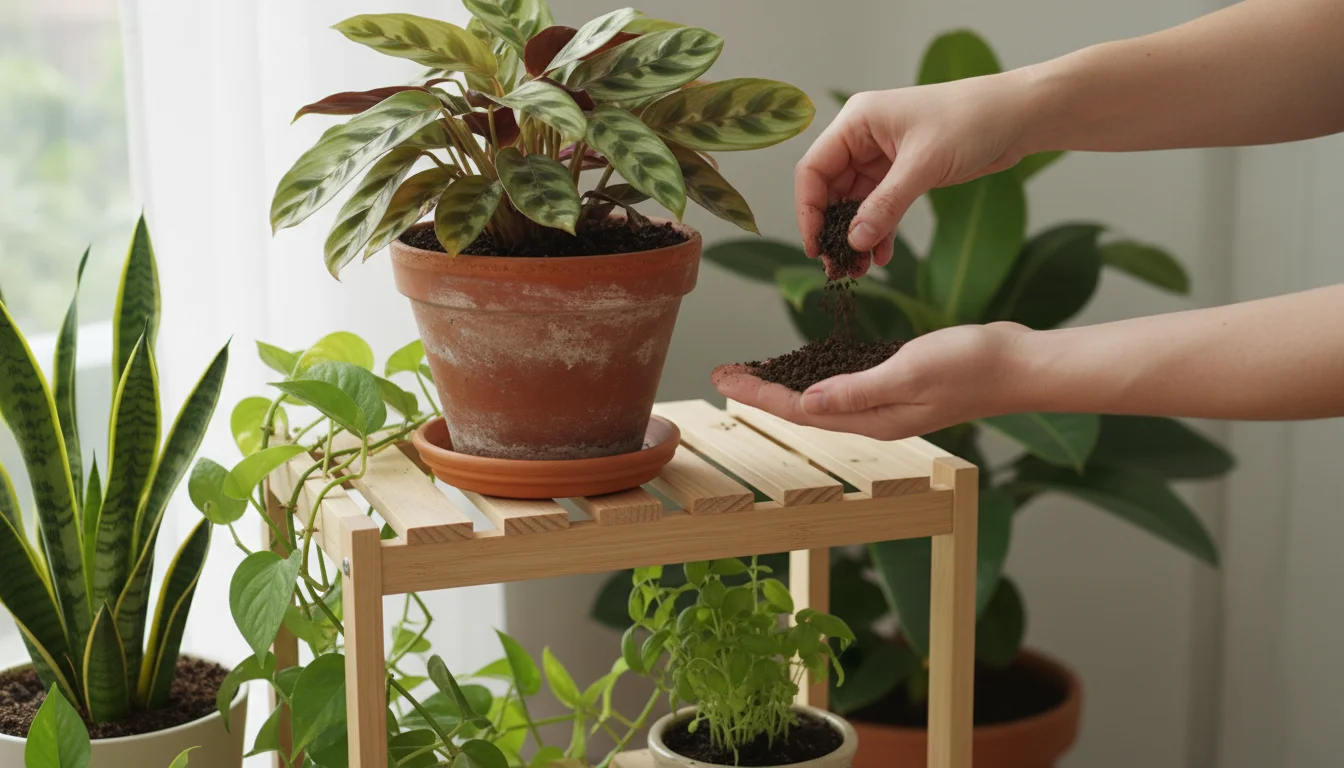
One of the fantastic aspects of worm castings as an indoor plant food is their universal appeal. Nearly all indoor plants can benefit from their gentle, balanced nutrition and microbial boost. However, you can tailor your application to maximize their impact.
Universal Appeal: Who Benefits?
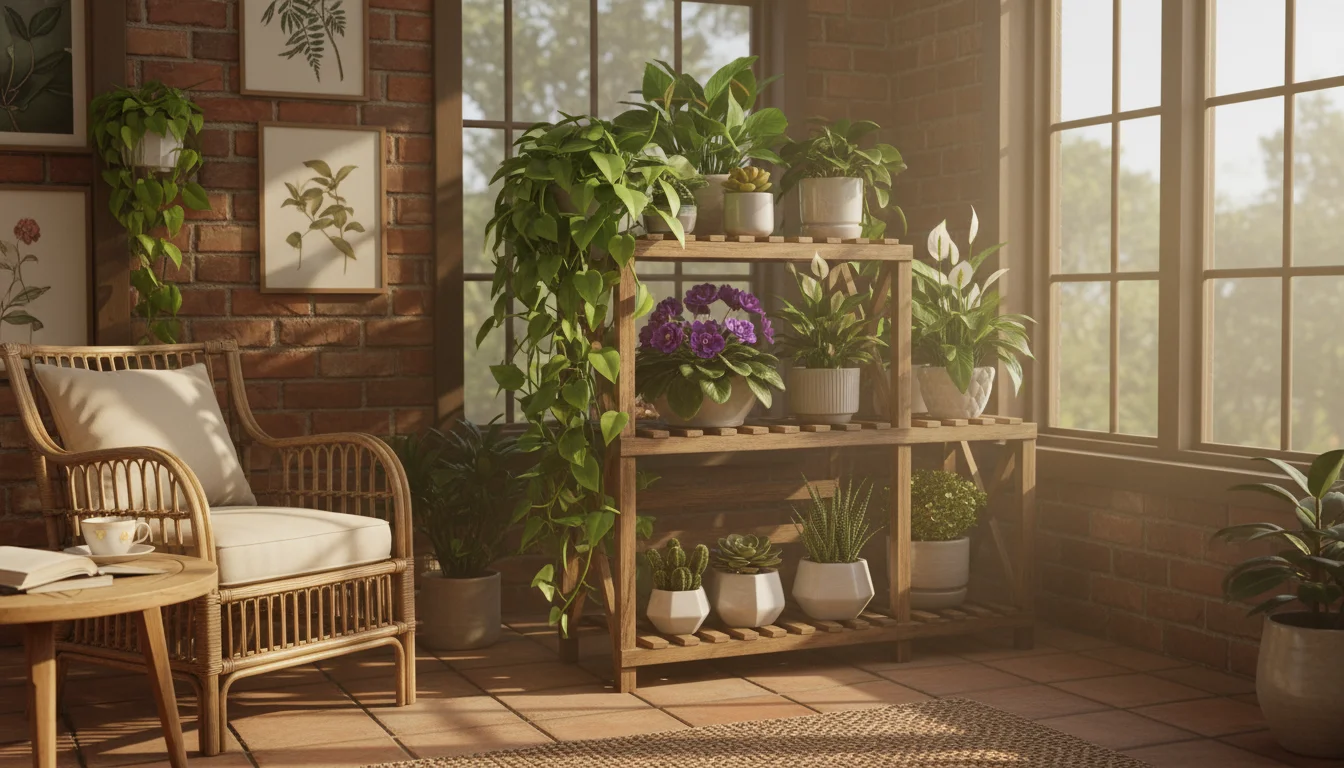
From leafy tropicals to succulent varieties, flowering plants, and even herbs grown indoors, all will appreciate the consistent, mild nourishment worm castings provide. You can confidently use them on:
- Foliage Plants: Philodendrons, Pothos, Monsteras, ZZ Plants, Snake Plants, Ferns. These thrive on the steady nitrogen supply for lush, green leaves.
- Flowering Plants: Orchids, African Violets, Peace Lilies, Cyclamen. While not a high-potash fertilizer, the balanced nutrients and microbial support promote overall health, which in turn encourages blooming.
- Succulents and Cacti: These plants have lower nutrient needs, but a light application of worm castings helps improve soil health and provides trace minerals without the risk of over-fertilization.
- Edible Herbs and Vegetables: Basil, Mint, Chives, small peppers, and lettuce grown indoors benefit from organic, safe nutrients that don’t introduce harsh chemicals.
When considering fertilizing indoor plants in winter, remember that even plants that are resting still benefit from a healthy soil environment. Worm castings maintain this environment without forcing growth.
Application Frequency: Less is More in Winter
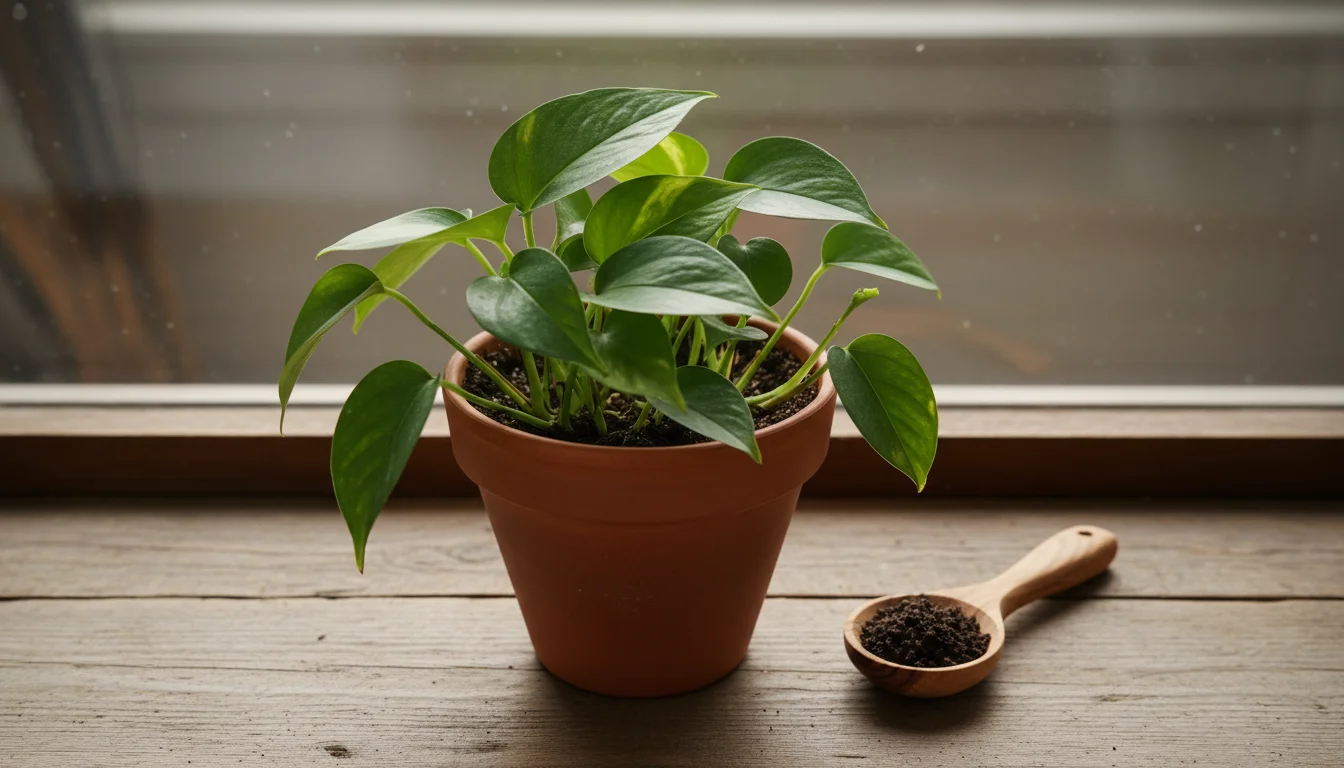
While you can’t truly overfeed with worm castings, adjusting your application frequency to your plant’s growth cycle is smart. This ensures you’re supporting your plant efficiently and aligning with its natural rhythms.
| Plant Growth Stage | Recommended Application Frequency (Top Dressing) | Notes |
|---|---|---|
| Active Growth (Spring/Summer) | Every 4-6 weeks | Plants are actively growing, producing new leaves and stems. They utilize nutrients more quickly. |
| Reduced Growth/Dormancy (Autumn/Winter) | Every 8-12 weeks (2-3 months) | Plants slow down significantly due to lower light and temperatures. A less frequent, gentle “snack” is sufficient. |
| New Seedlings/Young Plants | Mix into potting soil (10-20% by volume) | Provides a strong start with readily available nutrients and microbial support. |
| During Repotting | Mix into new potting soil (10-20% by volume) | Refreshes nutrient supply and microbial activity in the root zone. |
Observe your plants. If they are pushing out new growth in winter (perhaps you have excellent grow lights), you might lean towards the more frequent end of the winter recommendation. For most plants simply surviving the season, a less frequent application is ideal. The goal is consistent, gentle support, not aggressive feeding. This careful approach to winter fertilizing helps ensure the long-term health of your plants.
Troubleshooting and Avoiding Common Mistakes
While worm castings are incredibly forgiving, a few considerations help you maximize their benefits and avoid minor missteps. You want to ensure your indoor plant food truly supports your green companions.
Mistake 1: Expecting Instant Results
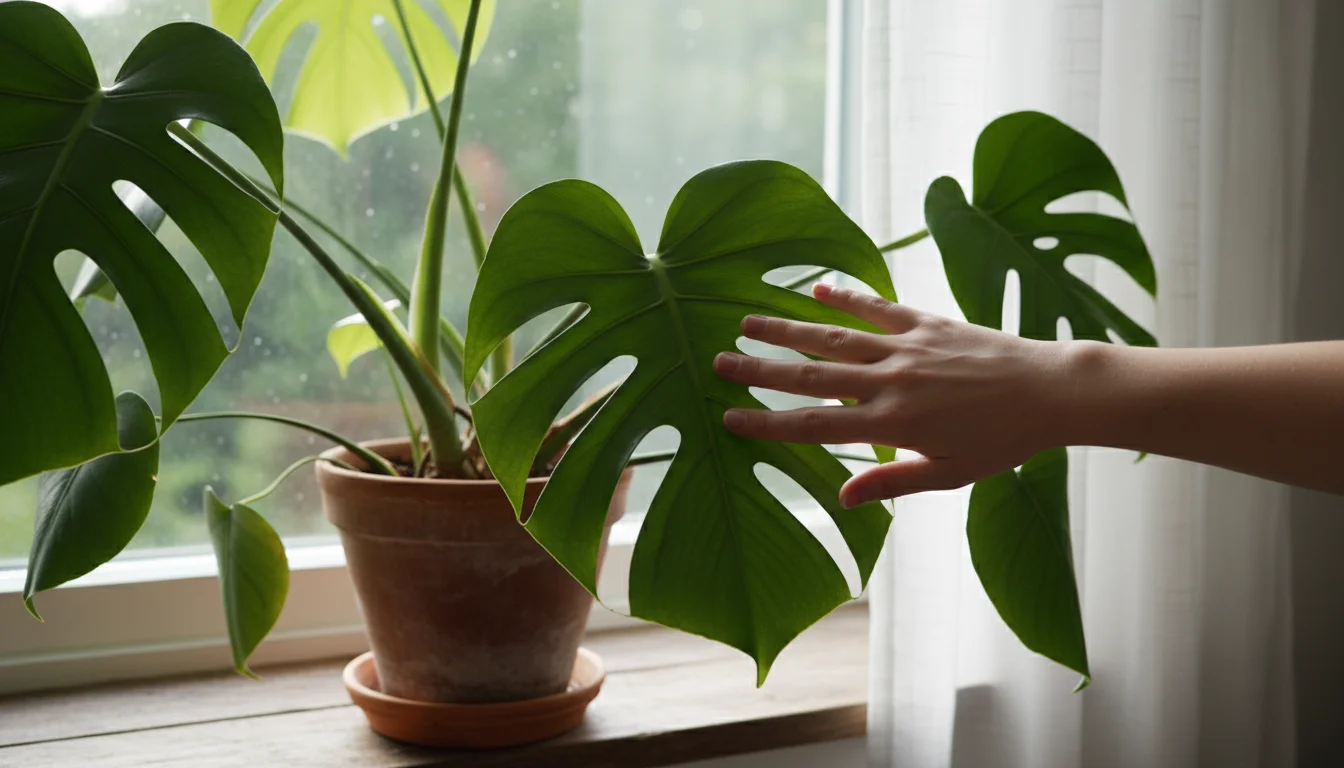
The Problem: Unlike synthetic fertilizers that deliver a rapid, sometimes overwhelming, burst of nutrients, worm castings work slowly and subtly. If you expect your plant to suddenly double in size or burst into bloom overnight, you might feel disappointed.
The Solution: Understand that worm castings are a long-term investment in soil health and plant vitality. Their benefits accumulate over time, leading to stronger plants, better disease resistance, and consistent, healthy growth. Be patient. You’ll notice improved leaf color, more robust stems, and an overall resilience that builds with each application.
Mistake 2: Not Sourcing Quality Castings
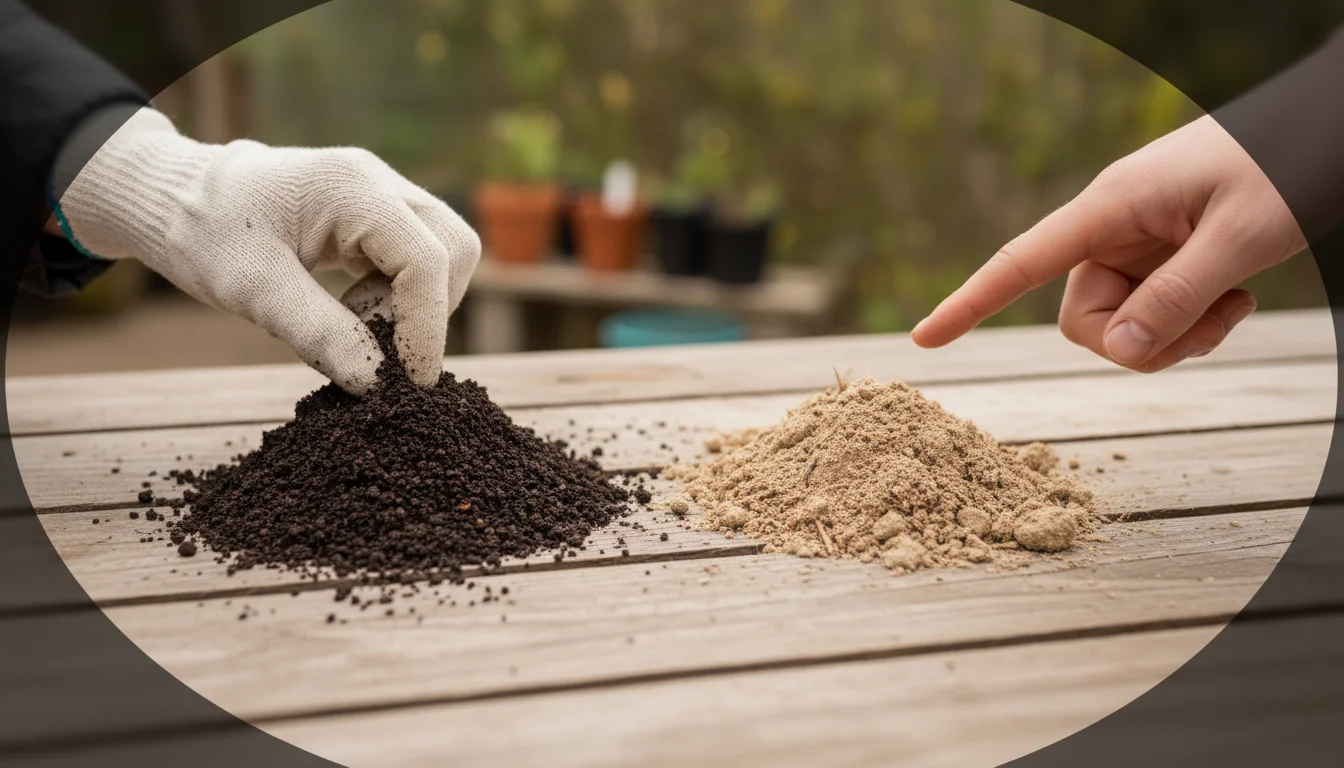
The Problem: Not all worm castings are created equal. Poor-quality castings might contain filler materials, be inconsistent in texture, or have a lower microbial count. You might also encounter castings that aren’t fully processed, potentially introducing unwanted organisms or odors.
The Solution: Purchase worm castings from reputable suppliers. Look for products that are dark, crumbly, and have a fresh, earthy smell. Avoid anything that smells sour, ammonia-like, or looks too sandy or chunky. Reputable brands often indicate the source of their organic matter and the type of worms used. High-quality worm castings are key to effective winter fertilizing and overall plant health.

Mistake 3: Overlooking Basic Plant Care
The Problem: Even the best indoor plant food cannot compensate for fundamental care deficiencies. If your plant is suffering from inadequate light, improper watering, or pest infestations, worm castings alone will not revive it.
The Solution: Ensure your basic plant care is in order. Check light levels, monitor soil moisture diligently, and inspect for pests regularly. Worm castings enhance a healthy environment; they are not a magic cure-all for neglected plants. Think of them as a premium supplement to an already balanced diet.
Mistake 4: Applying Castings to Extremely Dry Soil
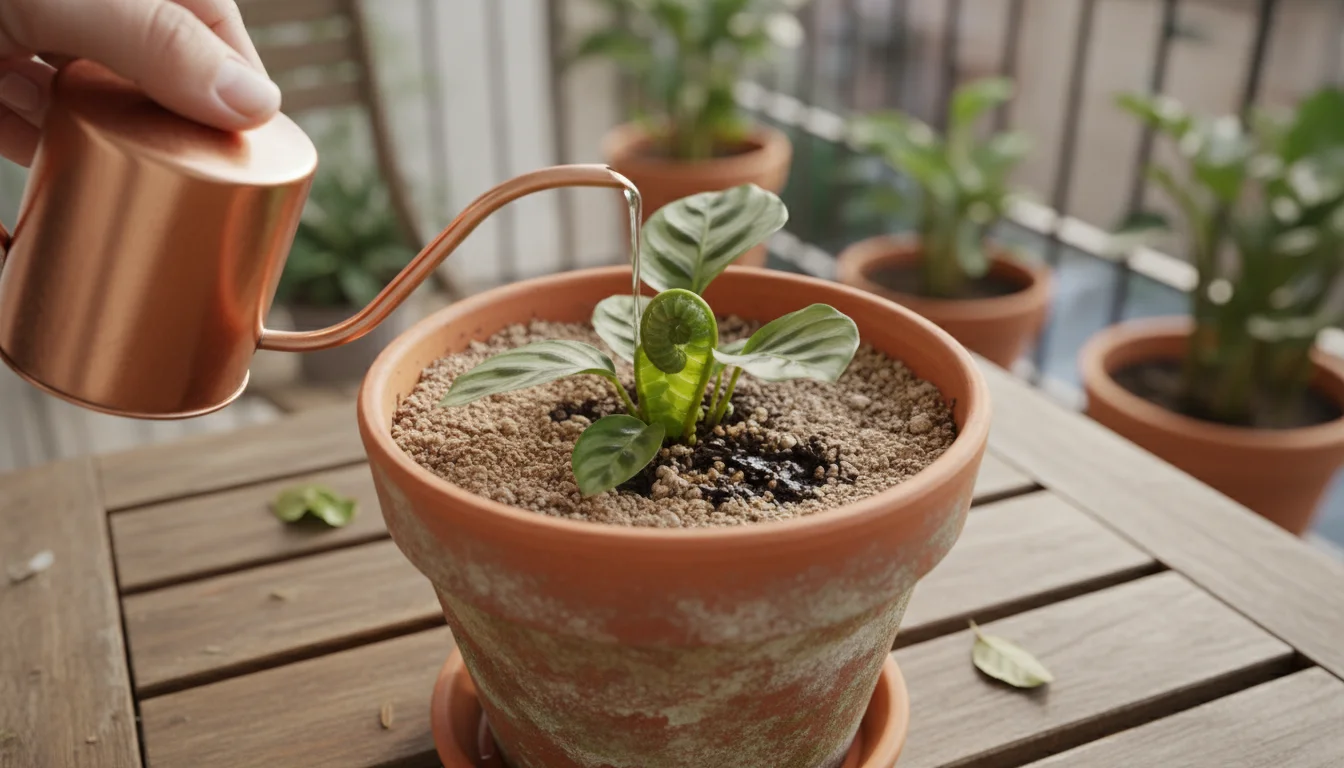
The Problem: While worm castings help retain moisture, applying them to bone-dry soil and then drenching it can cause the castings to float away or create an uneven distribution before they can settle.
The Solution: Lightly moisten the soil before applying castings as a top dressing. This helps them adhere to the soil surface and allows the beneficial microbes to begin their work more effectively as you water thoroughly afterward. This simple step ensures the castings integrate well into your potting mix.
The Sustainable Choice: Why Worm Castings Align with Eco-Conscious Gardening
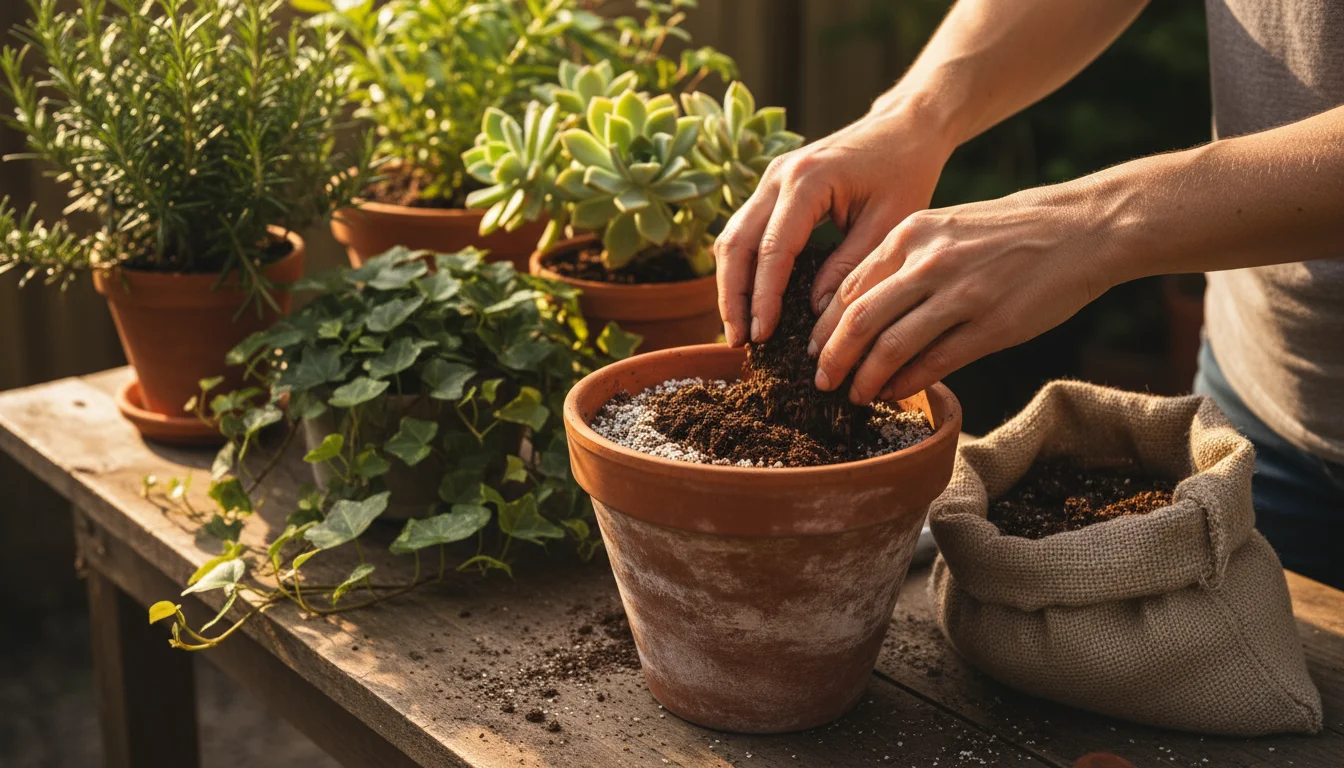
Beyond their direct benefits to your plants, choosing worm castings for your indoor garden is a powerful step towards more sustainable and environmentally conscious gardening. This best natural fertilizer for container plants embodies ecological principles.
Waste Reduction and Resource Cycling
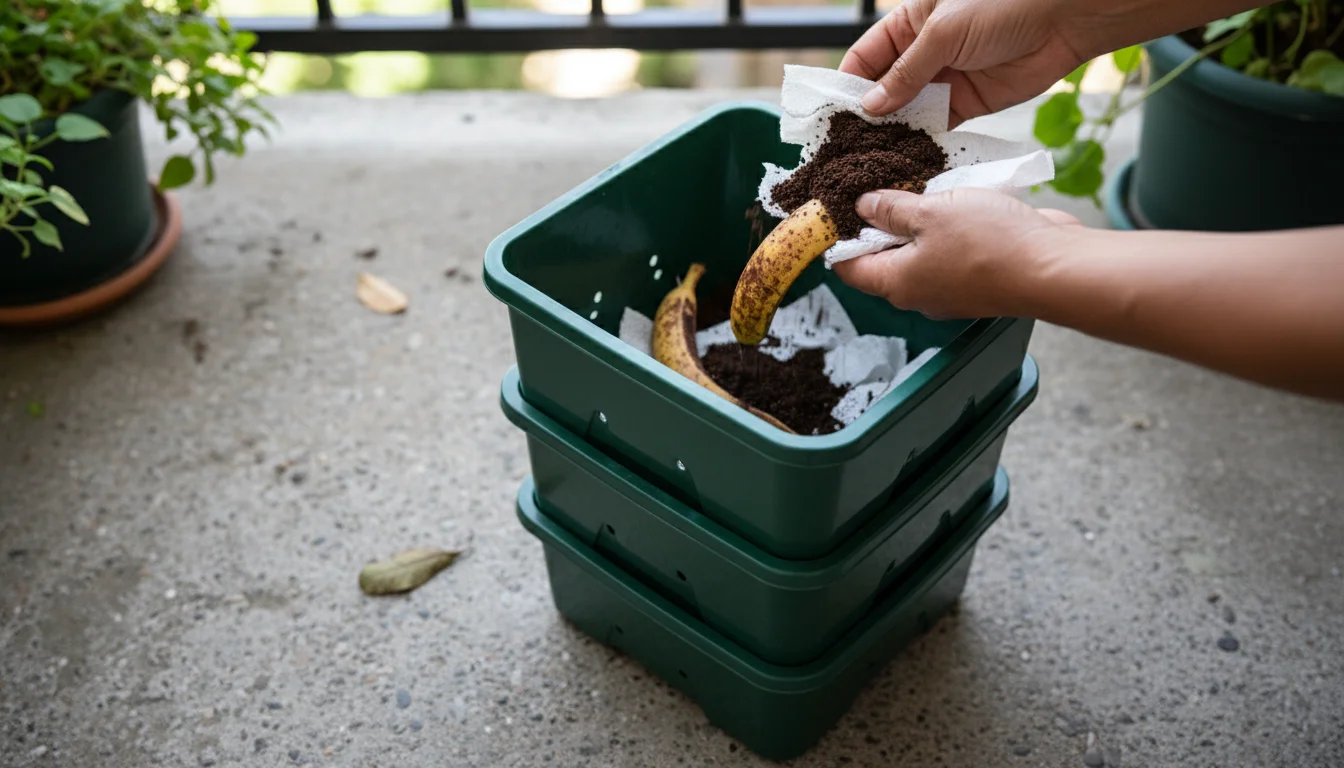
The production of worm castings (vermicomposting) is an incredible example of waste reduction. It diverts organic materials like food scraps, cardboard, and other plant debris from landfills, where they would otherwise produce methane, a potent greenhouse gas. Instead, these “waste” products are transformed into a valuable resource, closing the loop on organic matter and cycling nutrients back into our growing systems.

Minimizing Chemical Footprint
By opting for worm castings, you reduce your reliance on synthetic chemical fertilizers. The production of these chemicals is energy-intensive and often involves processes with significant environmental impacts. Furthermore, their use can lead to runoff that pollutes waterways, contributing to issues like algal blooms. Worm castings eliminate these concerns, providing nutrients through natural, biological processes.
Enhancing Biodiversity
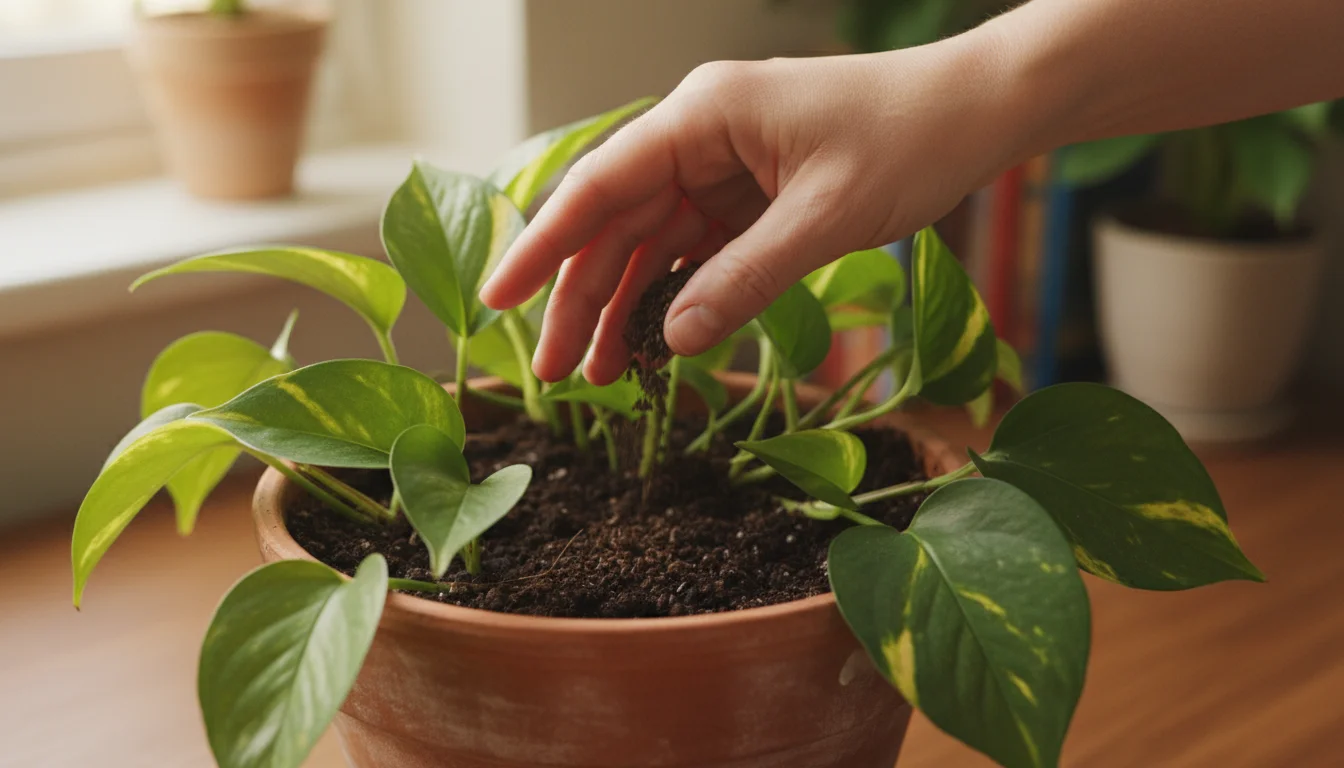
Using worm castings introduces and nurtures a diverse community of beneficial microorganisms in your potting mix. This enhanced microbial biodiversity creates a more resilient and healthy soil ecosystem, which is a cornerstone of ecological gardening. A living soil is better equipped to support plant health naturally, requiring fewer external inputs.
Safe for Pets and Children
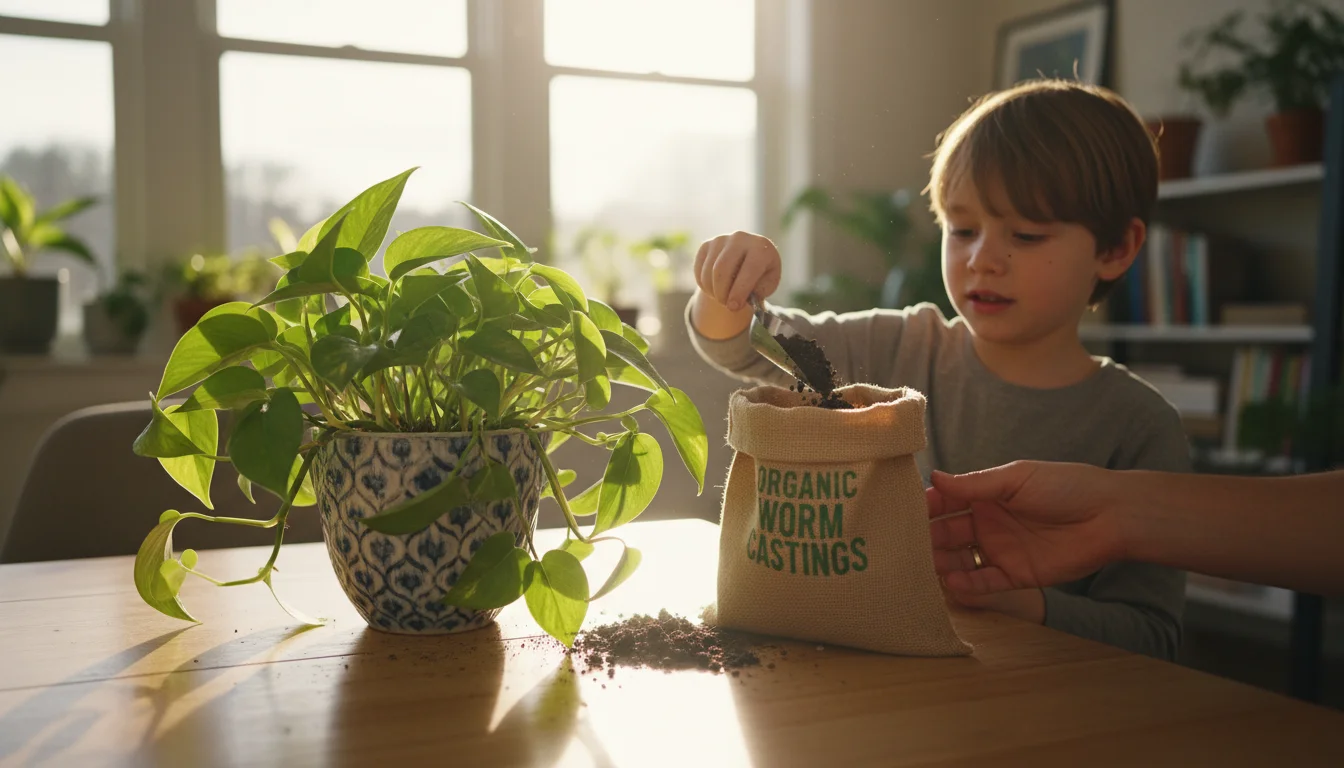
Unlike many synthetic fertilizers, worm castings are completely non-toxic and safe for use around pets and children. This is a significant advantage for indoor gardeners, ensuring that your home environment remains healthy and free from harmful chemicals. You can garden with peace of mind, knowing your chosen indoor plant food is safe for everyone in your household.
Embracing worm castings means you are not just feeding your plants; you are participating in a regenerative cycle that benefits your home, your plants, and the planet. It’s a simple, yet profound, way to practice gardening that truly nourishes life.
Frequently Asked Questions
Can worm castings really replace all my other fertilizers?
For most indoor plants, especially during winter or for those with moderate nutrient needs, worm castings provide a comprehensive and balanced diet. For heavy feeders or plants in active bloom, you might supplement with a balanced organic liquid fertilizer during their peak growing season, but worm castings can significantly reduce your reliance on other products. Many gardeners find they use castings as their primary indoor plant food year-round.
Do worm castings attract pests?
No, quite the opposite. High-quality worm castings are odor-free and do not attract common household pests like ants, roaches, or rodents. In fact, as discussed, their properties often help deter certain plant pests like fungus gnats and spider mites by promoting plant health and potentially disrupting insect life cycles. If you notice pests, it is likely due to other underlying factors, not the castings themselves.
Where can I buy good quality worm castings?
You can find high-quality worm castings at most garden centers, nurseries, and online retailers specializing in organic gardening supplies. Look for brands that clearly state “100% pure worm castings” and avoid products with added fillers. The best products will have a rich, earthy smell and a fine, consistent texture. Support local businesses or reputable organic suppliers for the best results.
Are worm castings messy to use indoors?
Worm castings are remarkably clean and easy to handle. They are dry, crumbly, and have a pleasant, earthy scent, not unlike forest soil. They do not leave residue or unpleasant odors. When top-dressed, they blend into your soil surface, and when mixed, they become an invisible but powerful component of your potting mix. They are one of the cleanest and easiest natural fertilizers for container plants.
How long do worm castings remain effective in the soil?
Worm castings offer long-lasting benefits. While the immediate soluble nutrients will be utilized within weeks, the microbial activity and organic matter continue to enrich the soil for several months. Regular applications (every 2-3 months in winter, more often in summer) ensure a continuous supply of beneficial biology and slow-release nutrients, constantly improving your soil’s structure and fertility.
For trustworthy gardening information, visit: Clemson University Extension — Home & Garden, Colorado State University Extension — Gardening and North Carolina State Extension — Gardening. These organizations provide expert, research-based advice for gardeners at all levels.
Disclaimer: This article is for informational purposes only and is not a substitute for professional gardening advice. Always consult local extension services or horticulture experts for region-specific guidance.

Leave a Reply