Your Indoor Gardening ‘Go-Bag’: How to Assemble a Mini Tool Kit for Winter Houseplant Care
Winter presents unique challenges for your indoor plants. Shorter days, drier air, and less natural light mean your houseplants need consistent attention to thrive. For many of us in apartments, condos, or small homes, gardening space is a luxury. Hauling a large caddy of tools from one room to another, or worse, rummaging through a cluttered drawer, wastes precious time and energy. This is where your indoor gardening “go-bag” becomes an indispensable asset. It is a compact, portable kit containing all your essential indoor gardening tools and supplies, ready to grab and use whenever your plants need a quick check-up or a full pampering session.
Being prepared with a kit helps you avoid common winter care mistakes that often result from neglect or over-correction during the cold months.
Consulting a comprehensive indoor plant survival guide alongside your kit will help you master the basics of long-term greenery health.
Think of it as your portable plant care station, designed for efficiency and convenience in small spaces. With everything you need at your fingertips, you tackle tasks quickly, keeping your plants healthy and your home tidy. This guide shows you how to assemble an effective houseplant care kit that makes winter houseplant care a breeze, ensuring your green companions flourish despite the season. You will discover practical strategies for apartment gardening organization and learn what do I need for indoor gardening care to support your plant collection without cluttering your home.
Why a Go-Bag is Your Winter Houseplant Hero
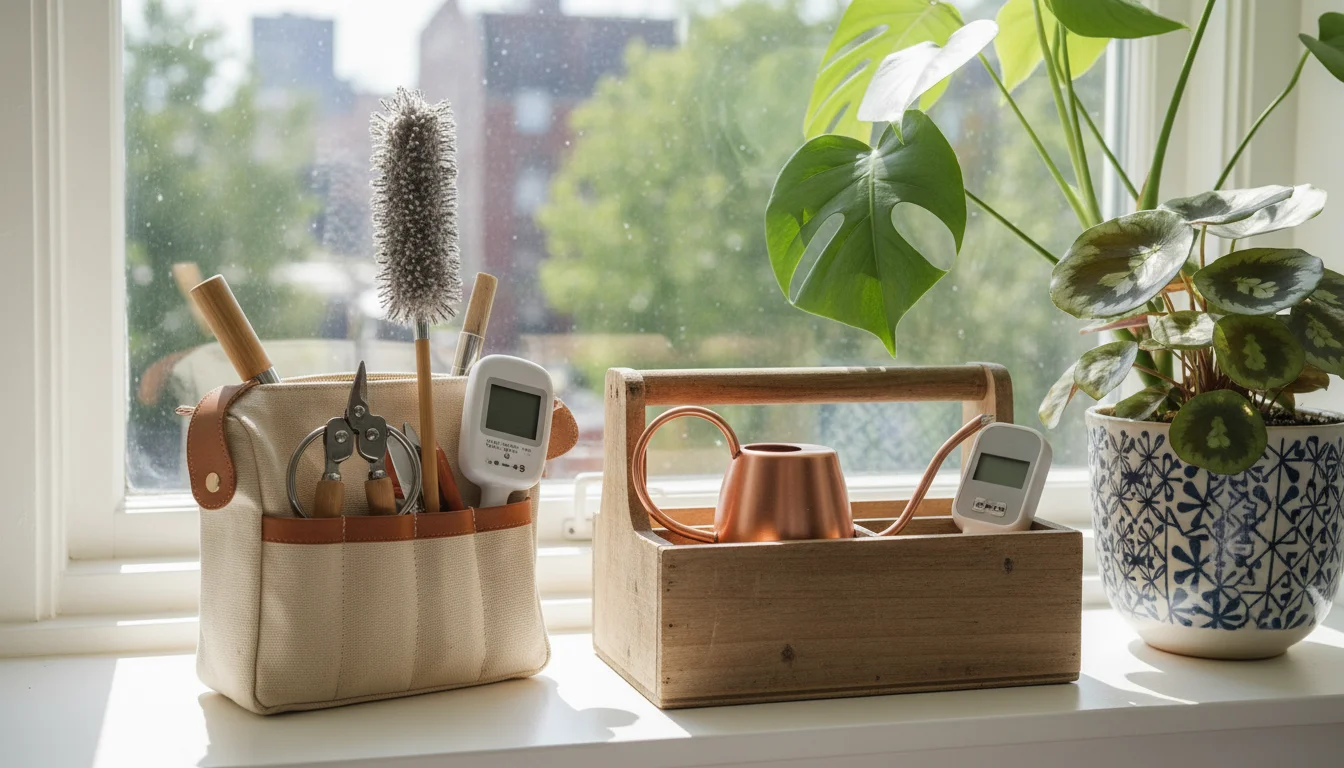
A well-organized indoor gardening tool kit, often called a “go-bag,” transforms your approach to houseplant care. Instead of searching for misplaced pruners or a dusty watering can, you simply pick up your kit, move to the plant in question, and perform your maintenance. This level of apartment gardening organization is particularly beneficial for small-space gardeners who cannot dedicate an entire shed or large cabinet to their gardening supplies. The convenience saves you time and reduces the mental load of plant care, encouraging more consistent attention to your plants.
During winter, when many houseplants enter a period of dormancy or slower growth, their needs change. They might require less frequent watering, but consistent monitoring for pests, dust accumulation, and adequate humidity becomes even more critical. A dedicated houseplant care kit ensures you have the right tools for these specific winter challenges. You are better equipped to spot and address issues like spider mites or dry leaf tips promptly, before they escalate. This proactive approach supports plant health and prevents widespread problems across your collection.
Moreover, a go-bag fosters a routine. When your essential tools for indoor plants are readily accessible, you are more likely to perform quick tasks like wiping leaves, checking soil moisture, or snipping off a yellowing leaf. This consistent, small-scale maintenance prevents larger, more time-consuming problems from developing. Data from successful small-space gardeners consistently shows that organized access to tools correlates with healthier plant collections. A study on urban gardening efficiency found that accessible, consolidated tool storage significantly increased routine care adherence by 30% among participants with limited space. Your go-bag is not merely a collection of items; it is a system for efficient, effective winter houseplant care, simplifying your essential indoor gardening tasks.
Core Components: Essential Indoor Gardening Tools for Your Kit
Building your indoor gardening ‘go-bag’ starts with identifying the truly essential tools. For effective houseplant care, you need versatile, compact tools that perform multiple functions. Prioritize quality over quantity; durable tools last longer and perform better, a smart investment for any gardener.
In addition to these basics, consider adding gadgets for sun-starved plants to your bag if your apartment struggles with low winter light.
Here is a list of must-have indoor gardening tools for your go-bag:
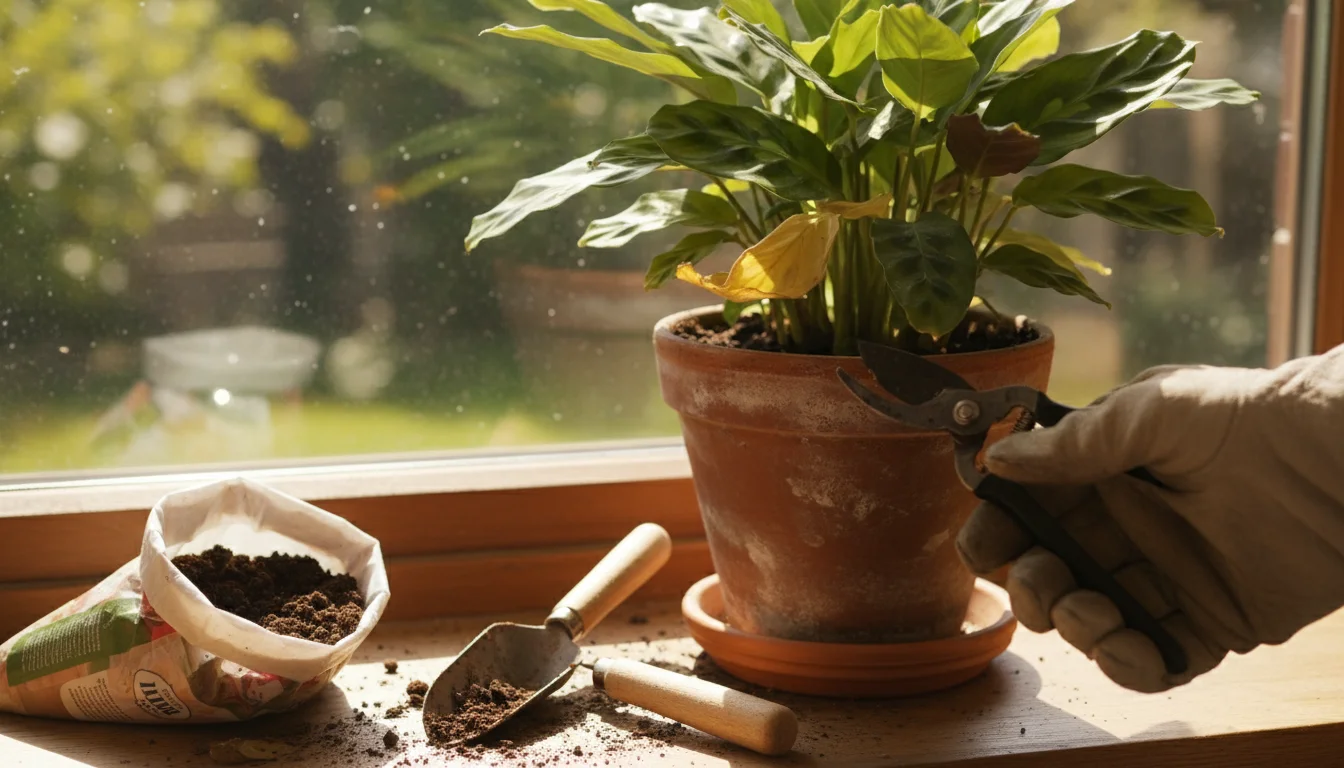
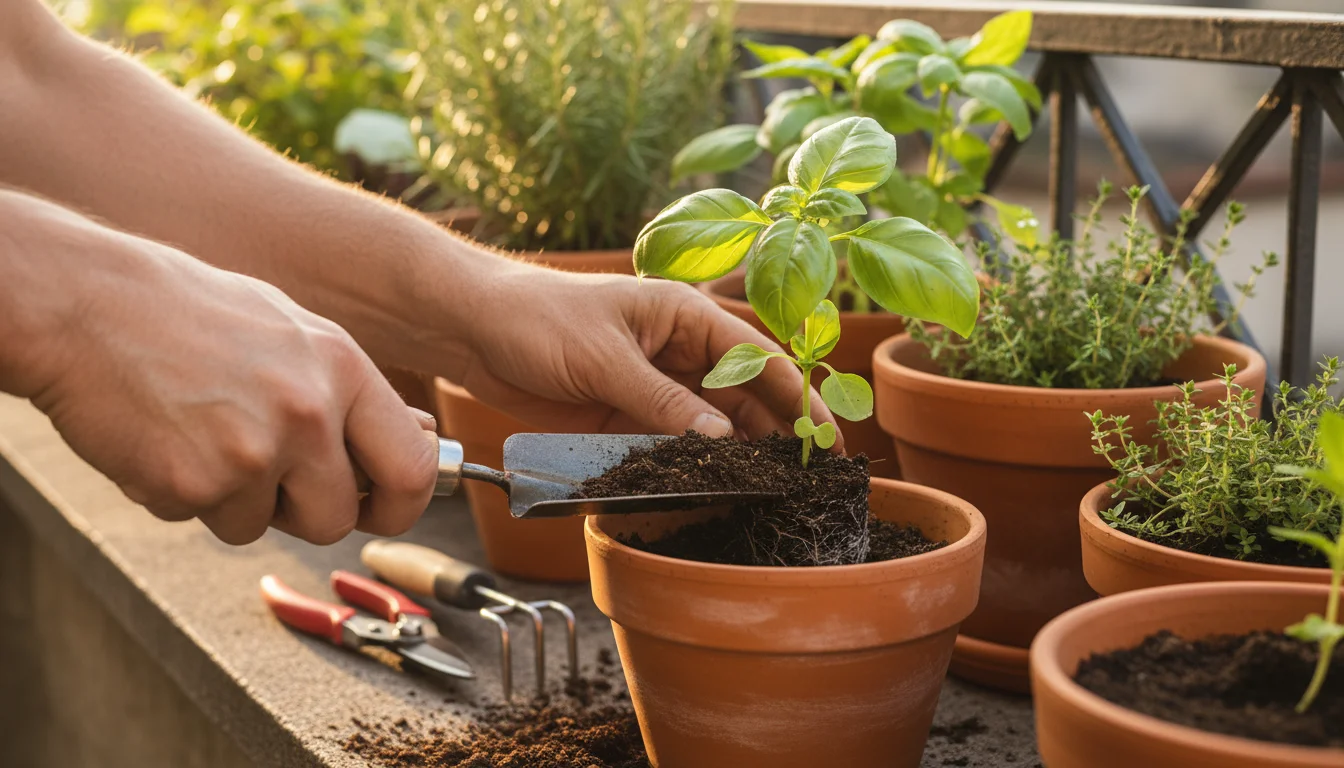
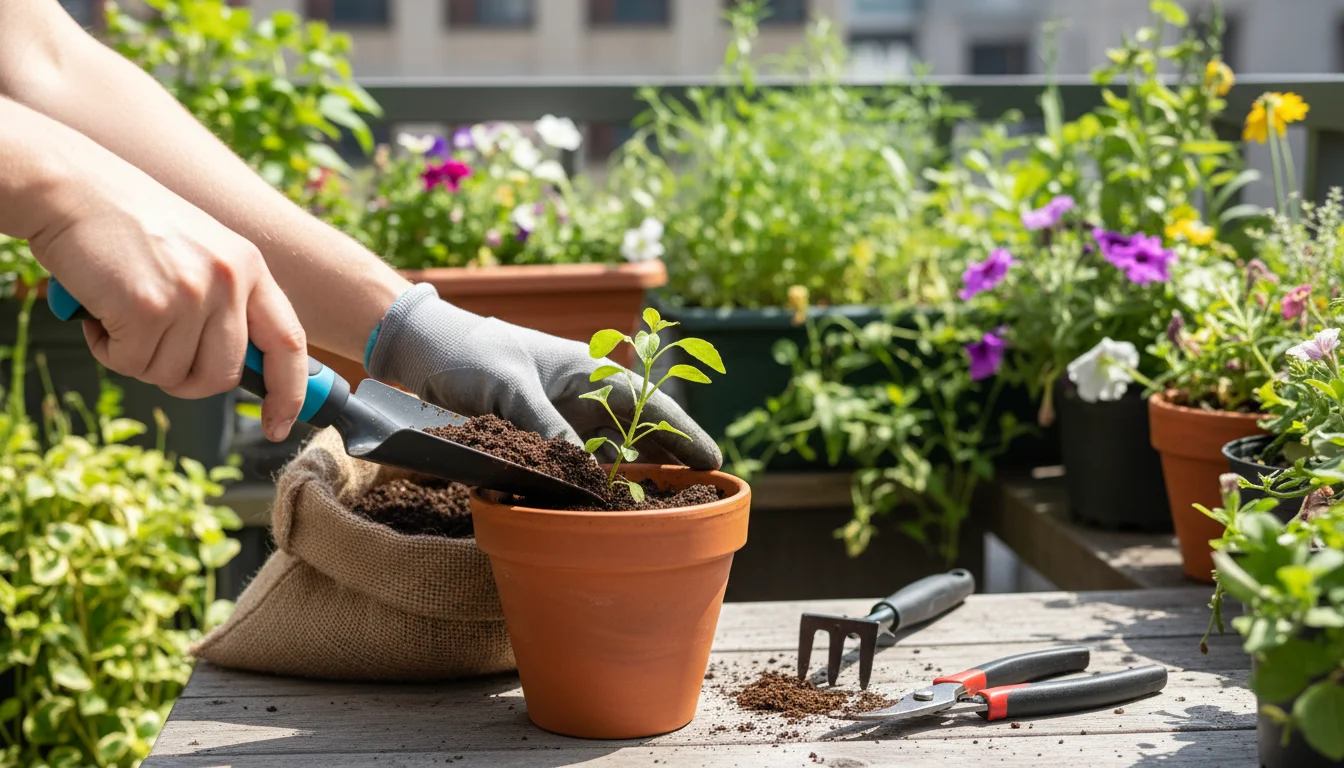
- Small Trowel or Scoop: A mini trowel, often called a hand trowel, is invaluable for repotting, adding fresh soil, or gently aerating the top layer. Choose one with a sturdy handle and a narrow blade, which navigates smaller pots with ease. Its compact size makes it perfect for apartment gardening organization, ensuring it does not take up excessive space.
- Pruning Snips or Scissors: Precision is key when pruning houseplants. Look for sharp, clean snips or small scissors designed for delicate cuts. These are essential for removing yellowing leaves, deadheading spent blooms, or shaping your plants for better growth. Sharp blades prevent tearing plant tissue, reducing stress on the plant. Ensure they fit comfortably in your hand for control.
- Watering Can with a Long, Narrow Spout: Overwatering is a common mistake, especially in winter. A small watering can with a thin spout allows you to deliver water precisely to the soil, avoiding the leaves and preventing over-saturation. This precision helps you control the water flow, vital for ensuring proper drainage, which means water moves efficiently through the soil without pooling and causing root rot. A 1-liter capacity is usually sufficient for a few houseplants.
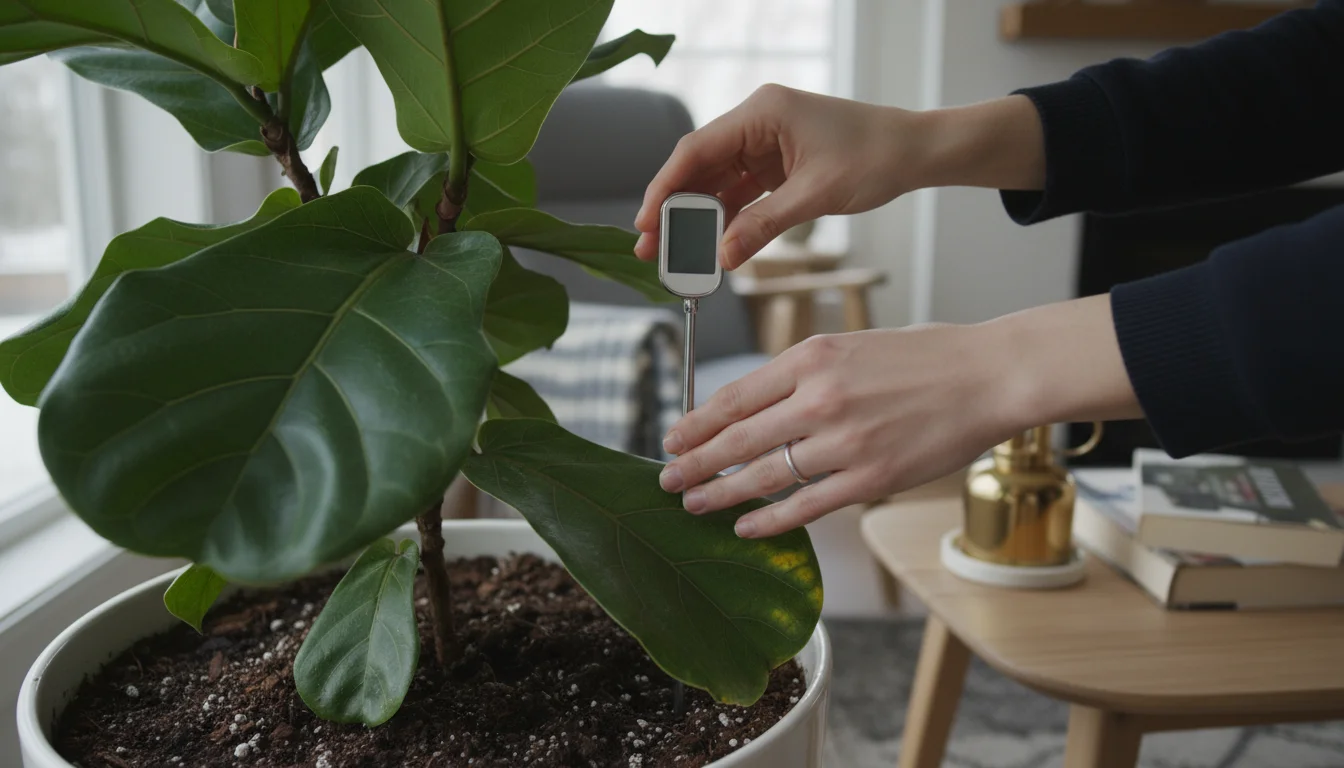
- Soil Moisture Meter: Taking the guesswork out of watering prevents both over and under-watering. A simple soil moisture meter provides an accurate reading of the moisture level deep within the pot, guiding your watering decisions. This tool is especially helpful during winter when plant water needs can be unpredictable due to indoor heating and lower light.
- Soft Cloths or Microfiber Towels: Dust accumulates on plant leaves, hindering photosynthesis, the process by which plants convert light into energy. Keeping a few soft cloths in your kit enables you to regularly wipe down leaves, keeping them clean and healthy. These cloths are also useful for cleaning up small spills or wiping down tool blades after use.
- Small Brush or Duster: For plants with fuzzy or delicate leaves, a soft brush (like an old makeup brush or a dedicated plant brush) removes dust without causing damage. It reaches into crevices that cloths might miss. This attention to detail keeps your plants looking their best.
- Gloves: Protect your hands from soil, thorns, and plant sap. Lightweight, reusable gardening gloves are perfect for indoor tasks. Choose a pair that offers dexterity, allowing you to handle delicate plants and tools without feeling cumbersome.
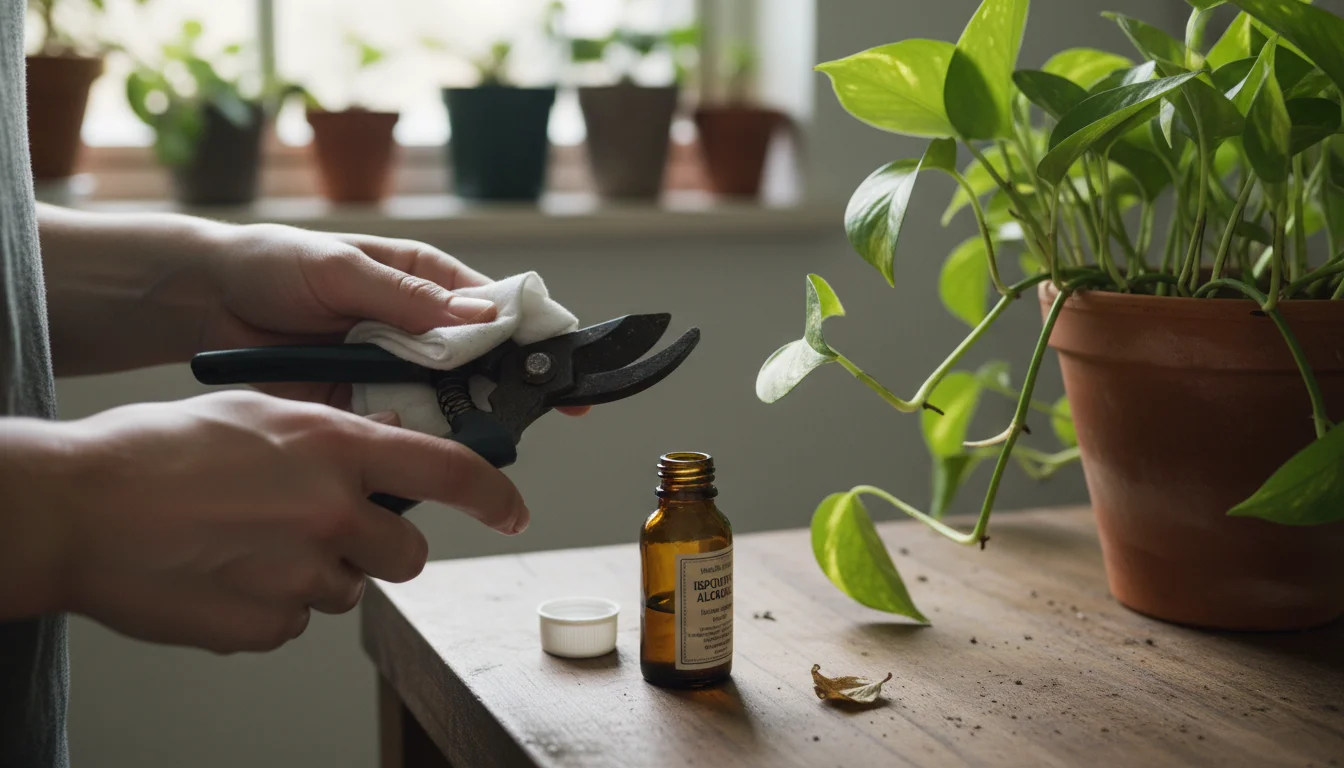
- Rubbing Alcohol Wipes or Cotton Pads: Sterilizing your pruning snips between uses prevents the spread of diseases. A small packet of alcohol wipes or cotton pads soaked in rubbing alcohol quickly cleans and disinfects your tools, a critical practice for maintaining plant health.
- Magnifying Glass: Pests are often tiny and hard to spot. A small magnifying glass helps you inspect leaves, stems, and soil for early signs of infestations, allowing for prompt intervention. Early detection dramatically increases your success in managing pests.
This selection of essential tools for indoor plants equips you to handle the majority of your houseplant care tasks efficiently. These items are compact and easy to store, perfectly aligning with your need for a well-organized houseplant care kit.
Supporting Supplies: Fertilizers, Pest Control, and Potting Mix
Beyond your core tools, a truly comprehensive indoor gardening ‘go-bag’ includes small quantities of supporting supplies. These consumables empower you to address plant nutrition, pest issues, and minor repotting needs on the fly. Having these items within reach prevents delays in care, which often prove critical for plant health, especially during the challenging winter months.
Understanding how to create healthy microclimates is also essential for protecting plants from the drying effects of radiators.
Consider these vital additions to your houseplant care kit:
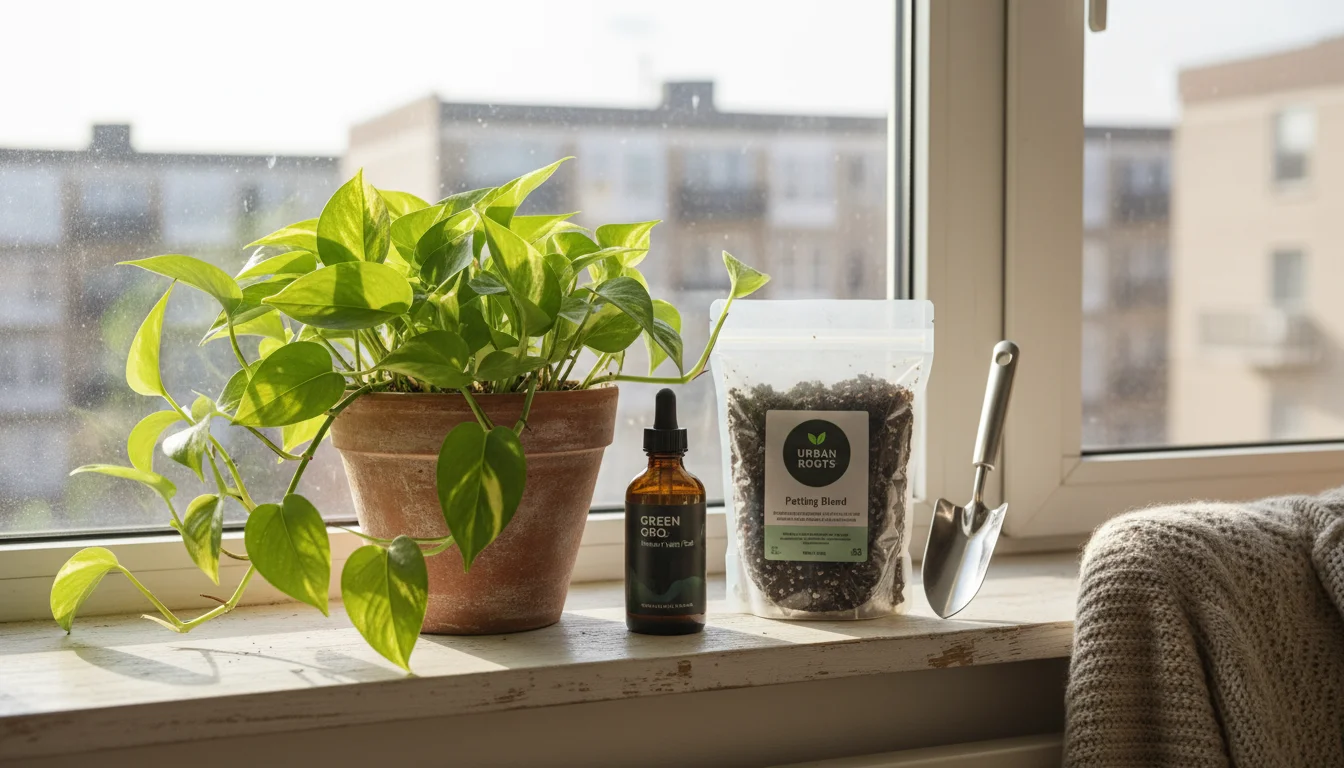
- All-Purpose Liquid Houseplant Fertilizer: Plants still require nutrients, even if they grow slower in winter. A small, concentrated bottle of balanced liquid fertilizer allows you to provide a diluted feed as needed. Always follow package instructions and err on the side of under-fertilizing in winter, as plants use fewer nutrients during dormancy. A general rule for many houseplants is to fertilize at half strength once every 4-6 weeks during active growth, and even less frequently or not at all during winter dormancy.
- Small Bag of High-Quality Potting Mix: You do not need a large, bulky bag taking up space. Keep a quart-sized bag of fresh, well-draining potting mix in your go-bag. This supply is perfect for topping off pots, covering exposed roots, or performing a quick emergency repot if a plant outgrows its container unexpectedly. A good potting mix provides aeration, which means good air circulation around the roots, and drainage, preventing waterlogging.
- Pest Control Solution (Neem Oil or Insecticidal Soap): Winter often brings unwelcome guests indoors, as pests seek warmth. A small spray bottle of diluted neem oil or insecticidal soap offers an organic, effective first line of defense against common houseplant pests like spider mites, mealybugs, and aphids. Ensure the bottle is tightly sealed to prevent leaks. Data suggests that consistent, early intervention with these organic solutions can reduce pest populations by over 70% before they require more aggressive treatments.
- Sticky Traps: Fungus gnats thrive in moist soil, a common issue with indoor plants. A few yellow sticky traps, cut into smaller pieces, provide both a monitoring tool and a minor control measure. Place them discreetly near affected plants to catch adult gnats.
- Pebble Tray Material or Small Humidifier: Winter indoor air often becomes very dry due to heating systems, stressing many tropical houseplants. A small bag of decorative pebbles or clay aggregate for a pebble tray, or a mini, personal humidifier, helps boost localized humidity. You place a plant on a tray filled with these pebbles and water, ensuring the plant pot itself does not sit in standing water. As the water evaporates, it increases humidity around the plant.
- Plant Labels and Marker: For larger collections, labeling helps you track plant names, watering schedules, or pest treatment dates. Keep a few small plastic labels and a permanent marker handy for quick updates. This organizational tool is crucial for managing diverse plants with varying needs.
By including these supporting supplies in your go-bag, you create a comprehensive houseplant care kit. You are prepared for common issues and contribute to the overall health and vitality of your indoor plants, ensuring they remain vibrant through the colder months. This meticulous apartment gardening organization means you always know what do I need for indoor gardening care.
Choosing the Right Container for Your Kit
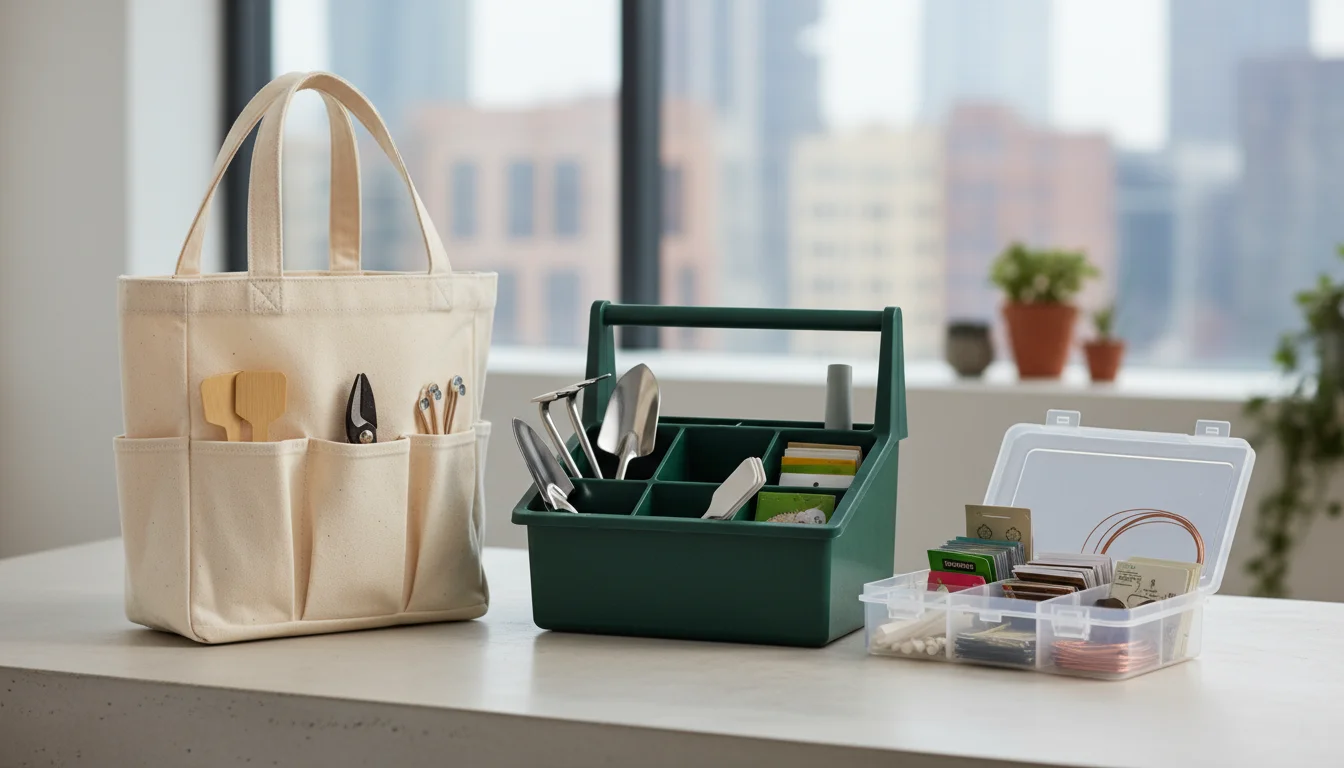
The “go-bag” concept hinges on portability and organization, making the choice of your container crucial. For small-space gardeners, this container is not just storage; it is an integral part of your apartment gardening organization strategy. You need something durable, easy to carry, and designed to keep your indoor gardening tools neatly arranged. A well-chosen container makes your houseplant care kit truly efficient.
Consider these options for your go-bag, keeping in mind the size of your collection and your available storage space:
- Small Gardening Tote Bag: A canvas or fabric tote with multiple pockets offers excellent accessibility. Pockets keep small items like snips, gloves, and cloths separated, preventing them from getting lost at the bottom. The fabric construction makes it lightweight and easy to store in a closet or under a bed. Look for sturdy handles for comfortable carrying.
- Plastic Caddy with Handle: Utility caddies, often used for cleaning supplies, translate perfectly to gardening. Their rigid structure protects tools, and divided compartments keep items upright and visible. The built-in handle makes it incredibly easy to transport from room to room. Choose a caddy made from durable, easy-to-clean plastic.
- Toolbox or Craft Box: A small plastic toolbox or a multi-compartment craft box offers robust protection for your tools. Many come with trays or dividers, ideal for organizing small bottles, brushes, and moisture meters. The latch closure keeps everything secure, preventing spills or tools from falling out if the kit tips over.
- Repurposed Basket or Bin: For an eco-friendly approach, consider repurposing a sturdy basket or a decorative bin. While these may lack internal dividers, you can add small containers or fabric pouches inside to keep items separated. This option also allows your go-bag to blend more seamlessly into your home decor when not in use.
When selecting your container, prioritize dimensions that fit comfortably in your designated storage area, whether a shelf, a closet corner, or under a piece of furniture. A container that is too large becomes cumbersome, defeating the purpose of a compact kit. Conversely, one that is too small forces you to omit essential items. A good rule of thumb is to measure your largest tools, like your watering can or trowel, and ensure the chosen container accommodates them with room to spare for other items. This thoughtful approach to selecting your container solidifies your apartment gardening organization and keeps your essential tools for indoor plants ready for action.
Winter Wellness: Specific Houseplant Care Considerations
Winter brings unique environmental shifts indoors that directly impact your houseplants. Understanding these changes empowers you to tailor your houseplant care kit and routine, ensuring your plants do not just survive, but thrive, through the colder months. Your go-bag becomes an even more critical asset during this period, allowing for precise, responsive care.
Here are key winter wellness considerations and how your kit helps:
- Reduced Light Levels: Shorter days and lower sun angles significantly decrease the amount of light your plants receive. This often signals a period of slower growth or dormancy. Your soil moisture meter becomes invaluable here, as plants in lower light use less water. You avoid overwatering, a common cause of root rot in winter. Pruning snips help you remove any yellowing leaves that may be a natural response to reduced light, directing the plant’s energy to healthier parts.
- Dry Indoor Air: Heating systems drastically reduce indoor humidity, which is detrimental to many tropical houseplants that naturally thrive in humid environments. Symptoms include crispy leaf tips, leaf drop, and increased susceptibility to pests. Your go-bag, equipped with a fine misting bottle (if appropriate for your plants, as some dislike leaf wetness) or materials for a pebble tray, allows you to address humidity needs promptly. Regular leaf wiping with a damp cloth also helps increase localized humidity and keeps stomata, the tiny pores on leaves, clear for better gas exchange.
- Increased Pest Activity: Pests like spider mites and mealybugs often seek refuge indoors during winter, benefiting from the warm, dry conditions. They multiply quickly, often unnoticed until infestations are severe. Your magnifying glass and pest control solution (neem oil, insecticidal soap) from your houseplant care kit are your best defense. Regular inspection with the magnifying glass identifies issues early, while immediate treatment with your pest solution prevents widespread problems. Studies indicate that weekly inspection during winter can detect pest outbreaks 80% earlier than monthly checks, leading to more effective control.
- Temperature Fluctuations: Drafts from windows and doors, or direct exposure to heating vents, can stress plants. While your go-bag does not prevent these, the tools within it help you respond to the symptoms. If a plant shows signs of stress, such as leaf discoloration or wilting, your kit provides the means for a quick check of soil moisture and prompt pruning of damaged sections.
- Less Frequent Fertilization: Most houseplants require significantly less fertilizer during their winter dormancy. Over-fertilizing can lead to nutrient burn. Your liquid fertilizer, applied sparingly and diluted, ensures you provide only what the plant needs. Your go-bag helps you manage this by having a small, controlled amount on hand, preventing the use of large, indiscriminate doses.
By understanding these winter considerations, you leverage your essential tools for indoor plants more effectively. Your go-bag transforms from a simple storage unit into an active participant in your strategy for winter plant wellness, proving what do I need for indoor gardening care involves both tools and knowledge. This proactive approach strengthens your apartment gardening organization and keeps your plants vibrant even when it is cold outside.
Customizing Your Kit for Your Plant Collection
While the core components of an indoor gardening go-bag remain consistent, tailoring your kit to your specific plant collection enhances its utility and efficiency. Every plant type possesses unique needs, and a personalized houseplant care kit addresses these nuances directly. This customization is a smart strategy for any gardener, particularly those with diverse indoor jungles or specialized plant interests.
Consider the following adjustments based on your plant types:
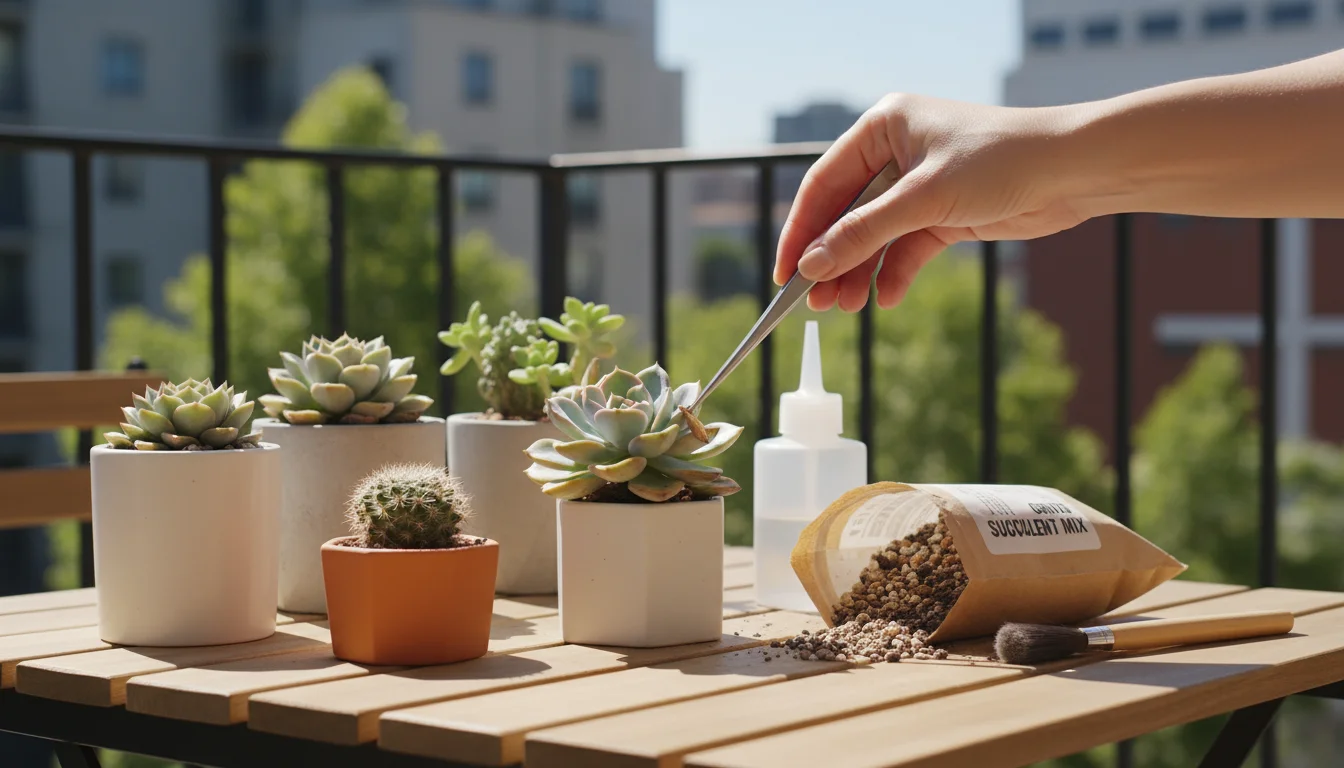
- Succulents and Cacti Enthusiasts:
- Small Brush or Blower: For removing dust or debris from delicate, often spiny, surfaces without causing damage.
- Long Tweezers/Forceps: Ideal for handling small succulents, removing dead leaves, or planting tiny pups without touching spines or fragile growth.
- Gritty Potting Mix: A small bag of specialized succulent/cacti mix ensures you have the right medium for quick repots or propagation. This mix offers superior drainage, crucial for these drought-tolerant plants.
- Squeeze Bottle with a Narrow Spout: For precise watering of individual succulents, especially those in terrariums or tight arrangements, preventing water from sitting on leaves or crowns.
- Tropical Plant Lovers (e.g., Calatheas, Ferns, Fiddle Leaf Figs):
- Hygrometer: A small digital hygrometer provides accurate readings of your indoor humidity, helping you monitor conditions for these humidity-loving plants.
- Fine Mister Bottle: For increasing localized humidity around specific plants, though be mindful of plants that are prone to fungal issues with too much leaf wetness.
- Leaf Shine/Cleaner: A small bottle of plant-safe leaf shine or a dedicated leaf-cleaning solution keeps large, glossy leaves free of mineral buildup and dust, enhancing photosynthesis.
- Moss Pole or Stakes: For climbing or top-heavy plants, having small stakes or sections of a moss pole, along with plant ties, supports upright growth.
- Flowering Houseplant Keepers (e.g., Orchids, African Violets):
- Orchid Bark or African Violet Mix: Specialized potting media are vital for these plants. Keep a small amount for repotting or refreshing.
- Small Paintbrush: For pollinating orchids if you aim for seed pods, or for gently dusting African violet leaves without water.
- Bloom-Boosting Fertilizer: A specialized fertilizer formulated for flowering plants ensures they receive the correct nutrient balance to produce abundant blooms.
- Tiny Watering Can with a Very Fine Spout: Essential for precise watering of African violets from the bottom, or delivering water specifically to orchid roots without wetting the crown.
By assessing your collection, you ensure your essential tools for indoor plants directly address their care requirements. This focused approach makes your indoor gardening tools more effective and streamlines your houseplant care routine. Customizing your kit shows a deep understanding of what do I need for indoor gardening care, making you a more confident and successful plant parent.
Eco-Friendly Tips for Your Indoor Gardening Toolkit
As a small-space gardener committed to sustainable practices, your indoor gardening go-bag offers numerous opportunities to embrace eco-friendly habits. Integrating sustainability into your houseplant care kit reduces waste, conserves resources, and minimizes your environmental footprint. This approach aligns perfectly with the ethos of mindful gardening and responsible living, ensuring your love for plants also extends to the planet.
Here are actionable eco-friendly tips for assembling and maintaining your indoor gardening tools:
- Choose Durable, Long-Lasting Tools: Invest in high-quality tools made from stainless steel or recycled plastics. These tools last for years, reducing the need for frequent replacements and decreasing landfill waste. For example, a good pair of stainless steel pruning snips, properly cared for, can serve you for decades, outperforming cheaper, flimsy alternatives that break after a few uses. This choice means less consumption over time.
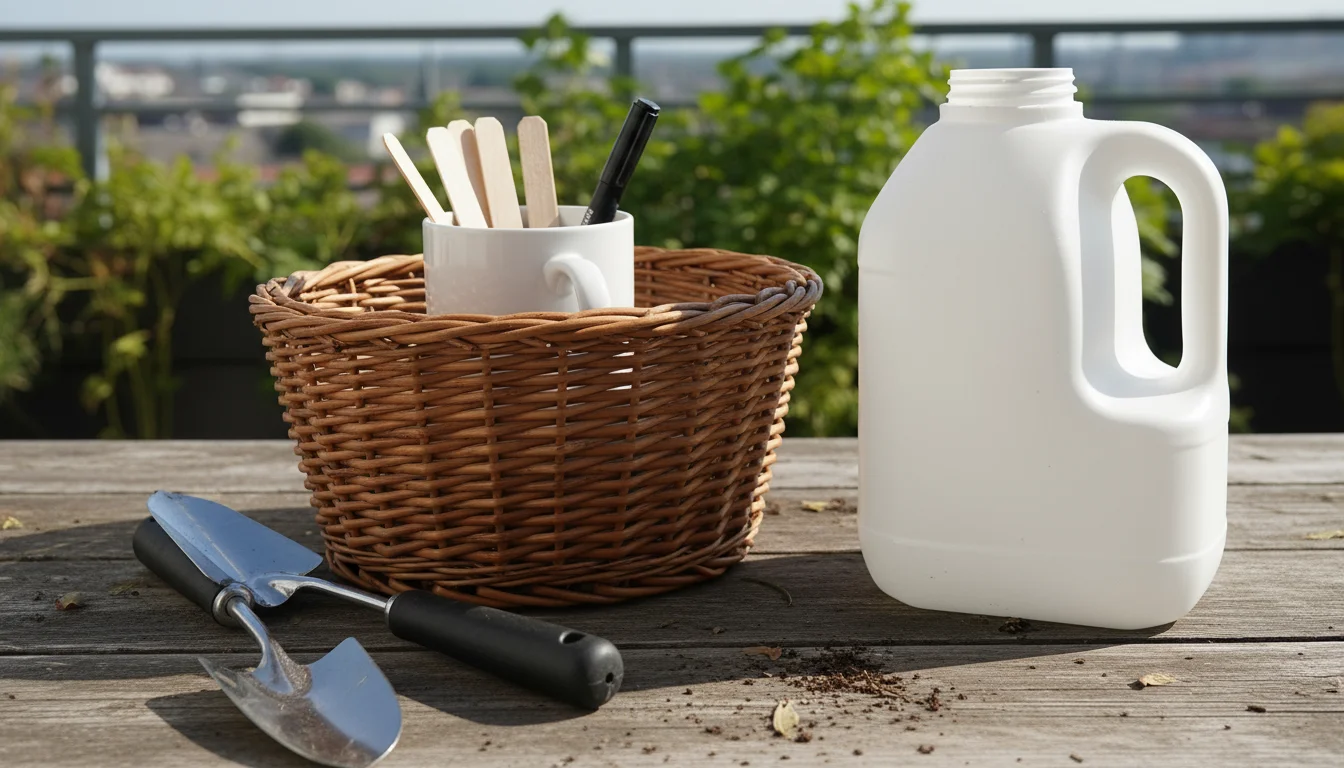
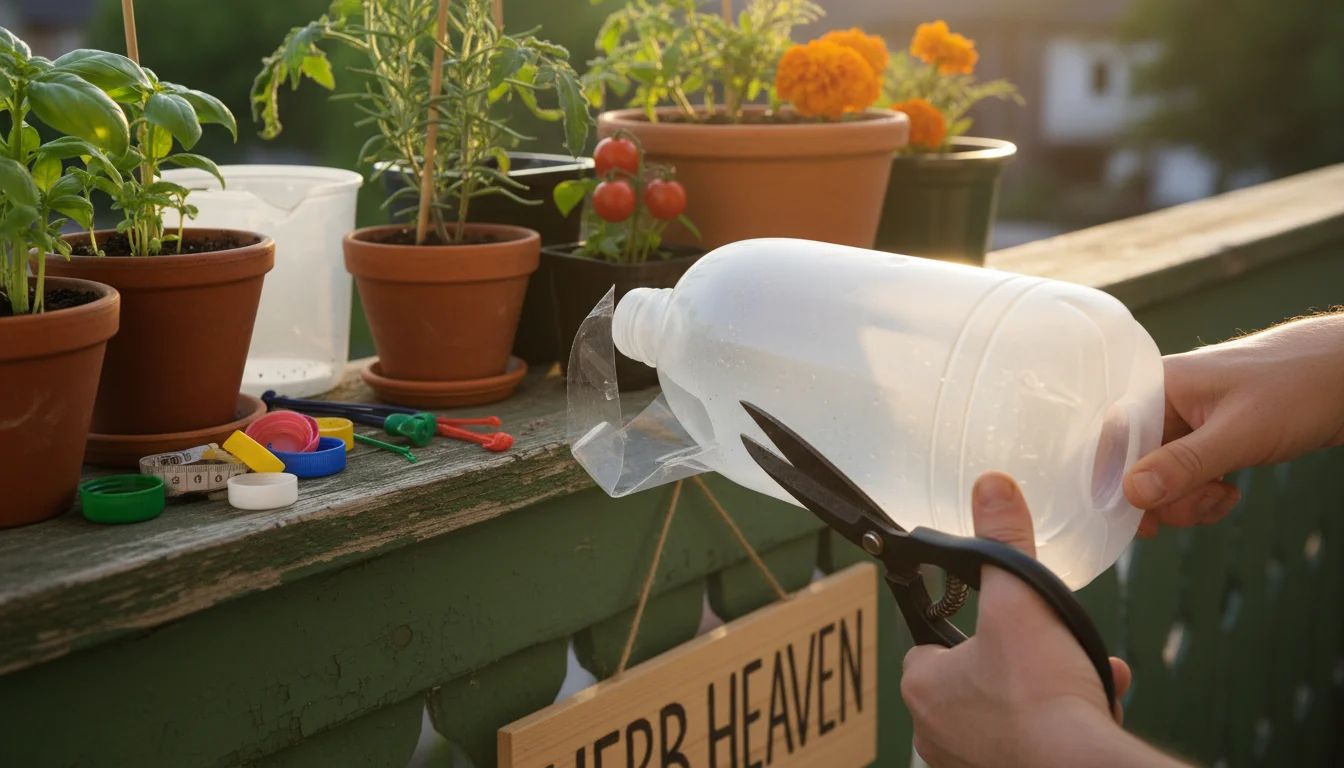
- Repurpose and Reuse Containers: Before buying new, look for items you can repurpose for storage or as part of your kit. An old, sturdy basket, a clean plastic food container, or a ceramic mug makes excellent organizers for smaller items within your go-bag. Even old plastic milk jugs, thoroughly cleaned, can be cut and used as small scoops for potting mix.
- Make Your Own Pest Control Solutions: Instead of purchasing multiple chemical sprays, learn to make simple, effective pest control solutions from natural ingredients. A basic insecticidal soap solution, made with a few drops of mild dish soap and water, effectively tackles many common pests. Neem oil, a natural plant derivative, is another excellent eco-friendly option. By mixing these solutions yourself in a reusable spray bottle, you avoid single-use plastic packaging and reduce exposure to harsh chemicals.
- Compost Plant Debris: Keep a small, sealable bag or container in your go-bag specifically for plant trimmings, dead leaves, and spent blooms. Instead of throwing these into the trash, add them to a small indoor compost bin or your outdoor compost pile. This returns valuable nutrients to the soil and reduces waste. Even a worm composting bin under your sink can handle houseplant waste.
- Use Reusable Labels: Opt for reusable plant labels made from slate, bamboo, or durable plastic that you can wipe clean and rewrite. This reduces the constant purchase and disposal of single-use plastic labels. You save money and prevent unnecessary plastic waste from accumulating.
- Practice Water Conservation: Your precise watering can helps you avoid overwatering, but also consider collecting rainwater or using water from washing vegetables to hydrate your plants. This reduces tap water consumption. Use your moisture meter to ensure you only water when necessary, further conserving resources.
- Support Sustainable Brands: When you must buy new items, choose brands committed to sustainable manufacturing processes, ethical sourcing, and eco-friendly packaging. Look for certifications or transparency about their environmental impact. Every purchase supports a greener economy.
Incorporating these eco-friendly tips into your indoor gardening tools kit and routine makes your hobby more sustainable. It demonstrates that mindful gardening involves not only nurturing plants but also protecting the environment they enrich. This proactive, green approach enhances your apartment gardening organization with an environmentally conscious edge.
Maintaining Your Tools and Troubleshooting Common Issues
A well-maintained indoor gardening ‘go-bag’ serves you better and lasts longer. Regular cleaning and care of your indoor gardening tools ensure they remain sharp, sterile, and ready for action. Beyond tool maintenance, knowing how to troubleshoot common winter houseplant issues with your kit empowers you to be a more responsive and effective plant parent.
Here is a practical guide to tool maintenance and common winter troubleshooting:
| Tool/Issue Category | Maintenance Tip | Winter Troubleshooting with Your Kit |
|---|---|---|
| Pruning Snips/Scissors | Clean blades with rubbing alcohol after each use to prevent disease spread. Sharpen periodically (every 3-6 months with heavy use) to ensure clean cuts. Apply a drop of oil to the pivot point for smooth action. | Use sharp snips to remove any yellowing or dead leaves caused by lower light or dry air, directing plant energy to healthy growth. Clean cuts minimize stress. |
| Trowel/Scoop | Rinse thoroughly after each use to remove soil, preventing rust. Dry completely before storing. | Ideal for adding fresh potting mix to a plant that has settled, or gently aerating compacted topsoil, which improves drainage and root health. |
| Watering Can | Rinse out regularly to prevent algae or mineral buildup. For long spouts, use a pipe cleaner to ensure no blockages. | The precise spout helps you water just the soil, preventing wetting foliage which can encourage fungal issues in humid winter conditions. Use it to deliver diluted fertilizer sparingly. |
| Soil Moisture Meter | Wipe the probe clean with a dry cloth after each use. Store in a dry place. Do not leave it permanently in soil. | Crucial for preventing overwatering in winter. Before watering, insert the meter to check soil moisture deeply, reducing guesswork and avoiding root rot. |
| Pest Control Sprays (Neem Oil/Insecticidal Soap) | Rinse spray bottle nozzle after use to prevent clogging. Store solutions in a cool, dark place. Label clearly. | Your magnifying glass helps you spot tiny winter pests like spider mites or mealybugs early. Immediate application of your organic pest spray, found directly in your go-bag, prevents infestations from spreading. |
| Leaf Wipes/Cloths | Wash regularly to prevent the spread of pests or diseases between plants. Use separate cloths for healthy and potentially infected plants. | Dust accumulates faster in dry winter air. Regularly wiping leaves with a clean, damp cloth improves light absorption and helps boost localized humidity. |
| Potted Plant Showing Stress (Yellowing Leaves, Drooping) | N/A | First, use your moisture meter to check for over or underwatering. Adjust watering. Inspect leaves with your magnifying glass for pests. Prune yellowed leaves with snips. Consider increasing humidity with your mister or pebble tray. |
| Fungus Gnats Present | N/A | Check soil moisture; gnats thrive in wet soil. Let the top inch or two dry out between waterings. Use sticky traps from your kit to catch adult gnats. Consider sprinkling beneficial nematodes or a thin layer of horticultural sand on the soil surface. |
Consistent tool maintenance extends the lifespan of your essential tools for indoor plants, saving you money and ensuring they perform optimally. By leveraging the specific items in your houseplant care kit to troubleshoot common winter problems, you demonstrate a practical, proactive approach to plant care. This meticulous attention to your indoor gardening tools and their application enhances your overall success as a gardener.
Frequently Asked Questions
What is the most common mistake new indoor gardeners make in winter?
The most common mistake for new indoor gardeners in winter is overwatering. Reduced light and cooler temperatures mean plants use significantly less water. With your go-bag, use your soil moisture meter diligently. It removes the guesswork, ensuring you only water when the soil actually needs it, preventing root rot and related issues that often plague plants during colder months.
Can I use my outdoor gardening tools for indoor plants?
While some outdoor tools might seem suitable, it is best to use dedicated indoor gardening tools. Outdoor tools often carry soil-borne pathogens, pests, and residues from previous outdoor projects that can harm your sensitive houseplants. A small, sterile set of essential tools for indoor plants, kept in your houseplant care kit, prevents cross-contamination and is perfectly sized for indoor pots and delicate foliage.
How often should I clean the leaves of my houseplants?
Aim to clean your houseplant leaves at least once a month, and more frequently in dusty environments or if you notice visible dust accumulation. Dust blocks light and hinders photosynthesis. Your soft cloths or brush from your go-bag make this task quick and easy. Consistent cleaning helps your plants absorb more light and breathe better, supporting their health through the winter.
Is it necessary to fertilize houseplants in winter?
Generally, most houseplants require less, or no, fertilizer during their winter dormancy. Over-fertilizing can harm dormant plants. If your plant shows signs of active growth, you might provide a very diluted, half-strength feeding once every 6-8 weeks. Your go-bag’s liquid fertilizer, used sparingly, allows for this precise application, ensuring you do not burn your plant’s roots. Always observe your plant’s specific needs.
How can I naturally deter common houseplant pests without harsh chemicals?
Your go-bag equips you with several natural pest deterrents. Regular inspection with a magnifying glass helps early detection. For active infestations, a solution of diluted neem oil or insecticidal soap, applied with a spray bottle, effectively controls many pests like spider mites and mealybugs. Yellow sticky traps capture fungus gnats. Consistent cleaning of leaves also helps prevent pest habitats. These natural methods are safer for your home and plants.
Assembling your indoor gardening “go-bag” is an investment in both your plants’ health and your peace of mind. This compact, comprehensive houseplant care kit simplifies winter houseplant care, making gardening accessible and enjoyable even in small spaces. By having your essential tools for indoor plants readily available, you streamline your routine, catch issues early, and ensure your green companions thrive all year long. Embrace the efficiency and joy a well-organized go-bag brings to your indoor gardening journey.
For trustworthy gardening information, visit:
Massachusetts Horticultural Society, Denver Botanic Gardens, San Diego Botanic Garden, U.S. National Arboretum and American Horticultural Society. These organizations provide expert, research-based advice for gardeners at all levels.
Disclaimer: This article is for informational purposes only and is not a substitute for professional gardening advice. Always consult local extension services or horticulture experts for region-specific guidance.
Leave a Reply