
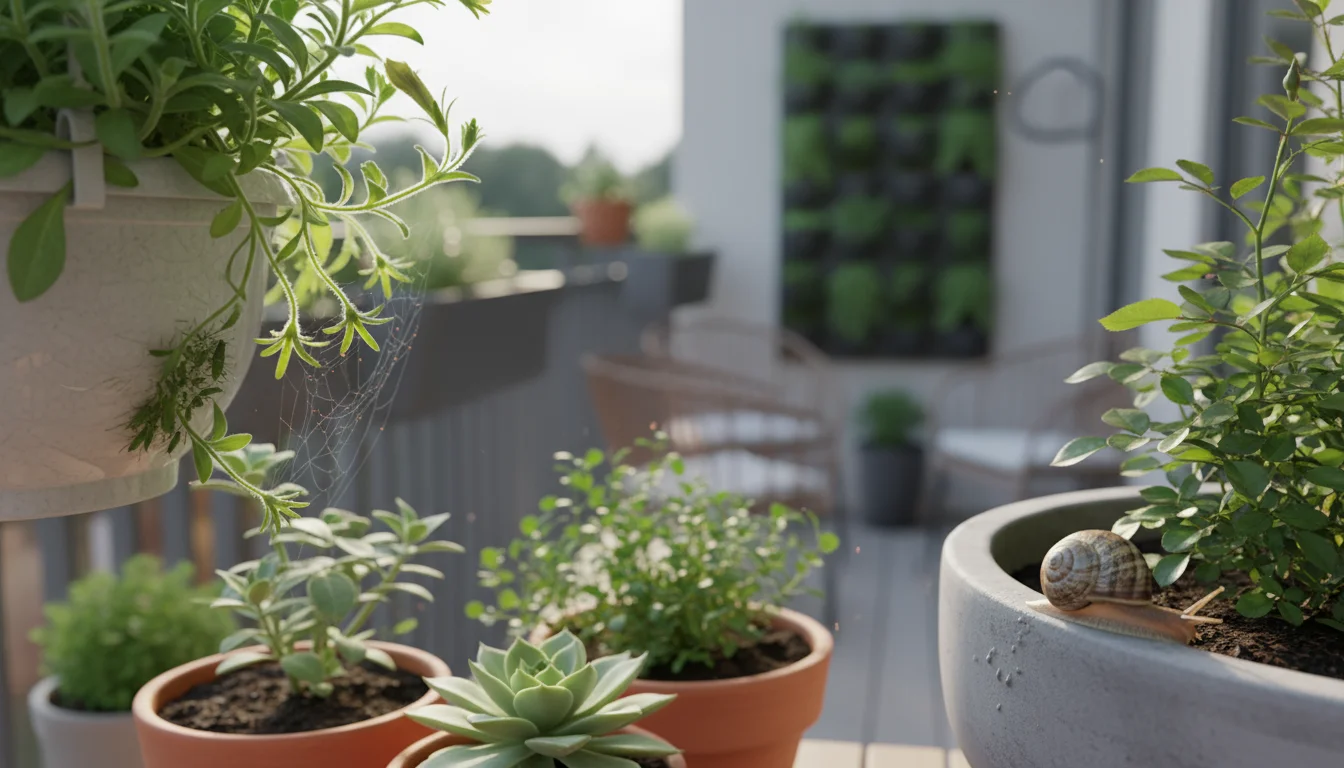
Early spring brings the promise of new growth and vibrant life to your balcony garden. You carefully select your plants, prepare your containers, and eagerly anticipate fresh herbs and colorful blooms.
However, this season also welcomes some less desirable guests: aphids. These tiny, soft-bodied insects are often the first spring garden pests to appear, and they can quickly multiply, causing significant damage to your beloved container plants.
As your gardening coach, I am here to equip you with practical, actionable strategies to identify, manage, and prevent these common invaders. You can protect your plants and ensure a thriving, beautiful balcony oasis.
Before pests arrive, make sure you follow a proper checklist for waking up your balcony pots to set your garden up for success.
Contents8 sections
- Understanding Your Tiny Green Enemies: What Are Aphids?
- Why Your Balcony Becomes an Aphid Buffet in Early Spring
- Spotting the Signs: How to Identify Aphids on Your Container Plants
- Effective Organic Strategies: How to Get Rid of Aphids Naturally
- Building a Strong Defense: Preventing Spring Garden Pests in Containers
- Container Garden Health: Optimizing Your Balcony Environment
- Troubleshooting Common Aphid Control Mistakes
- Frequently Asked Questions
Understanding Your Tiny Green Enemies: What Are Aphids?
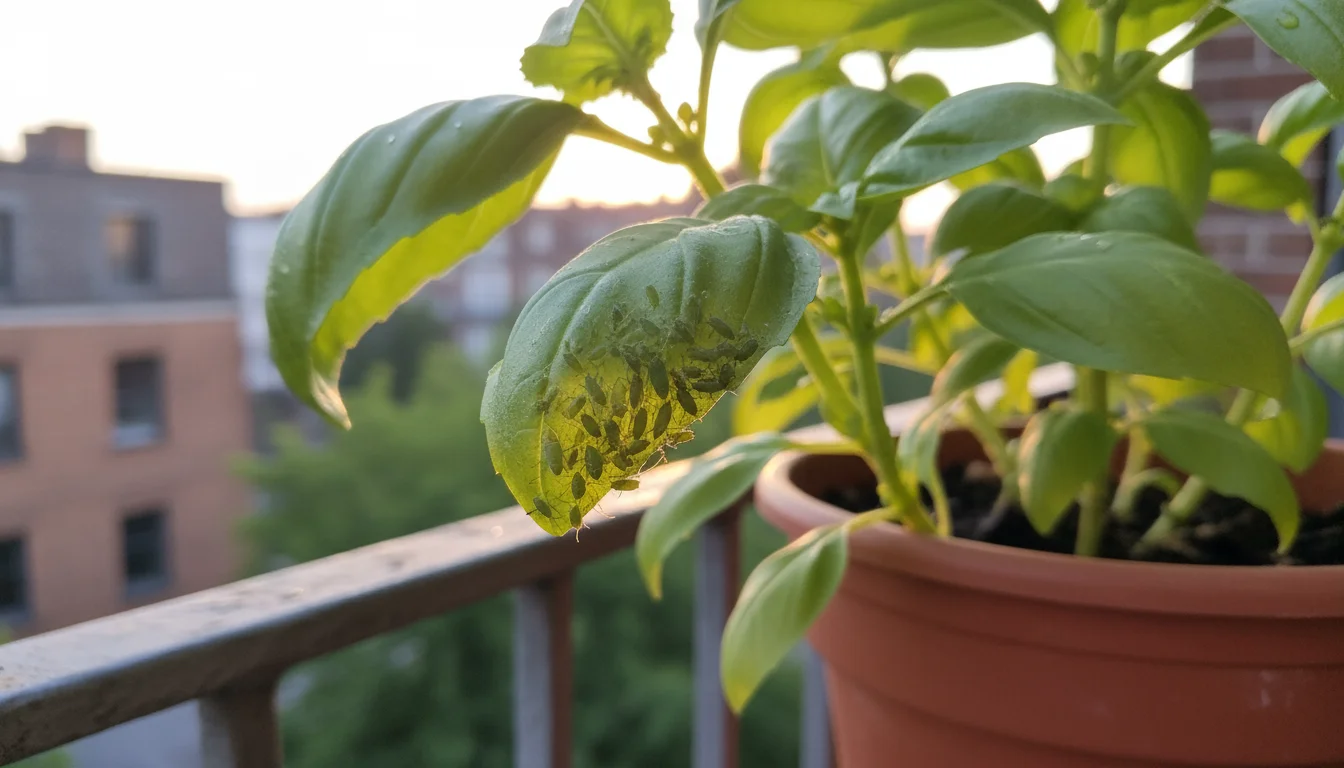
Before you tackle any pest problem, you need to understand your opponent. Aphids, often referred to as plant lice, are small, pear-shaped insects that range in color from green, black, red, yellow, to even white.
They typically measure less than a quarter-inch long. You usually find them clustered on the undersides of leaves, on new tender stems, or around flower buds.
Their size and tendency to hide make them easy to overlook until an infestation is well underway.
What makes aphids particularly challenging for beginner gardeners is their incredibly rapid reproduction rate. A single female aphid can produce dozens of live young without mating, a process called parthenogenesis.
These young mature quickly, often within a week, and begin reproducing themselves. This means that a small group of aphids can explode into a full-blown infestation in a remarkably short time, especially when conditions are favorable, such as in the mild temperatures of early spring.
Many aphid species also produce winged forms when colonies become too crowded or food sources scarce, allowing them to fly to new plants and spread their population even further.
Aphids feed by piercing plant tissues with their needle-like mouthparts and sucking out nutrient-rich sap. This feeding activity directly harms your plants.
As they feed, they excrete a sticky, sugary substance called honeydew. This honeydew coats leaves and stems, creating a perfect breeding ground for a black fungus known as sooty mold.
Sooty mold, while not directly infecting the plant, blocks sunlight, reducing the plant’s ability to photosynthesize and weaken its overall health. Severe aphid infestations can cause a range of symptoms including stunted growth, distorted or curled leaves, yellowing foliage, and eventually, plant death.
Recognizing these signs early is crucial for effective control.
Why Your Balcony Becomes an Aphid Buffet in Early Spring
You might wonder why your carefully cultivated balcony garden seems to be such a magnet for these tiny invaders, especially as spring unfolds. Several factors make early spring conditions ideal for aphid populations to flourish on container plants.
It is also vital to protect your balcony garden from high winds, which can physically damage and stress young plants, making them even more attractive to opportunistic pests.
While aphids are a primary concern, you should also stay alert for other common pests that attack container vegetables as the weather warms.
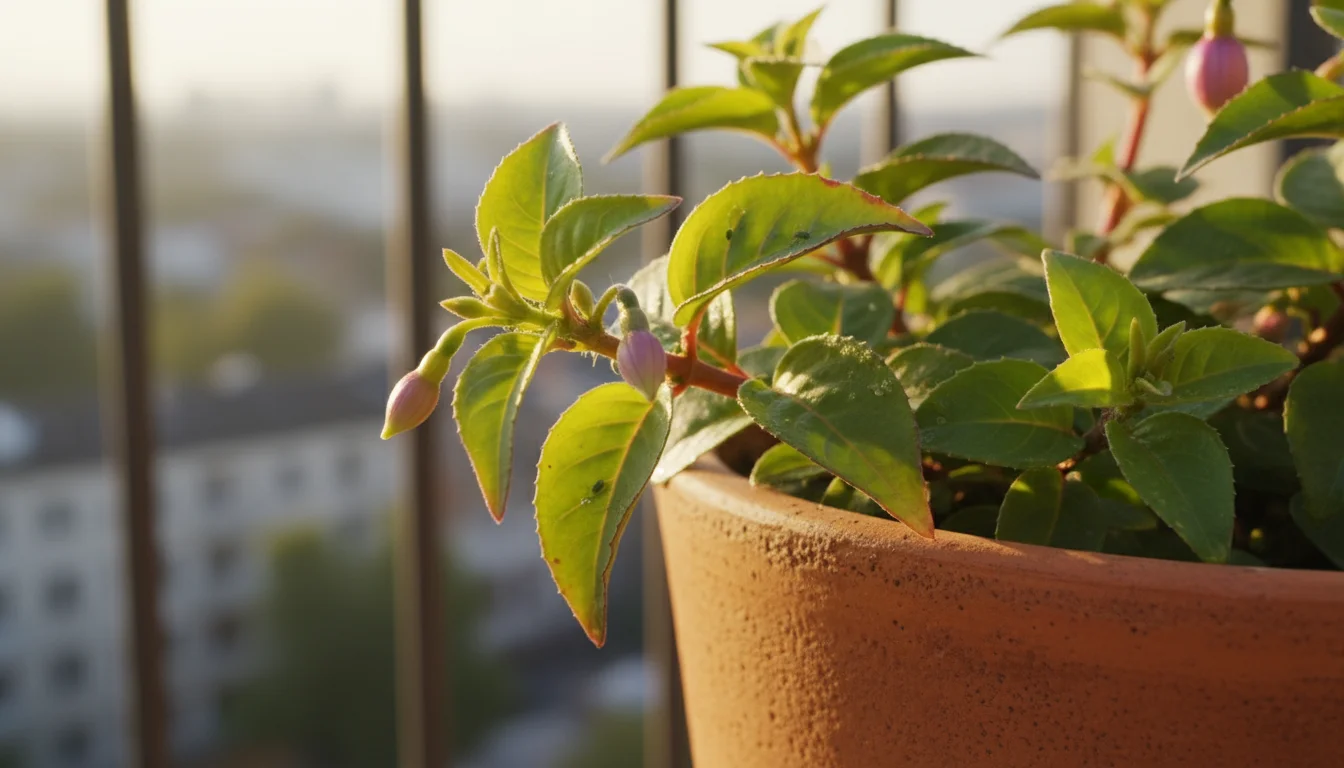
Firstly, the new, tender growth emerging on your plants in spring is like an irresistible feast for aphids. These young shoots, leaves, and buds are rich in the easily accessible amino acids and sugars aphids thrive on.
Unlike older, tougher foliage, new growth offers minimal resistance to their piercing mouthparts. Your plants are often at their most vulnerable during this flush of new development, making them prime targets.
Secondly, early spring weather patterns often play a significant role. While many beneficial insects, like ladybugs and lacewings, which are natural predators of aphids, are still emerging from dormancy or have not yet built up their populations, aphids get a head start.
The cooler, mild temperatures of spring are often perfect for aphid reproduction and survival, without the immediate threat of their natural enemies.
A study published in the journal Ecological Entomology in 2018 indicated that aphid reproduction rates can peak in moderate temperatures, giving them an early advantage over predators in the season.
Another factor is plant stress. Plants that are already under stress, perhaps from improper watering, nutrient deficiencies, or insufficient sunlight, emit chemical signals that can actually attract pests like aphids.
A plant struggling to thrive becomes an easier target for insects. On a balcony, your container plants depend entirely on you for all their needs, meaning any lapse in care can inadvertently create a welcoming environment for pests.
For example, overwatering can stress roots, and under-watering can weaken foliage, both making plants more susceptible. Knowing these triggers allows you to proactively protect your plants.
Finally, aphid eggs can sometimes overwinter on dormant plants or nearby debris, waiting for the warmer spring temperatures to hatch.
If you bring plants indoors for winter, or if you had an infestation last season that was not fully eradicated, aphid eggs can lie in wait, ready to emerge as soon as conditions are right for new growth.
This unseen population can quickly establish itself on your fresh spring plants, making prevention and early detection paramount.
Spotting the Signs: How to Identify Aphids on Your Container Plants
Early detection is your most powerful tool in the fight against aphids. The sooner you spot them, the easier it is to control an infestation before it spirals out of control.
Make regular inspections a cornerstone of your gardening routine. Here is how to effectively scout for these tiny pests:
Aside from insects, keep an eye out for fungal issues like powdery mildew on your balcony plants, which can also impact plant health.
This inspection is especially important when hardening off seedlings, as they are particularly vulnerable to pests during their first days outdoors.
Visual Inspection: This is your primary method. You need to get up close and personal with your plants.
Pay particular attention to:
- Undersides of Leaves: Aphids love to hide here, especially on newer, softer leaves. Turn leaves over and examine them closely.
- New Growth and Tender Stems: These are their preferred feeding sites. Look for clusters of tiny insects on the tips of stems, new shoots, and around budding flowers.
- Flower Buds: Aphids often congregate on developing flower buds, sometimes causing them to become distorted or fail to open.
Sticky Residue (Honeydew): As aphids feed, they excrete a sticky, clear substance called honeydew. This is often one of the first visible signs of an aphid problem, especially before you notice the aphids themselves.
Feel the leaves; if they feel tacky or look shiny and wet, honeydew is likely present. Look for it on leaves directly below where aphids are feeding.
Deformed or Yellowing Leaves: Aphid feeding damages plant cells, leading to physical symptoms. Look for leaves that are curled, puckered, yellowing, or generally misshapen.
New growth may appear stunted or distorted, as the aphids suck vital nutrients from these developing tissues.
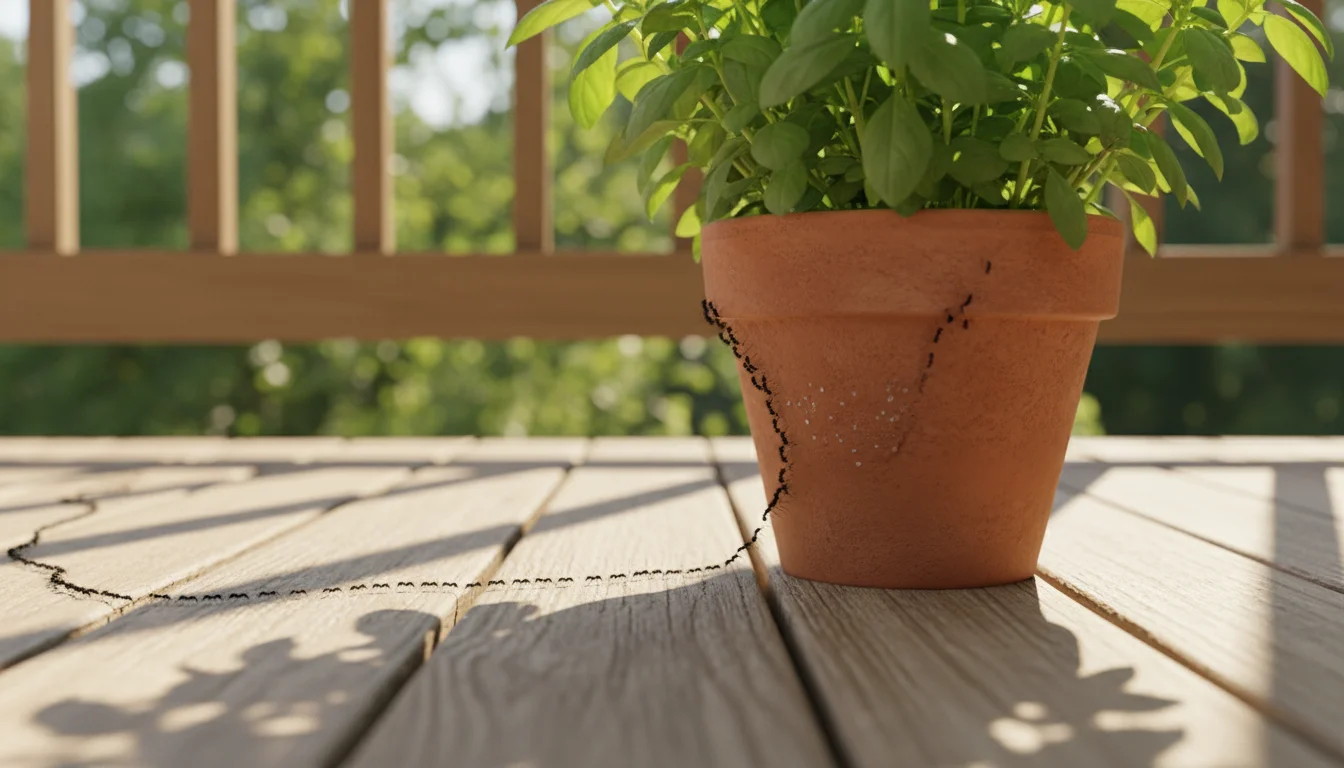
Presence of Ants: Ants have a symbiotic relationship with aphids. They “farm” aphids, protecting them from predators and moving them to new feeding sites, in exchange for the honeydew the aphids produce.
If you see ants actively crawling on your plants, especially up and down stems, it is a strong indicator that aphids or another sap-sucking pest is present. The ants are there for the sweet honeydew.
Sooty Mold: If honeydew is left untreated, it often provides a breeding ground for sooty mold, a black, non-parasitic fungus. This appears as a dark, powdery, or felt-like layer on leaves and stems.
While not directly harmful to the plant tissue, it blocks sunlight, reducing photosynthesis and weakening your plant over time. Sooty mold is a clear sign of a significant, ongoing sap-sucking pest infestation.
Make a habit of checking your balcony plants every few days, especially during periods of new growth in spring. A quick five-minute inspection can save you hours of work later on.
If you notice any of these signs, act quickly. Your prompt intervention makes all the difference in protecting your garden.
Effective Organic Strategies: How to Get Rid of Aphids Naturally
Once you confirm an aphid infestation, you want to address it quickly and effectively. For balcony and container gardens, organic pest control methods are often the safest and most practical approach.
They protect your plants, your family, and beneficial insects in your small space. Here are several actionable, organic strategies you can employ:
Keep in mind that these pests can return late in the season, so it is helpful to know how to handle aphids in autumn as well.
Manual Removal: The First Line of Defense
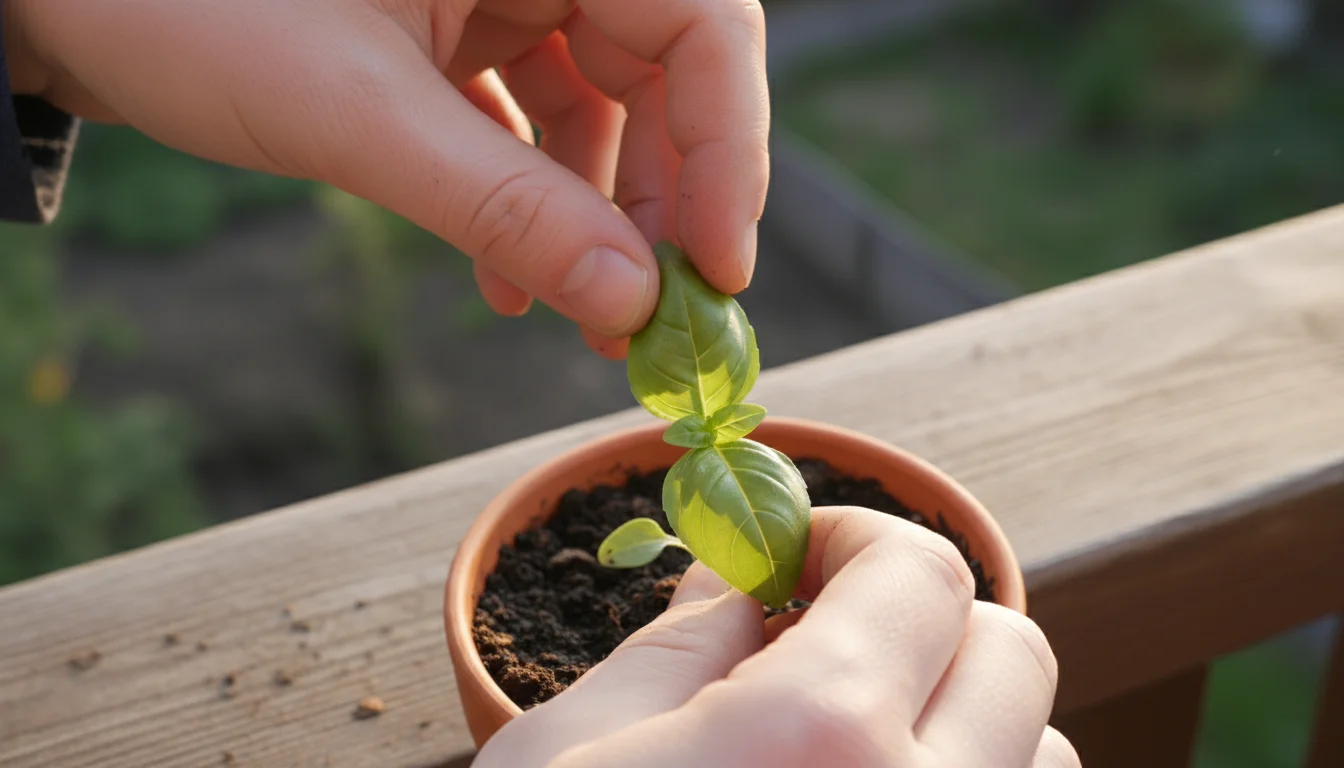
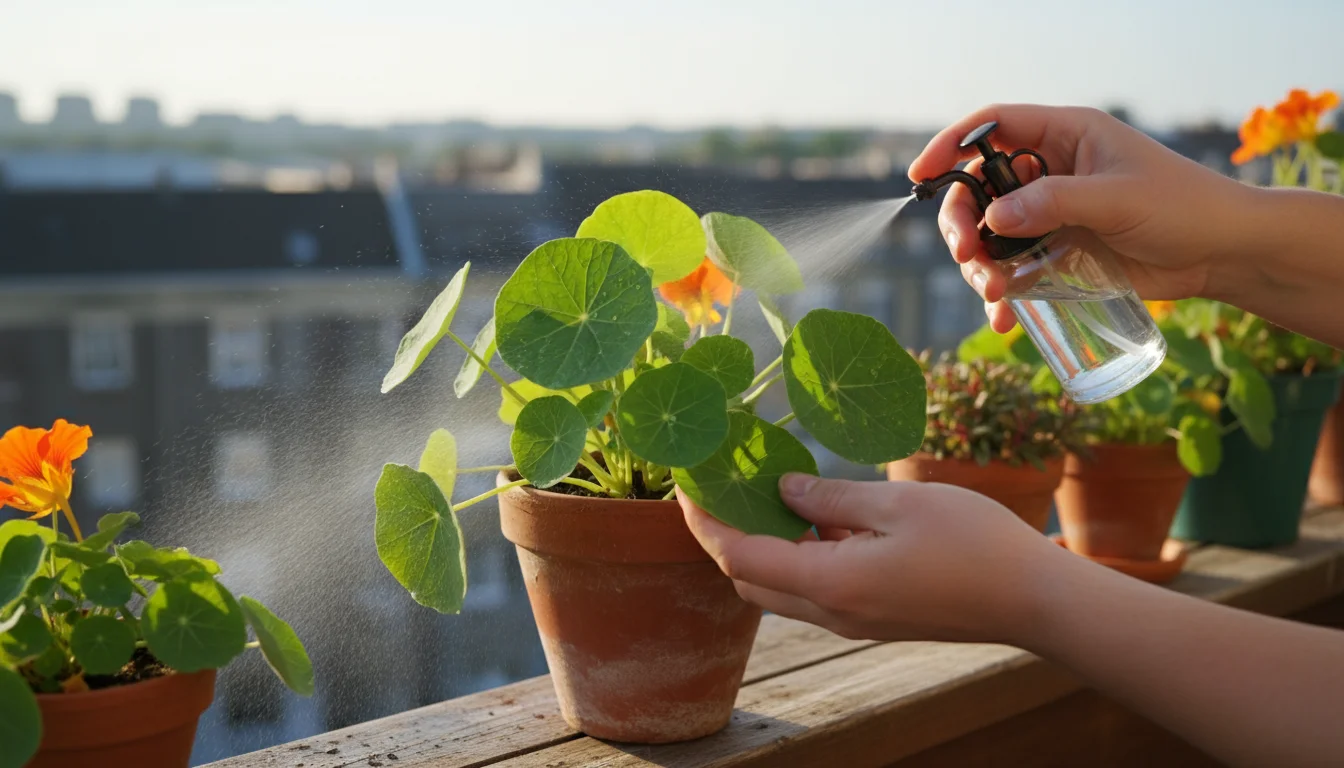
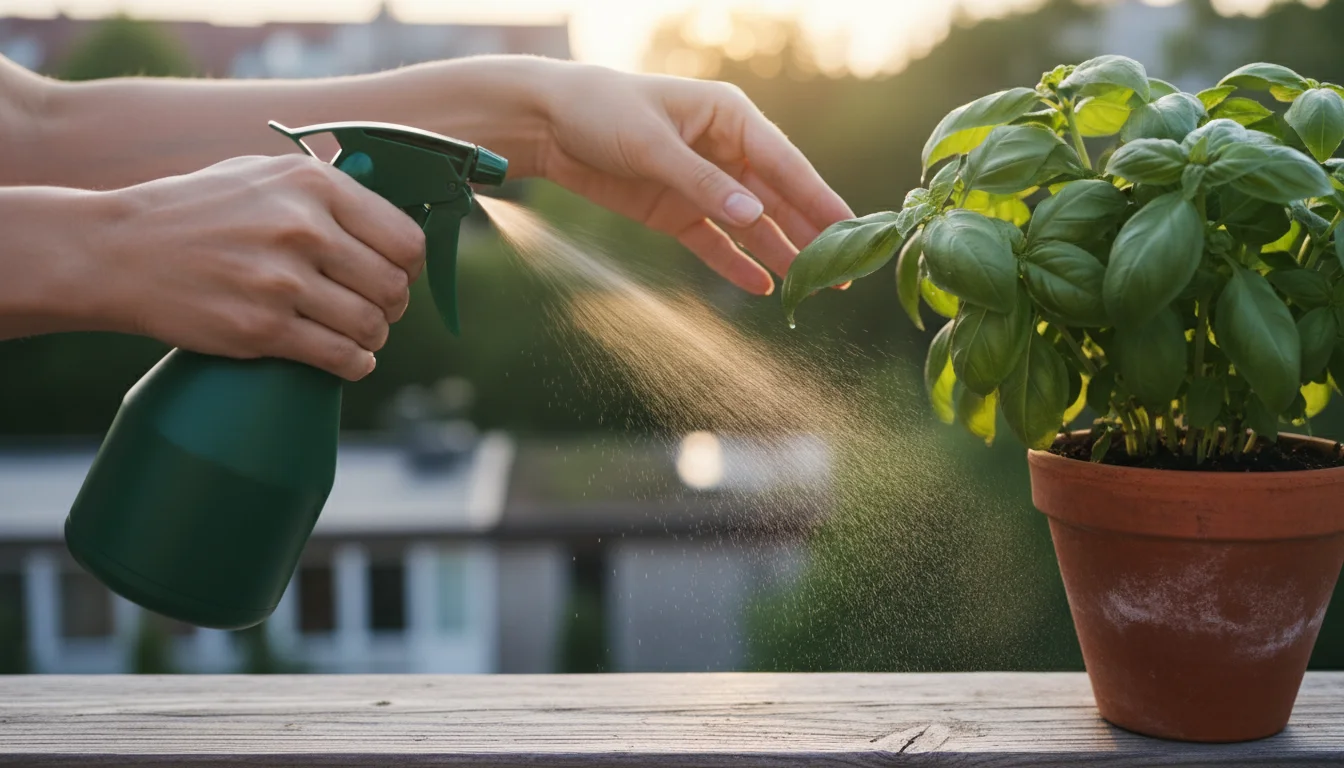
For small infestations, your hands and a strong stream of water are incredibly effective. You can simply squish visible aphids with your fingers.
While this might feel a bit gross, it is immediate and requires no special tools. Alternatively, use a strong spray of water from a hose or a spray bottle to dislodge aphids from your plants.
Focus on the undersides of leaves where they tend to hide. Repeat this process every few days until you no longer see aphids.
Water sprays physically knock the pests off, and many will not be able to climb back onto the plant. Always perform this during cooler parts of the day, either early morning or late afternoon, to prevent scorching leaves if water droplets magnify sunlight.
Neem Oil: A Natural and Potent Solution
Neem oil, extracted from the neem tree, is a powerful organic pesticide, insecticide, and fungicide. It works as an antifeedant, growth disruptor, and repellent.
Aphids stop feeding and reproducing after exposure. When applying neem oil, always follow the manufacturer’s instructions for dilution, as concentrations vary.
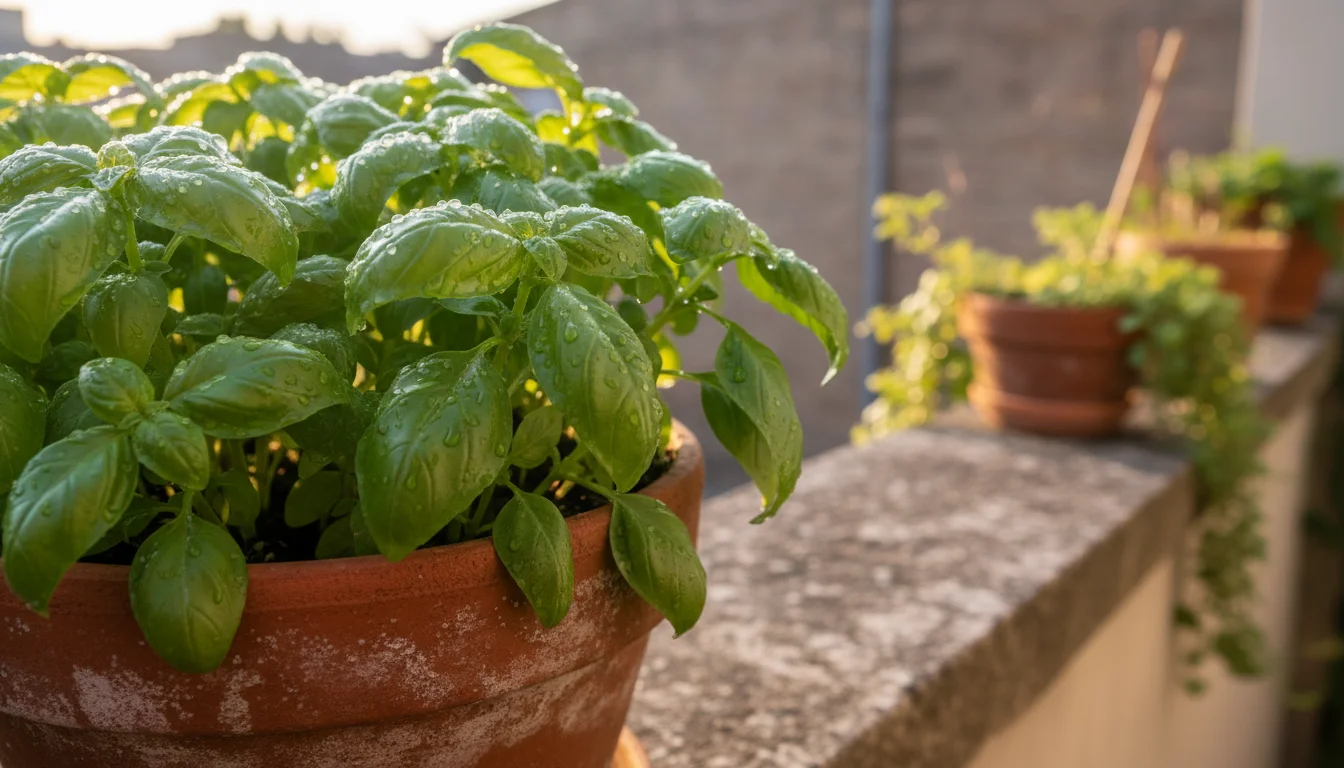
Typically, you mix a small amount with water and a tiny bit of mild liquid soap (as an emulsifier) to help it spread. Thoroughly spray all affected plant surfaces, especially the undersides of leaves, until they are dripping wet.
Apply neem oil in the evening or on a cloudy day, as direct sunlight can degrade its effectiveness and potentially cause leaf burn. Reapply every 5-7 days for two to three weeks to break the aphid life cycle.
Studies by the USDA have consistently shown neem oil’s efficacy in disrupting various insect pests, including aphids.
Insecticidal Soap: Gentle Yet Effective
Insecticidal soaps are another excellent organic option. These soaps work by dissolving the protective outer layer of soft-bodied insects like aphids, leading to dehydration and death.
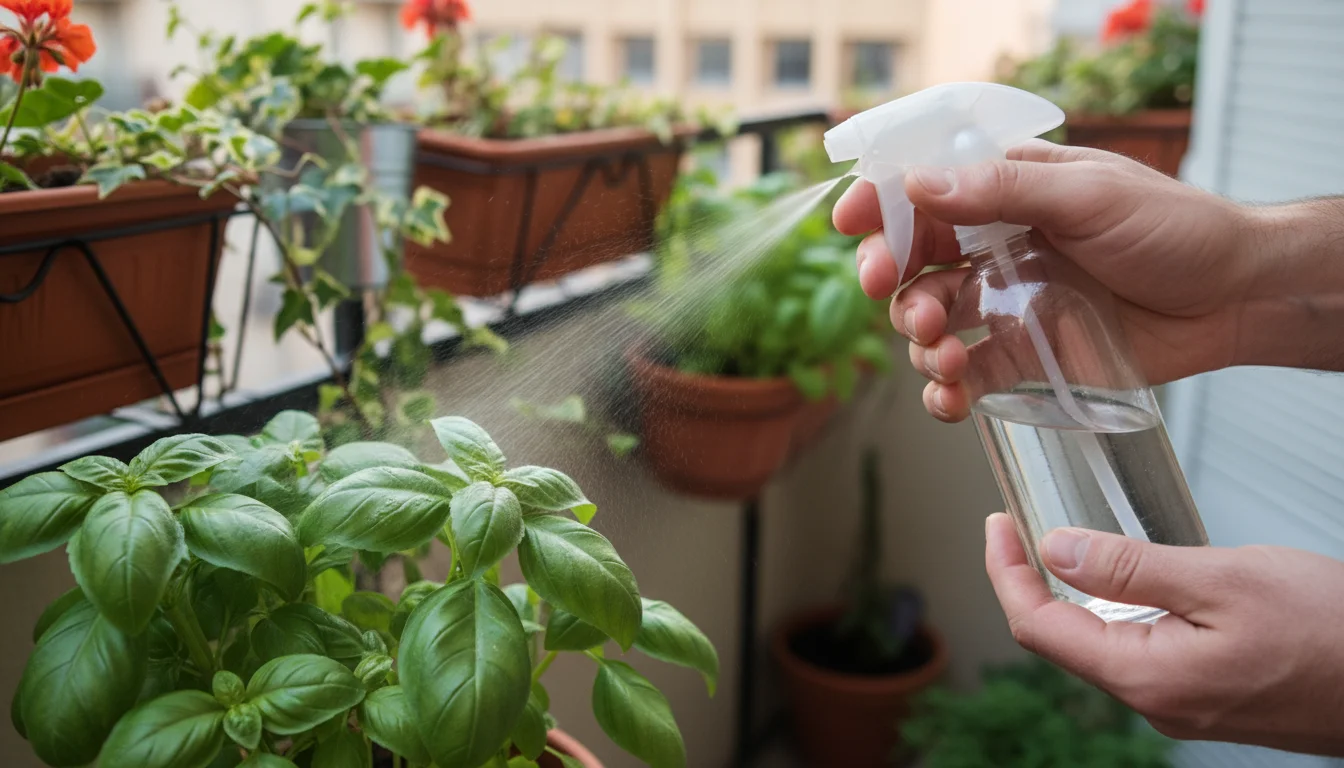
You can purchase commercial insecticidal soaps or make your own by mixing 1-2 teaspoons of mild liquid dish soap (avoid detergents or antibacterial soaps, which can harm plants) with one liter of water.
Test your homemade solution on a small section of your plant first to ensure it does not cause any adverse reactions. Spray the solution directly onto the aphids, ensuring complete coverage, as it only works on contact.
Like neem oil, apply during cooler hours. Reapply every 3-5 days as needed, until the infestation subsides.
It is important to note that insecticidal soap has no residual effect, meaning it only kills the aphids it directly touches.
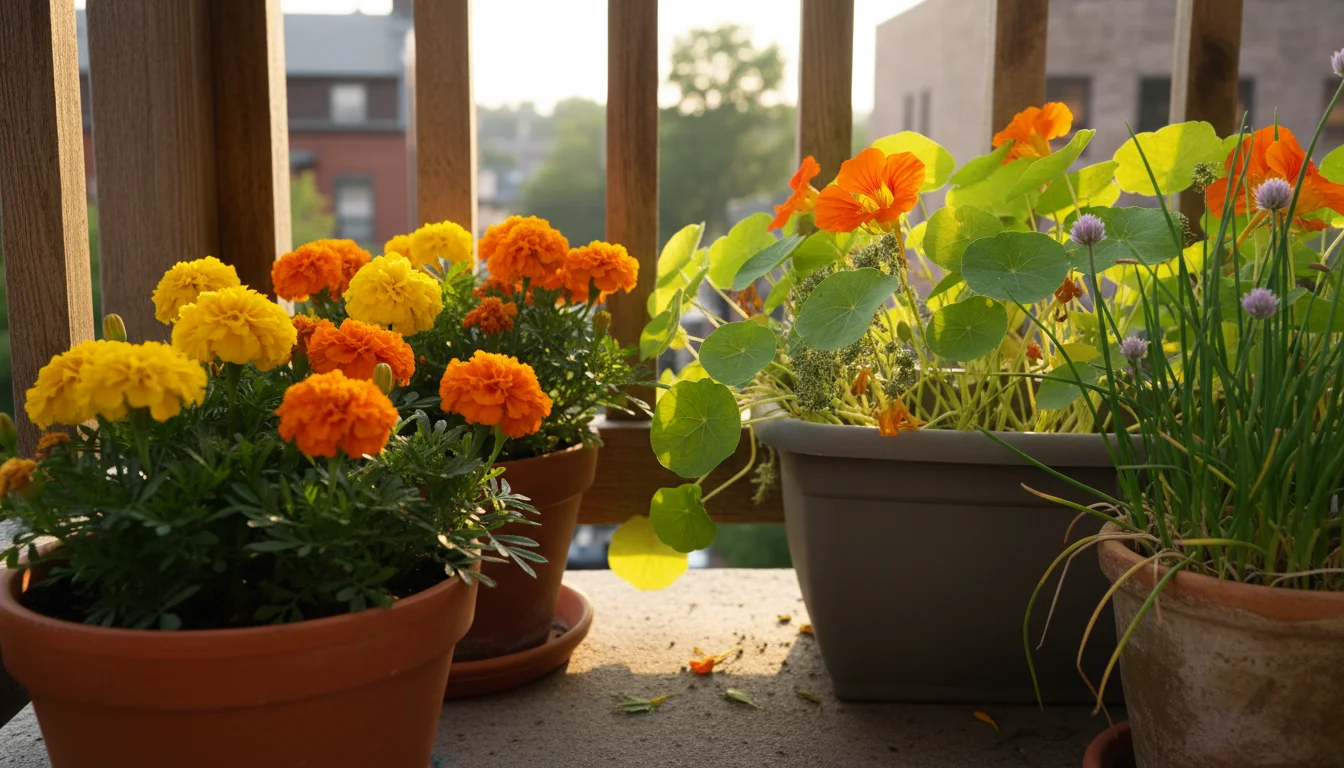
Companion Planting: Nature’s Pest Repellents
Incorporate certain plants into your balcony garden that naturally deter aphids or attract their predators. This is an excellent preventative measure for organic pest control.
For instance, plants with strong scents like garlic, chives, onions, and marigolds can confuse or repel aphids. Marigolds, specifically French marigolds (Tagetes patula), are known for their repellent properties.
Another strategy involves planting “trap crops” like nasturtiums. Aphids often prefer nasturtiums over other plants, drawing them away from your prized vegetables or flowers.
Once aphids congregate on the trap crop, you can easily remove or treat that specific plant, protecting your other garden inhabitants. This method supports overall biodiversity in your small space.
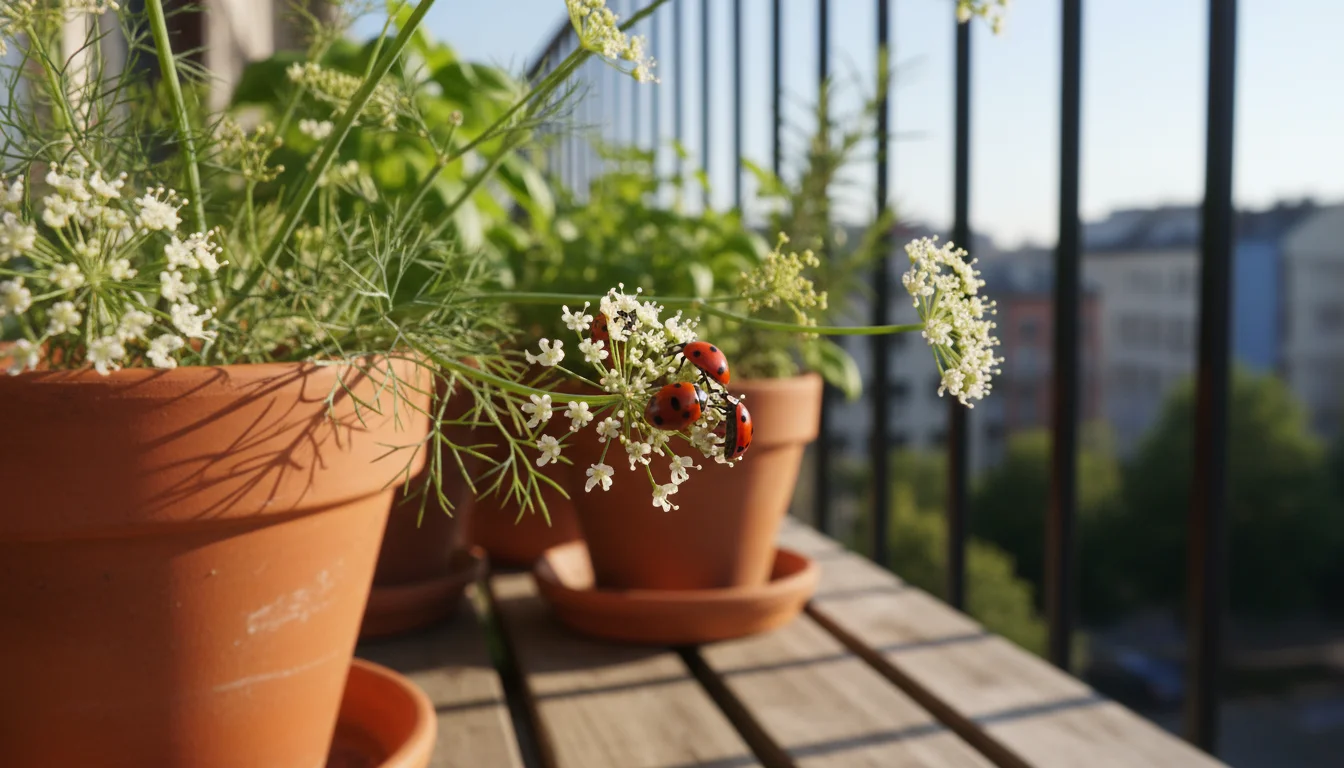
Beneficial Insects: Let Nature Do the Work
While potentially more challenging for a small balcony space, introducing beneficial insects can be a highly effective organic method for larger infestations or as a preventative measure. Ladybugs and lacewings are voracious aphid predators.
You can purchase them online from reputable suppliers. Release them during the cooler evening hours when they are less likely to fly away immediately.
Ensure your garden provides a water source and some pollen-rich flowers to encourage them to stay. For example, planting dill or fennel can provide nectar for adult lacewings, encouraging them to lay eggs.
While this might be less practical for a very small, isolated balcony, it is a powerful tool for broader garden ecosystems.
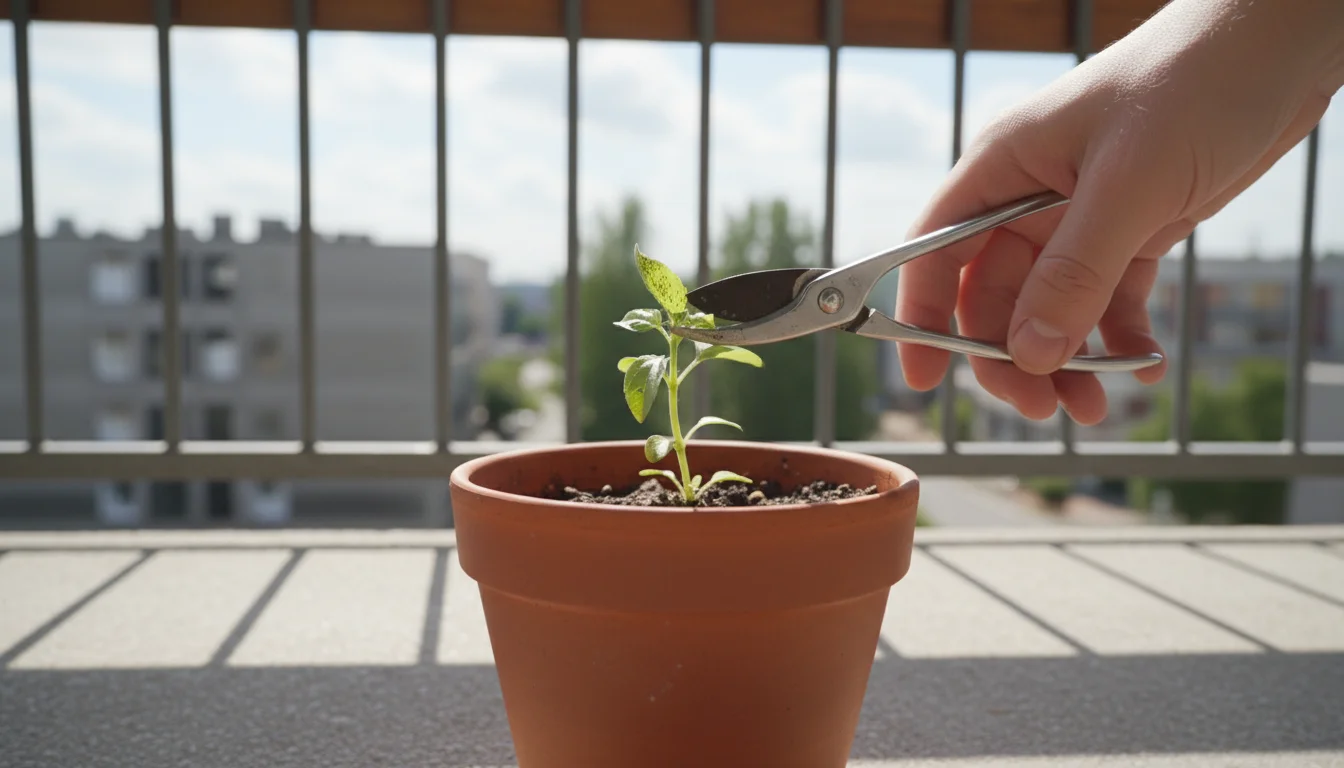
Pruning Affected Parts: Surgical Removal
For small, isolated infestations on a few leaves or a single stem, you can simply prune away the affected parts of the plant.
Snip off the infested leaves or stems and immediately dispose of them in a sealed bag or trash, not in your compost, to prevent aphids from returning. This helps contain the spread and reduces the overall aphid population without chemicals.
By combining these organic methods, you create a robust, natural defense system for your container garden. Persistence and regular monitoring are key to keeping your plants aphid-free.
Building a Strong Defense: Preventing Spring Garden Pests in Containers
Preventing pests is always easier than battling an infestation. For your balcony garden, proactive measures are critical to keeping aphids and other spring garden pests at bay.
These strategies help build a resilient garden that is less attractive and more resistant to invaders.
Healthy Plants Resist Pests
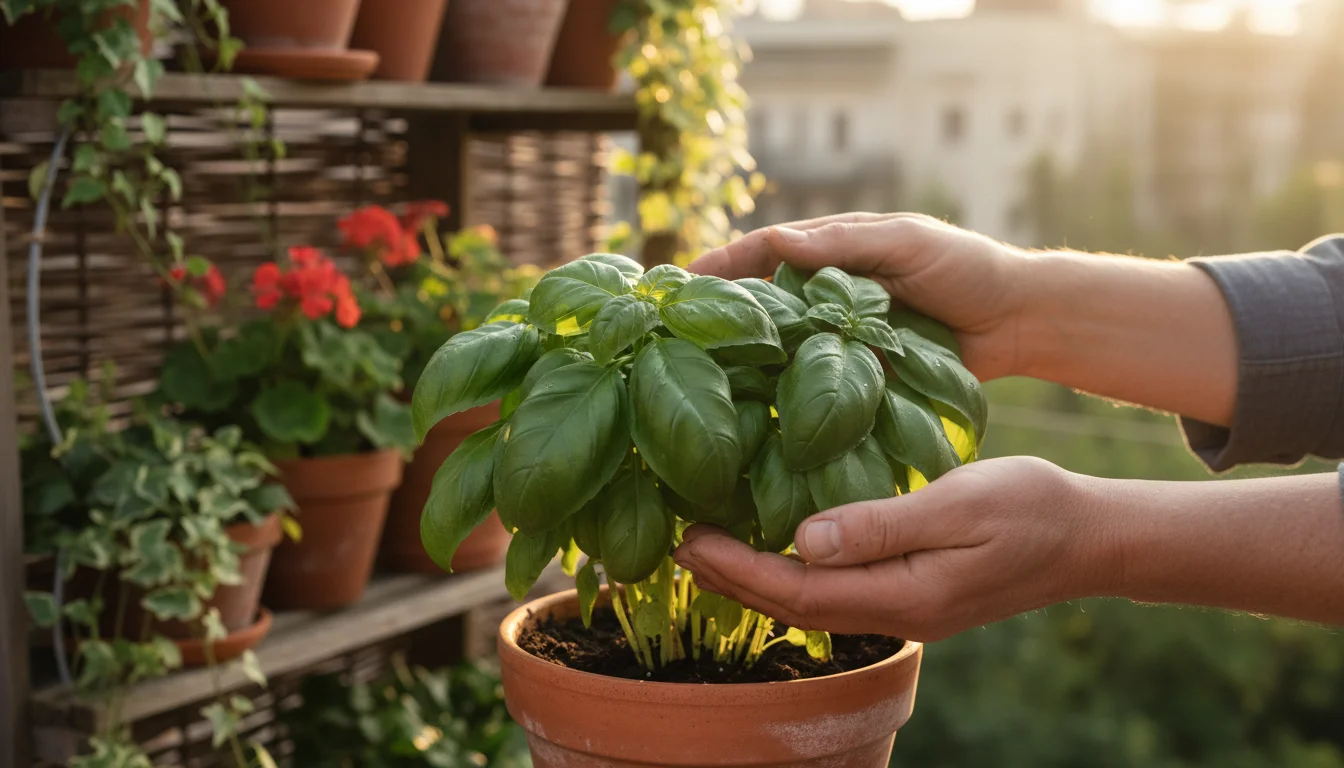
A strong, healthy plant is your best defense. Healthy plants are better able to ward off pests and recover from any minor damage.
Ensure your plants receive proper watering, adequate nutrients, and the right amount of light. Overwatering can lead to root rot and weaken your plant, while underwatering stresses foliage.
Balanced fertilization provides necessary nutrients without encouraging excessive, tender growth that aphids love. Place plants according to their light requirements; a plant struggling in too much or too little sun is a stressed plant, making it a prime target for pests.
Quarantine New Plants
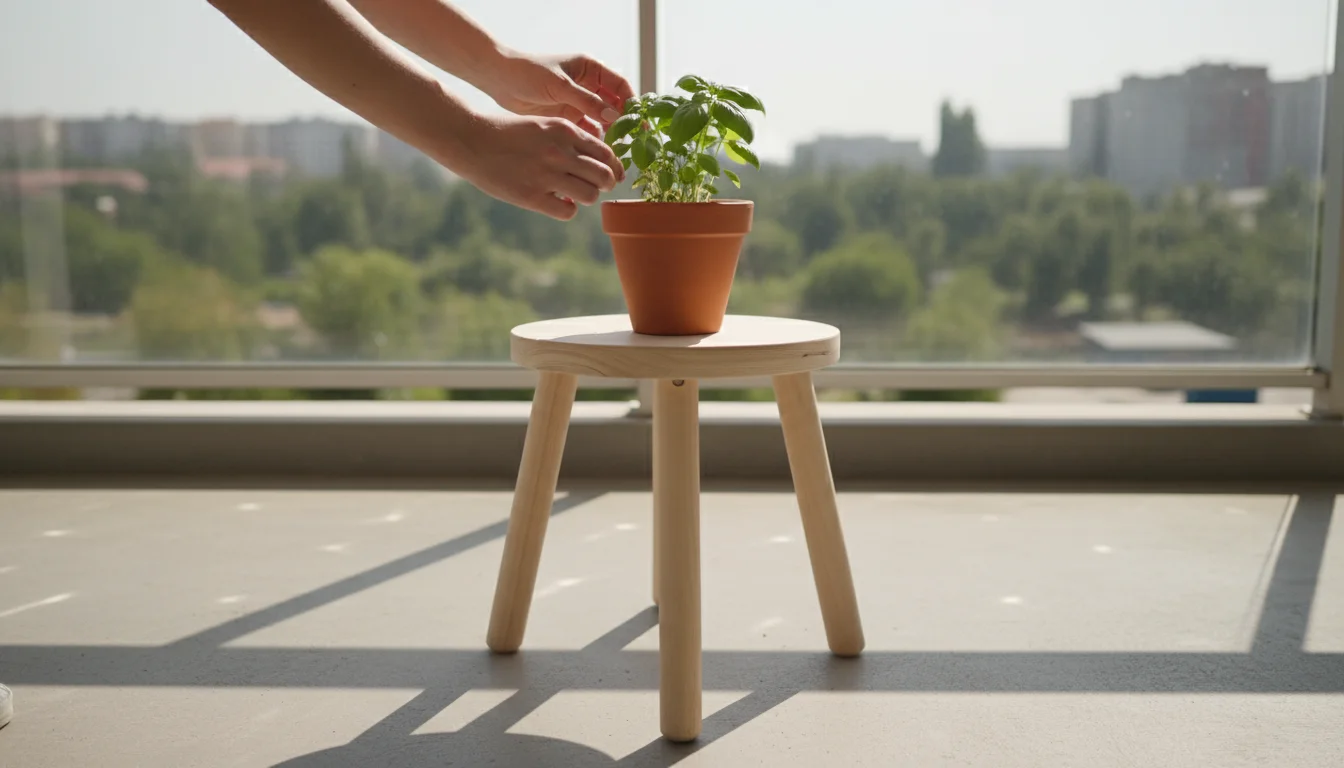
This is arguably one of the most important preventative steps for container gardeners. Always isolate any new plants you bring home for at least two weeks before introducing them to your established garden.
During this quarantine period, closely inspect the new plant daily for any signs of pests, including aphids. Check the undersides of leaves, stems, and soil surface.
This prevents any hitchhiking pests from spreading to your existing, healthy plants. If you find pests, treat the new plant immediately and thoroughly before it joins the rest of your balcony collection.
Regular Inspections: Your Early Warning System
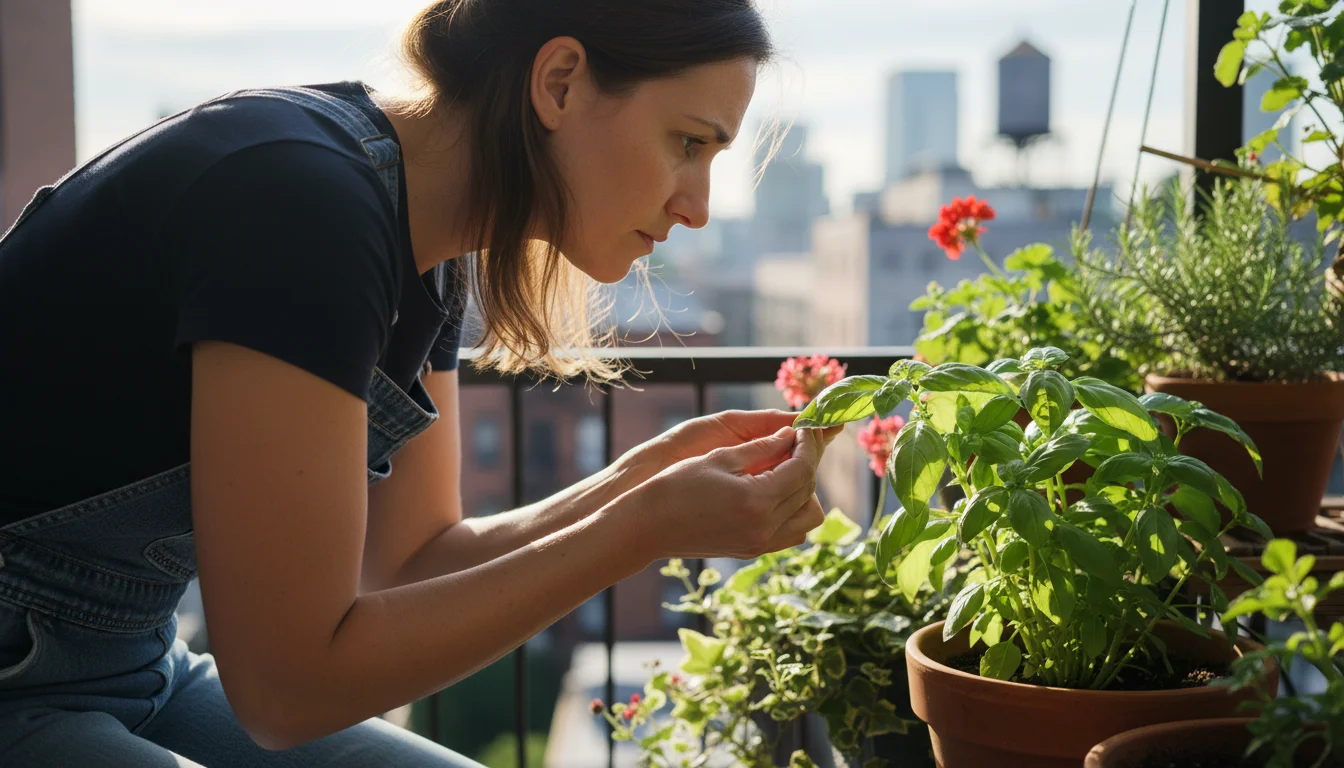
Make a habit of regularly inspecting your plants, even when you do not see any obvious signs of pests.
A quick, thorough check once or twice a week, focusing on new growth and leaf undersides, allows you to catch minor infestations before they become major problems.
Early detection means you can often remove pests manually or with a simple water spray, avoiding more intensive treatments later. This vigilance is particularly important in early spring when aphid populations begin to build.
Choosing Pest-Resistant Varieties
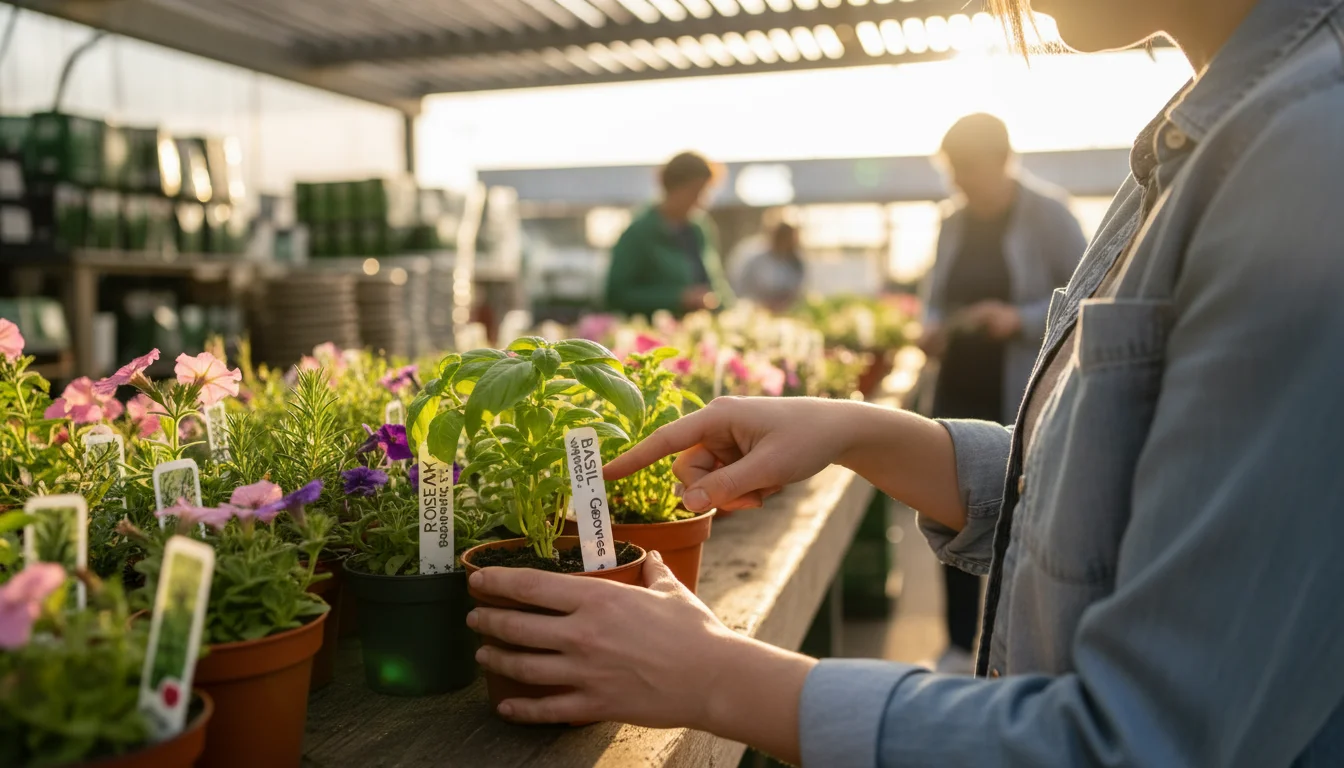
When selecting plants for your balcony, consider varieties known for their natural resistance to common pests. While no plant is entirely immune, some cultivars have been bred to be less appealing or more resilient to certain insects.
Read plant descriptions carefully or consult with your local nursery for recommendations on pest-resistant options suitable for your climate and growing conditions. This small choice at the start can save you a lot of effort down the line.
Good Air Circulation
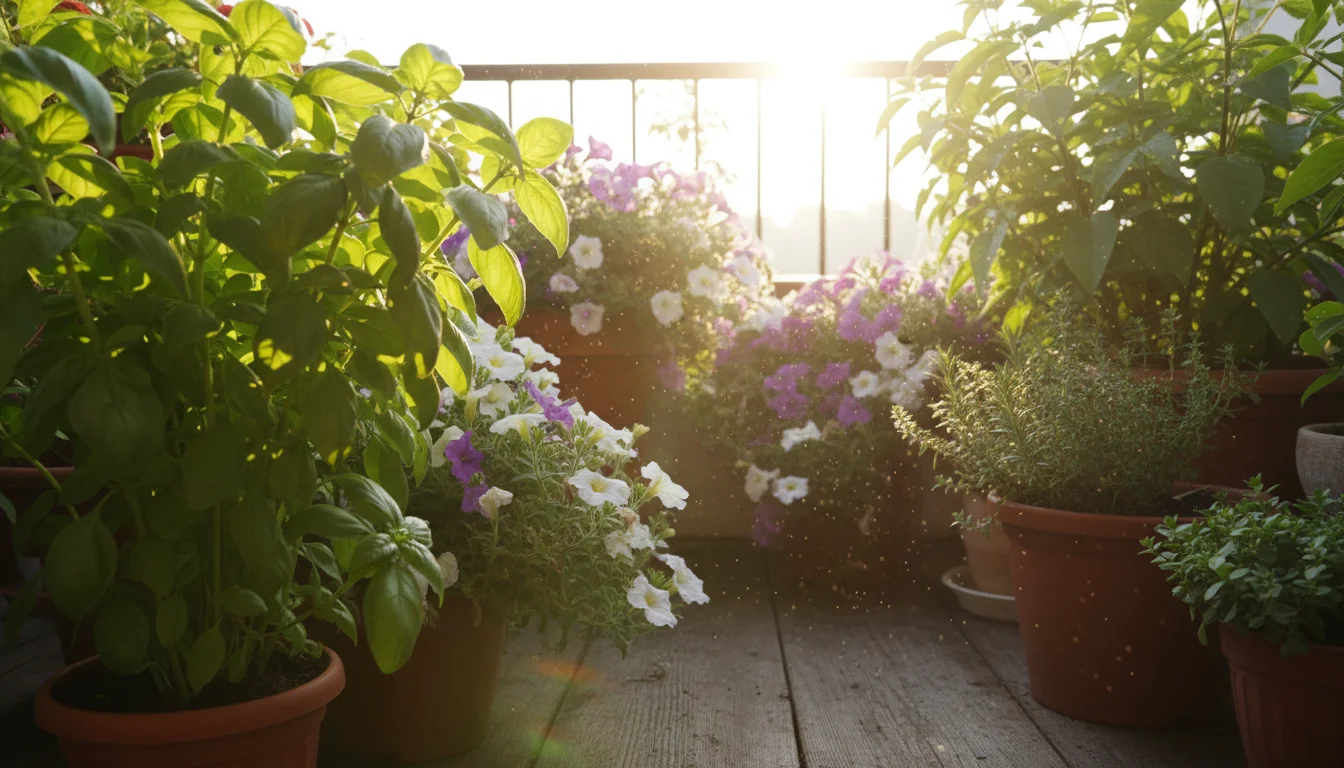
Proper air circulation around your plants helps prevent many problems, including fungal diseases and insect infestations. Aphids and other pests often thrive in dense, humid conditions.
Ensure your container plants are not overcrowded on your balcony. Space them out enough so air can flow freely between them.
If plants become too bushy, prune them lightly to improve airflow through the foliage. This simple practice keeps plants drier and less hospitable to pests.
Cleanliness and Sanitation
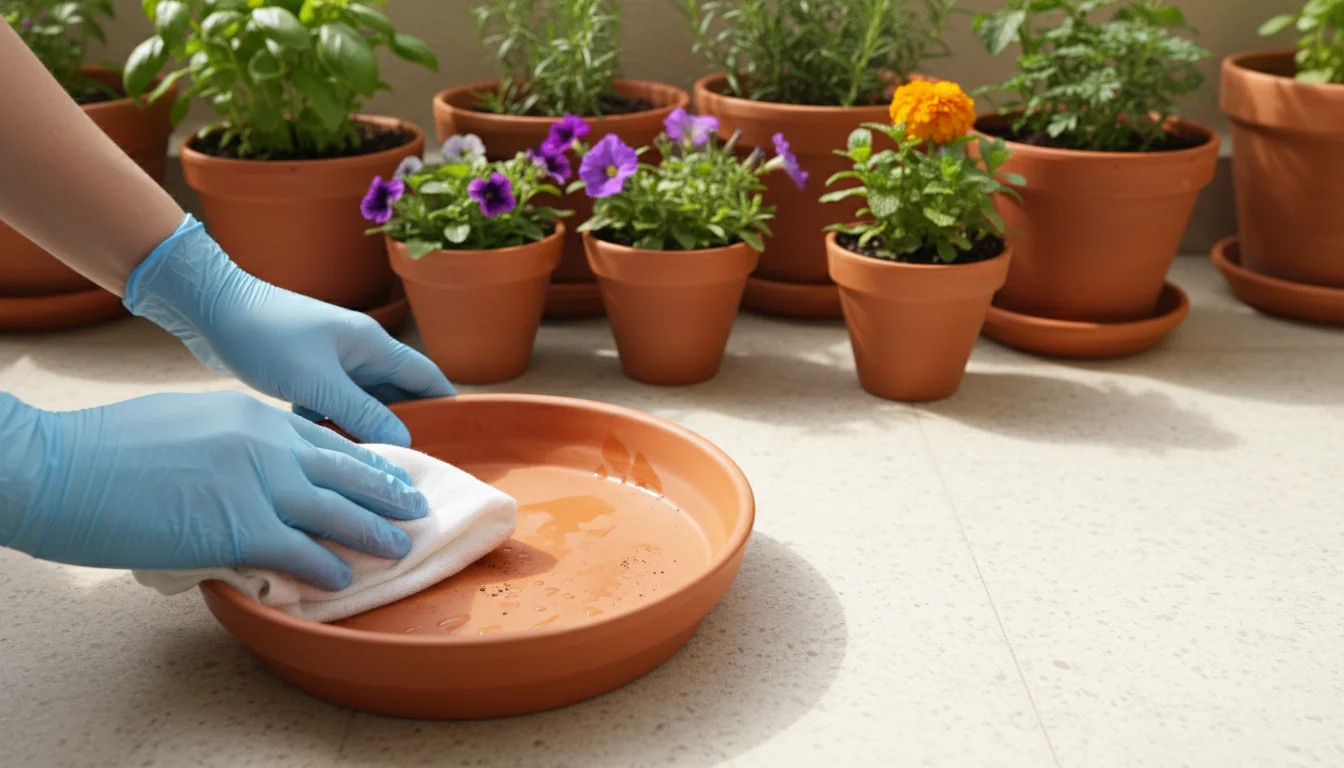
A tidy garden is a healthy garden. Remove any fallen leaves, dead plant material, or weeds from your containers and balcony area promptly.
These can provide hiding places for pests or overwintering sites for eggs. Regularly cleaning your balcony surface and plant saucers also contributes to a less hospitable environment for pests.
A clean garden reduces the chance of pests finding a home and multiplying.
Container Garden Health: Optimizing Your Balcony Environment
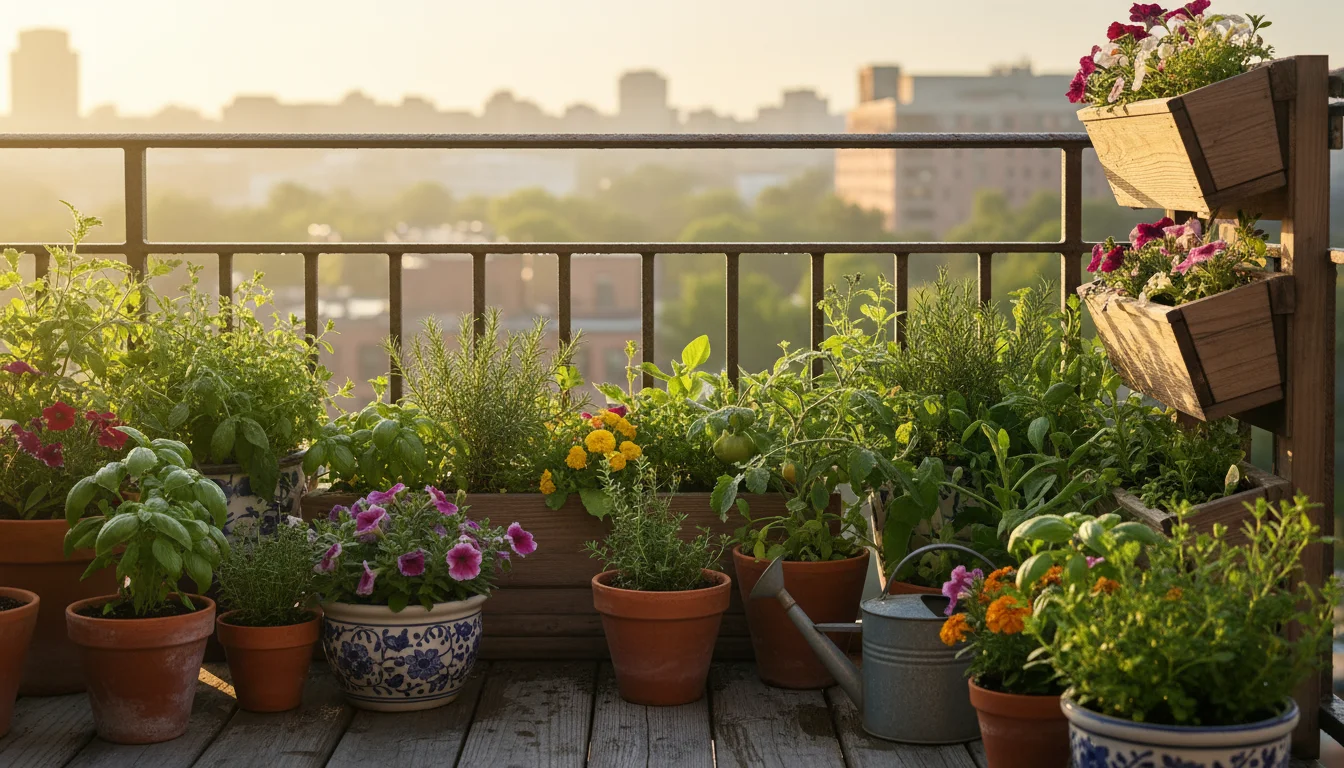
Beyond pest prevention, a truly thriving container garden on your balcony requires attention to the fundamental needs of your plants. Happy, healthy plants are naturally more resilient to stress, including pest attacks.
By optimizing your balcony environment, you create a robust foundation for growth.
Choosing the Right Containers for Optimal Drainage
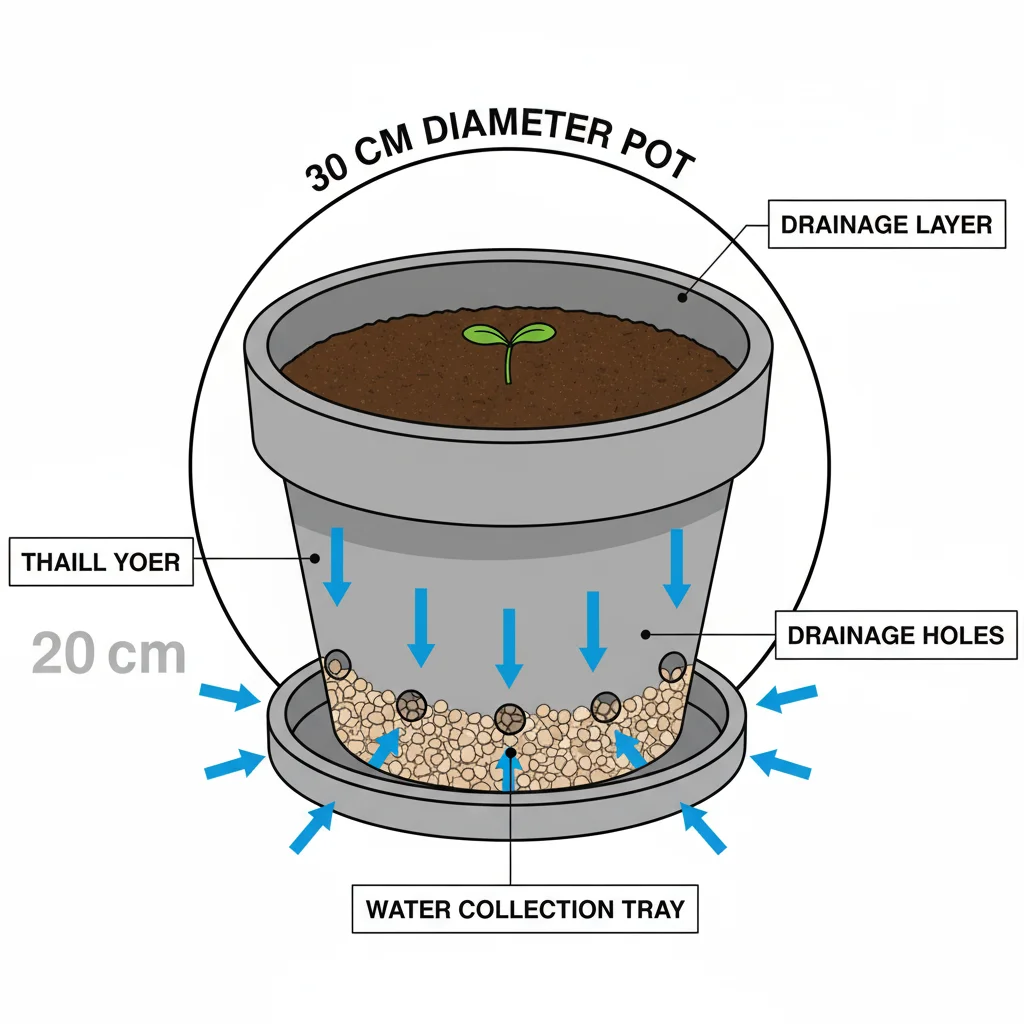
The container you select plays a crucial role in plant health. Adequate drainage is paramount.
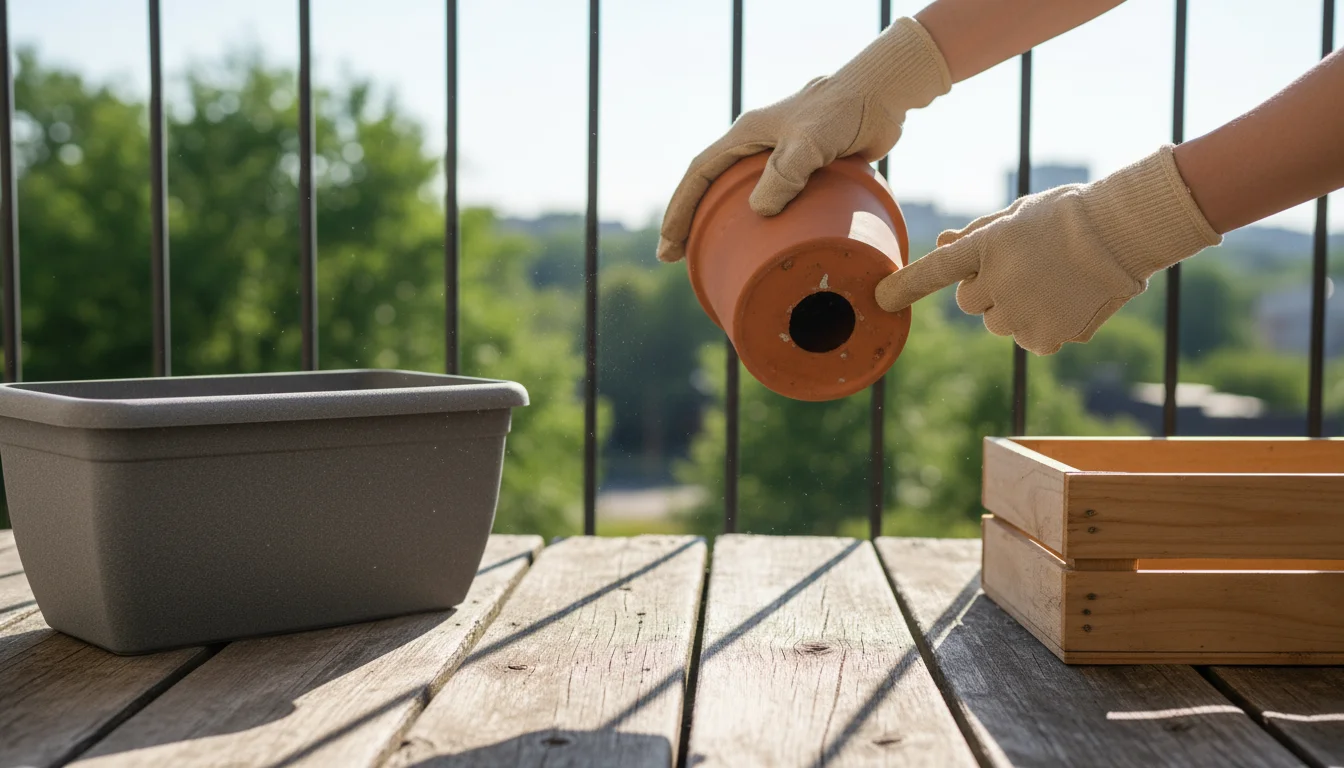
“Drainage” refers to how well water moves through the soil and out of the pot. Containers must have drainage holes at the bottom to prevent waterlogging.
Standing water suffocates roots, leading to root rot, a condition that weakens plants and makes them susceptible to pests. If your pot has no holes, you must drill them.
Choose containers appropriate for the mature size of your plant; a pot that is too small can lead to root-bound plants and quick drying out, while a pot that is too large can hold excessive moisture.
Terracotta pots offer good breathability, while plastic pots retain moisture longer.
Quality Potting Mix: Not Just Any Soil
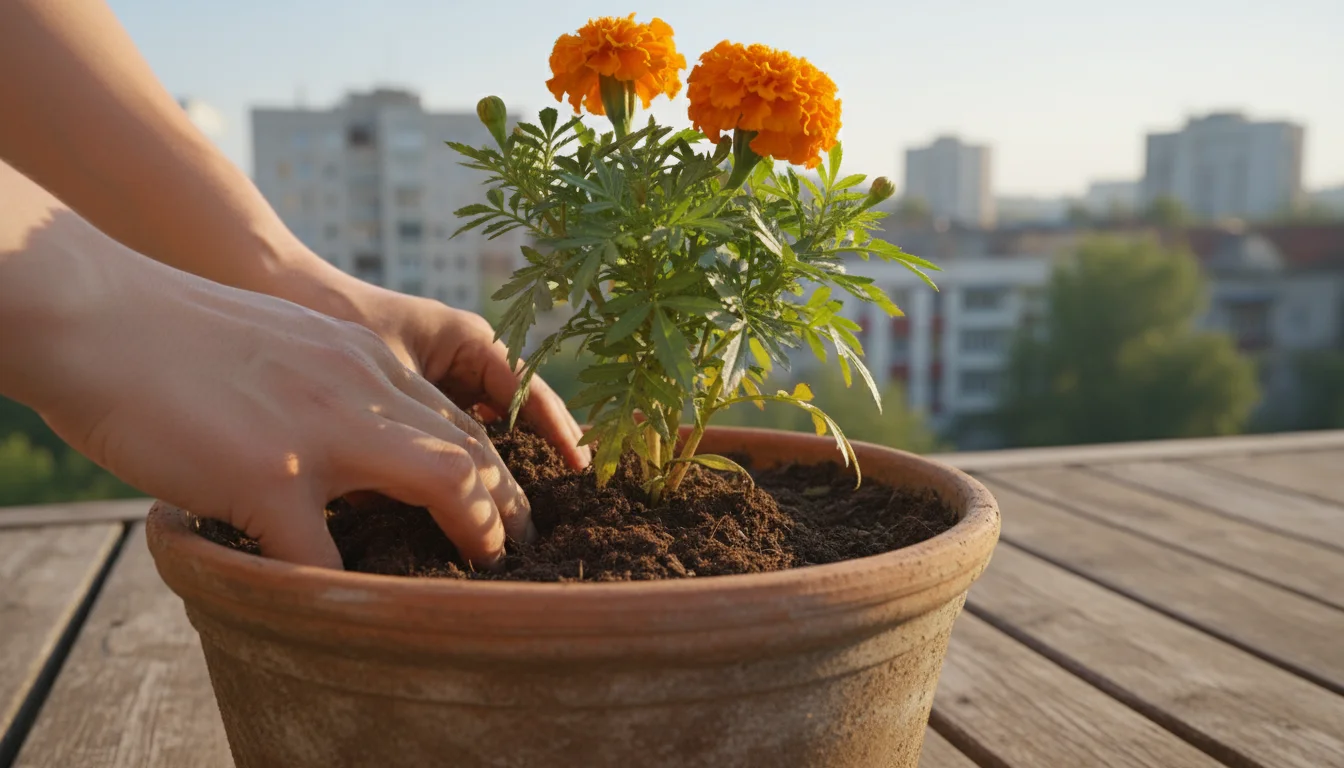
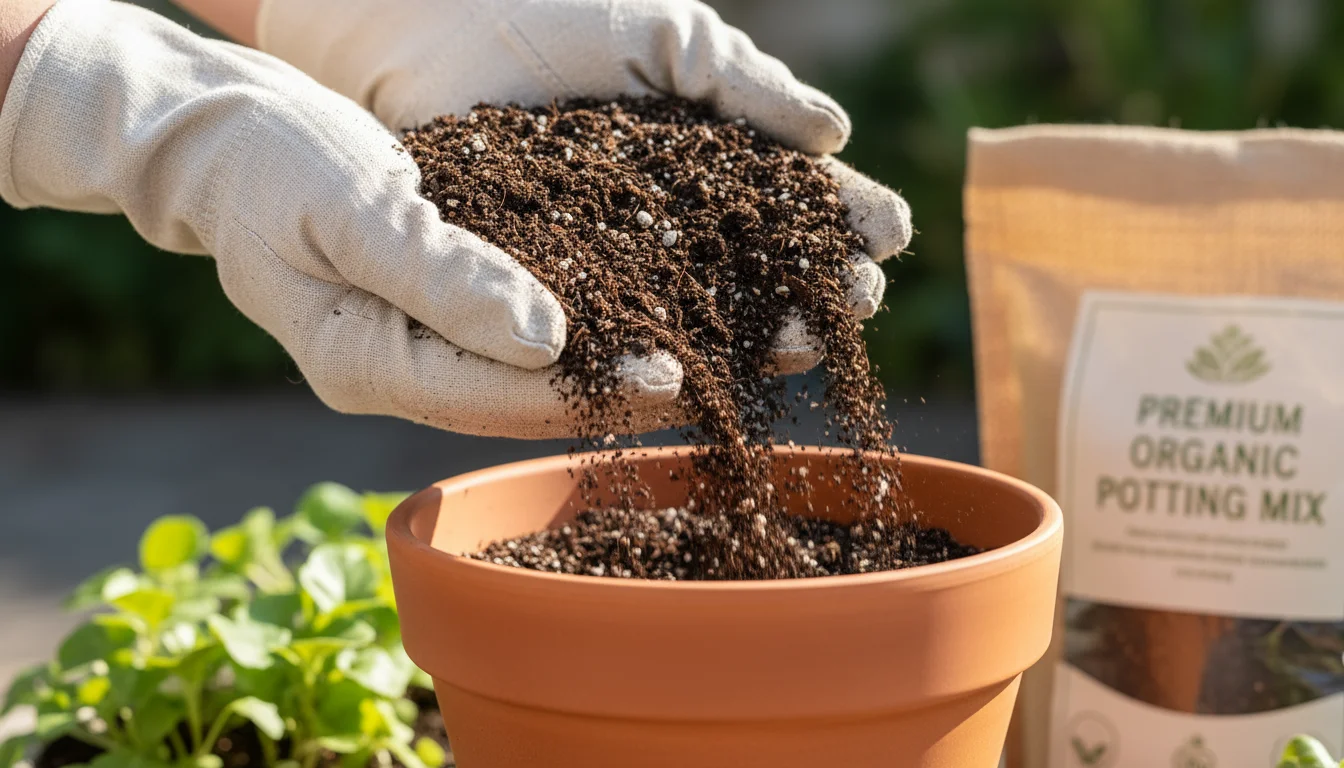
For container gardening, do not use garden soil from your yard. Garden soil compacts in pots, leading to poor drainage and aeration.
Instead, invest in a high-quality potting mix specifically designed for containers. These mixes are typically lightweight, sterile, and formulated with ingredients like peat moss, coco coir, perlite, or vermiculite.
These ingredients ensure excellent drainage, good aeration for roots, and adequate moisture retention. A good potting mix provides a stable, healthy environment where roots can thrive, making your plants stronger and more resilient.
Some mixes also include slow-release fertilizers or beneficial microbes.
Proper Watering Techniques: The Goldilocks Zone
Watering is an art and a science. Both overwatering and underwatering can stress plants, making them vulnerable to pests.
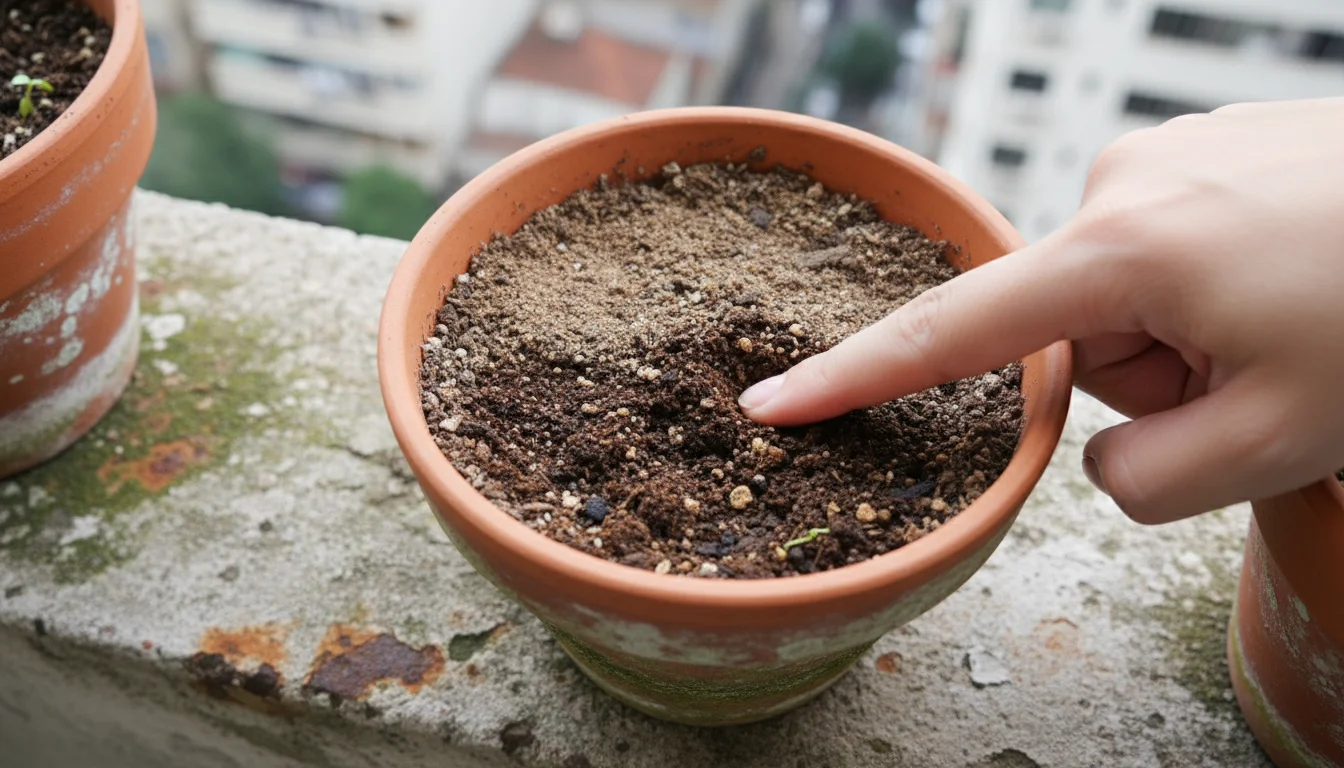
The key is consistency and understanding your plant’s needs. Generally, you should water thoroughly until water drains out of the bottom of the pot.
Then, allow the top inch or two of soil to dry out before watering again. Stick your finger into the soil to check moisture levels, rather than relying solely on surface appearance.
Environmental factors like heat, humidity, and wind on your balcony will influence how quickly your plants dry out, so adjust your watering schedule accordingly.
Learn the specific needs of each plant you grow; some prefer consistently moist soil, others prefer to dry out more between waterings.
Balanced Fertilization: Nourishing, Not Overfeeding
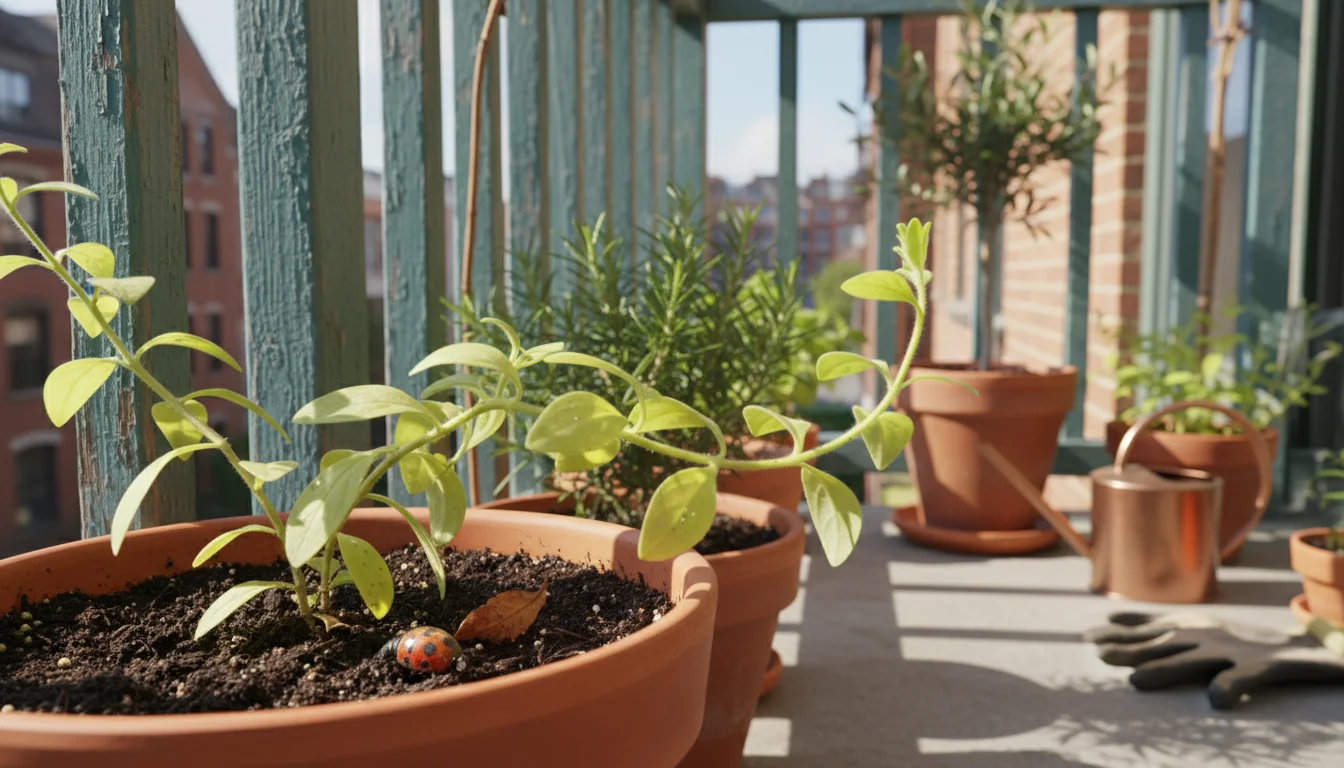
Container plants rely on you for all their nutrients, as the limited soil volume means nutrients are quickly depleted. However, too much of a good thing can be detrimental.
Over-fertilizing, especially with nitrogen-rich fertilizers, can promote lush, tender new growth that is particularly attractive to aphids. Aim for a balanced fertilizer and follow the application rates recommended by the manufacturer.
Consider using slow-release fertilizers for sustained nutrient delivery or apply liquid fertilizers at half strength more frequently. Monitor your plant’s growth; if you see excessive, leggy growth, you might be over-fertilizing.
Sunlight Requirements: Matching Plants to Your Balcony’s Light
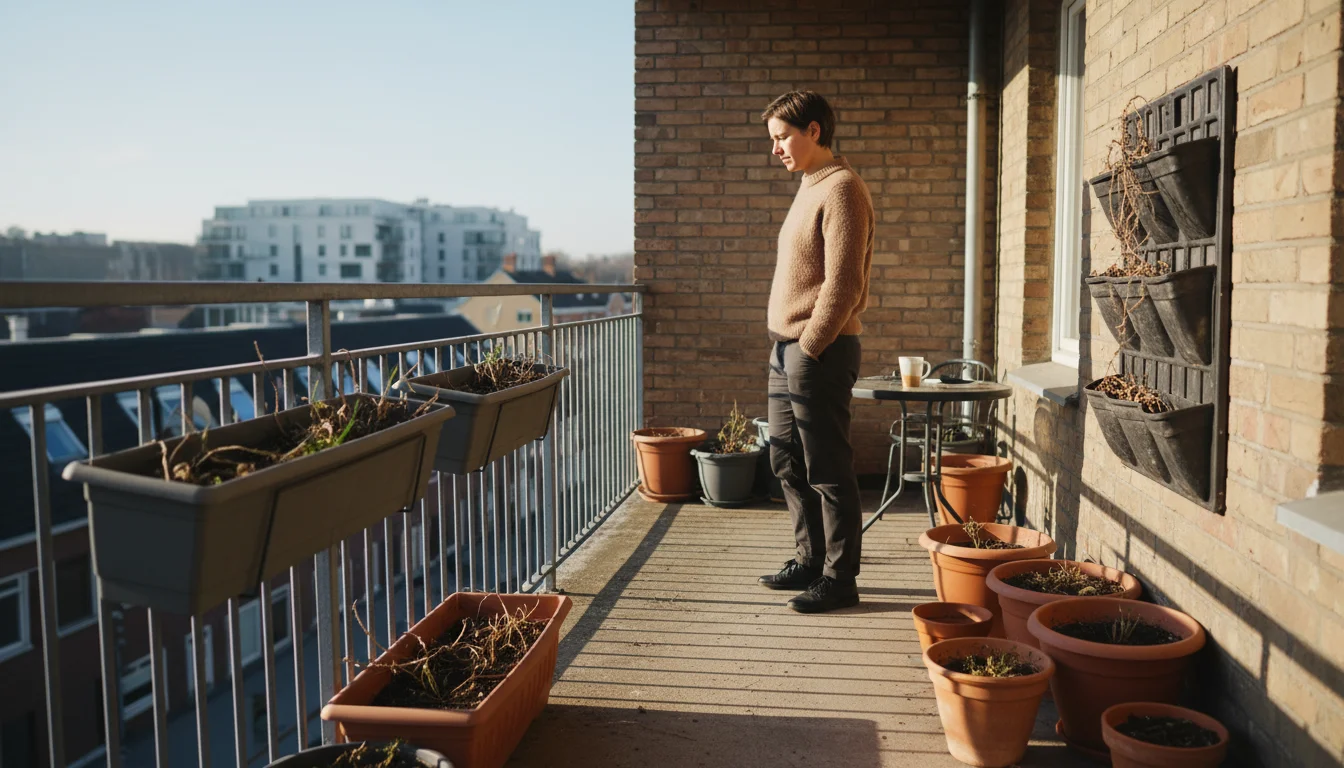
Every plant has specific light requirements. Some thrive in full sun, others prefer partial shade, and some need deep shade.
Understand the light conditions on your balcony throughout the day and choose plants that are well-suited to those conditions. A plant receiving too little light will become weak and leggy, while one receiving too much can suffer from sunburn and stress.
Both scenarios make plants more susceptible to pest infestations. Observing your balcony’s light patterns for a full day or two before planting helps you make informed choices that ensure your plants receive optimal sun exposure.
Troubleshooting Common Aphid Control Mistakes
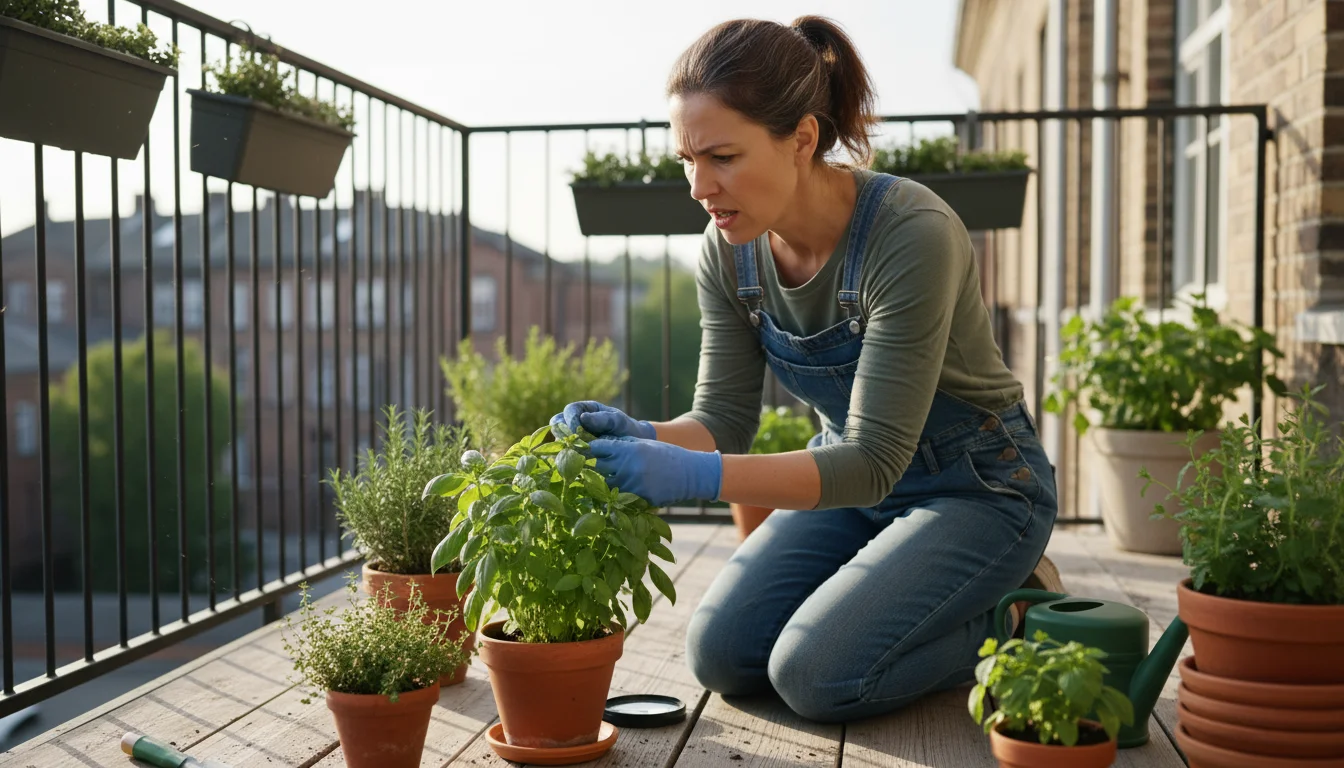
Even with the best intentions, gardeners sometimes make mistakes that hinder their aphid control efforts. Recognizing these common pitfalls helps you refine your strategy and achieve better results.
You can avoid prolonged battles with these tiny pests by learning from these experiences.
To prevent overcrowding and pest spread in future seasons, it helps to map your perfect balcony garden before you even start planting.
Applying Treatments at the Wrong Time
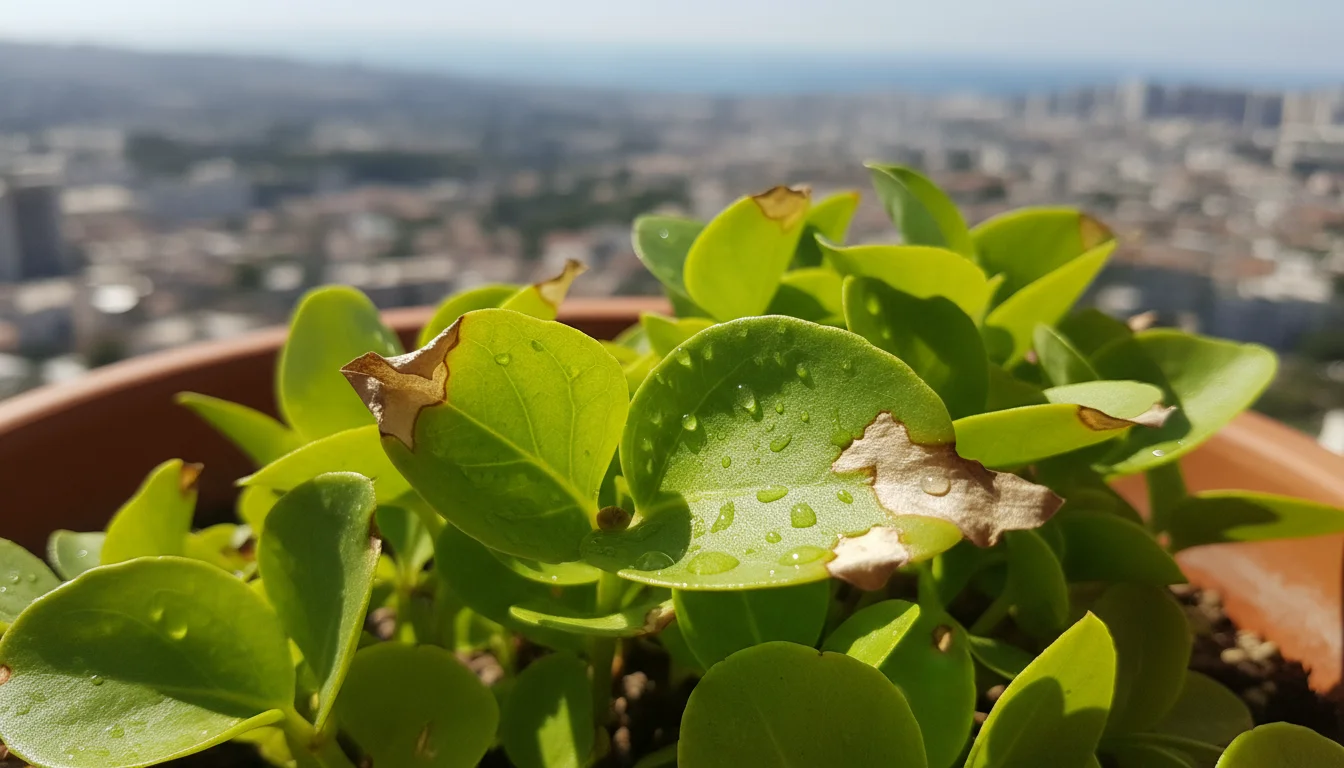
Many organic sprays, such as insecticidal soap or neem oil, are most effective when applied during the cooler parts of the day. Spraying in the middle of a hot, sunny day can lead to two problems.
First, the intense sun can cause the spray to dry too quickly, reducing its contact time and effectiveness on the aphids. Second, water droplets on leaves can act like tiny magnifying glasses, concentrating sunlight and potentially causing leaf burn.
Always spray early in the morning or late in the evening when temperatures are cooler and the sun is less intense. This maximizes efficacy and protects your plants from unnecessary stress.
Not Being Persistent Enough
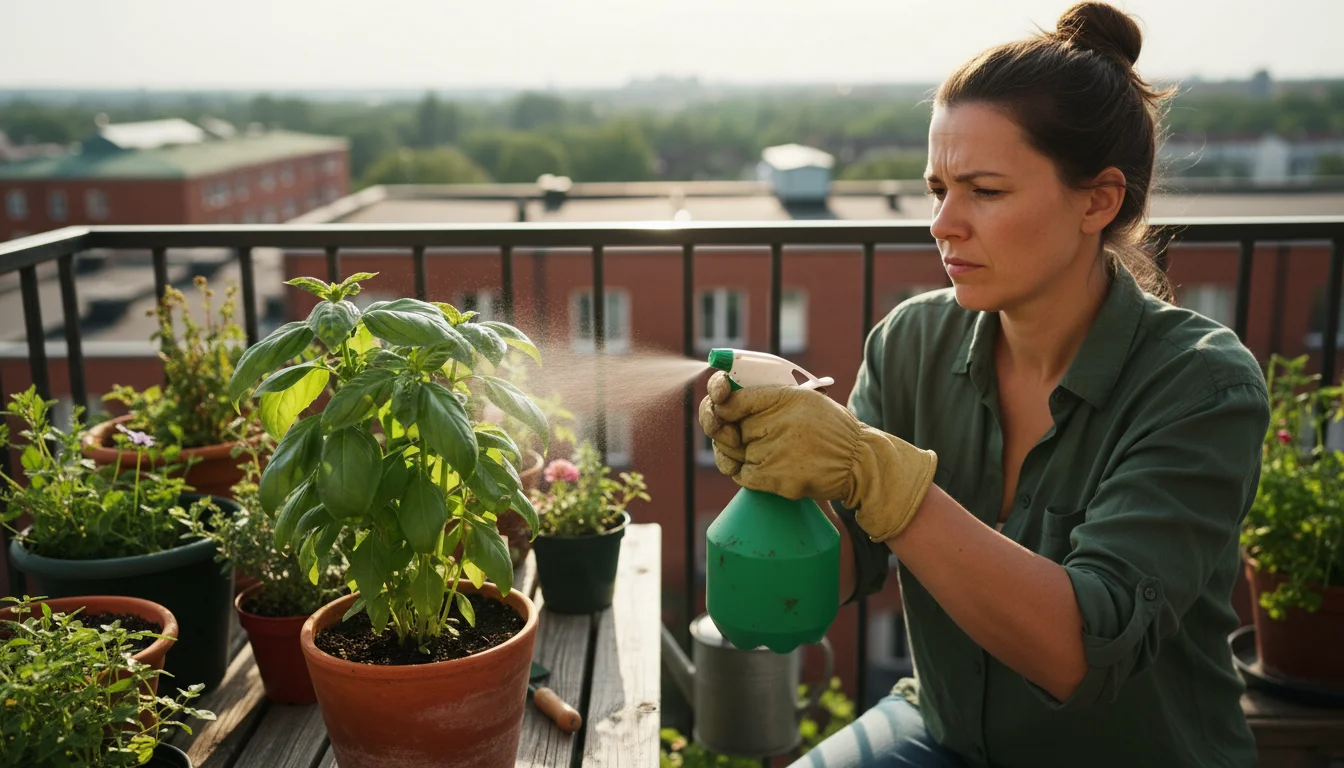
Aphids reproduce at an astonishing rate. A single application of even the most effective treatment rarely eradicates an entire infestation.
Many beginner gardeners become discouraged when aphids reappear a few days after treatment. Persistence is key.
You must reapply treatments regularly, typically every 3-7 days, for at least two to three weeks. This schedule targets successive generations of aphids, including those that hatch from eggs or were missed in previous applications, effectively breaking their life cycle.
Consistency is more important than strength in organic pest control.
Ignoring Honeydew and Ants
The sticky honeydew aphids produce is a clear indicator of their presence, even before you see the insects themselves. Many gardeners overlook this residue, or the presence of ants, until the infestation is severe.
Remember, ants “farm” aphids for honeydew, actively protecting them from predators and moving them to fresh feeding sites. If you see ants on your plants, investigate thoroughly for aphids.
Addressing the ants, perhaps by setting ant baits away from your plants, can also help reduce the aphid population by removing their protectors.
Over-Fertilizing Your Plants
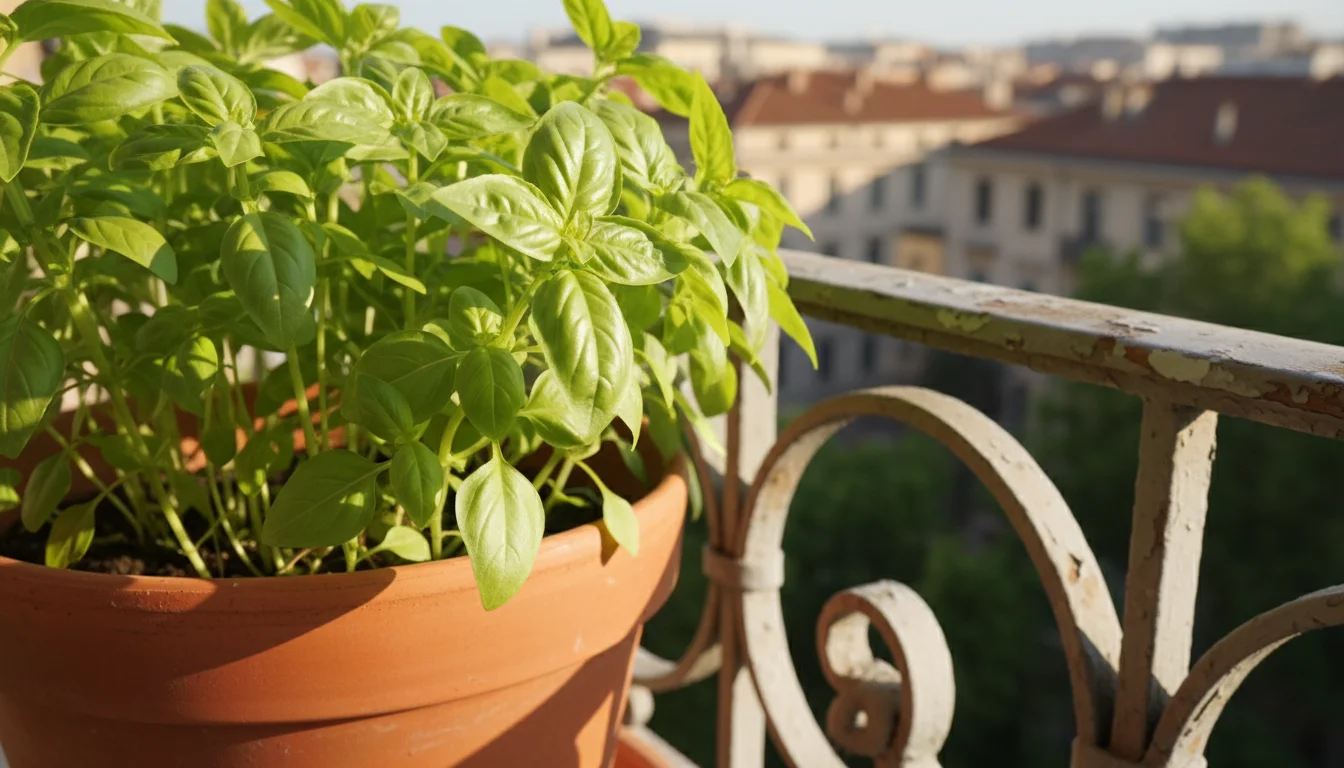
While proper nutrition is essential, over-fertilizing, particularly with nitrogen-heavy formulas, promotes rapid, lush, soft new growth. This tender foliage is incredibly attractive to aphids, providing an easy and abundant food source.
Aphids thrive on this type of growth. Stick to balanced fertilizers and follow recommended application rates.
If you notice an aphid problem, temporarily reduce or stop fertilizing to slow down the production of this desirable new growth. Focus on overall plant health rather than simply pushing for rapid growth.
Not Quarantining New Plants
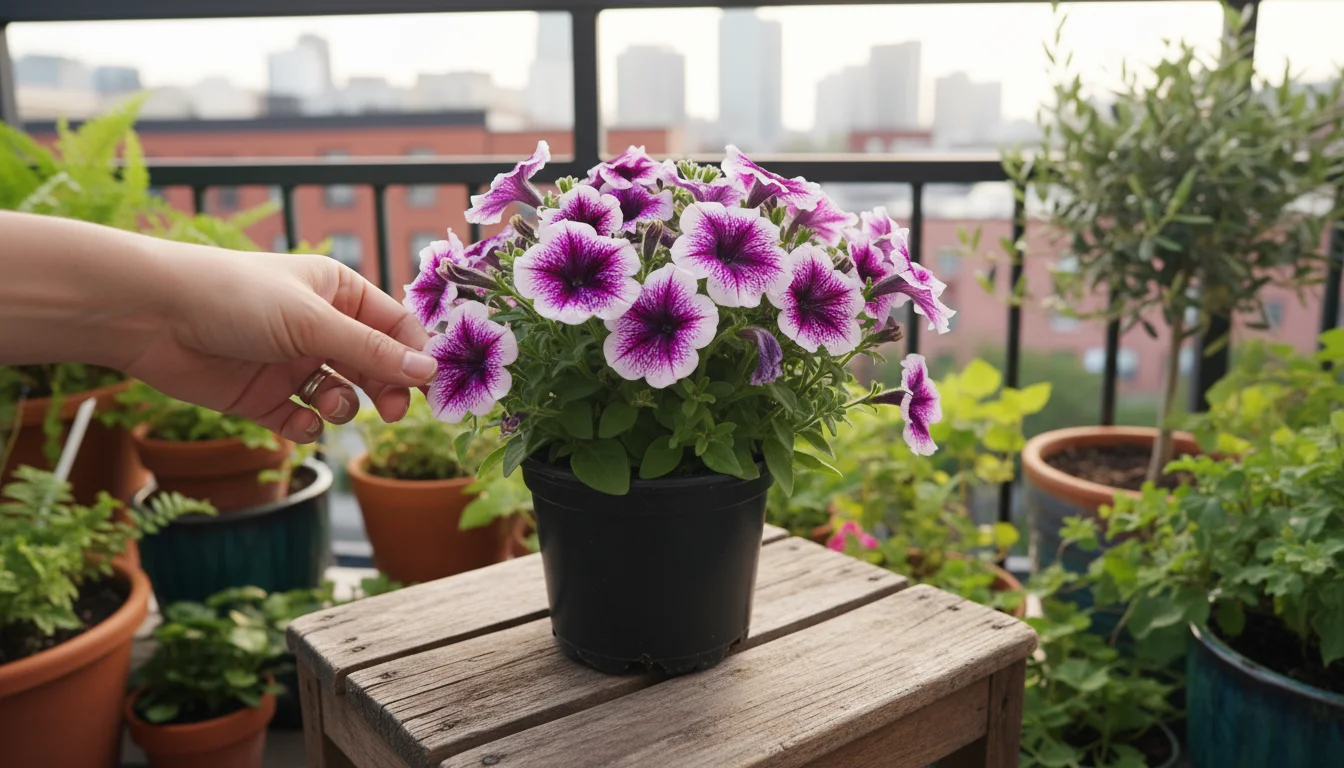
This critical preventative step bears repeating. Many aphid infestations begin when new, infested plants are introduced directly into your established balcony garden.
Without a quarantine period, pests can quickly spread to all your other plants. Even a seemingly healthy new plant can harbor pests.
Always isolate new plants for a couple of weeks and inspect them meticulously before integrating them into your garden. This simple practice dramatically reduces the risk of introducing pests to your entire collection.
Frequently Asked Questions
Can aphids harm my pets?
Generally, aphids are not toxic to pets. If your cat or dog ingests a few aphids while curiously nibbling on a plant, it is unlikely to cause any harm.
However, it is important to ensure that any pest control treatments you use are also pet-safe. Organic options like a strong water spray, manual removal, or insecticidal soap are typically safe.
Always keep pets away from plants treated with neem oil until it has dried, just to be cautious, as some pets can have sensitivities.
Do aphids only affect certain plants?
No, aphids are not exclusive to specific plants. While certain aphid species do prefer particular plant families, aphids, in general, are opportunistic feeders and can affect a wide variety of plants, including vegetables, herbs, ornamentals, and even weeds.
They particularly favor plants with tender new growth. Common targets in balcony gardens include roses, hibiscus, petunias, basil, lettuce, and young fruit trees.
Regular monitoring of all your plants helps ensure you catch any new infestations early.
How often should I check my plants for aphids?
During early spring and periods of active growth, you should inspect your balcony plants for aphids at least once or twice a week. A quick visual check of new growth and the undersides of leaves is usually sufficient.
If you notice signs of an infestation or if you live in an area known for active aphid populations, daily checks for a few days can be beneficial. Consistent, regular inspections allow for early detection and much easier management.
Is it too late to save my heavily infested plant?
It depends on the severity and duration of the infestation, but often, no, it is not too late. Even heavily infested plants can recover with diligent treatment.
Start by pruning away the most severely damaged or infested parts. Then, apply a combination of organic treatments like insecticidal soap and neem oil, ensuring thorough coverage and persistence with applications.
Provide excellent care to the plant, ensuring proper watering and nutrition. While it might take time for the plant to recover and produce healthy new growth, many plants show remarkable resilience.
Will aphids eventually go away on their own?
While natural predators like ladybugs can eventually reduce aphid populations, especially later in the season, relying solely on natural forces for a balcony garden is often a gamble. In early spring, predator populations are usually too low to effectively control rapidly reproducing aphids.
For container plants, which are often isolated and under your direct care, active intervention is almost always necessary to prevent significant damage and ensure your plants thrive. Waiting for them to disappear often results in a much larger, harder-to-control infestation.
For trustworthy gardening information, visit:
Plant Select (Colorado), Missouri Native Plant Society and Wild Ones — Native Plants, Natural Landscapes. These organizations provide expert, research-based advice for gardeners at all levels.
Disclaimer: This article is for informational purposes only and is not a substitute for professional gardening advice. Always consult local extension services or horticulture experts for region-specific guidance.