
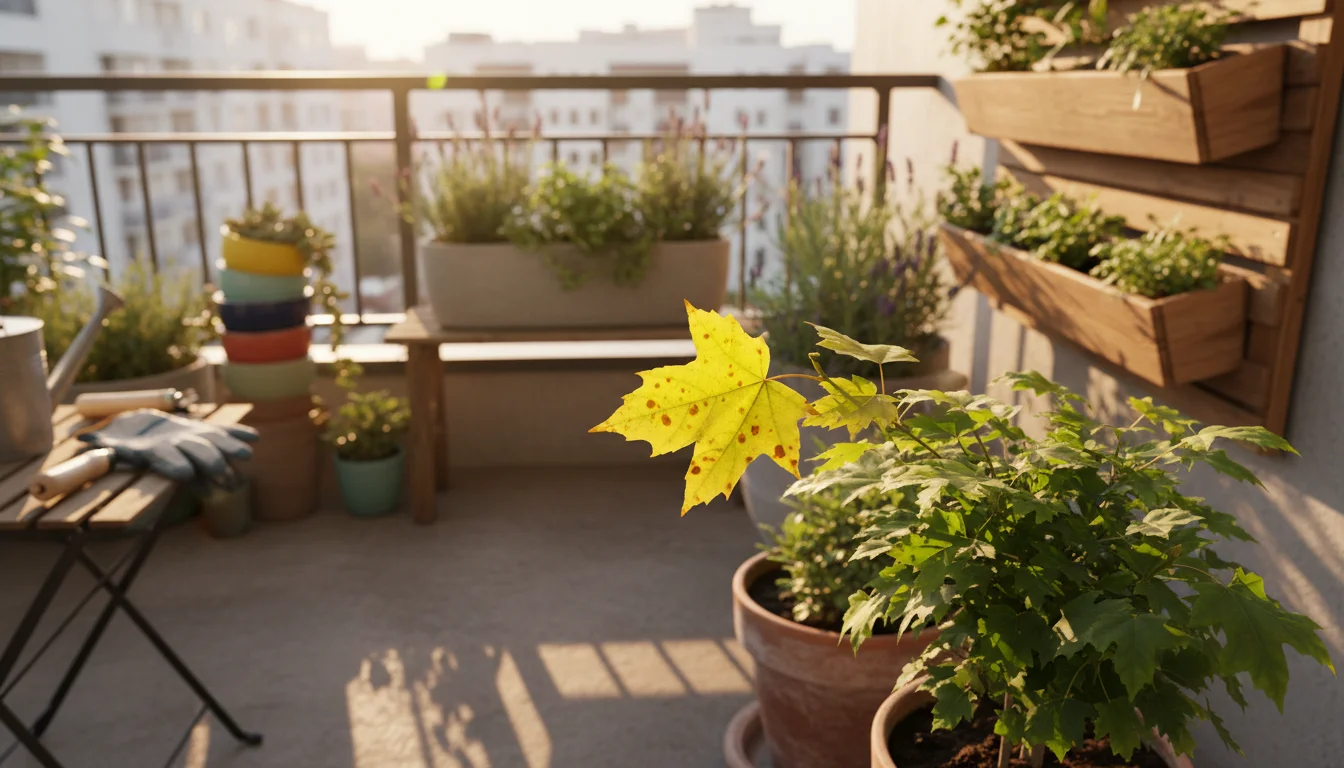
As summer’s vibrant energy begins to wane, a subtle transformation whispers through your balcony garden.
You might spot it first on a petunia, a marigold, or even a small herb: a single leaf, once green and full of life, now boasts a soft, golden hue. This isn’t necessarily a sign of distress or a problem to solve.
Often, that first yellow leaf is a gentle tap on the shoulder from nature, signaling that your plants are preparing for a period of rest.
For the small-space gardener, understanding these quiet messages is key to successful fall plant care, transforming your approach from reactive worry to mindful, proactive tending.
If you are deciding what to keep and what to clear out, see our guide on transitioning your balcony planters from summer to fall.
Your balcony garden, though compact, is a dynamic ecosystem responding to the seasonal shifts in light, temperature, and moisture. Learning to interpret these natural cues helps you provide the right support at the right time.
This guide empowers you to read your plants’ subtle signals, adjust your care routines confidently, and ensure your container garden fall preparations set your plants up for success, whether they are overwintering indoors or settling into outdoor dormancy.
Embrace the transition; your plants are speaking, and you are learning to listen.
Contents9 sections
- Decoding the Yellow Leaf: Why Your Plants are Changing
- The Art of Observation: Tuning Into Your Balcony Garden’s Rhythm
- Water Wisdom for Autumn: How to Know When to Slow Down
- Feeding Your Plants for Rest: Nutrient Needs as Winter Approaches
- Preparing for Slumber: Identifying Signs Plants Are Going Dormant
- Container Garden Fall Transitions: Protection and Placement
- Troubleshooting Common Fall Fallacies: What to Avoid
- Winter Wonders: Enjoying Your Garden’s Quiet Season and Planning Ahead
- Frequently Asked Questions
Decoding the Yellow Leaf: Why Your Plants are Changing
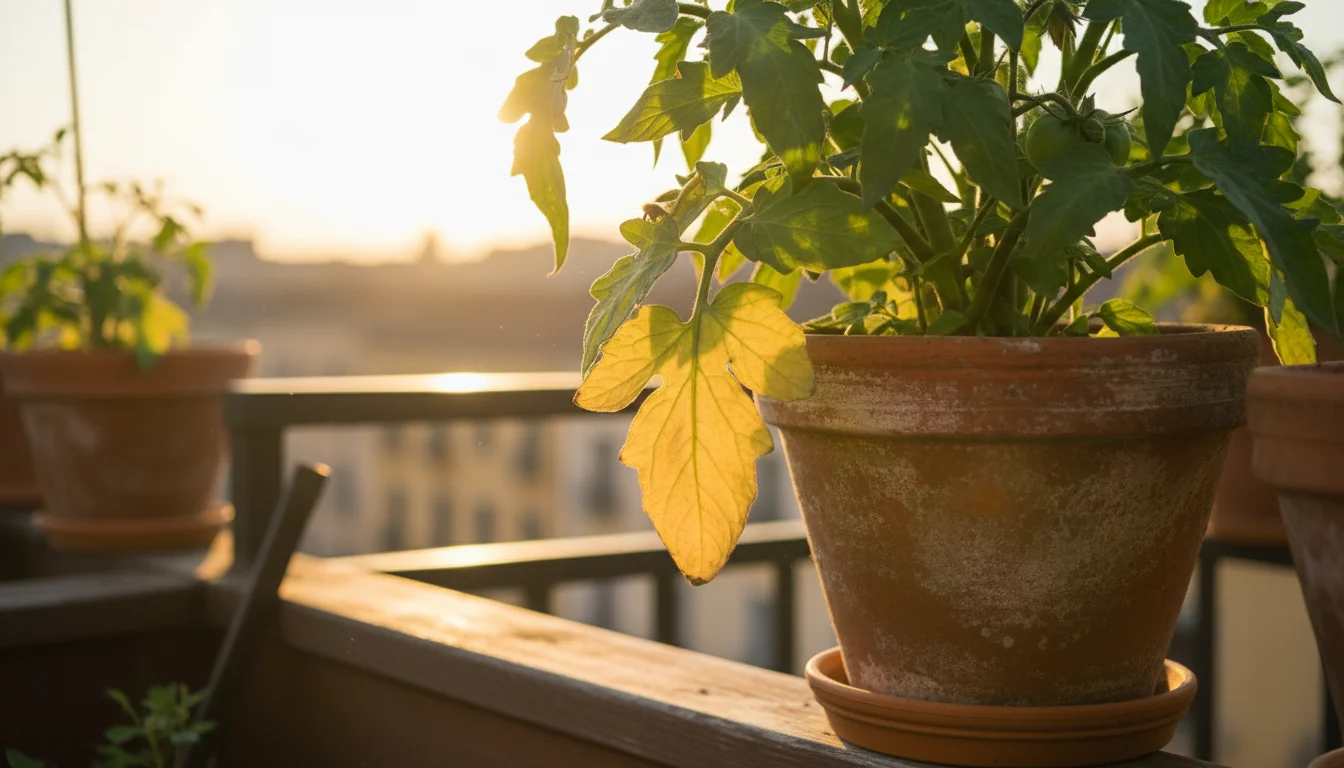
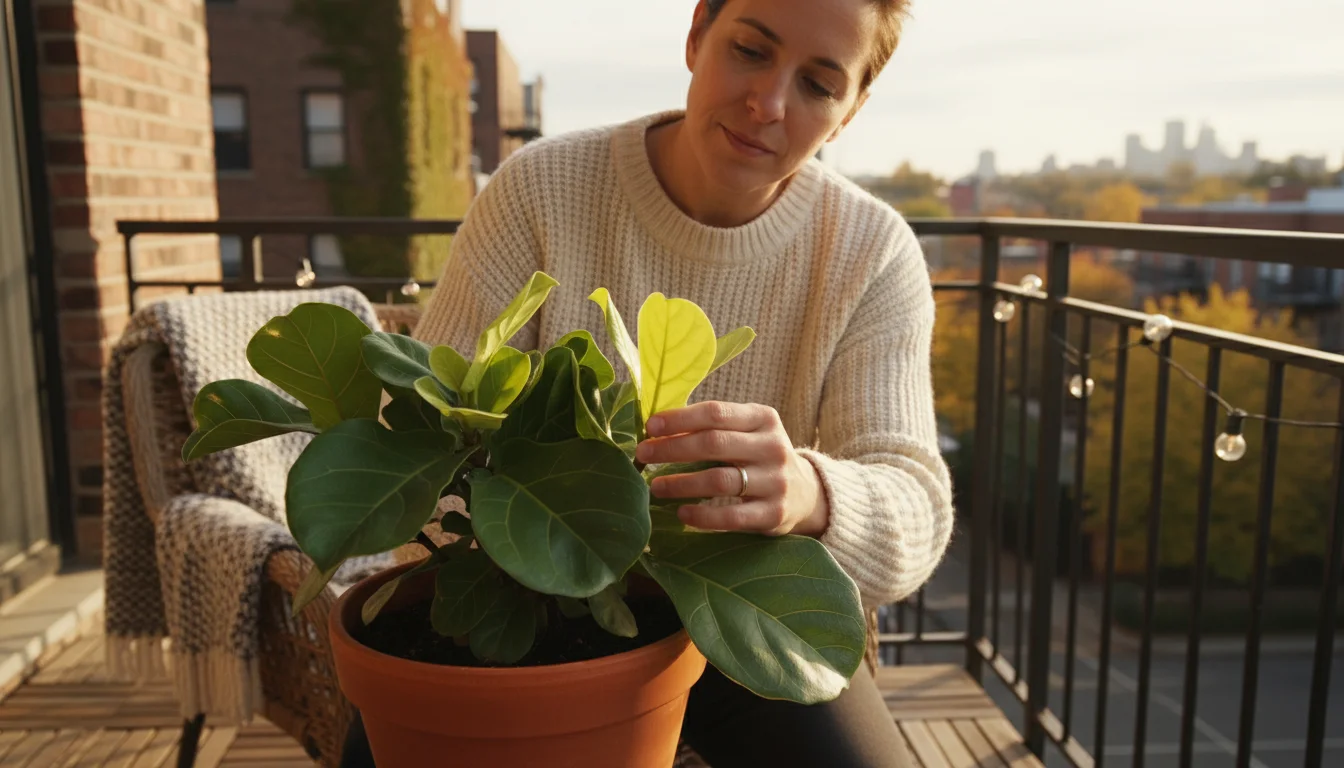
That initial yellow leaf, or a scattering of them, often marks a natural and essential biological process called senescence. Senescence describes how plants gracefully age and prepare for changes in their environment.
It is the plant’s way of recycling valuable nutrients from older leaves, which are less efficient at photosynthesis, and moving them to newer growth or storage organs, such as roots. This nutrient reallocation is crucial for survival, especially for plants entering plant dormancy.
Once those leaves begin dropping into your containers, consider the pros and cons of leaving versus clearing fall debris before tossing them.
Think of it as your plant tidying up its pantry before winter. Instead of simply letting nutrients fall away with shed leaves, it reclaims valuable resources like nitrogen, phosphorus, and potassium.
You will observe this process most clearly in deciduous plants, those that shed all their leaves annually, but even some herbaceous perennials and annuals exhibit a version of it.
Natural Yellowing versus Stress Yellowing: A Critical Distinction
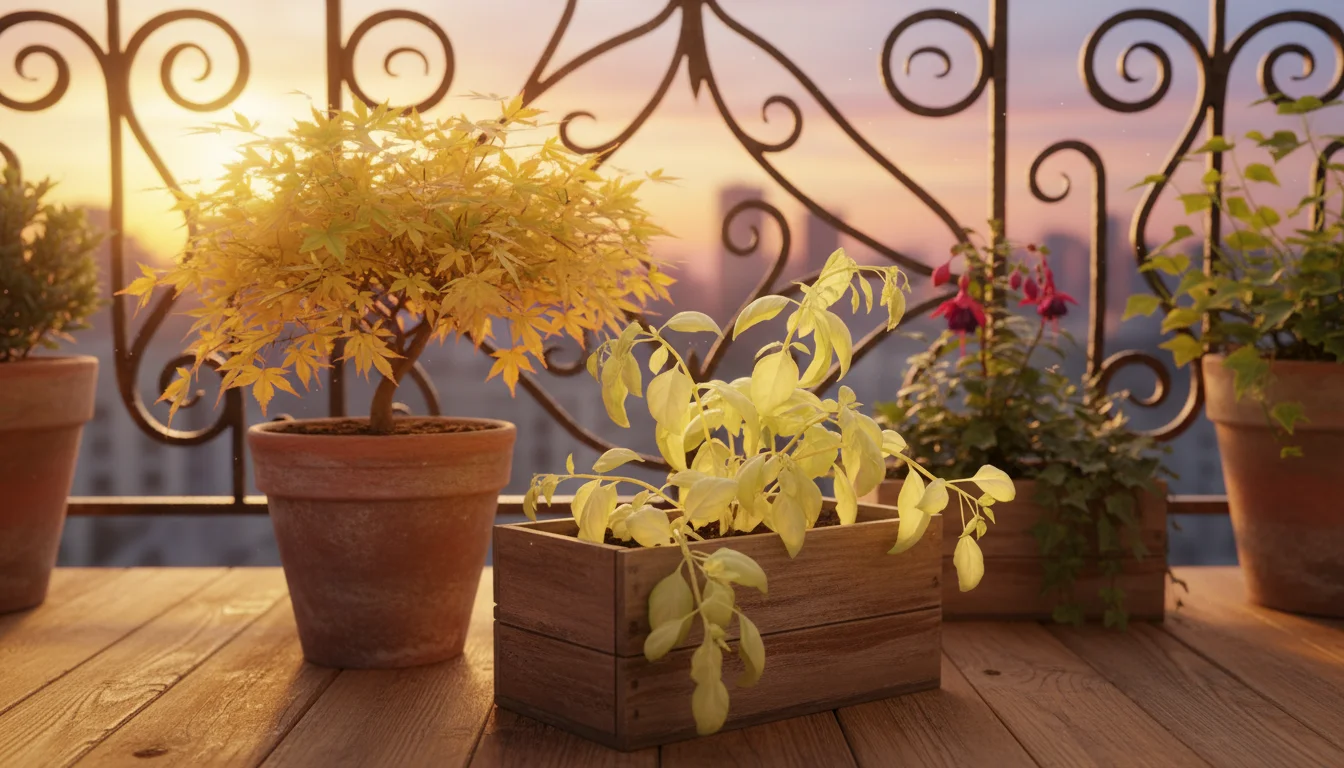
While a few yellow leaves in fall are usually a healthy signal, it is vital to distinguish this natural process from yellowing caused by stress. Here’s how you can tell the difference:
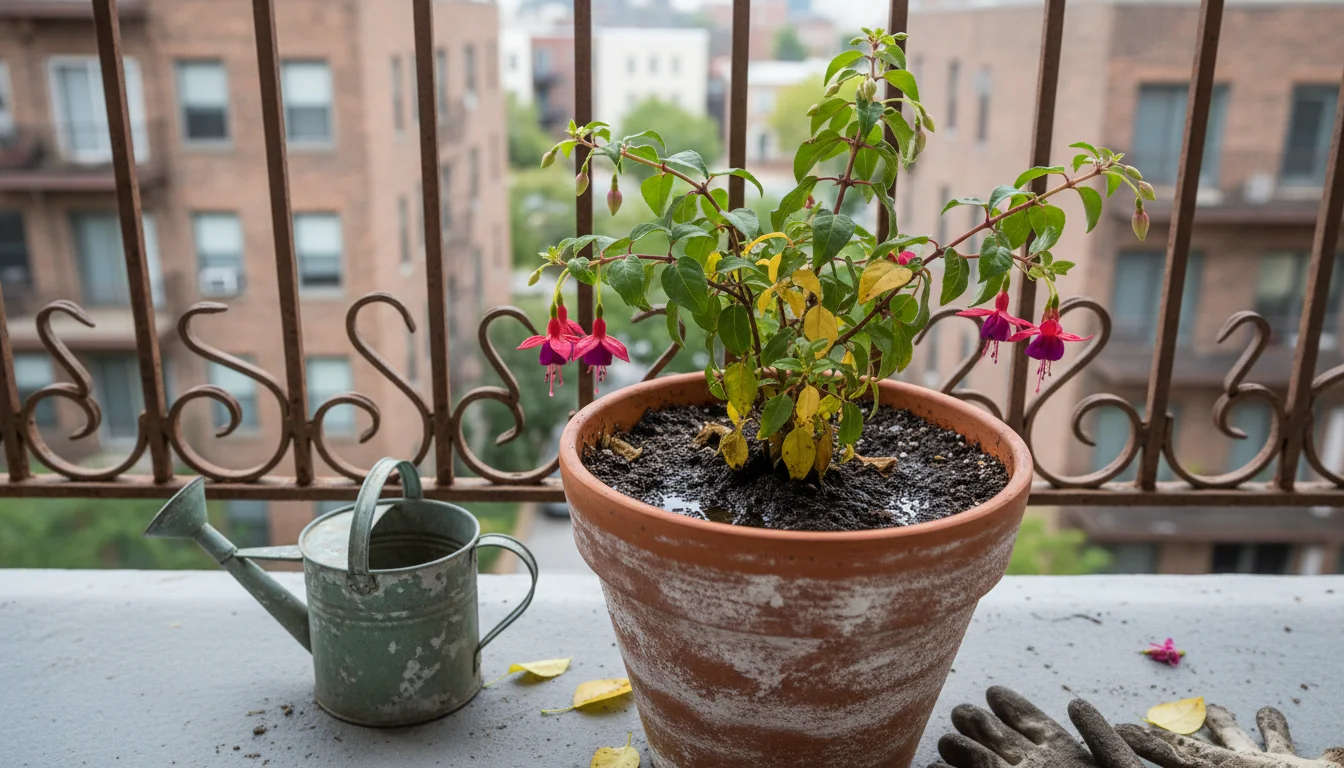
- Natural Yellowing: Often begins on older, lower leaves. The yellowing is usually even, gradually progressing from pale green to golden yellow, and the leaf eventually drops cleanly. The rest of the plant generally looks healthy and robust, with new growth slowing or stopping naturally. This is a common sign of `why are my plant leaves yellowing in fall` as the season changes.
- Stress Yellowing: Can appear on any part of the plant and often includes other symptoms.
- Overwatering: Leaves might turn yellow and then brown or mushy, often accompanied by wilting and a distinct odor from the soil. The soil remains wet for too long.
- Underwatering: Leaves become crispy and dry after yellowing, with the plant often wilting dramatically. The soil pulls away from the container edges.
- Nutrient Deficiency: Yellowing patterns vary depending on the missing nutrient. For instance, nitrogen deficiency causes uniform yellowing of older leaves, while iron deficiency might cause yellowing between the veins of newer leaves. This usually happens throughout the growing season, not just in fall.
- Pests or Disease: Yellowing might be localized, accompanied by spots, holes, sticky residue, or visible insects.
In autumn, when temperatures drop and daylight hours shorten, the most common reason for yellowing is the natural progression towards `plant dormancy`. Your task is to observe carefully.
Does the yellowing seem purposeful and widespread on older foliage, or is it isolated, rapid, and accompanied by other distress signals? Most often, in a healthy small-space garden, it’s the former, a beautiful testament to your plant’s resilience.

The Art of Observation: Tuning Into Your Balcony Garden’s Rhythm
Successful fall plant care on a balcony or patio hinges on your ability to observe and interpret the subtle changes happening around and within your plants. It requires more than just checking a calendar; it means truly seeing, feeling, and understanding.
This mindful approach builds your intuition, transforming you from a gardener following rules to one who truly understands your plants.
What to Watch For Beyond Color
While the yellow leaf is a primary indicator, a host of other cues signal the approach of fall and the need to adjust your `container garden fall` routine:
- Changes in Light: Notice the angle of the sun. It becomes lower in the sky, casting longer shadows and delivering less intense light. Your plants receive fewer hours of direct sunlight, which impacts their photosynthetic activity. Observe which parts of your balcony now receive less sun throughout the day.
- Temperature Fluctuations: Feel the air. Mornings become crisper, and evenings cool down significantly. Even if daytime temperatures remain mild, the drop at night is a major signal for plants to slow their growth. Pay attention to forecasts for the first frost warnings in your area, a critical marker for tender plants.
- Growth Habits: Are your plants still producing abundant new leaves and flowers? Or has new growth slowed dramatically, appearing smaller or less vigorous? Many plants naturally put their energy into ripening seeds or strengthening roots rather than producing lush foliage as fall progresses.
- Leaf Texture and Turgidity: Beyond color, feel the leaves. Do they still feel firm and full of water, or are they becoming slightly softer, less rigid, perhaps a bit papery, even if they aren’t wilting? This can be a subtle sign of reduced water uptake and decreased metabolic activity.
- Pest Activity: Pests often look for sheltered spots as the weather cools. Observe for any increased pest activity on the undersides of leaves or around the stems, as they might be attempting to overwinter.
By engaging all your senses and observing these multiple factors, you develop a holistic understanding of your garden’s needs. This proactive observation allows you to anticipate, rather than react to, your plants’ requirements, making `fall plant care` much smoother.
Water Wisdom for Autumn: How to Know When to Slow Down
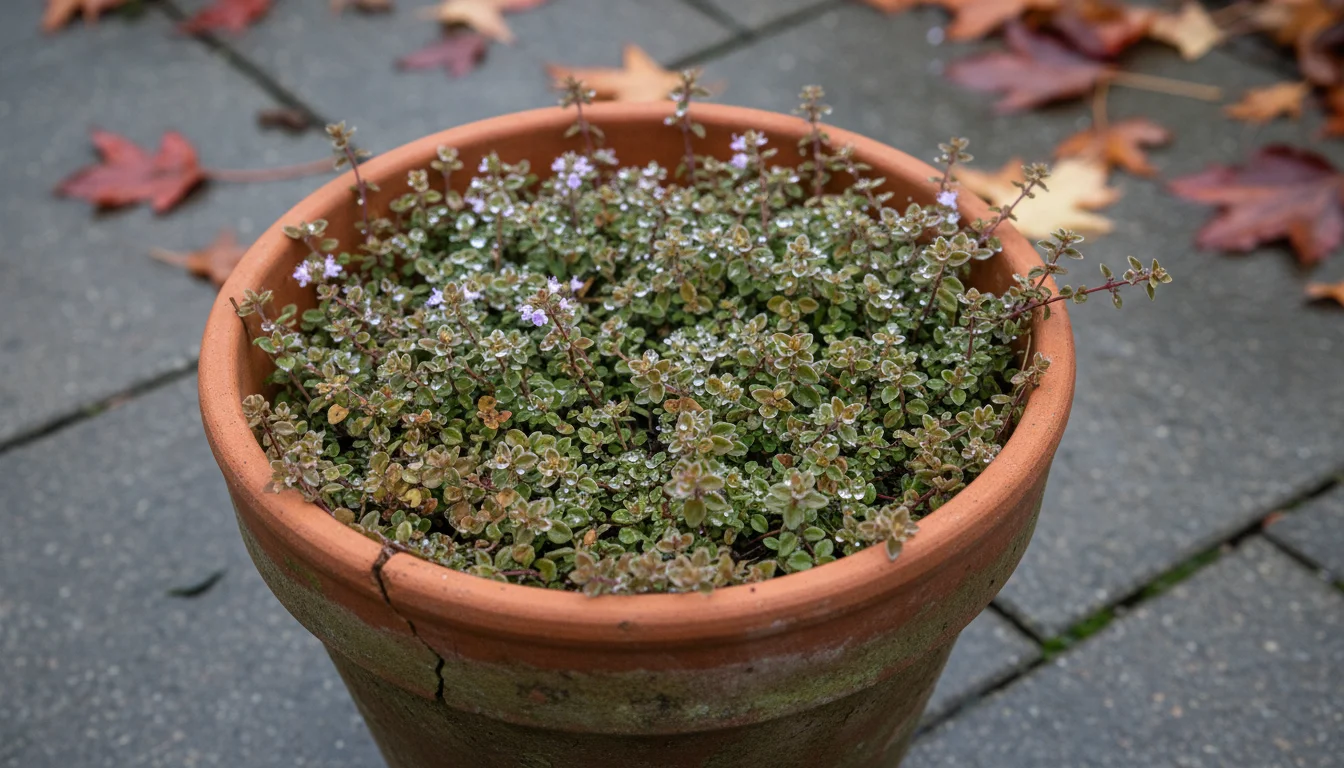
Perhaps the most critical adjustment for container garden fall success is modifying your watering schedule. The abundant watering you provided during the heat of summer needs a significant reduction.
Overwatering in fall is a common mistake that leads to root rot and other issues, especially as plants prepare for `plant dormancy`.
Why Plants Need Less Water in Fall
As daylight shortens and temperatures drop, several factors reduce your plants’ water demands:
- Reduced Transpiration: Plants “breathe” out water vapor through tiny pores in their leaves, a process called transpiration. Cooler temperatures and lower light intensity significantly reduce the rate of transpiration, meaning plants lose less water through their foliage.
- Slower Growth: Plants entering dormancy or simply slowing growth require less water to support metabolic processes. They are no longer actively producing large amounts of new leaves, stems, or flowers.
- Less Evaporation: Cooler air and often less wind mean less water evaporates from the soil surface, keeping the growing medium moist for longer.
How to Know When to Slow Down Watering Plants: Your Practical Guide
Instead of sticking to a fixed schedule, let your plants and their soil tell you when they need water. This is a crucial `how to know when to slow down watering plants` skill:
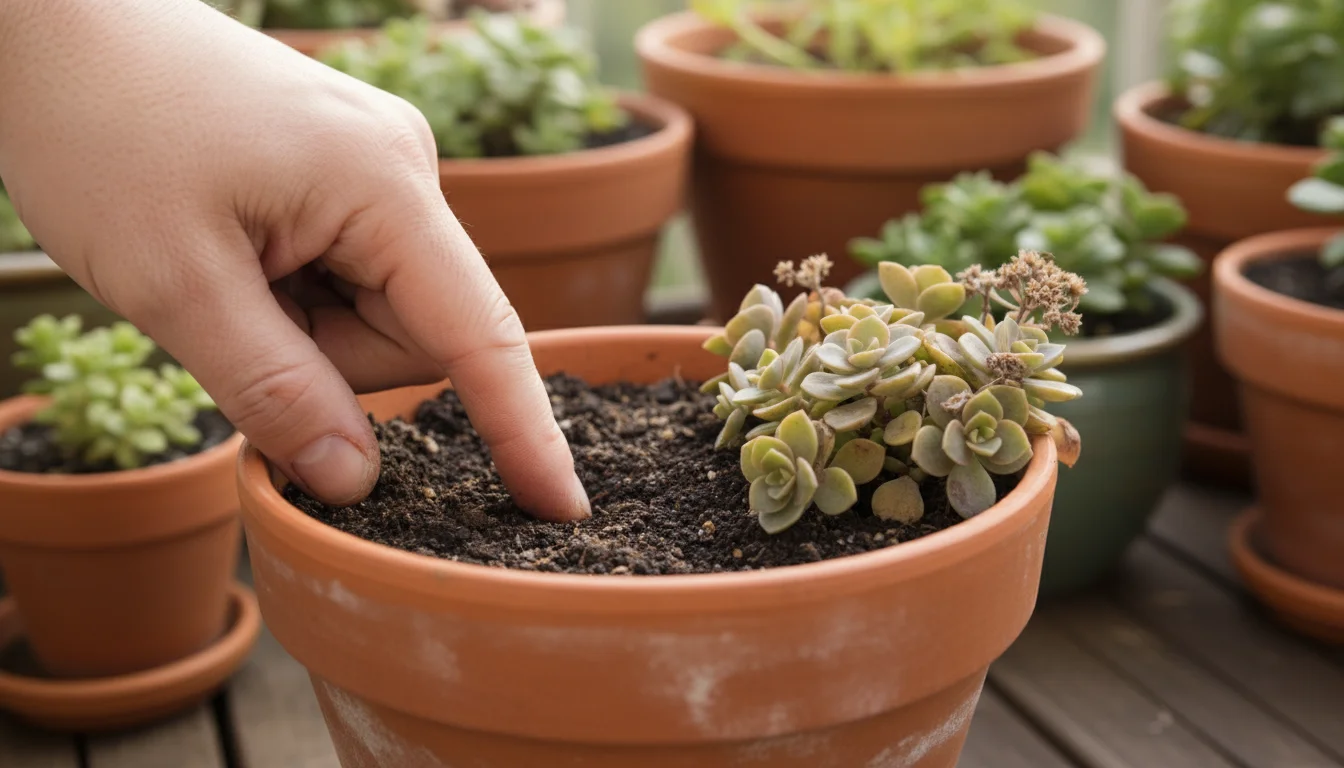
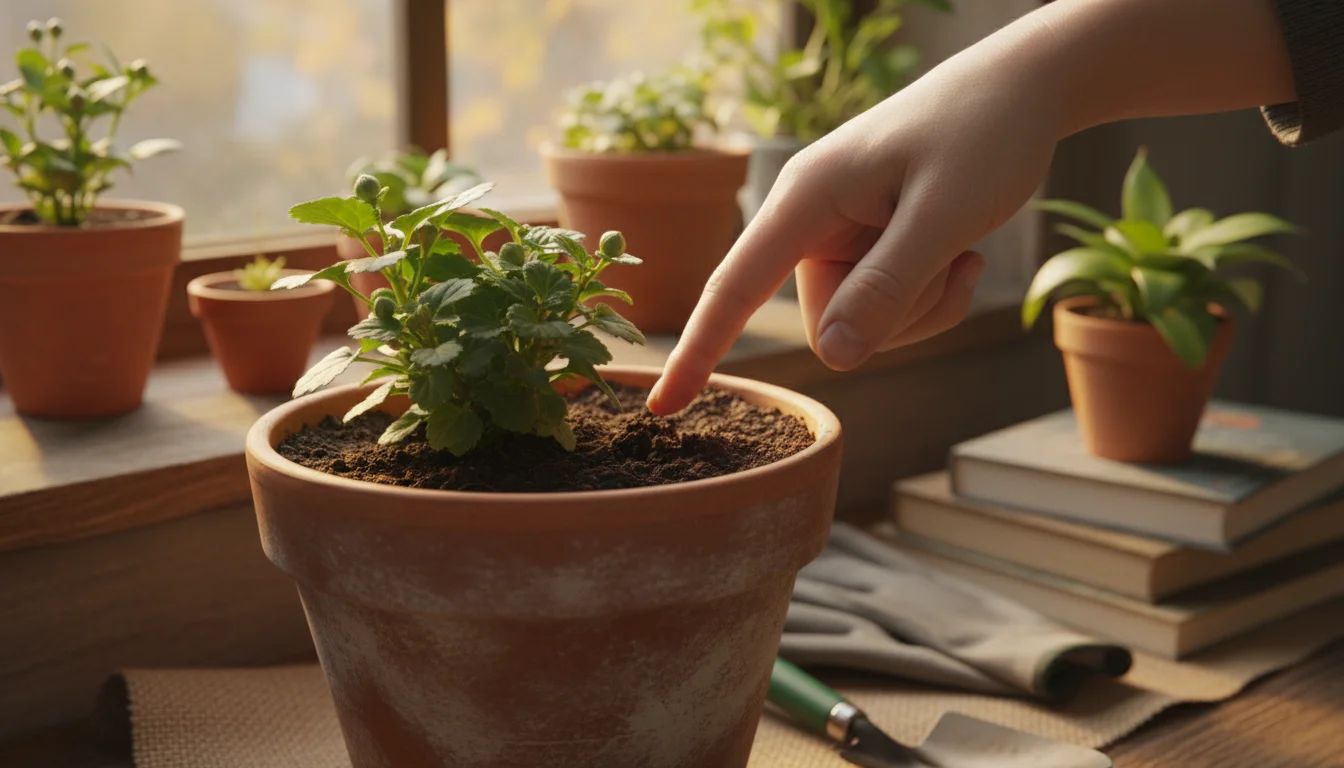
- Feel the Soil: This is your most reliable indicator. Insert your finger about two inches deep into the soil. If it feels moist, wait. If it feels dry, it is likely time to water. For larger containers, you might need to go deeper, to the second knuckle.
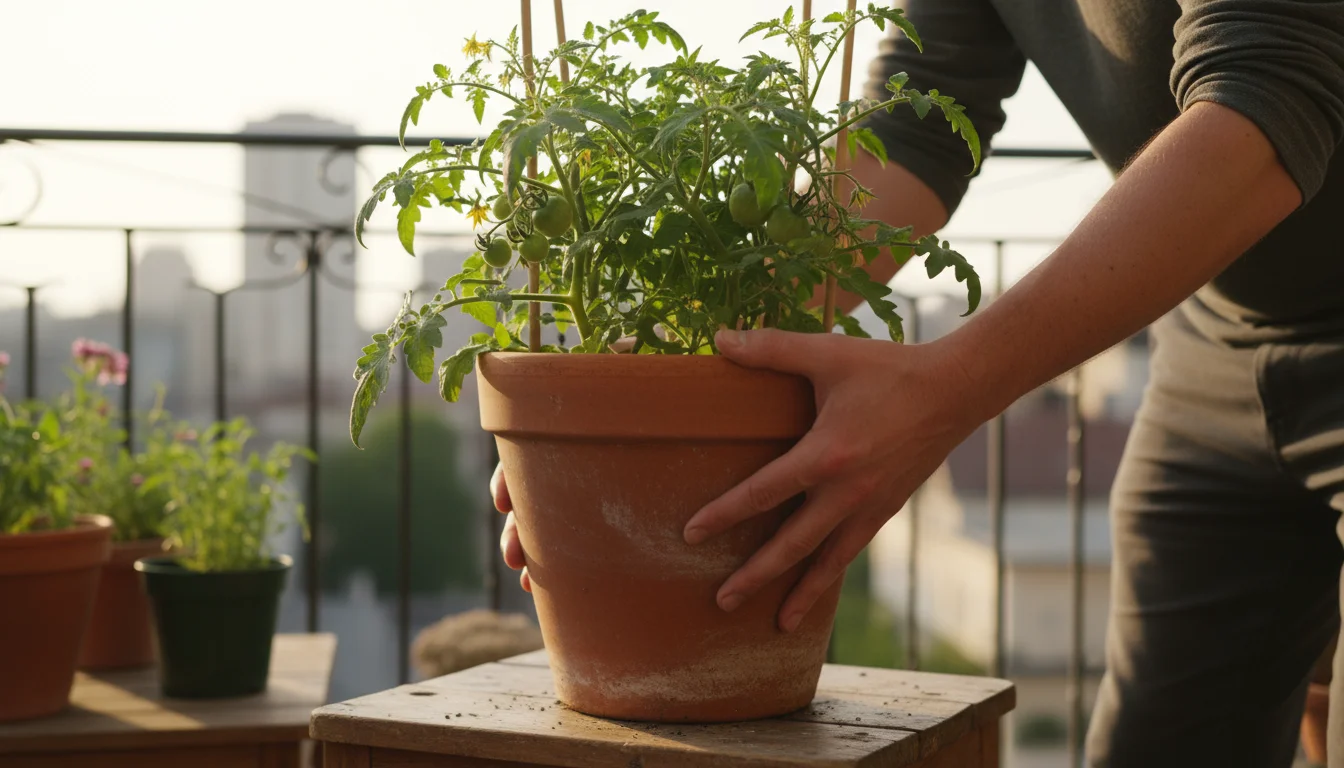
- Lift the Container: Small to medium-sized containers become noticeably lighter when dry. Develop a sense for the weight of a freshly watered pot versus a dry one.
- Observe the Plants Themselves: While wilting is a sign of thirst, aim to water before your plants reach this stage. Learn the subtle changes in leaf texture or slight drooping that indicate a need for water. However, some plants might show less obvious signs as they head into dormancy.
- Check Drainage: Ensure your containers have adequate drainage holes. Waterlogged soil, meaning soil constantly saturated with water, suffocates roots and is a primary cause of problems in fall and winter.
- Monitor Weather Forecasts: If rain is expected, delay watering. Strong winds can still dry out containers quickly, even in cooler weather, so factor this into your assessment.
Actionable Step: Gradually increase the time between waterings. If you watered every other day in summer, try every three to four days, then weekly, always checking the soil before you water.
When you do water, ensure the water flows freely from the drainage holes, but do not let the pots sit in standing water. This provides sufficient moisture without suffocating the roots.
Feeding Your Plants for Rest: Nutrient Needs as Winter Approaches
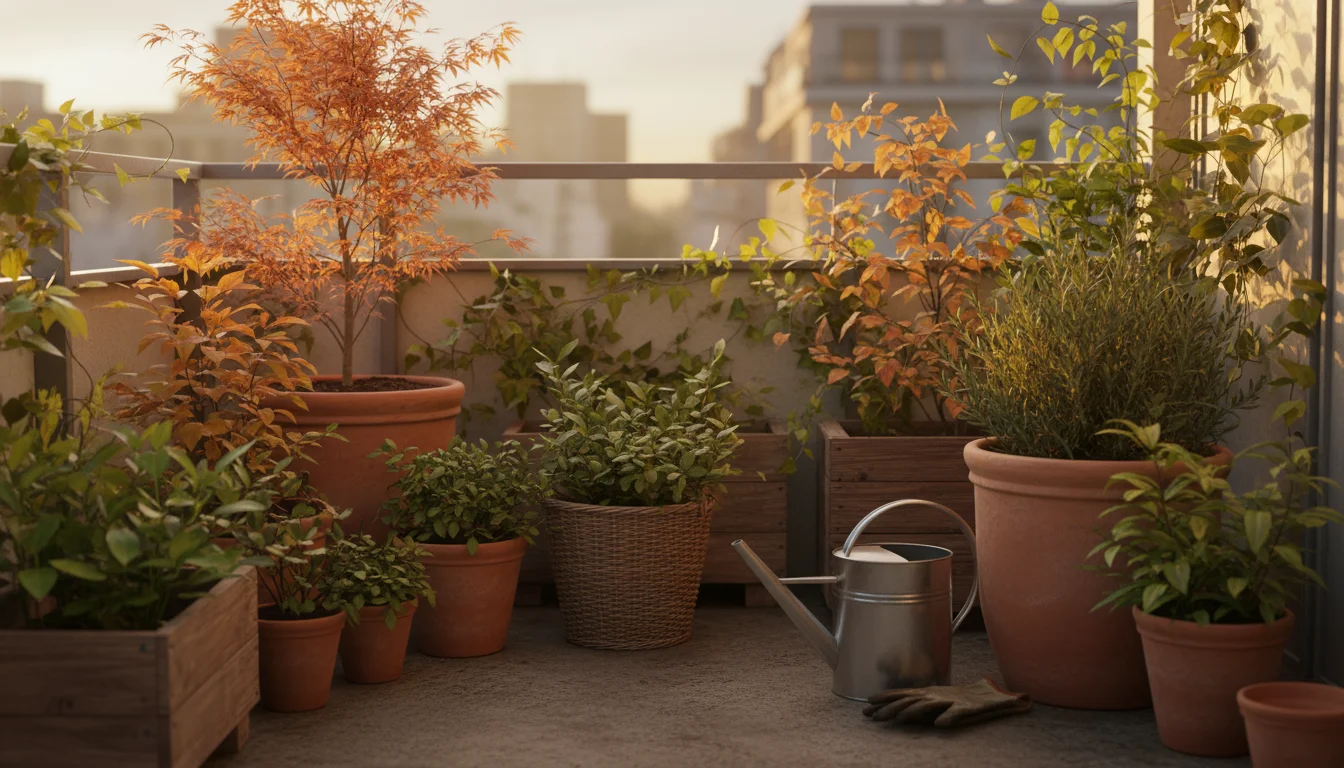
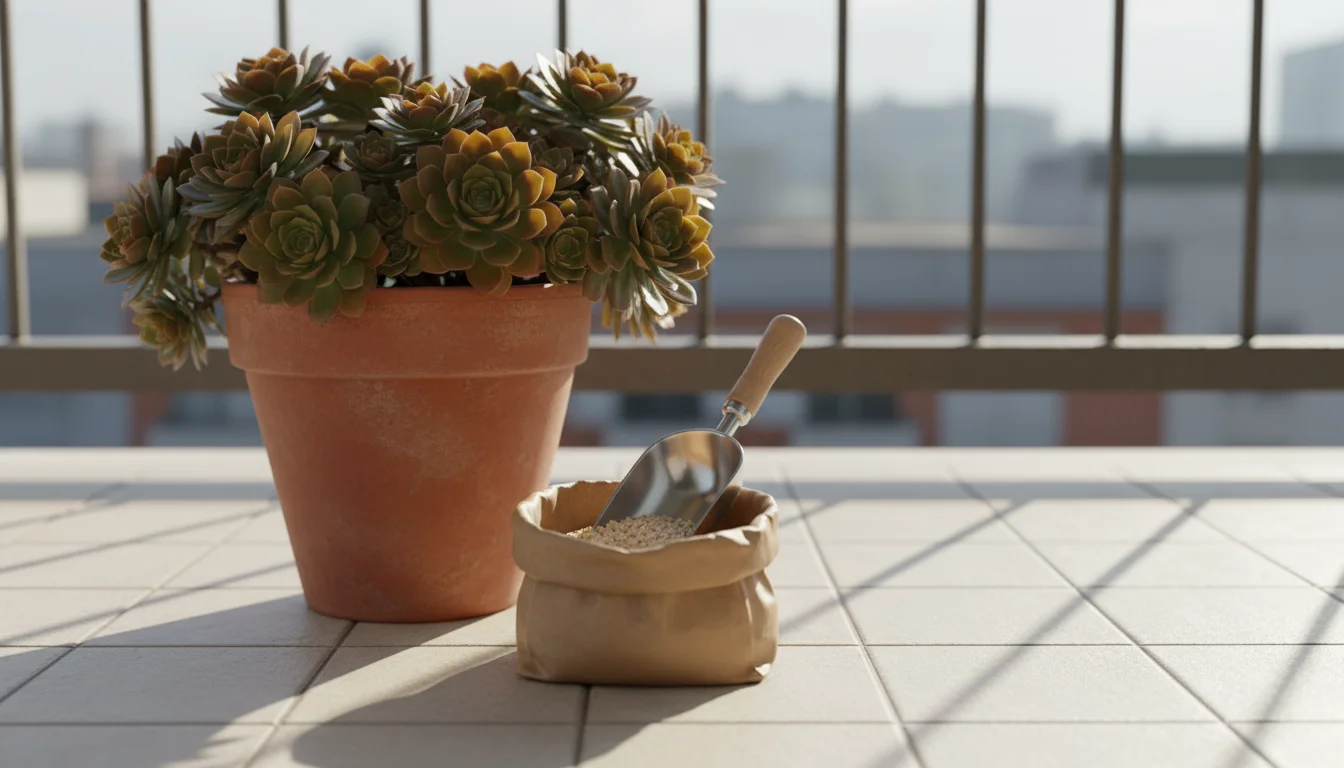
Just as your plants’ watering needs change, so do their nutritional requirements. As part of good `fall plant care`, it is generally advisable to significantly reduce or completely stop fertilizing most outdoor container plants.
Your goal shifts from promoting vigorous growth to supporting their natural transition into `plant dormancy`.
Why Fertilizing Less is More in Autumn
During the active growing season, fertilizers, particularly those rich in nitrogen, encourage leafy growth. However, as fall approaches, plants naturally slow their growth processes.
Applying nitrogen-rich fertilizers at this stage can confuse the plant, prompting it to put out tender new growth that is highly susceptible to cold damage.
- Focus on Root Development: Instead of shoot growth, plants begin to direct their energy towards root development and storing energy reserves for winter. Excess nitrogen can hinder this process.
- Environmental Impact: Unused fertilizer can leach out of containers with fall rains, potentially contaminating local waterways. Reducing or stopping fertilization is an eco-friendly practice.
When and How to Adjust Your Fertilization
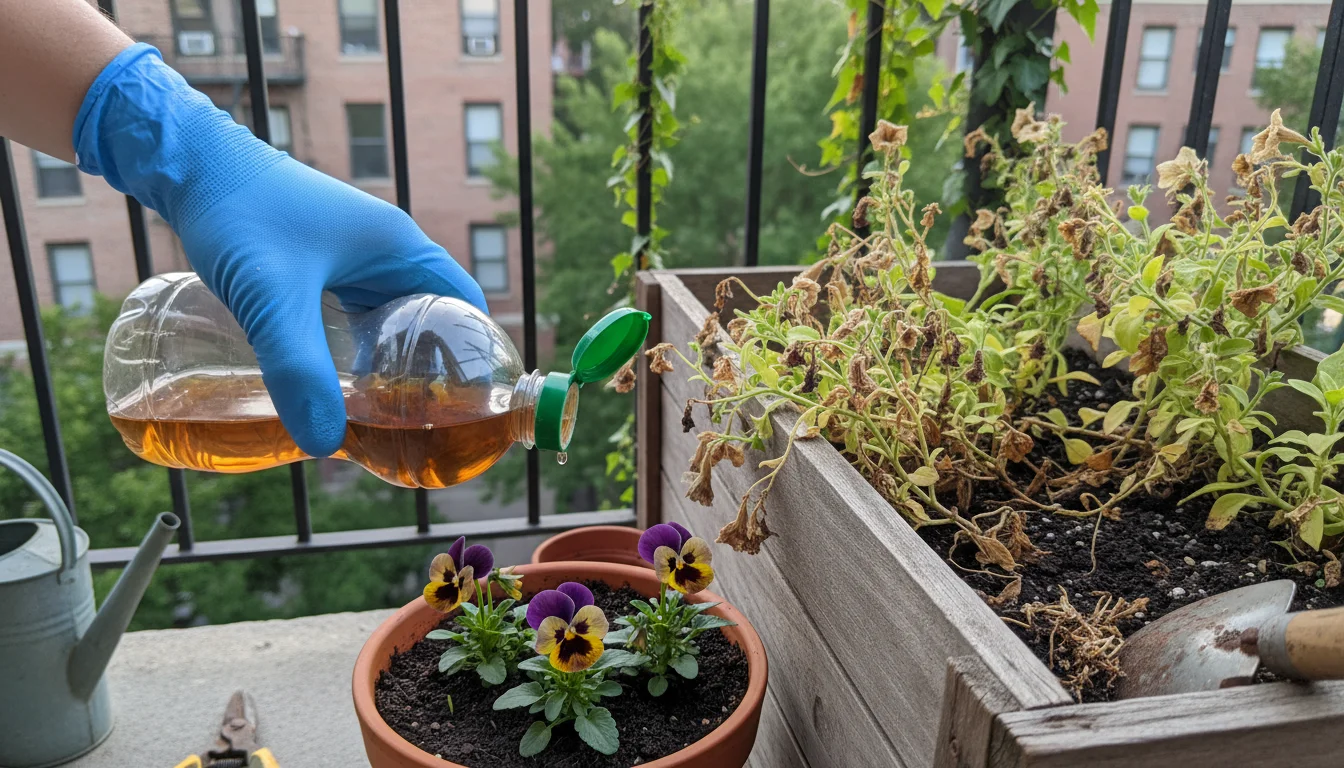
The best approach is to taper off fertilization as you observe the `signs plants are going dormant for winter`:
- Late Summer or Early Fall: Begin reducing the frequency and strength of your fertilizer applications. If you were feeding weekly, switch to every two weeks, then monthly.
- Mid-Fall: For most annuals and perennials that will overwinter outdoors, stop fertilizing entirely by mid-fall, typically when nighttime temperatures consistently drop below 50°F (10°C).
- Exceptions:
- Cool-Season Annuals: If you are planting cool-season annuals like pansies or ornamental kale for fall and winter color, you can provide a very light application of a balanced, slow-release fertilizer at planting to help them establish.
- Overwintering Herbs or Vegetables: Hardy herbs like rosemary or thyme, or certain overwintering vegetables, might benefit from a final, very diluted, balanced feed if they are still actively growing and you plan to harvest them. Always err on the side of caution.
- Plants Moving Indoors: For tender plants you bring indoors, cease fertilization for a few weeks before moving them. Once inside, they will experience lower light and humidity, often entering a semi-dormant state. Only resume very light fertilization in late winter or early spring as new growth appears.
By adjusting your feeding regimen, you allow your plants to naturally prepare for their resting phase, rather than pushing them to grow when conditions are unfavorable. This contributes significantly to their long-term health and vigor, making spring come back stronger.
Preparing for Slumber: Identifying Signs Plants Are Going Dormant
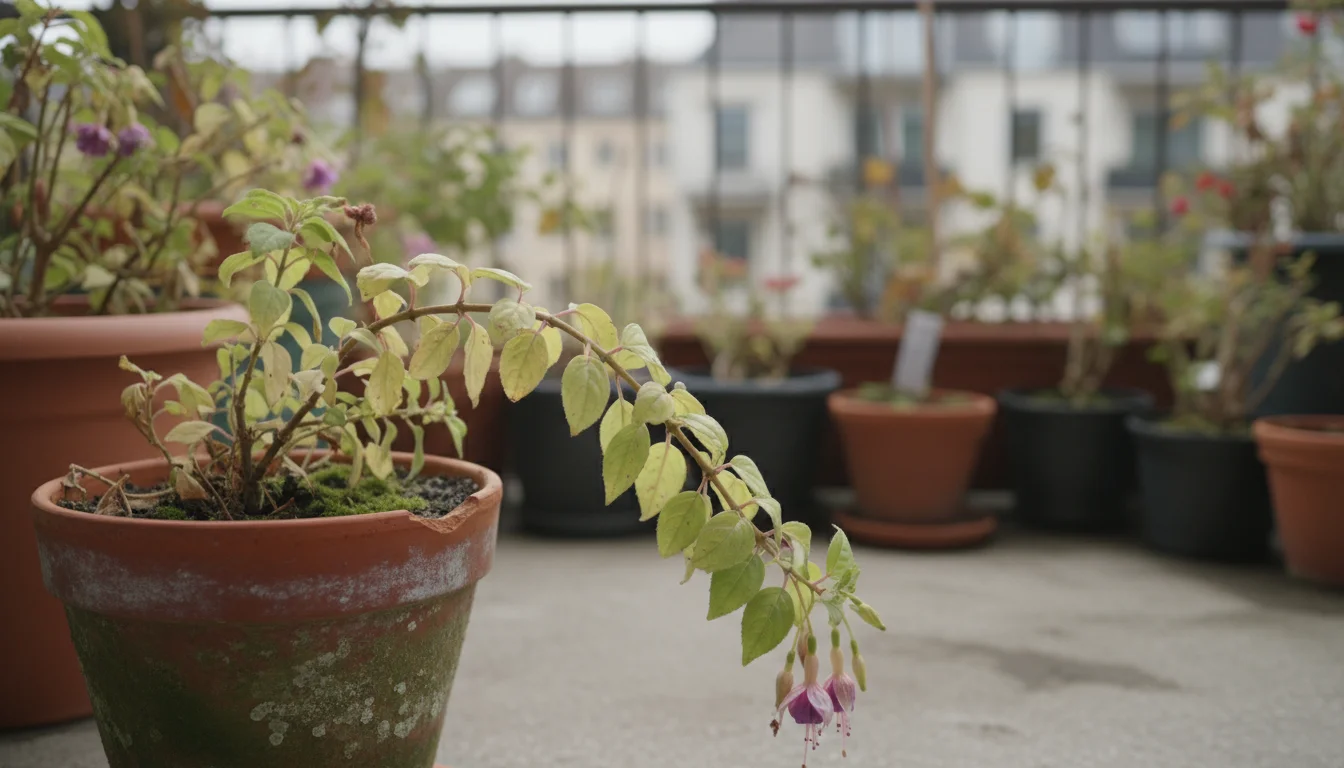
Dormancy is a natural survival strategy that allows plants to endure harsh conditions, particularly cold temperatures and low light.
For your balcony garden, recognizing the `signs plants are going dormant for winter` is crucial for successful `fall plant care` and determining when to adjust watering, feeding, and protection strategies.
Understanding Plant Dormancy
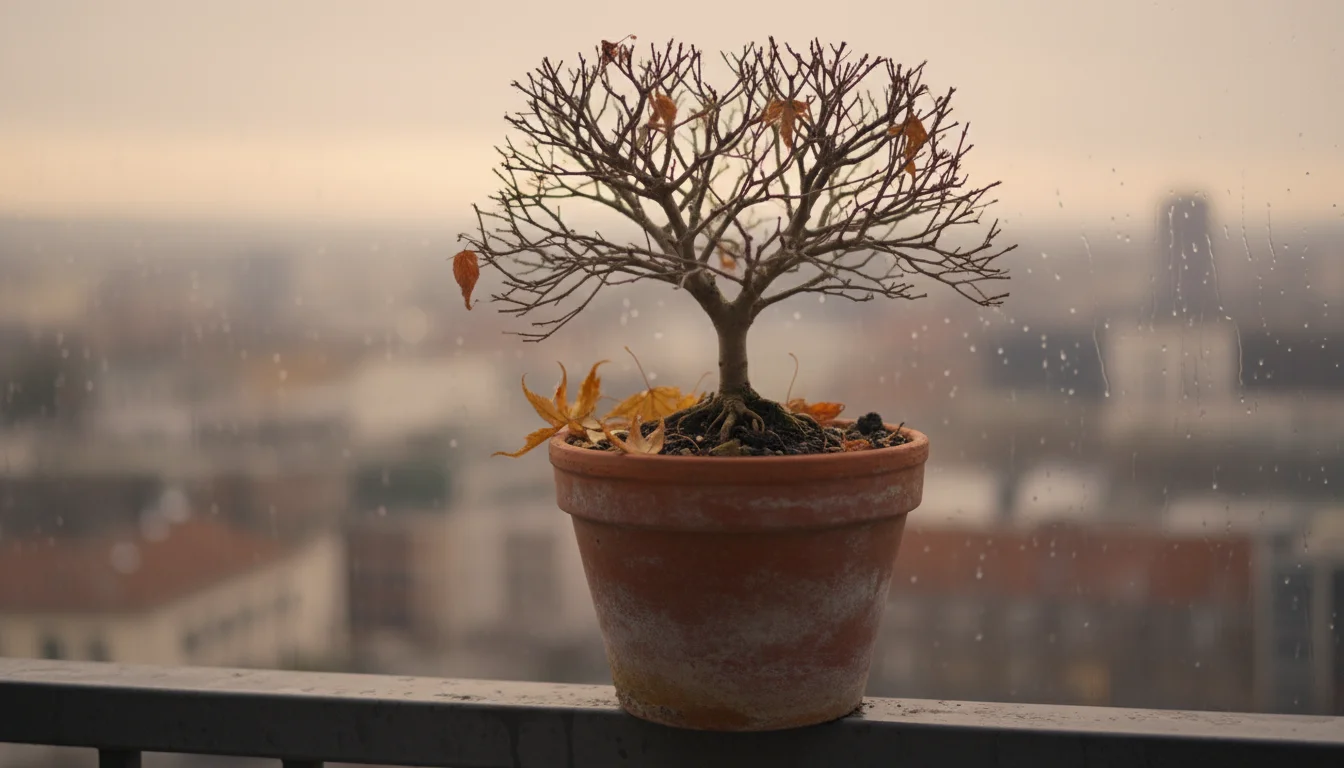
Think of `plant dormancy` as a deep sleep. During this period, a plant’s metabolic activity slows dramatically.
Growth ceases, and many physiological processes go into standby mode. It is a time of conservation, where the plant focuses on protecting its vital tissues and energy reserves until favorable conditions return in spring.
This is particularly important for perennials and woody plants grown in containers, as their roots are more exposed to cold than those in the ground.
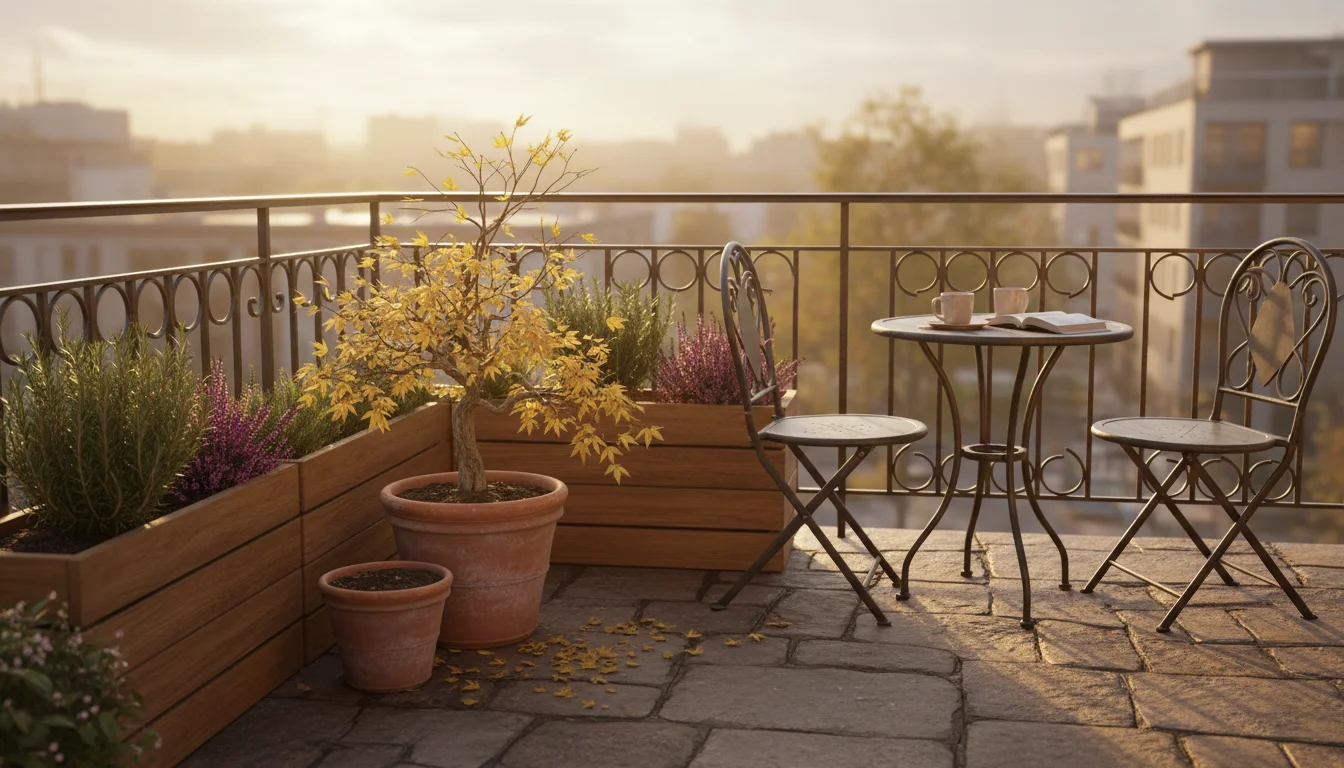
Key Signs Your Plants Are Preparing for Winter Sleep
While the yellow leaf is a primary signal, observe for these other indicators that your plants are ready to slow down:
- Slowed or Ceased New Growth: The most obvious sign. You will notice fewer new leaves, stems, or flowers forming. If new growth does appear, it is often smaller and less robust.
- Hardening Off: For some plants, stems that were once soft and pliable will become firmer and more woody. This process, known as hardening off, strengthens the plant against cold.
- Leaf Drop: Deciduous plants will actively shed their leaves. This is a deliberate process where the plant forms an abscission layer at the base of the leaf stem, allowing the leaf to detach cleanly, preventing water loss and protecting the stem from diseases that could enter through a dying leaf.
- Flower Production Ceases: Most summer-blooming plants stop producing flowers. Any remaining buds may fail to open or open partially before fading quickly.
- Seed Ripening: Many plants will direct their energy into ripening seeds, ensuring the next generation. If you see seed pods forming, this is a clear sign the plant is completing its life cycle for the season.
- Changes in Foliage Color: Beyond yellowing, some plants turn brilliant reds, oranges, or purples before dropping their leaves. This is due to the breakdown of chlorophyll, revealing other pigments.
- Retraction: Some herbaceous perennials may appear to “die back” to the ground, with their above-ground foliage turning brown and shriveling. The plant’s energy and life force retreat into its root system.
Recognizing these `signs plants are going dormant for winter` empowers you to adjust your `container garden fall` practices proactively. Instead of trying to force continued growth, you support your plants in their natural, restful state, preparing them for a strong return in spring.
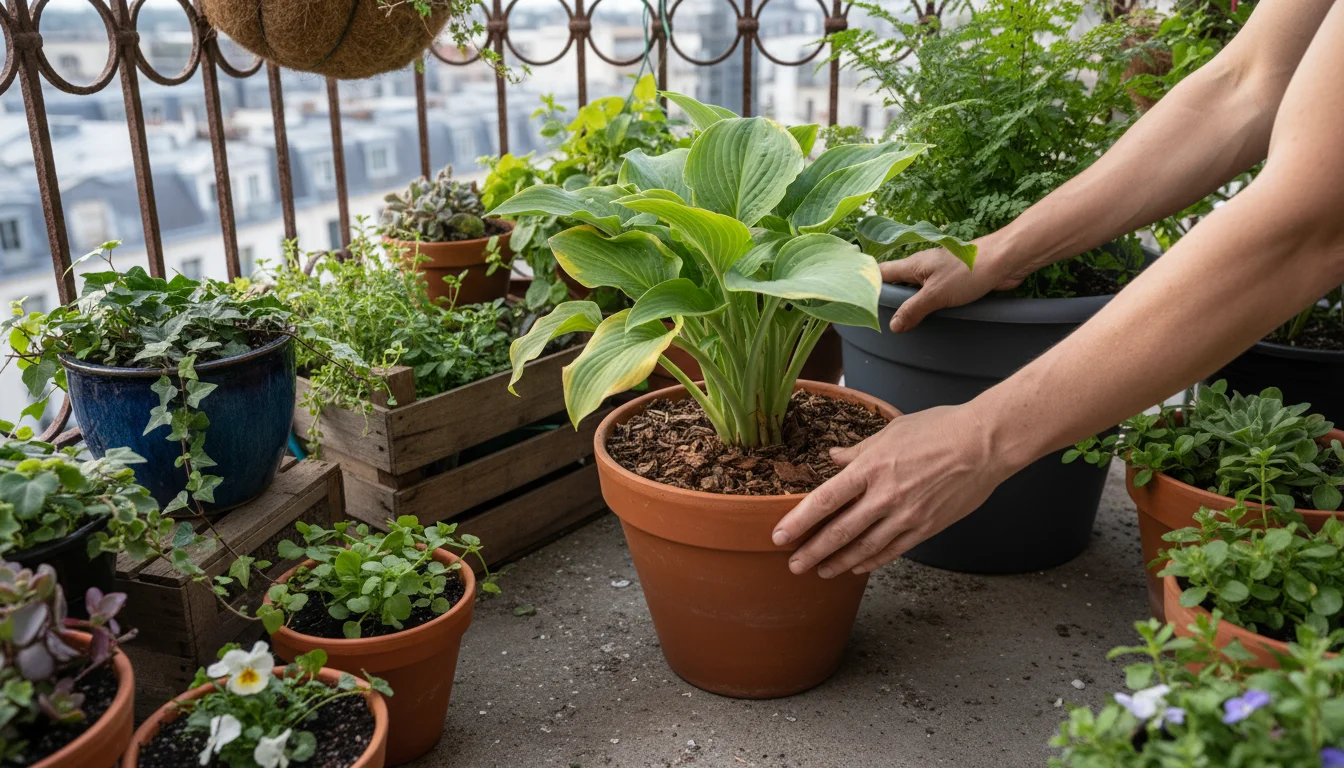
Container Garden Fall Transitions: Protection and Placement
Your balcony garden, by its very nature, faces unique challenges as fall deepens into winter. Containers expose roots to colder temperatures more directly than plants in the ground.
Thoughtful `container garden fall` transitions are essential for protecting your plants and ensuring their survival. This is where your observational skills truly pay off.
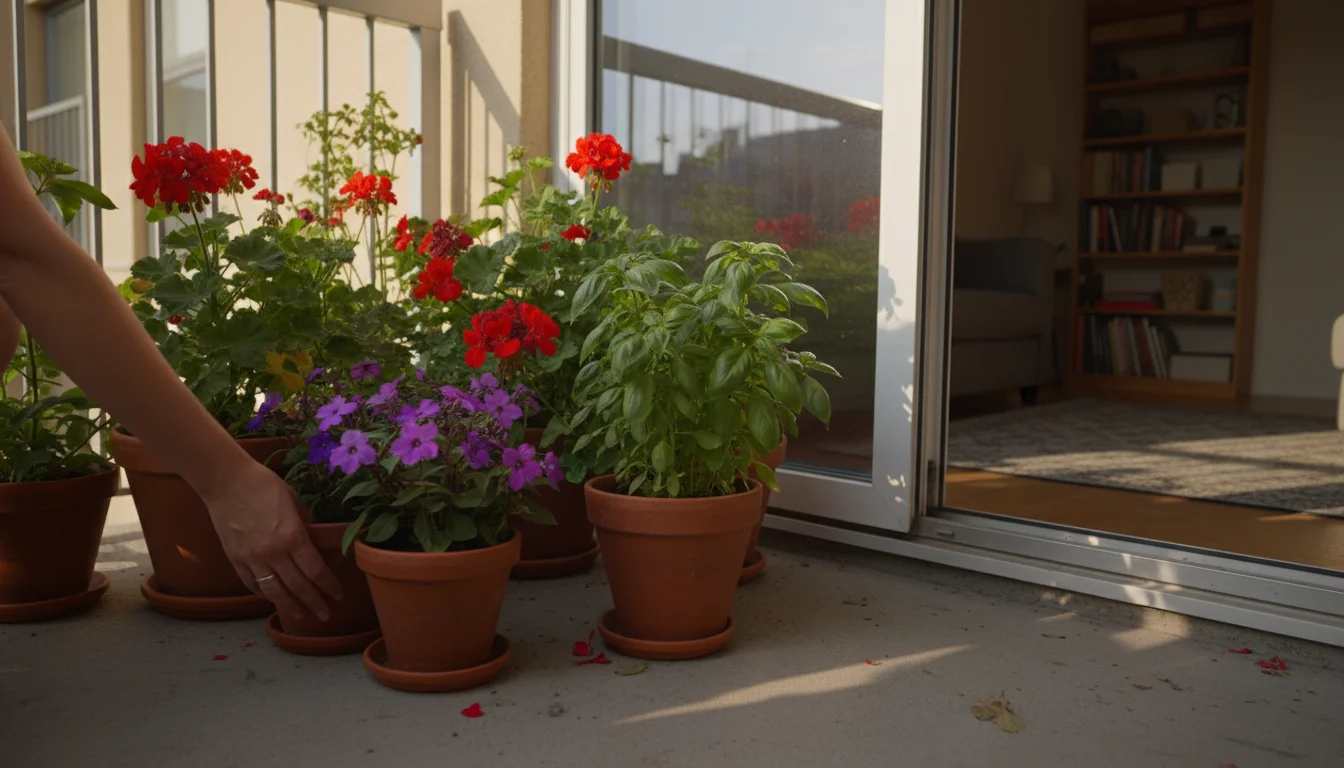
Protecting Tender Plants: Moving Indoors
Many popular balcony plants, like geraniums, impatiens, and tropical herbs such as basil or lemongrass, are not tolerant of freezing temperatures. For these tender plants, moving them indoors is the only viable option for overwintering.
- Pre-Move Preparation: A few weeks before the first expected frost, gradually reduce watering and stop fertilizing. This encourages the plant to slow down. Inspect plants thoroughly for pests. Treat any infestations before bringing them inside, to avoid introducing unwanted guests to your home.
- Acclimatization: Do not move plants directly from bright outdoor sun to a dim indoor corner. Transition them over a week or two, moving them to a shadier spot on your balcony, then to a porch, then indoors. This reduces transplant shock.
- Indoor Care: Once inside, place them in the brightest available window. Reduce watering significantly, only watering when the top two inches of soil are dry. Do not fertilize until new growth resumes vigorously in late winter or early spring. Be mindful of dry indoor air; a humidifier or pebble tray can help.
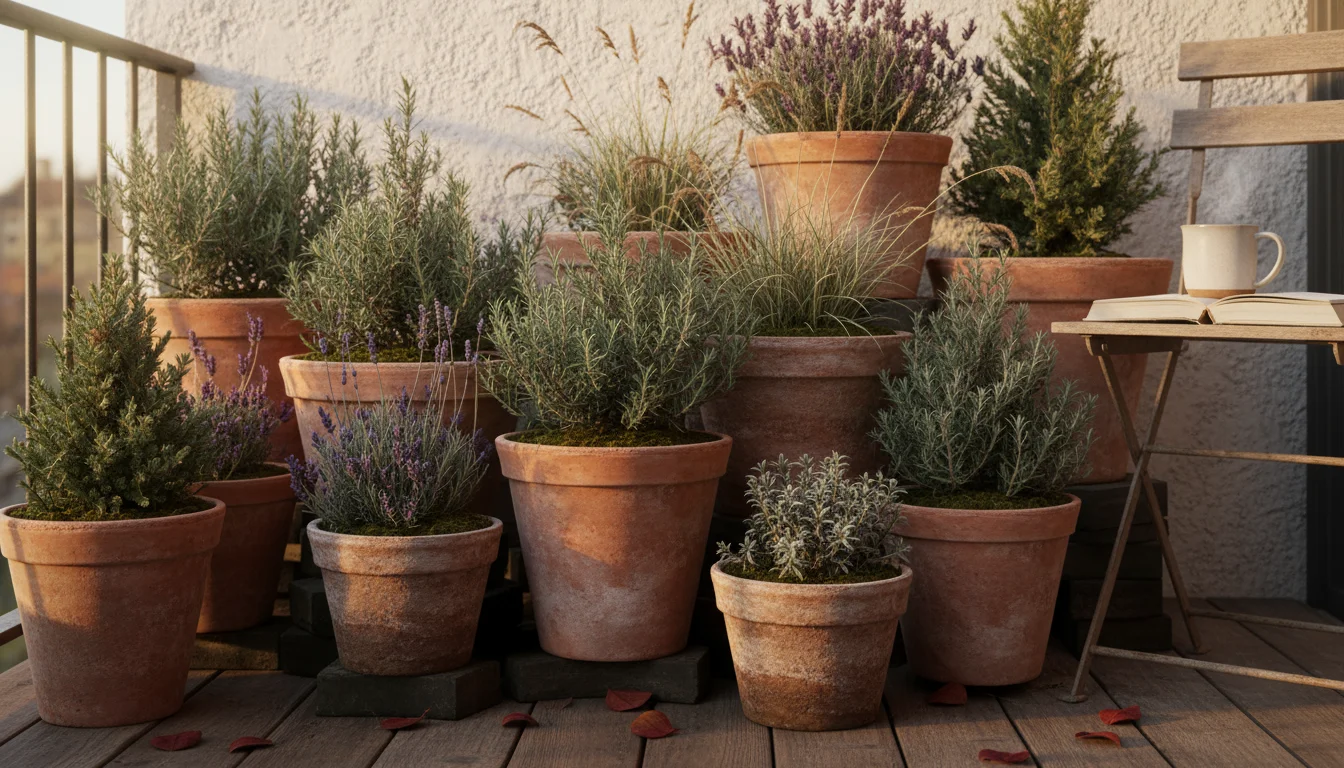
Insulating Hardy Perennials and Shrubs
For plants that are generally cold-hardy but might struggle in containers due to exposed roots, insulation is key. Examples include small conifers, hardy herbs like rosemary and lavender, and certain perennial flowers.
- Group Containers: Cluster pots together against a warm wall of your building. This creates a microclimate, offering mutual protection and reducing exposure to cold winds.
- Elevate Containers: Lift pots off cold concrete or pavement surfaces using pot feet or bricks. This prevents direct cold transfer from the ground.
- Mulch the Surface: Apply a two-inch layer of organic mulch, such as shredded leaves or wood chips, to the top of the soil in containers. This insulates roots, retains moisture, and helps stabilize soil temperature.
- Wrap Containers: For especially tender perennials or valuable plants, wrap the sides of the containers with burlap, bubble wrap, or old blankets. You can also place the container inside a larger, insulated pot. This creates an insulating air gap around the root ball.
- Consider an Unheated Shed or Garage: If you have access, moving dormant hardy plants into an unheated shed or garage can provide adequate protection from the harshest freezes, provided they do not freeze solid. Check on them periodically for water, ensuring the soil does not dry out completely.
Pruning for Dormancy and Health
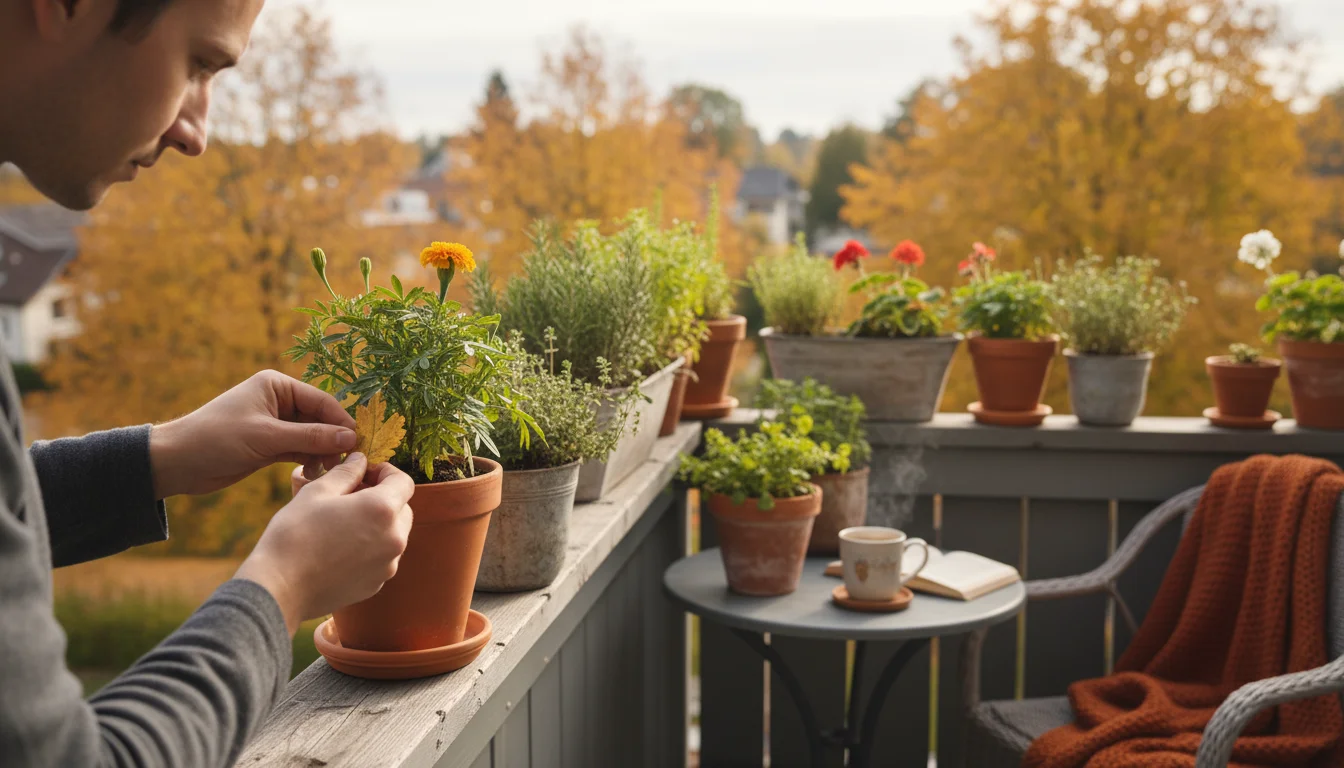
When to prune is critical for `fall plant care`. For most plants going into dormancy, light pruning to remove diseased, damaged, or dead branches is appropriate.
Avoid heavy pruning in fall, as it can stimulate new growth that won’t have time to harden before winter, making the plant more vulnerable to cold damage.
- Deadheading: Continue to deadhead spent flowers to encourage tidiness, but allow seed heads to form on plants you want to reseed or that provide winter interest, for example, coneflowers.
- Remove Diseased Foliage: This is a key eco-friendly practice. Removing any leaves showing signs of fungal disease or pest infestation prevents these issues from overwintering and re-emerging in spring. Dispose of diseased material, do not compost it.
- Leave Some Stems: For many perennials, leaving some stems through winter provides shelter for beneficial insects and adds architectural interest. You can cut these back in early spring.
By implementing these strategic `container garden fall` transitions, you proactively prepare your plants for the challenges of winter, ensuring they emerge healthy and vibrant in the spring. This careful attention extends the life of your plants and enhances the sustainability of your small garden.
Troubleshooting Common Fall Fallacies: What to Avoid
Even with the best intentions, it is easy to fall into common traps during autumn transitions. Recognizing these potential pitfalls helps you steer clear of them, ensuring your `fall plant care` is effective and supportive of your plants’ natural cycles.
Mistake 1: Continuing Summer Watering Habits
The Fallacy: Believing plants need the same amount of water as in summer, especially if days remain mild.
The Reality: As discussed, reduced light, cooler temperatures, and slower plant metabolism drastically decrease water needs. Overwatering is the number one killer of container plants in fall and winter.
Saturated soil leads to root rot, which suffocates roots and prevents nutrient uptake, even if the plant eventually dries out.
Correction: Always check the soil moisture before watering. Stick your finger two inches deep.
Lift the pot to gauge its weight. Err on the side of underwatering rather than overwatering.
Plants can often recover from being a bit dry, but root rot is much harder to reverse.
Mistake 2: Fertilizing for Continued Growth
The Fallacy: Trying to boost your plants with more fertilizer to keep them actively growing or to help them through winter.
The Reality: Fertilizing with nitrogen in fall encourages tender new growth, which is highly vulnerable to early frosts. Plants should be slowing down and hardening off, not expending energy on new shoots.
Correction: Taper off and stop fertilizing most plants by mid-fall. For plants you are overwintering indoors, cease fertilization before moving them inside and do not resume until spring, when active growth naturally restarts.
Mistake 3: Ignoring Pests Seeking Winter Shelter
The Fallacy: Thinking pest problems disappear with colder weather or that they are not an issue if plants are going dormant.
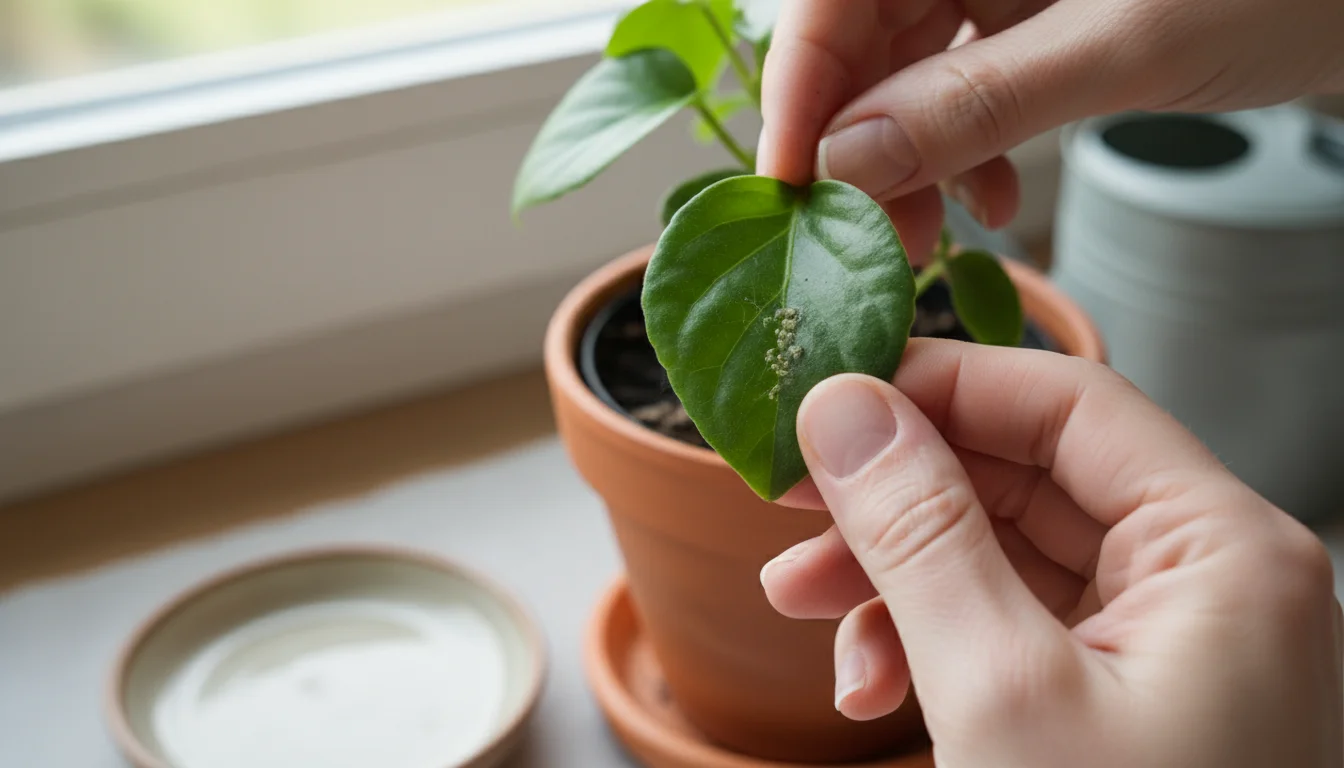
The Reality: Many common garden pests such as aphids, spider mites, and whiteflies, will seek shelter as temperatures drop. If you bring plants indoors without inspection and treatment, you can quickly infest your indoor plants and home.
Correction: Thoroughly inspect all plants, especially the undersides of leaves and stem crevices, before bringing them indoors. Treat any infestations with appropriate organic solutions, such as insecticidal soap, or simply rinse plants thoroughly with a strong spray of water.
Isolate new indoor arrivals for a week or two to monitor for hidden pests.
Mistake 4: Pruning Too Severely in Fall
The Fallacy: Giving plants a “good haircut” in fall to tidy them up for winter.
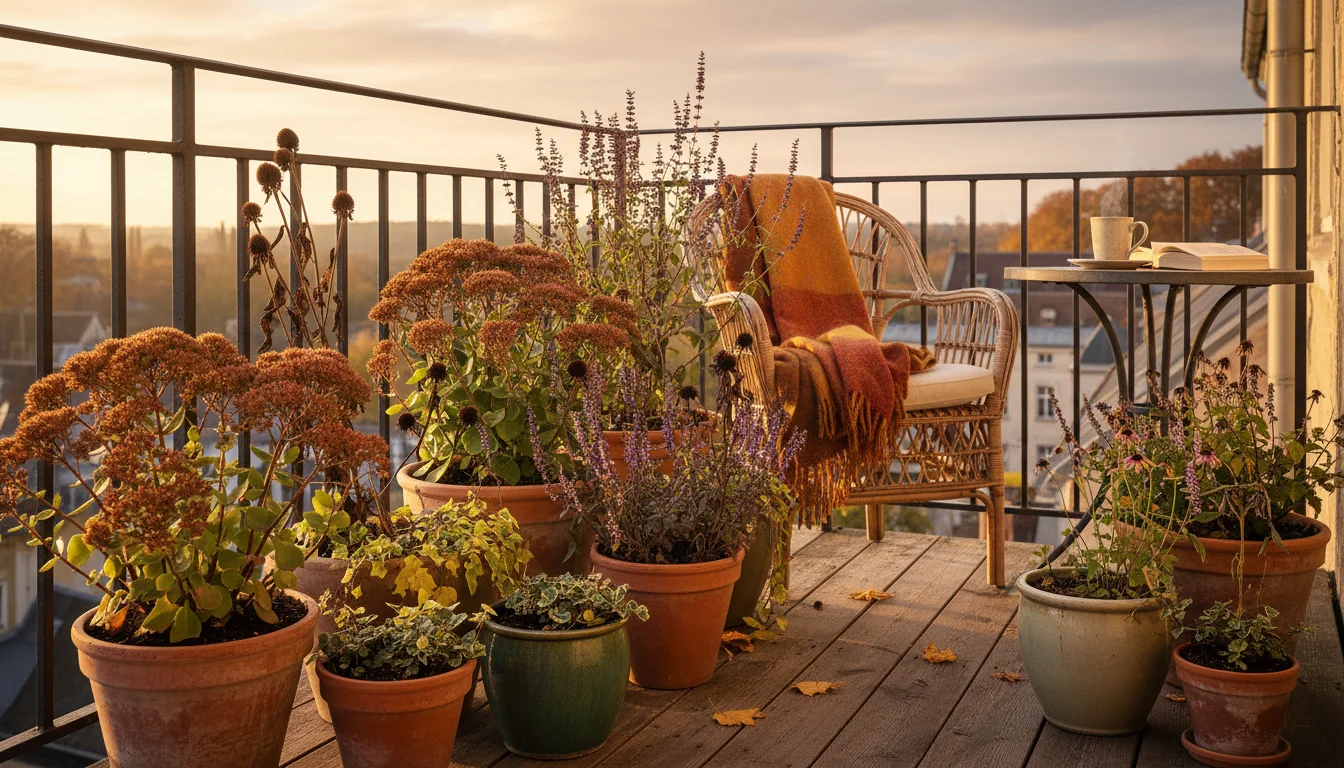
The Reality: Heavy pruning can stimulate new growth that will not have time to harden off before cold weather sets in. These tender shoots are easily damaged by frost, which stresses the plant and can create entry points for disease.
Leaving some stems and spent seed heads provides insulation and vital winter habitat for beneficial insects.
Correction: Limit fall pruning to removing only dead, diseased, or damaged material. Save major structural pruning for late winter or early spring, just before new growth begins.
Mistake 5: Overlooking Container Drainage and Insulation
The Fallacy: Assuming containers are self-sufficient or that a quick wrap will suffice for root protection.
The Reality: Container plants are highly susceptible to freeze-thaw cycles because their roots are much more exposed to temperature extremes than plants in the ground. Poor drainage exacerbates cold damage as waterlogged soil freezes more readily.
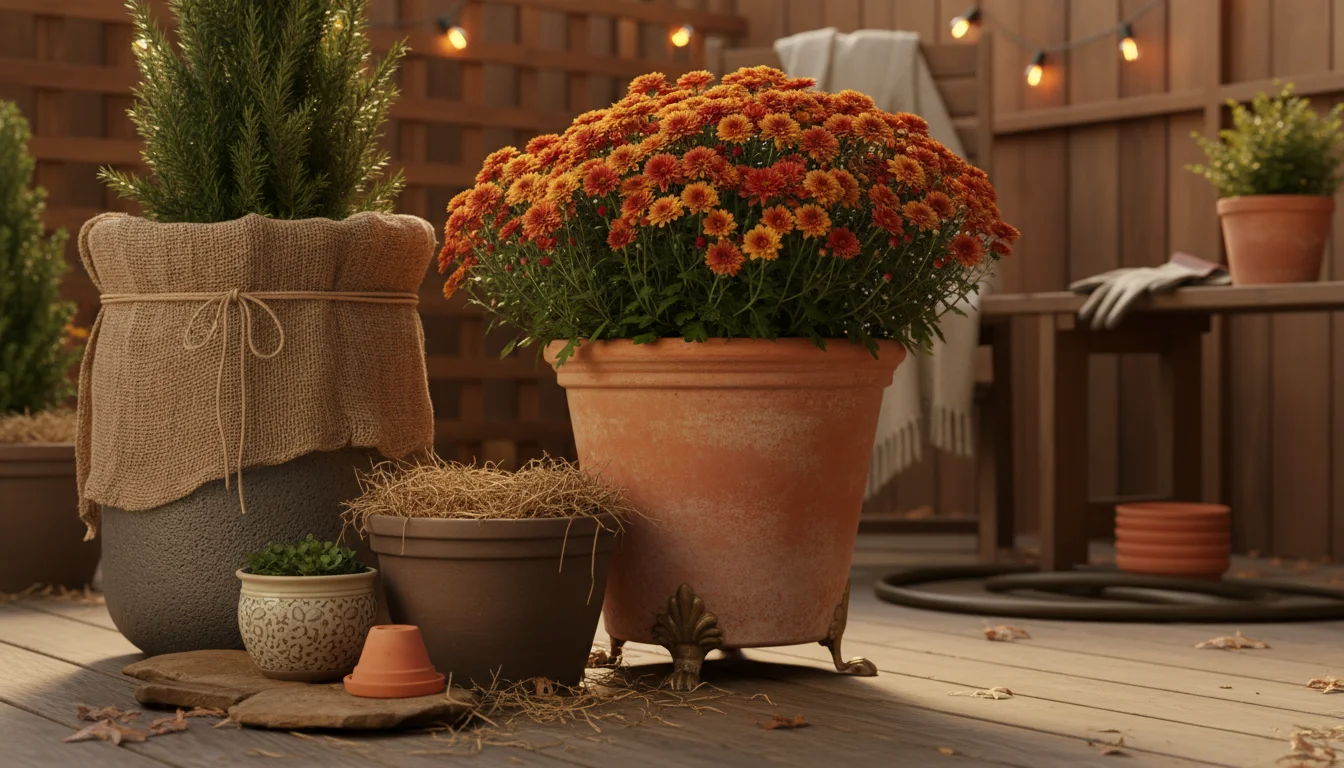
Correction: Ensure all containers have clear drainage holes. Elevate pots off cold surfaces.
Group containers together. For truly hardy plants, consider insulating the pots with burlap, bubble wrap, or by placing them inside larger, insulated containers.
Mulch the soil surface. This proactive approach prevents the roots from freezing solid, which is often fatal for `container garden fall` plants.
By actively avoiding these common fallacies, you enhance your `fall plant care` strategy, promoting healthier plants and a more successful transition for your small-space garden.
Winter Wonders: Enjoying Your Garden’s Quiet Season and Planning Ahead
As your balcony garden settles into its autumn rhythm and moves towards winter, embrace this quieter period. It is a time not just for preparation, but for appreciation and forward planning.
The principles of `fall plant care` extend beyond mere survival; they encompass an understanding of your garden’s complete annual cycle.
Appreciating the Dormant Beauty
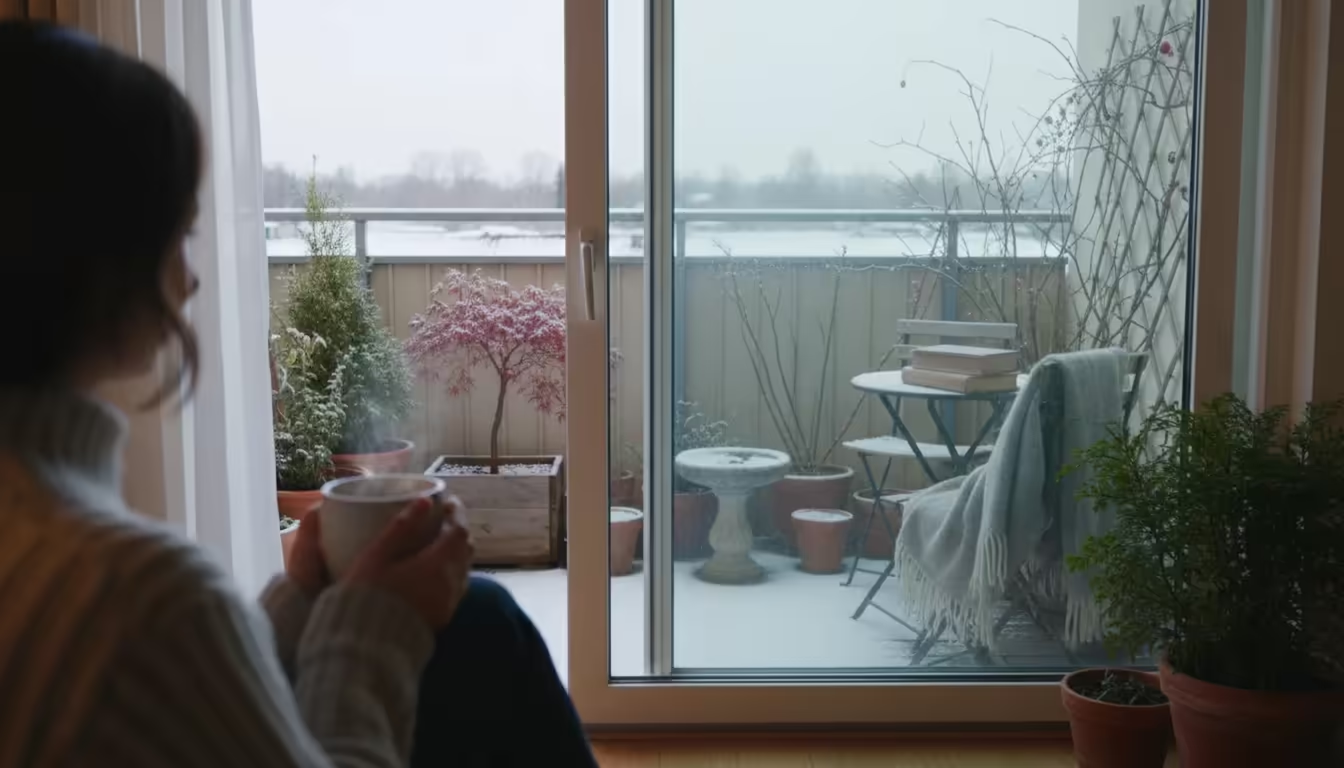
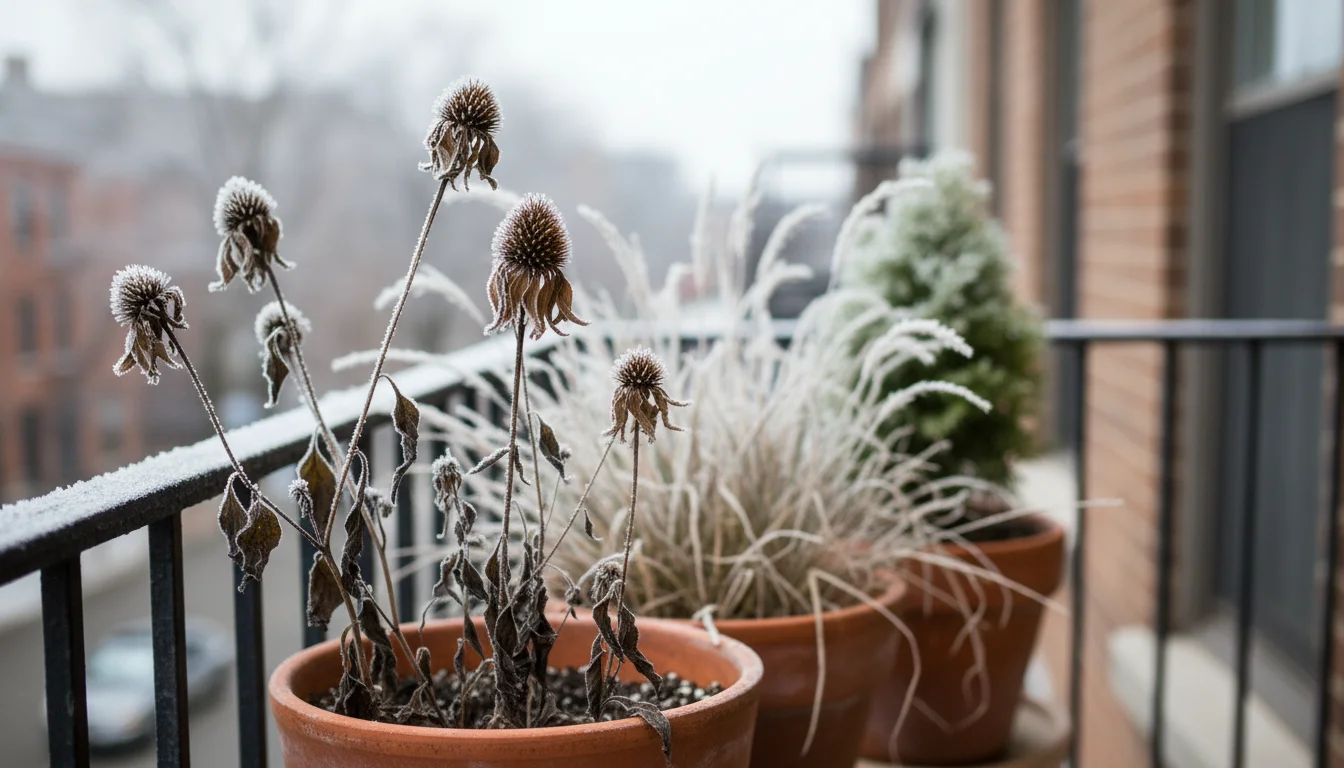
Even in dormancy, your garden offers unique beauty. The subtle textures of dried seed heads, the architectural shapes of bare branches, or the frosty sparkle on evergreens can be profoundly serene.
This is an opportunity to see your plants in a different light, recognizing their resilience and the elegance of their winter forms.
- Winter Interest: Certain plants, like ornamental grasses, some sedums, or coneflowers, maintain their structure and provide visual interest throughout the dormant season. Allow them to stand.
- Wildlife Support: Spent seed heads provide food for birds, and the remaining plant stalks can offer shelter for beneficial insects. Your eco-conscious `container garden fall` practices can extend benefits into winter.
Reflecting and Planning for Spring
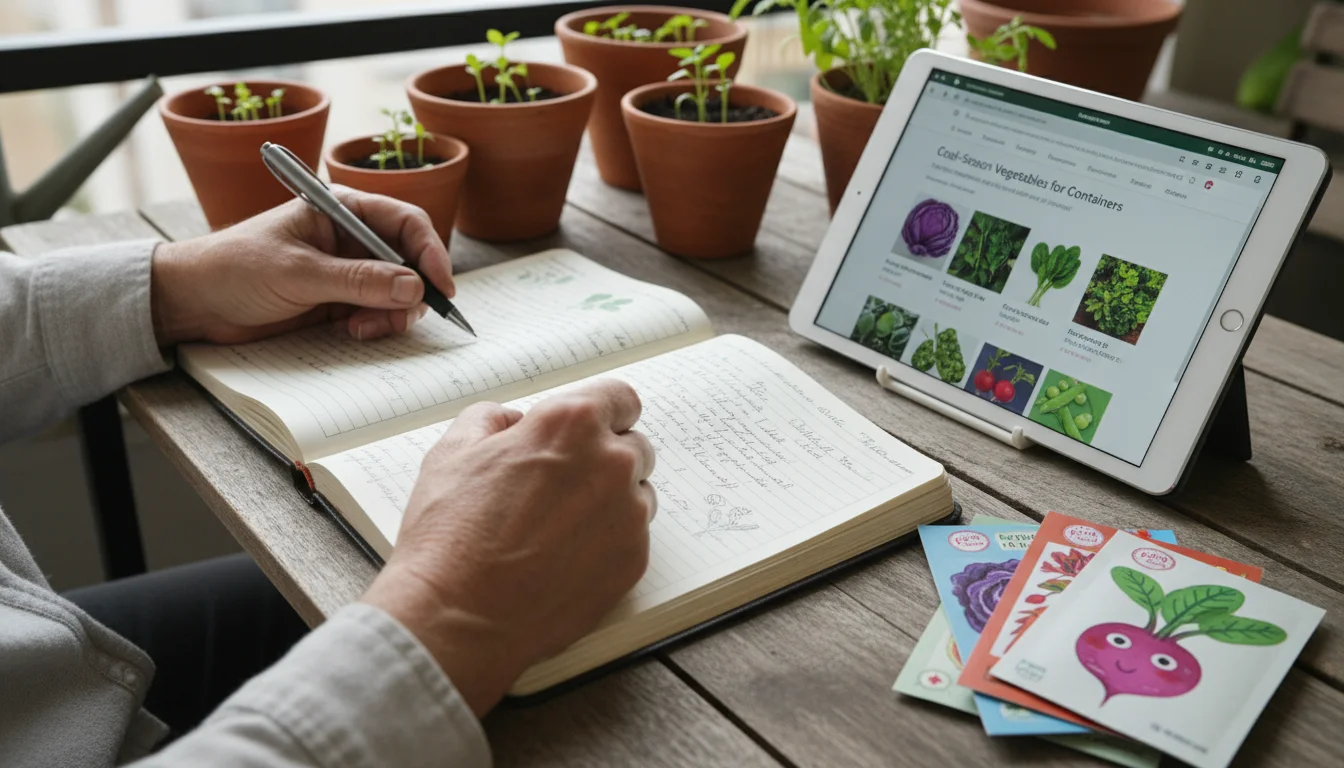
The colder months offer a perfect opportunity to reflect on the past growing season and dream about the next. Use this time to enhance your gardening knowledge and plan for future success.
- Review Last Season: What thrived on your balcony? What struggled? Why? Keep a simple garden journal to track your observations. For example, did you notice why are my plant leaves yellowing in fall due to natural causes, or was it a sign of stress? Your notes will help you make better choices next year.
- Research New Plants: Explore new plant varieties that are well-suited to small spaces and your specific balcony conditions, sunlight and wind for instance. Consider cool-season vegetables for an early spring harvest.
- Assess Your Tools and Supplies: Clean and sharpen your gardening tools. Check your inventory of pots, soil amendments, and fertilizers. Make a list of what you will need for spring.
- Composting Opportunities: If you have a small compost system, turn over fall leaves and spent annuals to create nutrient-rich compost for next spring’s planting. This is a highly sustainable `fall plant care` practice.
The quiet of winter is not an end, but a vital pause. It is a testament to the cycles of nature and an an invitation for you, the mindful gardener, to prepare for the exuberant return of life in spring.
By understanding and respecting the `signs plants are going dormant for winter`, you are not only caring for your current plants but also cultivating a deeper, more sustainable connection with your small garden space.

Frequently Asked Questions
Q: My plant’s leaves are turning yellow, but it is only early fall. Is something wrong?
A: Not necessarily. Even early in fall, plants respond to subtle cues like shortening daylight hours, even if temperatures are still mild.
This often triggers the natural process of senescence, where older leaves turn yellow as the plant reclaims nutrients. Observe the entire plant.
If the yellowing is on older leaves and the rest of the plant looks generally healthy, it is likely a natural response.
However, also check for signs of overwatering, pests, or nutrient deficiencies just to be sure, as these can also cause yellowing at any time of year.
Q: Do I need to prune my plants heavily in fall to prepare them for winter?
A: For most plants, heavy pruning in fall is generally not recommended. Severe pruning can stimulate new, tender growth that will not have time to harden off before cold weather arrives, making the plant more susceptible to frost damage.
Focus on light pruning to remove any dead, diseased, or damaged branches. You can save more extensive structural pruning for late winter or early spring, just before new growth begins.
Q: Should I continue fertilizing my container plants if they are still blooming in fall?
A: Even if some plants are still producing flowers, it is best to gradually reduce and eventually stop fertilizing most container plants by mid-fall.
The plant’s primary focus should shift from producing new growth and flowers to preparing for dormancy and storing energy reserves for winter. Providing nitrogen-rich fertilizer can interfere with this natural process and encourage vulnerable new growth.
If you have cool-season annuals you are planting for fall color, a very light, balanced fertilizer at planting is sufficient.
Q: What is the biggest mistake beginner gardeners make with fall plant care?
A: The most common and damaging mistake is overwatering. As temperatures cool and daylight decreases, plants require significantly less water.
Continuing a summer watering schedule can lead to waterlogged soil, which suffocates roots and causes root rot. Always check the soil moisture before watering.
Stick your finger two inches deep into the soil. Water only when it feels dry.
This simple habit prevents many fall and winter plant problems.
Q: Can I leave my perennial plants in their containers on the balcony all winter?
A: It depends on the plant’s hardiness and your local climate. Plants that are hardy in your USDA zone might still struggle in containers because their roots are more exposed to cold than if planted in the ground.
For these, providing insulation for the containers, grouping them together, or moving them to a more sheltered spot like against a warm wall or into an unheated shed, is crucial.
Tender perennials and tropical plants will not survive freezing temperatures outdoors and must be brought inside. Always research the specific needs of your plants and provide appropriate `container garden fall` protection.
For trustworthy gardening information, visit:
University of Minnesota Extension, Penn State Extension — Trees, Lawns and Landscapes, Clemson University Extension — Home & Garden, Colorado State University Extension — Gardening and North Carolina State Extension — Gardening. These organizations provide expert, research-based advice for gardeners at all levels.
Disclaimer: This article is for informational purposes only and is not a substitute for professional gardening advice. Always consult local extension services or horticulture experts for region-specific guidance.