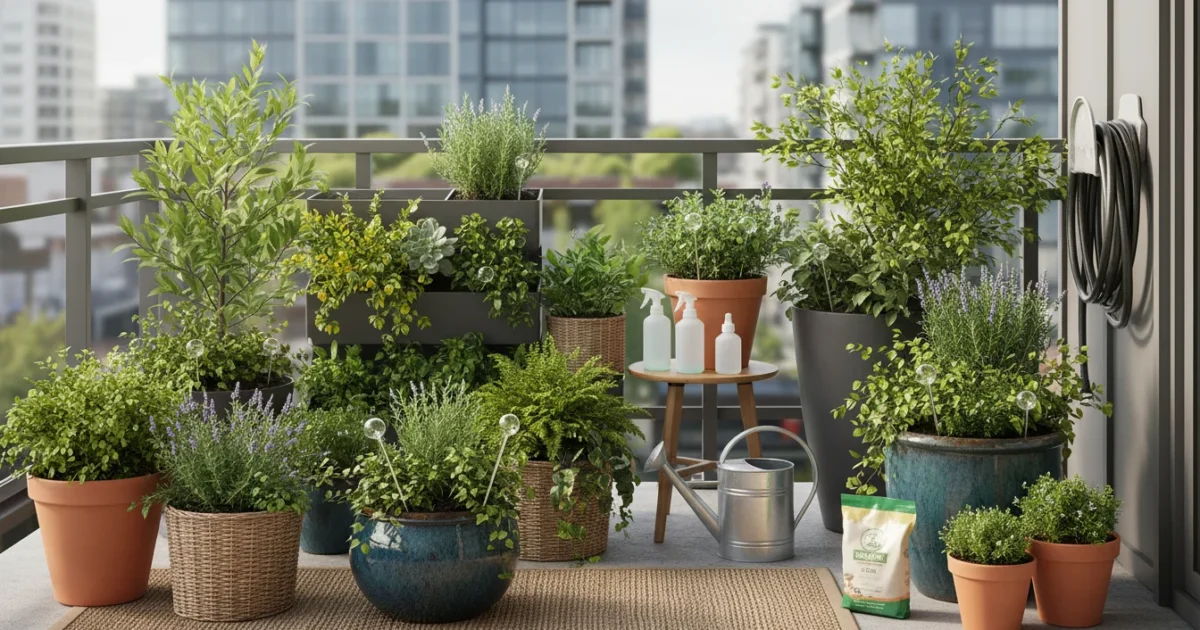
A heatwave hits, and suddenly your vibrant balcony garden looks less like a lush oasis and more like a wilting cry for help. For small-space gardeners, extreme heat poses a unique challenge. Potted plants, unlike their in-ground counterparts, have limited soil volume, exposing them to rapid drying and scorching temperatures. You might worry about your precious plants, but with a strategic approach, you can give them a ‘Hydration Holiday’ – a period of intentional preparation and protection that helps them not just survive, but thrive, through the hottest days.
This article provides practical, actionable insights to shield your potted plants from the relentless sun and intense heat. You will learn proactive measures, smart watering techniques, and clever grouping strategies to create a resilient small-space garden, even when the mercury climbs. Your plants deserve this proactive care, and you deserve the peace of mind knowing you have equipped them to face the heat.
Understanding the Heatwave Threat to Potted Balcony Plants
When temperatures soar, your potted plants on a balcony face a significantly harsher environment than plants in the ground. The primary reason for this vulnerability lies in their restricted root systems and the nature of containers. Understanding these factors helps you appreciate the critical need for a proactive ‘Hydration Holiday’ plan.
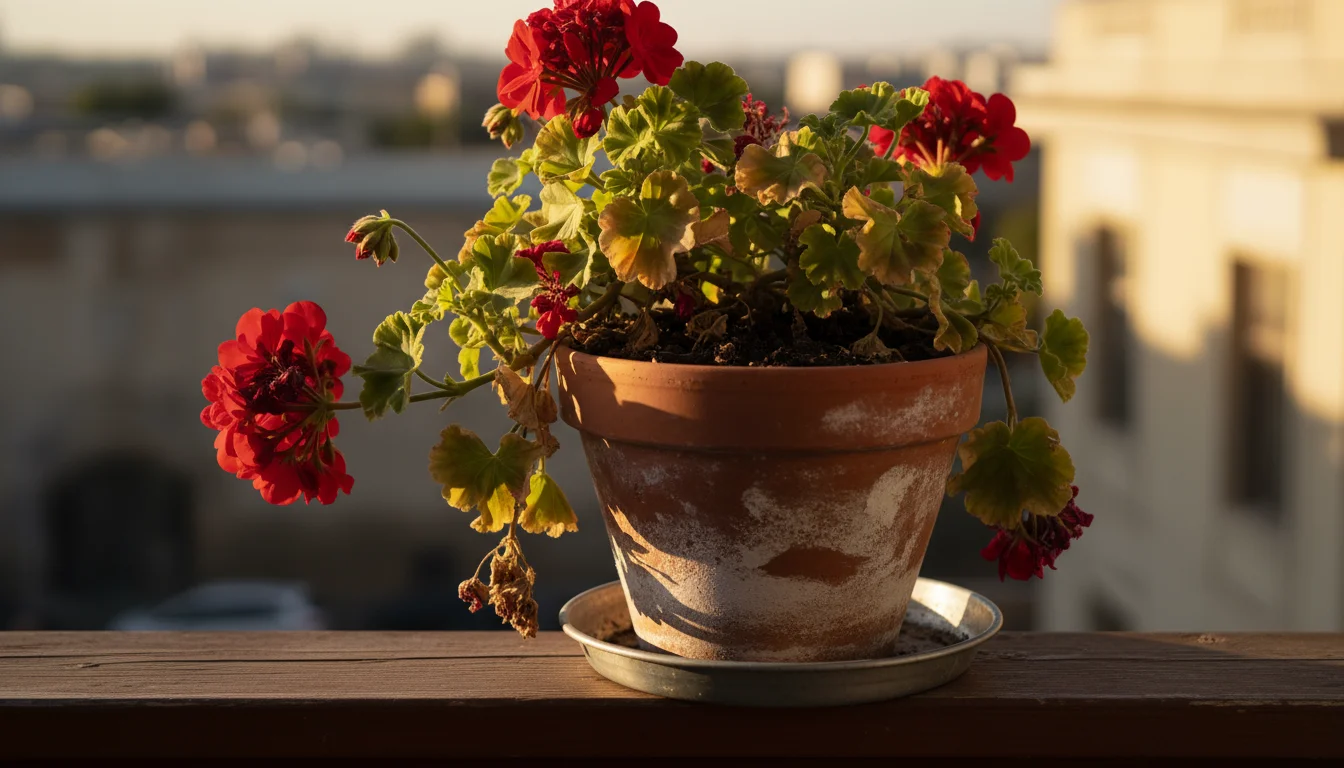
First, consider the limited soil volume in a pot. In-ground plants can send roots deep into the earth to seek moisture and cooler temperatures. Potted plants, however, are confined. Their roots quickly deplete the available water, and the soil dries out much faster than garden beds. This accelerated drying is compounded by the sun’s intense rays, which not only heat the plant’s foliage but also directly warm the potting mix and the pot itself. Dark-colored pots absorb even more heat, turning the soil into an oven, damaging delicate roots.
Second, balconies often experience amplified heat. Concrete, brick, and other building materials absorb and radiate heat, creating a microclimate that can be several degrees hotter than the ambient air temperature. Wind, which can be stronger on elevated balconies, also plays a role, stripping moisture from leaves and soil at an alarming rate through a process called evapotranspiration. This combination of limited water reserves, direct sun exposure, heated containers, and increased wind significantly stresses your plants.
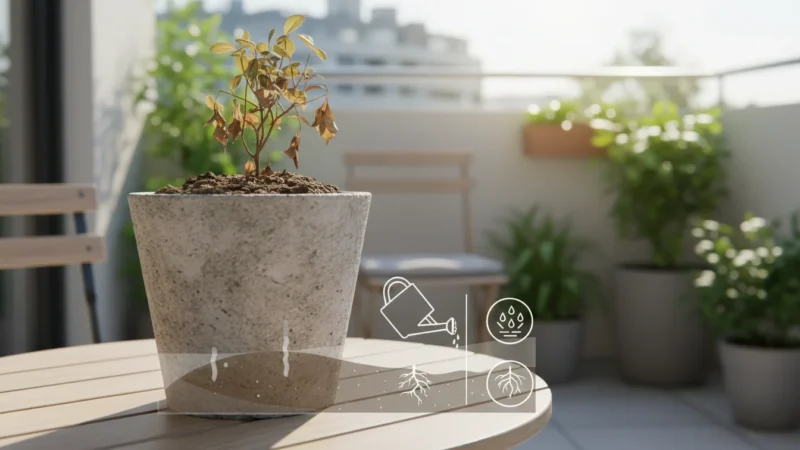
Recognizing the signs of heat stress is crucial. You might observe wilting leaves, even if the soil feels moist. This happens when the plant cannot absorb water fast enough to compensate for moisture loss through its leaves. Leaves may also appear scorched or turn brown and crispy, particularly along the edges. Flowers might drop prematurely, and fruit development can halt. Extreme heat can also damage the plant’s cells, leading to stunted growth or, in severe cases, plant death. Your ‘Hydration Holiday’ plan directly addresses these vulnerabilities, preparing your plants to withstand these harsh conditions and bounce back quickly once the heat breaks.
The Core Concept: What is a ‘Hydration Holiday’ Plan?
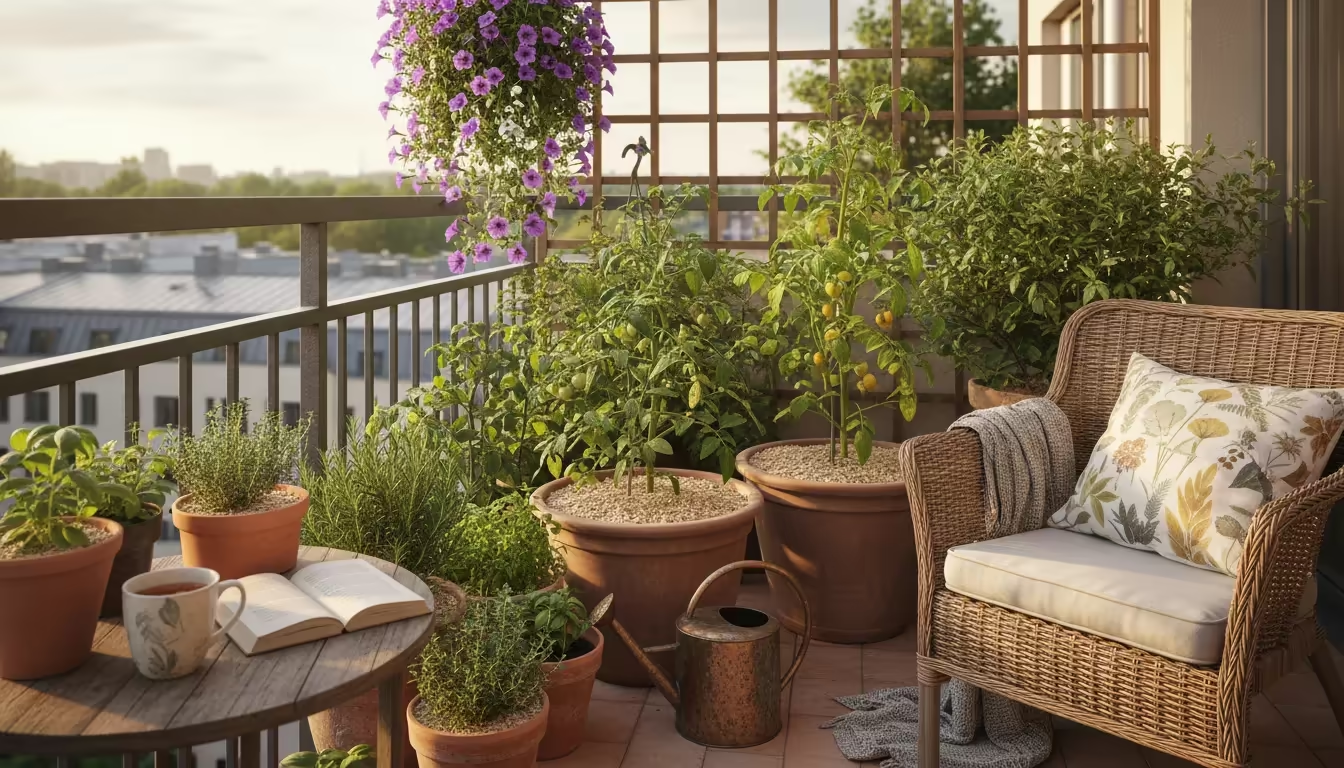
The ‘Hydration Holiday’ plan is your strategic playbook for protecting balcony plants from extreme heat. It is not merely about reactive watering when leaves begin to droop. Instead, it is a comprehensive, proactive approach designed to minimize water loss, reduce heat stress, and create a more hospitable microclimate for your potted companions before, during, and after a heatwave. Think of it as sending your plants to a spa retreat, fully equipped to relax and recover from the upcoming intensity.
If peak summer temperatures happen to align with your travel dates, combining these techniques with a vacation-proof container garden plan will ensure your pots stay hydrated without daily intervention.
At its heart, this plan recognizes that prevention is far more effective than trying to resuscitate a severely stressed plant. You are essentially building a shield for your plants, one that targets their primary weaknesses during heat events: rapid dehydration and overheating. The plan involves several interconnected strategies, each playing a vital role in bolstering your plants’ resilience.
The core elements of a ‘Hydration Holiday’ include:
- Pre-Heatwave Saturation: Deeply watering plants to ensure maximum hydration before the heat hits. This builds a reservoir of moisture in the soil.
- Strategic Grouping: Arranging your plants closely together to create a humid microclimate, reducing individual plant water loss.
- Shade Provision: Implementing temporary or permanent shade solutions to protect plants from direct, scorching sunlight.
- Root Insulation: Applying mulch to the soil surface to keep roots cool and reduce evaporation.
- Thoughtful Watering During the Heat: Adjusting your watering routine to provide consistent moisture without overwatering.
- Balcony Layout Optimization: Utilizing your balcony’s unique sun patterns to place plants where they will fare best.
By combining these tactics, you empower your plants to conserve water, maintain cooler root temperatures, and collectively mitigate the adverse effects of high temperatures. This holistic approach significantly improves their chances of emerging from a heatwave vibrant and healthy, demonstrating that even in small spaces, you can implement robust strategies for heatwave plant care.
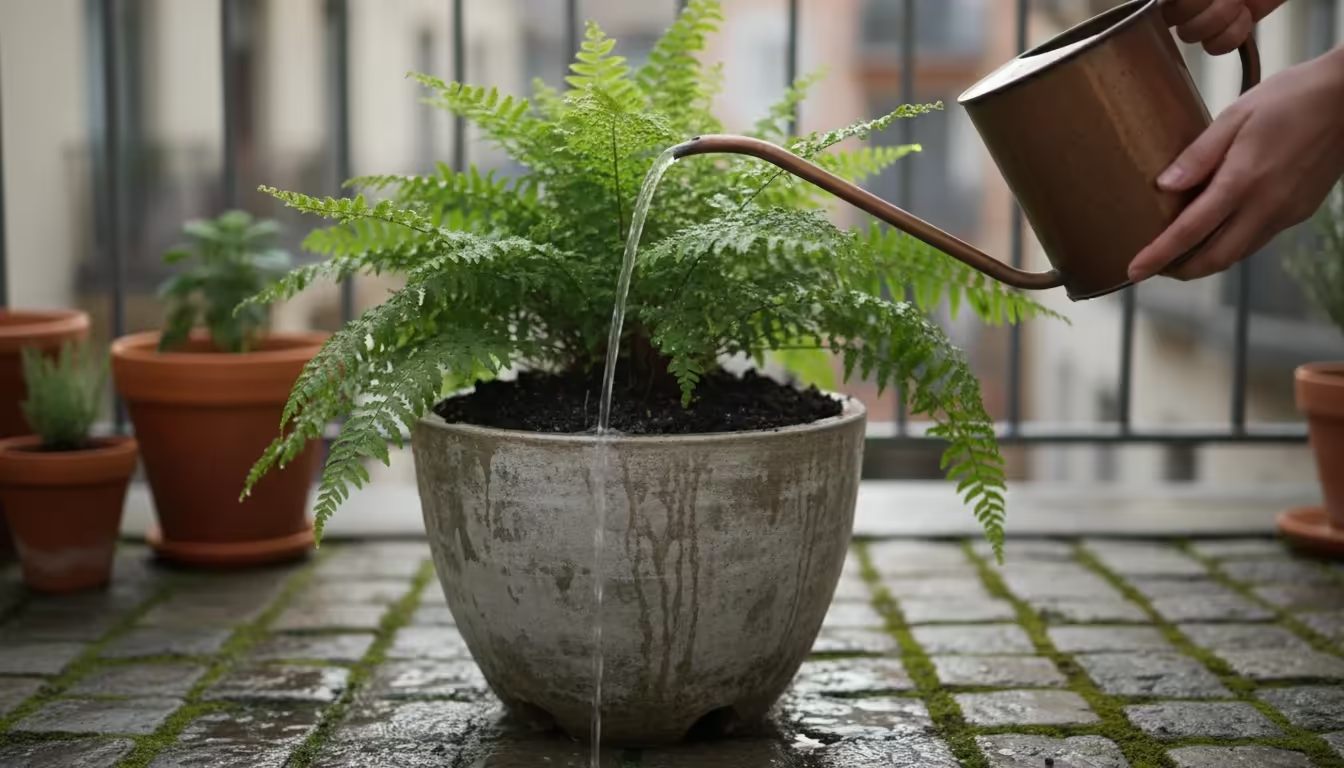
Step-by-Step 1: Watering Plants Before a Heatwave
The foundation of your ‘Hydration Holiday’ plan begins before the heatwave even arrives. This crucial step, often overlooked, involves saturating your plants thoroughly. Think of it as filling your car’s gas tank before a long journey. You want your plants to start the heatwave with maximum moisture reserves. This proactive approach significantly reduces stress and buys your plants valuable time.
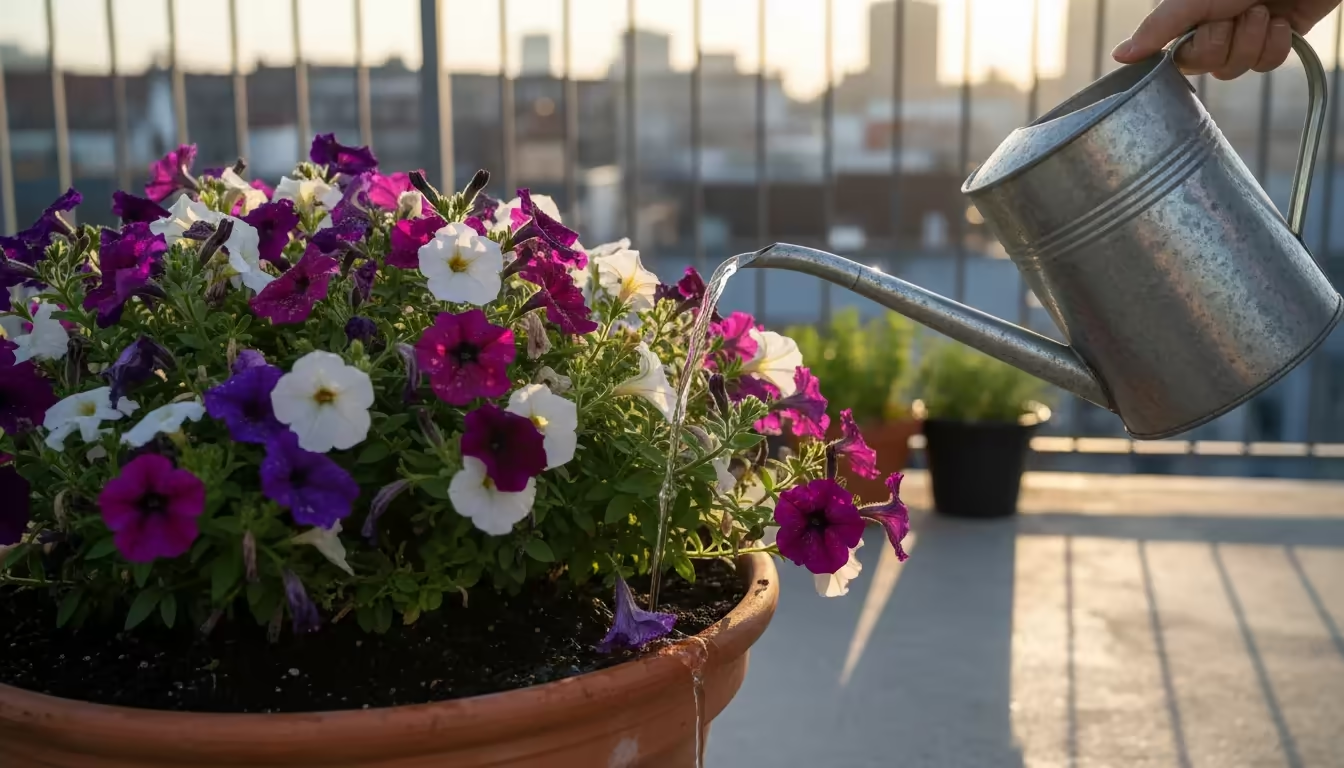
The Art of Deep Watering
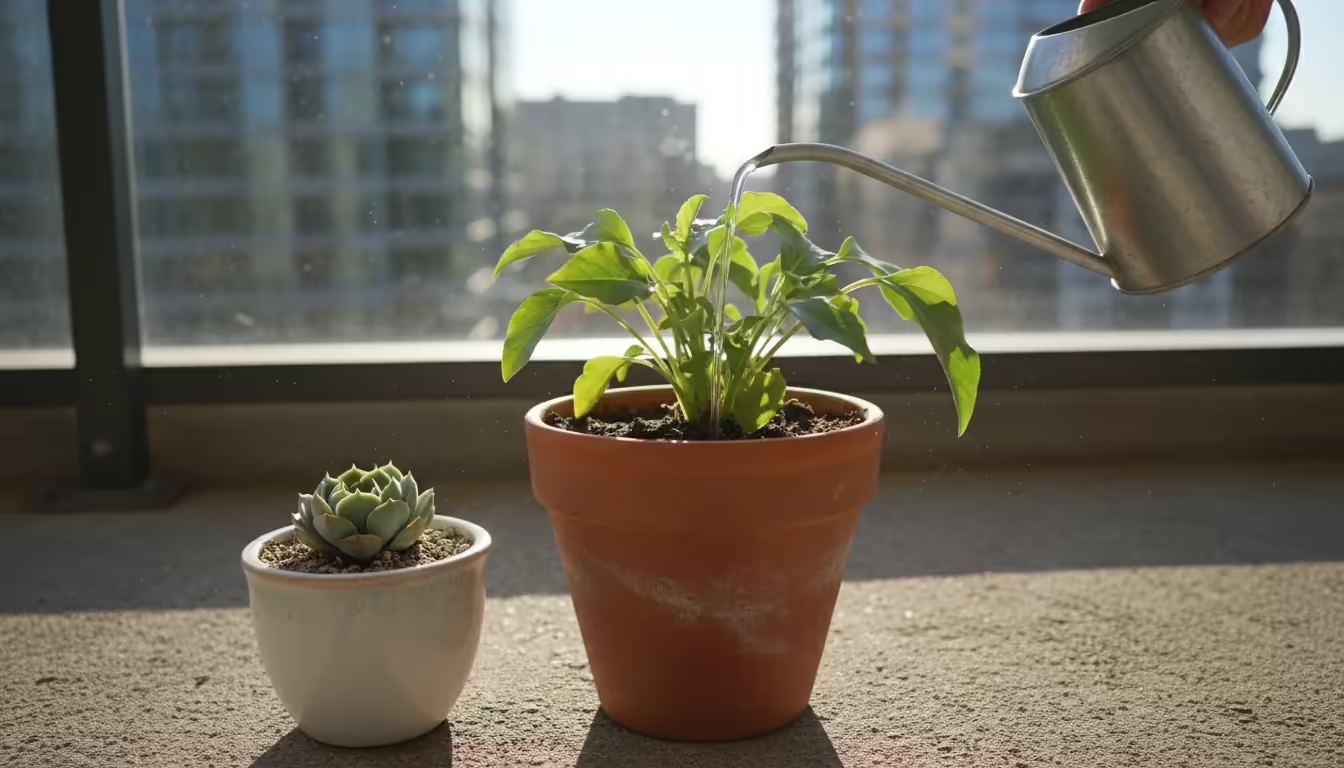
Deep watering means ensuring water penetrates all the way to the bottom of the pot, encouraging roots to grow downwards and access all available moisture. A shallow sprinkle just wets the top layer of soil, leaving the lower roots parched. For effective watering plants before a heatwave, follow these steps:
- Choose the Right Time: Always water in the early morning, preferably before 8 AM. This allows the plant to absorb water before the sun’s intensity increases, minimizing evaporation. Watering in the evening can leave foliage wet overnight, potentially encouraging fungal diseases, especially if the air remains humid.
- Water Slowly and Thoroughly: Apply water gradually. If you water too quickly, it runs out the drainage holes without fully saturating the soil. Water until you see it trickling from the drainage holes at the bottom of the pot.
- Repeat if Necessary: For very dry or compacted soil, the first watering might just rehydrate the top layer. Wait 15-20 minutes after the initial watering, then water again slowly. This ensures the entire root ball is saturated.
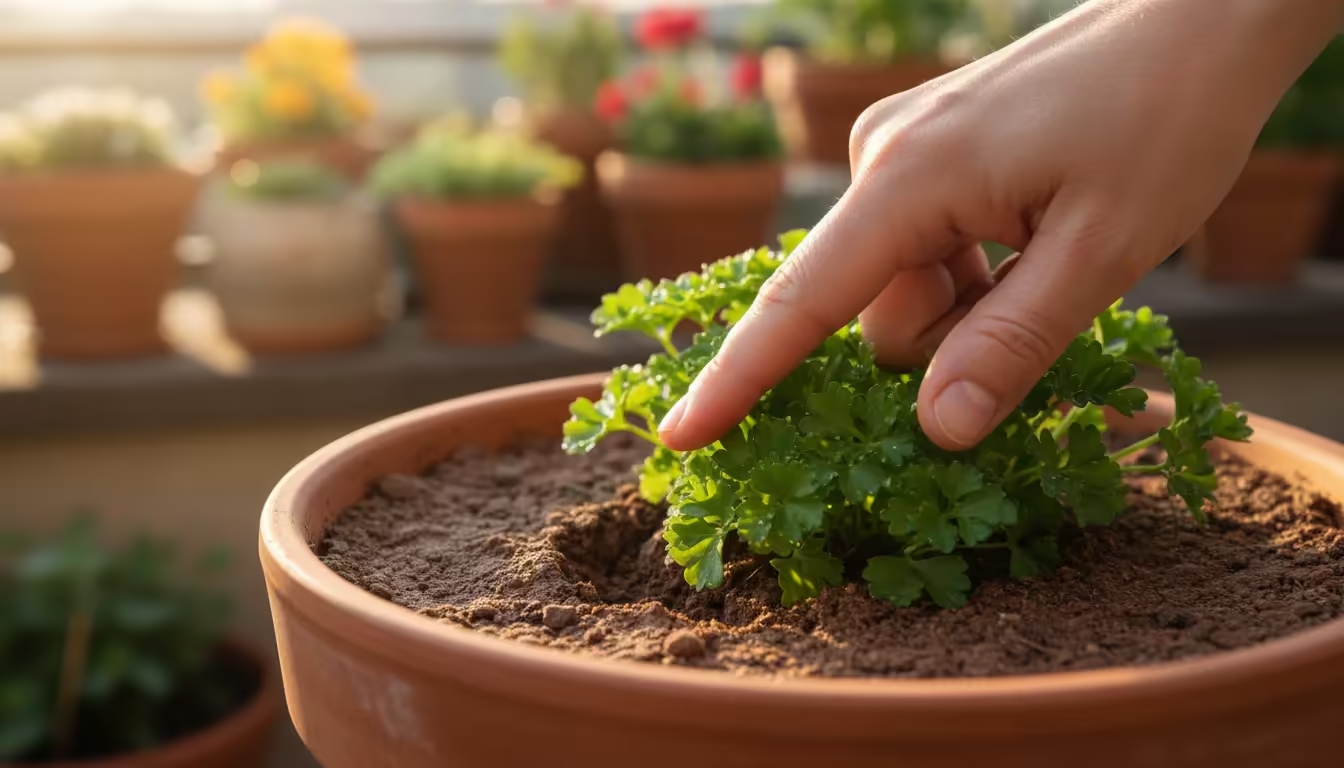
- Check Soil Moisture: After watering, insert your finger about two inches into the soil. It should feel consistently moist, not just damp on top. You can also lift the pot. A well-watered pot will feel noticeably heavier than a dry one.
- Consider a Soaking Bath: For extremely dry pots or those with very dense root systems, a “soaking bath” is incredibly effective. Place the entire pot into a larger container filled with water, allowing it to soak for 20-30 minutes. The plant will absorb water from the bottom up. Remove it once bubbles stop rising from the soil, indicating full saturation, then let it drain completely.
This pre-emptive deep watering is essential for building your plants’ resilience. A fully hydrated plant is much better equipped to handle the upcoming evaporative stress. This practice is a cornerstone of effective summer watering and ensures your plants are ready for anything the summer heat throws at them.
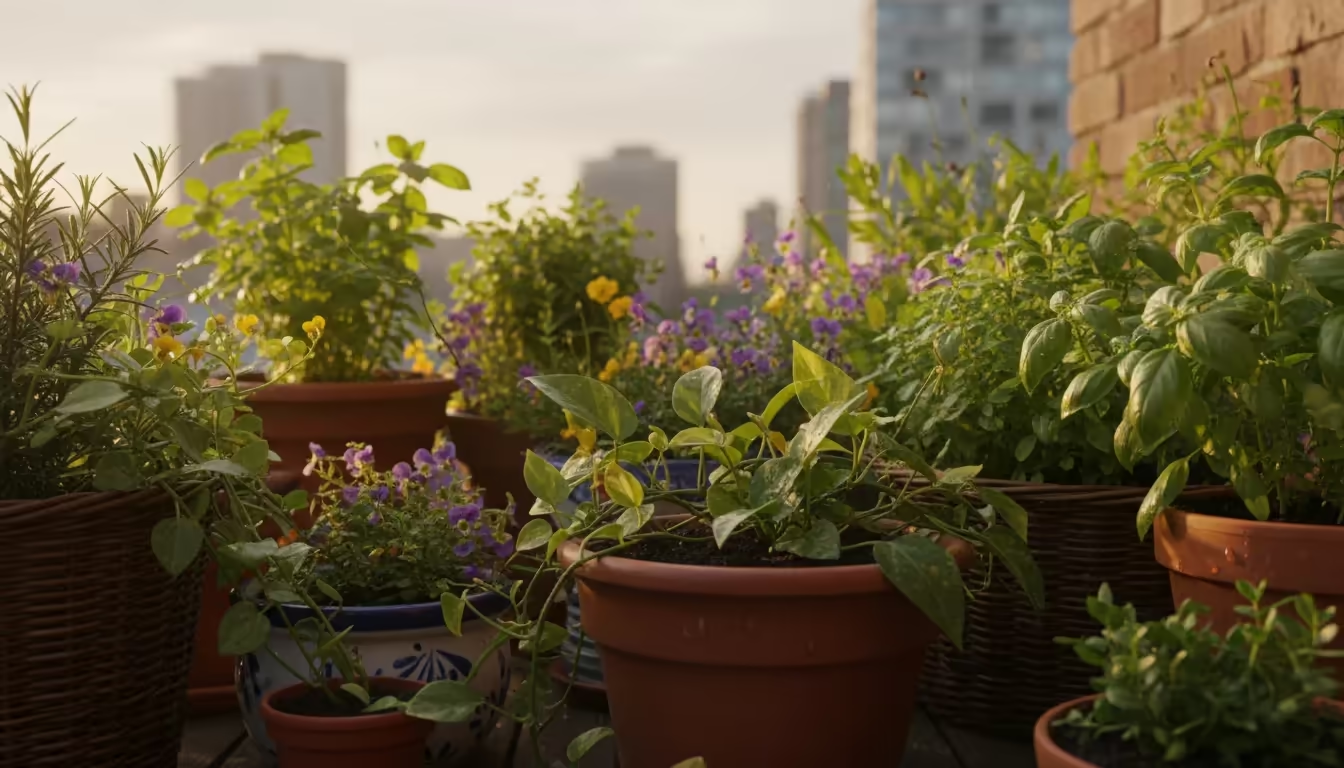
Step-by-Step 2: Grouping Plants for Humidity on Your Balcony
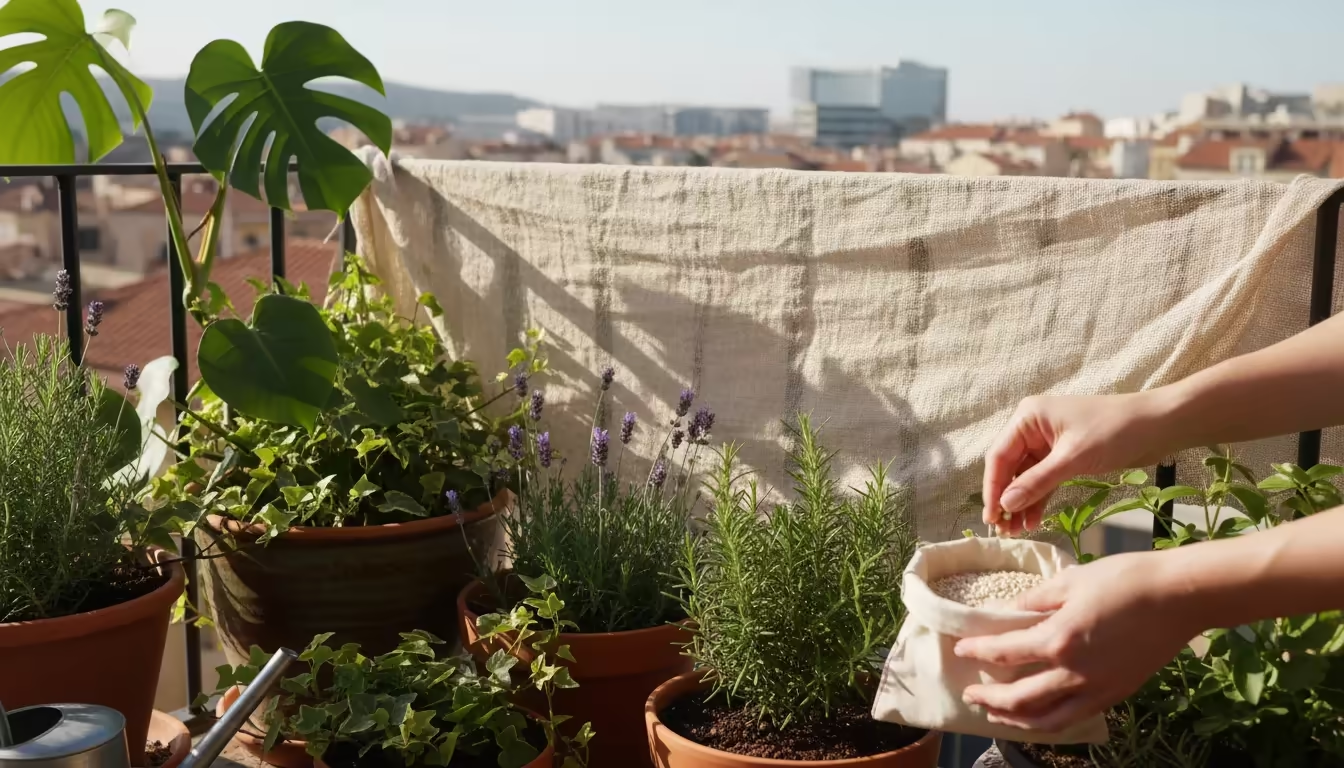
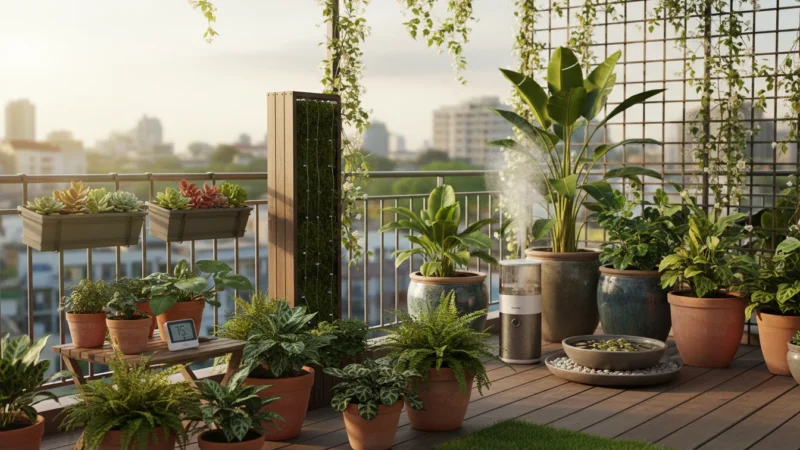
One of the most effective and sustainable strategies for heatwave plant care, especially on a balcony, is creating a “plant huddle.” Grouping plants for humidity on a balcony capitalizes on a natural phenomenon: transpiration. As plants release moisture through their leaves, grouping them closely together traps this humidity, creating a localized microclimate that is cooler and more humid than the surrounding air. This reduces the rate at which each individual plant loses water, essentially giving them a collective break from the drying effects of a heatwave.
Elevating humidity around your pots also acts as a natural preventative against spider mites on balcony plants, pests that notoriously flourish in dry, baking summer air.
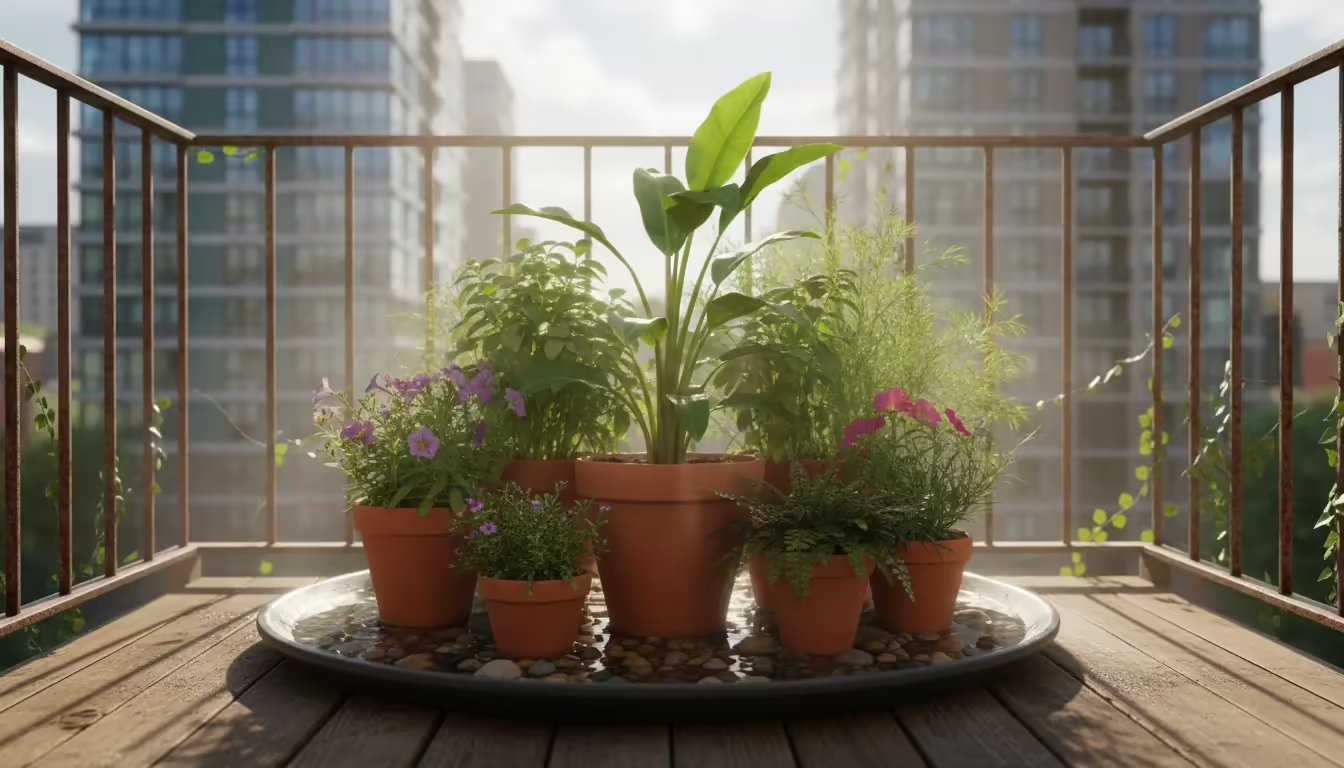
How to Create Your Humidity Huddle:
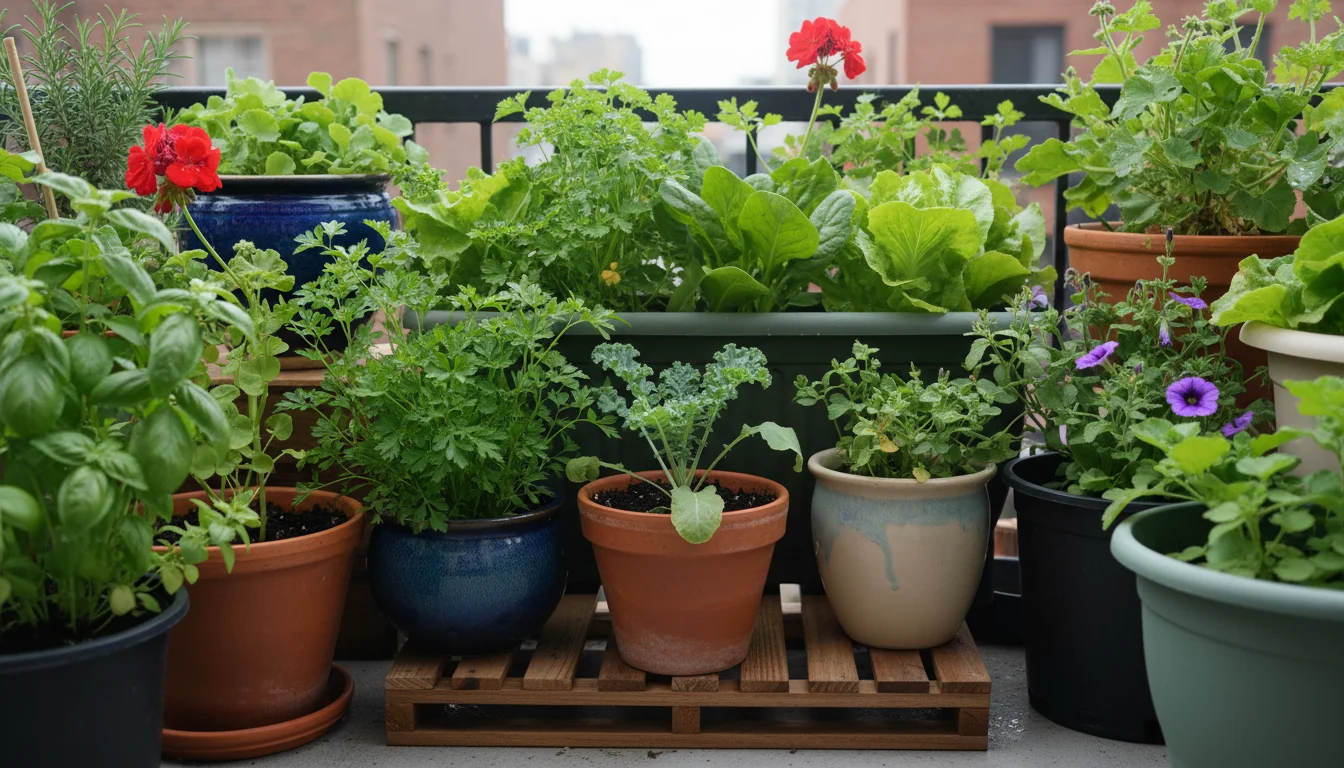
- Bring Them Together: Identify the plants most vulnerable to heat stress and bring them into close proximity. Arrange pots so that their foliage gently touches, creating a dense canopy. The more plants you group, the more pronounced the humidity effect will be.
- Consider a Centerpiece: Place larger, more robust plants, or those that tolerate more sun, in the center of your grouping. These can act as a natural shade umbrella for smaller, more delicate plants or those that prefer indirect light, protecting them from the harshest overhead sun.
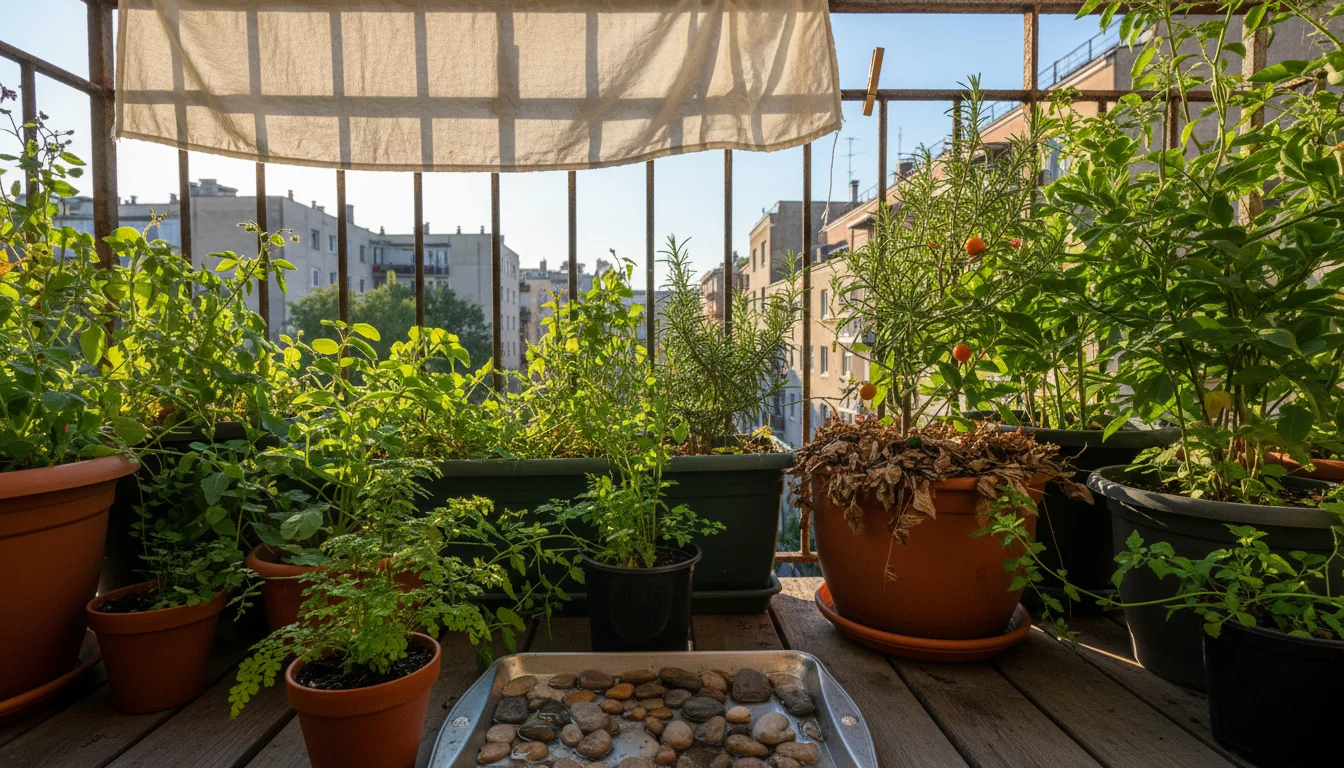
- Add a Humidity Tray: Enhance the humidity further by placing grouped pots on a shallow tray filled with pebbles and water. Ensure the pot bottoms sit on the pebbles, not directly in the water, to prevent root rot. As the water evaporates from the tray, it adds moisture to the air immediately surrounding your plants. This is a simple yet powerful technique to elevate localized humidity.
- Use Vertical Space: If space is tight, utilize vertical planters or shelving to bring plants closer at different heights, maximizing the collective humidity benefit. Even hanging baskets can be brought down to join the huddle.
- Prioritize Vulnerable Plants: Give special consideration to plants with thin leaves, newly established plants, or those known to be sensitive to heat, placing them within the protective embrace of the group.
This strategy not only aids in summer watering efficiency but also offers visual appeal, transforming a collection of individual pots into a cohesive, lush display. By creating a collaborative environment, your plants collectively fend off the dehydrating effects of extreme heat. This is a prime example of smart balcony gardening tips that leverage natural processes for robust plant health.
Step-by-Step 3: Protecting Potted Plants from Extreme Heat (Shade & Mulch)
Beyond adequate hydration and strategic grouping, physical protection from the sun’s scorching rays and heat radiating from your pots is paramount. Two powerful tools in your ‘Hydration Holiday’ arsenal are shade provision and mulching. These methods directly combat overheating and excessive moisture loss, offering robust protection for potted plants from extreme heat.
Creating Shade: Your Plants’ Sunscreen
Direct afternoon sun, especially during a heatwave, is often too intense for many potted plants, even sun-loving varieties. Temporary shade can make all the difference:
- Relocate (If Possible): The simplest solution is to move pots to a naturally shaded area of your balcony or even indoors for the duration of the heatwave. If your balcony has a corner that receives morning sun but afternoon shade, move plants there.
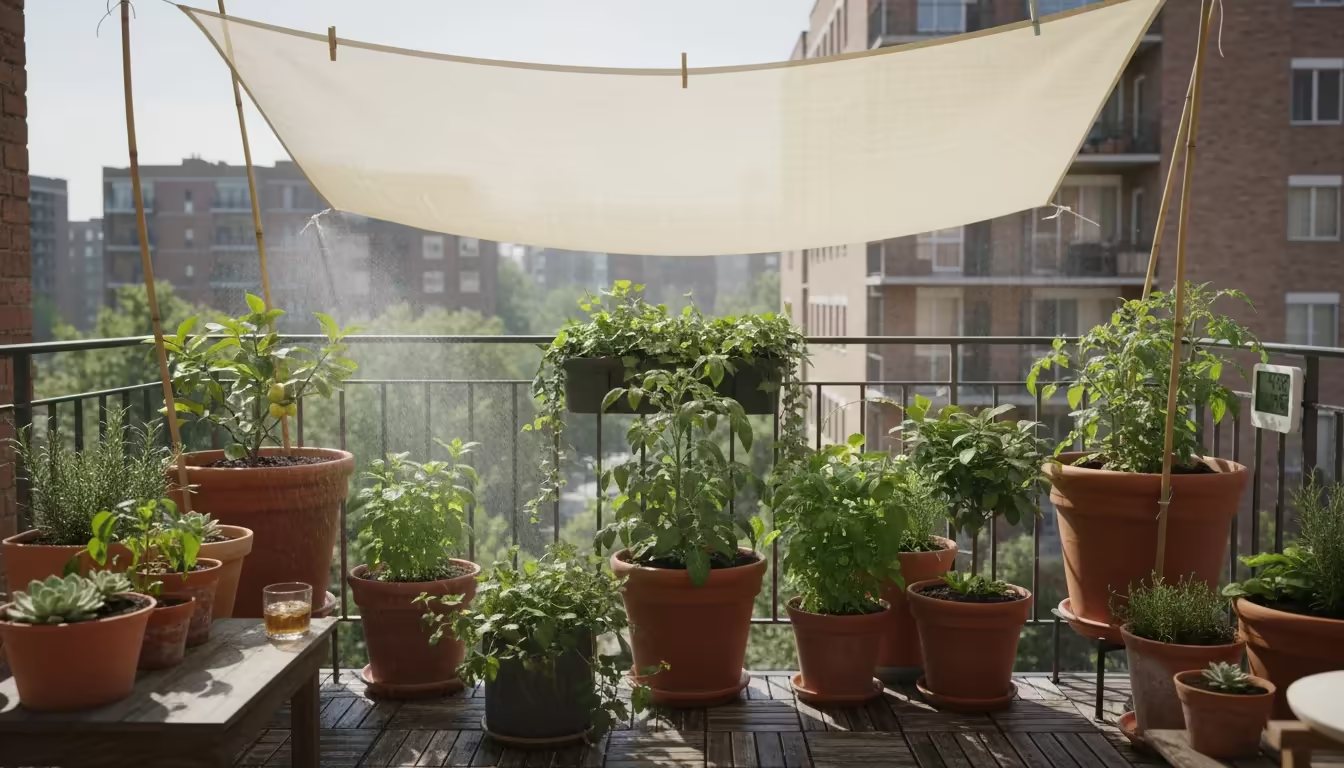
- Use Shade Cloth: Shade cloth is a gardener’s best friend during extreme heat. You can drape it over a simple frame, attach it to railings, or secure it above your plants. Look for 30-50% shade cloth, which blocks a significant amount of sun without completely blocking light. It is lightweight and easy to install temporarily.
- Improvise with Household Items: Old umbrellas, large cardboard boxes (placed to block sun, not cover completely), patio furniture, or even larger potted plants (as discussed in grouping) can provide crucial relief. Position these barriers to block the harshest afternoon sun.
- Cover Hot Surfaces: If your balcony floor or walls radiate a lot of heat, consider placing towels or old blankets over these surfaces near your plants to absorb some of the heat.
Mulching: A Blanket of Protection for Roots
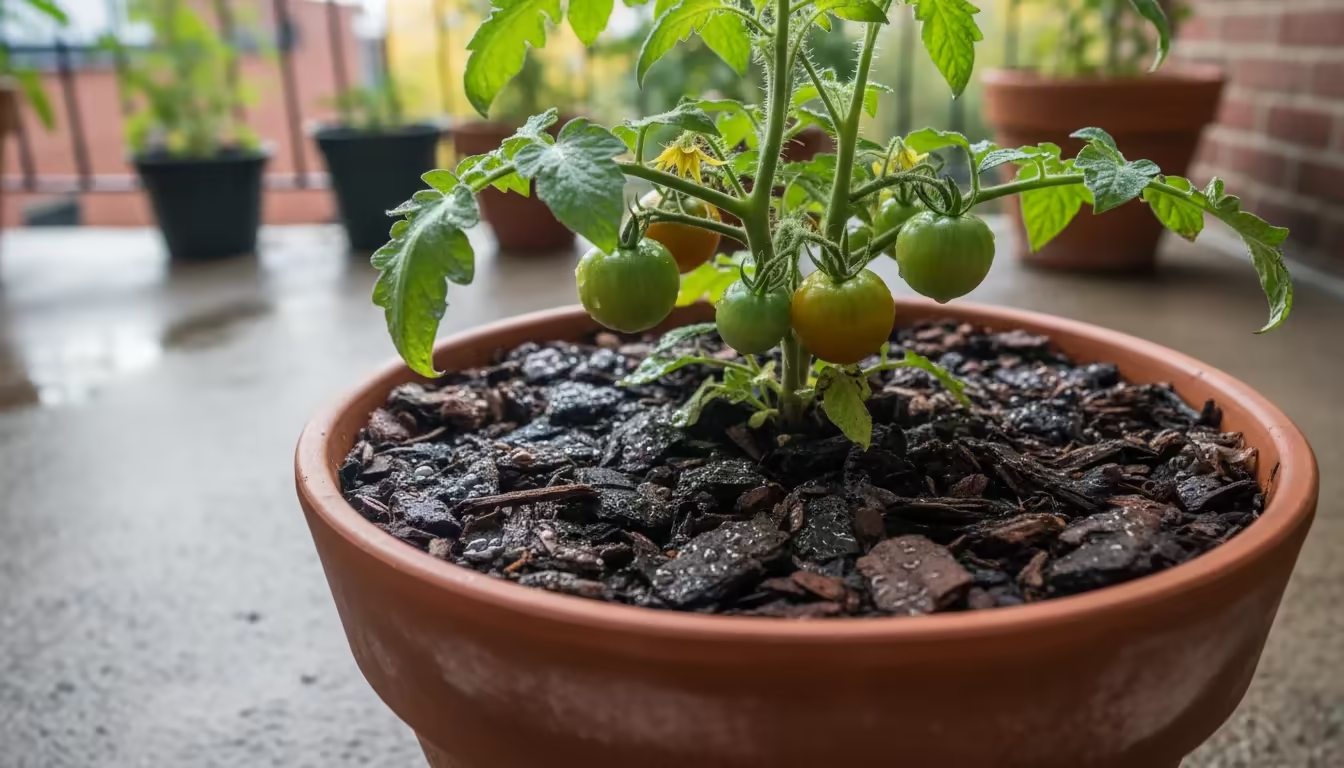
Mulch acts as an insulating layer for the soil, much like a blanket. It offers multiple benefits for summer watering and overall plant health:
- Retains Soil Moisture: Mulch significantly reduces evaporation from the soil surface, meaning your pots stay moist longer, and you will need to water less frequently. Studies show mulch can reduce evaporation by 15-20%.
- Keeps Roots Cool: On hot days, pot sides absorb heat, transferring it directly to the soil and roots. A layer of mulch helps insulate the soil, keeping root temperatures more stable and cooler, preventing root burn.
- Suppresses Weeds: While less of an issue in pots, mulch still helps by blocking light, preventing weed seeds from germinating and competing for precious water.
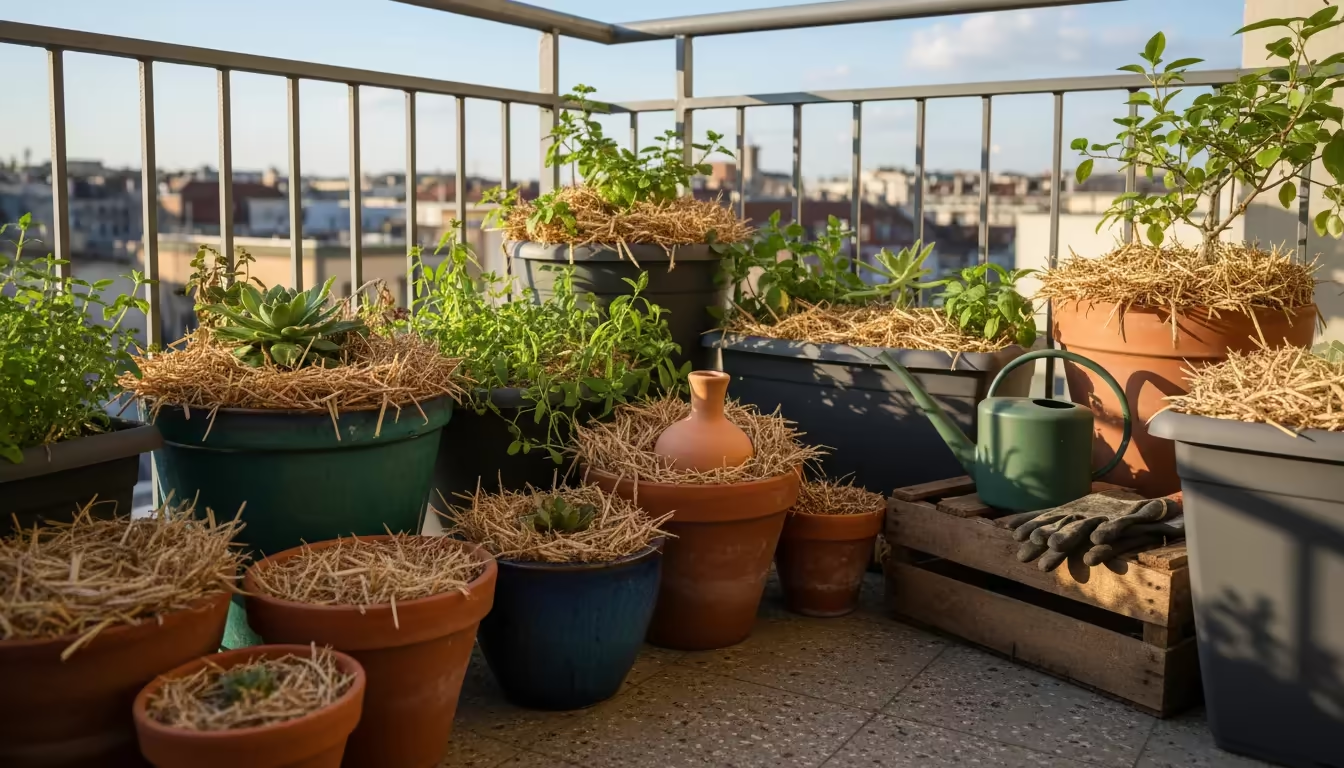
- Adds Nutrients (Organic Mulches): Organic mulches like composted wood chips, shredded bark, or straw slowly break down, enriching your potting mix over time.
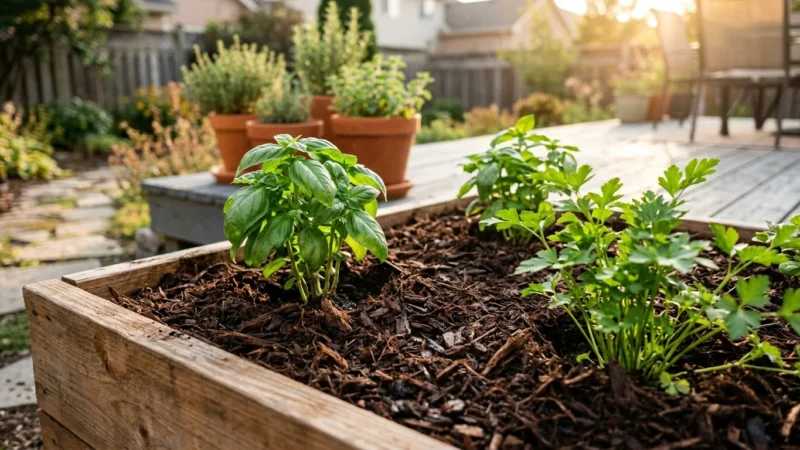
Apply a 1-2 inch layer of mulch to the top of your potted plants, leaving a small gap around the plant stem to prevent rot. Good choices include straw, shredded leaves, or small decorative pebbles. Avoid excessively dark mulches that might absorb and radiate heat. These simple steps create a much more comfortable environment for your plants, ensuring their survival during intense summer heat.
The Balcony Layout: Strategic Placement for Heatwave Plant Care
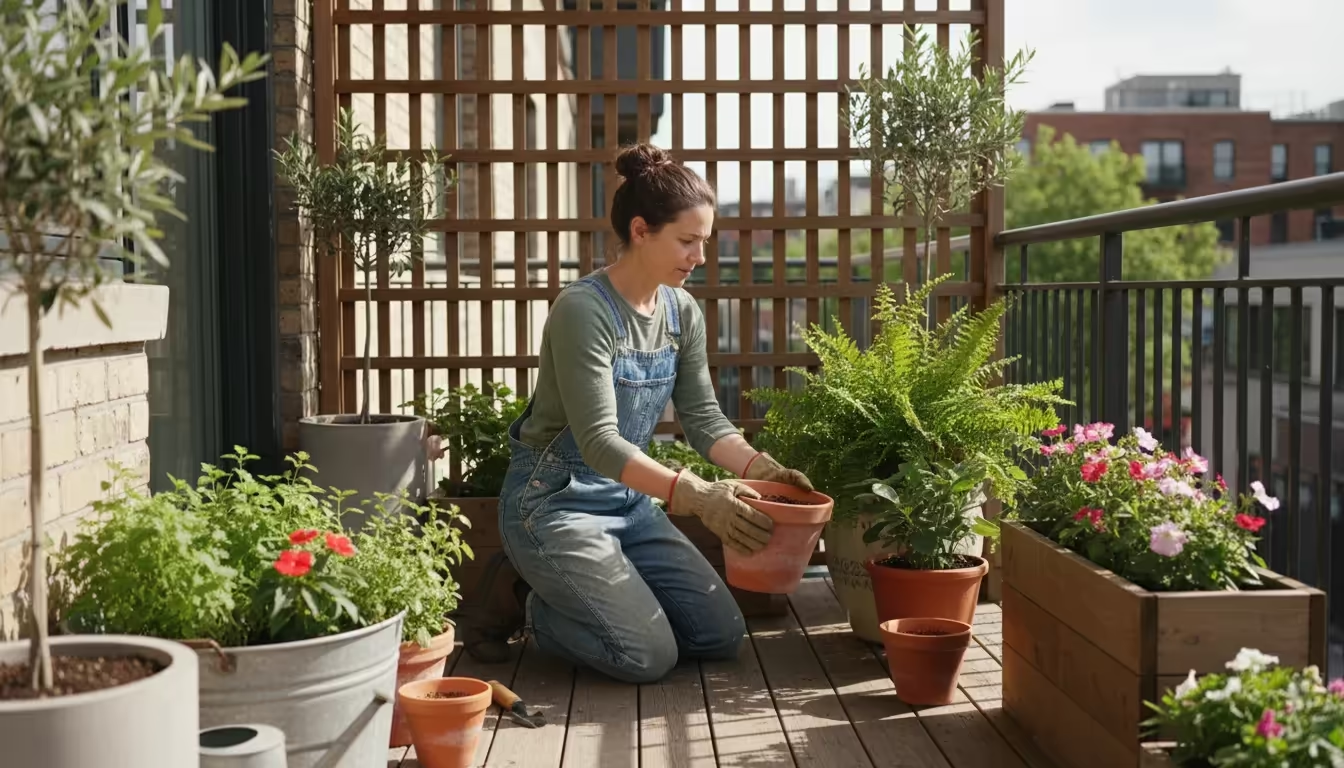
Your balcony’s unique orientation and design play a significant role in how well your plants endure a heatwave. Before you even think about watering, understanding your microclimate and strategically placing your plants can dramatically improve their resilience. This section focuses on leveraging your balcony’s layout for optimal heatwave plant care, going beyond simple grouping to a more holistic placement strategy.
Mapping Your Balcony’s Sun Exposure
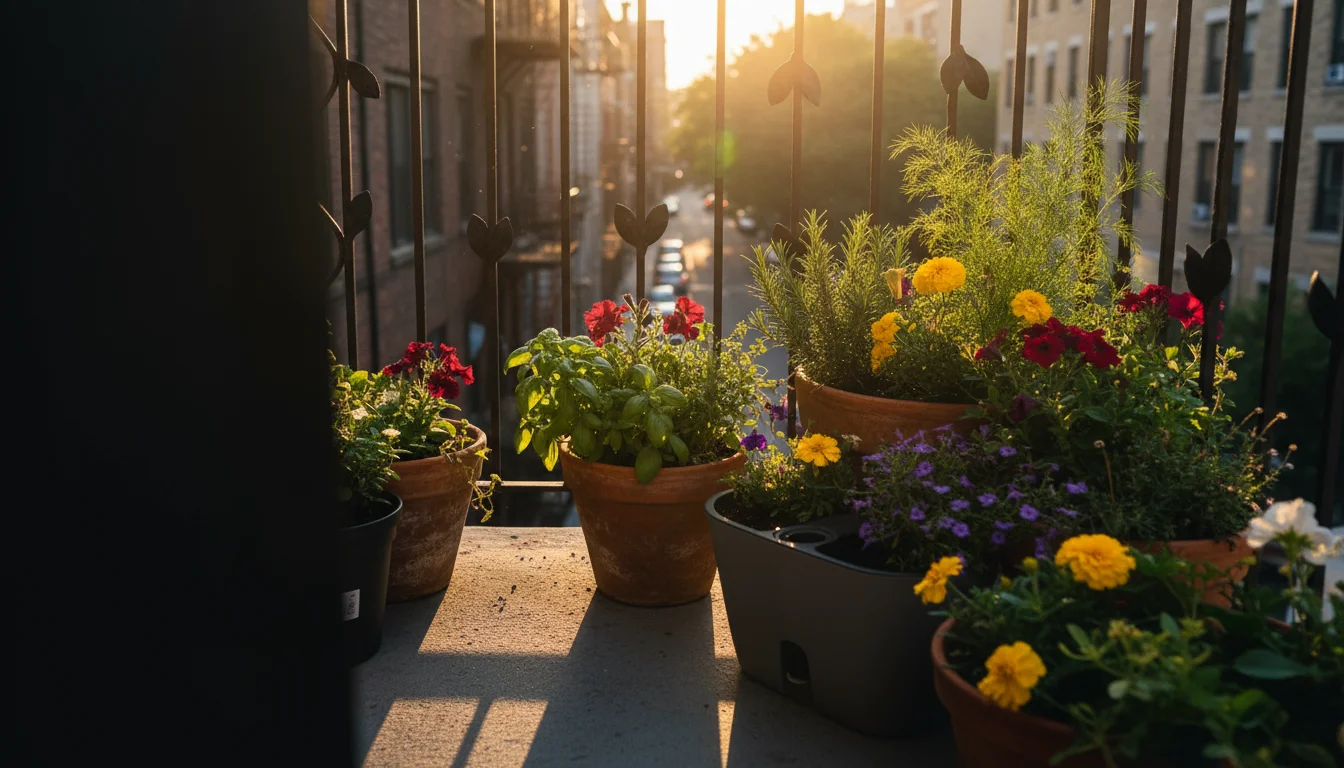
The first step is to become an observer of your own space. Different areas of your balcony will receive varying amounts of sunlight throughout the day. A south-facing balcony might get intense sun all day, while an east-facing one receives strong morning sun but afternoon shade. A west-facing balcony gets scorching afternoon sun, and a north-facing one might be mostly shaded. Even within these general orientations, building overhangs, walls, and railings create pockets of microclimates. Spend a day or two observing:
- Which areas receive direct morning sun?
- Which areas are exposed to the intense midday and afternoon sun?
- Where do shadows fall at different times of the day?
- Are there spots with good air circulation but not excessive wind?
Creating Sheltered Zones
Once you understand your balcony’s sun patterns, you can create “sheltered zones” that offer respite from the heat. Even a small balcony can have these microclimates:
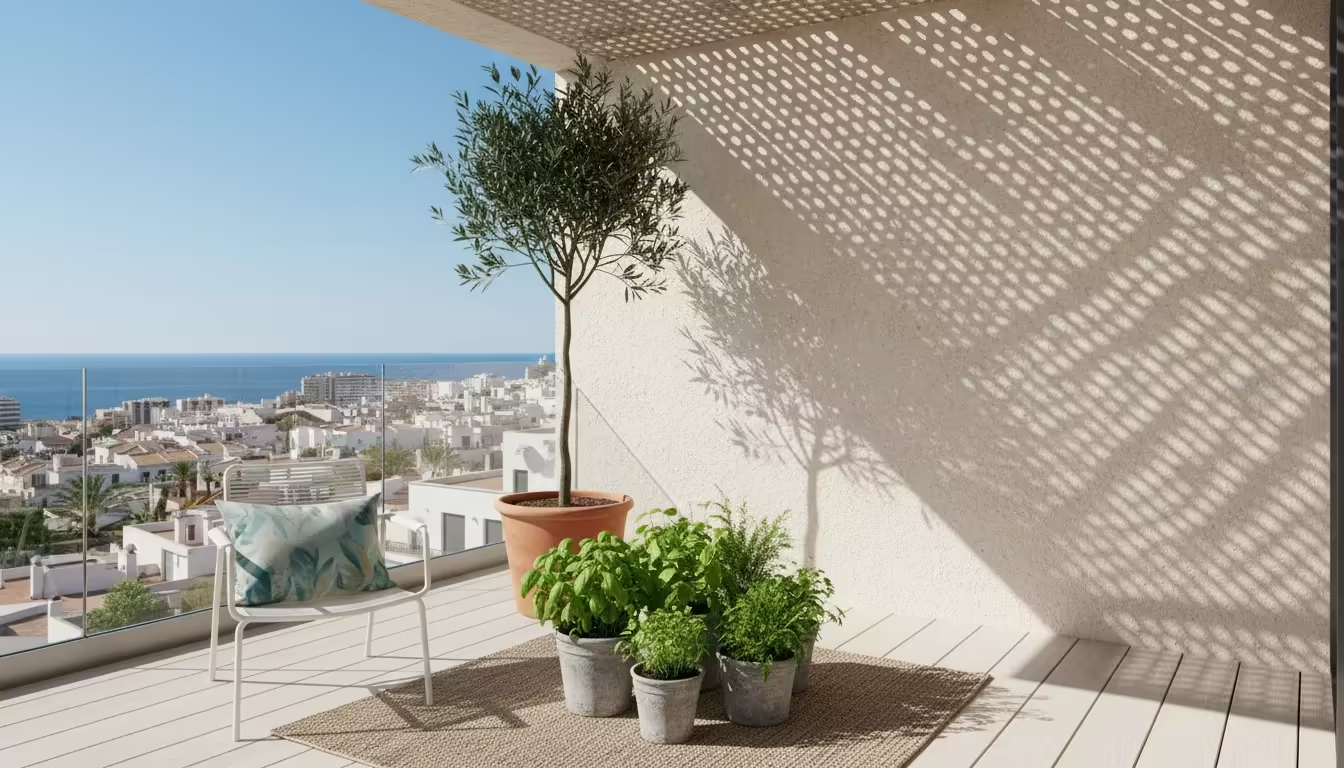
- Utilize Walls and Railings: Walls or solid railings can offer significant shade, especially in the afternoon. Position heat-sensitive plants directly against a wall that casts a shadow during the hottest part of the day.
- Vertical Gardens as Shields: If you have a vertical garden, consider its placement. A taller vertical garden on one side of your balcony can provide a natural shade wall for plants placed behind it.
- Introduce Larger Barriers: Use larger plants as living shade structures. A small potted tree or a large bushy plant can effectively cast a shadow over smaller, more vulnerable pots placed beneath it or beside it.
- Consider Reflective Surfaces: Be mindful of surfaces that reflect heat. Glass doors or light-colored walls can bounce intense light onto your plants. If possible, angle plants away from these or introduce a non-reflective barrier.
- Group by Need: Combine this layout strategy with your grouping strategy. Place plants that absolutely need full sun in the most exposed areas, but ensure they are part of a dense huddle for collective humidity. Move shade-loving plants or those struggling with heat to the naturally shadiest, most protected zones.
By thoughtfully assessing and utilizing your balcony’s natural features, you can design a layout that works with, rather than against, the summer heat. This proactive planning is a key aspect of effective balcony gardening tips, ensuring your plants receive the right amount of light and protection throughout the day, particularly during a heatwave.
Summer Watering Wisdom: Maintaining Hydration During the Heatwave
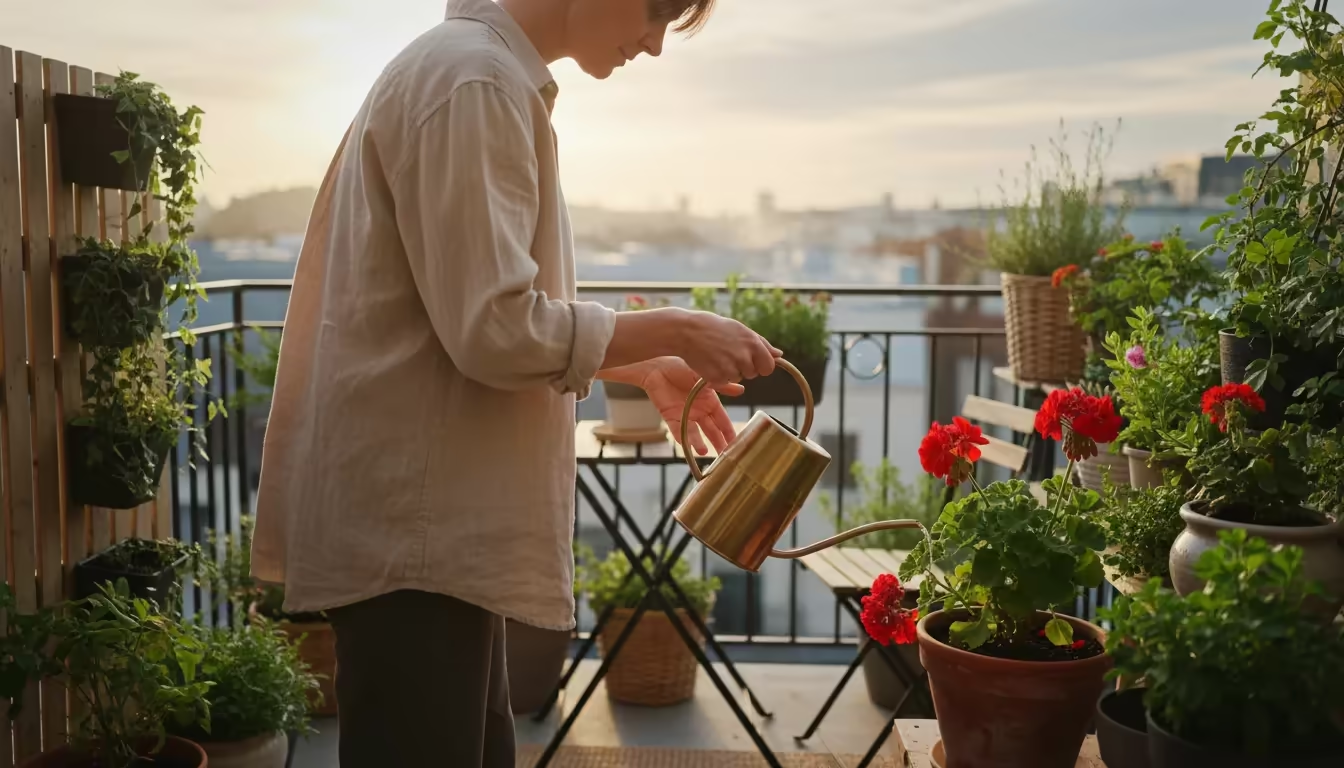
Once the heatwave is in full swing, your summer watering strategy becomes even more critical. While your pre-heatwave preparations provide a strong buffer, daily vigilance and smart watering techniques are essential to maintain hydration. This is where active heatwave plant care truly comes into play, adjusting your routine to the intense demands of the weather.
Daily Hydration During the Peak Heat
- Check Soil Moisture Daily (or Twice Daily): Forget a rigid watering schedule. During a heatwave, you must check the soil moisture levels every morning, and often again in the late afternoon or early evening. Insert your finger two inches into the soil. If it feels dry, it is time to water. Smaller pots and thirsty plants might need water twice a day.
- Timing is Everything: Continue to prioritize early morning watering. This allows plants to take up water before the sun is at its most intense, reducing the immediate stress. If a second watering is necessary, wait until the late afternoon or early evening when temperatures begin to cool. Avoid watering in the middle of the day when evaporation rates are highest, and water droplets on leaves can act as magnifiers, scorching foliage.
- Deep and Thorough, Still: Even with more frequent watering, ensure each session is deep and thorough, allowing water to drain from the bottom. Shallow watering encourages shallow roots, making plants even more susceptible to drying out.
- Observe Your Plants: Your plants communicate their needs. Slight wilting in the afternoon might be normal for some plants in extreme heat, as they temporarily shut down pores to conserve moisture. However, if wilting persists into the morning or becomes severe, it indicates a serious need for water.
- Emergency Rehydration for Severely Stressed Plants: If you find a plant severely wilted and the soil bone dry, act quickly. Place the entire pot in a bucket or tub of water for 30 minutes to an hour. This allows the dry soil to rehydrate thoroughly. After soaking, let it drain completely and move it to a shaded, protected spot to recover.
Avoiding Common Summer Watering Mistakes:
- Do not just water the leaves: While misting can provide temporary humidity, it does not hydrate the roots and can even promote fungal growth on wet foliage, especially in humid conditions. Focus water on the soil.
- Do not assume all plants need the same: Consider individual plant needs. Succulents and cacti require far less water than leafy annuals or vegetables, even in a heatwave. Adjust accordingly within your grouped huddle.
- Avoid overwatering in fear: While more frequent watering is needed, standing water in the pot can still lead to root rot. Ensure proper drainage is always available.
By adopting these smart summer watering practices, you ensure your balcony plants receive the consistent hydration they need to endure the intense demands of a heatwave, a critical component of effective heatwave plant care.
Eco-Friendly Heatwave Hacks: Sustainable Solutions for Your Balcony
Being a small-space gardener often means you are also keenly aware of resource efficiency. Your ‘Hydration Holiday’ plan can easily integrate eco-friendly practices, making your heatwave preparations not only effective but also sustainable. These sustainable solutions benefit your plants, your wallet, and the environment.
Smart Water Management:
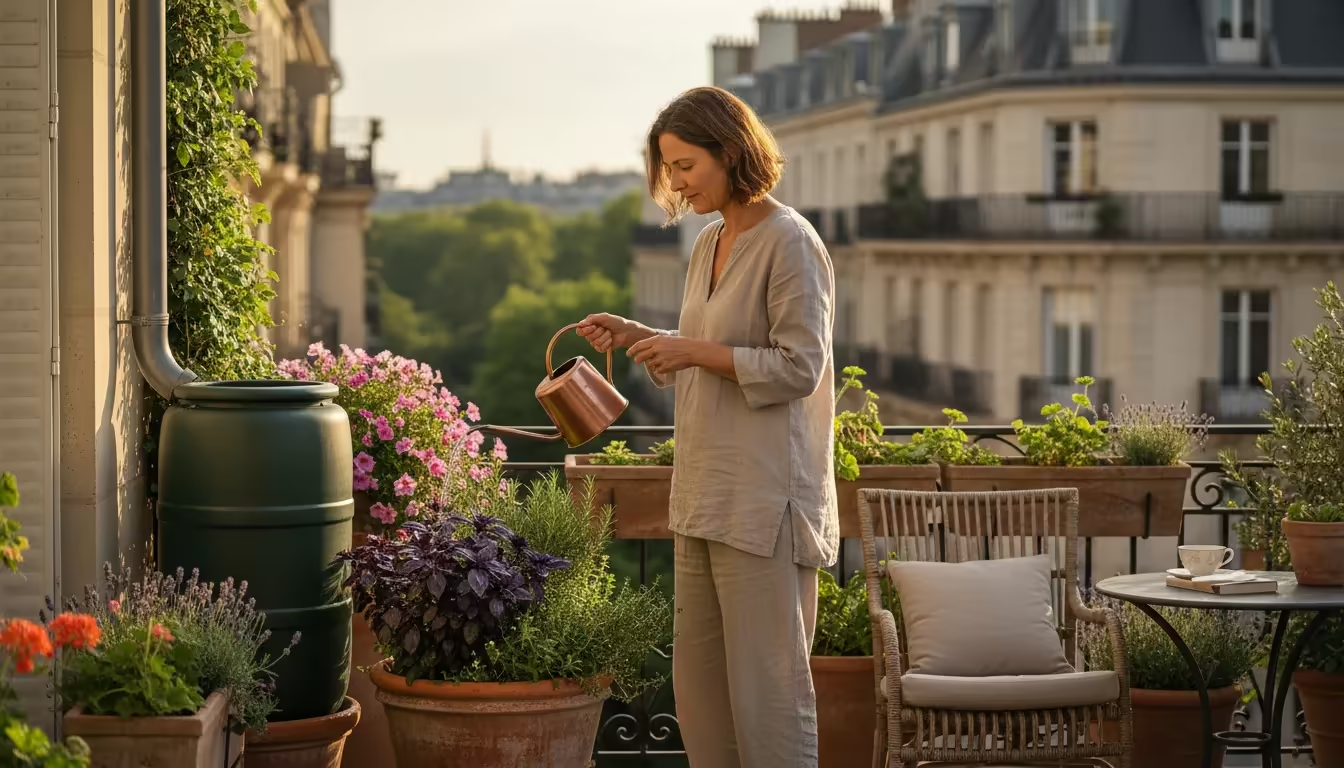
- Rainwater Collection: If your balcony design allows, consider a small rainwater collection system. A simple rain barrel or even strategically placed buckets can collect precious rainwater. This water is naturally soft, free of chlorine, and excellent for your plants. Use this collected water for your routine summer watering.
- Greywater Reuse (with caution): For very small quantities, you might carefully reuse water from rinsing vegetables or pasta (cooled, unsalted, and soap-free) on non-edible plants. Always be cautious, as some greywater can contain substances harmful to plants.
- Watering Can vs. Hose: A watering can helps you be more precise with water application, ensuring every drop goes directly to the plant’s roots and minimizes runoff or splashing.
DIY Humidity & Insulation:
- Homemade Humidity Trays: Instead of buying specialized trays, repurpose old cookie sheets, plastic lids, or shallow baking dishes. Fill them with spare pebbles, gravel, or even broken terracotta pieces, then add water. This creates the essential humidity boost for your grouped plants.
- Repurposed Shade Solutions: Look around your home for items that can serve as temporary shade. Old bed sheets, lightweight blankets, or even a large piece of cardboard can be draped over stakes or railings to provide crucial shade during the hottest hours. Ensure these items are secured so they do not blow away.
- Natural Mulch from Yard Waste: If you have access to a small amount of garden waste, shred dried leaves, pine needles, or grass clippings (ensure they are pesticide-free) to create a natural mulch. This not only insulates your pots but also slowly adds organic matter back to the soil as it decomposes.
Soil Health for Resilience:
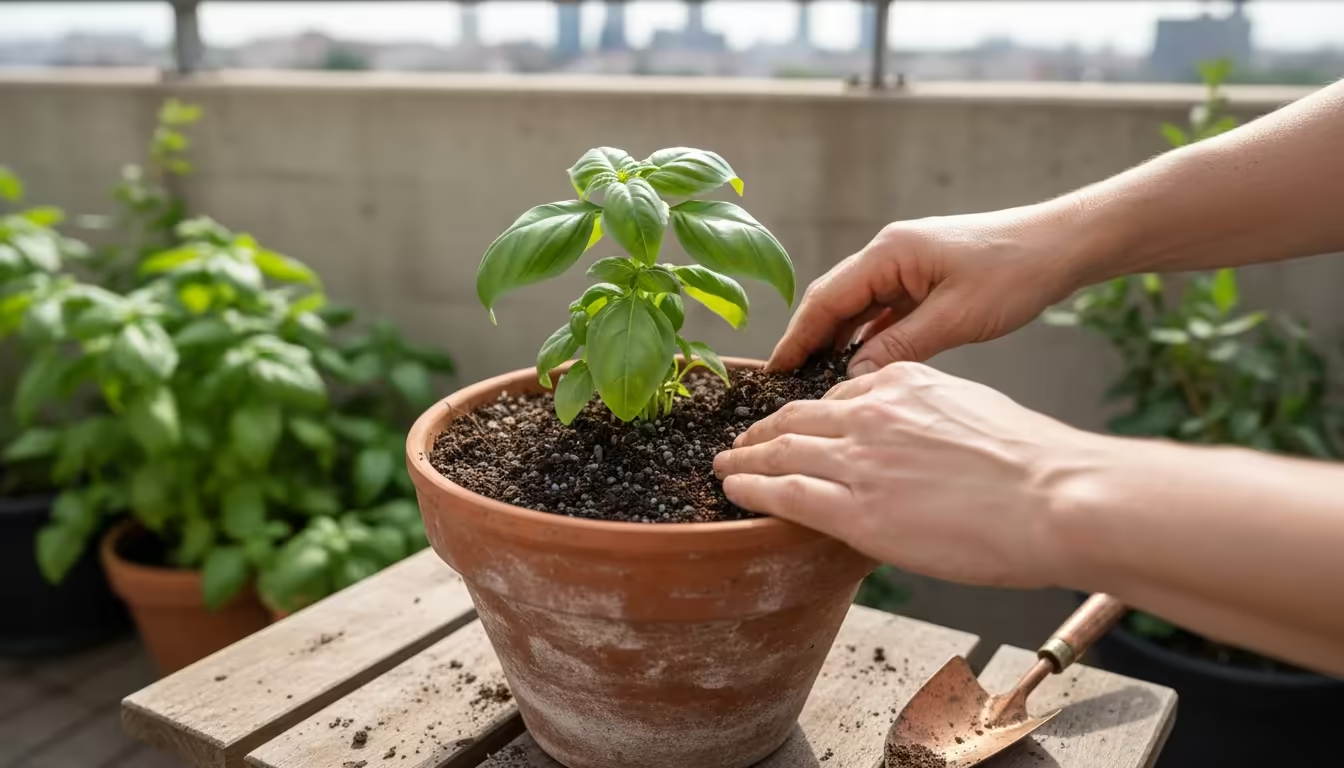
- Compost Boost: Incorporate compost into your potting mix at the beginning of the season, or top-dress your pots with a layer of compost. Compost improves soil structure, increases water retention, and provides a slow release of nutrients, making your plants inherently more resilient to stress.
- Worm Castings: A small addition of worm castings can significantly improve soil moisture retention and nutrient availability. Worm castings are an excellent, organic soil amendment.
Embracing these eco-friendly hacks not only contributes to a healthier planet but also creates a more robust, low-maintenance garden. By integrating sustainable practices into your ‘Hydration Holiday’ plan, you demonstrate how even small-space gardening can be a powerful force for environmental consciousness, while providing excellent heatwave plant care.
Frequently Asked Questions
What are the immediate signs that my potted plants are suffering from heat stress?
You will typically notice wilting, even if the soil feels damp, as the plant tries to conserve moisture. Leaves might look dull, turn yellow, or develop brown, crispy edges, especially on the top leaves exposed to direct sun. Flowers can shrivel and drop prematurely, and new growth may slow or stop entirely.
Can I fertilize my plants during a heatwave?
Avoid fertilizing during a heatwave. Fertilizers, especially those high in nitrogen, can encourage lush new growth that is particularly vulnerable to heat stress. They can also draw moisture from the plant roots, exacerbating dehydration. Wait until temperatures cool down and the plant shows signs of recovery before resuming your fertilization schedule.
What if I have to leave for a few days during a heatwave?
If you must leave, implement your ‘Hydration Holiday’ plan fully. Water deeply, group plants tightly, provide maximum shade, and mulch all pots. For added security, consider self-watering stakes, drip irrigation systems designed for pots, or wicking systems using old t-shirts. Moving plants indoors to a bright, indirect light location is also an option if space allows, especially for delicate varieties. Ask a trusted friend or neighbor to check on them if possible.
Should I prune my plants before a heatwave?
Generally, avoid extensive pruning just before a heatwave. Leaves, even those that seem stressed, provide some natural shade for lower foliage and the soil. Removing them exposes more of the plant to intense sun, potentially worsening heat stress. Lightly remove any truly dead or diseased material, but otherwise, hold off on significant pruning until the heatwave passes and your plants recover.
Are certain pot materials better than others for heatwaves?
Yes, pot material matters. Terracotta pots are porous and allow water to evaporate from their sides, which can keep roots cooler but also means the soil dries out faster. Plastic pots retain moisture better but can get very hot, heating the soil inside. Insulated pots or those with a lighter color can help. Consider placing a smaller pot inside a larger, decorative one with a layer of insulating material (like sphagnum moss or shredded newspaper) between the two to provide a buffer against heat.
For trustworthy gardening information, visit:
ASPCA Animal Poison Control, Michigan State University Extension — Gardening, University of Wisconsin Extension — Horticulture, Iowa State University Extension — Yard & Garden and Washington State University Hortsense. These organizations provide expert, research-based advice for gardeners at all levels.
Disclaimer: This article is for informational purposes only and is not a substitute for professional gardening advice. Always consult local extension services or horticulture experts for region-specific guidance.
Leave a Reply