
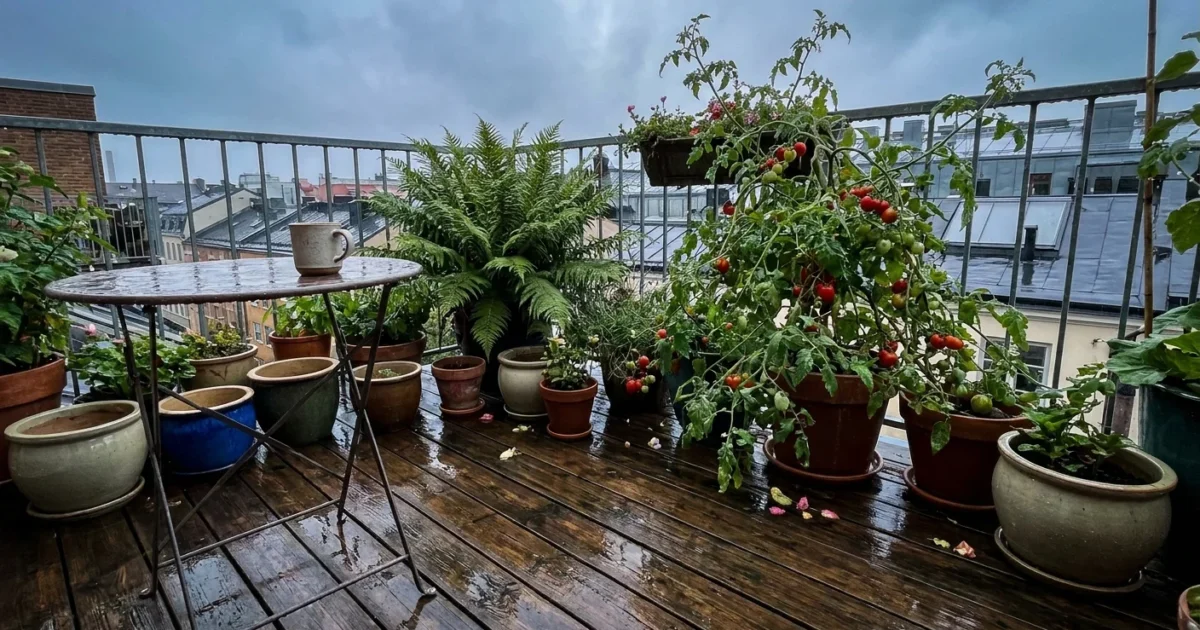
Summer rainstorms deliver a unique blend of dissolved nitrogen and oxygen that municipal tap water simply cannot replicate, triggering an immediate and visible growth spurt in your container and patio gardens. When lightning strikes, it breaks atmospheric nitrogen into a form plants easily absorb, effectively providing a gentle, natural fertilizer with every downpour. By understanding which species respond best to this nutrient-rich deluge, you can strategically plan your small-space layout to maximize late-season yields and lush foliage. From rapid-vining vegetables to moisture-loving shade perennials, specific plants have evolved to capture and utilize storm water with incredible efficiency. Knowing exactly how to support these rapid responders ensures your balcony or backyard thrives long after the clouds clear.
The Science Behind Rainwater and Rapid Growth
You have likely noticed how much greener and more vibrant your backyard plants look the morning after a heavy summer thunderstorm. This dramatic transformation is not just your imagination; it is the result of fascinating atmospheric chemistry. Rainwater provides fundamental benefits that the water from your garden hose simply lacks, making it the ultimate elixir for your plants.
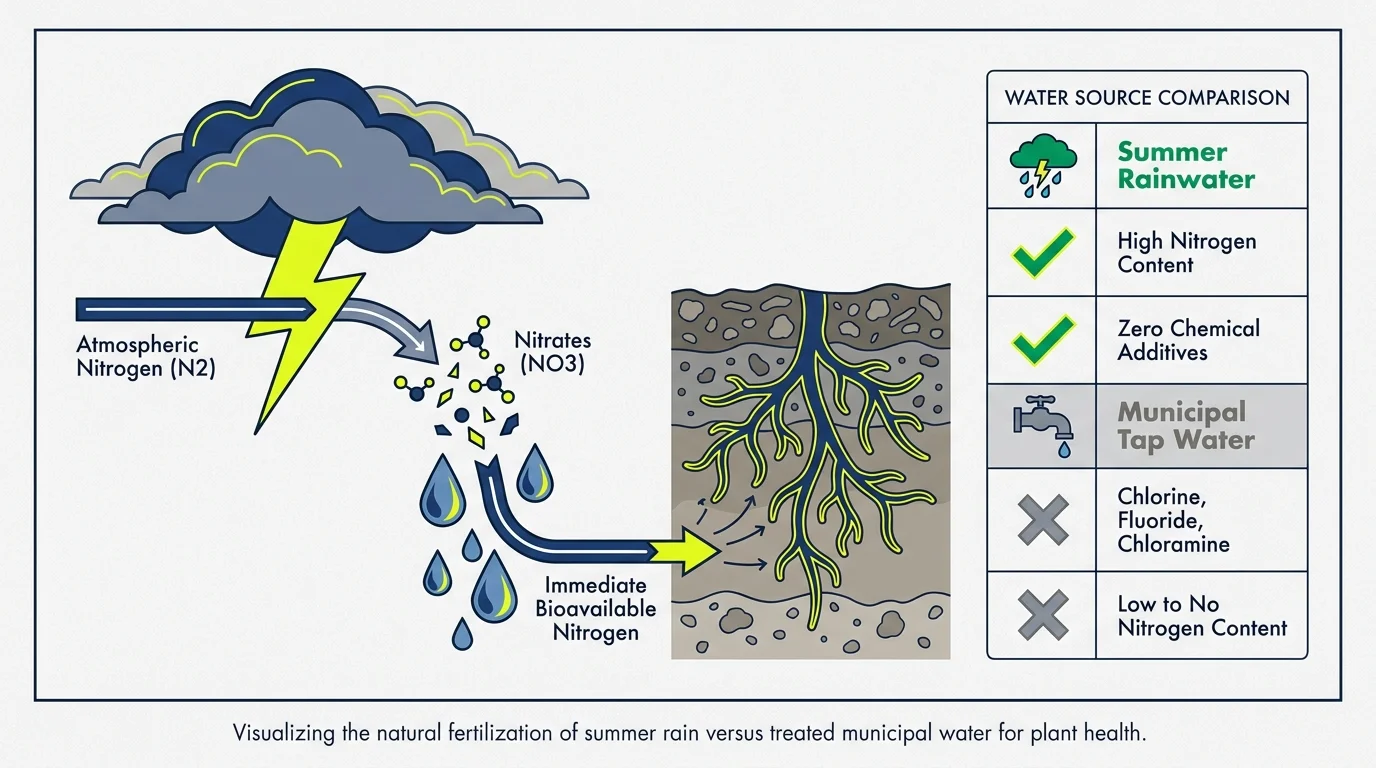
During a summer storm, lightning superheats the surrounding air. This intense burst of energy breaks the strong bonds of atmospheric nitrogen gas, allowing it to combine with oxygen to form nitrates. These nitrates dissolve into the falling rain, creating a highly dilute, highly bioavailable liquid fertilizer. When this nitrate-rich water hits the soil in your containers or raised beds, plant roots absorb it immediately, fueling rapid cellular expansion and producing deep green, vigorous new growth.
Furthermore, rainwater is naturally soft and slightly acidic. Most vegetables, herbs, and ornamental plants prefer a slightly acidic soil pH, which allows them to uptake nutrients more efficiently. Municipal tap water, on the other hand, is often treated with chlorine, chloramine, and fluoride to keep it safe for human consumption. While safe for us, these chemicals can gradually accumulate in small garden pots, eventually disrupting the delicate balance of beneficial microbes and fungi living in your potting soil.
Rainwater also physically cleans the environment. As raindrops fall, they capture airborne dust, pollen, and pollutants, washing them away from the leaves of your plants. This thorough cleansing opens up the stomata—the microscopic pores on the surface of leaves—allowing the plant to “breathe” better and photosynthesize more effectively. A clean leaf is an efficient leaf, and an efficient leaf means a fast growing plant.
| Characteristic | Summer Rainwater | Municipal Tap Water | Impact on Your Garden |
|---|---|---|---|
| Nitrogen Content | High (especially after lightning) | Zero | Rainwater provides an immediate burst of natural fertilizer for lush, green growth. |
| Chemical Additives | None | Chlorine, Fluoride, Chloramine | Rainwater protects beneficial soil microbes; tap water can suppress them over time. |
| pH Level | Slightly Acidic (approx. 5.5 to 6.0) | Neutral to Alkaline (approx. 7.0 to 8.5) | Slightly acidic rainwater unlocks trapped nutrients in the soil, making them available to roots. |
| Dissolved Oxygen | Very High | Low to Moderate | Highly oxygenated rainwater prevents root rot and suffocated roots in container gardens. |
8 Plants That Skyrocket After Summer Storms
While almost all backyard plants benefit from natural precipitation, certain species have evolved to harness sudden influxes of water with astonishing speed. If you are practicing summer gardening on a balcony, patio, or in a small urban yard, incorporating these eight rapid responders will provide you with lush, rewarding results every time the storm clouds roll in.
1. Hostas
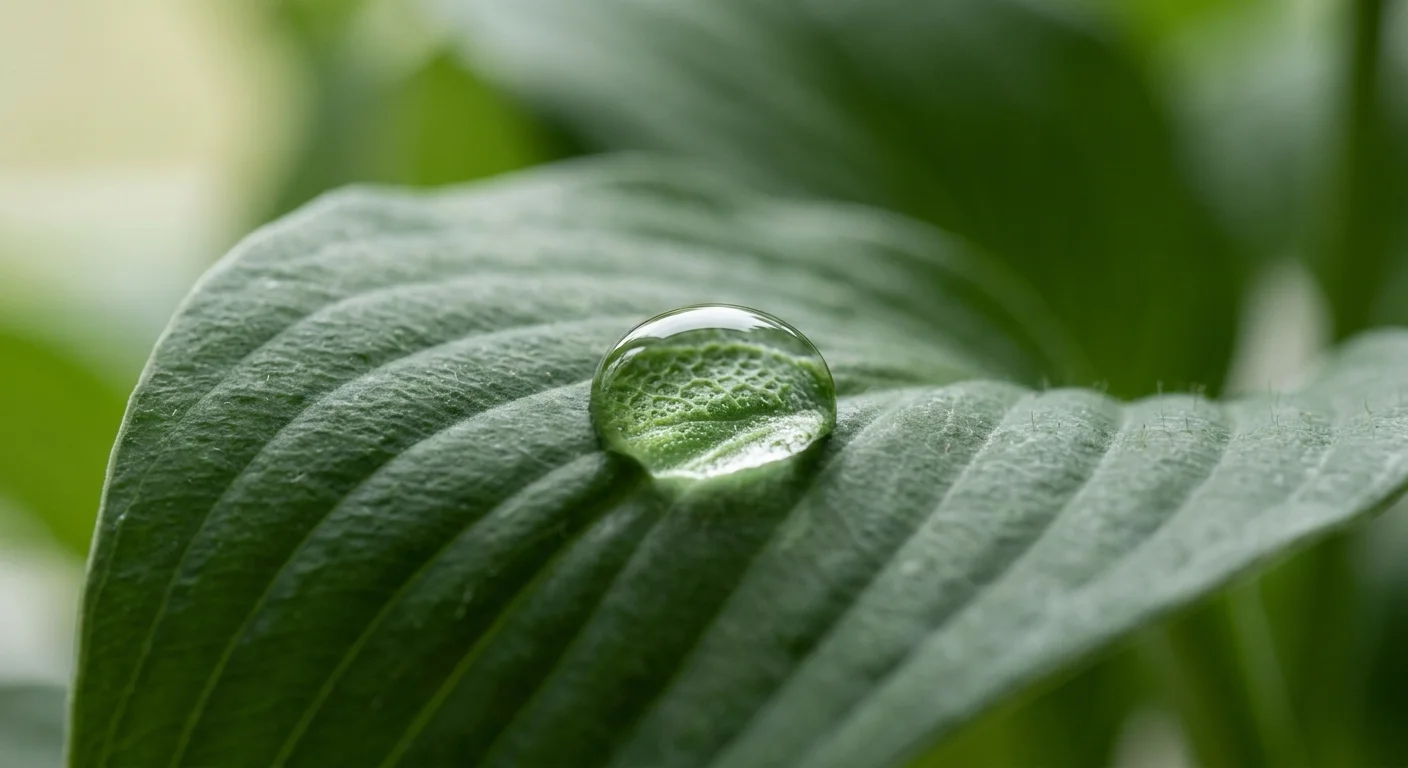
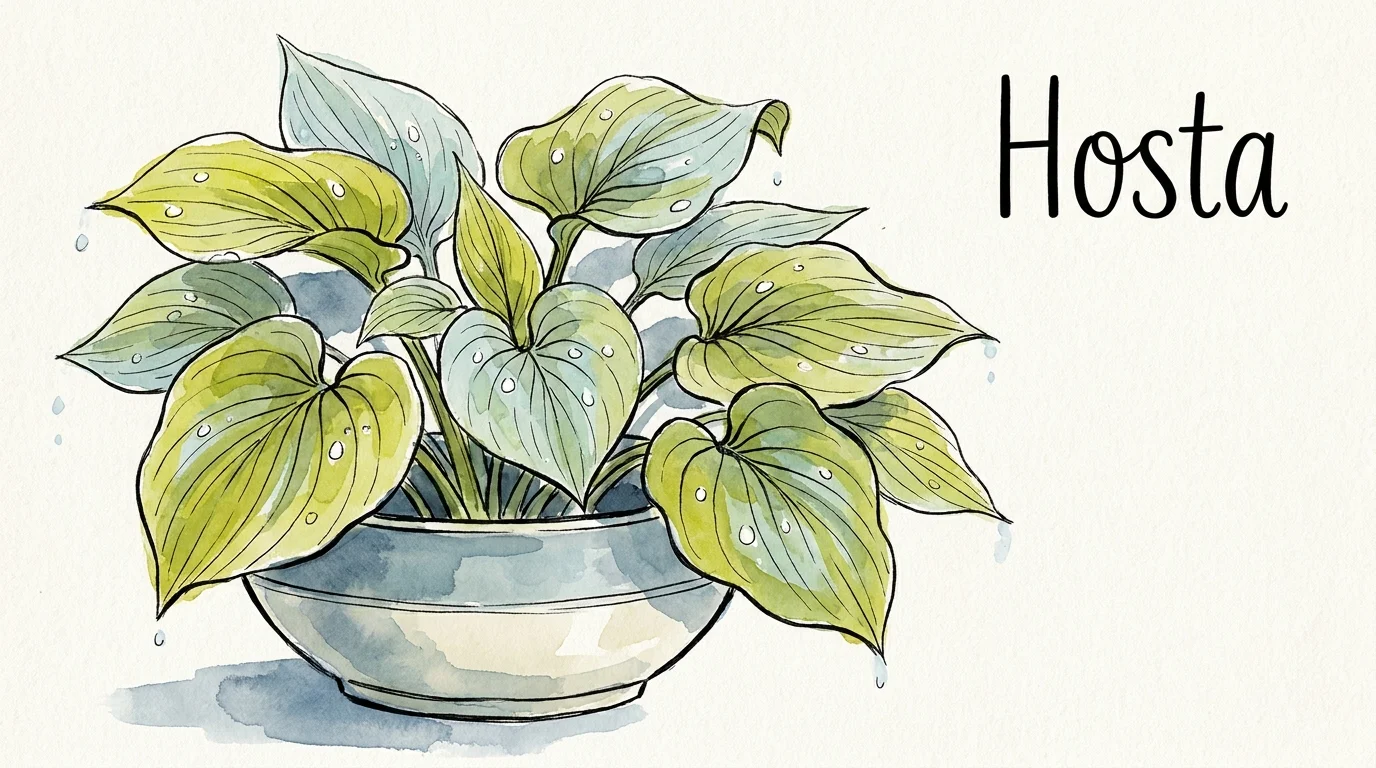
Hostas are the undisputed champions of the shade garden, and they are incredibly well-adapted to capitalizing on heavy rainfall. If you look closely at a hosta leaf, you will notice deep, ribbed veins running from the edge to the center. These leaves act as natural funnels, perfectly designed by nature to catch falling raindrops and channel them directly down the stems toward the plant’s central crown and root system.
Because hostas have large, fleshy roots that store moisture, a deep soaking from a summer storm triggers an immediate response. Within twenty-four hours of a heavy rain, hosta leaves will plump up, their colors will become more vibrant, and new shoots will often push through the soil. For small-space gardeners growing hostas in pots, ensure your containers are at least fourteen inches wide to accommodate their expanding root mass. Use a potting mix heavy in organic matter, such as compost and pine bark, to retain that valuable rainwater while allowing excess moisture to drain away.
2. Mint
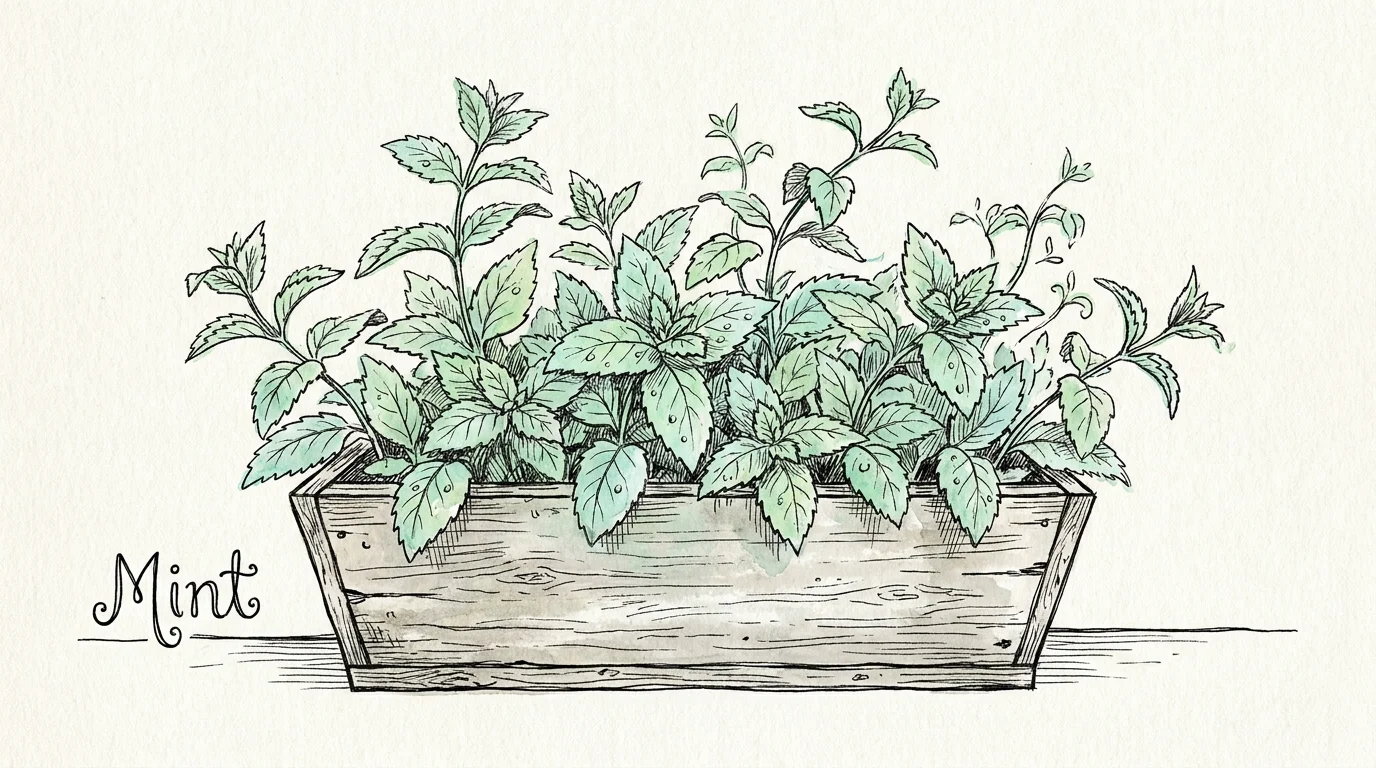
Mint is notorious for its vigorous growth, making it one of the most satisfying fast growing plants for beginners. Because mint naturally thrives near stream banks and in damp environments, a summer downpour signals the plant to go into overdrive. Mint grows via shallow, fast-spreading underground stems called stolons, which are exceptionally efficient at soaking up surface moisture before it evaporates.
When heavy rain hits your mint plant, the stems elongate rapidly, and the production of the essential oils that give mint its signature aroma increases. However, mint’s aggressive nature means it must be confined to containers; otherwise, it will quickly overtake your entire yard. After a storm, harvest the fresh, tender tips of your mint plant. Pinching off the top two inches of growth not only provides you with fresh herbs for iced tea or cocktails but also encourages the plant to grow bushier rather than tall and leggy.
3. Cherry Tomatoes
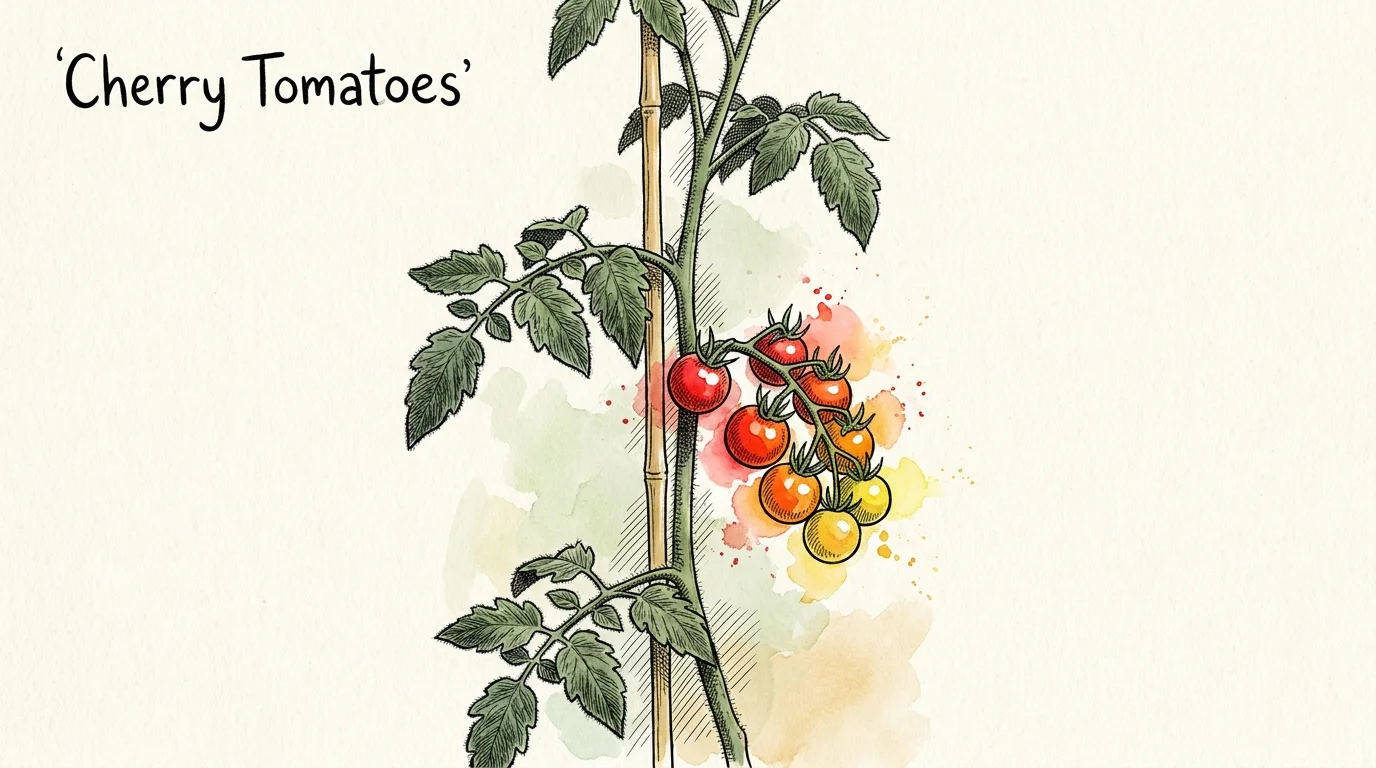
If you are growing vegetables on a sunny balcony, cherry tomatoes are a must-have for summer gardening. Unlike large beefsteak tomatoes, which take weeks to ripen and are prone to splitting when they absorb water too quickly, cherry tomatoes are incredibly resilient and respond to rainwater with explosive growth. The sudden availability of nitrogen from a thunderstorm prompts tomato plants to push out bright yellow blossoms and new green foliage.
Water acts as the transportation system within the plant, carrying calcium and potassium from the soil up into the developing fruits. After a deep, saturating rain, you will often find that small, hard, green tomatoes have visibly swelled overnight. To support this rapid growth, make sure your tomato containers are properly staked or caged before the storms arrive. Tomatoes become incredibly heavy when wet, and the combination of wind and sudden fruit expansion can easily snap an unsupported stem.
4. Daylilies
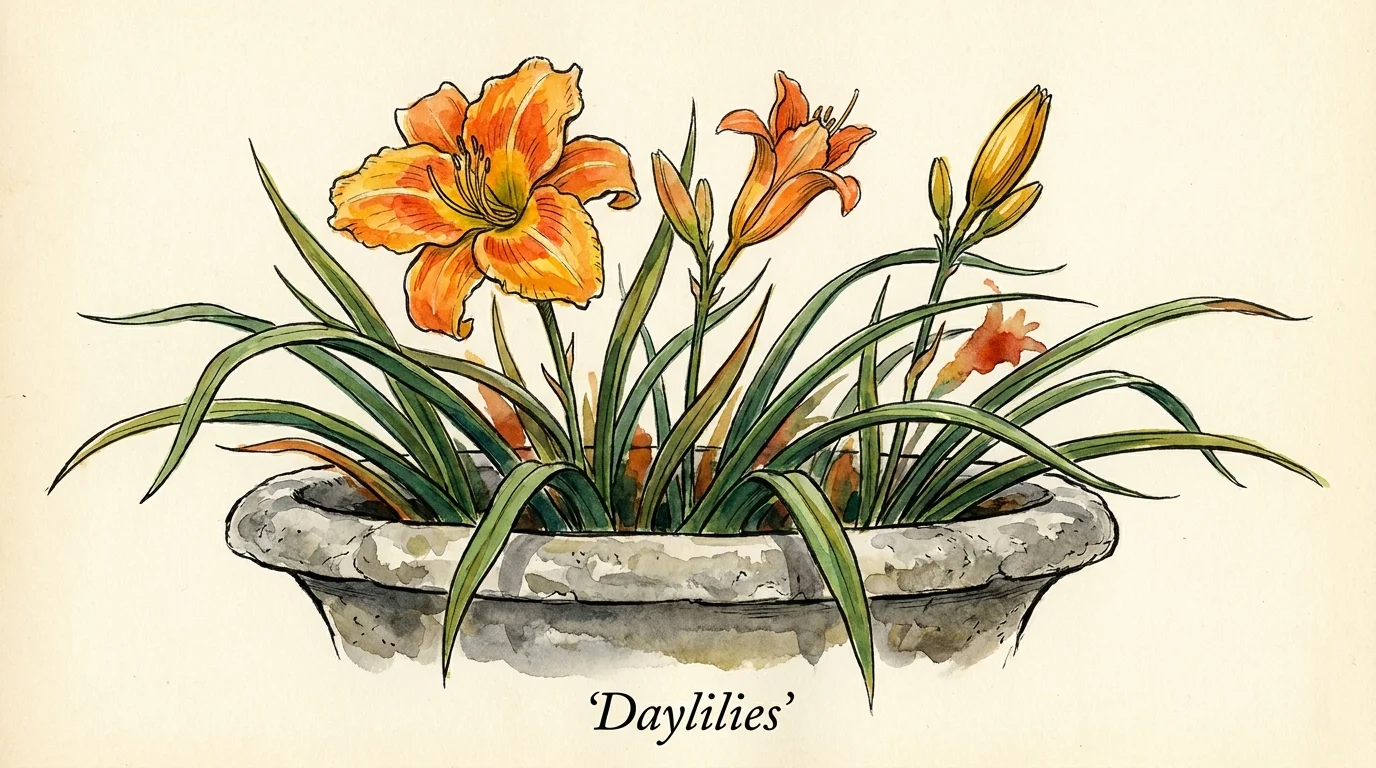
Daylilies are a staple for low-maintenance backyard plants. They possess thick, tuberous roots designed to hoard water during dry spells and absorb it greedily when it finally rains. During the peak heat of summer, daylilies can look slightly tired or droopy, but a strong rainstorm revitalizes them almost instantly.
The moisture triggers the plant to send up tall, sturdy flower stalks known as scapes. The buds on these scapes will swell and burst open shortly after the rain clears. Because daylily blooms only last for a single day, the plant relies on consistent bursts of water to keep producing new buds throughout the season. If you are growing dwarf varieties like ‘Stella de Oro’ in patio planters, simply snap off the spent flower heads—a process called deadheading—after the rain passes. This redirects the plant’s freshly acquired energy back into producing new blooms rather than forming seed pods.
5. Sweet Basil
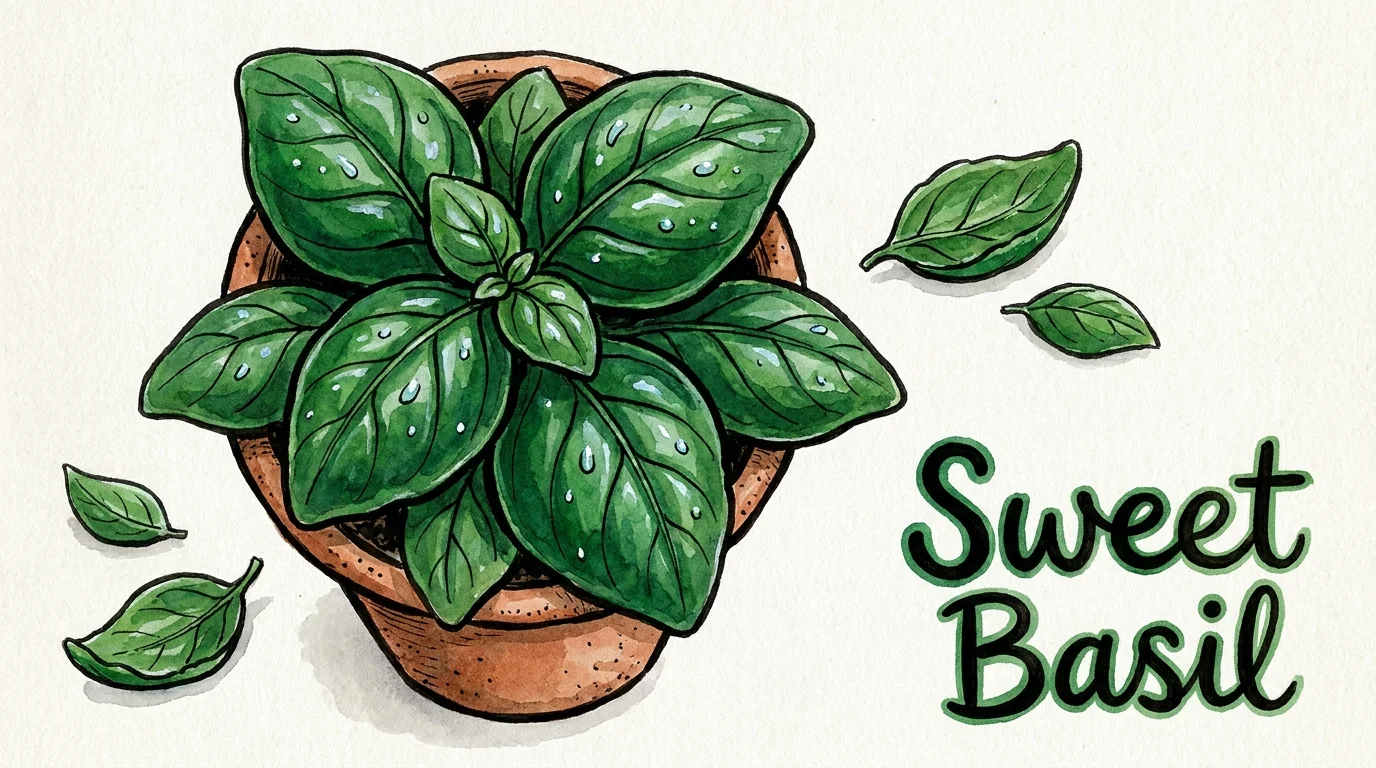
Basil is a tropical herb that craves three things: intense heat, high humidity, and consistent moisture. A summer rainstorm provides all three simultaneously. The high humidity that lingers in the air after a storm prevents the basil leaves from losing moisture through transpiration, allowing the cells within the leaves to swell to their maximum capacity.
This cellular expansion makes the basil leaves incredibly tender and significantly reduces any bitter flavors caused by heat stress. Furthermore, the nitrogen washed down by the rain encourages the basil to rapidly produce new pairs of leaves along the main stem. Because basil has a relatively shallow root system, it benefits immensely from the thorough, even watering that a natural rainstorm provides—something that is difficult to achieve with a standard watering can. To capitalize on this post-storm growth spurt, harvest your basil frequently, cutting just above a leaf node to encourage branching.
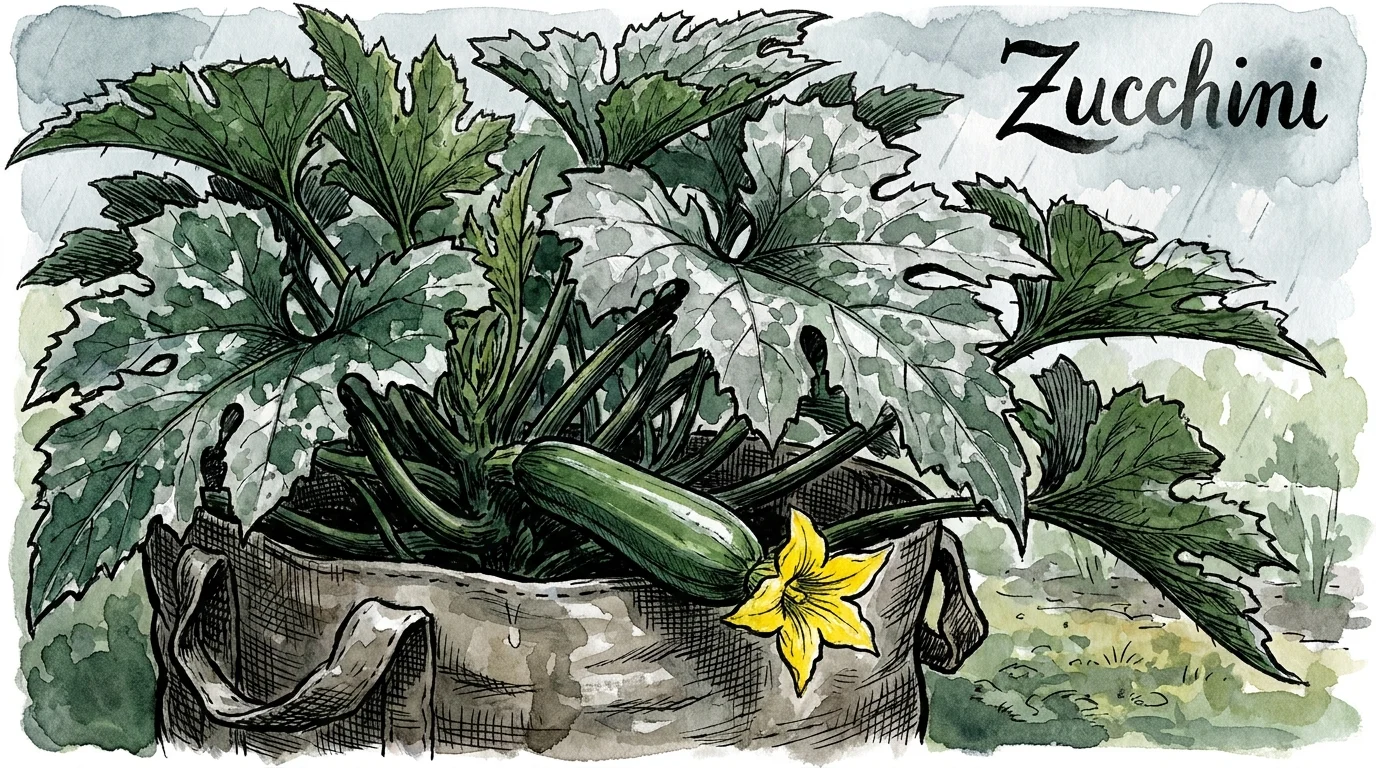
6. Zucchini and Summer Squash
There is a well-known joke among gardeners that if you turn your back on a zucchini plant, you will be rewarded with a vegetable the size of a baseball bat. This phenomenon is absolutely amplified by summer rainstorms. Zucchini fruits are composed of over ninety percent water. When the plant’s extensive root system is suddenly drenched by a storm, it funnels that moisture directly into the developing fruit.
The result is a fruit that can literally double in size overnight. If you have limited space, look for compact, bush-variety zucchinis designed specifically for large containers or half-barrels. While the rain is excellent for fruit production, the large, umbrella-like leaves of the zucchini plant can trap humidity, making them susceptible to powdery mildew. Ensure your pots are placed in an area that receives excellent air circulation so the leaves can dry quickly once the sun comes out.

7. Clematis
For gardeners looking to maximize vertical space on a balcony trellis or a small fence, clematis is a spectacular vining plant that responds beautifully to heavy rainfall. Clematis vines follow an old gardening rule: they like their “heads in the sun and their feet in the shade.” They require cool, consistently moist roots to support the massive amount of energy required to climb and produce their showy, star-shaped flowers.
A deep, soaking summer rain penetrates far deeper than a typical hose watering, reaching the lowest roots of the clematis vine. This deep watering encourages the vine to push out new tendrils, allowing it to scramble higher up its support structure in a matter of days. To lock in the moisture provided by the rainstorm, spread a two-inch layer of organic mulch, such as shredded leaves or compost, over the surface of the soil in your clematis container. This acts as an insulating blanket, keeping the roots cool and moist long after the rain stops.
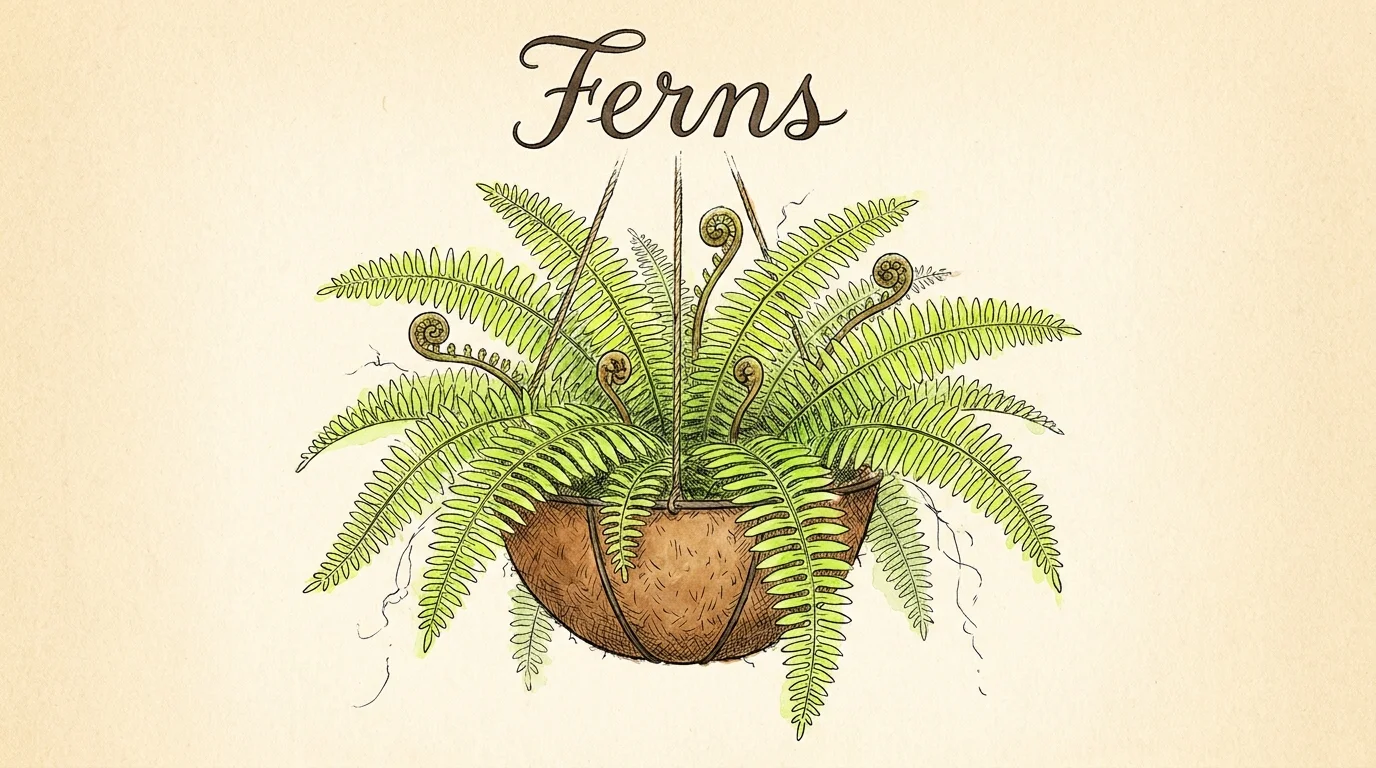
8. Ferns
Whether you are growing classic Boston ferns in hanging baskets or striking Japanese painted ferns in a shaded corner of your patio, these ancient plants are entirely dependent on moisture to thrive. Ferns do not have deep taproots; instead, they rely on a dense mat of fine, hair-like roots that sit very close to the soil surface. They also absorb a significant amount of moisture directly from the air.
A summer thunderstorm creates the perfect microclimate for ferns, soaking their shallow roots while simultaneously pushing the relative humidity of the air close to one hundred percent. This prompts the ferns to unfurl new fronds—tightly coiled structures known as fiddleheads—at an accelerated rate. After a storm, you will notice your ferns look significantly fuller and greener. Ensure your hanging baskets have drainage holes so the ferns do not sit in standing water, which can quickly lead to root rot despite their love for moisture.
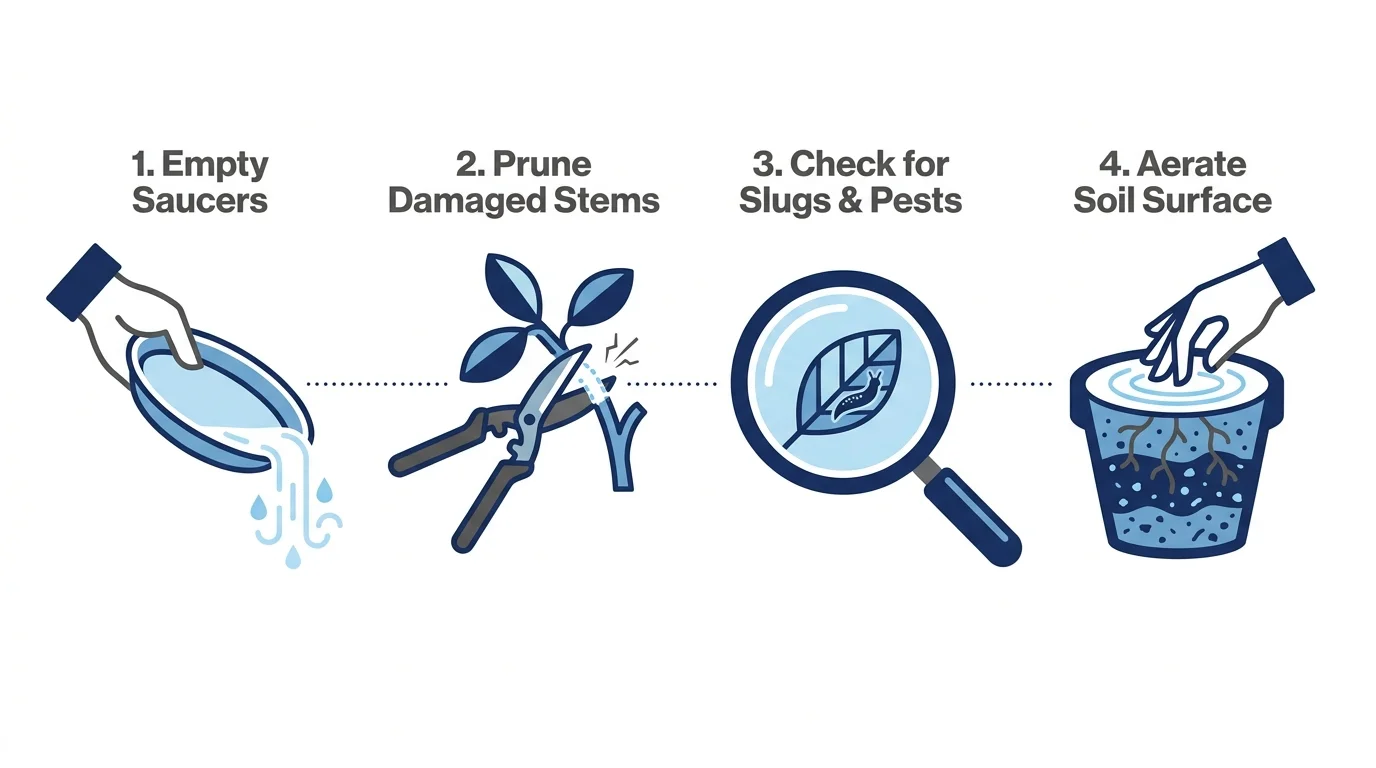
Step-by-Step Care for Your Garden After the Rain
While the rain does much of the heavy lifting, your plants still need your help to make the most of the sudden influx of water. Practicing good post-storm maintenance is one of the most vital gardening tips you can learn, ensuring your small space garden remains healthy and vigorous.
Step 1: Empty the Saucers. Walk through your patio or balcony and inspect every single container. If you use plastic or ceramic saucers beneath your pots to catch drips, they will likely be overflowing after a heavy downpour. Empty these immediately. Leaving a plant sitting in a puddle of water suffocates the roots, preventing them from accessing the oxygen they need to survive. Standing water also serves as a prime breeding ground for mosquitoes.
Step 2: Check for Exposed Roots. Heavy, driving rain can easily wash potting soil away from the base of your plants, particularly in shallow containers or recently planted hanging baskets. Gently scoop up any displaced soil and pack it lightly back around the stems. If too much soil has washed away, top off the container with a fresh handful of compost or potting mix to protect the delicate surface roots from the baking sun.
Step 3: Support Heavy Stems. Water is incredibly heavy. Plants that were standing tall before the storm may be bowing or snapping under the weight of waterlogged blossoms and wet foliage. Gently shake the excess water off your plants, taking care not to break the stems. Tie wandering tomato vines back to their stakes, secure heavy clematis vines to their trellises, and prop up any drooping daylilies using small bamboo skewers or soft garden twine.
Step 4: Inspect for Pests. Snails and slugs thrive in wet, damp conditions. As soon as the rain stops, they will emerge from their hiding spots to feast on the tender new growth that the rain just stimulated. Do a quick visual inspection of your hostas, basil, and zucchini leaves. Hand-pick any pests you find, or set up a simple, shallow dish of beer near your most vulnerable plants to trap slugs before they can do significant damage.
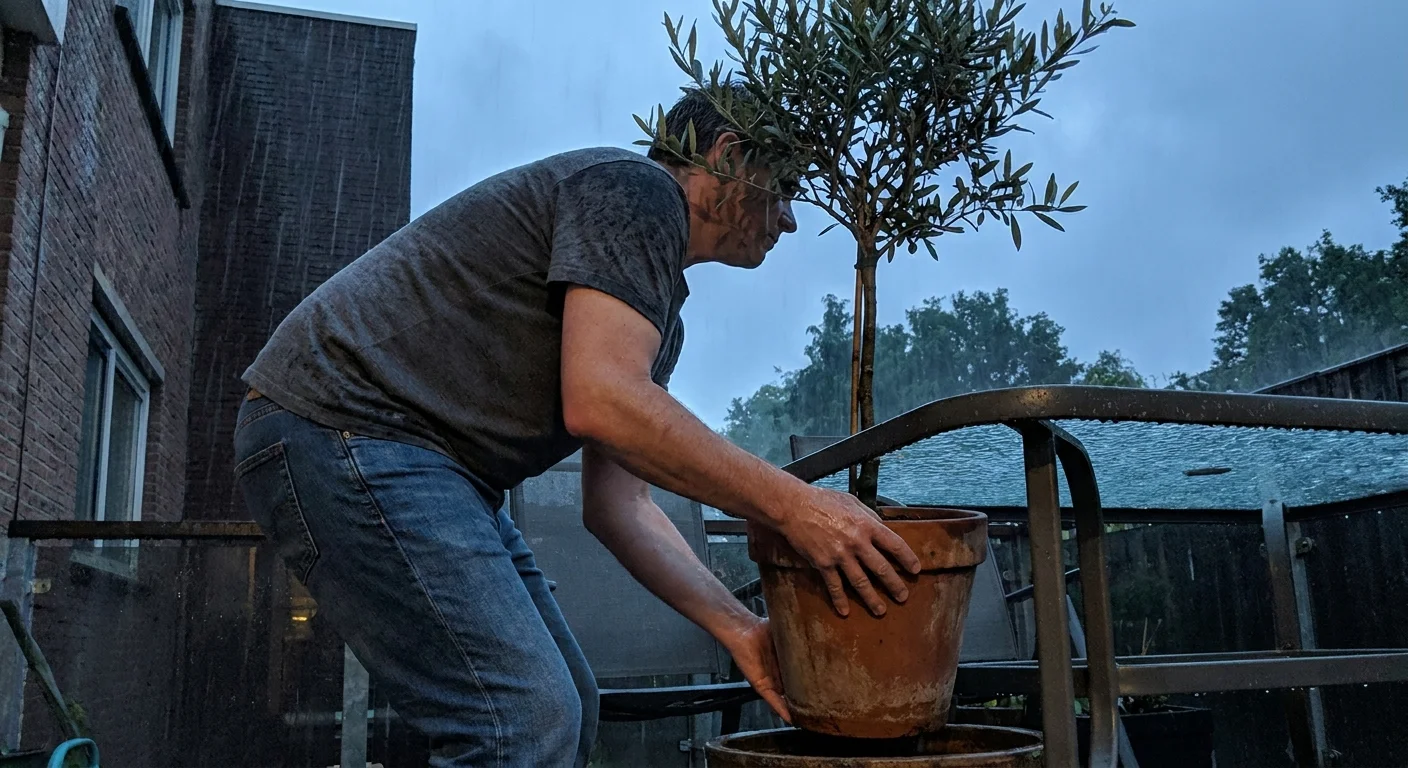
Protecting Container Gardens During Heavy Downpours
While summer rain is a blessing, severe thunderstorms accompanied by high winds and torrential downpours can wreak havoc on a small balcony garden. Taking proactive steps to protect your backyard plants ensures they receive the benefits of the rain without suffering structural damage.
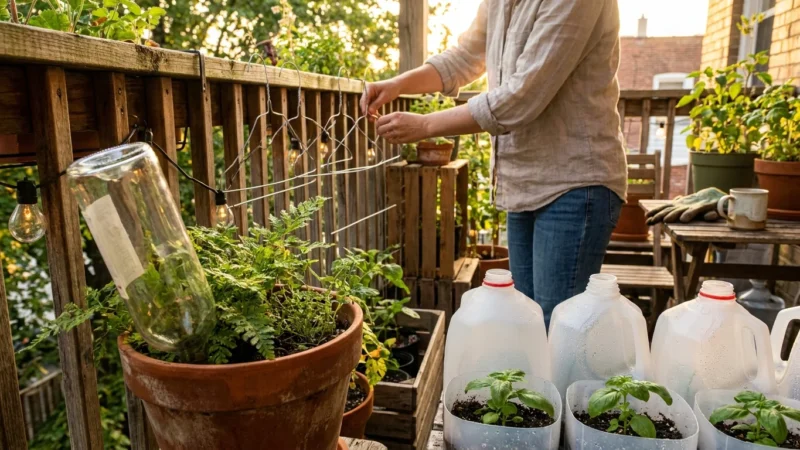
Heavy rain often comes with high winds, so it is vital to follow a pre-storm checklist to ensure your pots don’t tip over.
Wind is often the biggest threat during a summer storm. Tall, top-heavy plants like staked tomatoes or climbing vines act like sails, catching the wind and easily tipping over. If a severe storm is forecasted, temporarily move your tallest and most fragile potted plants against a structural wall or huddle them closely together in a corner of your patio. Grouping pots together provides mutual support and prevents them from blowing over.
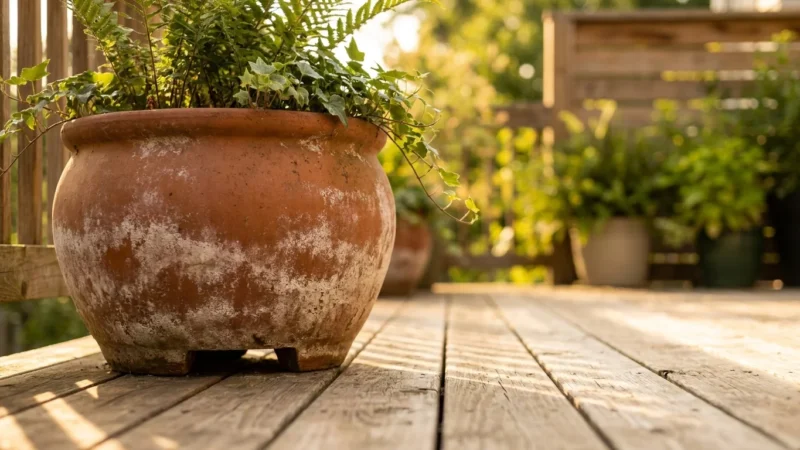
Drainage is absolutely critical when growing in containers. A severe downpour can drop several inches of rain in a matter of hours. If your pots do not drain quickly enough, your plants will drown. Ensure every single container you own has at least one large drainage hole at the bottom. To facilitate even faster drainage, elevate your pots slightly off the ground using specialized “pot feet,” small wooden blocks, or even spare bricks. Raising the pots by just one inch allows gravity to pull the water through the soil much faster, preventing the bottom layer of soil from turning into a muddy, anaerobic sludge.
For highly delicate plants, such as young basil seedlings or freshly planted ferns, consider providing temporary shelter. A simple patio umbrella, a lightweight row cover, or even an overturned clear plastic storage bin can shield fragile stems from the physical battering of large, heavy raindrops while still allowing the ambient humidity to benefit the plant.
Sustainable Methods for Harvesting Summer Rainstorms
Capturing and storing the nutrient-rich bounty of a summer storm is an incredibly smart, eco-friendly approach to gardening. Even if you have very limited space, you can easily harvest rainwater to use during the dry, scorching days of late August.
If you have access to a downspout, setting up a rain barrel is the most efficient method. For small spaces, look for slimline rain barrels designed to sit flush against a wall, or collapsible vinyl rain barrels that can be folded and stored away during the winter months. A single heavy thunderstorm sweeping across a typical residential roof can easily fill a fifty-gallon barrel in less than an hour. Ensure your rain barrel has a fine mesh screen over the intake hole to prevent debris from clogging the spigot and to stop mosquitoes from laying eggs in the standing water.
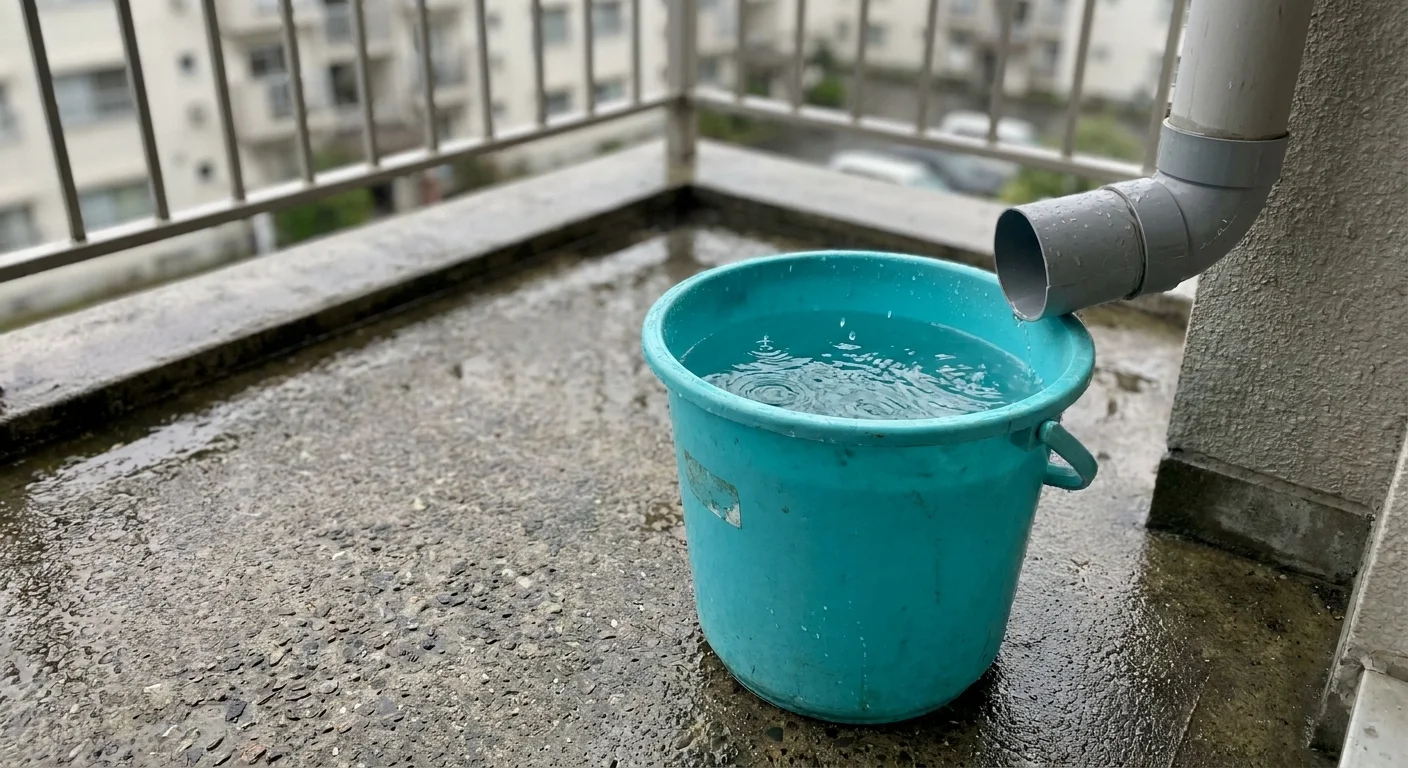
If you live in an apartment or do not have access to a roof gutter, you can still collect rainwater passively. Place clean, wide-mouthed buckets, large plastic storage tubs, or even empty watering cans directly on your balcony before the storm hits. Every gallon you catch is a gallon of highly oxygenated, nitrogen-rich water that you can use on your houseplants or container garden later in the week.
Another sustainable option is utilizing self-watering planters. These specialized containers feature a false bottom that creates a hidden water reservoir beneath the soil. During a heavy rainstorm, the excess water drains through the soil and fills the reservoir. As the soil dries out in the days following the storm, the plant naturally wicks the stored rainwater back up to its roots, ensuring a steady, consistent supply of moisture without any effort on your part.
Common Post-Rain Mistakes You Need to Avoid
It is easy to let your guard down after a good storm, assuming nature has handled all your gardening chores for the week. However, there are several common mistakes gardeners make in the days following heavy rainfall that can undo all the benefits the storm provided.
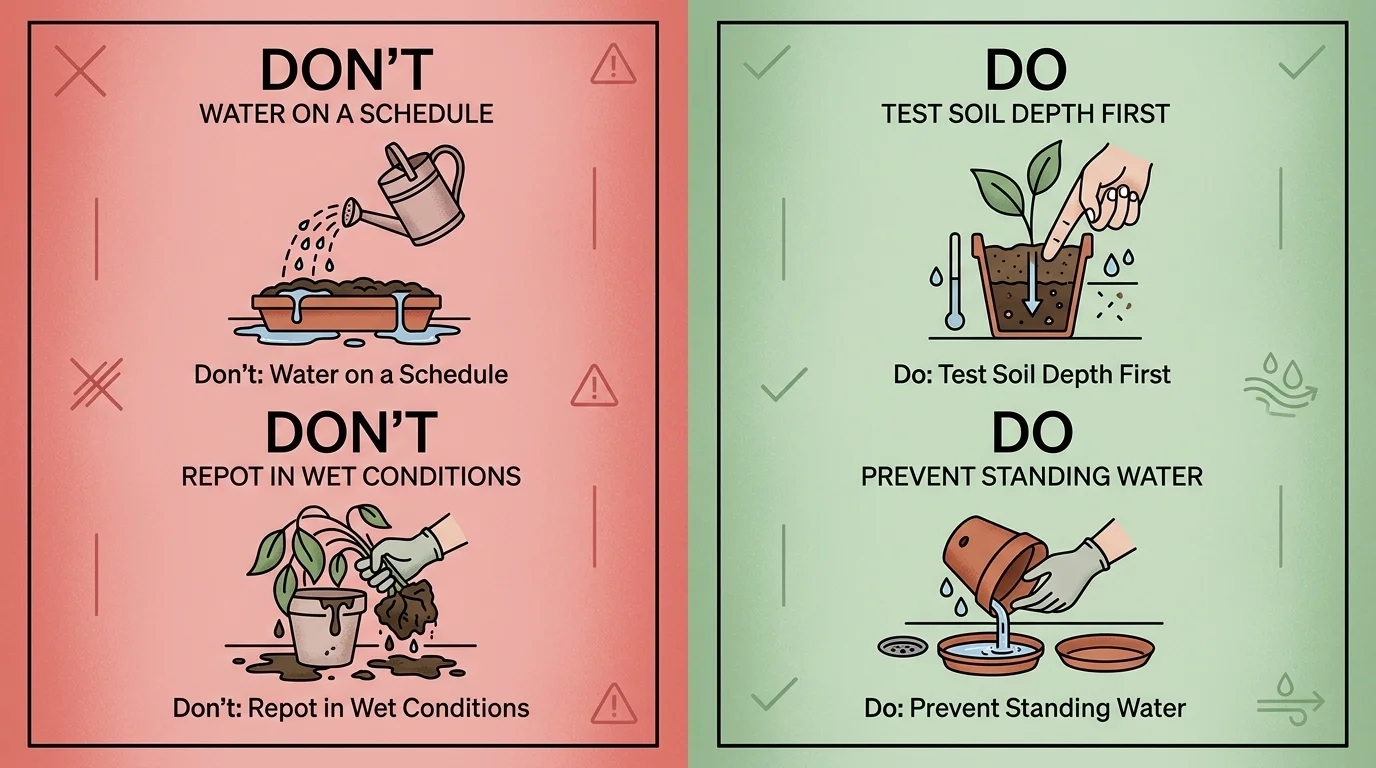
Do not assume the rain watered your plants deeply enough. This is known as the “canopy effect.” Large, bushy plants like tomatoes, zucchinis, and hostas have expansive leaves that act like an umbrella, shedding water away from the base of the plant and out over the edges of the pot. While the surrounding patio may be soaking wet, the soil directly at the stem of the plant might be bone dry. Always poke your finger about two inches into the potting soil after a storm. If it feels dry below the surface, you still need to water.
Avoid working with wet soil. When potting soil is fully saturated, the water acts as a lubricant between the organic particles. If you dig, plant, or aggressively weed wet soil, you risk crushing the microscopic air pockets—known as macropores—that roots rely on for oxygen. This leads to severe soil compaction. Wait until the soil has dried out to the consistency of a wrung-out sponge before doing any major digging or repotting.
Hold off on applying liquid fertilizers immediately after a heavy rain. Your plants just received a natural dose of nitrogen from the atmosphere, and the soil is already holding as much liquid as it can. Pouring additional liquid fertilizer onto saturated soil means the nutrients will simply wash straight through the drainage holes and out onto your patio, wasting your money and potentially causing fertilizer burn if the synthetic salts get trapped against wet roots. Wait at least a week after a major storm before resuming your normal feeding schedule.
Frequently Asked Questions
Why do my plants look droopy after a heavy rain?
Drooping after a rainstorm is usually caused by the sheer physical weight of water resting on the leaves and stems. Once the sun comes out and the water evaporates, the plant should bounce back. However, if the drooping persists for days, it is likely a sign of poor drainage. Roots submerged in waterlogged soil cannot absorb oxygen, leading to suffocation and wilting. Always check your container’s drainage holes to ensure water is flowing freely.
Should I fertilize immediately after a summer storm?
No, you should wait. Summer rainstorms naturally deposit bioavailable nitrogen into the soil, giving your plants a gentle feeding. Furthermore, adding liquid fertilizer to soil that is already saturated will result in the nutrients washing right out the bottom of the pot. Wait five to seven days before applying any supplemental fertilizers to your garden.
How long does the nitrogen boost from a thunderstorm last?
The visible effects of a nitrogen boost—greener leaves and rapid stem elongation—typically appear within twenty-four to forty-eight hours and can sustain the plant for about a week to ten days, depending on the temperature and how quickly the plant is growing. Fast growing plants will utilize these nutrients very quickly.
Can heavy rain spread plant diseases?
Yes, heavy rain can splash fungal spores and soil-borne pathogens from the surface of the dirt onto the lower leaves of your plants. This is particularly common with tomato blight and powdery mildew on squash plants. You can prevent this by adding a layer of organic mulch over your soil, which acts as a barrier and stops the rain from splashing dirt onto the foliage.
For trustworthy gardening information, visit:
University of Maine Cooperative Extension — Gardening, University of Rhode Island Cooperative Extension — Gardening, Connecticut Agricultural Experiment Station and Massachusetts Horticultural Society. These organizations provide expert, research-based advice for gardeners at all levels.
Disclaimer: This article is for informational purposes only and is not a substitute for professional gardening advice. Always consult local extension services or horticulture experts for region-specific guidance.

Leave a Reply