
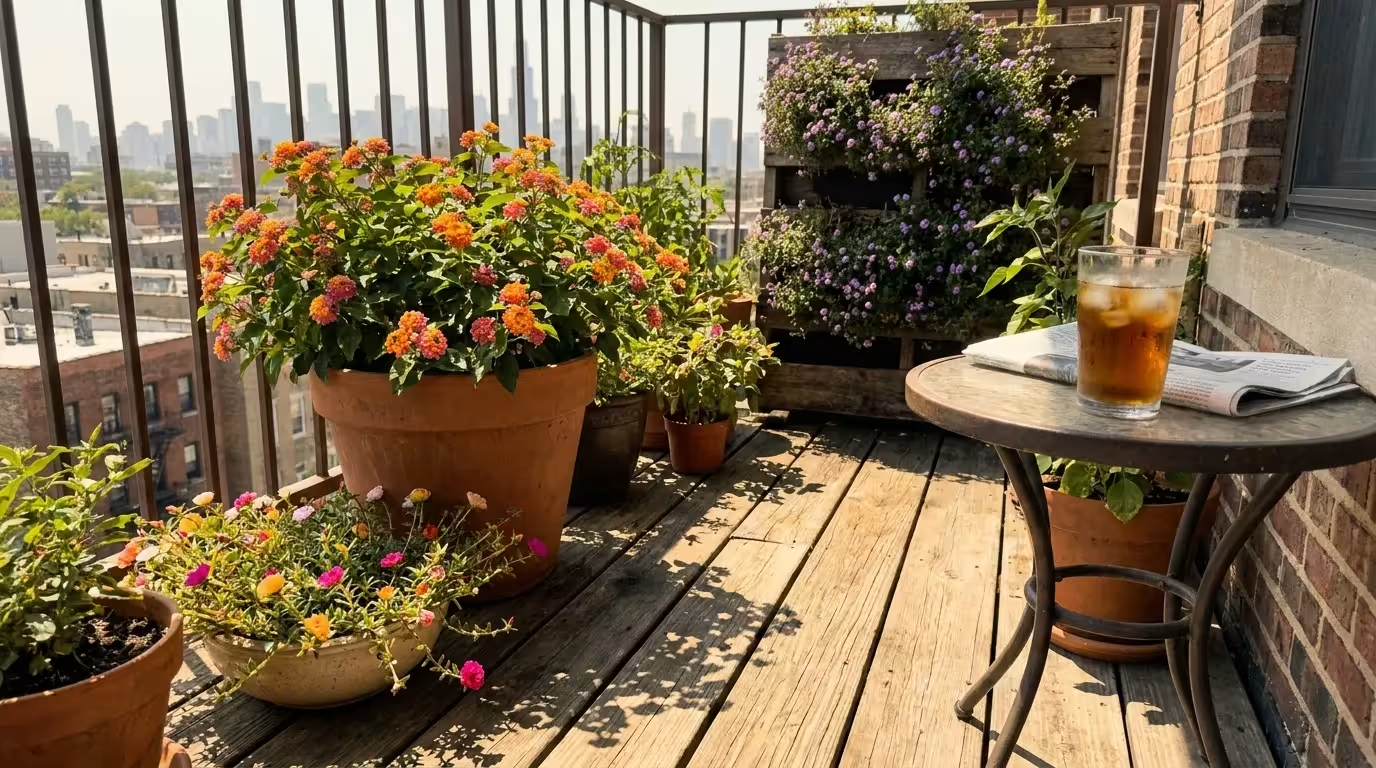
As summer temperatures climb and rain becomes scarce, keeping a vibrant garden alive often feels like an impossible chore. You can transform your sun-baked yard into a thriving oasis without tripling your water bill by choosing the right drought tolerant flowers.
Heat resistant flowers naturally adapt to harsh conditions through deep taproots and moisture-storing foliage, saving you time and resources. Building a resilient landscape guarantees a beautiful display straight through the hottest months.
This guide walks you through seven low maintenance plants that flourish in sweltering heat, along with expert gardening tips to help them establish strong roots, resist common pests, and brighten your outdoor space with practically zero effort.
Contents7 sections
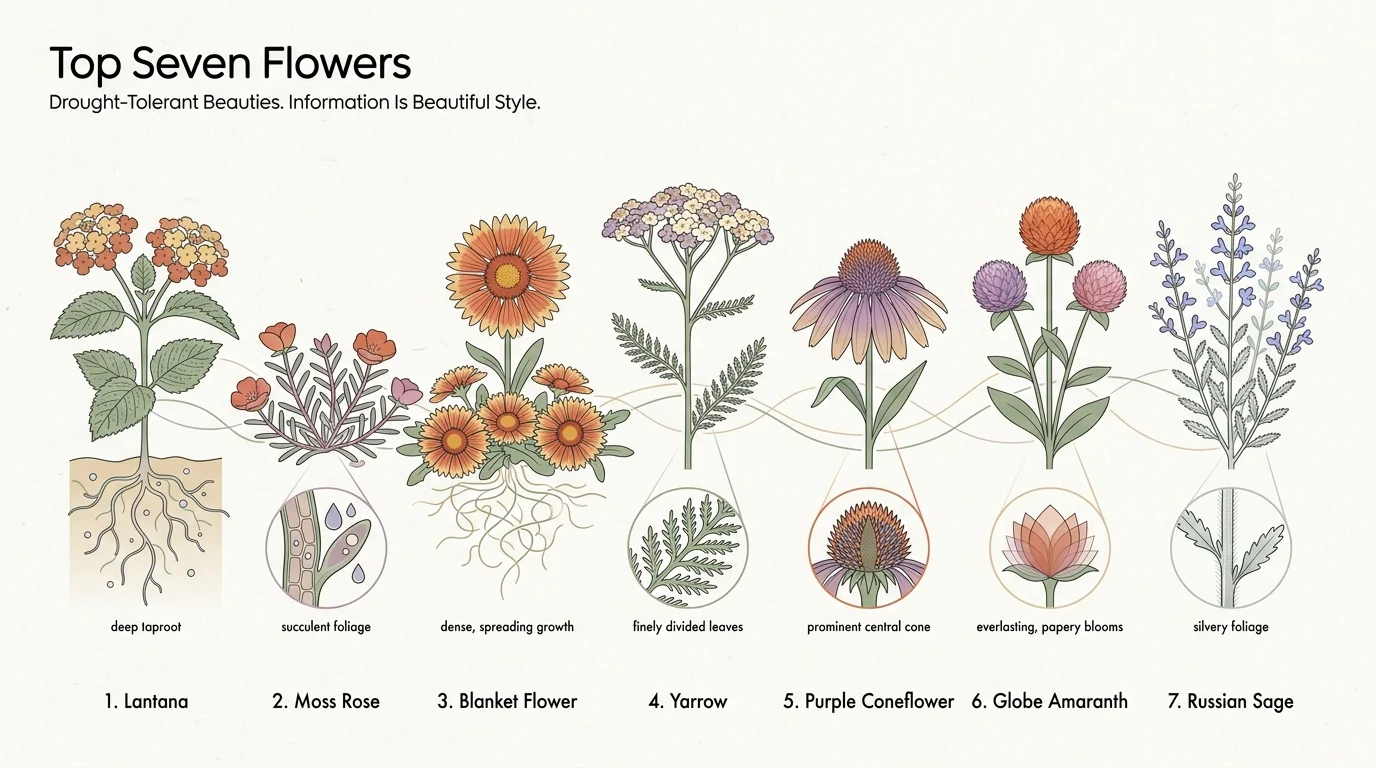
Top Seven Drought Tolerant Flowers
Selecting the right plants serves as the foundation of any successful low-water garden. Plants native to arid climates or open prairies have spent thousands of years developing survival mechanisms to handle relentless sun and dry earth.
Some develop deep taproots that reach subterranean moisture, while others grow silvery or fuzzy foliage that reflects intense light and slows water evaporation. When you plant these seven flowers, you actively reduce your garden maintenance while supporting local pollinators.
Even with limited square footage, you can transform a tiny yard into a garden oasis by incorporating these resilient, sun-loving varieties into your layout.
1. Lantana (Lantana camara)
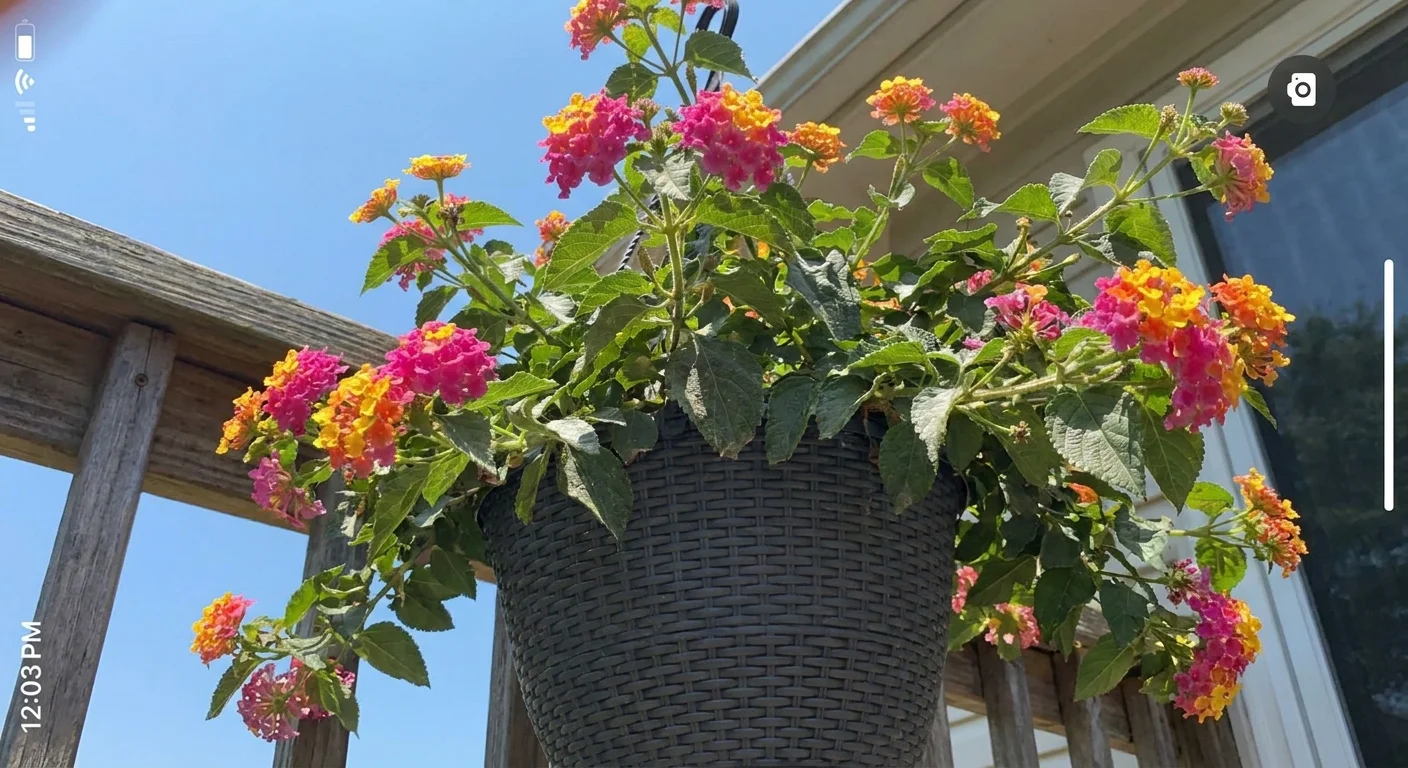
Lantana stands out as a champion among heat resistant flowers. This rugged perennial produces dense, continuous clusters of blooms in vibrant shades of pink, yellow, orange, and red.
As the flowers age, they often change color, creating a striking multi-toned effect on a single plant. Lantana thrives in full sun and easily shrugs off temperatures that would scorch more delicate ornamentals.
You can use trailing varieties of Lantana in hanging baskets or raised beds, where they spill gracefully over the edges. Upright bush varieties work beautifully as border plants.
Once established, Lantana requires almost no supplemental watering. It also offers excellent deer resistance due to its slightly rough, pungent leaves.
Butterflies and hummingbirds treat Lantana as a prime nectar source, making it a fantastic addition to pollinator gardens. Plant Lantana in well-draining soil and give it plenty of space, as it grows vigorously throughout the hottest months of the year.
2. Moss Rose (Portulaca grandiflora)
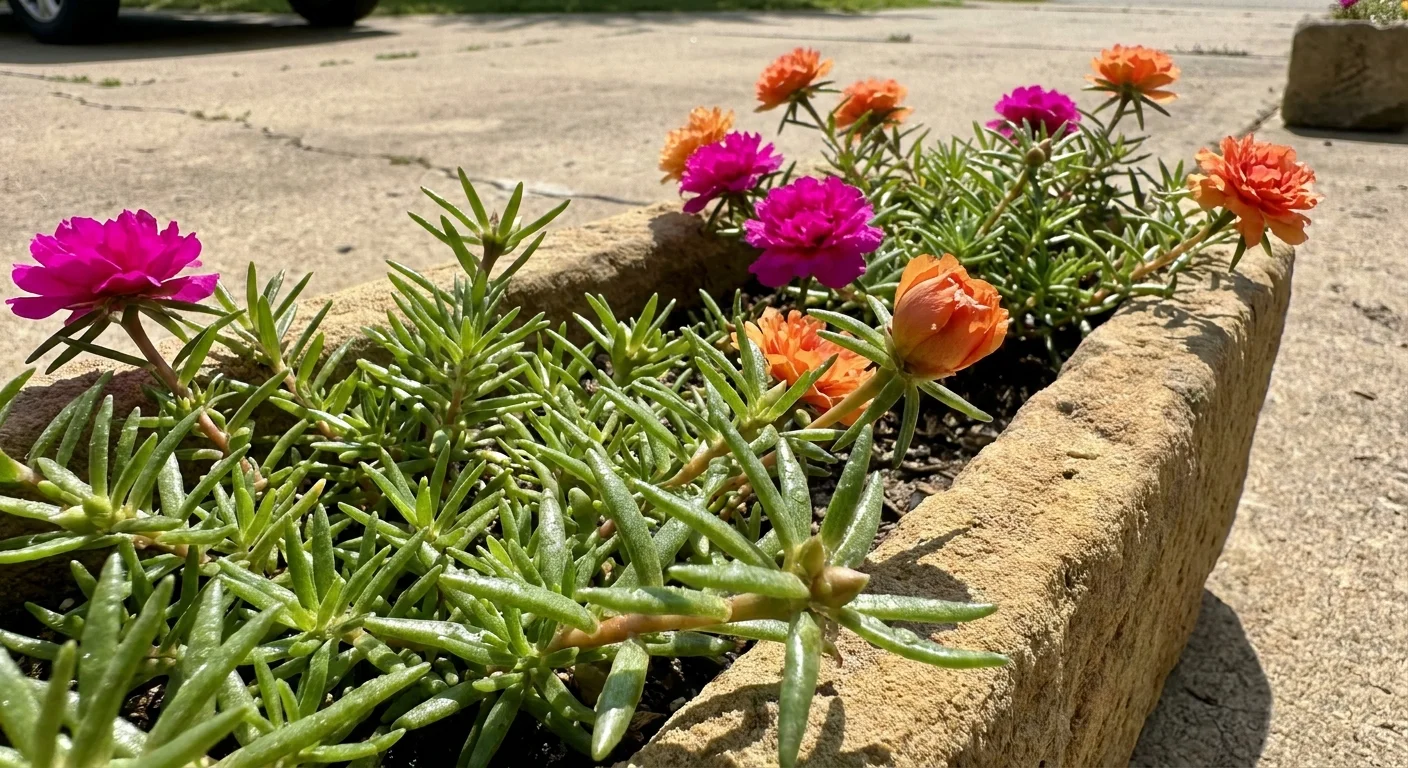
If you have a patch of dry, sandy soil where nothing seems to grow, Moss Rose provides the perfect solution. This low-growing succulent features fleshy, needle-like leaves that store water efficiently, allowing the plant to survive extended droughts without wilting.
The blooms look like miniature roses and come in brilliant neon shades of magenta, yellow, orange, and white.
Moss Rose exhibits a fascinating behavior; the flowers open wide in bright sunlight and close up tightly at night or on cloudy days.
You will find this plant highly useful for rock gardens, edging hot concrete driveways, or planting in shallow containers that dry out quickly. Because Moss Rose actively stores water in its stems and leaves, overwatering poses a far greater threat than underwatering.
Wait until the soil feels completely dry to the touch before offering a light drink. This plant often self-seeds, delightfully popping up in unexpected crevices the following summer.
3. Blanket Flower (Gaillardia)
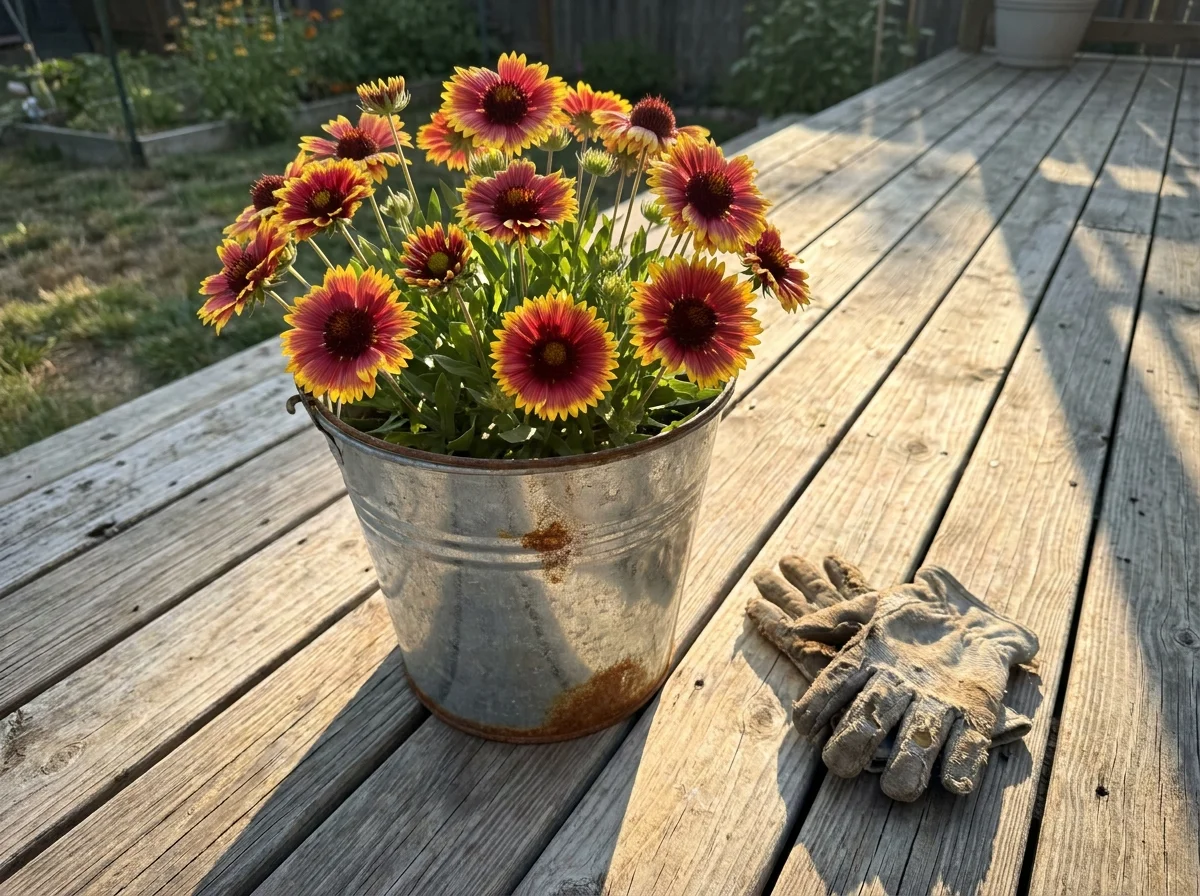
Native to the harsh environments of the American prairies, the Blanket Flower brings bold, fiery color to your summer gardening projects. The daisy-like blooms typically feature red centers surrounded by bands of orange and yellow, closely resembling the vibrant patterns of traditional woven blankets.
Blanket Flowers bloom relentlessly from early summer straight through to the first frost.
This perennial thrives in poor, rocky soils where other flowers struggle to survive. Rich, heavily amended soils actually weaken the Blanket Flower, causing it to grow floppy and produce fewer blooms.
When you add this plant to your garden, ensure the location receives at least six to eight hours of direct sunlight daily. Good winter drainage proves critical; the only thing that reliably kills a Blanket Flower is cold, soggy soil during its dormancy.
Snip off the faded flowers—a process called deadheading—to redirect the plant’s energy into producing fresh buds rather than setting seed.
4. Yarrow (Achillea millefolium)
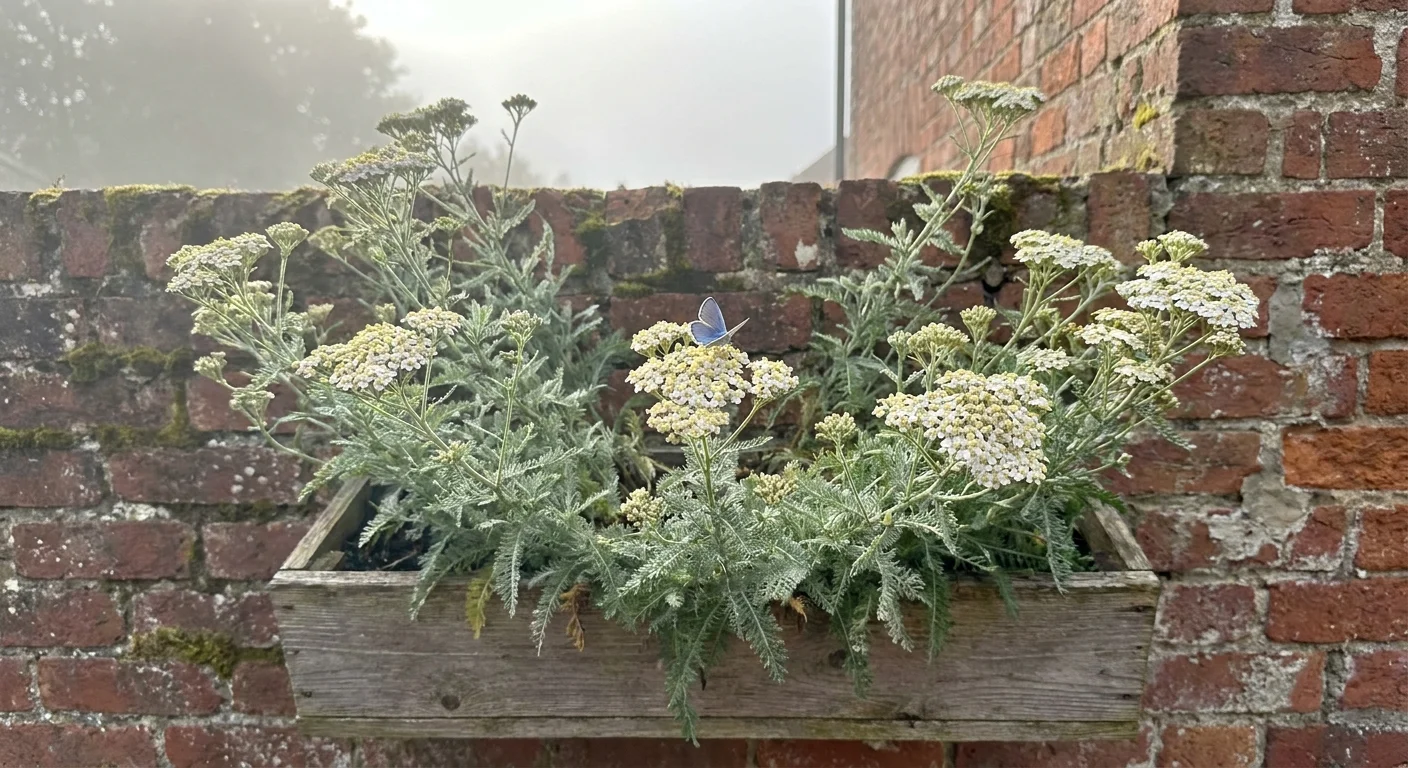
Yarrow combines delicate aesthetics with an iron-clad constitution. It produces tall, sturdy stems topped with wide, flat clusters of tiny flowers in shades of yellow, white, pink, or red.
These flat flower heads serve as perfect landing pads for beneficial insects, including predatory wasps and butterflies.
The true secret to Yarrow’s drought tolerance lies in its foliage. The feathery, fern-like leaves have very little surface area, which dramatically reduces water loss through transpiration.
Yarrow spreads enthusiastically through underground rhizomes, making it an excellent ground cover for large, sun-baked slopes where grass refuses to grow. You can divide overgrown clumps every three years to keep the plant vigorous and share the extra roots with neighbors.
Yarrow demands excellent drainage and despises wet feet, so skip the heavy mulch and let the soil breathe.
5. Purple Coneflower (Echinacea purpurea)
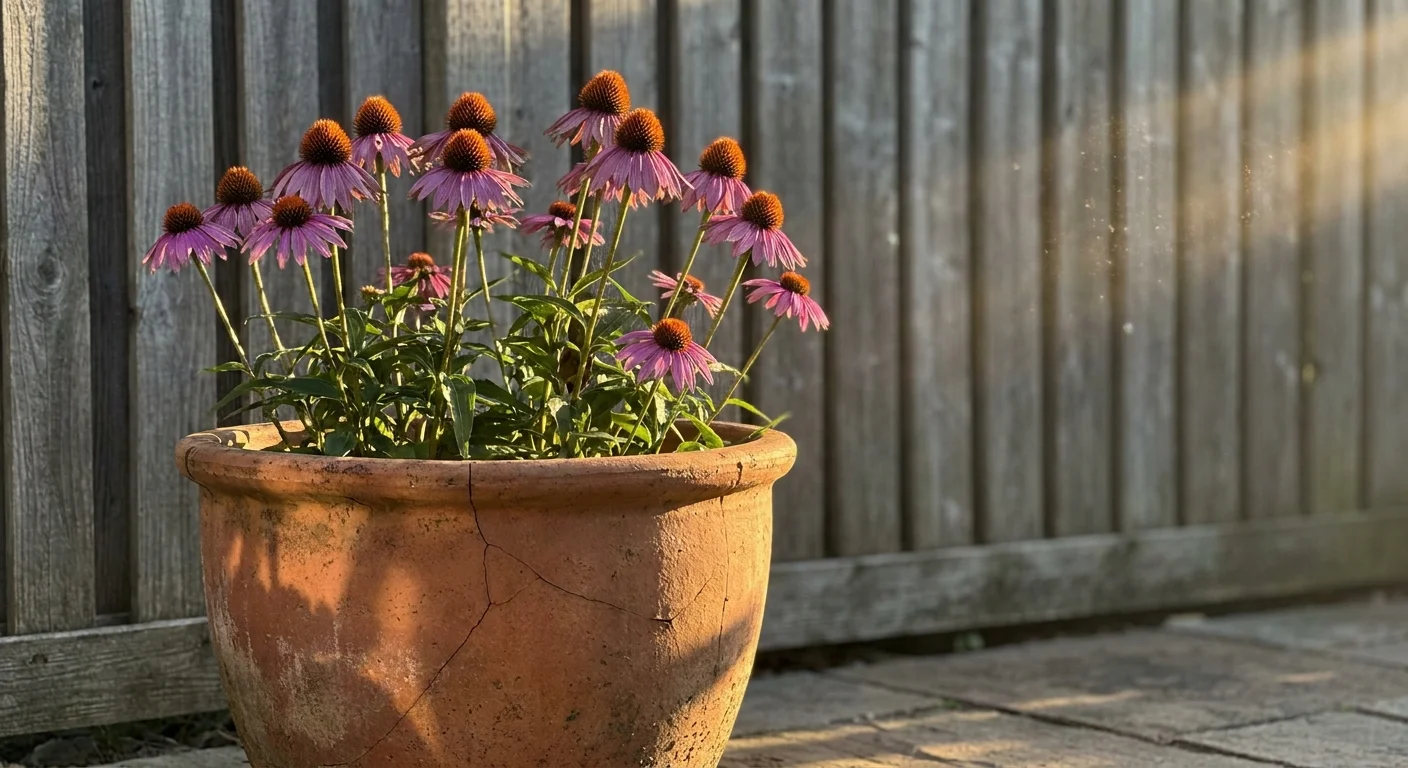
The Purple Coneflower reigns supreme in the realm of low maintenance plants. With its downward-sweeping pinkish-purple petals and prominent, spiky orange central cones, this plant adds architectural height and classic beauty to any landscape.
Coneflowers develop an extensive taproot system that reaches deep into the earth to find hidden moisture, rendering them nearly invincible once fully mature.
Because of that deep taproot, you should choose your planting spot carefully; Coneflowers do not like being dug up and moved once established. They perform best in full sun and handle intense mid-afternoon heat flawlessly.
Beyond their summer beauty, Coneflowers provide exceptional winter interest. If you leave the dried, blackened seed heads standing through the autumn, they will attract and feed local songbirds like goldfinches when food becomes scarce.
Echinacea also repels most common garden pests, saving you the trouble of constant monitoring.
6. Globe Amaranth (Gomphrena globosa)
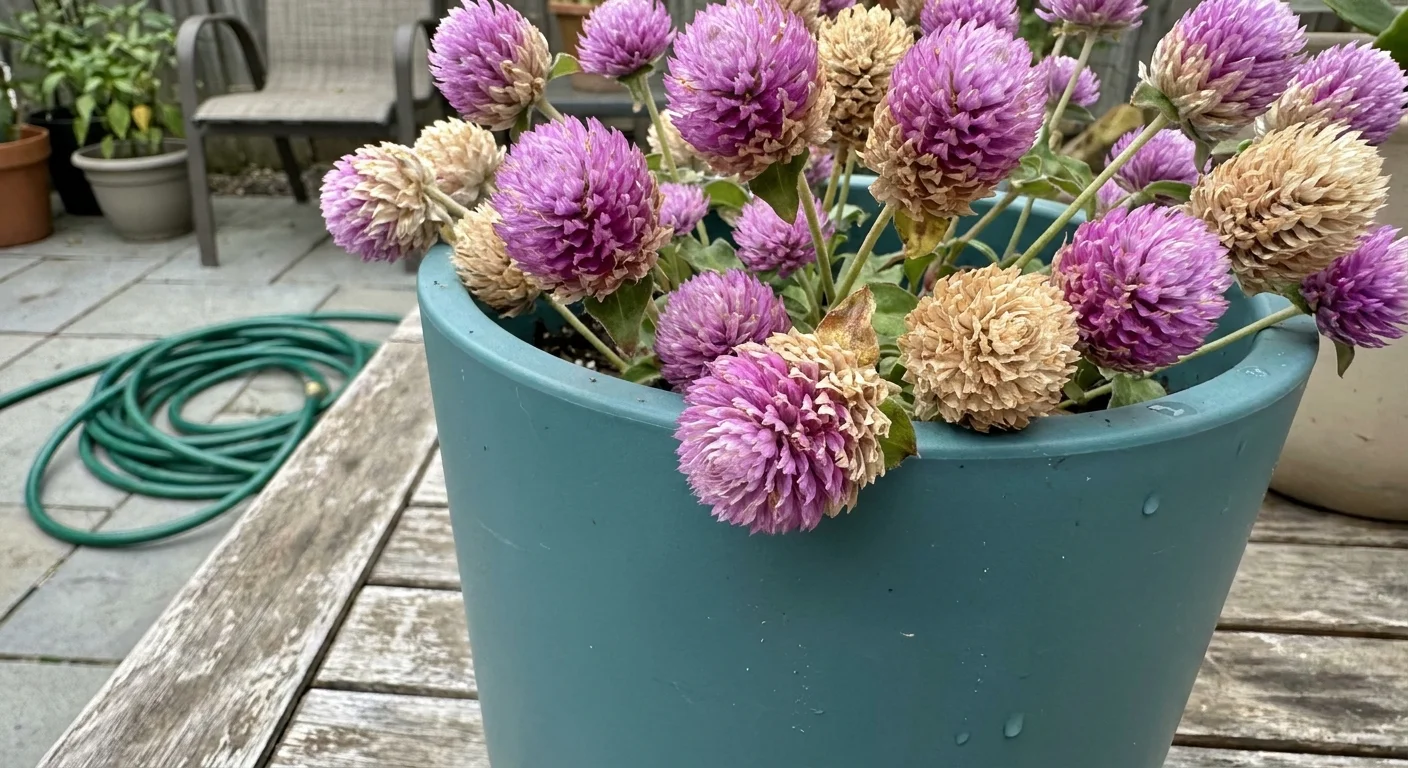
Globe Amaranth provides a unique texture to the summer garden with its clover-like, spherical blooms that feel stiff and papery to the touch. These colorful bracts retain their vibrant purple, pink, or white hues even under the most punishing ultraviolet light.
The flowers last for weeks on the plant and make phenomenal additions to fresh or dried floral arrangements.
This annual thrives in intense heat and actually requires high temperatures to trigger aggressive growth. While Globe Amaranth prefers reasonably well-drained soil, it adapts surprisingly well to heavy clay compared to other drought tolerant flowers.
You do not need to deadhead Gomphrena to keep it blooming; it naturally continues pushing out new spheres all season long. Plant them in large drifts for a spectacular visual impact that requires practically no intervention once the seedlings take root.

7. Russian Sage (Perovskia atriplicifolia)
Russian Sage acts as a structural anchor in the dry landscape. It grows into a large, airy subshrub featuring silvery-gray stems and clouds of tiny, lavender-blue flowers.
The pale, fuzzy foliage reflects intense sunlight, keeping the plant cool while significantly reducing moisture evaporation.
The aromatic oils embedded in the leaves give off a pleasant herbal scent when brushed against, while simultaneously deterring deer, rabbits, and harmful insects. Russian Sage loves a baking hot environment and lean, alkaline soils.
It grows quite large—often reaching up to four feet tall and wide—so give it plenty of room to spread.
To maintain a tidy shape and encourage vigorous new growth, cut the woody stems down to about six inches above the ground in early spring before the new leaves emerge.
Watering Schedules Made Simple
Mastering the watering routine for drought tolerant flowers involves understanding the difference between young, newly planted flowers and mature, established perennials. The term “drought tolerant” applies to plants with fully developed root systems.
A seedling freshly transplanted from a nursery pot has a small, shallow root ball and will die quickly if subjected to extreme heat without supplemental moisture.
To further simplify your maintenance, you might consider DIY self-watering containers to help keep your potted flowers hydrated during long weekends away.
During the first few weeks after planting, check the soil moisture frequently. Push your index finger about two inches into the dirt.
If the soil feels dry at that depth, deliver a slow, deep soaking. Deep watering encourages roots to grow downward seeking moisture.
Conversely, light, frequent sprinkling teaches roots to stay near the surface, making the plant highly vulnerable to hot weather.
Once your plants finish their first full growing season, you can radically reduce your watering efforts. Mature low maintenance plants often survive solely on natural rainfall.
During extended dry spells lasting more than two or three weeks, offer a single, heavy soaking at the base of the plant early in the morning. Watering at sunrise minimizes evaporation and allows the foliage to dry out quickly, preventing fungal issues.
| Plant Stage | Watering Frequency | Moisture Test Method | Primary Goal |
|---|---|---|---|
| Newly Planted (0-4 weeks) | Every 2-3 days | Check top 1 inch of soil | Prevent root ball from drying out entirely. |
| Establishing (1-3 months) | Once a week | Check top 2 inches of soil | Encourage roots to expand downward. |
| Fully Mature (Year 2+) | Every 2-4 weeks (only if no rain occurs) | Check soil 4 inches deep | Maintain plant life during severe heat waves. |
| Potted / Containers | Every 3-5 days depending on pot size | Check when the pot feels physically light to lift | Prevent the potting mix from shrinking away from the pot edges. |
When watering, always apply moisture directly to the soil rather than spraying the leaves. Using a soaker hose or drip irrigation system targets the root zone efficiently and eliminates water waste from wind drift or rapid surface evaporation.
Soil Health and Refreshing Mixes
Heat resistant flowers heavily rely on the right soil composition to survive. The biggest threat to these tough plants does not come from lack of water, but from poor drainage.
If you plant a drought-loving perennial in heavy, compacted clay, water will pool around the roots and cause them to suffocate and rot.
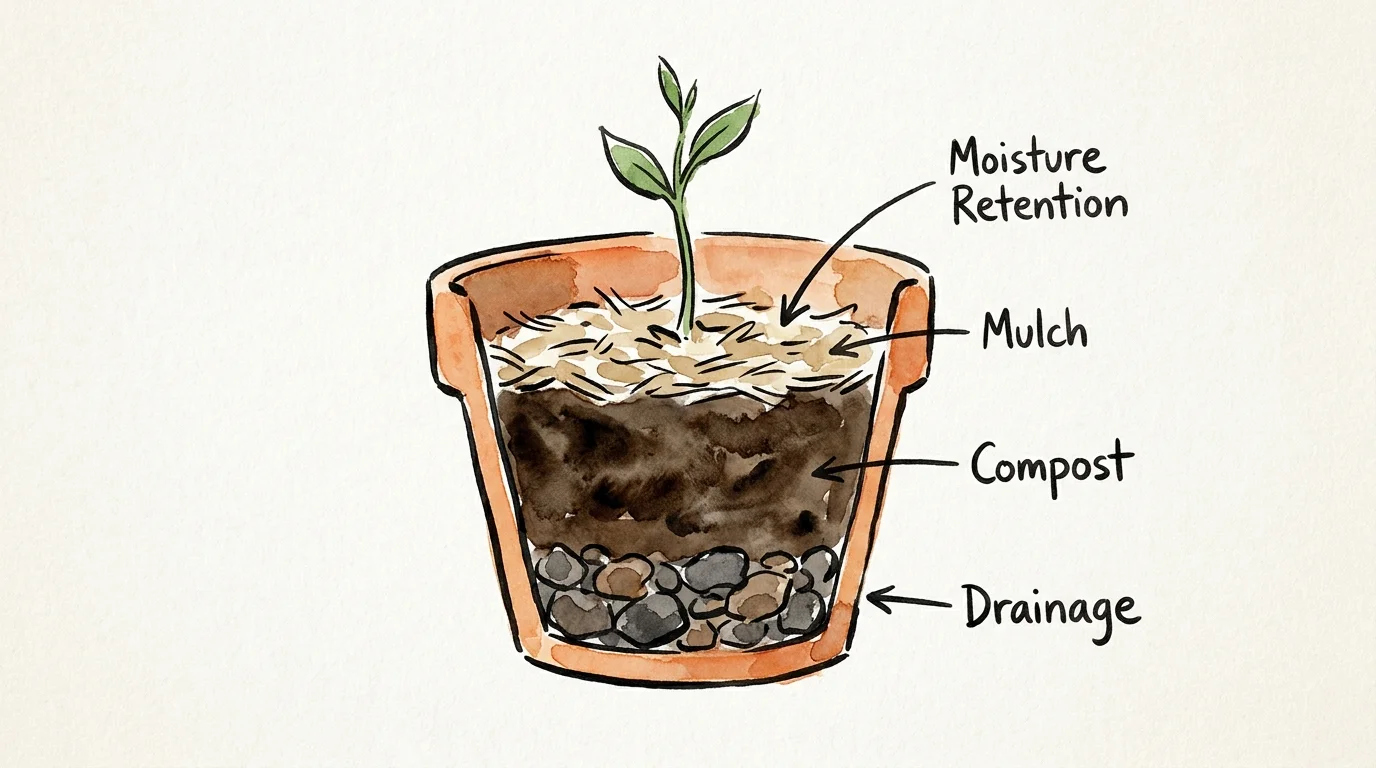
You can improve heavy soils by generously mixing in organic matter like coarse compost, paired with an aerating material such as pumice or expanded shale. Avoid adding fine play sand to clay soil, as the combination often hardens into a concrete-like texture.
Your goal involves creating a loose, well-draining environment where water flows through rapidly, leaving the soil barely damp.
For container gardening, standard commercial potting soils often hold too much moisture for dry-climate plants. Create a specialized, peat-free blend to promote aeration and sustainability.
Mix two parts coconut coir, one part coarse perlite or pumice, and one part high-quality compost. Coconut coir acts as an excellent, renewable alternative to peat moss.
It wets easily and provides great structure without holding excess water against the roots.
Top-dressing your garden beds with a layer of mulch offers another massive benefit for soil health. However, avoid thick layers of moisture-trapping bark around the immediate base of drought tolerant plants.
Instead, use a light layer of gravel or crushed stone. Inorganic mulches suppress weeds, keep the soil temperatures slightly cooler, and reflect sunlight back up into the canopy, all without promoting stem rot.
Feeding and Fertilizing in High Heat
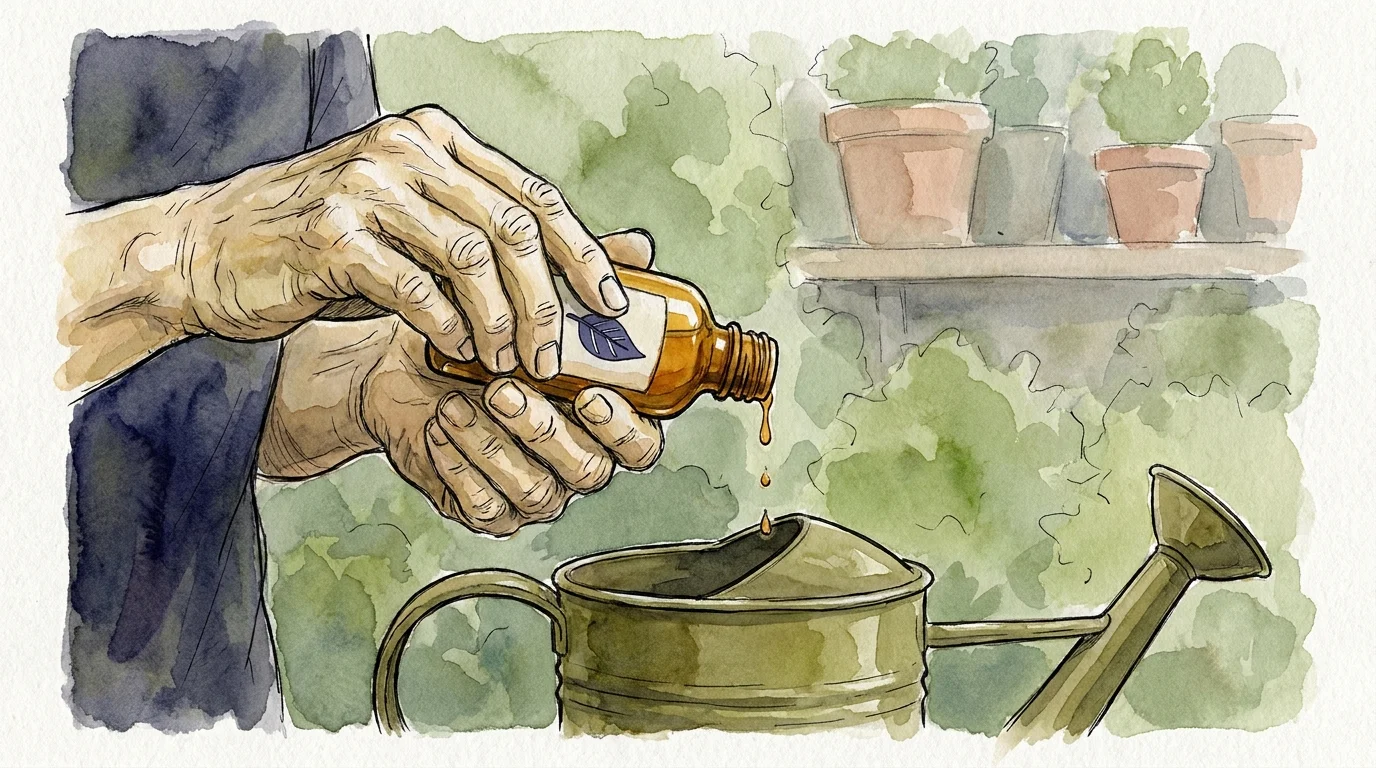
When the temperature spikes and your garden enters survival mode, you might feel tempted to help your plants by applying fertilizer. Resist this urge completely.
Fertilizing stressed plants causes far more harm than good.
During extreme heat, plants naturally slow down their metabolic processes to conserve energy and moisture. If you apply a high-nitrogen liquid fertilizer, you force the plant to push out tender new foliage.
This new growth demands massive amounts of water, which stresses the root system and ultimately weakens the plant. Furthermore, liquid synthetic fertilizers contain high levels of dissolved salts.
In dry soil, these salts quickly accumulate and physically burn the delicate root hairs, leading to rapid decline.
Drought tolerant flowers naturally prefer lean soils. They evolved to pull trace minerals from rocky, barren earth.
You rarely need to supply them with chemical plant food. Instead, focus on building slow, long-term soil fertility.
Top-dress your garden beds with an inch of well-rotted organic compost in the early spring before the intense heat arrives. As it breaks down, the compost gently releases a balanced spectrum of nutrients directly to the root zone.
If you insist on feeding container plants, use a gentle, slow-release organic granular fertilizer just once at the beginning of the growing season. By letting your low maintenance plants feed at their own pace, you encourage hardier, more resilient growth.
Pruning and Shaping for Resilience
Thoughtful pruning plays a critical role in helping your garden survive a harsh summer. Proper shaping directs the plant’s limited energy to the most important areas: strong stems and vibrant blooms.
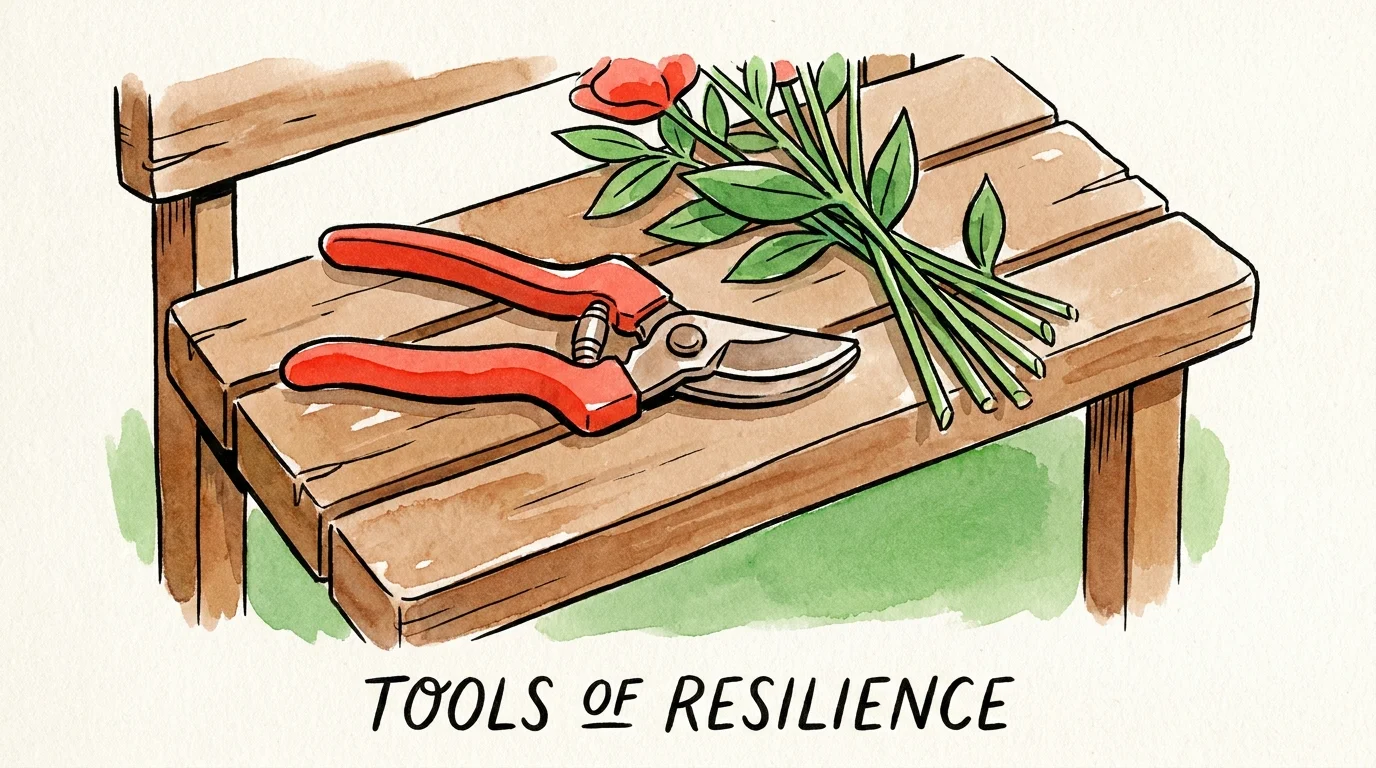
Deadheading stands out as your most important summer maintenance task. Whenever a flower fades and begins to shrivel, cut it off right above the nearest set of healthy leaves.
If left alone, the plant will pour large amounts of water and energy into producing seeds. Removing the spent blooms signals the plant to produce more flowers instead.
Flowers like Blanket Flower and Lantana respond incredibly well to aggressive deadheading, often pushing out a second or third flush of blooms.
You must also remove severely damaged, yellowing, or crispy leaves. When a leaf suffers irreversible heat damage, the plant still wastes resources attempting to repair it.
Snipping off dead foliage immediately lightens the plant’s workload. Additionally, thinning out dense, crowded centers improves vital air circulation.
Excellent airflow prevents stagnant, humid microclimates from forming around the stems, which keeps fungal diseases at bay.
Always maintain strict tool hygiene. Clean your pruning shears with a rag soaked in rubbing alcohol before moving from one plant to the next.
This simple gardening tip prevents the accidental spread of hidden bacteria or viruses across your landscape.
Pest and Disease Checks in Summer
Dry, sweltering weather creates the perfect breeding ground for specific garden pests. While drought tolerant flowers naturally resist most bugs, extreme stress can occasionally lower their defenses.
Spider mites represent the most common threat during a heatwave. These microscopic pests thrive in dusty, arid conditions.
They attack the undersides of leaves, sucking out plant sap and leaving behind tiny yellow speckles and fine, silky webs. You can stop a spider mite infestation easily without chemical pesticides.
Simply take your garden hose and forcefully spray the undersides of the foliage early in the morning. Spider mites hate high humidity and physical disruption.
Repeating this process every few days quickly knocks down their population.
Aphids might also appear on fresh new growth, even on tough plants like Yarrow. These soft-bodied green or black insects gather on the tips of stems.
Like spider mites, a strong blast of water easily removes them. If you encounter a severe infestation, you can apply organic insecticidal soap or neem oil.
Never apply any oils or soaps to your plants while the sun sits high in the sky. Oils magnify the sunlight and will severely burn the leaves.
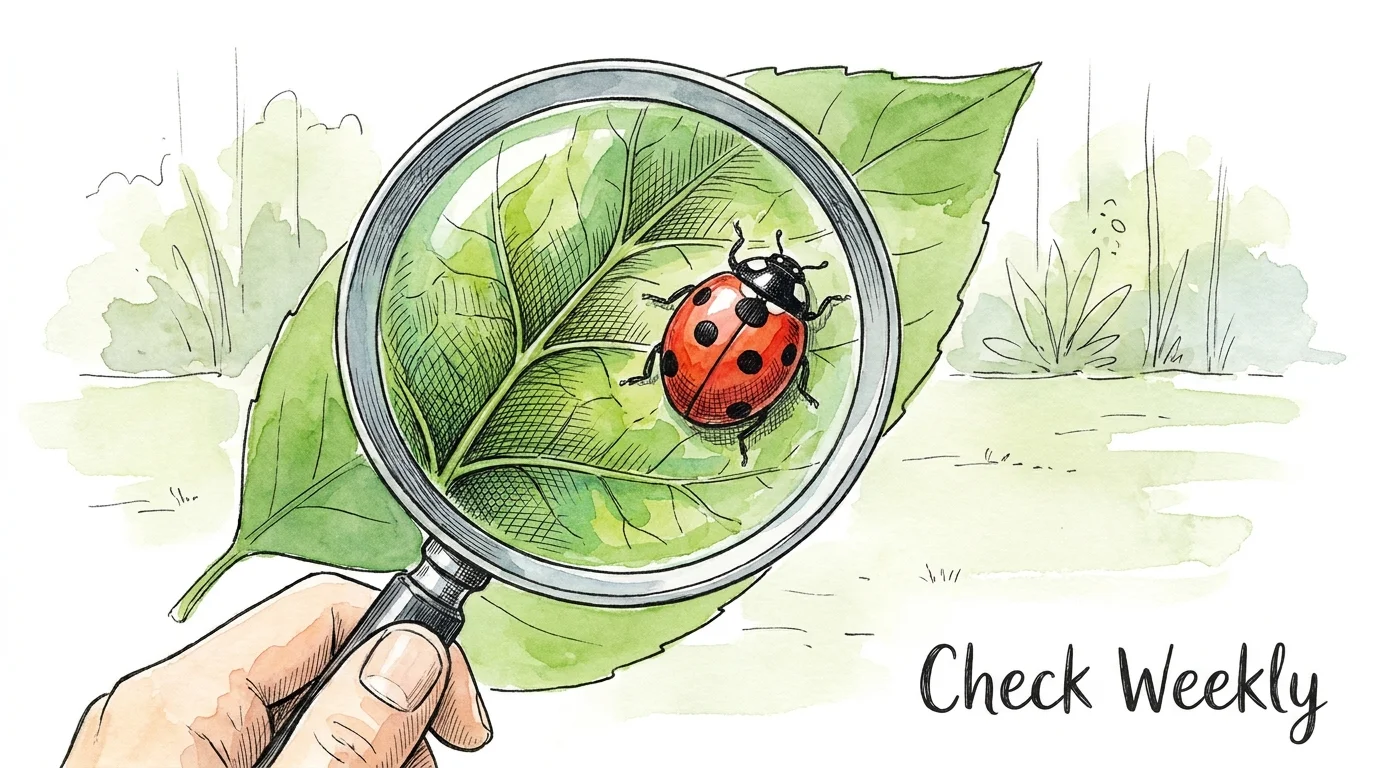
Always apply treatments in the late evening, giving the liquid time to dry before the next day’s sun hits the garden. Regular weekly inspections allow you to catch pests before they cause meaningful damage to your low maintenance plants.
Frequently Asked Questions
Do drought-tolerant flowers need water immediately after planting?
Yes. The term drought tolerant only applies to established plants with mature root systems.
When you place a new plant in the ground, you must water it thoroughly and consistently for the first few weeks. Check the soil moisture frequently and slowly taper off the watering frequency as the roots grow deeper into the surrounding earth.
Can I grow heat resistant flowers in containers?
You absolutely can, but you must adjust your expectations regarding water. Potted plants dry out significantly faster than plants in the ground because the sun directly heats the sides of the container.
A plant that survives on rainfall alone in a garden bed may require watering twice a week when restricted to a pot. Always choose large containers with ample drainage holes.
Should I cut back my perennials before a major heatwave?
You should remove completely dead or diseased foliage, but avoid aggressive pruning immediately before or during extreme heat. The existing canopy actually casts shade over the base of the plant, helping to keep the root zone cooler.
Pruning stimulates new growth, which requires extra water that the plant cannot afford to lose during a heatwave.
Why are my drought tolerant flowers turning yellow?
Yellowing leaves on low-water plants almost always indicate overwatering or poor soil drainage. When roots sit in soggy soil, they suffocate and lose the ability to absorb oxygen and nutrients, leading to yellow foliage.
Stop watering immediately, check the drainage, and ensure the soil dries out completely before adding any more moisture.
For research-based plant care guidance, visit
Washington State University Hortsense, University of Minnesota Extension and Penn State Extension — Trees, Lawns and Landscapes.
Disclaimer: This article is for informational purposes only and is not a substitute for professional advice. Consult local extension services for region-specific recommendations.