🪴 Simple Garden Joy
  • Home
  • Container Gardening
  • Indoor Plants
  • Edible Gardening
  • Garden Design & Ideas
  • More
    • Sustainable & Eco-Friendly
    • Tools & Gear
    • Plant Care & Maintenance
    • Seasonal Tips

8 Garden Smells People Love The Most

May 13, 2026 · Uncategorized
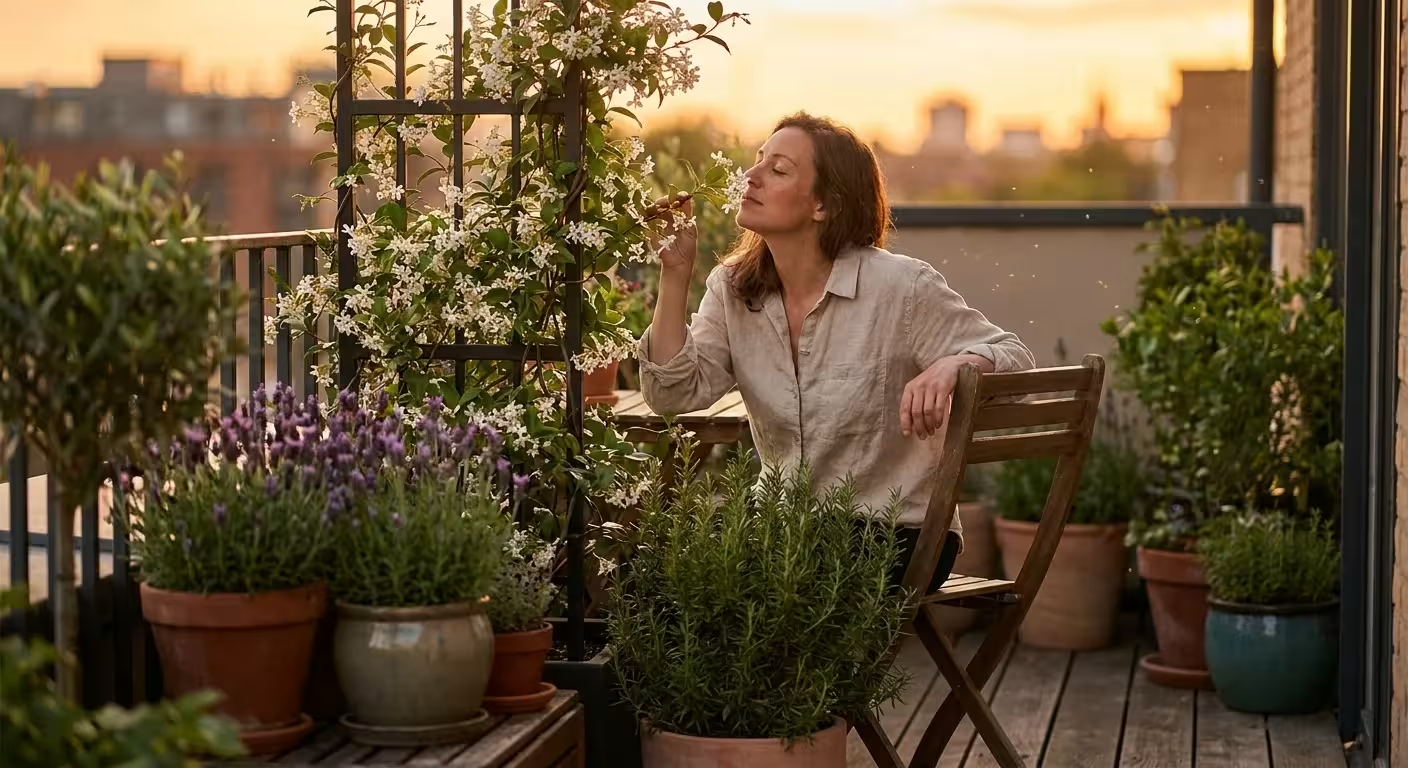
A woman relaxes on a small, lush balcony garden filled with potted jasmine and lavender during a golden sunset.

Step outside into your backyard or onto your apartment balcony and let the natural perfumes of your plants instantly melt away your daily stress. Transforming a tiny patio or windowsill into a sensory gardening paradise rewards you with intoxicating fragrances right outside your door. You do not need acres of land to cultivate plants that release captivating aromas—many of the most beloved scented flowers and herbs thrive beautifully in containers. Cultivating a fragrant oasis improves your well-being while supporting vital local ecosystems. Explore the essential techniques, soil requirements, and specific plant profiles you need to successfully grow the eight most universally cherished garden scents in your own compact outdoor living space.

Table of Contents

  • The Mechanics Behind Sensory Gardening
  • The Eight Favorite Garden Smells for Small Spaces
  • Step-by-Step Guide to Designing Fragrant Small Spaces
  • Container Soil Basics for Scented Plants
  • Eco-Friendly Practices for Growing Fragrant Flowers
  • Troubleshooting Scent Loss and Plant Health
  • Frequently Asked Questions
A scientific diagram showing how plant glands release compounds that travel to the human olfactory bulb and brain.
Volatile organic compounds travel from specialized plant glands to the brain, triggering emotional processing and memory.

The Mechanics Behind Sensory Gardening

To truly master sensory gardening, you first need to understand how plants produce and release their aromas. Plants generate complex chemical compounds known as volatile organic compounds. These microscopic molecules rest within specialized glands on the surfaces of leaves, stems, and flower petals. When the sun warms the plant, or when a gentle breeze rustles the foliage, these glands release the volatile organic compounds into the surrounding air. This mechanism exists primarily to ensure the survival of the plant; the alluring smells attract essential pollinators like bees, butterflies, and hummingbirds, while simultaneously deterring hungry pests.

To enjoy these therapeutic benefits year-round, you can even create a mini indoor sensory garden to keep your spirits high during the winter months.

Your ability to perceive these fragrances depends heavily on your local environment. Temperature and humidity play massive roles in how smells travel across your backyard or balcony. Warm, humid air traps fragrance molecules, making floral scents smell incredibly dense and heavy during a summer evening. Conversely, cool, dry air disperses these compounds quickly. If you garden on a high-rise balcony exposed to stiff winds, the volatile oils from your plants might blow away before you ever get the chance to enjoy them. Creating a thriving aromatic space requires managing these environmental factors to trap and concentrate the smells right where you sit.

Integrating scented plants into your daily routine offers tangible physical and psychological benefits. The olfactory bulb in your brain connects directly to the amygdala and hippocampus—the regions responsible for emotion and memory. Brushing your hand against a rosemary bush or catching the sweet drift of jasmine triggers an immediate neurological response. Research consistently shows that specific botanical aromas lower cortisol levels, reduce heart rates, and alleviate symptoms of anxiety. By carefully selecting your plant palette, you build a functional, living apothecary tailored specifically to your emotional needs.

An artistic gouache illustration of eight different fragrant plants in pots lined up along a sunny windowsill.
Eight fragrant potted plants release colorful swirls of scent, bringing delightful garden aromas to small spaces.

The Eight Favorite Garden Smells for Small Spaces

Selecting the right plants dictates the success of your aromatic garden. Many traditional fragrant shrubs grow too large for a balcony, but breeders have developed incredible compact varieties tailored for container life. Here are the eight garden smells people love the most, along with practical instructions for cultivating them in small spaces.

A close-up photo of a hand gently touching purple lavender flowers in a clay pot on a sunlit patio.
A hand gently touches vibrant purple lavender sprigs in a terracotta pot to release their soothing scent.

1. Lavender: The Calming Classic

Few scents rival the clean, herbaceous, and deeply calming aroma of lavender. The scent comes from both the small purple flower spikes and the silvery-green foliage. For container gardening, English lavender varieties like Munstead or Hidcote perform exceptionally well because they stay compact and rarely exceed two feet in height. Lavender demands excellent drainage; its roots will rot rapidly if left sitting in wet, heavy soil. Plant your lavender in a porous terracotta pot filled with a gritty soil mix, and place it in a location that receives at least six to eight hours of direct sunlight every day. Allow the soil to dry out almost completely between waterings.

An ink and watercolor illustration of white jasmine flowers blooming under a moonlit sky with silver scent swirls.
Luminous jasmine flowers trail from a basket, their intoxicating scent swirling through the dark, moonlit night sky.

2. Jasmine: The Intoxicating Night Bloomer

Jasmine delivers a rich, sweet, and highly exotic floral perfume that grows stronger as the sun goes down. This makes it the ultimate plant for individuals who use their patios or backyards primarily in the evening. Arabian jasmine thrives in pots and produces small, waxy white flowers with an incredibly potent scent. Because jasmine naturally wants to climb or sprawl, you should install a small trellis or wire support directly into its container. Keep the soil consistently moist but never soggy, and provide bright, indirect light. During peak summer months, feed your jasmine with a balanced organic fertilizer every two weeks to encourage continuous blooming.

A rosemary bush grows in a metal bucket on a sunny patio next to gardening tools.
A fragrant rosemary plant in a metal bucket sits beside a wooden bench and gardening tools.

3. Rosemary: The Resinous Evergreen

Rosemary offers a sharp, pine-like, and invigorating scent that instantly awakens the senses. As a hardy Mediterranean herb, rosemary is incredibly resilient and perfectly suited for low-maintenance container gardening. The oils concentrate beautifully when the plant experiences slight drought stress, meaning you do not need to hover over it with a watering can. Upright varieties work beautifully as architectural centerpieces in mixed pots, while trailing varieties like Prostratus look stunning spilling over the edges of hanging baskets. Rosemary requires full sun and lean soil; rich, heavily composted soil actually causes the plant to produce weak, floppy growth with far less essential oil concentration.

A dense carpet of tiny white Sweet Alyssum flowers fills a window box, with a small pollinator hovering above.
A bee visits a honey-scented carpet of white sweet alyssum blooming in a rustic wooden planter.

4. Sweet Alyssum: The Honey-Scented Carpet

If you want a low-growing plant that blankets your containers with an unmistakable aroma of warm honey, sweet alyssum is your perfect match. This delicate, frothy flower blooms profusely from early spring until the first frost, producing clusters of tiny white, pink, or purple blossoms. Alyssum grows quickly from seed and serves as a fantastic filler plant around the base of taller container specimens. It possesses a shallow root system, so it thrives in small window boxes or shallow bowls. Position sweet alyssum in full sun to partial shade, and trim the plant back by half if the blooms start looking tired mid-summer; this simple haircut forces a massive flush of new, heavily scented flowers.

A stylized risograph illustration of bright green mint leaves with dew drops and sparkling graphic elements.
Vibrant green mint leaves with sparkling dew drops capture the cooling and refreshing scent of the garden.

5. Mint: The Refreshing Powerhouse

Mint releases a cool, mentholated, and bright scent every time you brush against its textured leaves. While it is undeniably one of the most beloved garden smells, mint carries a notorious reputation for aggressive growth. If planted directly in a backyard garden bed, mint will rapidly choke out every other plant in its path through an aggressive underground runner system. However, this vigorous nature makes it an absolutely flawless container plant. Keep your mint isolated in its own dedicated pot. Peppermint, spearmint, and specialty varieties like chocolate mint or apple mint thrive in partial shade and prefer slightly moist, rich soil.

An apricot-colored rose in a blue pot sits on a wooden table next to a cup of tea in a home setting.
A vibrant peach rose in a blue pot brings a romantic, fragrant touch to your morning tea.

6. Fragrant Roses: The Romantic Staple

While standard rose bushes require substantial ground space and deep roots, miniature and patio roses deliver that classic, rich damask fragrance right on your balcony. Not all modern roses smell good—many were bred strictly for visual perfection and disease resistance at the expense of their scent. When shopping, explicitly look for heritage varieties or modern fragrant miniatures like the Sunblaze series. Roses are heavy feeders; they require deep pots to accommodate their taproots, nutrient-dense potting soil, and regular applications of organic rose food. Ensure your container has large drainage holes, as roses despise standing water but require consistent moisture to push out highly scented blooms.

An artistic watercolor and pencil illustration of lemon balm leaves with vibrant yellow citrus-themed splashes.
Vibrant green leaves and zesty lemon slices pop against a background of bright yellow watercolor splashes.

7. Lemon Balm: The Citrusy Uplifter

Lemon balm belongs to the mint family and shares its easy-to-grow nature, offering a bright, tart, and deeply refreshing lemon scent without the need to grow a massive citrus tree. Crushing a single leaf between your fingers releases an uplifting aroma that natural health practitioners often use to combat mental fatigue. Lemon balm adapts easily to various lighting conditions, thriving in both full sun and dappled shade. Like its mint cousins, it grows vigorously and performs best when confined to a container. Harvest the leaves frequently by pinching off the top growth; this encourages the plant to grow outward into a dense, bushy shape rather than becoming tall and leggy.

A potted lilac bush sits on a weathered wooden porch in the soft, hazy light of a spring afternoon.
Fragrant lilacs in a terracotta pot sit on a rustic porch beside a vintage red tricycle.

8. Lilac: The Nostalgic Spring Perfume

Traditionally, lilacs grew as massive, sprawling shrubs in sprawling country backyards, releasing a sweet, powdery fragrance that signaled the arrival of spring. Today, breeders have successfully introduced dwarf varieties specifically designed for small spaces. Varieties such as Bloomerang or Miss Kim top out at just a few feet tall and happily live in large half-barrels or deep resin planters. Lilacs absolutely require a period of winter dormancy—a certain number of chill hours—to produce their heavily scented flowers the following spring. Position your dwarf lilac in full sun, water it deeply at the base to avoid powdery mildew on the leaves, and prune it immediately after the spring flowers fade to ensure you do not accidentally cut off next year’s flower buds.

A three-panel infographic showing how to place, layer, and protect fragrant plants on a balcony.
Master small space design by layering fragrant plants and managing airflow to trap delightful garden scents.

Step-by-Step Guide to Designing Fragrant Small Spaces

Creating a cohesive sensory gardening experience requires more than just buying highly scented plants and placing them randomly on your patio. You must consider how air moves through your space, how plants interact with one another, and how you physically navigate the area.

  1. Map Your Microclimates: Spend a weekend observing the sunlight and wind patterns on your balcony or patio. Identify which corners receive the harsh afternoon sun and which areas remain shaded. Notice where the wind cuts across the space. Place your sun-loving Mediterranean herbs (lavender, rosemary) in the bright, hot spots, and tuck your delicate florals (sweet alyssum) into areas with dappled afternoon shade.
  2. Build a Windbreak: Scent molecules evaporate and blow away rapidly in strong breezes. If you live on an exposed balcony, create a subtle windbreak using larger, non-fragrant evergreens or a decorative bamboo screen. Blocking the harshest winds traps the fragrant volatile oils in your seating area, allowing the smells to pool around your chairs.
  3. Layer Scents Strategically: Avoid placing too many heavy, competing floral scents right next to each other. Mixing the intoxicating scent of jasmine directly with a highly perfumed rose can create an overwhelming, clashing aroma. Instead, pair a single heavy floral anchor plant with crisp, complementary herbs. For example, position a jasmine vine next to a pot of lemon balm or mint to balance the sweetness with bright citrus notes.
  4. Position for Touch: Foliage-based scents—like mint, rosemary, and lemon balm—only release their smells when physically disturbed. Place these containers along the edges of walkways, near the handles of your patio doors, or right next to your seating area where your legs will brush against them. Place flower-based scents up high on tables or plant stands so the blooms sit closer to nose level.
  5. Utilize Vertical Space: When square footage is tight, look upward. Install wall planters, hanging baskets, and tall trellises. Let sweet alyssum spill down from a hanging basket while a fragrant climbing rose works its way up a vertical grid. This creates a three-dimensional wall of fragrance that surrounds you entirely.
An exploded view diagram of a flower pot showing the layers of drainage, soil, and mulch needed for healthy plants.
This diagram illustrates the essential soil layers for growing healthy, fragrant plants in a terracotta container.

Container Soil Basics for Scented Plants

The foundation of any successful sensory gardening project lies below the surface. A common and disastrous mistake beginner gardeners make is digging up dirt from their backyard and putting it into a pot. Garden soil compacts terribly inside containers, choking the roots and completely halting the production of essential oils. You must use a specialized potting mix designed for aeration and drainage.

Different aromatic plants require vastly different soil conditions to maximize their scent profiles. A plant sitting in the wrong soil structure will suffer from root stress, and a stressed plant prioritizes basic survival over producing the complex compounds that create lovely garden smells.

Plant Category Primary Scent Source Ideal Soil Composition Moisture Requirement
Mediterranean Herbs (Lavender, Rosemary) Foliage / Needles 50% Potting Soil, 30% Perlite, 20% Coarse Sand Allow to dry out completely between waterings; prefers lean soil.
Heavy Florals (Roses, Lilac) Blossoms 70% Rich Potting Soil, 20% Compost, 10% Perlite Keep consistently moist but well-drained; heavy nutrient needs.
Moisture Lovers (Mint, Lemon Balm) Foliage 80% Potting Soil, 20% Coconut Coir or Peat Moss Prefers constant slight moisture; do not let dry entirely.
Trailing Annuals (Sweet Alyssum) Blossoms Standard all-purpose potting mix Water when the top inch of soil feels dry to the touch.

Always inspect your containers before planting. Ensure the pots have at least one large drainage hole at the bottom. If water cannot escape, it pushes all the oxygen out of the soil. Roots need oxygen to breathe; without it, they develop root rot, a fungal disease that emits a foul, swampy odor that will completely ruin your sensory gardening experience. Elevate your pots on small terracotta feet to ensure excess water drains freely away from the base.

A mixed-media illustration showing hands holding a plant surrounded by icons for composting, water saving, and natural pest control.
Hands cradle a fragrant plant surrounded by icons for composting, water collection, and natural pest control.

Eco-Friendly Practices for Growing Fragrant Flowers

Cultivating garden smells organically directly enhances the potency of your plants. Synthetic chemical fertilizers often dump massive amounts of fast-acting nitrogen into the soil. While this forces the plant to push out a massive amount of green foliage incredibly quickly, that rapid growth dilutes the essential oil concentration. A conventionally fertilized lavender plant will look huge and green but will smell surprisingly weak compared to a plant grown using organic, sustainable methods.

Embrace slow-release organic nutrition to build robust, highly scented plants. Top-dress your containers with a thin layer of worm castings or organic compost twice a year. You can also brew a simple compost tea by steeping a handful of compost in a bucket of water overnight and using the resulting liquid to water your plants. This introduces beneficial microbes to your container soil, which form symbiotic relationships with plant roots, helping them extract trace minerals that are vital for creating complex fragrance compounds.

Avoid using chemical pesticides under any circumstances in your sensory gardening space. The whole purpose of highly fragrant flowers is to attract pollinators; spraying toxic chemicals on sweet alyssum or lilac blossoms actively harms the local bee and butterfly populations you just invited into your yard. Furthermore, chemical residues leave behind harsh, synthetic odors that clash with the natural perfumes of your plants. If aphids attack your roses, use a strong blast of water from a hose to knock them off, or apply a gentle, organic insecticidal soap directly to the affected leaves.

For trustworthy gardening information, visit:
Pollinator Partnership, International Society for Horticultural Science (ISHS) and Plantlife (UK). These organizations provide expert, research-based advice for gardeners at all levels.

Conserving water also plays a major role in sustainable gardening. Install a simple drip irrigation system attached to a timer for your balcony or patio pots. Drip systems deliver water directly to the root zone with zero evaporation, ensuring your water-loving fragrant plants like mint and jasmine stay hydrated without wasting a single drop. Grouping plants with similar water needs in the same container—a practice known as hydro-zoning—further maximizes your watering efficiency.

A close-up photo of a person using a moisture meter and checking the leaves of a mint plant for health issues.
Use a moisture meter to check soil levels and prevent scent loss in your favorite garden plants.

Troubleshooting Scent Loss and Plant Health

Nothing frustrates a beginner gardener more than purchasing a wonderfully smelling plant from the nursery, only to have it lose its fragrance entirely after a few weeks at home. If your garden smells begin to fade, your plants are communicating that their environmental conditions are out of balance. By reading the physical signs, you can adjust your care routine and coax the aromas back to life.

Lack of sunlight stands as the primary culprit for scent loss. Volatile organic compounds require solar energy to synthesize and heat to evaporate into the air. If you place a sun-loving plant like rosemary or a blooming rose in heavy shade, the plant simply will not generate the necessary energy to produce essential oils or complex floral perfumes. The plant may survive, but it will remain functionally odorless. Move underperforming aromatic plants to the sunniest spot available on your patio.

Overwatering ranks closely behind lack of sun. When you drown the root systems of drought-tolerant herbs, the plant cells become bloated with excess water. This physical bloat dilutes the essential oils stored within the leaf structure. A lavender plant sitting in soggy soil will smell like wet grass rather than its namesake fragrance. To fix this, stop watering immediately. Check the soil moisture using your index finger; push it two inches into the dirt. If it feels wet, walk away. Wait until the soil dries out considerably before offering another drink. Mild, temporary water stress actually forces these specific plants to hyper-concentrate their oils.

Finally, inspect your plants for signs of root-bound stress. If a plant lives in the same small container for too long, the roots wrap endlessly around the inside of the pot, forming a dense, impenetrable mat. Water and nutrients simply run down the sides of the pot rather than penetrating the root ball. A starving, dehydrated plant abandons scent production. Gently slide the plant out of its pot; if you see a thick wall of white or brown roots circling the bottom, it is time to repot the plant into a container that is two inches wider, using fresh, nutrient-rich potting soil.

Frequently Asked Questions

Do fragrant plants need more water than non-fragrant plants?

No, a plant’s water requirement depends entirely on its native origin, not its scent profile. Fragrant Mediterranean herbs like lavender and rosemary actually require significantly less water and prefer dry conditions. However, heavy-blooming fragrant florals like roses and jasmine require consistent moisture to support the massive energy output needed to create large, perfumed blossoms.

Can I mix different scented plants in one pot?

Yes, you can absolutely mix scented plants, provided they share the exact same sunlight and watering requirements. For example, pairing rosemary and lavender in one large container works brilliantly because both thrive in full sun and fast-draining, dry soil. You should never mix a moisture-loving plant like mint with a drought-tolerant plant like lavender, as one will inevitably perish.

How do I keep my patio smelling good year-round?

Achieving year-round fragrance requires succession planting. Design your containers so that different plants peak in different seasons. Rely on dwarf lilacs and sweet alyssum for spring smells, transition to jasmine and roses for summer perfumes, and lean on the evergreen, cold-hardy foliage of rosemary to provide continuous aromatic structure throughout the crisp autumn and winter months.

What is the best fragrant plant for a balcony in full shade?

While most intensely fragrant plants demand full sun, a few shade-tolerant options exist for darker balconies. Lemon balm performs exceptionally well in partial to full shade, offering a bright citrus scent through its foliage. Certain varieties of mint also tolerate significant shade. For flowers, consider planting sweet box or specific varieties of hostas that produce surprisingly sweet-smelling, lily-like blooms in low-light conditions.

Why did my sweet alyssum stop smelling mid-summer?

Sweet alyssum often slows down its blooming and loses its scent during the most extreme heatwaves of mid-summer, a phase known as heat dormancy. The plant is exhausted. Revive it by taking a pair of scissors and giving the entire plant a severe haircut, removing the top half of the foliage and spent blooms. Water it deeply, and as temperatures slightly cool, it will push out a fresh, highly fragrant carpet of new flowers.

Disclaimer: This article is for informational purposes only and is not a substitute for professional gardening advice. Always consult local extension services or horticulture experts for region-specific guidance.

Share this article

Facebook Twitter Pinterest LinkedIn Email

Leave a Reply Cancel reply

Your email address will not be published. Required fields are marked *

Search

Latest Posts

  • The ‘Pizza Pot’ Project: How to Grow Basil, Oregano, and Thyme Together in One Container for a Summer of Flavor - comprehensive guide The 'Pizza Pot' Project: How to Grow Basil, Oregano, and Thyme Together in One Container for a Summer of Flavor
  • The 30-Day Balcony Harvest: A Step-by-Step Guide to Growing Radishes in a Pot - comprehensive guide The 30-Day Balcony Harvest: A Step-by-Step Guide to Growing Radishes in a Pot
  • The Grocery Store Herb Rescue Plan: How to Repot and Revive That Sad Basil Plant for a Summer-Long Harvest - comprehensive guide The Grocery Store Herb Rescue Plan: How to Repot and Revive That Sad Basil Plant for a Summer-Long Harvest
  • A lush container garden on a wet wooden balcony after a rainstorm, with water droplets on green leaves and a moody sky. 8 Plants That Grow Faster After Summer Rainstorms
  • A woman relaxes on a small, lush balcony garden filled with potted jasmine and lavender during a golden sunset. 8 Garden Smells People Love The Most
  • A sun-lit balcony garden featuring repurposed wine bottles and milk jugs used as plant care tools among lush green containers. 8 Gardening Hacks That Use Items You Already Own
  • A close-up photograph of a terracotta planter on a wooden deck during sunset, focusing on the small gap beneath the pot. 8 Gardening Mistakes That Invite Snakes Into Your Yard
  • A sun-drenched apartment balcony filled with potted drought-tolerant flowers under a bright, hot summer sun. 7 Flowers That Survive Extreme Heat With Very Little Water
  • A sun-drenched patio garden with vibrant flowers in terracotta pots and a bistro table in the background during golden hour. 8 No-Fail Flowers That Bloom All Summer Long With Almost Zero Effort
  • 10 Plants That Repel and Keep Mice Away 10 Plants That Repel and Keep Mice Away

Newsletter

Get gardening tips and seasonal guides delivered to your inbox.

Related Articles

A lush container garden on a wet wooden balcony after a rainstorm, with water droplets on green leaves and a moody sky.

8 Plants That Grow Faster After Summer Rainstorms

Discover the eight fast growing plants that thrive after summer rainstorms, complete with practical gardening…

Read More →
A sun-lit balcony garden featuring repurposed wine bottles and milk jugs used as plant care tools among lush green containers.

8 Gardening Hacks That Use Items You Already Own

Discover 8 practical and eco-friendly gardening hacks using everyday household items to elevate your small-space…

Read More →
A close-up photograph of a terracotta planter on a wooden deck during sunset, focusing on the small gap beneath the pot.

8 Gardening Mistakes That Invite Snakes Into Your Yard

Discover eight common gardening mistakes that invite snakes into your yard and learn practical, eco-friendly…

Read More →
🪴 Simple Garden Joy

Your Guide to Beautiful, Easy Garden Living

TechTonic Team, L.L.C-FZ
Dubai, UAE

contact@simplegardenjoy.com

Trust & Legal

  • Home
  • About Us
  • Editorial Policy
  • Privacy Policy
  • Terms and Conditions
  • Subscribe
  • Unsubscribe
  • Contact

Categories

  • Container Gardening
  • Edible Gardening
  • Garden Design & Ideas
  • Indoor Plants
  • Plant Care & Maintenance
  • Seasonal Tips
  • Sustainable & Eco-Friendly
  • Tools & Gear

© 2026 🪴 Simple Garden Joy. All rights reserved.