
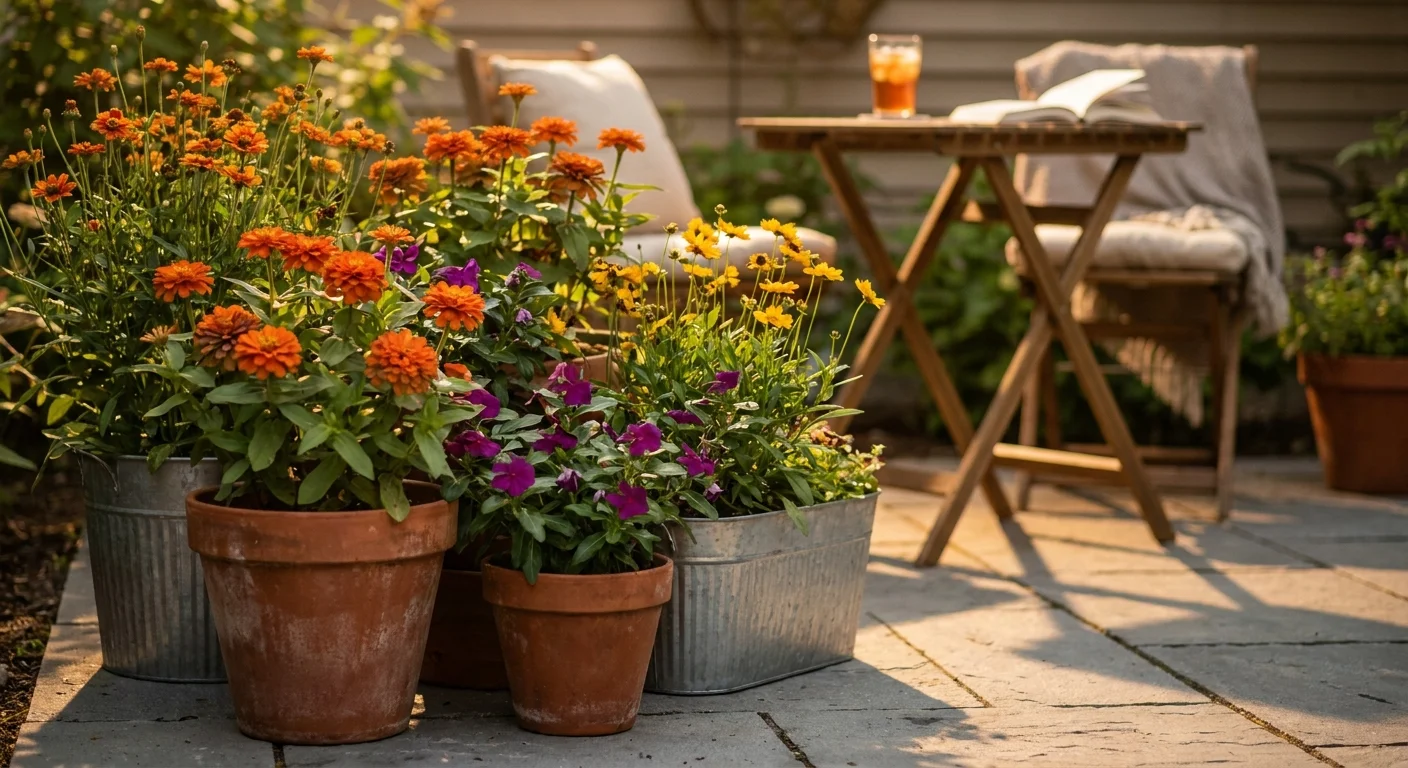
Transforming your outdoor space into a vibrant sanctuary does not require spending hours hauling heavy watering cans or diagnosing complex plant diseases. You can achieve a breathtaking yard filled with easy summer flowers that require minimal effort to thrive during the hottest months.
By selecting resilient varieties that naturally resist drought and pests, you set yourself up for absolute gardening success. These robust selections provide no fail blooms from late spring until the first autumn frost, ensuring your beds and containers look spectacular without demanding constant supervision.
Whether you are a busy professional or part of the summer garden seniors community seeking a manageable hobby, planting resilient species guarantees gorgeous color all season long.
You can even simplify your setup further by using gardening hacks that utilize everyday items from around your home.
Contents8 sections
- Understanding the Magic of Low-Maintenance Gardens
- The Eight No-Fail Summer Flowers
- Soil Health and Refreshing Mixes
- Watering Schedules Made Simple
- Feeding and Fertilizing for Continuous Color
- Pest and Disease Checks for Resilient Plants
- Seasonal Care Routines and Vacation Prep
- Frequently Asked Questions

Understanding the Magic of Low-Maintenance Gardens
Creating a beautiful outdoor area should alleviate stress, not add to it. When you cultivate low maintenance flowers, you intentionally design a garden that works with nature rather than fighting against it.
Traditional high-maintenance gardens demand precise watering schedules, frequent chemical interventions, and constant deadheading to keep plants looking presentable. By shifting your focus to resilient, tough-as-nails varieties, you reclaim your weekend hours.
Focusing on low-water gardening techniques can help your garden thrive even in the most drought-prone environments.
If you struggle to keep up with daily hydration needs, consider using DIY self-watering containers to further reduce your workload.
The secret lies in matching the right plant to the right environment. Sun-loving plants placed in the baking afternoon heat will flourish if they possess deep taproots or succulent-like foliage that stores moisture.
Choosing these specific varieties dramatically reduces the amount of supplemental water you need to provide, saving you money on your water bill and conserving a precious natural resource.
Furthermore, native and well-adapted annuals typically possess natural defenses against common garden pests, meaning you can skip the harsh chemical sprays and foster a safe, eco-friendly environment for beneficial insects like bees, butterflies, and ladybugs.
Planning for success also means acknowledging your own schedule and physical limits. If you prefer to spend your summer evenings relaxing on the patio rather than pulling weeds, planting dense, spreading flowers helps shade the soil and naturally suppress weed growth.
When you prioritize species that offer continuous, vibrant displays without intensive care, you guarantee that your flowers bloom all season with a fraction of the work.
The Eight No-Fail Summer Flowers
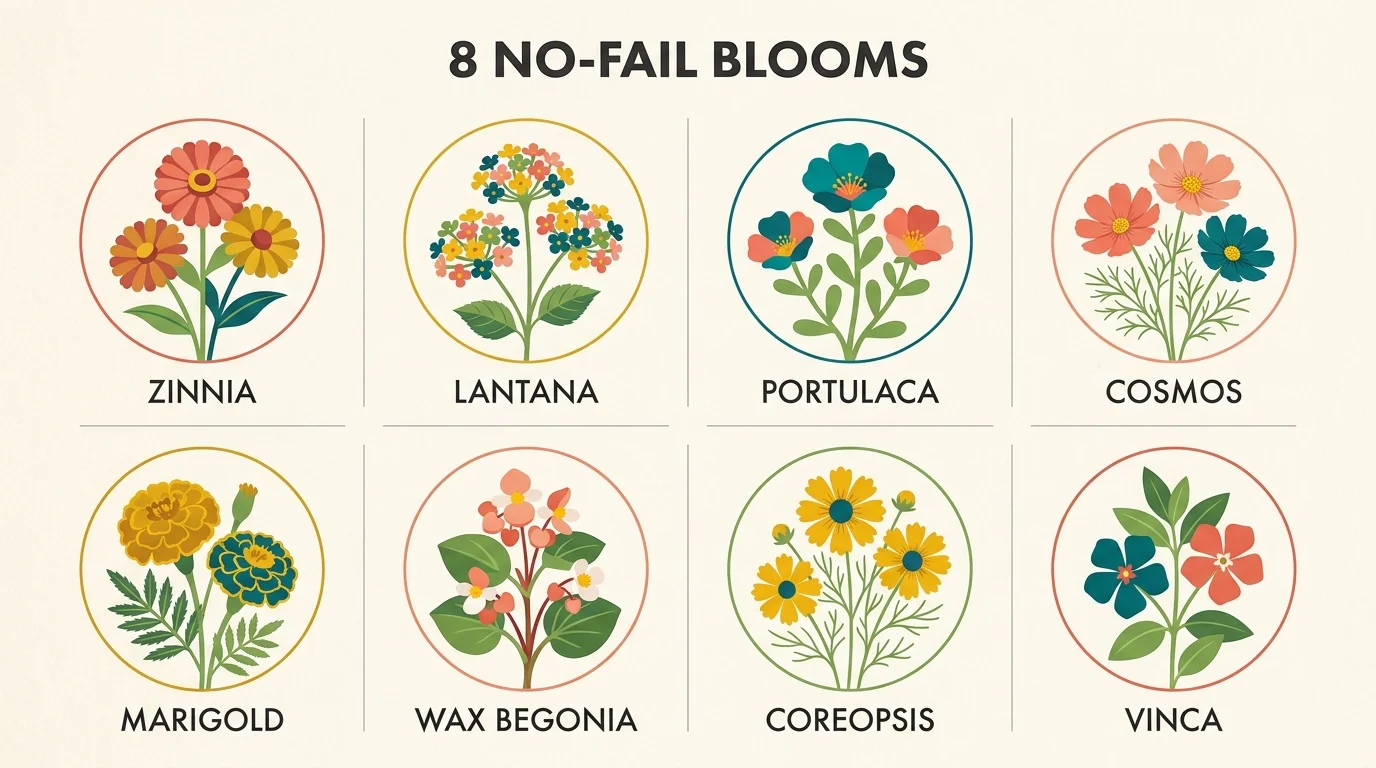
To build a foundation of unstoppable color, you need plants that laugh in the face of heat waves and shrug off occasional missed waterings.
These eight selections are legendary for their durability, producing waves of vivid petals from early summer straight through to the cool nights of autumn.
To ensure your success, it’s helpful to avoid common balcony garden mistakes that can hinder plant growth in tight spaces.
1. Zinnias (Zinnia elegans)
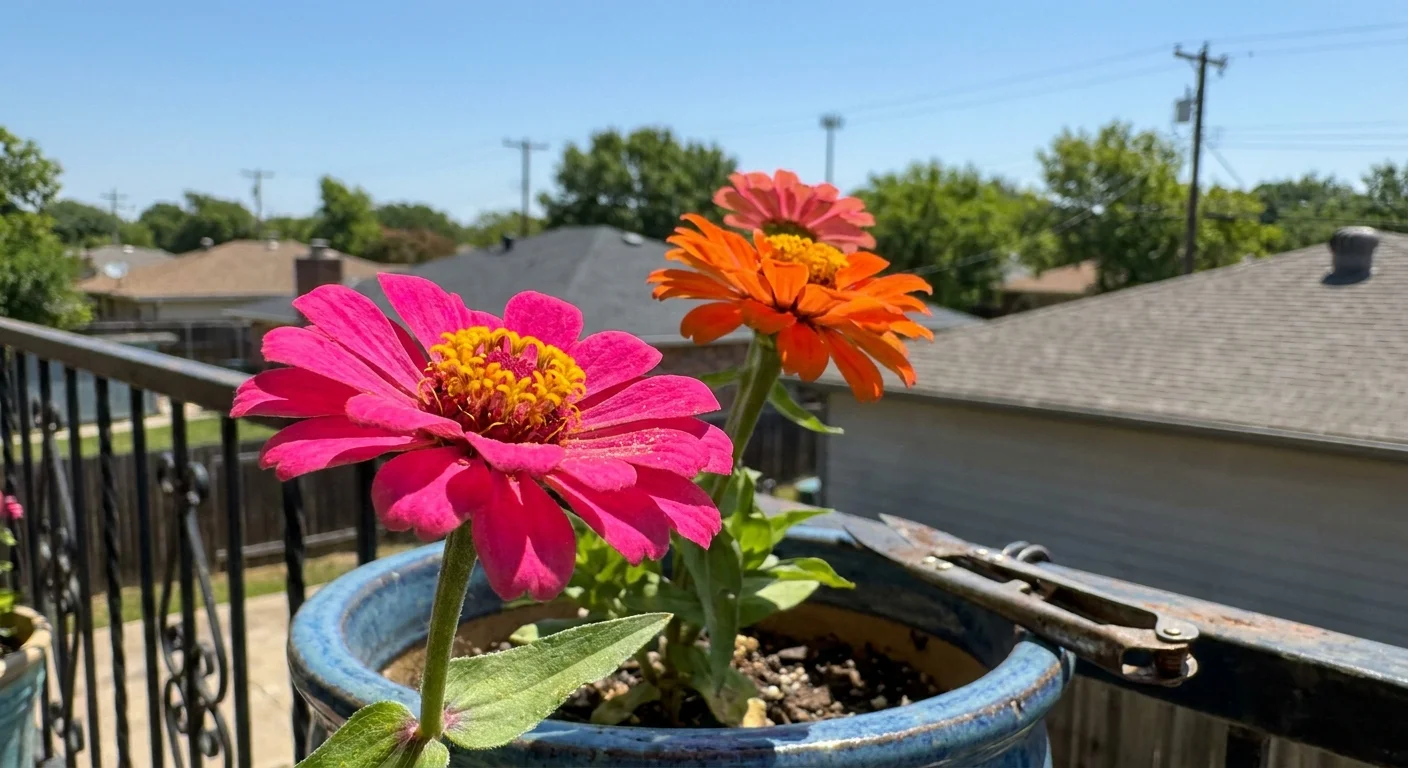
Zinnias stand out as the ultimate cut-and-come-again flower. You can plant zinnia seeds directly into your garden beds once the soil warms up in late spring, and within a few weeks, you will see sturdy green shoots emerging.
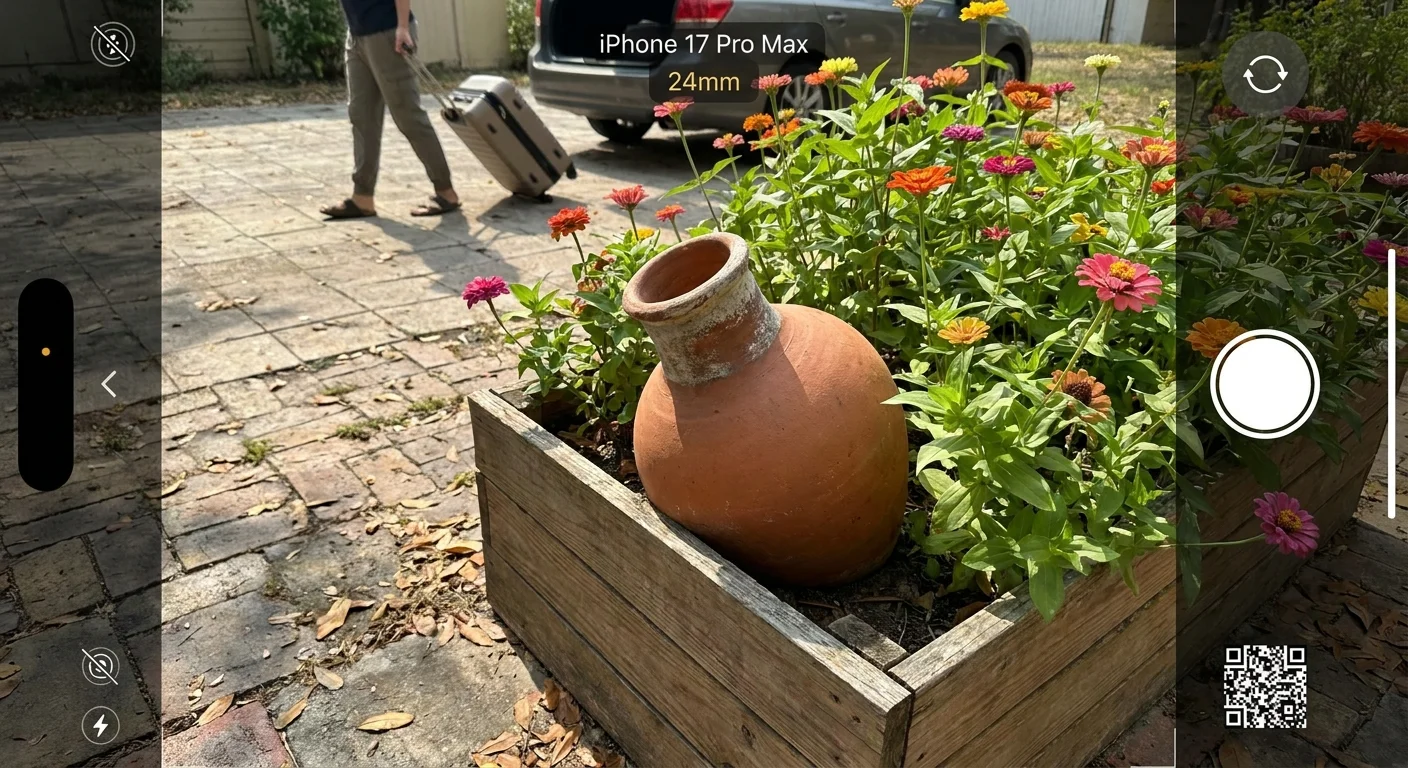
These plants thrive in full sun and tolerate dry spells remarkably well once established. Zinnias produce vibrant, multi-layered blooms in almost every color of the rainbow, from electric pink and bright orange to soft lime green and creamy white.
The beauty of the zinnia lies in its straightforward care requirements. They actively encourage you to snip their stems; the more flowers you harvest for your indoor vases, the more blooms the plant will produce.
To keep them looking their best, simply provide good air circulation by spacing them adequately, which prevents powdery mildew from forming on the leaves during humid late-summer nights. Water them at the base rather than overhead to keep the foliage dry.
2. Lantana (Lantana camara)
If you have a spot in your yard that receives baking, unrelenting sun, lantana is your best friend.
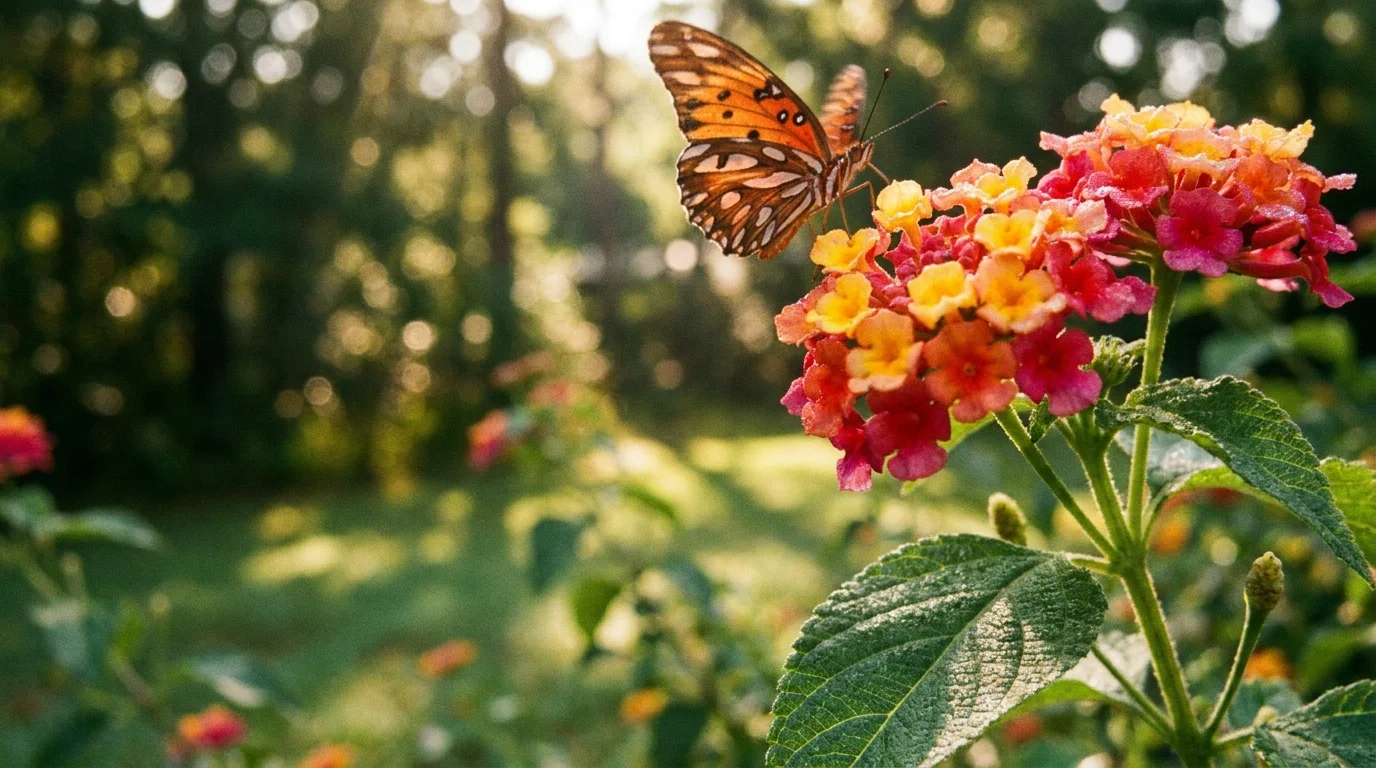
This tough plant produces clusters of tiny, brightly colored tubular flowers that often feature multiple hues within a single blossom, such as combinations of yellow, orange, and pink.
Lantana grows in a slightly mounding or trailing habit, making it an exceptional choice for hanging baskets, elevated planters, or sprawling over a hot retaining wall.
Lantana practically thrives on neglect. It possesses exceptional drought tolerance and rarely falls victim to pests due to the strong, herbaceous scent of its textured leaves.
You rarely need to fertilize lantana; in fact, overly rich soil can encourage the plant to produce abundant green foliage at the expense of its brilliant flowers. Provide it with well-draining soil and watch it attract clouds of butterflies all summer long.
3. Portulaca (Moss Rose)
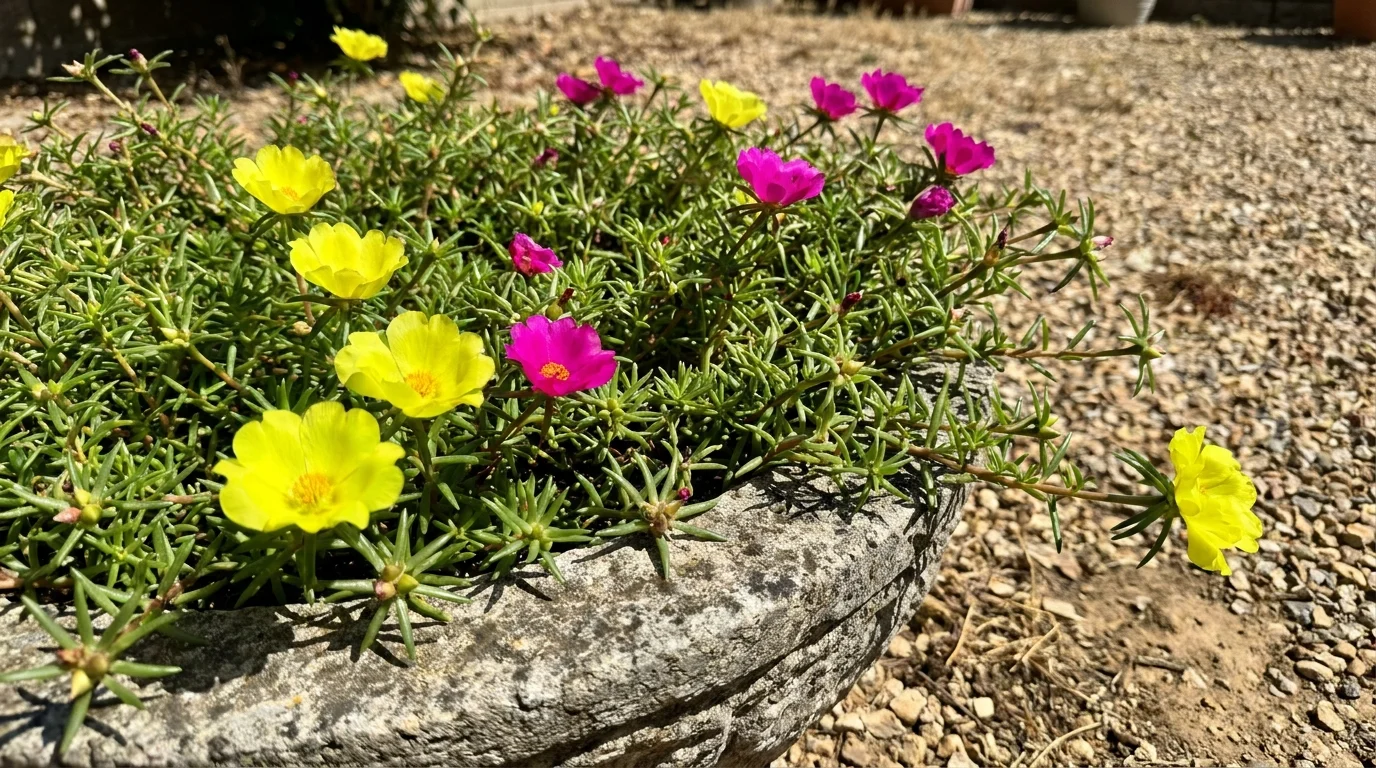
Portulaca is a ground-hugging wonder that features fleshy, succulent leaves and delicate, rose-like flowers that open wide in the bright sunlight.
Because it stores water in its thick foliage and stems, portulaca handles prolonged dry periods with ease, making it a perfect candidate for shallow containers, rock gardens, or the dry edges of a driveway.
You can find portulaca in electric shades of magenta, yellow, coral, and white. The flowers close up during cloudy days or at night, saving their energy for the blazing sun.
To keep portulaca happy, plant it in sandy, gritty soil that drains rapidly. Root rot caused by sitting in soggy, poorly drained soil represents the only real threat to this otherwise indestructible plant.
Skip the heavy mulching and let the sun bake the earth around it.
4. Cosmos (Cosmos bipinnatus)
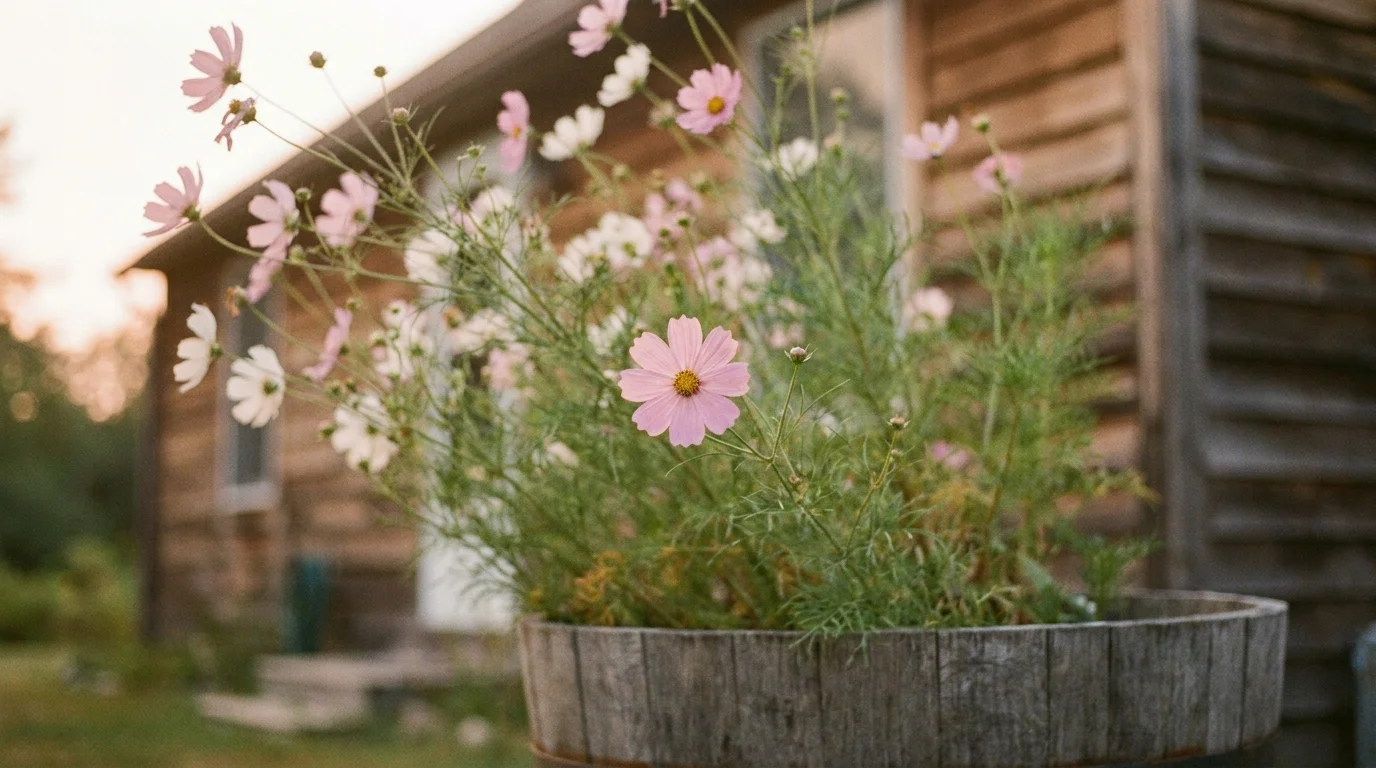
Cosmos bring a whimsical, airy texture to the garden with their finely cut, fern-like foliage and daisy-shaped blooms that dance gracefully in the summer breeze.
Growing quite tall, often reaching three to four feet in height, cosmos provide excellent movement and vertical interest to the back of a garden border.
These plants hold a surprising secret: they actually perform better in poor, unamended soil. If you plant cosmos in highly fertile earth or feed them heavily, they will grow tall and floppy, producing fewer flowers.
Scatter the seeds in an area with full sun and average-to-poor soil, and they will quickly reward you with an abundance of pink, white, and maroon blossoms.
They reseed themselves generously, meaning a single planting often results in unexpected, delightful volunteer plants returning the following year.
5. Marigolds (Tagetes)
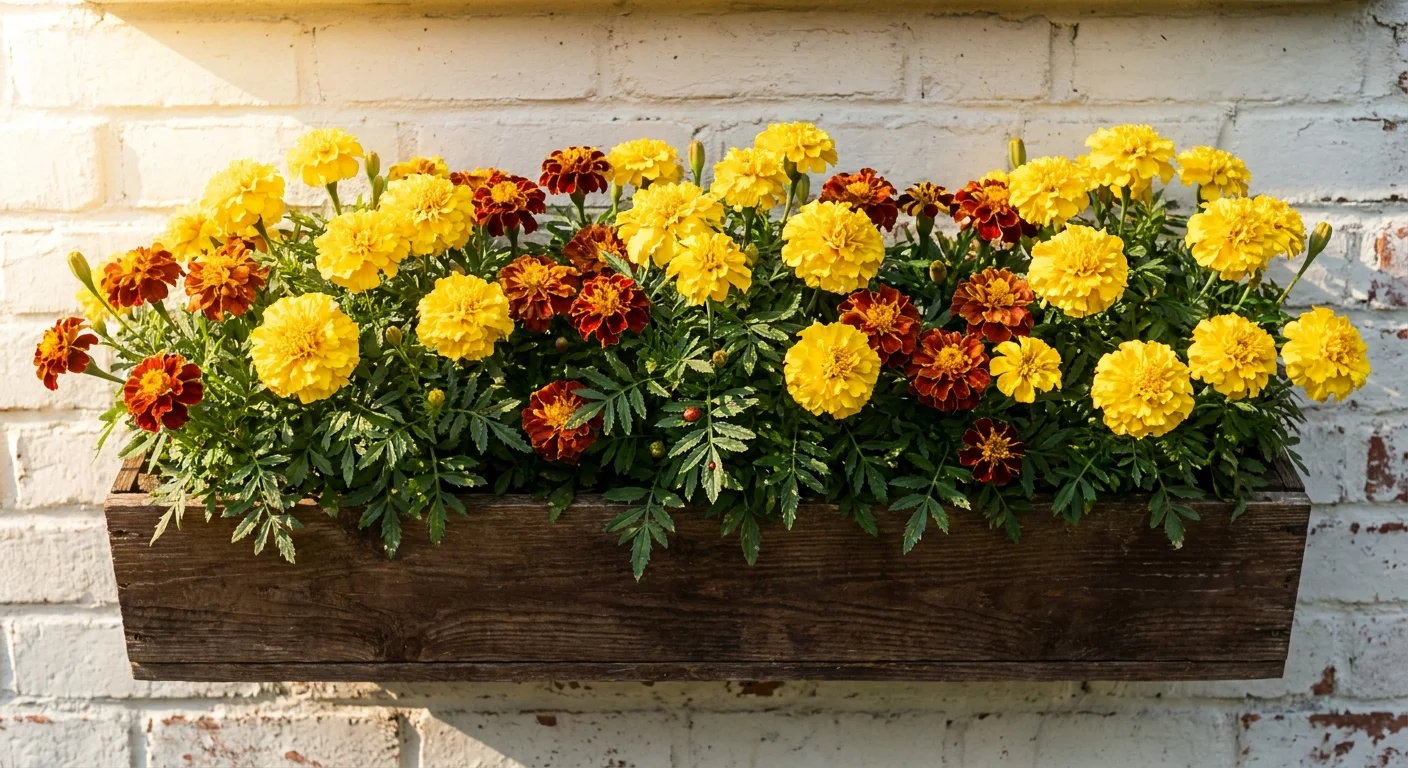
No list of reliable summer blooms is complete without the classic marigold. These sturdy, bushy plants provide brilliant pops of gold, rust, and bright yellow.
Marigolds are highly valued not just for their cheerful appearance, but for their utility in the garden.
They emit a distinct fragrance that naturally deters certain pests, including harmful nematodes hidden beneath the soil and even some above-ground insects, making them excellent companion plants for vegetable beds.
Marigolds require very little attention to put on a spectacular show. They handle hot weather gracefully and establish strong root systems quickly.
While they appreciate regular watering during extreme heat waves, they recover quickly if they happen to wilt slightly. Plucking off the faded, dried-up flowers encourages the plant to direct its energy into forming new buds rather than developing seed pods.
6. Wax Begonias (Begonia x semperflorens-cultorum)
While many easy summer flowers demand full, blinding sunlight, wax begonias offer a reliable solution for partially shaded areas, such as covered porches, the northern sides of homes, or beneath the canopy of large trees.
They feature thick, waxy leaves in shades of deep bronze or bright green, topped with charming clusters of white, pink, or red flowers.
The waxy coating on their leaves acts as a natural shield, helping the plant retain moisture and tolerate missed watering sessions far better than typical shade plants like impatiens or fuchsias.
Wax begonias exhibit a self-cleaning nature; the spent blossoms drop off the plant naturally, saving you the tedious task of removing dead flowers by hand.
Plant them in loose, organic soil, water them when the top inch of dirt feels dry to the touch, and let them illuminate the darker corners of your yard.
7. Coreopsis (Tickseed)
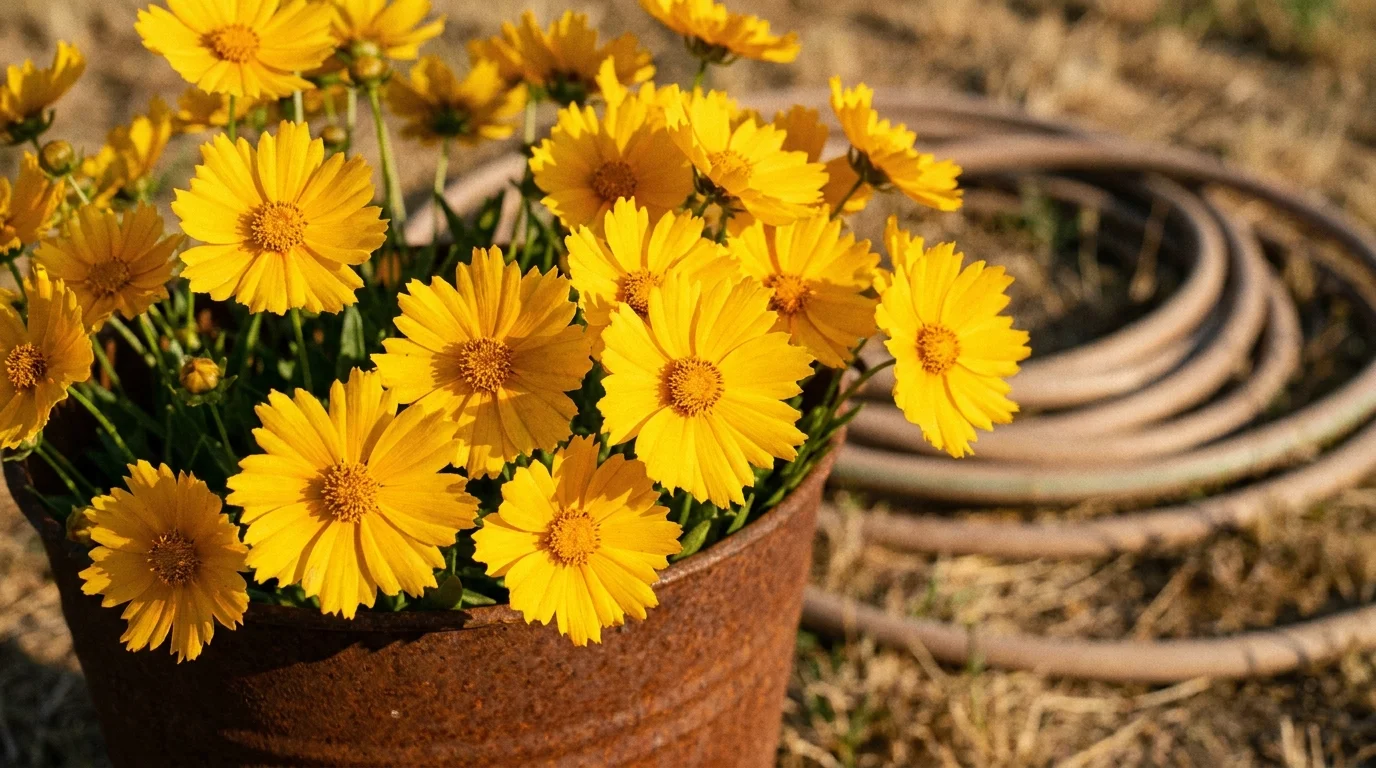
Coreopsis serves as a beacon of bright, sunny color. This rugged plant produces masses of yellow or golden blooms that resemble small daisies.
Native to prairies and dry environments, coreopsis possesses a deep, resilient root system that allows it to access moisture far below the soil surface when the topsoil dries out entirely.
Once established, coreopsis demands virtually zero supplemental watering. It thrives in poor, rocky, or sandy soils where more delicate ornamentals would quickly perish.
You can shear the plant back lightly with a pair of scissors in mid-summer if the first major flush of blooms begins to fade.
This quick trim immediately stimulates fresh growth, resulting in a dense, compact shape and a second massive wave of golden flowers that persists well into the cooler autumn months.
8. Vinca (Catharanthus roseus)
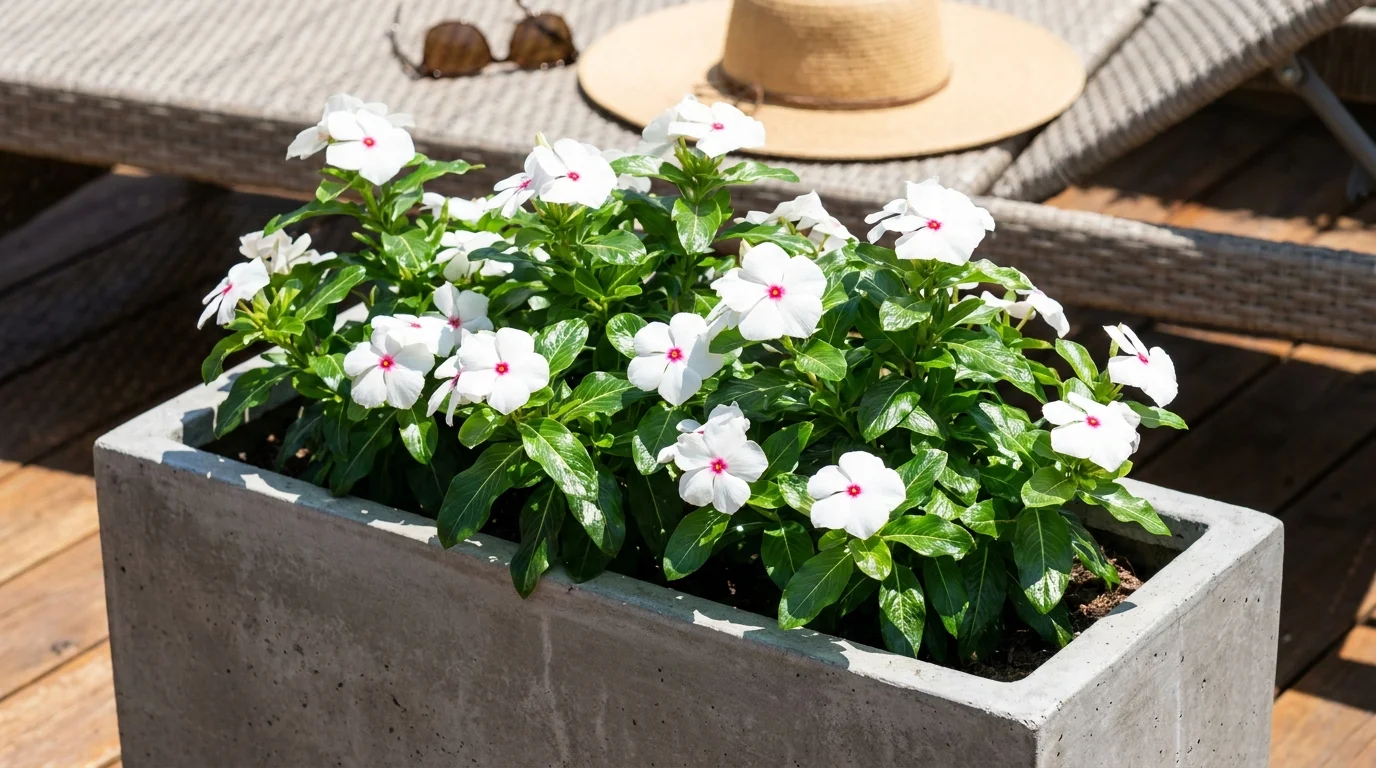
Also known as the Madagascar periwinkle, vinca thrives in the kind of intense heat and humidity that causes other plants to melt away.
Vinca produces glossy, deep green leaves that serve as a striking backdrop to simple, five-petaled flowers in shades of pure white, hot pink, lavender, and cherry red.
Vinca refuses to surrender to summer stress. It stands upright and looks perfectly crisp even on days when the temperature climbs into the upper nineties.
You must plant vinca in well-draining soil, as it despises having cold, wet roots. Wait to plant them outside until the spring weather has fully stabilized and the soil has completely warmed.
Once they settle in, they branch out nicely and form tidy, colorful mounds that look pristine without requiring any pruning or deadheading.
Soil Health and Refreshing Mixes
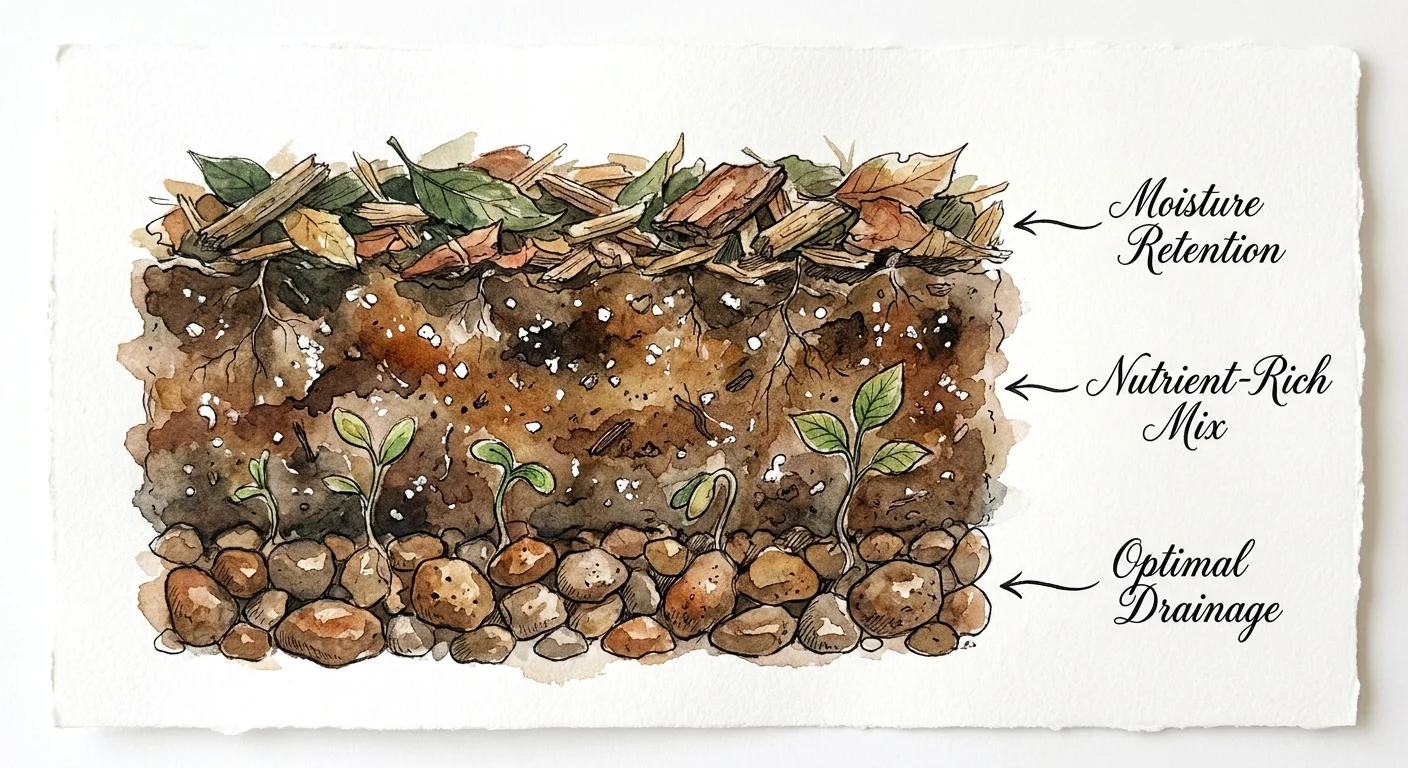
The foundation of every thriving, low-maintenance plant begins directly under the surface. If you provide your flowers with the right soil structure from the start, they will build expansive, healthy root systems that support vigorous above-ground growth.
When roots can breathe and access moisture easily, plants naturally resist environmental stress.
Good soil mechanics rely heavily on two factors: aeration and drainage. Aeration refers to the small pockets of oxygen trapped in the soil.
Plant roots require oxygen to function properly. If the soil becomes overly compacted or completely waterlogged, the roots suffocate, leading quickly to yellowing leaves and plant death.
Drainage refers to how quickly water moves through the soil profile. For the tough summer plants listed above, fast drainage is critical.
They prefer taking a good drink and then allowing their roots to dry slightly before the next watering.
If you grow plants in containers, never use heavy garden topsoil dug directly from your yard. It quickly compacts into a solid, brick-like mass inside a pot.
Instead, use a high-quality potting mix. To support a sustainable environment, look for peat-free blends.
Peat bogs are vital carbon sinks, and harvesting peat releases significant carbon into the atmosphere. Excellent eco-friendly alternatives rely on coconut coir (the fibrous husk of coconuts), which holds moisture beautifully, combined with perlite or pumice to create essential air pockets.
When placing a new plant into a larger container, always check the root system. If the plant is root-bound—meaning the roots circle tightly around the inside of the original pot like a dense web—you must gently tease them apart.
Use your fingers to loosen the bottom and sides of the root mass before planting.
If you place a root-bound plant directly into new soil without untangling it, the roots will often continue growing in a tight circle, preventing the plant from absorbing water and nutrients effectively.
Watering Schedules Made Simple
Improper watering accounts for the vast majority of gardening failures. Overwatering, in particular, kills far more tough summer flowers than underwatering.
Implementing a practical, water-wise routine saves you time and ensures your plants develop robust, drought-resistant root systems.
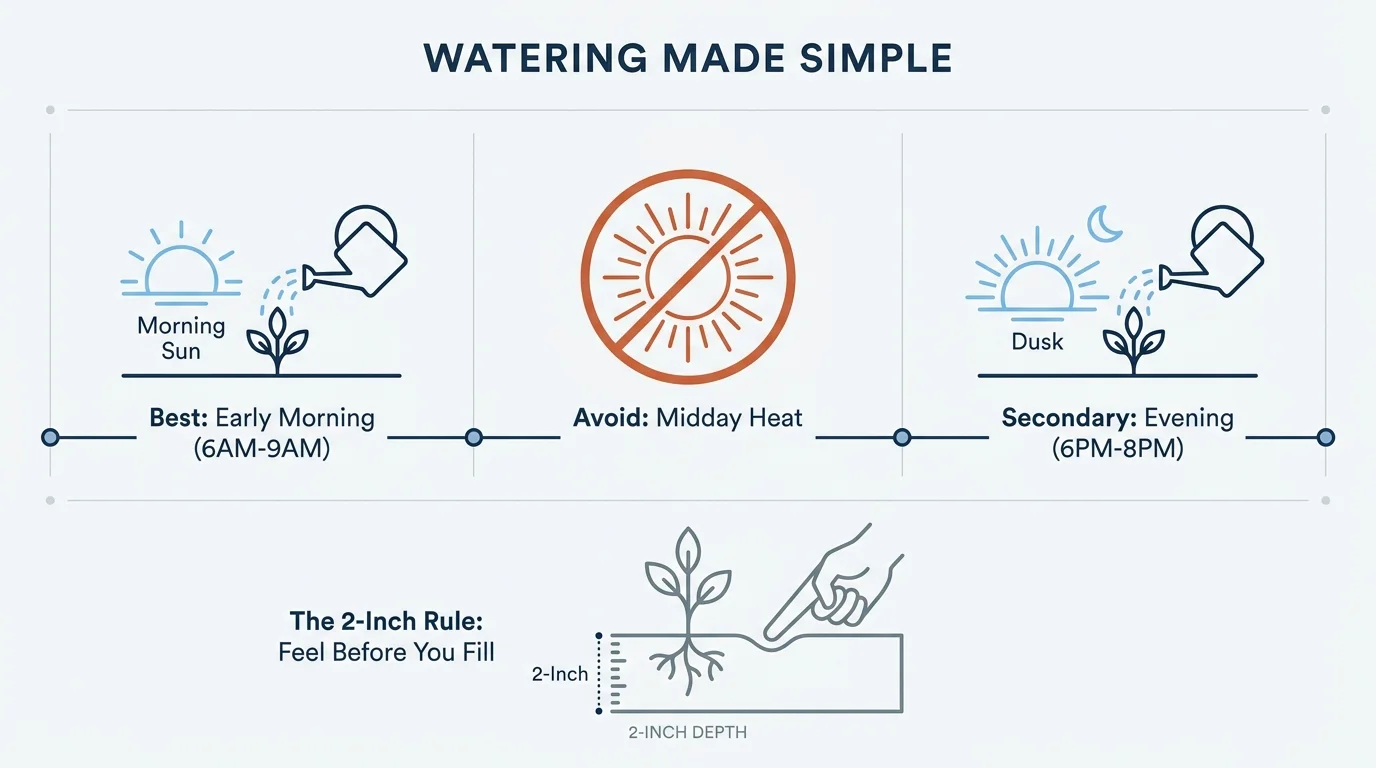
The golden rule of watering relies on depth, not frequency. When you water a plant briefly every single day, the moisture only penetrates the top inch of the soil.
Consequently, the plant grows all of its roots near the surface to access that quick moisture. Shallow root systems leave the plant incredibly vulnerable to sudden hot days.
Instead, you should water deeply and thoroughly, saturating the entire root zone, and then wait several days before watering again. This deep watering encourages roots to stretch far down into the soil where temperatures are cooler and moisture lingers longer.
To determine if a plant needs water, skip the confusing moisture meters and rely on the classic finger test. Push your index finger into the soil up to your second knuckle.
If the soil feels damp or cool to the touch, do not water the plant. Wait another day and check again.
Only provide water when the soil feels dry beneath the surface.
Use this basic interval guide to establish your summer watering routine:
| Plant Location & Age | Watering Frequency | Application Method |
|---|---|---|
| New Transplants (In-ground) | Every 2-3 days for the first two weeks. | Gentle soaking directly at the base of the stem. |
| Established Plants (In-ground) | Once a week, or when rainfall is absent for 10+ days. | Deep, slow soak using a soaker hose or drip line. |
| Small Containers & Hanging Baskets | Daily during extreme heat; otherwise every 1-2 days. | Water until it drains freely from the bottom holes. |
| Large, Deep Containers | Every 3-5 days, depending on sun exposure. | Thorough soaking; stop when water escapes the bottom. |

Feeding and Fertilizing for Continuous Color
While the flowers highlighted in this guide require significantly less fertilizer than heavy-feeding vegetables or exotic tropicals, providing them with the right nutrients at the correct time ensures they push out bright, vibrant blooms continuously.
A strategic, minimalist approach to feeding saves you effort while protecting local waterways from nutrient runoff.
For sustainable and low-effort care, incorporate a slow-release granular organic fertilizer into the soil at the time of planting.
Organic fertilizers naturally break down over time with the help of soil microbes, providing a steady, gentle trickle of nutrition directly to the root zone over several months.
This means you can often feed your plants once in the late spring and entirely skip the chore of mixing liquid fertilizers every week.
If your potted plants begin to look a little tired by late July, you can give them a quick boost with a liquid organic feed, such as a liquid seaweed or fish emulsion diluted in your watering can.
Liquid feeds provide immediate nutrients that the plant absorbs quickly through both its roots and leaves. Remember, however, that overfeeding often causes more problems than underfeeding.
Too much nitrogen forces a plant to rapidly produce lush, weak green leaves, sacrificing the energy it should be using to create flower buds. Always follow the package instructions, and when in doubt, apply slightly less fertilizer than recommended.
Pest and Disease Checks for Resilient Plants
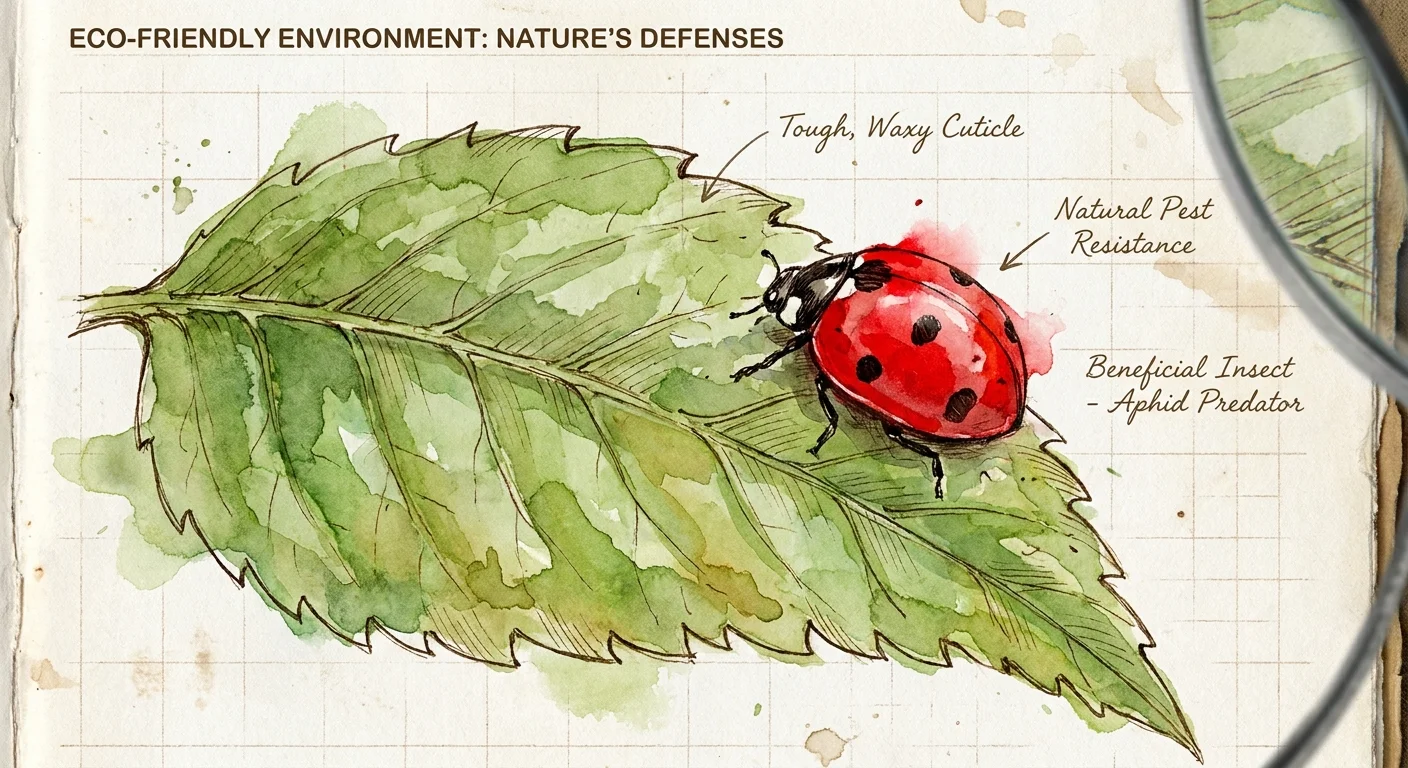
One of the primary reasons these eight flowers earn their “no-fail” reputation involves their natural resistance to most common garden pests and fungal diseases. Their tough foliage and built-in chemical defenses make them unappetizing to many destructive bugs.
However, maintaining a watchful eye ensures that minor issues never escalate into garden-wide problems.
The best pest control relies on active prevention. Ensure your plants have adequate space between them to allow the wind to blow through the foliage.
Good air circulation dries the leaves quickly after rain or morning dew, aggressively preventing fungal spores from taking hold and causing issues like powdery mildew or rust. Always try to water your garden early in the morning.
Morning watering gives any splashed water on the leaves plenty of time to evaporate in the sun before the cool night air arrives.
During your weekly watering routine, take a quick moment to inspect the undersides of the leaves and the tender new growth at the tips of the stems, as this is where pests like aphids or spider mites tend to hide.
If you spot a small cluster of aphids, you do not need to reach for a chemical spray. You can simply blast them off the plant with a strong jet of water from your garden hose.
For slightly more persistent issues, an application of organic insecticidal soap safely eliminates soft-bodied insects without harming the beneficial pollinators that visit your blooms.
Seasonal Care Routines and Vacation Prep
Summer brings vacations, weekend getaways, and long days spent away from the house. A low-maintenance garden should never hold you hostage.
With a few simple preparations, your durable flowers will happily survive your absence and greet you with fresh blooms upon your return.
If you plan to leave town for a week during the peak of summer heat, you need to minimize the stress on your container plants.
Move your potted flowers out of the harsh afternoon sun and tuck them under the shade of a large tree, a covered patio, or against the cooler eastern side of your home.
Grouping multiple pots closely together creates a microclimate that traps humidity and significantly slows down the rate of moisture evaporation from the soil.
Before you depart, give every plant, both in pots and in the ground, a massive, deep soaking. Saturate the soil entirely.
To preserve that moisture, lay down a two-inch layer of natural mulch, such as shredded bark or compost, over the bare soil in your garden beds.
Mulch acts as an insulating blanket, keeping the sun from baking the soil surface and suppressing weeds that would otherwise compete with your flowers for water. By implementing these simple, preventative steps, your resilient plants will manage perfectly well while you enjoy your summer vacation.
Frequently Asked Questions
Do I really need to remove old flowers?
Removing old, fading flowers—a process called deadheading—stops the plant from producing seeds and signals it to grow new flowers instead.
While some modern varieties, like wax begonias and certain vincas, drop their old flowers naturally, others, like zinnias and marigolds, bloom much more aggressively if you pinch off the dead heads once a week.
Can I grow these summer flowers strictly in pots?
Yes, absolutely. All eight flowers listed in this guide adapt beautifully to container life.
Just remember that potted plants dry out much faster than plants growing in the ground. Ensure your pots have large drainage holes at the bottom to prevent water from pooling, and use a high-quality, lightweight potting mix rather than heavy garden soil.
Why are my drought-tolerant plants wilting in the sun?
Even the toughest plants experience temporary stress during severe heat waves. Sometimes, a plant will wilt in the late afternoon to conserve moisture, only to perk up completely once the sun sets and temperatures drop.
If the soil is still damp when the plant wilts, do not add more water; simply let it recover in the evening. If the soil is bone dry beneath the surface, give it a thorough soaking.
Is it better to buy established plants or start from seed?
This depends on your patience and budget. Starting plants like zinnias, cosmos, and marigolds from seed is incredibly easy, budget-friendly, and allows you to grow rare color varieties.
Simply push the seeds into warm soil in late spring. For slower-growing plants like lantana or wax begonias, purchasing established starter plants from a local nursery saves you weeks of waiting and provides instant gratification.
For research-based plant care guidance, visit
Mississippi State University Extension — Lawn & Garden, Arkansas Extension — Yard & Garden and Kansas State University Extension — Horticulture.
Disclaimer: This article is for informational purposes only and is not a substitute for professional advice. Consult local extension services for region-specific recommendations.