
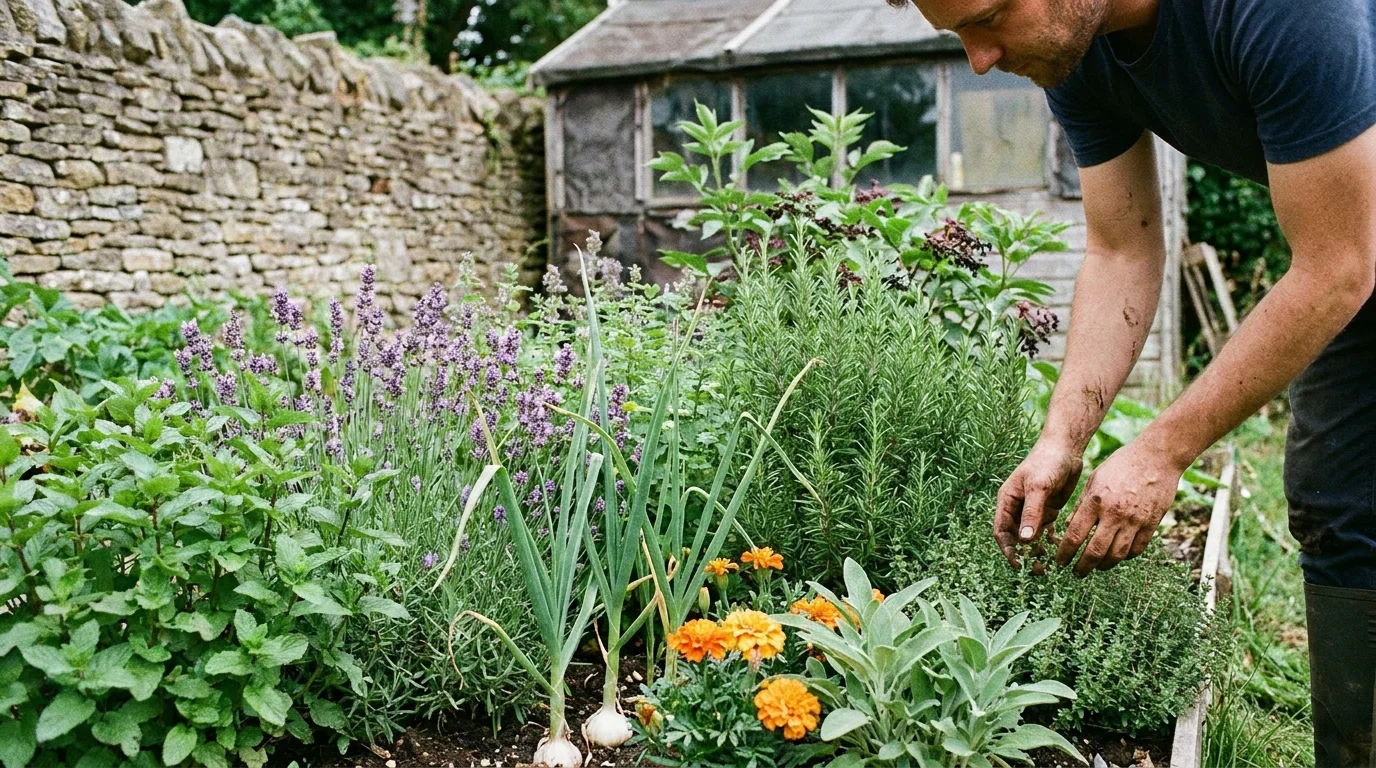
Finding chewed-up vegetables or spotting droppings near your foundation forces you to quickly figure out how to keep mice away naturally. Relying on plants that repel mice offers an eco-friendly, visually appealing, and safe strategy to protect your home and garden without using harsh chemicals.
Certain strongly scented herbs and toxic flowers confuse a rodent’s highly sensitive olfactory system, effectively creating a natural barrier around your living spaces.
Cultivating these specific pest control plants resolves your immediate rodent problems while enhancing your landscape with fresh culinary ingredients and vibrant seasonal blooms. You can establish a thriving, low-maintenance defense system that continuously wards off unwanted visitors and simultaneously elevates your overall outdoor environment.
Establishing proactive habits to prevent pests early in the season can stop rodents from nesting in your containers before they even arrive.
Interestingly, many of these deterrents are also among the garden smells people love the most, allowing you to enjoy a fragrant yard while keeping pests at bay.
For a comprehensive strategy, you can integrate these choices with other natural pest control for container gardens to keep your entire setup safe.
Contents8 sections
- Understanding Natural Rodent Deterrents
- Aromatic Herbs That Repel Rodents
- Pungent Alliums and Protective Bulbs
- Protective Flowers and Deterrent Shrubs
- Soil Health and Container Choices
- Seasonal Care Routines for Pest Control Plants
- Maintenance Habits and Placement Strategies
- Frequently Asked Questions
Understanding Natural Rodent Deterrents
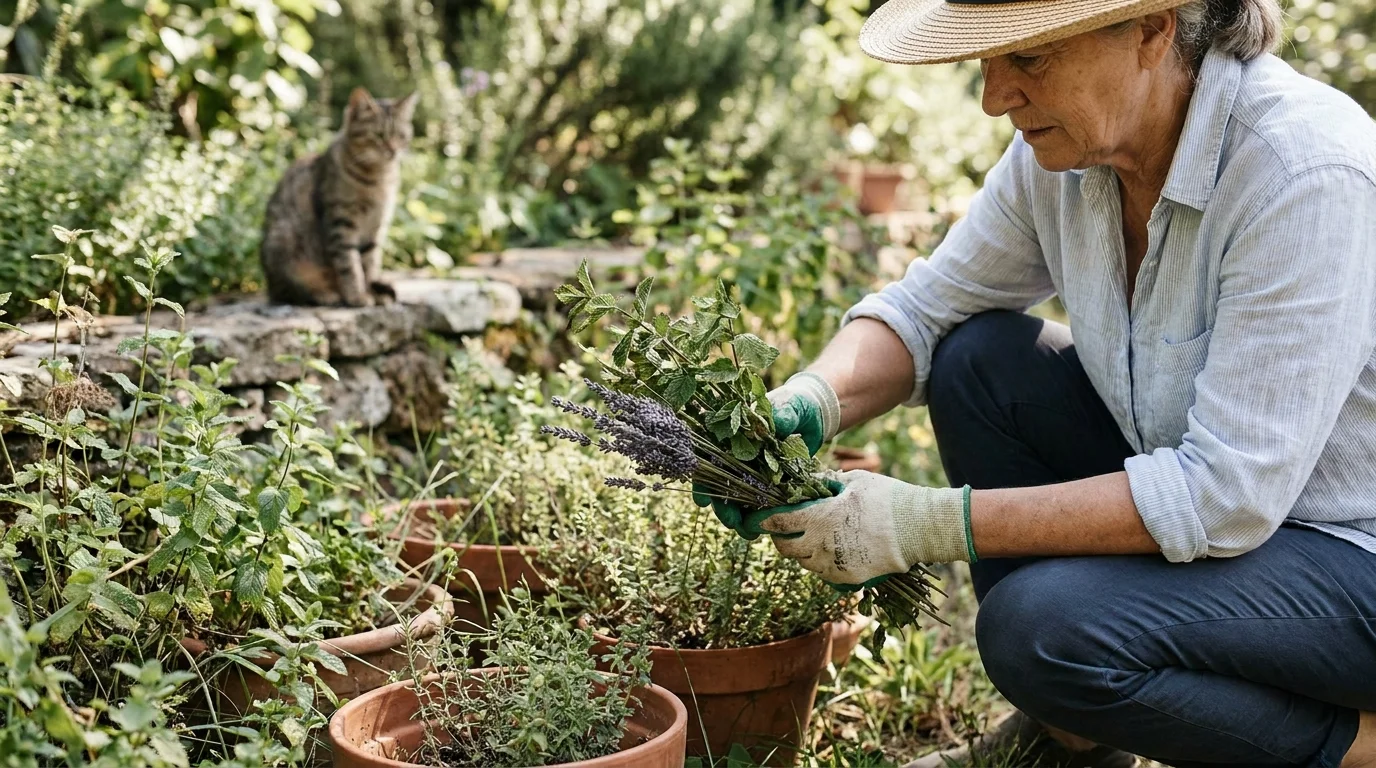
To successfully keep mice away naturally, you need to understand how these small pests navigate the world. Mice have relatively poor eyesight; they rely heavily on their highly developed sense of smell to locate food sources, identify safe nesting grounds, and communicate with other rodents.
A mouse’s olfactory system is incredibly sensitive, allowing it to detect even the faintest odors of seeds, grains, and household garbage. When you introduce highly aromatic plants into your garden or along the foundation of your home, you actively disrupt this sensory network.
This aromatic strategy is a core principle of companion planting for small spaces, where every species is selected for both its beauty and its utility.
Eliminating a rodent population is also a critical step in avoiding gardening mistakes that invite snakes into your yard, as mice are a primary food source for them.
The science behind plants that repel mice lies in volatile organic compounds—essential oils that the plants release into the air. Compounds like menthol, linalool, and camphor smell wonderful to humans but act as a dense, overwhelming fog to a foraging rodent.
By masking the scent of potential food sources and irritating the sensitive mucous membranes in a mouse’s nose, these plants force the pests to seek out easier, less chaotic environments.
Implementing these natural rodent deterrents requires strategic placement and consistent plant care, ensuring the foliage remains healthy and actively produces those crucial essential oils.
Aromatic Herbs That Repel Rodents
Herbs that repel rodents are among the most popular and practical choices for natural pest control because they serve a dual purpose. They act as formidable barriers against mice while providing you with an abundant harvest for your kitchen.
Most of these herbs originate from varied climates, meaning their care requirements differ slightly, but they all share the trait of producing powerful, rodent-repelling essential oils.
For sunny patios, these rodent-deterring herbs pair perfectly with other flowers that survive extreme heat and require minimal maintenance.
Cultivating these varieties also ensures you have a constant supply of fast-growing herbs you’ll use every day in your kitchen.
Beyond their repellent properties, many of these species act as companion herbs that boost vegetable growth when planted alongside your food crops.

1. Peppermint (Mentha x piperita)
Peppermint contains high concentrations of menthol, making it arguably the most effective herb for overwhelming a mouse’s sense of smell. Crushed peppermint leaves emit a sharp, cooling aroma that rodents absolute despise.
However, peppermint is an aggressive grower that spreads rapidly via underground runners called rhizomes. To prevent it from taking over your entire garden, you should always grow peppermint in sturdy containers.
Care Guidelines: Peppermint thrives in consistently moist but not waterlogged soil. Check the top inch of the soil; if it feels dry to the touch, provide a thorough watering until moisture runs out of the drainage holes.
The plant prefers partial to full sunlight. Once the plant becomes root-bound—a condition where the roots circle tightly around the inside of the pot—it will stop producing vibrant, highly scented leaves.
You should divide and repot your peppermint every two years in a fresh, peat-free potting mix to maintain its vigor and high essential oil production.

2. Lavender (Lavandula angustifolia)
While humans associate the scent of lavender with relaxation and high-end spas, mice find the compound linalool highly offensive. Planting lavender bushes near doorways, ground-level windows, or low foundation vents creates a fragrant, purple barrier that mice will naturally avoid crossing.
Care Guidelines: Originating from the Mediterranean, lavender demands excellent drainage and full sun. Heavy clay soils will quickly cause root rot, killing the plant before it can establish a protective barrier.
Amend your garden soil with horticultural grit or perlite to improve aeration. Lavender is highly drought-tolerant once established.
You should allow the soil to dry out completely between watering sessions.
Pruning is critical for lavender; trim the plant back by a third immediately after the summer blooms fade to prevent the center from becoming woody and sparse, ensuring a dense, highly aromatic shrub for the following year.
3. Catnip (Nepeta cataria)
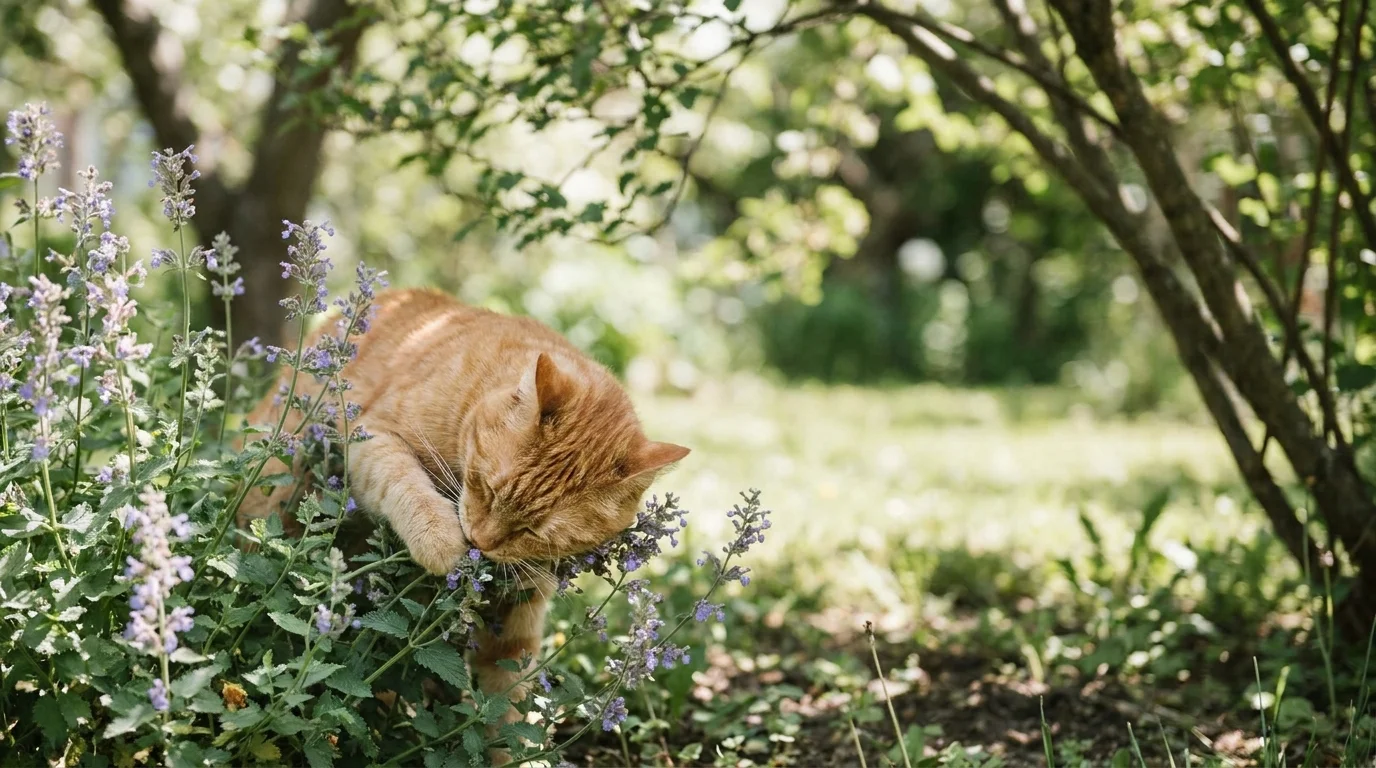
Catnip belongs to the mint family and contains nepetalactone, a chemical compound that attracts cats but strongly repels mice and mosquitoes.
If you have neighborhood cats that visit your garden, planting catnip offers a two-tiered defense system: the plant itself deters the mice, and the feline visitors provide active predator deterrence.
Care Guidelines: Catnip is incredibly low-maintenance and adapts well to poor, sandy soils. It thrives in full sun but will tolerate partial shade.
Because it grows quickly and can look slightly weedy, regular pruning keeps the plant neat and encourages a bushier growth habit. Simply pinch off the growing tips every few weeks during the spring.
Water the plant deeply but infrequently, allowing the top two inches of soil to dry out completely between watering sessions.
4. Rosemary (Salvia rosmarinus)
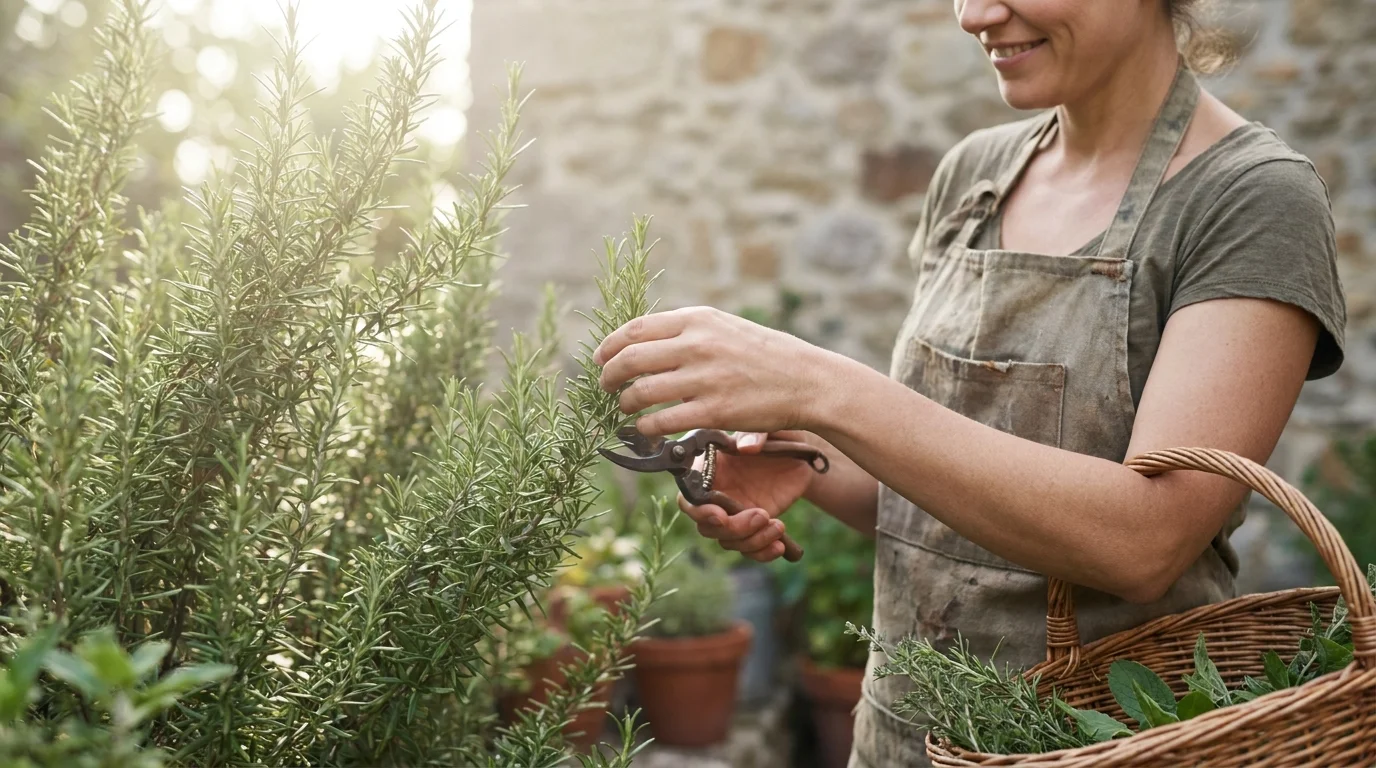
Rosemary features thick, needle-like leaves packed with pungent, resinous oils. The woody aroma is sharp and highly irritating to a mouse’s delicate respiratory tract.
You can plant rosemary as a dense hedge along the borders of your vegetable garden to protect low-growing crops from foraging rodents.
Care Guidelines: Like lavender, rosemary requires well-draining soil and plenty of direct sunlight. Overwatering is the most common reason rosemary plants fail.
Use the “soak and dry” method: drench the soil thoroughly, then wait until the pot or surrounding ground is entirely dry before watering again. In colder climates, rosemary struggles to survive harsh winter freezes.
Consider planting it in heavy terracotta pots that you can move into a bright, unheated garage or sunroom during the coldest months to keep your natural rodent deterrents alive year-round.
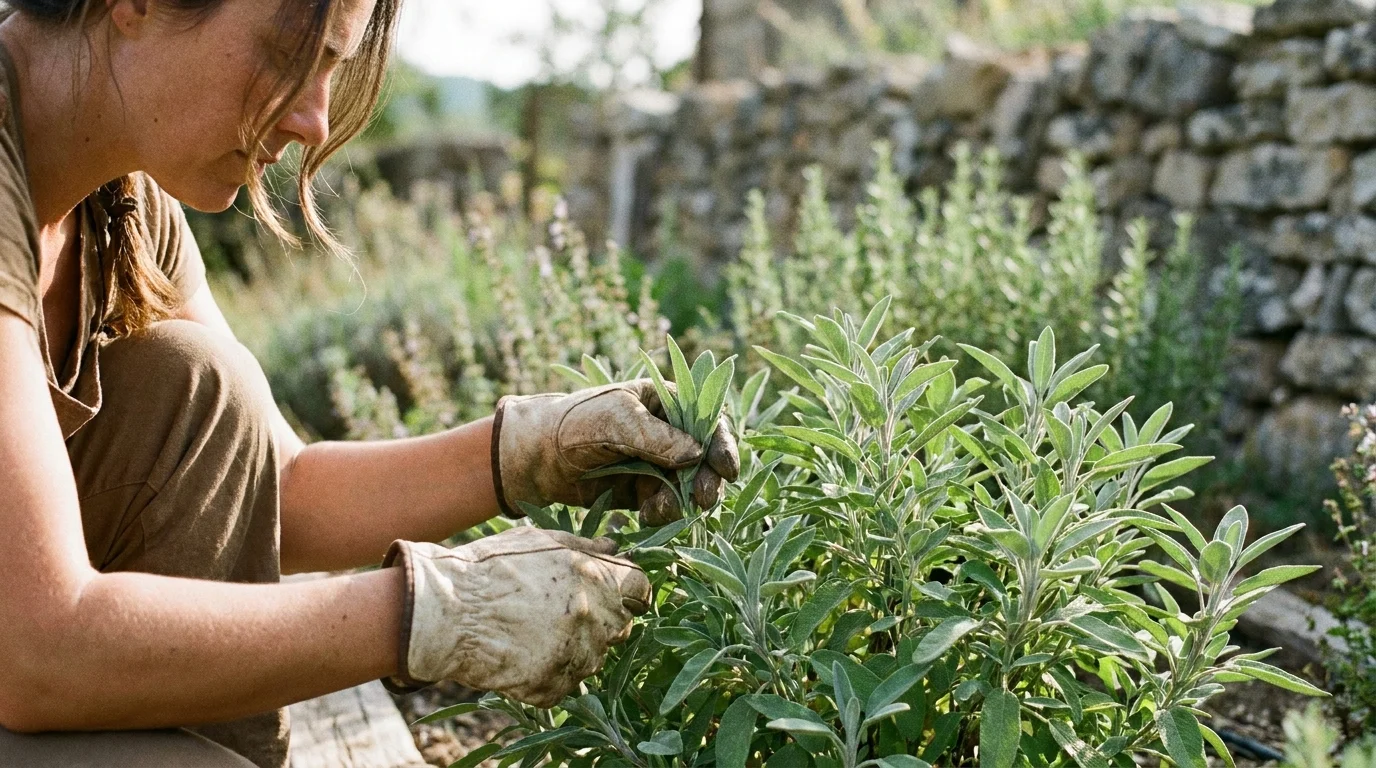
5. Sage (Salvia officinalis)
Common sage produces a strong, earthy aroma driven by camphor and other volatile oils. While delicious in savory dishes, the intense smell masks the scent of nearby attractive foods, confusing mice and driving them elsewhere.
Care Guidelines: Sage performs best in medium-rich, well-draining soil. It appreciates consistent air circulation, so avoid crowding it too closely with other dense plants.
Fertilize sparingly; over-fertilizing sage actually dilutes the concentration of essential oils in the leaves, rendering it less effective as a pest control plant.
Apply a light top-dressing of organic compost in the early spring, which provides all the necessary slow-release nutrients it needs for the entire growing season.
Pungent Alliums and Protective Bulbs
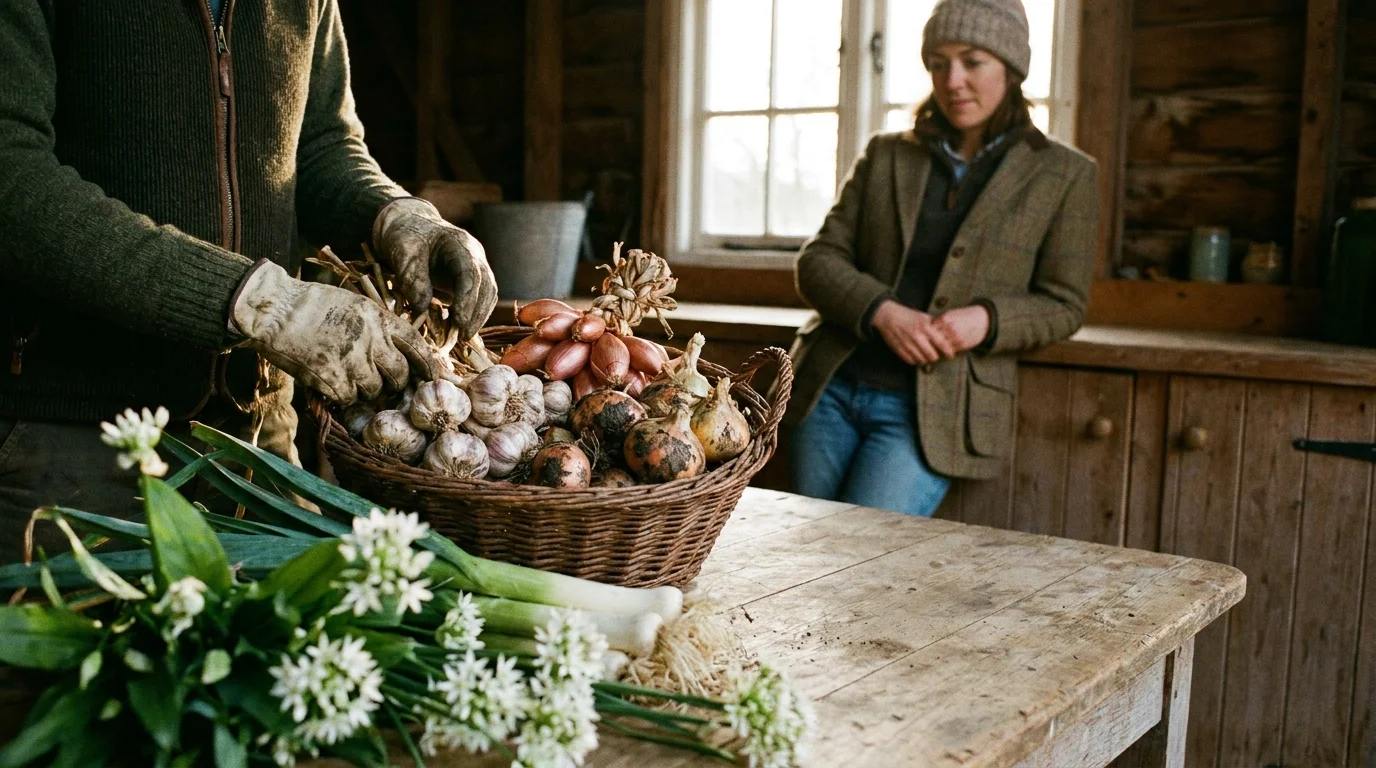
While herbs rely on aromatic oils, plants in the allium family and certain spring-blooming bulbs utilize harsh sulfur compounds and natural toxins. These plants provide excellent subterranean defense, protecting the root zones of your vulnerable garden vegetables and keeping mice from burrowing near your foundation.
Including these repellent bulbs in your early spring garden prep checklist helps establish a defensive barrier before pests become active.
You can further protect your bulbs from digging by using simple gardening hacks that use items you already own, such as recycled mesh or protective screens.
While mice are a primary concern, it is vital to stay vigilant against other common pests that attack container vegetables throughout the growing season.
Many of these pungent varieties are among the bulbs that thrive in balcony pots while also deterring squirrels from digging.

6. Garlic (Allium sativum)
Garlic is a powerhouse in the realm of garden pest prevention. The bulbs produce allicin, an organosulfur compound that creates the signature pungent odor.
Mice loathe the smell of garlic and will actively avoid digging in soil where garlic is planted.
Care Guidelines: Garlic requires a cold period—known as stratification—to develop properly divided bulbs. Plant individual cloves in the fall, roughly four to six weeks before the ground freezes hard.
Place the cloves pointed-side up, about two inches deep in loose, well-draining soil. Cover the bed with a thick layer of straw mulch to insulate the roots over winter.
In the spring, garlic will send up green shoots. Keep the soil evenly moist but hold off on watering a few weeks before your summer harvest to allow the protective papery skins to cure.

7. Ornamental Alliums
If you prefer a more aesthetic approach to pest control plants, ornamental alliums are the perfect solution. These relatives of onions and garlic produce stunning, spherical blooms perched atop tall, leafless stems.
Despite their beautiful appearance, they emit the same sulfur-based scent when their leaves or roots are bruised.
Care Guidelines: Plant the bulbs in autumn at a depth equal to three times the height of the bulb. They prefer full sun and moderately fertile soil.
Once the vibrant purple, pink, or white flowers fade in late spring, leave the green foliage intact. The plant needs these leaves to photosynthesize and store energy for the following year’s bloom.
Only remove the foliage once it has turned completely yellow and withered.

8. Daffodils (Narcissus)
Daffodils are unique on this list because their deterrent power comes from toxicity rather than just scent. Every part of the daffodil—from the bulb to the stem and the flower—contains lycorine, a toxic alkaloid.
Mice, voles, and squirrels quickly learn that daffodils are poisonous and will completely avoid areas where they are planted.
Care Guidelines: These classic spring bloomers are virtually indestructible. Plant the bulbs in the fall in clusters for the best visual impact.
They tolerate a wide variety of soil conditions, though they despise sitting in freezing, waterlogged mud. Similar to alliums, you must allow the foliage to die back naturally after the blooming period concludes.
Interplanting daffodils around the perimeter of your raised vegetable beds creates an invisible, toxic barrier that effectively stops burrowing rodents in their tracks.
Protective Flowers and Deterrent Shrubs
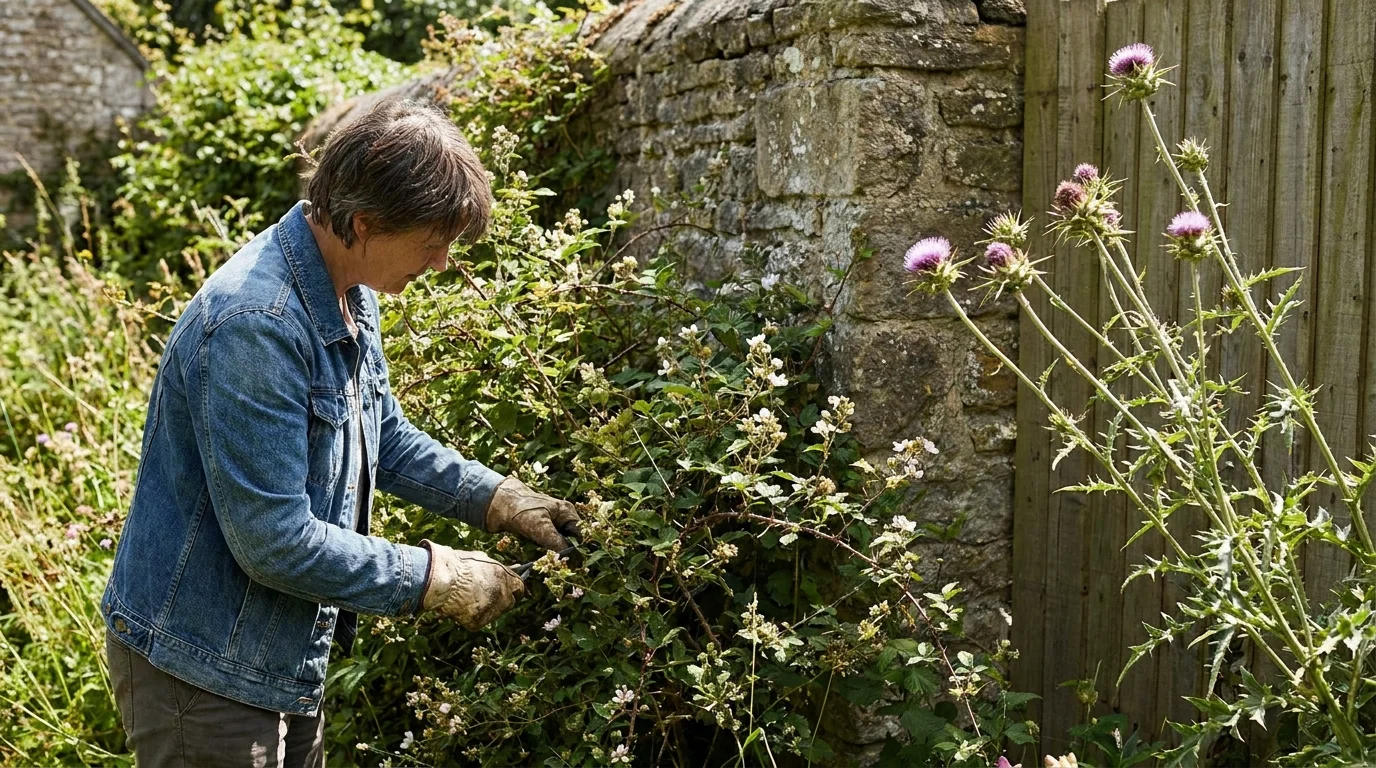
Rounding out the list of plants that repel mice are strong-scented annuals and highly specialized perennial shrubs. These options add incredible texture and color to your yard while working overtime to keep mice away naturally.

9. Marigolds (Tagetes)
Marigolds are a staple of companion planting. Not only do they repel insects, but their sharply pungent, slightly bitter aroma also deters mice.
The roots of certain marigold varieties also release thiophenes into the soil, which helps suppress harmful nematodes and discourages rodent tunneling.
Care Guidelines: Marigolds are sun-loving annuals that bloom continuously from early summer until the first frost. They thrive in average garden soil and require very little fertilizer.
To keep the plants producing fresh, highly scented flowers, you must practice deadheading. Deadheading involves pinching or snipping off the spent blooms before they go to seed.
This simple task redirects the plant’s energy into generating new foliage and buds, ensuring your natural rodent deterrent remains active and potent all season long.
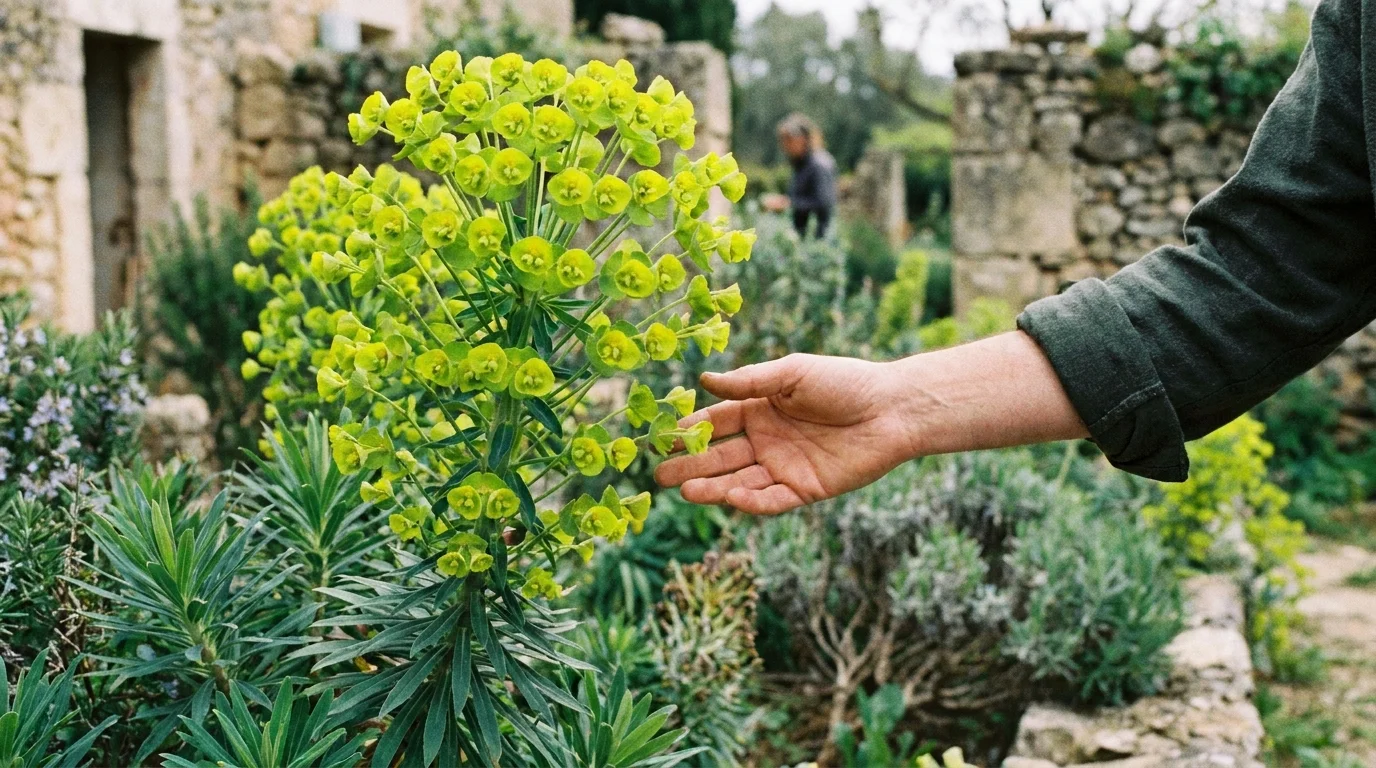
10. Euphorbia (Mole Plant or Gopher Spurge)
Euphorbia lathyris, commonly known as the mole plant, is a striking, architectural plant that stands upright with structured, bluish-green leaves. When the stem or leaves are broken, the plant oozes a thick, milky white sap that is highly irritating and toxic to rodents.
Mice, moles, and gophers will vacate areas where Euphorbia roots penetrate the soil.
Care Guidelines: Euphorbia is a hardy biennial that self-seeds readily. It prefers well-draining soil and can thrive in partial shade or full sun.
Because the sap is a severe skin and eye irritant to humans and pets, you must exercise caution. Always wear thick gardening gloves and long sleeves when pruning or handling this plant.
Despite its toxicity, it remains one of the most effective perimeter defense plants available for severe rodent issues.
Soil Health and Container Choices
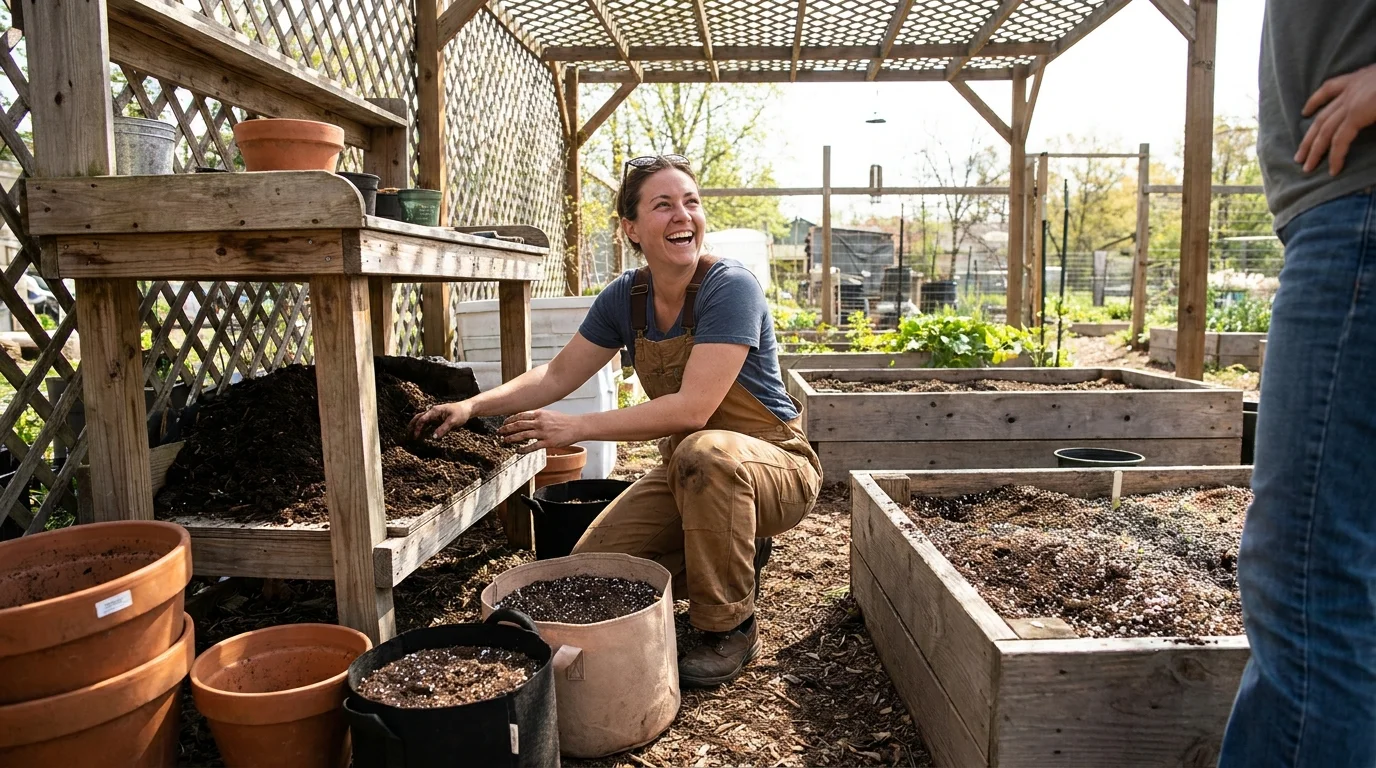
Your pest control plants will only produce the essential oils and deterrent compounds necessary to repel mice if they are fundamentally healthy. A struggling, nutrient-deficient mint plant will not emit enough scent to protect your garden.
The foundation of plant health always begins with proper soil and appropriate container choices.
Utilizing companion planting for small spaces helps you organize these deterrents efficiently within tight balcony or patio layouts.
When cultivating herbs that repel rodents, prioritize a high-quality, peat-free potting mix. Peat extraction damages critical wetland ecosystems, so opting for a mix based on coconut coir or composted bark aligns with an eco-friendly gardening ethos.
Coconut coir provides excellent moisture retention while remaining light and airy, allowing fragile root systems to expand easily.
To improve drainage—which is absolutely vital for Mediterranean herbs like lavender, sage, and rosemary—amend your potting mix with coarse perlite, pumice, or horticultural grit. A ratio of two parts potting mix to one part drainage material usually provides the perfect balance.
If you notice water pooling on the surface of your soil for more than a few seconds, the mix is too heavy and requires more aeration.
Container selection also plays a massive role in plant health. Porous materials, such as unglazed terracotta or clay, allow excess moisture to evaporate through the walls of the pot.
This wicking action cools the roots and prevents fungal diseases like root rot. Plastic or glazed ceramic pots retain moisture longer, making them ideal for water-loving plants like peppermint, but dangerous for dry-climate herbs.
Regardless of the material, always verify that your containers have large, unobstructed drainage holes at the bottom.
Seasonal Care Routines for Pest Control Plants
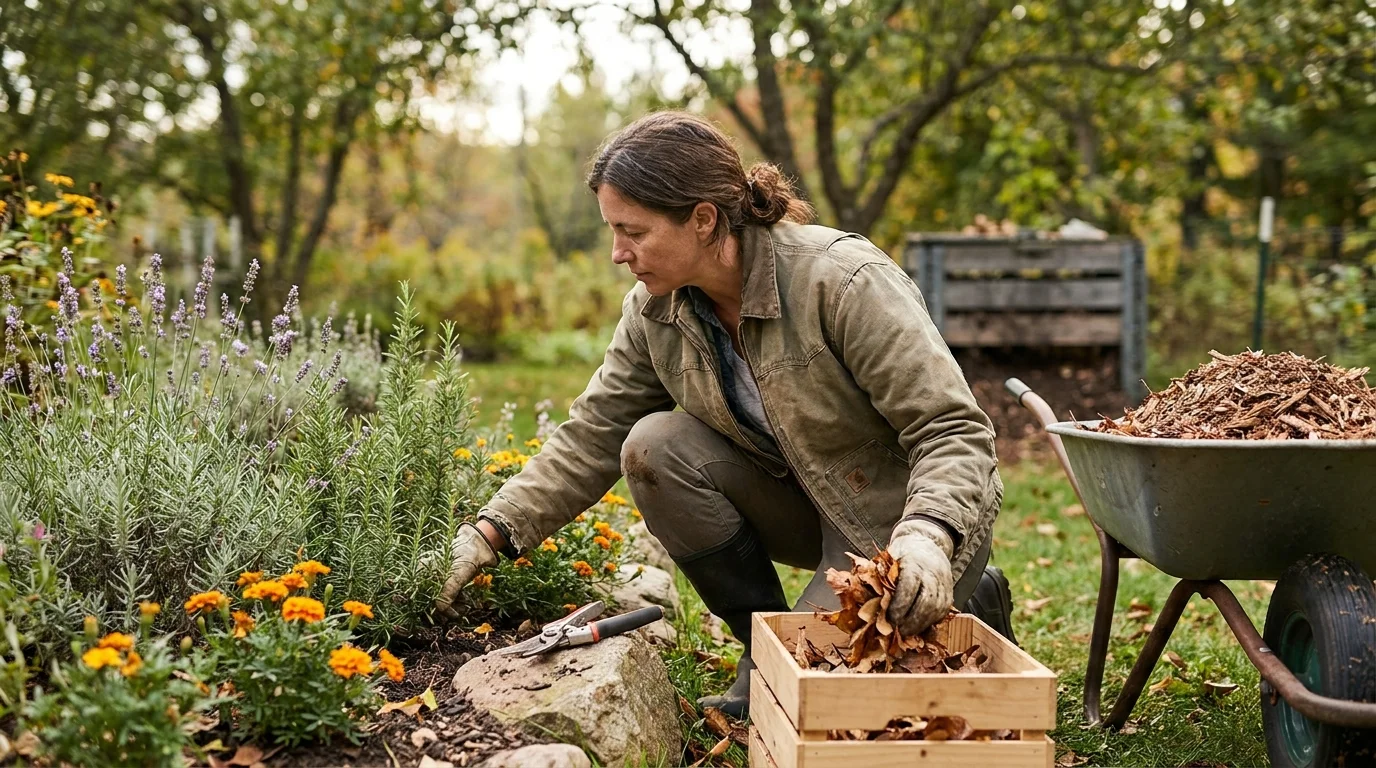
Maintaining a barrier of plants that repel mice requires adapting your care habits to the changing seasons. As temperatures fluctuate, a plant’s metabolic rate and water demands shift dramatically.
Spring: Spring is the season of renewal and aggressive growth. Begin by clearing away any dead foliage or winter debris around your foundation to eliminate hiding spots for mice.
Prune back woody herbs to encourage fresh, highly scented growth. This is also the ideal time to apply an organic, slow-release granular fertilizer.
Work a small handful of organic compost or kelp meal into the top inch of soil around your plants to provide a gentle nutrient boost without causing rapid, weak growth.
Summer: During the intense heat of summer, hydration is your primary focus. However, you must avoid the trap of frequent, shallow watering.
Sprinkling a little water on the soil every day encourages plants to develop shallow root systems that dry out quickly. Instead, water deeply, saturating the entire root zone, and then wait several days until the soil dries out before watering again.
For container plants facing the baking afternoon sun, you may need to check moisture levels daily.
Fall: Autumn requires preparation for dormancy. Fall is the specific window for planting protective bulbs like garlic, ornamental alliums, and daffodils.
Stop fertilizing your perennial herbs about six weeks before your region’s first expected frost; pushing new growth late in the season leaves the plant vulnerable to freeze damage.
Rake up fallen leaves around your foundation, as mice use leaf litter to build warm winter nests.
Winter: For outdoor plants in cold climates, apply a thick layer of shredded bark mulch around the base of the plant to insulate the roots against freezing and thawing cycles.
For tender container herbs like rosemary or certain mint varieties, move them into a protected, unheated space with natural light. Reduce watering significantly during the winter months, providing just enough moisture to keep the soil from turning to absolute dust.

Maintenance Habits and Placement Strategies
To effectively keep mice away naturally, simply owning these plants is not enough; you must place them strategically and maintain them correctly. Mice run along edges, walls, and foundations rather than crossing open spaces.
Therefore, you should concentrate your planting efforts along the perimeter of your home, around the foundation blocks, near crawl space vents, and flanking your exterior doors.
Consistent maintenance is key; try incorporating these simple spring habits to prevent pests into your weekly routine.
Creating a continuous barrier involves layering different types of deterrents. For example, planting toxic daffodils in the soil directly against the house and placing pots of highly aromatic peppermint on the patio steps creates a multi-sensory defense line.
You should routinely brush your hands through the foliage of your potted herbs when you walk past them; this physical agitation releases bursts of essential oils into the air, renewing the invisible scent barrier.
Use the following table to plan the ideal placement and watering routines for your natural garden pest prevention lineup:
| Plant Name | Ideal Placement for Deterrence | Watering Needs |
|---|---|---|
| Peppermint | In pots near doors, windows, and patio steps | High; keep evenly moist |
| Lavender | Along foundation borders and walkways | Low; allow to dry completely |
| Catnip | Perimeter of the yard or near garden sheds | Moderate; water deeply when dry |
| Rosemary | In large pots flanking entryways | Low; excellent drainage required |
| Sage | Mixed into vegetable garden borders | Moderate; avoid waterlogging |
| Garlic | Interplanted with vulnerable root vegetables | Moderate; consistent moisture |
| Ornamental Alliums | Flower beds near the home’s foundation | Moderate; water during active growth |
| Daffodils | Perimeter of raised garden beds | Moderate; prefers dry summers |
| Marigolds | Surrounding vegetable patches and low windows | Moderate; water at the base to prevent rot |
| Euphorbia | Outer property lines and severe problem areas | Low; drought-tolerant once established |
Alongside these specific plant care habits, you must practice general sanitation. Keep woodpiles elevated and far away from the house.
Ensure your outdoor trash cans have tight-fitting lids.
A natural plant barrier works exceptionally well at deterring scouting mice, but if you leave easily accessible piles of pet food or exposed garbage nearby, a starving rodent might endure the unpleasant scents to reach the easy meal.
Frequently Asked Questions
Do plants alone completely eliminate a severe mouse infestation?
No; plants that repel mice are primarily a preventative measure rather than an extermination tool. If you already have a severe, entrenched infestation inside the walls of your home, strong-smelling herbs will not force them to evacuate.
These natural deterrents excel at preventing new mice from crossing the threshold, masking food scents, and discouraging rodents from building nests near your foundation.
For severe internal infestations, you must combine deterrent plants with physical exclusion methods—like sealing cracks with steel wool—and traditional trapping.
Can I grow these mouse-repelling plants indoors?
Yes, several of these plants perform well indoors if provided with adequate light. Peppermint, rosemary, and sage thrive on bright, south-facing windowsills.
By keeping these highly aromatic plants in your kitchen or near ground-level windows, you create a localized scent barrier right where mice are most likely to enter.
Ensure your indoor pots have proper drainage to avoid root rot, and regularly trim the leaves to encourage fresh, strongly scented growth.
Are these mouse-repelling plants safe for pets?
Safety varies wildly depending on the specific plant. Herbs like rosemary, sage, and catnip are generally perfectly safe for dogs and cats.
However, peppermint can cause mild gastrointestinal upset if consumed in large quantities by pets. Plants relying on toxicity—such as daffodils, alliums (garlic and onions), and Euphorbia—are highly toxic to dogs and cats.
If you have curious pets that chew on foliage, you should stick to using pet-safe culinary herbs for your garden pest prevention strategy.
How long does it take for these plants to start working?
Aromatic herbs begin acting as natural rodent deterrents the moment they establish enough foliage to emit volatile oils—usually within a few weeks of transplanting. Bulbs like garlic and daffodils offer immediate subterranean protection once planted in the soil, as their physical presence deters burrowing.
To maximize immediate effectiveness, buy mature, established plants from a local nursery rather than starting from seed, and gently crush a few leaves near your entryways to release a potent burst of oils immediately.
For research-based plant care guidance, visit
University of Maine Cooperative Extension — Gardening, University of Rhode Island Cooperative Extension — Gardening, Connecticut Agricultural Experiment Station, Massachusetts Horticultural Society and Denver Botanic Gardens.
Disclaimer: This article is for informational purposes only and is not a substitute for professional advice. Consult local extension services for region-specific recommendations.