
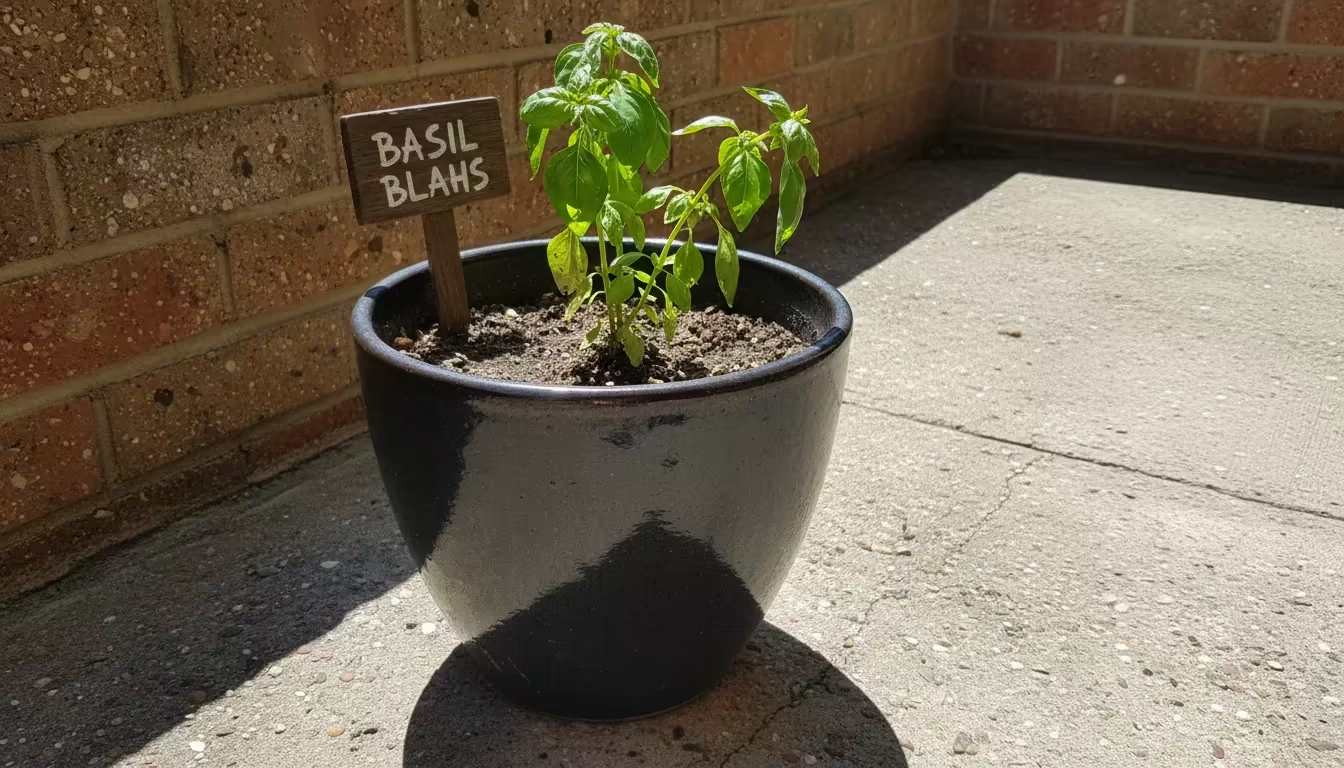
Summer brings vibrant life to your balcony garden, but it also ushers in intense heat, often exacerbated by urban environments and concrete surfaces. When a “heat dome” descends, temperatures skyrocket, creating challenging conditions that can quickly turn your thriving potted plants into wilted, stressed casualties.
For small-space gardeners, this extreme heat poses unique problems, as containers offer less insulation and dry out faster than in-ground beds.
If the intense sunshine has already taken a toll on your setup, you can also use a mid-summer balcony planter recharge to revitalize drooping foliage.
You can safeguard your beloved balcony garden from a summer scorch. This guide equips you with seven practical, actionable strategies to protect your potted plants from extreme heat, ensuring they survive and even thrive when the mercury rises.
We focus on low-maintenance solutions perfectly suited for your small-space oasis, helping you mitigate heat stress plants experience during a balcony heatwave.
Contents10 sections
- Understanding the Balcony ‘Heat Dome’ Effect
- Strategy 1: Master Strategic Hydration for Survival
- Strategy 2: Embrace the Shade with Purposeful Placement and Barriers
- Strategy 3: Mulch Matters for Moisture Retention and Root Protection
- Strategy 4: Potting Power – Choosing the Right Containers and Soil
- Strategy 5: Plant Selection Savvy – Cultivating Heat-Tolerant Heroes
- Strategy 6: Optimize Air Circulation and Pot Elevation
- Strategy 7: Implement Emergency Measures for Extreme Conditions
- Troubleshooting: Recognizing and Responding to Heat Stress
- Frequently Asked Questions
Understanding the Balcony ‘Heat Dome’ Effect
Before we dive into solutions, let’s understand the challenge. A heat dome describes a phenomenon where a persistent ridge of high-pressure traps hot ocean air over a region, preventing it from dissipating.
For your balcony garden, this means stagnant, intensely hot air surrounds your plants for extended periods. This isn’t just about high temperatures, it also includes increased solar radiation, often lower humidity, and decreased air movement.
Understanding how to manage extreme weather also prepares you for colder months, such as knowing how to protect your balcony garden from the first frost in autumn.
As you navigate these harsh seasonal shifts, avoiding common balcony garden mistakes will give your delicate setup the best chance at survival.
Potted plants on balconies face an amplified version of this challenge. Concrete and brick surfaces absorb and radiate heat, creating a microclimate significantly hotter than ambient temperatures.
Your containers, especially dark ones, absorb even more heat, warming the soil and roots to dangerous levels. Unlike plants in the ground, potted plants have limited access to natural moisture reserves and insulation from the earth.
Their root systems are confined, making them highly susceptible to rapid dehydration and overheating. Recognizing these unique vulnerabilities is the first step in formulating an effective summer container care strategy.
Strategy 1: Master Strategic Hydration for Survival
Watering is the most critical defense against a balcony heatwave. During extreme heat, your plants’ water needs dramatically increase.
Simply watering more frequently may not be enough or even beneficial if done incorrectly. You need a strategic approach to hydration.
While summer demands heavy, daily moisture, you can avoid similar issues earlier in the year by learning how to water balcony pots in erratic weather during spring.
If you plan to travel during the sunniest months, you can set up a vacation-proof balcony garden so your potted setups don’t dry out while you are away.
Deep, Thorough Watering is Key:
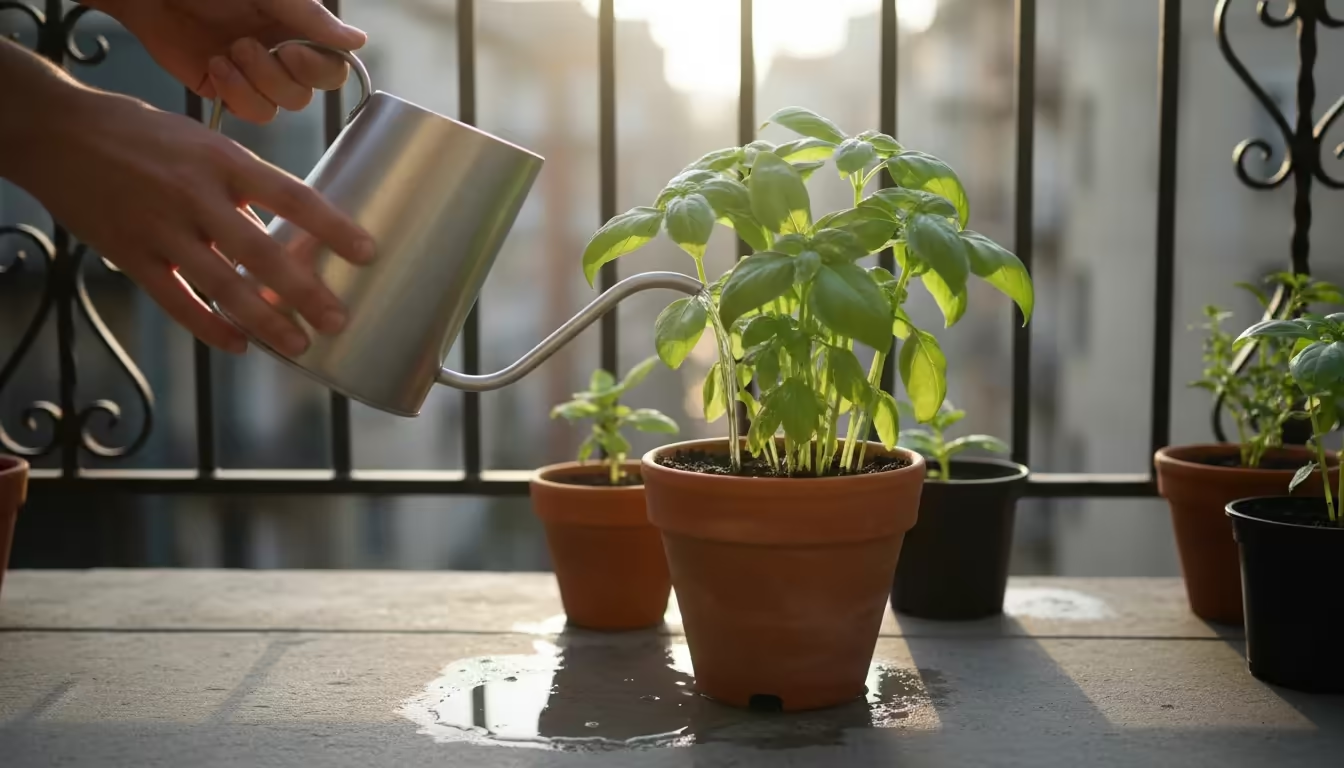
When you water, ensure the water thoroughly saturates the entire root ball. Shallow watering encourages roots to stay near the surface, making them even more vulnerable to drying out.
Water until you see it draining from the bottom of the pot. This indicates the water reached the lower roots.
Optimal Watering Times:
The best time to water is early morning, before the sun reaches its peak intensity. This allows the plants to absorb water before significant evaporation occurs and prepares them for the day’s heat.
If the soil feels dry by late afternoon, a second, lighter watering might be necessary. Avoid watering in the middle of the day when evaporation rates are highest, or in the evening, which can leave foliage wet overnight and encourage fungal issues.
Monitor Soil Moisture, Do Not Guess:
Visual inspection often misleads you. The surface soil might appear dry, while deeper soil remains moist.
Invest in a simple moisture meter, available at most garden stores, to accurately assess soil moisture levels at root depth. Alternatively, you can use the “finger test,” inserting your finger 2-3 inches into the soil.
If it feels dry, it is time to water.
Consider Self-Watering Planters:
Self-watering planters include a reservoir at the bottom that wicks water up to the soil. These systems provide a consistent moisture supply, reducing the frequency of manual watering and ensuring your plants have access to water throughout the day.
This is an excellent low-maintenance solution for busy gardeners or those with many pots.
A Practical Watering Schedule (Adjust as Needed):
- Early Morning (6 AM – 8 AM): Perform a deep, thorough watering. Check each pot, ensuring water drains from the bottom.
- Midday Check (1 PM – 3 PM): For plants in direct, intense sun, or those known to be thirsty, briefly check soil moisture. If extremely dry and wilting, provide a smaller, supplementary drink.
- Evening (Optional, for wilting plants): If you notice severe wilting or signs of heat stress plants exhibit, a small amount of water directly to the soil (avoiding foliage) may help. Do not make this your primary watering time.
Remember, consistent, appropriate watering forms the backbone of your strategy for summer container care. It directly combats dehydration, a primary cause of heat stress plants face.
Strategy 2: Embrace the Shade with Purposeful Placement and Barriers
Shade offers crucial relief from scorching sun rays, directly reducing the temperature around your potted plants. Implementing effective shade ideas for balcony garden designs can significantly lower heat stress, especially during a balcony heatwave.
If you want to transition your garden as the seasons change, look into shade-tolerant plants for fall pots once sunlight levels begin to decline.
Strategic Plant Placement:
The simplest way to provide shade involves moving your pots. Observe your balcony’s sun exposure throughout the day.
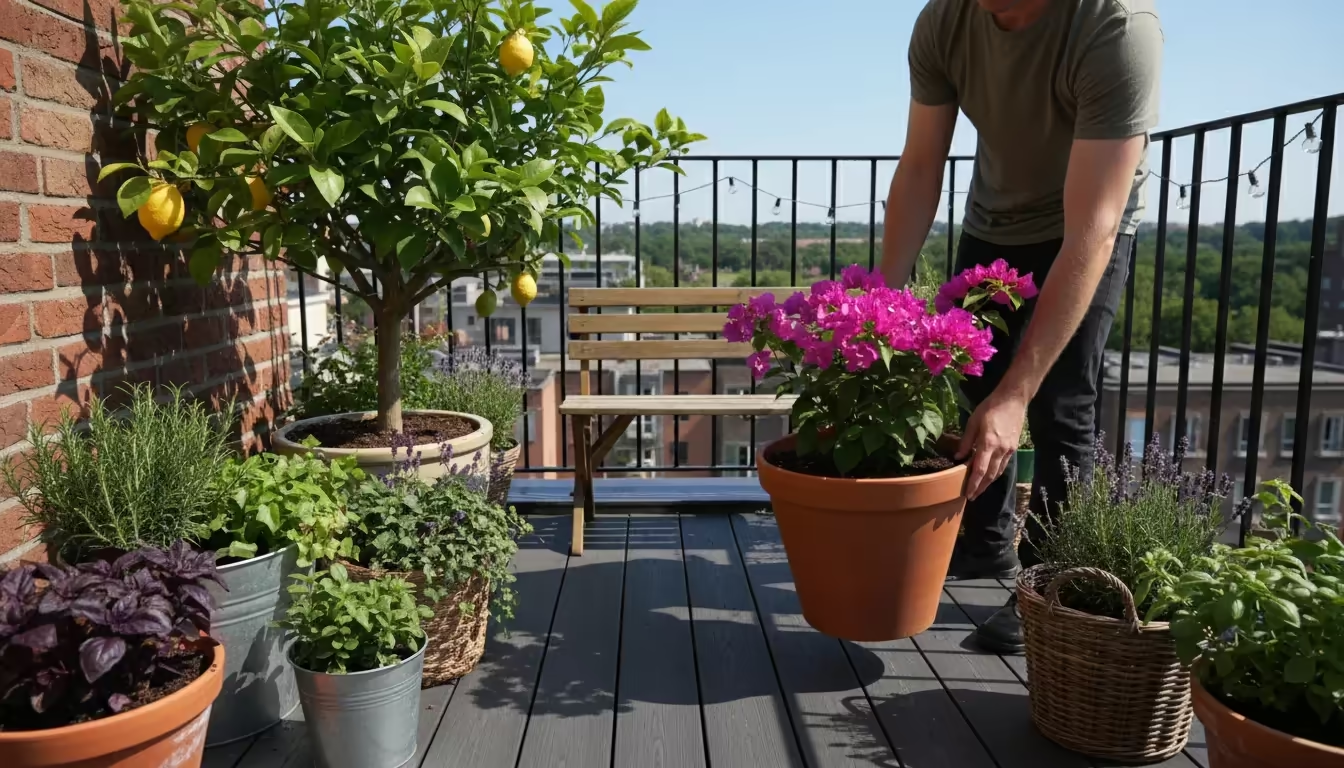
Place sun-sensitive plants in naturally shaded areas, such as behind taller, sun-loving plants or in corners that receive afternoon shade. You can also rotate pots throughout the day to keep plants out of the most intense sun.
This daily movement might seem like a chore, but it makes a significant difference during a heat dome.
Install Temporary Shade Structures:
When natural shade is insufficient, create your own. Many options are available, from simple and inexpensive to more permanent solutions:
- Shade Cloths: These woven materials block a percentage of sunlight, typically 30% to 50%. You can drape them over a simple frame, attach them to balcony railings, or suspend them above your plants. They are lightweight, easy to install, and come in various sizes. This is one of the most effective shade ideas for balcony garden use.
- Umbrellas: A patio umbrella provides instant, movable shade. Position it to block the harsh afternoon sun from your most vulnerable plants.
- Portable Screens or Privacy Panels: These can serve a dual purpose, offering privacy and casting a shadow. Materials like bamboo screens, lattice panels, or even repurposed shower curtains can work effectively.
- Taller Plants as “Nurse Plants”: Position taller, sun-tolerant plants or small trees (in large containers) strategically to cast shade on more delicate, smaller plants. This creates a natural canopy and contributes to a cooler microclimate.
Group Your Plants for Mutual Benefit:
Grouping pots together helps create a microclimate with increased humidity, reducing moisture loss from individual plants. The collective foliage also provides a degree of self-shading, protecting lower leaves and the soil from direct sun.
Ensure you leave enough space for air circulation to prevent fungal issues, but keep them close enough to benefit from shared shade.
When the sun becomes an adversary, strategic shading becomes your most powerful ally against how to protect potted plants from extreme heat. Even partial shade during the hottest part of the day offers substantial relief.
Strategy 3: Mulch Matters for Moisture Retention and Root Protection
Mulching is a simple yet incredibly effective practice for mitigating the impact of high temperatures on your potted plants. Think of mulch as a protective blanket for your soil, offering numerous benefits for summer container care.
Wind also accelerates evaporation, making it helpful to learn how to protect your balcony garden from high winds to prevent your pots from drying out in any season.
What is Mulch and How Does It Work?
Mulch is a layer of material applied to the surface of the soil. It acts as a barrier, preventing rapid evaporation of water from the soil and insulating plant roots from extreme temperature fluctuations.
This is crucial for how to protect potted plants from extreme heat, as container soil heats up and dries out much faster than garden beds.
Benefits of Mulching in Containers:
- Moisture Retention: Mulch significantly reduces water evaporation from the soil surface. This means your plants stay hydrated longer, reducing your watering frequency and conserving water. Data from agricultural studies shows mulched beds can retain 25-50% more soil moisture than unmulched ones, a benefit that scales to container gardening.
- Temperature Regulation: It insulates the soil, keeping it cooler in summer by blocking direct sunlight. This prevents the potting mix from overheating and damaging delicate root systems, which are highly susceptible to heat stress plants experience.
- Weed Suppression: While less of an issue in containers than in garden beds, mulch still helps suppress any opportunistic weeds that might compete for water and nutrients.
- Soil Health Improvement (Organic Mulches): As organic mulches decompose, they slowly release nutrients into the soil, improving its structure and fertility over time.
Choosing the Right Mulch for Your Balcony:
For containers, finer-textured mulches are often more appropriate than bulky garden mulches. Opt for organic materials that will eventually break down and enrich your soil.
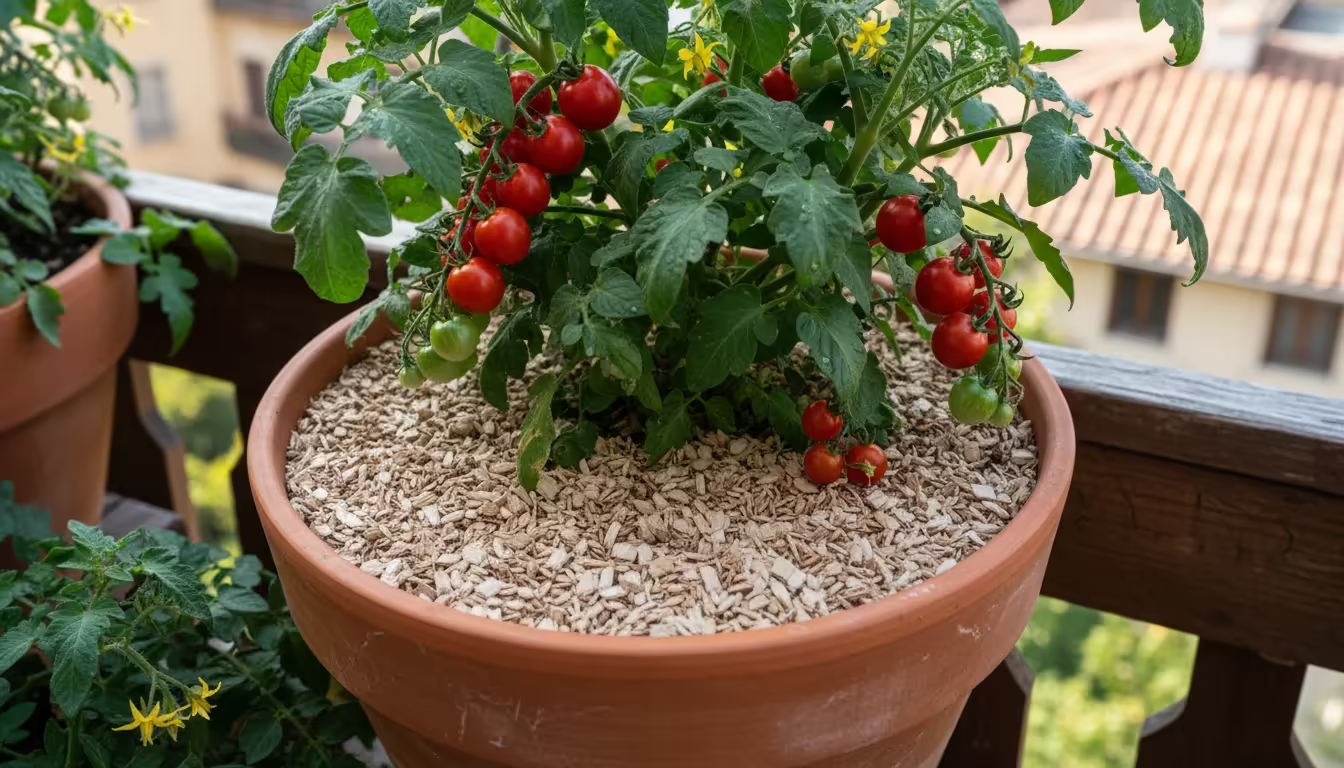
- Wood Chips or Shredded Bark: Excellent insulators and visually appealing. Choose smaller pieces for containers.
- Straw or Hay: Lightweight and highly effective at insulation and moisture retention. Ensure it is herbicide-free.
- Compost: A fantastic option that adds nutrients while performing mulching duties. Use a 1-2 inch layer.
- Coco Coir/Fiber: A sustainable option derived from coconut husks, it is excellent for moisture retention and light.
- Pebbles or Decorative Stones (with caution): While they look nice and suppress weeds, they can absorb and radiate heat, potentially warming the soil. If using, ensure a substantial layer beneath them to insulate or consider lighter-colored stones.
Applying Mulch Effectively:
Apply a 1-2 inch layer of mulch over the surface of your potting mix, leaving a small gap (about an inch) around the base of the plant stem. This prevents moisture buildup directly against the stem, which can lead to rot.
Reapply mulch as it breaks down or gets blown away.
Incorporating mulch into your summer container care routine provides a simple, environmentally conscious way to protect your plants from drying out and overheating.
Strategy 4: Potting Power – Choosing the Right Containers and Soil
Your choice of pot and potting mix plays a crucial, often underestimated, role in how well your plants withstand a balcony heatwave.
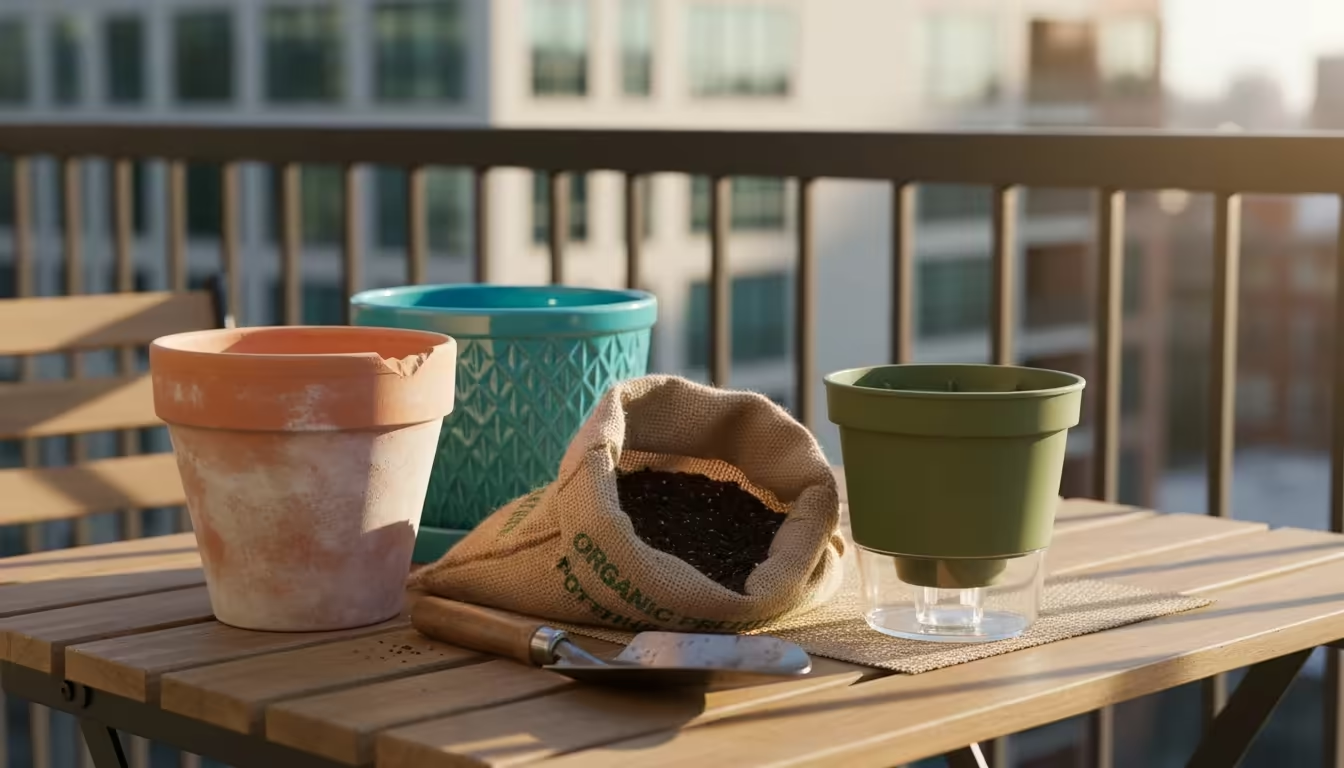
The container’s material, color, and size directly influence soil temperature and moisture retention, while the soil itself determines water availability to the roots. Smart choices here form a strong defense against how to protect potted plants from extreme heat.
Selecting the correct container material is vital to prevent root damage, so find out if your pot is cooking your plants before the next major heatwave.
Understanding how your pots absorb thermal energy is critical during a heatwave, so make sure to check out our analysis of how container materials affect soil temperature before picking new pots.
Container Material Matters:
- Terracotta/Unglazed Clay: These porous pots allow water and air to move through their walls, which can help cool the soil through evaporative cooling. However, this porosity also means they dry out much faster, requiring more frequent watering during a heat dome. This material might be a disadvantage for plants needing consistent moisture.
- Plastic: Plastic pots retain moisture very well, but they offer poor insulation. Dark-colored plastic pots absorb significant solar radiation, causing the soil inside to heat up quickly. Opt for lighter-colored plastic pots to reflect heat.
- Glazed Ceramic/Concrete: These materials are less porous than terracotta and heavier than plastic. They retain moisture well and offer better insulation than plastic, especially thicker-walled options. Light-colored glazed pots are ideal for reflecting heat.
- Fabric Grow Bags: Made from breathable fabric, these bags offer excellent air circulation around the root zone, preventing overheating. They also promote “air-pruning” of roots, which leads to a denser, healthier root system. However, they can dry out faster than plastic pots, similar to terracotta.
Color and Size Considerations:
- Light Colors Reflect Heat: Choose light-colored pots over dark ones. Dark colors (black, dark brown, navy) absorb sunlight, significantly increasing soil temperature, which can cook delicate roots. Lighter colors (white, cream, pale grey, pastels) reflect sunlight, keeping the soil cooler.
- Larger Pots Provide Better Insulation: The larger the volume of soil, the more moisture it can hold and the longer it takes to heat up and dry out. Smaller pots heat up and dry out rapidly, making them highly susceptible to heat stress plants experience. When possible, opt for the largest pot suitable for your plant and space. A larger soil mass also provides better insulation for the roots.
The Foundation: High-Quality Potting Mix:
The soil in your containers is not garden soil. It needs to be specifically designed for pots.
- Excellent Drainage: Potting mix must drain freely to prevent waterlogging, which can lead to root rot. Ingredients like perlite or vermiculite enhance drainage.
- Good Water Retention: While draining well, the mix also needs to hold onto enough moisture for the plant’s roots. Peat moss, coco coir, or compost can improve water retention.
- Aeration: Roots need oxygen. A good potting mix remains loose and airy, even when wet.
When selecting your potting mix, do not skimp on quality. A premium potting mix with a balanced blend of drainage and water-holding components provides the best environment for your plants during a balcony heatwave.
You can also amend your existing potting mix with additional coco coir or compost to boost its water retention capacity before a heat dome arrives.
Strategy 5: Plant Selection Savvy – Cultivating Heat-Tolerant Heroes
One of the smartest ways to prepare your balcony garden for extreme heat involves selecting plants genetically predisposed to handling high temperatures. Choosing heat-tolerant heroes reduces the overall stress on your garden and simplifies your summer container care routine.
Research Before You Plant:
Before you bring a new plant home, research its specific needs, especially its sun and heat tolerance. Some plants thrive in full, intense sun, while others quickly wilt under direct exposure.
Understanding your plant’s hardiness zone and its preferred growing conditions helps you match it to your balcony’s microclimate.
Consider These Heat-Tolerant Plant Categories:
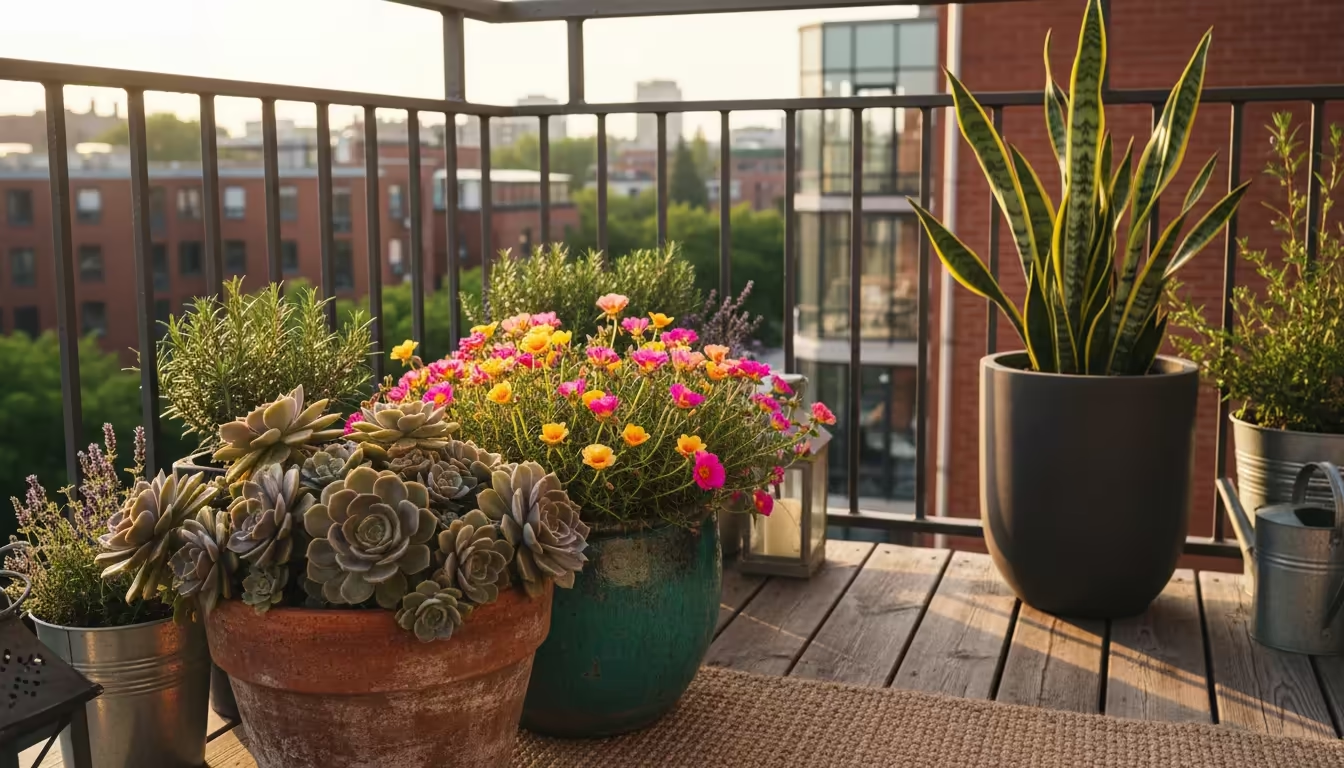
- Succulents and Cacti: These plants are masters of water storage and drought tolerance. Many thrive in full sun and extreme heat.
- Examples: Sedum, Sempervivum (Hens and Chicks), Aloe, Echeveria, various Cacti.
- Mediterranean Herbs: Hailing from regions with hot, dry summers, many herbs are naturally resilient.
- Examples: Rosemary, Lavender, Thyme, Oregano, Sage. These plants often prefer well-draining soil and can handle intense sun.
- Certain Annuals: Some flowering annuals are bred for summer performance and tolerate heat well.
- Examples: Portulaca (Moss Rose) known for its vibrant, cheerful flowers and extreme drought tolerance, Vinca (Periwinkle), Zinnia, Marigolds, Lantana.
- Drought-Tolerant Perennials: For longer-term solutions, consider perennials that handle heat and dry spells.
- Examples: Gaillardia (Blanket Flower), Coreopsis, Salvia (many varieties), Yarrow.
- Tropical Plants (with caveats): Many tropical plants love heat and humidity. While they thrive in high temperatures, they often require consistent moisture, which means more frequent watering during a balcony heatwave.
- Examples: Hibiscus, Bougainvillea, Mandevilla. Ensure they receive adequate water.
Characteristics of Heat-Tolerant Plants:
- Thick, Fleshy Leaves: Like succulents, these store water.
- Small or Needle-Like Leaves: Reduces surface area for water loss through transpiration (e.g., rosemary, lavender).
- Silvery or Hairy Foliage: Reflects sunlight and traps a layer of humidity, reducing water loss (e.g., lamb’s ear, some salvias).
- Deep Root Systems: Allows plants to access moisture deeper in the soil (less relevant for potted plants, but a general trait).
- Waxy Cuticles: A protective layer on leaves that minimizes water evaporation.
By populating your balcony with plants that naturally resist heat stress, you build a garden that is inherently more resilient. This proactive approach significantly reduces how much you need to intervene during a heat dome and sets you up for successful, low-maintenance gardening.
Strategy 6: Optimize Air Circulation and Pot Elevation
Beyond sun and water, airflow plays a crucial role in regulating plant temperature and preventing humidity-related issues during a heat dome. Stagnant, hot air can exacerbate heat stress plants experience, while good air circulation helps dissipate heat and reduce disease risk.
Elevating your pots and optimizing spacing are simple yet effective strategies for summer container care.
The Importance of Air Circulation:
Plants “breathe” through tiny pores on their leaves called stomata. During respiration, plants release water vapor.
When air is stagnant, this humid air gets trapped around the foliage, making it harder for the plant to transpire and cool itself down, similar to how a fan cools you by increasing airflow.
Without good air circulation, the humid microclimate also becomes a breeding ground for fungal diseases and pests.
Space Your Plants Appropriately:
Avoid overcrowding your balcony garden. When plants are too close, they block airflow to each other.
Arrange your pots so that air can move freely between them and around the foliage. This also reduces competition for light and nutrients.
As a rule of thumb, ensure there is at least a few inches of space between the widest parts of your plants.
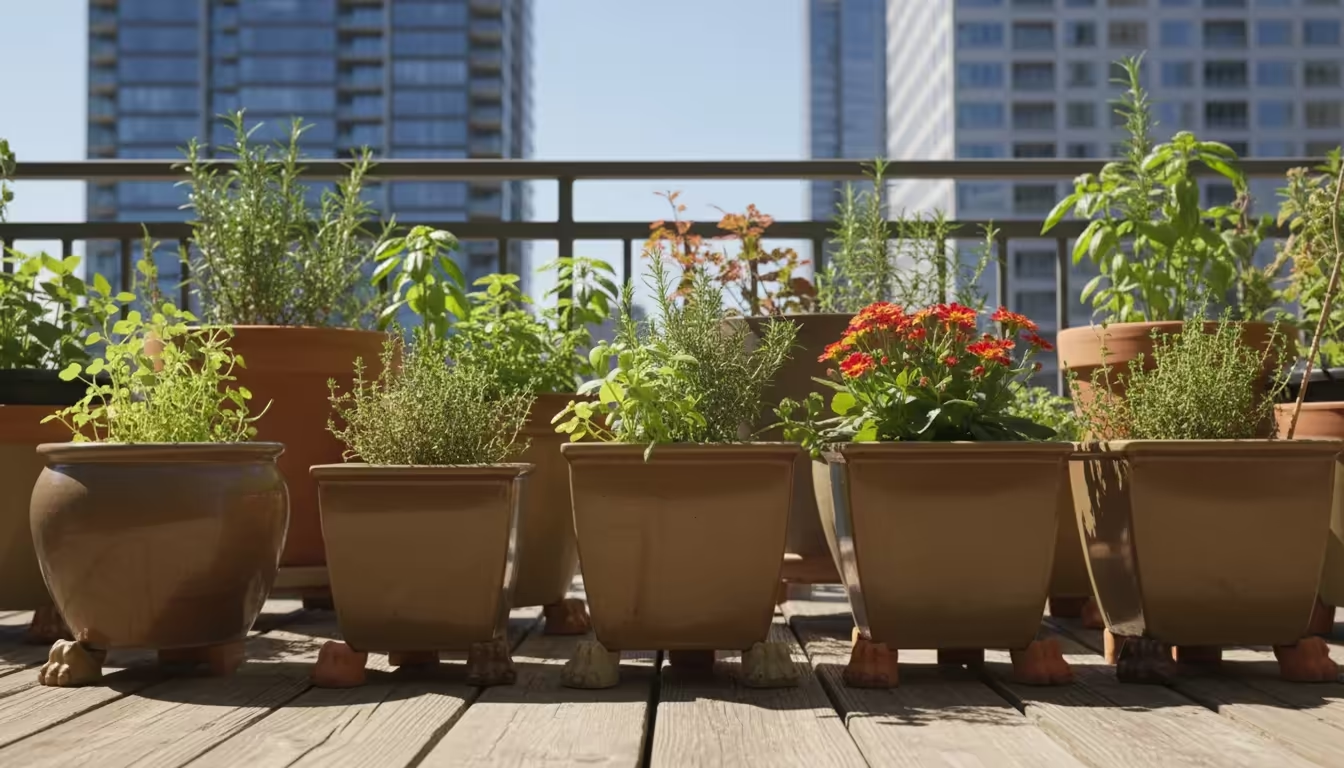
Elevate Your Pots with Pot Feet or Risers:
Many balconies, especially those with concrete or tiled floors, absorb and radiate significant heat. This radiated heat can quickly warm the bottom of your pots, superheating the soil and stressing root systems.
Elevating your pots off the hot surface allows air to circulate underneath, preventing the pot from absorbing direct radiated heat from the balcony floor.
- Pot Feet: Small, discrete supports (often made of plastic, ceramic, or stone) lift the pot a few inches off the ground.
- Brick or Paver Pieces: Repurposed bricks or small pavers can serve the same purpose.
- Wooden Slats or Pallet Pieces: A slatted surface allows for excellent airflow and drainage.
- Decorative Stands: Many attractive plant stands also provide elevation.
Elevating pots also improves drainage, preventing water from pooling at the bottom of the pot after watering, which can lead to root rot.
Consider Vertical Gardening Structures:
Vertical gardening, using shelves, tiered planters, or wall-mounted systems, can improve air circulation by spreading plants out. This also maximizes your small space.
Just ensure wall-mounted pots are not directly against a sun-baked wall all day.
By actively promoting good air circulation, you help your plants regulate their temperature more efficiently and create a healthier overall environment, mitigating the harsh effects of a balcony heatwave.
Strategy 7: Implement Emergency Measures for Extreme Conditions
Sometimes, despite your best efforts, a heat dome brings such extreme conditions that your regular summer container care strategies need supplementation. These emergency measures focus on how to protect potted plants from extreme heat when temperatures become truly dangerous.
Relocate Plants Indoors Temporarily:
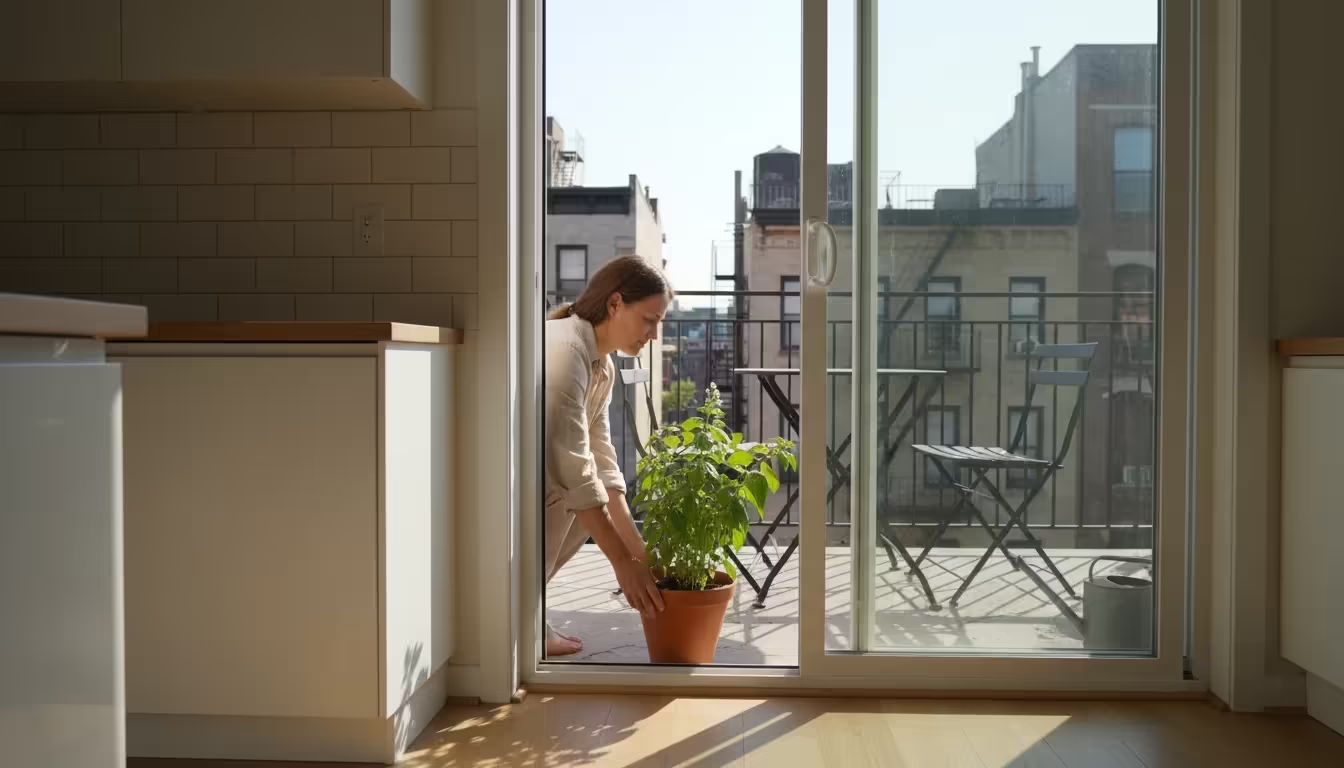
When a forecast predicts temperatures consistently above 95°F (35°C) or a prolonged heatwave, the safest option for highly sensitive plants is to bring them indoors. Find a bright spot near a window, but out of direct, intense sun.
A bathroom or kitchen might offer slightly higher humidity, which can also be beneficial. This is a temporary solution, but it saves plants from certain scorch.
Prioritize your most valuable or delicate plants for this relocation.
Create a “Cool Zone” or Temporary Nursery:
If bringing plants indoors is not feasible for all of them, consider creating a designated “cool zone” on your balcony. This could involve:
- Bath Tub or Kiddie Pool: Place smaller pots in a shallow tray, bathtub, or kiddie pool filled with a few inches of water. This creates a humid microclimate around the plants and allows them to absorb water from the bottom (known as bottom watering) as needed. Ensure the water level does not reach the soil surface to avoid overwatering.
- Shaded, Sheltered Corner: Move all vulnerable plants to the most protected, shaded corner of your balcony. If possible, add an extra layer of shade cloth or even a temporary tent-like structure over them.
Misting (Use with Caution):
Misting can temporarily cool foliage and increase humidity around plants. However, use this technique very carefully.
Misting leaves in direct sun can cause water droplets to act like tiny magnifying glasses, scorching the leaves. Also, prolonged wet foliage, especially in the evening, encourages fungal diseases.
Best practice: Mist early in the morning or late in the evening when the sun is low or absent, targeting the air around the plants, not directly on the leaves. Focus on increasing ambient humidity, not soaking foliage.
Insulate Pots from the Sides:
While mulch insulates the top, the sides of your pots, especially dark ones, can still heat up significantly.
- Wrap Pots: Use burlap, bubble wrap, old towels, or reflective insulation materials to wrap around the sides of your pots. This adds an insulating layer that prevents the pot walls from superheating.
- Double Potting: Place a smaller potted plant inside a larger, empty pot. Fill the space between the two pots with insulating material like straw, wood chips, or even sand. This creates an air gap and a thick layer of insulation.
These emergency steps for how to protect potted plants from extreme heat offer a last line of defense when a balcony heatwave pushes your plants to their limits.
Proactive measures are always best, but knowing how to react during critical moments ensures your garden’s survival.
Troubleshooting: Recognizing and Responding to Heat Stress in Your Plants
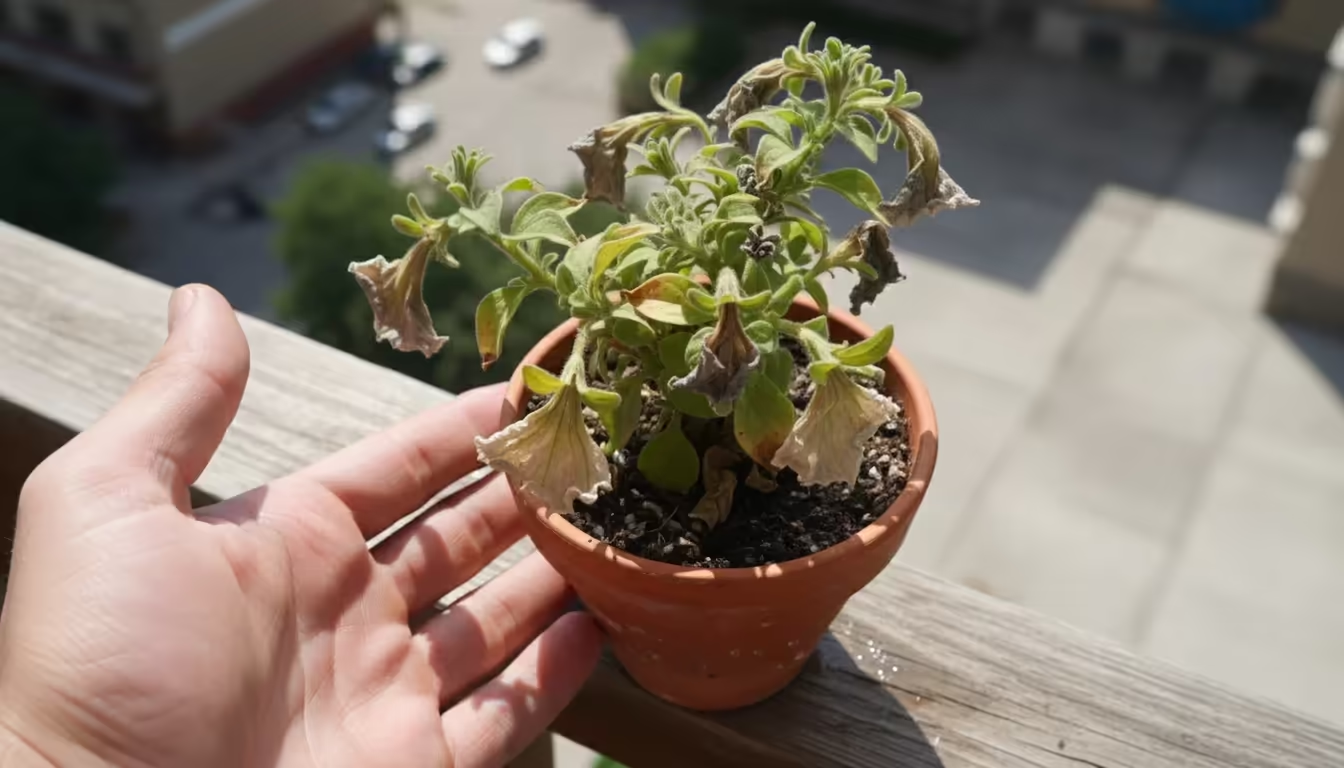
Even with the best preparation, a prolonged heat dome can take a toll. Knowing how to spot the early signs of heat stress plants exhibit allows you to intervene quickly and potentially save them.
Your keen observation skills are a vital part of effective summer container care.
Once the high temperatures subside, remember to adjust your container watering schedule for cooler fall weather to prevent root rot as growth slows down.
Common Symptoms of Heat Stress:
- Wilting or Drooping Leaves: This is often the first and most obvious sign. Leaves lose turgor (internal water pressure) and sag. While some wilting in the peak afternoon heat is normal for certain plants, if they do not perk up by evening after watering, they are in distress.
- Yellowing or Browning Leaves: Extreme heat can cause leaves to yellow, often starting at the edges or tips. This is sometimes followed by browning and crisping, indicating cellular damage.
- Scorched Spots: Direct, intense sun, especially when combined with high temperatures, can burn foliage, leaving brown or white patches on leaves. This is “sunburn” for plants.
- Stunted Growth: Plants under prolonged heat stress redirect energy to survival rather than growth, resulting in slowed or stopped development.
- Flower Drop or Bud Abortion: Plants may drop flowers or developing buds prematurely to conserve energy and water. This is a survival mechanism.
- Leaf Curl or Roll: Some plants curl or roll their leaves inward or upward to reduce the surface area exposed to the sun and minimize water loss.
- Overall Dull Appearance: A normally vibrant plant may look tired, listless, or dull in color.
Immediate Actions to Take:
- Provide Immediate Water: If the soil is dry, water deeply and thoroughly. If the soil is already moist but the plant is wilting, this indicates root damage or extreme heat shock, and water alone might not suffice.
- Move to Shade: Immediately relocate the stressed plant to a cooler, shaded area. This is the most crucial step to prevent further damage.
- Increase Humidity (Cautiously): Place the pot in a tray of pebbles with water, ensuring the pot does not sit directly in the water. This can raise ambient humidity around the plant without directly wetting leaves.
- Reduce Fertilization: Do not fertilize a stressed plant. Fertilizers contain salts that can further dehydrate an already struggling plant. Wait until the plant recovers.
- Remove Damaged Foliage: Once the immediate crisis passes, prune away severely scorched or damaged leaves. This allows the plant to focus energy on new, healthy growth.
- Monitor Closely: Over the next few days, closely observe the plant for signs of recovery or worsening conditions.
Understanding these signs and having a rapid response plan in place empowers you to effectively combat how to protect potted plants from extreme heat. Early intervention makes a significant difference in your plant’s recovery from a balcony heatwave.
Frequently Asked Questions
Can I use ice cubes to water my potted plants during a heatwave?
While ice cubes melt slowly, providing gradual moisture, they can shock plant roots with extreme cold. This sudden temperature drop can be detrimental to root health, especially for tropical plants.
It is generally better to use room-temperature water or water slightly cooled from overnight storage. Focus on deep, thorough watering in the early morning instead of relying on ice cubes.
How often should I fertilize my balcony plants during a heat dome?
During extreme heat, plants are under significant stress and typically do not require or benefit from fertilization. In fact, applying fertilizer can exacerbate heat stress as the salts in fertilizers can draw moisture away from roots.
Reduce or pause fertilization during a heatwave and resume a regular feeding schedule only when temperatures return to normal and plants show signs of active growth.
My plant’s leaves are curling. Is it just heat stress or something else?
Leaf curl is a common symptom of heat stress and dehydration, as plants try to reduce water loss. However, it can also indicate pests (like aphids or thrips), diseases, or nutrient deficiencies.
First, check for signs of dehydration, provide water, and move the plant to shade. If the plant does not recover within a day or two, or if you see visible pests or other symptoms, investigate those possibilities.
For heat stress, the curl often appears widespread and consistent across affected leaves.
Will misting my plants help them survive a heatwave?
Misting can offer temporary relief by increasing humidity around plants, which can slightly lower leaf temperature and reduce water loss. However, misting in direct sunlight can cause leaf scorch because water droplets act as tiny magnifying lenses.
Also, prolonged wet foliage, particularly in the evening, can promote fungal diseases. If you choose to mist, do so sparingly, early in the morning or late in the evening, and aim for the air around the plant rather than directly soaking the leaves.
What if I am going away for a few days during a heatwave?
Prepare your plants for your absence. Water them thoroughly before you leave.
Move all pots to the coolest, shadiest spot available, ideally grouped together to create a humid microclimate. Apply a thick layer of mulch to all pots.
Consider self-watering globes or wicking systems for short-term solutions. For longer absences or highly sensitive plants, arrange for a friend or neighbor to water them, or temporarily move them indoors to a cooler spot.
For trustworthy gardening information, visit:
Tennessee Extension — Gardening, University of Delaware Extension — Gardening, University of Vermont Extension — Gardening, University of New Hampshire Extension — Yard & Garden and University of Maine Cooperative Extension — Gardening. These organizations provide expert, research-based advice for gardeners at all levels.
Disclaimer: This article is for informational purposes only and is not a substitute for professional gardening advice. Always consult local extension services or horticulture experts for region-specific guidance.