
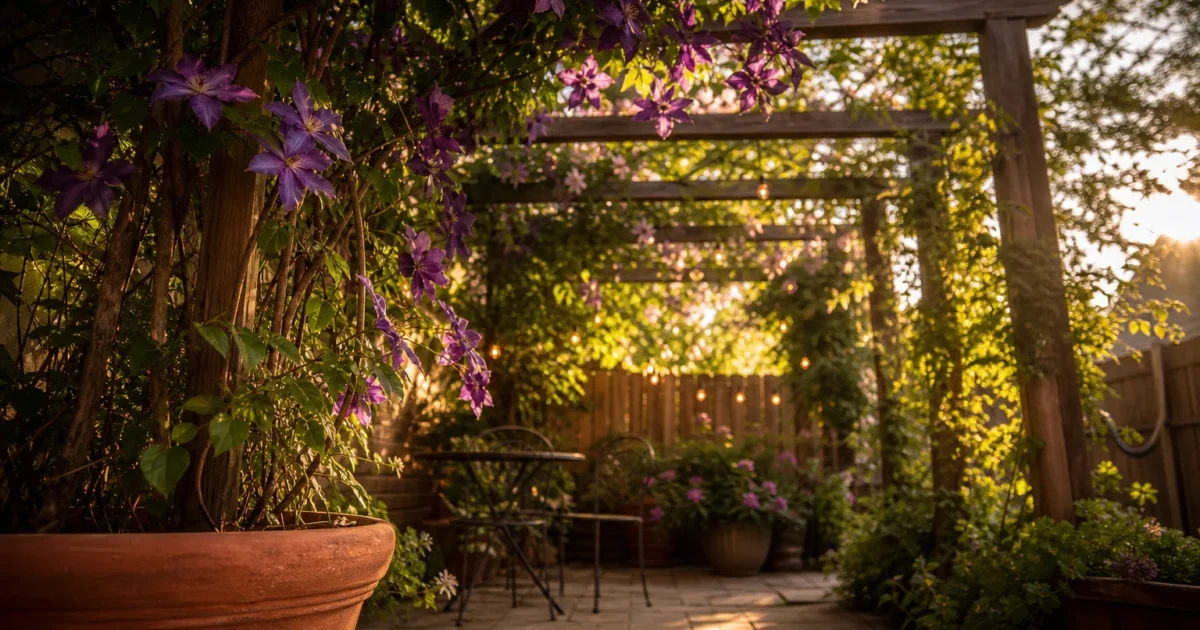
Transforming a bare fence or an empty pergola into a lush, vertical sanctuary maximizes your gardening space while adding breathtaking visual appeal to your home. When you utilize the vertical plane, you immediately expand your growing footprint, turning cramped patios and narrow balconies into thriving, multi-dimensional gardens. Selecting the best climbing plants ensures your structures are draped in vibrant colors and rich textures without overwhelming your limited square footage. Whether you desire cascades of fragrant blossoms framing your seating area or a dense wall of greenery to shield you from curious neighbors, the right vines deliver spectacular results; you simply need to match the plant’s growth habits to your specific microclimate and support structure.
With the right approach, you can easily transform a tiny yard into a garden oasis that feels private and spacious.
Why Grow Vertically in Small Spaces
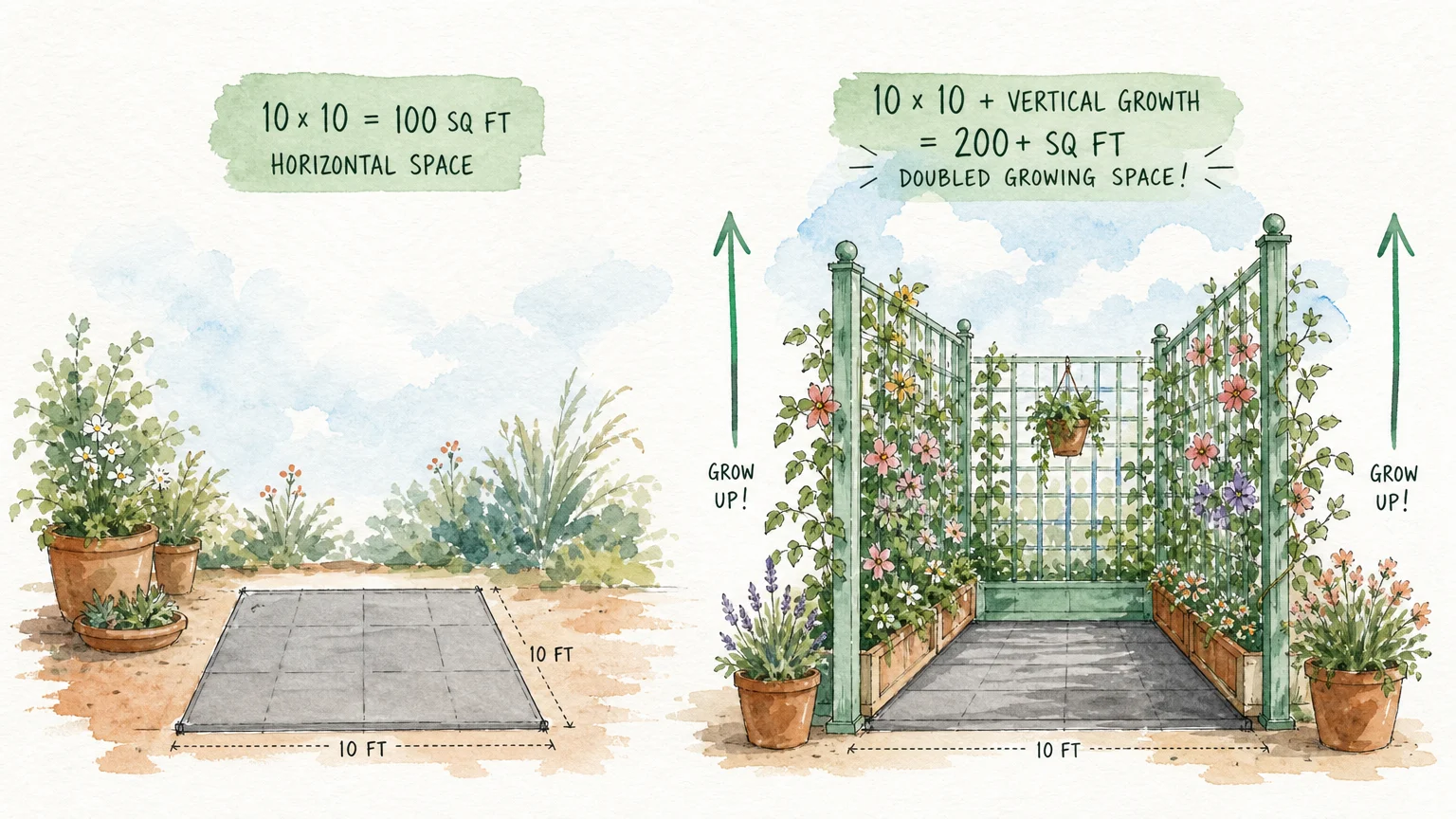
When horizontal ground runs out, the only logical direction to expand your garden is upward. Small-space gardeners frequently face the challenge of wanting a diverse, lush environment without possessing the square footage to support widespread beds. Vertical gardening offers an elegant solution to this common dilemma. By cultivating climbing plants for fences and trellises, you capitalize on underutilized airspace, essentially doubling or tripling your usable growing area.
If you need reliable perimeter screening alongside your trellises, consider integrating some fast-growing privacy hedges to establish boundaries quickly.
Incorporating vertical elements into your small garden layouts is an excellent way to maximize your available square footage.
Beyond simply saving space, vertical growth provides significant physiological benefits to your plants. Lifting foliage off the damp ground dramatically improves air circulation around the leaves and stems. Better airflow reduces the persistent moisture that often invites fungal diseases—such as powdery mildew and black spot—allowing your plants to thrive naturally with fewer chemical interventions. Furthermore, elevating your greenery positions the leaves to capture optimal sunlight, which is especially critical in walled courtyards or shaded balconies where the sun’s angle limits light penetration at ground level.
Aesthetically, integrating vertical elements draws the eye upward, creating an illusion of grandeur and expanded space. A sturdy wooden pergola blanketed in flowering climbing vines establishes a natural outdoor ceiling, offering cool shade during the sweltering summer months and transforming an exposed patio into an intimate, protected living space. Fences, often viewed as stark boundary lines, soften into living walls that blur the rigid edges of your property. This living architecture introduces movement, seasonal color changes, and vital habitats for local pollinators, making your small garden feel expansive and alive.
Understanding How Vines Climb
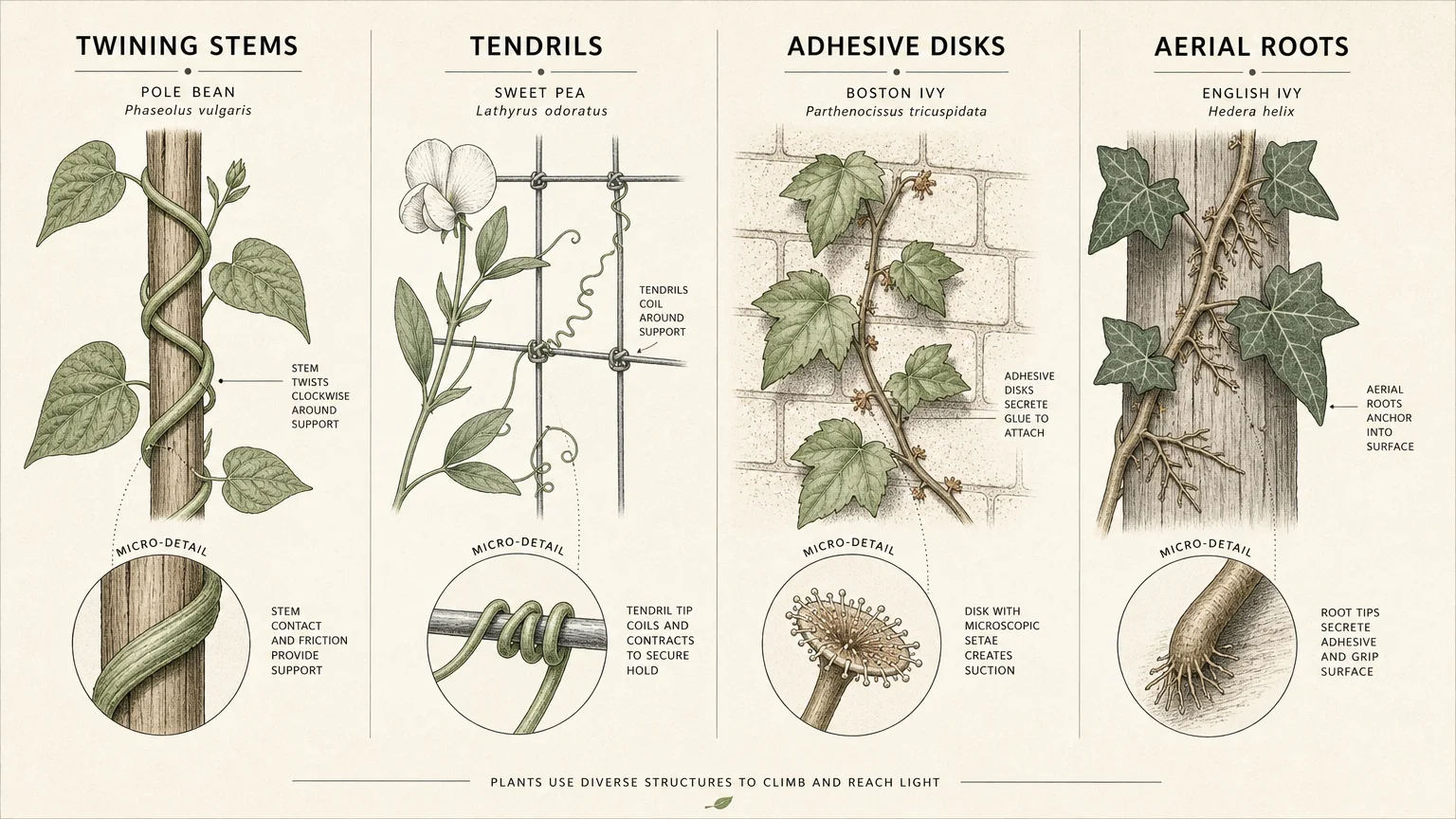
Before you purchase any foliage, you must understand exactly how different species attach themselves to structures. Buying a vine without considering its climbing mechanism often results in frustrated gardeners and damaged walls. Climbing plants generally fall into four distinct categories based on their anatomical adaptations. Matching the climbing method to the appropriate support structure dictates the long-term success of your vertical garden.
To optimize the soil at the base of your climbers, practicing companion planting for small spaces helps maximize nutrients and deter pests naturally.
| Climbing Method | How It Works | Best Support Type | Plant Example |
|---|---|---|---|
| Twining Stems | The entire main stem spirals around a support to pull the plant upward. | Poles, thick wires, chain-link fences, and sturdy lattice. | Honeysuckle, Wisteria |
| Tendrils | Small, specialized leafless side-shoots reach out and wrap tightly around narrow objects. | Thin wire mesh, twine, string, and delicate trellises. | Clematis, Sweet Pea |
| Aerial Roots / Adhesive Pads | The plant produces sticky pads or clinging rootlets along its stem that glue themselves to flat surfaces. | Brick walls, masonry, heavy wooden fences, and large tree trunks. | Climbing Hydrangea, Creeping Fig |
| Scramblers | These plants do not attach themselves at all; they grow long, flexible canes that must be manually tied to a support. | Pergolas, heavy horizontal wires, and robust wooden fences. | Climbing Roses, Bougainvillea |
If you plant a vine equipped with tiny tendrils next to a thick wooden fence post, the plant will simply flop onto the ground; the tendrils cannot grasp the wide wood. Conversely, allowing a vine with adhesive aerial roots to climb a painted wooden fence often leads to structural damage, as the roots pry under the paint and degrade the timber over time. Always evaluate the anatomy of the plant before finalizing your landscape design.
Top Flowering Climbing Vines for Sun
Sun-drenched fences and unshaded pergolas provide the perfect stage for vibrant, prolific bloomers. When an area receives six or more hours of direct sunlight daily, you possess the ideal conditions to cultivate some of the most spectacular flowering climbing vines available. Here are four exceptional choices for your sunniest spots.
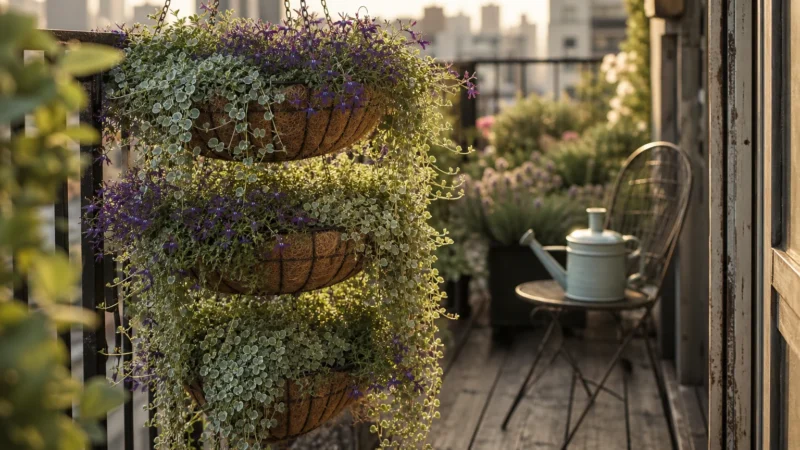
You can beautifully mirror these upward-reaching vines by hanging some of the best trailing plants for hanging baskets from your pergola beams.
If you want to complement your climbers with lower-profile blooms, consider planting some vibrant flowers for container gardens that bloom all summer around the base of your trellises.
1. Climbing Roses (Rosa spp.)
Climbing roses bring classic romance and intoxicating fragrance to any sunny garden. Despite their name, these plants are actually scramblers; they lack the natural ability to grip supports. You must manually train and secure their long canes to your fence or pergola. To maximize their floral display, practice horizontal training. Bend the main vertical canes gently along horizontal wires or fence panels. This technique disrupts the plant’s apical dominance—the tendency to push all growth energy to the highest tip—and forces the rose to push out dozens of lateral blooming shoots along the entire length of the cane.
2. Clematis (Clematis spp.)
Often heralded as the queen of the climbers, Clematis offers breathtaking, saucer-sized flowers in shades of purple, pink, white, and red. They utilize delicate, leaf-stalk tendrils to grasp supports, making them perfectly suited for wire mesh trellises or thin lattice. Clematis insists on a very specific growing condition: “head in the sun, feet in the shade.” The vines require brilliant sunlight to produce flowers, but their root systems demand cool, moist conditions. Protect the roots by planting low-growing groundcovers around the base or applying a thick, three-inch layer of organic mulch.
3. Bougainvillea (Bougainvillea glabra)
If you garden in a warm, frost-free climate, Bougainvillea delivers an unmatched explosion of tropical color. The brilliant magenta, orange, and white displays are actually papery bracts rather than true flowers. Bougainvillea thrives in intense heat and tolerates drought remarkably well once established. Because it possesses stiff, thorny canes rather than gripping mechanisms, it functions brilliantly as a security barrier along property lines. Use heavy-duty, flexible plant ties to anchor the robust canes to your pergola columns or fence rails, ensuring they withstand strong winds.
4. Star Jasmine (Trachelospermum jasminoides)
For a reliable, evergreen presence coupled with an unforgettable scent, Star Jasmine ranks among the best climbing plants for pergolas and seating areas. This vigorous twining vine produces glossy, dark green leaves that remain attractive year-round in mild climates. In late spring and early summer, it erupts in clusters of tiny, star-shaped white flowers that perfume the air with a sweet, heavy fragrance. Star Jasmine requires a sturdy support structure to wrap its stems around, making it ideal for robust wooden posts, chain-link fences, or custom-built wrought iron trellises.
Best Climbing Plants for Shade
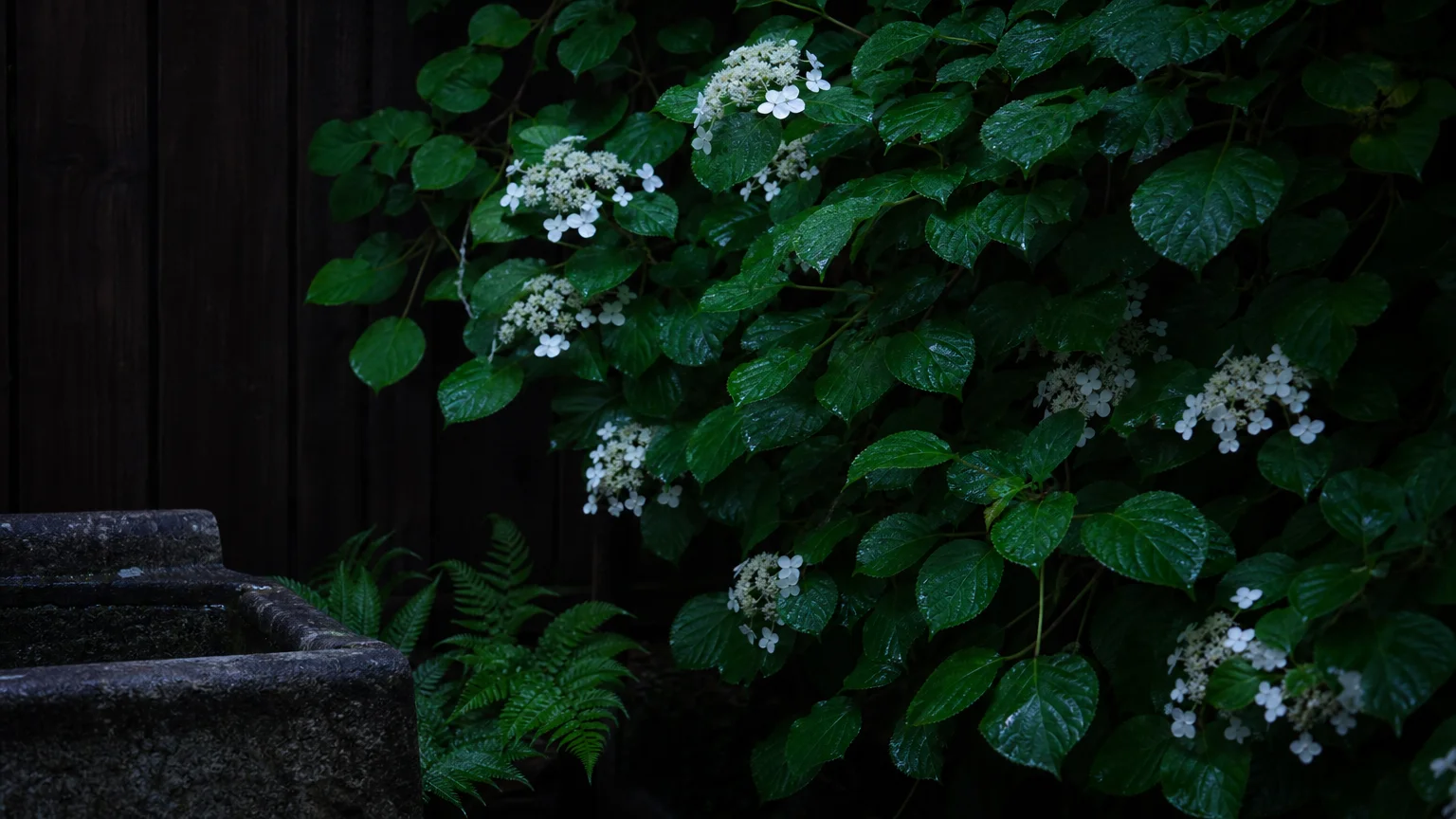
Not every garden basks in continuous sunshine. Enclosed patios, north-facing walls, and areas shadowed by mature trees demand robust plants capable of thriving in lower light conditions. Fortunately, several climbing plants for fences flourish away from the harsh glare of the sun, bringing lush greenery and subtle blooms to your garden’s darker corners.
Softening dark corners with shade-loving foliage is one of many clever budget garden design tips that can make a modest patio look incredibly high-end.
To build a layered look in these dim spaces, you can pair these climbing vines with other shade-tolerant plants in pots arranged near the base of your supports.
5. Climbing Hydrangea (Hydrangea anomala petiolaris)
Climbing Hydrangea provides a dramatic, elegant solution for heavily shaded masonry walls or massive pergolas. This heavy, woody vine climbs utilizing aerial rootlets that grip textured surfaces tenaciously. While it grows rather slowly during its first few years, it eventually matures into a massive specimen capable of covering entire facades. In early summer, it produces large, lacy white flower clusters that brighten up dark areas. Because a mature Climbing Hydrangea carries significant weight, you must ensure your support structure possesses exceptional structural integrity; do not plant this vine on flimsy trellises or weak, rotting fences.
6. Creeping Fig (Ficus pumila)
When you need to cover an unsightly concrete block wall or a plain stucco surface quickly, Creeping Fig offers an unparalleled, dense carpet of green. Thriving in partial to full shade, this vigorous vine attaches itself via powerful adhesive pads, flattening itself beautifully against flat surfaces. The small, heart-shaped juvenile leaves create a sophisticated, manicured appearance. However, you must commit to regular maintenance with this plant. If left unpruned, it eventually develops large, leathery adult leaves and thick, woody branches that can pry apart mortar. Prune it aggressively twice a year to maintain its delicate aesthetic and prevent structural damage.
7. Sweet Autumn Clematis (Clematis terniflora)
Unlike many large-flowered Clematis varieties that demand full sun, Sweet Autumn Clematis tolerates partial shade beautifully. It spends the spring and summer developing a dense screen of rich green foliage. Just as other garden plants begin to fade in late August and September, this vigorous vine bursts into a cloud of starry, heavily scented white flowers. It grows incredibly fast, making it a stellar option for a quick privacy screen. Because it blooms on new growth, you should cut the entire plant back hard in late winter or early spring to control its size and encourage vigorous, floriferous new vines.
Fast-Growing Climbers for Quick Privacy
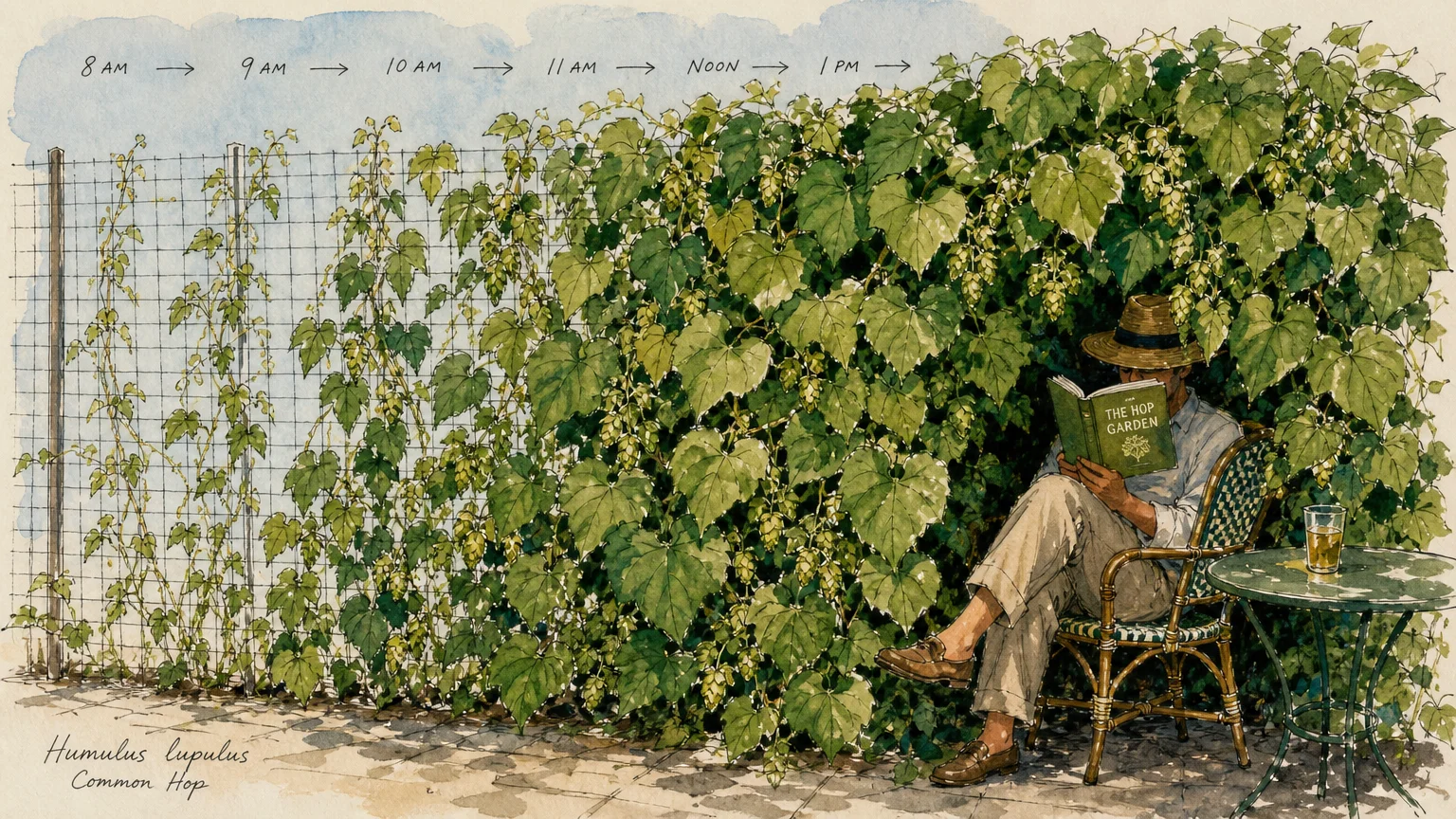
When an ugly view encroaches on your sanctuary, or neighboring windows look directly onto your patio, waiting years for a slow-growing plant to mature feels agonizing. You need rapid vertical growth. These fast-growing climbers race up their supports, providing dense foliage and quick privacy for exposed outdoor spaces.
8. Crossvine (Bignonia capreolata)
Crossvine is a vigorous, semi-evergreen climber native to the southeastern United States. It utilizes specialized tendrils tipped with tiny adhesive disks, allowing it to cling effortlessly to both wire trellises and flat brick walls. In spring, it puts on a spectacular show of tubular, trumpet-shaped flowers in striking shades of orange, red, and yellow. These deep blossoms act as a magnet for hummingbirds. Crossvine handles both sun and partial shade, making it a highly adaptable choice for quickly screening a chain-link fence or draping over a prominent pergola.
9. Coral Honeysuckle (Lonicera sempervirens)
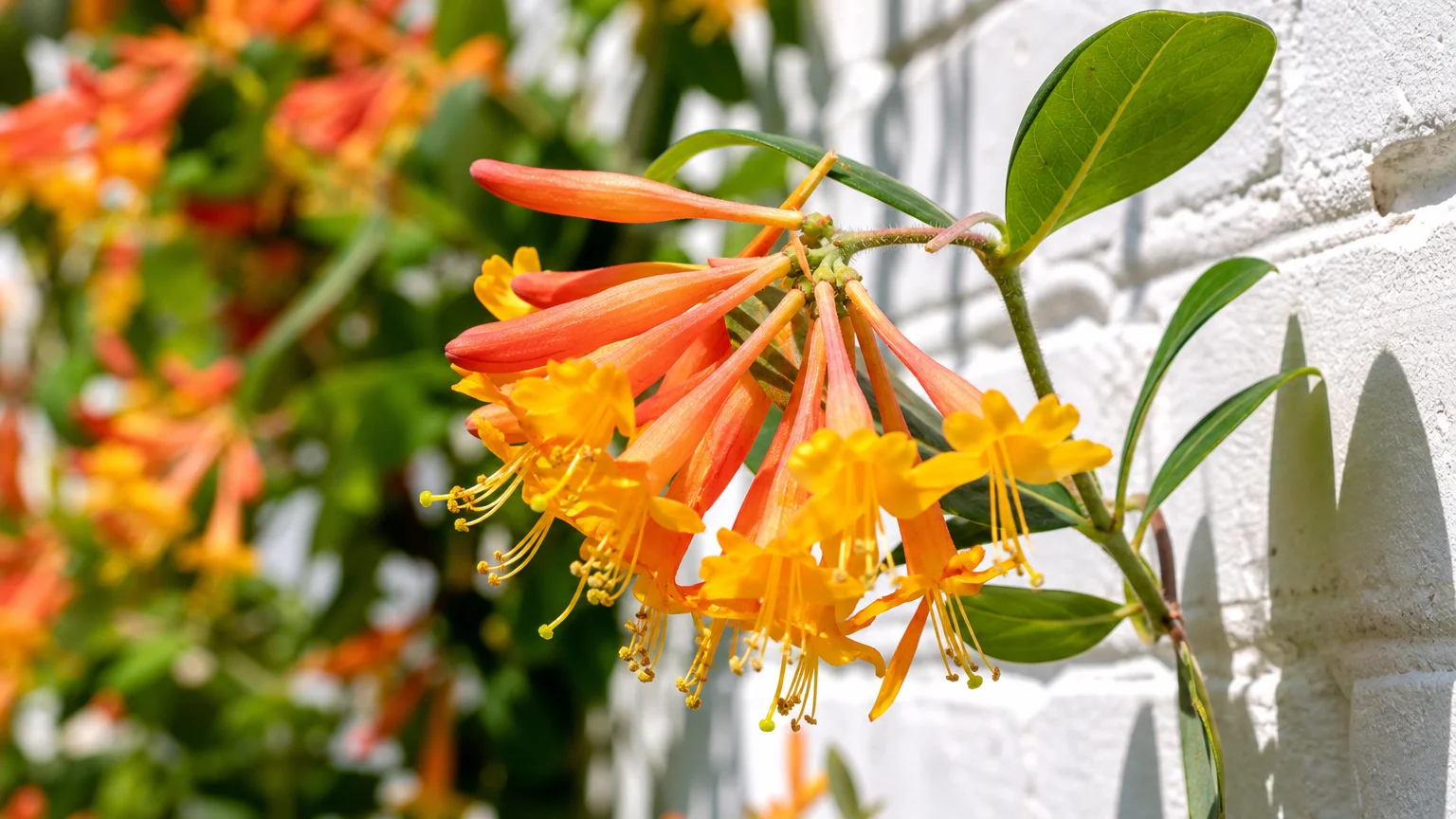
If you desire rapid growth without the invasive, destructive tendencies of Japanese Honeysuckle, native Coral Honeysuckle provides the perfect balance. This twining vine wraps itself securely around wire meshes, arbors, and wooden rails, quickly establishing a dense visual barrier. Throughout the summer, it pushes out stunning clusters of tubular, coral-red flowers featuring yellow interiors. It requires very little maintenance beyond occasional shaping, resists most common garden pests, and provides vital nectar for local pollinator populations.
10. Black-Eyed Susan Vine (Thunbergia alata)
For balcony gardeners or those renting their homes, committing to a permanent woody vine is not always feasible. The Black-Eyed Susan Vine serves as the ultimate fast-growing annual climber (though it acts as a perennial in tropical zones). From a simple seed or small nursery start, this twining plant will rapidly cover a balcony railing or a decorative obelisk within a single season. It produces charming, cheerful blossoms featuring vivid yellow, orange, or apricot petals surrounding a distinct, dark chocolate center. It provides immediate gratification and privacy without requiring a long-term structural commitment.
Preparing Soil and Support Structures
A thriving vertical garden relies completely on its foundational elements: nutrient-rich soil and robust physical supports. You cannot expect extraordinary top growth if the root system struggles in poor conditions.
Start by evaluating your soil’s drainage. In gardening terms, drainage simply refers to how water moves through soil. Heavy clay soils trap water, suffocating plant roots and leading to root rot. Conversely, sandy soils allow water to flow through too rapidly, leaving the plant parched and deprived of dissolved nutrients. To fix either extreme, work a generous amount of organic compost into the planting hole. Compost acts as a magical equalizer—it breaks apart dense clay to allow water to drain, and acts as a sponge in sandy soil to retain vital moisture. Dig a planting hole twice as wide as the nursery pot, but keep the depth exactly the same to prevent the vine’s crown from sinking and rotting.
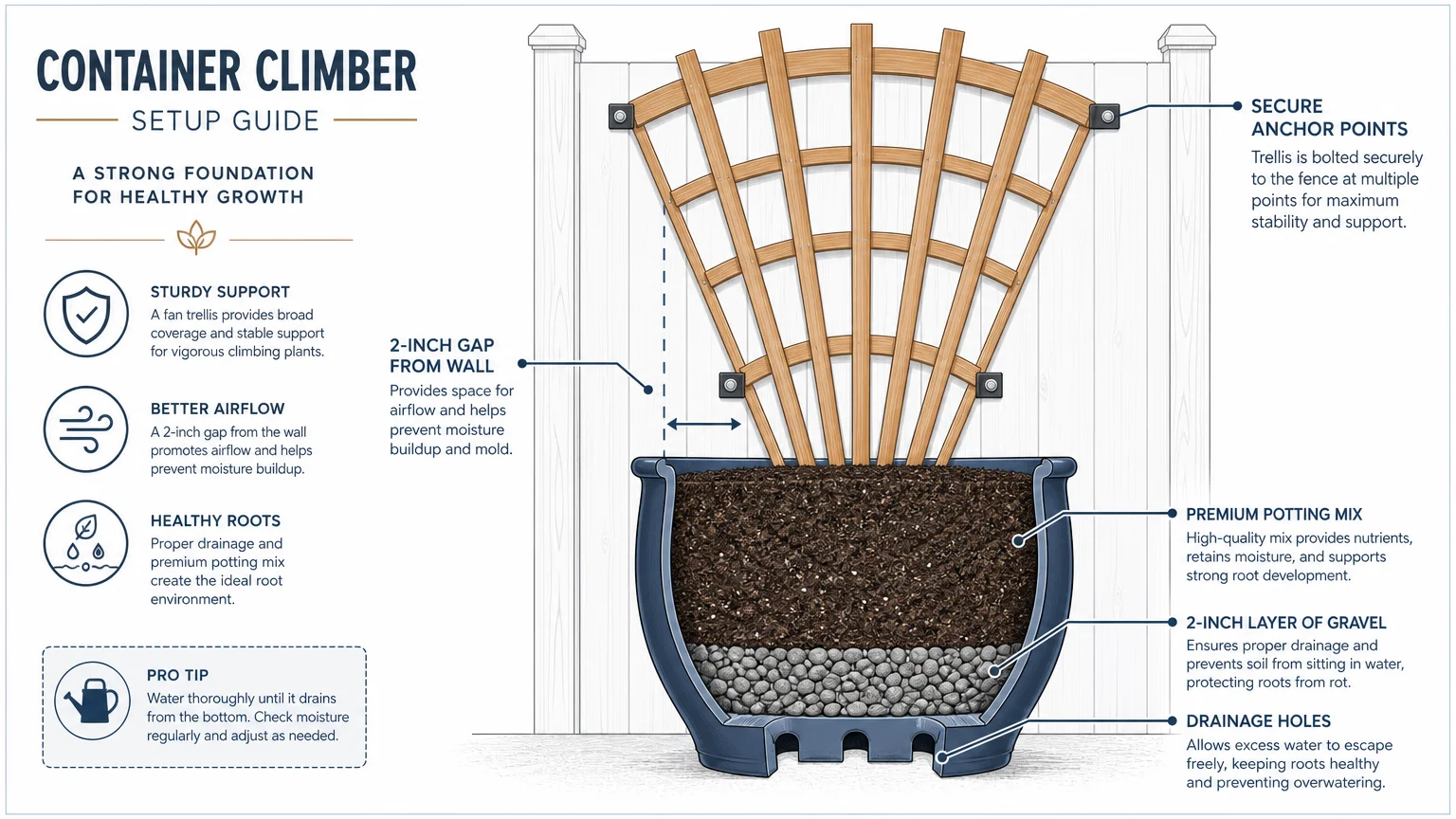
Equally important is the integrity of your support structure. Vines grow surprisingly heavy, particularly after a rainstorm when wet foliage adds immense weight to the structure. Ensure that wooden pergola posts are anchored securely in concrete footings and check for any signs of rot or termite damage before planting. If you plan to grow climbing plants for fences, evaluate the fence material. Wooden privacy fences often require the addition of a heavy-gauge wire mesh or wooden lattice fastened slightly off the surface of the fence. This small gap allows twining vines and tendrils to wrap around the wire without trapping destructive moisture directly against your wooden fence boards.
Training and Pruning Your Climbing Plants
Left to their own devices, most climbing vines will tangle into an unmanageable, tangled mess at the base of the support structure before weakly grasping upward. Active training dictates the shape, health, and visual impact of your vertical display.
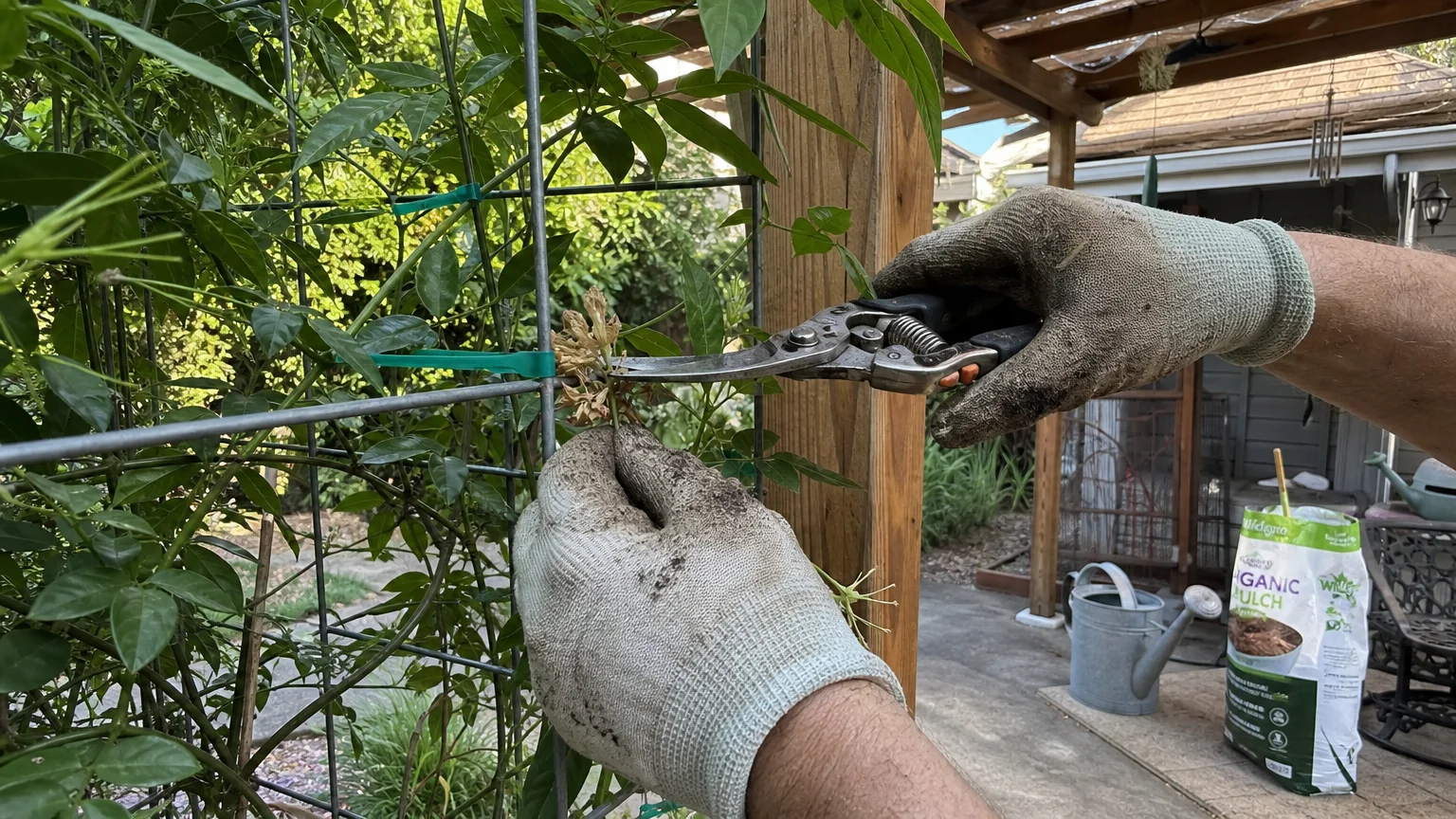
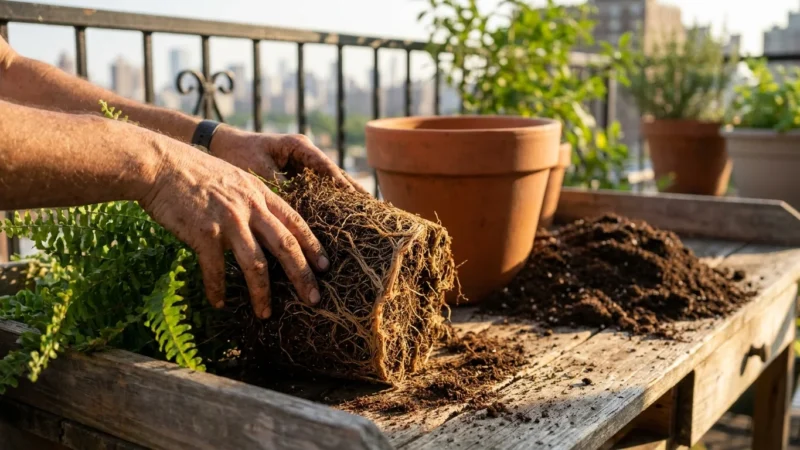
When placing the plant in the ground, angle the root ball slightly so the stems naturally point toward the trellis or pergola post. Insert a temporary bamboo cane between the young plant and the permanent structure to guide the initial growth. As the stems elongate, you must tie them to the support. Never use harsh materials like wire or tight zip-ties, which will cut into the expanding stems and restrict the flow of water and nutrients—a fatal condition known as girdling. Instead, use soft, flexible materials. Strips cut from old pantyhose, specialized velcro plant tape, or soft jute twine work perfectly. Tie the stems loosely in a figure-eight pattern, crossing the tie between the stem and the structure to act as a soft buffer.
Pruning maintains the vigor and shape of your climbers. While specific pruning times vary wildly by species, a reliable rule of thumb exists: if the plant blooms in the early spring on old wood (growth from the previous year), prune it immediately after the flowers fade. If the plant blooms later in the summer on new wood (growth generated in the current season), prune it heavily in late winter or early spring before the new buds break. Always use sharp, sterilized bypass pruners to make clean cuts, removing any dead, diseased, or damaged stems first to improve air circulation within the plant’s interior canopy.
Troubleshooting Common Vine Problems
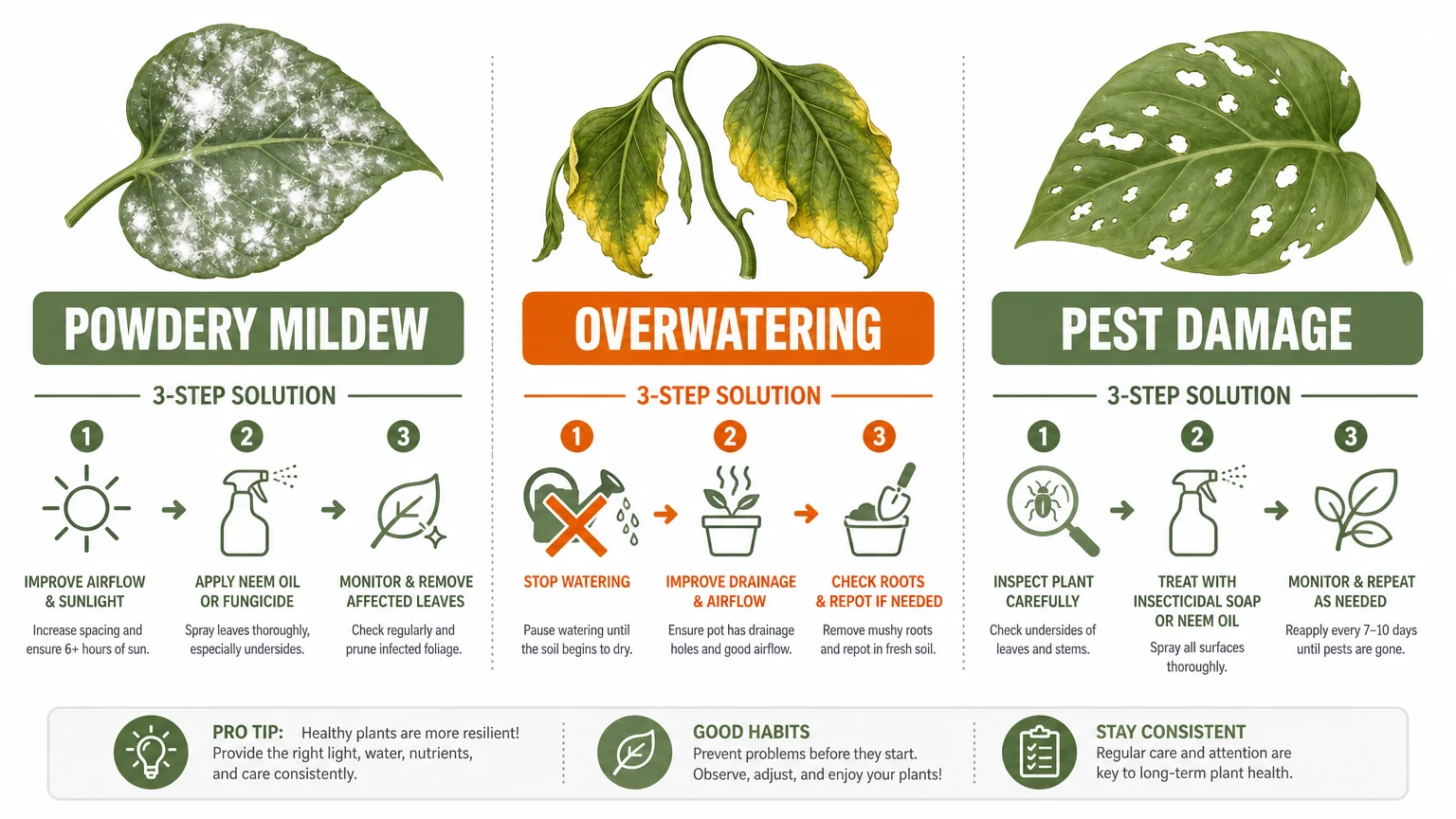
Even the best climbing plants occasionally encounter setbacks. Recognizing the early warning signs of pests and environmental stress allows you to intervene before the problem devastates your vertical display.
A widespread issue among novice gardeners is a massive, leafy vine that outright refuses to bloom. This usually stems from a nutritional imbalance. If you routinely apply high-nitrogen lawn fertilizer near your vines, the plant will absorb it and prioritize rapid foliage growth at the strict expense of flower production. To correct this, switch to a balanced, slow-release organic bloom fertilizer higher in phosphorus, which specifically encourages bud development.
Pests also target succulent new vertical growth. Aphids frequently cluster on the tender tips of climbing roses and honeysuckle, sucking the sap and causing the new leaves to curl and distort. You can easily manage early infestations by blasting the pests off the stems with a strong, sharp stream of water from your garden hose. If the problem persists, apply an eco-friendly insecticidal soap or neem oil spray, ensuring you coat the undersides of the leaves where pests typically hide.
Fungal diseases like powdery mildew—which manifests as a dusty, white coating on the leaves—often plague dense climbers like Clematis during humid weather. Prevent this by thinning out the interior stems during your annual pruning session to guarantee air flows freely through the entire plant. Water the roots directly at the soil level rather than utilizing overhead sprinklers, keeping the foliage dry as night falls.

Eco-Friendly Climbing Plant Care
Practicing sustainable gardening ensures your beautiful outdoor space positively impacts the surrounding environment. Climbing vines naturally contribute to the local ecosystem by offering vital shelter and food sources to urban wildlife, but your maintenance habits determine the ultimate ecological value of your garden.
Conserve precious water resources by applying a thick layer of organic mulch—such as shredded bark, pine needles, or compost—around the base of your vines. Mulch acts as a protective blanket, drastically reducing moisture evaporation from the soil during brutal summer heat waves, and naturally breaking down over time to feed the root system.
Embrace natural pest control methods over broad-spectrum synthetic pesticides. Chemical sprays do not discriminate; they kill beneficial insects, butterflies, and the very pollinators you want to attract. By cultivating a diverse variety of climbing plants, you naturally invite ladybugs, lacewings, and parasitic wasps into your garden. These beneficial predator insects act as an unpaid, highly effective pest control army, keeping aphid and mite populations perfectly balanced without the need for toxic interventions.
Frequently Asked Questions
Can I grow climbing plants in containers?
Yes, absolutely. Many climbing plants thrive in large containers, making them perfect for balconies and paved patios. Choose a spacious pot with excellent drainage holes and fill it with a high-quality, lightweight potting mix. Install a small trellis or obelisk directly into the container at the time of planting. Keep in mind that containerized plants dry out much faster than those in the ground, so you must monitor their moisture levels daily during the hot summer months.
How do I stop climbing vines from damaging my wooden fence?
To protect wooden structures, completely avoid vines that utilize adhesive aerial rootlets, such as English Ivy or Creeping Fig, as these will ruin paint and exploit tiny cracks in the wood. Instead, choose twining vines or plants with delicate tendrils. Install a separate wire mesh panel or wooden trellis leaving a two-inch gap between the support and the actual fence. This technique allows the plant to climb securely while keeping damp foliage away from your wood, preventing rot.
Do I need to remove my climbing plants from the trellis during winter?
In most cases, you should leave the vines exactly where they are. Removing a woody vine from a complex trellis usually results in severe damage to the plant’s main structural canes. For perennial vines in cold climates, simply apply a heavy layer of mulch over the root zone to insulate the plant. Clean up any fallen, diseased leaves from the base, but wait until the appropriate pruning season in late winter or spring to cut back the dormant top growth.
Why are the bottom leaves of my vine turning yellow and falling off?
Lower leaf drop generally indicates either inconsistent watering or a lack of sunlight reaching the base of the plant. As vines climb upward, their dense upper canopy often completely shades out the lower stems, prompting the plant to shed useless leaves. You can mask this natural occurrence by planting low-growing, shade-tolerant companion plants around the base to hide the bare stems, creating a lush, tiered effect in your garden.
For trustworthy gardening information, visit:
University of Arizona Cooperative Extension — Gardening, University of Alaska Fairbanks Extension — Gardening, University of Georgia Extension — Gardening and Louisiana State University AgCenter — Lawn & Garden. These organizations provide expert, research-based advice for gardeners at all levels.
Disclaimer: This article is for informational purposes only and is not a substitute for professional gardening advice. Always consult local extension services or horticulture experts for region-specific guidance.
Leave a Reply