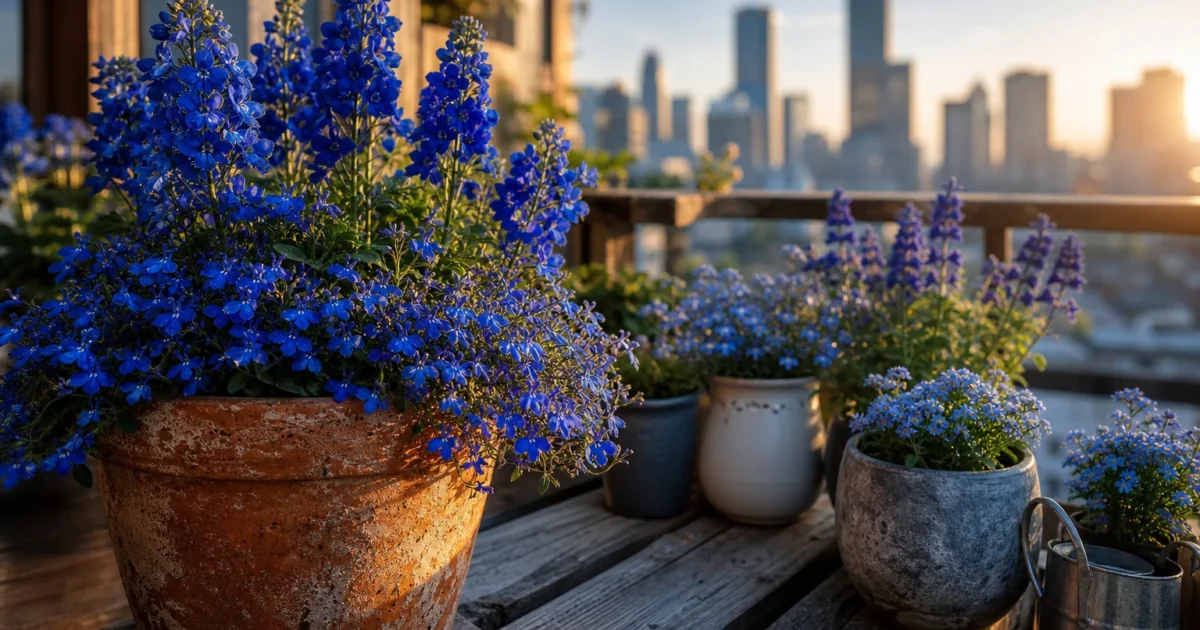
True blue flowers bring a rare, calming elegance to your outdoor space, turning even the smallest balcony into a tranquil retreat. Finding genuine blue blooms feels challenging because the color appears less frequently in nature than reds, yellows, or pinks. Incorporating these beautiful blue flowers into your landscape adds deep visual contrast, attracts beneficial pollinators, and pairs flawlessly with almost any other plant hue. Whether you garden in a sprawling backyard or manage a few terracotta pots on a sunny windowsill, selecting the right varieties ensures vibrant, low-maintenance color all season long. You will discover resilient options perfectly suited for confined spaces, along with straightforward advice on soil and sunlight needs to help your garden flowers thrive effortlessly.
To maximize your outdoor layout beyond color choices, you can also learn how to transform a tiny yard into a garden oasis.
Understanding Blue in Garden Design
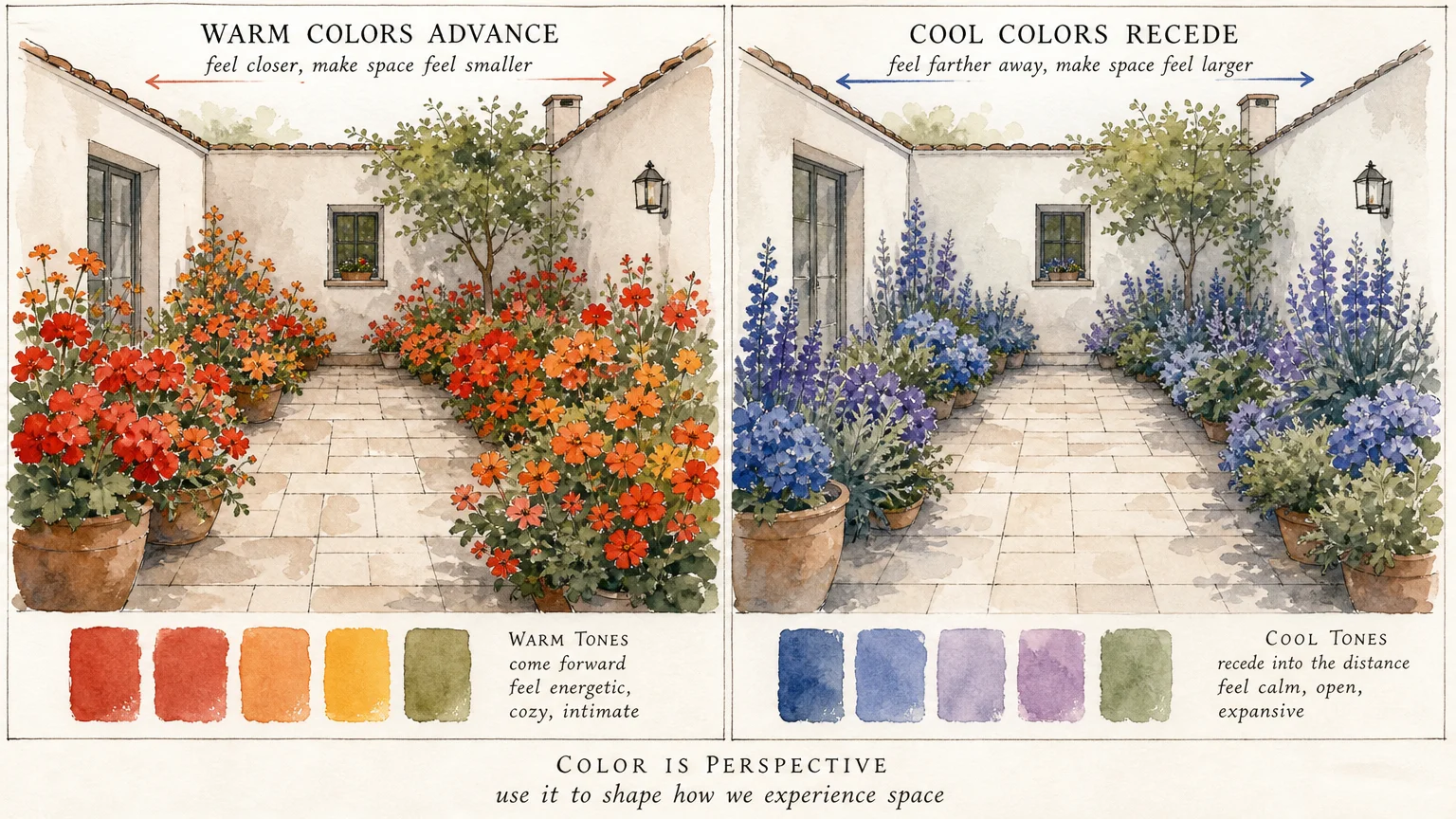
Color acts as a powerful design tool in gardening, especially when you work with limited square footage. When you step onto a small patio or look out at a compact courtyard, the colors you choose directly influence how large and inviting that space feels. Warm colors—like fiery reds, bright oranges, and sunny yellows—visually advance toward the eye. They demand attention and make a garden feel energetic, but they can also make a tight area feel slightly enclosed.
To create a striking high-contrast pairing with your blue blooms, you can plant elegant white flowering shrubs along your garden borders.
Cool colors perform the exact opposite function. Shades of blue, violet, and cool green visually recede from the viewer. When you plant beautiful blue flowers along the edges of your balcony or at the back of a small garden border, you trick the eye into perceiving more depth than actually exists. The space immediately feels larger, deeper, and infinitely more serene.
Beyond creating optical illusions, blue garden flowers offer exceptional psychological benefits. The color blue naturally lowers the human heart rate and promotes a sense of tranquility; sitting next to a container overflowing with soft blue petals provides a genuine respite from a chaotic day. Furthermore, bees and butterflies possess photoreceptors that make the color blue highly visible to them. By adding blue flowering plants to your yard, you actively support local ecosystems and guarantee a steady stream of fascinating pollinators visiting your outdoor sanctuary.
Top Blue Flowers for Sunny Spots
Plants that thrive in full sun require at least six hours of direct, unfiltered sunlight each day. Sun-loving blue flowers often feature incredible heat tolerance and produce vibrant, heavily saturated pigments. Here are six outstanding choices for the sunniest spots on your patio or balcony.
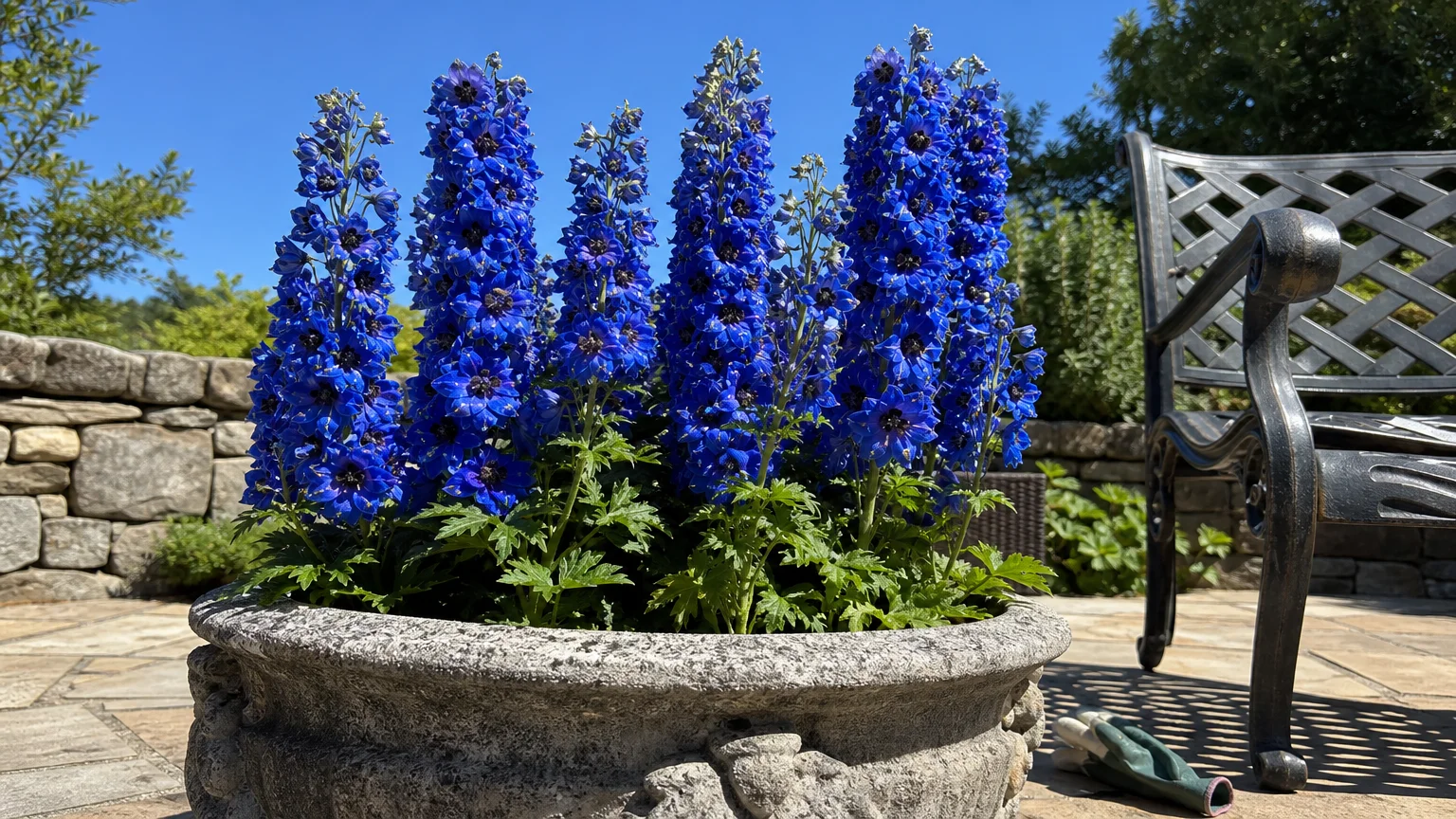
1. Dwarf Delphinium (Delphinium elatum)
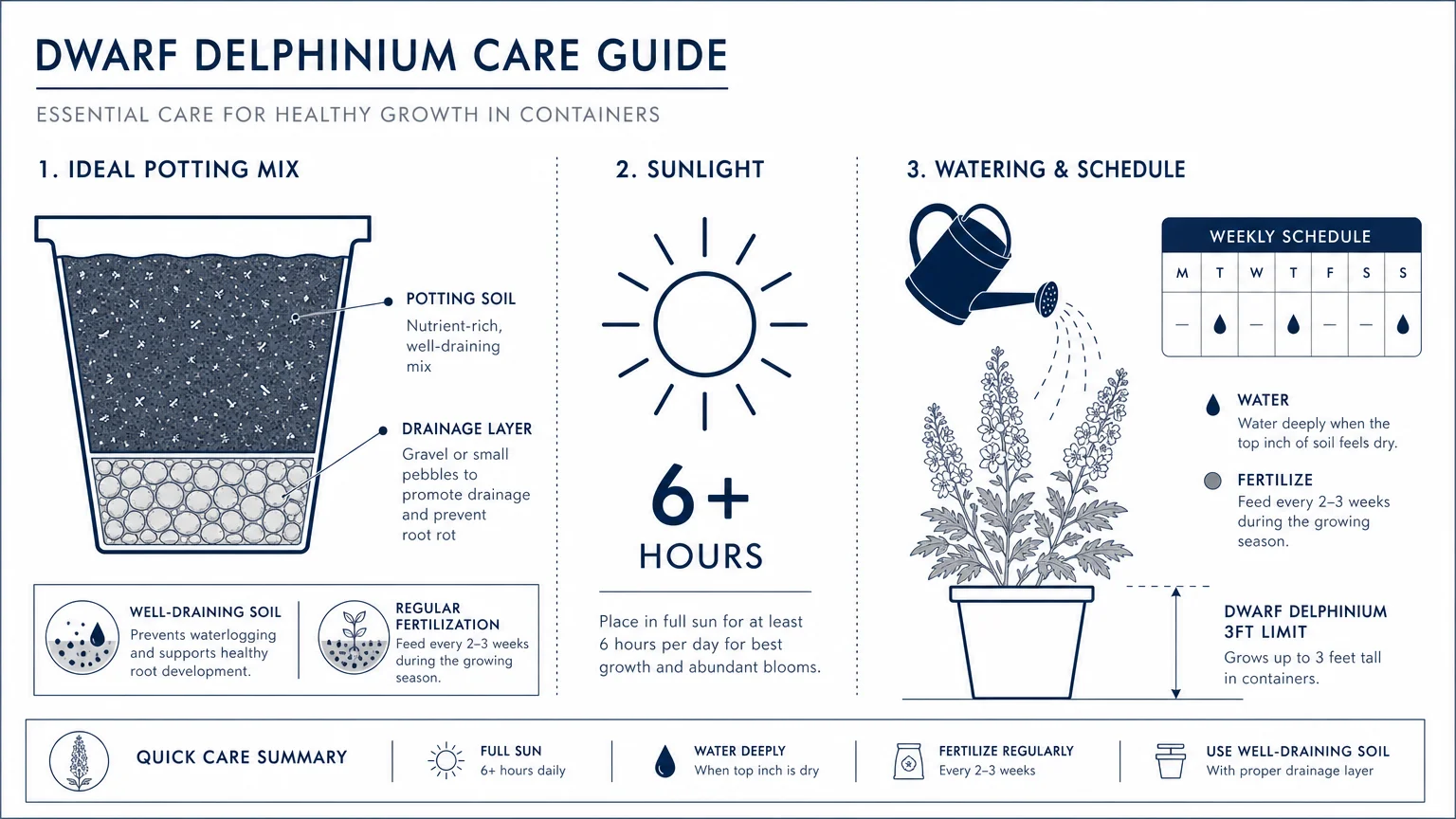
Traditional delphiniums grow incredibly tall, often requiring elaborate staking systems that overwhelm small gardens. However, dwarf varieties—such as the “Magic Fountains” series—deliver the same majestic spikes of intensely blue flowers on compact, sturdy plants that rarely exceed three feet in height. These compact perennials fit perfectly into large, heavy planters. You must provide them with rich, well-draining soil and regular fertilizer, as they feed heavily to produce their towering blooms. Because balconies often experience strong gusts of wind, place your delphinium pots near a wall or railing for structural support. Removing the spent flower stalks encourages a second flush of blooms in late summer.
2. Cornflower (Centaurea cyanus)
Also known as bachelor’s buttons, cornflowers represent one of the truest, most striking blues in the botanical world. These resilient annuals grow quickly from seed and demand very little maintenance, making them ideal for beginner gardeners. You can scatter the seeds directly into window boxes or medium-sized pots in early spring. Cornflowers tolerate drought exceptionally well once established; you will not need to water them constantly if you miss a day during a hot week. As a bonus, cornflower petals are completely edible. You can pluck the brilliant blue petals and sprinkle them over summer salads or use them to decorate baked goods for a stunning visual presentation.
If your balcony faces harsh afternoon sun, you might also want to explore other tough flowers that survive extreme heat with minimal watering.
For beginner-friendly options that keep your pots colorful, explore these no-fail flowers that bloom all summer long with minimal maintenance.
3. Heavenly Blue Morning Glory (Ipomoea tricolor)
If you want to maximize vertical space, you need a vigorous climbing plant. The “Heavenly Blue” morning glory produces large, trumpet-shaped flowers that display a mesmerizing sky-blue hue with a glowing white center. Because they love to climb, you must provide a trellis, netting, or a balcony railing for their twining vines to grip. To speed up germination, soak the hard seeds in warm water overnight before planting them in your containers. The flowers famously unfurl in the cool morning air and twist closed as the afternoon sun peaks. Keep in mind that morning glory seeds hold toxic properties if ingested, so you should place your pots out of reach of curious pets and young children.
4. Mealycup Sage (Salvia farinacea ‘Victoria Blue’)
For gardeners seeking continuous, uninterrupted color, Victoria Blue salvia stands unmatched. This tough plant pushes out dense, velvety blue flower spikes from late spring until the first heavy frost. The foliage features a silvery-green hue that perfectly highlights the dark indigo blooms. Salvia thrives in intense heat and humidity, making it an absolute staple for sunny concrete patios that reflect warmth. You can grow this salvia effortlessly in 10-inch or 12-inch pots. It resists deer and rabbits—a vital trait if you garden on a ground-floor patio accessible to wildlife—while simultaneously drawing in dozens of hummingbirds and bumblebees.
If you want to keep your patio pots colorful from spring to autumn, consider mixing sage with the best flowers for container gardens that bloom all summer.
5. Love-in-a-Mist (Nigella damascena)
Nigella earns its enchanting common name, Love-in-a-Mist, from the delicate, feathery foliage that surrounds its star-shaped blue flowers. This cool-season annual adds a whimsical, cottage-garden texture to your containers. After the light blue petals drop, the plant leaves behind fascinating, balloon-like seed pods striped with burgundy and green. Florists highly prize these dried pods for floral arrangements. Nigella features a deep taproot, meaning it resents being transplanted; you should sow the seeds directly into their final container. Allow a few of the pods to dry completely on the stem, and the plant will naturally drop seeds to reward you with new plants the following year.
6. Grape Hyacinth (Muscari armeniacum)
Do not let their small stature fool you; grape hyacinths provide a massive visual impact when planted in clusters. These tiny, bell-shaped blooms cluster together on short stems, strongly resembling miniature bunches of blue grapes. To enjoy these early spring blooms, you must plant the small bulbs in the autumn. They require very little space, allowing you to tuck them into the edges of existing pots. Try a technique called “lasagna planting”—burying daffodil or tulip bulbs deep in a large pot, and layering grape hyacinth bulbs just three inches below the soil surface. The muscari will create a stunning blue carpet beneath your taller spring flowers.
Once your spring bulbs finish blooming, you can plan ahead for the colder months by choosing unexpected plants for winter interest on your balcony.
By layering bulbs, you can easily design stunning seasonal container displays that offer color throughout the year.
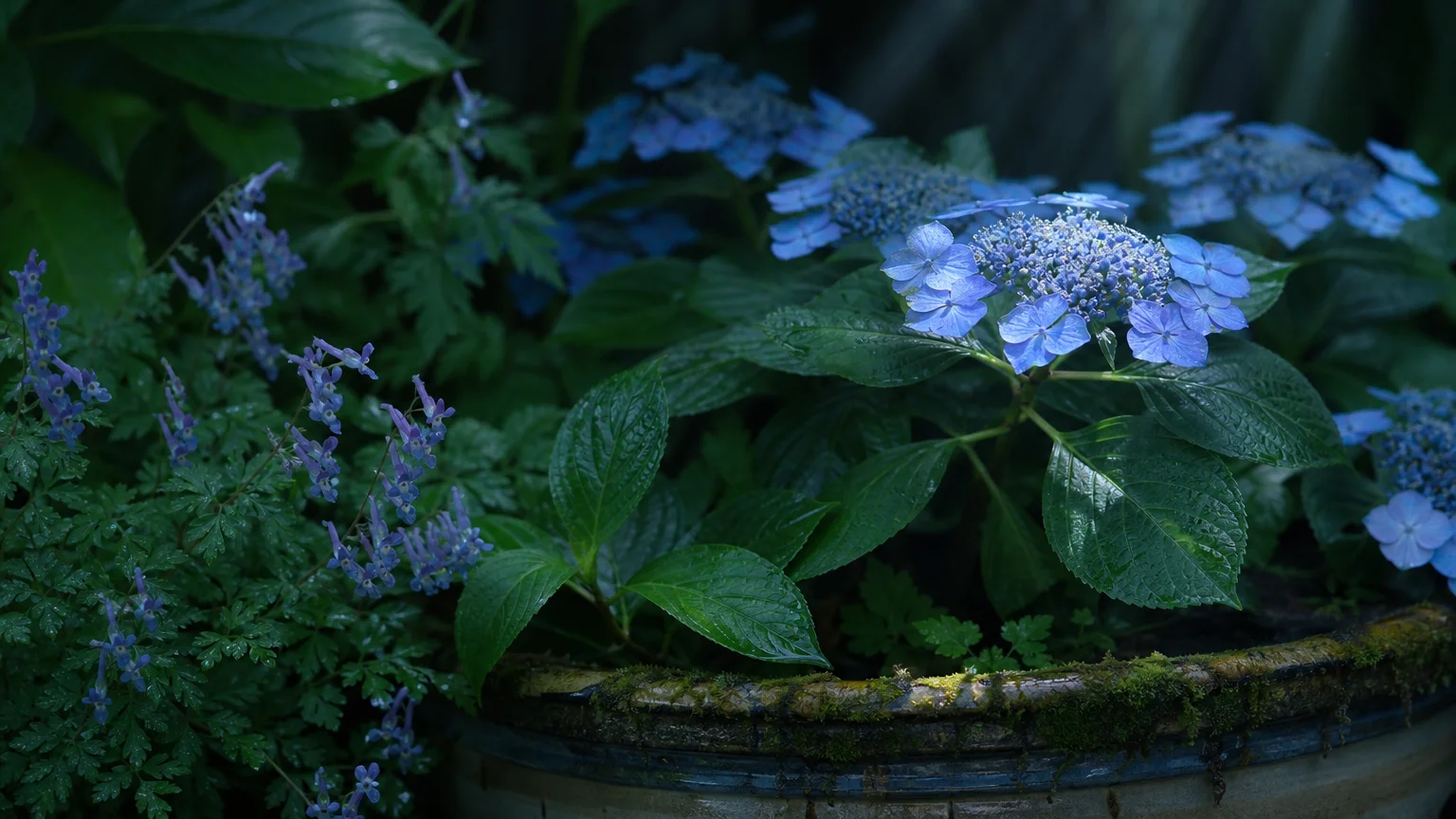
Best Blue Bloomers for Shady Areas
Shady areas—those receiving less than four hours of direct sun, or only dappled light filtering through trees—often feel dark and heavy. Blue flowering plants breathe life and soft illumination into these dim corners. These six shade-tolerant selections thrive away from the harsh afternoon sun.
If you have a shaded balcony that loses light as the seasons change, check out these shade-tolerant plants you can still grow in pots.
7. Bigleaf Hydrangea (Hydrangea macrophylla)
Bigleaf hydrangeas produce massive, globe-like flower heads that serve as the focal point of any shaded patio. However, growing a beautiful blue hydrangea requires a basic understanding of soil chemistry. Hydrangea blooms act like living litmus paper; their color shifts based on soil acidity. To achieve deep blue flowers, your soil pH must drop below 6.0. In acidic soil, the plant easily absorbs aluminum, which forms the blue pigment. If you grow hydrangeas in containers, use a specialized acidic potting mix (often sold for azaleas and rhododendrons) and apply a soil acidifier containing elemental sulfur. Keep the soil consistently moist, as the large leaves lose water rapidly during warm days.
8. Forget-Me-Not (Myosotis sylvatica)
These classic woodland plants produce clouds of tiny, five-petaled blue flowers with striking yellow or white central eyes. Forget-me-nots naturally thrive in damp, partially shaded environments. They function beautifully as a low-growing filler around the base of taller potted plants like ferns or hostas. Forget-me-nots operate as biennials or short-lived perennials, meaning they typically grow foliage in their first year and flower in their second. Fortunately, they self-seed so readily that once you introduce them to a pot or garden bed, you will enjoy a continuous, effortless display of blue flowers every spring.
To attract even more local pollinators to your balcony, try incorporating native plants that thrive in containers alongside your forget-me-nots.
9. Edging Lobelia (Lobelia erinus)
If you want a plant that spills elegantly over the edges of a window box or a hanging basket, edging lobelia provides the perfect cascading habit. The electric, intense blue of lobelia flowers is highly sought after by container gardeners. While it tolerates morning sun, lobelia strongly prefers afternoon shade, especially in warmer climates where harsh heat can cause the plant to stop blooming. Keep the soil evenly moist but never waterlogged. If your lobelia begins to look tired or stringy during a mid-summer heatwave, give it a drastic “haircut” by trimming it back by half with sharp scissors. It will quickly flush out with fresh growth and a new wave of blue blossoms.
10. Lungwort (Pulmonaria)
Do not let the unappealing common name deter you; lungwort is a top-tier shade plant featuring incredible visual interest. The fuzzy green leaves are heavily speckled with silver spots, offering beauty even when the plant is not in bloom. In early spring, lungwort produces clusters of bell-shaped flowers that perform a fascinating magic trick. The flowers initially open a soft pink and gradually shift to a brilliant, vivid blue as they age. This color change occurs due to shifting pH levels within the plant’s sap after pollination. Lungwort grows superbly in shallow, wide bowls on shaded balconies and ignores most pests, including deer and rabbits.
For gardeners who love dynamic visual shifts, these perennials with multi-colored flowers offer another layer of shifting tones throughout the season.
This species is a wonderful example of color-changing flowers that bring dynamic movement to garden beds.
11. Siberian Squill (Scilla siberica)
When the days remain short and the weather feels freezing, Siberian squill pushes through the cold earth to deliver a shocking burst of electric blue. These tiny, low-maintenance bulbs naturalize effortlessly, meaning they multiply and spread over time. Because they finish their growth cycle before most deciduous trees fully leaf out, you can plant them in spaces that become deeply shaded later in the summer. For small-space gardeners, burying a dozen squill bulbs in a medium-sized terracotta pot guarantees a reliable, joyful display of brilliant blue just as winter begins to fade.
12. English Bluebell (Hyacinthoides non-scripta)
English bluebells conjure images of ancient, enchanted woodlands blanketed in violet-blue mist. These charming, nodding flowers feature petals that curl back sharply at the tips and emit a sweet, delicate fragrance. They absolutely require well-draining, organically rich soil and prefer the dappled shade found beneath a patio umbrella or an overhanging balcony. When purchasing bulbs, verify that you are buying the true English bluebell rather than the more aggressive Spanish bluebell (Hyacinthoides hispanica), which lacks the signature fragrance and graceful, drooping stem. Plant the bulbs in autumn and keep the soil lightly moist through the winter.
Beyond their visual appeal, these woodland flowers emit a delicate scent that ranks among the most loved garden smells for a sensory-rich outdoor space.
Soil and Watering Essentials for Container Gardening
When you grow plants in pots, window boxes, or raised balcony planters, the margin for error shrinks compared to planting directly in the ground. The health of your beautiful blue flowers depends entirely on the environment you create within that container. Understanding the mechanics of soil drainage and moisture retention ensures your plants survive and thrive.
Drainage refers to how water moves through the soil profile. If water drains too quickly, the roots cannot absorb the moisture they need, and the plant wilts. If water sits at the bottom of the pot, the roots suffocate from a lack of oxygen and quickly rot. Never use topsoil or garden dirt in your containers; it compacts far too heavily and chokes delicate roots. Instead, purchase a high-quality, lightweight potting mix formulated specifically for containers. To improve aeration, mix in a generous handful of perlite—those small, white, popcorn-like volcanic rocks. Always verify that your chosen pot features at least one large drainage hole at the bottom. If you fall in love with a decorative cachepot that lacks a hole, plant your flower in a cheap plastic nursery pot and slip it inside the decorative one.
Mastering a proper watering routine prevents most common container gardening failures. Rely on the simple “finger test” rather than a strict calendar schedule. Push your index finger one inch into the potting soil. If the soil feels damp, walk away and check again tomorrow. If it feels dry to the touch, it is time to water. When you do water, soak the soil thoroughly until excess moisture pours freely from the bottom drainage hole. This “soak and dry” method encourages roots to reach deep into the pot, creating a stronger, more resilient plant. Because frequent watering washes nutrients out of the soil, feed your flowering plants every two weeks with a water-soluble, bloom-boosting fertilizer to maintain their vibrant blue hues.
Companion Planting with Blue Flowers
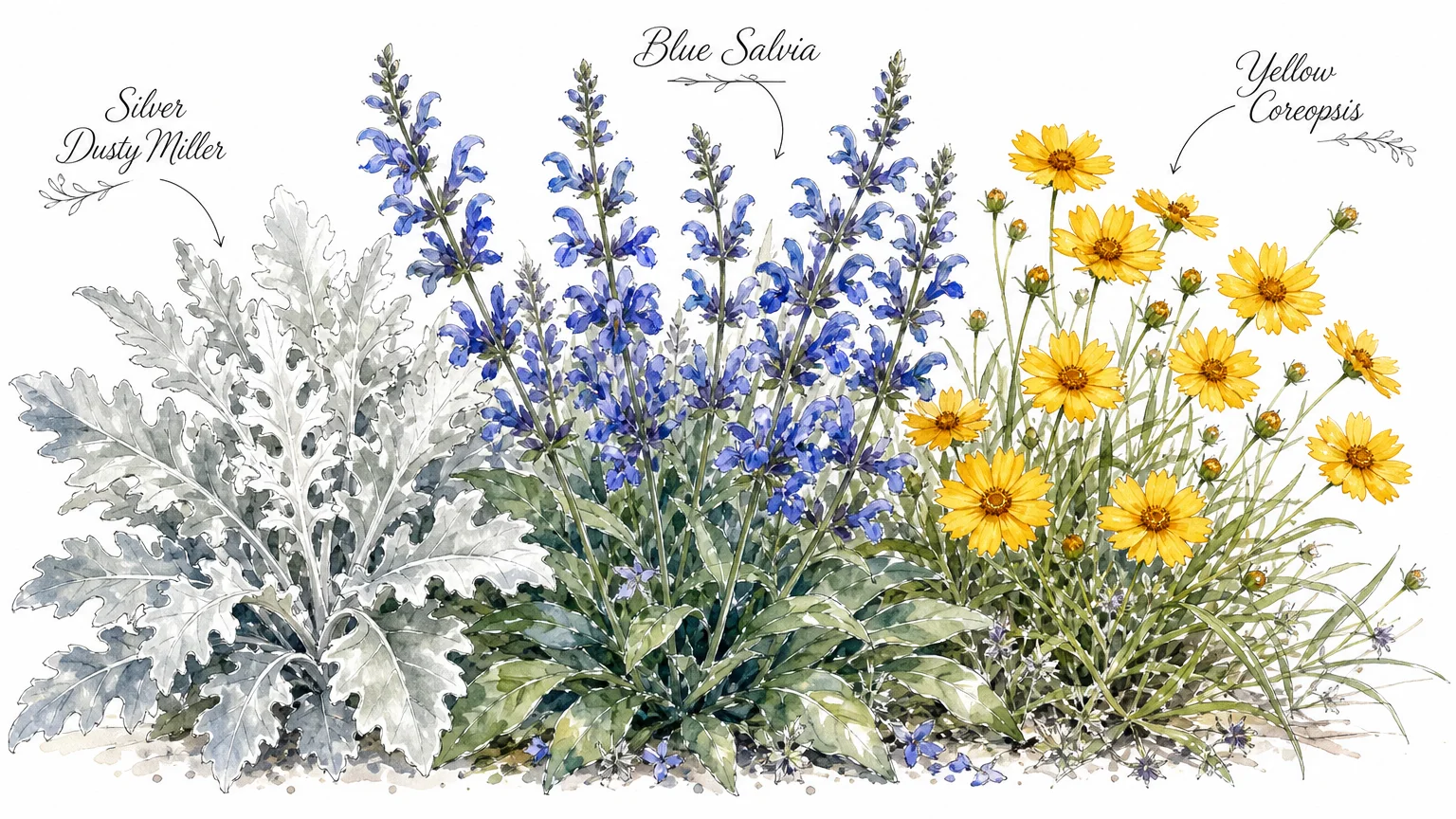
Designing a visually stunning container garden requires understanding how different colors interact. Blue acts as an incredibly versatile team player in the garden, functioning almost like a neutral background that makes other colors pop. To create high drama, pair your blue flowers with their complementary colors on the color wheel—specifically shades of bright orange and golden yellow. The stark contrast between a vivid blue lobelia and a bright orange marigold creates an energetic, eye-catching display.
If you prefer a sophisticated, calming atmosphere, focus on analogous colors. These are colors that sit next to each other on the color wheel, such as blue, violet, and cool pink. Mixing blue delphiniums with purple petunias and soft pink verbena generates a soothing, harmonious look perfect for a relaxing seating area. Do not forget the power of foliage; plants with silver or white leaves beautifully echo the cool tones of your blue flowers.
| Blue Flower | Ideal Companion Plant | Why It Works |
|---|---|---|
| Dwarf Delphinium | White Alyssum | The low, spreading white alyssum spills over the pot’s edge, highlighting the vertical blue spikes of the delphinium. |
| Bigleaf Hydrangea | Japanese Painted Fern | Both plants adore the shade. The fern’s silvery, purple-tinged fronds perfectly complement the soft blue hydrangea blooms. |
| Edging Lobelia | Orange Marigolds | A classic complementary pairing. The intense orange forces the deep blue of the lobelia to stand out boldly. |
| Victoria Blue Salvia | Dusty Miller | The brilliant, velvety blue spikes contrast dramatically against the thick, frosted silver foliage of the dusty miller. |
| Grape Hyacinth | Yellow Daffodils | Blooming simultaneously in spring, the bright yellow cups of the daffodils tower over a rich, contrasting carpet of blue hyacinths. |
Troubleshooting Common Pests and Diseases
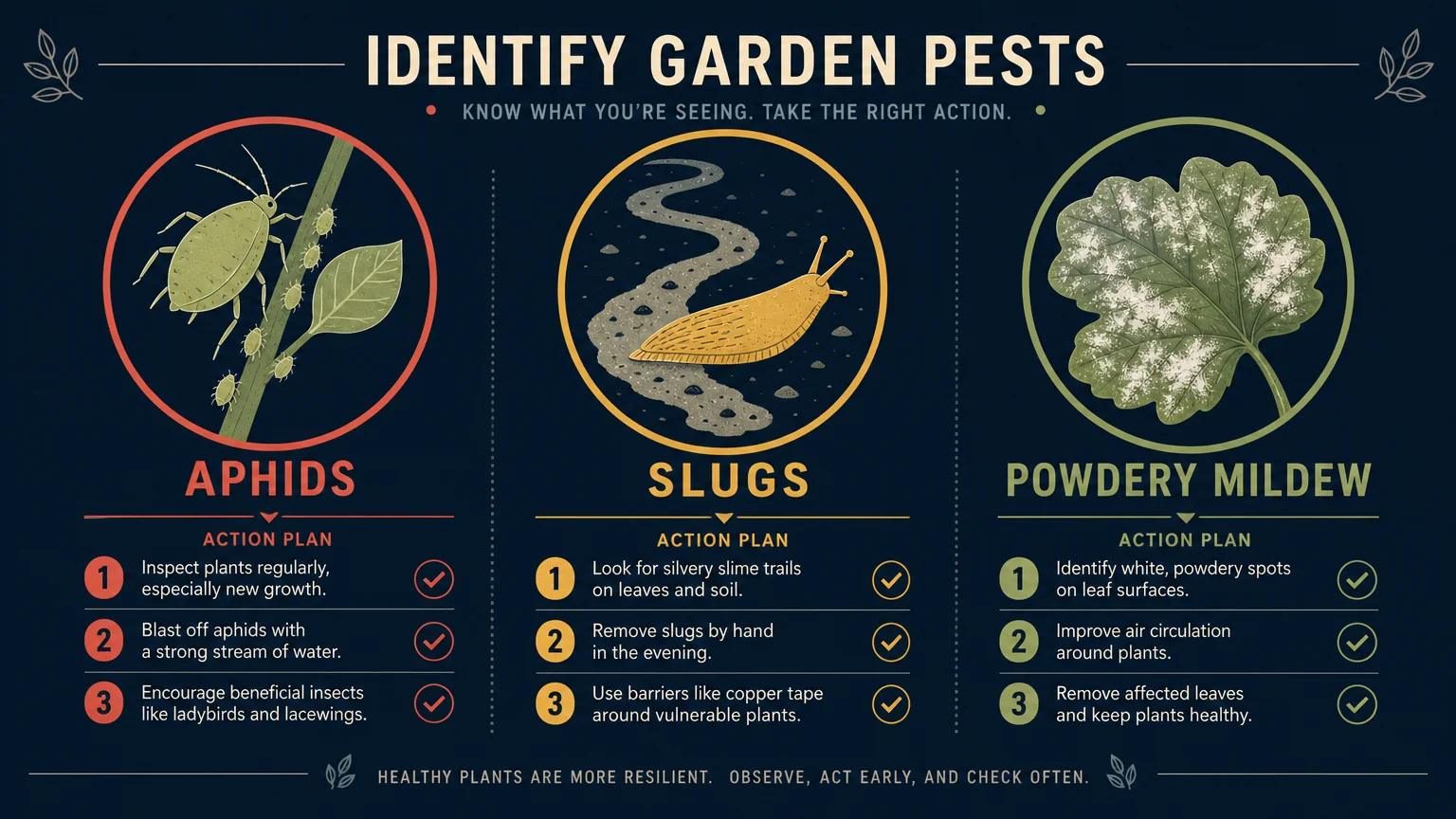
Even the most meticulously maintained balcony gardens encounter occasional pests and fungal issues. Catching these problems early prevents them from devastating your container displays. Approach garden maintenance proactively by inspecting your plants once a week when you water.
Aphids frequently target the tender, new growth of fast-growing blue flowers like morning glories and cornflowers. These tiny, pear-shaped insects suck the sugary sap directly from the stems, causing the leaves to curl and yellow. Fortunately, controlling aphids is straightforward. Use a strong blast of water from a hose or a spray bottle to physically knock them off the plant. For severe infestations, wipe the stems carefully with a damp cloth dipped in a mild mixture of water and insecticidal soap.
Powdery mildew—a fungal disease that looks exactly like a dusting of white flour on the leaves—often attacks shade-loving plants like lungwort and forget-me-nots. Mildew thrives in environments with high humidity and poor air circulation. Prevent this issue by spacing your pots a few inches apart to allow breezes to flow between them. When watering, apply the water directly to the soil at the base of the plant, keeping the foliage as dry as possible. If mildew appears, snip off the worst-affected leaves and dispose of them in the trash, not the compost bin.
Slugs and snails pose a massive threat to hostas, delphiniums, and lobelia. They hide during the heat of the day and emerge at night to chew ragged, irregular holes in the foliage. Because container gardens rely heavily on pots, you have a distinct defensive advantage. Wrap a band of self-adhesive copper tape entirely around the rim of your planters. When a slug attempts to cross the copper tape, it receives a mild electric shock and quickly retreats, leaving your beautiful blue flowers perfectly intact.
Sustainable and Eco-Friendly Care Tips
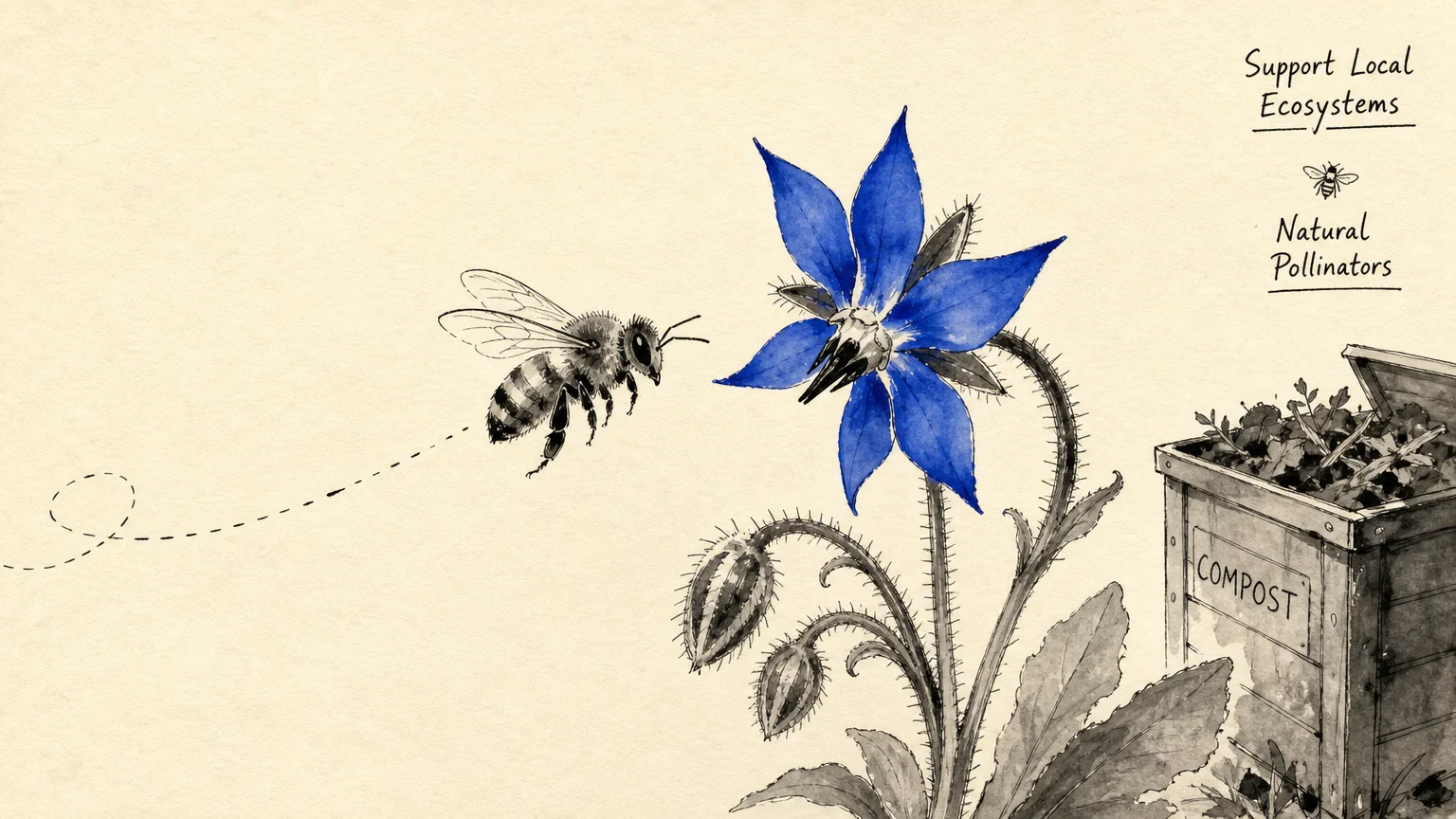
Creating a beautiful garden should not come at the expense of the local environment. Even small-space and container gardeners can adopt sustainable practices that protect wildlife and conserve natural resources. Your blue garden flowers naturally attract a wealth of beneficial pollinators, so your first priority must be keeping those visitors safe.
Avoid using broad-spectrum chemical pesticides. Sprays designed to kill caterpillars or aphids will also indiscriminately kill the bees and butterflies drawn to your blue blooms. Instead, rely on the manual removal of pests or use targeted, organic solutions like neem oil, applying them strictly in the late evening when bees have stopped foraging.
Conserve water by applying a one-inch layer of organic mulch—such as finely shredded pine bark or compost—over the soil surface in your pots. Mulch acts as an insulating blanket, cooling the roots during scorching summer afternoons and significantly slowing the evaporation of moisture. Furthermore, rather than throwing away the thin plastic nursery pots your flowers arrive in, wash and reuse them. You can use them to start seeds next spring, or insert them upside down at the bottom of extremely large, heavy planters to take up space and reduce the amount of expensive potting soil you need.
Frequently Asked Questions
How do I keep my blue hydrangeas from turning pink?
To keep hydrangeas blue, you must maintain an acidic soil pH between 5.2 and 5.5. Apply a soil acidifier containing elemental sulfur or aluminum sulfate early in the spring. If you water your pots with hard tap water, the alkaline minerals in the water will slowly raise the soil pH, causing the flowers to turn pink. Whenever possible, collect rainwater to hydrate your hydrangeas.
Are there any blue flowers that bloom all summer long?
Yes, several beautiful blue flowers provide continuous color. Victoria Blue salvia and edging lobelia push out blooms relentlessly from late spring until the first frost. To ensure they keep flowering, practice “deadheading”—the simple act of pinching off the dead or fading blooms. This prevents the plant from expending energy on seed production and redirects that energy into creating new flowers.
Can I grow blue flowering plants indoors?
While most garden flowers require the intense light found outdoors, a few tolerate indoor conditions if placed on a very bright, south-facing windowsill. African violets (Saintpaulia) and certain varieties of streptocarpus offer stunning blue blooms indoors. Ensure they remain away from drafty windows and heating vents, as indoor air tends to be much drier than the outdoor environments they prefer.
Why are my container flowers producing lots of leaves but no blooms?
An overabundance of lush, green leaves combined with a lack of flowers usually indicates a nitrogen imbalance. If you apply a lawn fertilizer or a standard all-purpose fertilizer high in nitrogen, the plant prioritizes foliage growth over reproduction. Switch to a “bloom-booster” fertilizer featuring a higher phosphorus number (the middle number on the N-P-K fertilizer ratio) to trigger rapid flower development.
For trustworthy gardening information, visit:
Plantlife (UK), Botanical Society of America, Oregon State Extension — Gardening and Royal Horticultural Society (RHS). These organizations provide expert, research-based advice for gardeners at all levels.
Disclaimer: This article is for informational purposes only and is not a substitute for professional gardening advice. Always consult local extension services or horticulture experts for region-specific guidance.
Leave a Reply