
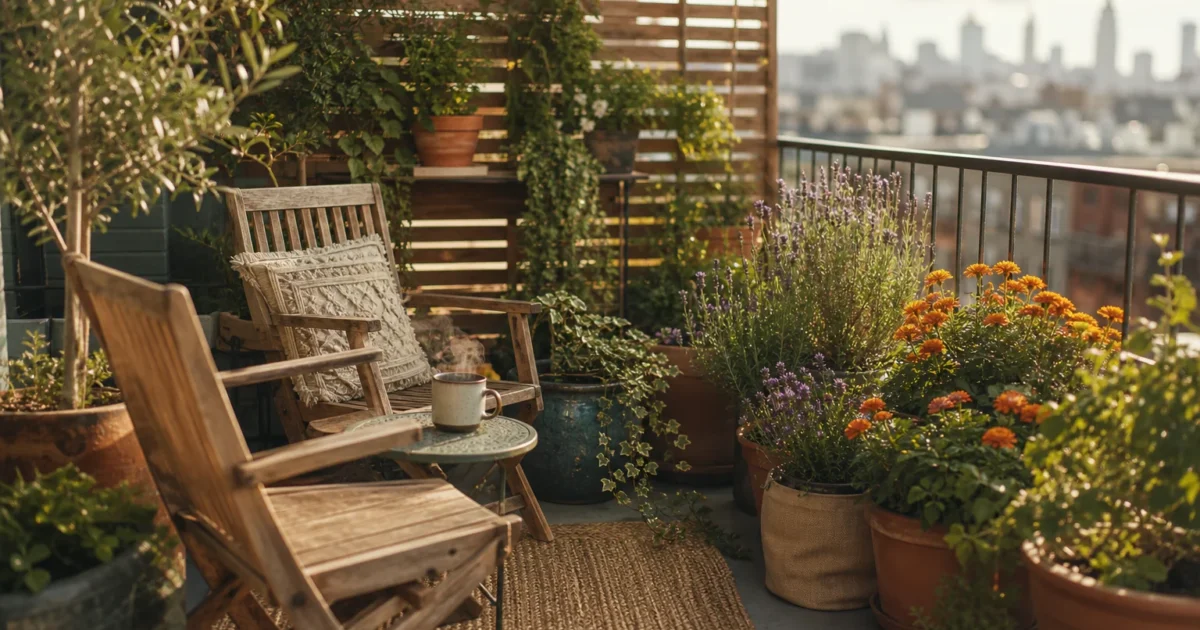
Your neighbor’s lush, vibrant yard is not the result of a magical green thumb or an endless landscaping budget; it stems from mastering a few core design and maintenance principles. By understanding how to layer plants, build resilient soil, and implement strategic focal points, you can easily transform your own compact patio or modest yard into a captivating outdoor retreat. While you might feel restricted by tight property lines or limited sunlight, small-space gardening actually thrives on clever constraints and smart choices. Shifting your focus toward purposeful planning and consistent, manageable care routines unlocks the true potential of your outdoor space and guarantees your plants will flourish season after season.
Additionally, keeping things simple with affordable garden gadgets can take the physical strain out of daily upkeep.
To get your garden off to the best possible start, following an early spring garden prep checklist will help you organize your tasks before the growing season begins.
By avoiding common balcony garden mistakes early on, you can save yourself time and keep your potted plants healthy.
The Power of Purposeful Planning
The starkest difference between an average yard and one that turns heads lies in the planning phase. Most beginner gardeners approach the nursery like a grocery store without a shopping list, tossing anything with a pretty bloom into their cart. This impulse-buying strategy usually results in a chaotic, disjointed space where nothing quite fits together. Beautiful gardens are born from a clear, cohesive vision—a master plan that guides every purchase and planting decision you make.
If you live in a drier climate, incorporating water-saving xeriscaping methods into your design from day one will drastically reduce your weekly watering chores.
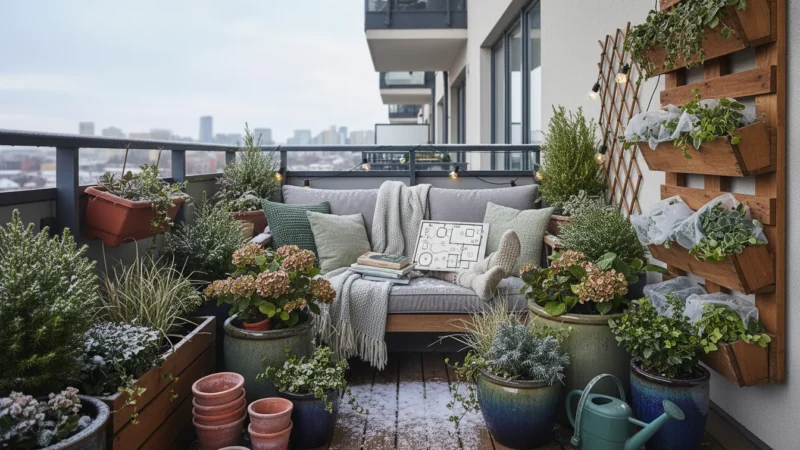
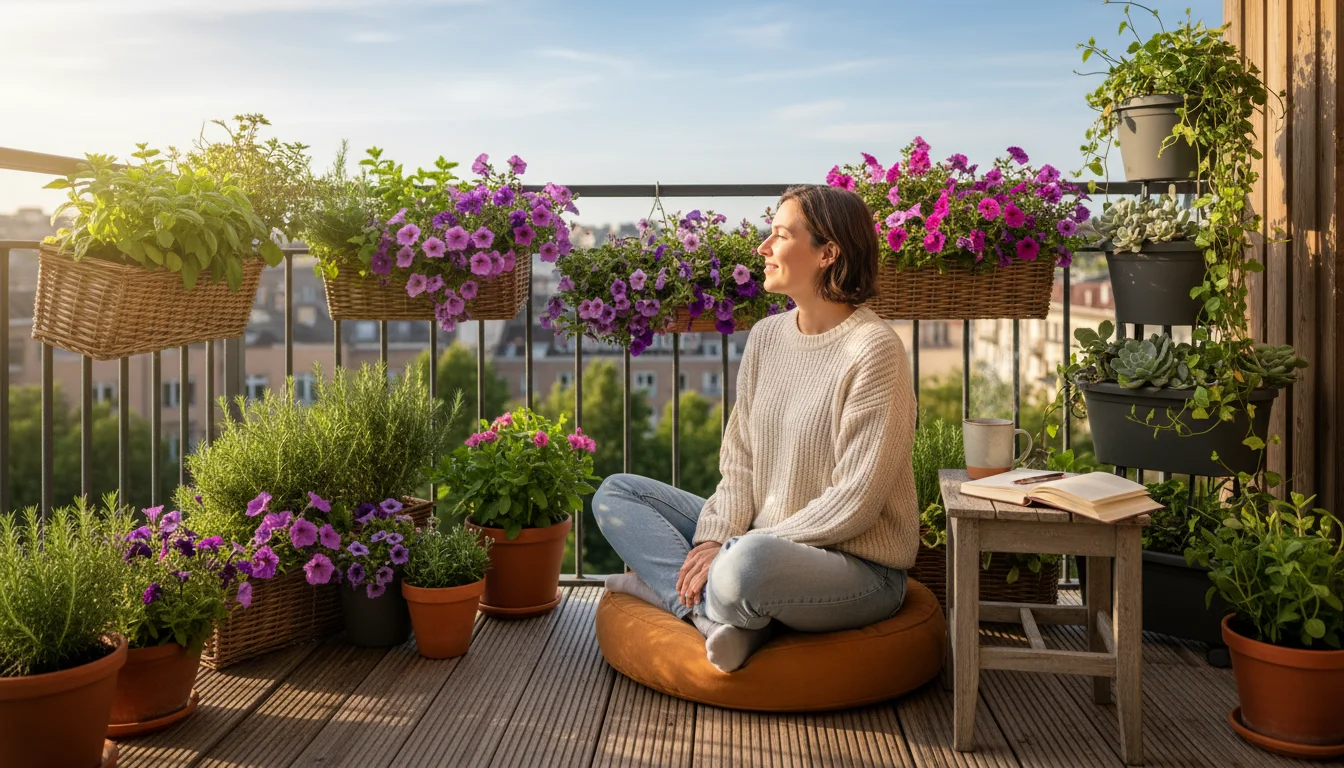
If you are working with limited square footage, utilizing clever layout strategies to design a balcony garden that feels like an outdoor room can make your patio feel twice as large.
Exploring structured small garden layouts that maximize every inch can help you organize your outdoor space efficiently before buying any plants.
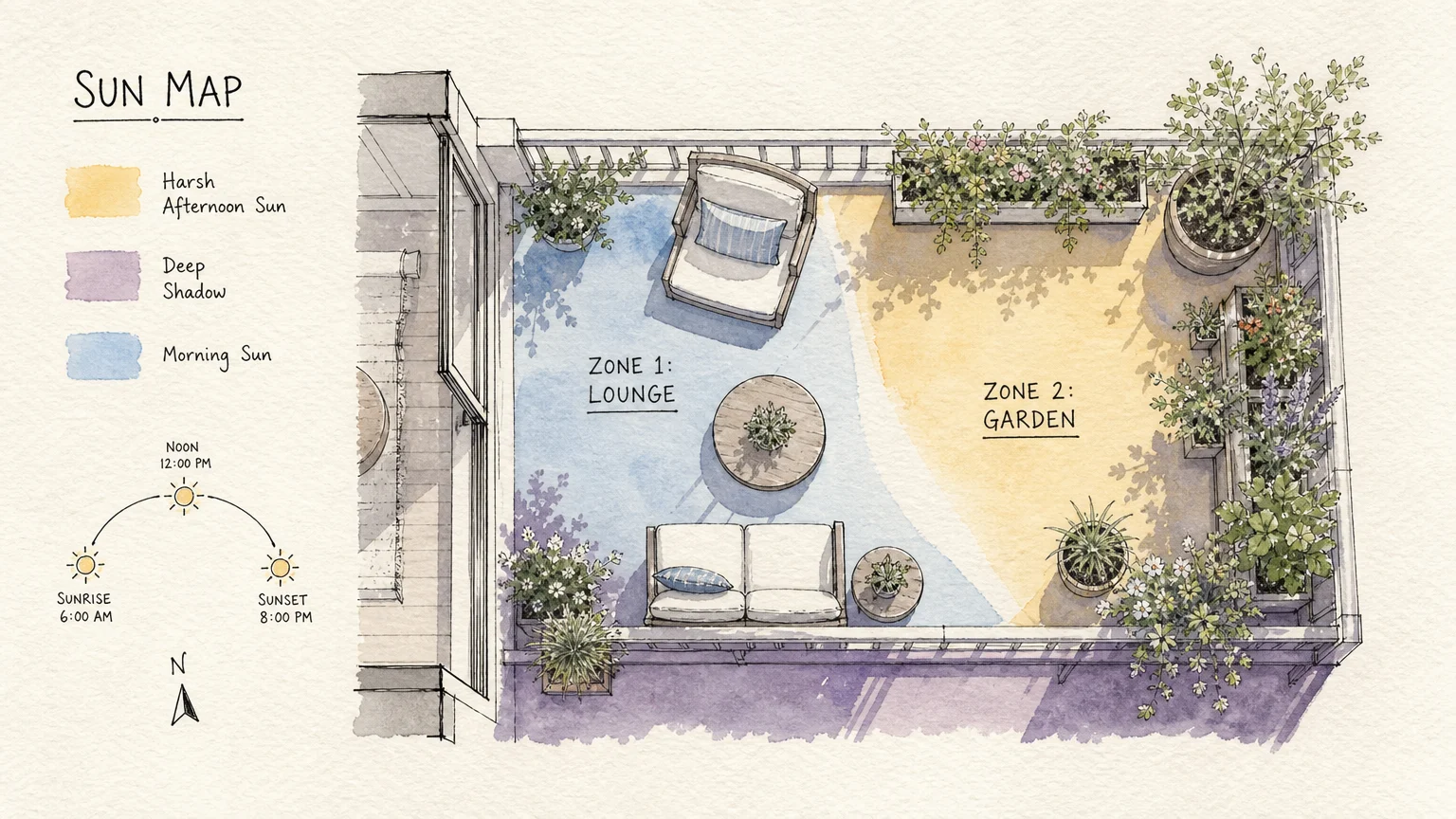
Start by evaluating your existing space objectively. Spend a weekend tracking the sun as it moves across your yard or balcony. Note which areas receive harsh afternoon sunlight, which remain in deep shadow throughout the day, and which enjoy gentle morning rays. This sunlight mapping is the foundational step in garden design because forcing a sun-loving plant into a shady corner guarantees a sickly, unimpressive display. Once you know your light conditions, you can select plants that are biologically suited to thrive exactly where you place them.
Next, define the functional zones within your limited space. Even the smallest backyard needs clear boundaries between areas meant for lounging, dining, and planting. You can establish these zones visually by laying down a small outdoor rug, positioning a couple of lightweight chairs, or clustering container plants to create a living partition. Defining these zones prevents the garden from feeling like a random assortment of pots and introduces a sense of architectural structure.
Finally, limit your color palette. One of the most effective landscaping ideas for compact areas is restricting your floral colors to two or three complementary hues—such as purple, silver, and soft yellow, or a sophisticated blend of white and varying shades of green. A restricted color palette prevents visual clutter, bringing a sense of calm and intentionality to the space. When you deliberately coordinate your colors, your garden instantly assumes the polished, professionally designed look you admire in your neighbor’s yard.
Mastering Soil Health and Nutrition
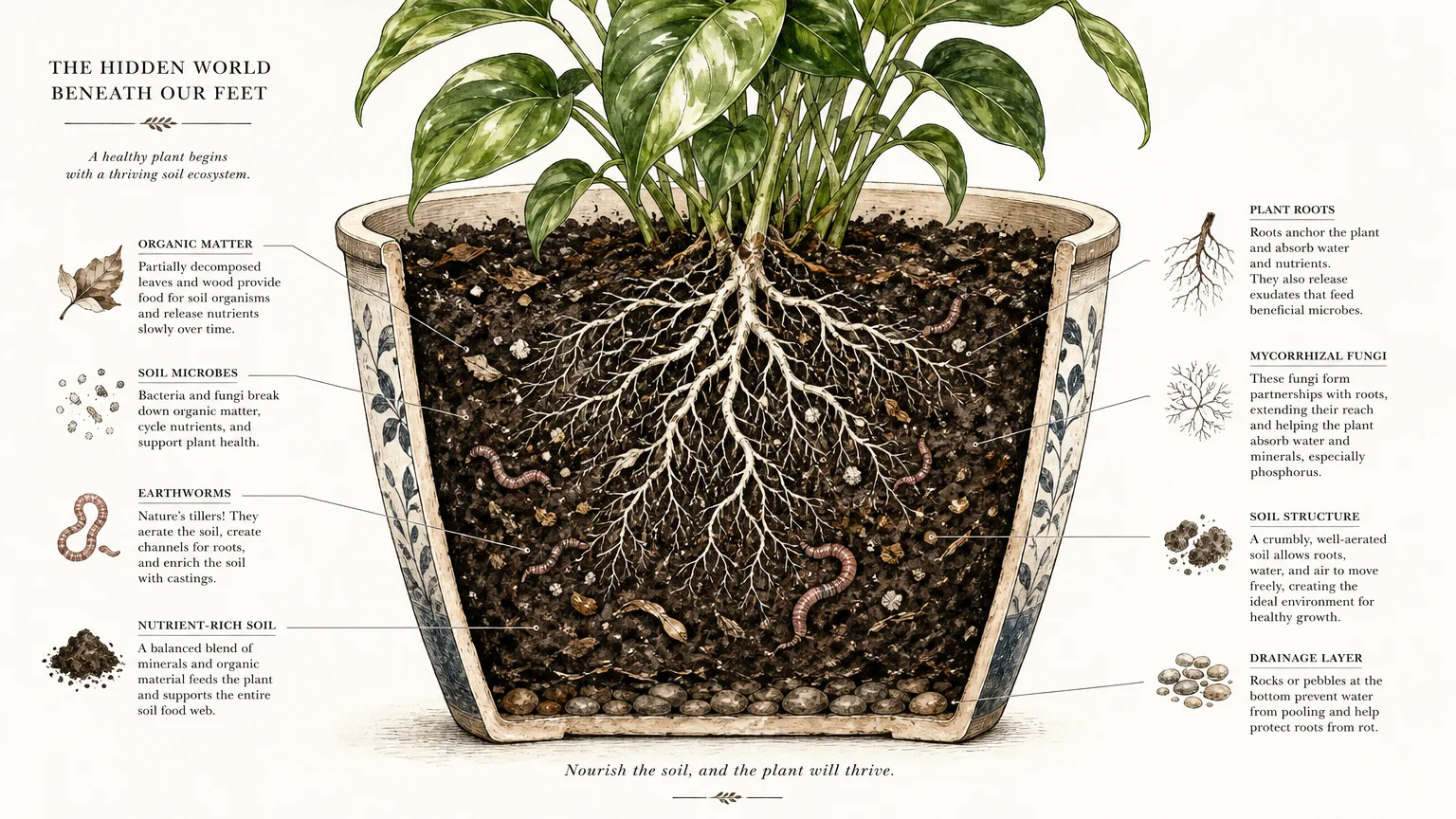
If you find yourself constantly replacing dead plants while your neighbor’s garden continues to burst with life, the secret is likely buried underground. Plants are only as healthy as the soil they grow in. Thriving gardens rely on a rich, dynamic underground ecosystem, whereas struggling gardens often suffer from compacted, nutrient-depleted, or poorly draining dirt.
Proper soil preparation and moisture retention are also crucial for protecting your plants from summer heat stress during the hottest months of the year.
You don’t need a massive yard to produce high-quality soil amendments; simple composting hacks for small spaces allow you to recycle kitchen scraps right on your balcony.
In addition to ground beds, understanding how to build healthy soil in containers is vital if you grow in pots.
Drainage—the speed and ease with which water moves through the soil—is the most critical factor to master. When soil is too heavy and compacted, water collects around the root systems, suffocating them and leading to root rot. If the soil is too sandy, water drains away before the plant can absorb what it needs. To test your soil’s drainage and texture, grab a handful of damp garden soil and squeeze it. If it forms a rock-hard ball that refuses to crumble, you have heavy clay. If it instantly falls through your fingers like beach sand, it lacks structure. The ideal garden soil feels like a crumbly, dark chocolate cake, holding its shape lightly but breaking apart easily when poked.
You can correct almost any soil issue by adding organic matter. Organic matter includes materials like aged compost, decomposed leaves (often called leaf mold), and well-rotted manure. Working a thick layer of organic matter into your garden beds or mixing it into your container potting soil acts like a sponge. It opens up dense clay to allow air and water to flow, while simultaneously giving sandy soil the structure it needs to hold onto moisture.
Understanding basic plant nutrition is also essential. Most commercial fertilizers prominently display three numbers on their packaging, representing the N-P-K ratio: Nitrogen, Phosphorus, and Potassium. Nitrogen fuels lush, green leaf growth; phosphorus supports strong root development and abundant blooms; and potassium bolsters overall cellular strength and disease resistance. Applying a slow-release, balanced organic fertilizer at the beginning of the growing season provides a steady diet of these nutrients, ensuring your plants do not experience the boom-and-bust growth cycles caused by cheap synthetic chemical fertilizers.
| Soil Issue | Visual Symptoms | Practical Solution |
|---|---|---|
| Heavy Clay / Poor Drainage | Water pools on the surface; plants turn yellow and rot at the base. | Aerate the soil and mix in 2–3 inches of aged compost and perlite to improve water flow. |
| Sandy Soil / Rapid Drainage | Soil dries out hours after watering; plants wilt frequently despite regular watering. | Incorporate compost and shredded bark to help the soil retain moisture and nutrients. |
| Nutrient Depletion | Stunted growth; pale, anemic-looking leaves with minimal flower production. | Top-dress the soil with worm castings and apply a balanced, slow-release organic fertilizer. |
| High Alkalinity | Yellowing leaves with sharply contrasting green veins (chlorosis), especially on acid-loving plants. | Add elemental sulfur or pine needle mulch to gradually lower the soil pH. |
Creating Focal Points in Small Spaces
When you walk into a well-designed garden, your eye immediately knows where to look. This is not an accident. Beautiful gardens utilize strong focal points to anchor the space and dictate the flow of visual energy. In a small yard or on a modest patio, establishing a clear focal point is even more critical because it distracts the eye from the restrictive property lines and gives the space a sense of depth and purpose.
When positioned thoughtfully, eye-catching structural elements can also double as plant-based outdoor privacy screens to block unwanted views from neighboring properties.
Creating a stunning feature doesn’t require a massive budget; you can apply clever budget garden design tips to anchor your space beautifully.
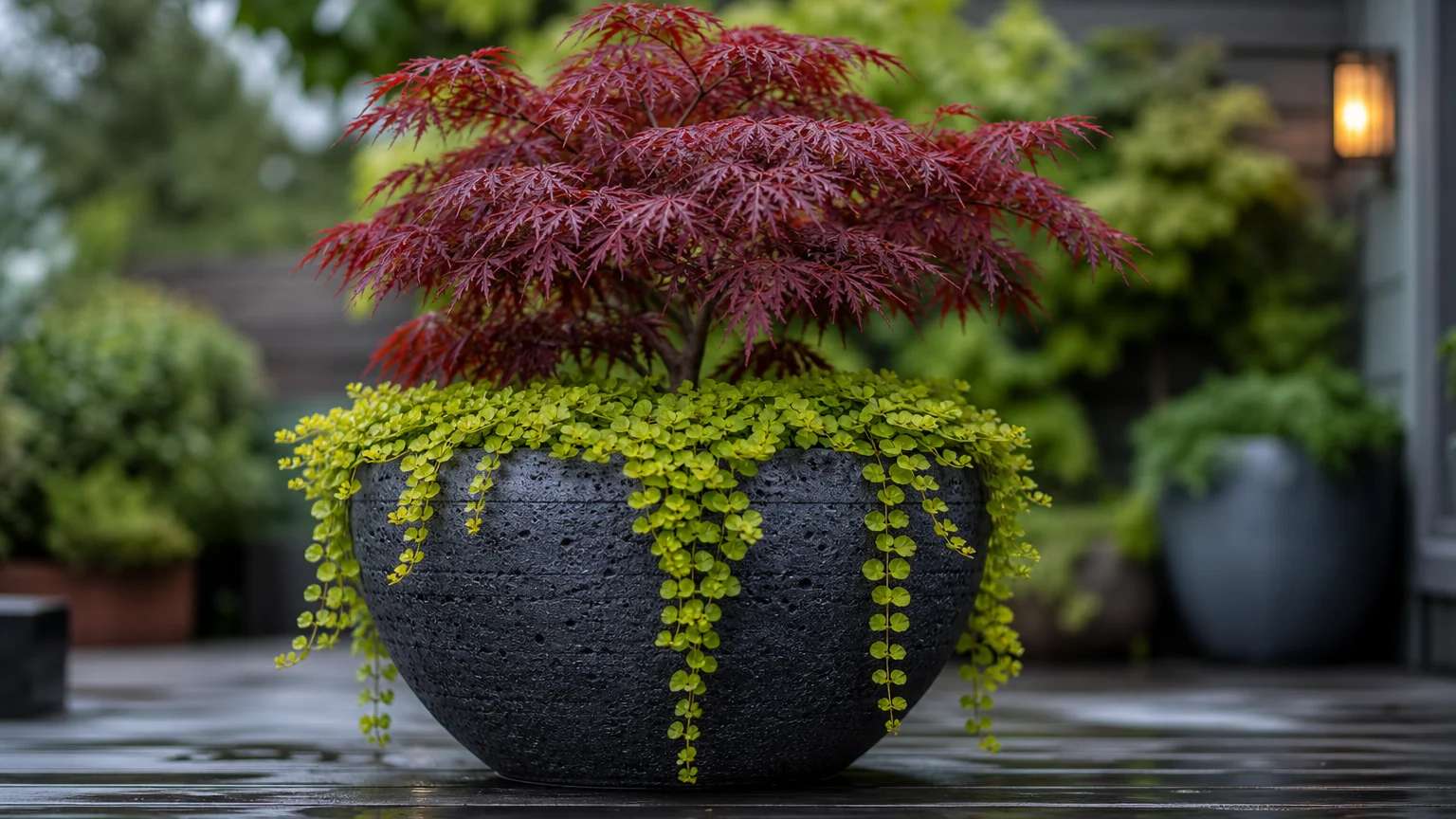
A focal point can be anything that commands attention. It might be a large, brightly glazed ceramic container overflowing with trailing vines. It could be a striking architectural plant, like a Japanese Maple with deep burgundy foliage, or a tall trellis supporting a vigorous climbing rose. Even a non-living element, such as a trickling water feature, a vintage bench, or a boldly painted accent wall, can serve as the centerpiece of your backyard inspiration.
Placement is everything when introducing a focal point. You want to position the element where it can be enjoyed from your primary viewing angles. Sit inside your home and look out the window, or sit in your main outdoor lounging chair. Where does your gaze naturally fall? That intersection of sightlines is the perfect spot for your primary feature. Placing a vibrant, eye-catching element at the farthest edge of a small yard can also play a brilliant visual trick, drawing the eye across the entire length of the property and making the space feel significantly deeper than it actually is.
Once you have established your main focal point, surround it with quieter, less demanding plants. If everything in your garden is screaming for attention with wild colors and massive blooms, the resulting visual noise will feel chaotic and stressful. By framing your star attraction with simple, textured green foliage, you allow the focal point to shine brilliantly without overwhelming the limited square footage of your yard.
Layering Plants for Visual Depth
One reason professional garden design looks so rich and satisfying is the deliberate use of vertical and horizontal layering. If you only plant low-growing flowers in flat rows, your garden will inevitably look two-dimensional and sparse. By stacking different heights, textures, and forms, you create a dense, immersive environment that mimics the lushness of nature.
To make sure your multi-tiered displays thrive, consult a spring planting guide for pots to select varieties that share the same light and watering preferences.
To tie your layered plants together, learning how to mix and match pots ensures a cohesive and polished display.
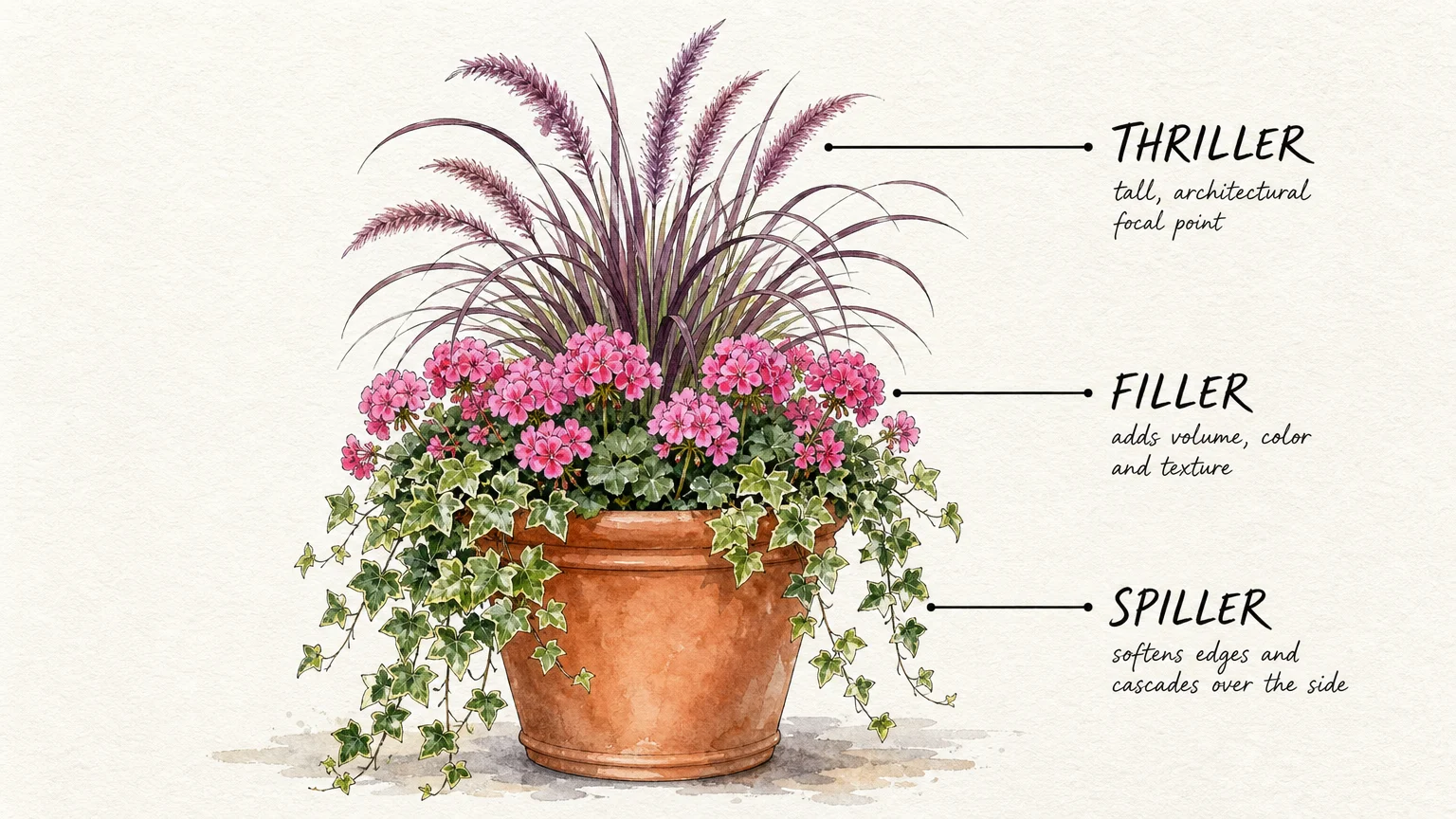
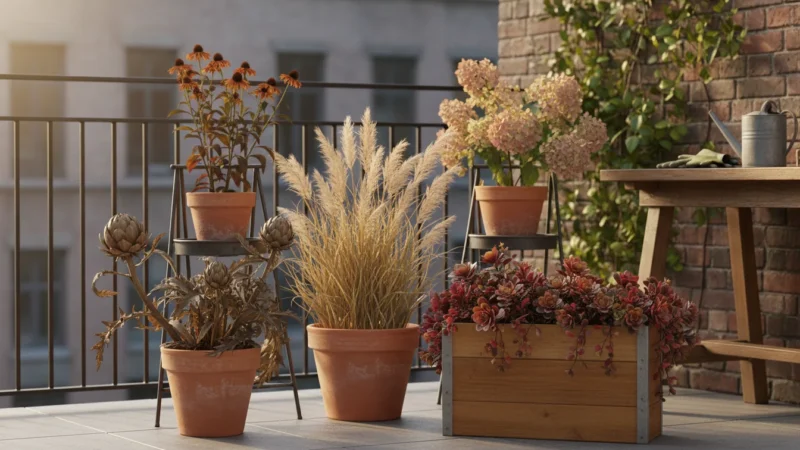
Think of your garden in three distinct vertical tiers: the canopy, the understory, and the groundcover. In a large landscape, this translates to tall shade trees, medium-sized flowering shrubs, and creeping perennials. In a small balcony or patio garden, you can replicate this exact effect on a micro-scale. Your canopy might be a dwarf citrus tree in a large pot or a tall ornamental grass. Your understory could consist of mid-sized hostas, ferns, or colorful coleus. Your groundcover layer is represented by trailing plants like creeping jenny or sweet potato vine spilling over the edges of your containers.
This layering technique is famously summarized in container gardening as the “thriller, filler, and spiller” method. The thriller is the tall, dramatic centerpiece. The fillers are the mid-sized, rounded plants that bridge the visual gap and add bulk. The spillers are the trailing elements that cascade downward, softening the hard edges of the pots. Applying this exact philosophy to your garden beds instantly transforms them from flat dirt patches into voluminous, structural masterpieces.
In addition to layering heights, you must also layer textures. A garden composed entirely of small, round leaves quickly becomes monotonous. To inject energy into your planting scheme, contrast bold, oversized foliage against fine, delicate leaves. Place the massive, ribbed leaves of a hosta next to the airy, feathery fronds of a maidenhair fern. Pair the stiff, sword-like spears of an agave or yucca with a soft, billowing mound of ornamental grass. This textural interplay creates a dynamic visual tension that keeps the garden interesting even when nothing is actively blooming.
Finally, utilize the power of repetition. Grouping plants in odd numbers—drifts of three, five, or seven—looks vastly more natural than planting single specimens in isolated pockets. Repeating a specific plant variety or a particular leaf texture at regular intervals throughout your space ties the entire design together, providing a rhythmic flow that gently guides the eye from one end of the garden to the other.
Strategic Maintenance Routines
Your neighbor does not spend forty hours a week slaving away in the dirt to maintain their beautiful landscape. The secret to a pristine garden is frequent, low-intensity intervention rather than exhausting, infrequent overhauls. Developing a strategic maintenance routine ensures your plants remain healthy and your space looks manicured with surprisingly little effort.
Using simple gardening hacks that use items you already own can keep your maintenance chores quick and highly effective.
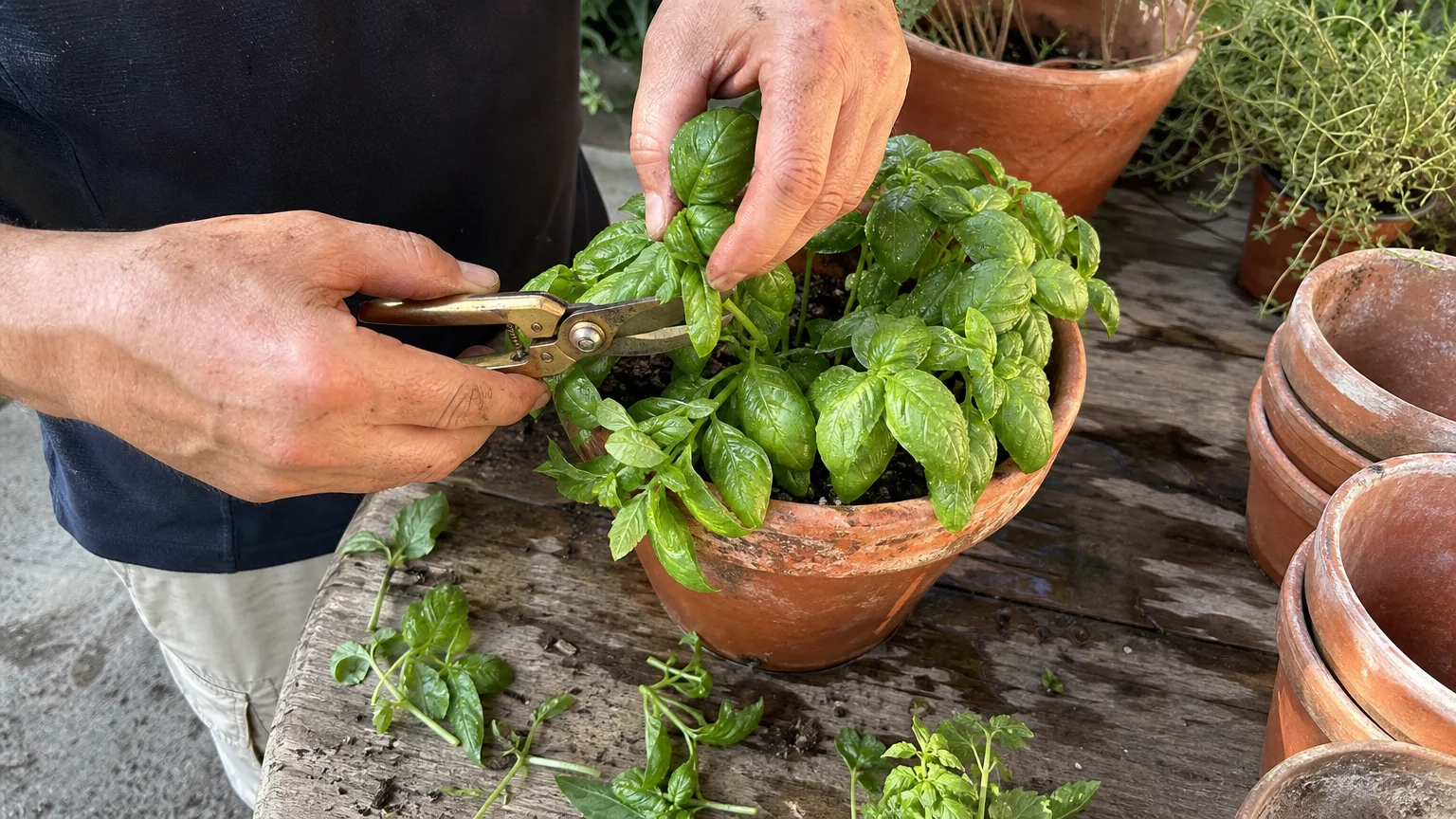
Embrace the habit of a ten-minute morning garden walk with your coffee in hand and a pair of sharp bypass pruners in your pocket. This brief daily inspection allows you to spot tiny problems before they escalate into catastrophes. You will notice the first sign of aphids on your roses, allowing you to blast them away with a quick spray from the hose rather than resorting to heavy chemical treatments weeks later. You will spot and pull a tiny weed root in two seconds, preventing it from going to seed and spawning hundreds of offspring across your patio beds.
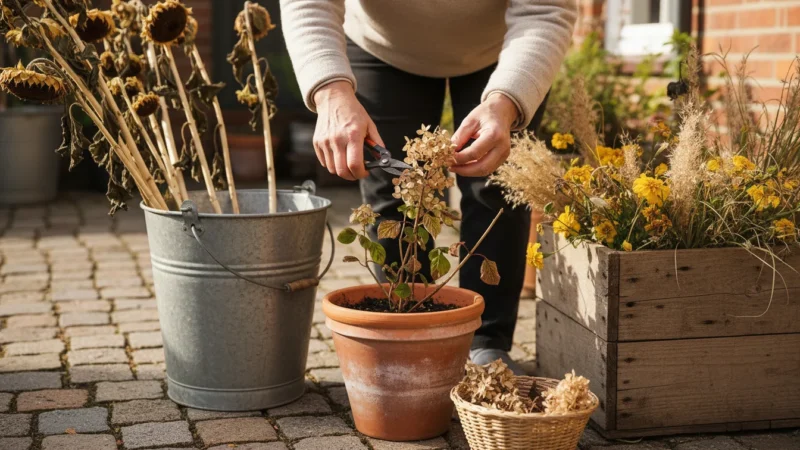
During these walks, practice consistent deadheading. Deadheading simply means snipping off old, fading flowers before they have a chance to form seed pods. When a plant senses it has successfully produced seeds, it often stops blooming for the rest of the season because its biological mission is complete. By continuously removing the spent blooms, you trick the plant into producing wave after wave of fresh flowers in a desperate attempt to reproduce, extending your floral display by several weeks or even months.
Watering correctly is another crucial pillar of garden maintenance. Many beginners make the fatal mistake of lightly sprinkling their garden with a hose every single day. This shallow watering encourages plant roots to stay right at the soil surface, making them incredibly vulnerable to heatwaves and drought. Instead, you must practice deep, infrequent watering. Deliver a slow, heavy soaking directly to the base of the plants, allowing the moisture to penetrate several inches down into the soil. This forces the root systems to dive deep in search of water, resulting in highly resilient, self-sufficient plants that can easily survive a few missed watering days. Whenever possible, use a watering wand or a drip irrigation system to keep the water off the plant leaves, as wet foliage is an open invitation for destructive fungal diseases.
Embracing Sustainable Garden Practices
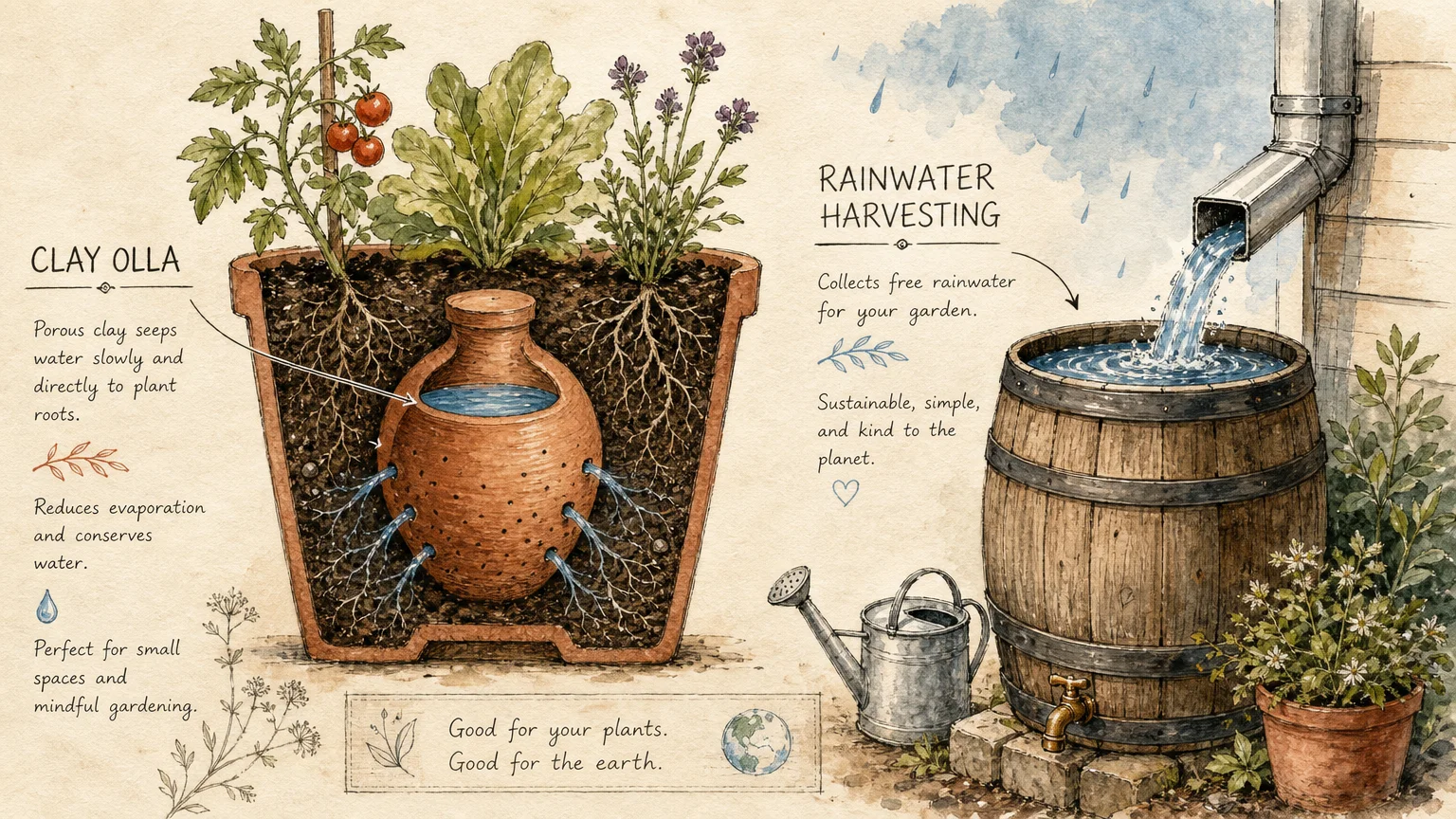
The best-looking gardens are invariably those working in harmony with nature rather than fighting against it. Transitioning to sustainable, eco-friendly practices reduces your workload, lowers your water bill, and creates a thriving micro-habitat for beneficial wildlife right in your own backyard.
Mulch is the ultimate secret weapon for a low-maintenance, sustainable garden. Applying a two-to-three-inch layer of organic mulch—such as shredded hardwood bark, pine needles, or untreated grass clippings—over the bare soil around your plants provides massive benefits. Mulch acts as a protective blanket, insulating the soil from scorching summer sun and freezing winter winds. It drastically reduces water evaporation, meaning you spend significantly less time holding a hose. Furthermore, a thick layer of mulch smothers weed seeds, blocking the sunlight they need to germinate. As the organic mulch slowly breaks down over the seasons, it continually feeds your soil with rich, dark compost.
Incorporating native plants is another highly effective sustainable strategy. Native plants evolved in your specific local climate and soil conditions over thousands of years. Because they are perfectly adapted to your environment, they require zero fussy chemical fertilizers, zero intense winter protection, and virtually zero supplemental watering once their root systems are established. They also serve as the absolute best food source for local pollinators, bringing beautiful butterflies, hummingbirds, and native bees into your small space.
Avoid the temptation to use broad-spectrum chemical pesticides to manage bugs. While a toxic spray might quickly kill the aphids chewing on your vines, it will simultaneously kill the ladybugs, lacewings, and parasitic wasps that act as your garden’s natural defense force. Once you wipe out the predatory insects, the destructive pests will bounce back faster and stronger than before. Instead, tolerate a tiny bit of insect damage, use strong jets of water to dislodge pests, and focus on building a diverse ecosystem. A balanced garden naturally polices itself, remaining resilient, healthy, and exceptionally beautiful without any harsh chemical interventions.
Frequently Asked Questions
How do I keep my small garden from looking cluttered?
Clutter in a small garden usually results from too much variety without enough structural repetition. To solve this, aggressively limit your color palette to two or three coordinating hues. Instead of buying one of everything at the nursery, buy multiples of fewer plant varieties and plant them in groupings. Stick to containers that share a similar material or color family to visually unify the patio, and ensure you have a strong, singular focal point to anchor the design.
Why do my potted plants always look leggy and sparse?
Leggy, stretched-out stems usually indicate that the plant is desperately reaching for a light source it isn’t receiving. Evaluate your sun exposure and move the container to a brighter location if possible. Additionally, many gardeners fail to prune their container plants. Regularly pinching back the growing tips of trailing vines or flowering annuals forces the plant to branch out laterally, creating a much bushier, denser, and healthier appearance.
How can I hide ugly fences or walls in a tiny yard?
Vertical gardening is the perfect solution for unsightly boundaries. Install a sturdy trellis and train aggressive, fast-growing vines like clematis or star jasmine to cover the vertical space. You can also mount half-basket planters directly onto an ugly wall to create a cascading green curtain. Alternatively, painting an ugly fence a very dark, matte color—like charcoal grey or deep forest green—causes the boundary to recede visually, making the bright green foliage planted in front of it pop brilliantly.
When is the best time to redesign my garden?
While you can sketch landscaping ideas year-round, the absolute best time to physically overhaul your garden beds, plant shrubs, or move perennials is early fall. The soil retains summer warmth, encouraging rapid root growth, while the cooler air temperatures reduce stress on the plant foliage. Fall planting allows your new additions to establish a robust root system before going dormant, resulting in explosive, vigorous growth the following spring.
For trustworthy gardening information, visit:
U.S. National Arboretum, American Horticultural Society, National Garden Bureau and National Wildlife Federation — Garden for Wildlife. These organizations provide expert, research-based advice for gardeners at all levels.
Disclaimer: This article is for informational purposes only and is not a substitute for professional gardening advice. Always consult local extension services or horticulture experts for region-specific guidance.

Leave a Reply