
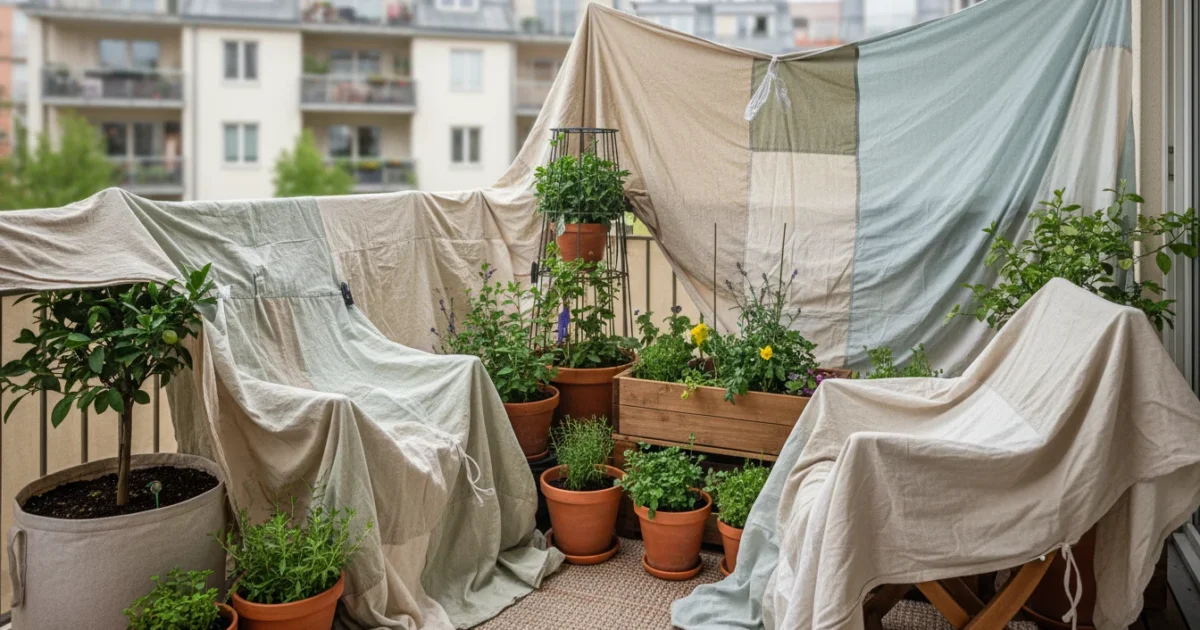
A sudden dip in temperatures during spring can turn your vibrant balcony garden into a scene of distress overnight. You spend weeks nurturing those tender plants, anticipating their growth and bloom, only for a surprise frost warning to threaten all your hard work. This scenario often sparks panic among new and even experienced gardeners, especially those working with limited space on balconies, patios, or small urban yards.
By taking the time to map your balcony garden ahead of time, you can place vulnerable pots in the most sheltered microclimates of your space.
But here is good news: protecting your beloved container plants from a late frost does not require fancy equipment or complex solutions. You already own one of the most effective tools: an old bed sheet. This guide introduces you to the simple, practical ‘Bed Sheet’ method, a reliable way to safeguard your balcony garden from unexpected cold snaps. You will learn actionable steps, understand the science behind effective frost protection, and gain the confidence to handle those chilly spring nights with ease. Let us transform that potential panic into proactive plant protection.
Understanding Spring Frost: Why It’s a Threat to Your Balcony Garden
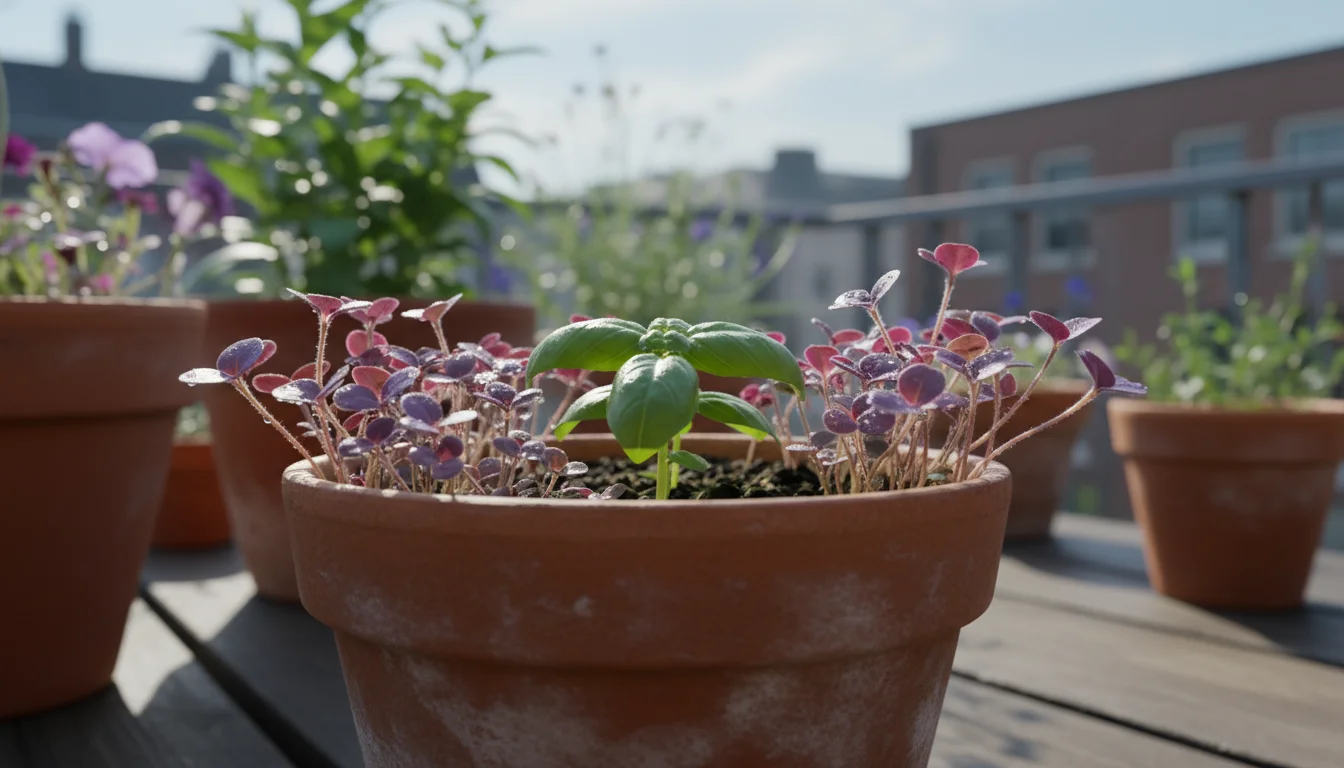
Spring is a season of new beginnings for plants, but it often brings unpredictable weather. One day you experience warm, sunny afternoons, and the next, meteorologists issue a frost advisory. This sudden temperature drop, especially after a period of mild weather, poses a significant threat to your apartment garden frost damage. Your newly planted seedlings, vibrant annuals, and even some established perennials begin their active growth in spring, making them particularly vulnerable to cold. This vulnerability means you must understand frost and its impact.
This risk is particularly high during the transition period when you are waking up your balcony pots after winter and introducing them back to the outdoor elements.
What Exactly is Frost? Frost occurs when the air temperature at ground level drops to 32 degrees Fahrenheit (0 degrees Celsius) or below. Moisture in the air then freezes onto surfaces, forming ice crystals. These crystals are beautiful, but they signal danger for your plants. Different types of frost exist: a “light frost” occurs when temperatures briefly dip to 30–32°F, potentially damaging tender plants. A “hard frost” or “killing frost” involves temperatures below 28°F for several hours, causing widespread damage to most unprotected plants. “Black frost” describes a situation where temperatures drop below freezing, but without visible ice crystals, because the air is too dry. This type of frost still causes severe internal damage to plants.
Why Are Spring Frosts So Dangerous for Balcony Plants? Your plants, having experienced milder conditions, are in a phase of active growth. Their cells are full of water, and their tissues are tender. When water inside plant cells freezes, it expands. This expansion ruptures the cell walls, leading to irreversible damage. Think of a soda can left in a freezer: it bursts. Plant cells react similarly. The leaves turn black or mushy, stems wilt, and new growth dies back. For container plants on a balcony, the danger is often amplified. Containers offer less insulation than garden beds, meaning the soil temperature can drop more quickly and severely, exposing roots to freezing conditions.
Microclimates and Your Balcony: Every balcony creates its own “microclimate” – a small area with slightly different weather conditions than the surrounding environment. Factors like direct sun exposure, proximity to a warm building wall, overhead coverings, and wind patterns all influence your balcony’s specific temperatures. A north-facing balcony might experience colder conditions than a south-facing one. A sheltered corner might stay warmer. Understanding your specific balcony microclimate helps you predict which plants need the most protection and where the cold air might settle. This awareness is your first line of defense against unexpected cold.
The ‘Bed Sheet’ Method: Your Simple Defense Strategy
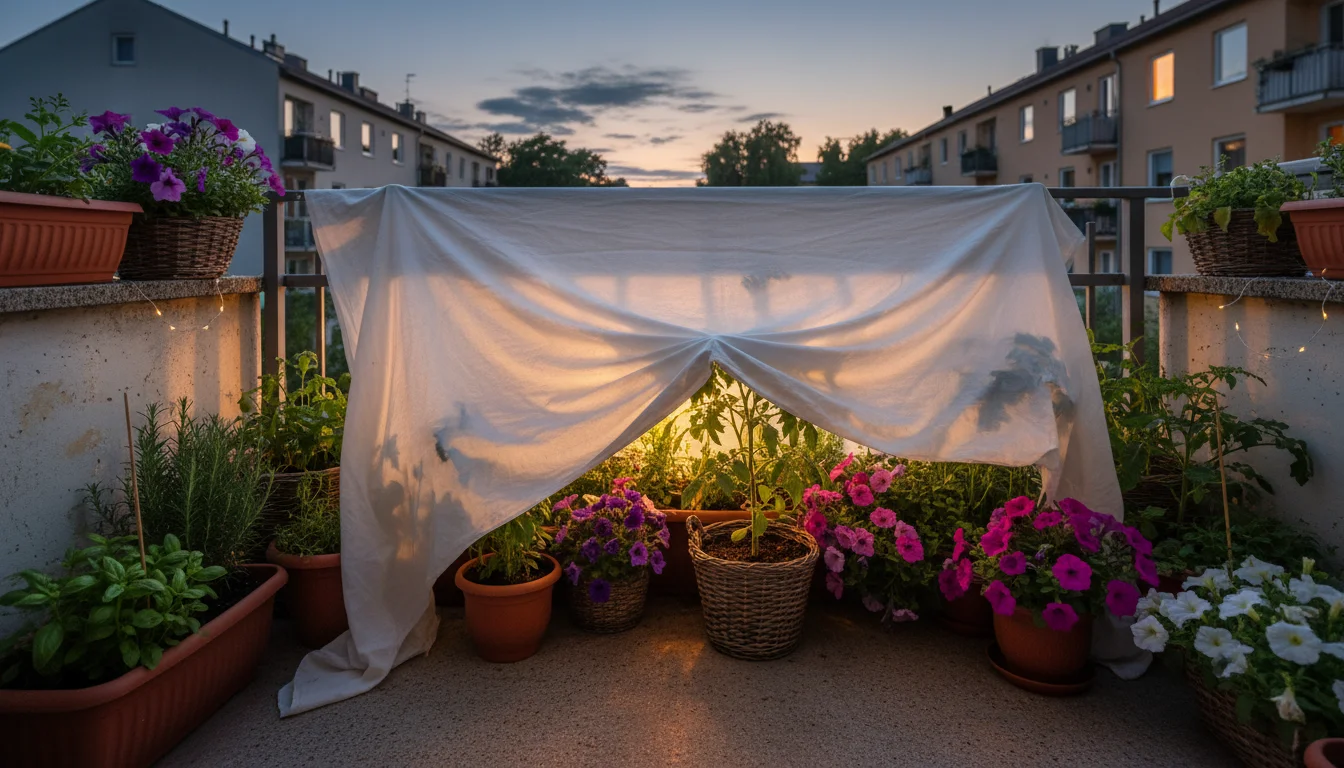
The ‘Bed Sheet’ Method is a straightforward, cost-effective, and highly effective way to protect plants from frost. It relies on a basic principle of physics: insulation. When you cover your plants with a sheet, you are not simply creating a barrier against the cold air. You are trapping the residual heat radiating from the soil and the building structure beneath the cover. This trapped warmth keeps the air directly around your plants several degrees warmer than the outside air, preventing ice crystal formation on their delicate tissues.
Keep in mind that these protective measures are equally useful when protecting your balcony garden from the first fall frost later in the year.
If you need more heavy-duty protection for specific containers, you can also learn how to insulate your favorite pots using DIY wraps.
How It Works Its Magic: During the day, the soil in your containers and the building materials of your balcony absorb heat from the sun. As night falls and temperatures drop, this stored heat slowly releases into the atmosphere. Without a cover, this heat dissipates quickly, and the plants cool down to match the ambient air temperature. When you drape a bed sheet over your plants, you create a thermal blanket. This blanket slows the escape of the radiating heat, effectively keeping a warm pocket of air around your plants. Think of it like putting on a jacket in cold weather: your body still generates heat, and the jacket traps that heat, keeping you warm. The bed sheet does the same for your plants.
Why a Bed Sheet? Old sheets, blankets, or even burlap are ideal for covering plants for frost because they are breathable. Unlike plastic, which can trap too much moisture and potentially create its own set of problems (like encouraging fungal growth or causing “cooking” if left on during a sunny day), fabric allows for some air circulation. It also provides enough density to offer significant insulation. Plus, you probably have several old sheets lying around, making this a truly low-cost and sustainable solution. This method requires minimal effort, making it perfect for busy gardeners or those new to plant care who need quick, reliable balcony frost protection.

Gathering Your Frost Protection Arsenal: Beyond Just a Sheet
Preparing for a surprise frost is easier when you have your materials ready. The beauty of the ‘Bed Sheet’ Method lies in its simplicity and the fact that you can often use items already found around your home. Here is a practical list of what you will need to protect plants from frost on your balcony:
If you want a more semi-permanent protective setup instead of sheets, you can also learn how to build a simple cold frame to shield your early spring greens.
- Old Bed Sheets or Blankets: These are your primary defense. Choose sheets made from cotton or other breathable fabrics. Avoid heavy plastic tarps directly on plants, as they can suffocate foliage and prevent crucial air circulation. Old duvets, quilts, or even large towels also work well, especially for smaller pots. The goal is to create a soft, insulating layer that allows some airflow.
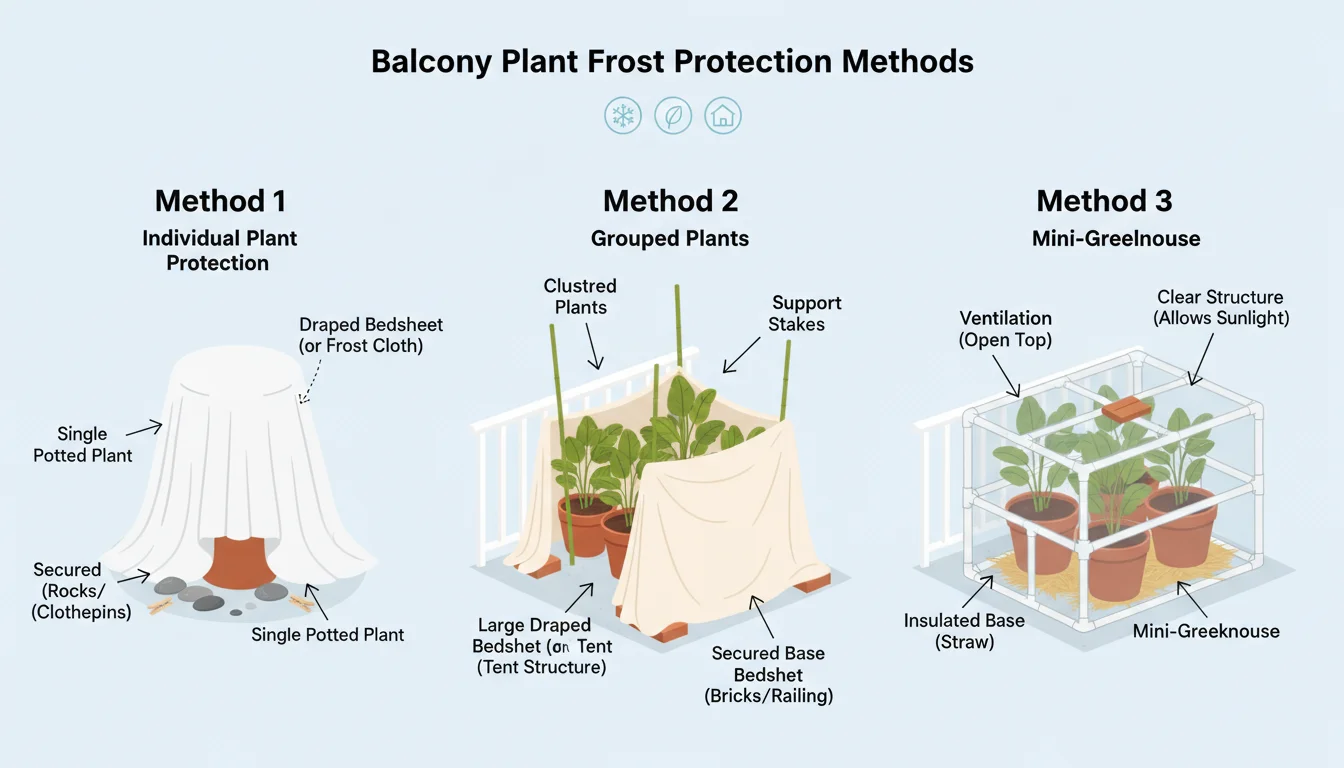
- Lightweight Stakes or Support Sticks: For taller plants, or to prevent your sheet from crushing delicate foliage, you need something to create a mini-tent. Bamboo stakes, sturdy garden canes, or even old broom handles cut to size work perfectly. You can insert these into the soil around your plants or position them strategically to create a framework for the sheet. This step is crucial for how to protect container plants from a late frost without damaging the plant itself.
- Clothespins, Binder Clips, or Spring Clamps: These are invaluable for securing your sheet. They prevent it from blowing away in the wind or slipping off your support structure. You can clip the sheet to itself, to plant stakes, or even to the railing of your balcony if conditions allow.
- Bricks, Rocks, or Heavy Objects: Use these to weigh down the edges of your sheet at ground level. This prevents cold air from seeping in from underneath and ensures the trapped warmth remains effective. Small decorative rocks from your garden or even sturdy books can serve this purpose.
- Twine or Rope: For larger areas or multiple plants, a length of twine can help secure the sheet around a group of containers, creating a larger protected zone.
Gathering these items beforehand means you will not scramble when a frost warning appears. Store them in an easily accessible spot, like a small bin on your balcony or in a nearby closet. This simple preparation drastically reduces stress and ensures you are ready to act quickly when temperatures drop. Remember, what to cover plants with for frost is often already in your home.
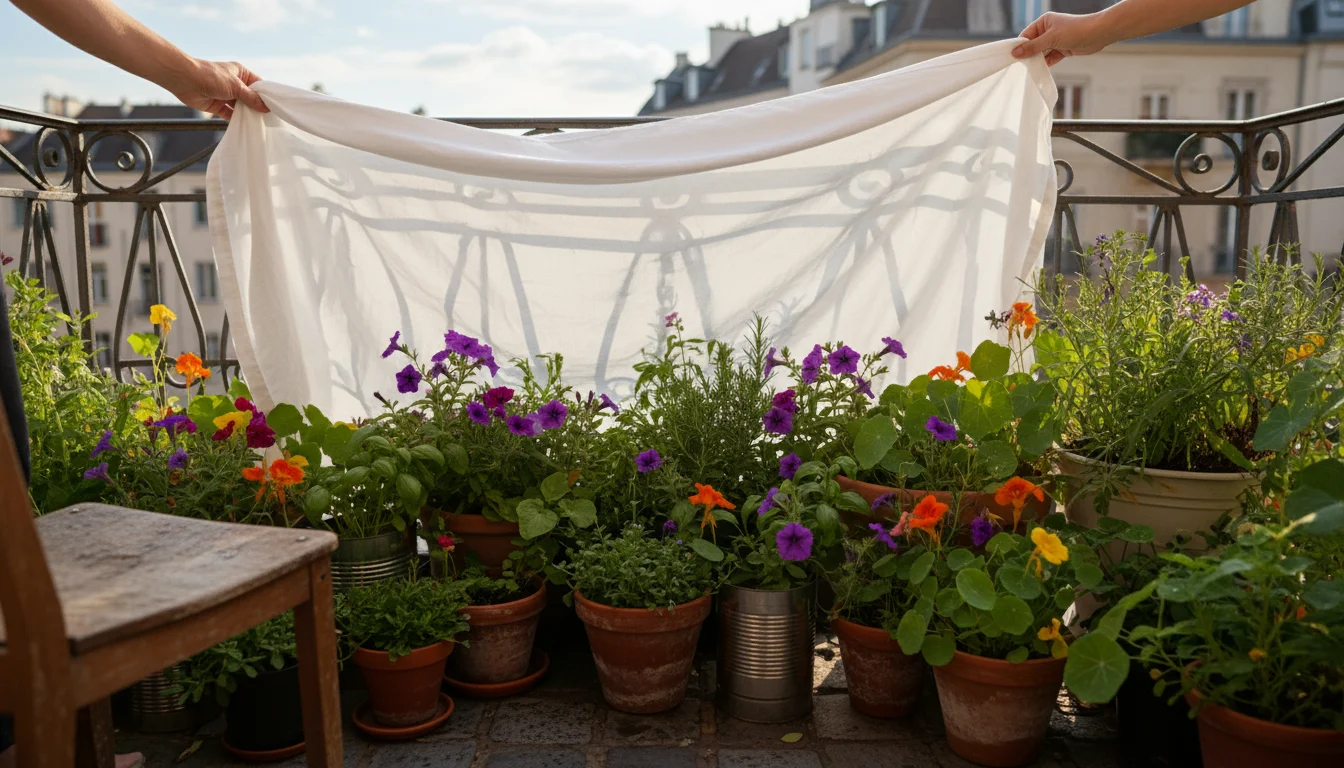
Step-by-Step: How to Properly Cover Your Balcony Plants
When a frost warning hits, knowing exactly what to do can make all the difference. Follow these clear steps to effectively protect plants from frost using your bed sheets.
Preparing your containers for extreme weather is very similar to the steps you take when learning how to overwinter container plants before the cold season hits.
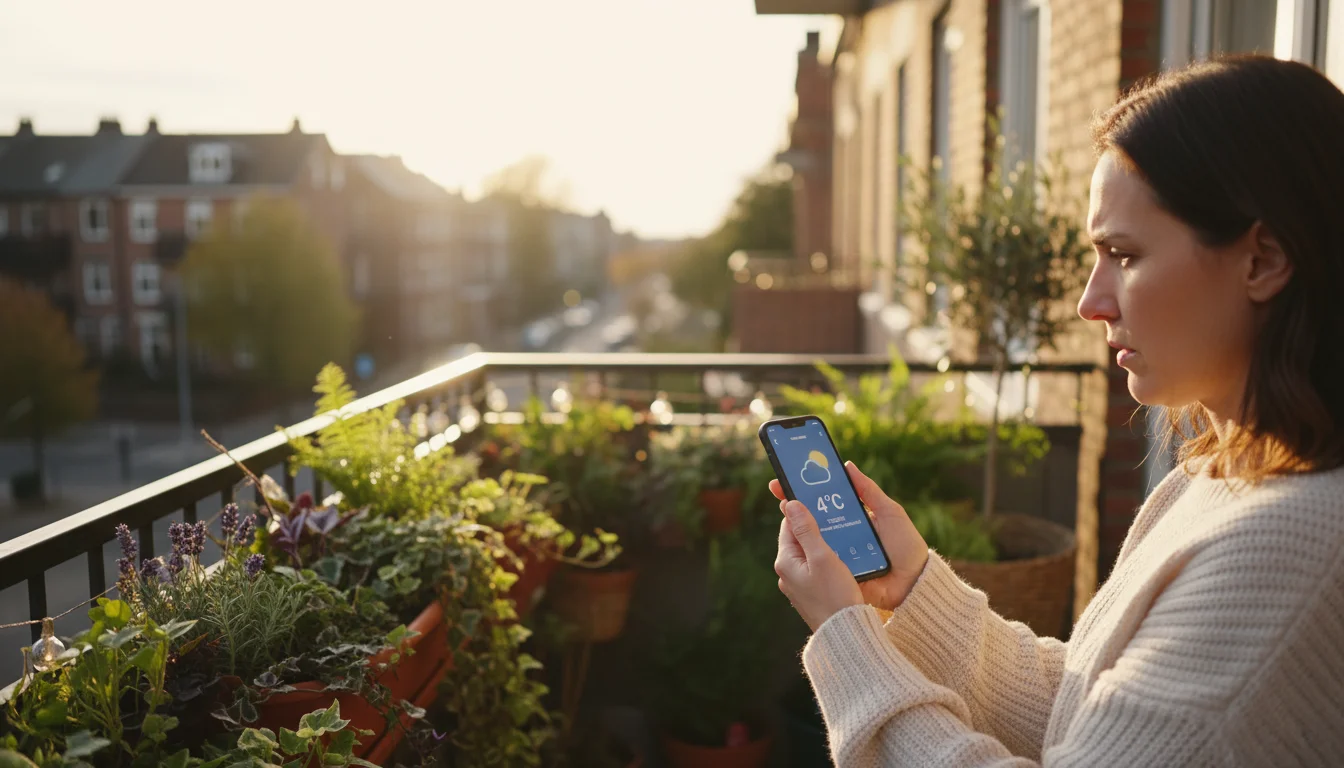
Step 1: Monitor the Weather Forecast Closely
Your local weather forecast is your best friend. Pay attention to nighttime low temperatures and “feels like” temperatures. If the forecast predicts temperatures at or below 35-36°F (about 2°C), start preparing. While frost usually forms at 32°F (0°C), temperatures slightly above freezing can still cause cold stress, especially if humidity is high or conditions are windy. Act when the threat becomes apparent, typically a few hours before sunset, to allow time for the soil to retain daytime heat.
While you monitor the weather for temperature dips, it is also a great time to implement simple spring habits to prevent pests before the growing season gets into full swing.
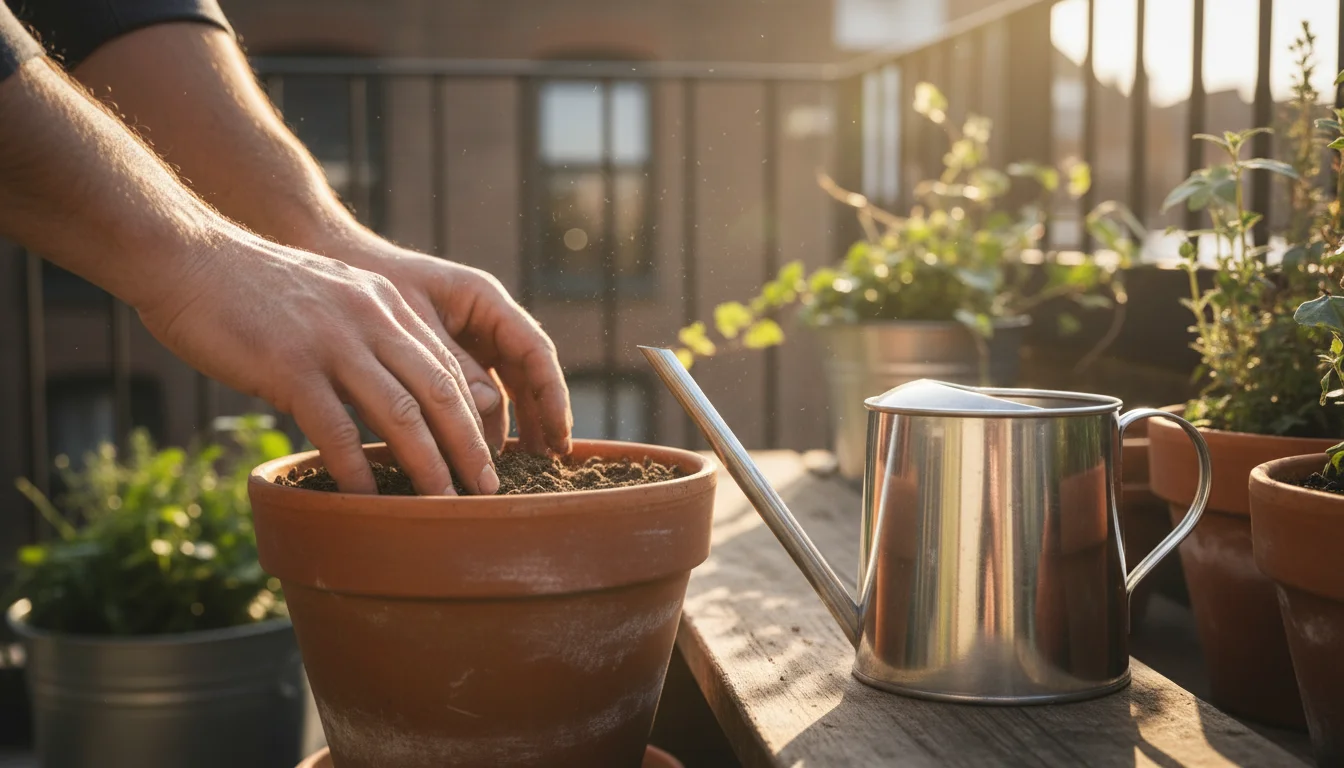
Step 2: Water Your Plants (If Soil is Dry)
If your container plants have dry soil, give them a good watering a few hours before the evening temperatures drop. Moist soil retains heat better than dry soil. As the water slowly evaporates from the soil surface, it releases latent heat, which can slightly elevate the air temperature immediately surrounding your plants. However, avoid overwatering, as constantly soggy soil creates other problems like root rot. Ensure proper drainage in your containers, meaning water moves freely through the soil and out of the pot.
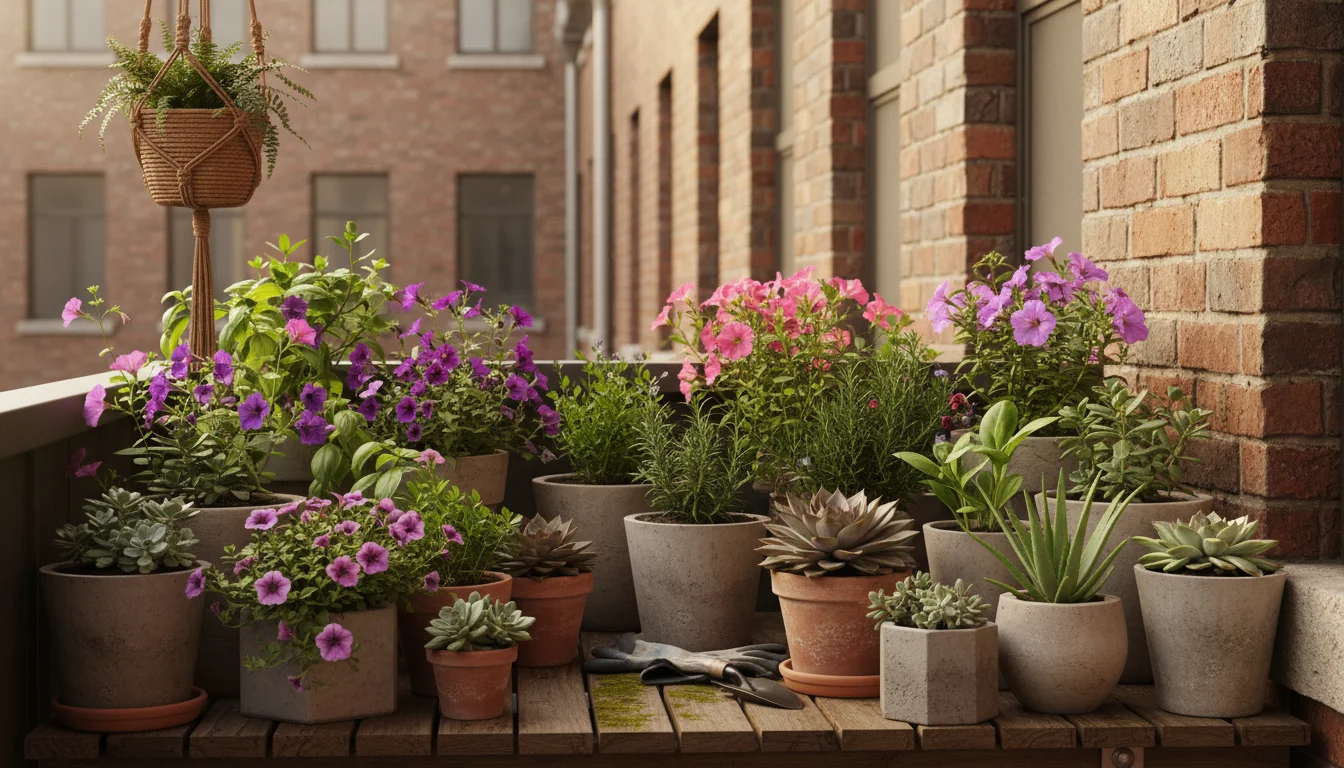
Step 3: Group Your Plants Together
If you have several smaller containers, gather them closely together in a sheltered corner of your balcony, ideally against a warm wall of your building. Grouping plants creates a larger mass, which radiates more heat and creates a more substantial pocket of warmth under your cover. This also makes the covering process more efficient, as you might protect multiple plants with a single sheet.
If you have delicate perennials, you might also consider using the trench and tuck method to provide extra insulation for their root systems during sudden freezes.
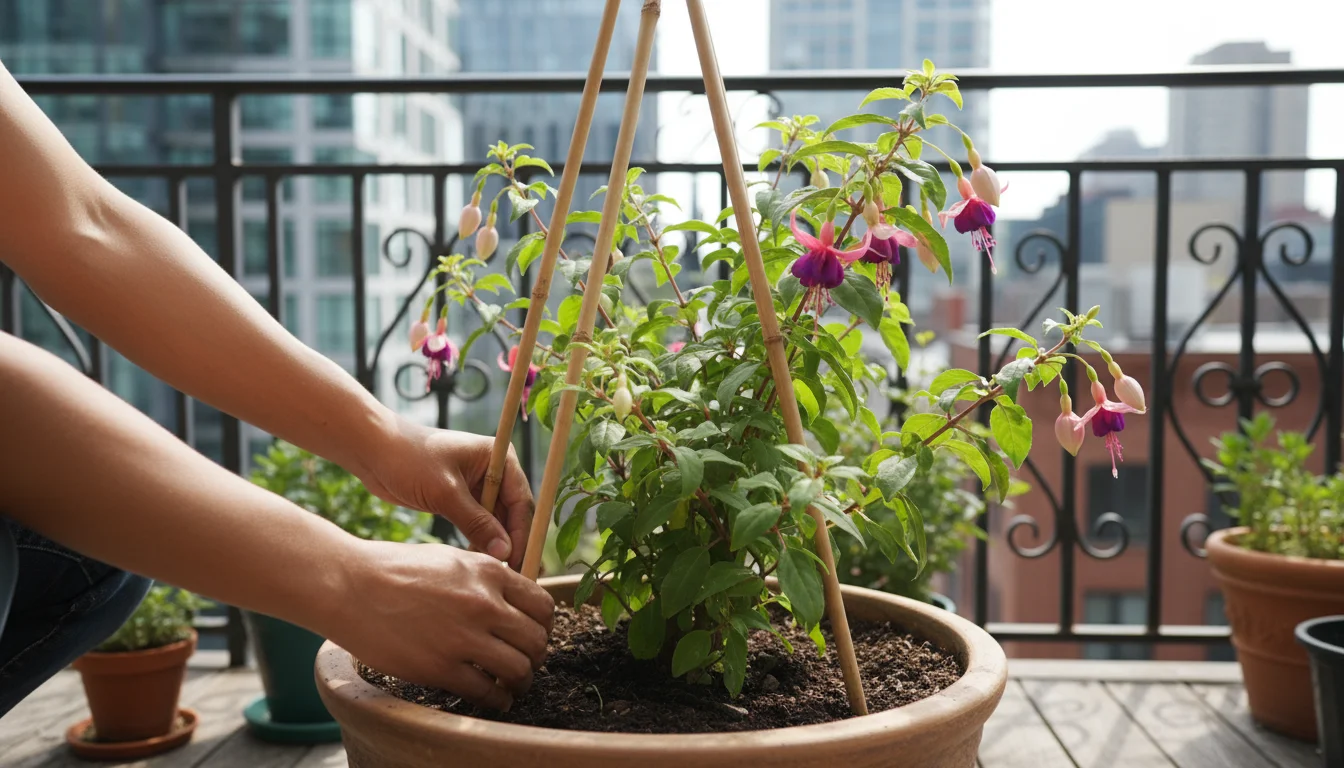
Step 4: Create a Support Structure (If Needed)
For taller plants or to prevent the sheet from pressing directly onto delicate foliage, insert lightweight stakes into the soil around the plant. Arrange them to form a simple “tent” shape. The goal is to keep the fabric from resting heavily on leaves and stems, which can sometimes transfer cold. If your plants are shorter, or if you are covering a dense cluster, you might not need stakes.
Step 5: Drape the Bed Sheet Over Your Plants
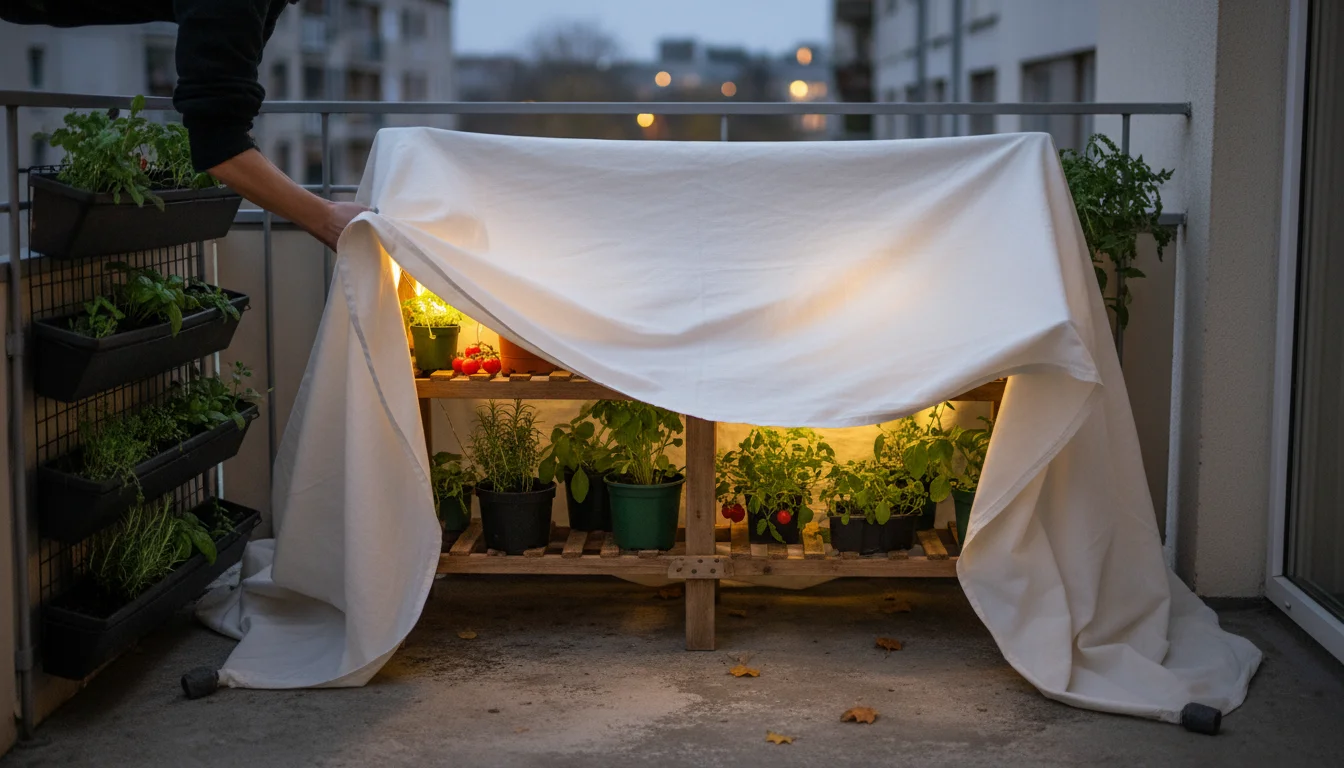
Carefully place your chosen bed sheet or blanket over your plants and their support structure. Ensure the sheet extends all the way to the ground, touching the balcony surface. This is critical for trapping the heat radiating from the soil. Do not leave gaps where cold air can easily seep in. The more completely you seal the bottom, the more effective your frost protection will be. For larger balcony garden frost damage prevention, you might need multiple sheets, overlapping them slightly.
Step 6: Secure the Sheet
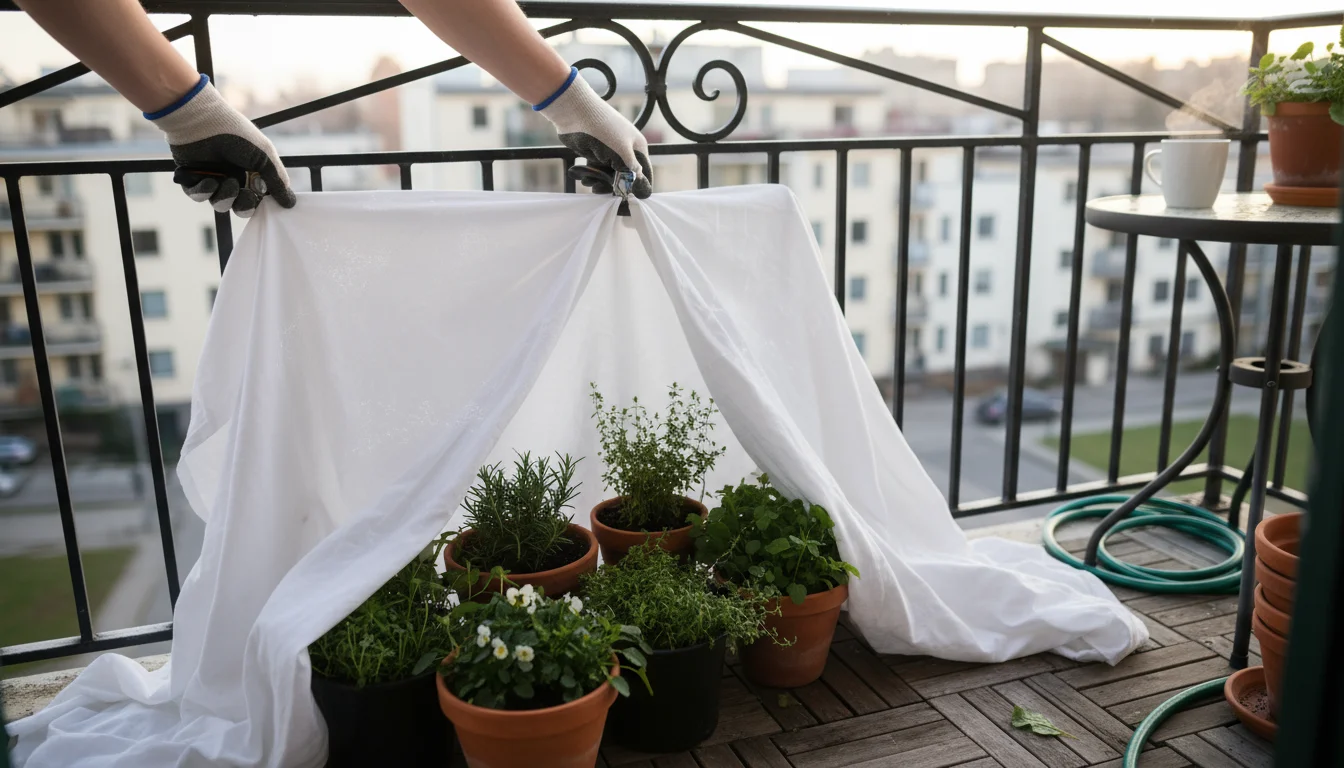
Use clothespins, binder clips, or spring clamps to secure the sheet to itself, to stakes, or to your balcony railing if feasible. Weigh down the bottom edges of the sheet with bricks, rocks, or other heavy objects. This prevents the wind from blowing the cover off and helps seal in the precious heat. Ensure the cover is snug but not so tight that it rips or puts undue stress on your plants.
Step 7: Uncover Your Plants in the Morning
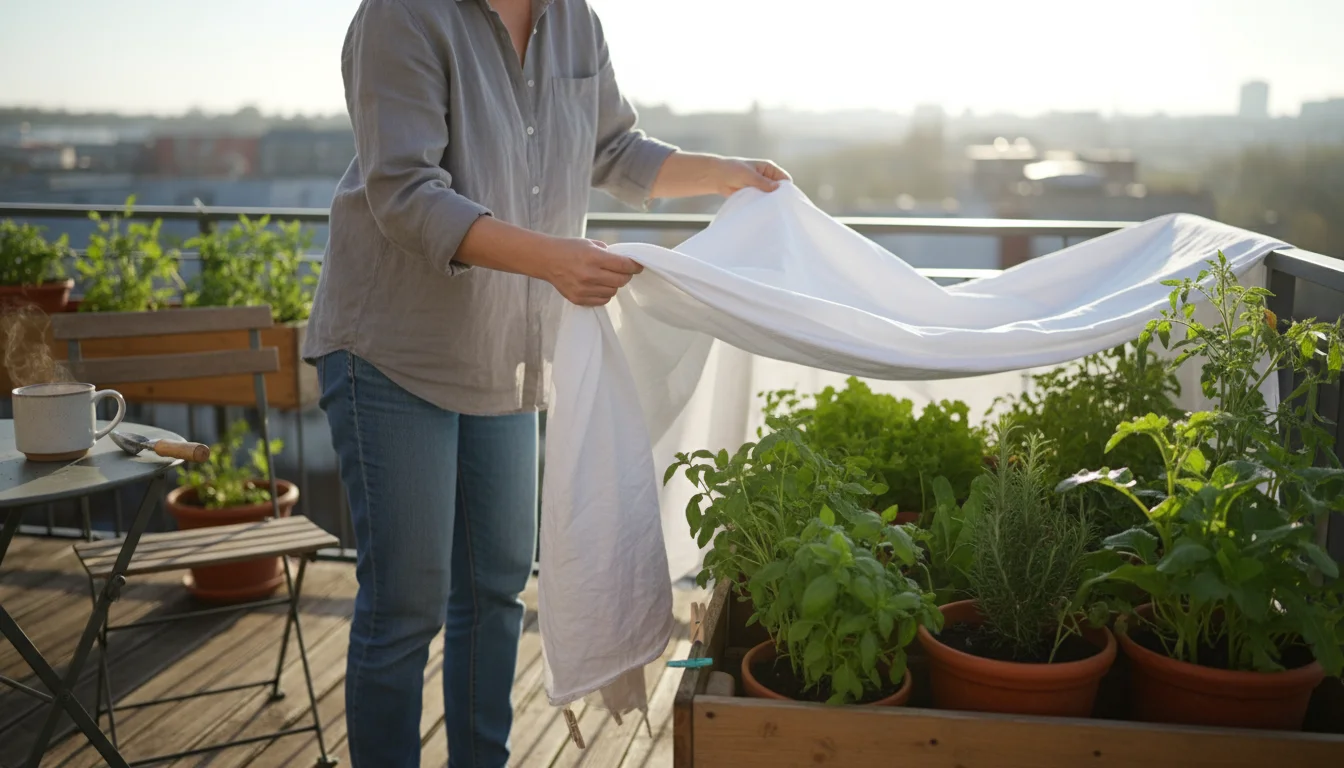
Once the danger of frost has passed, typically after the sun has risen and temperatures are well above freezing, remove the covers. Leaving covers on during the day can cause plants to overheat, especially on sunny days, potentially causing more damage than the frost itself. It can also reduce air circulation and light, which are vital for healthy plant growth. Check the forecast again to confirm no subsequent cold nights are expected before completely storing your covers.
Beyond the Sheet: Additional Tips for Balcony Frost Protection
While the ‘Bed Sheet’ Method is remarkably effective, you can complement it with other strategies to enhance your balcony frost protection and ensure your plants thrive through unexpected cold snaps. These additional steps offer layers of security for your vulnerable plants.
As the weather warms up permanently, you’ll want to follow a 5-step checklist for waking up your balcony pots properly to ensure a healthy growing season.
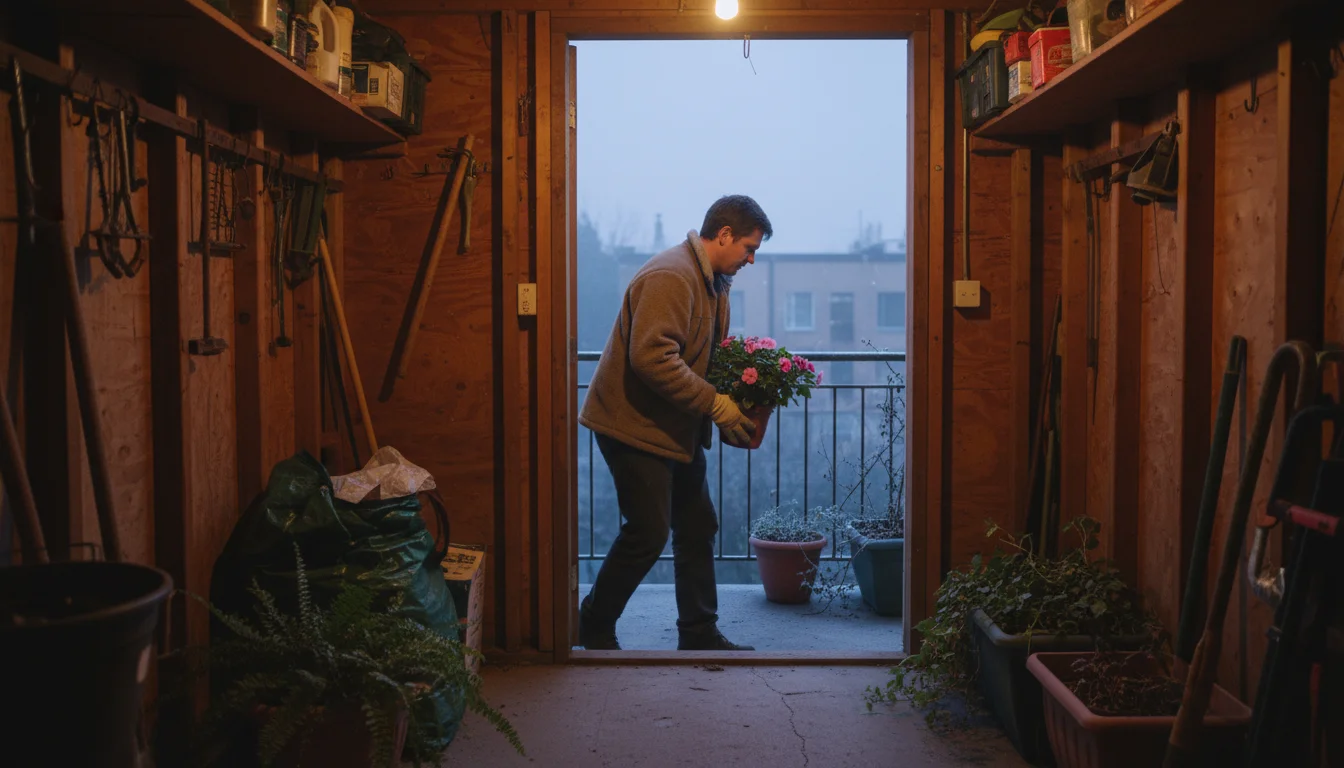
Move Plants Indoors or to a More Sheltered Spot: This is arguably the most effective method for truly tender plants, especially smaller containers. If you have space, bring delicate annuals, tropical plants, or very young seedlings indoors for the night. Even moving them into an unheated garage, shed, or a well-sheltered corner of your building can provide significant protection. The goal is to get them out of the direct path of cold air and potential frost formation. Ensure you return them to their sunny balcony spot once temperatures rise to prevent them from becoming leggy or unhealthy from lack of light.
Optimize Your Balcony’s Microclimate: Understand which parts of your balcony retain heat best. Areas against a warm building wall, especially one that received sun during the day, will often be a few degrees warmer than open, exposed areas. Position your most sensitive plants in these sheltered spots. Consider temporary windbreaks using old cardboard boxes or tarps if strong, cold winds are a factor, as wind chill can exacerbate frost damage even at slightly higher temperatures.
Add Mulch to Containers: While often associated with in-ground gardens, a layer of mulch on top of your container soil can provide excellent insulation. A 1-2 inch layer of straw, wood chips, shredded leaves, or even pine needles helps retain soil moisture and stabilize soil temperature. This insulating layer slows the rate at which heat escapes from the soil at night, offering extra protection for your plant’s roots. It is an effective way for how to protect container plants from a late frost by safeguarding the root ball, which is often the most vulnerable part in a pot.
Warm Water, Not Cold: If you choose to water your plants before a frost, use lukewarm water instead of icy cold water. This provides a slight initial warmth to the soil, contributing to the overall heat retention. However, remember the goal is not to drench the plants, but to moisten the soil adequately for better heat absorption and radiation.
Implementing these tips in conjunction with the ‘Bed Sheet’ Method gives you a comprehensive strategy to combat spring frost, ensuring your balcony garden remains a joy, not a source of worry.
Identifying Frost Damage and Nurturing Recovery
Despite your best efforts, sometimes a sneaky frost catches you unprepared, or the cold is more severe than anticipated. Knowing how to identify frost damage and what steps to take for plant recovery helps you salvage your garden and avoid further stress. Do not panic if you see damage; many plants show remarkable resilience.
Signs of Frost Damage:
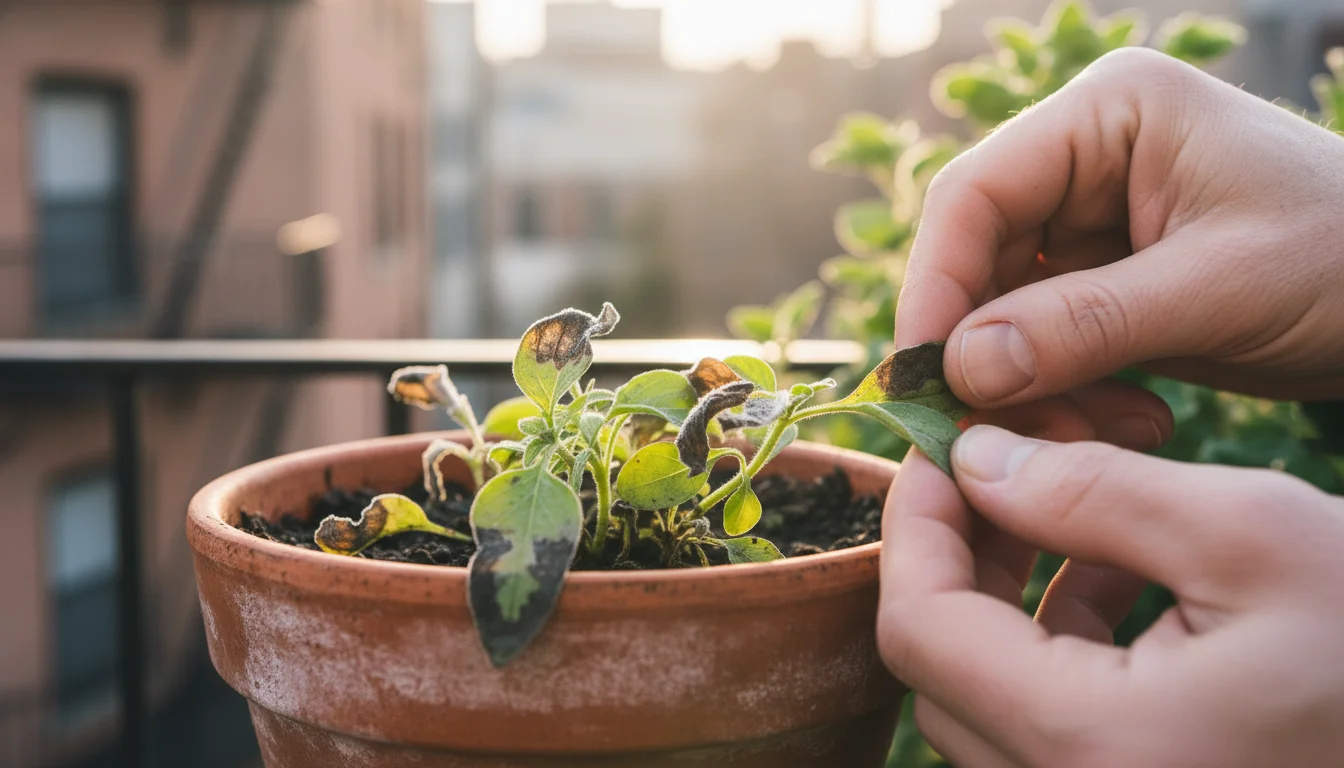
- Wilting and Discoloration: The most common signs. Leaves and stems appear limp, water-soaked, and may turn dark green, black, or brown. This happens because the frozen water in the plant cells ruptures the cell walls.
- Translucent or Mushy Tissue: Delicate new growth or flower buds might look almost clear or feel soft and mushy to the touch. This indicates severe cell damage.
- Crispy Leaves (After Drying): If the damaged parts dry out in the sun, they can become brittle and crispy.
- Split Bark or Stems: On woody plants, severe temperature fluctuations can sometimes cause the bark to split.
What to Do Immediately After Frost:
The most important advice after a frost is patience. Do not rush to prune damaged parts.
- Assess the Damage: Wait a few days, or even a week, after the frost. Sometimes, what looks like severe damage to leaves is only superficial, and the plant will recover. Pruning too early can remove potentially viable tissue or expose new, tender growth to further cold if another frost is still possible.
- Provide Gentle Care: Ensure your plants receive adequate water, but avoid overwatering. Protect them from harsh winds and intense midday sun while they recover. Move them to a slightly more sheltered spot on your balcony if possible.
- Prune Only When New Growth Appears: Once you see new green shoots emerging from below the damaged areas, you can begin pruning. Use sharp, clean pruners to cut back to healthy, green tissue. Make your cuts just above a leaf node or a new shoot. This encourages the plant to put energy into developing new, healthy growth rather than trying to sustain damaged parts. For perennials, you might cut them back almost to the ground if all top growth is damaged.
- Fertilize Sparingly: Avoid heavy fertilization immediately after frost, as this encourages a flush of tender new growth that might be vulnerable to another cold snap. Once the plant shows signs of robust recovery and the risk of frost is entirely gone, you can apply a balanced, slow-release fertilizer.
- Learn and Adapt: Take notes on which plants suffered the most damage and where they were located on your balcony. This information helps you make better choices for plant selection and placement next spring, enhancing your apartment garden frost damage prevention strategies.
Even if a plant looks completely dead, give it time. Many plants, especially perennials, can regenerate from their roots. You might be surprised by their resilience. Your role as a supportive gardener is to provide the optimal conditions for recovery and observe patiently.
Proactive Planning: Minimizing Future Frost Anxiety
While the ‘Bed Sheet’ Method effectively handles surprise frosts, a proactive approach minimizes anxiety and future damage. Integrating planning into your gardening routine makes you a more resilient and confident balcony gardener.
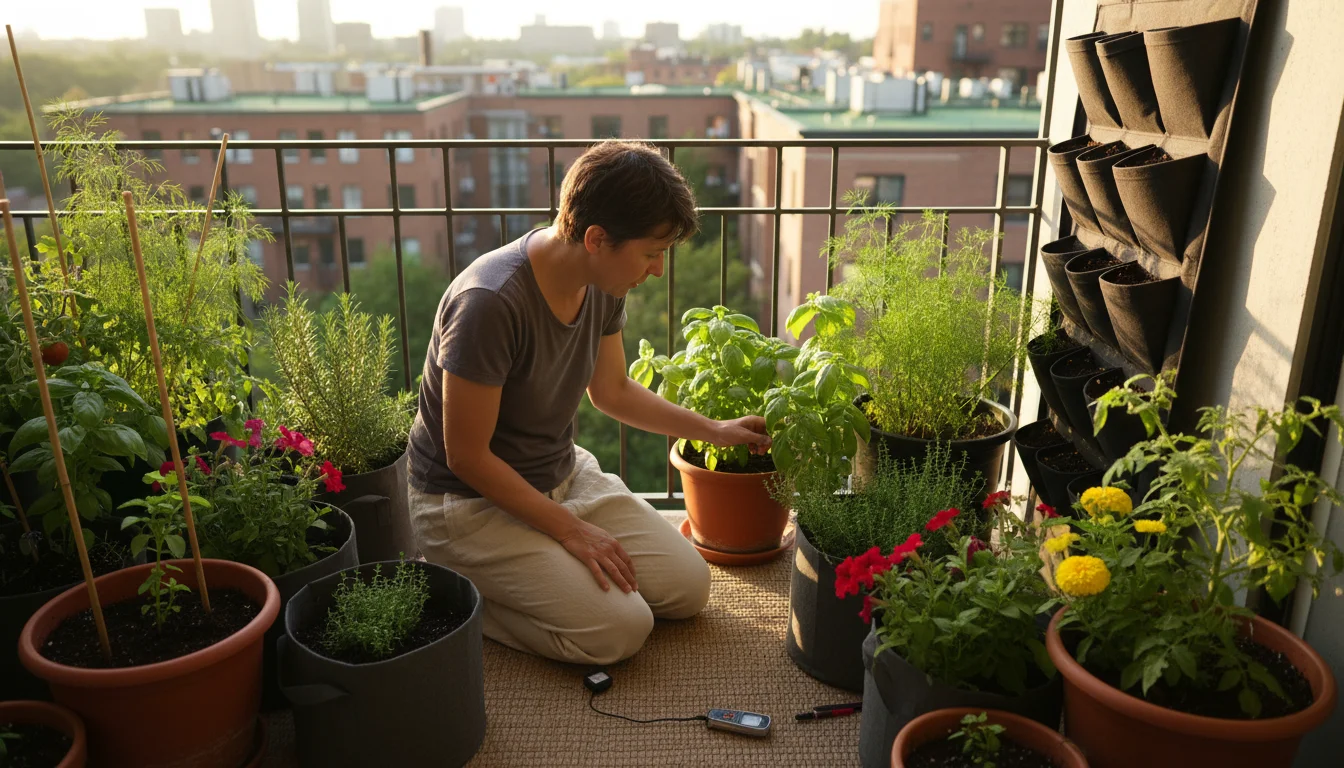
Know Your Hardiness Zone and Microclimate: Your USDA Plant Hardiness Zone indicates which plants typically survive winter in your region. However, a balcony’s microclimate can significantly alter this. A sheltered, south-facing balcony might act like a zone warmer, while an exposed, windy one might be colder. Observe how sun and wind affect different areas of your balcony throughout the year. Understanding these nuances helps you decide where to place sensitive plants or which plants to protect more rigorously. For general trustworthy gardening information, you might visit resources like the San Diego Botanic Garden, the U.S. National Arboretum, and the American Horticultural Society. These organizations provide expert, research-based advice for gardeners at all levels.
Choose the Right Plants for Early Spring: When selecting plants for your early spring balcony garden, prioritize cool-season annuals and perennials that tolerate light frost. Pansies, violas, snapdragons, calendula, and many leafy greens (like spinach and kale) can often withstand a light frost with minimal protection. Save truly tender plants, such as impatiens, petunias, tomatoes, and basil, for planting after all danger of frost has definitively passed in your area. Check their hardiness ratings before you buy them.
Acclimatize New Plants (Hardening Off): When you bring new plants home from a nursery, they have usually been in a protected environment. They need time to adjust to outdoor conditions, a process called “hardening off.” Gradually expose them to increasing amounts of sun, wind, and cooler temperatures over 7-14 days before planting them permanently on your balcony. This builds their tolerance and reduces shock, making them more resilient to unexpected weather changes, including a late frost.
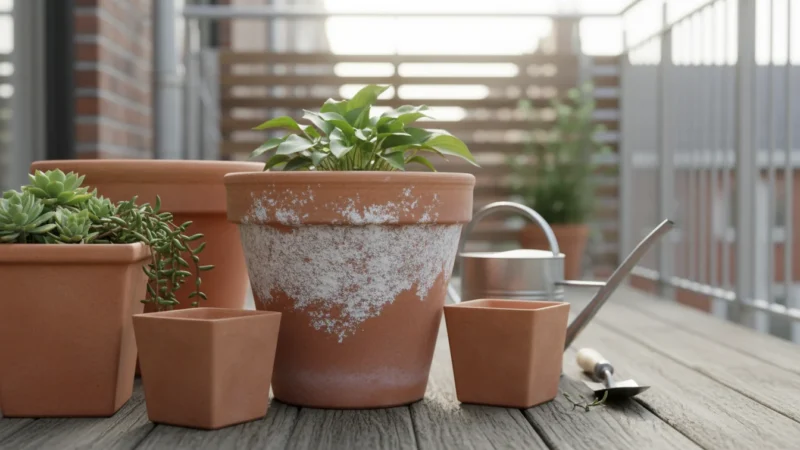
Invest in Frost-Tolerant Containers: While not strictly about covering, the type of container affects how quickly soil temperatures fluctuate. Terra cotta pots, while attractive, lose heat rapidly through evaporation. Plastic and glazed ceramic pots offer slightly better insulation. For very sensitive or valuable plants, consider insulating the pots themselves with bubble wrap, burlap, or even strategically placed straw bales around the outside of the container. This helps protect the root ball, a critical factor for how to protect container plants from a late frost.
Keep an Eye on Long-Range Forecasts: While short-term forecasts predict imminent frost, longer-range forecasts (7-10 days out) can give you a heads-up on potential cold fronts. This allows you to plan your planting schedule and prepare your covering plants for frost arsenal in advance, minimizing last-minute stress.
Sustainable Practices for Frost Protection on Your Balcony
As gardeners committed to nurturing nature, incorporating sustainable practices into our frost protection strategies makes perfect sense. The ‘Bed Sheet’ Method itself is inherently eco-friendly, but you can extend this ethos across all your efforts to protect plants from frost.
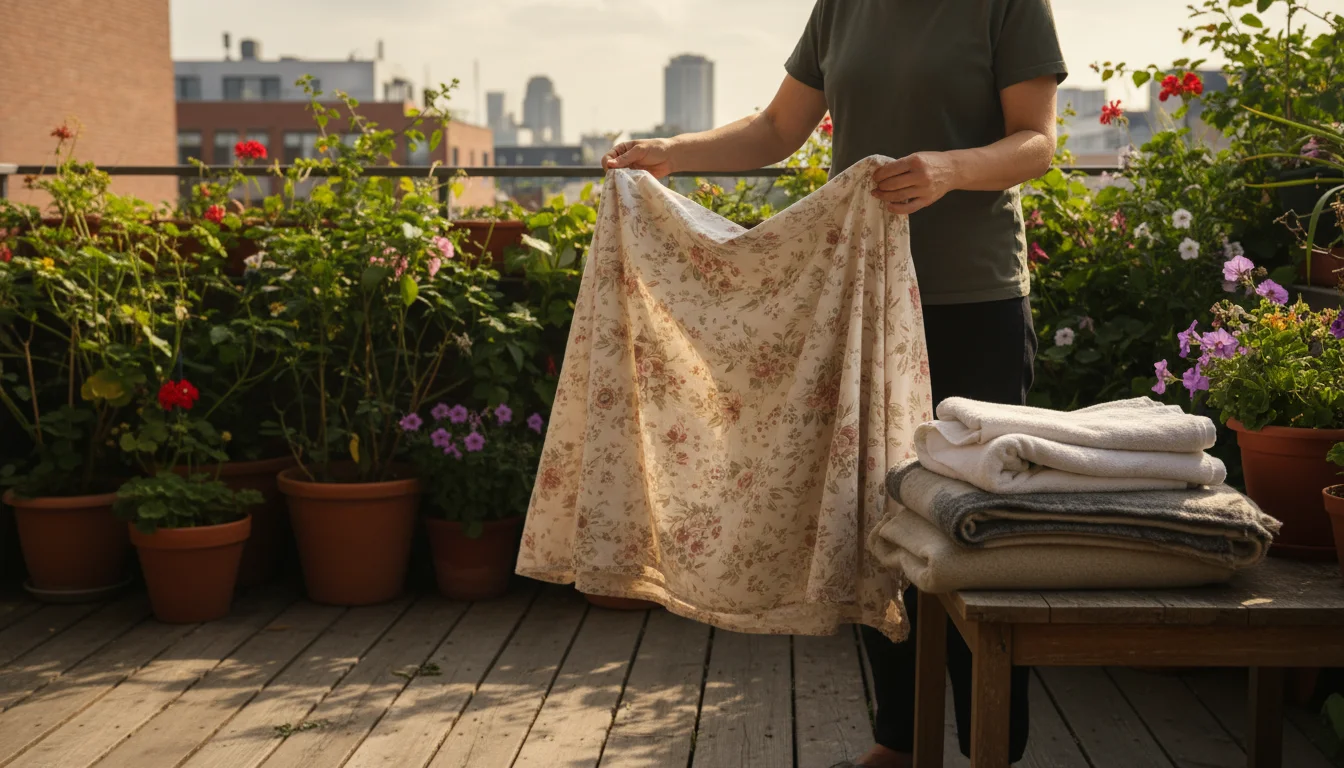
Reuse and Repurpose: The core of the ‘Bed Sheet’ Method champions reuse. Instead of buying new frost covers made from synthetic materials, repurpose old bed sheets, blankets, towels, or even worn-out curtains. These items often have years of life left as plant protectors. This reduces textile waste and saves you money. When they eventually wear out, consider cutting them into strips for plant ties or composting natural fibers if they are unbleached and undyed.
Avoid Single-Use Plastics: While plastic sheeting can offer protection, it often ends up in landfills. Plastic also traps excessive moisture, which can be detrimental to plants if left on for too long or if temperatures fluctuate wildly. Opt for breathable fabrics, which are generally better for plant health and the environment. If you absolutely must use plastic for a specific purpose (like lining a DIY cold frame), choose durable, reusable sheets that you can store and use year after year. Always avoid placing plastic directly on plant foliage.
Embrace Natural Mulches: For your container plants, use organic mulches like shredded leaves, straw, or wood chips. These materials are natural, biodegradable, and often readily available. They break down over time, enriching your container soil and providing long-term benefits beyond just frost protection. This contrasts with synthetic mulches that offer no soil improvement and eventually become waste.
Mindful Water Use: While watering before a frost helps, ensure you water efficiently. Use a watering can to target the soil directly, minimizing runoff. Collect rainwater if possible for future use. Efficient watering conserves a precious resource and supports a healthier garden ecosystem.
Invest in Durable, Long-Lasting Tools: When buying stakes or clips for your frost protection setup, choose items made from durable materials like bamboo or sturdy metal. These last for many seasons, reducing the need for frequent replacements and minimizing waste. Good quality tools are a sustainable investment.
By consciously choosing to reuse, reduce waste, and utilize natural materials, you not only protect your balcony plants from cold but also contribute to a healthier planet. Your small-space garden becomes a model of environmental responsibility.
Frequently Asked Questions
Q: How cold is too cold for my balcony plants?
A: Most tender annuals and vegetables begin to suffer damage when temperatures drop to 32 degrees Fahrenheit (0 degrees Celsius) or below. Some, like basil and tomatoes, can show signs of stress even when temperatures dip into the mid-30s. Hardier plants, such as pansies, kale, and spinach, tolerate light frosts down to about 28 degrees Fahrenheit (-2 degrees Celsius).
Q: Can I use plastic sheeting instead of a bed sheet?
A: While plastic sheeting can offer some protection, it is generally less ideal than breathable fabrics like bed sheets or blankets. Plastic does not allow air circulation, which can trap too much moisture and create conditions for fungal diseases. If left on during sunny daylight hours, plastic can also cause plants to overheat, essentially “cooking” them. If you must use plastic, ensure it does not touch the plant foliage directly and remove it promptly in the morning.
Q: How long can I leave the covers on my plants?
A: You should remove plant covers as soon as the danger of frost has passed, typically after the sun rises and temperatures are consistently above freezing. Leaving covers on during the day prevents plants from getting essential sunlight and air circulation, and can lead to overheating or moisture buildup. It is a temporary measure for cold nights, not a long-term solution.
Q: Do I need to cover hanging baskets too?
A: Yes, hanging baskets are often more exposed to cold air circulation from all sides, making them particularly vulnerable to frost. For smaller baskets, you can bring them indoors. For larger ones, cluster them against a wall and drape a bed sheet over them, ensuring the sheet reaches below the bottom of the basket to trap rising heat. Securing the sheet well is crucial for hanging baskets due to their exposed position.
Q: My plant looks completely dead after a frost. Can I save it?
A: Do not give up immediately. Wait a few days, or even a week, to fully assess the damage. While top growth might be dead, the roots might still be alive, especially in perennials. Provide basic care (water, light) and observe for new growth emerging from the base or lower stems. Once new growth appears, prune away the dead, mushy sections back to healthy tissue. Patience is key in plant recovery after frost.
Disclaimer: This article is for informational purposes only and is not a substitute for professional gardening advice. Always consult local extension services or horticulture experts for region-specific guidance.

Leave a Reply