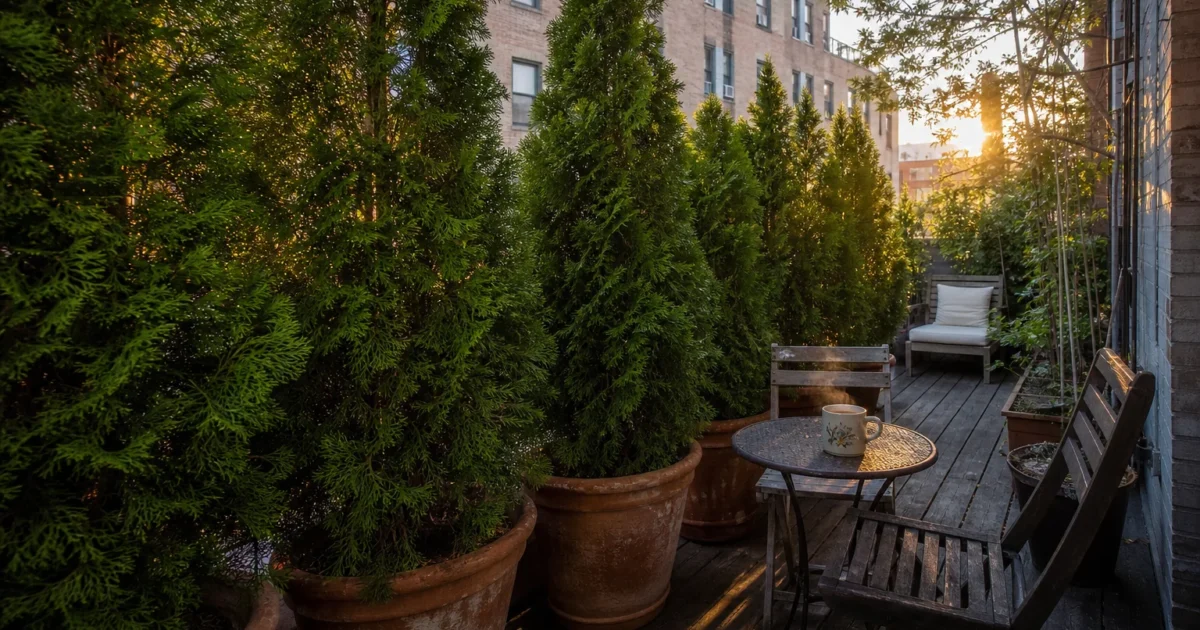
Creating a secluded sanctuary in your small yard or patio does not require waiting decades for tiny shrubs to mature. You can achieve lush, green privacy by planting fast-growing hedges that shoot up several feet per year and quickly block out prying eyes, street noise, and harsh winds. Selecting the right rapid-growth plants ensures your outdoor space transforms into an intimate retreat almost immediately. Whether you need dense evergreen foliage to screen a neighboring balcony or vibrant flowering shrubs to define your property line, these vigorous growers deliver practical results. Discover the most reliable hedge plants tailored for compact gardens and containers, allowing you to reclaim your personal outdoor oasis without the grueling wait.
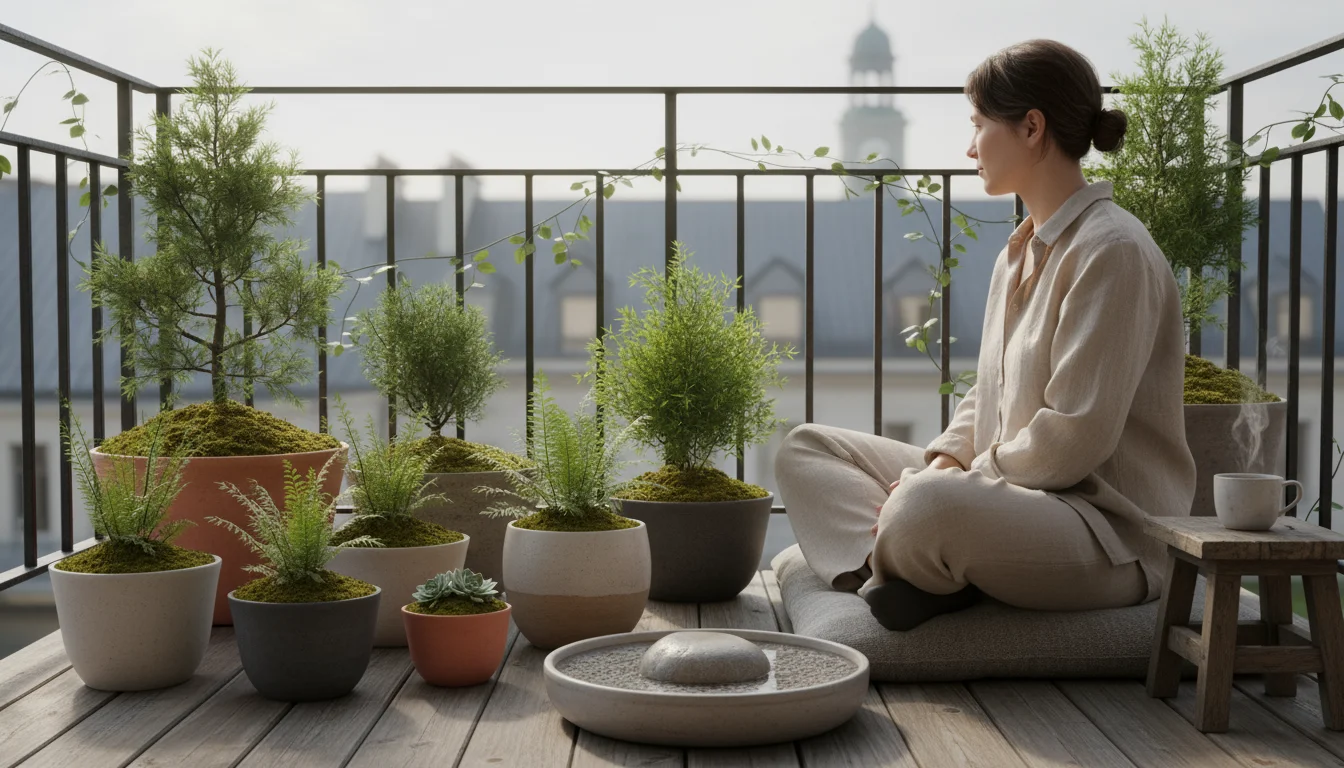
To turn your outdoor space into a calm, peaceful retreat, you can combine these fast-growing screens with quiet zen garden ideas to block out the noisy outside world.
Why Fast-Growing Hedges Are Perfect for Small Spaces
When you garden on a balcony, a narrow townhouse patio, or a compact urban lot, space is your most valuable commodity. You do not have the luxury of planting massive shade trees or sprawling boundary borders; instead, you need vertical solutions that maximize your footprint. Fast-growing privacy hedges offer the perfect architectural tool for these tight environments. By growing upward rapidly rather than pushing outward aggressively, the right hedge plants act as living walls. They define your property lines, enclose your seating areas, and block unsightly views without consuming precious square footage on the ground.
Many of these rapid-growth hedge varieties will shoot up even faster during the warmer months, similar to other plants that grow faster after summer rainstorms.
If you want to explore more options beyond hedges, there are plenty of creative outdoor privacy ideas using plants that work beautifully on small patios.
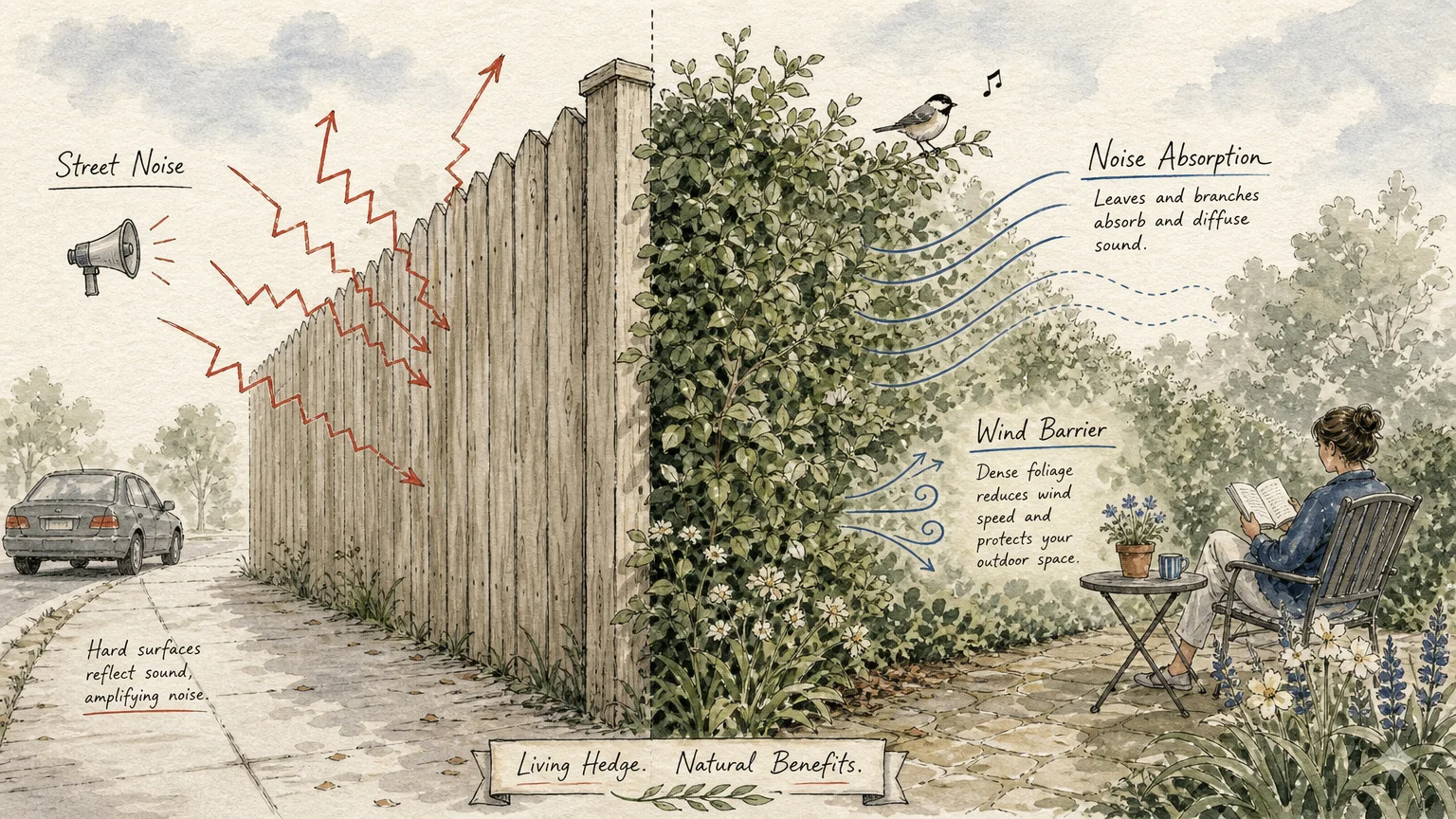
Beyond simple visual obstruction, living hedges provide essential environmental benefits that hardscaping—like wooden fences or brick walls—simply cannot match. A solid fence bounces sound waves around, often amplifying the noisy traffic from a nearby street. A thick, leafy hedge absorbs and diffuses that ambient noise, bringing a measurable sense of quiet to your yard. Plants also act as natural air filters, trapping urban dust and particulate matter on their leaves while releasing fresh oxygen. Furthermore, a row of dense shrubs disrupts strong winds, creating a calm microclimate on your patio where delicate potted flowers can thrive without getting battered.
Opting for rapid growers means you bypass the awkward, vulnerable stage that many slow-growing plants endure. You want a privacy screen now, not a decade from now. Fast-growing species often put on two to three feet of new height every single growing season. This vigorous growth rate allows you to start with smaller, more affordable nursery pots and still achieve a fully mature, interlocking screen in just a few short years. This strategy is incredibly budget-friendly and physically easier; carrying a lightweight two-gallon pot up the stairs to your balcony is much more manageable than hiring a crew to haul a massive, mature root ball into your backyard.
Soil Preparation Fundamentals for Rapid Root Growth
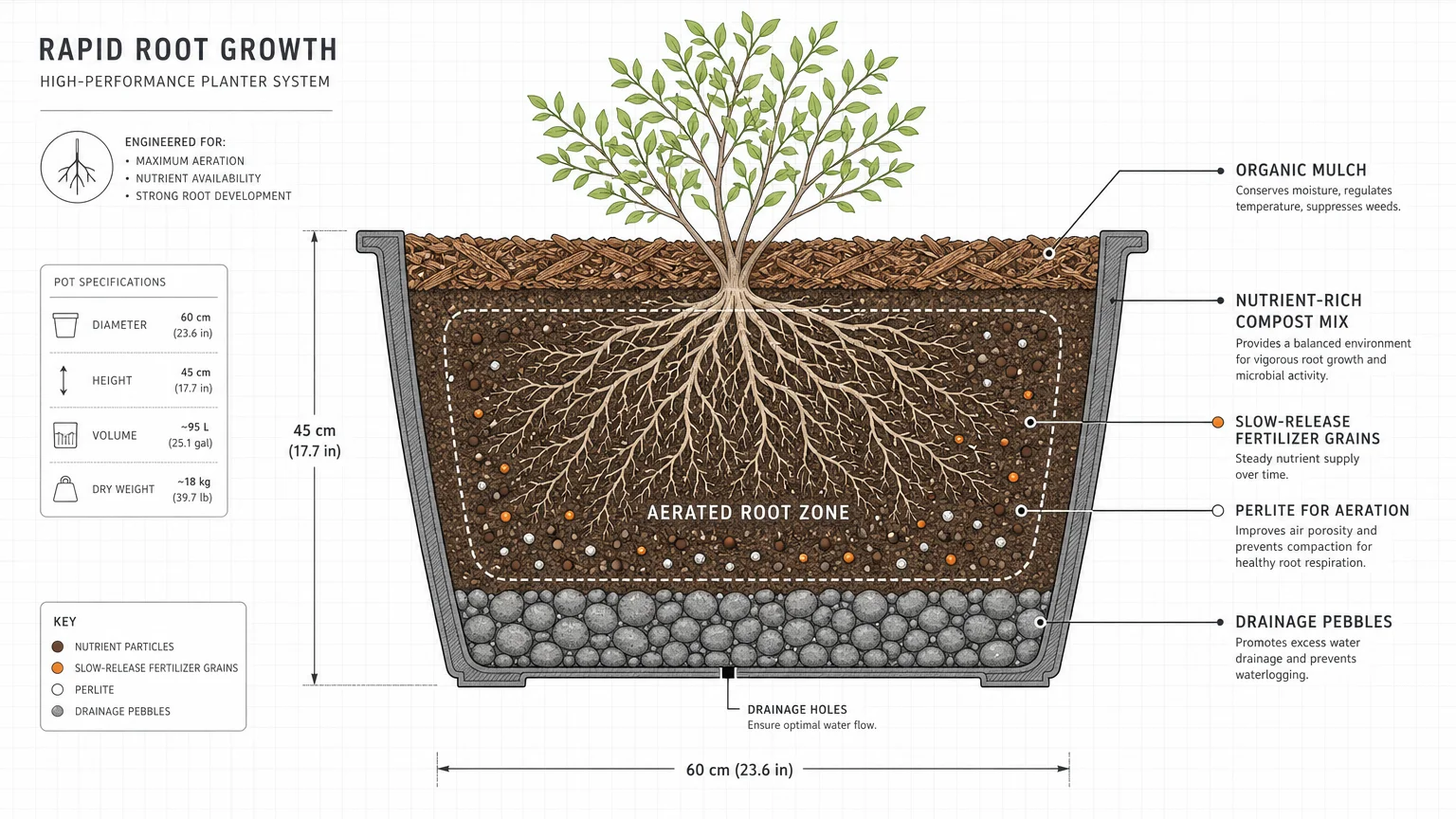
A plant can only grow as fast above ground as its root system expands below ground. If you want your new privacy hedges to explode with rapid foliage growth, you must give them the absolute best soil environment from day one. Shoving a fast-growing shrub into hard, compacted clay and expecting a miracle will only lead to disappointment. Proper soil preparation ensures that roots can stretch out easily, access essential nutrients, and absorb the right amount of moisture.
To make digging and prep work easier, make sure you gather some essential gardening tools for beginners before you get started.
Getting your soil in top shape is a vital part of your early spring garden prep to ensure robust root establishment.
Drainage is the most critical factor in soil preparation. Drainage simply refers to how quickly water moves downward through your soil after a rainstorm or a heavy watering. If water pools on the surface for hours, you have poor drainage, which literally suffocates plant roots by depriving them of oxygen. To test your drainage, dig a hole about twelve inches deep and fill it with water. Let it drain completely, then fill it a second time. If the water takes more than a few hours to disappear the second time, your soil is too heavy and requires amendment.
Follow these actionable steps to prepare the perfect planting environment for your new privacy screen:
- Choose the Trench Method: Instead of digging individual, isolated holes for each shrub, dig a continuous trench along the entire line where you want your hedge. A trench loosens the soil across the whole growing zone, allowing the neighboring root systems to intermingle easily and form a stronger, unified anchor against strong winds.
- Loosen the Native Soil: Dig your trench to a depth equal to the height of the nursery pots, but make it two to three times as wide. Break up any large, hard clods of dirt with your shovel or a garden fork.
- Incorporate Organic Matter: Mix a generous amount of high-quality compost or aged manure into the soil you just removed. Aim for a ratio of about seventy percent native soil to thirty percent compost. This organic matter lightens heavy clay, helps sandy soil retain moisture, and introduces a slow-release ecosystem of beneficial microbes.
- Position the Root Flare: When you place your plants into the trench, ensure the “root flare”—the widened area where the main trunk transitions into the root system—sits exactly level with or slightly above the surrounding soil surface. Planting too deep invites stem rot and can quickly kill your new hedge.
- Apply a Protective Mulch Layer: After backfilling the soil and watering deeply, spread a two- to three-inch layer of organic mulch around the base of the plants. Keep the mulch pulled back a few inches from the actual trunks to prevent excess moisture from causing decay. Mulch regulates soil temperature and suppresses aggressive weeds that would otherwise steal water from your growing shrubs.
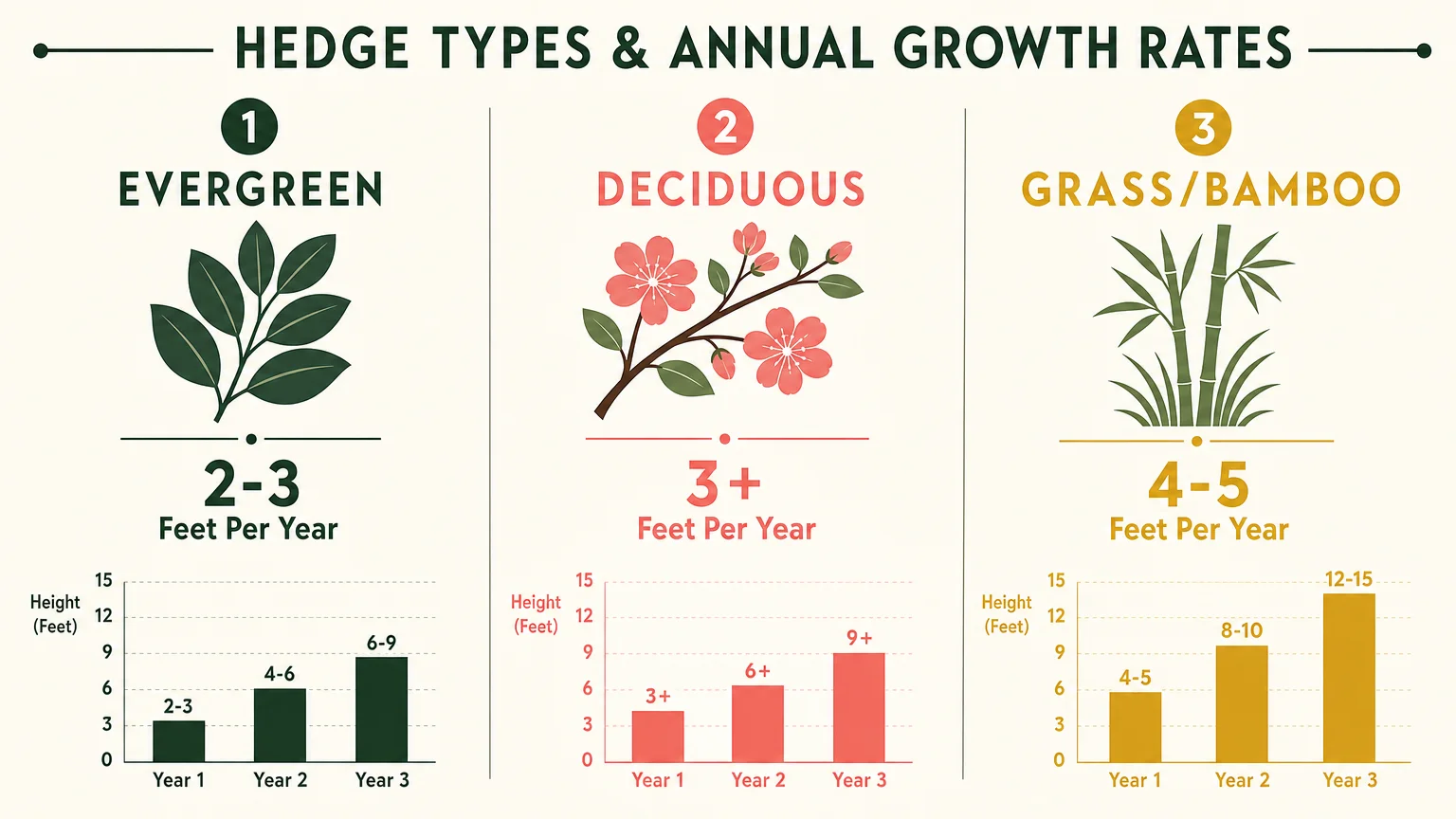
Quick Reference: Growth Rates and Plant Types
To help you choose the right privacy solution for your specific landscape challenges, review this quick-reference guide. It highlights the general characteristics of the fast-growing plants detailed in this article.
If you are looking to screen a narrow vertical surface instead of using shrubs, you can explore these climbing plants for fences and pergolas for alternative screening ideas.
Before purchasing your shrubs, look over these smart small garden layouts to see how to position your hedge for maximum space efficiency.
| Plant Name | Foliage Type | Average Annual Growth | Best Application |
|---|---|---|---|
| ‘Emerald Green’ Arborvitae | Evergreen | 1 to 2 feet | Narrow yards, dense year-round screens |
| Skip Laurel | Evergreen | 2 feet | Shaded areas, formal pruned hedges |
| Upright Juniper | Evergreen | 1.5 to 2 feet | Hot, dry climates, vertical accents |
| Wax Myrtle | Evergreen | 3 to 5 feet | Eco-friendly, salt-tolerant coastal gardens |
| Forsythia | Deciduous | 2 to 4 feet | Early spring color, informal borders |
| Rose of Sharon | Deciduous | 1 to 2 feet | Summer blooms, tight upright spaces |
| Ninebark | Deciduous | 2 to 3 feet | Native landscaping, bold dark foliage |
| Clumping Bamboo | Evergreen Grass | 2 to 4 feet | Modern aesthetic, large balcony planters |
| Feather Reed Grass | Ornamental Grass | 3 to 5 feet (seasonal) | Low-maintenance, airy structural screens |
| Maiden Grass | Ornamental Grass | 4 to 6 feet (seasonal) | Wide, dramatic summer-to-fall privacy |
| Star Jasmine | Evergreen Vine | 3 to 6 feet | Fragrant trellis screens on small patios |
| Climbing Hydrangea | Deciduous Vine | 1 to 2 feet (after establishing) | Shady fences, heavy structural support |
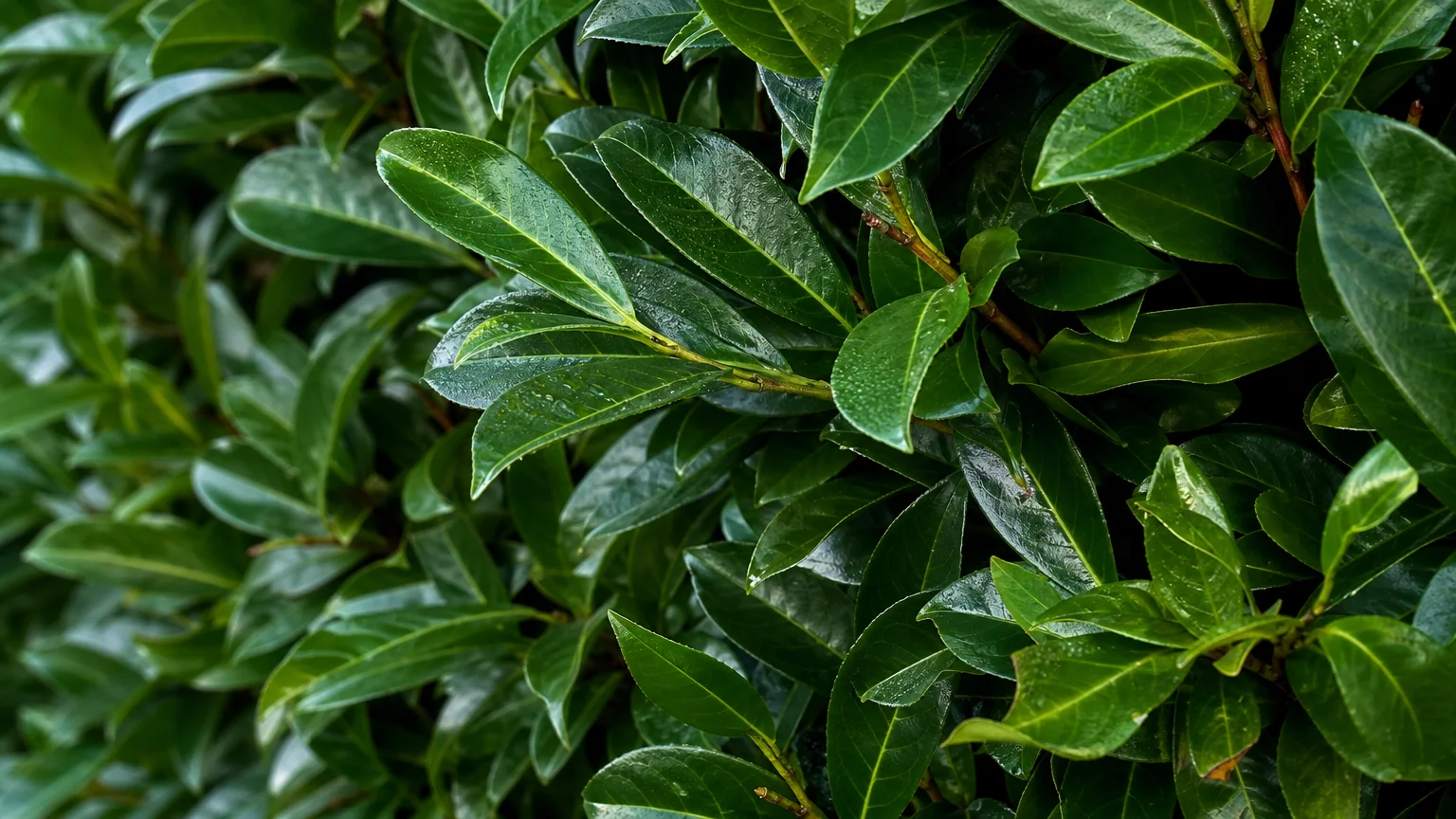
Top Evergreen Shrubs for Year-Round Screening
When most people think of privacy hedges, they envision dense evergreens. Evergreen plants retain their foliage through all four seasons, meaning you will not lose your privacy when winter arrives. For small spaces, you must select varieties that maintain a tight, upright habit rather than those that sprawl aggressively.
1. ‘Emerald Green’ Arborvitae (Thuja occidentalis)
This is arguably the most popular privacy tree for small yards, and for good reason. ‘Emerald Green’ grows in a very strict, columnar shape, naturally reaching ten to fifteen feet tall while staying only three to four feet wide. Because it requires virtually no pruning to maintain its tidy pyramid shape, it is the ultimate low-maintenance option. While it grows slightly slower than the massive ‘Green Giant’ variety—putting on about one to two feet per year—it will not aggressively overtake a small property. Space them about two and a half feet apart for a solid, interlocking wall of bright green foliage.
2. Skip Laurel (Prunus laurocerasus ‘Schipkaensis’)
If your yard receives partial shade from a neighboring building or large canopy trees, Skip Laurel is an exceptional choice. Many fast-growing evergreens thin out and look sickly without full sun, but Skip Laurel thrives in filtered light. It features glossy, dark green leaves that give a garden a rich, traditional aesthetic. In the spring, it produces subtle, fragrant white flowers. It grows about two feet per year and responds beautifully to aggressive shearing, making it perfect for forming a strict, boxy, formal hedge. Because it has a naturally vase-like shape, regular trimming encourages it to fill in densely at the base.
3. Upright Juniper (Juniperus virginiana ‘Taylor’ or ‘Spartan’)
For gardeners dealing with blazing afternoon sun, poor soil, or strict drought restrictions, upright junipers offer rugged resilience. The ‘Taylor’ variety, for example, grows incredibly narrow—often just two feet wide—while rocketing up to fifteen feet tall. This makes it an architectural powerhouse for flanking a patio or screening a narrow side yard. Junipers feature textured, scale-like foliage that provides an excellent habitat for nesting birds. Once their roots establish in your soil, they require almost zero supplemental watering, making them an incredibly sustainable choice for water-conscious landscapes.
4. Wax Myrtle (Myrica cerifera)
If you live in a mild climate (typically zones 7 through 11) and want an incredibly fast-growing native option, the Wax Myrtle is a stellar performer. Capable of growing three to five feet in a single season, this large, multi-trunked shrub fills empty space faster than almost anything else. It boasts olive-green, aromatic leaves that release a spicy, bayberry-like scent when crushed. Wax Myrtle tolerates salt spray, making it ideal for coastal properties, and its pale blue winter berries provide crucial food for overwintering birds. You can let it grow wild for a soft, natural look or limb up the lower branches to create an airy, multi-stemmed privacy tree.
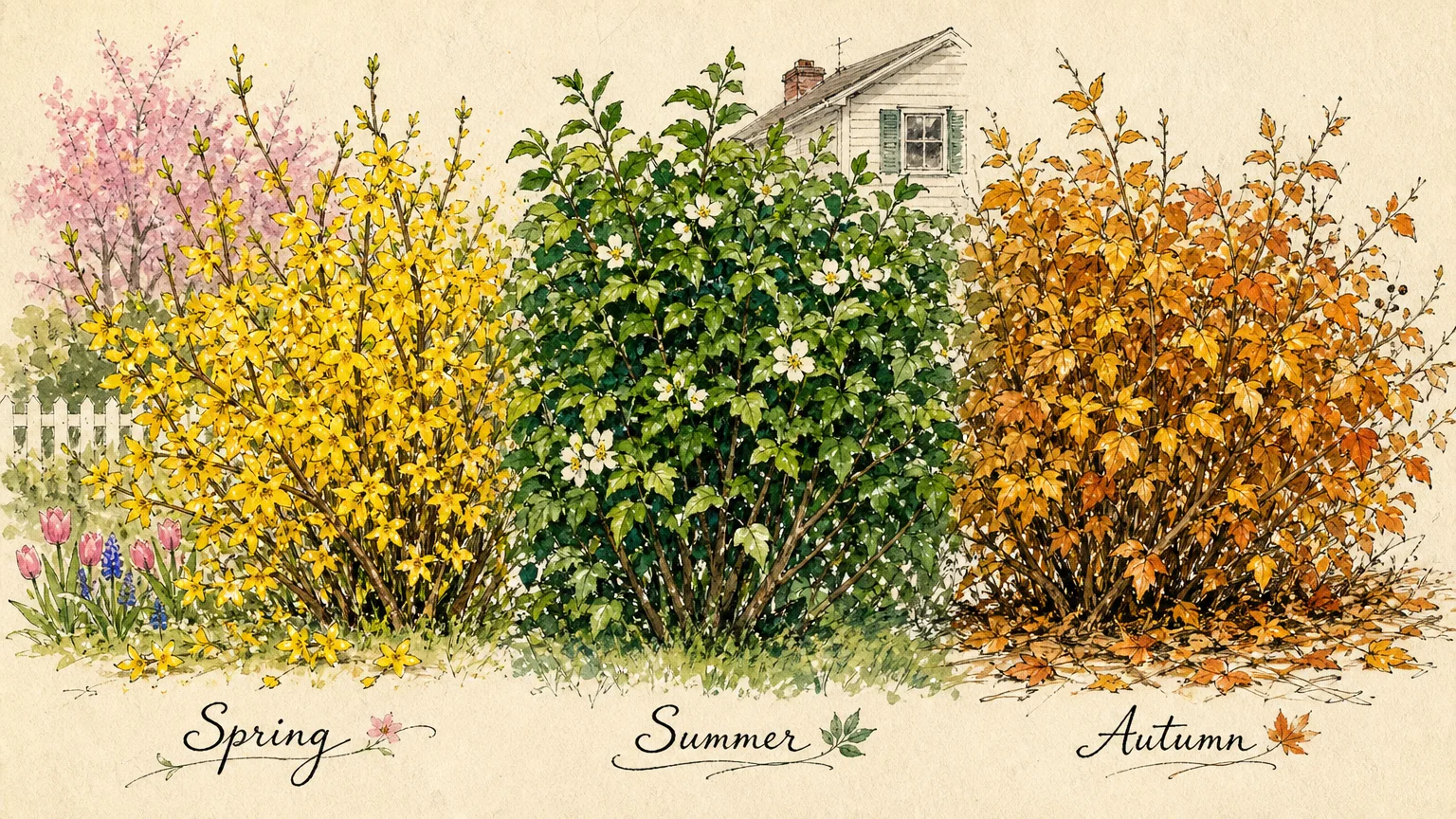
Deciduous and Flowering Hedges for Seasonal Interest
Deciduous plants drop their leaves in the winter, which means they will not provide total visual blockage year-round. However, they make up for this seasonal dormancy by offering explosive spring blooms, lush summer textures, and fiery autumn colors. If your primary need for privacy aligns with the warmer months when you actually sit on your patio, deciduous hedges are an outstanding, fast-growing option.
If you love bright blossoms, you can also mix in some of the most stunning white flowering shrubs to add elegance to your border screen.
5. Forsythia (Forsythia x intermedia)
Forsythia is famous for signaling the end of winter. Before it even pushes out green leaves, its bare, arching branches explode into a brilliant mass of golden-yellow flowers. It grows vigorously—often two to four feet a year—and quickly forms a dense, tangled thicket. Because its branches arch downward and often root where they touch the soil, it creates a formidable physical barrier. To keep a Forsythia hedge looking its best in a small yard, you must prune it immediately after the yellow flowers fade. If you wait until late summer to prune, you will accidentally cut off next year’s flower buds.
6. Rose of Sharon (Hibiscus syriacus)
When the bright blooms of spring shrubs fade, the Rose of Sharon steps up to the plate. This upright, vase-shaped shrub delivers large, tropical-looking flowers in shades of pink, purple, and white from mid-summer straight through to the first frost. It naturally maintains a narrow footprint, making it incredibly useful for tight urban borders. Growing roughly one to two feet per season, it thrives in hot, humid conditions. Plant a row of these along a chain-link fence, and within a few seasons, you will have a spectacular, blooming privacy wall that attracts hummingbirds and butterflies.
7. Ninebark (Physocarpus opulifolius)
For a striking visual contrast in your garden, look no further than Ninebark. Many modern cultivars, such as ‘Diabolo’ or ‘Summer Wine’, feature deep burgundy or almost black foliage. This dark backdrop makes surrounding green plants pop brilliantly. Ninebark is native to North America, exceptionally hardy, and highly resistant to pests. It grows up to three feet per year and naturally takes on a cascading, fountain-like shape. In early summer, it produces clusters of white or pale pink flowers that stand out dramatically against the dark leaves. It is a fantastic choice for an informal, eco-friendly boundary.
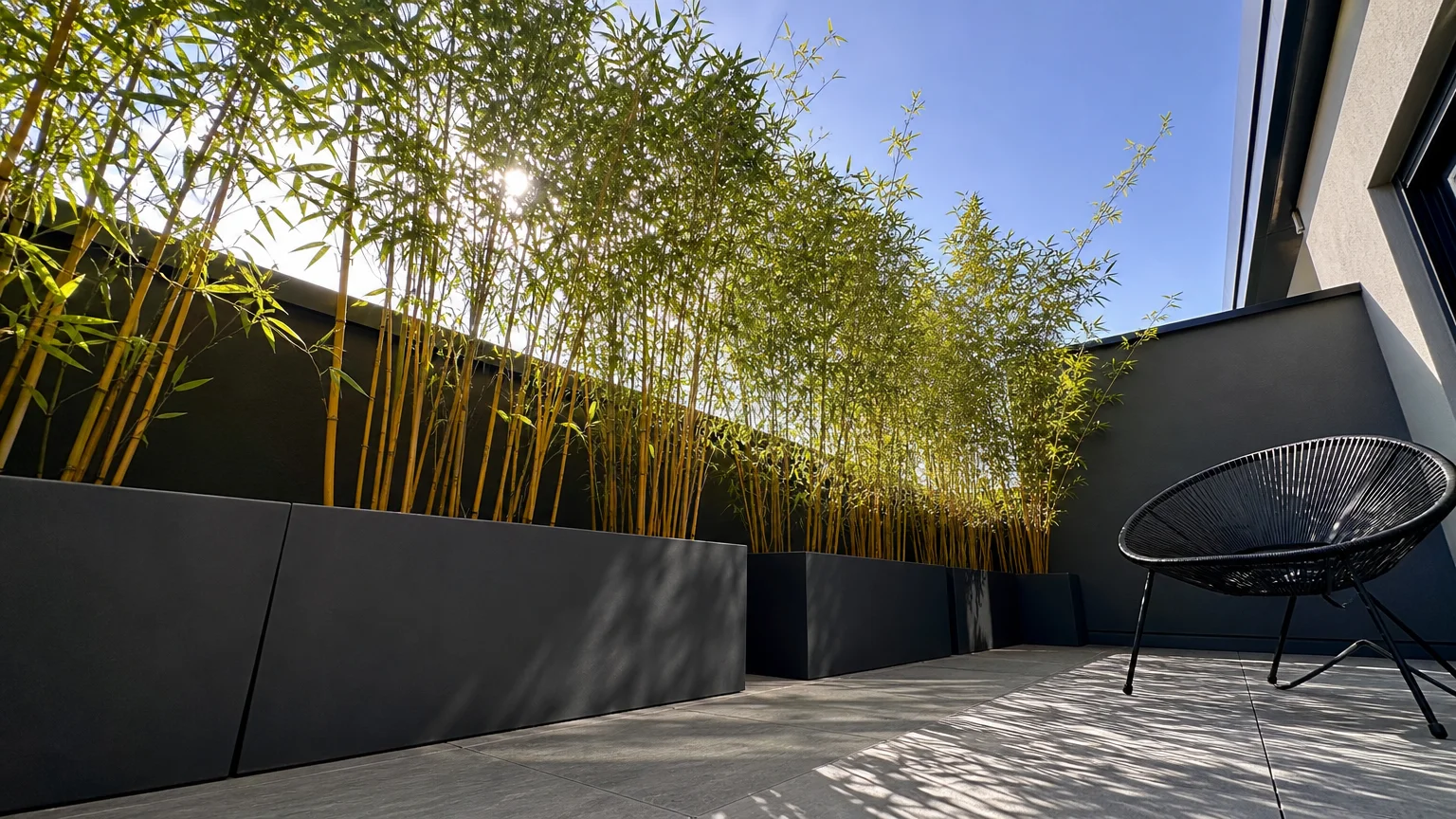
Bamboo and Grasses for Modern Container Gardening
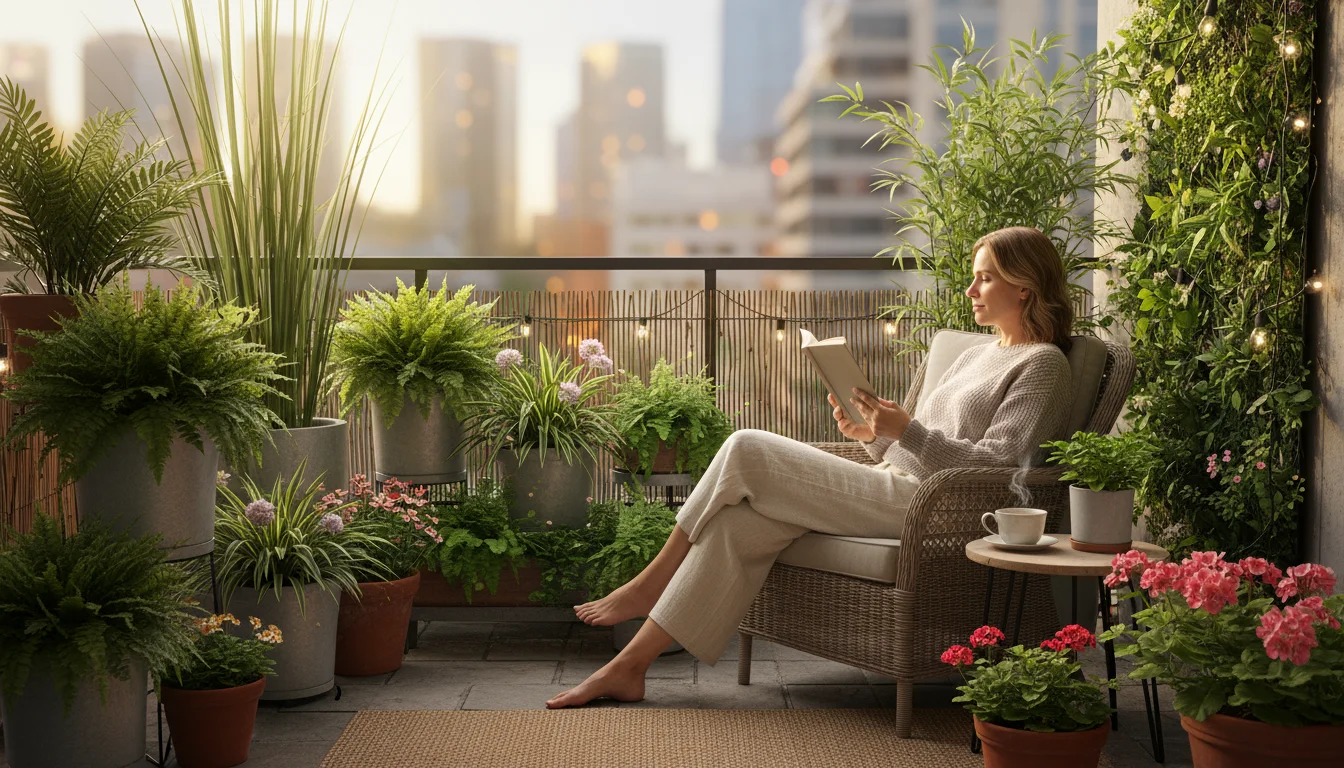
If you rent your home, have a concrete patio, or garden exclusively on a high-rise balcony, planting a traditional shrub in the ground is out of the question. You need fast-growing privacy solutions that thrive in large containers. Ornamental grasses and carefully selected bamboos provide a modern, sleek aesthetic and offer gentle movement and soothing rustling sounds in the breeze.
8. Clumping Bamboo (Fargesia species)
Bamboo holds the record for the fastest-growing plant on earth, but it carries a terrifying reputation for aggressively taking over yards and destroying foundations. The secret to safe bamboo gardening is to exclusively purchase “clumping” varieties (like Fargesia) rather than “running” varieties (like Phyllostachys). Clumping bamboo expands slowly outward from a central root mass, making it perfectly safe for small spaces and ideal for deep rectangular planters. It provides a lush, tropical evergreen screen that instantly blocks out neighbors. Ensure your containers have ample drainage holes, as bamboo roots will rot if forced to sit in stagnant water.
9. Feather Reed Grass (Calamagrostis x acutiflora ‘Karl Foerster’)
For a strictly vertical, architectural look, ‘Karl Foerster’ grass is unrivaled. This ornamental grass shoots up to five feet tall by early summer, featuring tight, upright green blades topped with wheat-colored seed heads that persist through the winter. It grows extremely fast each spring, creating a seasonal screen in a matter of weeks. Because it stays very narrow at the base, you can line up several large, square planters along the edge of a balcony to create a modern, minimalist privacy wall that sways beautifully without drooping over your seating area.
10. Maiden Grass (Miscanthus sinensis ‘Gracillimus’)
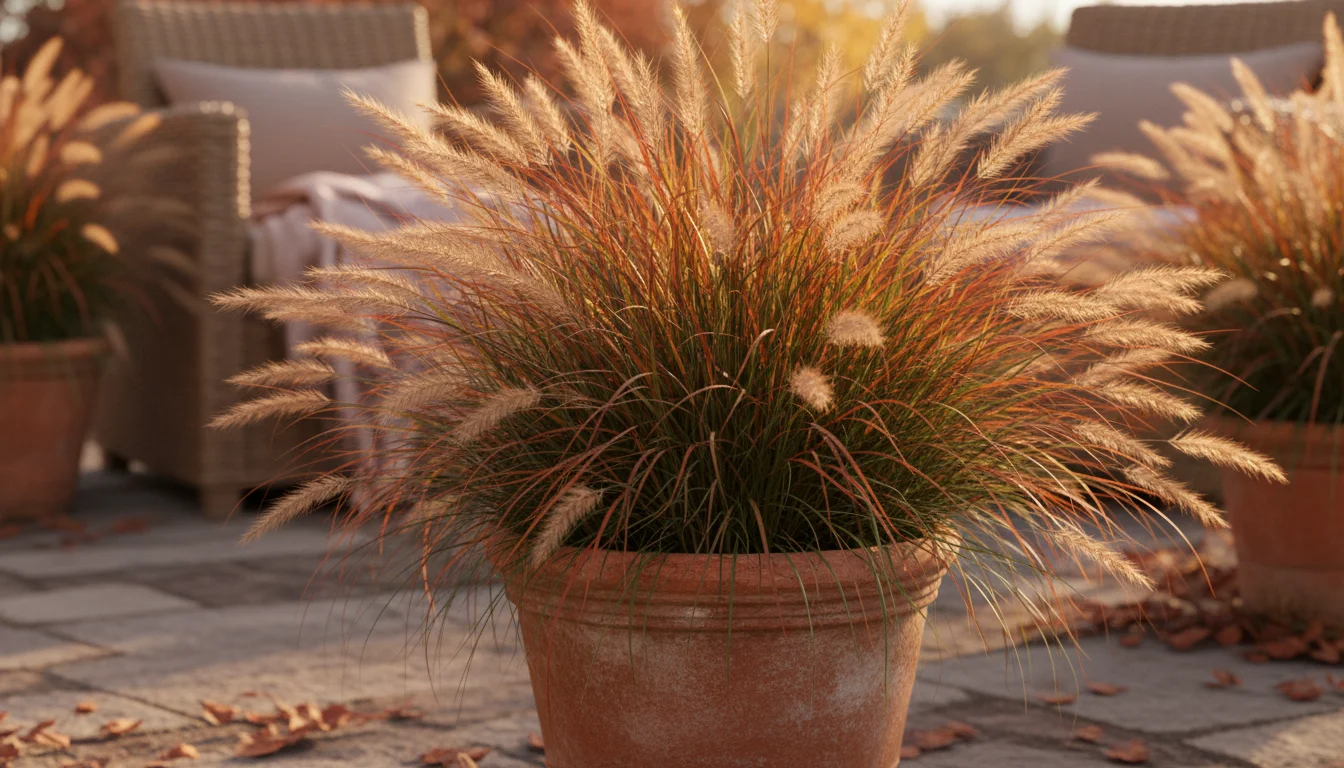
If you want a softer, more voluminous screen, Maiden Grass provides massive, sweeping arches of thin green foliage. By late summer, it produces feathery, silver-red plumes that catch the afternoon sunlight. A single potted Maiden Grass can easily expand to four feet wide at the top, providing excellent screening for a patio dining area. Like all ornamental grasses, it requires a hard cutback in late winter; simply take a pair of hedge shears and chop the entire plant down to about six inches above the soil line before the new spring growth emerges.
Vining Solutions for Tight Spaces and Balconies
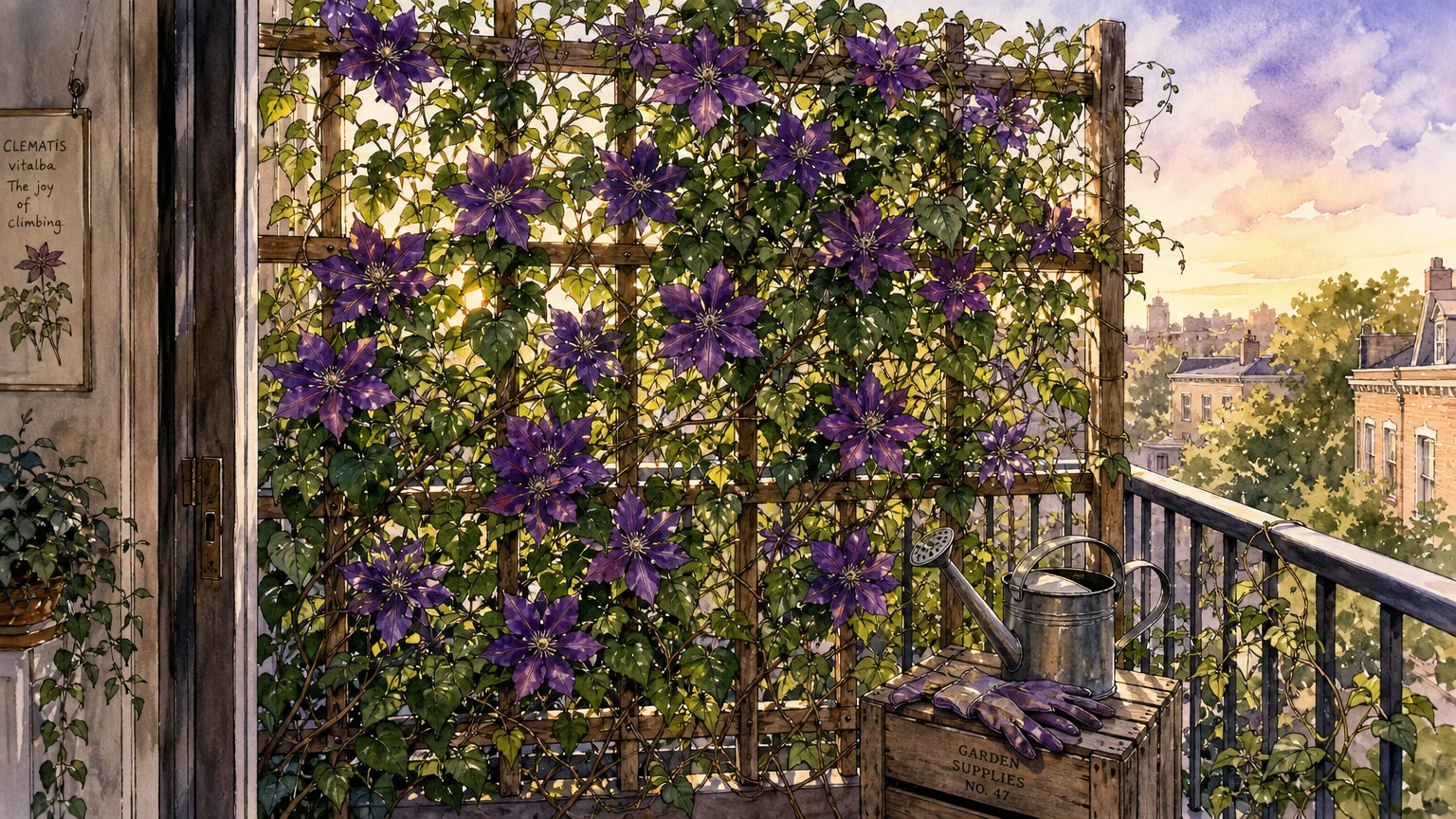
Sometimes, even a narrow shrub takes up too much floor space. When your square footage is severely limited, the most practical solution is to build a trellis and use fast-growing vines to create a two-dimensional privacy hedge. Vines take up almost zero ground space but offer massive vertical screening.
11. Star Jasmine (Trachelospermum jasminoides)
Despite its delicate appearance, Star Jasmine is a vigorous, twining evergreen vine that rapidly covers a fence or lattice. It features glossy, dark green leaves that look pristine year-round. In late spring and early summer, it explodes with hundreds of tiny, pinwheel-shaped white flowers that release an intoxicating, sweet fragrance. If you train it up a tall trellis on a small urban patio, you create both visual privacy and an incredible aromatic experience. It thrives in large pots, provided you water it consistently and feed it with a balanced organic fertilizer during the active growing season.
12. Climbing Hydrangea (Hydrangea anomala petiolaris)
If you have a sturdy masonry wall or a heavy-duty wooden fence that remains in the shade, the Climbing Hydrangea is a magnificent choice. Unlike twining vines, it clings to surfaces using tiny aerial rootlets. While it may spend its first year establishing its root system—often called the “sleep, creep, leap” growth habit—once it enters its third year, it rockets upward. It features lush, heart-shaped deciduous leaves and massive, lacy white flower clusters in the summer. Because it grows quite heavy over time, ensure your supporting structure is robust enough to handle the mature weight of the plant.
Watering and Pruning Strategies to Accelerate Growth
Selecting a fast-growing plant is only half the battle; how you maintain it dictates how quickly it forms a solid privacy screen. Proper watering and strategic pruning act as the catalysts that push your plants to achieve their maximum growth potential.
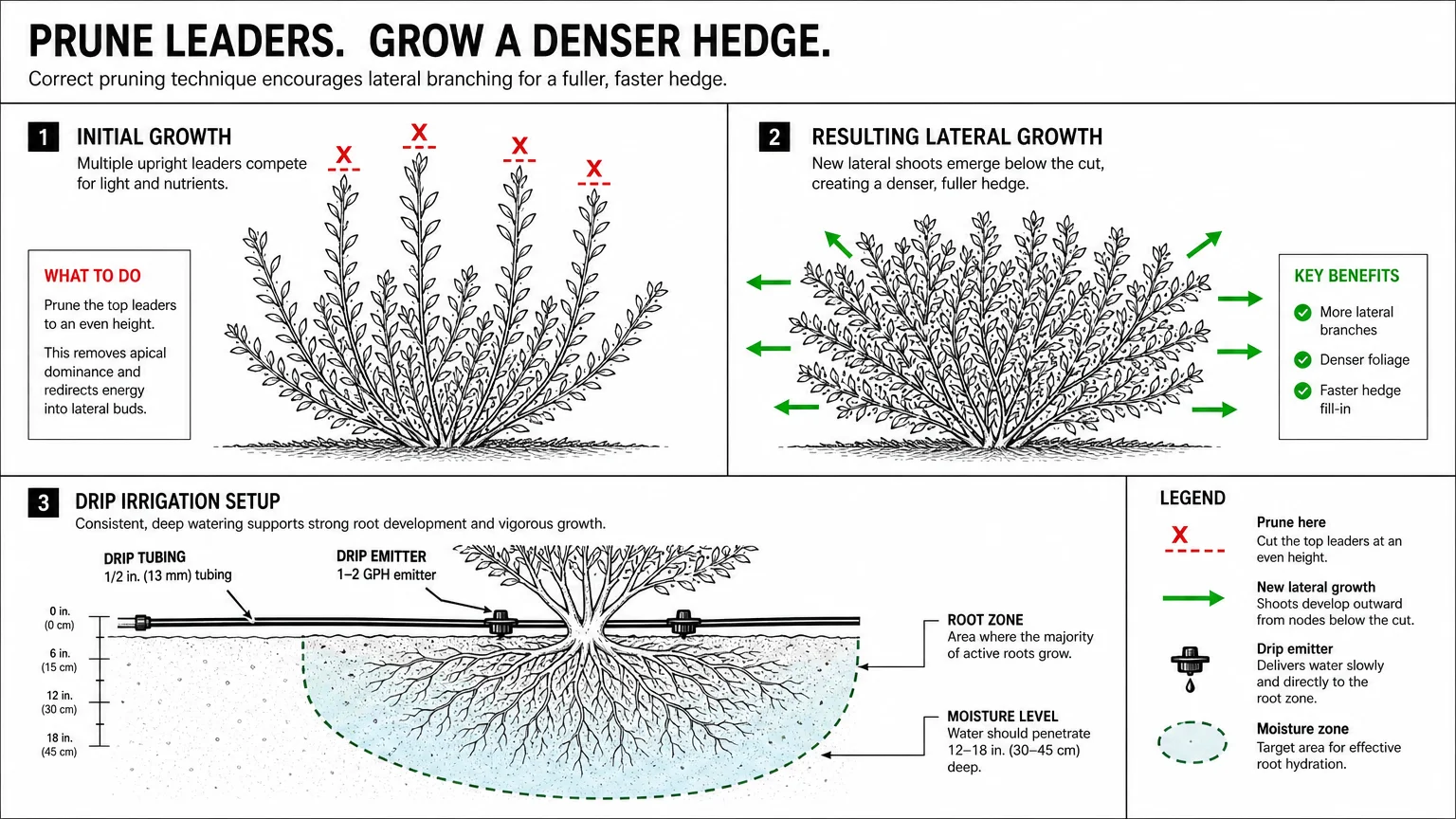
Watering deeply and infrequently is far superior to giving your hedges a light sprinkle every day. A light daily watering only moistens the top inch of the soil, which encourages the plant to develop a shallow, weak root system. Shallow roots dry out quickly during a heatwave, halting the plant’s growth entirely. Instead, use a soaker hose or drip irrigation system to deliver a slow, deep soak once or twice a week. You want the moisture to penetrate at least six to eight inches into the soil. This forces the roots to dive deep, tapping into cooler soil layers and creating a drought-resilient, vigorously growing hedge.
Pruning might seem counterintuitive when you are desperate for your plants to grow taller, but strategic cuts actually stimulate faster, thicker growth. Plants possess a terminal bud at the tip of each branch, which releases a hormone called auxin. Auxin actively suppresses the growth of side branches so the plant can focus its energy on growing straight upward. If you leave a fast-growing plant unpruned, it often becomes tall but painfully thin and see-through. By snipping off the very tips of the branches—a technique known as a “heading cut”—you remove the auxin source. This immediately signals the plant to push out multiple new side-shoots from the dormant buds lower down the stem. If you lightly shear the face of your hedge early in the growing season, it will respond by growing exponentially denser, giving you a solid wall of privacy much faster.
Frequently Asked Questions
How close together should I plant privacy hedges?
Spacing depends entirely on the mature width of the specific plant, but for a fast, interlocking screen, you generally want to plant them slightly closer than traditional landscape recommendations. For narrow evergreens like Arborvitae, space the center of the trunks about two to three feet apart. If you space them further apart, you will have to wait several extra years for the gaps to close. Always check the plant tag for the mature width and divide that number in half to find your ideal screening distance.
Can I grow privacy hedges in containers on my balcony?
Yes, many fast-growing plants thrive in large planters, provided you accommodate their root systems. The golden rule for container shrubs is to choose a pot that is at least twenty-four inches wide and equally deep. Containers dry out much faster than ground soil, so you must monitor moisture levels closely during the summer. Plants in pots also rely entirely on you for nutrients, so apply a slow-release granular fertilizer every spring to fuel their rapid growth.
When is the best time of year to plant a new hedge?
Early fall is arguably the best time to plant shrubs and trees in most climates. The soil is still warm from the summer, which encourages rapid root expansion, but the cooler air temperatures reduce stress on the foliage above ground. By planting in the fall, your hedges establish a strong root system before winter, allowing them to explode with explosive top growth the following spring. If fall is not an option, early spring—as soon as the ground is workable—is your second best window.
Will fast-growing hedges damage my fence or foundation?
Aggressive root systems can pose a threat if planted improperly. As a general rule of thumb, never plant a large shrub or tree directly against your foundation; leave a gap of at least three to four feet. This protects your concrete and gives you space to walk behind the hedge for maintenance painting or siding repair. For fences, ensure the mature width of the plant will not press forcefully against wooden panels, which can trap moisture and accelerate wood rot.
Why are the lower branches of my hedge turning brown and dying?
This is a common issue caused by a lack of sunlight reaching the bottom of the plant. If you prune your hedge so that the top is wider than the bottom, the upper branches will cast a permanent shadow over the lower foliage. Over time, the plant will shed those shaded lower leaves, resulting in a bare, see-through base. Always prune your hedges in an “A-frame” or slightly pyramidal shape—keeping the base wider than the top—so sunlight can reach the entire face of the plant.
For trustworthy gardening information, visit: National Wildlife Federation — Garden for Wildlife, Lady Bird Johnson Wildflower Center and Botanic Gardens Conservation International. These organizations provide expert, research-based advice for gardeners at all levels.
Disclaimer: This article is for informational purposes only and is not a substitute for professional gardening advice. Always consult local extension services or horticulture experts for region-specific guidance.
Leave a Reply