
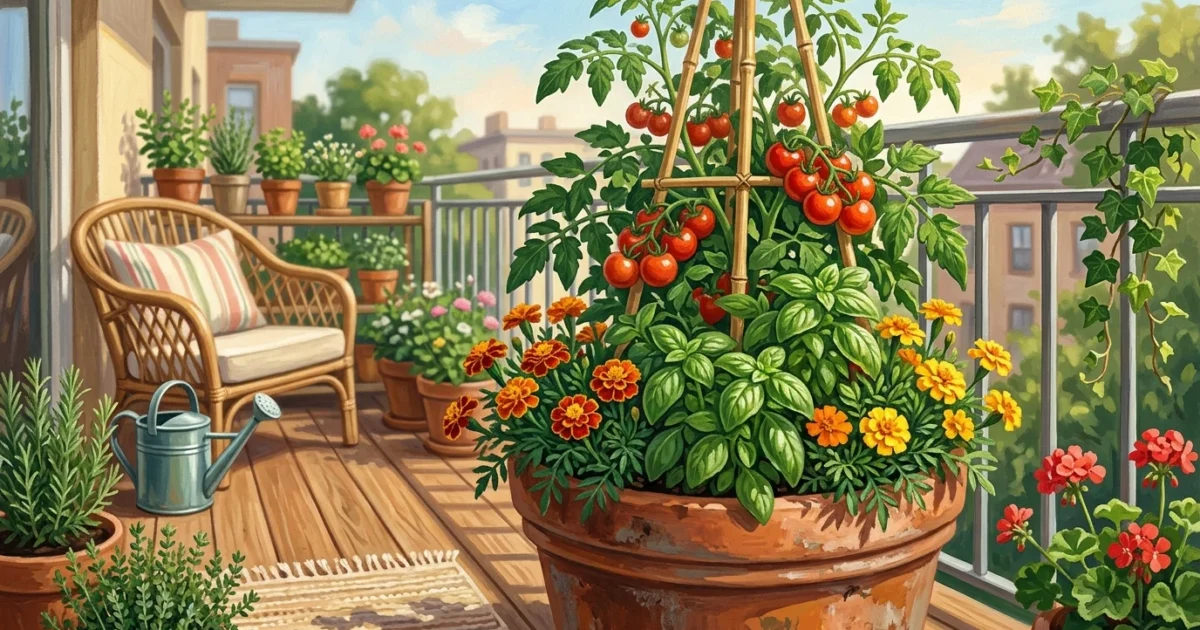
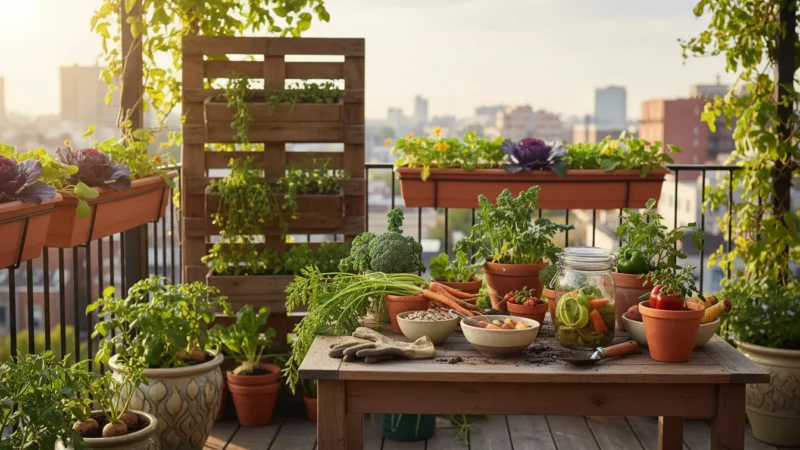
Maximizing yield in a compact garden requires smart plant arrangements rather than extra square footage. Companion planting harnesses natural plant relationships to suppress weeds, deter destructive pests, and improve soil fertility without synthetic chemicals. When you pair mutually beneficial crops together, you transform pots and raised beds into self-sustaining miniature ecosystems. This companion planting guide delivers field-tested plant pairings that boost production, optimize root depth, and protect your harvest. Whether you grow vegetables on a sunny balcony or in a small backyard patio, strategic plant placement will double your output while cutting maintenance time in half.
The Science Behind Vegetable Companion Planting
Vegetable companion planting is not folklore; it is an applied biological science rooted in chemical ecology, soil microbiology, and spatial efficiency. Agronomic studies demonstrate that polyculture—growing complementary crops in close proximity—can increase total land productivity by 20% to 45% compared to single-crop monoculture. When you understand how plants interact above and below the soil surface, you can engineer container arrangements that thrive with minimal intervention.
If you are setting up your patio or balcony for the first time, check out our beginner’s guide to container gardening to select the right pots and potting mix.
Plants communicate and assist one another through four primary mechanisms:
- Biochemical masking and pest disruption: Aromatic plants emit volatile organic compounds (VOCs) that disguise the scent of vulnerable crops. Strong scents confuse searching insects, preventing them from locating their host plants.
- Nutrient sharing and bio-fertilization: Legumes such as beans and peas work with soil bacteria (Rhizobium) to fix atmospheric nitrogen into a soluble form. This process enriches the root zone for nearby heavy-feeding crops.
- Predator attraction (Insectary planting): Specific flowering companions produce high-quality pollen and nectar that attract predatory insects—including ladybugs, lacewings, and hoverflies—which consume soft-bodied pests like aphids and mites.
- Spatial partitioning and microclimate modification: Combining tall, light-demanding plants with low-growing, shade-tolerant species optimizes sunlight capture while broad ground-cover foliage acts as a living mulch, reducing soil evaporation.
Applying these principles in small spaces creates robust micro-environments where plants naturally defend and support each other.
10 Companion Planting Combinations That Actually Work
The following companion gardening combinations deliver verifiable benefits for pest deterrence, spatial efficiency, and harvest quality. Each pairing includes specific instructions for setup, layout, and maintenance in small gardens and containers.
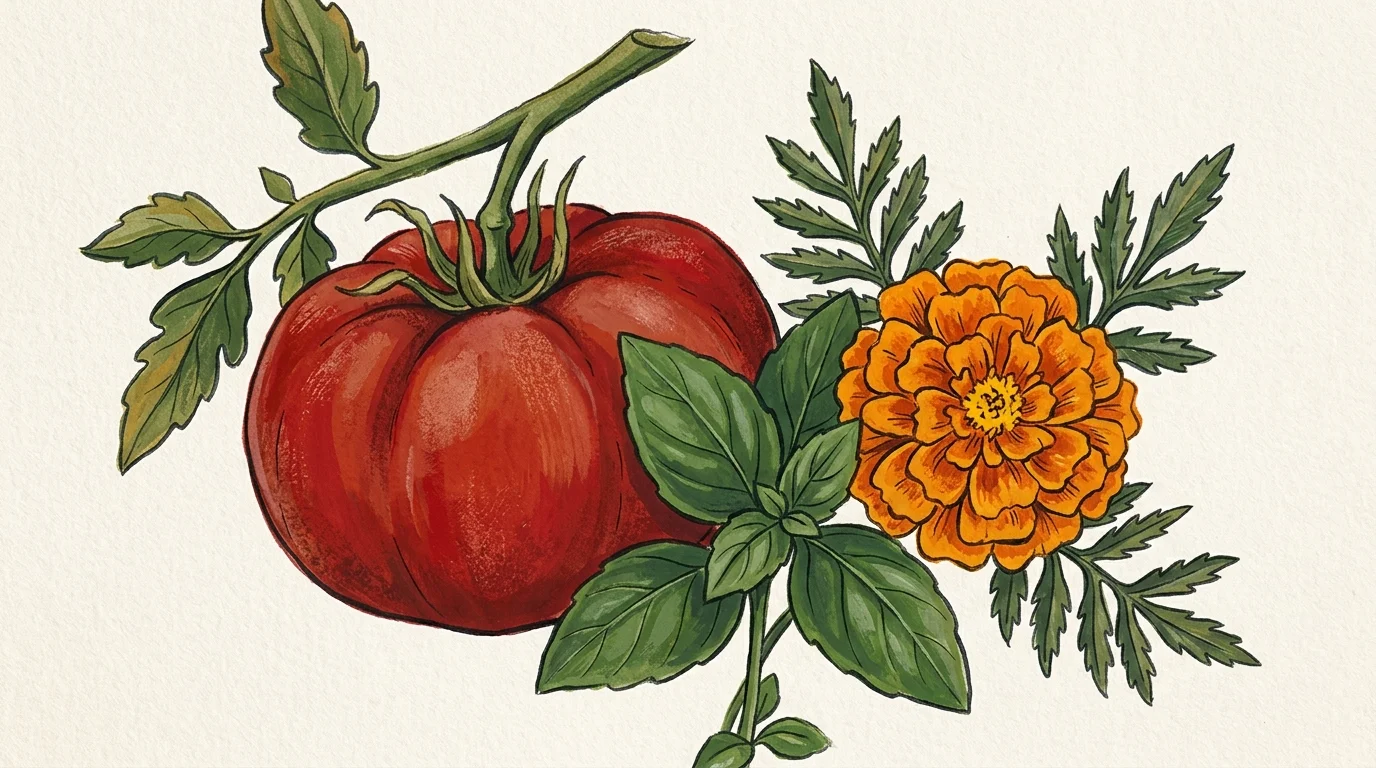
1. Tomatoes, Basil, and Marigolds
This classic combination represents the gold standard of vegetable companion planting. Tomatoes require substantial nutrients and protection from aggressive insect pests, while basil and marigolds provide natural biochemical defense and soil protection.
If you are growing potted tomatoes for the first time, see our guide on how to grow tomatoes in containers for best practices.
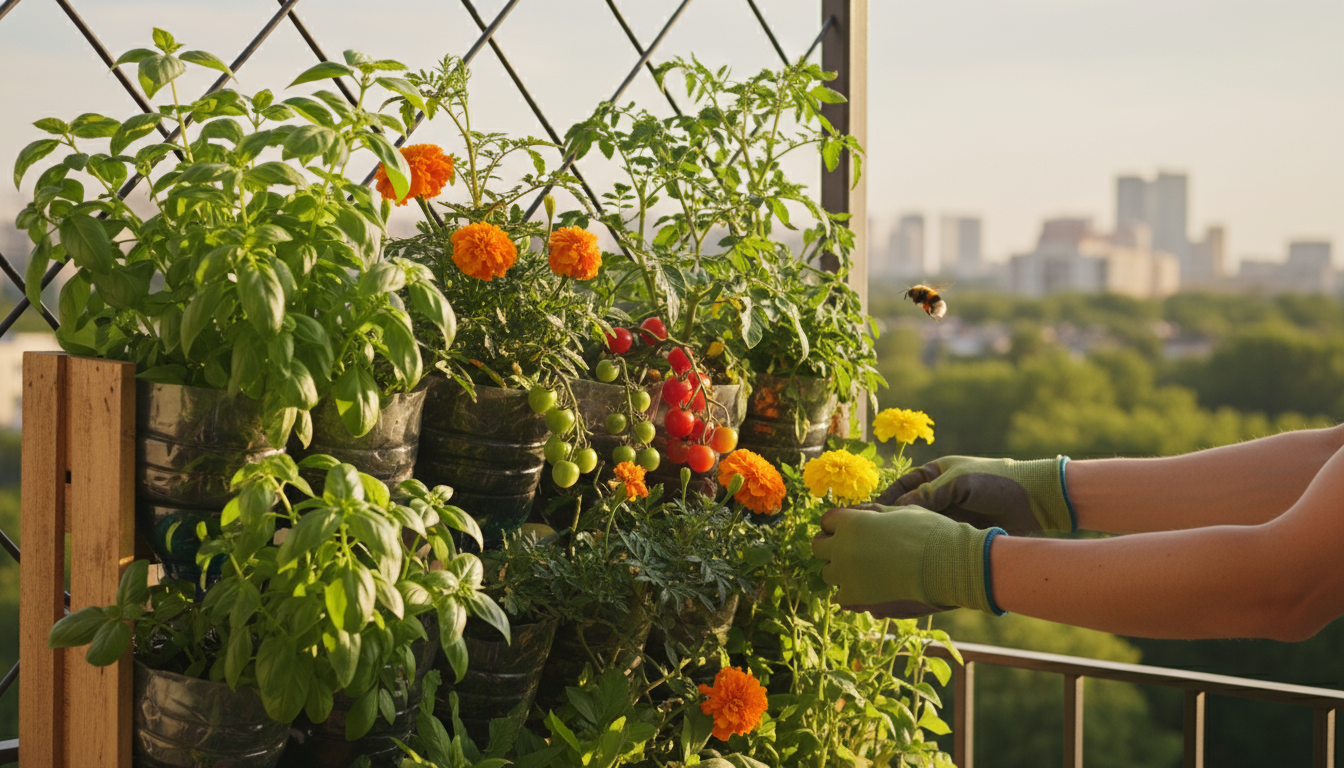
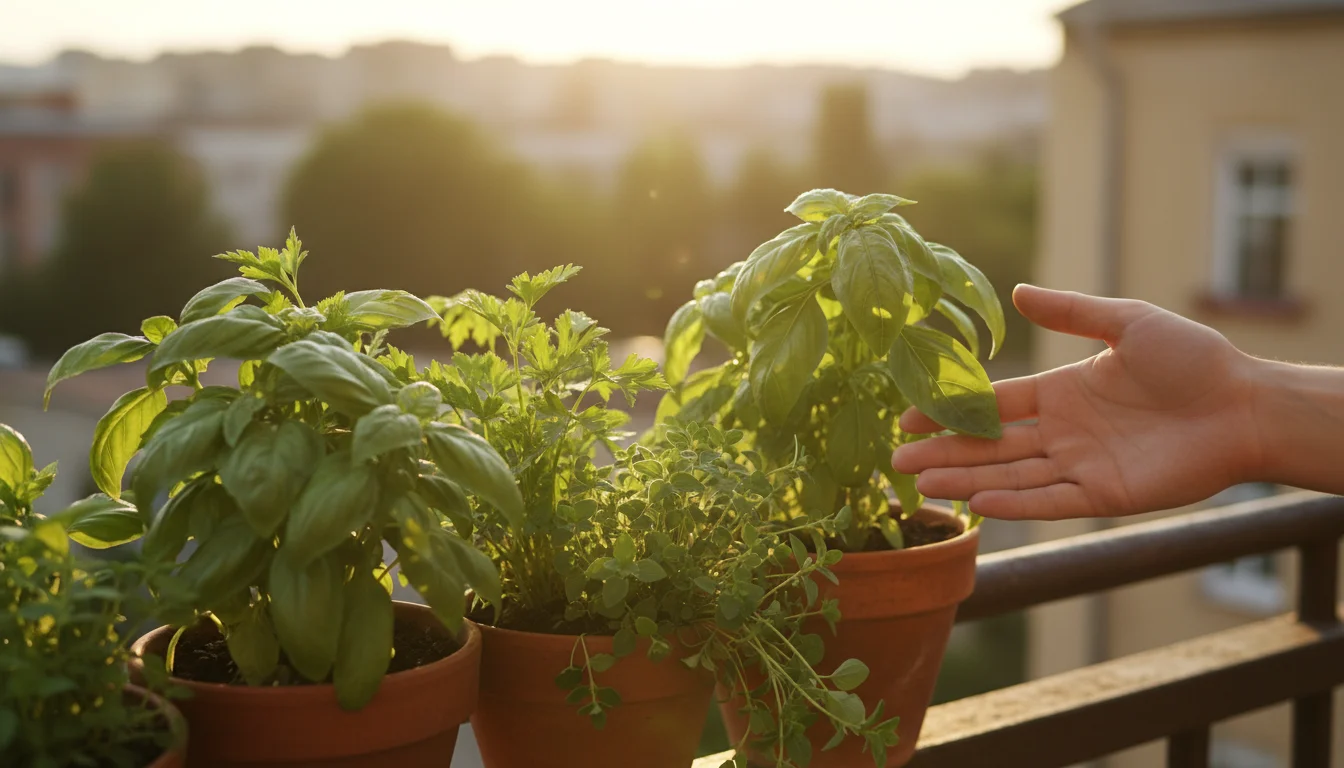
How it works: Basil emits volatile terpenes such as linalool and eugenol, which mask tomato foliage from thrips, hornworms, and whiteflies. French marigolds (Tagetes patula) release alpha-terthienyl through their roots, suppressing destructive root-knot nematodes in the soil. Furthermore, studies show that basil planted within 12 inches of tomatoes improves overall fruit vigor by attracting pollinators to the area.
Small-space setup: Use a minimum 15-gallon container (at least 18 inches in diameter). Plant one indeterminate tomato seedling in the center, surround it with two basil plants, and place two dwarf marigolds along the outer container rim. Ensure the container receives 6 to 8 hours of direct sunlight daily.
2. Sweet Corn, Pole Beans, and Winter Squash (The Three Sisters)
Developed by Indigenous agriculturalists centuries ago, the Three Sisters intercropping system maximizes physical architecture, nitrogen conversion, and weed suppression within a small footprint.
How it works: Sturdy corn stalks serve as natural living trellises for climbing pole beans, eliminating the need for wooden stakes. The pole beans capture nitrogen from the air and fix it into the soil, feeding the nitrogen-hungry corn. Simultaneously, broad, prickly squash leaves spread across the soil surface, acting as a living mulch that retains soil moisture and deters crawling garden pests.
Small-space setup: Plant this combination in a 4×4-foot raised bed or a large 25-gallon fabric grow bag. Sow four corn seeds in a central square. Once corn reaches 6 inches tall, plant two pole bean seeds around each corn stalk. Plant two bush or semi-vining squash seeds along the perimeter to trail over the container edge.
3. Carrots, Radishes, and Chives
Root crops often struggle in heavy or compacted soils. Combining root vegetables with shallow-rooted aromatic herbs creates ideal soil conditions and natural insect barriers.
How it works: Quick-germinating radishes sprout within 3 to 4 days, breaking up crusty surface soil for slower-germinating carrot seeds. You harvest radishes within 25 to 30 days, naturally thinning the soil and leaving pre-formed channels for carrot roots to expand. Chives release sulfur compounds into the air, driving away carrot rust flies and aphids.
Small-space setup: Choose a container at least 12 inches deep filled with light, well-draining potting mix (a 50/50 blend of peat moss or coconut coir and perlite). Broadcast mixed carrot and radish seeds across the surface, and plant a small cluster of perennial chives in the center or along the back edge.
4. Cucumbers, Nasturtiums, and Dill
Vining crops like cucumbers require extensive leaf protection and efficient pollination to prevent misshapen fruit development.
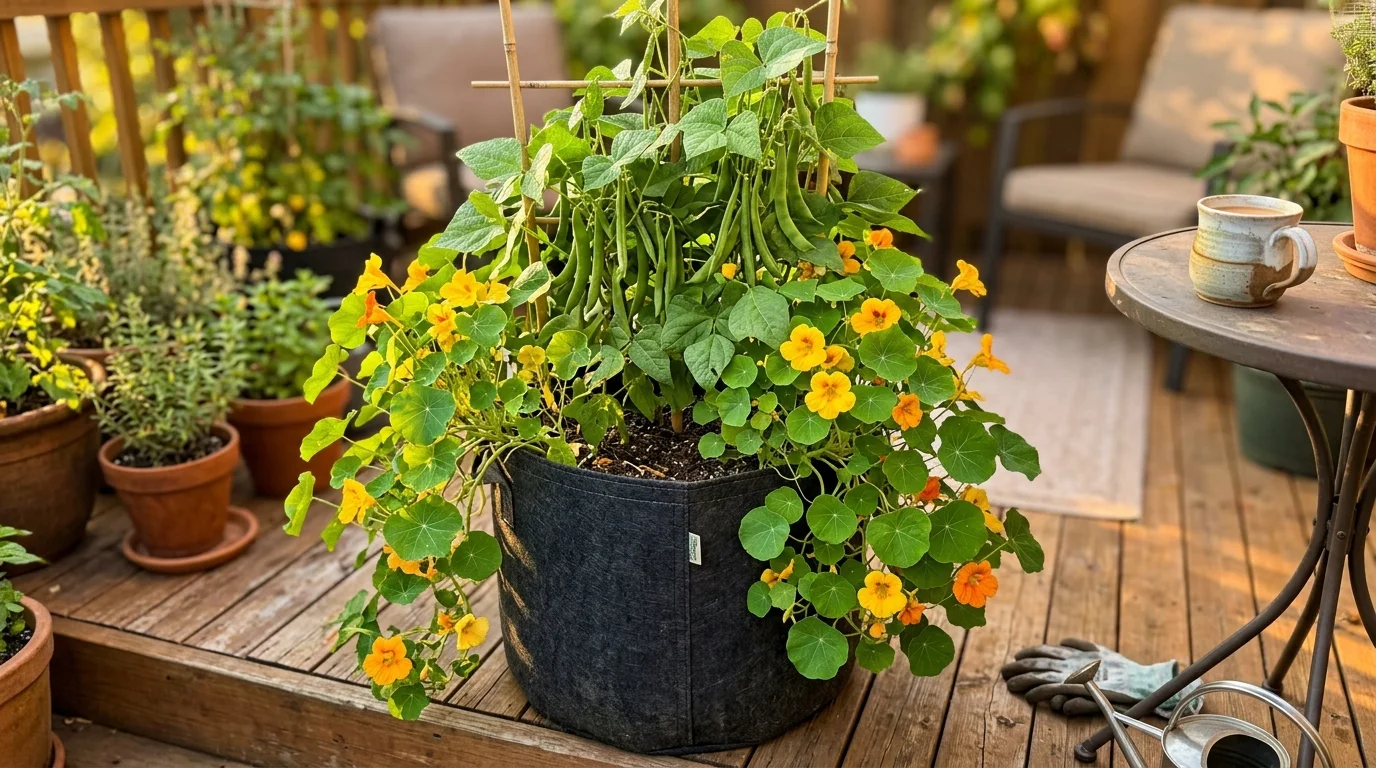
How it works: Nasturtiums function as a classic trap crop, attracting sap-sucking aphids and flea beetles away from tender cucumber vines. The peppery foliage of nasturtiums also deters destructive cucumber beetles and squash bugs. Flowering dill produces umbrella-shaped yellow blooms that host parasitic wasps, syrphid flies, and ladybugs, keeping pest populations under natural control.
Small-space setup: Install a vertical trellis inside a 10-gallon container. Plant two cucumber vines at the base of the trellis. Sow three nasturtium seeds around the front edge so they trail downward, and place one dill plant near the back of the pot.
5. Sweet Peppers, Sweet Alyssum, and Oregano
Peppers grow slowly during early spring and suffer when sap-sucking insects attack early flower buds.
How it works: Sweet alyssum produces dense carpets of tiny white flowers that bloom continuously from spring to frost. These blossoms offer abundant nectar for beneficial micro-wasps and hoverflies, whose larvae devour aphids and spider mites. Oregano creates a dense ground cover that shades the soil, suppressing weeds and keeping pepper roots cool during extreme summer heat spikes.
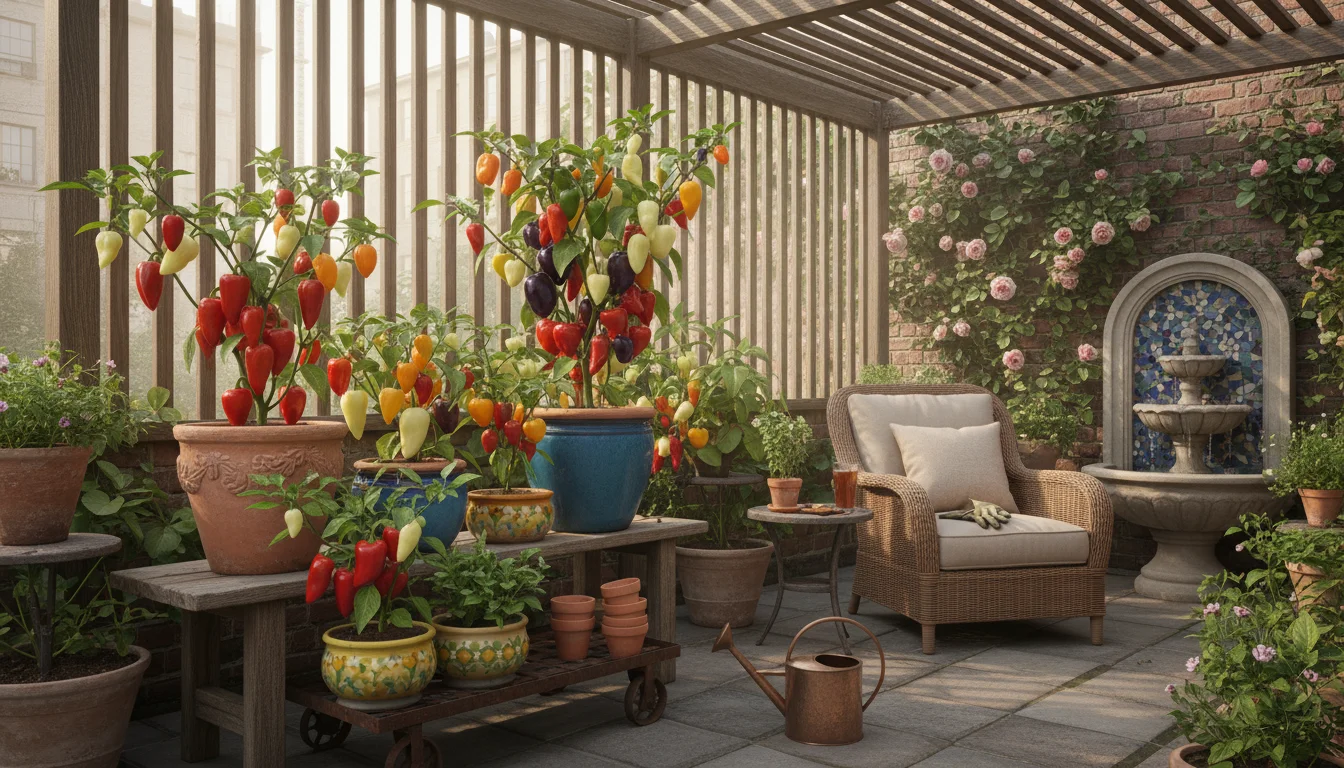
Small-space setup: In a 7-gallon or 10-gallon pot, center a bell pepper or chili pepper transplant. Plant sweet alyssum around the front rim and one low-growing Greek oregano plant on the side. Prune oregano periodically to keep it from crowding the main pepper stem.
6. Summer Lettuce and Tall Tomato Cages
Cool-season leafy greens typically bolt—become bitter and send up seed stalks—when ambient air temperatures exceed 80°F (27°C). Strategic companion placement extends your salad green harvest throughout the heat of summer.
To make the most of every container, pair this technique with proper seasonal vegetable rotation as summer transitions into cooler months.
How it works: Tall tomato plants growing upright inside wire cages cast steady, dappled shade over the soil below. By placing delicate loose-leaf lettuce varieties on the shaded side of tomato plants, you lower soil temperatures by 5°F to 10°F, preventing premature bolting and leaf scorch.
Small-space setup: Position your tomato container so the tomato foliage faces south or west. Plant loose-leaf lettuce, butterhead varieties, or spinach on the eastern or northern base of the tomato plant where afternoon sun is blocked.
7. Strawberries and Borage
Strawberries produce maximum yields when flower pollination is thorough and soil mineral availability remains high.
Feeding your berry planters with organic nutrients is simple using small-space composting hacks.
How it works: Borage (Borago officinalis) produces star-shaped blue flowers rich in nectar, increasing wild bee visits to your strawberry patch by up to 50%. Improved pollination results in larger, perfectly formed berries. Deep-rooting borage acts as a dynamic accumulator, pulling trace elements like potassium and calcium from subsoil layers and making them available to shallow-rooted strawberry runners.
Small-space setup: Plant strawberries around the perimeter of a raised bed or multi-tiered strawberry planter. Intermingle one borage plant for every four to six strawberry plants. Prune borage heavily if its large leaves begin shade out young strawberry crowns.
8. Spinach and Radishes
Spinach foliage is exceptionally vulnerable to leafminers—tiny insect larvae that tunnel inside leaf tissue, rendering greens inedible.
To keep a steady supply of greens coming, learn how to stagger your seeds with our succession planting guide.
How it works: Radish leaves act as a preferred host target for leafminers. The insects lay eggs on radish foliage instead of spinach foliage. Because radishes store energy in their underground taproot, minor leaf damage on the radish leaves does not impair root development, leaving your spinach foliage pristine and damage-free.
Small-space setup: In a shallow balcony trough (at least 6 inches deep), plant alternating rows of spinach and radishes spaced 3 inches apart. Harvest radishes as soon as roots reach 1 inch in diameter to give expanding spinach plants full access to light.
9. Bush Beans and French Marigolds
Bush beans offer high yields in small spaces but suffer from leaf damage caused by Mexican bean beetles and root damage from soil pests.
How it works: French marigolds emit pungent floral aromas that confuse Mexican bean beetles, preventing them from laying eggs on the undersides of bean leaves. Simultaneously, bean roots fix nitrogen into the surrounding soil, enhancing overall plant health without requiring synthetic nitrogen fertilizers.
Small-space setup: Fill a rectangular window box or patio container with quality organic potting soil. Sow bush bean seeds 6 inches apart in a central line, and intersperse compact French marigolds between each bean plant.
10. Brassicas (Kale, Cabbage, Broccoli) and Aromatic Herbs (Rosemary, Thyme)
Members of the brassica family attract cabbage white butterflies (Pieris rapae), whose caterpillars quickly strip greens to bare stems.
How it works: Wood-stemmed Mediterranean herbs like rosemary and thyme contain potent aromatic essential oils rich in camphor, thujone, and thymol. These intense scents override the chemical cues that female cabbage butterflies use to identify target egg-laying sites, reducing caterpillar populations naturally.
Small-space setup: Plant kale or dwarf cabbage in a 10-gallon planter. Position potted rosemary and thyme directly adjacent to the container, or plant thyme around the base of the main brassica stalk.
Quick-Reference Vegetable Companion Planting Chart
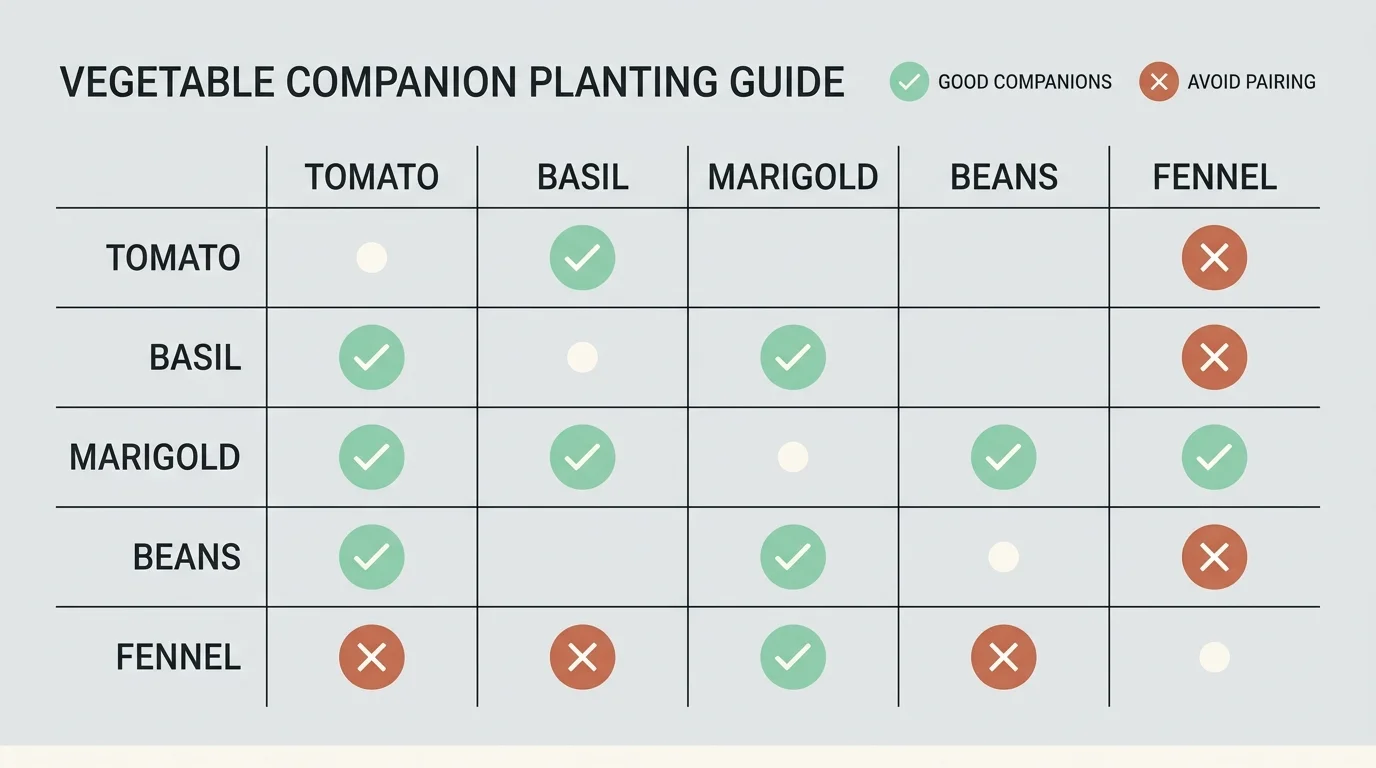
Use this companion planting chart to plan your seasonal vegetable arrangements. Identifying compatible and incompatible neighbors helps prevent accidental pest outbreaks and root competition in limited soil spaces.
| Target Crop | Best Companion Plants | Incompatible Plants | Primary Biological Benefit |
|---|---|---|---|
| Tomato | Basil, Marigolds, Parsley, Carrots | Fennel, Potatoes, Cabbage | Repels hornworms; suppresses root nematodes; enhances growth. |
| Pepper | Sweet Alyssum, Basil, Oregano, Onions | Fennel, Beans | Attracts aphid predators; provides ground shade. |
| Cucumber | Nasturtiums, Dill, Radishes, Bush Beans | Aromatic Herbs (Sage), Potatoes | Deters cucumber beetles; attracts predatory wasps. |
| Carrot | Chives, Radishes, Rosemary, Lettuce | Fennel, Dill, Parsnips | Loosens compact soil; deters carrot rust fly. |
| Lettuce | Tall Tomatoes, Chives, Radishes, Cucumbers | Celery | Provides heat-shielding shade; deters leaf aphids. |
| Bush Bean | Marigolds, Summer Savory, Catnip, Radishes | Onions, Garlic, Chives | Fixes soil nitrogen; repels Mexican bean beetles. |
| Brassicas (Kale) | Rosemary, Thyme, Mint, Sage, Marigolds | Strawberries, Pole Beans | Masks plant scent from cabbage moth butterflies. |
| Strawberry | Borage, Bush Beans, Thyme, Spinach | Cabbage, Cauliflower, Tomatoes | Boosts bee pollination; supplies trace minerals. |
| Spinach | Radishes, Strawberries, Peas, Beans | Fennel | Serves as trap crop for leafminers; optimizes space. |
| Sweet Corn | Pole Beans, Squash, Pumpkins, Sunflowers | Tomatoes | Provides climbing support; receives nitrogen support. |
Small-Space Companion Gardening Combinations for Containers
Container gardening requires careful management of physical root boundaries, moisture balance, and nutrient supplies. In open garden beds, plant roots expand horizontally to avoid competition; in containers, roots occupy a confined soil volume. Applying best companion plants within containers requires strategic adjustments.
Implement these four core design strategies to succeed with container companion pairings:
- Match root depth architectures: Combine deep-rooting plants with shallow-rooted crops. Pair deep taproot vegetables like carrots (roots reaching 8 to 12 inches deep) with shallow surface growers like lettuce or radishes (roots occupying top 3 to 4 inches). This design prevents root strangulation and optimizes soil volume usage.
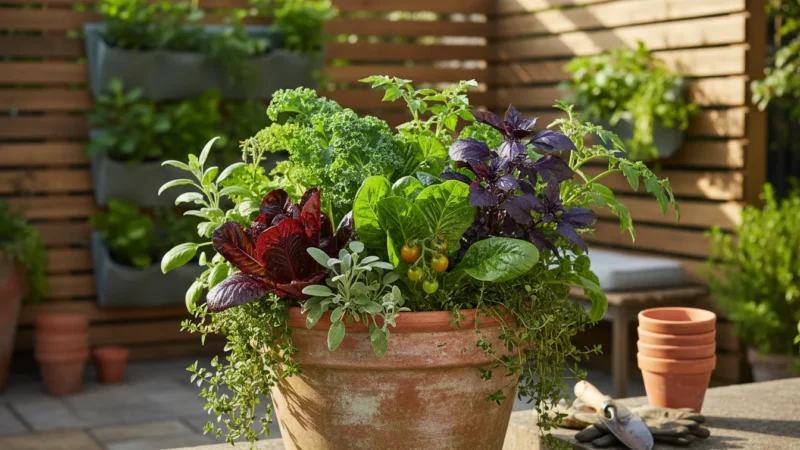
- Adopt the Edible Thriller, Filler, Spiller layout: Structure your decorative container plantings using edible crops:
- Thriller (Vertical Accent): Tall crops such as indeterminate tomatoes, sweet corn, or trellised peppers placed in the center or back.
- Filler (Mid-tier Bush): Medium-height leafy herbs or bush greens like basil, lettuce, or chives filling the middle zone.
- Spiller (Cascading Cover): Trailing plants like nasturtiums, sweet alyssum, or creeping thyme flowing over the edges.
- Standardize container volumes: Never crowd companion combinations into undersized pots. Use a minimum 5-gallon pot for small herb-and-green pairs, a 10-gallon container for pepper-herb pairings, and a 15- to 20-gallon pot for heavy-feeding tomato combinations.
- Implement drip or targeted bottom-watering: Mixed container plantings lose water rapidly during warm weather. Water plants directly at the soil surface or use self-watering sub-irrigation planters to deliver consistent moisture to all root zones without washing away topsoil nutrients.
Five Companion Planting Mistakes That Harm Your Crops
Companion gardening combinations double your efficiency when executed correctly, but common design errors can stunt growth and invite pests. Avoid these five frequent mistakes:
- Pairing heavy-feeding crops together: Planting tomatoes directly beside sweet corn or potatoes creates intense competition for nitrogen, phosphorus, and potassium. Furthermore, tomatoes and corn share common insect pests, such as the corn earworm (also known as the tomato fruitworm), making pest outbreaks far more severe.
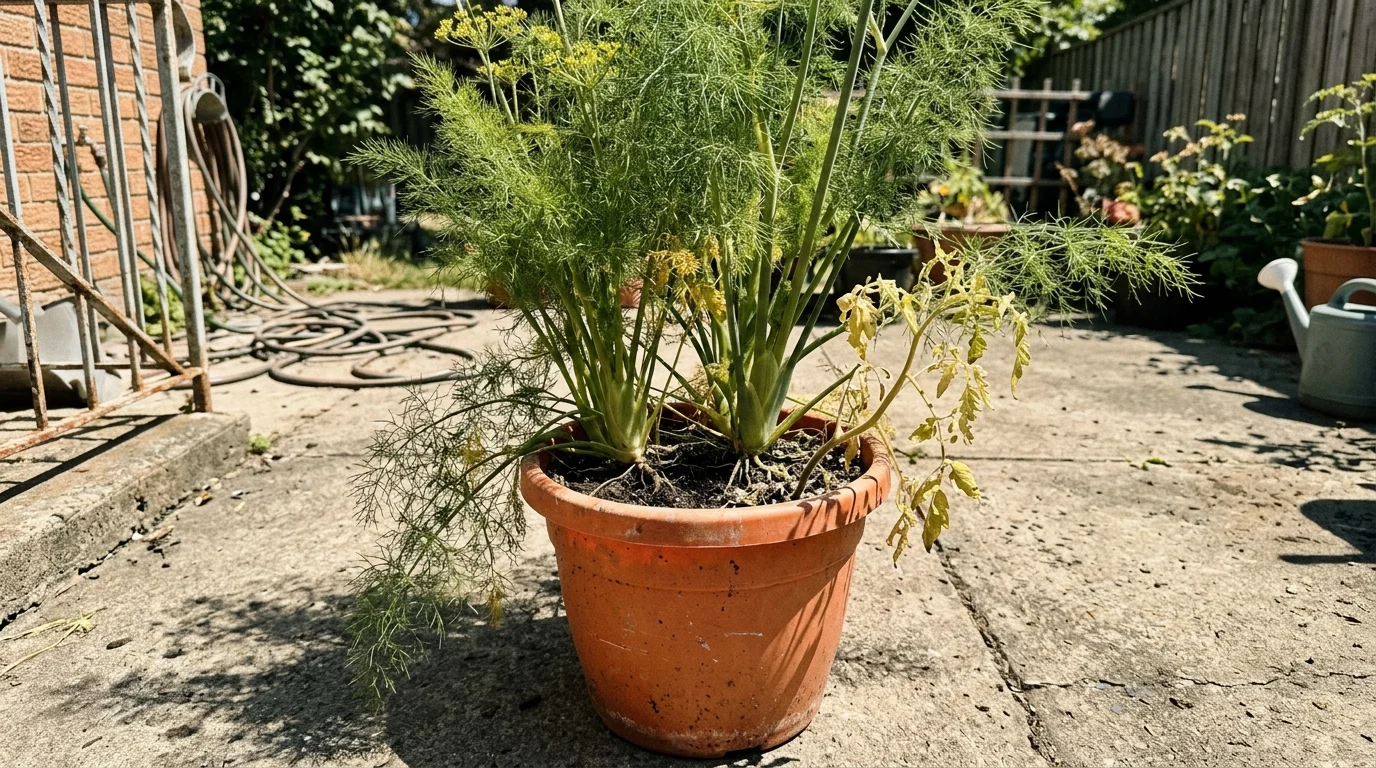
- Ignoring plant allelopathy: Certain plants produce chemical compounds that actively inhibit the growth of surrounding vegetation. Fennel secretes allelopathic substances through its root system that stunt almost all neighboring garden vegetables. Always give fennel its own isolated container.
- Mixing contrasting watering requirements: Grouping drought-tolerant Mediterranean herbs (such as rosemary, lavender, and sage) with moisture-loving crops (such as celery, cucumbers, or lettuce) leads to root rot or drought stress. Group companions by shared watering needs.
- Pairing Alliums with Legumes: Onions, garlic, shallots, and chives exude antibacterial compounds that destroy beneficial Rhizobium bacteria on bean and pea roots. This chemical incompatibility stops legumes from fixing soil nitrogen, stunting growth for both crops.
- Overcrowding container soil volume: Squeezing too many plants into a small pot starves all occupants of sunlight and airflow. High planting density increases humidity around foliage, triggering fungal diseases such as powdery mildew and early blight. Always maintain proper plant spacing recommendations.
Frequently Asked Questions
How close together should companion plants be grown in container pots?
In container gardens, you can space companion plants roughly 25% closer than standard field spacing guidelines, provided your container holds sufficient soil volume and depth. Ensure stems do not crush each other and leaf canopies allow light penetration. Maintain at least 4 to 6 inches between herb companions and main crop stems to ensure adequate root zone expansion.
Can companion planting completely eliminate the need for organic sprays?
Companion planting significantly reduces insect infestations by encouraging beneficial predators and masking crop scents, but it does not eliminate all garden pests. Think of companion planting as your primary preventative defense. If pest populations surge during hot weather, supplement companion strategies with mechanical hand-picking or organic insecticidal soaps.
Do aromatic herbs really change the flavor of neighboring vegetables?
While popular garden lore suggests planting basil next to tomatoes improves fruit flavor, scientific evidence indicates that herbs do not alter neighboring chemical flavor compounds directly. Instead, herbs improve flavor indirectly: by repelling stress-inducing pests and driving beneficial microbial activity, herbs keep main crops healthy, allowing fruits to develop optimal sugar and acid balances naturally.
What are the best companion flowers for small balcony vegetable gardens?
French marigolds, sweet alyssum, and nasturtiums represent the best choices for small balcony gardens. They possess compact root systems, bloom continuously, thrive in container pots, and actively attract predatory insects while repelling damaging garden pests.
Sustainable Gardening Resources and Next Steps
Successful small-space gardening relies on observation, seasonal adaptation, and sound horticultural science. By building diverse polyculture plantings in your pots and raised beds, you cultivate a resilient garden that naturally resists disease and pests while maximizing every inch of available space.
For trustworthy gardening information, visit: San Diego Botanic Garden, U.S. National Arboretum, American Horticultural Society, National Garden Bureau and National Wildlife Federation — Garden for Wildlife. These organizations provide expert, research-based advice for gardeners at all levels.
Disclaimer: This article is for informational purposes only and is not a substitute for professional gardening advice. Always consult local extension services or horticulture experts for region-specific guidance.
Leave a Reply