
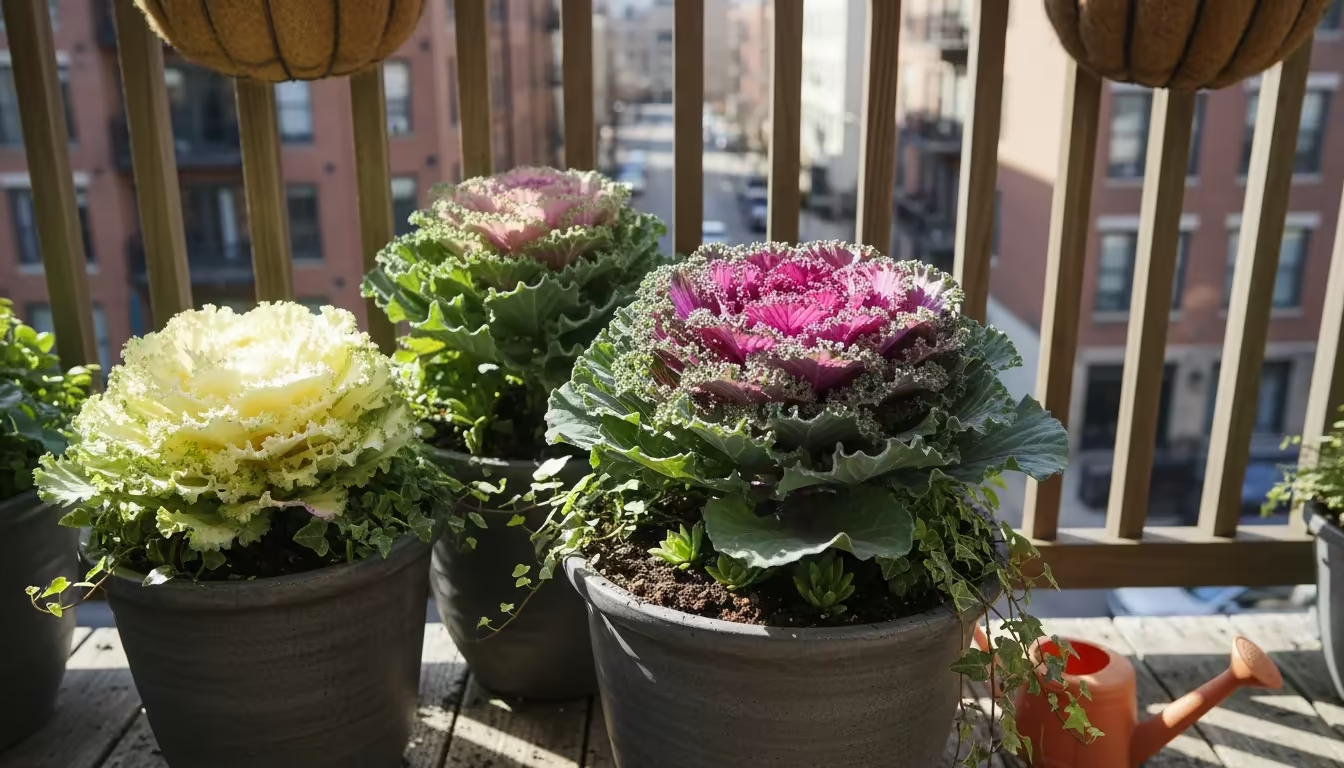
As summer’s vibrant annuals fade, many gardeners with limited space believe their container displays must also conclude. However, you possess a secret weapon for extending your garden’s beauty well into the colder months: ornamental kale and cabbage.
These striking plants offer an incredible solution for “fall container ideas,” providing rich textures and a spectrum of colors that actually intensify as temperatures drop. They are true “cold hardy annuals,” transforming your balcony, patio, or small yard into a captivating autumn oasis.
You can easily achieve stunning “fall planter design ideas for apartments” and small spaces with these unique brassicas, bringing lasting visual appeal with minimal effort. This guide will show you how to leverage their unique characteristics for a season of vibrant, low-maintenance color.
Contents9 sections
- What Are Ornamental Kale and Cabbage?
- Why Choose Ornamental Brassicas for Small Spaces?
- Selecting the Right Varieties for Your Fall Containers
- Designing Stunning Fall Container Ideas with Ornamental Kale and Cabbage
- Step-by-Step Planting Ornamental Cabbage in Pots
- Essential Care and Maintenance for Long-Lasting Fall Beauty
- Eco-Friendly Practices for Your Fall Container Garden
- Troubleshooting Common Issues with Ornamental Kale and Cabbage
- Frequently Asked Questions
What Are Ornamental Kale and Cabbage?
Ornamental kale and cabbage are members of the *Brassica oleracea* family, just like their edible cousins. While technically edible, cultivators specifically develop these varieties for their extraordinary foliage rather than their flavor or head formation.
They present a spectacular display of ruffled, fringed, or smooth leaves in a breathtaking array of colors including white, cream, pink, rose, purple, and deep red. Unlike typical garden annuals that fade with the first frost, these plants thrive in cooler temperatures.
Their vibrant hues intensify as the mercury drops, offering a bold visual statement when most other plants are winding down.
Their unique structure forms a rosette of leaves, often resembling an enormous, colorful flower. The outer leaves typically maintain a green or blue-green shade, while the inner leaves develop the brilliant, eye-catching colors that make these plants so desirable for autumn displays.
Breeders have produced numerous series and cultivars, each offering distinct leaf shapes, textures, and color patterns. For example, some varieties feature deeply incised, feathery leaves, while others display broad, smooth, and wavy foliage.
This diversity provides endless possibilities for creating dynamic and engaging container compositions.
Your choice of “ornamental kale” or “ornamental cabbage” allows you to select textures and colors that perfectly complement your outdoor decor, establishing a vibrant focal point that defies the typical limitations of fall gardening.
Why Choose Ornamental Brassicas for Small Spaces?
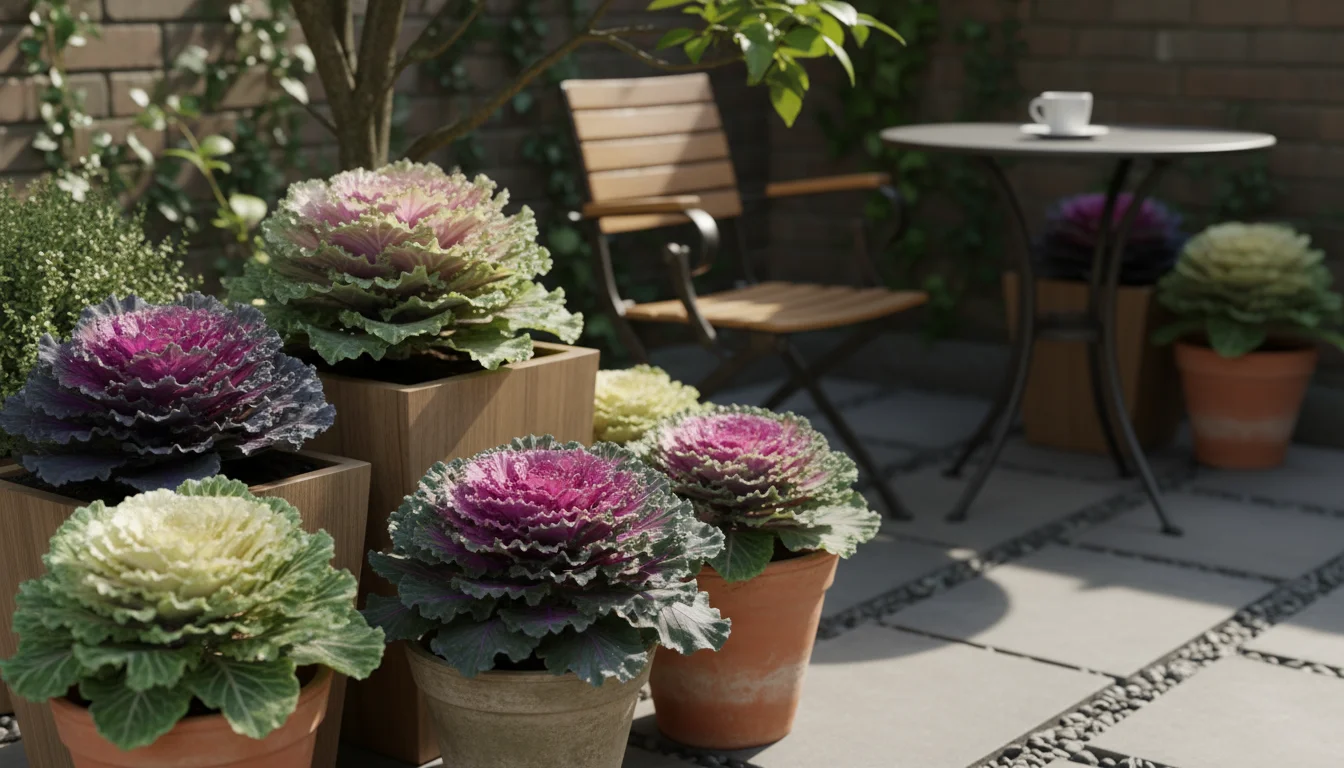
For gardeners working with balconies, patios, or small yards, every plant choice matters. Ornamental kale and cabbage offer a multitude of benefits that make them ideal for these constrained environments.
Their compact growth habit means they do not sprawl excessively, maintaining a tidy and appealing form within containers. This makes them perfect “cold tolerant balcony plants for fall color,” allowing you to maximize visual impact without overcrowding your limited area.
One primary advantage is their exceptional cold hardiness. While petunias and impatiens succumb to chilly nights, ornamental kale and cabbage truly begin to shine.
They can withstand light frosts and continue to look their best through repeated freezes, often remaining attractive well into early winter in many regions. This longevity translates into extended enjoyment of your fall containers, reducing the need for constant replanting.
They require minimal maintenance, freeing up your time for other fall activities. Once established, these plants need consistent watering, but they are generally less demanding than many summer annuals.
Their robust nature also means they are less susceptible to many common pests and diseases that plague warmer-weather plants. This resilience makes “planting ornamental cabbage in pots” a straightforward and rewarding endeavor, even for beginner gardeners.
You simply choose your pot, plant your brassica, and watch it flourish.
Their architectural form and rich colors provide an instant upgrade to any outdoor space, making them an indispensable element for captivating “fall container ideas.” They deliver maximum impact for minimal effort, an excellent value proposition for any gardener.
Selecting the Right Varieties for Your Fall Containers
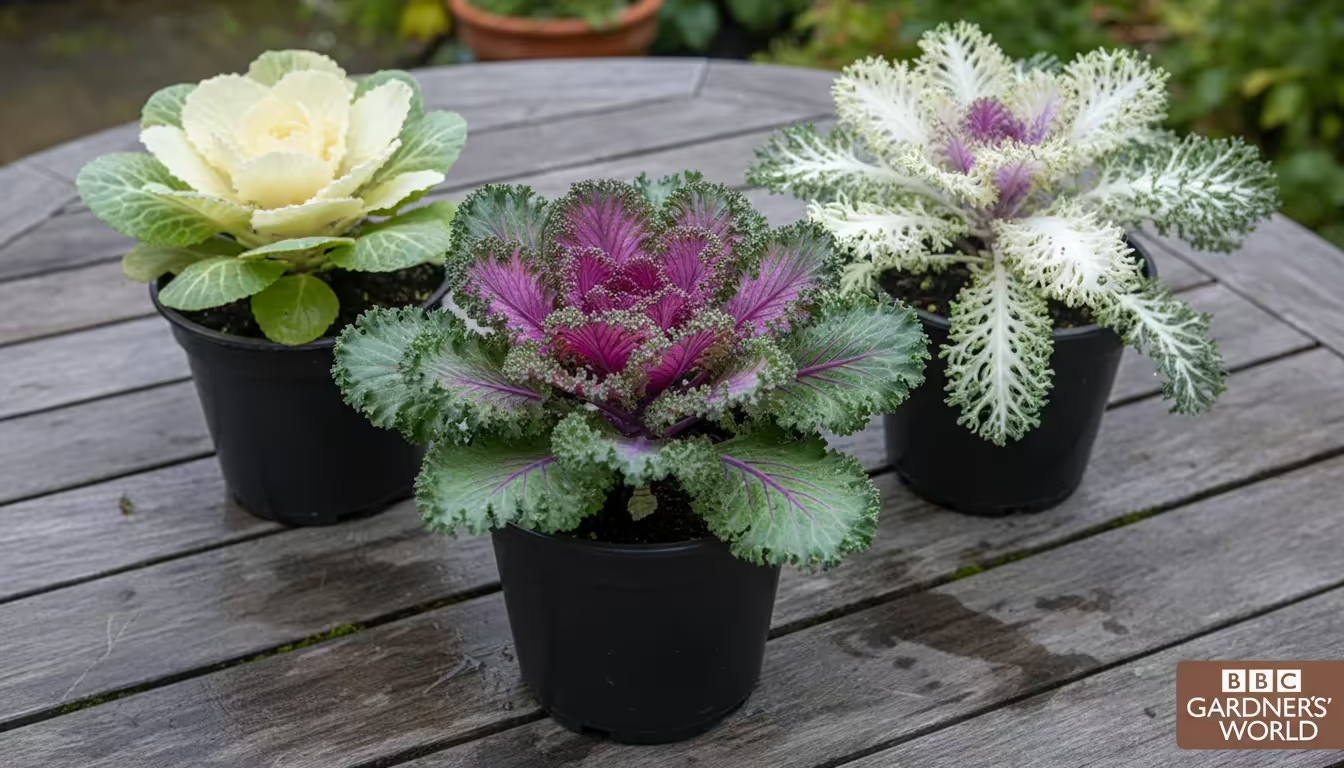
Choosing the correct varieties of ornamental kale and cabbage is crucial for achieving your desired aesthetic in “fall planter design ideas for apartments” and other small spaces. Consider both the mature size and color of the plant when making your selections.
Many varieties are specifically bred for container performance, offering a range of compact to medium sizes that fit well in pots without overwhelming them.
Popular Ornamental Kale Varieties:
- ‘Nagoya’ Series: Known for its large, heavily ruffled leaves and intense coloration. Available in shades of red, white, and pink centers. These are excellent for creating a bold, singular statement or as a “thriller” in larger arrangements.
- ‘Kamome’ Series: Offers a more compact growth habit with tightly ruffled leaves, often with vibrant centers. Ideal for smaller pots or as a “filler” around taller elements. Colors include white, red, and pink.
- ‘Chidori’ Series: Features unique, deeply serrated or fringed leaves that give it a delicate, lacy appearance. This series is particularly striking in white or red, adding fine texture to your containers.
Popular Ornamental Cabbage Varieties:
- ‘Osaka’ Series: Characterized by large, smooth, undulating leaves that form a striking rosette. The vibrant inner foliage provides a stark contrast to the outer green leaves. Colors include red, pink, and white. These are excellent focal points.
- ‘Pigeon’ Series: Offers a more petite and uniform habit, making it perfect for mass plantings or intricate designs. Its relatively flat, smooth leaves come in vivid red, white, or pink.
When selecting, think about the overall color scheme you want to create. Do you prefer a dramatic monochromatic look with varying shades of purple and pink, or a contrasting display featuring crisp whites and deep reds?
Mixing varieties with different leaf textures, such as a ruffled ‘Nagoya’ kale alongside a smooth ‘Osaka’ cabbage, adds significant visual interest.
Pay attention to the labels at your local nursery, which often provide information on mature size, color, and cold hardiness, ensuring you pick the best “ornamental kale” or “ornamental cabbage” for your specific “fall container ideas.”
Designing Stunning Fall Container Ideas with Ornamental Kale and Cabbages
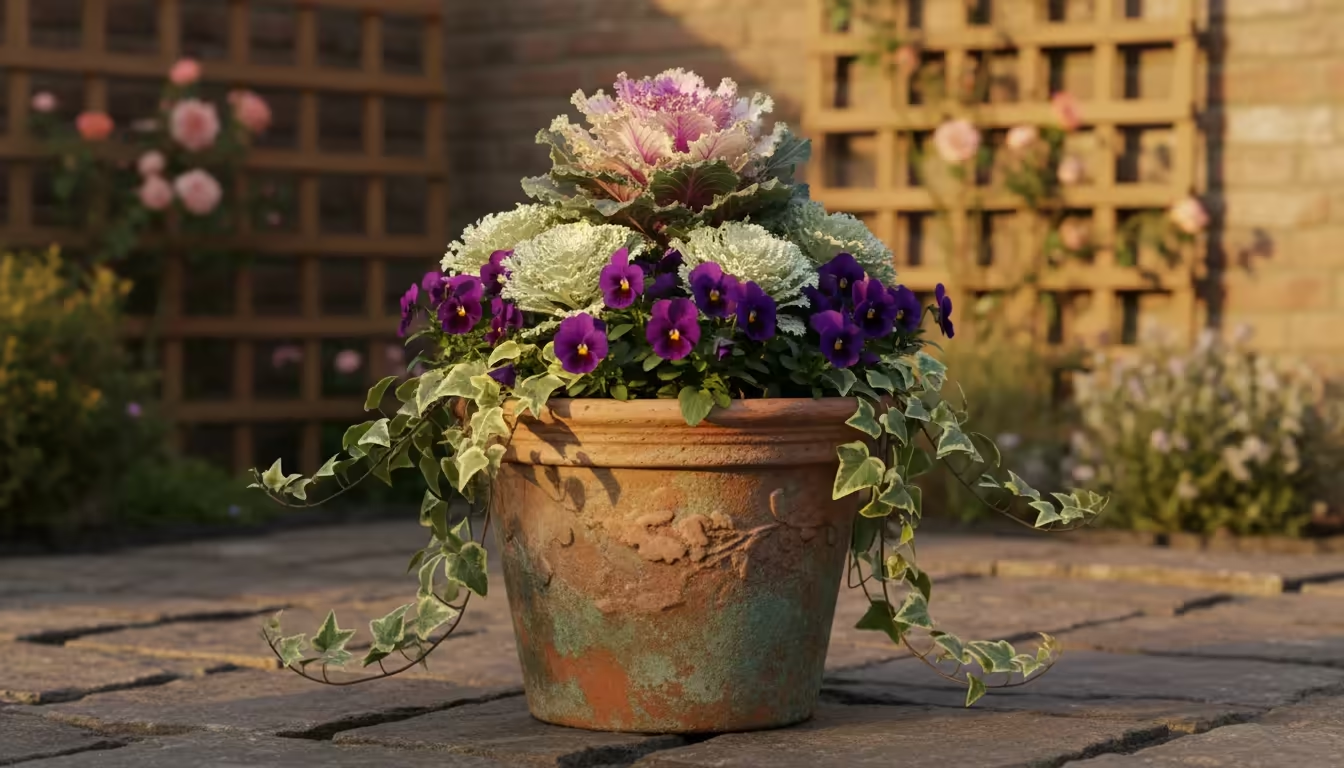
Designing visually appealing “fall container ideas” relies on the same principles as summer planting, often referred to as the “thriller, filler, spiller” concept, but adapted for the unique qualities of autumn plants.
Ornamental kale and cabbage can serve as stunning thrillers, fillers, or even short-spillers depending on the variety and how you arrange them.
The Thriller: This is your focal point, the plant that provides height and drama.
Large ‘Nagoya’ kale varieties with their expansive, colorful rosettes or ‘Osaka’ cabbage plants make excellent thrillers in the center of a round pot or at the back of a container against a wall. Their bold colors and textures immediately draw the eye.
The Filler: These plants occupy the mid-ground, surrounding the thriller and adding volume and complementary textures. Smaller ornamental cabbage varieties like ‘Pigeon’ series, or compact kales such as ‘Kamome’, work perfectly as fillers.
You can also incorporate other “cold hardy annuals” here, such as pansies, violas, or dianthus, which offer delicate blooms and often carry through light frosts. Dusty miller, with its silvery, velvety foliage, provides a striking contrast in texture and color.
The Spiller: These plants trail over the edge of the container, softening its lines and adding a graceful cascade. While most ornamental kale and cabbage varieties are upright, some looser forms can gently spill.
For more pronounced spilling, consider complementary plants like creeping Jenny (*Lysimachia nummularia* ‘Aurea’) which maintains some color in cooler weather, or ivy, which offers evergreen appeal. Trailing pansies also work well as a spill element.
Consider your color palette. You can create a sophisticated look using various shades of a single color, such as different purples and pinks, or go for a high-contrast scheme with crisp whites and deep reds.
For example, combine a white-centered ‘Osaka’ cabbage with deep purple pansies and a trailing silver fall plant. This approach ensures your “fall planter design ideas for apartments” achieve maximum visual impact, making the most of every inch of space.
Remember to group plants with similar light and watering needs to ensure long-term success.
Incorporating ornamental grasses into your fall container provides vertical movement and fine textures that contrast sharply with the broad, rosette foliage of brassicas.
Step-by-Step Planting Ornamental Cabbage in Pots
Successful “planting ornamental cabbage in pots” involves a few straightforward steps, ensuring your plants establish well and provide vibrant fall color for weeks.
1. Choose the Right Container:
The pot size matters significantly. Select a container that is at least 8 to 12 inches in diameter for a single plant, allowing ample space for root development and display.
Larger containers, 14 inches or more, are ideal for mixed arrangements. Ensure your pot has excellent drainage holes.
Proper “drainage,” which means how water moves through the soil, prevents waterlogging and root rot, crucial for the health of your brassicas. Without good drainage, roots sit in standing water, leading to decline.
2. Prepare Your Potting Mix:
Ornamental kale and cabbage thrive in a well-draining, fertile potting mix. Do not use garden soil, which can compact in containers and harbor pests.
A good quality potting mix designed for containers provides the necessary aeration and moisture retention. You can enhance drainage further by mixing in a small amount of perlite or coarse sand, but many premium potting mixes are already optimized.
Fill your container about two-thirds full with the potting mix.
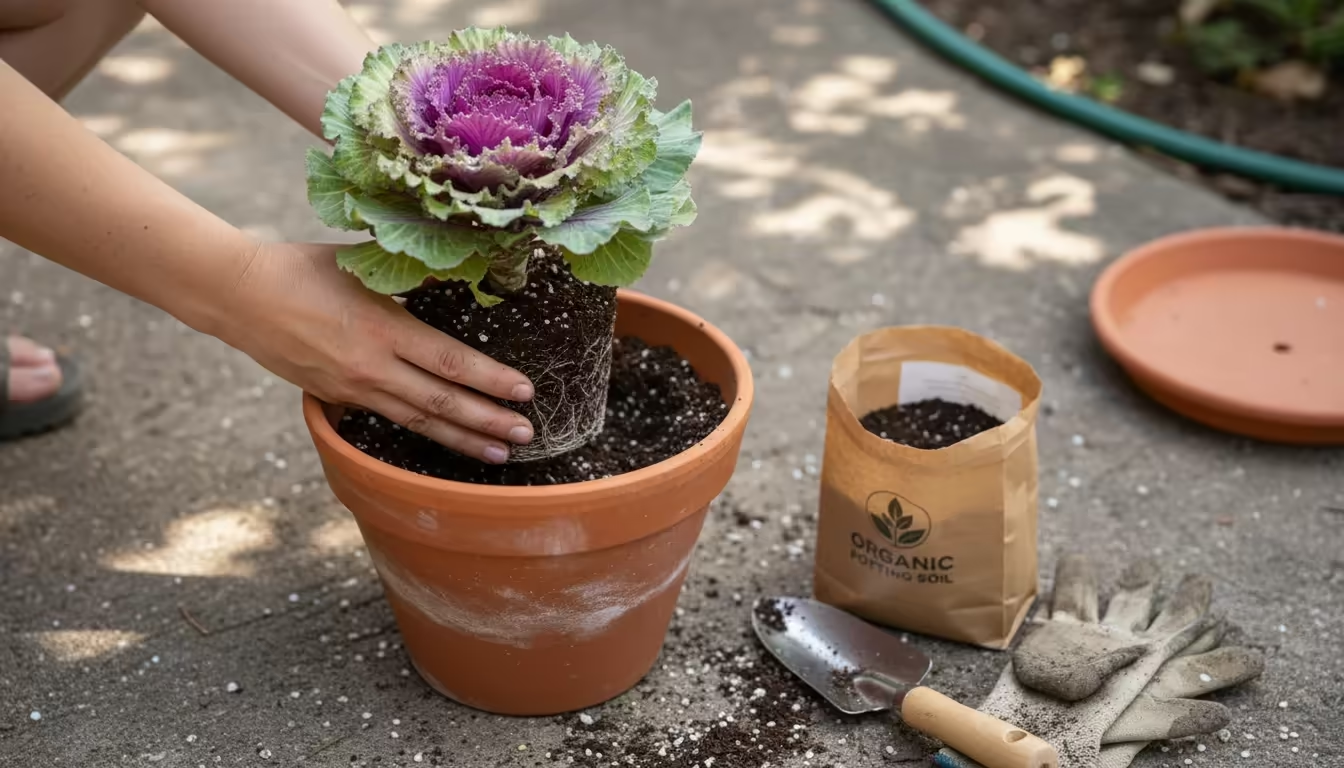
3. Plant Your Brassicas:
Gently remove your ornamental kale or cabbage from its nursery container. Handle the plant by the root ball, not the delicate foliage.
Loosen any circling roots at the bottom of the root ball to encourage outward growth. Place the plant in the center of your pot, ensuring the top of the root ball is level with the soil line in the container.
Avoid planting too deeply, which can smother the stem, or too shallowly, which exposes the roots. For multiple plants, space them according to their mature size, usually 6 to 12 inches apart, to allow for air circulation and growth.
4. Backfill and Water Thoroughly:
Fill the remaining space around the plants with potting mix, gently firming it down to remove large air pockets. Leave about an inch of space from the top of the container rim to the soil line; this “watering lip” helps contain water when you irrigate.
Immediately after planting, water your containers thoroughly until water drains from the bottom. This settles the soil around the roots and provides essential hydration.
Consistent moisture is critical in the first few days post-planting to help plants recover from transplant shock.
By following these simple steps, you set your “ornamental kale” and “ornamental cabbage” up for success, ensuring they become stunning features in your “fall container ideas.”
Essential Care and Maintenance for Long-Lasting Fall Beauty
Once you have successfully planted your “ornamental kale” and “ornamental cabbage,” providing consistent, yet simple, care ensures they remain vibrant and healthy throughout the fall and into winter. These “cold hardy annuals” are remarkably low-maintenance, but a few key practices will significantly extend their display.
Watering: Consistent moisture is vital, especially since containers dry out faster than garden beds. Check the soil moisture regularly by sticking your finger about an inch or two into the potting mix.
If it feels dry, it is time to water. Water deeply until you see water draining from the bottom of the pot.
Avoid overhead watering if possible, as wet foliage can sometimes encourage fungal issues. Instead, water directly at the base of the plant.
During periods of warmer fall weather or high winds, you might need to water daily. As temperatures drop and evaporation slows, your watering frequency will decrease.
Fertilizing: Ornamental kale and cabbage are not heavy feeders once established, particularly if you use a high-quality potting mix that includes a slow-release fertilizer.
However, a light feeding every 3-4 weeks with a balanced liquid fertilizer diluted to half strength can support sustained growth and color development.
Too much nitrogen can encourage excessive green leaf growth at the expense of the vibrant inner colors, so opt for a balanced feed or one slightly higher in phosphorus and potassium.
Cease fertilizing as temperatures consistently drop below freezing, as the plants will enter a period of dormancy.
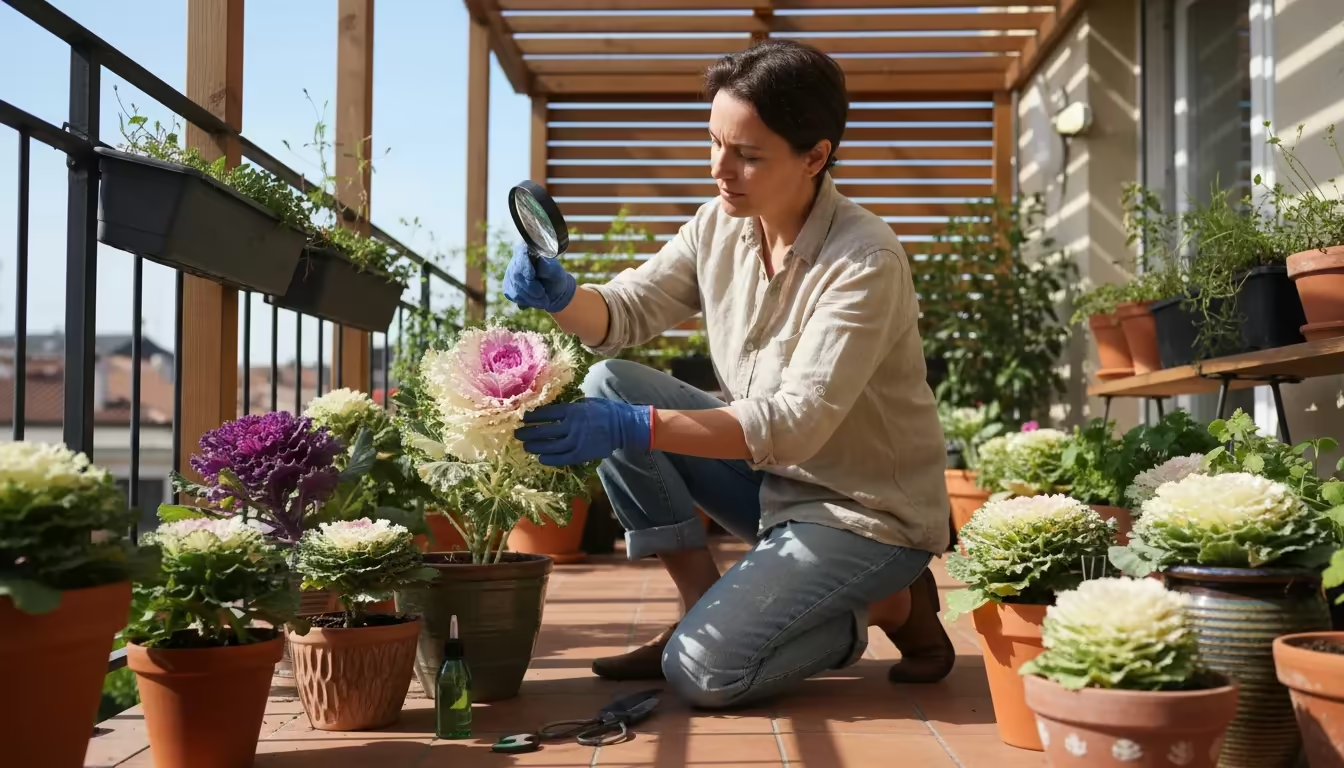
Pest and Disease Management: These plants are generally robust, but occasionally you might encounter common brassica pests.
- Aphids: Small, soft-bodied insects that cluster on new growth. You can often dislodge them with a strong spray of water. For persistent infestations, use an insecticidal soap, ensuring thorough coverage.
- Cabbage Worms (Caterpillars): These green caterpillars chew holes in leaves. Hand-pick them off the plants. Bacillus thuringiensis (Bt), an organic biological insecticide, is also effective against caterpillars and is safe for beneficial insects.
- Slugs and Snails: They leave slime trails and ragged holes. Use organic slug bait or set beer traps to control them.
Good air circulation, achieved by proper spacing between plants, helps prevent fungal diseases like powdery mildew. If you notice yellowing or wilting leaves, remove them promptly to maintain plant health and appearance.
Deadheading and Grooming: While ornamental kale and cabbage do not produce flowers that require deadheading, you should regularly remove any yellowing, damaged, or spent outer leaves. This keeps your containers looking tidy and directs the plant’s energy into maintaining its colorful central foliage.
Simply snip them off at the base with clean pruners.
By following these simple care practices, your “cold tolerant balcony plants for fall color” will provide a breathtaking display that outlasts many traditional fall annuals, extending the beauty of your garden.
Eco-Friendly Practices for Your Fall Container Garden
Embracing environmentally conscious methods in your gardening benefits both your small space and the wider ecosystem. When cultivating “ornamental kale” and “ornamental cabbage” for “fall container ideas,” several sustainable practices can enhance your garden’s health and reduce its environmental footprint.
Composting Spent Plants: When your ornamental brassicas eventually fade or severe winter arrives, do not discard them in the trash. Instead, add them to your compost pile.
Composting enriches your soil for future plantings, diverts organic waste from landfills, and reduces your reliance on bagged fertilizers. If you do not have a compost bin, many community composting programs accept plant waste.
Rainwater Harvesting: Collecting rainwater is an excellent way to provide your container plants with natural, unchlorinated water while conserving municipal resources.
A simple rain barrel connected to a downspout can provide ample water for your “cold tolerant balcony plants for fall color” throughout the autumn season. This practice is particularly beneficial for containers, which require frequent watering.
Repurposing Containers: Reduce waste by reusing your planting containers year after year. Clean and sanitize old pots before planting to prevent the spread of diseases.
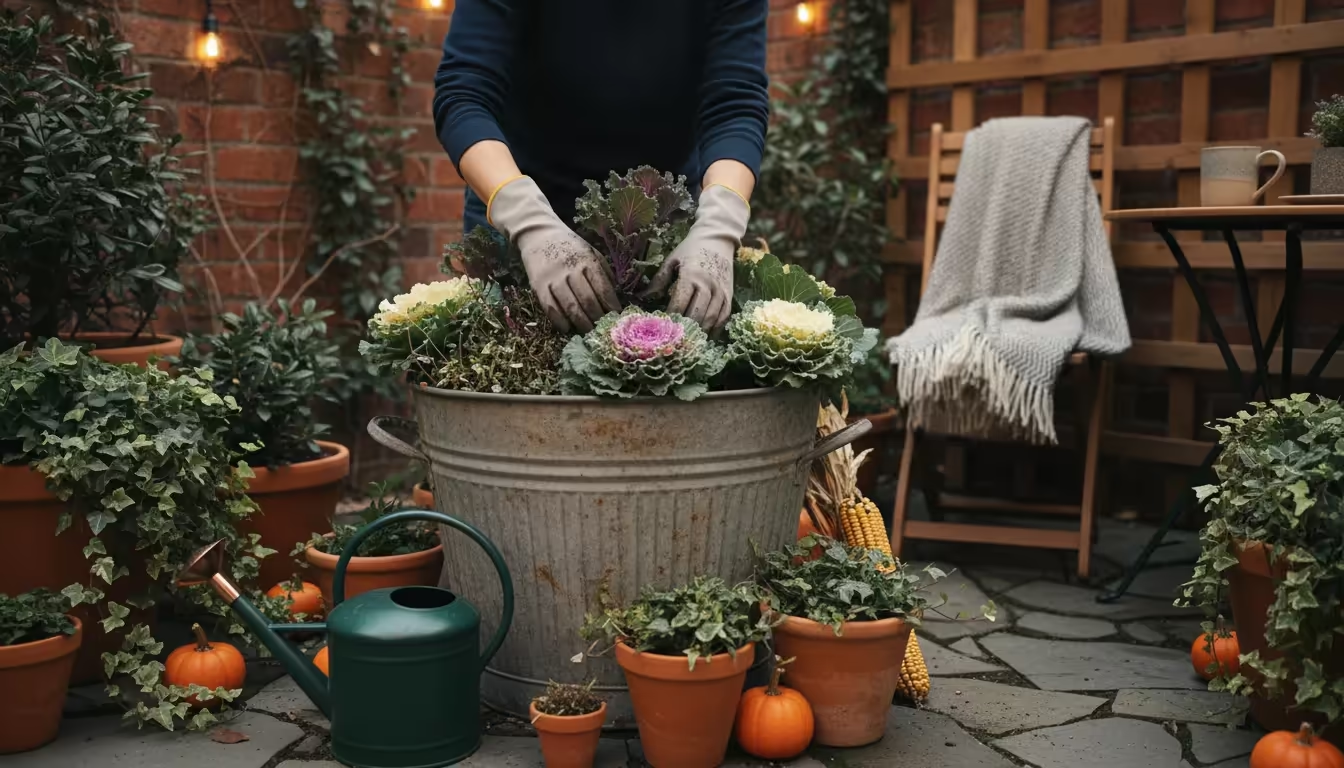
You can also get creative by repurposing household items like old buckets, galvanized tubs, or wooden crates into unique planters, giving them a second life and adding character to your “fall planter design ideas for apartments.” Ensure any repurposed container has adequate drainage holes drilled into the bottom.
Attracting Beneficial Insects: Instead of relying on harsh chemical pesticides, encourage beneficial insects that naturally control pests like aphids. Plants such as dill, cilantro, and cosmos, if still blooming in early fall, can attract ladybugs and lacewings.
Even without these, maintaining a healthy, diverse garden environment generally supports a balanced ecosystem where natural predators can thrive. If pest control is necessary, always opt for organic, least-toxic options like insecticidal soaps or horticultural oils.
Using Organic Soil Amendments: When refreshing your potting mix, incorporate organic matter like compost or worm castings instead of synthetic fertilizers. These amendments improve soil structure, enhance nutrient availability, and support a healthy soil microbiome, contributing to robust plant growth and long-term soil fertility.
This approach not only feeds your plants but also nurtures the soil itself, promoting a more sustainable gardening cycle.
By integrating these eco-friendly practices, you create a beautiful and responsible garden that you can truly be proud of, demonstrating that stunning “fall container ideas” can go hand in hand with environmental stewardship.
Troubleshooting Common Issues with Ornamental Kale and Cabbage
While ornamental kale and cabbage are generally easy to grow, you might occasionally encounter issues. Understanding how to diagnose and address these problems ensures your “fall container ideas” remain vibrant and healthy.
Lack of Vibrant Color: This is one of the most common concerns. Ornamental brassicas develop their most intense colors in response to cold temperatures.
If your plants are not showing their signature pinks, purples, or whites, it is likely because the weather has not been consistently cool enough.
They need temperatures regularly dipping into the 40s or 30s Fahrenheit (4-9 degrees Celsius) to truly “blush.” Provide full sun exposure, as sunlight also plays a role in color development.
If you acquire plants that are already colorful, ensure they stay in a cool, sunny location to maintain their hues. Moving plants from a warm, shady spot to a cooler, brighter one can often stimulate color.
Leggy or Stretched Growth: If your plants appear tall, sparse, and stretched rather than forming a compact rosette, they are probably not receiving enough sunlight. Ornamental kale and cabbage require at least 6 hours of direct sunlight daily for the best growth habit and color.
In shadier conditions, they will reach for light, leading to elongated stems and fewer vibrant inner leaves. Relocate your containers to a sunnier spot if possible.
If relocation is not an option, consider supplementing with a grow light, particularly in apartments with limited natural light.
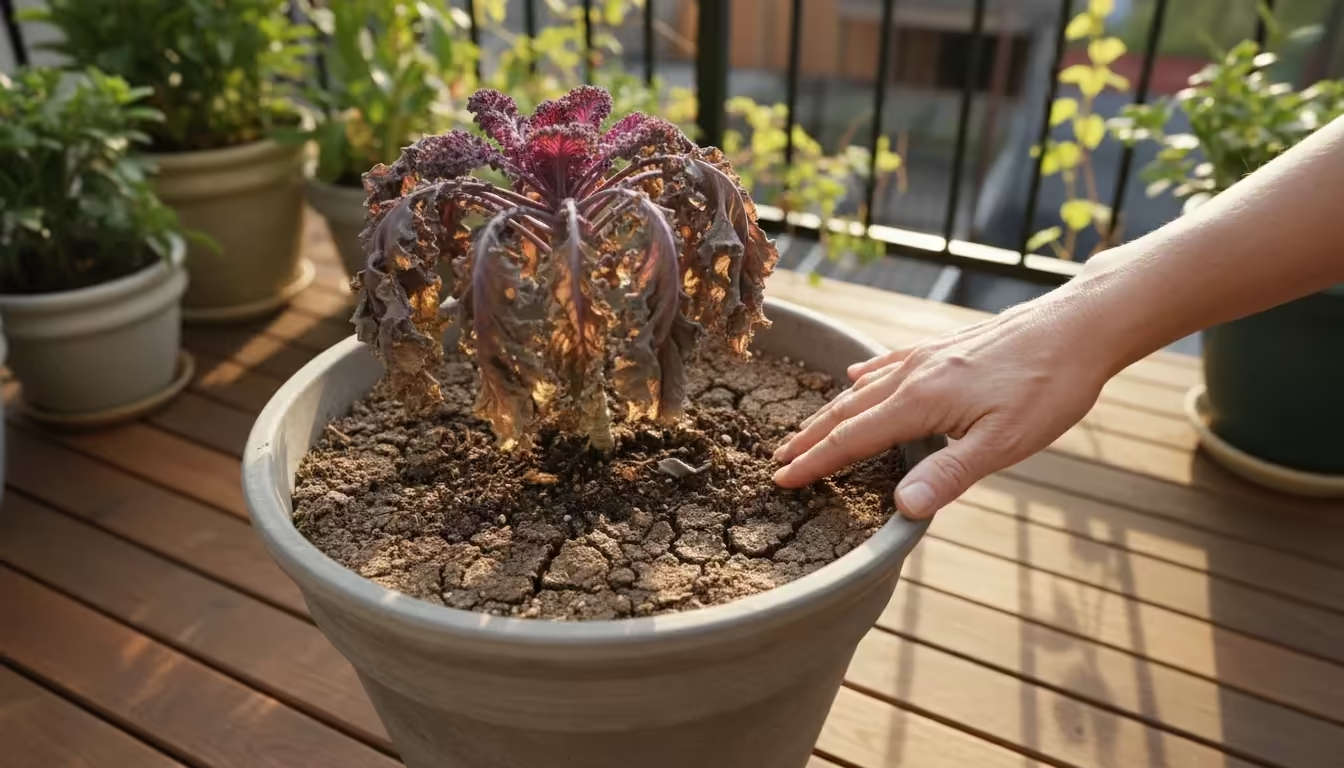
Wilting Leaves: Wilting can indicate either too little or too much water.
- Underwatering: The soil will feel dry to the touch, and leaves may appear limp and dull. Water thoroughly until it drains from the bottom. Plants often perk up within a few hours. Consistent watering is key, especially when “planting ornamental cabbage in pots,” as containers dry out quickly.
- Overwatering: The soil remains constantly soggy, and roots begin to rot. Leaves may wilt, turn yellow, and feel soft. Poor drainage, meaning water does not efficiently move through the soil, is often the culprit. Check that your container has drainage holes and that they are not blocked. You might need to temporarily unpot the plant to allow the root ball to dry out or replace the soil if it is too dense.
Pest Infestations: As discussed in care, aphids, cabbage worms, and slugs are the primary pests. Prompt identification and action are essential.
Inspect the undersides of leaves regularly. For aphids, a strong spray of water or insecticidal soap works well.
Hand-picking caterpillars is effective for smaller infestations. If you notice chewed leaves, identify the pest and treat it quickly.
Maintaining plant health through proper watering and light often makes plants more resistant to pest pressure.
Rotting at the Base: This symptom usually points to severe overwatering, consistently soggy soil, or planting too deeply. Ensure the plant is not buried past its original soil line.
Confirm that the container offers excellent “drainage,” allowing excess water to escape efficiently. If the stem is mushy, the plant might be beyond saving, but addressing the drainage issue will prevent it in future plantings.
By paying close attention to these common issues and implementing the recommended solutions, you can enjoy robust, colorful “ornamental kale” and “ornamental cabbage” as part of your stunning “cold tolerant balcony plants for fall color” for an extended season.

Frequently Asked Questions
Here are answers to some common questions you might have about growing ornamental kale and cabbage.
Can you eat ornamental kale and cabbage?
Technically, yes, you can eat them, as they belong to the same species as edible kale and cabbage. However, they are bred for their appearance, not their flavor.
Their leaves tend to be tougher and more bitter than their culinary counterparts. Also, if you buy them from a nursery, they may have been treated with systemic pesticides not intended for food crops.
For culinary purposes, stick to varieties specifically grown for eating.
How long do ornamental kale and cabbage last?
Ornamental kale and cabbage are “cold hardy annuals,” meaning they typically last through the fall and well into winter in many climates. They perform best as temperatures drop, often surviving light to moderate freezes.
In areas with extremely harsh winters and prolonged deep freezes, they might eventually succumb, but they usually outlast traditional annuals by several months, offering sustained color for 8-12 weeks, sometimes even longer.
Can I grow ornamental kale and cabbage from seed?
Yes, you can absolutely grow them from seed. Start seeds indoors 10-12 weeks before your desired outdoor planting date.
They need cool temperatures to germinate, typically around 60-65 degrees Fahrenheit (15-18 degrees Celsius). Transplant them outdoors after the danger of severe frost has passed and when temperatures begin to cool in late summer or early fall.
Growing from seed allows you to cultivate a wider range of specific varieties for your “fall container ideas.”
What is the difference between ornamental kale and ornamental cabbage?
While often used interchangeably, the primary difference lies in their leaf structure and form. Ornamental cabbage typically has broad, smooth leaves that form a tighter, more compact head.
Ornamental kale, by contrast, usually features more ruffled, fringed, or deeply incised leaves, often with a looser, more open rosette. Both offer stunning fall color, and you can use them interchangeably in “fall planter design ideas for apartments.”
Do ornamental brassicas attract pests?
Like their edible relatives, ornamental kale and cabbage can attract common brassica pests, such as aphids, cabbage worms, and slugs.
However, with good cultural practices, such as proper spacing for air circulation, regular inspection, and prompt action using organic pest control methods, you can manage these issues effectively. Healthy plants are generally more resilient to pest pressure.
For trustworthy gardening information, visit:
University of Maine Cooperative Extension — Gardening, University of Rhode Island Cooperative Extension — Gardening, Connecticut Agricultural Experiment Station, Massachusetts Horticultural Society and Denver Botanic Gardens. These organizations provide expert, research-based advice for gardeners at all levels.
Disclaimer: This article is for informational purposes only and is not a substitute for professional gardening advice. Always consult local extension services or horticulture experts for region-specific guidance.