
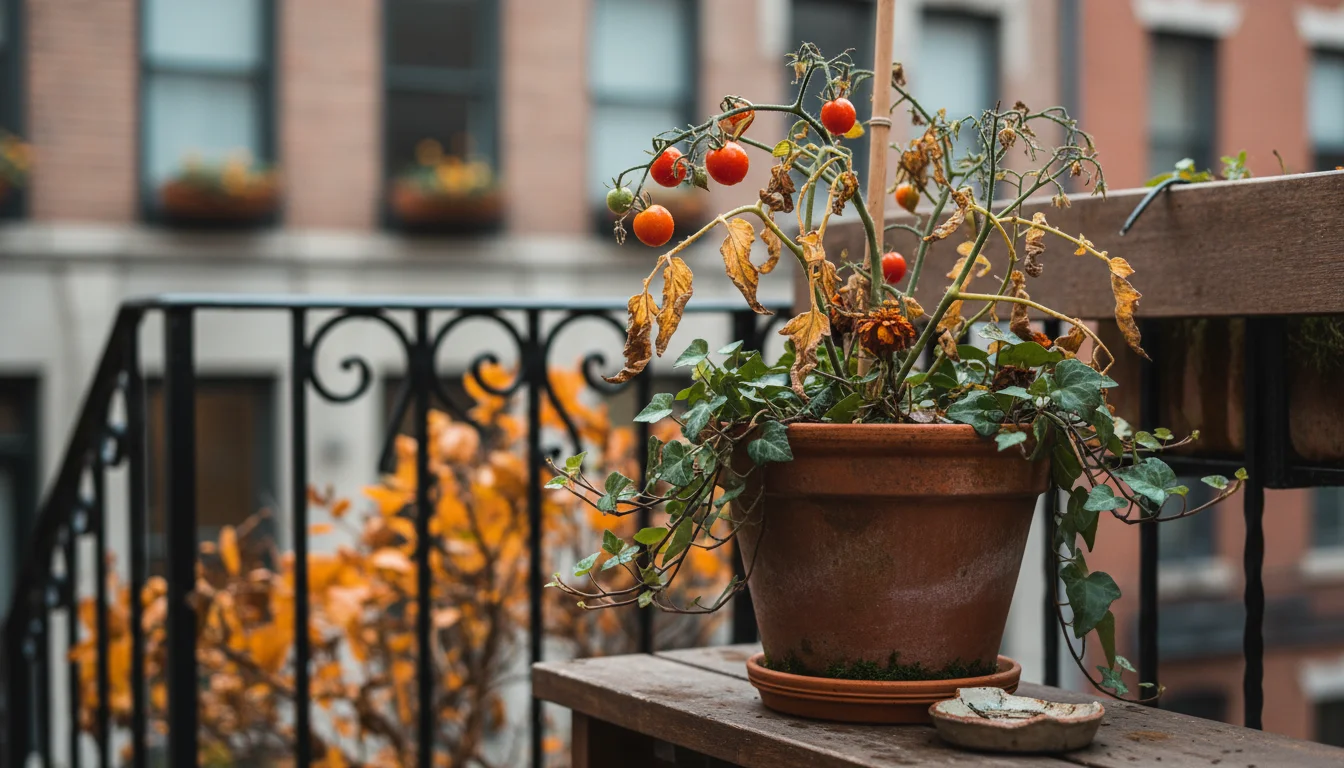
As temperatures drop and the days shorten, your container garden undergoes a transformation. What was once a vibrant, producing oasis might now signal its impending end.
Do not despair. This transition presents a unique opportunity: the ‘everything must go’ harvest.
You can extend the bounty from your potted plants well into the colder months with the right techniques. This guide equips you with practical, actionable steps for harvesting, curing, and storing the last treasures from your small-space garden, ensuring your hard work delivers maximum return.
You put effort into nurturing your container plants throughout the season, and now is the time to gather the fruits, vegetables, and herbs that remain. Ignoring these final crops means wasted potential.
Instead, you can learn how to salvage green tomatoes, properly cure squash, and prepare root vegetables for long-term enjoyment. This process also sets the stage for a healthier garden next spring, as you clear out spent plants and prepare your pots for their winter rest.
Embracing the final fall harvest maximizes your yield and connects you more deeply with the natural cycles of your garden.
Contents8 sections
- Understanding Your Fall Container Garden’s Endgame
- Essential Tools for Your Final Harvest Mission
- Mastering the Harvest: When and How to Pick Potted Produce
- The Art of Curing: Preparing Select Crops for Extended Storage
- Smart Storage Solutions for Your Container Bounty
- Sustainable Practices for Your Post-Harvest Pots
- Troubleshooting and Avoiding Common Harvest Mistakes
- Frequently Asked Questions
Understanding Your Fall Container Garden’s Endgame
The shift from summer to fall brings distinct changes that affect your potted plants. Cooler temperatures, shorter daylight hours, and the looming threat of frost signal a different phase of growth and, ultimately, the end of the active growing season for many crops.
For container gardeners, this period requires a strategic approach. Your pots, unlike in-ground beds, offer less insulation against temperature fluctuations, making your plants more vulnerable to sudden cold snaps.
Understanding these environmental cues helps you anticipate the optimal time for your final fall harvest.
Why does an “everything must go” approach matter specifically for container gardens? Potted plants have finite resources.
Their root systems are confined, limiting their ability to forage for nutrients and water as freely as their in-ground counterparts. As the season winds down, plant energy shifts from production to survival or dormancy.
You want to capture as much of that remaining energy as possible in your harvest. This mindset prevents waste, encourages you to utilize every last bit of your garden’s output, and prepares your containers for a healthy dormancy or next season’s planting.
Recognizing the signs of the season’s end is crucial. Watch weather forecasts closely for the first predicted frost.
A light frost can damage tender leaves and halt the ripening process for many fruits. Hard frosts can kill plants outright.
Observing your plants themselves also provides clues. Growth slows, leaves may start to yellow or become less vibrant, and flowers might stop appearing.
These are all signals that your plants are winding down. Planning your final fall harvest around these indicators ensures you gather your bounty at its peak before cold weather diminishes its quality or destroys it entirely.
This proactive approach is a cornerstone of effective end of season gardening, especially for small-space growers.
Essential Tools for Your Final Harvest Mission
Equipping yourself with the right tools makes the final fall harvest efficient and enjoyable. You do not need an extensive collection of specialized gear for your container garden, but a few key items will prove invaluable.
Think practical, durable, and easy to clean. Having these tools ready eliminates last-minute scrambles and ensures you can harvest your potted produce effectively.
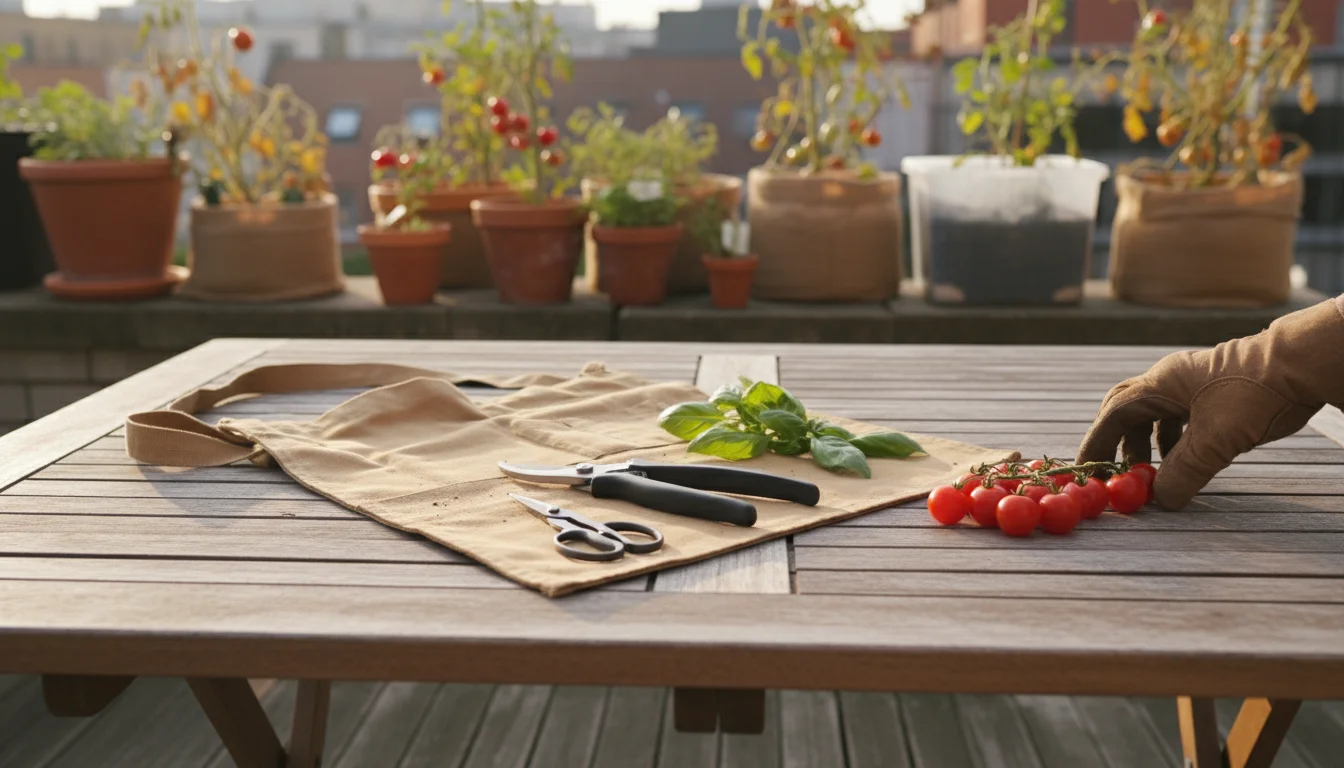
First, invest in a good pair of sharp bypass pruners or snips. These are essential for cleanly cutting stems without damaging the plant or the fruit.
A clean cut promotes healthier plant tissue and reduces the risk of disease. For delicate herbs or leafy greens, a smaller pair of scissors works best.
Ensure your cutting tools are always clean and sharp to prevent crushing stems and to minimize disease transmission between plants. You can wipe them down with rubbing alcohol after each use.
Next, gathering and transport require appropriate containers. Sturdy baskets, breathable cloth bags, or even cardboard boxes are perfect for collecting your harvest.
Avoid plastic bags for long-term transport as they can trap moisture and promote spoilage. Labels and a permanent marker also become critical during this phase.
You want to clearly identify what you harvest, especially if you are curing different varieties of squash or sweet potatoes. Proper labeling prevents confusion and helps you track what you have stored.
Finally, consider protection for yourself. Gardening gloves protect your hands from dirt, thorns, and irritating plant sap.
A sun hat, even in fall, can be beneficial for extended outdoor work. A small kneeling pad offers comfort if you spend time working close to your potted plants.
These simple tools enhance your harvesting experience, making it more comfortable and productive.
Mastering the Harvest: When and How to Pick Potted Produce
Timing is everything for your final fall harvest. You want to gather crops when they reach their optimal ripeness or before cold weather damages them.
For container gardeners, this often means a careful balance between letting plants fully mature and salvaging what you can before an imminent frost. Knowing specific cues for common potted plants helps you maximize your yield.
For tender crops like tomatoes, peppers, and most leafy greens, monitor weather forecasts closely. When frost is predicted, it is time for an “everything must go” approach.
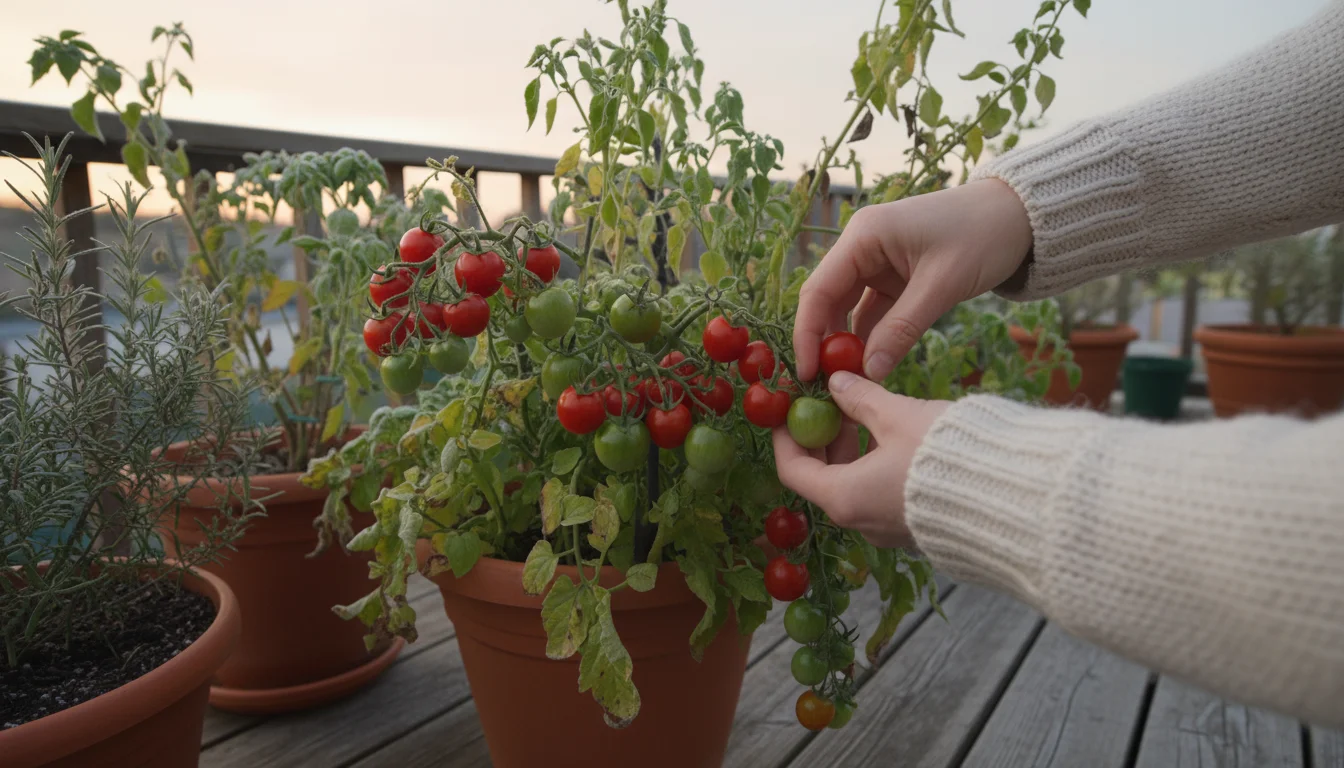
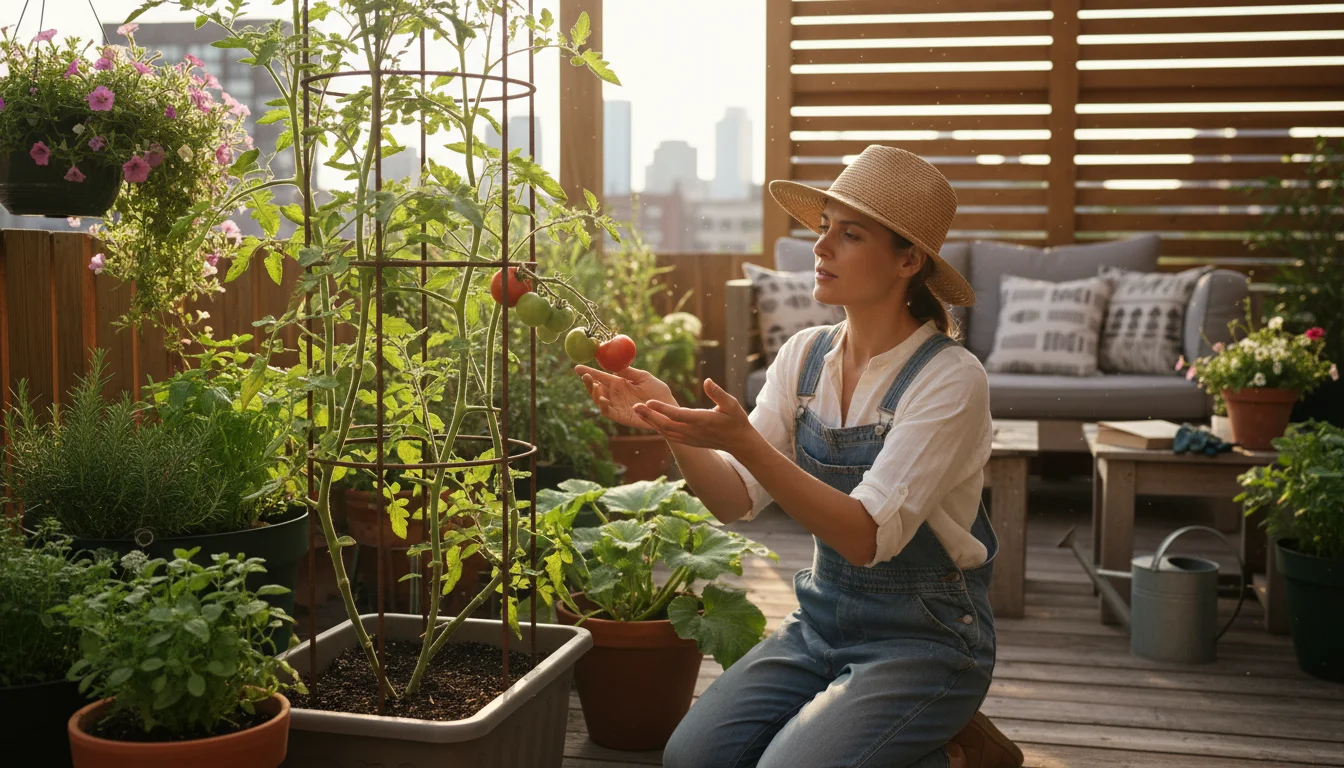
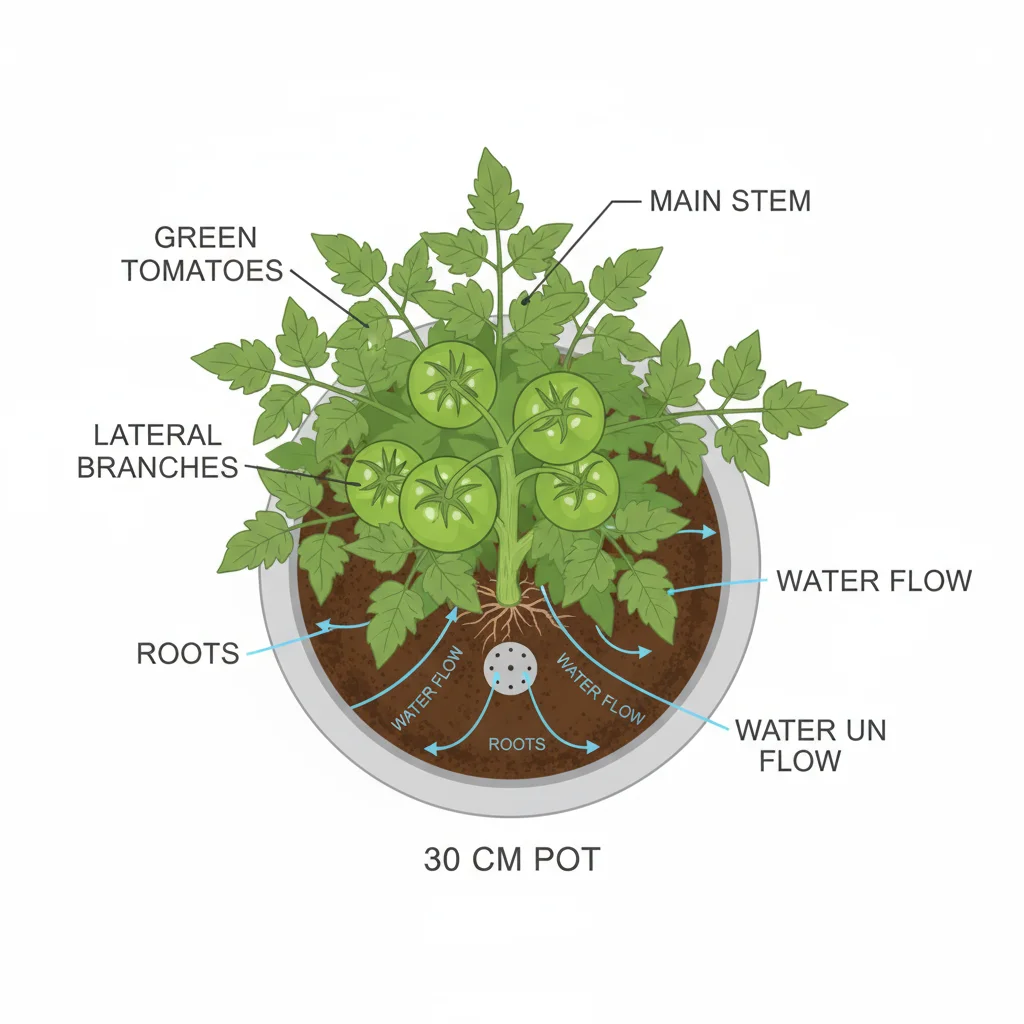
- How to harvest the last of my potted tomatoes: Even green tomatoes can ripen indoors. Gently twist or cut the tomatoes from the vine, ensuring you leave a small piece of stem attached. Avoid pulling, which can damage the fruit. Inspect each tomato for blemishes or soft spots, setting aside any damaged ones for immediate use or composting. Place healthy green tomatoes in a single layer in a cardboard box, on a newspaper, or suspended in a paper bag. Store them in a cool, dark place. They will slowly ripen over several weeks. Adding a ripe apple or banana to the box can speed up the ripening process due to the ethylene gas they release.
- Peppers: Both sweet and hot peppers can be harvested green or allowed to ripen to their full color if time permits. Cut them cleanly from the plant with a small portion of stem attached. Green peppers offer a different flavor profile than ripe ones.
- Herbs: Many perennial herbs like rosemary, thyme, and oregano can tolerate light frost, but annuals such as basil and cilantro will perish. Harvest annual herbs entirely before frost. For perennials, take a final substantial cutting. You can dry, freeze, or make herb-infused oils.
- Leafy Greens (Lettuce, Spinach, Kale): These cool-season crops often thrive in fall. Continue harvesting outer leaves using the “cut-and-come-again” method until frost becomes severe. For a final harvest, cut the entire plant at the base, leaving an inch or two of stem. This allows you to collect a significant amount for salads or cooking. Store them immediately in a plastic bag with a damp paper towel in the refrigerator.
- Root Vegetables (Carrots, Beets, Radishes in pots): These crops tolerate light frosts, which can even sweeten their flavor. Harvest them before a hard freeze solidifies the soil in your pots, making extraction difficult. Gently loosen the soil around the roots and pull them out by their tops. Avoid bruising. Trim off the green tops, leaving about an inch of stem, to prevent moisture loss from the root.
Always harvest in the morning after dew has dried, if possible. This reduces moisture on the produce, which helps prevent spoilage during storage.
Handle your harvested bounty with care, as bruises can lead to quicker deterioration.
clean:=”” cure:=”” curing=”” harvest:=”” inspect:=”” storing=”” 1.=”” 10-14=”” 2-3=”” 2.=”” 3.=”” 4.=”” 5-10=”” 70-80%=”” 80-85°f=”” 85-90%=”” 85-90°f=”” =”” containers,=”” converts=”” cooler=”” create=”” crops=”” crucial=”” curing=”” curing,=”” curing.=”” cut=”” cutting=”” days.=”” debris=”” dedicating=”” delicata,=”” dig=”” dirt=”” disease.=”” do=”” dried=”” drier=”” dry=”” dumpling’=”” each=”” efforts.=”” end=”” enhancing=”” enjoyment=”” ensure=”” ensuring=”” entering=”” entry=”” environment=”” even=”” excess=”” exposure.=”” extend=”” exterior.=”” feel=”” firmer.=”” first=”” flavor=”” for=”” from=”” frost.=”” garden’s=”” gardeners=”” gardening=”” gently=”” gently.=”” gets=”” good=”” grew=”” handle=”” hard=”” hard,=”” harder,=”” harvest,=”” has=”” have=”” heal=”” heal,”=”” heater=”” helps=”” high=”” hinder=”” humid=”” humidity=”” humidity.=”” id=”smart-storage-solutions” ideal=”” if=”” immensely=”” in=”” inch=”” includes=”” indoors=”” introduce=”” is=”” just=”” knife=”” large=”” late-season=”” layer=”” leaving=”” lid=”” life.=”” lift=”” light=”” like=”” live=”” location=”” loose=”” maintain=”” making=”” mini=”” miniature=”” minor=”” moisture=”” moisture.=”” most=”” near=”” nicks=”” not=”” occasionally=”” of=”” off=”” on=”” or=”” oven=”” pathogens=”” perfectly=”” pick=”” pilot=”” place=”” placing=”” plant,=”” plastic=”” point=”” porch=”” potatoes=”” potatoes,=”” potatoes.=”” potential.=”” potted=”” preventing=”” prime=”” process.=”” processes,=”” produce,=”” proper=”” pruners=”” pumpkins,=”” require=”” room=”” rot.=”” safe)=”” sealed.=”” season=”” shaking=”” sharp=”” shelf=”” shorter=”” should=”” significantly=”” single=”” skin=”” skins=”” slightly=”” small=”” soil.=”” some=”” space=”” squash=”” squash,=”” squash.=”” starches=”” stem=”” stem,=”” stems,=”” step=”” storage=”” sugars,=”” suited=”” sun,=”” sunny=”” sunny,=”” sweet=”” sweetness.=”” that=”” the=”” their=”” them=”” these=”” this=”” time=”” to=”” tote=”” toughens=”” truly=”” tubers=”” tubers.=”” turn=”” use=”” varieties,=”” varieties.=”” vegetables=”” very=”” warm=”” warm,=”” warmth=”” warmth.=”” wash=”” well-ventilated=”” when=”” windowsill,=”” winter=”” winter:=”” wipe=”” with=”” without=”” work.=”” you=”” your=””>Smart Storage Solutions for Your Container Bounty
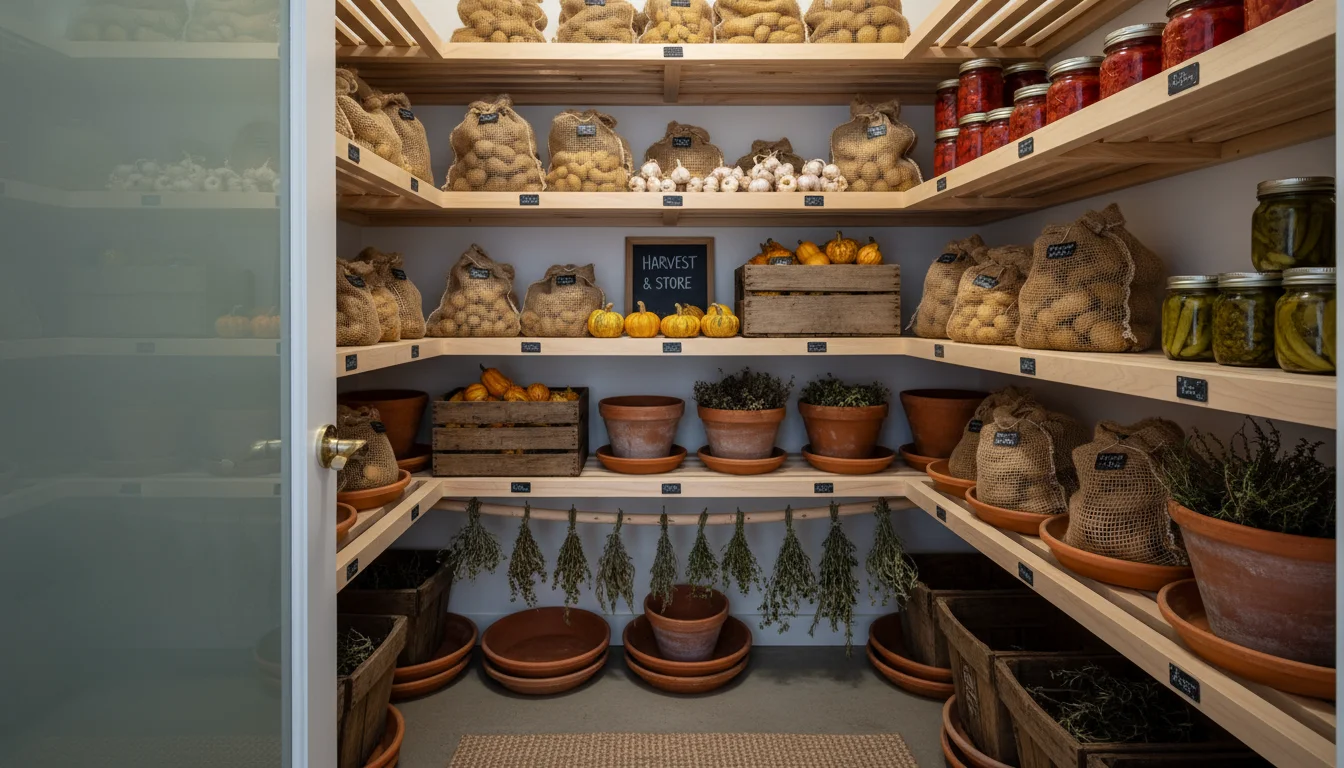
After harvesting and curing, the next step is effective container vegetable storage. For small-space gardeners, clever storage means optimizing every nook and cranny to keep your produce fresh for as long as possible.
The key principles are consistent temperature, appropriate humidity, and good air circulation, tailored to each type of crop.
General Storage Principles:
Most long-term storage crops prefer cool, dark, and moderately humid conditions. Light can encourage sprouting in some vegetables and degrade nutrients in others.
Darkness maintains dormancy. Humidity levels vary; root crops and some fruits prefer higher humidity to prevent shriveling, while cured items need lower humidity to avoid mold.
Good airflow is essential to prevent moisture buildup and reduce the risk of rot.
Specific Storage Methods for Your Potted Harvest:
- Leafy Greens and Herbs: Wash, thoroughly dry, and then wrap leafy greens in a damp paper towel before placing them in an airtight plastic container or bag in the refrigerator’s crisper drawer. They generally last 5-10 days. Herbs can be stored similarly or placed upright in a glass of water on the counter (like a bouquet) or in the refrigerator.
- Root Vegetables (Carrots, Beets, Parsnips): Trim all green tops before storing. Store these in a cool, dark, and humid environment. For small quantities, you can layer them in a container of damp sand, sawdust, or peat moss. Ensure the medium is consistently moist, but not wet. This method keeps them fresh for several months. A refrigerator’s crisper drawer also works well for shorter periods.
- Cured Mini Winter Squash: After curing, move your squash to a cool, dry, dark place. Ideal temperatures range from 50-60°F (10-15°C) with 50-70% humidity. A spare bedroom closet, a cool pantry, or a dry basement corner works perfectly. Store them in a single layer on shelves or in baskets, ensuring good air circulation. Do not let them touch each other. Check them periodically for soft spots or signs of decay. Properly stored, they can last 3-6 months. This extends your enjoyment of your container vegetable storage significantly.
- Cured Sweet Potatoes: Store cured sweet potatoes in a dark, slightly warmer, and moderately humid location than squash. Temperatures between 55-60°F (13-15°C) with 75-80% humidity are ideal. A closet or pantry, away from direct heat or cold, works well. Do not refrigerate sweet potatoes, as cold temperatures damage them and can cause a hard, undesirable core. They typically store for 4-6 months.
- Green Tomatoes (for ripening): Place green tomatoes in a single layer in a cardboard box, on a windowsill, or in a paper bag. Keep them at room temperature, ideally between 60-70°F (15-21°C). Check them daily, removing any that ripen or show signs of spoilage. Adding a ripe banana or apple can hasten ripening.
- Onions and Garlic: If you grew these in containers, they also require curing (drying in a warm, airy spot for 2-4 weeks) before long-term storage. After curing, hang them in mesh bags or braid them (garlic) in a cool, dry, well-ventilated area (50-60°F or 10-15°C). Avoid storing them near potatoes.
When storing, think about airflow. Do not stack items too densely.
Use breathable containers where possible. For small-space living, this often means utilizing shelves, under-bed storage, or even a designated corner of a closet.
The goal is to create mini-environments that keep your produce happy, extending its freshness and flavor.
Sustainable Practices for Your Post-Harvest Pots
The final fall harvest is not just about gathering food; it is also a vital time for sustainable end of season gardening practices.
For container gardeners, this means preparing your pots and potting mix for dormancy or for the next growing season, minimizing waste, and enriching your garden’s future. You have a unique opportunity to close the loop on your gardening season in an eco-friendly way.
Composting Spent Plants:
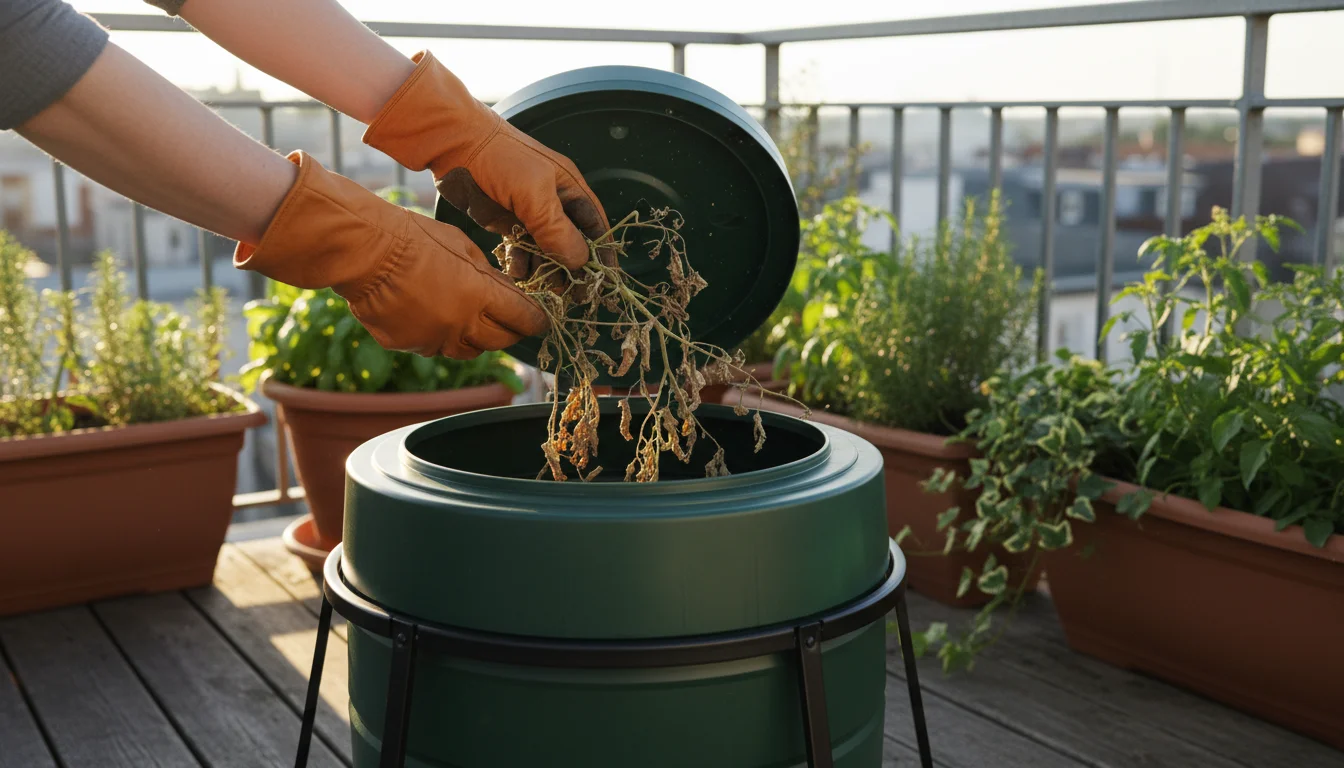
Once you have harvested everything from your potted plants, their spent remains become valuable organic matter. Instead of discarding them, add disease-free plant material to your compost pile or bin.
This includes old tomato vines, pepper plants, herb stems, and leafy green remnants. Composting transforms these “waste” materials into nutrient-rich humus, which you can later use to amend your potting mix.
This practice diverts organic waste from landfills and provides free, high-quality soil amendment for your future gardening endeavors. Avoid composting diseased plants to prevent spreading pathogens.
Reusing and Refreshing Potting Mix:
One of the most eco-conscious practices for container gardeners is reusing potting mix. Good quality potting mix is expensive and its production has an environmental footprint.
You can revitalize your existing mix with a few simple steps.
- Remove Old Roots and Debris: After emptying a pot, sift through the potting mix to remove large root balls, old stems, and any other plant debris.
- Solarization (Optional): If you suspect disease or pests, spread the potting mix thinly on a tarp in full sun for several weeks, covering it with clear plastic. The sun’s heat can sterilize the mix, killing off pathogens and weed seeds.
- Replenish Nutrients: Potting mix loses nutrients over a season. To refresh it, amend it with fresh compost (your homemade compost is perfect!), worm castings, and a slow-release organic fertilizer. A general guideline is to add about 20-30% fresh compost to the old mix. This rejuvenates the soil structure and nutrient content, making it ready for new plants.
- Test Drainage: Ensure the mix still offers good drainage, which is how water moves through soil. If it seems compacted, add a bit more perlite or coarse sand.
Cleaning and Storing Containers:
Properly cleaning and storing your pots prevents the carryover of diseases and pests. Empty all potting mix.
Scrub containers with a stiff brush to remove any lingering soil or plant residue. For plastic pots, a solution of 1 part bleach to 9 parts water can sterilize them if you suspect disease.
For terracotta or ceramic, hot soapy water often suffices, followed by thorough drying. Store clean, dry pots in a protected area like a shed, garage, or even stacked neatly on a balcony.
This prevents cracking in freezing temperatures and keeps them ready for spring planting.
By embracing these sustainable practices, you not only manage your end of season gardening tasks efficiently, but you also contribute to a healthier environment and a more resilient garden for the seasons to come.
Troubleshooting and Avoiding Common Harvest Mistakes
Even seasoned gardeners make mistakes, and the final fall harvest presents its own set of challenges. Understanding common pitfalls helps you avoid them, ensuring you get the most from your container garden.
You worked hard all season, so let us ensure your end of season gardening efforts are not wasted.
- Troubleshooting: Consult specific plant guides for optimal ripeness indicators. For tomatoes, wait for a hint of color change. For squash, ensure the skin is hard and the stem is dry.
- Avoid: Do not panic at the first mention of frost. A light frost can often be weathered by covering plants overnight. Use reliable weather forecasts to inform your timing, not just a gut feeling.
- Troubleshooting: Develop a habit of checking local weather reports nightly during late summer and early fall.
- Avoid: If a hard frost is predicted, act swiftly. Harvest all tender crops immediately. Even if fruit is green, collect it for indoor ripening or processing. Covering pots with blankets or cloches provides temporary protection for borderline crops.
- Troubleshooting: If your cured items are softening quickly or developing mold, they likely did not cure properly. Re-evaluate your curing environment’s temperature and humidity.
- Avoid: Do not rush curing. Provide the specific warm, humid conditions needed for sweet potatoes or the warm, sunny conditions for squash. Ensure good air circulation during the process.
- Troubleshooting: Regularly inspect your stored produce. Remove any items showing signs of mold, rot, or soft spots immediately to prevent the spread to healthy produce. Adjust storage conditions if you notice issues.
- Avoid: Do not store incompatible crops together (e.g., apples or bananas with potatoes, as the ethylene gas will cause potatoes to sprout). Ensure storage areas maintain consistent temperatures and humidity. Provide good air circulation by not stacking items too tightly. Keep the storage area dark to prevent sprouting and preserve quality.
- Troubleshooting: If you find pests or fungal growth in your empty pots next spring, you know cleanup was insufficient.
- Avoid: Make container cleanup part of your final fall harvest routine. Empty pots, remove roots, wash containers thoroughly, and refresh or solarize old potting mix. This simple step protects your future garden.
By being mindful of these common mistakes, you can navigate your final fall harvest with confidence, ensuring your container vegetable storage yields fresh produce for months to come.
Frequently Asked Questions
Can I save green tomatoes from my potted plants if a frost is coming?
Absolutely. You can harvest green tomatoes from your potted plants just before the first frost.
Leave a short stem attached to each fruit. Place them in a single layer in a cardboard box, on a windowsill, or in a paper bag.
Store them at room temperature, ideally around 60-70°F (15-21°C), in a dark place. They will slowly ripen over several weeks.
Adding a ripe apple or banana can speed up the process by releasing ethylene gas, a natural ripening agent.
What if my mini winter squash or sweet potatoes did not fully mature in their containers? Can I still cure them?
You can still attempt to cure them, but their storage life might be shorter, and their flavor less developed than fully mature specimens. Harvest them before frost, ensuring you leave a stem.
Follow the curing process for mature vegetables. Focus on consuming these slightly immature items first, as they will likely not store as long as their fully developed counterparts.
This is still a valuable part of your final fall harvest.
Is it safe to reuse potting mix from this season’s containers next year?
Yes, you can safely reuse potting mix, and it is an excellent sustainable practice. First, remove all old plant debris and large root systems.
To refresh it, amend the old mix with about 20-30% new compost or worm castings to replenish lost nutrients and improve soil structure.
If you had any disease issues, consider solarizing the mix by spreading it in a thin layer on a tarp in the sun, covered with clear plastic, for several weeks to kill pathogens.
This ensures your container vegetable storage is ready for next season’s bounty.
How can I store fresh herbs from my containers for winter?
For fresh herbs like basil or cilantro that will not survive frost, you have several options. You can dry them by hanging small bundles upside down in a well-ventilated area or using a dehydrator.
You can also freeze them: chop them finely, mix them with a little olive oil or water, and freeze in ice cube trays. Once frozen, transfer the cubes to an airtight bag.
Many perennial herbs like rosemary and thyme can be brought indoors in their pots to continue growing through winter, provided they receive adequate light.
My potted carrots or beets are still small. Should I harvest them or leave them?
Harvest them before a hard freeze. While root vegetables can tolerate light frost, a hard freeze will make the soil in your pots impenetrable and can damage the roots themselves.
Even if they are small, they are edible. Consider them “baby” vegetables for immediate use.
Trim off the green tops and store them in the refrigerator or a cool, damp environment. You get to enjoy your end of season gardening efforts, regardless of size.
Your final fall harvest from containers represents the culmination of your season’s dedication. By thoughtfully picking, curing, and storing your bounty, you extend the garden’s generosity and ensure fresh flavors persist long after the last frost.
These practical steps not only maximize your yield but also foster a deeper connection to your food and promote sustainable gardening practices for the seasons ahead. Enjoy the fruits of your labor, knowing you have made the most of every pot.
Disclaimer: This article is for informational purposes only and is not a substitute for professional gardening advice. Always consult local extension services or horticulture experts for region-specific guidance.
For trustworthy gardening information, visit:
Brooklyn Botanic Garden, Chicago Botanic Garden and New York Botanical Garden. These organizations provide expert, research-based advice for gardeners at all levels.