
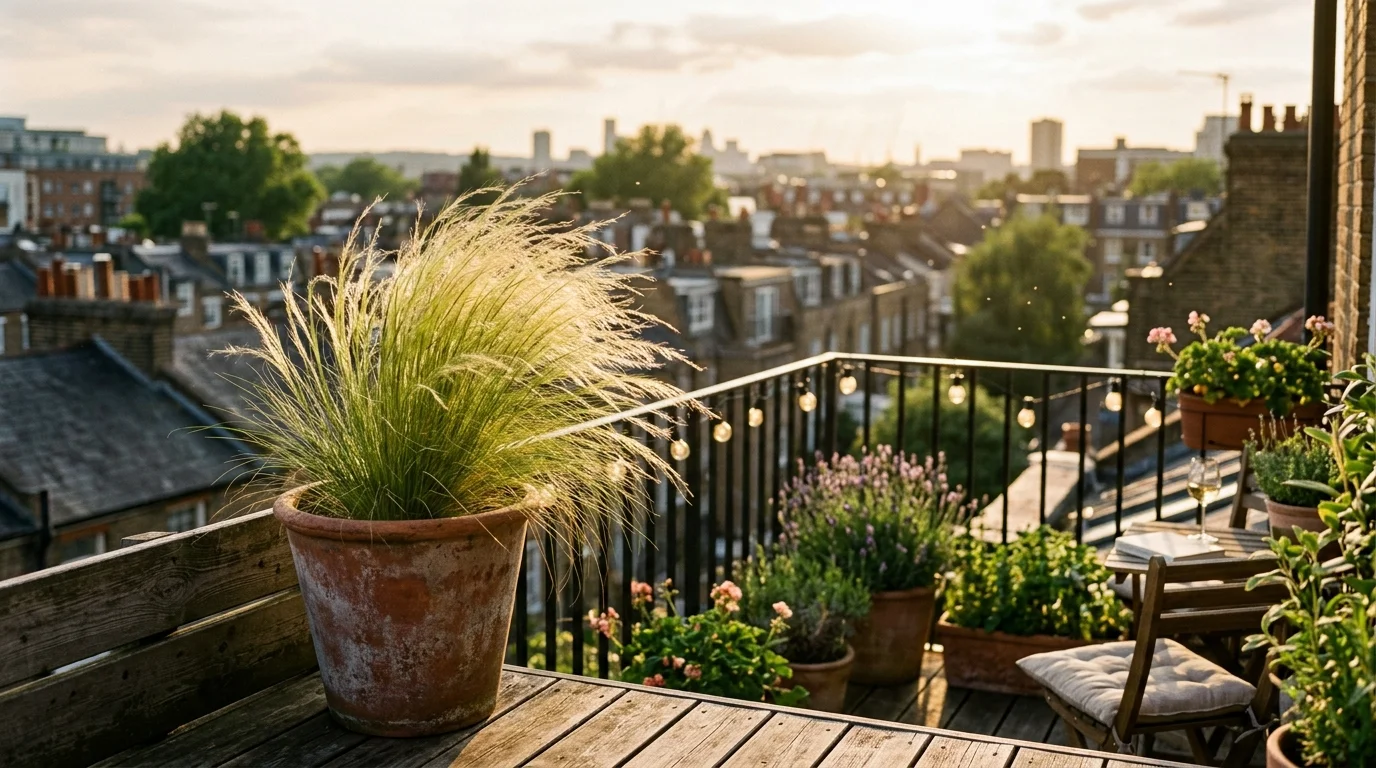
Transforming a static balcony, patio, or compact backyard into a living sanctuary requires plants that interact dynamically with their environment. Incorporating low maintenance ornamental grasses introduces fluid motion, soothing rustling sounds, and striking architectural texture that changes with every passing breeze.
These resilient perennials catch natural light, soften hard structural lines, and create depth even in tiny spaces. Whether you grow them in lightweight containers or small raised beds, selecting the right movement plants for your garden design turns rigid outdoor areas into tranquil, kinetic displays.
Explore ten outstanding ornamental grasses for landscaping that offer maximum visual movement with minimal daily effort.
Contents9 sections
- The Science and Art of Movement in Small-Space Garden Design
- Understanding Grass Types: Cool-Season, Warm-Season, and Sedges
- 10 Exceptional Ornamental Grasses for Dynamic Gardens
- Quick Comparison Guide for Small-Space Ornamental Grasses
- Container Planting Rules for Balcony and Patio Potted Grasses
- Designing with Texture and Companion Plants in Small Spaces
- Pruning, Overwintering, and Low-Maintenance Seasonal Care
- Common Pitfalls and How to Avoid Them
- Frequently Asked Questions
The Science and Art of Movement in Small-Space Garden Design
Static gardens often feel rigid and artificial, particularly when confined to concrete balconies, urban patios, or small residential plots. Adding movement plants into your garden design solves this design challenge by introducing fluid, perpetual motion.
Fine leaf blades catch subtle air currents that human skin barely registers; they convert gentle drafts into rhythmic, swaying patterns. This kinetic energy softens heavy architecture, obscures harsh fence lines, and creates an illusion of expansive depth in narrow quarters.
Incorporating swaying grasses is also a cornerstone of zen garden ideas for small spaces, helping cultivate a calming, natural sanctuary.
Combining kinetic foliage with strategic small garden layouts that maximize space allows you to make the most of limited square footage.
Beyond visual elegance, ornamental grasses engage your sense of sound and light. When wind passes through dry or flexible foliage, it generates a gentle rustling sound—a natural white noise that effectively masks traffic rumble and urban disturbance.
Furthermore, narrow grass blades capture backlighting during early morning and late afternoon golden hours. Rays of sunlight pass through semi-translucent panicles and glowing stems, creating luminous focal points that shift position as the sun traverses the sky.
By carefully selecting garden texture plants, you transform your outdoor space from a passive display into an interactive ecosystem. Compact yards benefit immensely from plants that react to environmental changes without consuming massive amounts of horizontal physical footprint.
A single well-placed container grass can supply as much visual interest as an entire mixed border, delivering high aesthetic returns for minimal labor and space investment.
Understanding Grass Types: Cool-Season, Warm-Season, and Sedges
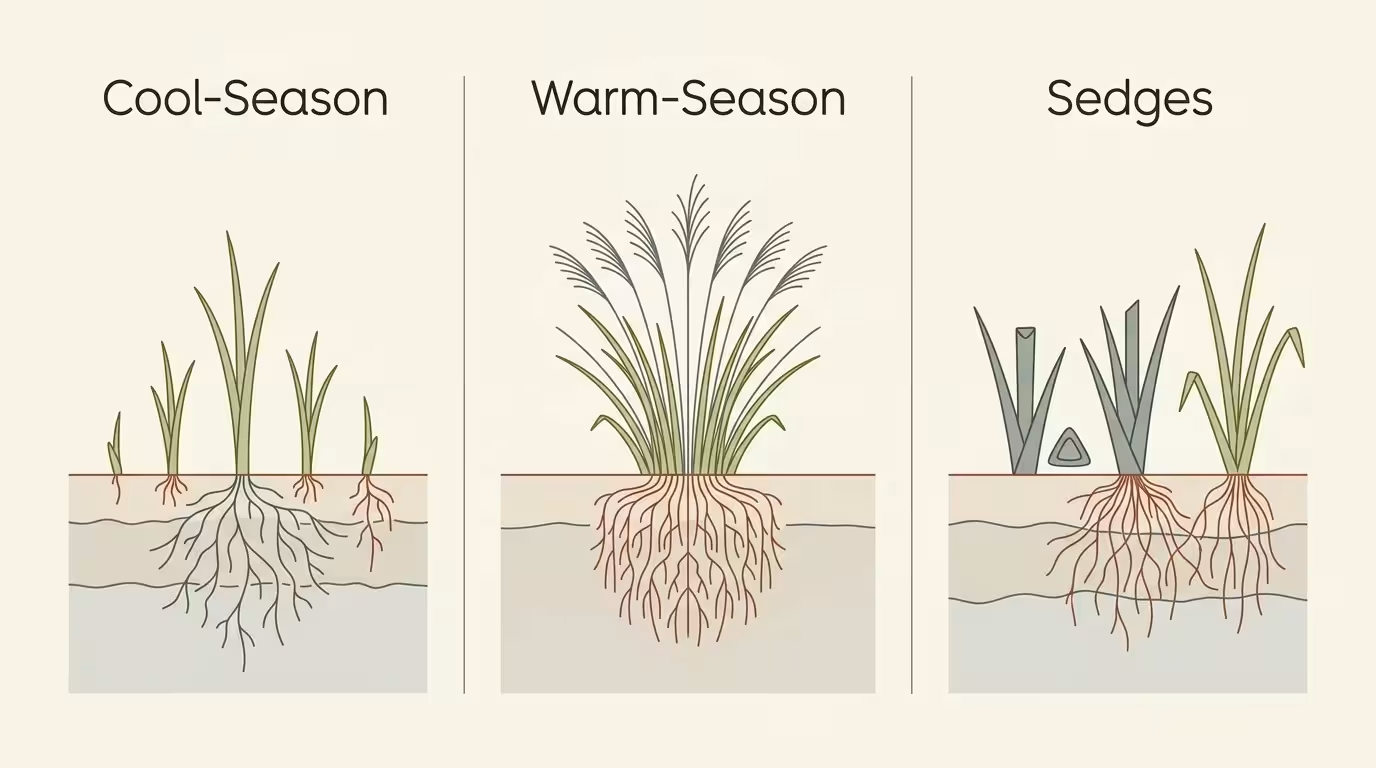
Selecting the best grasses for landscaping requires a clear understanding of how different species grow throughout the year. Horticulturalists categorize ornamental grasses into three distinct functional groups: cool-season grasses, warm-season grasses, and sedges.
Each group exhibits unique growth schedules, moisture preferences, and thermal limits that directly influence performance in containers and small beds.
When designing year-round planters, combine cold-hardy grasses with other winter-hardy perennials for small pots to guarantee dependable spring regrowth.
For eco-friendly container arrangements, pairing ornamental grasses with other native plants that thrive in containers ensures both resilience and low maintenance.
Cool-season grasses initiate growth during late winter or early spring when soil temperatures range between 40°F and 75°F. They flower during early summer, offering full visual presence while other garden plants are still emerging.
However, extreme summer heat can cause cool-season foliage to stall or brown slightly unless you provide consistent ambient moisture. Notable examples include blue fescue, tufted hairgrass, and feather reed grass.
Warm-season grasses remain dormant through early spring, emerging only when air and soil temperatures warm up during late spring or early summer (70°F to 95°F). They thrive through high summer heat, blooming late in the season and preserving their structural form through winter.
Switchgrass, prairie dropseed, and little bluestem represent classic warm-season powerhouses that supply exceptional autumn amber hues.
Sedges belong to the Cyperaceae family and differ botanically from true grasses (Poaceae). Sedges typically feature solid, triangular stems and prefer shadier, moister conditions.
They retain their foliage in mild winter conditions, making them irreplaceable choices for north-facing balconies and shaded courtyard planters.
When growing grasses in containers on balconies or elevated patios, you must apply the container hardiness rule of thumb.
Because potted plant roots lack the thermal mass of ground soil, root temperatures in containers fall 1 to 2 USDA hardiness zones colder than plants grown in ground beds.
Although the updated 2023 USDA Plant Hardiness Zone Map shifted approximately 51 percent of the United States into a 5°F warmer half-zone due to rising average minimum temperatures, potted roots remain vulnerable to sudden winter freeze-thaw cycles.
Selecting species hardy to at least one zone colder than your local environment ensures long-term perennial survival.
10 Exceptional Ornamental Grasses for Dynamic Gardens
Here are ten top-performing low maintenance ornamental grasses that deliver outstanding motion, texture, and adaptability across diverse garden environments.
Massing these graceful grasses in containers is one of the most effective budget garden design tips that look expensive without demanding heavy financial investment.
1. Japanese Forest Grass (Hakonechloa macra)
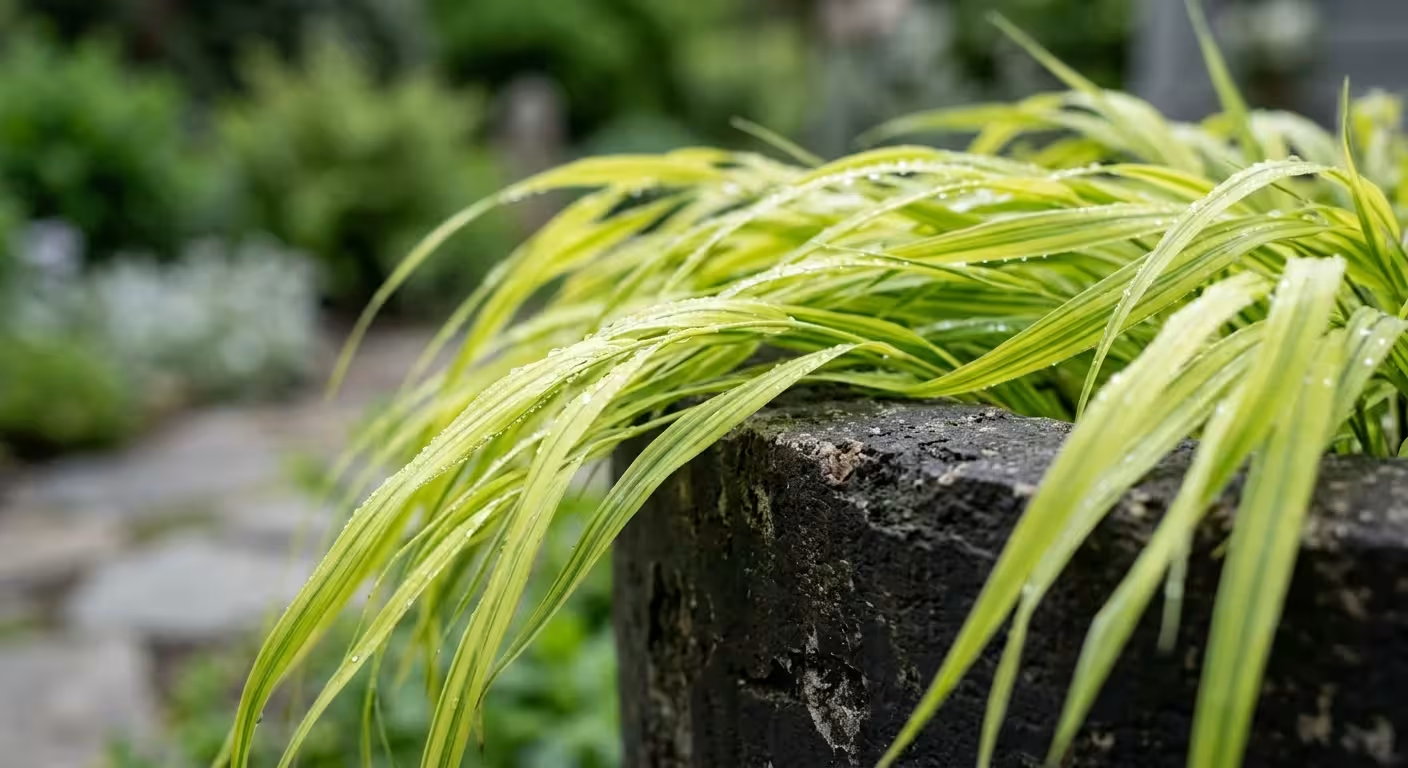
Japanese Forest Grass is the golden standard for adding cascading movement to shady garden corners and patio containers. Growing 12 to 24 inches tall with a gracefully weeping growth habit, its soft, bamboo-like foliage bends with the lightest breath of wind.
Cultivars like ‘Aureola’ feature vibrant yellow leaf blades striped with green, which illuminate dark balcony walls. This cool-season performer thrives in partial to full shade with consistent moisture (USDA Zones 5–9, container safe in Zones 6–9).
It moves with a smooth, liquid motion that resembles flowing water.
You can easily integrate cascading foliage when designing a fall container with ornamental grasses to add rich seasonal texture.
2. Switchgrass (Panicum virgatum)
Native to North American prairies, switchgrass brings vertical structure paired with cloud-like top movement. Cultivars such as ‘Shenandoah’ and ‘Northwind’ reach 3 to 5 feet tall while occupying less than 2 feet of horizontal width.
During mid-summer, switchgrass produces airy, misty panicles that wave gently above rich blue-green or purple-tipped foliage. This warm-season native tolerates drought, clay, and urban wind tunnels (USDA Zones 4–9).
Its rigid lower stems stay upright while the delicate upper seedheads dance continuously in high patio winds.
3. Little Bluestem (Schizachyrium scoparium)
Little Bluestem provides incredible seasonal color shifts combined with delicate stem movement. Rising 2 to 3 feet tall, its slender foliage emerges silvery-blue in spring, shifts to deep green in summer, and transforms into copper-red and bronze during autumn.
Fluffy, silvery seedheads catch late afternoon sunlight and shimmer violently when brushed by wind. As an exceptional native warm-season grass, it flourishes in full sun and lean, fast-draining soils (USDA Zones 3–9, container safe in Zones 4–9).
4. Blue Fescue (Festuca glauca ‘Elijah Blue’)
For compact planters, window boxes, and tight container rims, Blue Fescue delivers striking silver-blue color and energetic foliage texture. Forming neat, rounded tufts 8 to 12 inches high, this cool-season evergreen grass features needle-like foliage that vibrates rapidly when breezes pass over the pot.
Fine straw-colored flower spikes rise above the blue cushion during early summer. It requires full sun and excellent drainage (USDA Zones 4–8), making it ideal for sunny balcony edges and rock garden accents.
5. Feather Reed Grass (Calamagrostis x acutiflora ‘Karl Foerster’)
As a iconic architectural grass, ‘Karl Foerster’ Feather Reed Grass introduces tall, narrow vertical accents to small space landscapes. Reaching 3 to 5 feet high with a footprint of just 18 to 24 inches, its vertical wheat-like plumes flex gracefully in strong wind gusts without snapping or collapsing.
This cool-season sterile hybrid begins blooming in early June; its golden plumes remain intact throughout fall and winter (USDA Zones 3–9). It serves as a natural visual screen on exposed apartment balconies.
For year-round visual appeal, combine dried plumes with other unexpected plants for winter balcony interest.
6. Tufted Hairgrass (Deschampsia cespitosa)
Tufted Hairgrass produces a breathtaking, gossamer haze of tiny flowers that float above dark green, arching foliage clumps. Growing 2 to 3 feet high in bloom, this native cool-season grass thrives in partial shade and moist soils where many other grasses struggle (USDA Zones 4–9).
Its fine flower panicles form a delicate cloud that quivers continuously in low air currents, capturing dew drops in the morning and filtering golden light during evening hours.
7. Leatherleaf Sedge (Carex comans)
Leatherleaf Sedge offers a distinct copper-bronze color and mop-like cascading growth habit that spills over container margins. Reaching 12 to 18 inches tall and wide, this evergreen sedge features paper-thin, silky foliage ribbons that swirl gracefully in light winds.
It prefers partial sun to light shade and reliable moisture (USDA Zones 6–9). Planted near container edges, its bronze foliage creates a striking color contrast against green broadleaf companion plants.
8. Northern Sea Oats (Chasmanthium latifolium)
Renowned for its unique dangling seedheads, Northern Sea Oats adds auditory and visual movement to shaded or partially sunny gardens. Rising 2 to 3 feet tall, its flat, oat-like spikelets hang suspended from thin, arching pedicels.
When touched by breezes, the seedheads flutter frantically and rustle softly like miniature wind chimes. This native warm-season grass grows vigorously in partial shade (USDA Zones 5–9), turning brilliant bamboo-gold during autumn.
9. Prairie Dropseed (Sporobolus heterolepis)
Prairie Dropseed forms a luxurious, arching fountain of thread-like emerald leaf blades that sway with refined elegance. Reaching 2 to 3 feet high and wide, this long-lived native warm-season grass features fragrant late-summer blooms that emit a subtle aroma reminiscent of butterscotch or warm popcorn.
Its light, delicate foliage swirls gently in summer breezes before turning golden-orange after early fall frosts (USDA Zones 3–9, container safe in Zones 4–9).
Like many late-season perennials, its airy seedheads complement potted plants that look stunning as they dry in the fall.
10. Blue Oat Grass (Helictotrichon sempervirens)
Resembling a magnified, metallic-blue version of blue fescue, Blue Oat Grass grows in striking symmetrical mounds 2 to 3 feet tall. Its stiff, steel-blue foliage projects outward in a fountain pattern, crowned by graceful arching golden oat-like panicles during summer.
The arching flowering stems swing wide in heavy wind, creating dynamic shadows on patio walls. This cool-season grass demands full sun and sharply draining soil (USDA Zones 4–8).
Invasive Species Alert and Sustainable Alternatives
When selecting ornamental grasses for gardens, stay informed regarding local regulations and invasive species warnings.
Common species like Chinese Silver Grass (Miscanthus sinensis) are classified as invasive or strictly regulated in over 12 U.S. states; for instance, New York state (under 6 NYCRR Part 575) legally regulates Miscanthus sinensis sales and requires nursery labeling.
Similarly, Virginia enacted strict labeling legislation (HB 1941) for listed invasive ornamentals.
In western states like California and Hawaii, species such as Mexican Feather Grass (Nassella tenuissima) and Fountain Grass (Pennisetum setaceum) are heavily restricted or banned due to their rapid escape into wildlands and their tendency to fuel destructive wildfires.
Always choose non-invasive or native options like Switchgrass (Panicum virgatum), Little Bluestem (Schizachyrium scoparium), or regional Carex sedges to protect surrounding native ecosystems.
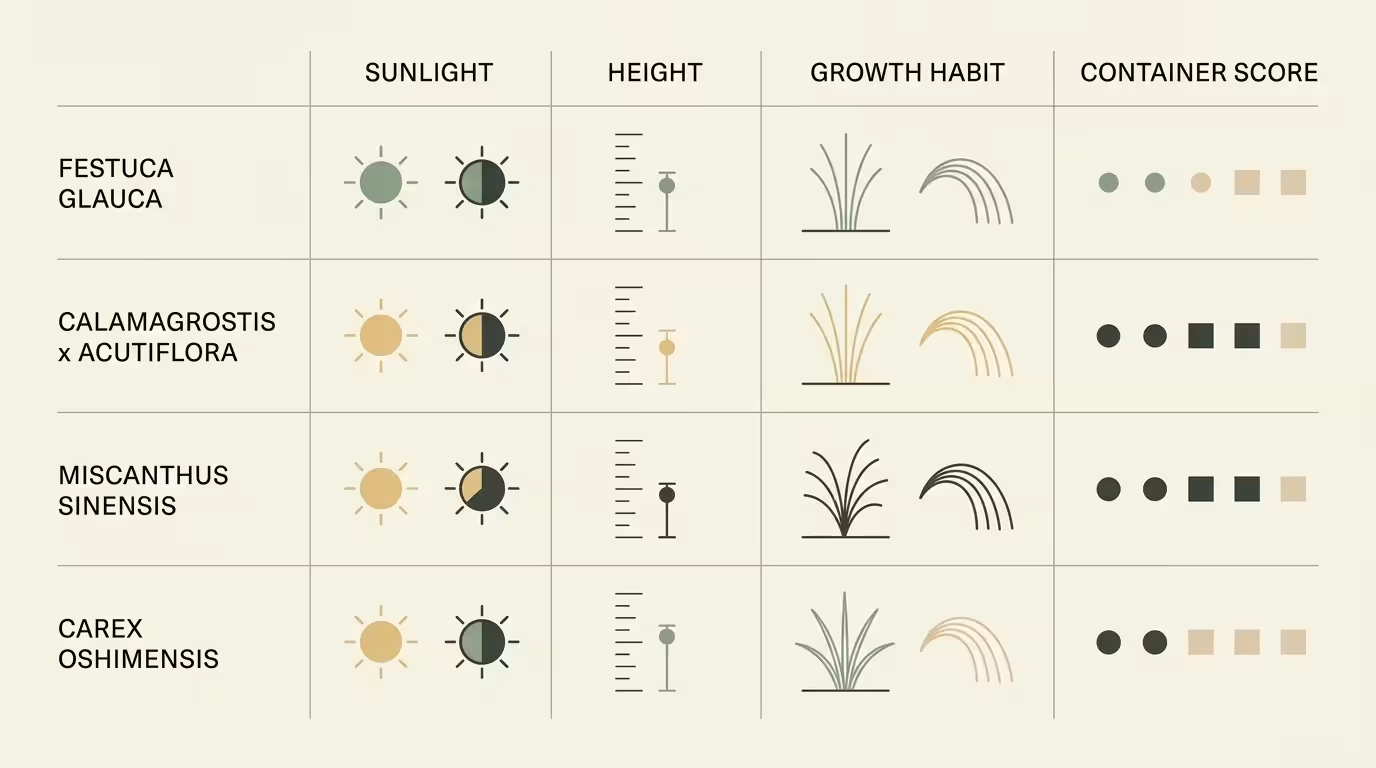
Quick Comparison Guide for Small-Space Ornamental Grasses
Use this reference table to evaluate light needs, physical scale, and dynamic motion styles across these top ornamental selections.
| Grass Name | Type | Height | Sun Requirements | USDA Zones | Movement Characteristic |
|---|---|---|---|---|---|
| Japanese Forest Grass | Cool-Season | 12–24 in. | Partial to Full Shade | 5–9 | Cascading, liquid waterfall ripple |
| Switchgrass (‘Shenandoah’) | Warm-Season | 3–5 ft. | Full Sun | 4–9 | Airy upper mist waving over rigid stems |
| Little Bluestem | Warm-Season | 2–3 ft. | Full Sun | 3–9 | Silvery seedhead shimmer and flame color |
| Blue Fescue (‘Elijah Blue’) | Cool-Season | 8–12 in. | Full Sun | 4–8 | Rapid foliage vibration in light air |
| Feather Reed Grass | Cool-Season | 3–5 ft. | Full Sun | 3–9 | Vertical architectural swaying without bending |
| Tufted Hairgrass | Cool-Season | 2–3 ft. | Full Sun to Part Shade | 4–9 | Gossamer flower clouds catching breezes |
| Leatherleaf Sedge | Sedge | 12–18 in. | Sun to Part Shade | 6–9 | Trailing bronzy foliage swirling over edges |
| Northern Sea Oats | Warm-Season | 2–3 ft. | Part Shade to Full Sun | 5–9 | Dangling flat seedheads fluttering like chimes |
| Prairie Dropseed | Warm-Season | 2–3 ft. | Full Sun | 3–9 | Silky arching fountain foliage swirling smoothly |
| Blue Oat Grass | Cool-Season | 2–3 ft. | Full Sun | 4–8 | Stiff blue rays topped by swinging golden sprays |
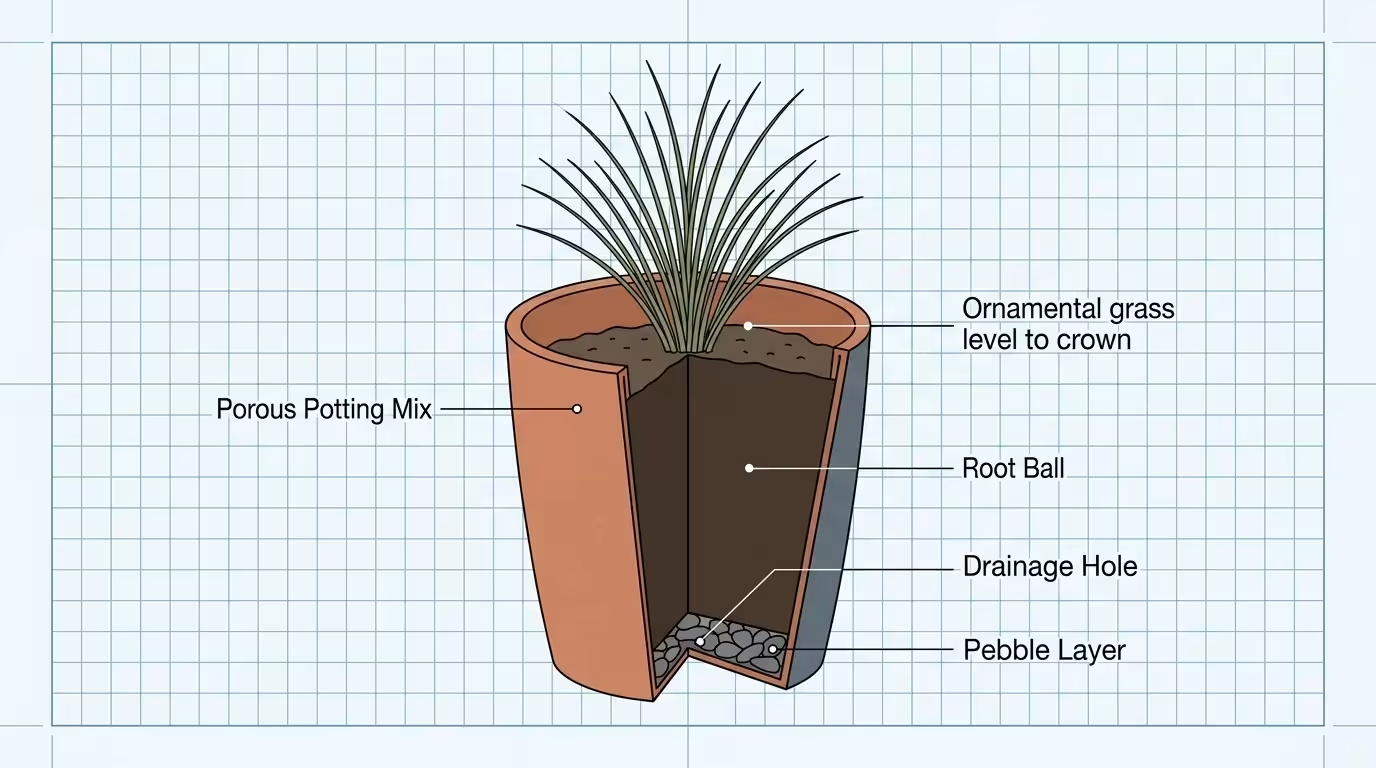
Container Planting Rules for Balcony and Patio Potted Grasses
Growing ornamental grasses in containers requires careful attention to soil composition, root space, and moisture drainage. In gardening terms, “drainage” refers to how quickly and easily water moves through soil out of the bottom of a pot.
Poor drainage causes water to accumulate around plant roots, depriving them of oxygen and causing fatal root rot.
Follow these practical steps to establish thriving container grasses on balconies and patios:
- Select suitable container materials: Choose heavy glazed ceramic or thick resin pots for tall grasses like Switchgrass to prevent wind tipping. Lightweight fiber-clay pots work exceptionally well on elevated balconies where structural weight capacity is limited. Ensure every pot features at least one drainage hole measuring a minimum of 0.75 inches in diameter.
- Formulate a fast-draining potting mixture: Standard garden topsoil compacts rapidly inside containers. Prepare a growing medium by mixing 70 percent premium commercial potting mix with 30 percent coarse perlite, pumice, or horticultural grit. This ratio maintains open pore spaces for air and allows surplus water to run out instantly.
- Position the root crown accurately: Remove the grass from its nursery pot and gently tease dense exterior roots apart with your fingers. Place potting mix in the container base so that the grass crown sits exactly 1 inch below the rim. This lip retains water during irrigation, preventing dry runoff over the container sides.
- Establish correct watering routines: Container soil dries out significantly faster than ground soil due to air exposure against pot walls. Water deeply whenever the top 2 inches of soil feel dry to the touch. Continue watering until liquid flows freely from the bottom drainage holes.
- Protect container roots during winter freezing: Apply the container hardiness rule during extreme winter cold snap events. Wrap pots in burlap or bubble insulation, or slip smaller containers inside larger pots packed with dry leaves to cushion roots against rapid temperature fluctuations. Move potted grasses against warm home walls to block freezing winds.
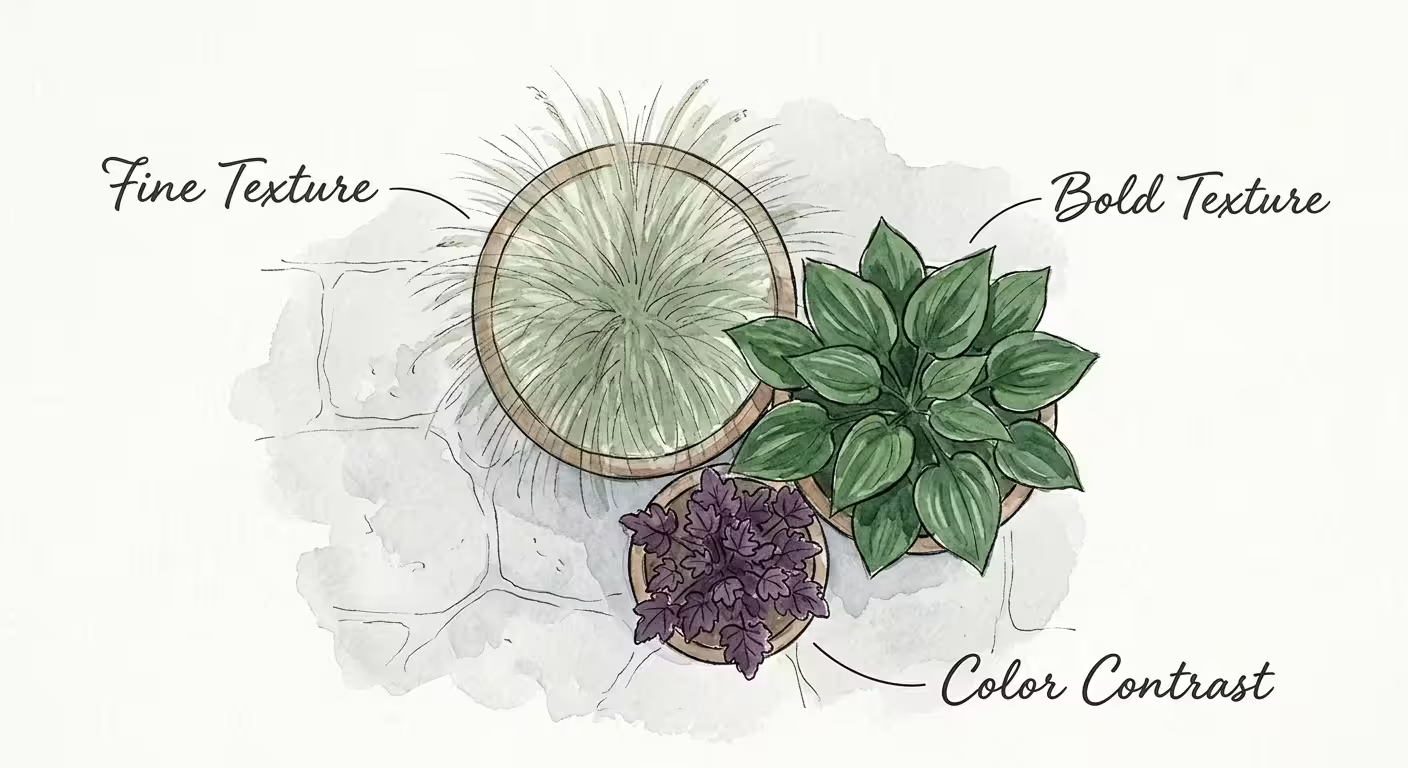
Designing with Texture and Companion Plants in Small Spaces
Maximizing the visual impact of movement plants in garden design relies on strategic pairing with bold, broad-leaved companion perennials. Combining narrow grass blades with broad foliage creates dynamic textural contrast, amplifying the perceived motion when wind passes through your garden layers.
Apply the classic design structure using ornamental grasses as your foundation:
- Thrillers (Vertical Movement): Position upright structural grasses like ‘Karl Foerster’ Feather Reed Grass or Switchgrass in the center or rear of planters. Their linear stems draw the eye upward and sway against open skies or solid balcony walls.
- Fillers (Textural Contrast): Surround tall grasses with broad-leaf perennials like Purple Coneflower (Echinacea purpurea), Black-Eyed Susan (Rudbeckia hirta), or Coral Bells (Heuchera). The rigid, motionless flowers of coneflowers remain still while slender grass leaves weave between them, emphasizing wind motion.
- Spillers (Cascading Motion): Edge containers with mounding or weeping varieties like Leatherleaf Sedge, Japanese Forest Grass, or trailing succulents like Stonecrop (Sedum). These plants overflow pot rims, dancing gracefully just inches above deck floors.
Pay close attention to color wheel contrasts as well. Pair bright blue foliage like Blue Fescue or Blue Oat Grass with warm terracotta pots and golden-yellow flowering Sedum.
Contrast golden Japanese Forest Grass against deep burgundy Coral Bells or dark green hostas in shaded balcony corners to create rich visual layers in restricted spaces.
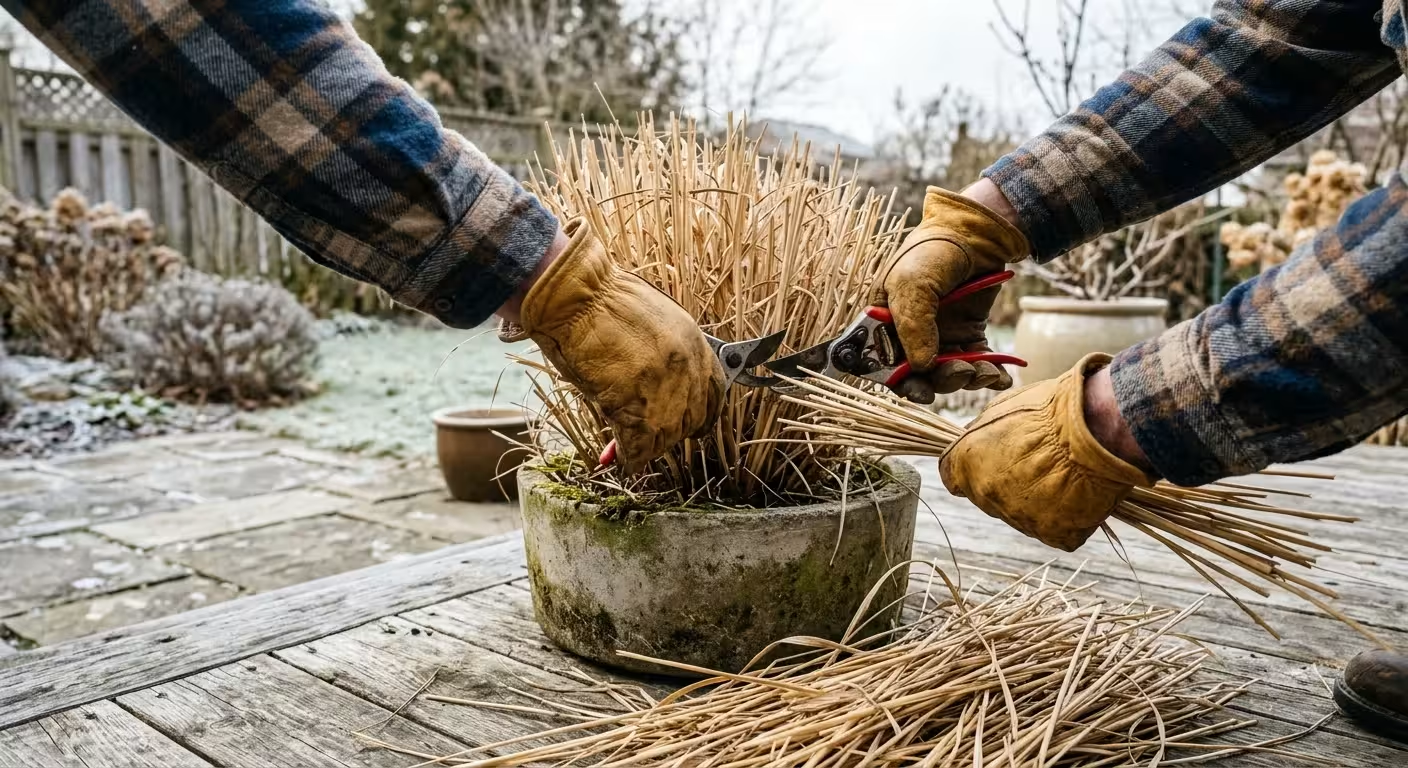
Pruning, Overwintering, and Low-Maintenance Seasonal Care
Ornamental grasses represent some of the most durable, low maintenance ornamental grasses available to home gardeners, but timely seasonal care keeps them healthy and energetic year after year.
Execute pruning according to grass growth categories:
Warm-Season Grasses: Leave dry foliage standing throughout late autumn and winter. The dried stems create structural interest, catch snow, and provide overwintering habitat for native beneficial insects while offering seeds to foraging winter songbirds.
In late winter or early spring (late February to March), shear stems down to 2 to 4 inches above the root crown using sharp hand pruners or shears before fresh green shoots emerge.
Cool-Season Grasses: These plants initiate spring growth very early. Cut back dead foliage in late winter, leaving 4 to 6 inches of stem base intact.
Take extra care not to injure emerging green foliage inside the crown.
Evergreen Sedges: Never shear evergreen or semi-evergreen sedges down to ground level. Instead, wear gardening gloves during early spring and comb through the foliage with your fingers to remove dead, loose leaves.
Trim away tattered, brown leaf tips with sharp shears to tidy the plant’s natural silhouette.
Divide overgrown grass clumps every 3 to 4 years when you notice the center of the crown becoming hollow, die back, or produce sparse growth.
Dig up the root ball in early spring, split it into 3 or 4 healthy sections using a sharp spade or garden saw—ensuring each piece contains healthy foliage buds and root tissue—and replant immediately into fresh soil mix.
Common Pitfalls and How to Avoid Them
Evade these frequent mistakes to ensure your movement plants thrive and maintain their structural integrity:
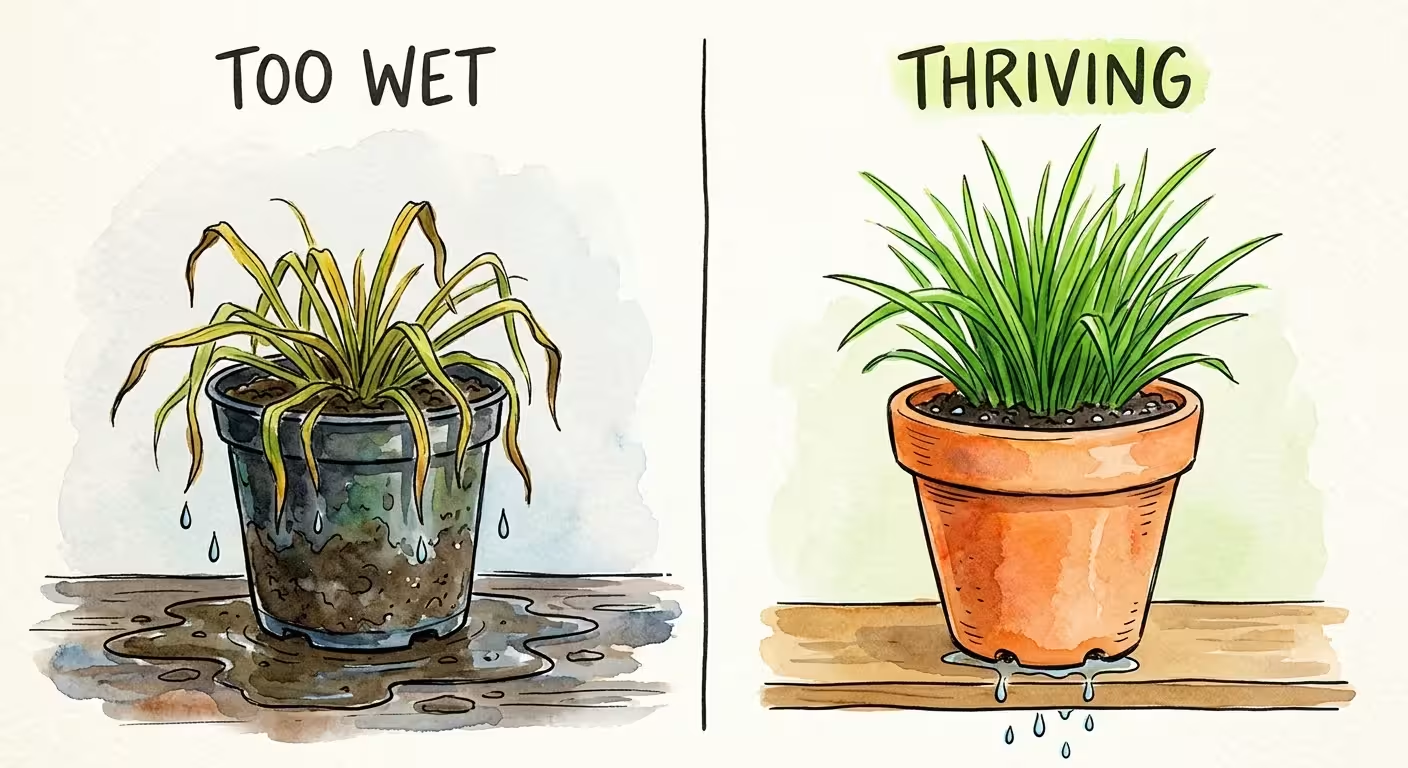
- Overwatering in poorly drained pots: Saturated soil suffocates root systems and invites fungal rot. Always mix coarse drainage aggregates like perlite into potting soil and verify that pots feature open drainage holes.
- Excessive nitrogen fertilization: Applying heavy doses of synthetic fertilizer forces weak, rapid vegetative growth. This soft growth causes tall grasses to flop over under their own weight rather than standing upright and swaying gracefully. Apply only a single light application of balanced slow-release fertilizer in early spring.
- Shearing foliage down too early in autumn: Cutting back grasses during early fall deprives your garden of golden winter movement and exposes delicate root crowns to severe frost damage. Delay major cutbacks until late winter.
- Ignoring regional invasive regulations: Purchasing restricted species like Mexican Feather Grass or unapproved Miscanthus cultivars harms regional wild ecosystems. Check regional extension listings before buying non-native species.
- Selecting oversized grasses for shallow pots: Large species like mature Switchgrass quickly become root-bound in small pots under 14 inches wide, drying out within hours during summer heat. Match full-grown plant dimensions to appropriate container volumes.
Frequently Asked Questions
Can I grow tall ornamental grasses on an windy apartment balcony?
Yes, tall ornamental grasses thrive on exposed, windy balconies provided you select species with flexible stems like Feather Reed Grass (‘Karl Foerster’) or native Switchgrass. Choose heavy glazed ceramic or composite pots with broad bases to prevent wind gusts from tipping the containers over.
How do I know if an ornamental grass is invasive in my area?
Check with your local state university extension office or state department of natural resources before buying ornamental grasses.
Avoid planting restricted plants like Chinese Silver Grass (Miscanthus sinensis) or Mexican Feather Grass (Nassella tenuissima) in regulated jurisdictions, opting instead for non-invasive native alternatives like Little Bluestem or Switchgrass.
How often should I water ornamental grasses grown in patio containers?
Water container-grown grasses whenever the top 2 inches of potting mix feel completely dry to the touch. During high heat periods in summer, potted grasses may require deep watering every 1 to 2 days, whereas ground-planted grasses need supplemental water only during extended drought periods.
Why is my ornamental grass flopping over instead of standing upright?
Ornamental grasses usually flop over due to insufficient sunlight, overwatering, or excessive nitrogen fertilizer. Most grasses require at least 6 hours of direct sunlight daily to build rigid, wind-resistant stems.
Shift flopping plants into brighter sun exposure and reduce fertilizer applications.
Do I need to bring potted ornamental grasses indoors for the winter?
No, most hardy ornamental grasses require a natural winter dormancy period outdoors to set new buds for spring. Protect container roots by sliding pots against a warm house wall or insulating them with burlap and wood mulch to moderate severe freeze cycles.
For trustworthy gardening information, visit: Plantlife (UK), Botanical Society of America and Oregon State Extension — Gardening. These organizations provide expert, research-based advice for gardeners at all levels.
Disclaimer: This article is for informational purposes only and is not a substitute for professional gardening advice. Always consult local extension services or horticulture experts for region-specific guidance.