
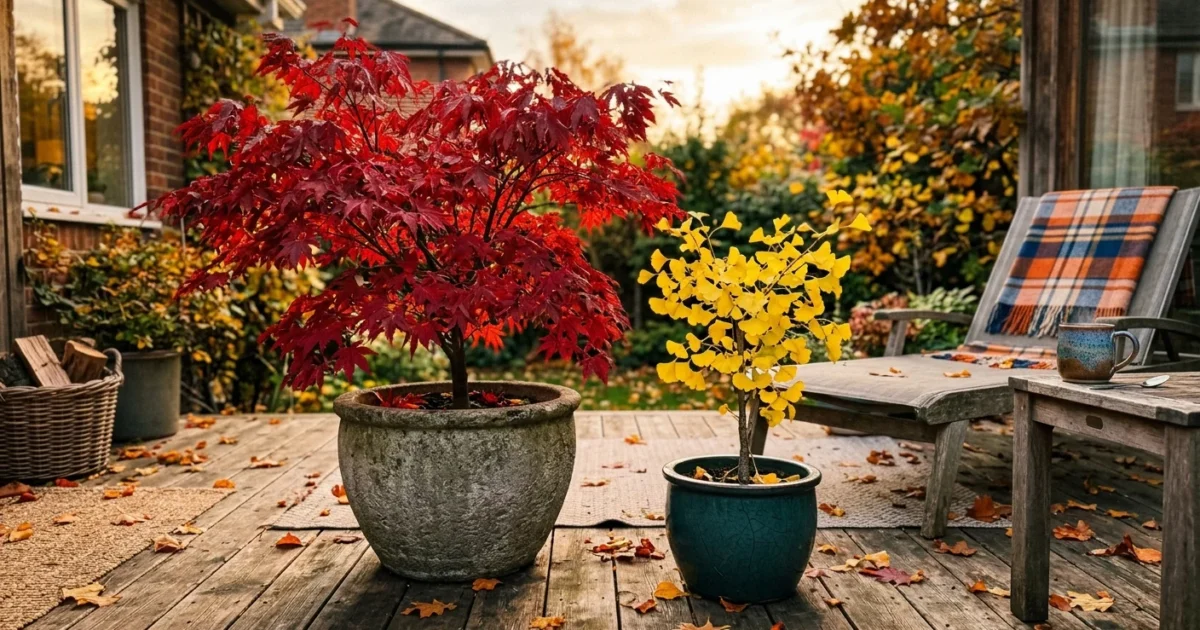
Transform your garden into a seasonal masterpiece by choosing trees with vibrant fall foliage that command attention every autumn. Whether you tend a spacious suburban backyard or cultivate a modest patio container garden, strategic tree selection guarantees brilliant shades of crimson, fiery orange, and luminous gold year after year. Understanding how sunlight, soil moisture, and winter hardiness shape leaf transformation allows you to curate an outdoor space that flourishes across all four seasons. Discover the finest autumn color trees suited for every landscape size, learn how to care for them properly, and enjoy breathtaking foliage right outside your back door.
The Science Behind Vibrant Fall Leaf Color
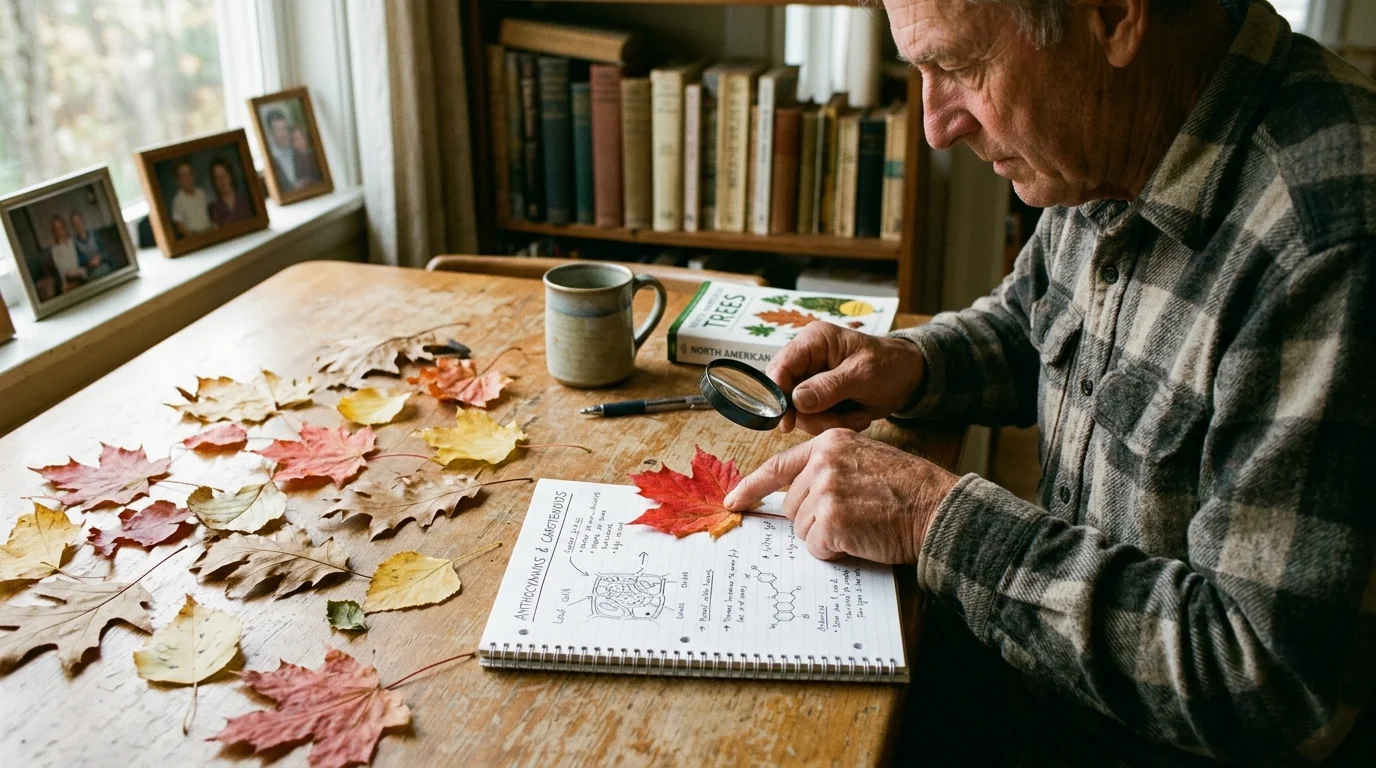
The annual spectacle of autumn foliage relies on a complex chemical reaction triggered by changing environmental cues. As autumn approaches, daylight hours decrease and temperatures drop—signaling trees to prepare for winter dormancy. Trees stop producing chlorophyll, the dominant pigment responsible for the green leaves of spring and summer. As the green chlorophyll breaks down, pigments that were hidden beneath the surface all season long finally reveal themselves.
Similar biochemical processes also create dynamic color shifts across the garden in color-changing flowers throughout the growing season.
Two main chemical compounds produce these dazzling shades: carotenoids and anthocyanins. Carotenoids create yellow, gold, and orange pigments; these compounds remain stable throughout the growing season in plants like Ginkgos and Birch trees. Anthocyanins, on the other hand, manufacture specifically in autumn. When warm, sunny days trap simple sugars inside the leaf, cool autumn nights trigger the synthesis of anthocyanins, yielding deep reds, purples, and rich magentas. Maples, Dogwoods, and Sweetgums rely heavily on anthocyanin production to display their iconic scarlet autumn displays.
Weather plays an indispensable role in how intense these colors become. Clear, sunny autumn days combined with crisp, frost-free nights generate the highest concentrations of sugars within leaves, creating the most intense hues. Conversely, prolonged late-summer droughts, unseasonably warm autumn nights, or sudden early hard freezes can cause leaves to turn dull brown and drop prematurely. By ensuring your trees receive adequate moisture and proper sunlight during the summer growing season, you lay the foundation for spectacular fall color.
10 Outstanding Trees for Breathtaking Autumn Color
Choosing the right species for your specific space ensures robust growth and dynamic seasonal appeal. Below are the best trees for fall color, ranging from majestic shade trees to compact specimens perfectly suited for small urban yards and patio containers.
While planning your autumn landscape, you can also plant crops for fall harvest in containers to maximize patio productivity alongside decorative foliage.
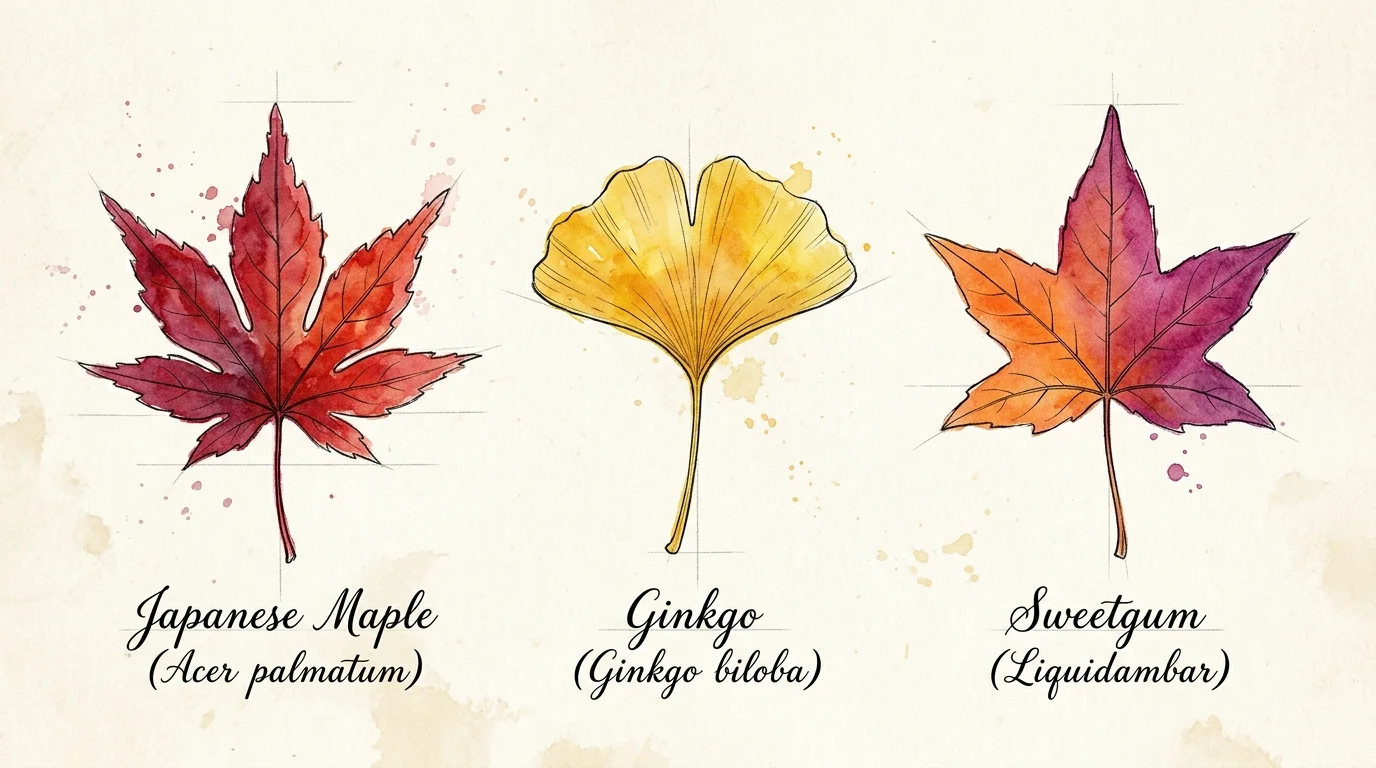
1. Japanese Maple (Acer palmatum)
Japanese Maples reign supreme among compact ornamental trees. Famous for delicate, hand-shaped foliage and graceful branching patterns, these versatile specimens fit seamlessly into small urban gardens, courtyard beds, or large container pots. Varieties such as ‘Bloodgood’, ‘Crimson Queen’, and ‘Waterfall’ offer rich color transitions from deep burgundy summer foliage to blazing ruby, coral, and burnt-orange hues in autumn.
If you want to bring leafy green accents indoors as well, check out our guide to indoor trees for small homes.
These slow-growing trees typically reach mature heights between 8 and 15 feet, making them exceptionally manageable for low-maintenance spaces. They prefer rich, organic soil and thrive in partial shade, where delicate leaves stay protected from scorch during intense summer heat. If you cultivate Japanese Maples in containers, select dwarf varieties like ‘Red Dragon’ to keep root growth controlled while enjoying intense crimson fall leaves year after year.
2. Sugar Maple (Acer saccharum)
The Sugar Maple is the iconic backbone of eastern North America’s autumn landscape. Renowned for multi-colored displays, a single Sugar Maple can simultaneously display leaves in shades of bright yellow, vivid orange, and deep scarlet. Cultivars like ‘Fall Fiesta’ and ‘Green Mountain’ offer exceptional cold hardiness and dependable leaf color even in unpredictable weather conditions.
Because Sugar Maples grow quite large—often reaching heights of 40 to 60 feet with a wide canopy spread—they need generous space to develop strong root systems. Plant them in open lawn areas or large yards where they can receive full sun. They thrive in well-draining, slightly acidic soil. While unsuitable for pots or tiny patios, a single Sugar Maple serves as an unforgettable centerpiece for larger landscapes.
3. Serviceberry (Amelanchier x grandiflora)
Serviceberry—also known as Juneberry or Shadbush—is an exceptional multi-season tree ideal for small gardens. In early spring, delicate white floral clusters cover its branches, followed by edible, blueberry-like summer fruits that attract songbirds. When autumn arrives, the oval leaves transform into brilliant shades of apricot, gold, copper, and fiery orange-red.
To complement the spring blossoms of serviceberry, consider planting white flowering shrubs for an elegant floral display earlier in the year.
To build a layered patio look around compact trees, try adding winter-hardy perennials for small pots that come back every spring.
Growing as either a single-trunk specimen or a multi-stemmed small tree, Serviceberry usually matures between 15 and 25 feet tall. Its compact root structure and slender habit allow it to thrive near walkways, patios, or urban property lines. Serviceberries tolerate varied soil conditions, adapt easily to full sun or partial shade, and require minimal pruning, making them an ideal choice for busy gardeners seeking maximum autumn impact with low effort.
4. Ginkgo / Maidenhair Tree (Ginkgo biloba)
Ginkgo is one of the world’s oldest living tree species, virtually unchanged for over 200 million years. Famous for unique, fan-shaped leaves, the Ginkgo produces a uniform, luminous yellow shade in autumn that glows brightly in any setting. Interestingly, Ginkgos often shed their entire canopy of golden leaves almost simultaneously after a single hard frost, forming a striking golden carpet on the ground below.
Once your trees drop their leaves, staying on top of key fall garden cleanup tasks will keep your beds healthy for next spring.
Standard Ginkgos grow up to 50 feet tall, but dwarf cultivars like ‘Jade Butterfly’ or narrow fastigiata types like ‘Autumn Gold’ are ideal choices for smaller yards and street-side plantings. Ginkgos resist insect pests, urban air pollution, road salt, and harsh winds. Plant them in well-draining soil under full sun to enjoy trouble-free golden autumn color trees for decades.
5. Black Gum / Tupelo (Nyssa sylvatica)
Black Gum, often called Black Tupelo or Sour Gum, delivers some of the most intense scarlet and purple autumn colors in North America. Glossy dark green leaves during spring and summer shift into luminous red, fiery orange, yellow, and deep plum purples as early as late August. Cultivars like ‘Wildfire’ emerge with reddish spring growth, maintain attractive summer leaves, and finish with breathtaking crimson foliage in fall.
Maturing to a height of 30 to 50 feet with a neat, pyramidal growth habit, Black Gum makes an outstanding specimen shade tree. Unlike many landscape trees, it adapts exceptionally well to poorly drained, wet soils as well as standard garden beds. Plant Black Gum in full sun to partial shade, and ensure the soil remains consistently moist during its establishment phase.
6. Flowering Dogwood (Cornus florida & Cornus kousa)
Flowering Dogwoods offer four seasons of interest in a manageable, compact footprint. After displaying showy spring blooms and attractive summer foliage, these native trees transform into rich shades of burgundy, crimson, and reddish-purple in early autumn. Bright red, glossy berries accompany the fall color, providing vital winter food for local songbirds.
Reaching heights of 15 to 25 feet, Dogwoods naturally grow as understory trees, making them perfect for partial shade beneath larger canopy trees or along patio borders. *Cornus kousa* (Kousa Dogwood) exhibits superior disease resistance against dogwood anthracnose compared to native species. Provide organic-rich, well-draining soil and a thick layer of natural mulch to keep their shallow root systems cool and moist throughout summer dry spells.
7. Paperbark Maple (Acer griseum)
Paperbark Maple provides continuous visual appeal throughout the entire year. While its autumn leaves turn a rich copper-orange and radiant ruby red, its main attraction is peeling, cinnamon-colored bark that contrasts dramatically against fall leaves and winter snow. As the outer bark curls back, it reveals smooth, amber-colored inner wood underneath.
Pairing deciduous trees with year-round green plants ensures your garden keeps vibrant structure even after the autumn foliage drops.
This slow-growing gem typically reaches a mature height of only 20 to 30 feet with a spread of 15 to 20 feet, fitting nicely into modest landscapes. It grows comfortably in full sun to partial shade and tolerates heavy clay soils better than many other maple varieties. Paperbark Maple is an outstanding investment tree for small space gardeners looking for magnificent fall leaves and striking winter interest.
8. Persian Ironwood (Parrotia persica)
Persian Ironwood is a resilient, disease-resistant tree prized for its long-lasting, multi-colored autumn transformation. Scalloped leaves begin changing color in early autumn, shifting through shades of golden yellow, bright orange, hot pink, and deep burgundy-purple. The leaf display often lasts several weeks longer than other deciduous species.
If you are designing property borders alongside specimen trees, explore fast-growing privacy hedges to fill gaps quickly.
Persian Ironwood matures into a medium-sized tree of 20 to 35 feet tall. Cultivars like ‘Vanessa’ offer narrow, upright habits that suit tight spaces and urban lots. Once established, Persian Ironwood handles drought, heat, poor soil, and urban pollution with ease. Its flaking bark adds subtle texture to winter gardens, reinforcing its status as an top-tier choice for modern home landscapes.
9. Sourwood (Oxydendrum arboreum)
Sourwood, native to the eastern United States, is celebrated by arborists for producing exceptionally intense crimson leaf color. In mid-summer, Sourwood produces drooping sprays of fragrant, lily-of-the-valley-like white flowers that bees utilize to make high-grade honey. By autumn, these flower clusters dry into tan seed heads that contrast beautifully against deep scarlet, pink, and plum-purple foliage.
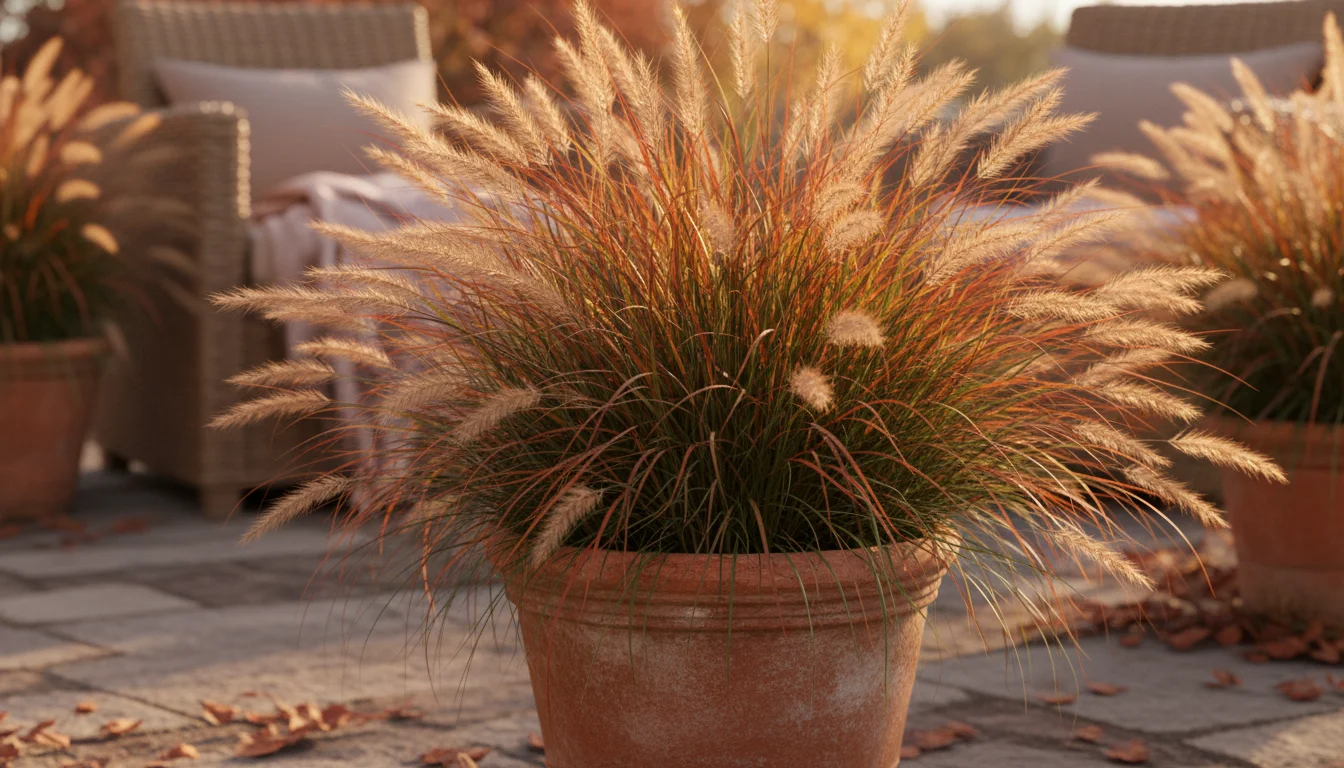
Combining compact trees with ornamental grasses creates eye-catching texture and movement throughout the fall season.
Sourwood grows slowly to an average height of 20 to 30 feet in home landscapes, often featuring a slender, pyramidal shape. It thrives best in acidic, well-drained soils and full sun exposure. Because it remains compact for many years, Sourwood fits effortlessly into small woodland gardens, native plantings, or sunny lawn corners where vibrant fall color is desired.
10. Smoke Tree / Smoke Bush (Cotinus coggygria)
Smoke Tree brings dramatic texture and brilliant color to gardens of all sizes. Named for billowy, cloud-like floral plumes that appear in summer, cultivars like ‘Royal Purple’ or ‘Grace’ display dramatic foliage through every season. In fall, leaves transform from rich purple or bluish-green into brilliant displays of electric amber, coral-orange, magenta, and scarlet.
To appeal to multiple senses on your patio, learn how to design a fragrant fall container garden around your potted shrubs and small trees.
For tips on keeping potted arrangements lively year-round, check out our recommendations for seasonal container displays.
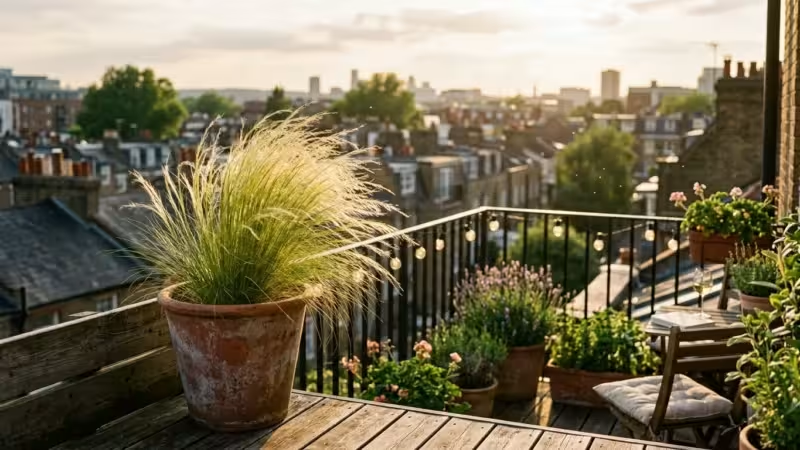
Depending on pruning practices, Smoke Trees grow as large shrubs or small multi-stemmed trees reaching 10 to 15 feet tall and wide. They tolerate rocky, poor soils and drought conditions remarkably well, thriving where other ornamental trees struggle. Smoke Trees also adapt well to large pots, giving container gardeners a hardy option for reliable autumn color on sunny decks and balconies.
Comparing Autumn Trees: Size, Zones, and Colors
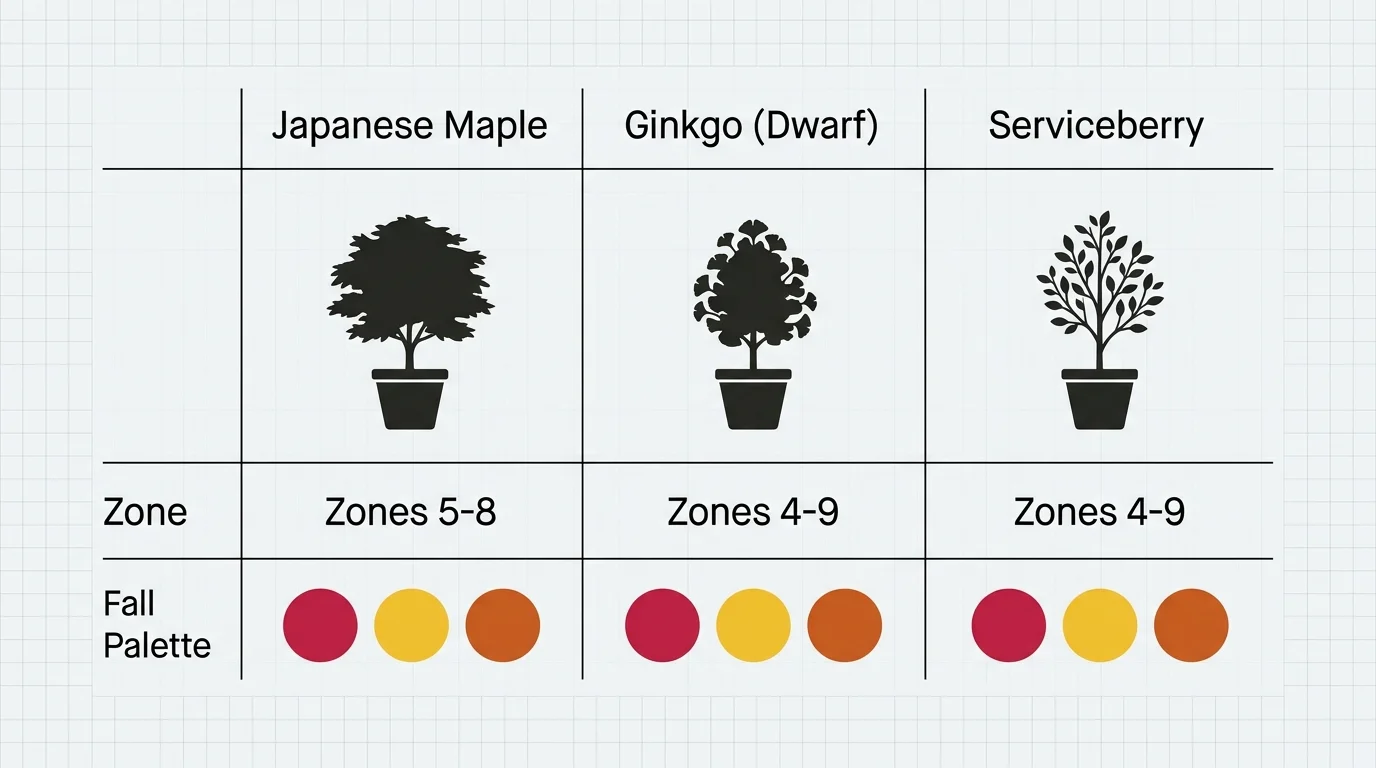
To help you select the ideal species for your garden size and growing conditions, review the quick reference comparison below:
| Tree Species | Mature Height | USDA Hardiness Zones | Primary Fall Colors | Best Space Fit |
|---|---|---|---|---|
| Japanese Maple | 8 – 15 ft | Zones 5 – 9 | Scarlet, Burgundy, Orange | Containers, Small Yards, Courtyards |
| Sugar Maple | 40 – 60 ft | Zones 3 – 8 | Yellow, Bright Orange, Crimson | Large Lawn Areas, Rural Properties |
| Serviceberry | 15 – 25 ft | Zones 4 – 9 | Apricot, Orange-Red, Yellow | Patio Borders, Urban Gardens |
| Ginkgo | 20 – 50 ft | Zones 4 – 9 | Luminous Pure Gold | Street Trees, Urban Landscapes |
| Black Gum | 30 – 50 ft | Zones 4 – 9 | Deep Red, Purple, Yellow | Moist Soils, Medium-Large Lawns |
| Flowering Dogwood | 15 – 25 ft | Zones 5 – 9 | Burgundy, Crimson, Plum | Partial Shade, Small Landscapes |
| Paperbark Maple | 20 – 30 ft | Zones 4 – 8 | Coppery Orange, Ruby Red | Small Yards, Winter Interest Beds |
| Persian Ironwood | 20 – 35 ft | Zones 4 – 8 | Gold, Hot Pink, Burgundy | Urban Lots, Narrow Driveway Edges |
| Sourwood | 20 – 30 ft | Zones 5 – 9 | Fiery Scarlet, Purple-Pink | Acidic Soil Beds, Woodland Margins |
| Smoke Tree | 10 – 15 ft | Zones 5 – 8 | Amber, Coral, Bright Violet | Large Containers, Sunny Borders |
Selecting and Growing Fall Foliage Trees in Small Spaces
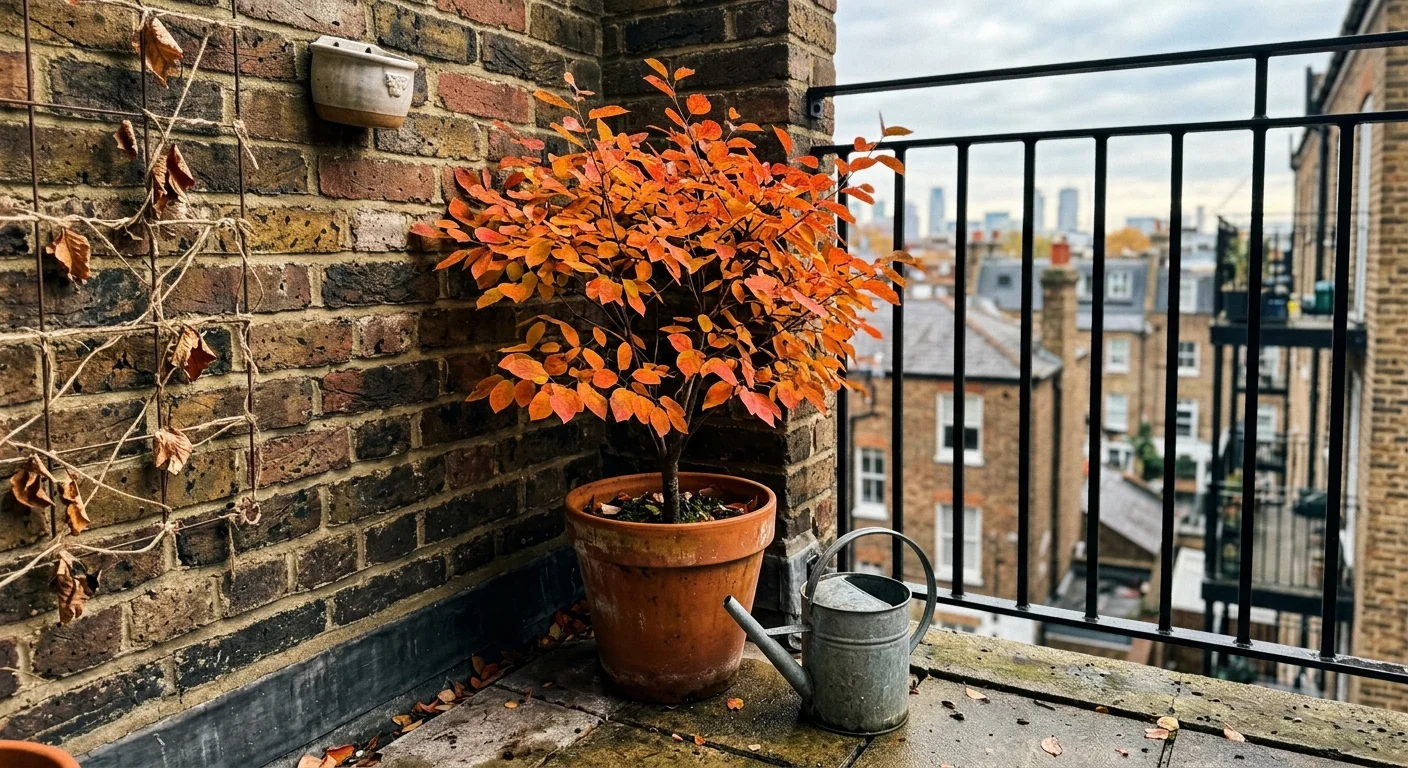
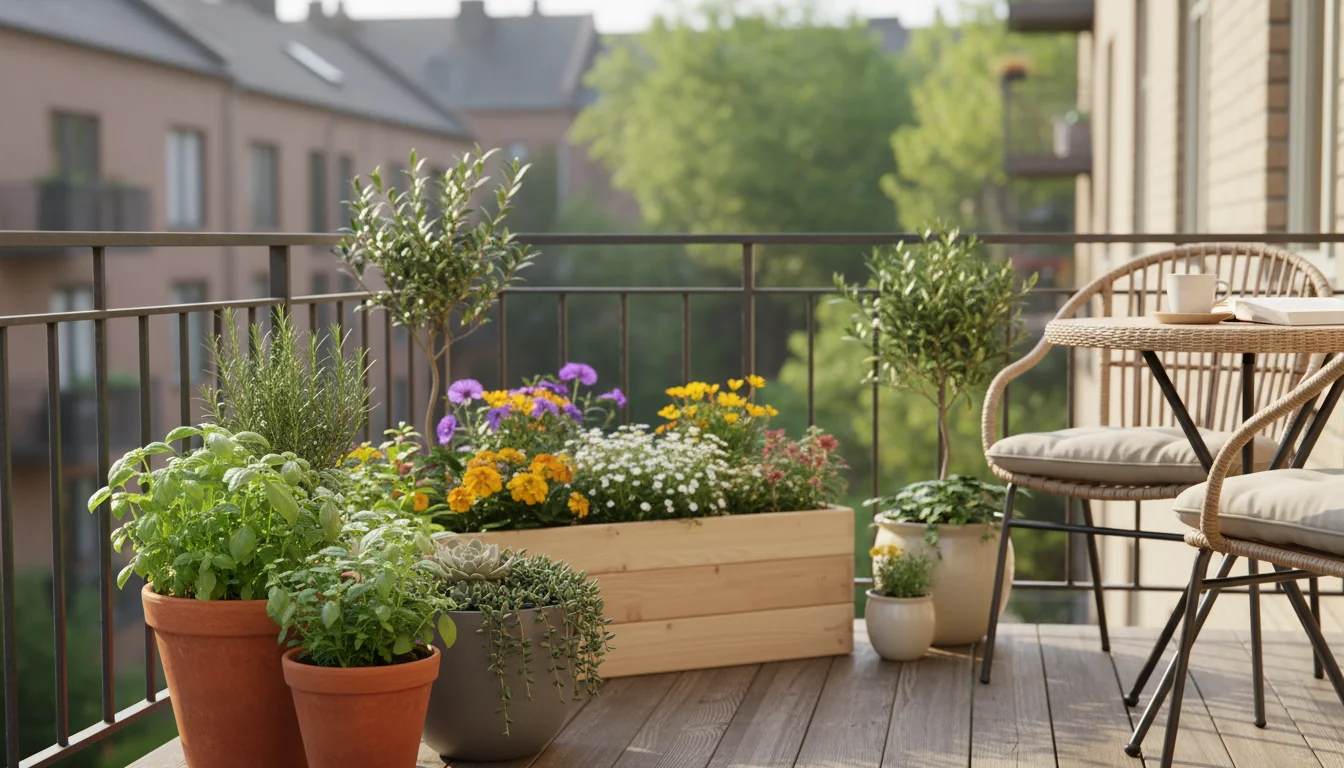
Gardening in a limited footprint doesn’t mean sacrificing spectacular autumn color. Many trees with vibrant fall foliage adapt beautifully to potted culture on patios, balconies, or paved courtyards. Cultivating trees in containers requires an understanding of root thermal dynamics and moisture management.
Root systems above ground experience harsher conditions than those cushioned in the earth. Soil in pots warms quickly in summer and freezes rapidly in winter without the natural insulation provided by surrounding earth. On November 15, 2023, the USDA released an updated Plant Hardiness Zone Map based on 1991–2020 weather data from 13,412 stations, revealing a 2.5°F average temperature rise across the nation that shifted roughly 50% of the U.S. into a warmer half-zone. Despite warmer overall averages, winter freeze spikes still threaten potted roots.
To safely overwinter trees in containers outdoors, follow the standard Container Hardiness Rule: select tree varieties rated for 1 to 2 USDA hardiness zones colder than your local zone. For instance, if you reside in USDA Zone 6, choose a tree rated for Zone 4 or 5 (such as a Paperbark Maple or Serviceberry) when growing in a pot. This extra hardiness cushion protects sensitive root tissue during sudden winter freezes.
Follow these practical guidelines for container tree success:
- Container Selection: Pick containers measuring at least 18 to 24 inches in diameter with multiple bottom drainage holes. Insulated resin, thick wood, or glazed stoneware withstand freeze-thaw cycles better than unglazed terracotta.
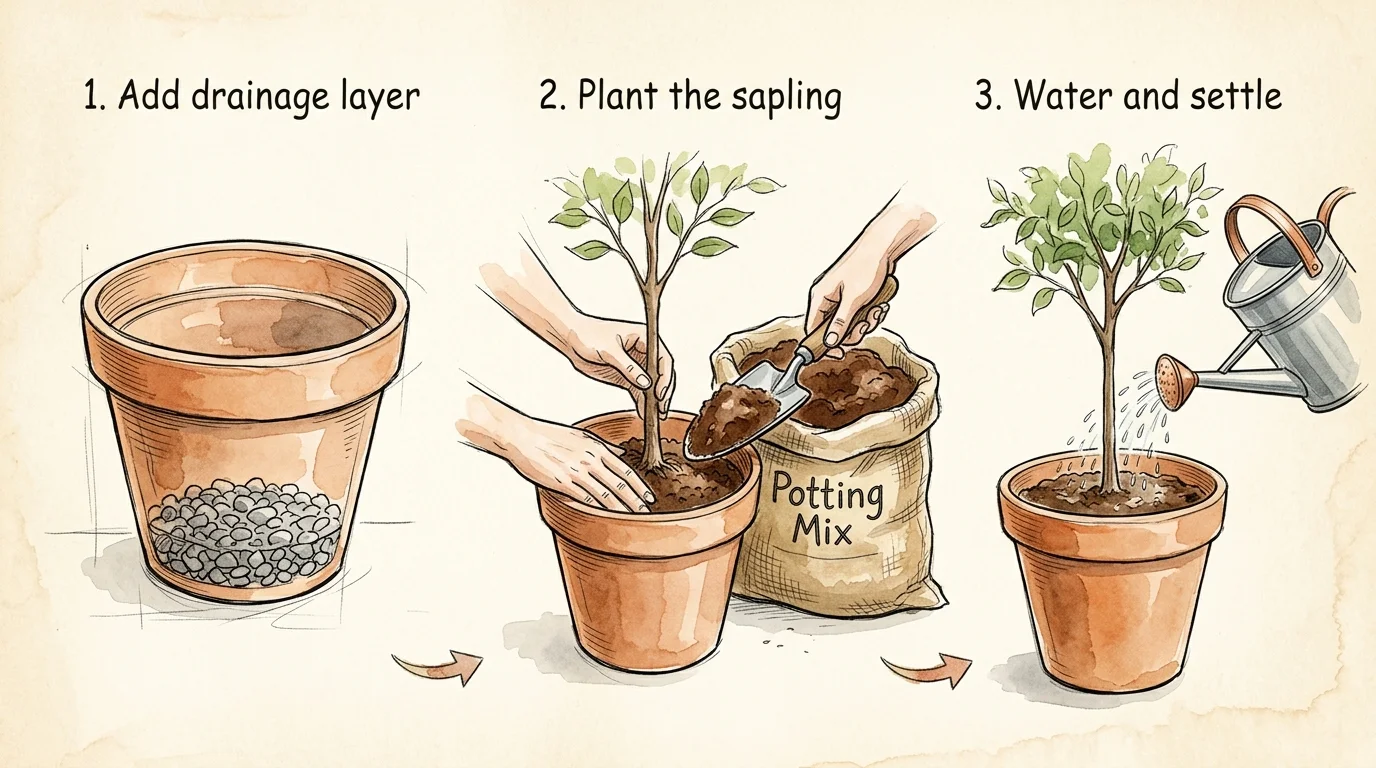
- Potting Medium: Never use heavy topsoil or backyard garden soil in pots. Fill containers with a high-quality, lightweight potting mix blended with perlite or coarse sand to maintain optimal root aeration.
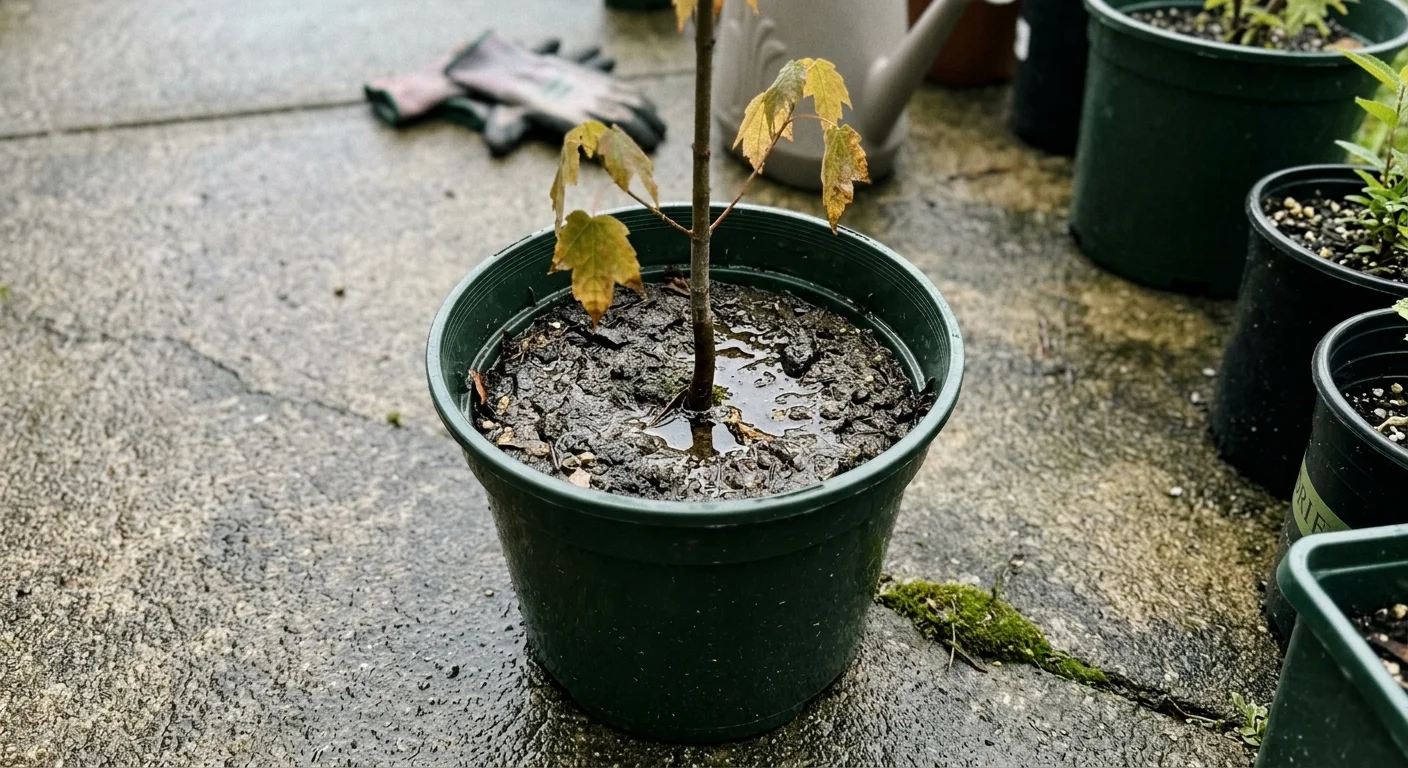
- Drainage Management: Drainage refers to how water moves through soil. Ensure excess water flows freely out of the pot to prevent saturated roots, which cause rot and leaf drop. Elevate pots slightly using pot feet to keep drainage holes unobstructed.
- Winter Protection: Group potted containers together against a sheltered house wall during severe winter months, or wrap the outer pot with burlap and bubble wrap to shield root balls from deep freezing.
Planting and Caring for Trees to Maximize Autumn Brilliance
Vibrant autumn displays depend directly on health and care during the spring and summer growing seasons. Following proper cultural steps ensures your trees have the necessary energy reserve to produce vivid leaf pigments in autumn.
Light exposure is critical for red leaf pigment development. Anthocyanins—the pigments responsible for bright red, magenta, and purple shades—require sunlight for synthesis. Position trees meant for fiery red color in locations receiving at least 6 hours of direct sunlight daily. Trees situated in heavy shade produce fewer sugars, resulting in muted yellow or greenish-brown fall leaves.
Proper water management maintains healthy foliage through late summer. Drought stress causes trees to form an abscission layer at the base of leaf stems prematurely, dropping leaves before colors can shift. Water deep at the root zone weekly during hot summer periods, applying 1 to 2 inches of water around the dripline. Maintain a 3-inch layer of organic mulch (woodchips or shredded bark) over root zones to conserve soil moisture and regulate ground temperature. Ensure mulch pulls back 2 to 3 inches away from trunk bark to prevent stem rot.
Fertilization timing also dictates autumn performance. Avoid applying high-nitrogen fertilizers late in summer or early autumn. Excessive nitrogen stimulates soft green growth late in the season, delaying natural winter dormancy preparation and suppressing autumn leaf color creation. Instead, apply organic compost or balanced slow-release fertilizer in early spring as root growth resumes.
Common Autumn Tree Care Mistakes to Avoid
Even experienced gardeners can make simple errors that diminish fall foliage quality. Avoid these frequent mistakes to keep your trees healthy and full of vibrant autumn leaf displays:
- Planting Too Deeply: Burying the root flare (where the trunk flares out to meet main roots) smothers bark and starves roots of oxygen. Always set the tree so the top of root flare sits flush with or slightly above final soil grade.
- Late-Season Pruning: Pruning trees in late summer encourages tender growth shoots that frost will kill, weakening the tree right as it prepares for winter dormancy. Limit structural pruning to late winter or early spring while trees remain dormant.
- Under-Watering in Autumn: Many gardeners stop watering trees when summer heat subsides. Trees need consistent moisture during autumn to transition smoothly into winter. Give trees a thorough soaking right up until ground freezes.
- Over-Mulching: Creating “mulch volcanoes” piled high against tree trunks traps moisture against bark, attracting fungal rot and rodent pests. Always spread mulch flat like a donut rather than a mound.
- Neglecting Container Root Constraints: Potted trees eventually become root-bound. Every 2 to 3 years in early spring, root-pruning or potting up to a slightly larger container rejuvenates growth and preserves autumn health.
Frequently Asked Questions
Why are my tree leaves turning brown and dropping early without changing color?
Early leaf drop and browning are usually caused by environmental stress, most notably drought conditions during late summer. When trees lack water, they cut off moisture to leaves to preserve internal trunk hydration, causing leaves to dry out and fall before autumn pigments can form. Fungal diseases or root damage from oversaturated, poorly drained soil can produce similar early leaf drop.
Can I keep a Japanese Maple in a container on my balcony all winter long?
Yes, provided you choose a cold-hardy cultivar rated for 1 to 2 zones colder than your local area. Protect container roots by placing pots close to an insulated building wall, shielding them from drying winds, and making sure the container receives minimal water during dormant freeze periods so roots do not rot.
Which autumn color tree grows fastest in a small yard?
Serviceberry and specific dwarf maples grow relatively quickly when young while maintaining a compact mature footprint. Serviceberry trees often grow 12 to 24 inches per year until reaching maturity, offering rapid shade, spring blossoms, and vivid orange-red foliage without outgrowing tight suburban lots.
Does soil pH affect the autumn colors of trees?
Soil pH indirectly impacts leaf brilliance by affecting nutrient availability. Trees like Sourwood, Dogwood, and Pin Oak require acidic soil (pH 5.5 to 6.5) to take up essential micro-nutrients like iron and magnesium. In alkaline soil, these trees suffer from chlorosis (yellowing leaves with green veins), which dulls ultimate fall colors. Conducting a simple soil test allows you to amend soil correctly for maximum autumn vibrancy.
For trustworthy gardening information, visit:
Michigan State University Extension — Gardening,
University of Wisconsin Extension — Horticulture and
Iowa State University Extension — Yard & Garden. These organizations provide expert, research-based advice for gardeners at all levels.
Disclaimer: This article is for informational purposes only and is not a substitute for professional gardening advice. Always consult local extension services or horticulture experts for region-specific guidance.
Leave a Reply