
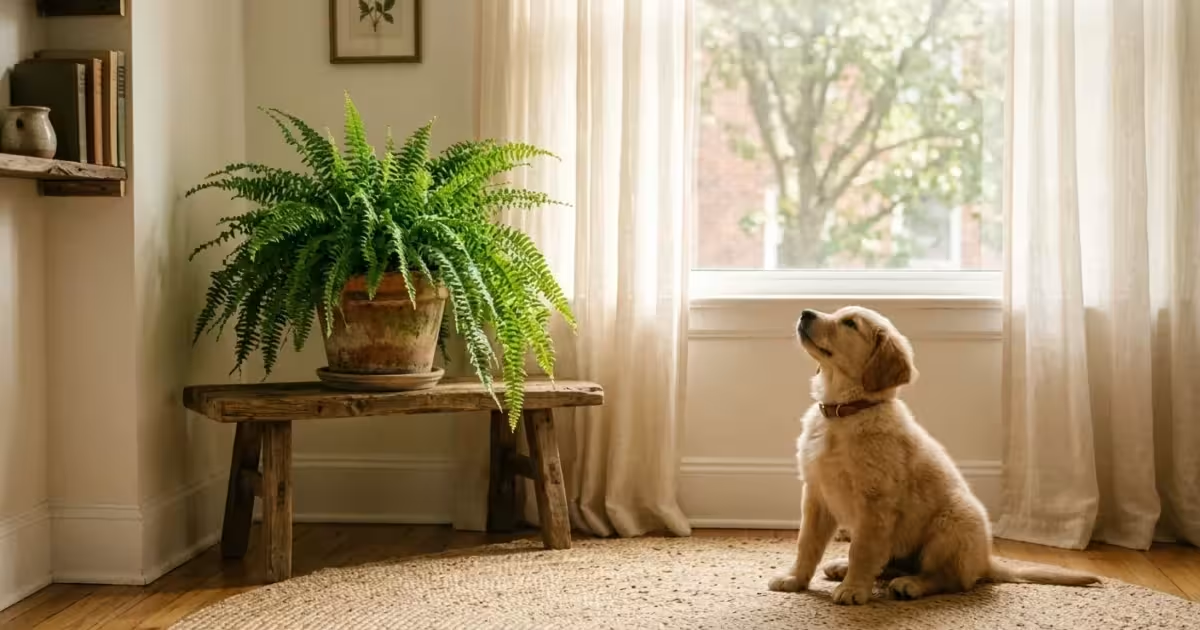
Keeping your furry friends safe does not mean you have to sacrifice the beauty of an indoor garden. You can easily transform your apartment or small home into a lush green sanctuary with pet-safe houseplants that thrive indoors without posing a toxicity risk. Many popular plants contain hidden dangers for curious cats and dogs who love to nibble on leaves and dig in soil. Fortunately, plenty of stunning, low-maintenance options offer the vibrant foliage you crave while keeping your pets completely safe. Let us explore thirty beautiful, non-toxic plants perfectly suited for small spaces, along with practical care tips to help you cultivate a thriving indoor jungle with total peace of mind.
Beyond their safety, many of these green additions also serve as wonderful air-purifying plants that naturally clean your home’s atmosphere.
Why Choosing Pet-Safe Houseplants Matters
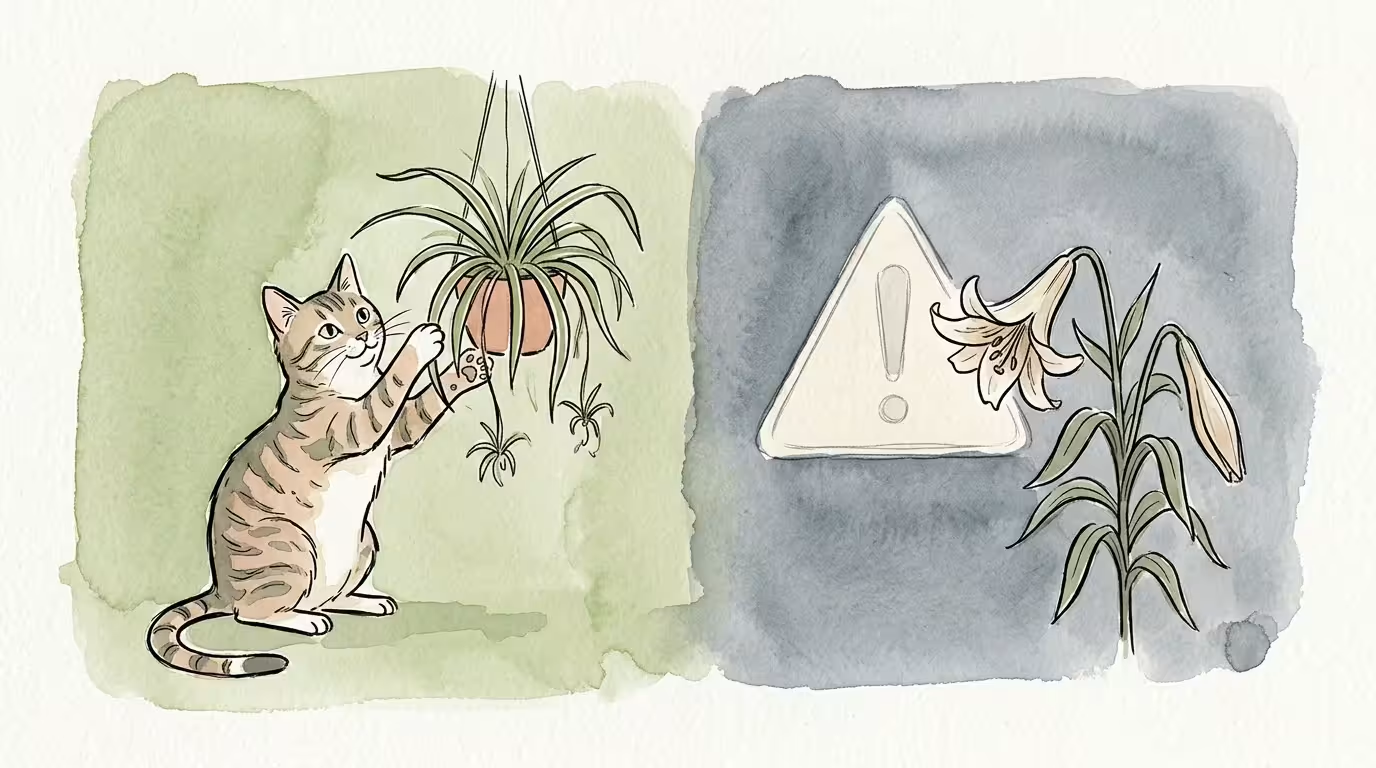
When you share a small living space with a pet, every square foot matters—and everything you bring into that environment becomes fair game for an inquisitive animal. Cats and dogs explore their surroundings primarily through taste and smell. A dangling leaf looks like a fascinating new toy to a playful kitten, while a freshly watered pot of loose potting mix presents an irresistible digging opportunity for a terrier. Unfortunately, many common houseplants—including popular favorites like lilies, pothos, and philodendrons—contain toxic compounds like insoluble calcium oxalates. If your pets chew on these dangerous varieties, they can suffer severe symptoms ranging from intense oral irritation and swelling to vomiting, lethargy, or even acute kidney failure.
While many enthusiasts dream of curating a collection of rare houseplants, prioritizing pet safety should always come first in a shared home.
Additionally, keeping an eye out for common indoor plant pests ensures your pet-friendly sanctuary remains healthy and vibrant.
To ensure your new additions thrive long-term, it helps to understand the fundamentals of care outlined in a comprehensive houseplant survival guide.
Selecting guaranteed pet-safe houseplants entirely eliminates this risk, giving you absolute peace of mind when you leave for work or step out for errands. You will never have to panic if you find teeth marks on a leaf or a slightly chewed stem on your living room floor. Creating a safe indoor jungle also allows you maximum flexibility in small spaces; you can place pots on low coffee tables, floor stands, or wide windowsills without restricting them strictly to out-of-reach shelves.
Keep in mind that while the plants listed in this guide are classified as non-toxic and will not cause systemic poisoning, eating a massive quantity of any foreign plant material can still give a cat or dog a mild stomach ache. Your goal is to provide a non-toxic environment while gently training your pets to leave your greenery alone.
Low-Maintenance Foliage Plants for Small Spaces
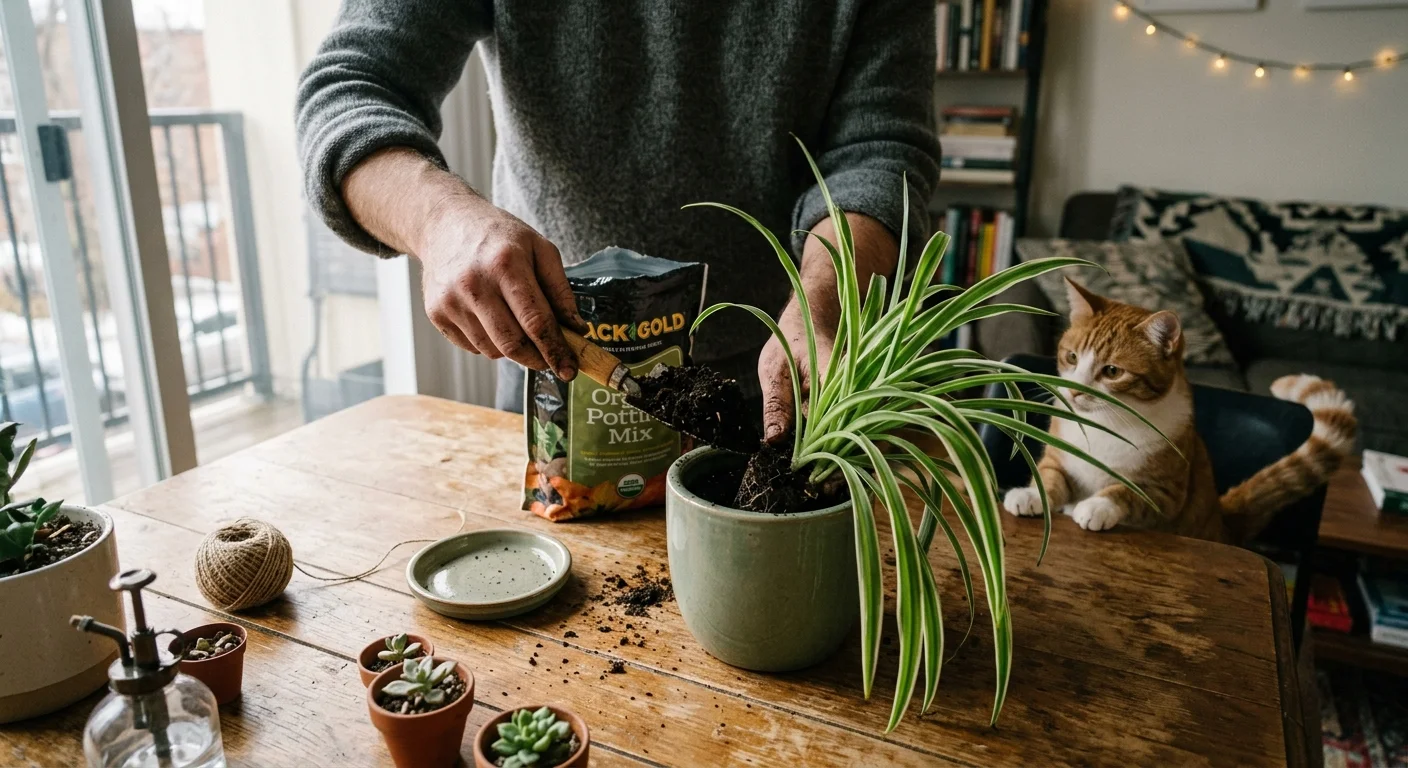
Lush, leafy greens bring vibrant life into cramped apartments and shaded rooms. The following ten non-toxic foliage plants require minimal fuss while offering incredible visual appeal for both beginner and intermediate indoor gardeners.
With the right setup, you can enjoy a vibrant indoor garden and keep your winter indoor gardening projects thriving all year round.
If you move any of these foliage plants to a patio during summer, refer to a fall transition checklist before bringing them back inside for the winter.
If you have a bit of extra vertical space, you might also consider integrating some of the best indoor trees for apartments to create a multi-level forest feel.
1. Spider Plant (Chlorophytum comosum)
Spider plants stand out as the ultimate resilient houseplant for beginner gardeners working with limited square footage. They produce long, arched, ribbon-like leaves that cascade beautifully over the edges of hanging baskets or high shelves. Your cat will almost certainly bat at the dangling baby plants that sprout from the mother plant on long stems. Fortunately, every single part of the spider plant is completely non-toxic to both cats and dogs, allowing you to decorate without anxiety.
Care needs: Place your spider plant in bright, indirect sunlight; however, it adapts remarkably well to lower light environments in small apartments. Water the soil thoroughly when the top two inches feel dry to the touch. Always ensure your pot features proper drainage holes to prevent the fleshy roots from rotting.
2. Parlor Palm (Chamaedorea elegans)
If you want to introduce a touch of the tropics to a dim apartment corner, the parlor palm serves as a perfect candidate. Growing slowly and gracefully, this compact palm produces elegant, feathery fronds that remain entirely safe for curious pets who might enjoy chewing on grass-like textures. Because it rarely outgrows its container, it remains highly manageable for small-space living.
Care needs: Parlor palms prefer medium to low light, making them ideal for north-facing windows or shaded rooms. Keep the potting mix lightly moist during the growing season, but never allow the roots to sit in standing water.
3. Ponytail Palm (Beaucarnea recurvata)
Despite its common name, the ponytail palm is actually a hardy succulent, recognizable by its distinctively swollen, water-storing trunk and an exploding canopy of curly, hair-like leaves. Its unique shape adds architectural interest to any tabletop. The stringy leaves often attract playful felines, but the plant remains completely safe for them to touch and taste.
Care needs: Position your ponytail palm in the brightest spot available in your home. Because the bulbous trunk stores excess water, you only need to water this plant once every two to three weeks, allowing the soil to dry out completely between waterings.
4. Rattlesnake Plant (Calathea lancifolia)
Renowned for its striking, lance-shaped leaves displaying dark green spots and vibrant purple undersides, the rattlesnake plant acts as a living piece of art. Like all members of the Calathea family, it poses absolutely zero threat to your cats and dogs. The bold patterns create a striking focal point on a bedside table or living room desk.
Care needs: This plant requires bright, indirect light to maintain its brilliant coloration. It also demands high humidity and consistently moist—but not soggy—soil. Consider placing it near a small humidifier or grouping it with other plants to elevate the local moisture levels.
5. Baby Rubber Plant (Peperomia obtusifolia)
Do not let the common name confuse you; this plant is not related to the toxic rubber tree (Ficus elastica). The baby rubber plant features thick, fleshy, spoon-shaped leaves that store water efficiently. Its compact, bushy growth habit makes it a premier choice for cramped windowsills and tiny apartment balconies.
Care needs: Provide bright, indirect light to encourage robust growth. Because of its succulent-like leaves, you should allow the top half of the soil to dry out completely before giving it a thorough soaking.
6. Watermelon Peperomia (Peperomia argyreia)
The watermelon peperomia boasts shimmering, silvery-green striped leaves that perfectly mimic the rind of a miniature watermelon. Reaching only about eight to twelve inches in height, it fits perfectly into the smallest nooks of your home. It remains fully non-toxic, ensuring that any accidental nibbles by your pets end harmlessly.
Care needs: Keep this peperomia in medium to bright indirect light to preserve its vivid stripes. Water it when the top couple of inches of soil dry out. Bottom-watering often works best to keep the delicate foliage dry and prevent fungal rot.
7. Boston Fern (Nephrolepis exaltata)
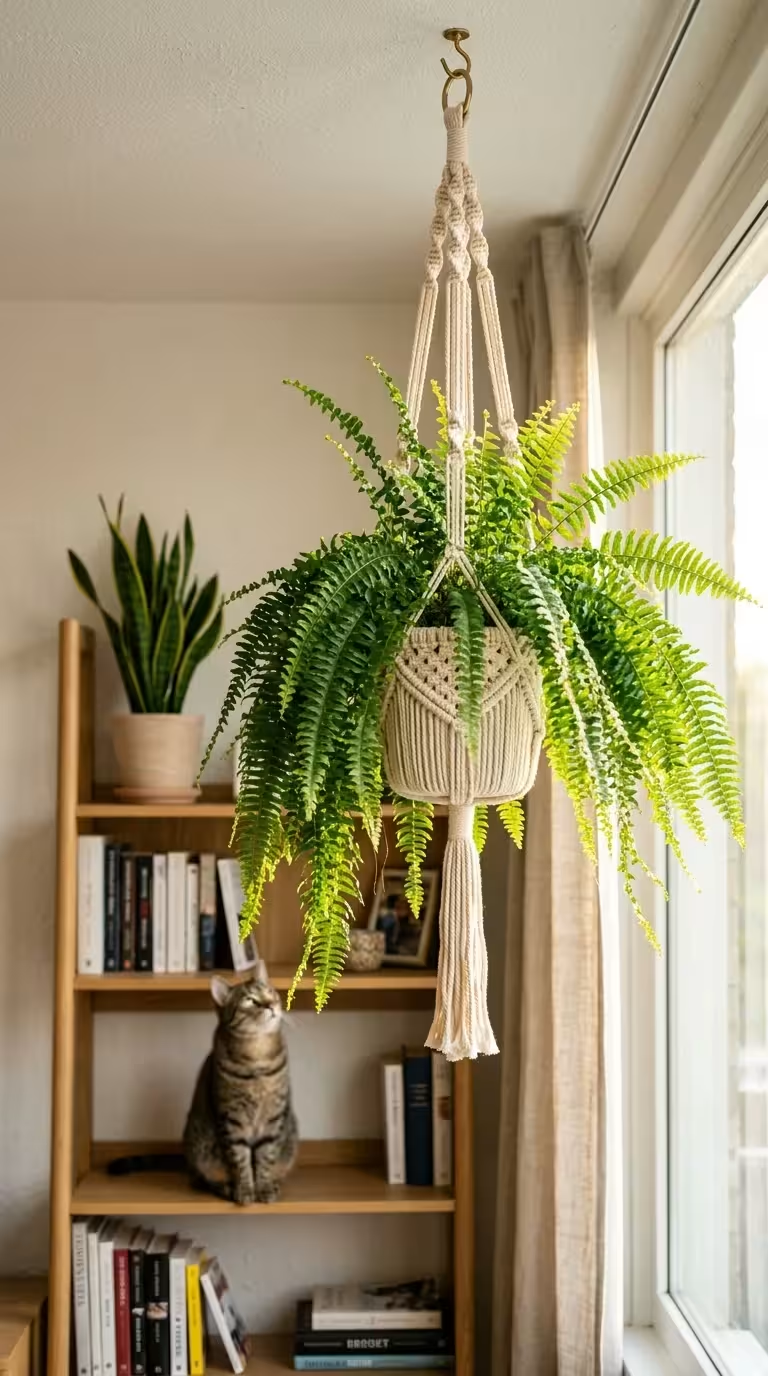
The classic Boston fern produces lush, arching, feathery fronds that look magnificent spilling out of a hanging planter or resting atop an elevated plant stand. Unlike the highly toxic asparagus fern, the true Boston fern is completely safe for both cats and dogs. It instantly elevates the humidity and vibrancy of any indoor space.
Care needs: Boston ferns thrive in cool environments with high humidity and bright, indirect light. Never allow the soil to dry out completely; keep the potting medium consistently, lightly moist to prevent the delicate leaflets from turning brown and shedding.
8. Bird’s Nest Fern (Asplenium nidus)
Instead of divided, feathery fronds, the bird’s nest fern features solid, wavy, apple-green leaves that unroll beautifully from a central, fuzzy rosette. Its sculptural quality makes it a stunning centerpiece for a dining table or bathroom vanity. Your pets can brush up against it safely all day long.
Care needs: It prefers medium, filtered light and high humidity. When you water your bird’s nest fern, direct the stream of water onto the soil rather than into the central rosette, as trapped moisture in the crown can quickly lead to lethal stem rot.
9. Cast Iron Plant (Aspidistra elatior)
Earning its name through sheer indestructibility, the cast iron plant survives practically anything—from deep shade to erratic watering schedules. It grows at a remarkably slow pace, sending up sturdy, dark green, lance-shaped leaves. If your small space lacks natural light, this pet-safe survivor is your best bet.
Care needs: It tolerates low light better than almost any other houseplant. Water it deeply, but allow the top half of the soil to dry out before watering again. Wipe its broad leaves occasionally with a damp cloth to remove household dust.
10. Calathea Medallion (Calathea veitchiana)
The Calathea Medallion features large, rounded leaves painted with intricate patterns of green and silver, backed with a deep, rich burgundy. Like other prayer plants, it exhibits nyctinasty—meaning it dramatically folds its leaves upward at night. It provides immense tropical beauty without introducing any toxins to your furry roommates.
Care needs: Place in bright, indirect light to keep the patterns bold. Calatheas are highly sensitive to the minerals found in tap water; use filtered water, rainwater, or distilled water to keep the leaf edges from turning crispy and brown.
Flowering Houseplants for Cats and Dogs
Introducing pops of color into a muted apartment adds immediate cheer. While many popular blooming plants—such as lilies and amaryllis—are highly dangerous to pets, these five flowering beauties are completely safe and surprisingly easy to maintain in limited spaces.
Additionally, performing a regular houseplant health check during their dormant period ensures your green companions stay healthy and disease-free.
Caring for these delicate bloomers during colder months requires some extra attention to avoid common winter care mistakes that can stunt their growth.
Before setting up a routine for these blooming varieties, make sure you are not falling for common houseplant watering myths that could accidentally harm your green companions.
11. African Violet (Saintpaulia)
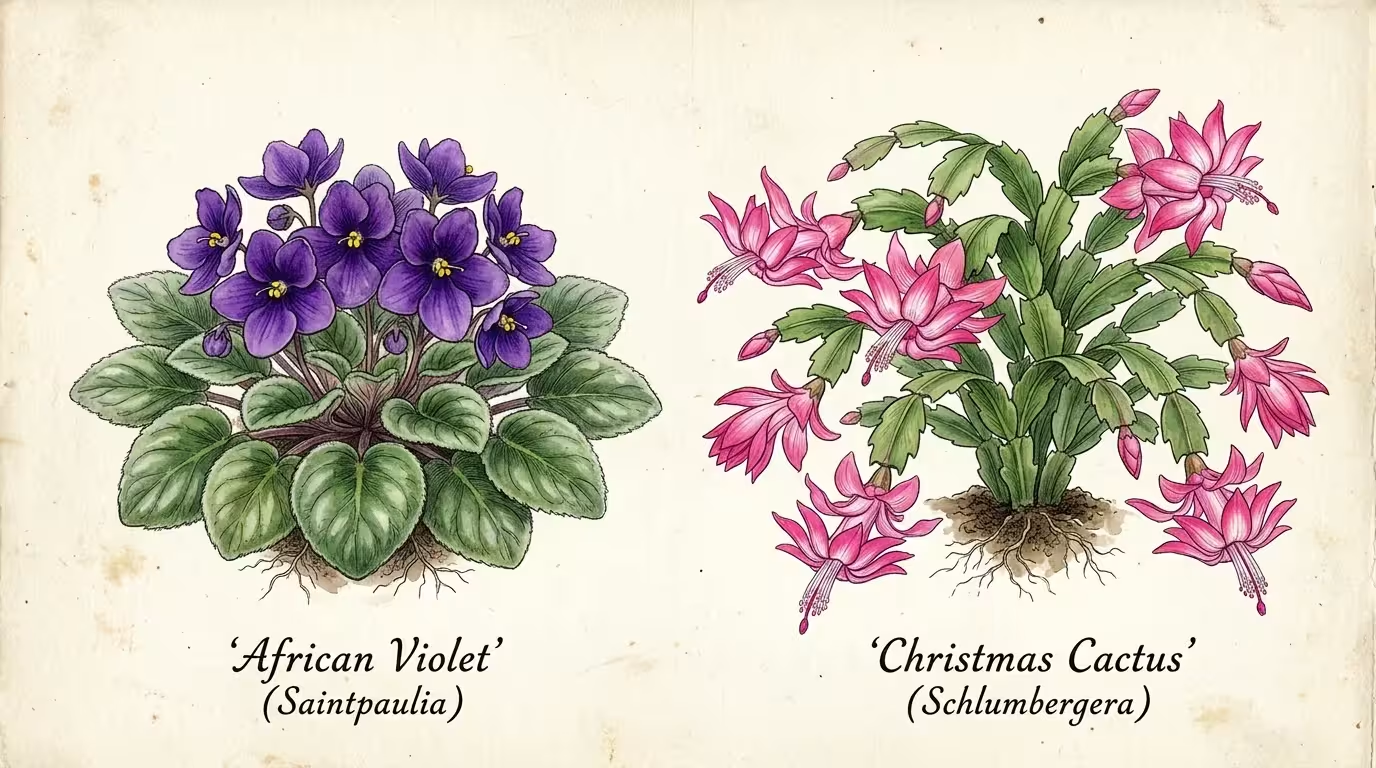
African violets remain one of the most beloved blooming houseplants for a good reason. They produce clusters of vibrant purple, pink, or white blossoms above rosettes of soft, fuzzy leaves. Their incredibly compact size makes them the ultimate windowsill companion for a small kitchen or bedroom, and they are entirely pet-safe.
Care needs: African violets thrive in bright, indirect sunlight, such as an east-facing window. Always water them from the bottom by setting the pot in a saucer of water for twenty minutes; splashing cold water directly onto their fuzzy leaves causes unsightly permanent spotting.
12. Moth Orchid (Phalaenopsis)
Orchids carry a reputation for being fussy, but the moth orchid is surprisingly adaptable to standard indoor conditions. Its long, arching stems carry elegant, butterfly-shaped blooms that can last for months on end. Even better, your cats and dogs will suffer no ill effects if they decide to gnaw on the thick, fleshy roots or fallen petals.
Care needs: Moth orchids are epiphytes, meaning they naturally grow on tree bark rather than in soil. Plant them in a chunky orchid bark mix, provide bright indirect light, and water them thoroughly once a week, allowing all excess water to drain away completely.
13. Gloxinia (Sinningia speciosa)
A close relative of the African violet, the gloxinia produces large, dramatic, bell-shaped flowers that rise above wide, velvety green foliage. These show-stopping blooms make fantastic temporary centerpieces and pose no toxicity risks to your household animals.
Care needs: Gloxinias require bright, filtered light and consistently moist potting soil during their active blooming period. Similar to African violets, you must avoid getting water on their delicate leaves. After the blooming cycle ends, the plant often dies back and requires a dormant rest period with reduced watering.
14. Bromeliad (Bromeliaceae family)
Bromeliads bring a wildly exotic flair to any room, featuring stiff, strappy leaves that form a central cup or “tank.” A brightly colored, long-lasting flower spike emerges from the center, lasting for several months. They are durable, require very little space, and remain 100 percent pet-safe.
Care needs: Instead of watering the soil heavily, pour fresh, filtered water directly into the central cup of the leaves. Flush out this central tank every few weeks to prevent the water from stagnating or harboring bacteria. Provide bright, indirect light for the best color.
15. Christmas Cactus (Schlumbergera bridgesii)
Unlike prickly desert cacti, the Christmas cactus features smooth, segmented, trailing stems that produce magnificent, tubular flowers in shades of red, pink, and white during the winter holidays. Because it lacks sharp spines and toxic sap, it is incredibly safe for curious noses and paws.
Care needs: As a tropical forest cactus, it prefers slightly more moisture than its desert cousins. Keep the soil evenly moist during the spring and summer. To encourage a flush of winter blooms, expose the plant to cooler temperatures and fourteen hours of complete darkness each night during the early fall.
Hanging and Trailing Non-Toxic Plants
When floor and shelf space runs out, the only way to grow is up. Hanging plants draw the eye vertically, making small rooms feel taller and more expansive. Since trailing tendrils often tempt cats to bat at them, ensuring these varieties are non-toxic is critical.
16. Burro’s Tail (Sedum morganianum)
The burro’s tail is a mesmerizing succulent that produces thick, heavy stems draped tightly with plump, teardrop-shaped leaves. The trailing stems resemble braided tails, creating a stunning textural display in a hanging basket. While safe for pets, the leaves are notoriously fragile and drop at the slightest touch, so keeping it elevated protects the plant’s aesthetic.
Care needs: This sun-loving succulent requires several hours of direct morning or afternoon sunlight to prevent the stems from stretching. Water deeply only when the soil has dried out entirely—usually once every two to three weeks.
17. Swedish Ivy (Plectranthus verticillatus)
Swedish ivy grows vigorously, producing lush, trailing stems covered in glossy, scalloped green leaves. It rapidly fills out hanging baskets and effortlessly drapes over the edges of tall bookshelves. Its non-toxic nature makes it a fantastic, fast-growing alternative to dangerous trailing plants like English ivy.
Care needs: Swedish ivy thrives in bright, indirect light and prefers its soil to remain evenly moist. It also roots incredibly easily in water, making it a wonderful plant to propagate and share with fellow pet-owning friends.
18. Baby Tears (Soleirolia soleirolii)
Featuring thousands of tiny, delicate green leaves, baby tears create a dense, cascading mat of greenery that looks almost like a lush carpet spilling out of its pot. It stays quite compact, making it ideal for small decorative hanging planters or indoor terrariums where pet safety is a priority.
Care needs: Baby tears absolutely despise drying out. You must keep the soil consistently moist and provide a high-humidity environment. Bright, indirect light keeps the tiny leaves growing densely without scorching them.
19. Hoya Carnosa (Wax Plant)
The classic wax plant features thick, glossy, almond-shaped leaves that grow along long, vining stems. Under the right conditions, it produces breathtaking, star-shaped clusters of flowers that emit a sweet, chocolate-vanilla fragrance at night. Hoyas are highly adaptable, pet-safe, and incredibly long-lived.
Care needs: Hoyas prefer bright, indirect sunlight and actually bloom best when their root systems are slightly cramped in a small pot. Because of their semi-succulent leaves, allow the top few inches of soil to dry out thoroughly before you water again.
20. String of Hearts (Ceropegia woodii)
This delicate, graceful trailing plant features wiry, purplish stems dotted with perfectly heart-shaped leaves marbled in silver and green. It looks exquisite cascading from a small pot on a high windowsill. Despite its delicate appearance, it is surprisingly tough, drought-tolerant, and perfectly safe for your household pets.
Care needs: Give your string of hearts bright light, including a few hours of direct morning sun if possible. It grows from bulb-like tubers under the soil, so allow the potting mix to dry out completely between waterings to prevent rot.
21. Red Prayer Plant (Maranta leuconeura)
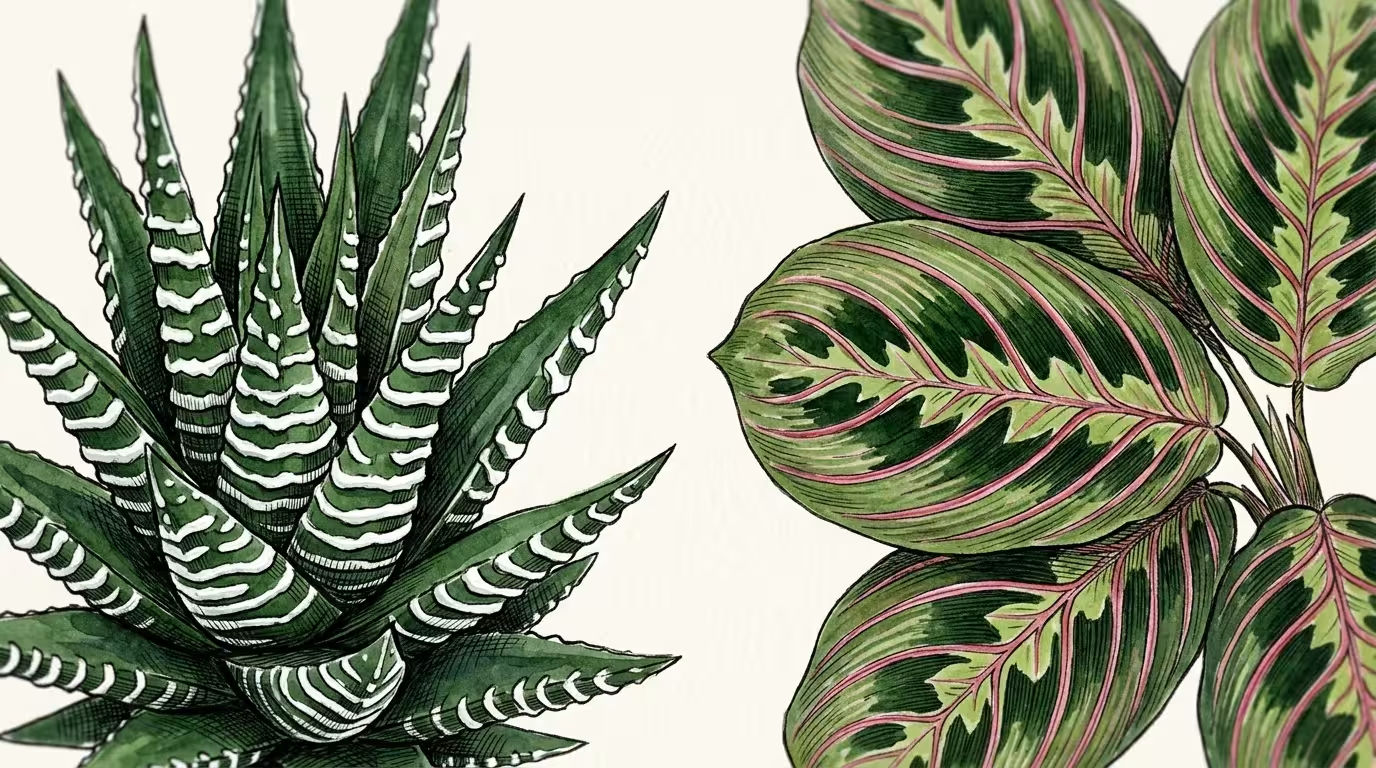
The red prayer plant features spectacular oval leaves with bold red herringbone veins running across a velvety green surface. It gets its name from its fascinating habit of folding its leaves upward in the evening, resembling hands folded in prayer. It cascades beautifully over the edges of low planters.
Care needs: Prayer plants demand high humidity and evenly moist soil. Never let the soil dry out completely, but avoid waterlogging the roots. Provide bright, indirect light; too much direct sun will cause the vibrant red veins to fade dramatically.
22. Polka Dot Plant (Hypoestes phyllostachya)
Add a splash of vibrant pink, red, or white to your space with the charming polka dot plant. Its heavily speckled leaves provide incredible contrast against traditional green foliage. While it usually grows upright, older stems naturally trail gracefully over the sides of containers.
Care needs: Bright, indirect light is essential to maintain the vivid spotting on the leaves. Keep the soil consistently moist. To prevent the plant from becoming leggy and sparse, frequently pinch back the growing tips to encourage a bushy, dense growth habit.
Unique and Textured Indoor Plants
If you prefer plants with unusual shapes, striking textures, or unique growing habits, this category provides plenty of character without any associated toxicity risks. These weird and wonderful plants make fantastic conversation starters in tight quarters.
23. Haworthia (Zebra Plant)
Haworthia closely resembles the popular aloe vera plant—but unlike aloe, which is toxic to pets, Haworthia is entirely pet-safe. This miniature succulent forms tight rosettes of spiky, fleshy leaves adorned with raised white, pearlescent bumps that look like zebra stripes. It easily fits onto the narrowest of apartment windowsills.
Care needs: Haworthias prefer bright, indirect light but can tolerate medium light much better than most other succulents. Plant them in a gritty, fast-draining cactus mix and water only when the soil is completely bone dry.
24. Echeveria
Echeverias are the classic, rose-shaped succulents that come in gorgeous pastel shades of blue, pink, purple, and pale green. Their compact, floral appearance makes them a staple in small succulent arrangements, and you can rest easy knowing they pose no danger to your dogs and cats.
Care needs: To prevent echeverias from stretching out and losing their tight rosette shape, you must provide them with the brightest light possible—several hours of direct sunlight is ideal. Water deeply, then ignore the plant until the soil dries out entirely.
25. Venus Flytrap (Dionaea muscipula)
For a true novelty, the Venus flytrap offers incredible entertainment. These fascinating carnivorous plants snap their specialized jaw-like leaves shut when small insects trigger the interior hairs. While your pets might occasionally trigger the traps out of curiosity, the plant itself contains no toxic compounds.
Care needs: Venus flytraps require extreme conditions to survive indoors. They need maximum direct sunlight and must be potted in a nutrient-poor medium like pure sphagnum moss. Never use tap water; you must keep their medium constantly moist using only distilled water or collected rainwater.
26. Areca Palm (Dypsis lutescens)
If your small space can accommodate one large statement plant, make it the Areca palm. It features multiple bamboo-like stems that produce large, feathery, upward-arching fronds. It brings immense tropical scale to a room, acts as a brilliant natural humidifier, and remains thoroughly pet-friendly.
Care needs: Position the Areca palm in bright, indirect sunlight. Keep the soil slightly moist during the spring and summer, but reduce watering in the winter. If the indoor air becomes too dry, the leaf tips may turn brown, so misting or running a humidifier is highly beneficial.
27. Bamboo Palm (Chamaedorea seifrizii)
The bamboo palm features slender, ringed green stems that closely resemble real bamboo, topped with dark green fronds. It naturally grows in the shaded understory of tropical forests, making it incredibly adaptable to the lower light levels often found in urban apartments.
Care needs: It thrives in medium, indirect light and prefers to be kept consistently moist. Ensure the planter has excellent drainage, as sitting in waterlogged soil quickly leads to fatal root rot. It is also an excellent plant for filtering indoor air.
28. Money Tree (Pachira aquatica)
Recognized by its intricately braided trunk and bright green, umbrella-like clusters of leaves, the money tree is a staple of feng shui design. It grows vertically rather than spreading wide, fitting perfectly into tight corners while bringing a sense of calm, tropical energy and total pet safety.
Care needs: Money trees prefer bright, indirect light but will adapt to artificial office lighting. They require deep, infrequent watering. Pour water over the soil until it runs out the bottom, then wait until the top two to three inches of soil dry out completely before watering again.
29. Friendship Plant (Pilea involucrata)
The friendship plant features deeply textured, heavily quilted leaves that exhibit a beautiful bronze or purplish cast. It rarely exceeds twelve inches in height, making it a superb, highly textured addition to a crowded desk or a tabletop terrarium. It propagates easily, making it perfect for sharing.
Care needs: This plant loves high humidity and warm temperatures. Keep the potting mix lightly moist at all times, and provide bright, indirect light. Direct sunlight will quickly scorch the delicate, textured foliage.
30. Chinese Money Plant (Pilea peperomioides)
Characterized by perfectly round, coin-shaped leaves that bounce cheerfully on delicate stems, the Chinese money plant has an unmistakable mid-century modern aesthetic. It frequently produces tiny baby plants—called “pups”—around its base, and you can let your pets sniff and explore it without worry.
Care needs: Provide bright, indirect light and rotate the pot a quarter turn every week to ensure the stems grow straight rather than leaning toward the window. Allow the soil to dry out moderately between waterings to keep the roots healthy and oxygenated.
Essential Care Tips for Your Indoor Jungle
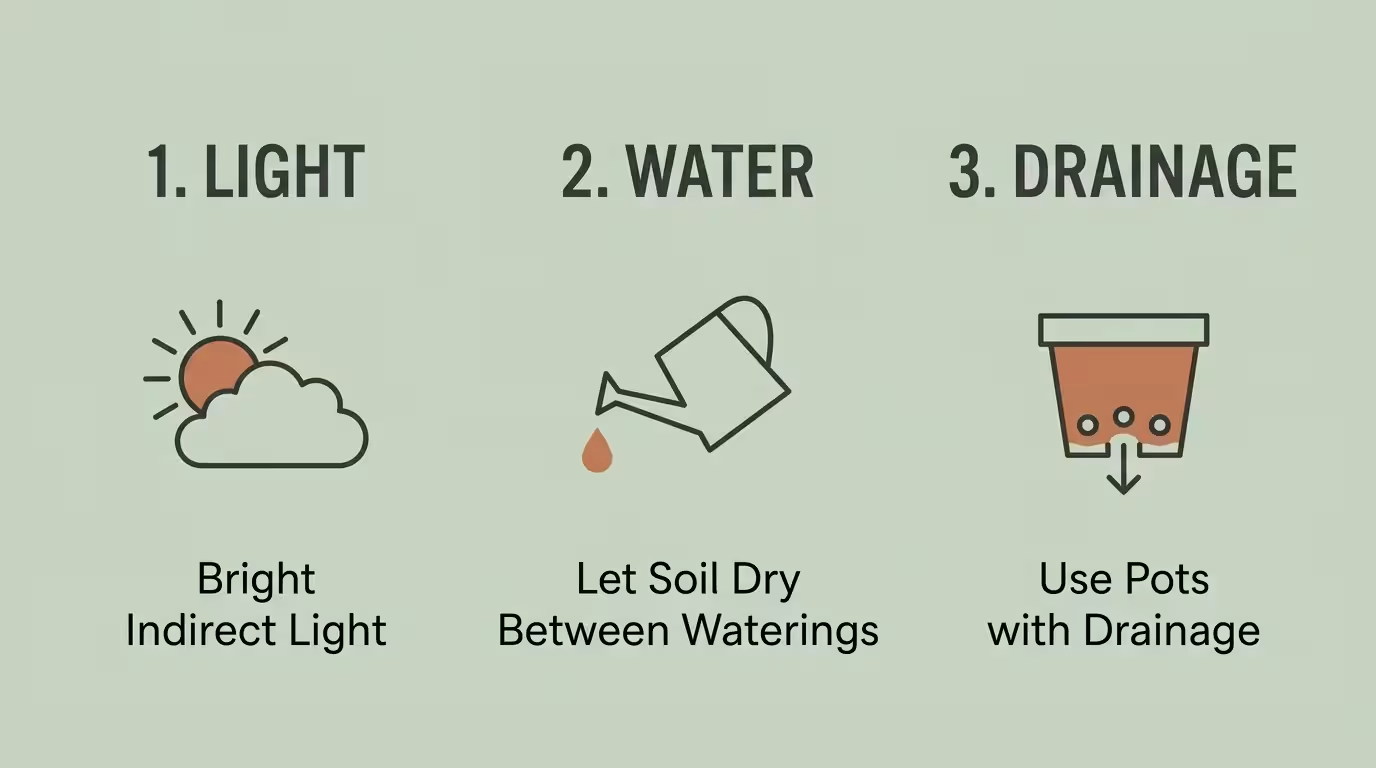
Maintaining a lush indoor garden in a small space requires a thoughtful approach to container management and plant hygiene. The foundation of any successful houseplant is excellent drainage. Never plant your pet-safe greenery directly into a decorative pot that lacks a drainage hole; water will pool at the bottom, rotting the roots and killing the plant rapidly. Instead, plant directly into a cheap plastic nursery pot with holes, and slip that plastic pot inside your beautiful decorative container. When it is time to water, remove the nursery pot, drench the soil in your sink, allow it to drain entirely, and return it to the decorative pot.
When selecting your potting mix, choose a light, well-aerated blend containing perlite or pumice to ensure the roots receive adequate oxygen. Furthermore, because your pets share close quarters with your plants, you must be extremely mindful of the products you apply. Avoid harsh, synthetic chemical fertilizers or systemic pesticides. Opt for natural, organic liquid fertilizers like diluted fish emulsion or compost tea. For pest control, regularly wiping down your plants’ leaves with a soft, damp cloth removes dust to aid photosynthesis while simultaneously wiping away early spider mite or aphid infestations safely.
How to Deter Pets from Bothering Your Plants
Even though the thirty plants detailed above will not poison your dog or cat, you still want to protect your greenery from being shredded by claws or dug up by eager paws. In a small space, you cannot always lock your plants in a separate room, so you must employ clever deterrent strategies.
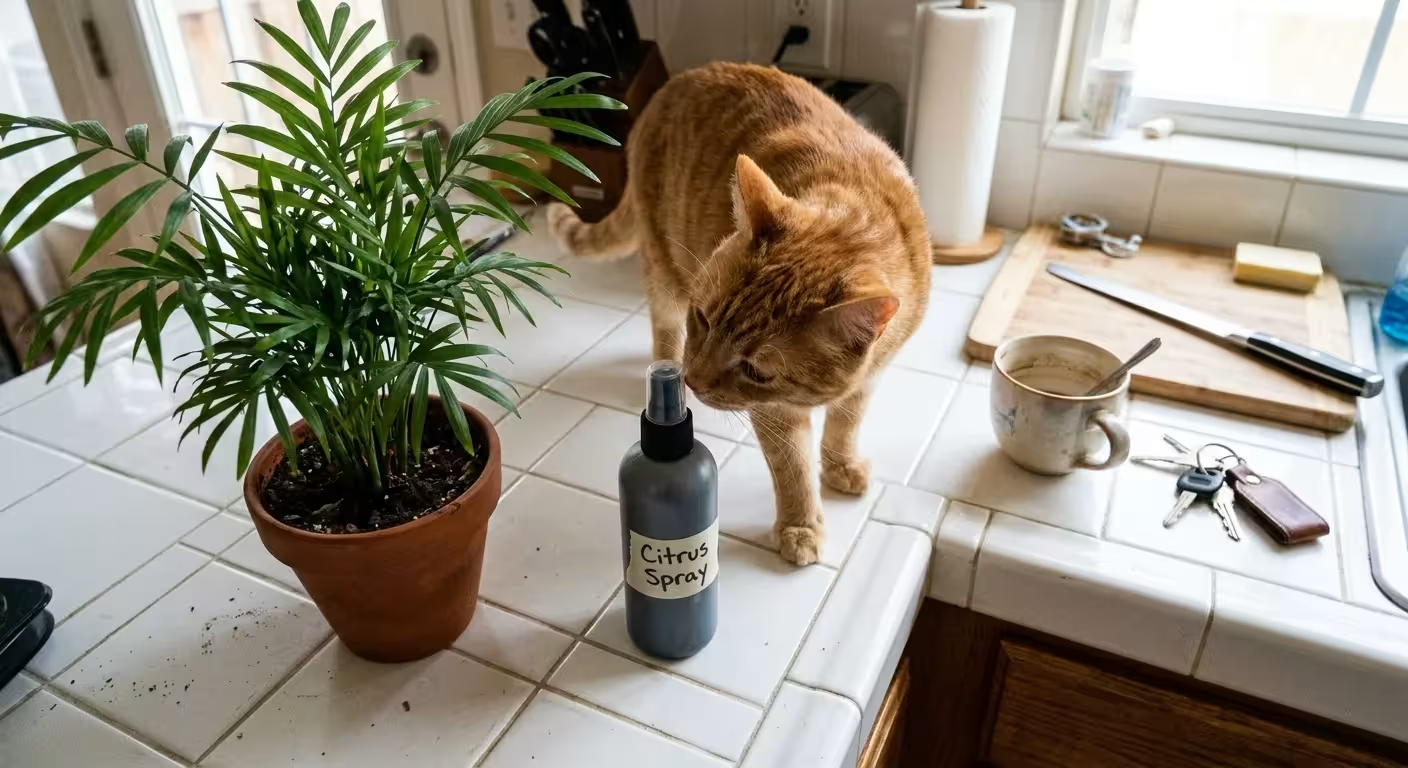
Cats generally dislike the texture of loose, wet soil, but they love digging in dry, peaty mixes. Dogs might simply follow interesting scents right into the pot. Applying a physical or scent-based barrier often solves the problem instantly without harming your pets or the plants.
| Deterrent Strategy | How It Works | Best Application for Small Spaces |
|---|---|---|
| Citrus Peels | Cats and dogs possess sensitive noses and strongly detest the sharp smell of citrus oils. | Place fresh lemon, lime, or orange peels directly on top of the potting soil. Replace them weekly. |
| Pebble Mulch | Heavy stones prevent pets from digging and scratching in the loose potting mix. | Cover the top layer of soil with medium-sized decorative river rocks or smooth glass pebbles. |
| Aluminum Foil | Cats hate the sound and feel of crinkling foil beneath their paws. | Wrap a layer of foil around the base of the plant pot until your cat loses interest in the area. |
| Vertical Shelving | Removes physical access to trailing or delicate foliage entirely, saving floor space. | Use floating wall shelves, tall plant stands, or ceiling-mounted macrame hangers. |
Consistency is key when training pets. If you catch your animal attempting to chew a leaf, firmly redirect their attention to an appropriate toy or a designated pot of pet grass (like oat or wheatgrass) grown specifically for them to snack on safely.
Frequently Asked Questions
Will my cat get sick if they eat a non-toxic plant?
While non-toxic plants do not contain deadly compounds that cause organ failure or severe poisoning, eating a large amount of any foreign plant material can irritate a pet’s digestive tract. If your cat consumes a massive handful of spider plant leaves, they might vomit or experience mild diarrhea simply from the indigestible fibrous material. It is always best to discourage snacking on houseplants.
How can I safely fertilize my pet-friendly plants?
To keep your pets safe in small spaces, avoid granular chemical fertilizers that sit on the soil surface, as dogs may mistake the pellets for food. Instead, utilize diluted, organic liquid fertilizers during your normal watering routine. Options like liquid kelp, worm casting tea, or fish emulsion absorb straight into the soil, leaving no dangerous residues for your pets to lick or ingest.
Are all ferns safe for cats and dogs?
No, not all plants with “fern” in the name are safe. True ferns, such as the Boston fern, bird’s nest fern, and maidenhair fern, are completely non-toxic and pet-safe. However, the popular “asparagus fern”—which is actually a member of the lily family, not a true fern—is highly toxic to pets and should be strictly avoided in homes with cats and dogs.
What should I do if I catch my pet eating an unknown plant?
If your pet ingests a plant and you are unsure of its identity or toxicity, immediately remove any remaining plant material from their mouth. Take a clear photograph of the plant and contact your veterinarian or a dedicated animal poison control hotline immediately. Do not wait for symptoms like drooling, vomiting, or lethargy to appear before seeking professional guidance.
For trustworthy gardening information, visit:
Denver Botanic Gardens, San Diego Botanic Garden, U.S. National Arboretum, American Horticultural Society and National Garden Bureau. These organizations provide expert, research-based advice for gardeners at all levels.
Disclaimer: This article is for informational purposes only and is not a substitute for professional gardening advice. Always consult local extension services or horticulture experts for region-specific guidance.

Leave a Reply