
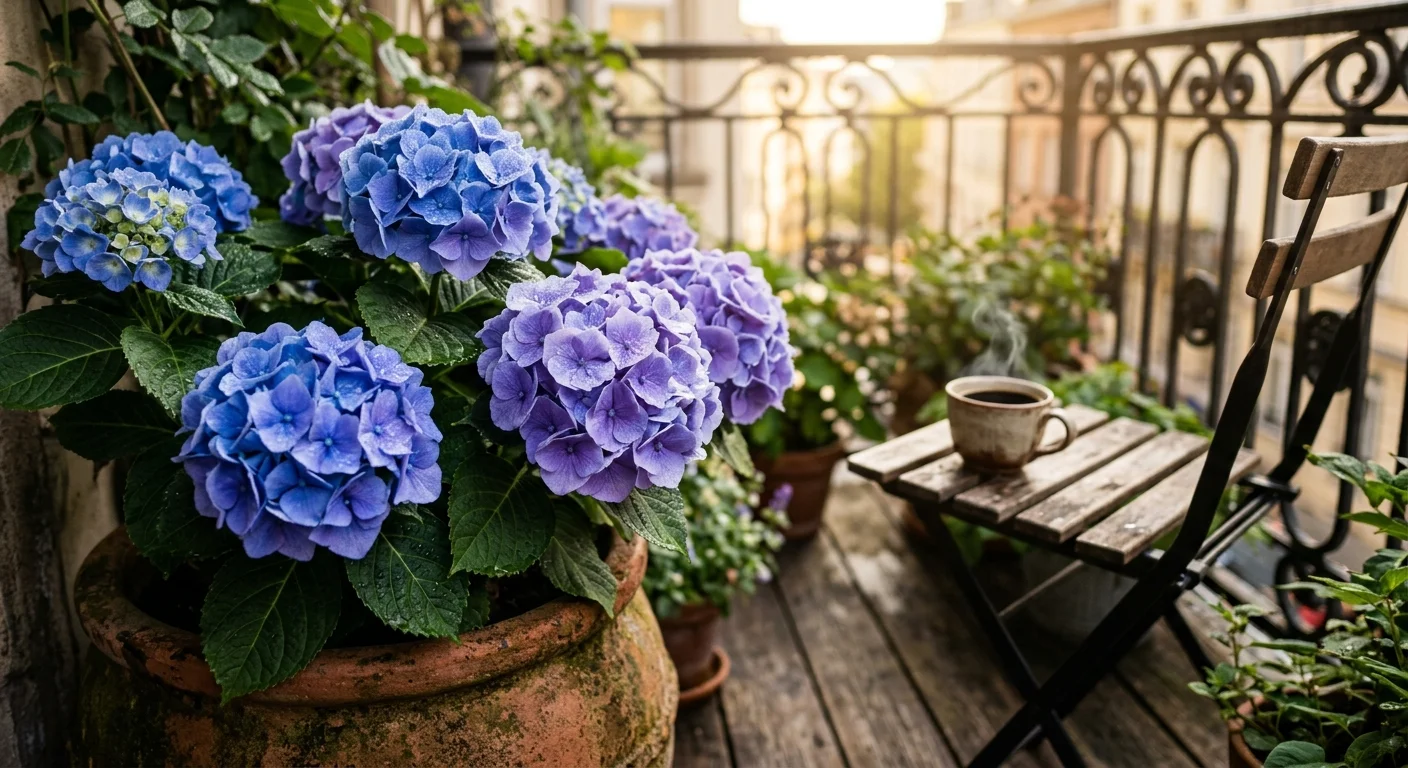
Unlocking massive, vibrant hydrangea blooms requires moving beyond basic watering and understanding the precise environmental triggers that push your plants into overdrive.
Whether you are cultivating a sprawling yard or managing a single potted shrub on a tiny urban balcony, producing show-stopping flowers comes down to mastering five specific horticultural techniques.
By identifying your exact plant species, optimizing soil chemistry, timing your pruning perfectly, managing hydration, and controlling sunlight exposure, you can double your bloom size this season.
These foundational strategies eliminate the guesswork from hydrangea care and guarantee spectacular floral displays year after year without demanding endless hours of strenuous yard work.
Strategic planting selections can also help you transform a tiny yard into a garden oasis that feels spacious and serene.
Understanding these simple environmental triggers is often the key secret to why your neighbor’s garden looks so much better and produces more robust flowers.
Contents8 sections
- Identify Your Hydrangea Species for Targeted Care
- Master the Art of Strategic Pruning
- Optimize Soil pH and Nutrients for Maximum Color
- Nail the Hydration and Drainage Balance
- Provide the Perfect Balance of Sunlight and Shade
- Small Space Hydrangea Solutions for Balconies and Patios
- Common Hydrangea Mistakes to Avoid
- Frequently Asked Questions
Identify Your Hydrangea Species for Targeted Care
The foundation of all successful hydrangea care begins with accurate plant identification. Treating every hydrangea exactly the same is a guaranteed path to disappointment, as different species have completely different growth habits, hardiness levels, and blooming mechanics.
Before you pick up a pair of pruning shears or apply a single scoop of fertilizer, you must determine which specific type of hydrangea occupies your garden space. Knowing your species allows you to tailor your gardening tips directly to the plant’s biological needs.
When growing these shrubs in tight quarters, avoiding common balcony garden mistakes is essential to keep them from outgrowing their pots too quickly.
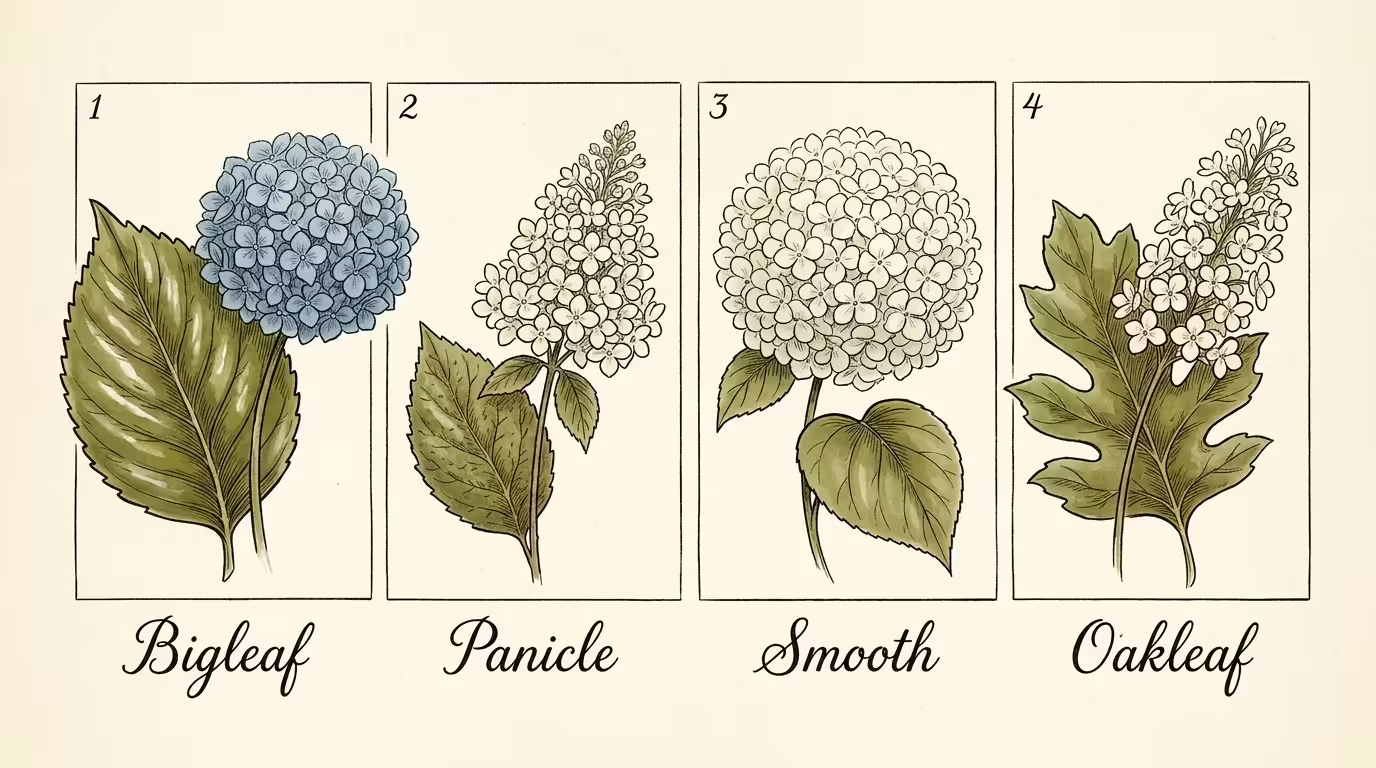
The most common garden variety is the Bigleaf hydrangea, scientifically known as Hydrangea macrophylla. These plants produce the iconic, massive globes of pink, blue, or purple flowers often associated with traditional coastal gardens.
They feature large, serrated leaves that are thick and somewhat glossy. Bigleaf hydrangeas are notoriously sensitive to cold winters and primarily set their flower buds during the previous late summer—a critical detail that heavily influences how and when you prune them.
Panicle hydrangeas, or Hydrangea paniculata, represent the most sun-tolerant and cold-hardy option available to home growers. You can identify these by their distinct cone-shaped flower clusters that typically open white or pale green and gradually transition to deep dusty pink or red as autumn approaches.
Their leaves are smaller, thinner, and rougher than the Bigleaf varieties. Because Panicle hydrangeas develop their flower buds on fresh spring growth, they are incredibly forgiving and rarely fail to bloom even after brutal winter freezes.
Smooth hydrangeas, officially Hydrangea arborescens, are native to North America and boast massive, spherical white blooms that can sometimes reach the size of basketballs. The famous ‘Annabelle’ cultivar belongs to this group.
Their leaves are thinner and more heart-shaped, and they share the Panicle hydrangea’s trait of blooming on brand new growth. Finally, the Oakleaf hydrangea, or Hydrangea quercifolia, stands out easily due to its deeply lobed leaves that closely resemble those of an oak tree.
These native shrubs produce elongated white blooms and offer spectacular burgundy and purple foliage in the fall.
If you are practicing flower gardening in a restricted area like a patio or balcony, correctly identifying dwarf varieties of these species ensures your plant will not quickly outgrow its container.
Understanding the exact genetic makeup of your shrub is the first true secret any garden expert will emphasize when diagnosing a plant that refuses to flower.
Master the Art of Strategic Pruning
Improper pruning ruins more hydrangea blooms than pests, diseases, and bad weather combined. To achieve magnificent floral displays, you must align your pruning strategy with your specific species’ wood type.
In the horticultural world, hydrangeas are classified as blooming on either “old wood” or “new wood.” Misunderstanding this terminology usually results in gardeners accidentally amputating next year’s flowers.
If you prefer a more hands-off landscaping style, try combining your hydrangeas with other no-fail flowers that bloom all summer with minimal attention.
If you are new to trimming shrubs, understanding pruning basics will help you keep all your landscape plants healthy and shaped.
Old wood refers to the stems and branches that grew during the previous summer. Hydrangeas that bloom on old wood—specifically Bigleaf and Oakleaf varieties—develop their flower buds in late August and September.
These buds remain dormant on the bare branches throughout the winter and burst into bloom the following spring. If you cut these stems down in the fall, winter, or early spring, you are physically removing the flower buds.
For old wood varieties, the only safe time to prune is immediately after the flowers fade in mid-summer. Even then, you should only remove dead, diseased, or crossing branches to maintain the shrub’s shape.
Conversely, new wood refers to the fresh, green stems that emerge from the base of the plant in early spring. Smooth and Panicle hydrangeas bloom on this new wood, making them incredibly easy to manage.
Because their flower buds form on the current season’s growth, you can safely cut these shrubs back aggressively in late winter or very early spring before new leaves emerge.
In fact, hard pruning of Smooth hydrangeas often results in stronger stems capable of supporting the massive weight of their oversized blooms.
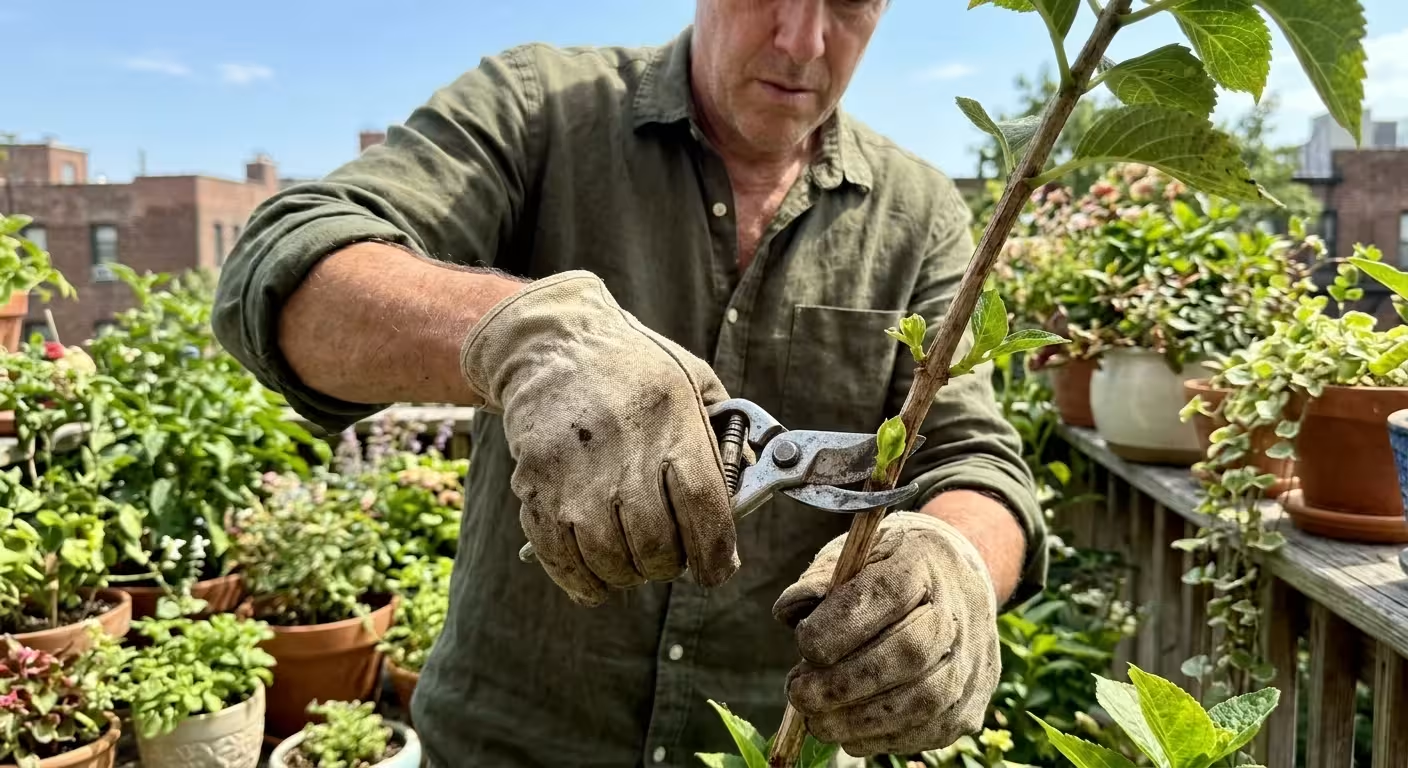
Always use sharp, sanitized bypass pruners when making your cuts. Anvil pruners crush the stems, leaving jagged wounds that invite fungal infections.
Wipe your pruning blades with rubbing alcohol between each plant to prevent the accidental spread of disease across your garden.
| Hydrangea Species | Wood Type | Safe Pruning Time | Pruning Goal |
|---|---|---|---|
| Bigleaf (Macrophylla) | Old Wood | Mid-summer, right after blooms fade | Remove dead stems; shape lightly |
| Oakleaf (Quercifolia) | Old Wood | Mid-summer, right after blooms fade | Minimal pruning; remove damaged wood |
| Panicle (Paniculata) | New Wood | Late winter to early spring | Remove up to one-third of overall height |
| Smooth (Arborescens) | New Wood | Late winter to early spring | Cut back to strong framework; remove weak stems |
For gardeners looking for a foolproof approach, the introduction of reblooming varieties—like the popular Endless Summer collection—has revolutionized hydrangea care.
These genetic marvels produce buds on both old and new wood, meaning that even if a harsh winter kills the old buds, the plant will still generate a second flush of flowers on the fresh spring stems.
Optimize Soil pH and Nutrients for Maximum Color
One of the most magical aspects of flower gardening is the ability to manipulate the color of your Bigleaf and Mountain hydrangeas simply by altering the chemistry of your soil.
This color-changing phenomenon relies entirely on the availability of aluminum in the earth, which is controlled by the soil’s pH level. Mastering this secret allows you to turn pale, muddy blooms into vivid cerulean blues or deep, saturated pinks.
Utilizing household waste like coffee grounds is just one of many clever gardening hacks you can use to nourish your landscape for free.
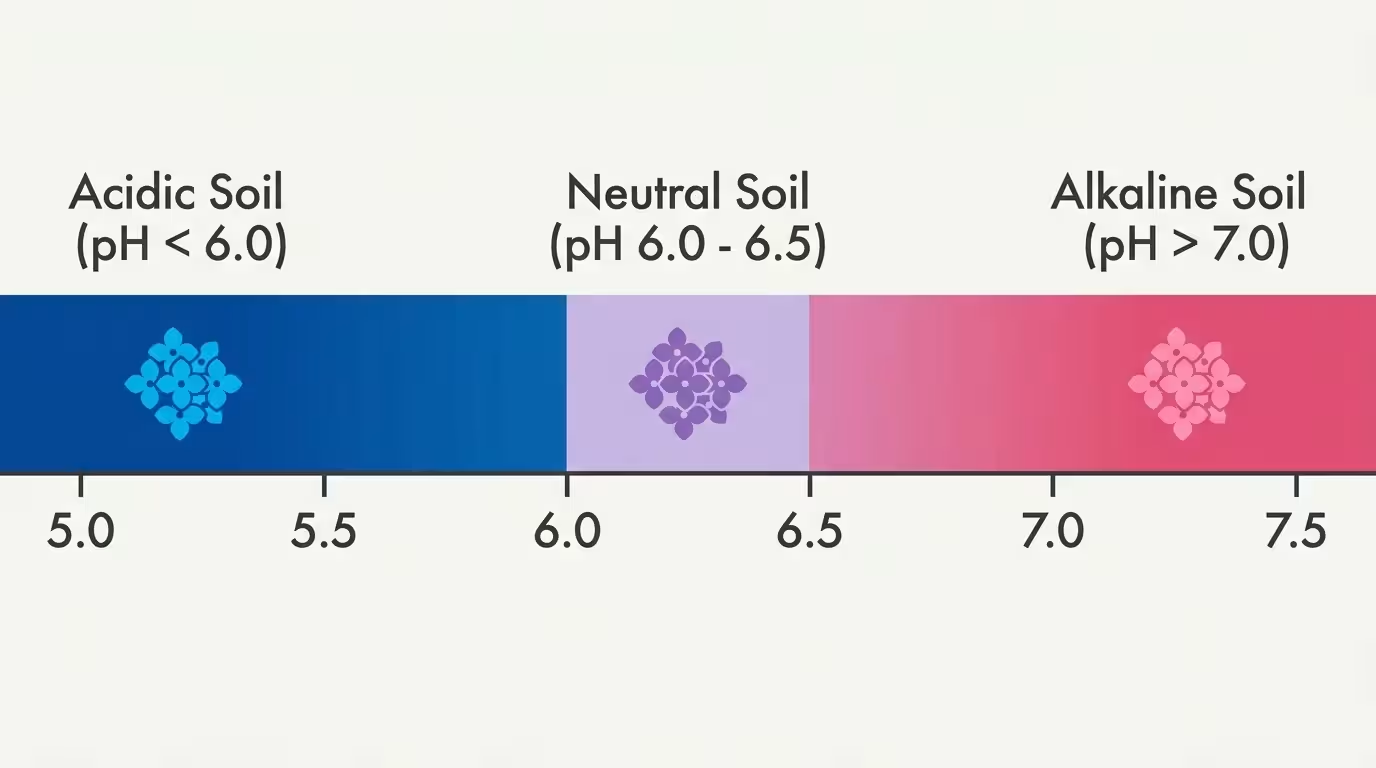
If you desire true blue hydrangea blooms, your soil must be highly acidic, registering a pH between 5.0 and 5.5. In acidic soil, the element aluminum becomes mobile and easily absorbed by the hydrangea’s root system.
The plant takes up this aluminum and transports it to the flower petals, creating the blue pigment.
To lower your soil pH and encourage blue flowers, apply a soil acidifier or aluminum sulfate to the earth around the drip line of the shrub in early spring. Follow the package instructions carefully, as applying too much aluminum can scorch the plant’s roots.
Incorporating organic matter like pine needles, coffee grounds, and composted oak leaves will also naturally push the soil toward a more acidic profile over time.
Conversely, if you prefer brilliant pink or ruby red blooms, you need alkaline soil with a pH between 6.0 and 6.5. In alkaline conditions, aluminum becomes locked up in the soil matrix, making it completely unavailable to the plant.
Without aluminum, the hydrangea naturally produces pink blossoms. You can raise your soil pH by broadcasting garden lime or wood ashes around the base of the plant.
Remember that white hydrangeas lack the pigment-altering anthocyanins entirely; no amount of soil chemistry manipulation will change a white flower to pink or blue.
Beyond pH, delivering the correct balance of macronutrients is vital for supersized flowers. Plants require nitrogen for leaf growth, phosphorus for root and bloom development, and potassium for overall cellular health.
Many beginner gardeners make the mistake of applying high-nitrogen lawn fertilizers near their shrubs. This influx of nitrogen encourages the plant to produce a massive canopy of lush, green foliage at the absolute expense of flower buds.
Instead, select a slow-release, granular fertilizer with a higher phosphorus number—often labeled as a “bloom booster.” Apply this balanced nutrition exactly as the plant breaks dormancy in the spring, and provide a light secondary application in early summer to fuel the bloom cycle.
Nail the Hydration and Drainage Balance
The botanical name “Hydrangea” originates from the Greek words “hydor,” meaning water, and “angeion,” meaning vessel. This etymology perfectly describes the plant’s biology; hydrangeas are essentially living water pumps that transpire massive amounts of moisture through their broad, porous leaves.
Maintaining the perfect moisture balance is the fourth secret to securing spectacular, long-lasting blooms.
Keeping your soil moist and well-mulched also plays a huge role in beating summer heat stress during intense July and August heatwaves.
Establishing efficient watering schedules is key to keeping these moisture-loving plants hydrated without constant effort.
The most crucial watering rule is to implement deep, infrequent soaking rather than shallow, daily sprinkling. When you deliver a light splash of water to the soil surface, the roots are trained to grow upward toward the moisture.
This creates a shallow, fragile root system that dries out instantly on a hot July afternoon.
Instead, position a soaker hose at the base of the plant and let it run for thirty to forty-five minutes once or twice a week, depending on your local rainfall.
This deep irrigation forces the root system to push downward deep into the earth, locating cool, insulated moisture reserves that protect the plant during summer droughts.
Applying a thick layer of organic mulch is non-negotiable for serious hydrangea care. Spread three to four inches of shredded hardwood bark, pine straw, or composted leaves around the entire root zone of the plant, ensuring the mulch does not directly touch the woody stems.
Mulch acts as a thermal blanket, significantly lowering soil temperatures while dramatically reducing surface evaporation.
If you are growing hydrangeas in containers on a balcony or patio, your hydration strategy must adapt to the constraints of small-space gardening. Potted soil dries out exponentially faster than ground soil, especially in porous terracotta pots.
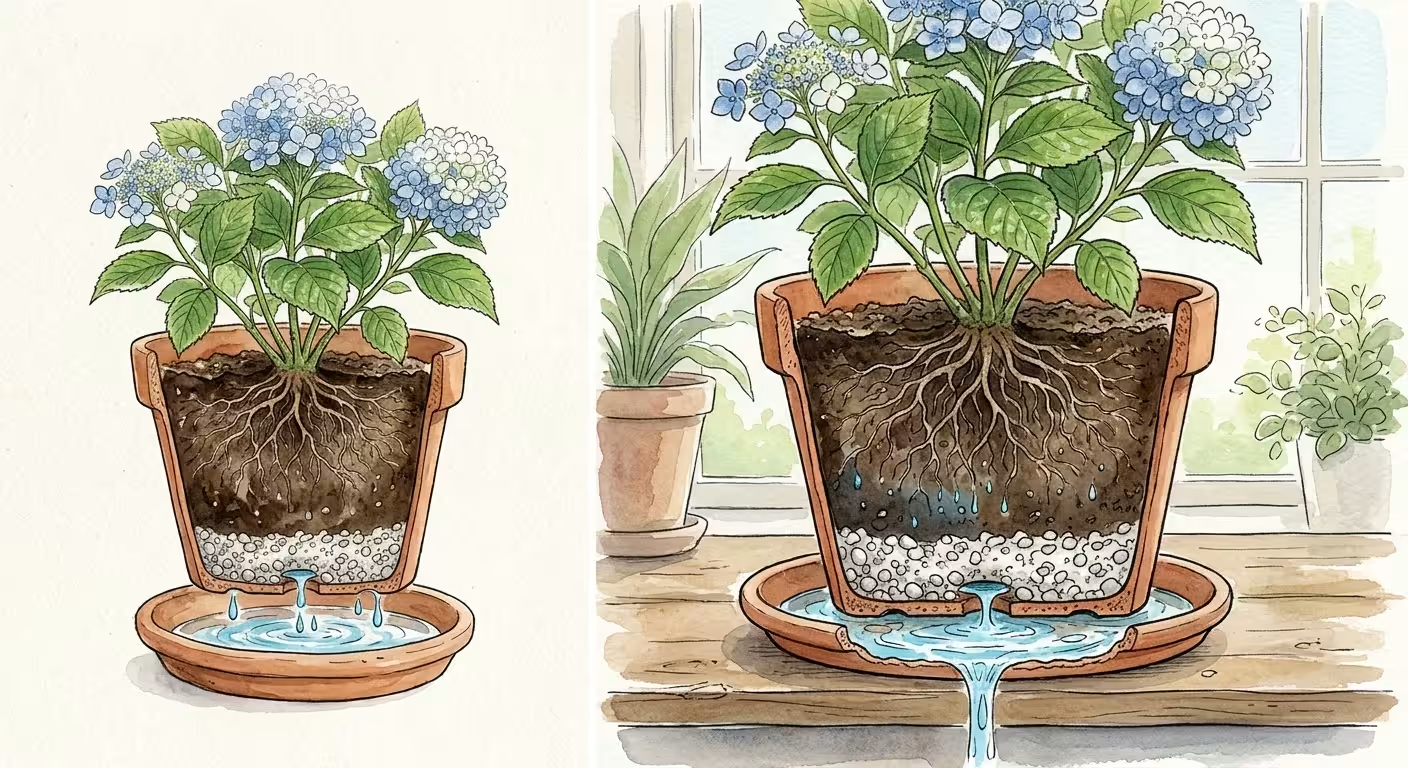
During the peak of summer heat, you may need to water container hydrangeas daily. However, this frequent watering necessitates flawless drainage.
Stagnant water sitting at the bottom of a container rapidly displaces soil oxygen, suffocating the roots and triggering a fatal condition called root rot. Always verify that your decorative pots have multiple large drainage holes.
Elevating the pots slightly on ceramic “pot feet” prevents water from pooling underneath the container and ensures rapid, healthy drainage.
Provide the Perfect Balance of Sunlight and Shade
A widespread misconception dictates that hydrangeas are deep-shade plants. While they certainly appreciate relief from brutal summer heat, planting them in heavy, dense darkness guarantees a weak, leggy shrub with zero flower production.
Hydrangeas require solar energy to power photosynthesis and generate the massive amounts of carbohydrates needed to form giant flower heads. The secret lies in the precise timing and quality of the light they receive.
For plants grown in tight quarters, managing exposure is critical to beating summer heat stress and preventing wilted leaves.
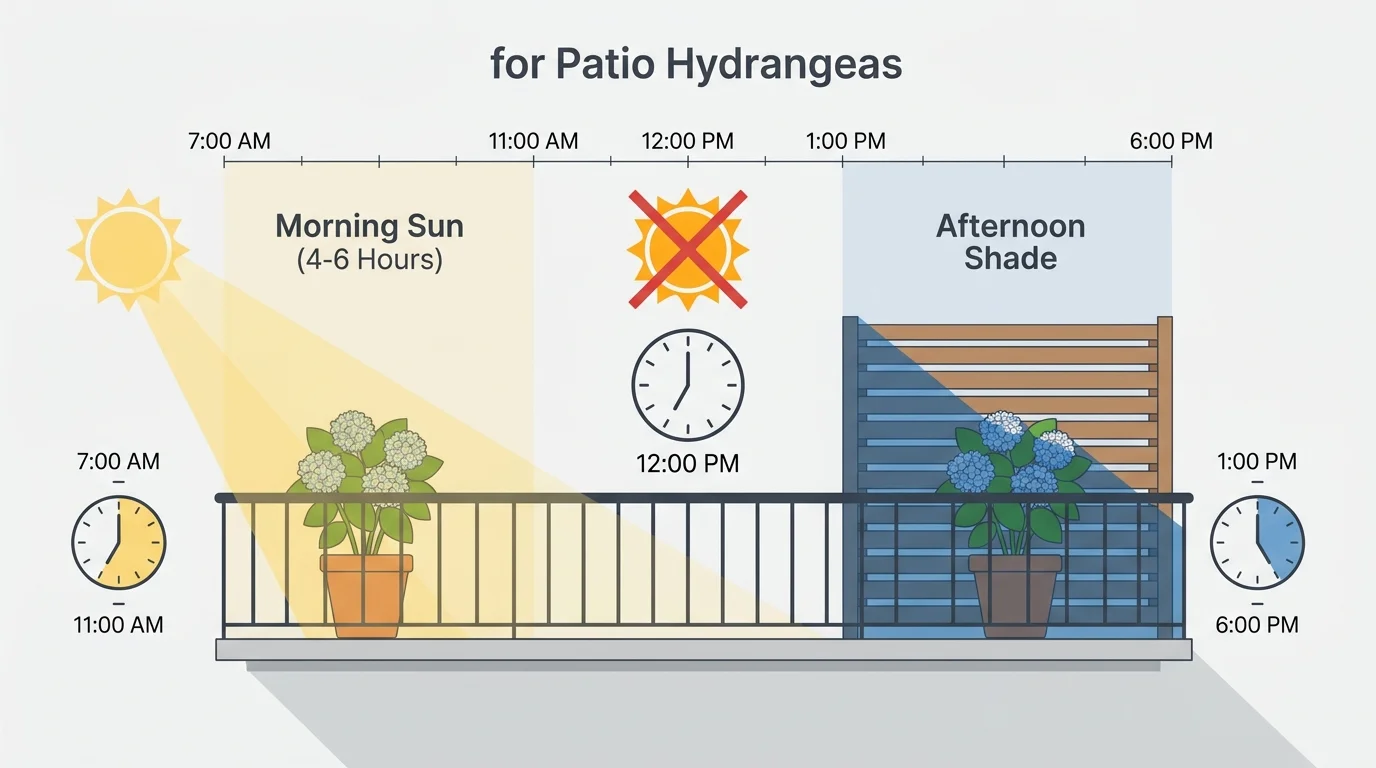
The golden rule for Bigleaf, Oakleaf, and Smooth hydrangeas is to provide abundant morning sunlight followed by dappled or complete afternoon shade. The morning sun, rising between 7:00 AM and 11:00 AM, provides cool, gentle light rays.
This early sun exposure performs a critical secondary function: it quickly evaporates overnight dew and condensation from the broad leaves, heavily suppressing the development of fungal spores that cause powdery mildew.
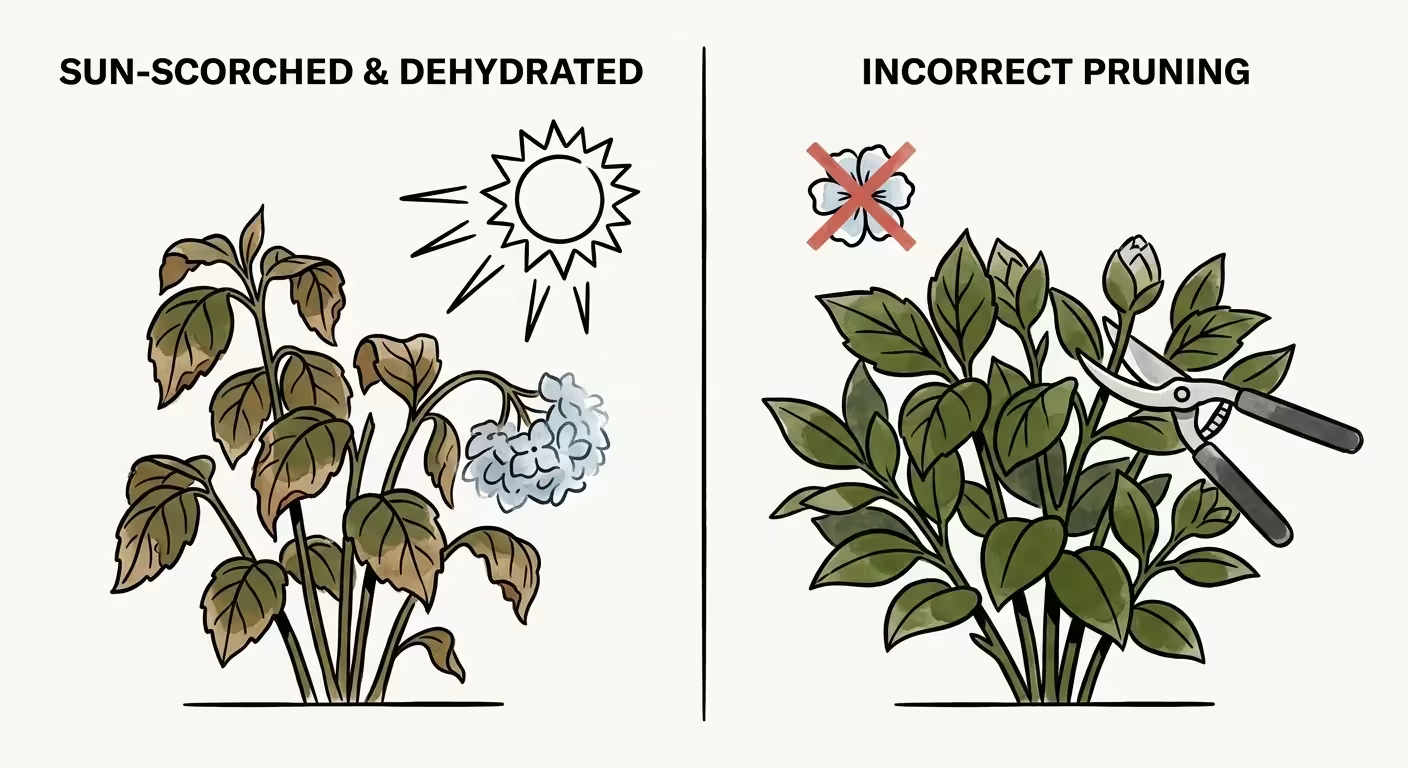
As the clock crosses noon and the intense afternoon sun begins to beat down, your hydrangeas need protection. Prolonged exposure to afternoon rays will cause rapid transpiration, leading to wilted leaves and crispy, sun-scorched flower petals.
If your yard lacks natural shade from mature trees or structures, consider planting Panicle hydrangeas instead. Varieties like ‘Limelight’ or ‘Vanilla Strawberry’ possess thicker, more resilient foliage that can thrive in full, all-day sun, provided they receive adequate moisture.
For urban gardeners working with concrete patios or high-rise balconies, light management becomes even more critical. Structural materials like brick, glass, and concrete absorb solar radiation all day and release it as intense radiant heat throughout the afternoon and evening.
This microclimate can easily bake a potted hydrangea. To combat this, utilize outdoor shade cloths, position the container behind larger, sun-loving plants to create a living canopy, or install a movable patio umbrella to cast temporary shade during the harshest hours of the day.
Small Space Hydrangea Solutions for Balconies and Patios
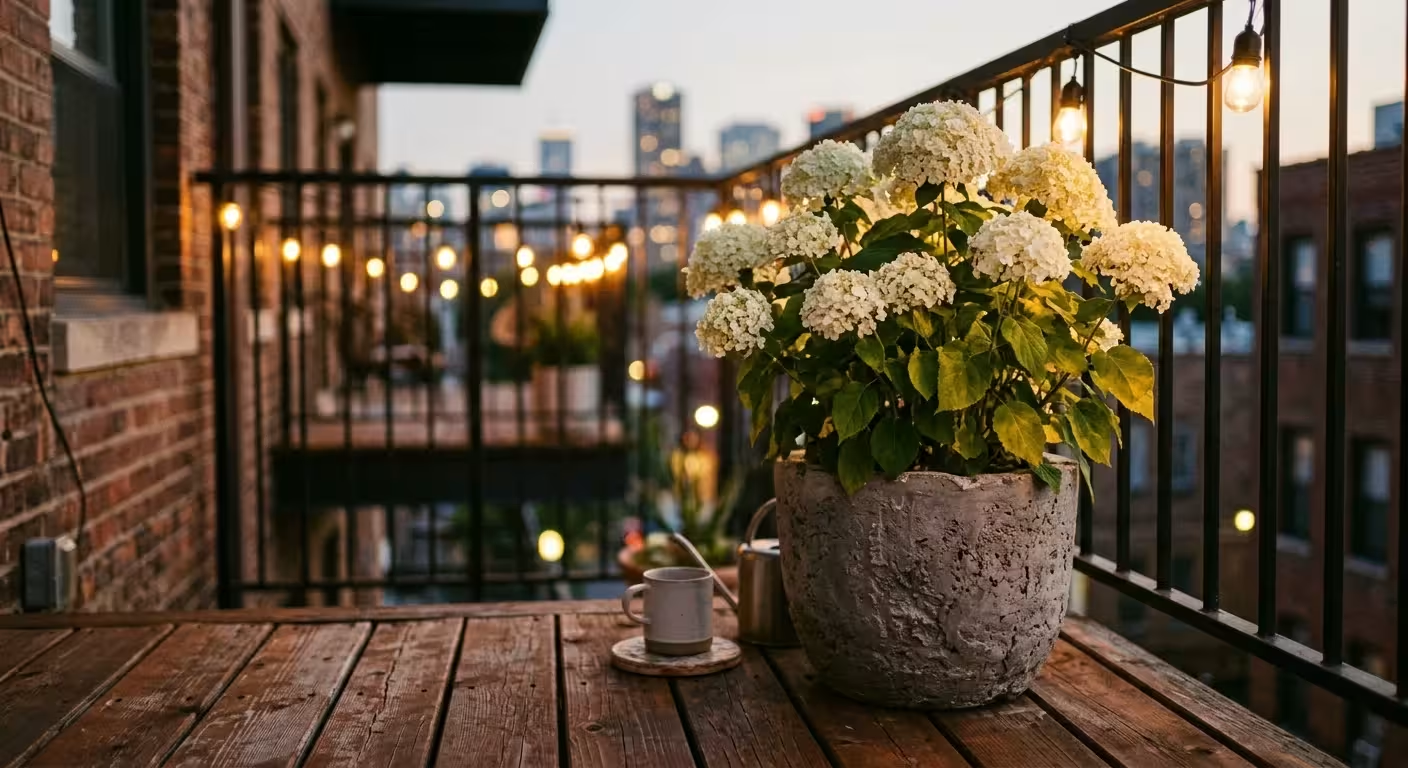
You do not need a sweeping suburban estate to cultivate breathtaking hydrangea blooms. Advances in plant breeding have introduced a wealth of compact, dwarf varieties specifically engineered for small spaces, urban balconies, and container gardening.
Growing a spectacular hydrangea in a pot requires careful attention to soil composition, container size, and winterization.
When selecting a container, prioritize volume. A mature dwarf hydrangea requires a pot that is at least eighteen to twenty-four inches in diameter.
Large containers provide two vital benefits: they hold a greater volume of water, reducing your daily watering chores, and they offer a thicker layer of soil insulation to protect the root system from rapid temperature fluctuations.
While terracotta pots are aesthetically pleasing, they are highly porous and wick moisture away from the soil. Glazed ceramic or high-quality resin containers are far superior at retaining consistent soil moisture.
Never fill your containers with heavy garden topsoil, which will instantly compact and choke the plant’s roots. Instead, utilize a premium, lightweight potting mix heavily amended with perlite, vermiculite, and aged compost.
This airy structure guarantees rapid drainage while allowing the delicate root hairs to expand without resistance.
Here are several outstanding dwarf hydrangea cultivars perfectly suited for container living:
- ‘Bobo’ (Panicle): A remarkably compact grower reaching only three feet tall, producing massive white blooms that eventually blush pink. It thrives in full sun and requires minimal pruning.
- ‘Little Lime’ (Panicle): The miniature cousin of the famous ‘Limelight’, offering punchy green flowers that add incredible texture to a small patio setting.
- ‘Mini Penny’ (Bigleaf): A reblooming macrophylla variety that stays neatly under three feet and reliably pushes out blue or pink mophead flowers throughout the entire summer.
- ‘Invincibelle Wee White’ (Smooth): Reaching a maximum height of just two and a half feet, this native dwarf produces continuous flushes of pure white, sturdy blooms.
Winterizing potted hydrangeas is the final hurdle for small-space gardeners. Plant roots enclosed in an above-ground pot lack the geothermal insulation provided by the earth.
In cold climates, the root ball can freeze solid, killing the plant. To ensure your potted hydrangea survives the winter, cease fertilizing in late summer to allow the plant to harden off.
Once the leaves drop in autumn, wrap the entire container in several layers of thick burlap or heavy bubble wrap.
Move the pot flush against an interior shared wall of your building to capture escaping radiant heat, and pull it underneath a covered balcony edge to prevent winter rains from waterlogging the dormant soil.
Common Hydrangea Mistakes to Avoid
Even a dedicated garden expert will occasionally encounter setbacks, but avoiding a few prevalent pitfalls will drastically increase your success rate. Recognizing early warning signs allows you to correct environmental imbalances before they compromise the bloom cycle.
The most frequent error is improper planting depth. Hydrangeas have shallow, fibrous root systems that require access to soil oxygen.
If you dig a hole too deep and bury the crown of the plant—the thick area where the stems meet the root system—the trunk will rot, and the plant will slowly suffocate.
Always plant the shrub so that the crown rests exactly level with or sitting half an inch above the surrounding soil grade.
Over-fertilization is another common misstep. Believing that more food equals bigger flowers, well-intentioned gardeners often dump excessive amounts of chemical fertilizers onto the root zone.
This heavy concentration of synthetic salts quickly burns the delicate root hairs, turning the leaf margins brown and crispy. Stick to the manufacturer’s recommended dosage of slow-release organics, and always water deeply immediately after fertilizing to distribute the nutrients safely through the soil profile.
Ignoring early signs of pests and disease can swiftly ruin a season’s floral display. Powdery mildew, a fungal infection that coats the leaves in a white, dusty film, thrives in humid environments with poor air circulation.
Prevent this by spacing your plants adequately and thinning out dense interior branches to allow wind to pass through the canopy. Aphids and spider mites occasionally target the tender new growth at the tips of the stems, sapping the plant’s energy.
Dislodge these pests with a sharp blast from a garden hose, or apply a gentle coating of organic neem oil during the cool evening hours. Staying observant and proactive ensures that all the plant’s energy remains directed toward producing those massive, showy flowers.
Frequently Asked Questions
Why is my hydrangea growing beautiful green leaves but no flowers?
The absence of blooms is typically caused by one of three issues. First, you may have pruned an old-wood blooming species (like a Bigleaf or Oakleaf) in the late fall or spring, inadvertently cutting off all the dormant flower buds.
Second, a severe late-spring frost may have frozen and killed the buds just as they were emerging.
Finally, the shrub might be planted in deep shade, depriving it of the necessary solar energy required to form flower heads, or it may have received too much nitrogen fertilizer, which promotes foliage over blooms.
Can I change the color of my white hydrangea to pink or blue?
No, white hydrangeas, including Smooth and Panicle varieties, entirely lack the genetic anthocyanin pigments responsible for the blue and pink color shifts. Adjusting your soil pH or applying aluminum sulfate will have absolutely no effect on the color of a white hydrangea bloom.
They will remain white, though some Panicle varieties naturally fade to a dusty rose color as the weather cools in late autumn.
How do I fix a hydrangea that completely wilts in the afternoon?
Afternoon wilting is a natural defense mechanism. When temperatures spike, the large leaves transpire moisture faster than the roots can pull it from the soil.
The plant intentionally droops its leaves to reduce its surface area and minimize sun exposure. If the soil at the base of the plant feels moist to the touch, do not water it; the plant will naturally recover and perk up as the evening cools.
If the soil feels bone dry two inches down, apply a slow, deep watering at the base.
Should I deadhead my hydrangeas, and how do I do it?
Deadheading, or removing spent flowers, is highly recommended during the active summer growing season. Snipping off the fading blooms redirects the plant’s energy away from seed production and back into root development and new growth.
Simply follow the stem of the dead flower down to the first set of healthy, full-sized leaves and make a clean cut just above that node.
However, many gardeners choose to leave the final flush of late-summer blooms on the plant throughout the winter; the dried flower heads provide lovely winter garden interest and actually help insulate the delicate leaf buds situated below them from frost and snow.
For trustworthy gardening information, visit:
UF/IFAS Gardening Solutions, University of Illinois Extension — Gardening and UC IPM (University of California Integrated Pest Management). These organizations provide expert, research-based advice for gardeners at all levels.
Disclaimer: This article is for informational purposes only and is not a substitute for professional gardening advice. Always consult local extension services or horticulture experts for region-specific guidance.