
Summer on a balcony or small patio often brings an intense challenge for gardeners: relentless heat. While we cherish the sunshine, our beloved potted plants can quickly suffer from too much direct sun, especially the scorching afternoon rays.
You might see wilting leaves, yellowing foliage, or even outright plant collapse. Many small-space gardeners feel limited, thinking they lack options beyond choosing heat-tolerant plants or simply hoping for the best.
This article introduces a powerful, practical solution: the ‘Shadow Shift’ strategy. This method helps you actively leverage your balcony’s natural, moving shade patterns to protect your plants, ensuring they stay cool, healthy, and vibrant throughout the summer months.
It is a simple, actionable approach that puts you in control of your plants’ well-being, transforming your challenging sunny spot into a thriving green oasis.
Contents9 sections
- Understanding Your Balcony’s Microclimate
- The Power of the Shadow Shift: What It Is and Why It Works
- Mapping Your Balcony’s Daily Sun Path
- Implementing the Shadow Shift Strategy: Step-by-Step
- Choosing the Right Plants for a Shadow-Shifting Balcony
- Optimizing Your Balcony Setup for Easy Shifting
- Common Mistakes and Troubleshooting Your Shadow Shift
- Beyond the Shift: Additional Strategies for Summer Plant Care
- Frequently Asked Questions
Understanding Your Balcony’s Microclimate
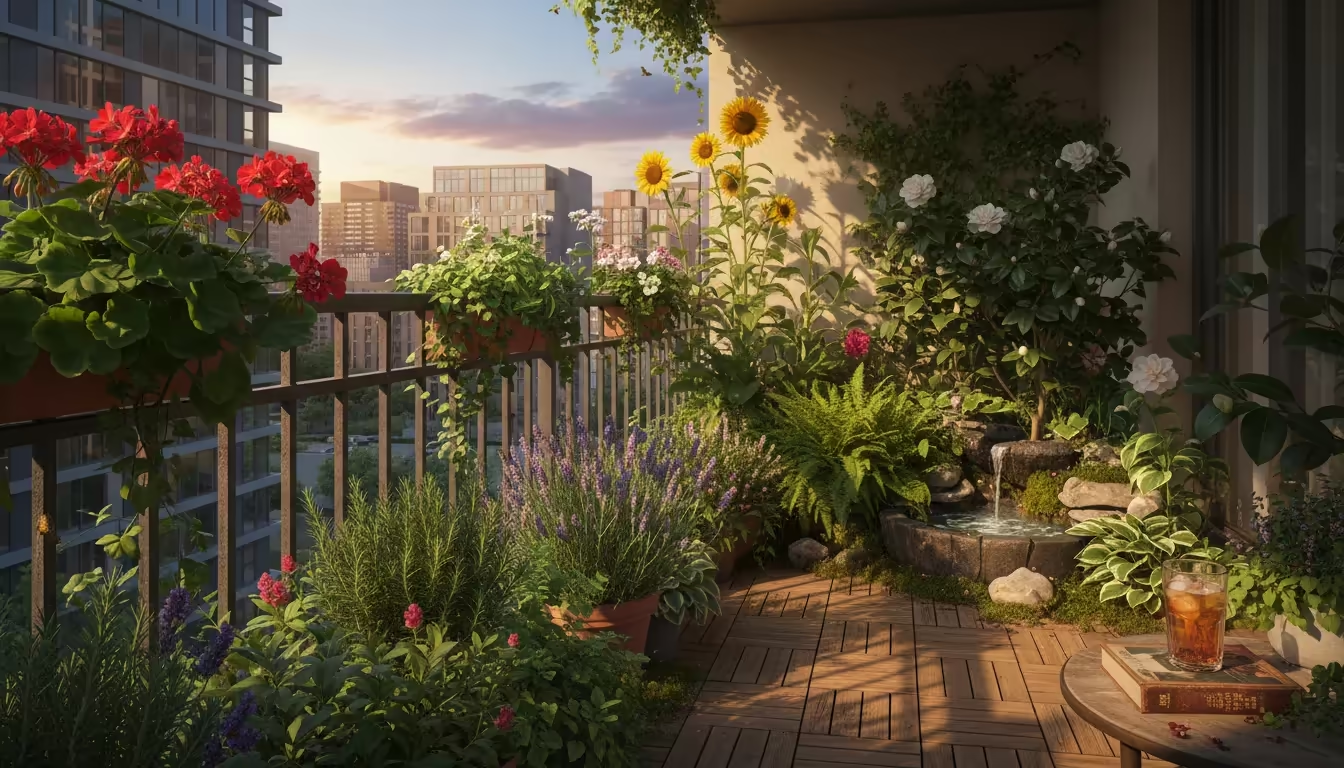
Every balcony or patio, regardless of its size, possesses a unique microclimate. This term describes the specific atmospheric conditions, such as temperature, humidity, and sunlight exposure, that differ from the general climate of the surrounding area.
For your small gardening space, understanding its microclimate is the first step toward successful summer plant care.
As temperatures cool down at the end of the season, it is also important to adjust your container watering schedule to prevent root issues.
If parts of your outdoor area transition into permanent shade later in the year, you can pivot to growing shade-tolerant plants in pots to keep the space green.
If you want to redesign your layout for the upcoming seasons, a blueprint for a better balcony can help you fix previous spacing and arrangement mistakes.
Factors influencing your balcony’s microclimate include:
- Orientation: A south-facing balcony receives the most intense, prolonged sun exposure. East-facing balconies get morning sun, which is gentler. West-facing balconies endure harsh afternoon sun, often the most damaging. North-facing balconies typically receive indirect light or limited morning/evening sun.
- Surrounding Structures: Nearby buildings, walls, or even large trees cast shadows that can dramatically alter how much direct sunlight your plants receive throughout the day. These structures create pockets of shade that move with the sun’s trajectory.
- Reflective Surfaces: Light-colored walls, glass railings, or concrete floors can reflect sunlight, increasing both light intensity and heat. These surfaces can create heat traps, raising ambient temperatures significantly.
- Air Circulation: Wind patterns, or lack thereof, influence heat dissipation and humidity levels. A sheltered corner might hold more heat, while a breezy spot could dry plants out faster.
- Container Gardening: Potted plants are inherently more vulnerable to heat stress than plants in the ground. The soil in containers heats up quickly, roots have limited space to escape heat, and water evaporates faster. This means plants in pots often need more deliberate heat protection for plants.
Recognizing these elements on your specific balcony allows you to predict where and when intense sun will hit and, more importantly, where natural balcony shade will appear.
This knowledge forms the bedrock of our ‘Shadow Shift’ strategy, helping you to effectively find shade on my balcony for plants and shield them from summer extremes.
The Power of the Shadow Shift: What It Is and Why It Works
The ‘Shadow Shift’ strategy is a proactive approach to summer plant care that involves intentionally moving your potted plants throughout the day to take advantage of the natural movement of shade on your balcony.
Instead of leaving plants in one spot to endure relentless sun, you become the conductor of their light exposure, guiding them to optimal conditions as the sun progresses.
For pots that have already suffered from extreme exposure, you can use a mid-summer planter recharge plan to bring back their vibrant health.
If you plan to travel during the height of summer, preparing a vacation-proof container garden will ensure your plants stay hydrated while you are away.
If your area is prone to extreme weather events, combining this shifting method with an overall plan for keeping plants alive in heat waves will give your garden its best chance of survival.
What it is: Imagine your balcony floor as a dynamic canvas of light and shadow. As the sun traverses the sky, shadows from your building, railings, or other structures slowly creep across your space.
The ‘Shadow Shift’ means observing these patterns and relocating your plants from intense sun exposure into cooler, shadier spots as needed. This is particularly effective for protecting potted plants from afternoon sun, which is often the most intense and damaging.
Why it works:
- Prevents Overheating and Sunburn: Direct, intense sunlight, especially in the afternoon, can cause plant leaves to overheat, leading to sunburn. This damage manifests as scorched, brown, or bleached patches on foliage. Studies show that leaf temperatures exposed to direct summer sun can be 10-15°F hotter than the ambient air temperature, increasing transpiration and stress. Moving containers for summer sun prevents this damaging heat buildup.
- Reduces Water Stress: Plants in direct sun transpire (lose water through their leaves) at a much faster rate. This means they require more frequent watering, which can lead to overwatering issues or, conversely, rapid dehydration if you do not keep up. By moving plants into shade during peak heat, you reduce their water demand, conserving moisture and minimizing the risk of both underwatering and overwatering. This is a crucial aspect of heat protection for plants.
- Mimics Natural Conditions: Many plants thrive with morning sun, which is gentler and provides necessary light for photosynthesis, but prefer protection from the harsh afternoon sun. The ‘Shadow Shift’ allows you to mimic these natural light conditions, providing beneficial morning light while offering a midday retreat, which often occurs naturally for understory plants in forests.
- Boosts Plant Health and Productivity: Plants that avoid heat stress are healthier and more productive. They allocate energy to growth and fruit production rather than constantly fighting against extreme temperatures. You will see more vigorous growth, better flowering, and potentially higher yields from edible plants.
- Optimizes Limited Space: This strategy allows you to grow a wider variety of plants on a small balcony. You do not have to limit yourself to only heat-loving varieties. You can cultivate plants that prefer partial shade or even full sun if you manage their sun exposure strategically through shifting.

Mapping Your Balcony’s Daily Sun Path
Before you start moving containers for summer sun, you need to understand the specifics of your balcony’s sun and shade patterns. This mapping exercise is crucial for successful implementation of the ‘Shadow Shift’ strategy.
It helps you identify where and when intense sun hits, and equally important, where the natural balcony shade spots appear. Here is how to find shade on my balcony for plants with precision:
You can apply this same light-tracking principle indoors by discovering how to shuffle your houseplants for winter sun once the weather turns cold.
While this guide focuses on summer shadows, performing a fall sunlight audit later in the season is equally valuable for adjusting your garden layout as the sun’s angle drops.
Step 1: Choose a Typical Sunny Day
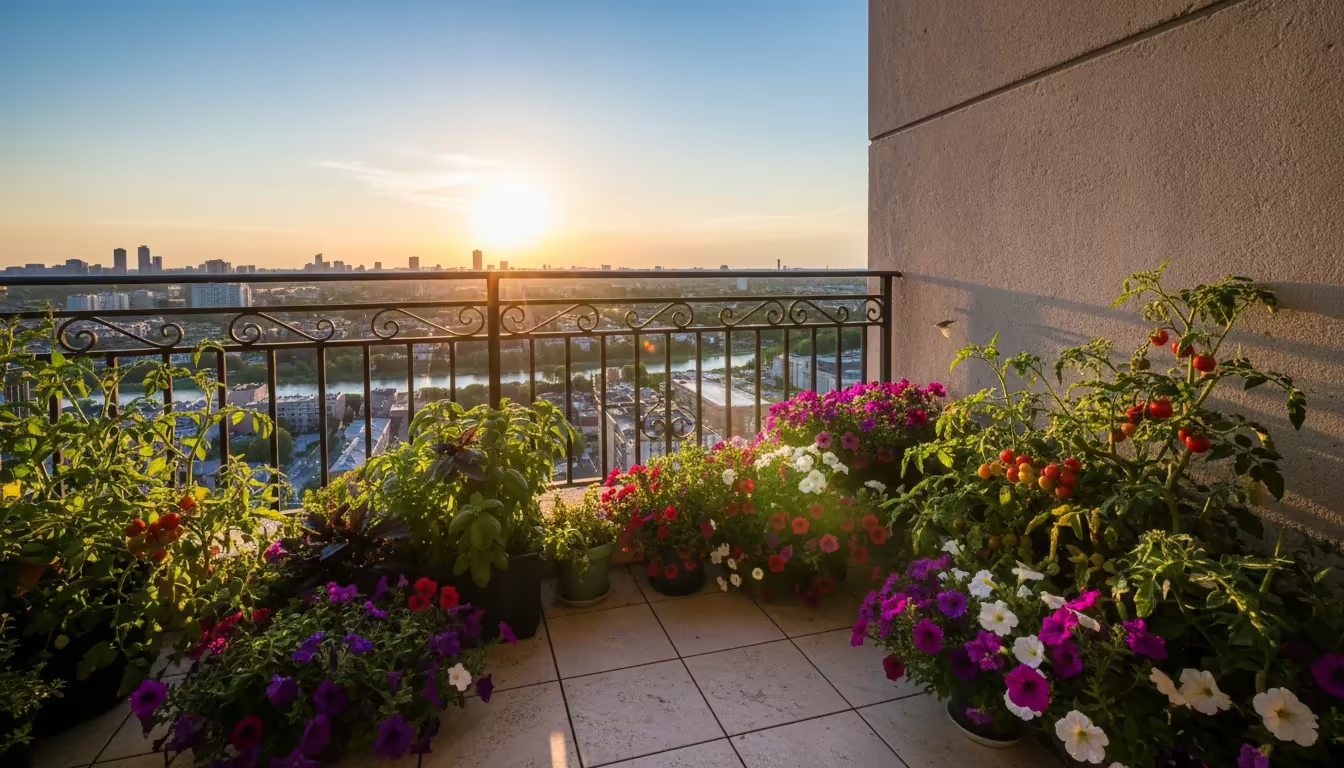
Pick a day with clear skies in mid-summer. This gives you an accurate picture of the sun’s highest and most intense trajectory.
Avoid overcast days, as they will not reveal the full extent of direct sunlight.
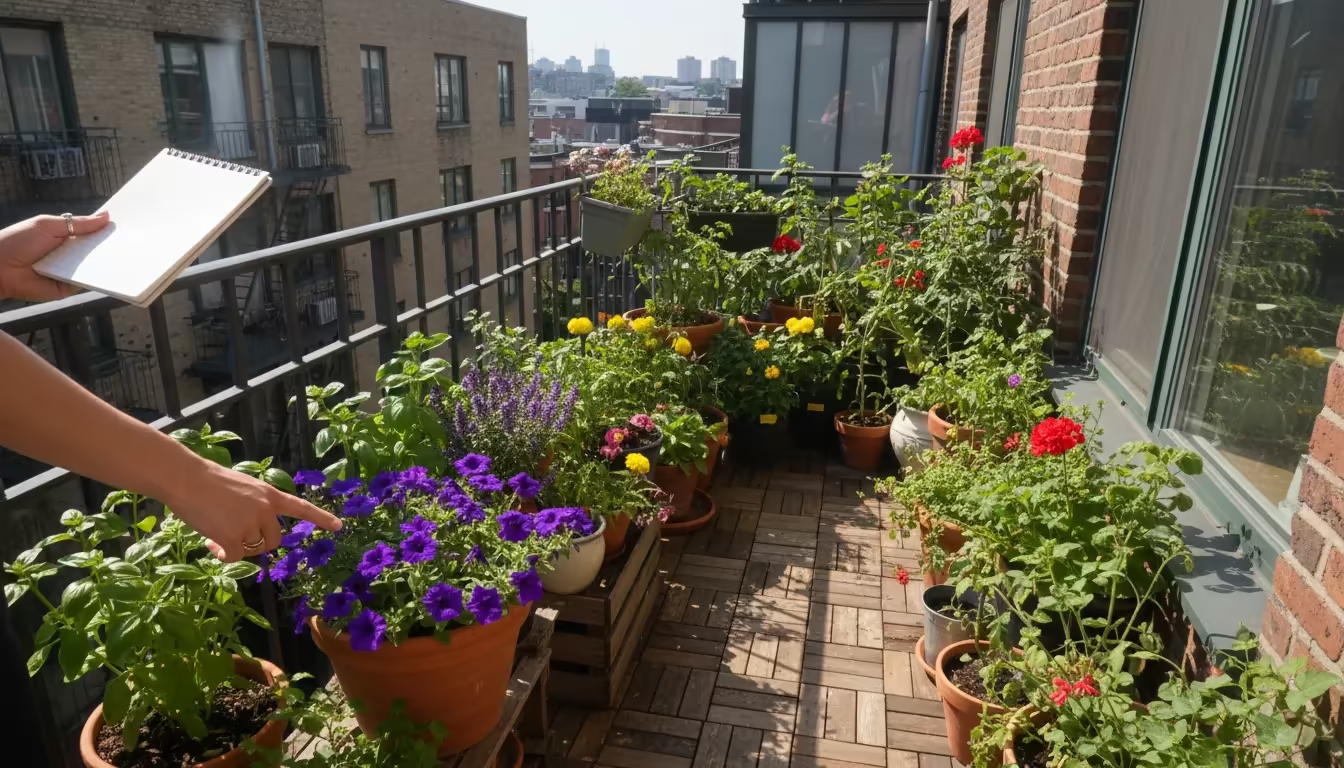
Step 2: Observe and Document at Key Intervals
Over a full day, from sunrise to sunset, observe your balcony’s sunlight patterns. The most critical times for observation are:
- Early Morning (7:00 AM – 9:00 AM): Note where the sun first hits. This gentle morning light is often beneficial.
- Late Morning (10:00 AM – 12:00 PM): Observe how the sun progresses. Are certain areas becoming fully exposed?
- Midday (12:00 PM – 2:00 PM): This is when the sun is highest. Does it hit your entire balcony, or do some spots remain shaded?
- Early Afternoon (2:00 PM – 4:00 PM): This period often brings the most intense and damaging sun. Identify the “hot zones” that receive direct, scorching rays.
- Late Afternoon/Evening (4:00 PM – Sunset): Notice where the sun lingers and where shadows lengthen.

Step 3: Sketch Your Balcony
Grab a piece of paper and a pen. Draw a simple outline of your balcony, including any permanent structures like railings, walls, doors, and furniture.
This will serve as your sun map.
Step 4: Mark the Sun and Shade Zones
As you observe at each interval, mark on your sketch where the direct sun falls and where the shadows are. You can use different colored pens or simple annotations like “Full Sun,” “Partial Shade,” “Deep Shade.”
Consider using these methods for accurate mapping:
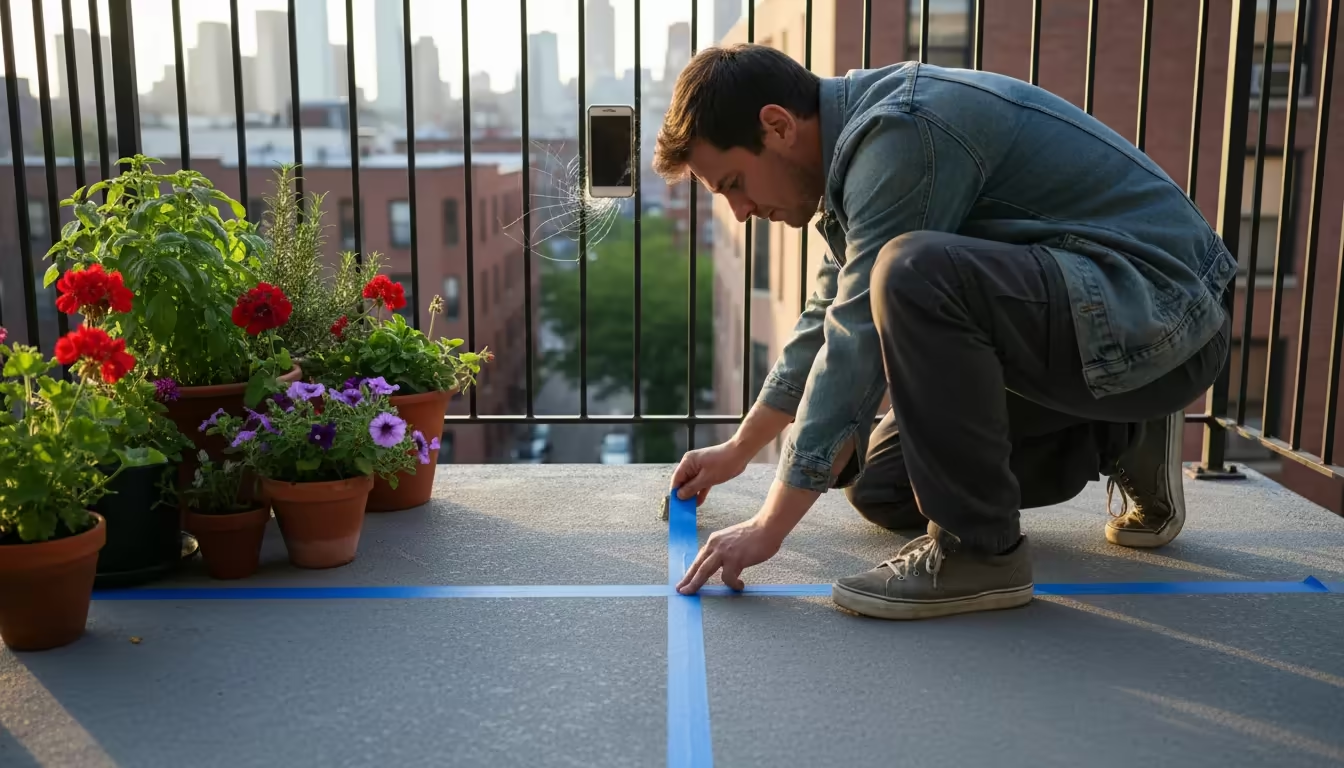
- Chalk or Tape: On your balcony floor, use chalk or painter’s tape to outline the edge of the direct sun at different times. This gives you a clear visual of the sun’s movement.
- Photography: Take photos of your balcony at each key interval. This provides a visual record you can refer to later, helping you compare how light shifts.
- Timer: Set alarms on your phone to remind you to check and record at your chosen intervals.
Step 5: Identify Your “Shift Zones”
After a full day of observation, you will have a clear picture of your balcony’s light dynamics. Identify:
- Morning Sun Zones: Areas that get only gentle morning light.
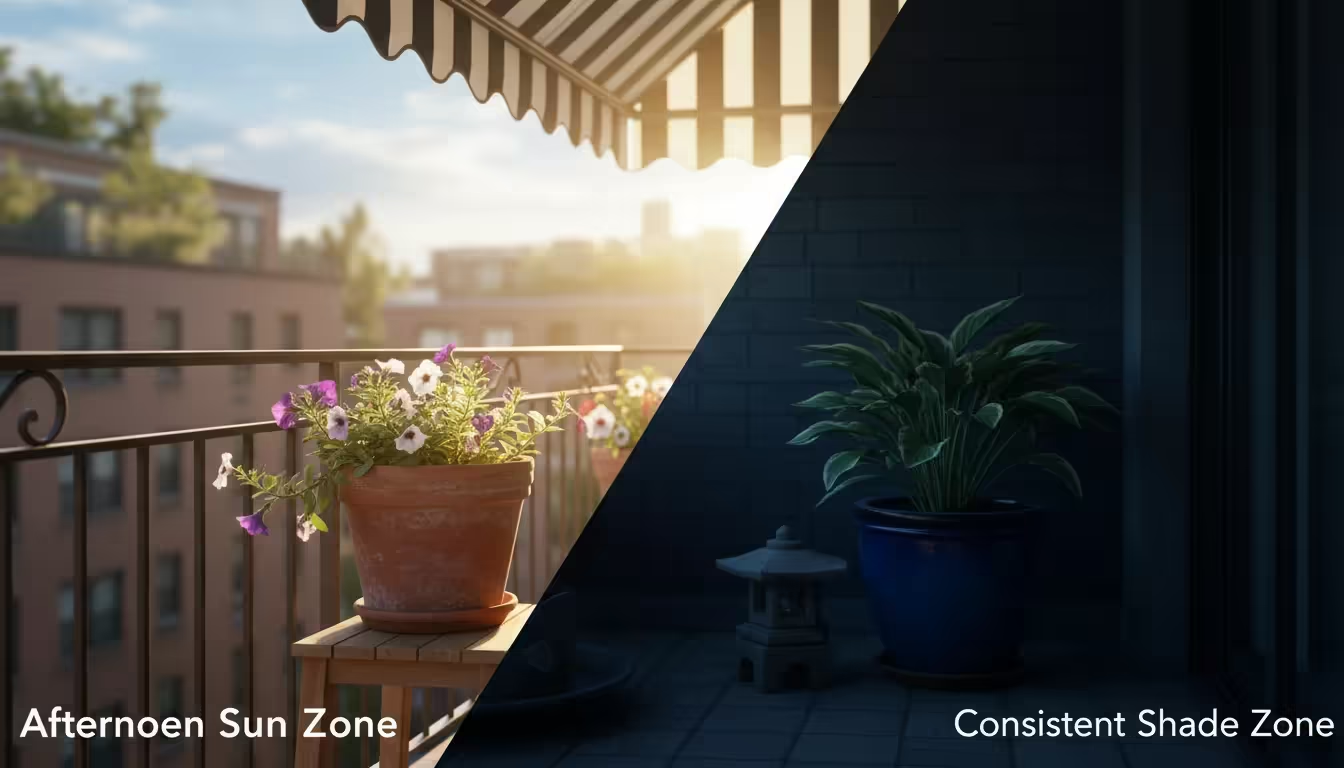
- Afternoon Sun Zones (Hot Zones): Areas that receive intense, prolonged afternoon sun. These are the spots where you absolutely want to move plants out of.
- Consistent Shade Zones: Spots that remain in shade for most of the day or during the hottest parts. These are your plant refuges.
- Transitional Zones: Areas that move from sun to shade throughout the day.
This detailed map empowers you to create an effective moving containers for summer sun strategy. You will know exactly where to move your plants to ensure optimum heat protection for plants and avoid the detrimental effects of excessive exposure.
Implementing the Shadow Shift Strategy: Step-by-Step
With your sun map in hand, you are ready to put the ‘Shadow Shift’ into action. This strategy for summer plant care is simple to integrate into your daily routine, becoming second nature once you get the hang of it.
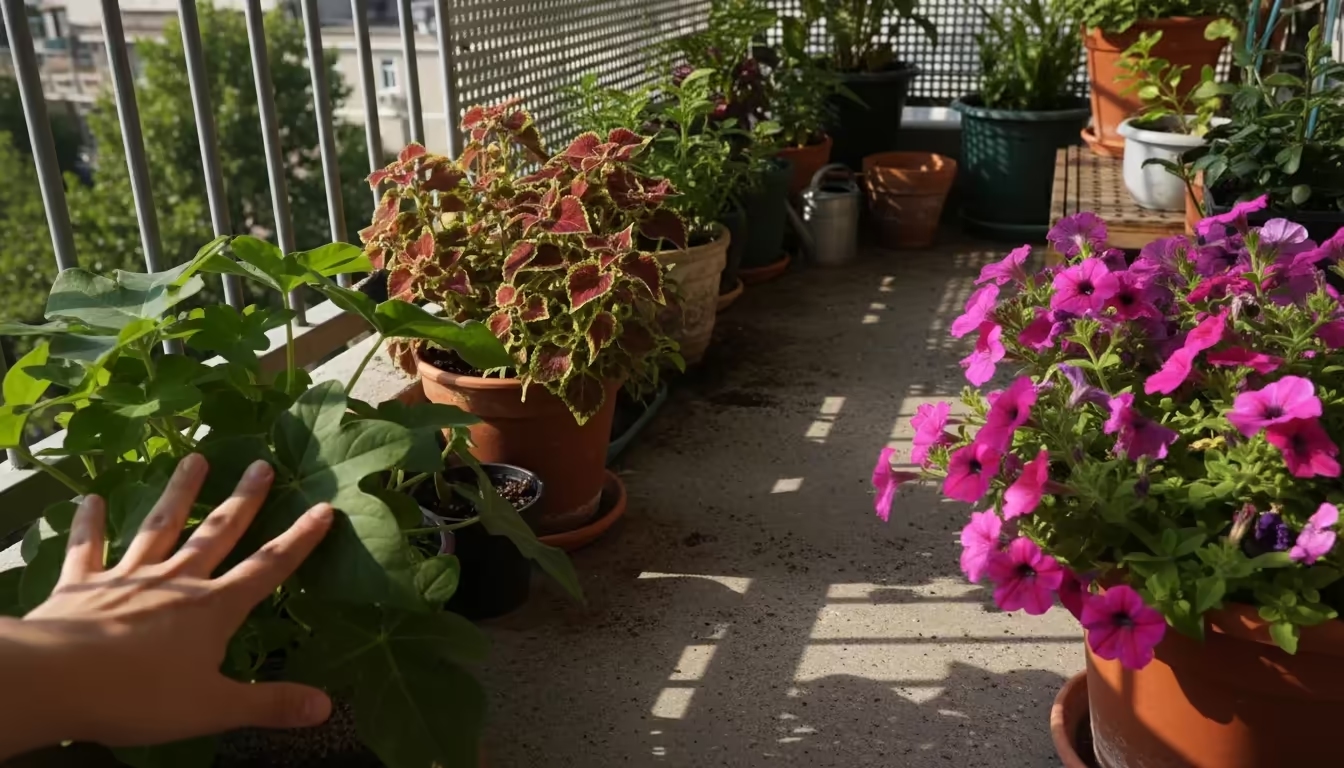
Step 1: Assess Your Plants’ Needs
Before any shifting, understand each plant’s specific light requirements. While the ‘Shadow Shift’ is for heat protection, it does not mean all plants want deep shade all day.
Most plants thrive with some morning sun. Group plants with similar needs together if possible to simplify moving.
Before moving anything, take a moment to evaluate if your plants are suffering from the mid-summer slump, which often leaves pots looking tired and in need of a quick recharge.
- Full Sun Plants: Need 6+ hours of direct sun, but prefer morning sun and afternoon shade in scorching climates. Examples: most vegetables (tomatoes, peppers), many herbs, petunias.
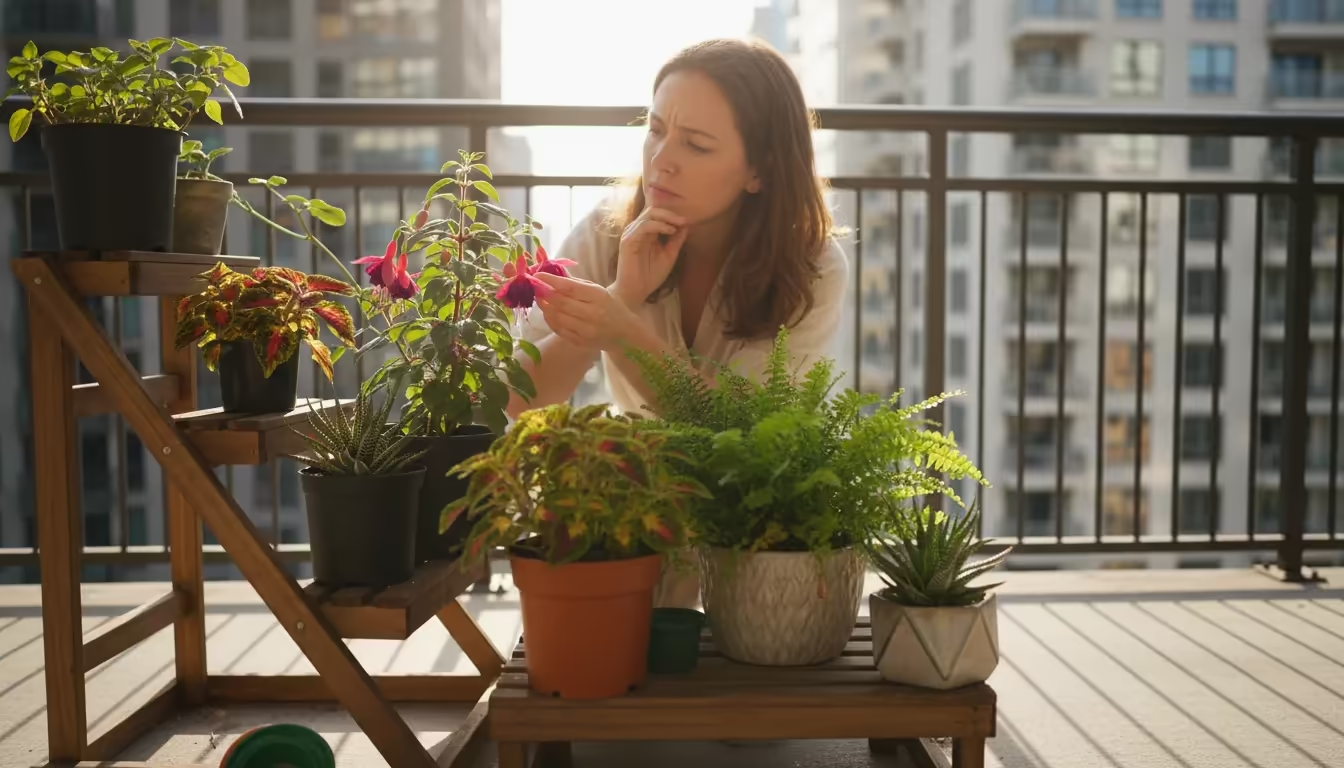
- Partial Sun/Partial Shade Plants: Need 4-6 hours of sun, ideally morning sun. Examples: some leafy greens, impatiens, fuchsias, coleus.
- Shade Plants: Prefer less than 4 hours of sun, often indirect. Examples: ferns, hostas (though rare on balconies), some begonias.
Step 2: Morning Placement for Optimal Growth
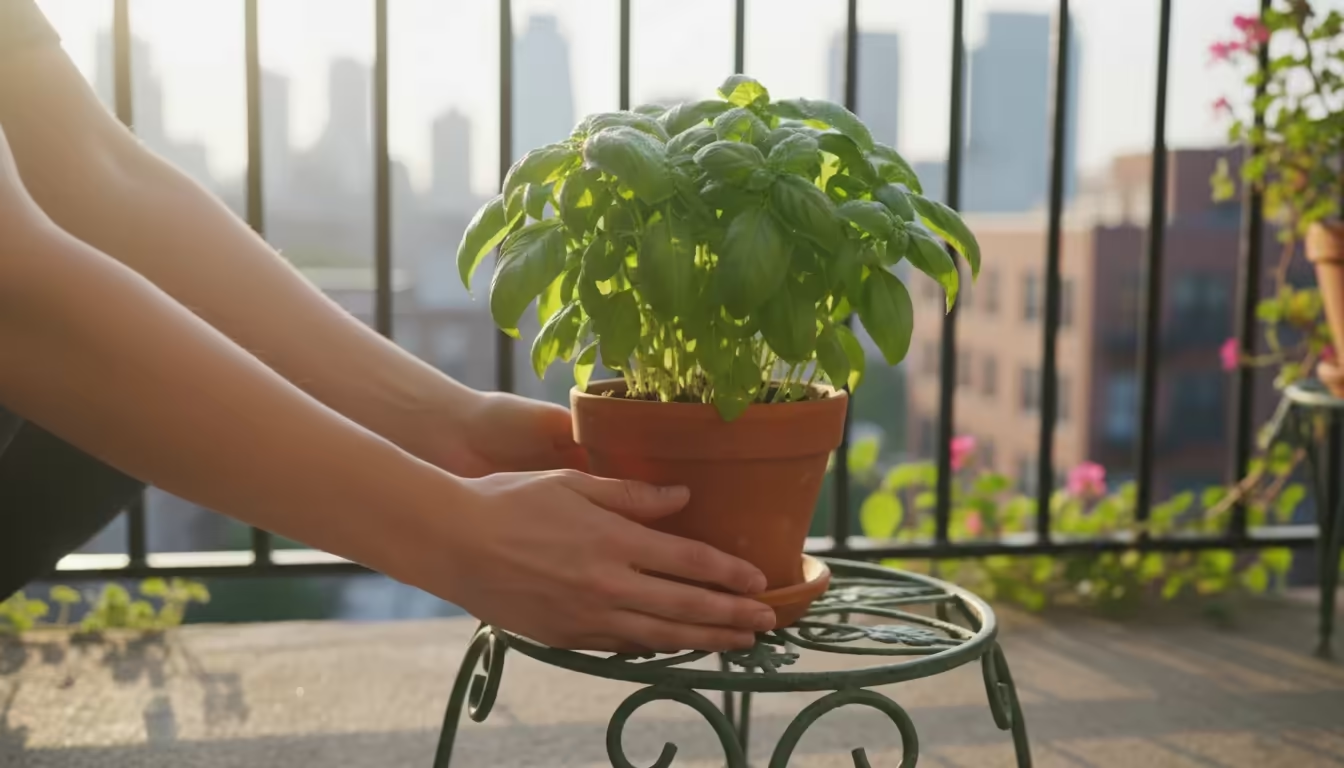
Begin your day by placing sun-loving or partial-sun plants in spots that receive the beneficial morning sun. This light is less intense and provides the energy plants need for photosynthesis without the risk of scorching.
Use your sun map to identify these prime morning spots.
Step 3: The Midday Shift to Balcony Shade
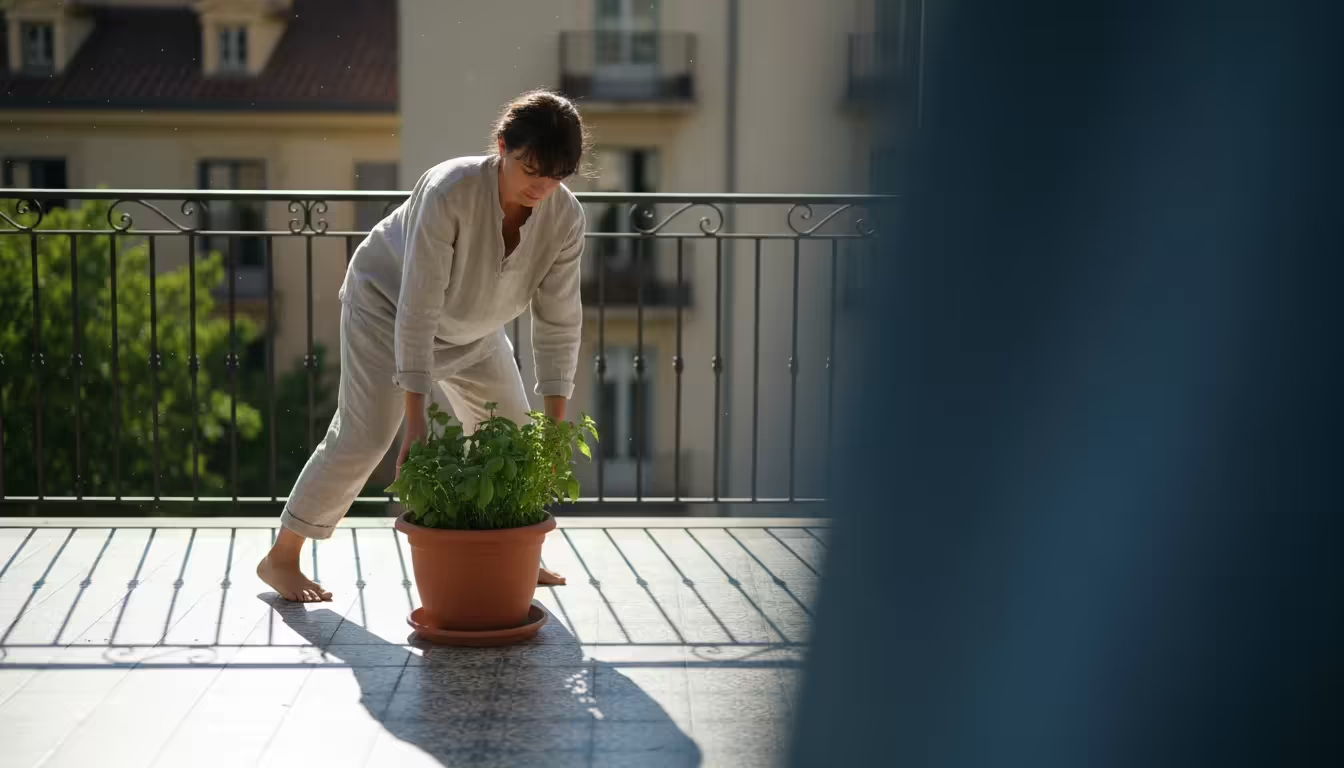
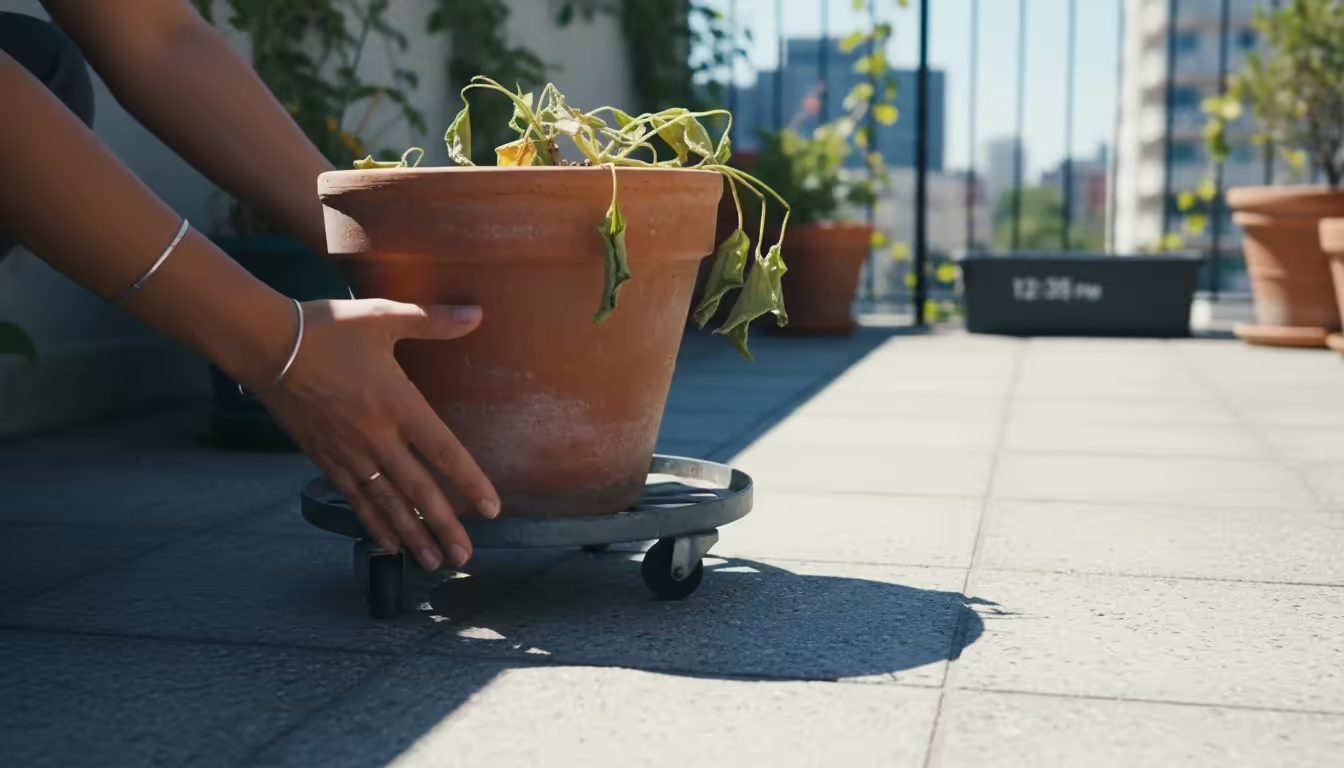
As the sun climbs higher and begins its afternoon descent, you will initiate your ‘Shadow Shift’. This typically occurs between late morning and early afternoon, often around 11:00 AM to 2:00 PM, depending on your balcony’s orientation and the intensity of the day.
Move your plants from the intense, direct sun zones into the identified balcony shade or partial shade areas. Prioritize moving plants that are most susceptible to heat stress or those you have determined need afternoon protection.
Practical Tips for the Shift:
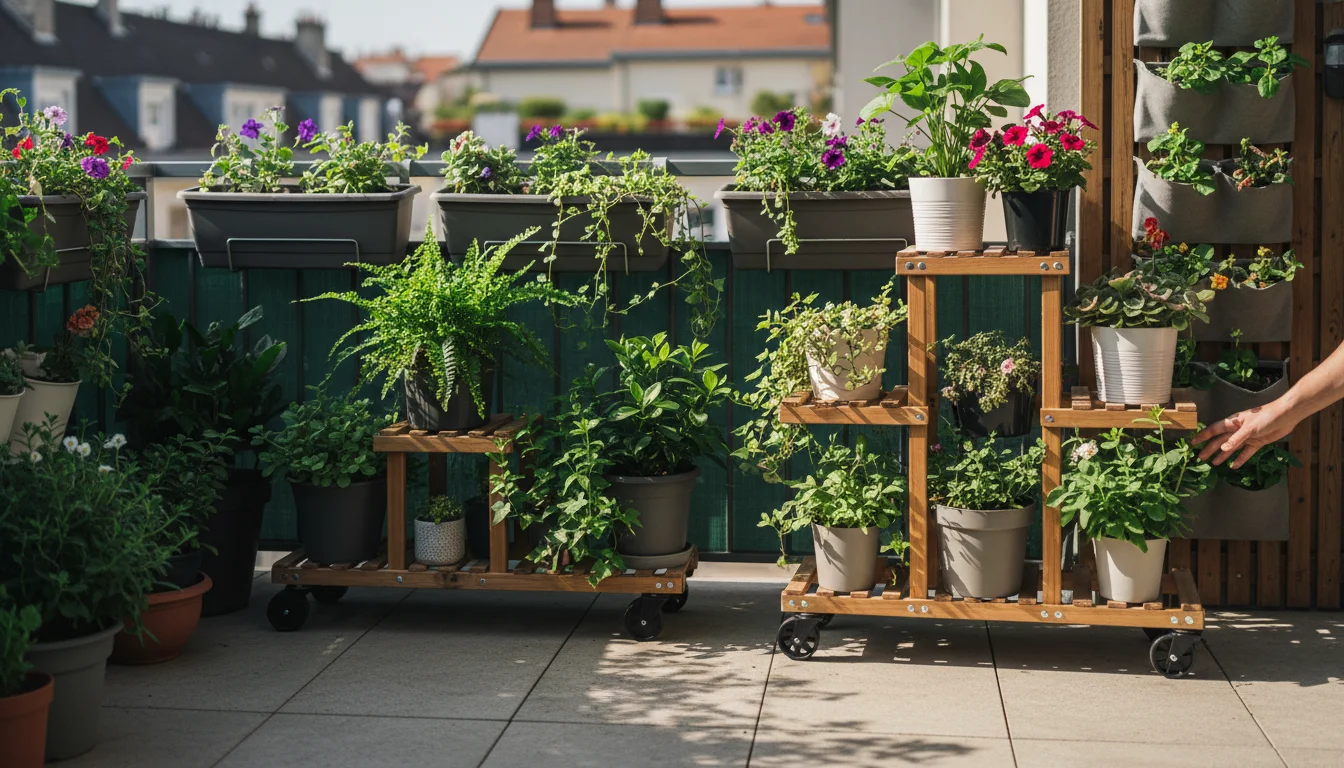
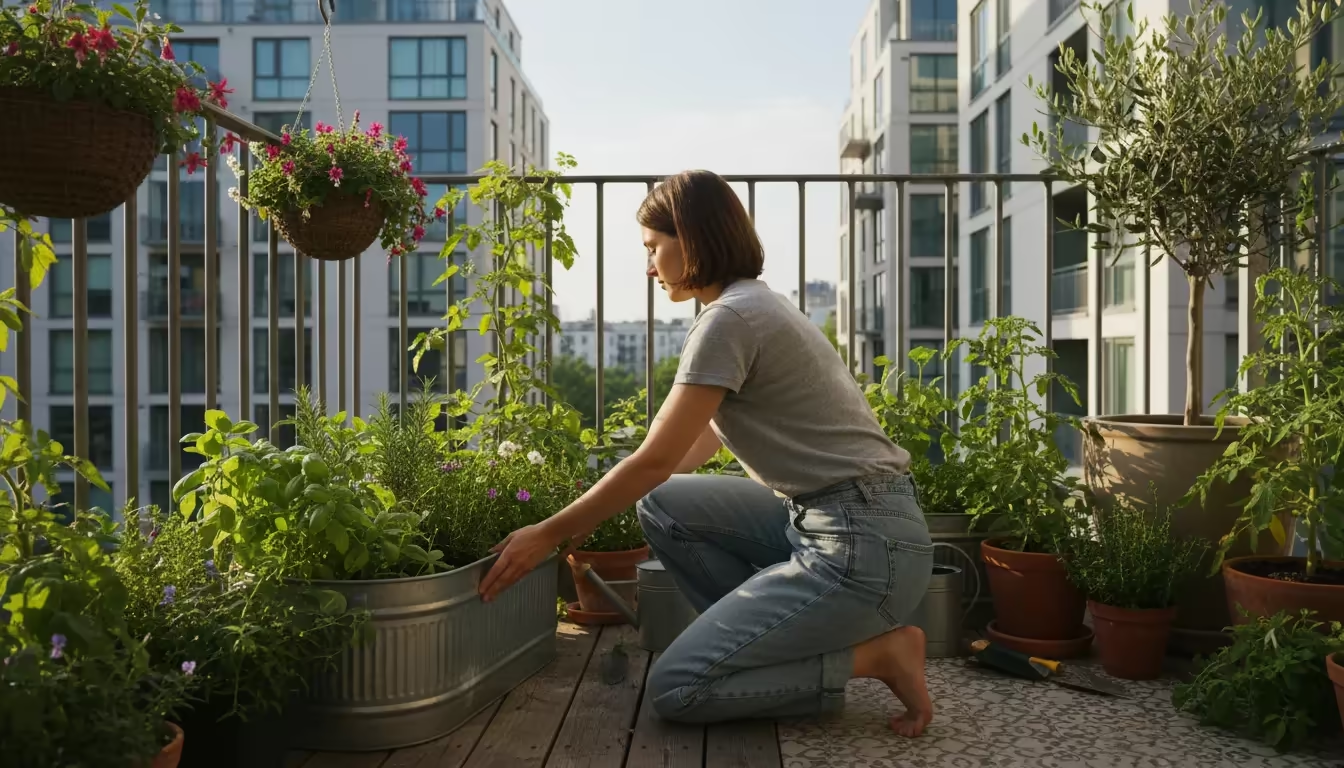
- Use Plant Dollies or Caddies: For heavier pots, investing in wheeled plant dollies or caddies makes moving containers for summer sun effortless. You simply roll them to their new location.
- Small Hand Cart: A small garden cart or even a sturdy wagon can transport multiple medium-sized pots at once, saving time and effort.
- Strategic Grouping: Arrange smaller, lighter pots in groups that you can move together, perhaps placing them on a larger tray with handles.
- Assess Daily: The sun’s angle changes slightly throughout the summer. While your map provides a general guide, always do a quick visual check. If a spot you thought was safe is getting direct afternoon sun, adjust.
Step 4: Evening Re-evaluation (Optional)
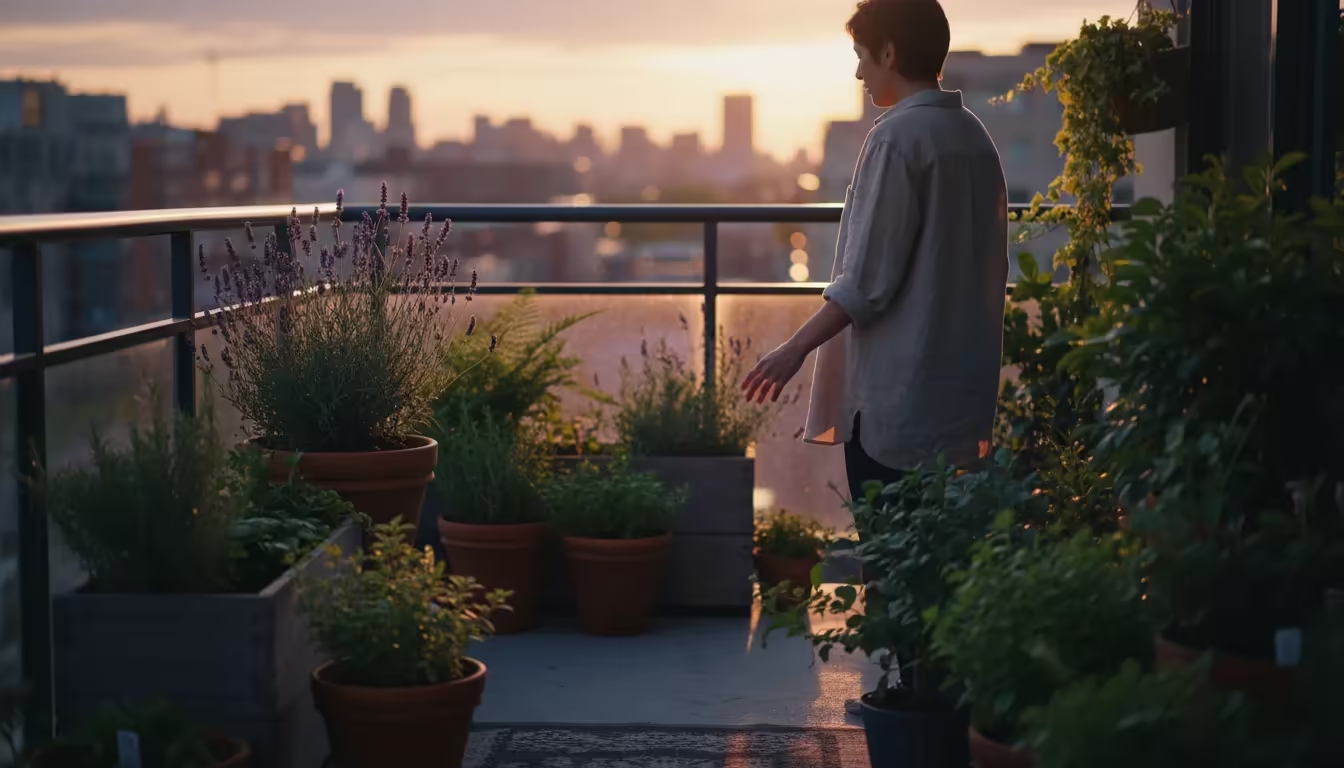
For some plants, especially those that thrive in cooler evening temperatures or need late-day sunlight, you might consider a small evening shift back to a spot with indirect western light, or simply leaving them in their afternoon shade refuge until the next morning.
Step 5: Consistency is Key for Heat Protection for Plants
The ‘Shadow Shift’ is most effective when practiced consistently. Make it a part of your daily gardening routine, just like watering.
It might seem like an extra step at first, but the visible health of your plants will quickly demonstrate its value. By diligently moving your containers, you are actively managing their environment, providing crucial heat protection for plants, and ensuring robust growth all summer long.
Choosing the Right Plants for a Shadow-Shifting Balcony
While the ‘Shadow Shift’ strategy offers remarkable flexibility, some plants are inherently better suited to this dynamic approach than others. Selecting the right plants enhances your success and minimizes stress on both you and your green companions.
You are looking for adaptable plants that tolerate being moved and benefit from controlled sun exposure.
Best Candidates for the Shadow Shift:
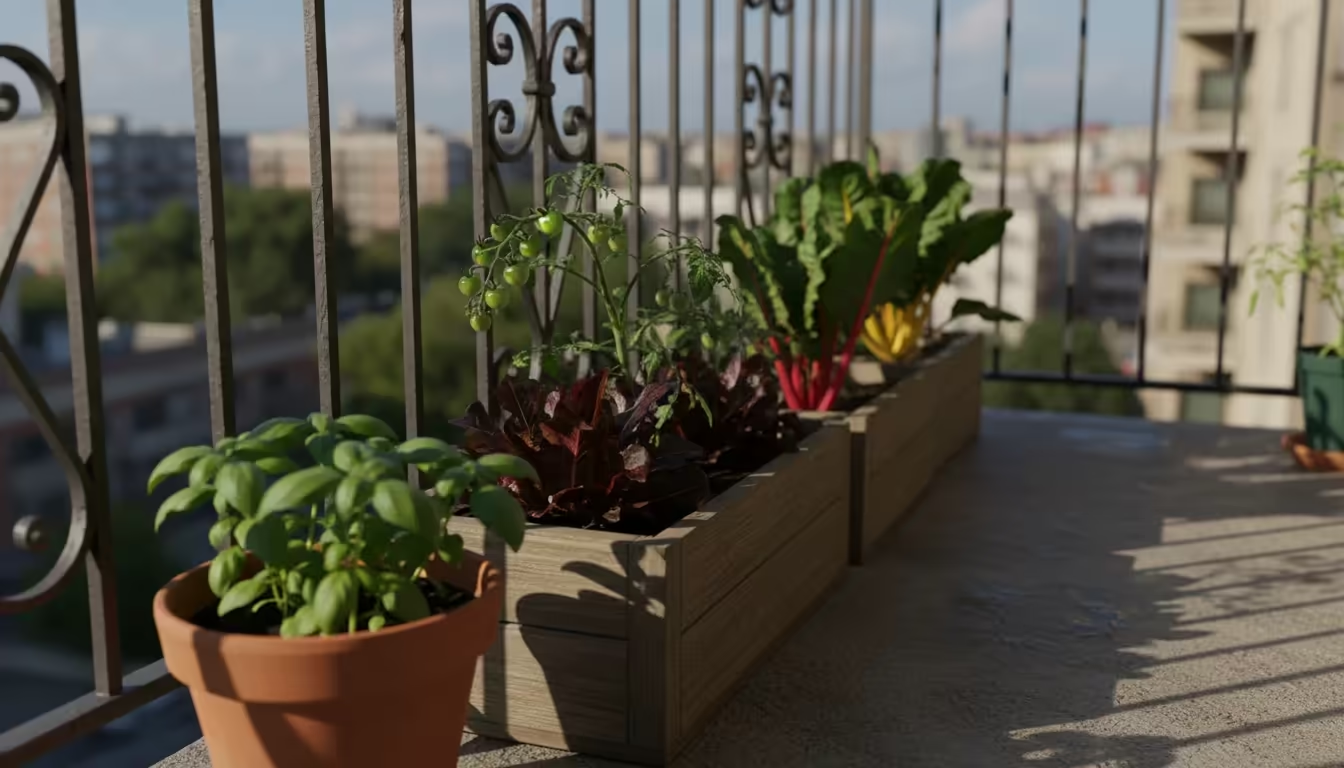
- Herbs: Many herbs thrive with morning sun but can suffer in intense afternoon heat. Basil, mint, parsley, cilantro, and chives are excellent choices. Move them to morning sun for flavor development, then into balcony shade to prevent bolting (going to seed prematurely) and scorching.
- Leafy Greens: Lettuce, spinach, kale, and Swiss chard are prime candidates. They love morning sun but quickly bolt or become bitter in hot afternoon conditions. Shifting them to shade helps extend their harvest season.
- Fruiting Vegetables (with care): Smaller fruiting plants like cherry tomatoes and bell peppers can benefit. Give them ample morning sun for fruit development, but move them to partial shade during the hottest afternoon hours. This protects fruit from sunscald and reduces overall plant stress. Larger indeterminate tomatoes might be too cumbersome to move.
- Certain Flowering Annuals: Impatiens, fuchsias, coleus, and some begonias often prefer partial shade, but can tolerate a few hours of morning sun. Moving them to consistent shade in the afternoon prevents wilting and keeps their blooms vibrant.
- Tropical Plants: Many tropical plants, like some ferns or alocasias, prefer bright, indirect light or morning sun with afternoon shade. The ‘Shadow Shift’ allows you to give them just enough light without burning their delicate leaves.
Plants to Avoid or Handle with Caution:
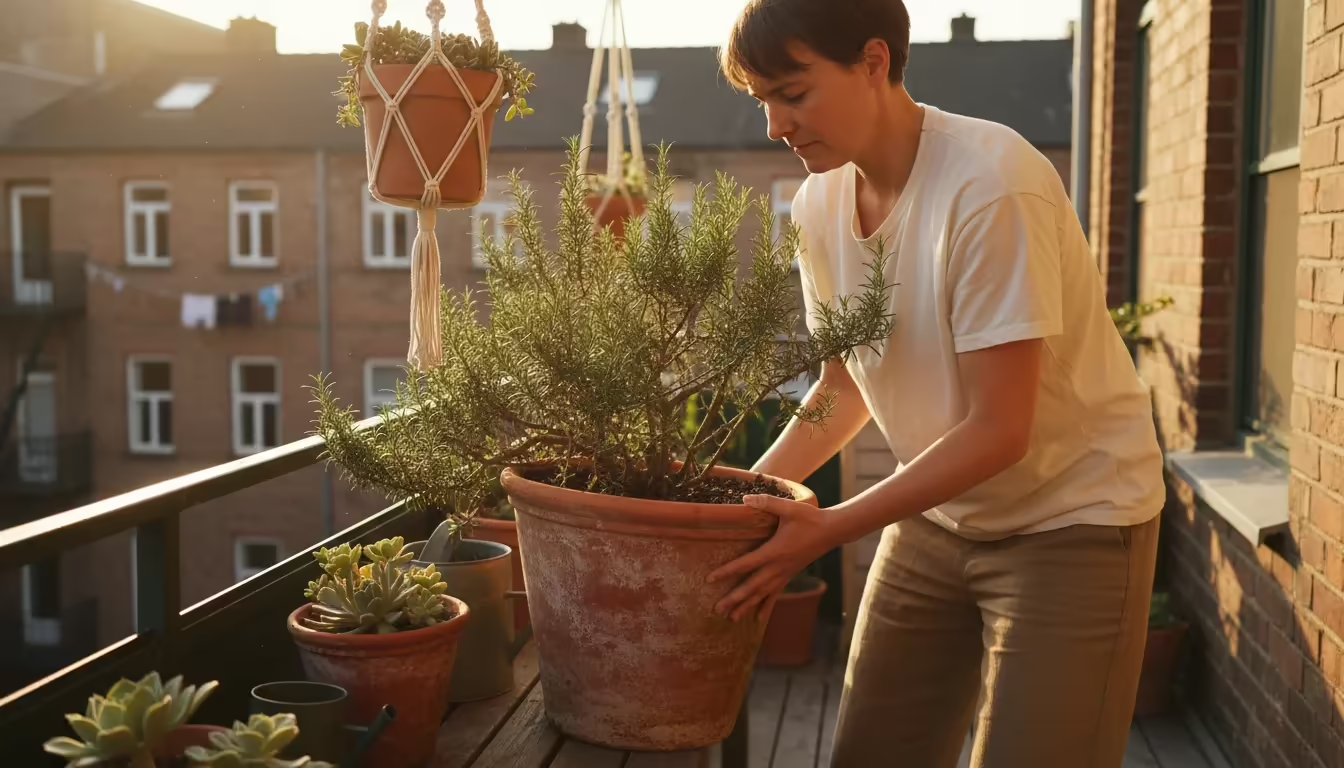
- Large, Heavy Plants: Mature citrus trees, large shrubs, or very robust perennials in substantial containers become extremely difficult and potentially risky to move daily. For these, consider permanent shade solutions like shade cloth.
- Deeply Rooted or Established Plants: Plants that have been in their pots for a long time and have extensive root systems can become stressed by frequent movement, especially if their roots are jostled.
- Highly Sensitive Plants: Some plants are very particular about their light exposure and can go into shock with drastic changes. Research specific varieties if you are unsure.
- Plants with Sprawling or Fragile Growth: Very delicate plants or those with long, sprawling vines might break easily during transport.
Ultimately, the best plants for your shadow-shifting balcony are those that fit your personal preferences and can be managed with relative ease.
Start with a few versatile plants, observe how they respond to the shifting, and expand your plant collection as you gain confidence in your heat protection for plants strategy.
Optimizing Your Balcony Setup for Easy Shifting
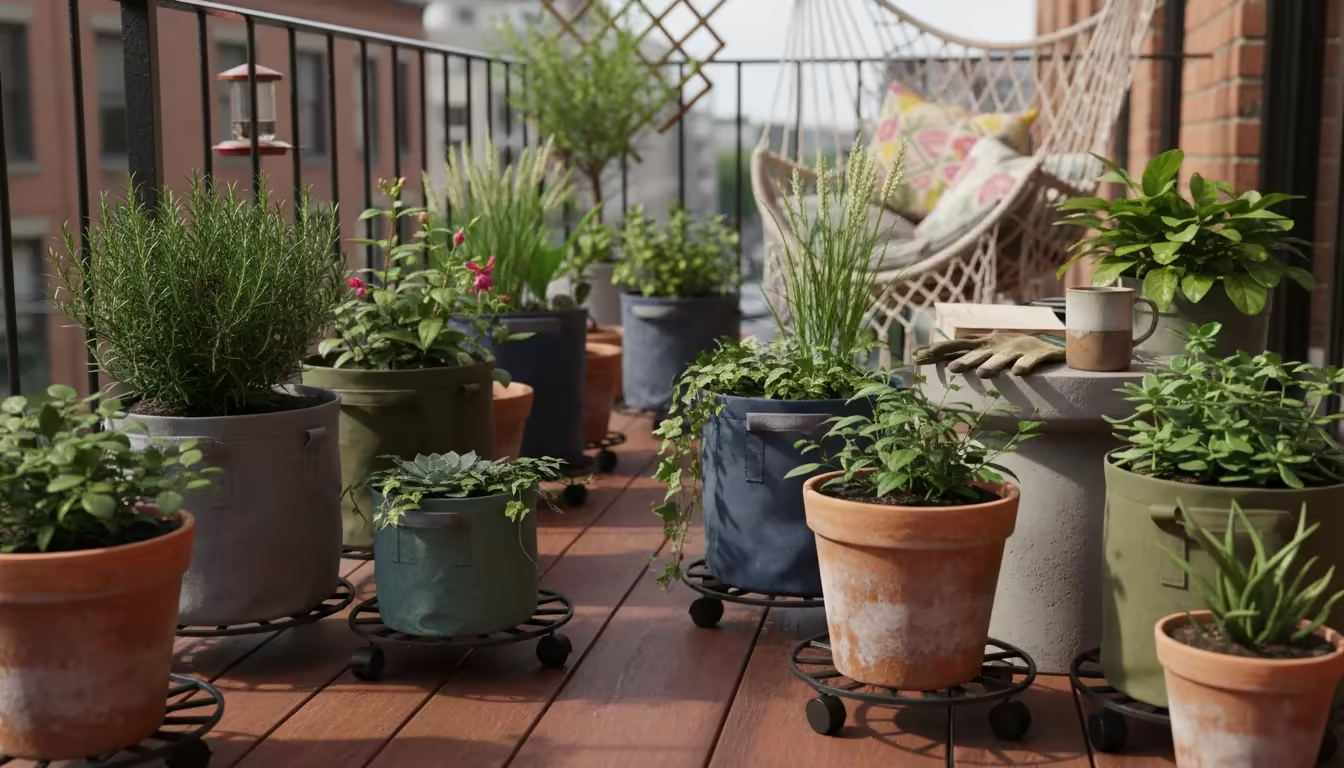
The success of the ‘Shadow Shift’ strategy for summer plant care relies heavily on the ease with which you can move your plants. A thoughtful balcony setup transforms this daily task from a chore into a simple, efficient part of your routine.
Here is how to optimize your space for seamless moving containers for summer sun:
1. Choose the Right Containers:
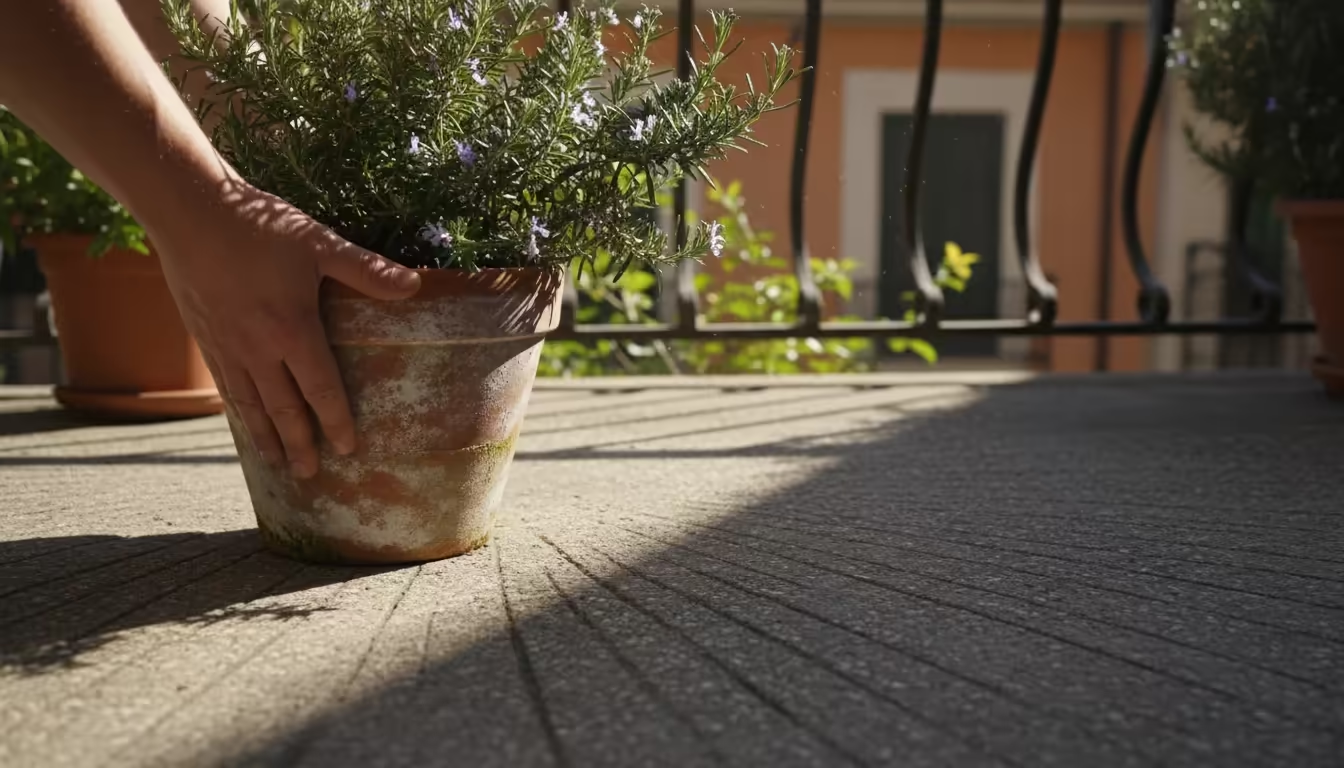
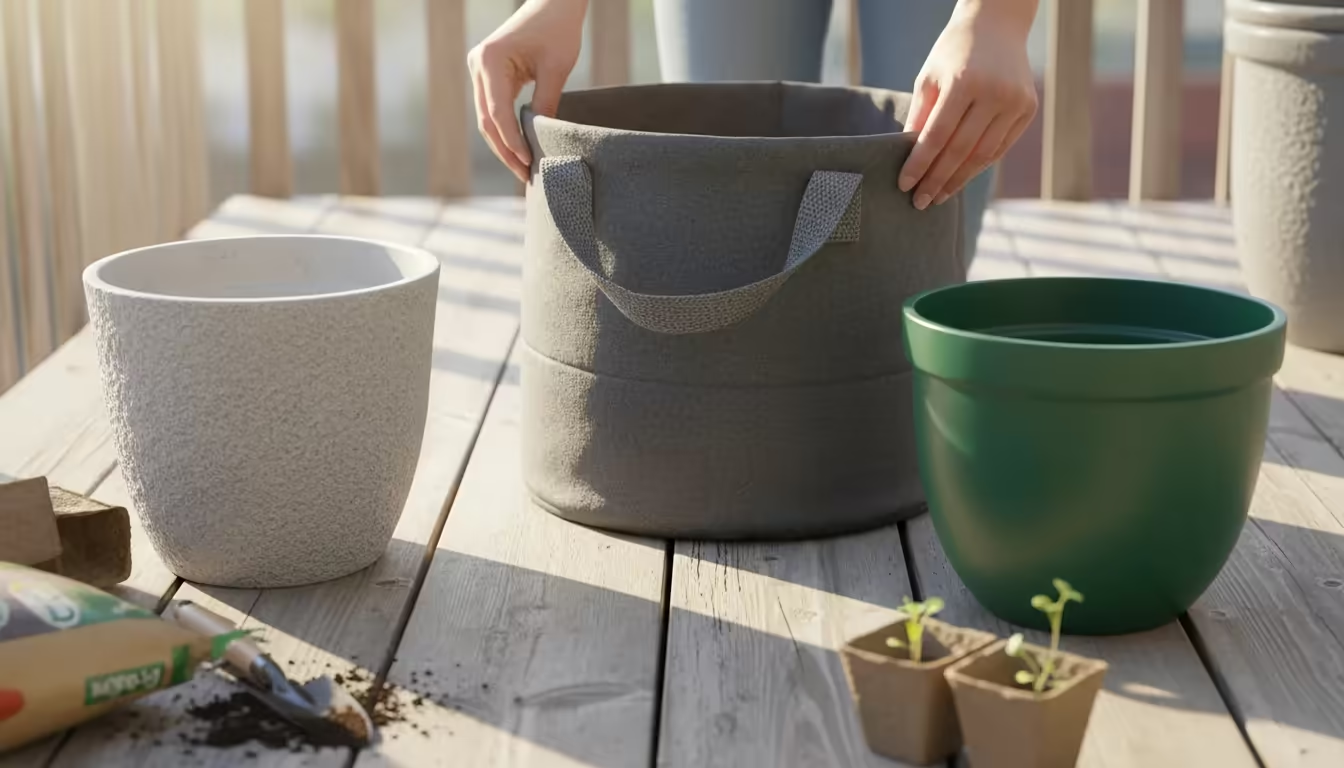
- Lightweight Materials: Opt for plastic, resin, fabric grow bags, or lightweight fiberglass pots. Terracotta and ceramic pots are beautiful but become incredibly heavy, especially when filled with moist soil.
- Appropriate Size: Use pots that are large enough for your plants’ root systems but not excessively large, which adds unnecessary weight and soil volume.
- Handles or Lips: Some fabric grow bags come with handles, making them easy to lift. Look for pots with a pronounced lip that you can grip comfortably.
2. Invest in Movable Aids:
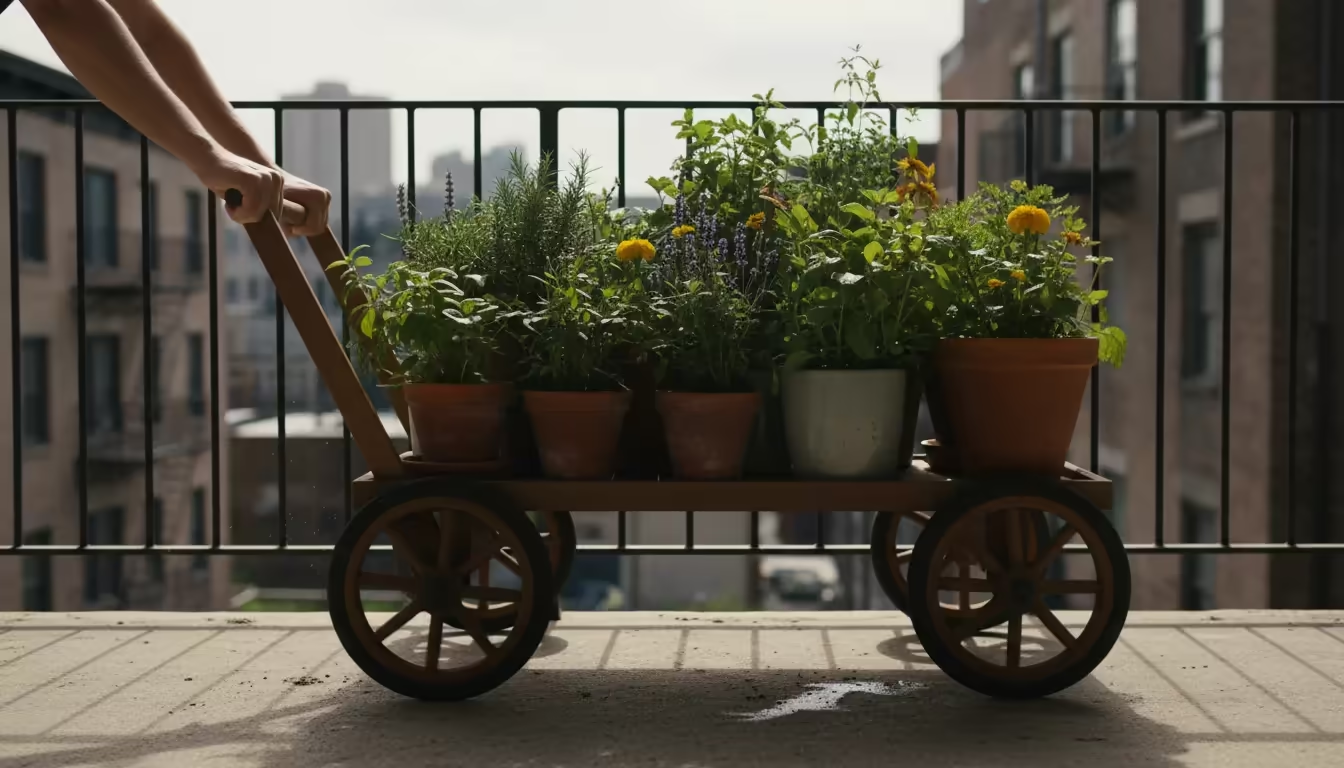
- Plant Caddies/Dollies: These wheeled platforms are indispensable for heavier pots. They allow you to roll even large containers effortlessly across your balcony floor. Look for ones with sturdy wheels and a drainage hole if they collect water.
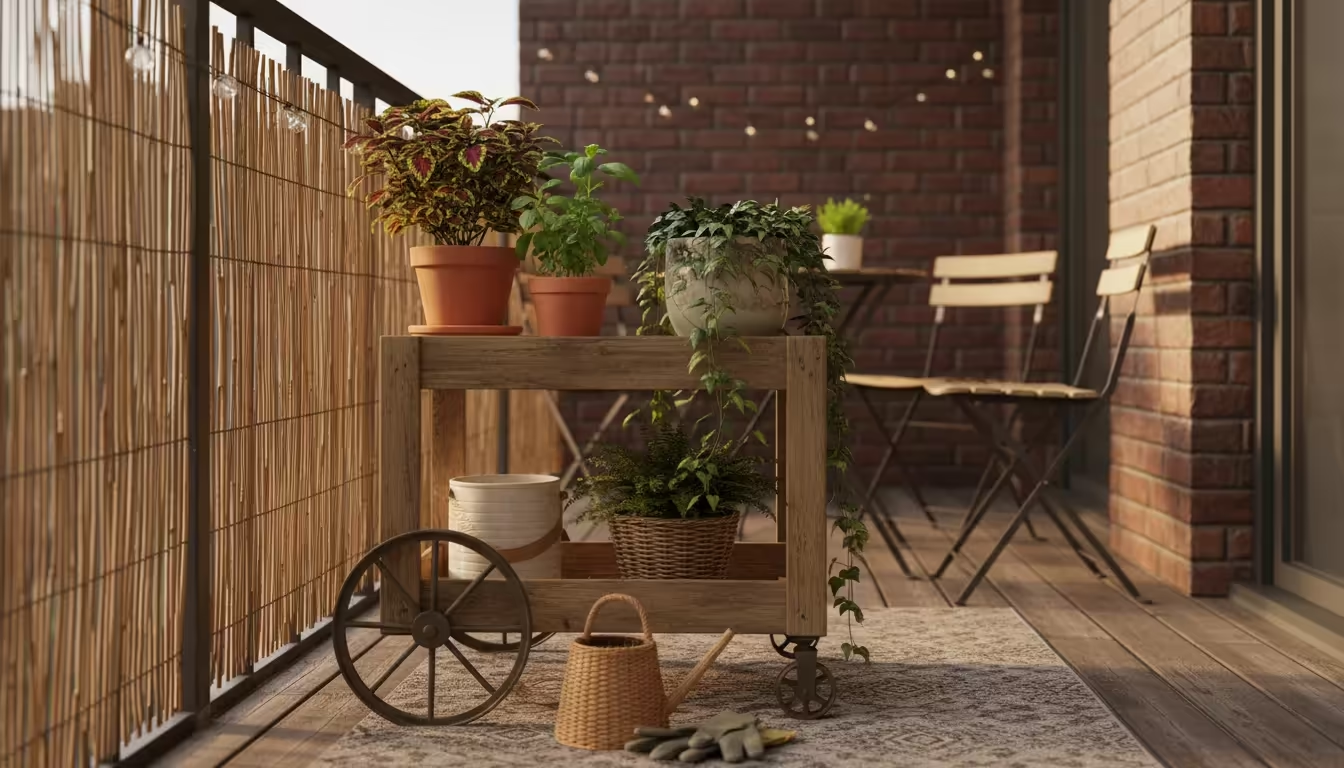
- Wheeled Benches or Tables: If you have multiple smaller pots that need similar sun exposure, arrange them on a wheeled bench or a small tea cart. You can then move an entire collection with a single push.
- Sliding Trays: For very small pots, place them on a shallow, sturdy tray with a smooth bottom. You can slide the entire tray into and out of balcony shade.
- Casters for Furniture: If you have plant stands or shelving, consider adding casters to their bases. This makes it easy to reposition entire display units.
3. Plan Your Layout for Accessibility:
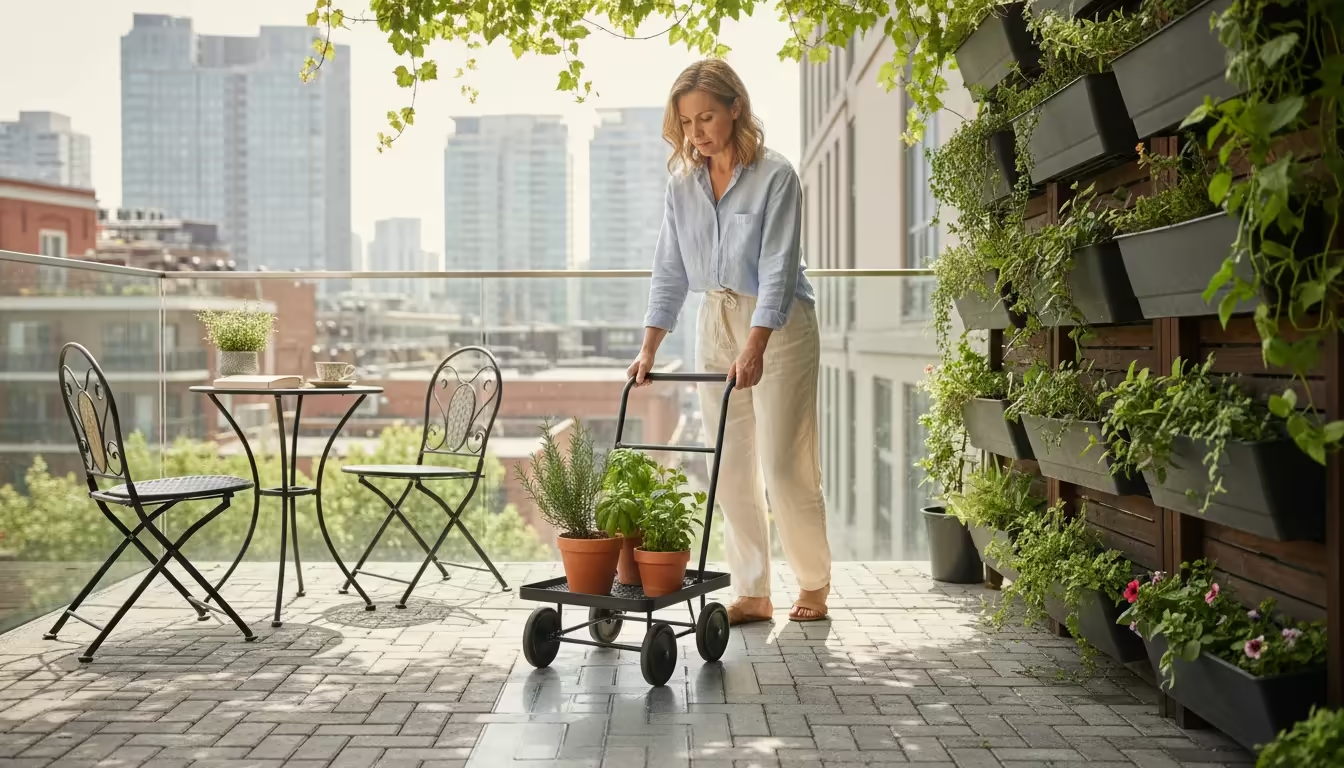
- Keep Pathways Clear: Design your balcony layout with open pathways that allow you to move plants without bumping into furniture or other containers.
- Group Similar Needs: Cluster plants with similar light requirements together. This reduces the number of individual pots you need to move and simplifies your shifting routine.
- Designate “Parking Spots”: Based on your sun map, identify clear “morning sun spots” and “afternoon shade refuges.” Knowing exactly where each group of plants needs to go streamlines the process.

4. Embrace Eco-Friendly Practices:
- Reused Containers: Give plastic nursery pots a second life by painting or decorating them. Their lightweight nature makes them ideal for shifting.
- Quality Potting Mix: A good quality, lightweight potting mix with excellent drainage (how water moves through soil) ensures plants are not sitting in water, which can contribute to root rot, and also keeps the overall weight of the pot manageable. Incorporate perlite or vermiculite for better aeration and reduced weight.
- Water Wisely: While shifting helps reduce water loss, continue to water deeply and efficiently, preferably in the early morning. This helps roots grow strong and makes plants more resilient to heat.
By consciously setting up your balcony for easy movement, you transform the ‘Shadow Shift’ from an occasional effort into a seamless, enjoyable aspect of your daily gardening.
This proactive heat protection for plants becomes a simple, sustainable habit, ensuring your small garden flourishes even in the height of summer.
Common Mistakes and Troubleshooting Your Shadow Shift
Even with the best intentions, you might encounter a few hurdles when implementing the ‘Shadow Shift’ strategy. Recognizing common pitfalls and knowing how to troubleshoot them ensures your plants receive consistent heat protection for plants and thrive.
This section helps you refine your moving containers for summer sun approach.
Common Mistakes:
- Inconsistent Shifting: The biggest mistake is forgetting to move plants regularly. A single day of intense afternoon sun can cause significant damage. Consistency is key.
- Moving Too Abruptly: While plants benefit from shifting, drastic, sudden changes in environment can shock them. Avoid moving a plant from deep shade directly into intense midday sun, or vice versa. Always aim for a gradual transition or move into an appropriate zone.
- Ignoring Other Stress Factors: Moving plants helps with sun and heat, but it does not replace other essential summer plant care. Forgetting to water, poor soil drainage, or nutrient deficiencies will still harm plants, regardless of their sun exposure.
- Misinterpreting Plant Needs: Assuming all plants want deep shade all afternoon can be detrimental. Some plants still need several hours of direct sun for flowering or fruiting. Ensure your shift aligns with each plant’s specific requirements.
- Underestimating Weight: Starting with heavy terracotta pots without dollies can quickly lead to exhaustion and a neglected shifting routine.
Troubleshooting Your Shadow Shift:
Problem: Plants are still wilting or showing signs of stress despite shifting.
- Solution 1: Check Watering. Even in shade, plants need water. Ensure you are watering deeply enough and that pots drain well. Stick your finger into the soil. If it is dry an inch or two down, it needs water. If soggy, improve drainage.
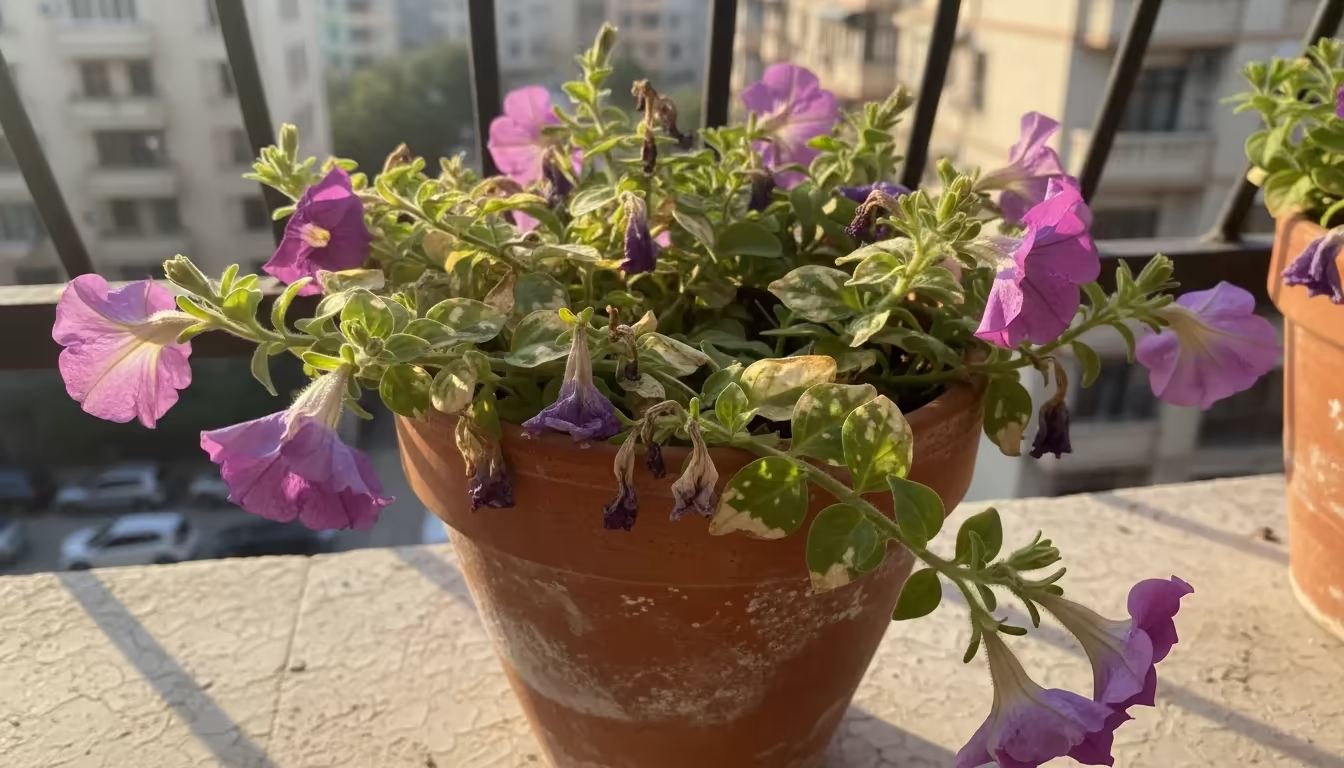
- Solution 2: Deeper Shade. Is your “shade” truly deep enough during the hottest hours? Sometimes what appears as shade is still receiving too much reflected light or indirect heat. Find a shadier spot, or consider temporary shade cloth.
- Solution 3: Root-bound Plants. Plants that are root-bound (roots circling tightly in the pot) struggle to absorb water and nutrients efficiently. Repot them into a slightly larger container with fresh potting mix.
- Solution 4: Consider the Pot Itself. Dark-colored pots absorb more heat. If you have dark pots, consider painting them a lighter color or insulating them with burlap or a reflective material.
Problem: Moving plants feels like too much work.
- Solution 1: Invest in Better Aids. If you do not have plant dollies or a small cart, get them. They revolutionize the ease of moving.
- Solution 2: Re-evaluate Plant Choices. Perhaps you have too many plants that require shifting, or some are too large. Consider swapping out a few high-maintenance movers for more stationary, shade-tolerant options.
- Solution 3: Simplify Your Layout. Streamline your balcony. Ensure clear paths and designated spots. The less cluttered your space, the easier the shift.
- Solution 4: Make it a Habit. Integrate the shift into another routine, like morning coffee or post-lunch checks. Once it becomes a habit, the effort feels minimal.
Problem: Plants appear leggy or are not flowering/fruiting well.
- Solution: Increase Sun Exposure (Carefully). This suggests they might be receiving too much shade. While heat protection for plants is vital, many plants need adequate light for vigor. Adjust your shift to allow for more morning sun exposure, or move them into partial shade areas rather than deep shade. Observe their response and adjust gradually.
By actively observing your plants and making small adjustments, you will quickly become adept at the ‘Shadow Shift’, ensuring your balcony garden remains a source of joy, not stress, throughout the summer.
Beyond the Shift: Additional Strategies for Summer Plant Care
While the ‘Shadow Shift’ strategy offers a fundamental solution for balcony shade and heat protection for plants, combining it with other smart gardening practices provides comprehensive summer plant care. These complementary strategies further enhance your plants’ resilience and overall health during the hottest months.
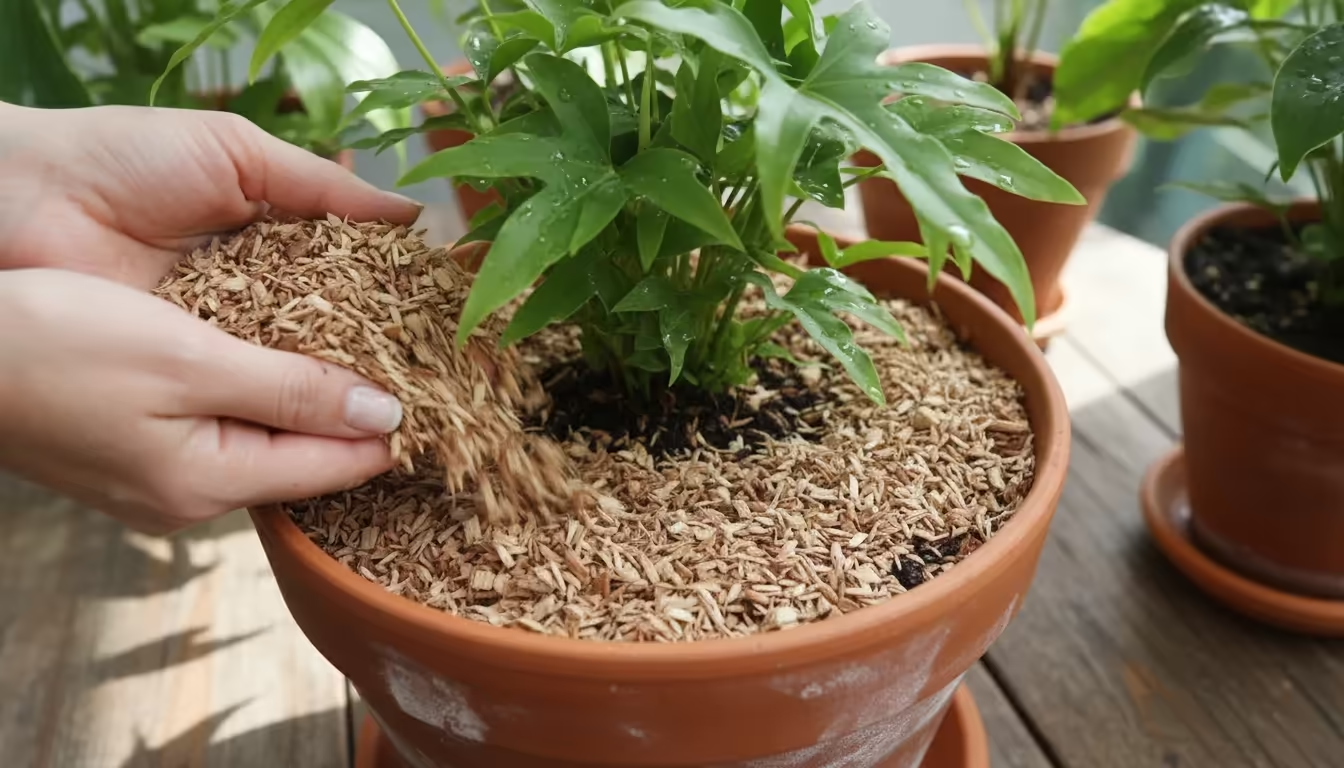
1. Mulching Your Containers:
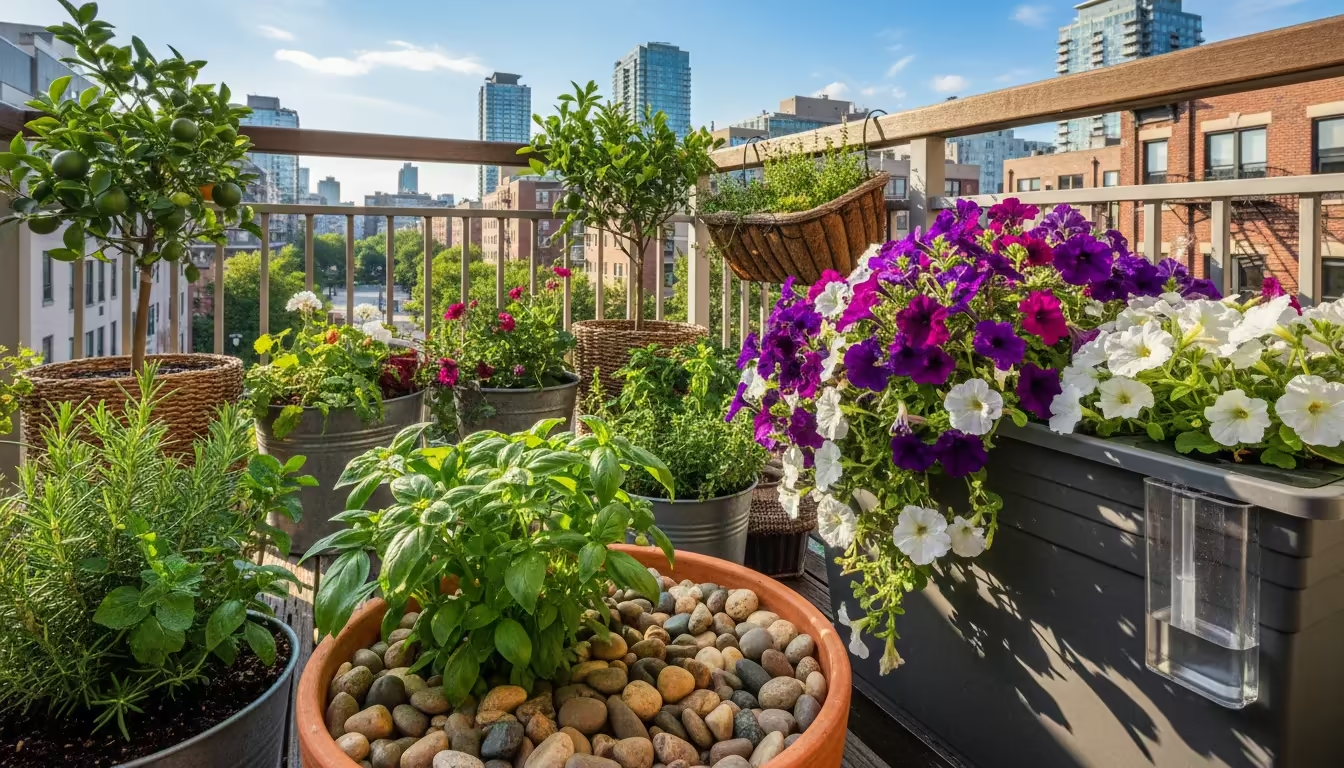
Applying a layer of mulch to the top of your potting mix significantly benefits your plants. Mulch acts as an insulating barrier, reducing soil temperature fluctuations and keeping roots cooler.
It also helps the soil retain moisture, meaning you water less frequently. Use organic materials like shredded bark, wood chips, straw, or even a layer of compost.
Aim for a 1-2 inch layer, keeping it away from the plant stem.
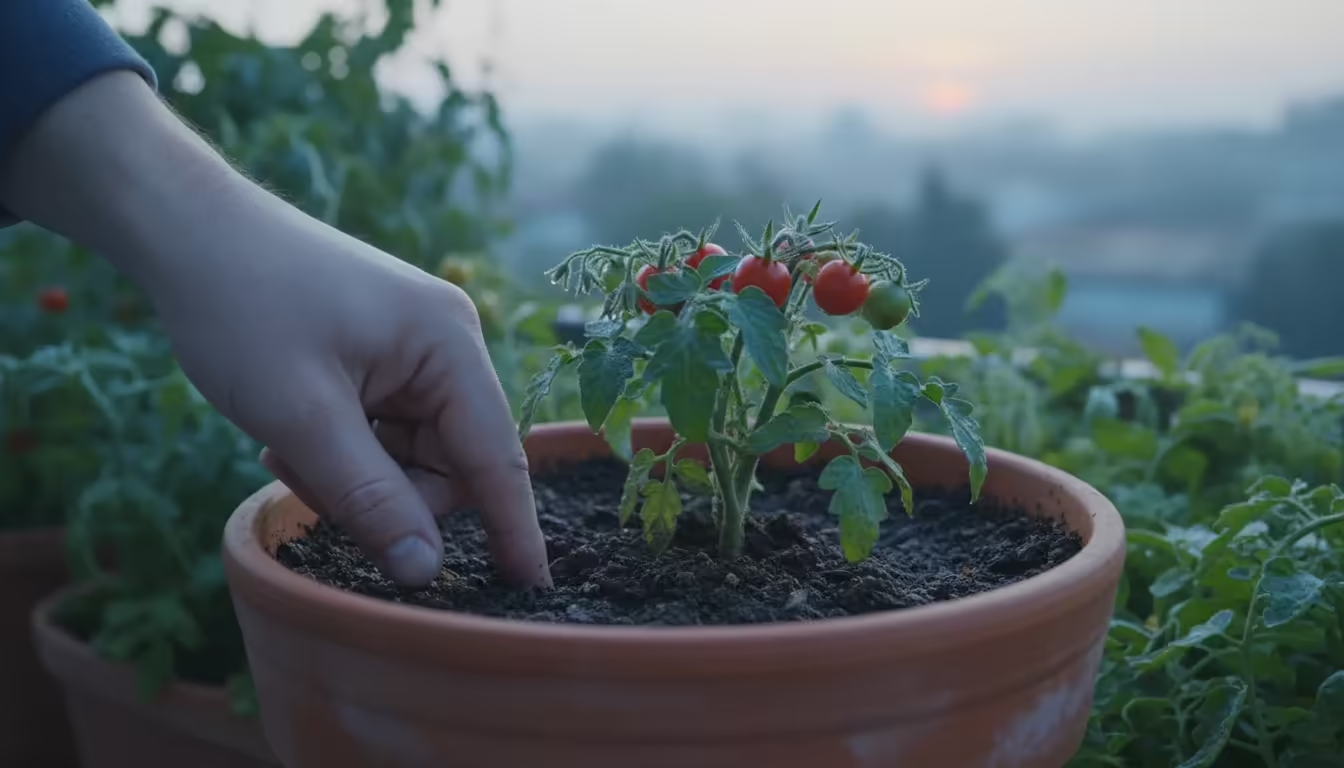
2. Watering Wisely:
Proper watering is critical during summer. Even with shifting, plants need consistent moisture.
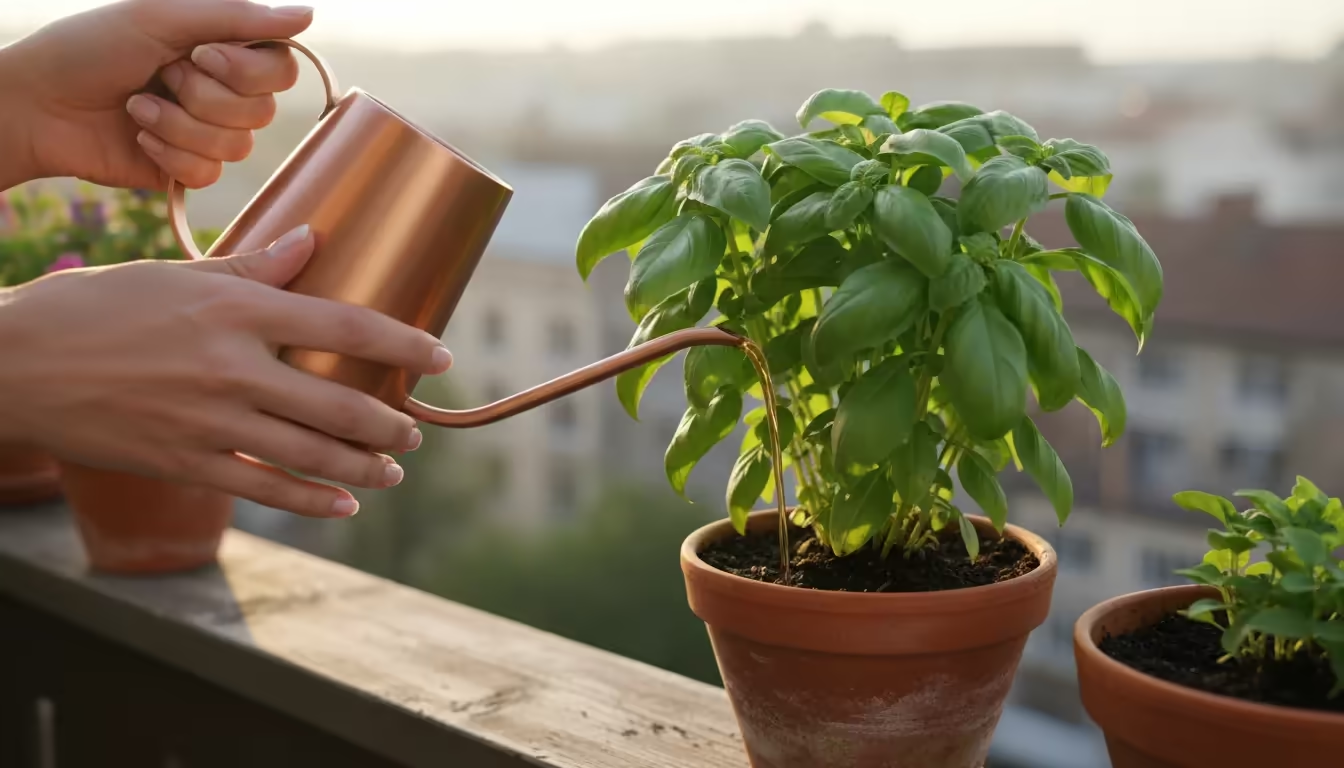
Water deeply in the early morning before the day heats up. This allows water to penetrate the root zone and minimizes evaporation.
Avoid watering during the hottest part of the day, as much of the water will evaporate before reaching the roots, and water droplets on leaves can magnify sun rays, causing burns.
Check soil moisture daily by sticking your finger an inch or two into the soil; water when it feels dry.
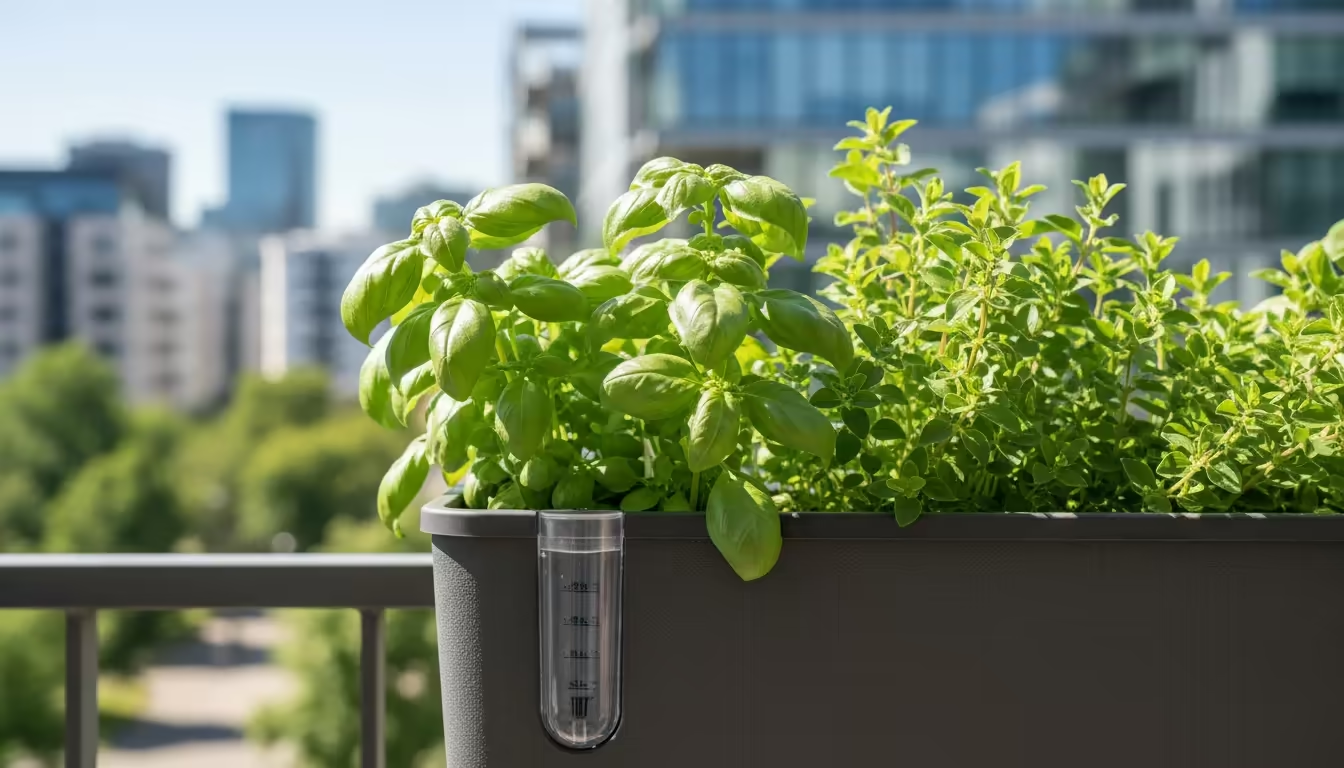
3. Consider Self-Watering Planters:
For gardeners with busy schedules or for plants with high water demands, self-watering planters are an excellent investment. These containers have a reservoir at the bottom that wicks water up to the soil, providing a consistent moisture supply and reducing the frequency of manual watering.
They are a fantastic tool for maintaining steady hydration, especially when you are moving containers for summer sun and might miss a watering day.
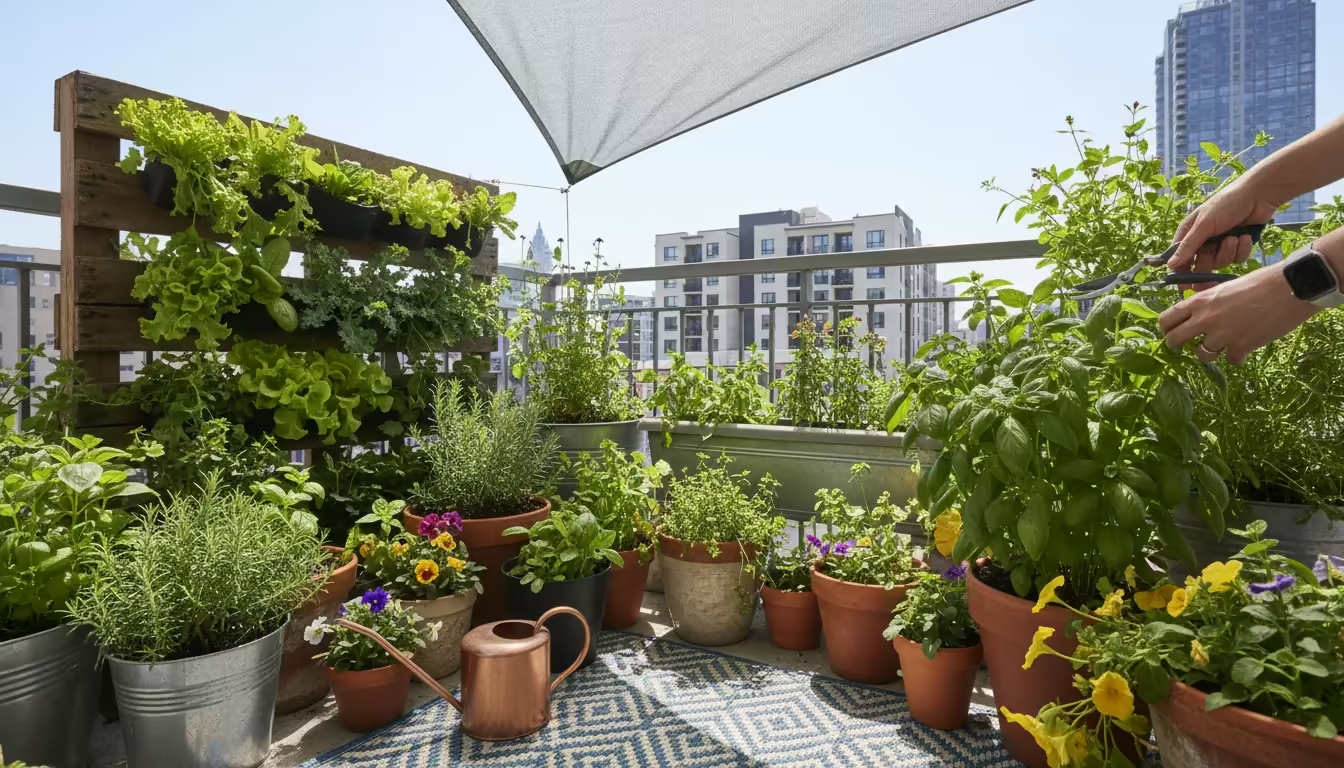
4. Utilize Temporary Shade Cloth:
On exceptionally hot days, or for areas that receive unavoidable, prolonged afternoon sun, temporary shade cloth can offer an extra layer of protection.
You can drape a piece of shade cloth over a small frame, attach it to a railing, or even use clothesline to create a temporary canopy. Choose a shade cloth that blocks 30-50% of sunlight, providing relief without blocking too much essential light.
5. Grouping Plants:
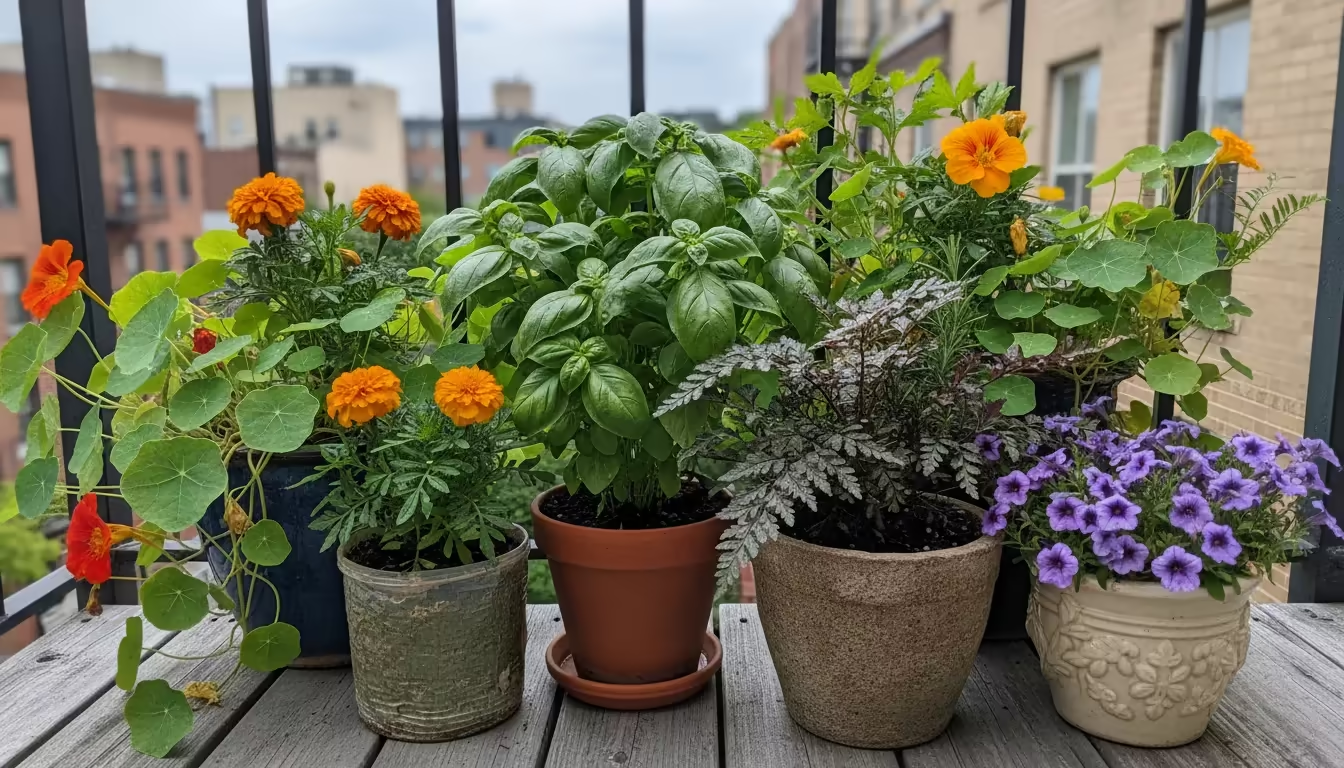
Plants can create their own microclimates. Grouping several pots together creates a denser canopy, which can slightly lower the ambient temperature around the plants and increase humidity.
This collective balcony shade helps protect each plant from the full brunt of the sun and wind, mimicking a more natural, sheltered environment.
6. Ensure Good Air Circulation:
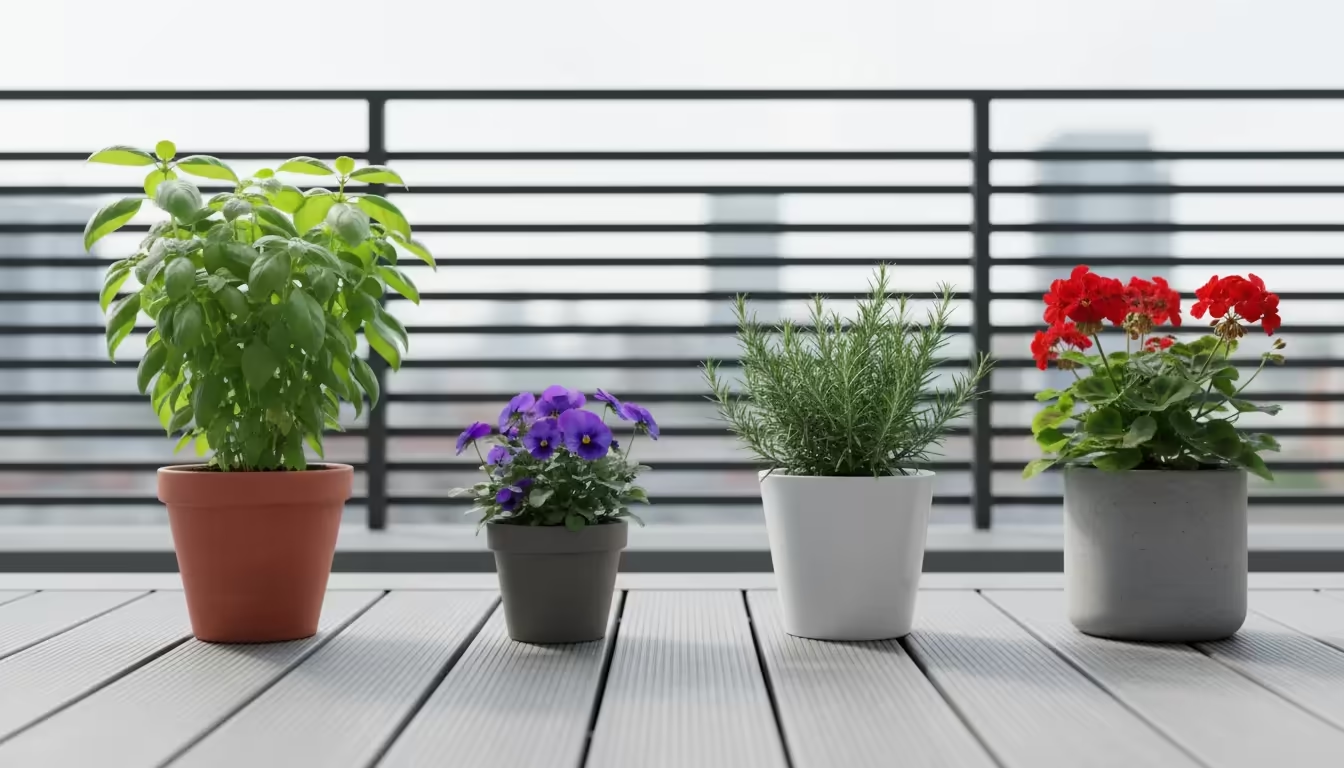
While shade is important, stagnant, hot air can also stress plants. Ensure there is enough space between your grouped plants for air to circulate.
This helps dissipate heat and reduces the risk of fungal diseases.
7. Monitor and Fertilize Thoughtfully:
Regularly inspect your plants for signs of pests or diseases. Stressed plants are more susceptible.
If plants are actively growing and producing, they will still need nutrients. Use a balanced liquid fertilizer at half strength, perhaps once every 2-4 weeks, as nutrients can leach out faster from frequently watered pots.
Avoid over-fertilizing, which can stress plants further.
By integrating these additional strategies with your ‘Shadow Shift’ routine, you create a robust, resilient small garden that thrives through the summer, providing you with continuous beauty and bounty.
Frequently Asked Questions
Can I use the ‘Shadow Shift’ strategy for all my balcony plants?
The ‘Shadow Shift’ works best for potted plants that benefit from controlled sun exposure, particularly those susceptible to afternoon heat like herbs, leafy greens, and many flowering annuals. Very large, heavy plants or those sensitive to movement are less suitable.
Always consider individual plant needs and the practicality of moving them.
How often do I need to move my plants?
Ideally, you move your plants once a day during peak summer heat, typically in the late morning or early afternoon, to shift them out of intense sun and into balcony shade. On cooler or overcast days, you might not need to shift as dramatically.
Consistency is more important on hot, sunny days to ensure continuous heat protection for plants.
What if I am not home during the day to move my plants?
If daily shifting is not feasible, you can still apply elements of the strategy. Position plants in areas that receive morning sun but are naturally shaded during the afternoon.
Utilize temporary shade cloth over vulnerable areas. Consider self-watering planters or larger pots that retain moisture longer.
You can also prioritize moving only your most sensitive plants when you are home.
Does the color of my pots matter for heat protection?
Yes, pot color significantly impacts soil temperature. Dark-colored pots absorb more solar radiation and heat up faster than light-colored pots.
Using lighter-colored pots, or even painting existing dark pots white or light beige, can help keep root temperatures cooler, providing an extra layer of heat protection for plants.
Can I create permanent shade instead of shifting plants?
Absolutely. Permanent or semi-permanent shade solutions are excellent complements to the ‘Shadow Shift’ or alternatives for plants that cannot be moved.
This includes installing a shade sail, using a large patio umbrella, growing taller plants strategically to cast shadows, or attaching trellises with climbing plants to create living screens. Combining these with moving containers for summer sun offers a comprehensive approach to summer plant care.
For trustworthy gardening information, visit:
Virginia Cooperative Extension — Lawn & Garden, University of Maryland Extension — Home & Garden, Rutgers New Jersey Agricultural Experiment Station, University of Arizona Cooperative Extension — Gardening and University of Alaska Fairbanks Extension — Gardening. These organizations provide expert, research-based advice for gardeners at all levels.
Disclaimer: This article is for informational purposes only and is not a substitute for professional gardening advice. Always consult local extension services or horticulture experts for region-specific guidance.