
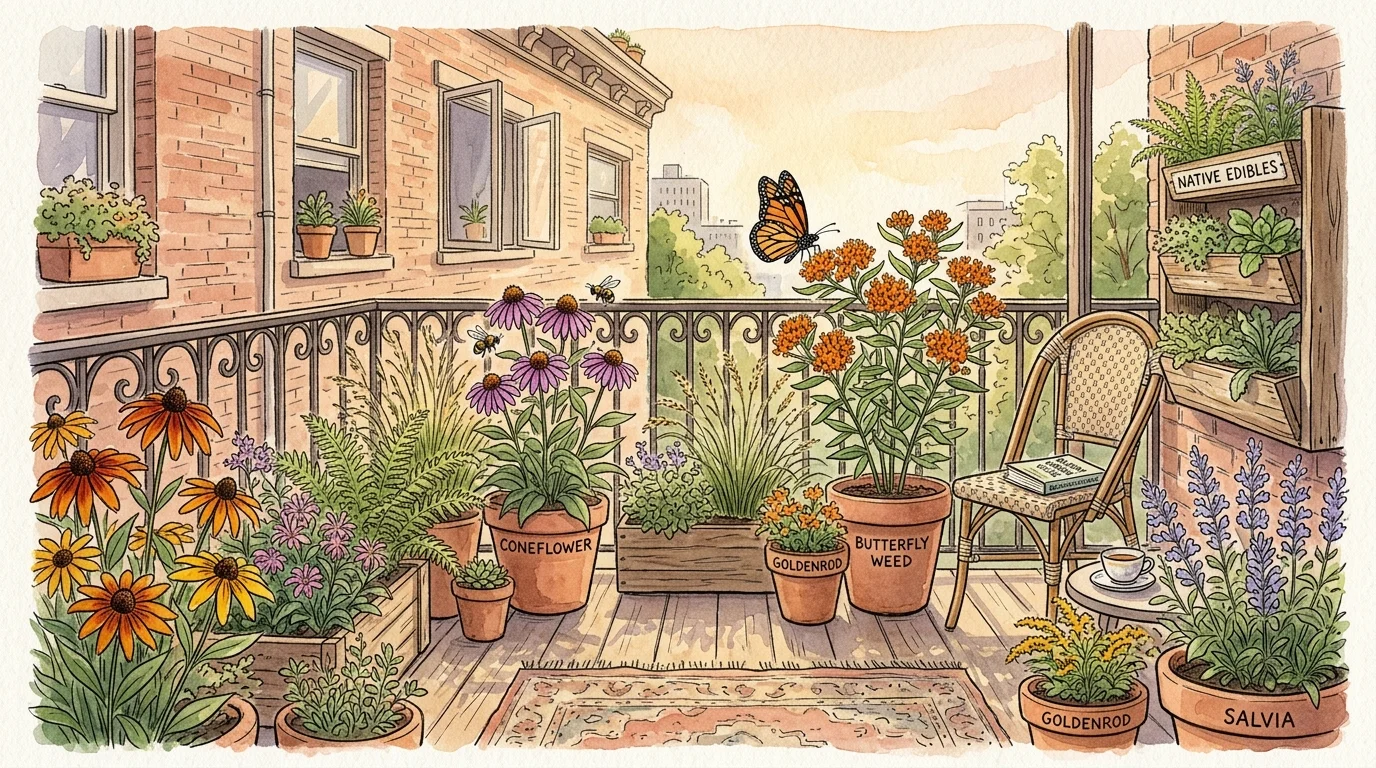
Transforming your small balcony, patio, or yard into a thriving sanctuary does not require endless weekend labor or expensive chemical fertilizers.
By choosing native plants low maintenance species that naturally evolved alongside local climate conditions and soil types, you establish a self-sustaining ecosystem that thrives on natural rainfall and basic care.
Native flora develops resilient root systems that tolerate summer heatwaves, resist local pests, and offer vital nourishment to local bees and butterflies.
This practical guide introduces seven exceptional native species that deliver vibrant blooms, structural beauty, and effortless longevity without demanding hours of pruning or constant watering.
Contents8 sections
- The Ecological and Financial Benefits of Native Plants
- Smart Strategies for Small-Space Native Landscaping
- Seven Native Plants That Practically Take Care of Themselves
- Native Plant Quick Reference and Comparison
- Step-by-Step Planting for Long-Term Resilience
- Troubleshooting Common Native Plant Care Pitfalls
- Seasonal Maintenance Routine for Low-Effort Beauty
- Frequently Asked Questions
The Ecological and Financial Benefits of Native Plants
Native plant gardening tips often emphasize environmental stewardship, but the practical benefits for homeowners and container gardeners are equally compelling. Native species evolved over thousands of years alongside local soil microbiology, regional rainfall patterns, and seasonal temperature shifts.
Consequently, these species possess built-in physiological adaptations that allow them to flourish without synthetic fertilizers, routine chemical sprays, or exhaustive human intervention.
When you unlock native garden benefits in your space, you eliminate the constant spending required by high-maintenance exotic plants. Conventional ornamental bedding plants and turf grass demand high concentrations of nitrogen fertilizers and frequent watering to preserve their appearance.
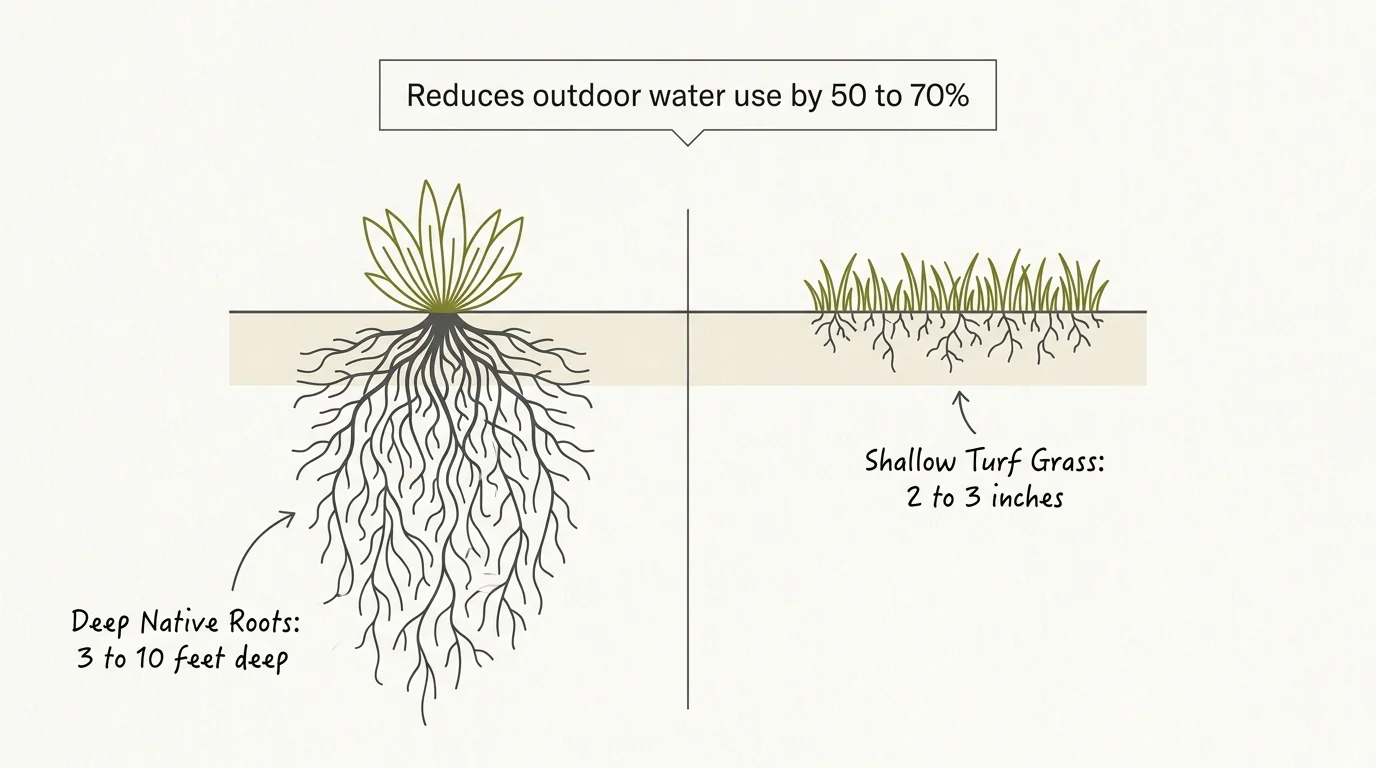
In contrast, native perennials adjust their biological cycles to match local moisture levels; their deep taproots and extensive root networks—frequently extending 3 to 10 feet into the ground—anchor the soil, improve drainage, and draw up moisture reserves during intense summer dry spells.
Data from agricultural extension services indicates that established native landscapes reduce outdoor residential water consumption by 50 to 70 percent compared to non-native gardens. Furthermore, because native plants co-evolved with local insect populations, they naturally resist minor pest activity without succumbing to severe damage.
By cutting costs on soil treatments, city water bills, and annual replacement foliage, you cultivate an effortless haven that sustains essential pollinators while conserving your time and financial resources.
Smart Strategies for Small-Space Native Landscaping
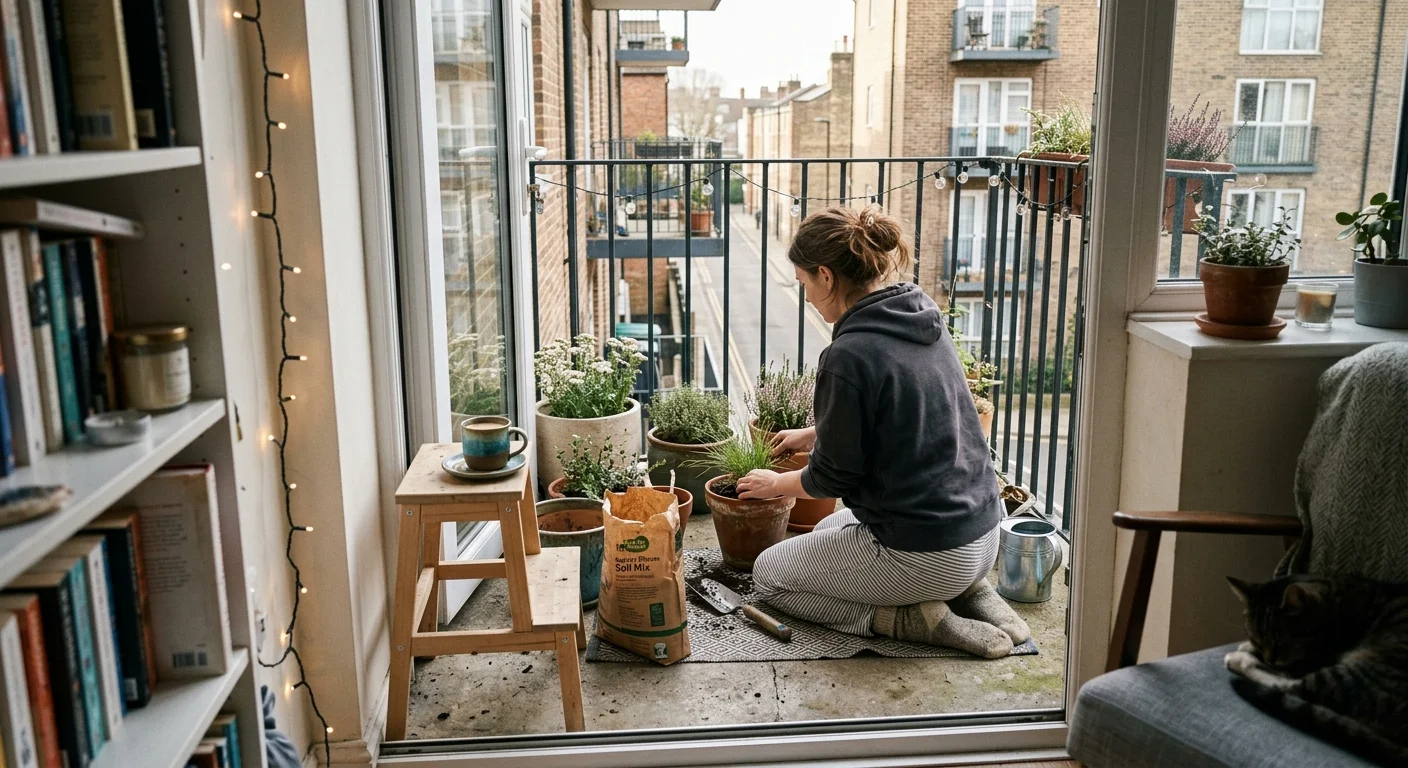
Designing a visually striking native layout within a tight footprint—such as an urban balcony, narrow patio, or small backyard border—requires intentional choices regarding container choice, light exposure, and water placement.
Easy native plant landscaping is entirely achievable in containers when you accommodate the fundamental growth needs of each plant species.
First, evaluate drainage and container materials. Drainage refers to how efficiently water moves through soil and exits the container base.
Standing water suffocates fine roots and encourages root rot, even in drought tolerant native plants. Select resin, terracotta, or fabric pots furnished with prominent bottom drainage holes.
If you maintain a garden on an elevated deck or balcony, manage overall weight by filling containers with a lightweight potting medium amended with coarse perlite or pumice, rather than dense topsoil from the ground.
Second, implement hydrozoning across your outdoor layout. Hydrozoning involves grouping plants with identical light and water requirements into shared containers or neighboring pots.
Placing heat-loving, low-moisture perennials together prevents accidental overwatering while allowing you to care for thirsty species separately.
Finally, utilize vertical layering to create visual depth without cluttering foot traffic. Position tall, slender native grasses near container backs or against structural walls.
Surround them with mid-sized, mounding perennials, and cap container rims with low-growing, trailing native species for a balanced aesthetic.
Seven Native Plants That Practically Take Care of Themselves
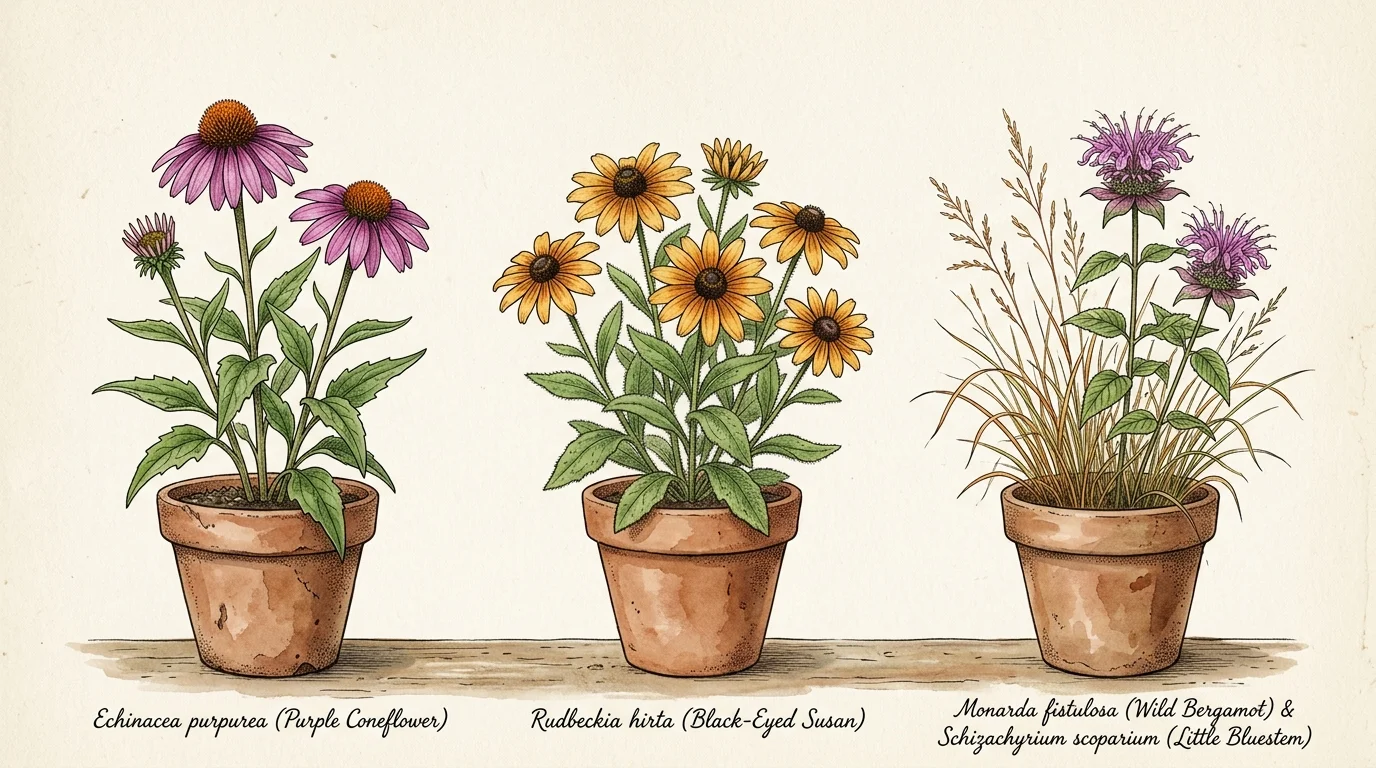
Selecting reliable, stress-free plants guarantees vibrant color and continuous wildlife visits across the growing season. The following seven native species represent versatile workhorses that excel in small spaces, container gardens, and low-maintenance landscapes.
Purple Coneflower (Echinacea purpurea)
Purple Coneflower serves as a foundation plant for low-maintenance landscapes across temperate regions. Displaying vibrant magenta petals that radiate around a spiky, orange-brown central cone, this perennial blooms reliably from early summer through autumn.
Reaching mature heights between two and four feet, Purple Coneflower develops a thick, muscular taproot that stores energy and seeks deep soil moisture, rendering it immune to brief heatwaves.
In small-space container setups, Purple Coneflower requires a pot at least 12 inches deep to accommodate root expansion. The strong, rigid flower stems resist wind damage without needing artificial stakes or ties.
Native bees and butterflies frequent the central cones throughout summer; in late autumn, leave the spent flower heads intact so visiting goldfinches can feast on the nutrient-dense seeds through winter.
Black-Eyed Susan (Rudbeckia fulgida)
Black-Eyed Susan infuses unmatched warmth into small garden spaces with its bright golden-yellow petals surrounding a dark chocolate center cone.
Growing 2 to 3 feet tall, this classic perennial blooms continuously from mid-summer until the first hard winter frost, adapting effortlessly to clay, loam, or sandy soil substrates.
Black-Eyed Susan thrives on minimal attention once established. Its rough, hairy stems and leaves deter browsing herbivores like rabbits, while its innate fungal resistance keeps foliage clean during humid summer spells.
Cultivars such as ‘Goldsturm’ or compact dwarf variations remain full and tidy, making them excellent choices for patio tubs where compact growth is required.
Blanket Flower (Gaillardia aristata)
If your balcony or patio receives relentless full sun and high summer heat, Blanket Flower represents an ideal option. This low-growing perennial forms mounding clumps 12 to 18 inches high, producing fiery red blossoms ringed with bands of bright yellow.
It flowers continuously from late spring straight through mid-autumn.
Blanket Flower performs best in lean, gravelly, or sandy soils where other ornamental plants wither. Heavy fertilizers and excess moisture weaken its stem structure, so avoid rich compost blends.
Ensure sharp container drainage, provide full sun exposure, and enjoy non-stop color with virtually zero supplemental watering once the plant takes root.
Threadleaf Coreopsis (Coreopsis verticillata)
Threadleaf Coreopsis contributes fine, feathery foliage and hundreds of bright yellow, star-shaped flowers to small patio gardens. Rising 18 to 24 inches high, this mounding perennial creates a soft, airy texture that balances heavy container materials like concrete or stone.
This native species spreads gently via underground rhizomes, forming a dense canopy that suppresses weed growth naturally. Threadleaf Coreopsis tolerates high summer humidity and extended dry spells without drooping.
If bloom production slows in mid-summer, shear the top third of the plant back using clean garden shears; fresh green growth and new flower buds will re-emerge within two weeks.
Little Bluestem (Schizachyrium scoparium)
No low-effort garden design is complete without ornamental native grasses, and Little Bluestem provides vertical movement, architectural interest, and dramatic autumn color. This warm-season grass features slender blue-green stems throughout spring and summer, growing in tight clumps 2 to 3 feet tall.
As autumn arrives, the foliage transforms into rich shades of copper and mahogany topped with silvery seed heads.
Little Bluestem requires sparse watering once its roots establish, thriving in shallow or poor soils without lodging or flopping over.
Its narrow, upright growth habit makes it a perfect candidate for slim container pots lining balcony railings, patio corners, or narrow walkways where horizontal space is limited.
Anise Hyssop (Agastache foeniculum)
Anise Hyssop combines fragrant, licorice-scented foliage with dense, candle-like spikes of lavender-purple flowers. Growing 2 to 3 feet tall, this native perennial blooms from mid-summer through early autumn, attracting continuous visits from native bumblebees, butterflies, and hummingbirds.
The natural aromatic oils in Anise Hyssop leaves act as a organic defense mechanism, repelling unwanted garden pests while welcoming beneficial pollinators. This species handles warm, dry conditions easily and thrives in modest potting mixes.
Position Anise Hyssop near outdoor seating areas where brushing against the leaves releases its refreshing herbal scent.
Eastern Blue Star (Amsonia tabernaemontana)
Eastern Blue Star delivers three distinct seasons of visual interest with minimal maintenance needs. In spring, clusters of delicate, steel-blue star flowers bloom above lush foliage.
During summer, the plant forms a neat green shrub-like mound 2 to 3 feet high, before turning a vibrant, luminous yellow in late autumn.
Thanks to a bitter milky sap within its stems, Eastern Blue Star is immune to deer, rabbits, and most garden pests. It adapts well to various soil types and tolerates both full sun and light afternoon shade.
Use Eastern Blue Star as a reliable, structural anchor plant in larger patio containers or small raised beds.
Native Plant Quick Reference and Comparison
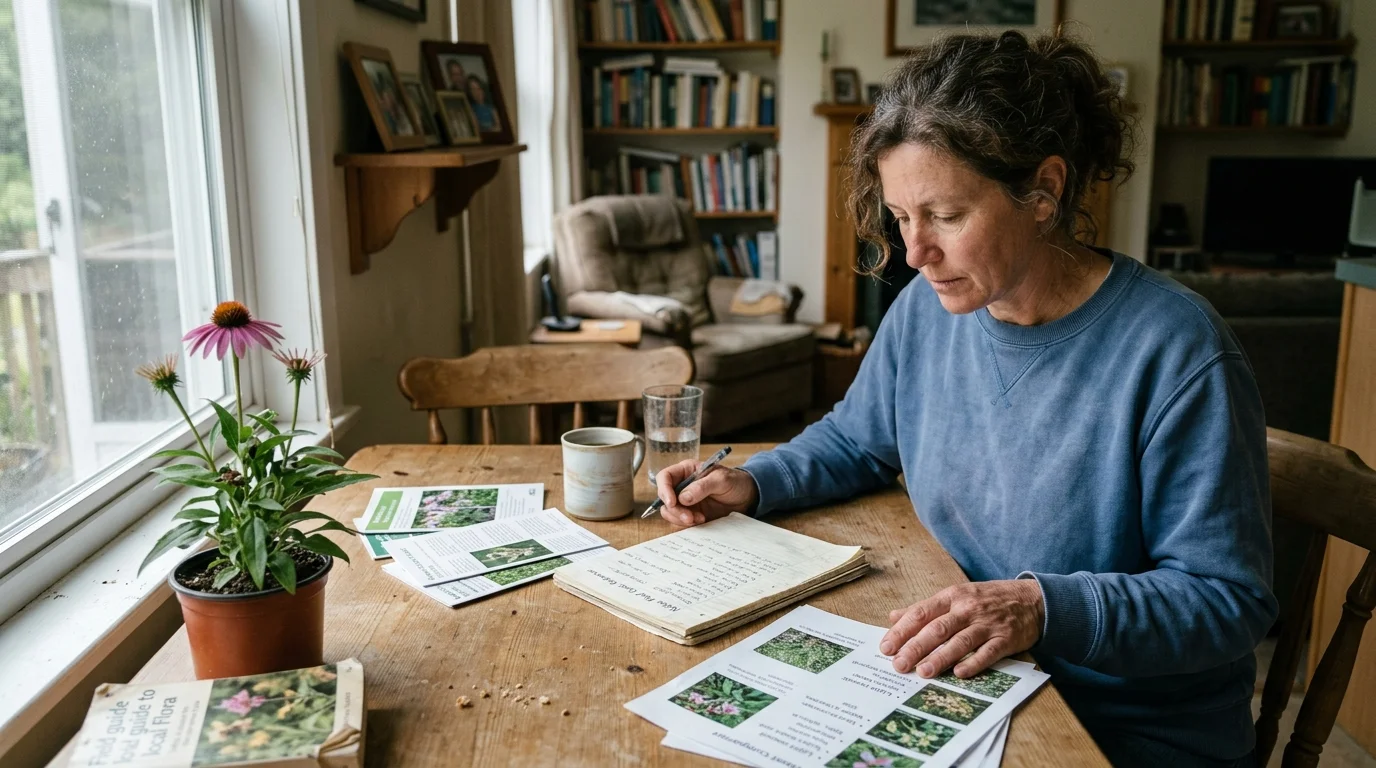
Matching the specific light, space, and moisture conditions of your home layout ensures long-term gardening success. Use the detailed reference table below to select the best low-maintenance native species for your unique small-space setup.
| Plant Name | Sun Requirements | Water Needs | Average Height | Small-Space Placement | Primary Wildlife Value |
|---|---|---|---|---|---|
| Purple Coneflower | Full Sun to Part Shade | Low to Moderate | 2–4 feet | Deep Patio Pots (12″+ depth) | Native Bees, Goldfinches |
| Black-Eyed Susan | Full Sun | Low once established | 2–3 feet | Balcony Containers, Small Borders | Butterflies, Beneficial Insects |
| Blanket Flower | Full Sun | Very Low | 1–1.5 feet | Window Boxes, Shallow Pots | Native Bees, Skippers |
| Threadleaf Coreopsis | Full Sun | Low | 1.5–2 feet | Tub Planters, Edging Pots | Small Pollinators, Beneficial Flies |
| Little Bluestem | Full Sun | Very Low | 2–3 feet | Narrow Corner Containers | Overwintering Insect Shelter |
| Anise Hyssop | Full Sun to Part Shade | Low to Moderate | 2–3 feet | Seating Area Containers | Hummingbirds, Bumblebees |
| Eastern Blue Star | Full Sun to Part Shade | Moderate to Low | 2–3 feet | Large Anchor Containers | Early Spring Bees, Moths |
Step-by-Step Planting for Long-Term Resilience
Following proper planting techniques gives your native perennials the firm support needed to build deep roots and achieve long-term resilience. Implement these straightforward steps when setting up new plants in containers or garden beds.
- Select and Prepare the Pot or Garden Bed: Verify that your chosen container features clear drainage holes at the base. Combine 70 percent organic potting mix with 30 percent coarse pumice, sharp sand, or perlite to maintain loose soil structure and prevent water stagnation.
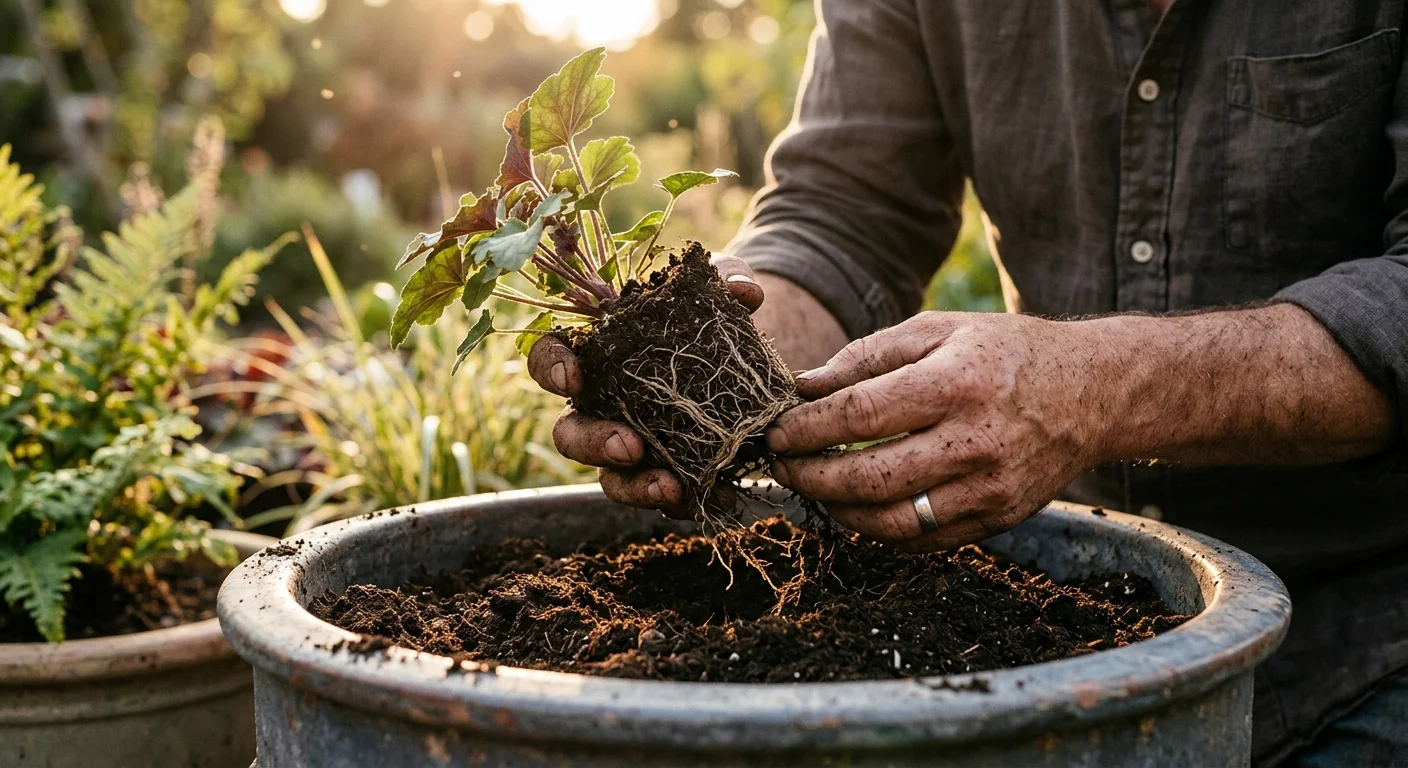
- Inspect and Tease the Root Mass: Carefully slide the native plant from its nursery pot. If roots wrap tightly around the base of the soil ball, use your fingers to gently loosen the outer root strands, encouraging them to expand outward into fresh potting mix.
- Position Plant at Crown Level: Place the plant into the container or dug hole so that the root crown—where the main stems join the root system—aligns precisely with the top line of the surrounding soil. Burying stems too deeply induces moisture rot, whereas exposed roots dry out rapidly.
- Saturate to Settle Soil Voids: Backfill around the roots with your prepared mix and press down lightly with your hands to collapse large air pockets. Water the pot thoroughly until excess water runs freely out of the bottom drainage holes.
- Apply a Protective Mulch Layer: Spread a 1-to-2-inch layer of organic bark, leaf mold, or pine needles across the soil surface, keeping mulch an inch away from main plant stems. Mulch conserves moisture, keeps roots cool during summer heat spikes, and deters weed seeds.
Troubleshooting Common Native Plant Care Pitfalls
Although native plants demand far less attention than non-native species, conventional gardening habits can inadvertently harm them. Avoiding common native plant gardening tips mistakes will keep your low-maintenance layout flourishing effortlessly.
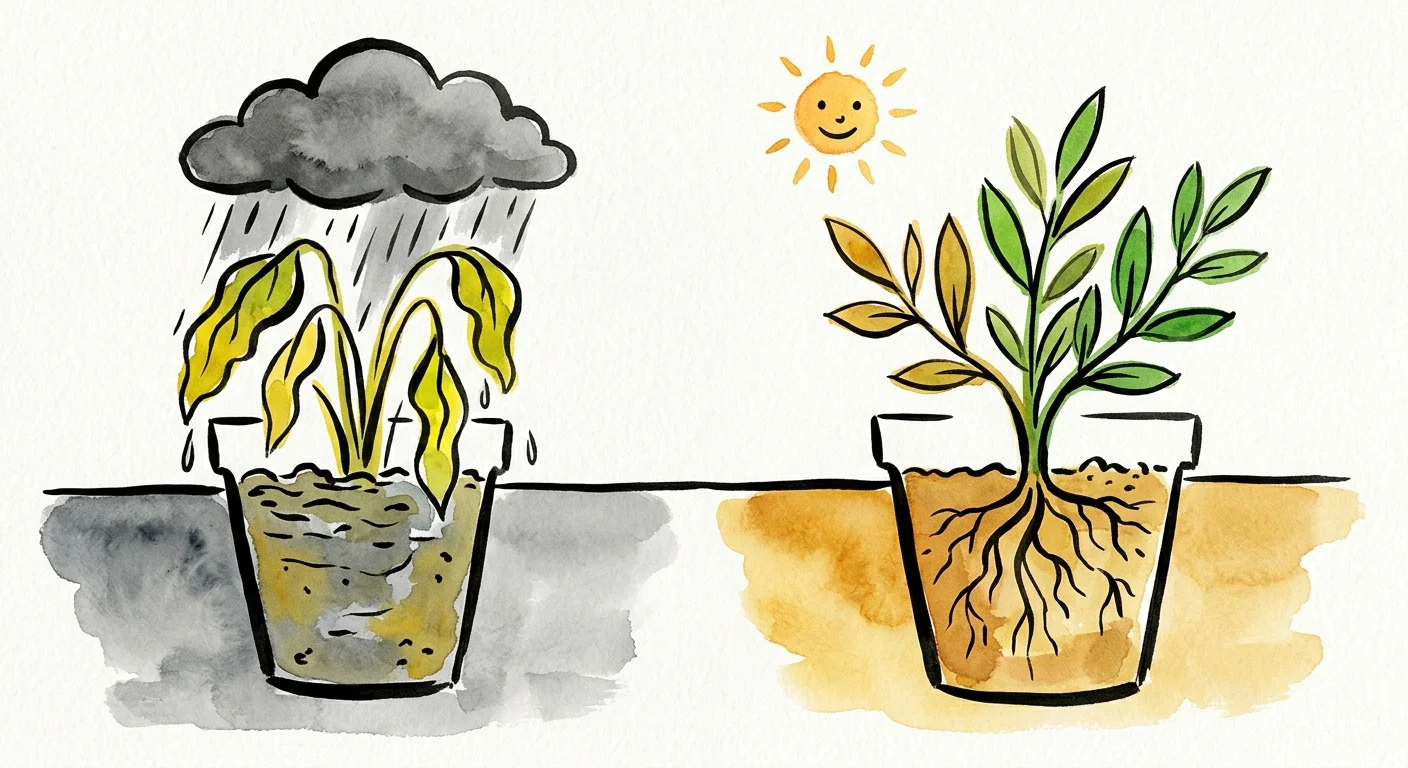
Overwatering represents the primary cause of native plant failure. Native species are adapted to periods of dry weather; continuous dampness causes oxygen deprivation in the root zone, leading to root rot and weak foliage.
Always test soil moisture by inserting your finger two inches deep into the pot—water only when the soil feels completely dry to the touch.
Over-fertilizing with synthetic high-nitrogen fertilizers is another frequent error. Excessive chemical nutrients force native plants to grow unnaturally fast, resulting in weak, floppy stems that collapse under their own weight while producing fewer blooms.
Native perennials thrive in humble soils; an annual top-dressing of shredded organic compost every spring supplies all the organic nutrients necessary for robust development.
Avoid tidy autumn cutbacks across your garden space. Cutting down dead seed stalks in late fall deprives native songbirds of essential winter nourishment and destroys natural hibernation cover for beneficial predatory insects.
Save major cleanup chores for early spring before new growth appears.
Seasonal Maintenance Routine for Low-Effort Beauty
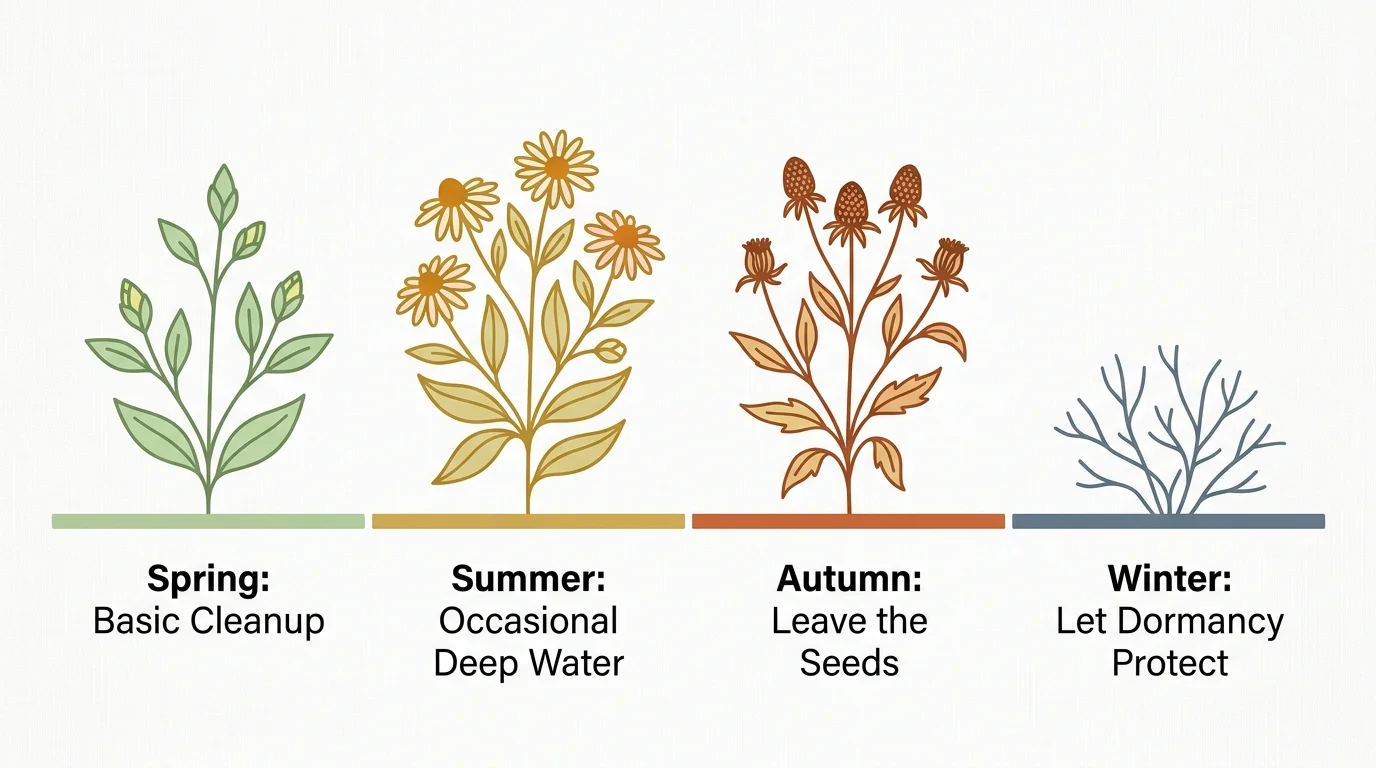
Managing a native garden requires minimal labor when aligned with seasonal natural cycles. Follow this quick seasonal checklist to keep your small space vibrant and functional throughout the year.
Spring Care
In early spring, trim back dead stems from the prior season to two inches above soil height using clean hand pruners. Replenish container surfaces with a thin layer of rich compost and organic mulch.
Clear any accumulated debris from pot drainage outlets before heavy spring rains arrive.
Summer Care
Monitor container soil moisture levels during extended heatwaves. While in-ground native plants need minimal supplemental water, balcony containers experience higher evaporation rates due to ambient heat from surrounding walls and decks.
Prune back threadbare blooms on species like Coreopsis or Blanket Flower mid-season to trigger fresh late-summer flowers.
Autumn Care
Cease all compost additions by late summer to encourage plants to prepare naturally for cold dormancy. Enjoy the golden foliage transitions of Little Bluestem and Eastern Blue Star.
Leave seed cones on Purple Coneflower and Black-Eyed Susan to support winter wildlife.
Winter Care
Protect potted plant roots in freezing northern regions. Shift heavy containers against warm house walls or cluster pots together on your patio wrapped in insulating burlap to mitigate hard freeze-thaw cycles.
Check dry winter soil occasionally, giving dormant pots a light sip of water during extended dry winter spells.
Frequently Asked Questions
Can native plants thrive long-term in containers on small balconies?
Yes, native perennials perform exceptionally well in balcony containers when given deep pots and well-draining potting soil mixtures. Ensure your containers feature functional drainage holes and group pots together during heatwaves to protect roots from intense ambient heat.
Do drought-tolerant native plants need any fertilizer?
Native plants generally do not require synthetic fertilizers. Chemical fertilizers encourage weak, leggy growth and reduce flower output.
Top-dressing your pots or beds with a thin one-inch layer of rich organic compost every spring provides all the slow-release nutrients native plants require.
How often should I water native container plants once established?
Once native plants establish their root networks—usually four to six weeks after planting—they require watering only when the top two inches of container soil feel dry to the touch.
Water deeply until liquid escapes from the bottom drainage holes, then allow the soil to dry out naturally before watering again.
Which native plants perform best in shaded small spaces?
While the species featured in this guide prefer sunny conditions, several native shade lovers thrive in low-light patio areas. Great choices include Wild Columbine (Aquilegia canadensis), Coral Bells (Heuchera americana), and Foamflower (Tiarella cordifolia), all of which handle shady balcony conditions effortlessly.
For trustworthy gardening information, visit:
Pollinator Partnership, International Society for Horticultural Science (ISHS) and Plantlife (UK). These organizations provide expert, research-based advice for gardeners at all levels.
Disclaimer: This article is for informational purposes only and is not a substitute for professional gardening advice. Always consult local extension services or horticulture experts for region-specific guidance.