
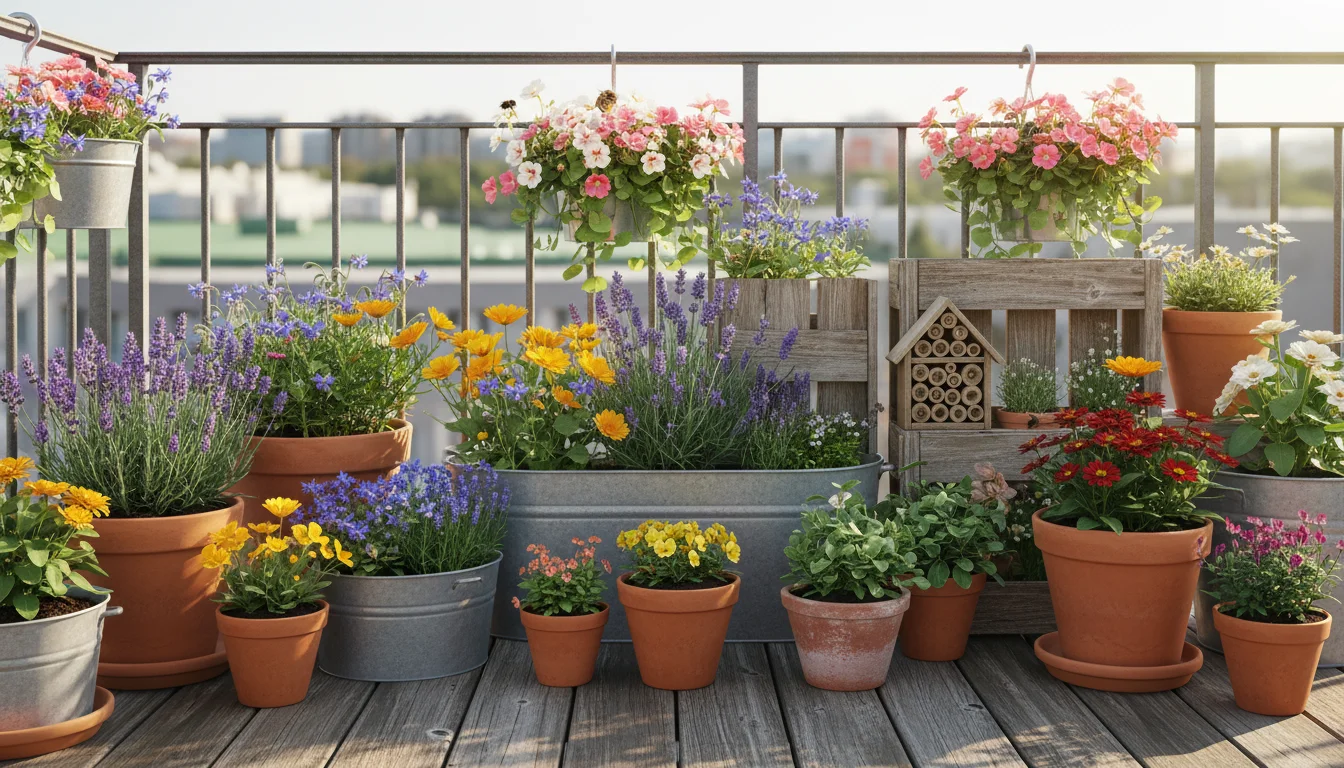
Do you dream of a vibrant garden, even if your green space is limited to a balcony or patio? Imagine creating a thriving mini-ecosystem that not only brightens your small space but also actively supports local wildlife.
You can make a significant environmental impact right from your apartment balcony or tiny yard by simply planting a single pot of pollinator-friendly flowers.
This guide empowers you to transform a small corner into a bustling ‘Bee Stop,’ attracting crucial pollinators such as bees and butterflies with minimal effort.
Beyond supporting wildlife, you can design a balcony garden that feels like a lush, natural extension of your home.
Pollinators, often small and unassuming, play a colossal role in our ecosystem. They are responsible for fertilizing a vast majority of the food we eat, from apples to almonds, and they contribute to the health of wild plant populations.
However, their numbers are declining at alarming rates due to habitat loss, pesticide use, and climate change. By dedicating a single pot to these essential creatures, you directly help reverse this trend, providing a vital food source and safe haven.
This is more than just gardening; it is an act of ecological stewardship, making your outdoor area a small yet powerful beacon of biodiversity. You contribute to a healthier planet while enjoying the beauty and activity of your buzzing visitors.
Contents8 sections
- Why Your Balcony Needs a ‘Bee Stop’
- The Essentials for Your Pollinator Container Garden
- Meet Your Pollinator-Friendly Spring Flowers
- Designing Your Single-Pot Bee Sanctuary
- Planting and Ongoing Care for a Buzzing Balcony
- Beyond the Flowers: Attracting More Pollinators to Your Balcony
- Troubleshooting Your Balcony ‘Bee Stop’
- Frequently Asked Questions
Why Your Balcony Needs a ‘Bee Stop’
Pollinators are the unsung heroes of our natural world, performing the critical task of carrying pollen from one flower to another, enabling plants to produce seeds and fruits. Bees, butterflies, moths, and even some birds and bats fall into this category.
Scientists estimate that pollinators contribute over $200 billion to the global economy annually, primarily through their role in agricultural production. Despite their immense value, pollinator populations have suffered significant declines in recent decades.
The Monarch butterfly population, for example, has seen an 80 percent drop in the last two decades alone. Habitat fragmentation, which occurs when natural landscapes are broken up by urban development, is a major culprit.
In addition to spring forage, creating a winter shelter for beneficial insects in your pots helps sustain local populations year-round.
In addition to bees, attracting butterflies with the right plants can turn your balcony into a truly diverse sanctuary.
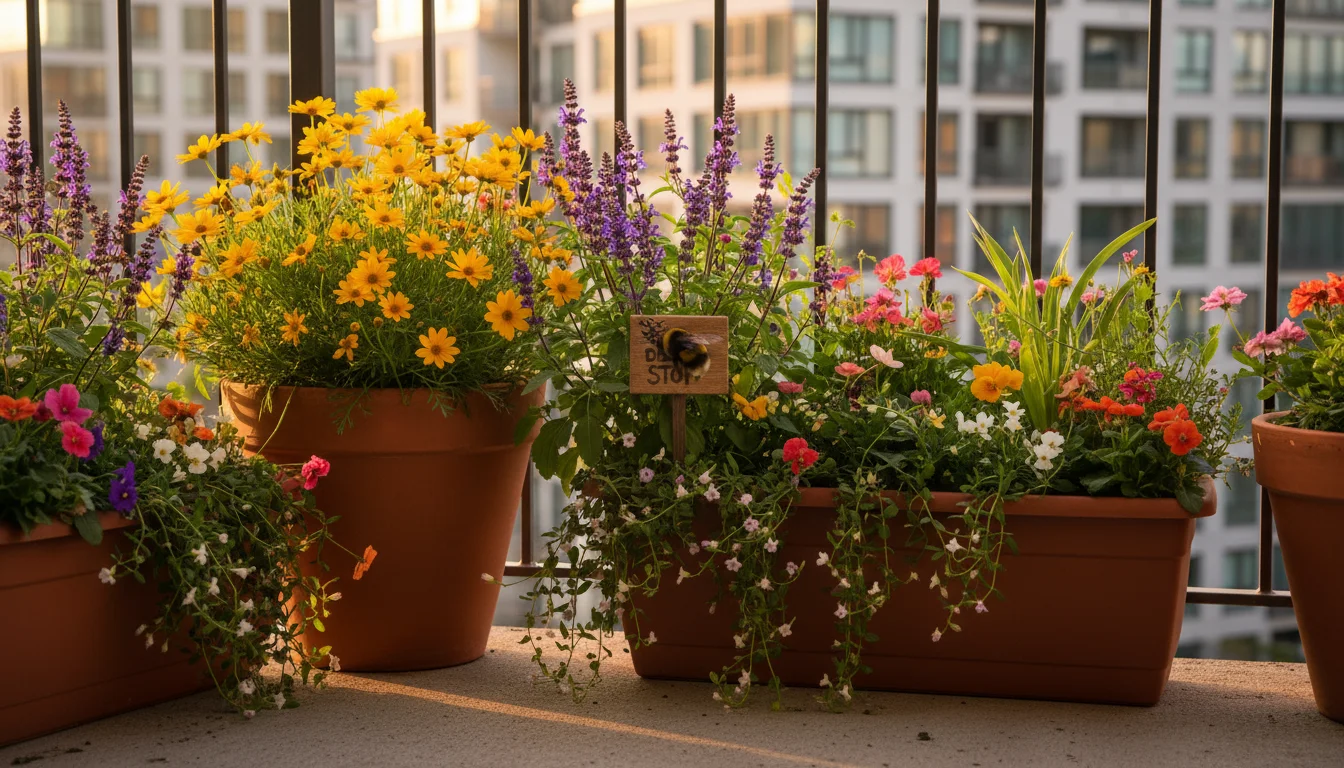
In urban environments, concrete and asphalt often replace natural meadows and forests, leaving little for foraging pollinators. Your balcony, however small, can become an essential stepping stone or a temporary fueling station for these creatures as they navigate increasingly developed areas.
Think of it as a vital ‘Bee Stop’ along their migratory paths or daily foraging routes. By providing a reliable food source, you offer a lifeline, helping to sustain local insect populations and encouraging biodiversity in your immediate vicinity.
This small act contributes to a larger ecological network, fostering resilience in nature even within densely populated cities.
Creating a small space pollinator garden on your balcony means you are directly countering habitat loss. You are not just adding beauty to your own space; you are actively participating in ecological restoration.
This simple gardening project delivers tangible benefits to the environment, making your gardening efforts truly impactful and meaningful.
The Essentials for Your Pollinator Container Garden
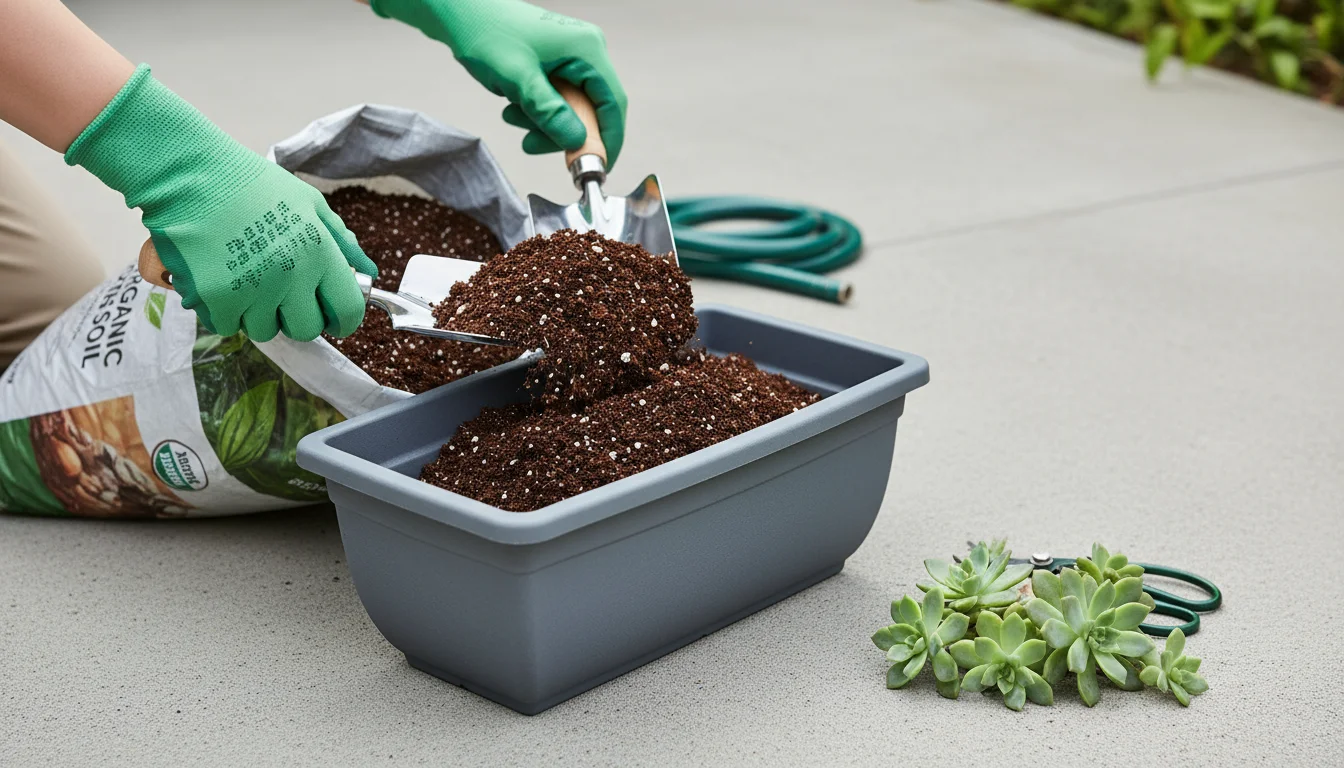
Starting a pollinator container garden on your balcony requires a few fundamental elements. Getting these basics right ensures your plants thrive and consistently attract buzzing visitors.
Setting up your container correctly also involves good spring habits to prevent pests before your flowers even begin to bloom.
Avoiding common balcony garden mistakes like improper pot choice or soil type will give your bee sanctuary the best chance of success.
Choosing the Right Pot
- Size Matters: A single pot for five different plants needs to be substantial. Aim for a pot that is at least 12-18 inches in diameter and equally as deep. This provides enough root space for multiple plants to flourish without competing too aggressively. Larger pots also retain moisture longer, reducing your watering frequency.
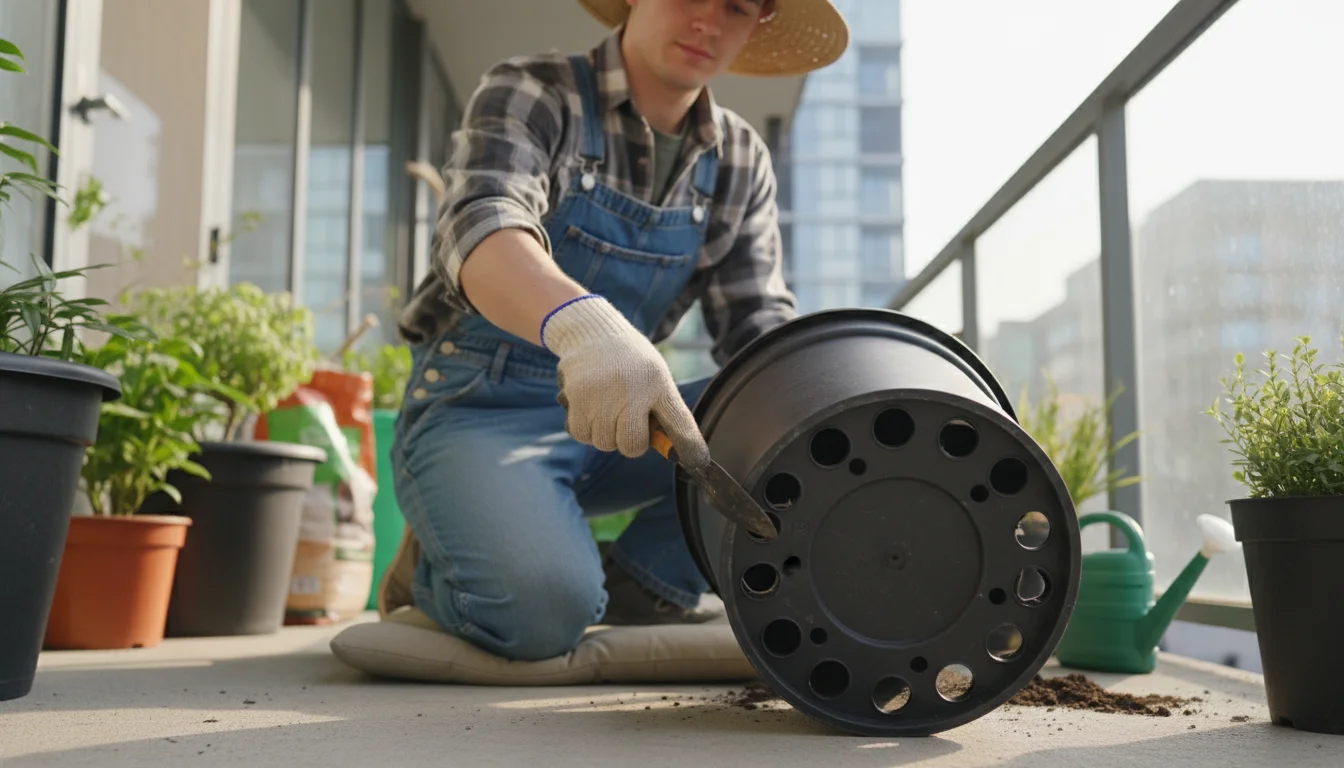
- Drainage Holes Are Non-Negotiable: Good drainage prevents waterlogged soil, which can lead to root rot. Ensure your chosen pot has several drainage holes at the bottom. If it does not, you must drill them yourself. Without proper drainage, your plants will drown.
- Material: Terracotta pots look attractive and allow soil to breathe, but they dry out quickly. Plastic pots retain moisture well but can overheat in direct sun. Self-watering containers are an excellent option for busy gardeners, offering a reservoir that provides water as needed.
Selecting the Perfect Soil
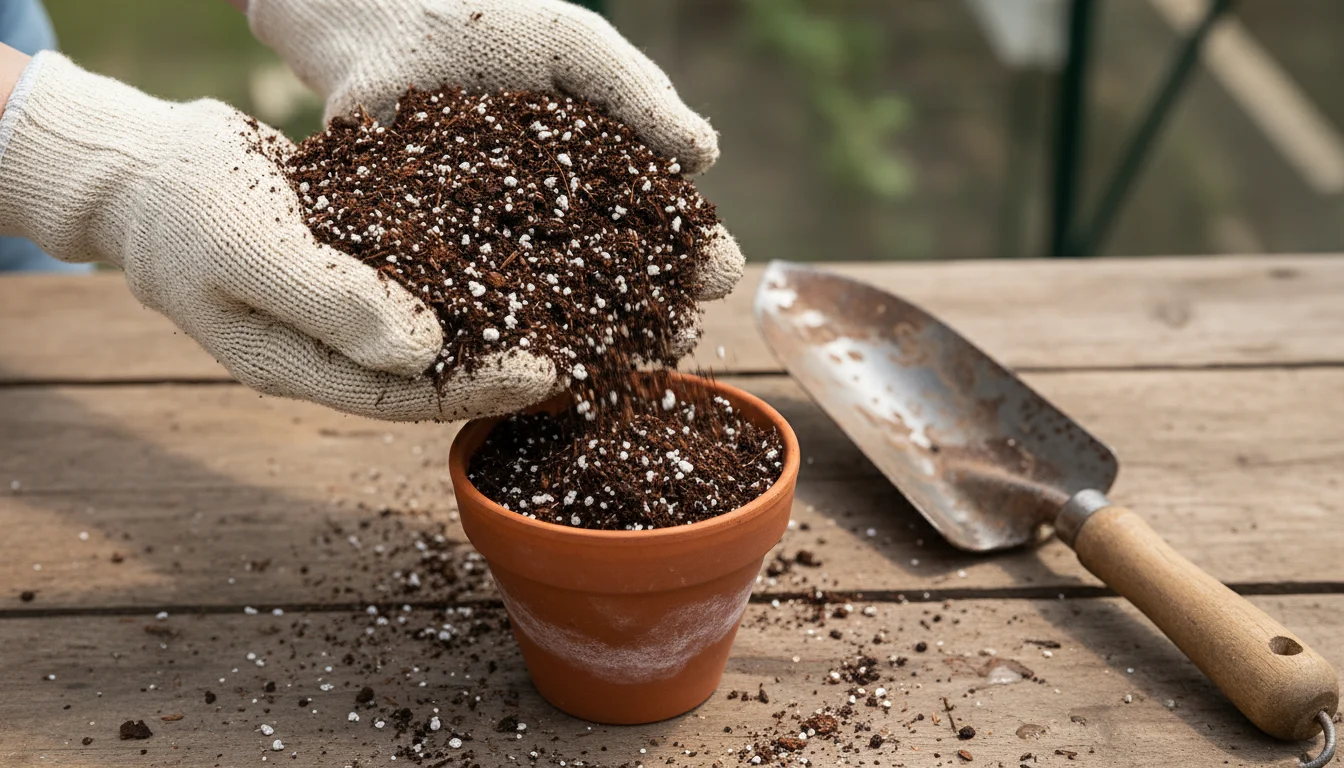
Your plants depend on the soil for nutrients, moisture, and aeration. Do not use garden soil from your yard in containers, as it compacts too much and often contains pests or weed seeds.
Instead, invest in a high-quality, lightweight potting mix formulated for containers.
- Well-Draining: A good potting mix allows water to pass through steadily while retaining enough moisture for roots. Look for ingredients like peat moss, coco coir, perlite, or vermiculite. These materials improve aeration and drainage.
- Nutrient-Rich: Many potting mixes come with a slow-release fertilizer already incorporated, which provides a gentle nutrient boost for several weeks. If yours does not, you can mix in some compost or a balanced granular fertilizer at planting time.
Sunlight Requirements
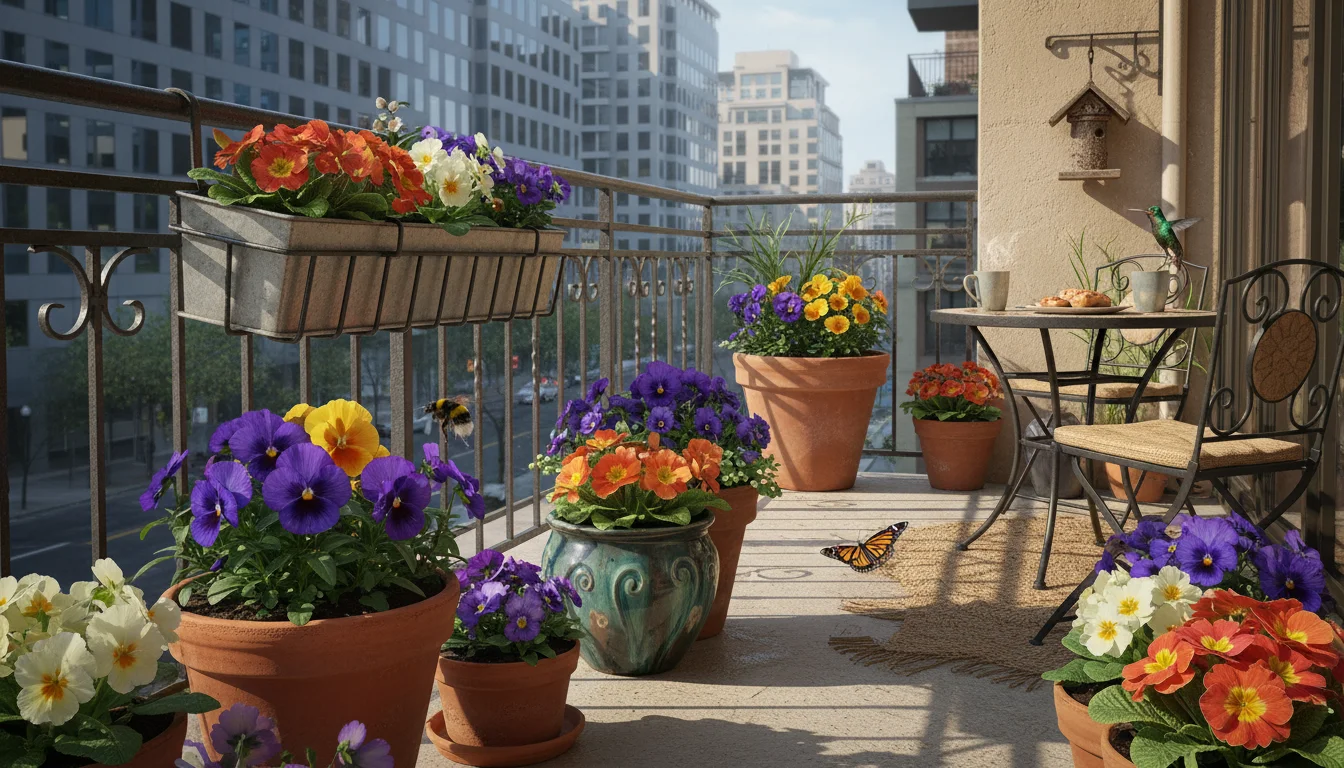
Most flowers for bees in pots, especially the spring varieties we will discuss, thrive in ample sunlight. Pollinators are most active during warm, sunny periods.
Aim for a location on your balcony that receives at least 6 hours of direct sunlight per day. If your balcony receives less sun, do not worry; you can still grow some shade-tolerant pollinator plants, but the selection might be more limited.
Observe your balcony throughout the day to understand its light patterns.
Watering Basics
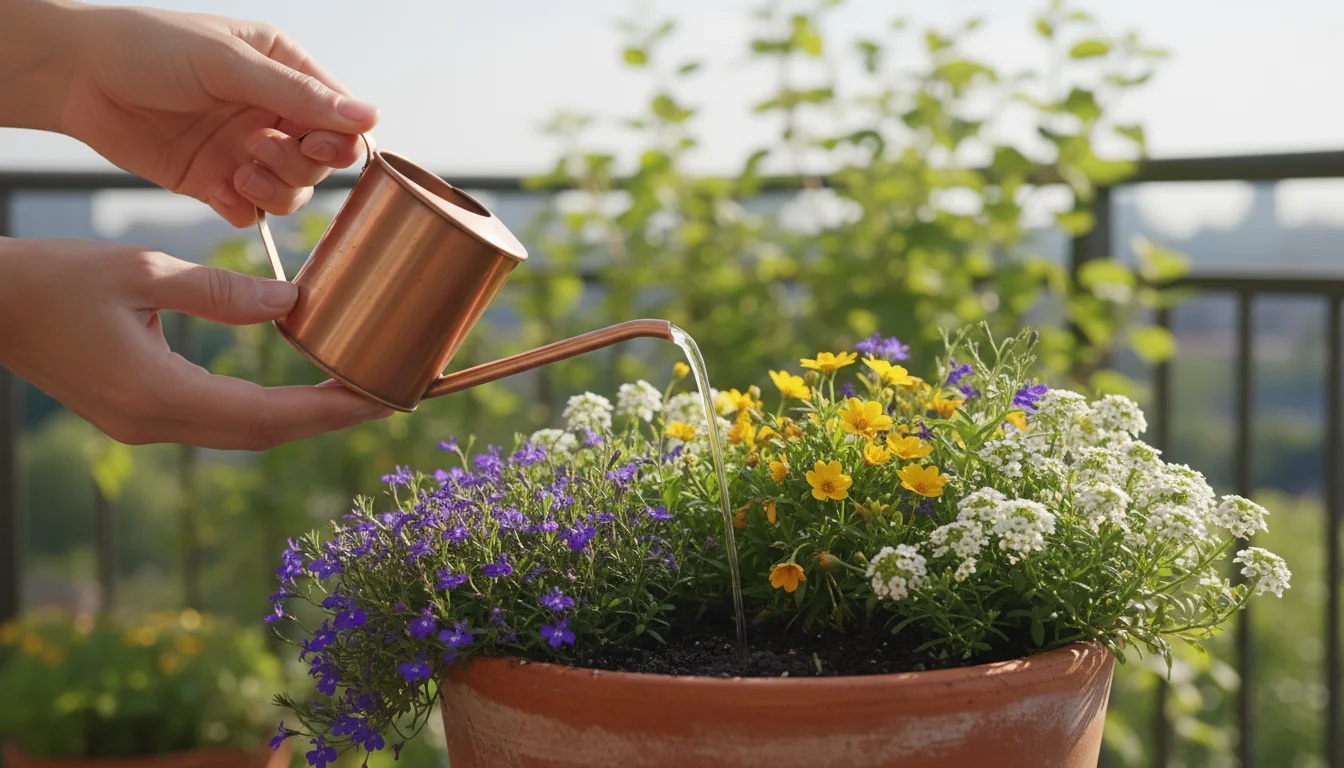
Container plants dry out faster than garden beds. Consistent moisture is key, but avoid overwatering.
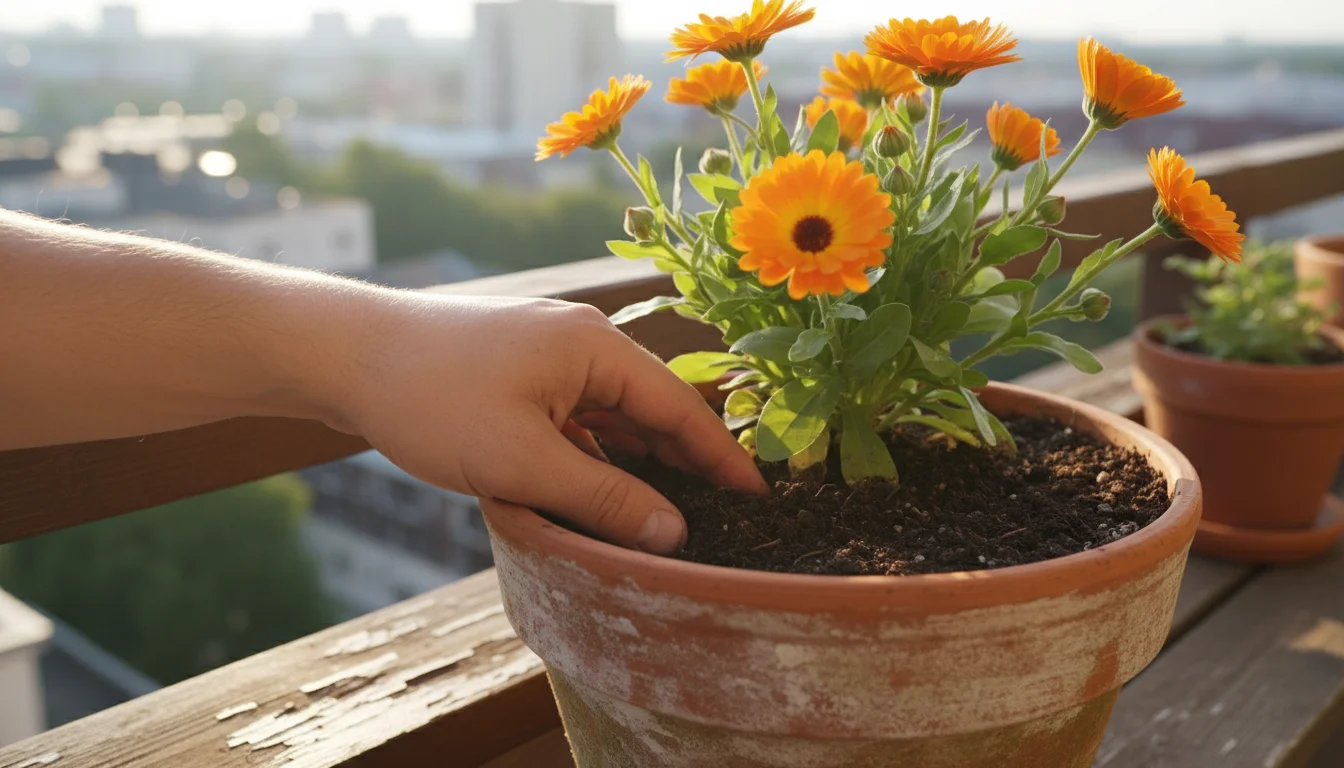
The general rule is to water when the top inch or two of soil feels dry to the touch. Stick your finger into the soil to check.
Water thoroughly until you see water draining from the bottom holes. This ensures the entire root ball gets hydrated.
Adjust your watering frequency based on weather, pot size, and plant type.
Meet Your Pollinator-Friendly Spring Flowers
Choosing the right plants makes all the difference for your single-pot Bee Stop. The following five flowers are excellent choices for their ease of care, vibrant blooms, and proven appeal to pollinators.
They are perfect for an easy spring flowers for containers setup.
For an even more diverse flower display, consider adding a low-maintenance bulb pot to your balcony collection.
To further help local wildlife, consider incorporating native plants that thrive in containers alongside these seasonal favorites.
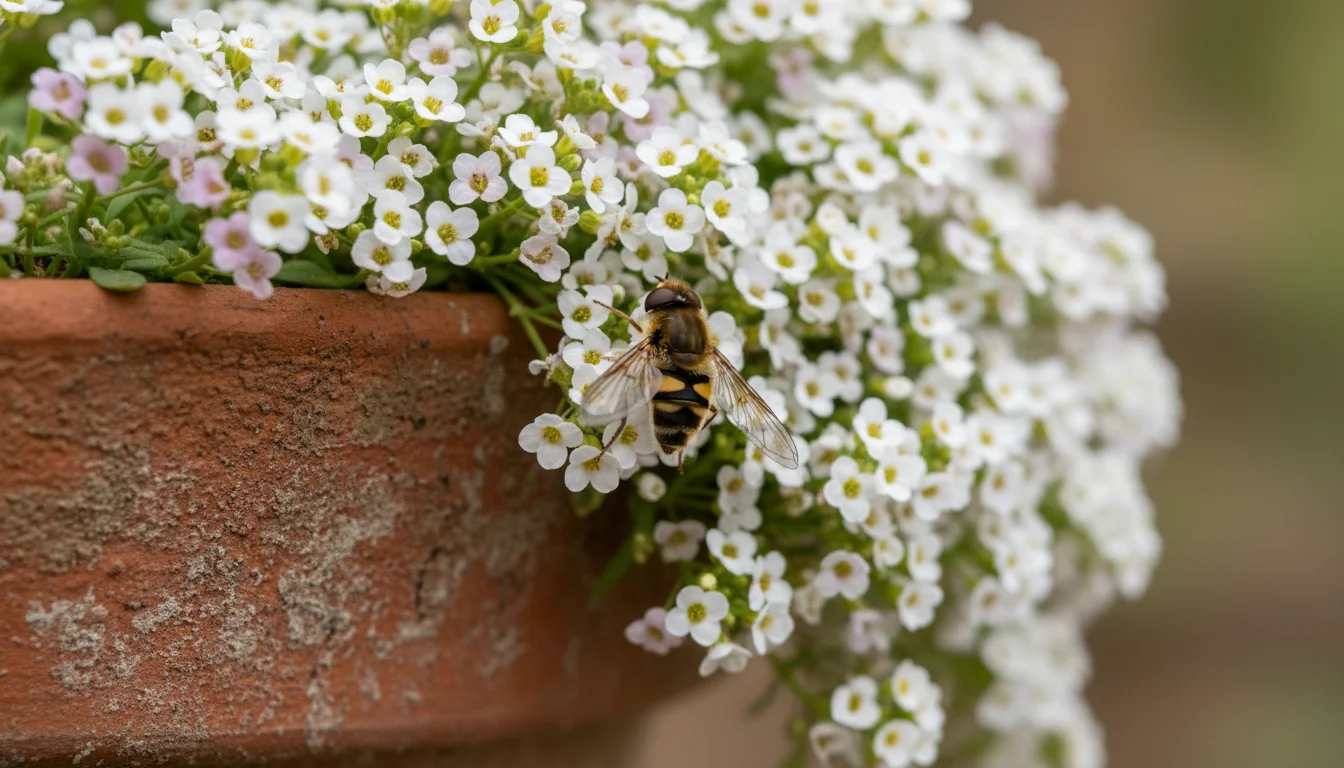
1. Sweet Alyssum (Lobularia maritima)
- Why it Feeds Pollinators: Sweet Alyssum produces a profusion of tiny, fragrant flowers in white, pink, purple, and yellow. These small blooms are perfectly sized for small bees and hoverflies, offering easily accessible nectar and pollen. Their extended blooming period ensures a continuous food source.
- Care Tips: Plant in full sun to partial shade. Keep the soil consistently moist but not waterlogged. Sweet Alyssum tolerates some drought once established.
- Easy for Containers: Its low-growing, spreading habit makes it an ideal “spiller” plant, cascading over the edges of your pot. It fills in gaps beautifully, creating a dense mat of flowers.
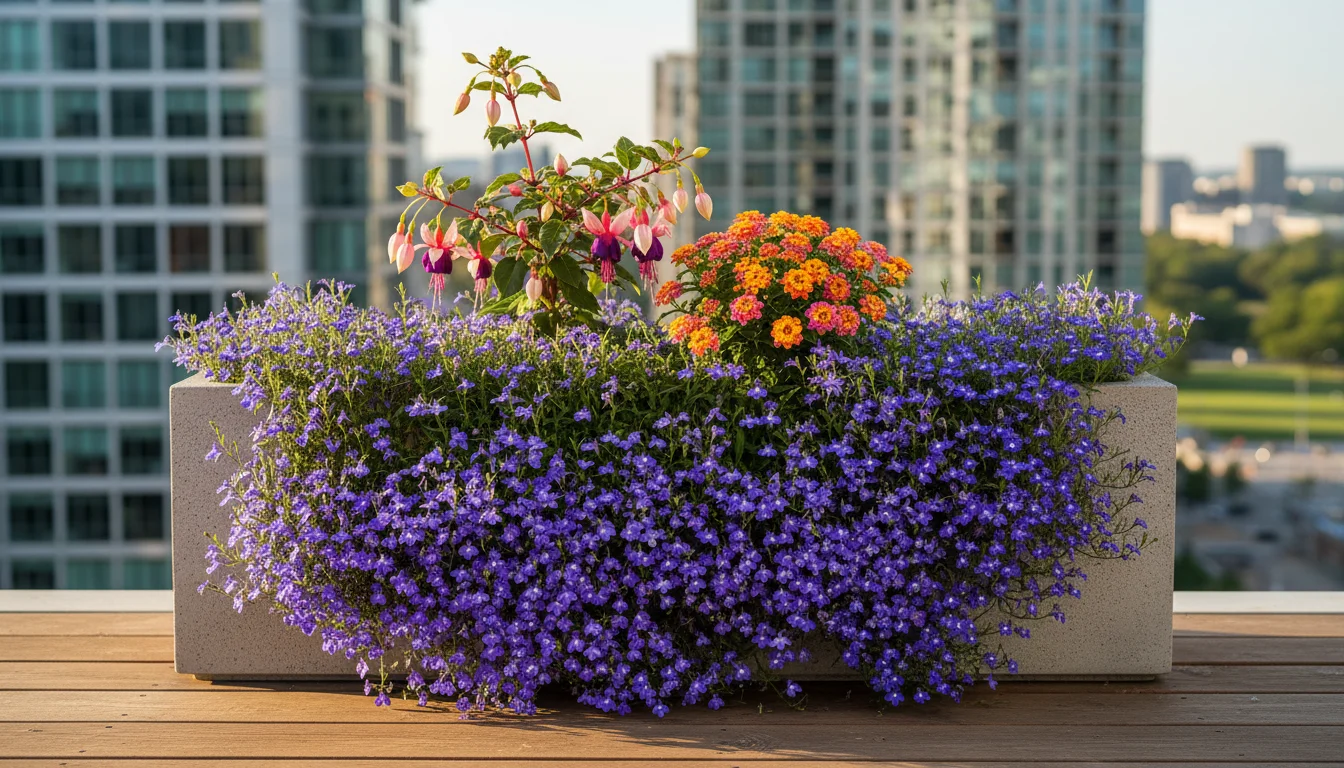
2. Lobelia (Lobelia erinus)
- Why it Feeds Pollinators: Lobelia offers a dazzling display of small, intensely blue, purple, pink, or white flowers. Its tubular shape is attractive to smaller bees, providing a consistent nectar supply throughout spring and into summer.
- Care Tips: Prefers full sun to partial shade, especially in hotter climates where some afternoon shade can prevent scorching. Requires consistently moist soil; it is a thirsty plant, particularly in containers.
- Easy for Containers: Lobelia serves as an excellent “filler” or “spiller.” Its delicate, mounding or trailing habit adds a cloud of color and complements other plants in the pot. It is low maintenance and does not require extensive deadheading.
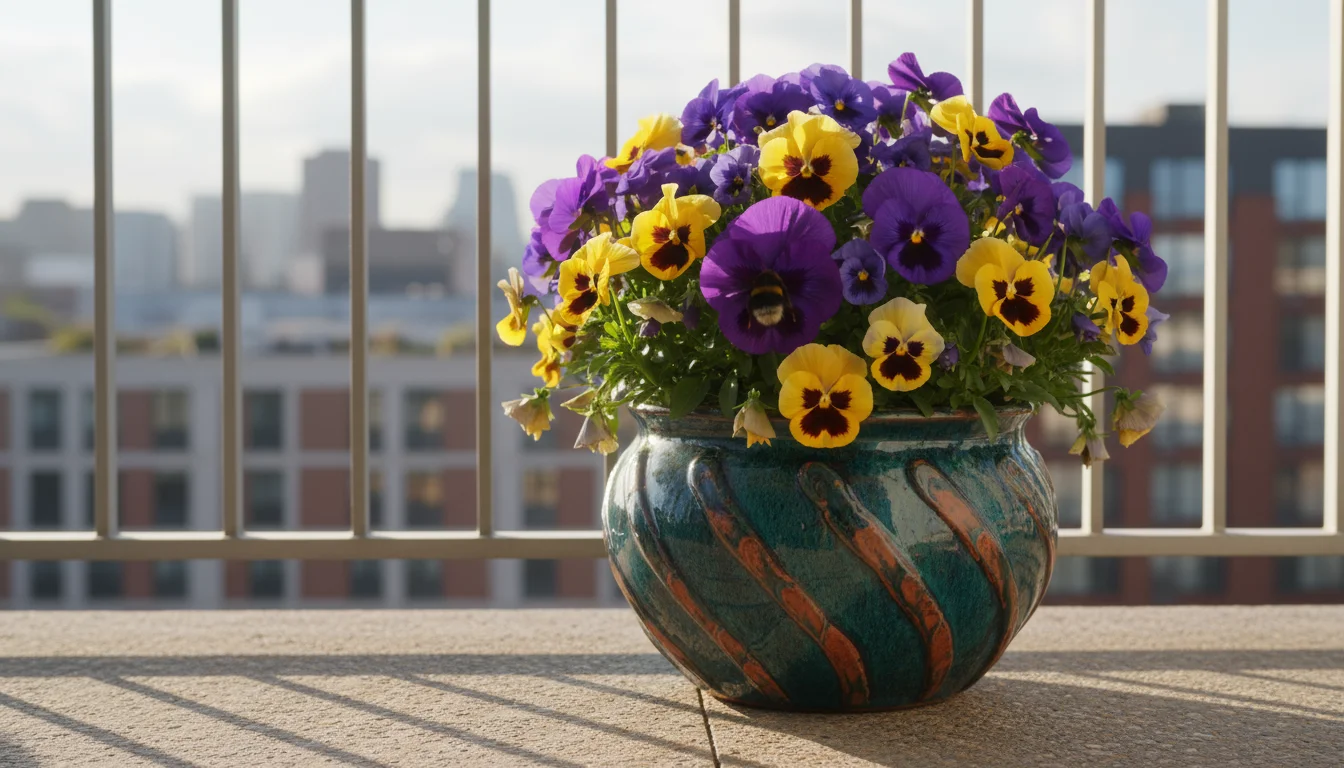
3. Pansies and Violas (Viola x wittrockiana and Viola cornuta)
- Why it Feeds Pollinators: These cheerful spring bloomers, with their distinctive “faces,” provide early season nectar and pollen when other food sources are scarce. Bees are particularly drawn to their vibrant colors and markings, which often act as nectar guides.
- Care Tips: Plant in full sun to partial shade. They thrive in cool spring temperatures and prefer consistently moist, well-draining soil. Deadheading spent blooms encourages more flowers.
- Easy for Containers: Pansies and violas are compact and grow well in pots, offering a dense cluster of color. They are hardy to light frosts, making them perfect for early spring planting on a balcony. Their upright habit makes them a good “filler.”
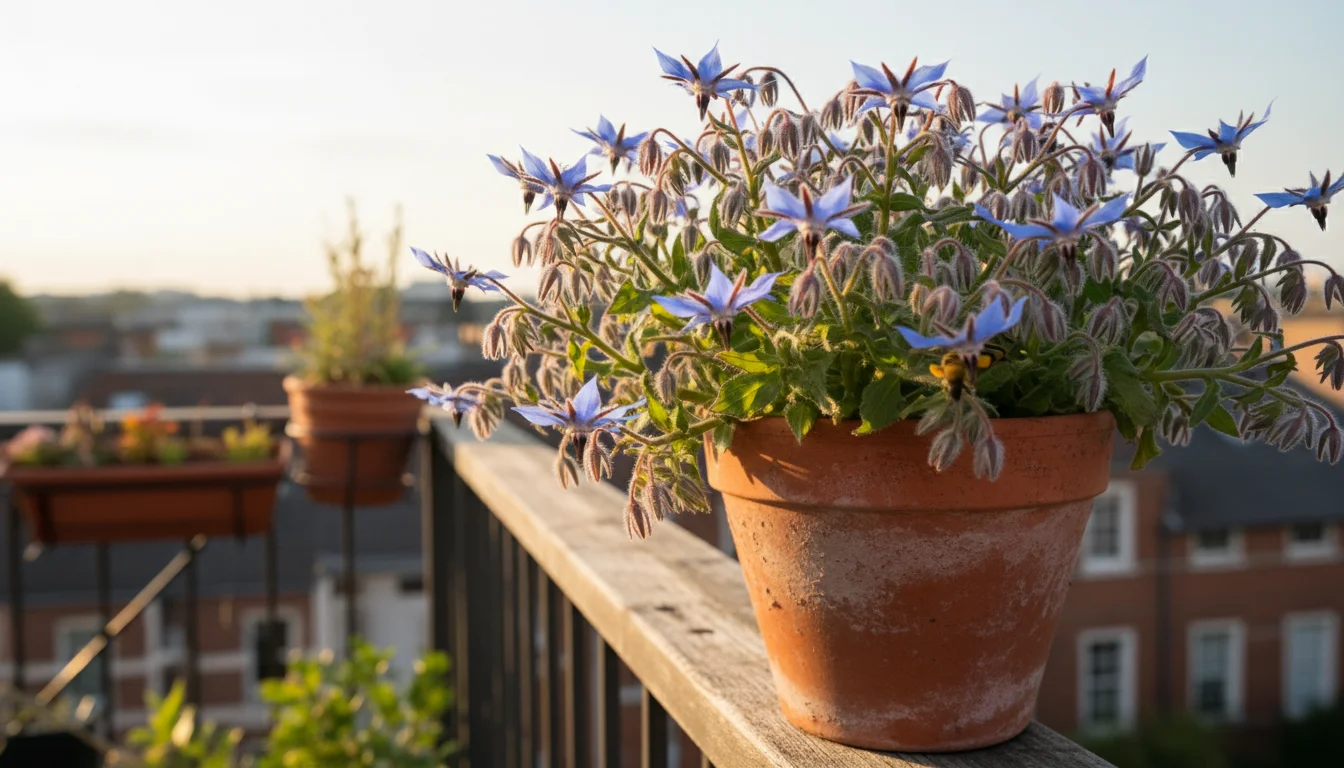
4. Borage (Borago officinalis)
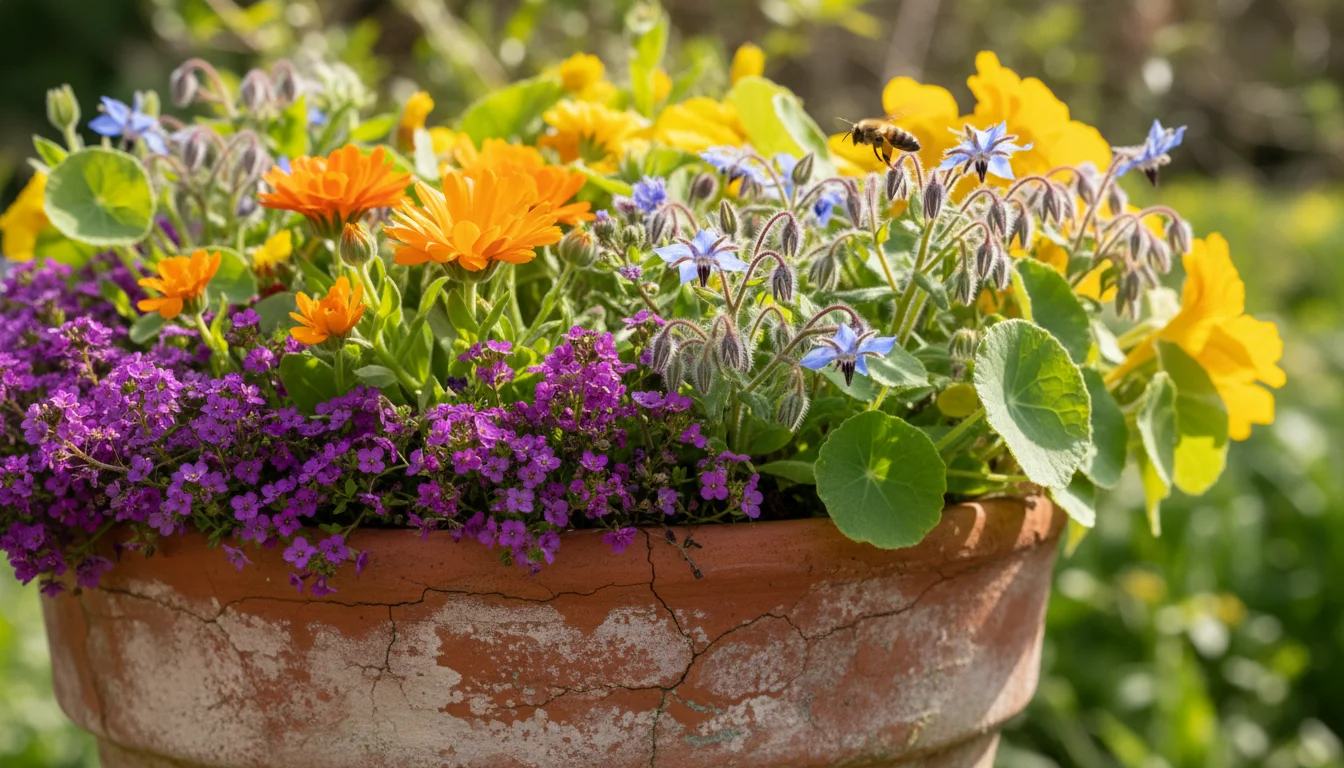
- Why it Feeds Pollinators: Borage is a pollinator magnet, especially for bees, with its beautiful star-shaped blue flowers. It is known for its abundant nectar production, drawing in a wide variety of bee species. It also provides edible leaves and flowers for you!
- Care Tips: Borage loves full sun and well-draining soil. It is relatively drought-tolerant once established but performs best with regular watering. It can grow quite large, so dwarf varieties are ideal for containers, or you can pinch it back to keep it compact.
- Easy for Containers: While it can get bushy, a single borage plant provides a strong vertical element, acting as a “thriller” in your pot. Its vibrant blue flowers stand out and are extremely attractive to pollinators. Its resilience makes it an easy-care addition.
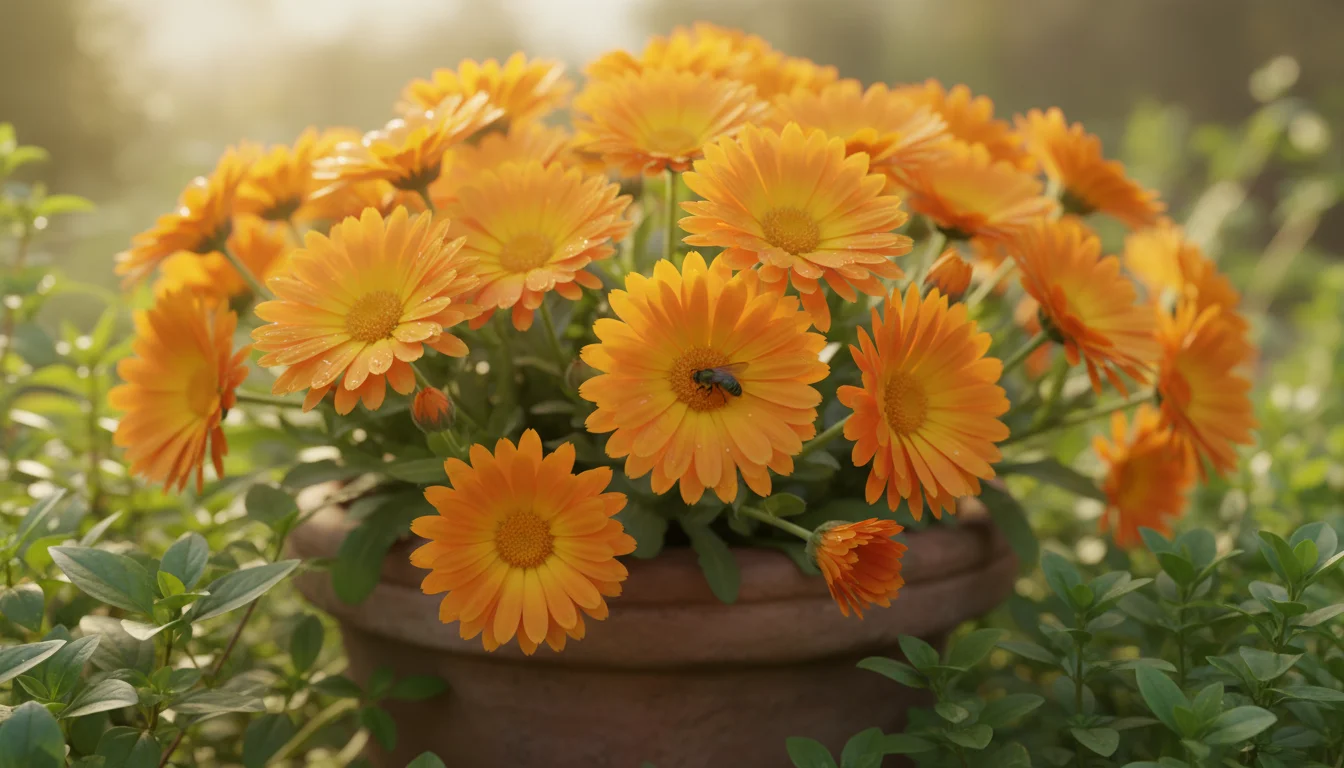
5. Calendula (Calendula officinalis)
- Why it Feeds Pollinators: Also known as pot marigold, Calendula produces bright orange and yellow daisy-like flowers. These cheerful blooms attract a range of pollinators, including bees and butterflies, providing both nectar and pollen.
- Care Tips: Prefers full sun and well-draining soil. Calendula is quite hardy and tolerates cooler spring temperatures. Deadhead regularly to encourage continuous blooming throughout the season.
- Easy for Containers: Calendula is compact and robust, making it an excellent “filler” plant in your mixed container. Its bright colors provide a visual anchor and ensure your pot remains attractive and pollinator-friendly for an extended period.
By selecting these specific plants, you build a diverse and appealing culinary experience for your local pollinators, ensuring your balcony becomes a preferred destination. This careful choice creates a robust best balcony plants for bees and butterflies combination in one pot.
Designing Your Single-Pot Bee Sanctuary
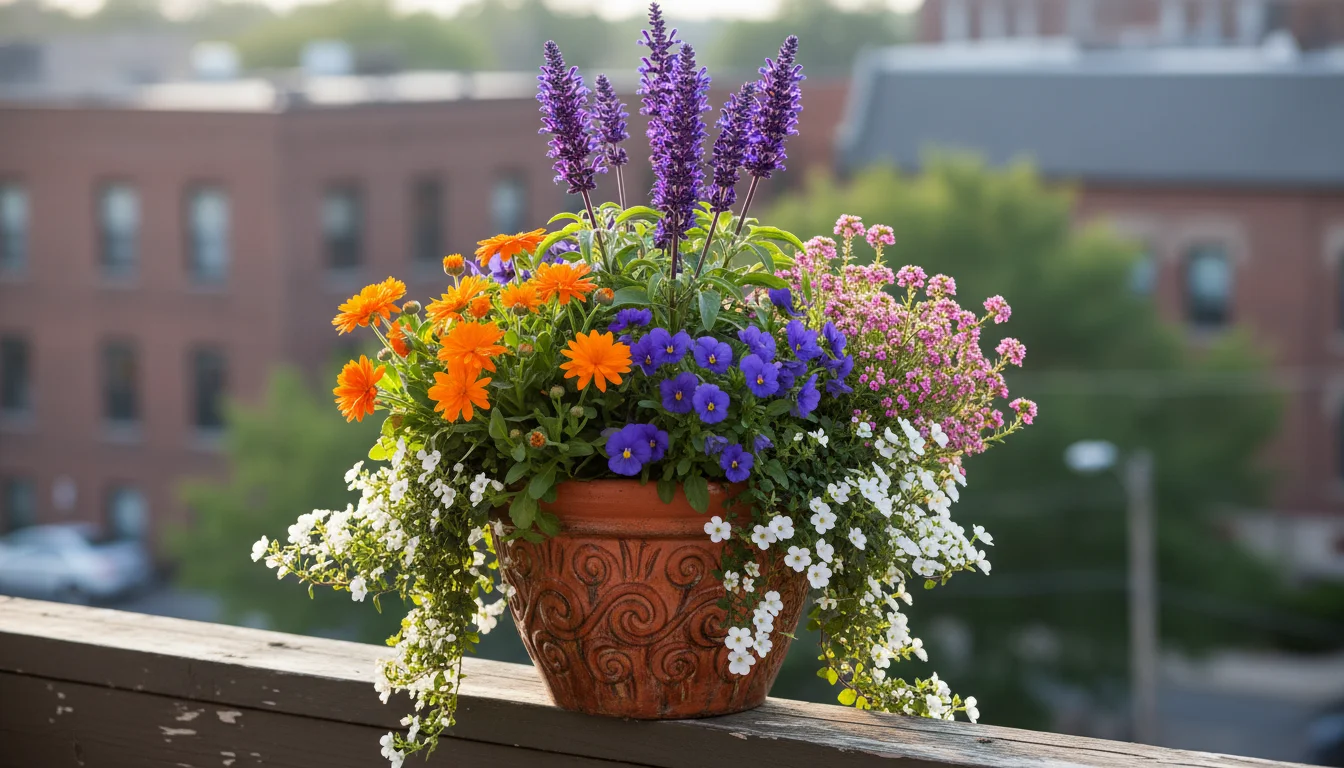
Creating a visually appealing and highly effective ‘Bee Stop’ in a single pot involves thoughtful design. You want to maximize space, provide diverse food sources, and ensure all plants thrive together.
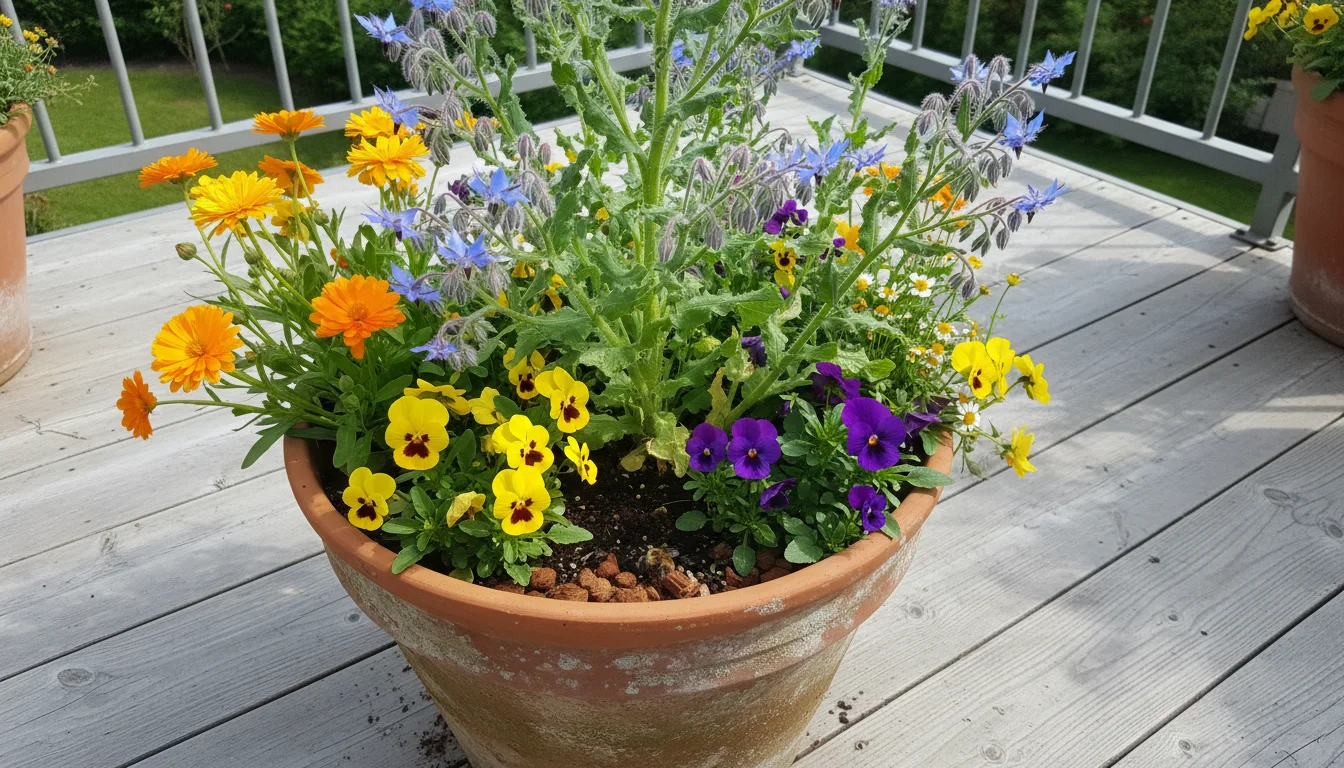
The “Thriller, Filler, Spiller” concept, a classic container gardening principle, adapts wonderfully here, even with five distinct plants.
The “Thriller, Filler, Spiller” Approach for Pollinators
- Thriller (Vertical Interest): Choose one plant that grows taller and provides a focal point. For your five, Borage fits this role perfectly. Its height and star-shaped flowers draw the eye upwards and are an unmistakable beacon for pollinators. Place your Borage in the center or slightly off-center of the pot.
- Fillers (Mounding and Bushy): These plants fill out the middle ground, adding volume and a continuous splash of color. Pansies/Violas and Calendula are excellent choices for fillers. Their mounding habits create a lush, full appearance around the thriller. Arrange them around the base of the Borage, ensuring they have room to expand.
- Spillers (Trailing Over the Edge): These plants cascade over the rim of the pot, softening the edges and adding a sense of abundance. Sweet Alyssum and Lobelia excel as spillers. Plant them along the outer edges of the pot, allowing their delicate blooms to trail downwards.
Placement and Density
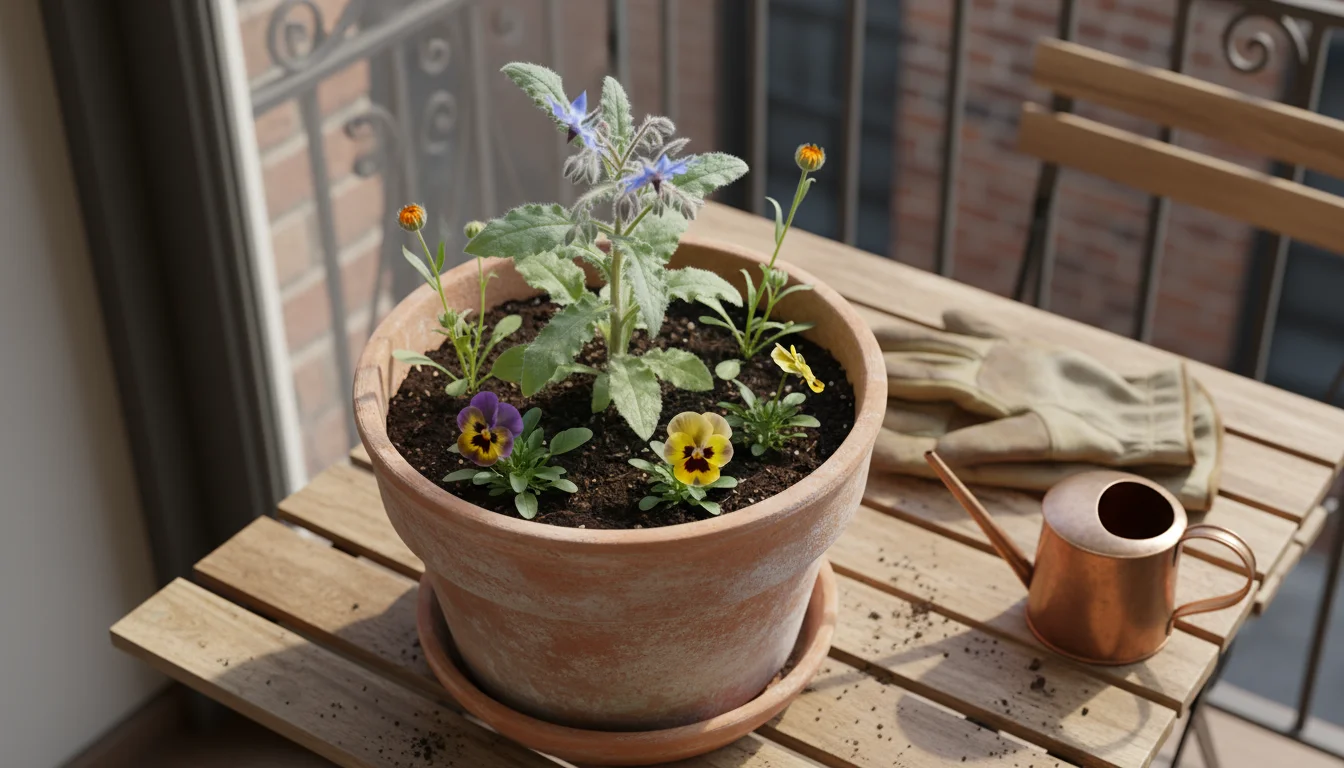
When planting, give each plant a bit of space, but remember they will grow to fill in. For a 12-18 inch pot, placing one Borage plant in the center, two Pansies/Violas and two Calendula plants evenly spaced around it, and then tucking in several Sweet Alyssum and Lobelia plants around the perimeter allows for good coverage.
Aim for a slightly dense planting to create a lush look quickly, but do not overcrowd them to the point where air circulation becomes an issue, leading to fungal problems.
Consider the color palette. While pollinators are attracted to specific colors (bees often favor blues, purples, and yellows), a mix of colors creates an attractive display for you and a diverse offering for your insect visitors.
The selection of plants provided gives you a lovely mix of blues, purples, yellows, and oranges.
Place your finished small space pollinator garden on your balcony in a location that receives the most sunlight. Remember, direct sun for at least six hours is ideal for these plants and for attracting active pollinators.
Positioning the pot where it is visible from inside your home allows you to enjoy the bustling activity of your ‘Bee Stop’.
Planting and Ongoing Care for a Buzzing Balcony
Once you have your pot, soil, and plants, the actual planting process is straightforward. Consistent care ensures your ‘Bee Stop’ flourishes, providing a continuous feast for pollinators.
Step-by-Step Planting Guide
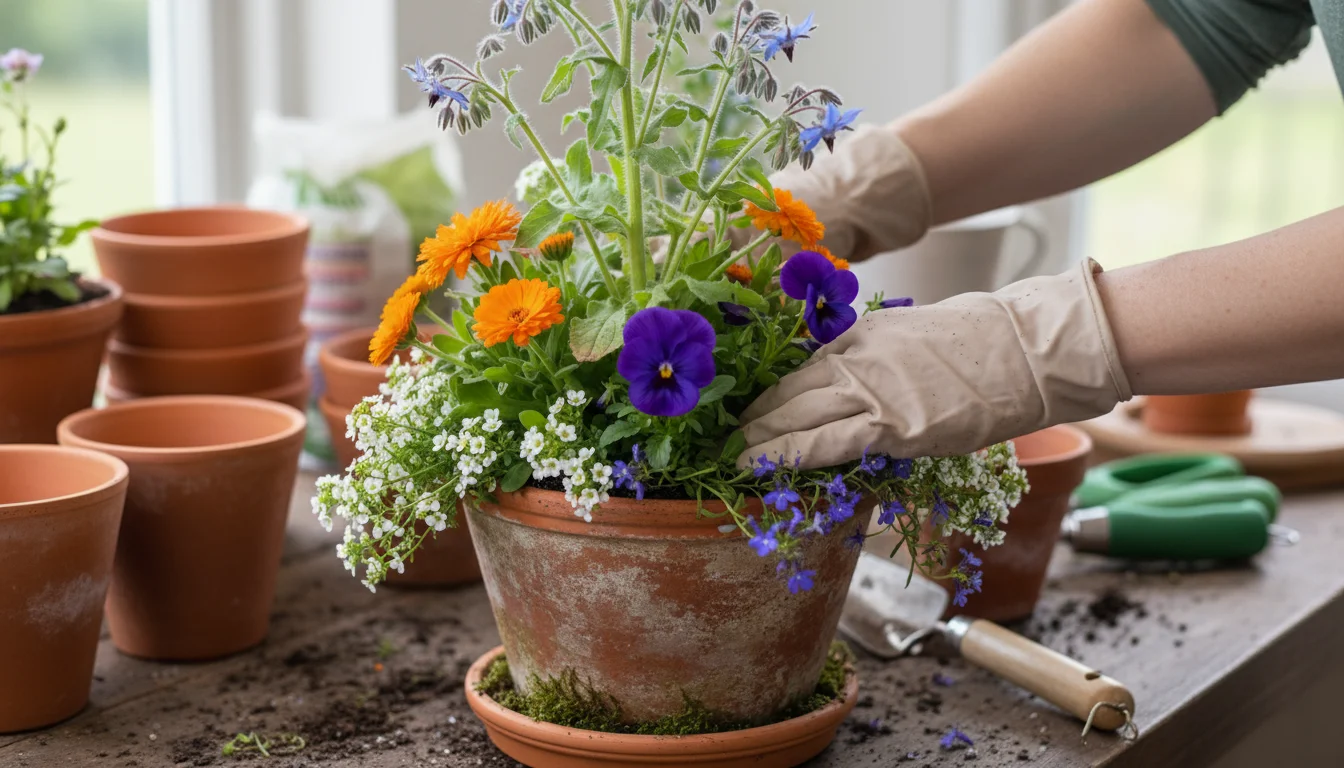
- Prepare Your Pot: Cover the drainage holes at the bottom of your pot with a piece of permeable material, such as a coffee filter or a broken piece of terracotta pot. This prevents soil from washing out while allowing water to drain freely.
- Add Soil: Fill your pot about one-third to halfway with your high-quality potting mix. Gently tamp it down.
- Arrange Plants: Remove your chosen plants from their nursery containers. Gently loosen any tightly bound roots at the bottom of the root ball. Place the taller Borage plant in the center. Arrange the Calendula and Pansies around it as your “fillers.” Finally, position the Sweet Alyssum and Lobelia around the outer edge as your “spillers.”
- Adjust Soil Level: Add more potting mix around the plants, filling the pot to about one inch below the rim. This space allows for watering without overflow. Gently pat the soil around the plants to remove large air pockets.
- Water Thoroughly: Water your newly planted pot generously until water drains from the bottom. This settles the soil and provides initial hydration for your plants.
Watering Schedule and Signs of Stress
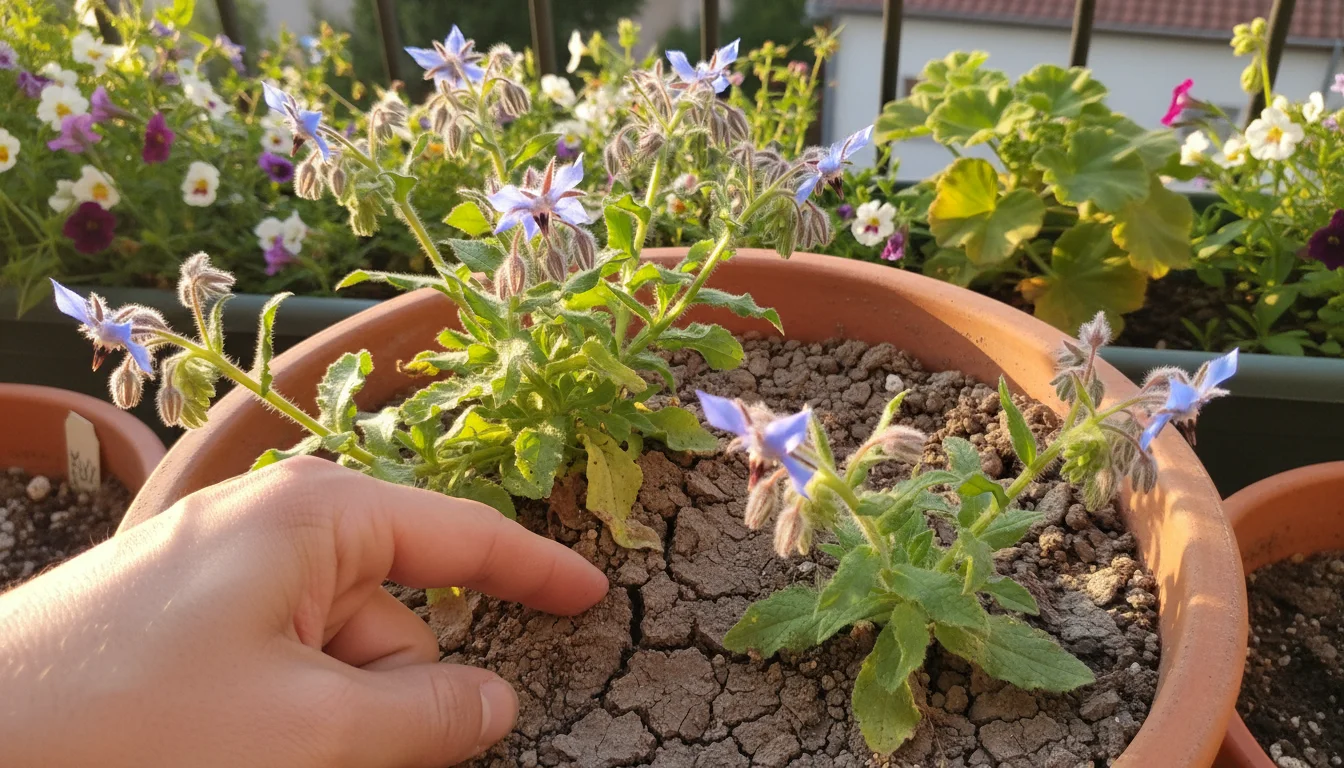
Container plants often need daily watering, especially during warm, sunny weather. Always check the soil moisture before watering.
Insert your finger about an inch or two into the soil. If it feels dry, it is time to water.
If it still feels moist, wait. Overwatering starves roots of oxygen, causing them to rot.
Signs of underwatering include wilting leaves that feel dry and crispy. Overwatering manifests as yellowing leaves, often with a soft, mushy feel, and a general lack of vigor.
Fertilizing Your Pollinator Feast
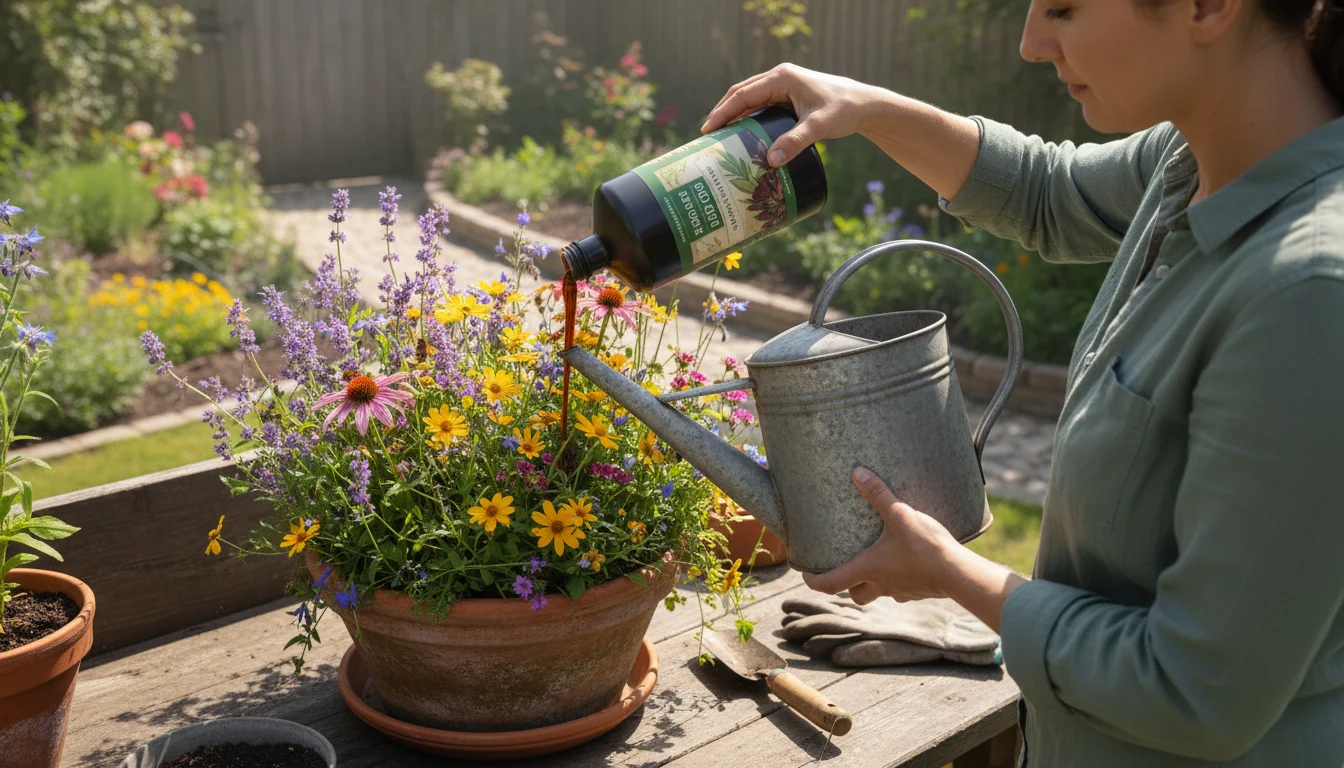
While your potting mix might contain some nutrients, regular feeding sustains heavy-blooming plants. Use a balanced liquid fertilizer at half strength every two to four weeks, especially once your plants start blooming profusely.
Consider an organic fertilizer, such as a liquid seaweed or fish emulsion, to keep your garden environmentally friendly. Avoid over-fertilizing, which can lead to lush foliage but fewer flowers.
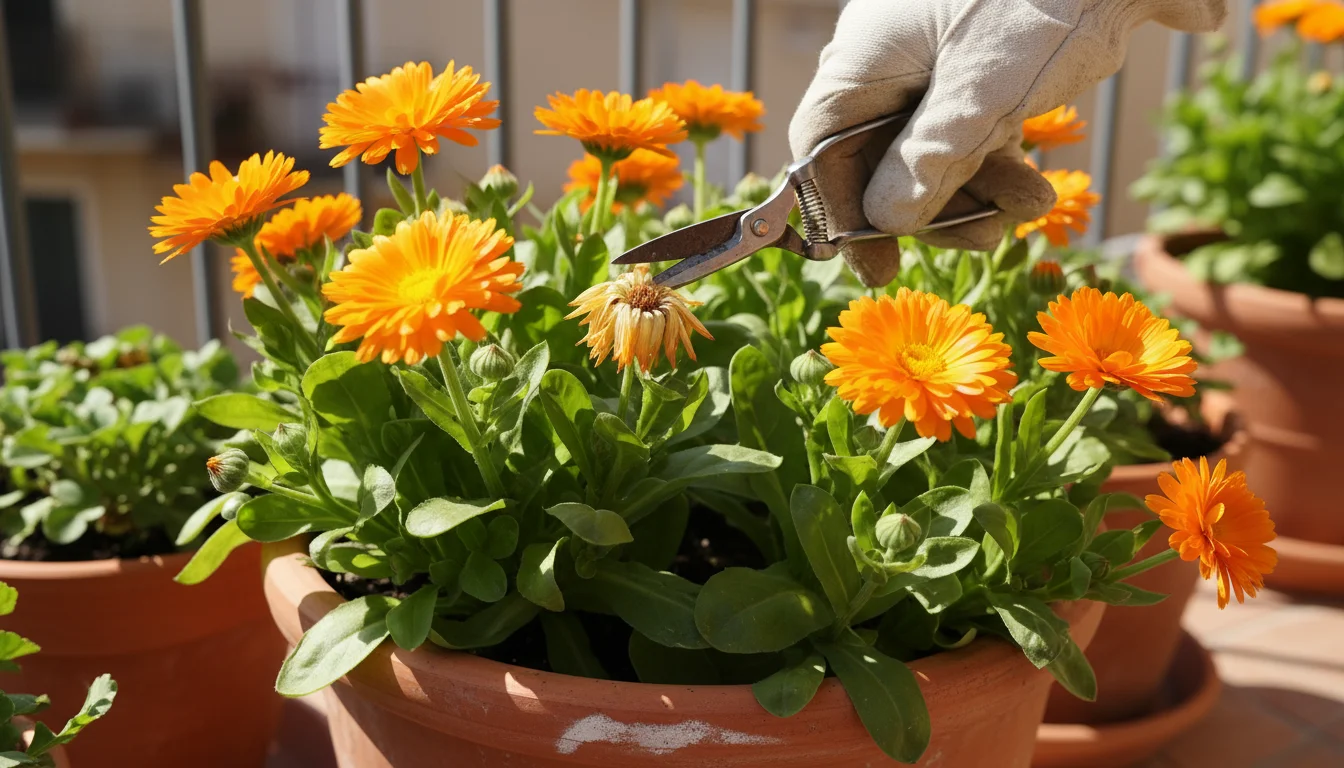
Deadheading for Continuous Blooms
Deadheading means removing spent or faded flowers. This crucial maintenance task encourages plants to produce more blooms instead of diverting energy into seed production.
For pansies, simply pinch off the faded flower stem at its base. For calendula, snip off the entire spent flower head.
For sweet alyssum and lobelia, you can often shear back the entire plant lightly once blooms start to wane, which encourages a new flush of growth and flowers. Borage will self-seed readily, but removing spent blooms can encourage more flower production.
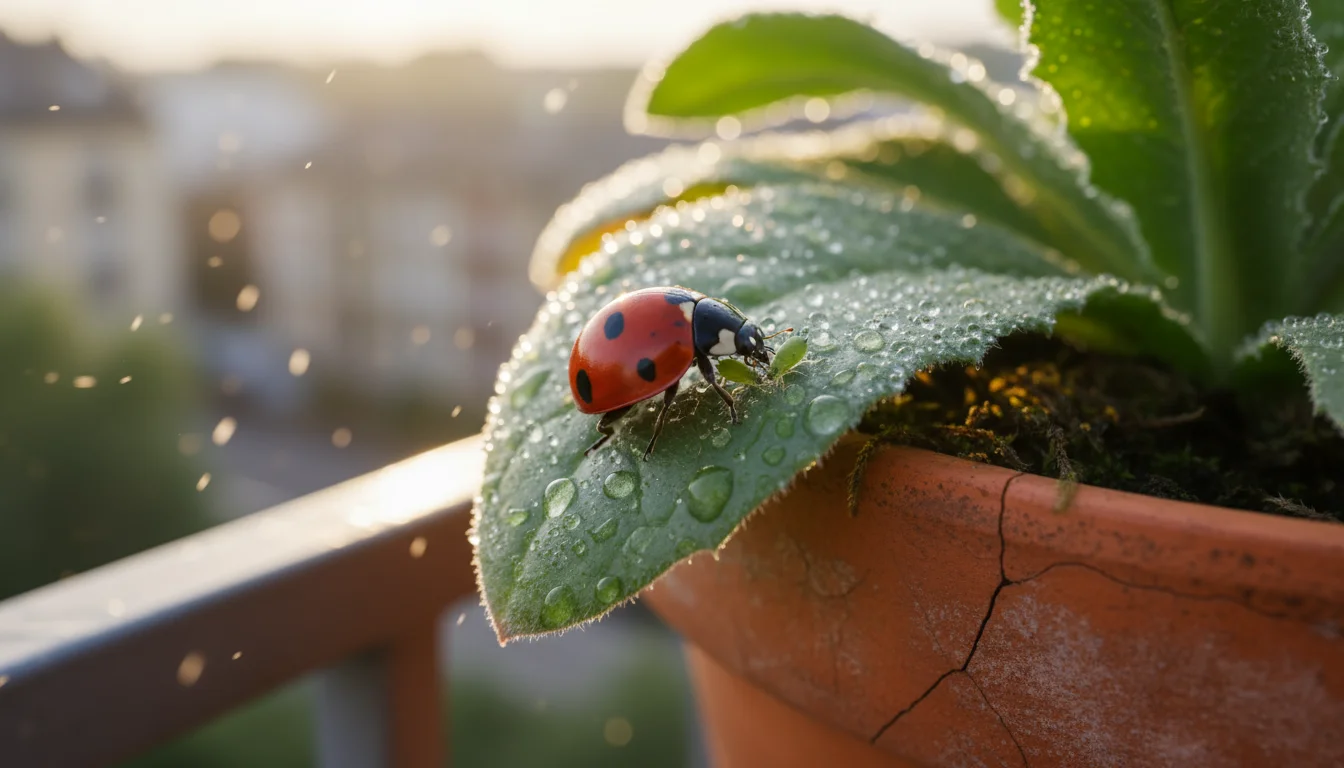
Eco-Friendly Pest Management
A thriving pollinator garden attracts beneficial insects that help keep pests in check. Avoid chemical pesticides, as these can harm the very pollinators you aim to attract.
If you notice pests like aphids, try these gentle methods:
- Manual Removal: Pick off larger pests by hand or blast smaller ones off with a strong stream of water from your hose.
- Insecticidal Soap: A dilute solution of insecticidal soap (or even a few drops of dish soap in water) can effectively smother soft-bodied pests. Apply in the early morning or late evening.
- Encourage Natural Predators: Ladybugs, lacewings, and hoverflies are natural predators of common garden pests. Your diverse pollinator pot will naturally attract them.
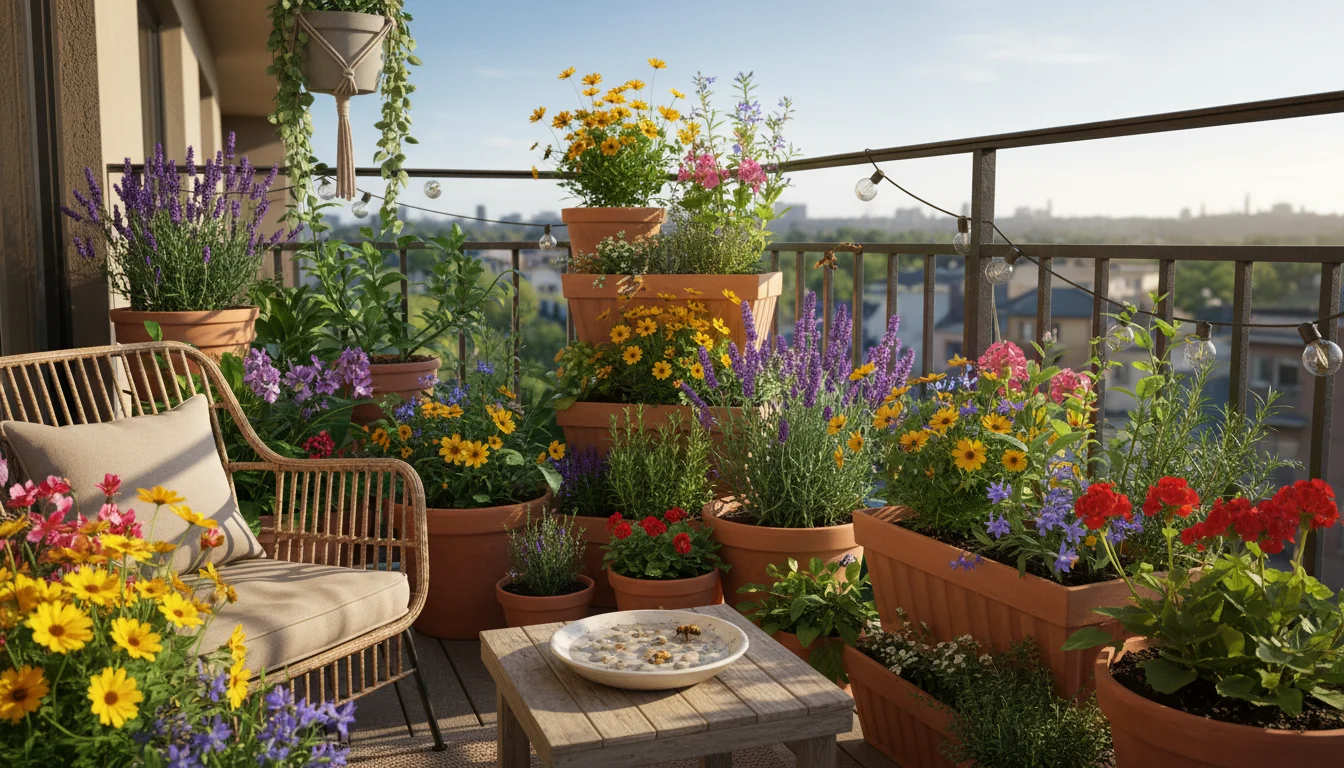
Beyond the Flowers: Attracting More Pollinators to Your Balcony
Your beautiful pot of flowers creates an excellent pollinator container garden, but you can enhance its appeal further. Expanding your efforts creates an even more irresistible haven, increasing the number and diversity of bees and butterflies visiting your apartment balcony.
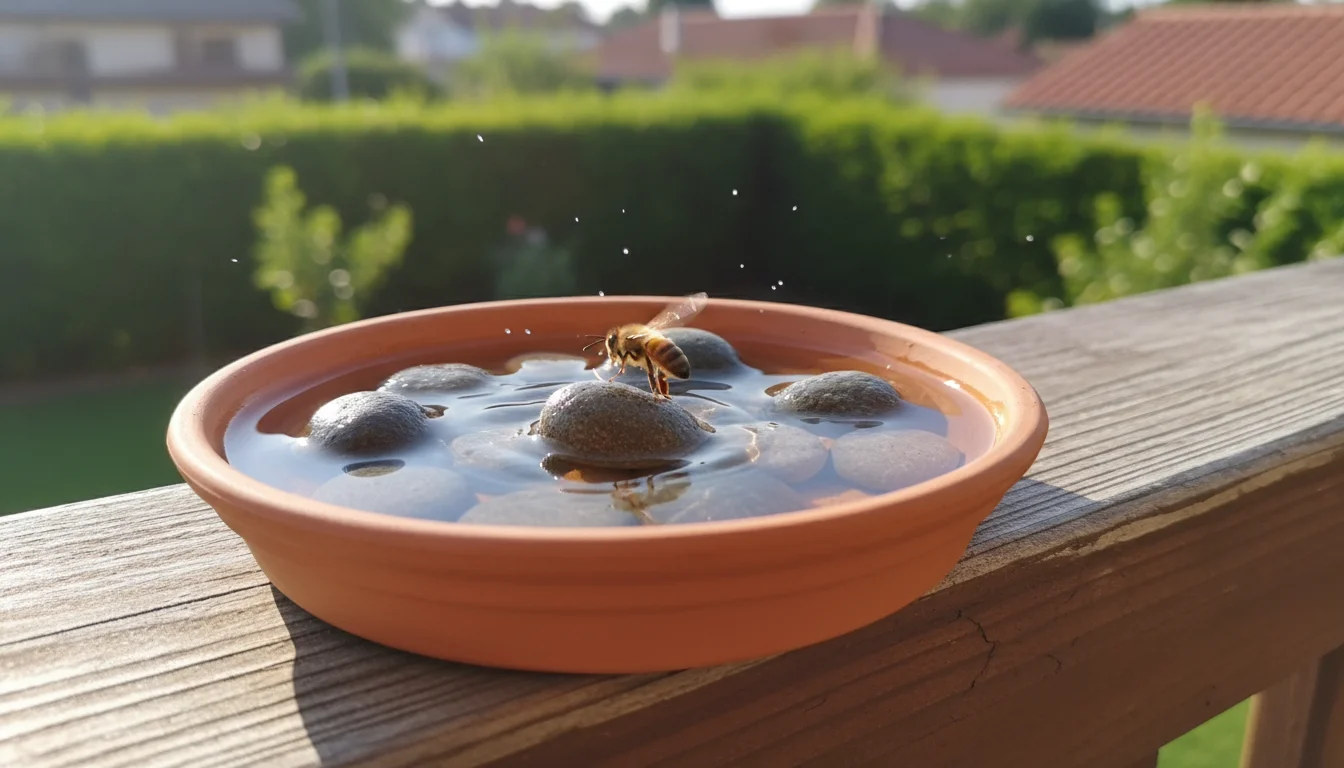
Provide a Water Source
Pollinators, like all living creatures, need water. Offering a shallow water source on your balcony can significantly increase its attractiveness.
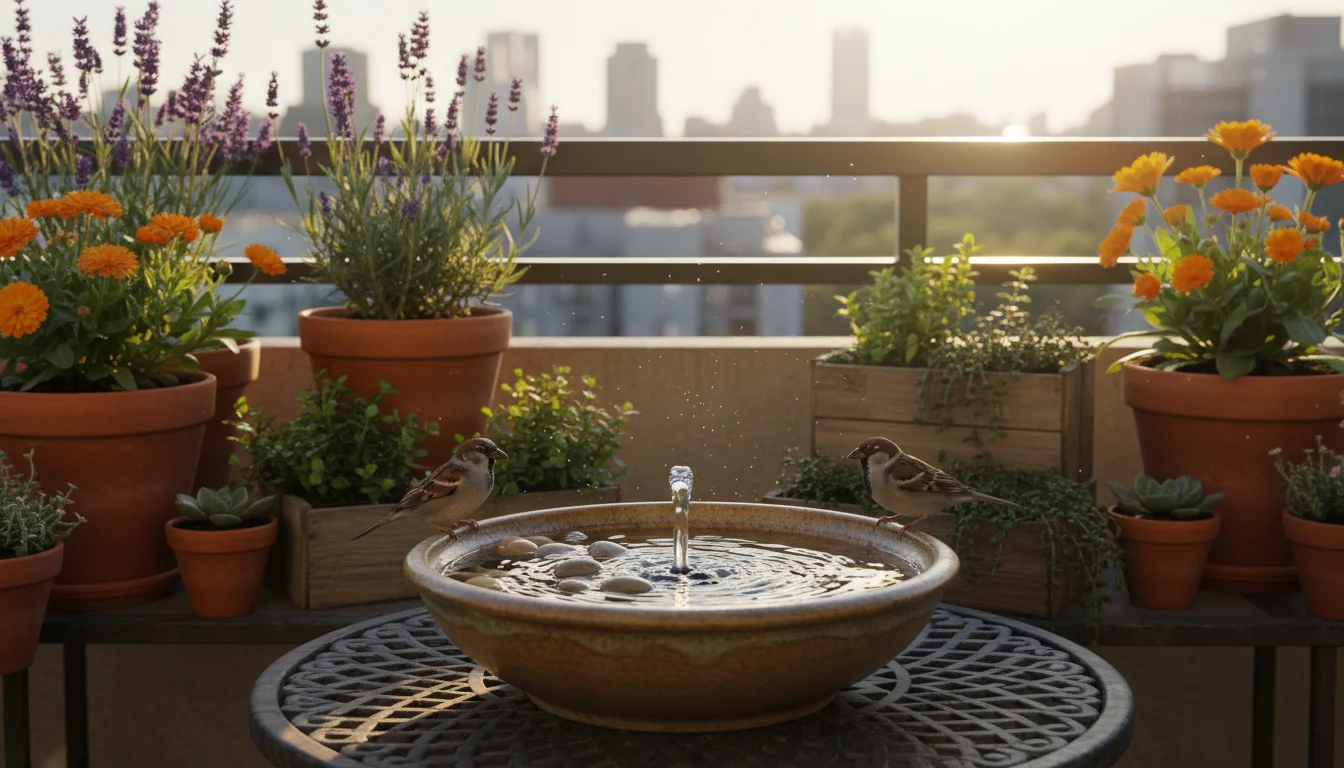
Fill a shallow dish or saucer with water and place a few pebbles or marbles in it. This provides landing spots for bees and butterflies to drink safely without drowning.
Ensure you keep the water fresh and clean, changing it daily to prevent mosquito breeding. This simple addition can make your balcony a more comprehensive habitat.
Commit to Pesticide-Free Gardening
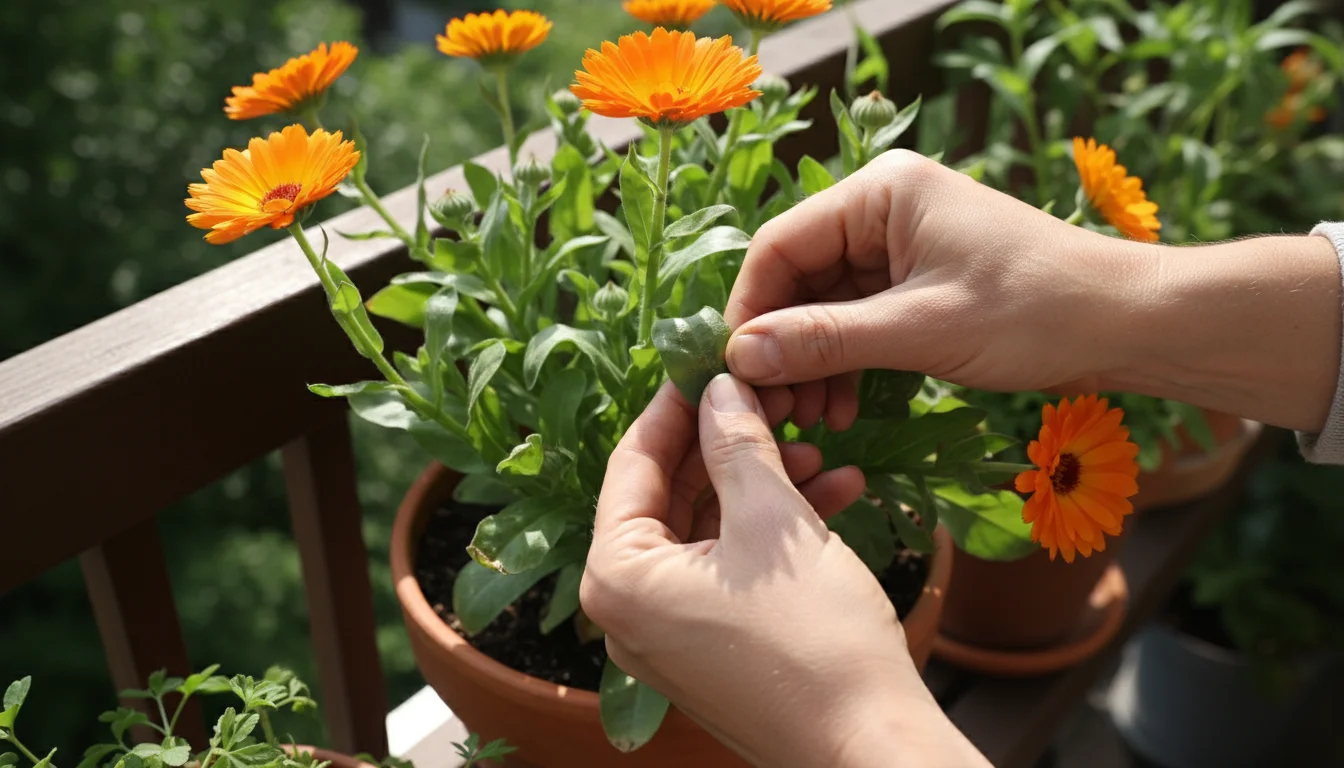
This point bears repeating because of its critical importance. Even organic pesticides can harm beneficial insects if not used judiciously.
The best approach for your ‘Bee Stop’ is to avoid all chemical pesticides. Embrace the occasional chewed leaf or small population of aphids as part of a healthy ecosystem.
Your plants will recover, and the pollinators will thank you. If you must intervene with pests, use the gentle methods discussed previously, such as manual removal or insecticidal soap, and apply them carefully to avoid affecting pollinators.
Consider Shelter Options
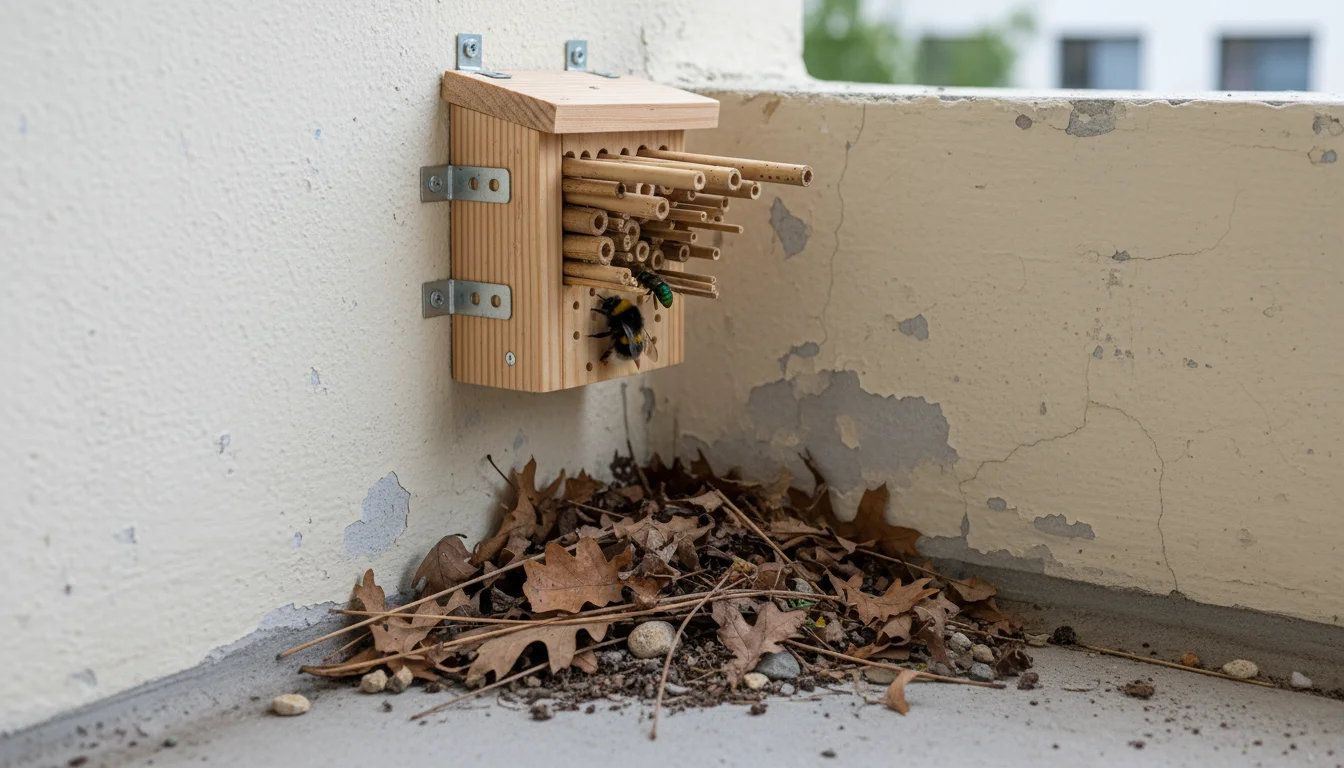
While your single pot focuses on food, you can provide minimal shelter if space allows. A small patch of undisturbed plant debris in a corner of your balcony, such as a few dry leaves or small twigs, offers a resting place for some insects.
Some small, commercially available ‘bee hotels’ designed for solitary bees can also be hung on a wall, providing nesting sites. Ensure any bee hotels are made from untreated wood and have tubes of varying sizes.
This added dimension supports their entire life cycle, making your balcony a more complete refuge.
Observe and Learn About Local Pollinators
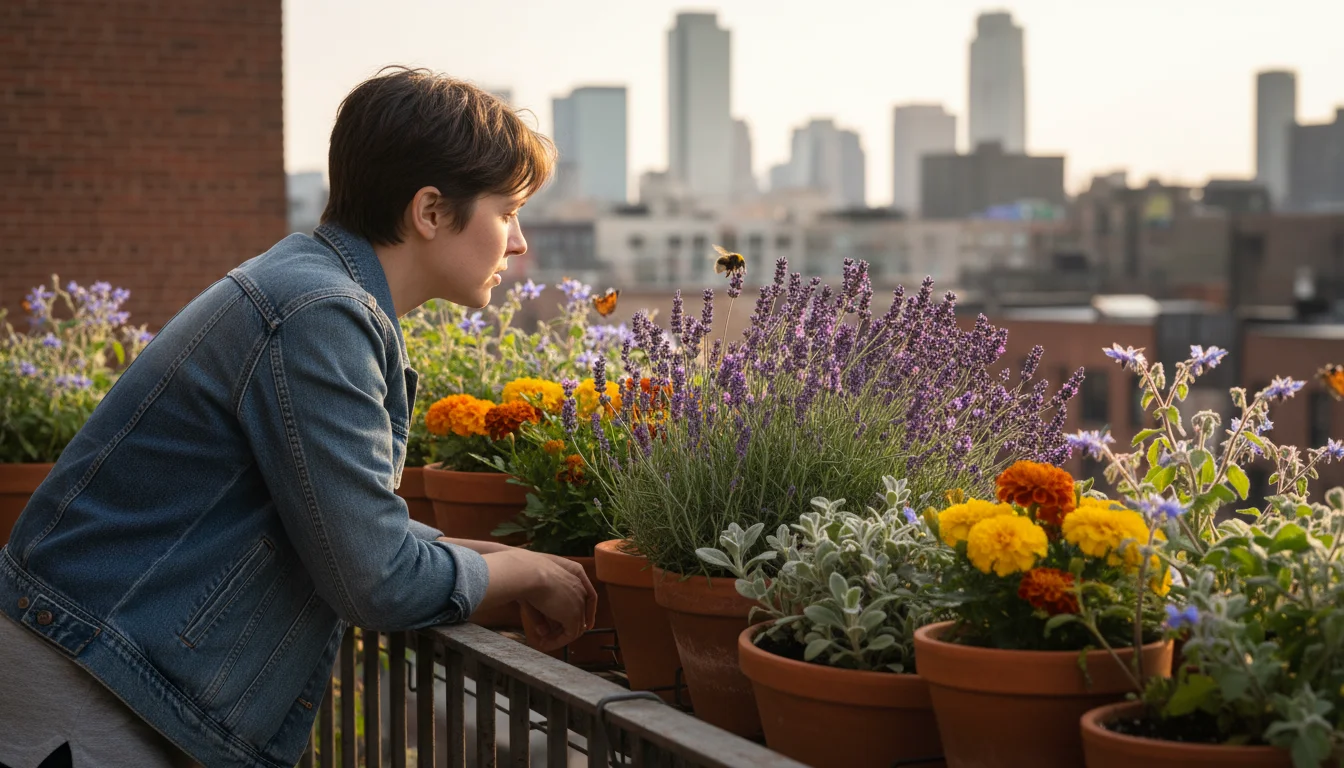
Take time to watch the activity around your ‘Bee Stop.’ You will be surprised by the variety of visitors.
Different regions have different native pollinator species. Observing which insects frequent your flowers helps you understand what is working well and what else you might consider planting in the future.
You might see bumblebees, honeybees, solitary bees, various butterflies, and even hoverflies, all contributing to your local ecosystem. Learning about these visitors makes your gardening experience more rewarding and helps you refine your approach to how to attract bees to apartment balcony spaces effectively.
Troubleshooting Your Balcony ‘Bee Stop’
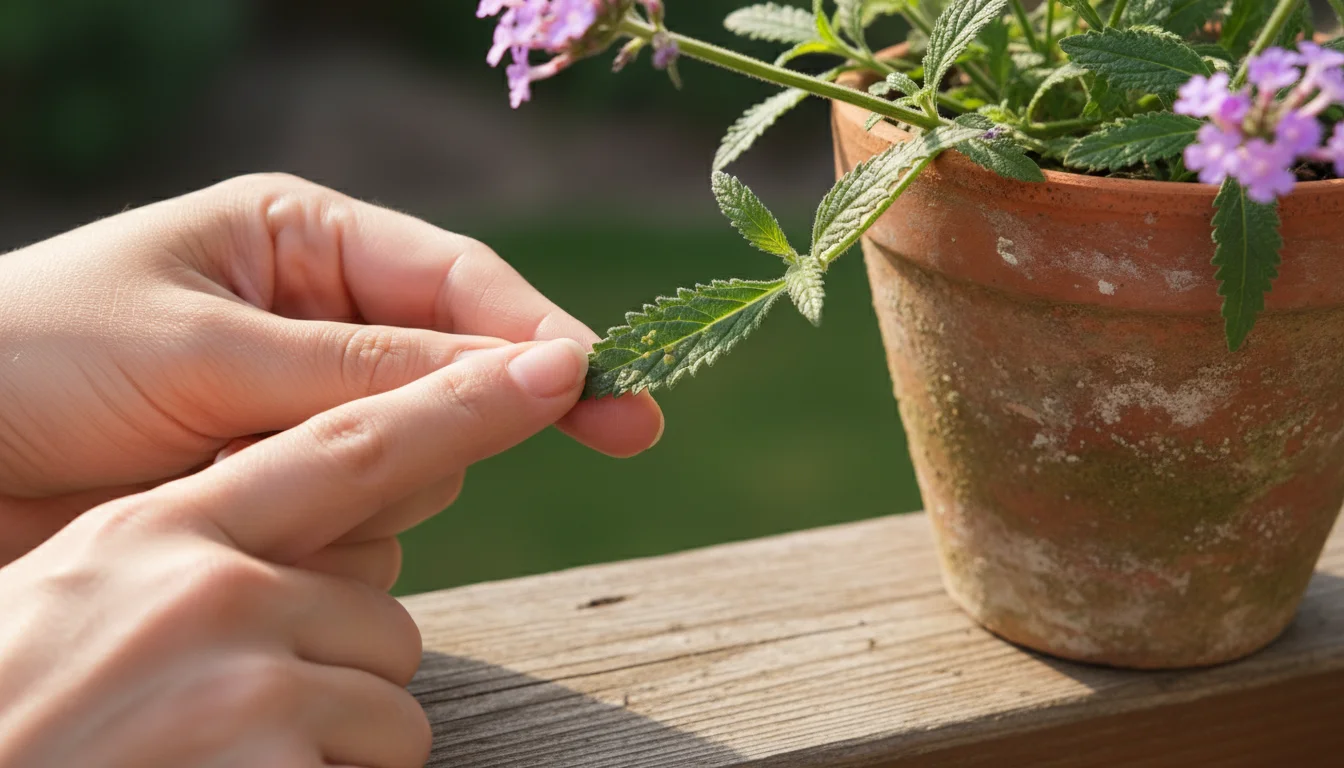
Even with careful planning, gardening always presents a few challenges. Here are common issues you might encounter with your single-pot ‘Bee Stop’ and practical solutions.
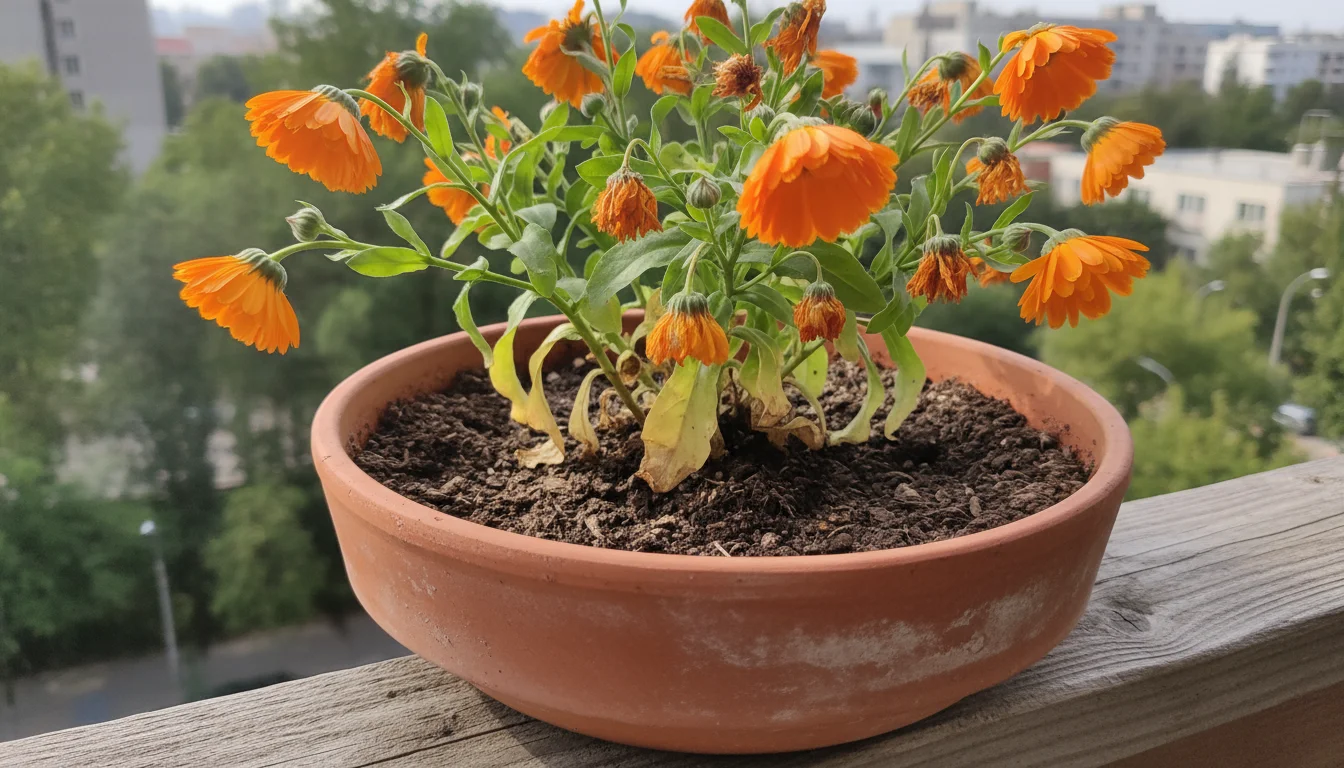
Issue 1: Plants are Wilting or Yellowing
- Symptoms: Leaves look droopy or have turned yellow.
- Possible Causes:
- Underwatering: Soil is bone dry, leaves are crispy.
- Overwatering: Soil is constantly soggy, leaves might be yellow and soft.
- Nutrient Deficiency: Older leaves turn yellow, especially if you have not fertilized.
- Solutions:
- For underwatering: Water thoroughly until it drains from the bottom. Check soil moisture daily.
- For overwatering: Allow the soil to dry out significantly before watering again. Ensure drainage holes are clear. If the problem persists, consider repotting with fresh, well-draining soil.
- For nutrient deficiency: Apply a balanced liquid fertilizer at half strength. Ensure your potting mix was fresh and nutrient-rich to begin with.
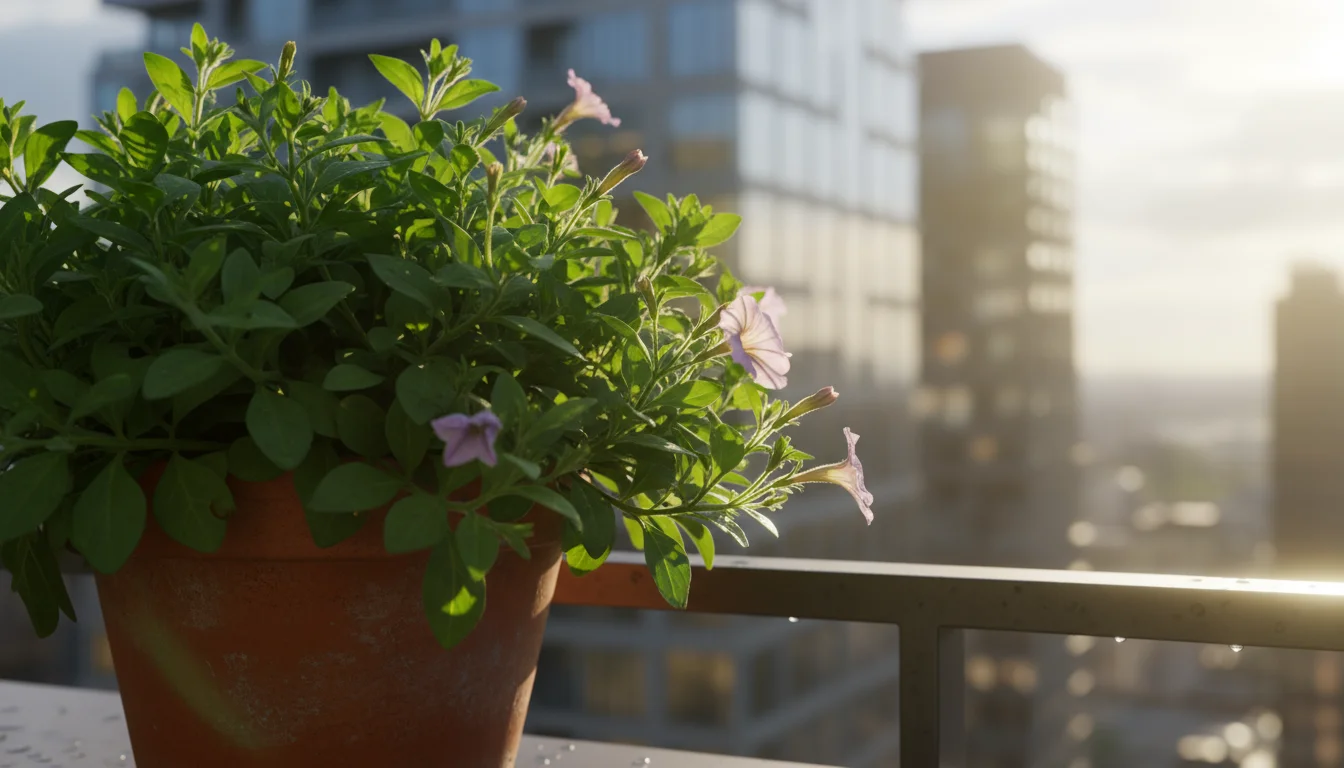
Issue 2: Few or No Flowers
- Symptoms: Plants are growing foliage but producing very few or no blooms.
- Possible Causes:
- Insufficient Sunlight: Most of these flowers need at least 6 hours of direct sun.
- Too Much Nitrogen: Fertilizers high in nitrogen promote leaf growth at the expense of flowers.
- Lack of Deadheading: Plants are putting energy into seed production instead of new blooms.
- Solutions:
- Increase Sunlight: Move your pot to a sunnier spot on your balcony.
- Adjust Fertilizing: Switch to a fertilizer with a higher phosphorus content (the middle number in the NPK ratio) to encourage blooming.
- Deadhead Regularly: Make deadheading a routine part of your plant care.
Issue 3: Not Many Bees or Butterflies Visiting
- Symptoms: Your flowers are blooming, but you do not see much pollinator activity.
- Possible Causes:
- Pesticide Use Nearby: Even drift from a neighbor’s pesticide can deter or harm pollinators.
- Lack of Diversity: While your pot has five plants, a larger variety might be needed in the general area.
- Weather Conditions: Pollinators are less active on cold, rainy, or extremely windy days.
- Location: Your balcony might be very high up, or in a very windy corridor that pollinators avoid.
- Solutions:
- Avoid All Pesticides: Ensure your balcony is completely pesticide-free. Talk to neighbors if you suspect nearby spraying.
- Add a Water Source: A shallow dish with pebbles can attract thirsty pollinators.
- Be Patient: It can take some time for pollinators to discover your new ‘Bee Stop.’ Consistent blooms will eventually attract them.
- Consider Native Plants: While the chosen flowers are great, incorporating small native plants in other pots, if available, can further boost appeal to local pollinators.
Frequently Asked Questions
Can I use seeds instead of starter plants for my Bee Stop?
Yes, you can absolutely use seeds. Many of the recommended flowers, such as Sweet Alyssum, Borage, and Calendula, germinate readily from seed.
Starting from seed is often more cost-effective and provides a greater sense of accomplishment. However, it requires more patience and a slightly longer wait for blooms compared to planting nursery starts.
Follow the seed packet instructions for planting depth and spacing, and ensure you keep the soil consistently moist during germination.
What if my balcony gets limited sun? Can I still attract pollinators?
While most popular pollinator plants prefer full sun, you can still create a beautiful and beneficial ‘Bee Stop’ on a partially shaded balcony. Options like Lobelia and Pansies/Violas tolerate partial shade well.
For more shade-tolerant pollinator choices, consider plants like Impatiens (specifically New Guinea Impatiens for some pollinator value), Fuchsias, or even some native woodland flowers if available in container-friendly varieties. Research plants specifically listed as shade-loving and pollinator-friendly for your region to optimize your chances.
Are these plants safe for pets if my cat or dog nibbles on them?
Pet safety is an important consideration for any home gardener. Of the five plants listed: Sweet Alyssum and Lobelia are generally considered non-toxic.
Pansies and Violas are also considered non-toxic. Borage leaves and flowers are edible for humans but can cause gastrointestinal upset in large quantities for pets.
Calendula is generally considered non-toxic, but ingestion in large amounts may cause mild stomach upset. Always supervise pets around plants and consult with your veterinarian for definitive advice, especially if your pet has a history of consuming plants or has sensitivities.
The ASPCA website offers comprehensive lists of toxic and non-toxic plants for pets.
How long will these spring flowers last, and what happens after spring?
These specific spring flowers will bloom vigorously throughout the cooler spring months. Pansies and Violas typically fade as summer heat intensifies.
Sweet Alyssum and Lobelia can continue blooming into early summer, especially if regularly deadheaded and kept watered. Borage and Calendula are often more tolerant of summer heat and can bloom for an extended period, sometimes through the entire growing season, if well-maintained.
As temperatures rise, you might need to swap out some of the spring annuals for heat-tolerant, pollinator-friendly summer annuals or tender perennials like Zinnia, Lantana, or Bidens to keep your ‘Bee Stop’ active all season long.
You can also re-seed Calendula and Borage for a second flush of blooms.
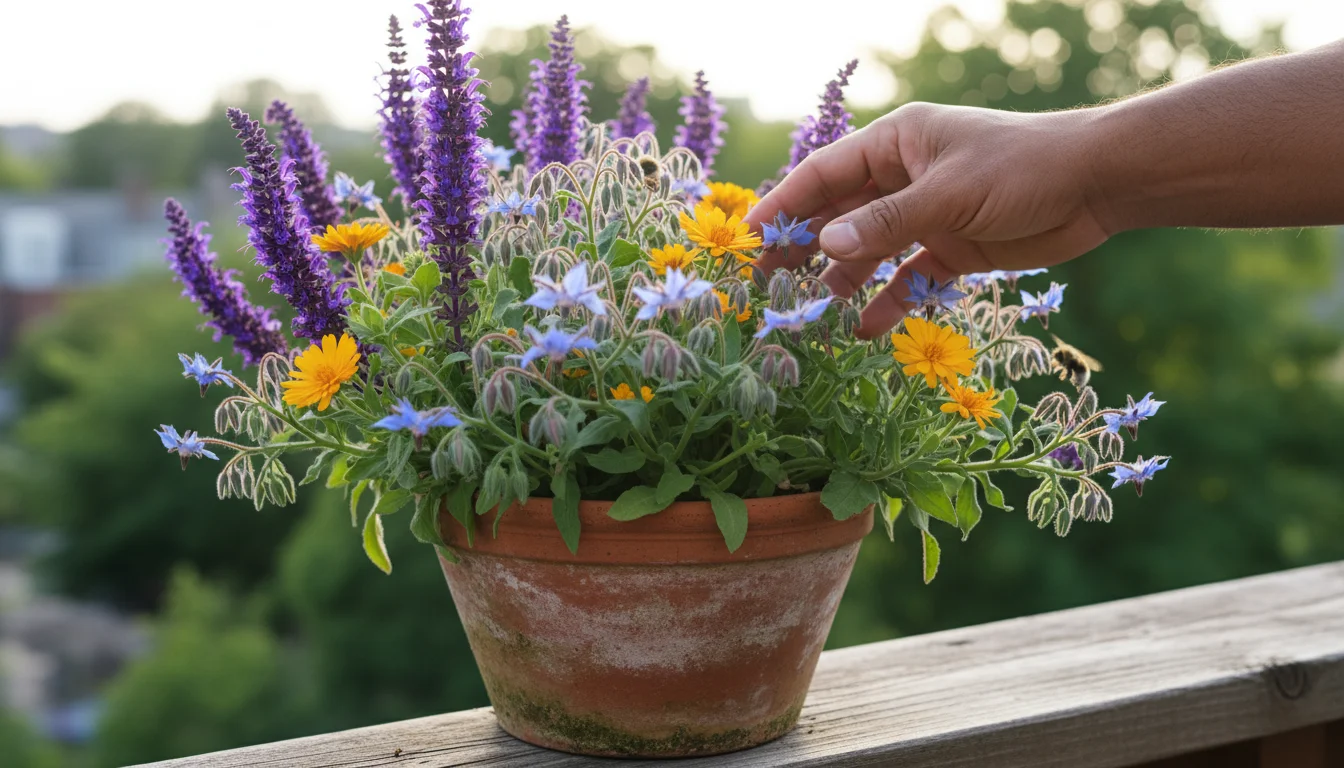
Your journey to creating a vibrant, buzzing ‘Bee Stop’ on your balcony begins with a single pot. By selecting the right flowers, providing proper care, and adopting eco-friendly practices, you transform a small space into a powerful haven for pollinators.
This small act offers immense environmental benefits, contributing to local biodiversity and the health of our planet. Enjoy the beauty and vital activity your efforts bring, and know that you are making a tangible difference.
For trustworthy gardening information, visit: San Diego Botanic Garden, U.S. National Arboretum and American Horticultural Society. These organizations provide expert, research-based advice for gardeners at all levels.
Disclaimer: This article is for informational purposes only and is not a substitute for professional gardening advice. Always consult local extension services or horticulture experts for region-specific guidance.