
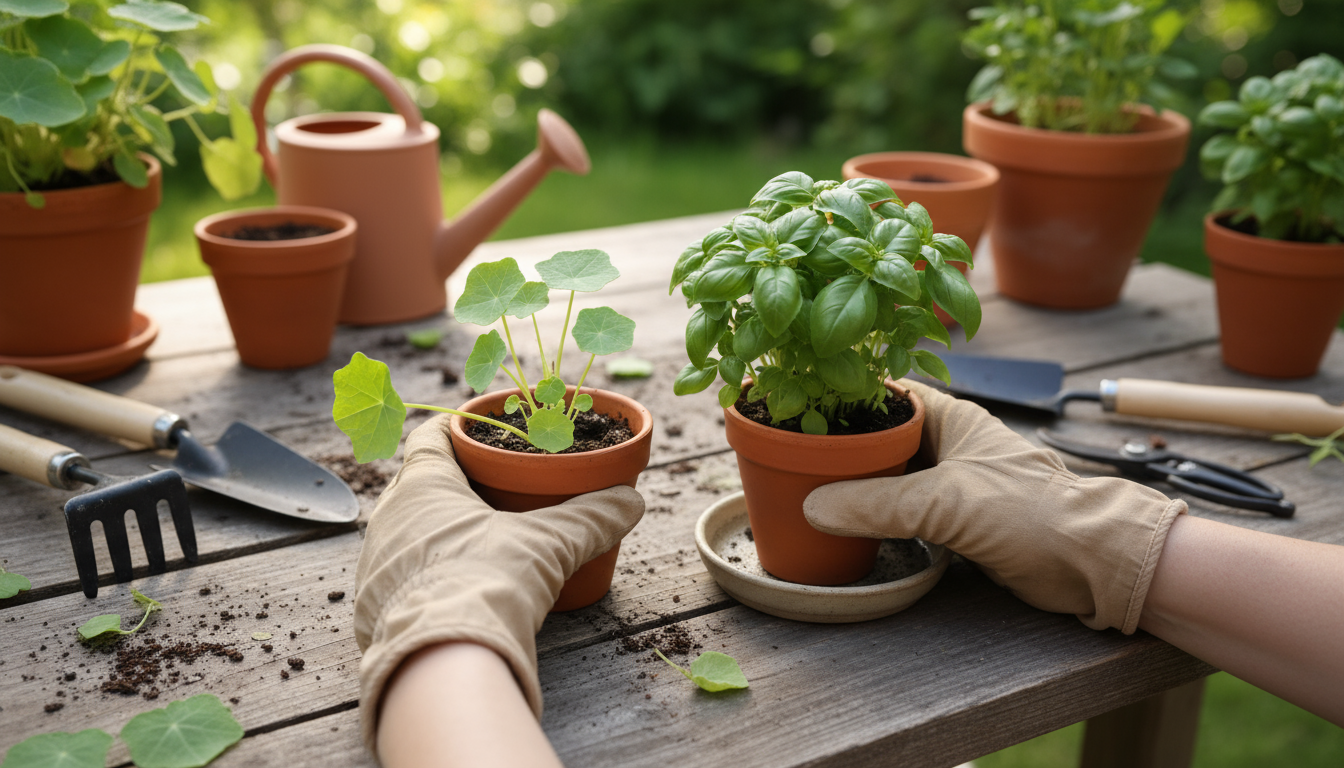
The Advantages of Going Vertical
Adopting a vertical garden in your apartment offers numerous benefits:
- Space Maximization: This is the most obvious advantage. Vertical gardens allow you to grow significantly more plants in a small footprint. A bare wall or balcony railing becomes a vibrant productive space, turning previously unused areas into lush gardens. For apartment dwellers, this means greening up small balconies, patios, or even indoor walls without sacrificing valuable floor space.
- Improved Air Quality: Plants naturally filter pollutants from the air, increasing oxygen levels. A vertical garden, especially indoors, can significantly improve the air quality in your living space, making your home feel fresher and more vibrant. Research shows houseplants can remove up to 87% of air toxins in 24 hours.
- Aesthetic Appeal: Vertical gardens are stunning. They create living art installations, adding texture, color, and life to any environment. Whether you choose a minimalist design with sleek wall planters or a bohemian cascade of repurposed materials, your vertical garden will be a focal point and conversation starter.
- Increased Privacy and Noise Reduction: A dense vertical garden on a balcony can act as a natural screen, offering increased privacy from neighbors. The foliage also helps absorb sound, contributing to a quieter, more peaceful atmosphere in your outdoor space.
- Ergonomic Gardening: Growing vertically often means less bending and kneeling. Many vertical systems allow you to tend to your plants at a comfortable standing height, reducing physical strain and making gardening more accessible for everyone.
- Pest and Disease Control: Elevating plants can reduce their exposure to soil-borne pests and diseases. Improved air circulation around the plants, a natural benefit of vertical setups, also helps prevent fungal issues and mildew.
- Reduced Water Usage: Many vertical garden systems, particularly those with integrated irrigation, can be very efficient with water. Gravity often assists in distributing water downwards, and some systems recirculate water, leading to less waste compared to traditional in-ground gardens.
Vertical gardening is not just a trend; it’s a smart, sustainable way to bring nature into your small apartment or urban home. It is an accessible entry point into gardening, providing tangible rewards even for beginners.
Choosing Your Vertical Garden Style: Key Considerations
Before you dive into specific vertical garden ideas, consider a few crucial factors. Your success depends on matching the right system to your space, lifestyle, and plant choices.
Thinking through these points now saves time and effort later, ensuring your vertical garden thrives.
To keep costs low while still achieving a polished look, consider applying some budget garden design tips to your vertical project.
Being aware of common balcony gardening mistakes will ensure your vertical setup remains healthy and vibrant.
Sunlight Exposure
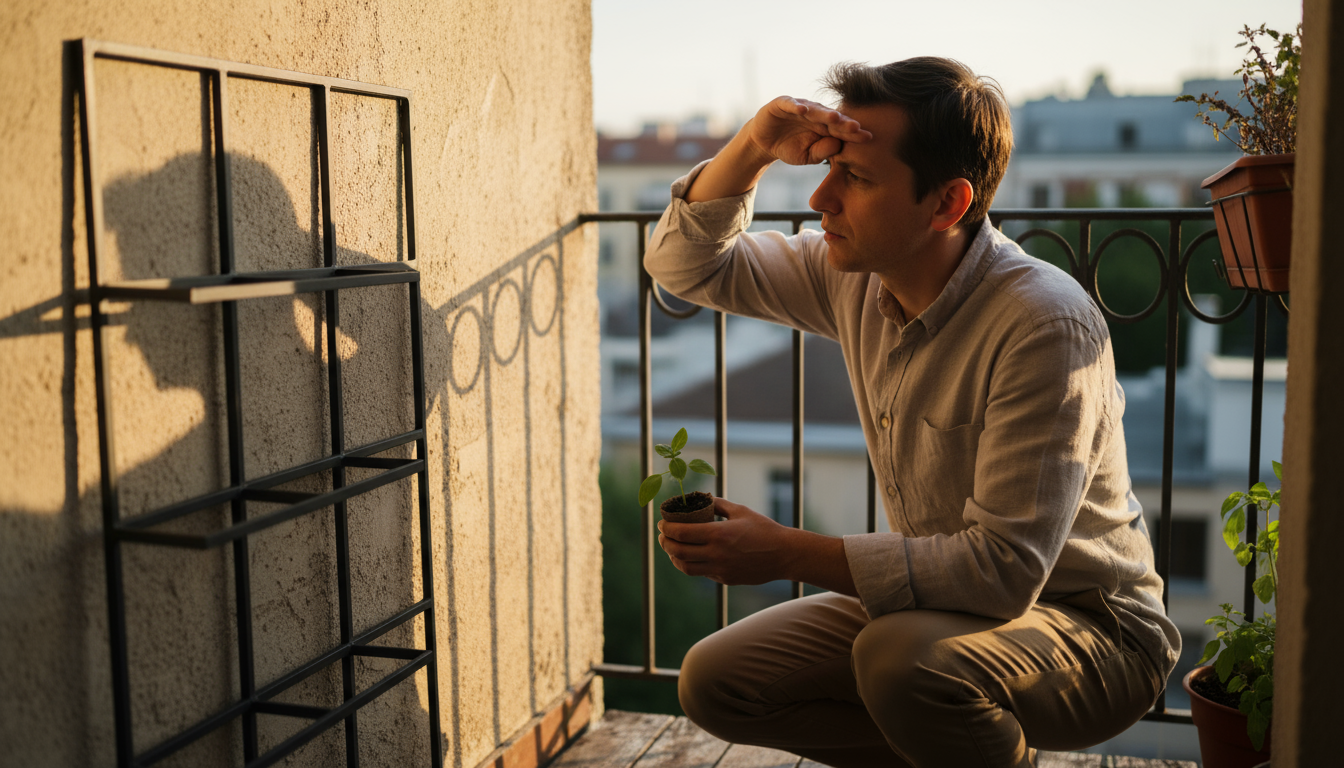
Sunlight is the most critical element for plant growth. Observe your chosen vertical space throughout the day.
Does it receive full sun (6+ hours of direct sunlight), partial sun (3-6 hours), or shade (less than 3 hours)?
- Full Sun: Ideal for most vegetables like tomatoes, peppers, and cucumbers, as well as many herbs and sun-loving flowers. South-facing balconies or walls often provide full sun.
- Partial Sun: Suitable for leafy greens such as lettuce, spinach, and kale, some herbs like mint and cilantro, and flowering plants like impatiens or fuchsias. East or west-facing spots often get partial sun.
- Shade: Best for ferns, hostas, mosses, and certain shade-tolerant herbs. North-facing walls or deeply shaded areas fall into this category.
Accurately assessing light helps you select plants that will truly flourish in your vertical garden.
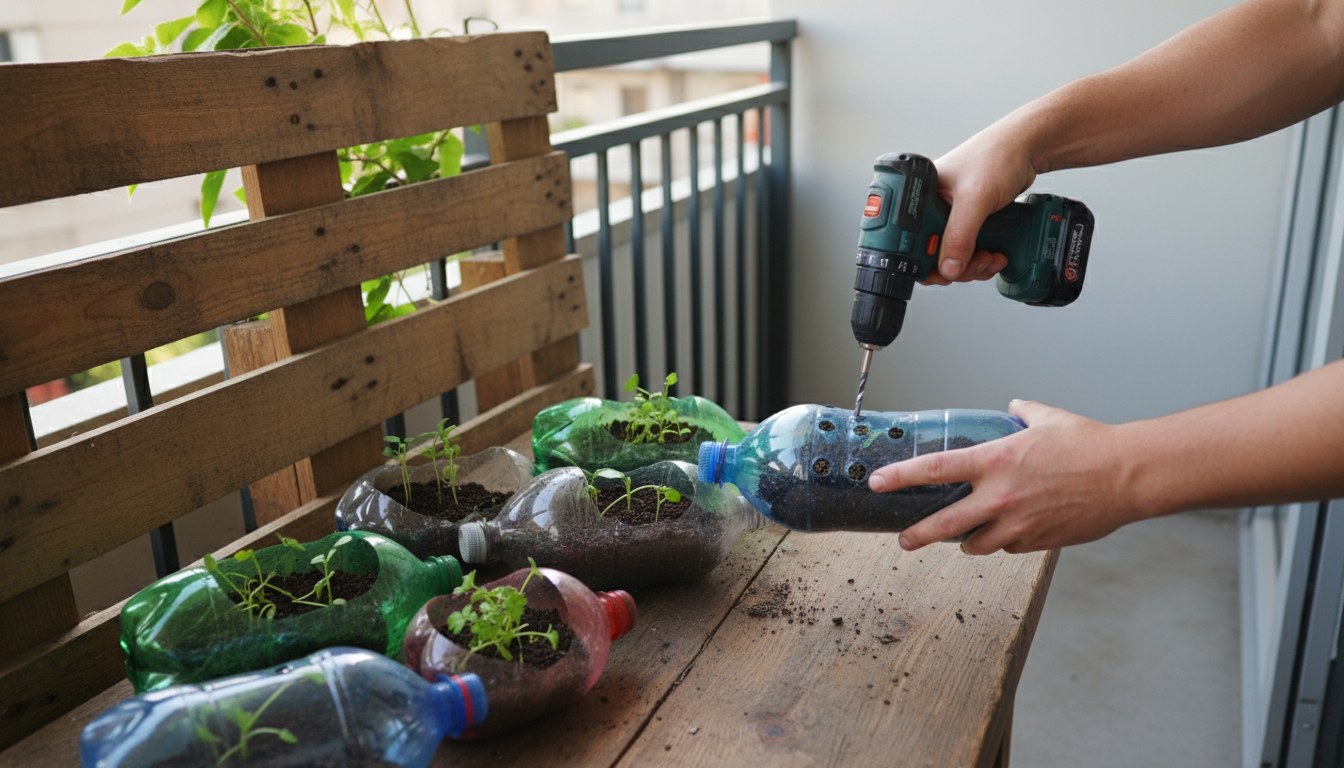
Space and Location
Consider the dimensions of your vertical space. Are you working with a narrow wall, a corner, a railing, or an entire balcony wall?
Each location has unique characteristics:
- Balcony Railings: Great for hanging planters or slim tiered systems. Ensure any system you choose is secure and doesn’t impede balcony safety or neighbor relations.
- Exterior Walls: Offer significant potential for larger installations. Check for any structural limitations, landlord restrictions, or proximity to windows.
- Interior Walls: Require systems that contain water effectively to prevent damage. Consider lightweight options and integrate grow lights if natural light is insufficient.
- Corners: Excellent for ladder-style shelves or custom corner units that utilize often-overlooked space.
Measure your space precisely. Knowing the width, height, and depth available helps you select a system that fits perfectly and leaves room for air circulation around plants.
Weight and Installation
A vertical garden, especially once filled with soil, water, and mature plants, can become surprisingly heavy. Assess the weight capacity of your wall, railing, or ceiling.
If you rent, always consult your landlord before making any permanent modifications or heavy installations.
- Heavy Systems: Modular living walls or large pallet gardens require robust mounting. Use appropriate anchors and ensure wall studs support the weight.
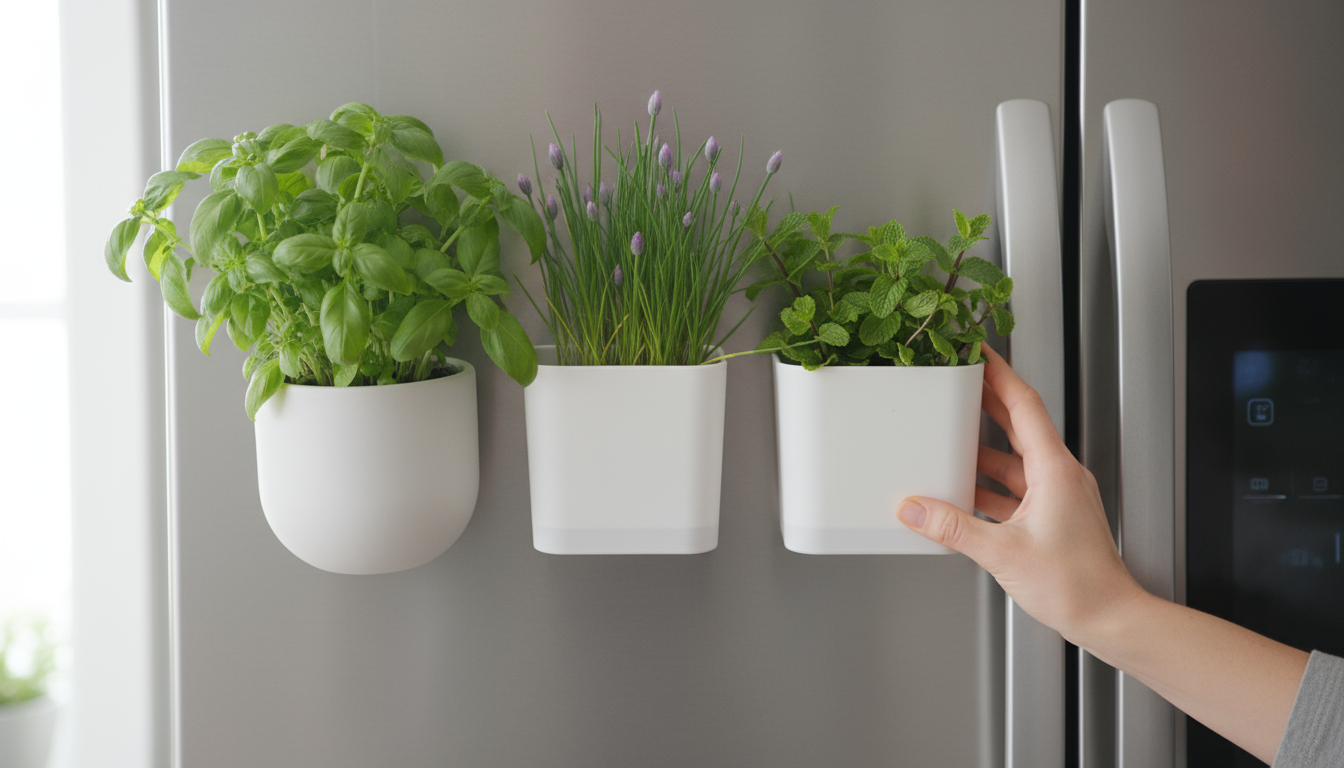
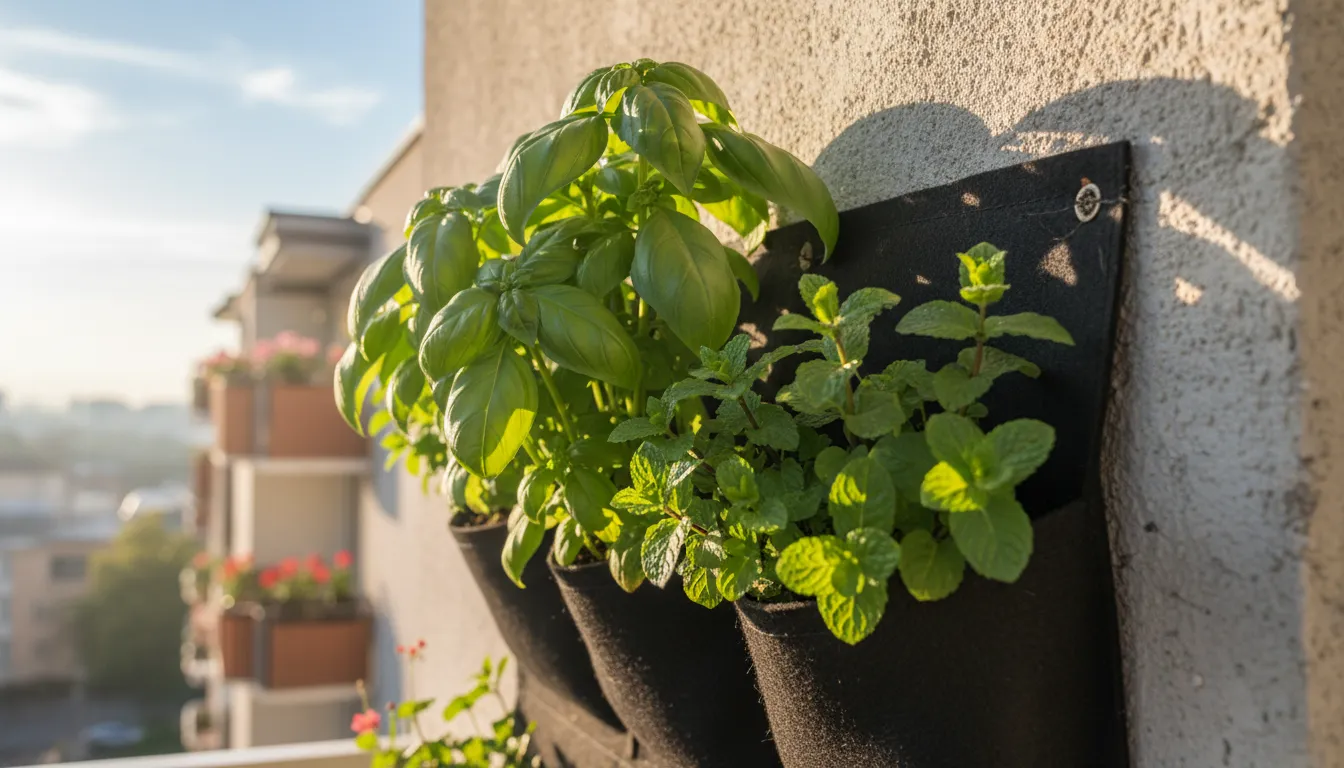
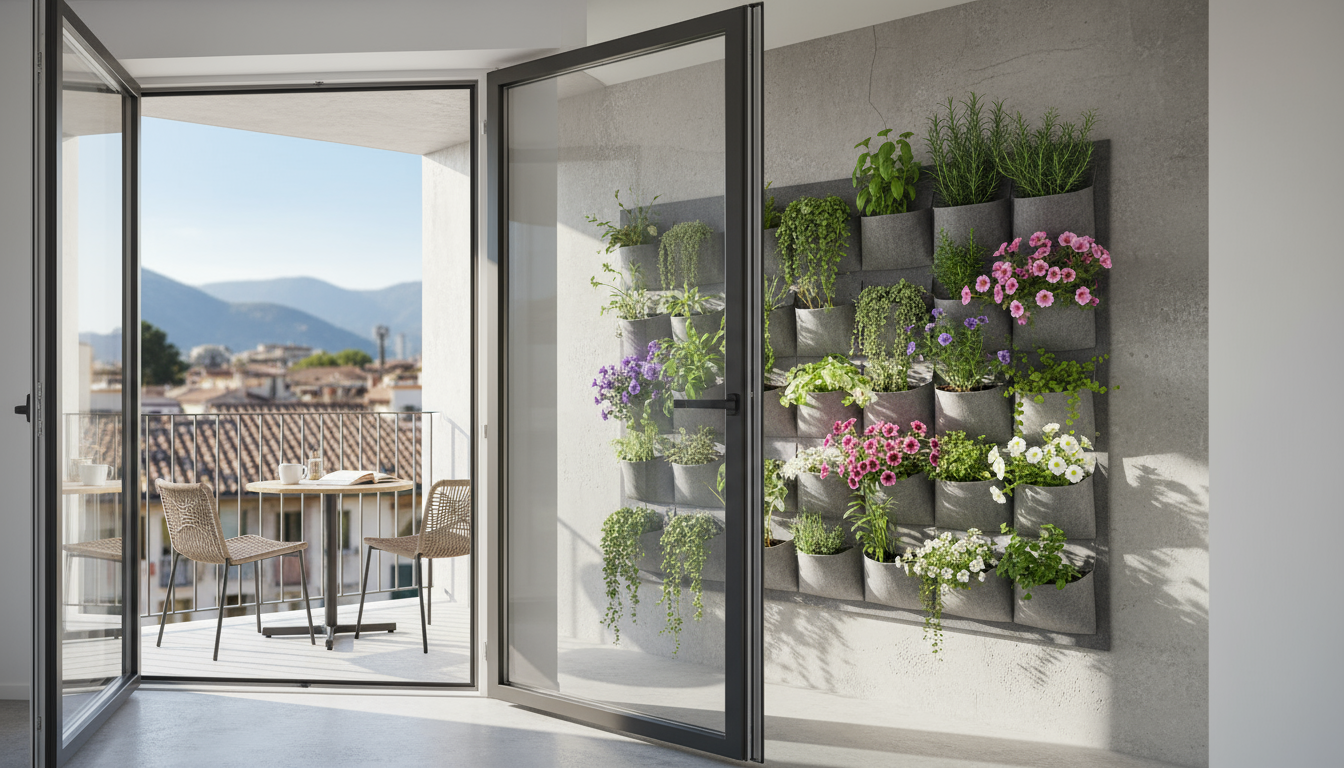
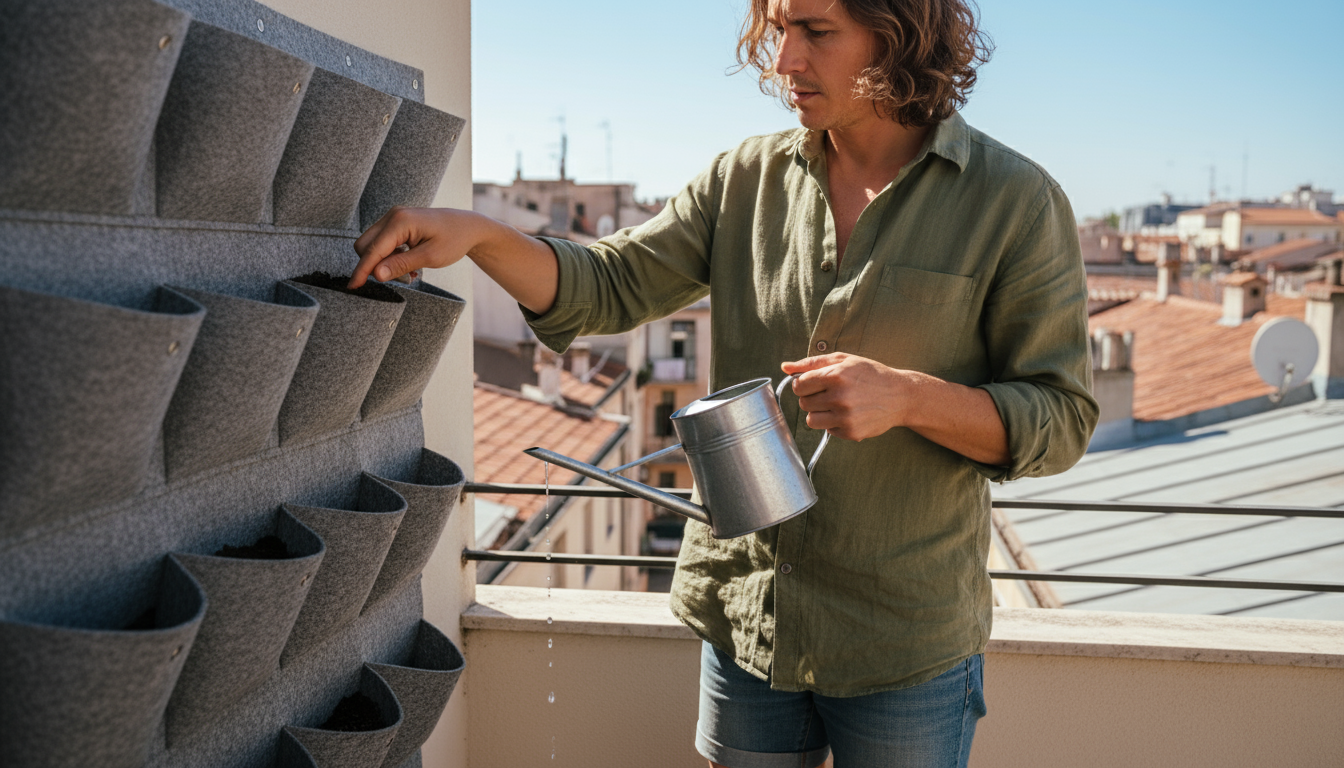
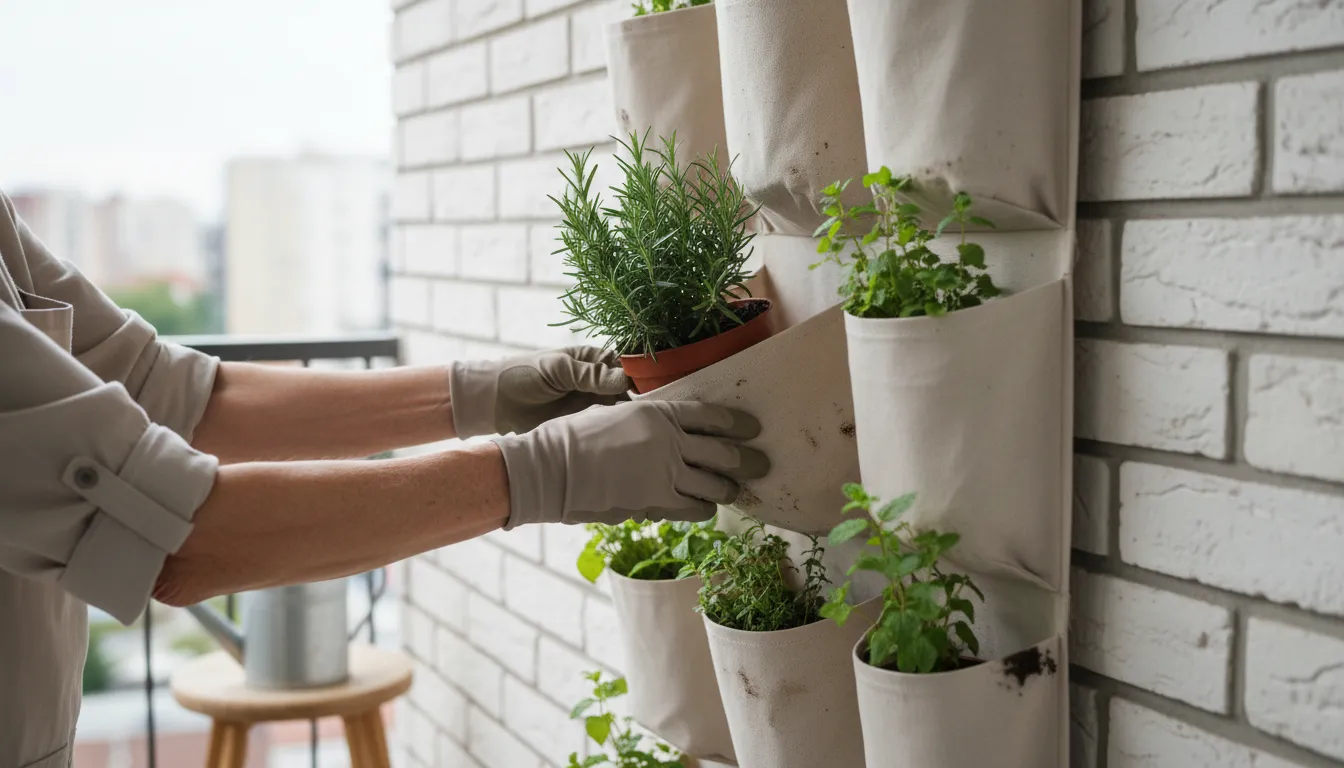
- Lightweight Options: Fabric pocket planters, hanging shoe organizers, or small hanging pots are excellent for renters or walls with lower weight tolerance.
- Balcony Railings: Ensure any railing planters are securely fastened and balanced to prevent tipping or falling, especially in windy conditions.
Prioritize safety in installation. Securely mounted systems protect your plants, your property, and those below.
Watering and Drainage
Proper drainage is crucial for plant health, preventing root rot. Vertical gardens often dry out faster than traditional gardens, so consider your watering method:
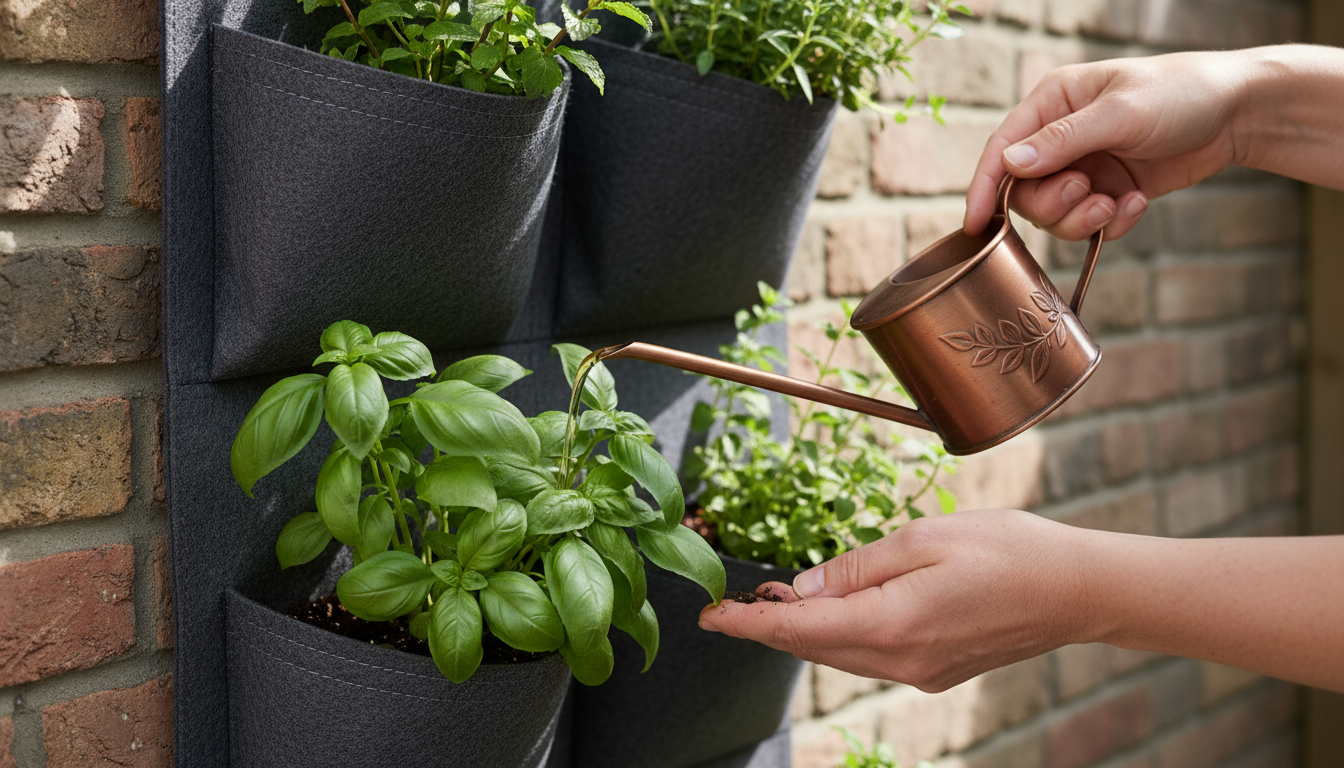
- Manual Watering: Viable for smaller setups. Use a watering can, ensuring water reaches all plants and any excess drains away without making a mess.
- Drip Irrigation: For larger systems, a simple drip irrigation setup saves time and water. This provides slow, consistent watering directly to the plant roots.
- Self-Watering Systems: Some vertical planters come with reservoirs that wick water up to the plants, reducing watering frequency. These are excellent for busy gardeners.
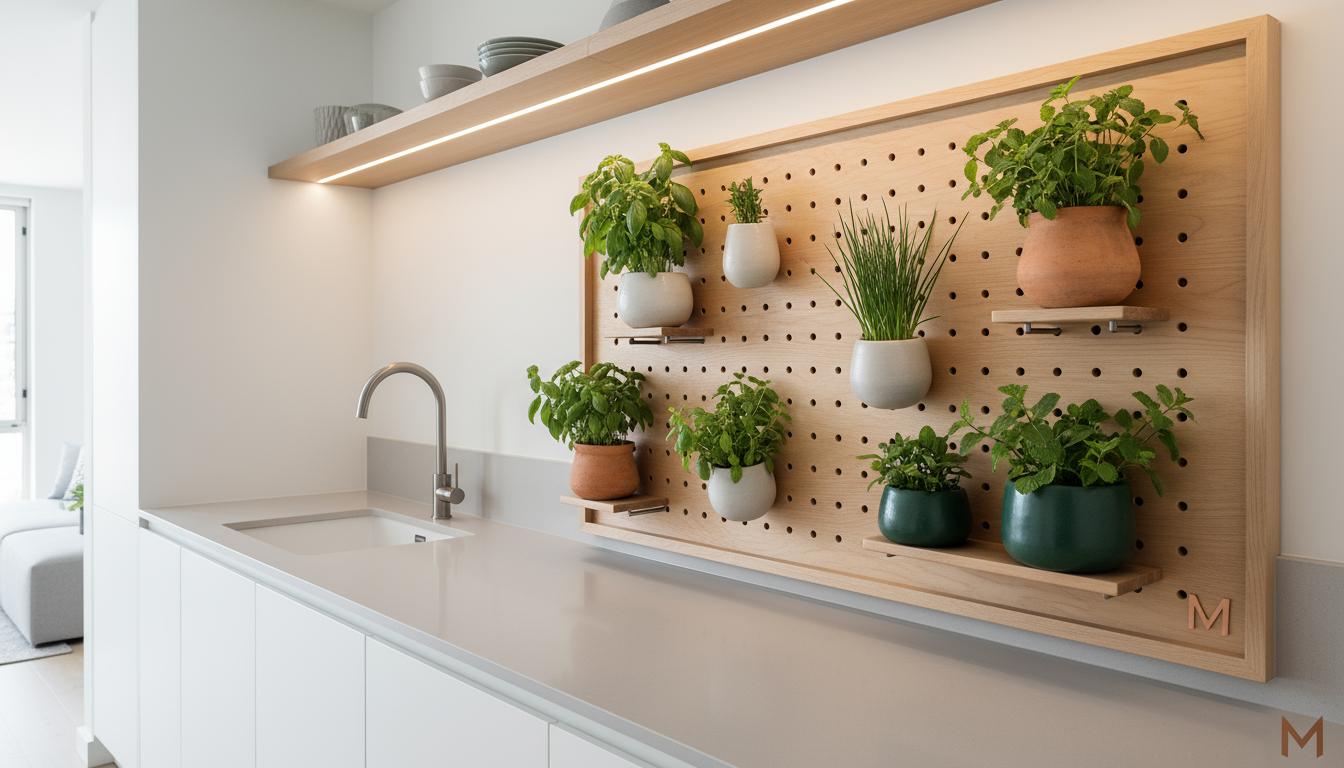
Regardless of your method, ensure your system has a way for excess water to escape (drainage holes) and, ideally, a tray or trough to catch runoff. This prevents water damage to your apartment, balcony, or neighbors below.
Budget and Materials
Vertical gardens can range from highly affordable DIY projects to professional, custom-built installations. Set a realistic budget before you begin.
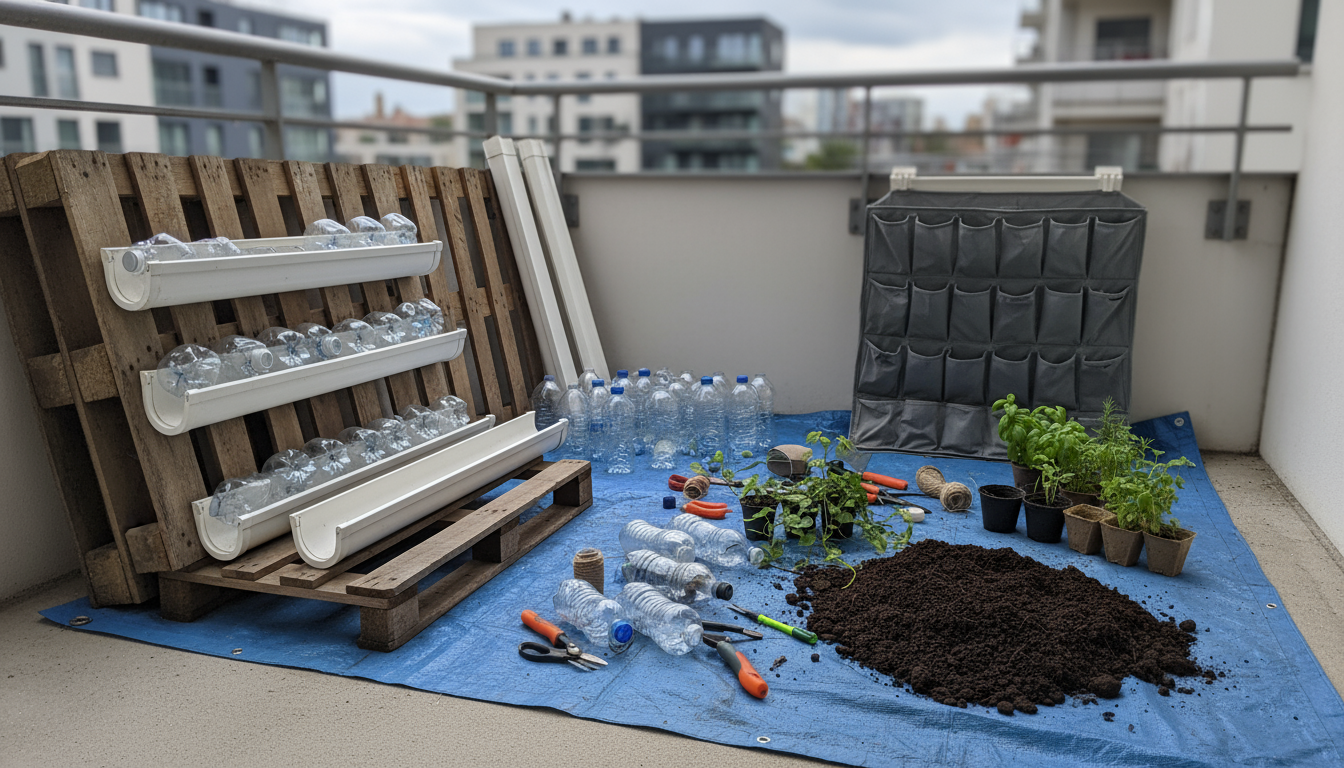
- DIY and Repurposed Materials: Pallets, plastic bottles, old gutters, or shoe organizers are incredibly cost-effective. These options are also environmentally friendly, giving new life to discarded items.
- Pre-made Kits: Many garden centers and online retailers offer ready-to-assemble vertical garden kits. These vary in price but provide convenience and a clean, uniform look.
- Custom Systems: For larger, more integrated designs, you might consider professional installation, though this is typically for permanent, extensive setups.
Remember to factor in the cost of soil, plants, and any necessary tools or hardware. Opting for a DIY approach often provides the most budget-friendly entry into vertical gardening, allowing you to scale up as your skills and confidence grow.
Selecting the Right Plants for Your Vertical Space
Choosing the correct plants ensures your vertical garden thrives. Not every plant is suited for vertical living; you need varieties that tolerate confined root spaces, grow well with vertical support, and match your light conditions.
When choosing your greenery, think about how to design a balcony garden that balances function with a beautiful, lived-in aesthetic.
Consider Your Light Conditions First
As discussed earlier, sunlight is paramount. Do not try to force a sun-loving plant into a shady spot, or vice-versa.
Observe your vertical garden’s location for a full day before selecting plants.
- Full Sun (6+ hours direct sun): Best for most vegetables, herbs, and flowering plants.
- Partial Sun (3-6 hours direct sun): Suitable for leafy greens, many herbs, and some flowers.
- Shade (less than 3 hours direct sun): Ideal for ferns, mosses, and certain foliage plants.
Plants That Excel in Vertical Gardens
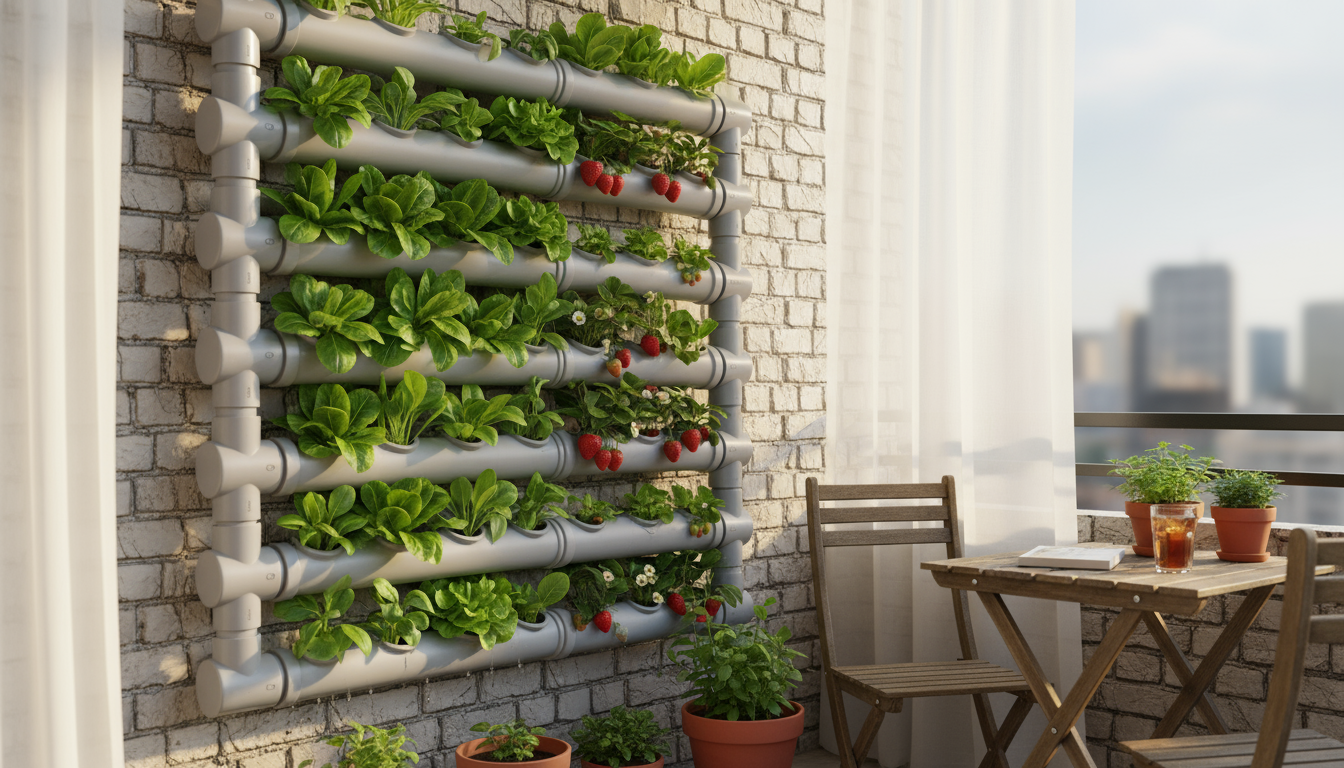
Many plants naturally adapt well to vertical environments. Look for compact varieties, those with shallow root systems, or plants that naturally climb, trail, or sprawl gracefully.
Here is a table of excellent choices for apartment vertical gardens, categorized by their typical sunlight needs:
| Sunlight Needs | Plant Type | Examples | Best Vertical Systems |
|---|---|---|---|
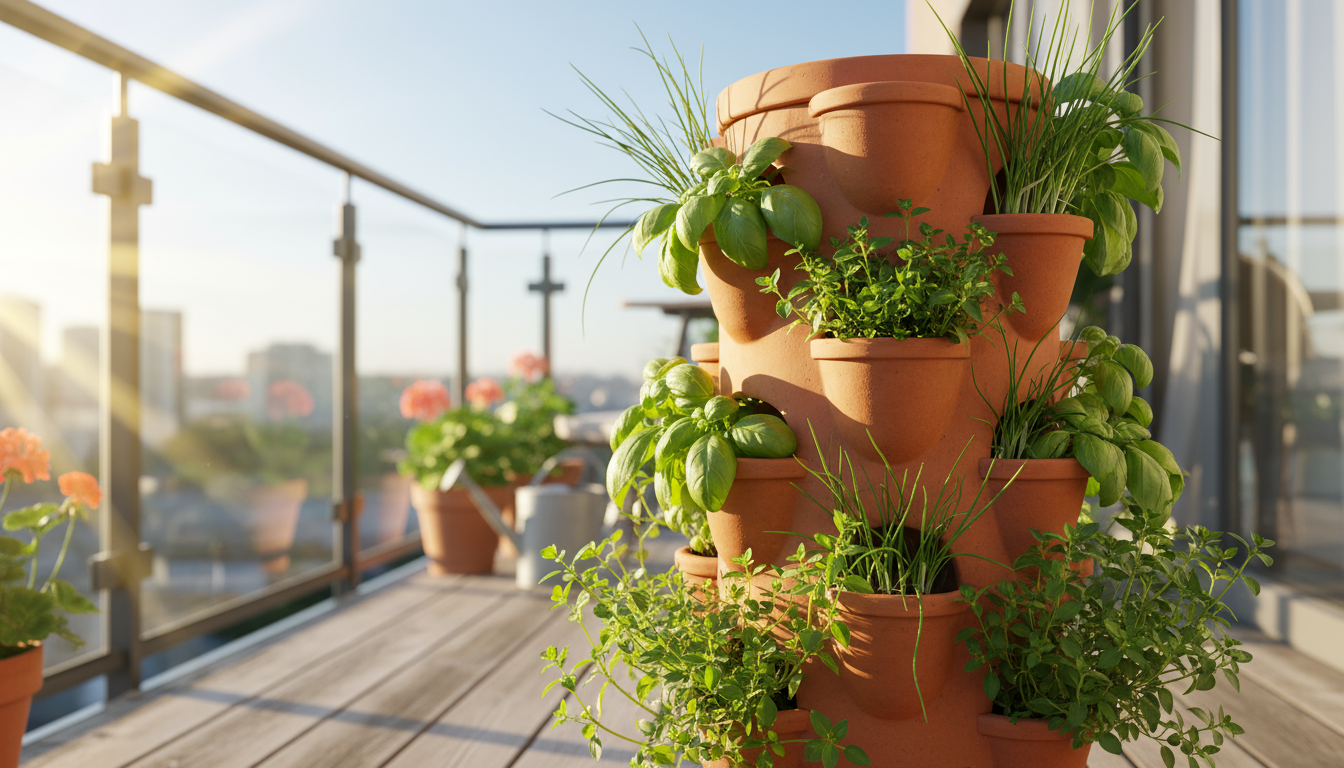
| Full Sun | Herbs | Basil, Rosemary, Thyme, Oregano, Sage, Chives, Lavender | Pocket Planters, Gutter Systems, Herb Towers, Pallet Gardens |
| Vegetables/Fruits | Strawberries, Cherry Tomatoes (compact varieties), Bush Beans, Peas, Cucumbers (bush/trellising varieties), Radishes, Small Peppers | Pallet Gardens, Trellis Systems, PVC Pipes, Stacked Crates, Modular Living Walls | |
| Flowers | Petunias, Nasturtiums, Marigolds, Pansies, Geraniums (dwarf), Lobelia | Pocket Planters, Ladder Shelves, Hanging Shoe Organizers, Gutter Systems | |
| Partial Sun | Herbs | Mint, Cilantro, Parsley, Lemon Balm, Tarragon | Pocket Planters, Gutter Systems, Herb Towers, Magnetic Planters |
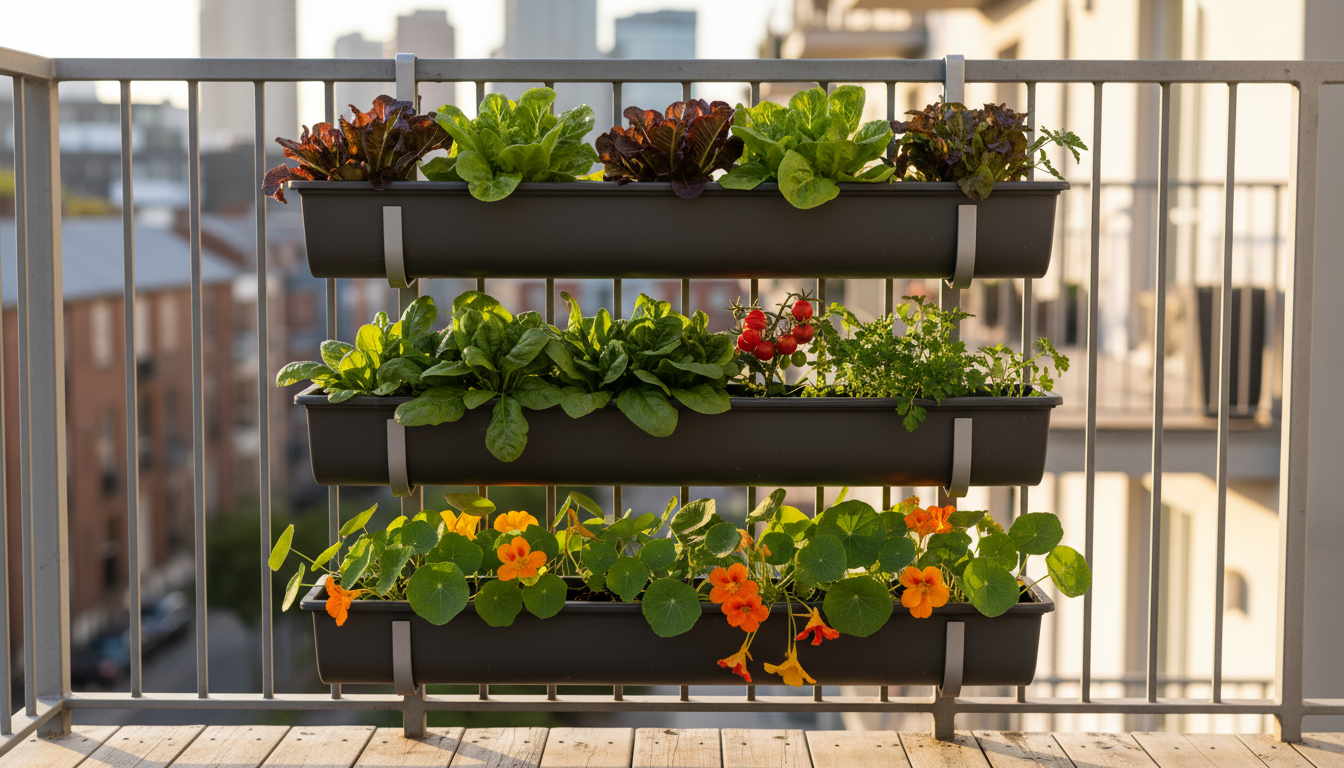
| Vegetables/Greens | Lettuce, Spinach, Kale, Arugula, Swiss Chard, Microgreens | Gutter Systems, Pocket Planters, PVC Pipes, Modular Living Walls | |
| Flowers | Impatiens, Fuchsias, Coleus, Begonias, Violas | Pocket Planters, Ladder Shelves, Hanging Shoe Organizers | |
| Shade | Foliage/Ornamentals | Ferns (Maidenhair, Boston), Hostas (dwarf), Heuchera (Coral Bells), Mosses, English Ivy (trailing) | Picture Frame Planters, Modular Living Walls (with shade-tolerant plants), Pocket Planters |
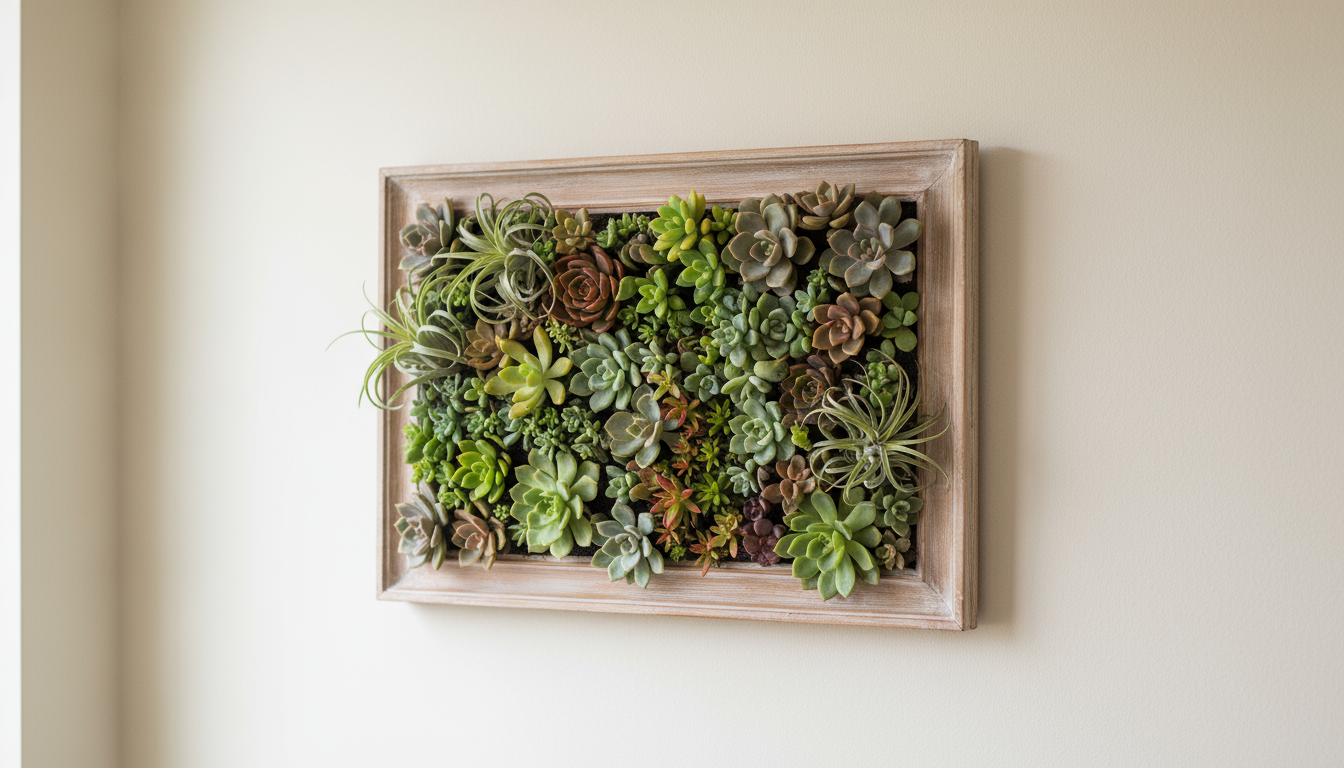
| Succulents/Air Plants | Echeveria, Sedum, Sempervivum, Tillandsia (Air Plants) | Picture Frame Planters, Magnetic Planters, Small Pocket Planters, Pegboard Gardens |
Tips for Plant Selection Success
- Consider Growth Habit: Choose plants labeled “bush,” “dwarf,” or “compact” for smaller systems. For trellises, opt for “vining” or “climbing” varieties. Trailing plants look beautiful cascading from upper pockets.
- Match Water Needs: Group plants with similar watering requirements in the same section or system. For instance, succulents prefer dry conditions, while lettuce needs consistent moisture. Mixing them in one pocket could lead to one plant thriving and the other struggling.
- Root Space: Vertical garden containers generally offer less root space than traditional gardens. Select plants known for shallow roots or those that tolerate restricted root zones well.
- Pest Resistance: Some plant varieties are naturally more resistant to pests and diseases, which can reduce maintenance needs. Research local plant varieties known for their hardiness.
- Start Small: Especially if you are a beginner, begin with a few easy-to-grow plants like herbs (basil, mint) or leafy greens (lettuce, spinach). As you gain confidence, you can expand your plant palette.
By carefully considering your light, space, and the specific needs of your chosen plants, you set your vertical garden up for flourishing success.
Setting Up Your Vertical Garden: Step-by-Step Guidance
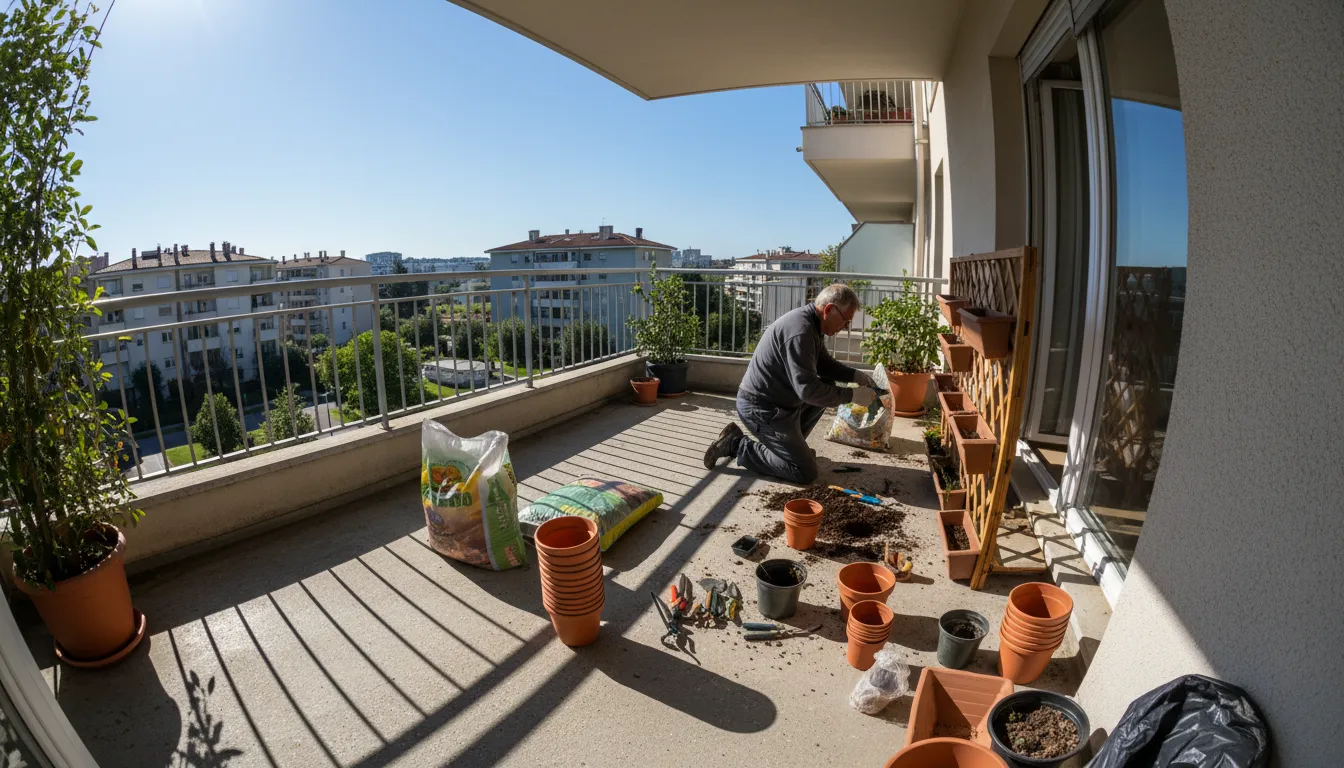
Once you have chosen your vertical garden idea and selected your plants, it’s time to bring your vision to life. This step-by-step guide provides a general framework for setting up most vertical garden systems, focusing on practical advice for apartment living.
Investing in affordable garden gadgets can simplify the installation process and make daily upkeep much more manageable.
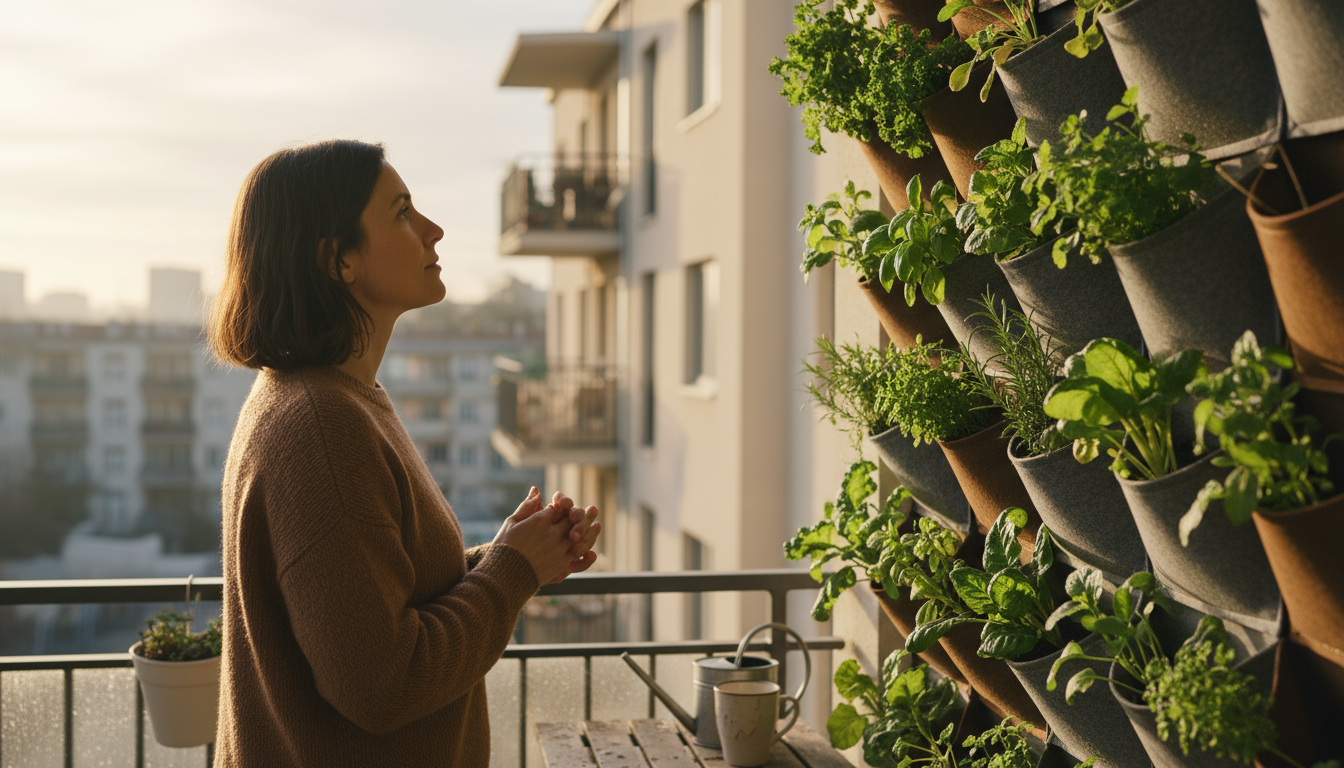
Step 1: Gather Your Materials and Tools
Before you begin, collect everything you need:
- Vertical Garden System: Your chosen kit, repurposed materials, or DIY components.
- Potting Mix: A high-quality, lightweight potting mix is essential. Look for mixes designed for containers, as they offer good drainage and aeration. Avoid heavy garden soil.
- Plants: Your chosen herbs, vegetables, flowers, or succulents.
- Pots/Containers: If your system requires individual pots. Ensure they have drainage holes.
- Drainage Solution: Drip trays, saucers, or a catch basin for runoff, especially important for indoor setups or balconies above other units.
- Tools: Small trowel, gardening gloves, watering can, scissors/pruners, measuring tape, drill (for mounting), level, and appropriate hardware (screws, anchors, hooks).
- Cleaning Supplies: Rags, bucket, broom, for cleanup.

Step 2: Prepare Your Vertical Garden Structure
Follow the specific instructions for your chosen system:
- DIY Projects (e.g., pallets, PVC, gutters):
- Clean all repurposed materials thoroughly.
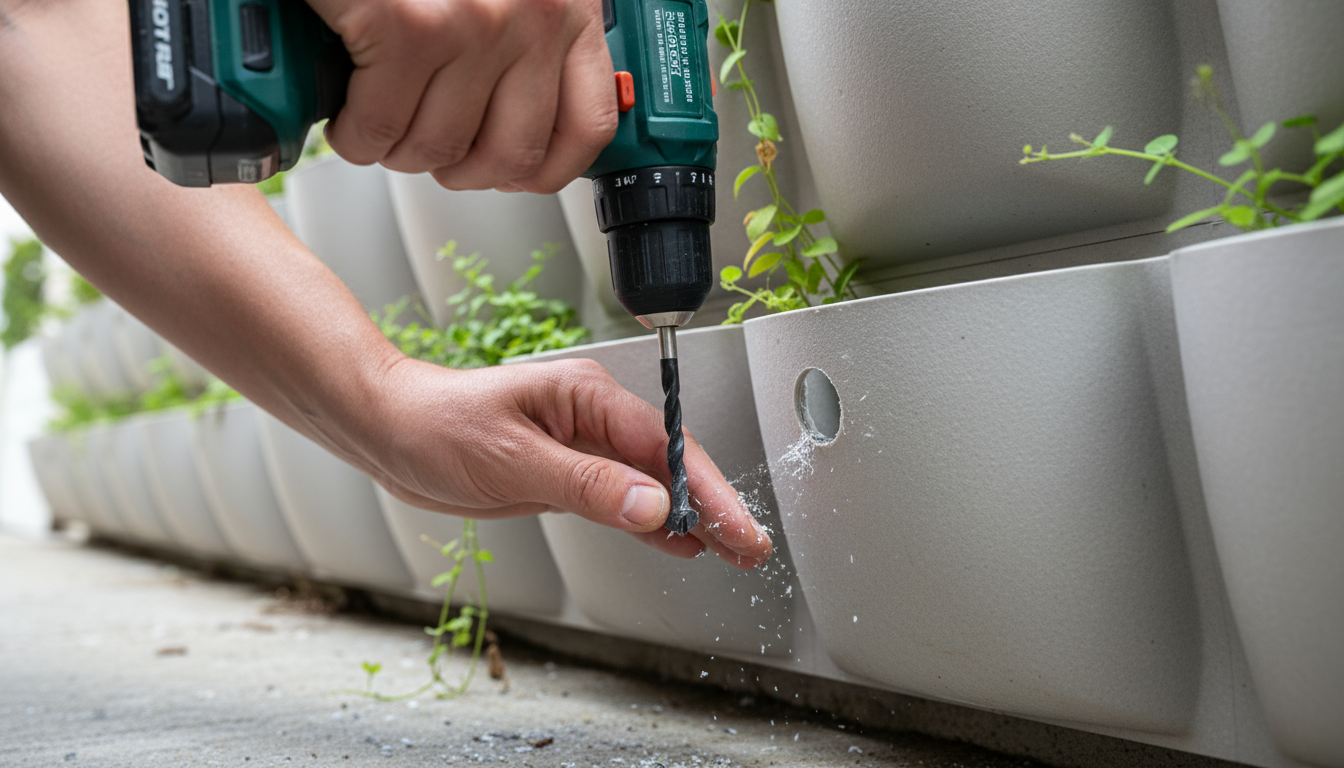
- Cut, drill, or modify components as needed (e.g., drilling drainage holes in gutters or PVC, lining pallet pockets).
- Assemble the basic structure.
- Kit Systems:
- Unpack all components and verify you have everything.
- Follow the manufacturer’s assembly instructions precisely.
- Consider Stability: For freestanding units, ensure they are stable on their own. For wall-mounted systems, use a stud finder if drilling into drywall, or use appropriate anchors for brick or concrete. If mounting to a railing, ensure the clamps or ties are very secure. A level helps ensure your structure is straight.
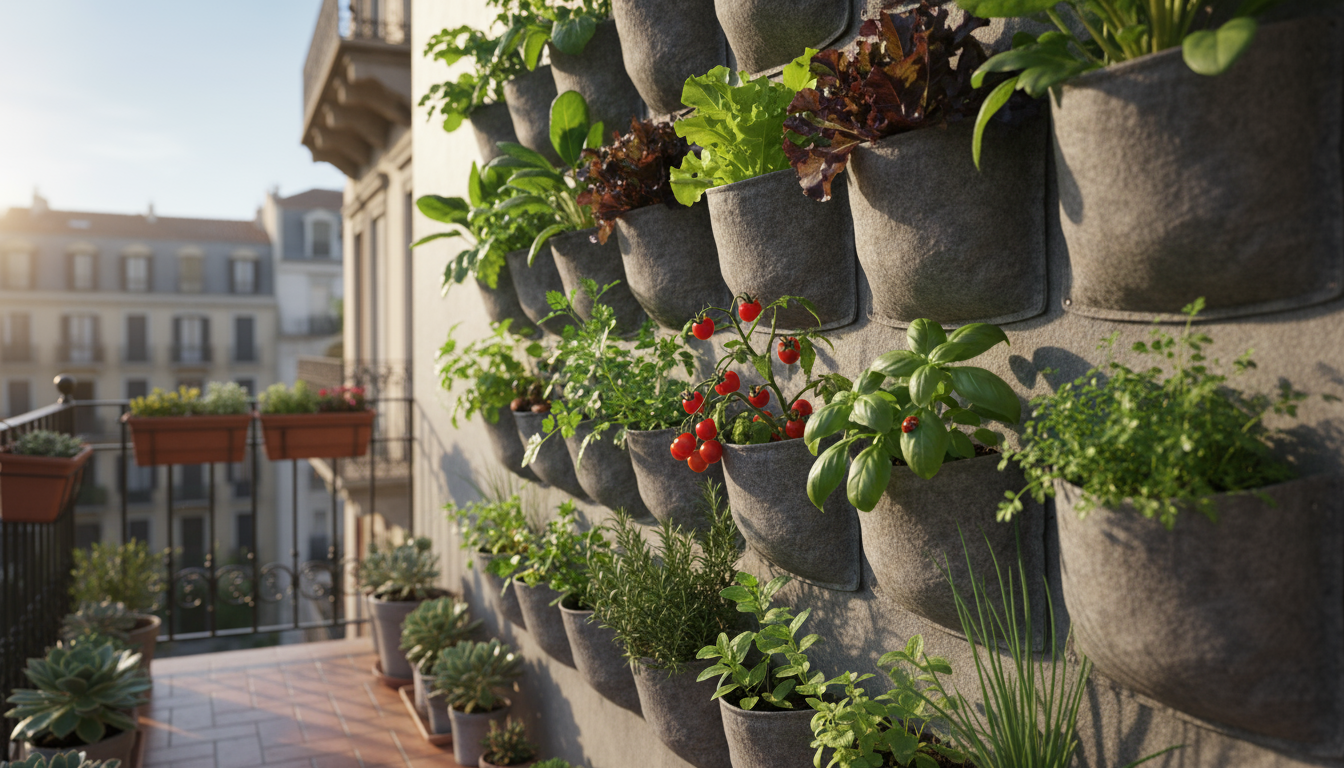
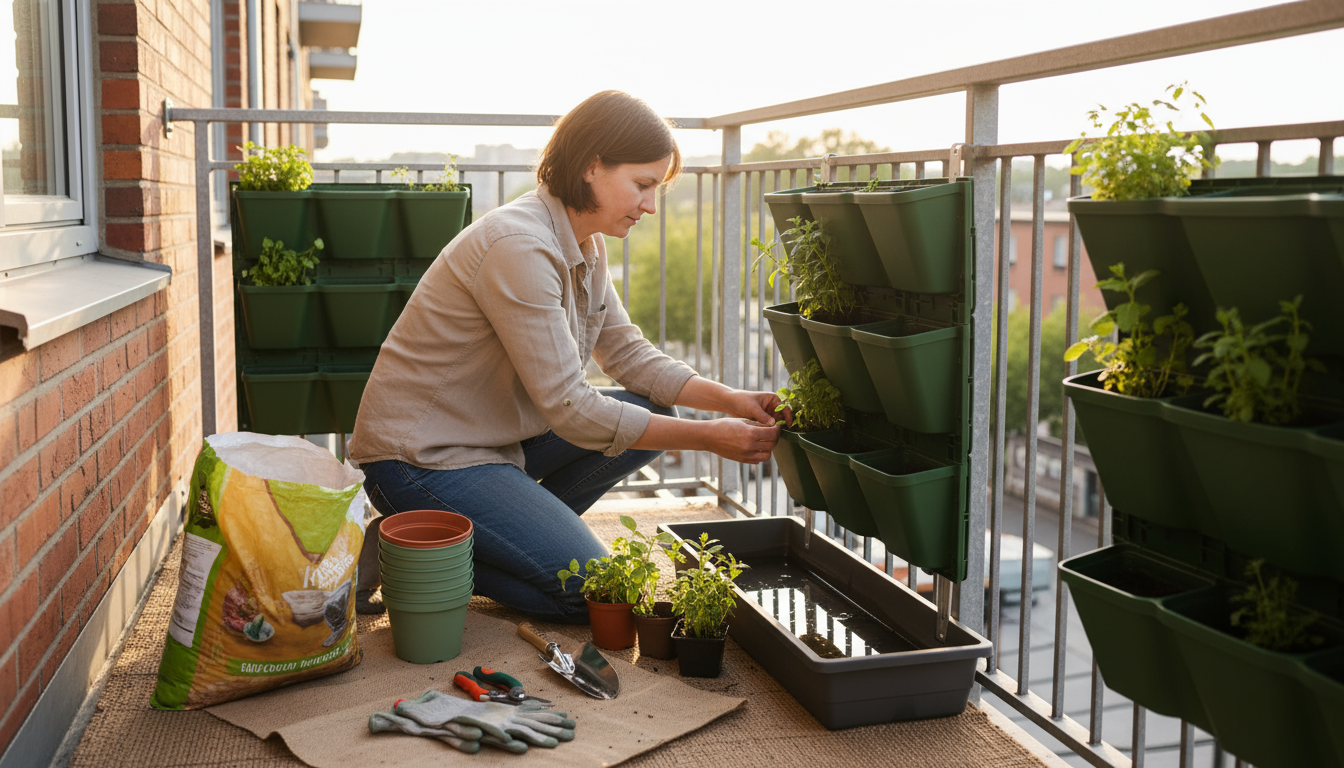
Step 3: Add Potting Mix
This step is critical for plant health:
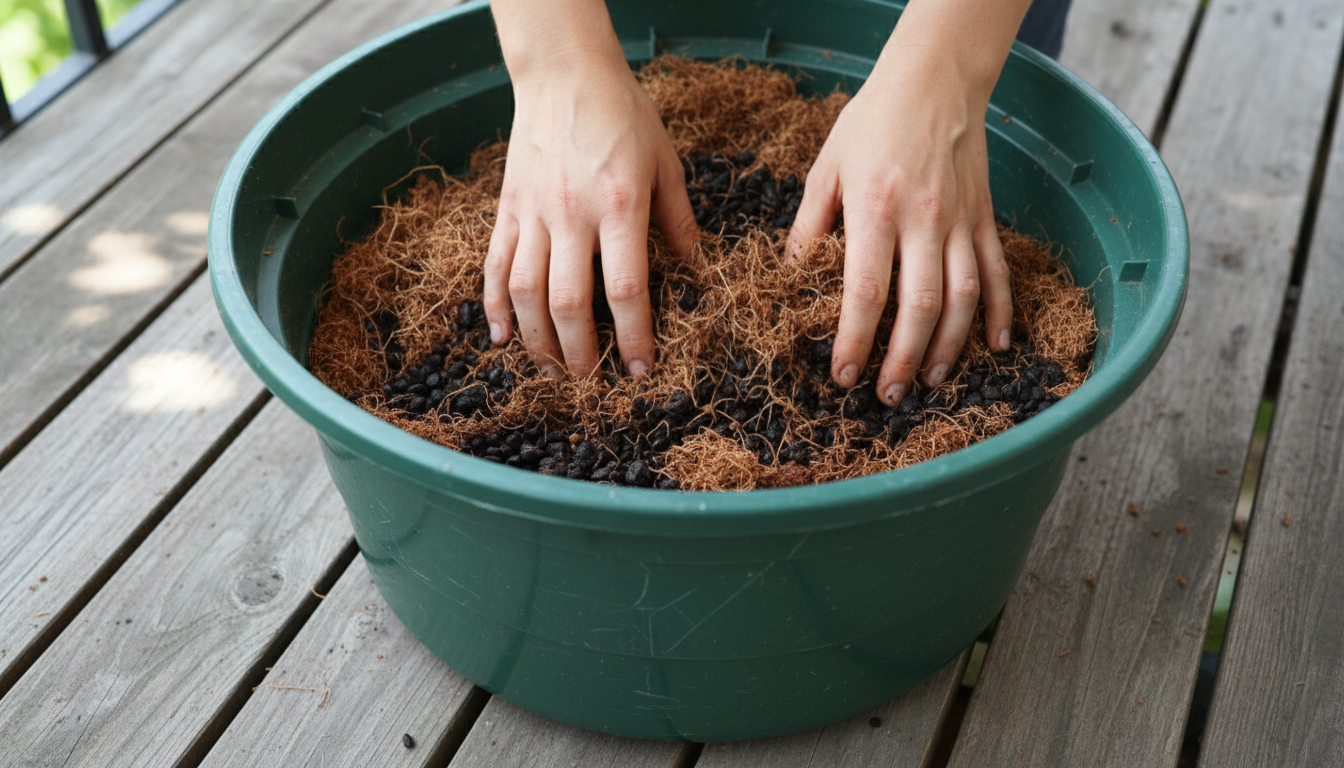
- Choose Lightweight Mix: Vertical gardens already add weight; a lightweight potting mix reduces the overall load. It also provides better aeration, which roots love.
- Fill Appropriately: Fill each pocket, pot, or section with potting mix, leaving about an inch of space from the top. Do not compact the soil too much, as this hinders root growth and drainage.
- Consider Amendments: For some plants, you might want to mix in a slow-release granular fertilizer or some compost to enrich the potting mix, especially if your plants are heavy feeders.
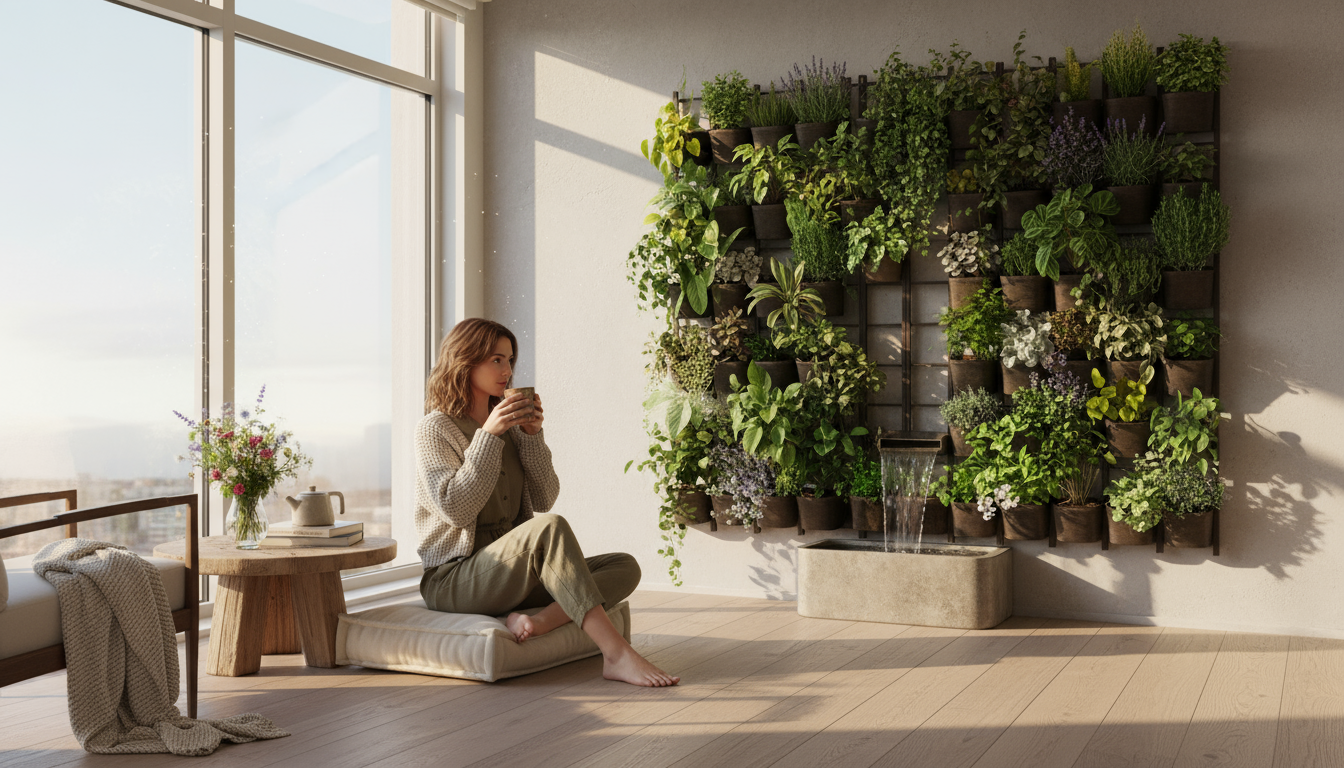
Step 4: Plant Your Chosen Varieties
Carefully transplant your plants into their new vertical homes:
- Gentle Handling: Remove plants from their nursery pots gently. Loosen any tightly bound roots at the bottom.
- Positioning: Place each plant into its designated spot in the vertical system. Ensure the plant’s crown (where the stem meets the roots) is level with the soil surface.
- Fill Gaps: Backfill around the plant with more potting mix, gently patting down to remove large air pockets, but do not compress firmly.
- Spacing: Adhere to recommended spacing for each plant. Overcrowding reduces air circulation and can lead to competition for nutrients and light, weakening your plants.
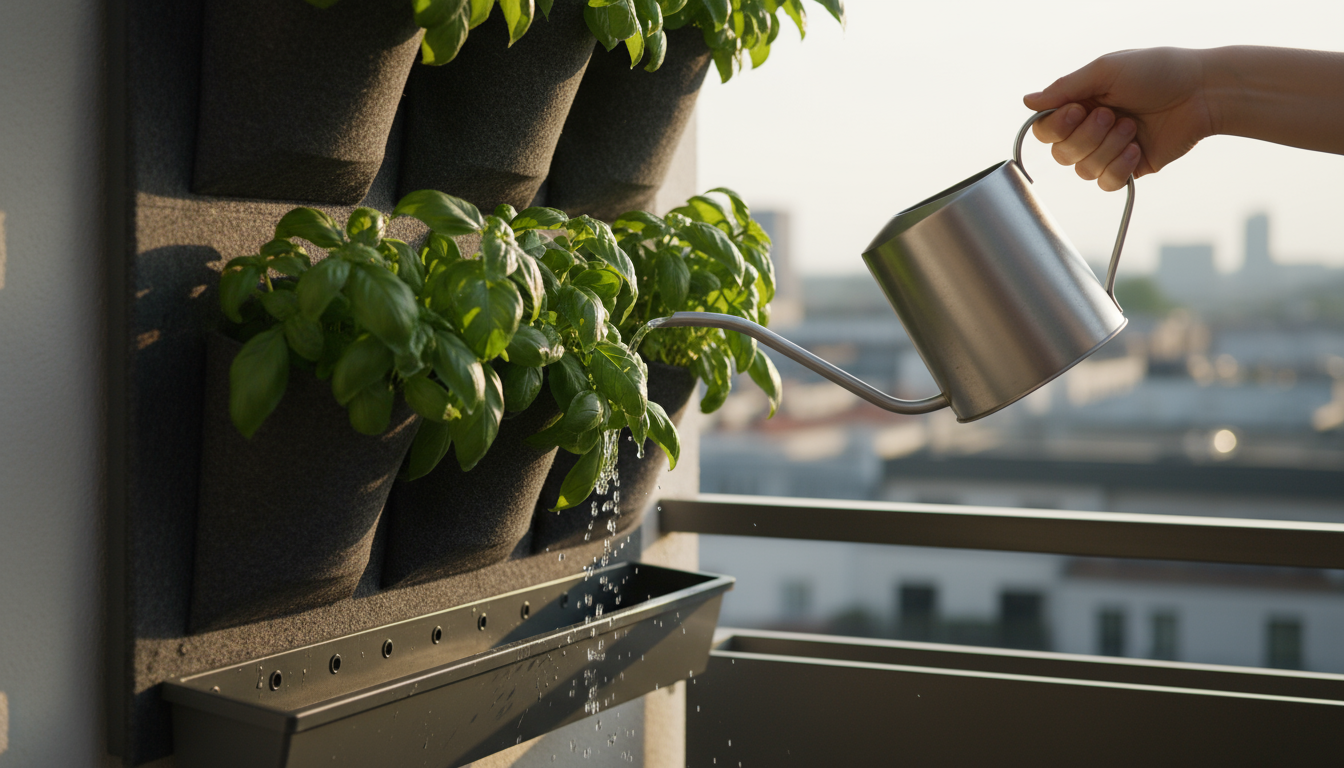
Step 5: Initial Watering
Watering immediately after planting helps settle the soil and reduce transplant shock:
- Thorough Soak: Water deeply until you see water draining from the bottom of each pocket or pot.
- Monitor Drainage: Observe how the water drains. If it pools for too long, your soil might be too dense, or drainage holes are insufficient. If it rushes through, it might not be absorbing well.
- Catch Runoff: Ensure your drip trays or catch basins are in place to collect any excess water. This prevents mess and potential water damage to your property or your downstairs neighbors’ area.
Step 6: Ongoing Placement and Adjustment
Your vertical garden is now set up, but the work isn’t quite finished:
- Optimal Positioning: Place your vertical garden in its final location, ensuring it receives the appropriate amount of sunlight.
- Observe and Adjust: Over the first few days and weeks, observe your plants closely. Are they perking up? Do they show signs of stress? You might need to adjust watering frequency or even slightly reposition the garden if light conditions are not ideal.
- Secure and Stable: Double-check that all components are secure and stable, especially after watering, which adds significant weight.
By following these steps, you will establish a strong foundation for a thriving vertical garden, bringing green joy and fresh produce right into your apartment.

Essential Care and Maintenance for Thriving Vertical Gardens
A vertical garden, like any garden, requires consistent care to flourish. Regular attention to watering, feeding, pruning, and pest management will ensure your plants remain healthy and productive.
Remember, vertical gardens often have different needs than in-ground gardens due to smaller soil volumes and increased exposure to air.
Watering Your Vertical Garden
Vertical gardens typically dry out faster than traditional beds because they have less soil volume and increased air circulation around the containers. This means you will likely need to water more frequently.
- Check Soil Moisture: The best way to determine when to water is to feel the soil. Stick your finger about an inch or two into the potting mix. If it feels dry, it’s time to water. Do not rely solely on a schedule; plant needs vary with temperature, humidity, and plant size.
- Water Thoroughly: When you do water, ensure you soak the soil until water drains from the bottom. This ensures water reaches all the roots.
- Avoid Overwatering: While frequent watering is often necessary, overwatering can still lead to root rot. Good drainage is key. Do not let pots sit in standing water.
- Morning is Best: Water in the morning when possible. This allows plants to absorb water before the heat of the day and gives foliage time to dry, reducing the risk of fungal diseases.
- Consider Drip Systems: For larger vertical gardens or if you travel frequently, a simple drip irrigation system or self-watering reservoir can automate watering and ensure consistency.
Fertilizing for Nutrient Boost
With limited soil volume, vertical garden plants quickly deplete nutrients. Regular feeding is essential for vigorous growth.
- Liquid Fertilizers: These are often easiest for vertical gardens. Apply a balanced liquid fertilizer (e.g., 5-5-5 or 10-10-10) every 2-4 weeks during the growing season, following product instructions carefully.
- Slow-Release Granules: You can mix slow-release granular fertilizer into the potting mix when planting. These release nutrients gradually over several months, reducing the need for frequent liquid feeding.
- Compost Tea: An organic option, compost tea provides a gentle nutrient boost and beneficial microbes.
- Observe Your Plants: Yellowing leaves can indicate a nutrient deficiency. Adjust your feeding schedule if your plants show signs of hunger.
Pruning and Training
Regular pruning keeps plants healthy, encourages new growth, and maintains the aesthetic appeal of your vertical garden.
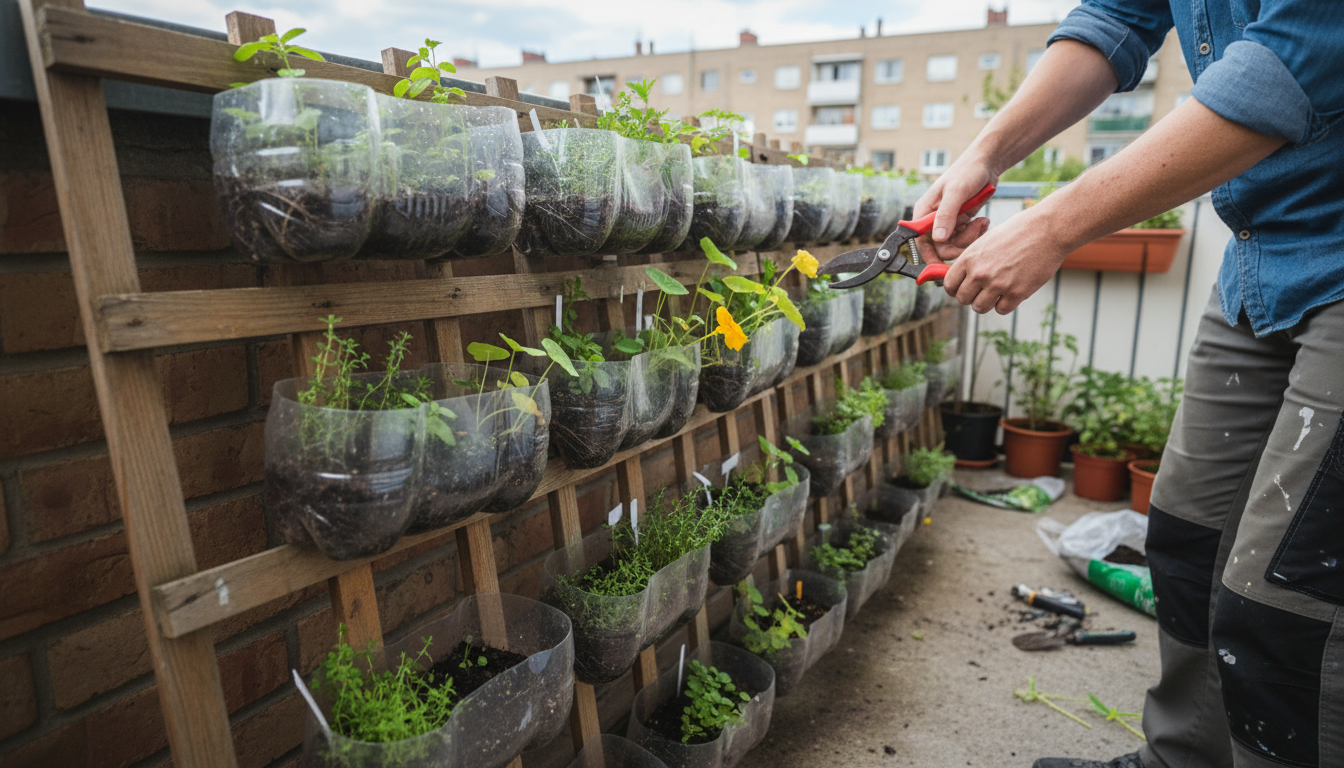
- Remove Dead or Diseased Parts: Promptly snip off any yellow, brown, or diseased leaves and stems to prevent the spread of issues.
- Pinch Back for Bushiness: For many herbs and flowering plants, pinching off the growing tips encourages them to branch out, resulting in a fuller, bushier plant. This is particularly important for plants that tend to get leggy in vertical setups.
- Harvest Regularly: For edible plants, consistent harvesting encourages more production. Do not let herbs or greens bolt (go to seed) unless you intend to collect seeds.
- Train Climbers: For plants on a trellis, gently guide new growth onto the support structure. Secure with soft ties if needed, but avoid tying too tightly, which can damage stems.
Pest and Disease Management
Even in a vertical garden, pests and diseases can appear. Early detection is key.
- Regular Inspection: Spend a few minutes each week inspecting your plants, checking the undersides of leaves for tiny insects like aphids, spider mites, or whiteflies. Look for unusual spots, discoloration, or distorted growth.
- Good Air Circulation: Ensure plants are not too crowded, as good air circulation helps prevent fungal diseases. Pruning also contributes to this.
- Natural Pest Control: For minor infestations, a strong spray of water can dislodge many pests. Insecticidal soap or neem oil are effective organic treatments for common pests. Apply in the early morning or evening.
- Quarantine New Plants: If introducing new plants to your vertical garden, keep them separate for a week or two to ensure they are pest and disease-free before integrating them.
Seasonal Adjustments
Your vertical garden’s needs may change with the seasons.
- Summer: Expect higher watering frequency due to heat and sun. Consider partial shade for sensitive plants if temperatures soar.
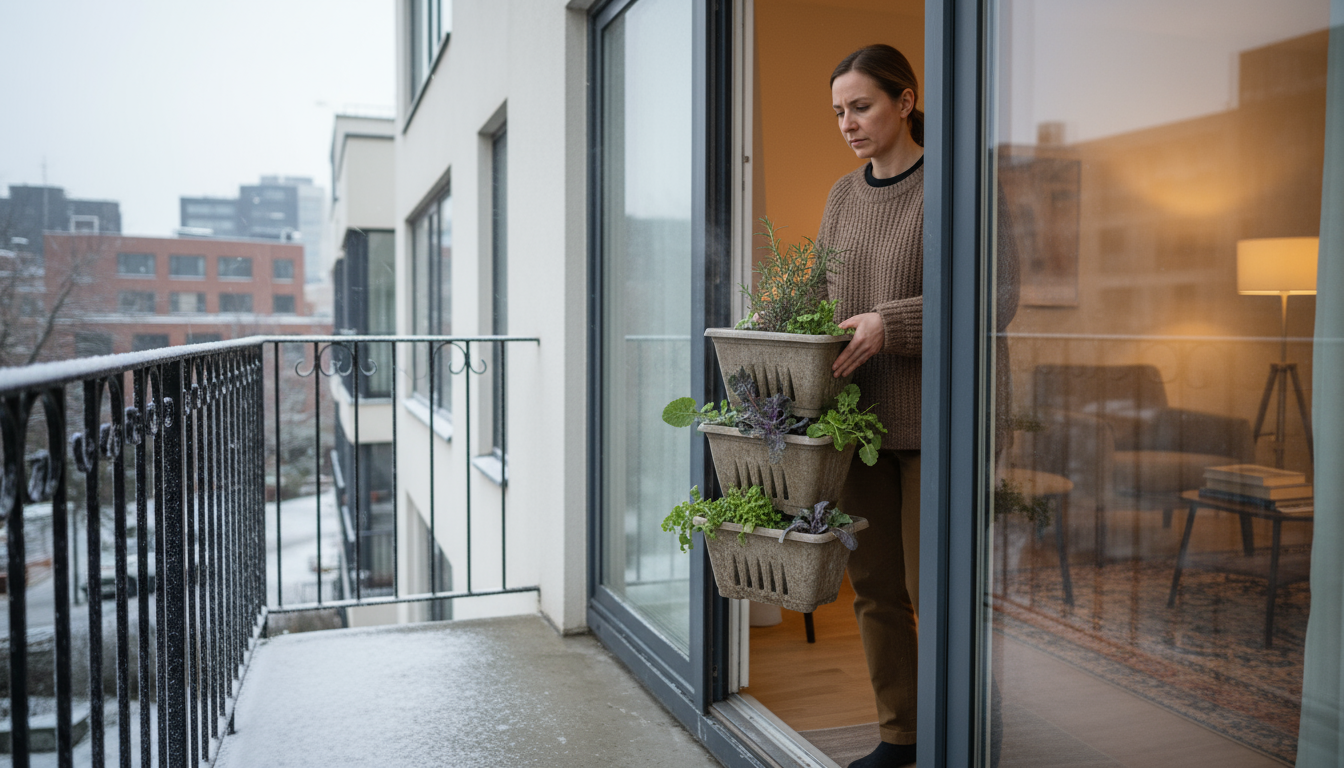
- Winter: For outdoor vertical gardens in colder climates, bring sensitive plants indoors or protect them from frost. Reduce watering as plants grow slower. If plants go dormant, consider rotating them out for a fresh planting in spring.
- Rotate Plants: If some plants receive more sun than others, rotate your containers or entire vertical garden (if movable) to ensure even exposure.
By integrating these care practices into your routine, you will cultivate a vibrant, healthy, and productive vertical garden that enhances your apartment living space for years to come.
Troubleshooting Common Vertical Garden Challenges
Even with careful planning, gardeners encounter issues. Understanding common problems and how to address them helps you quickly resolve setbacks and keep your vertical garden thriving.
Here are some frequent challenges and their practical solutions.
Challenge 1: Plants Drying Out Too Quickly
Cause: Smaller soil volume in vertical containers, increased exposure to air, strong sun, or insufficient watering.
Solution:
- Increase Watering Frequency: Check soil moisture daily, especially during hot or windy weather, and water more often.
- Amend Potting Mix: Mix in water-retentive materials like coco coir or vermiculite to help the soil hold moisture longer.
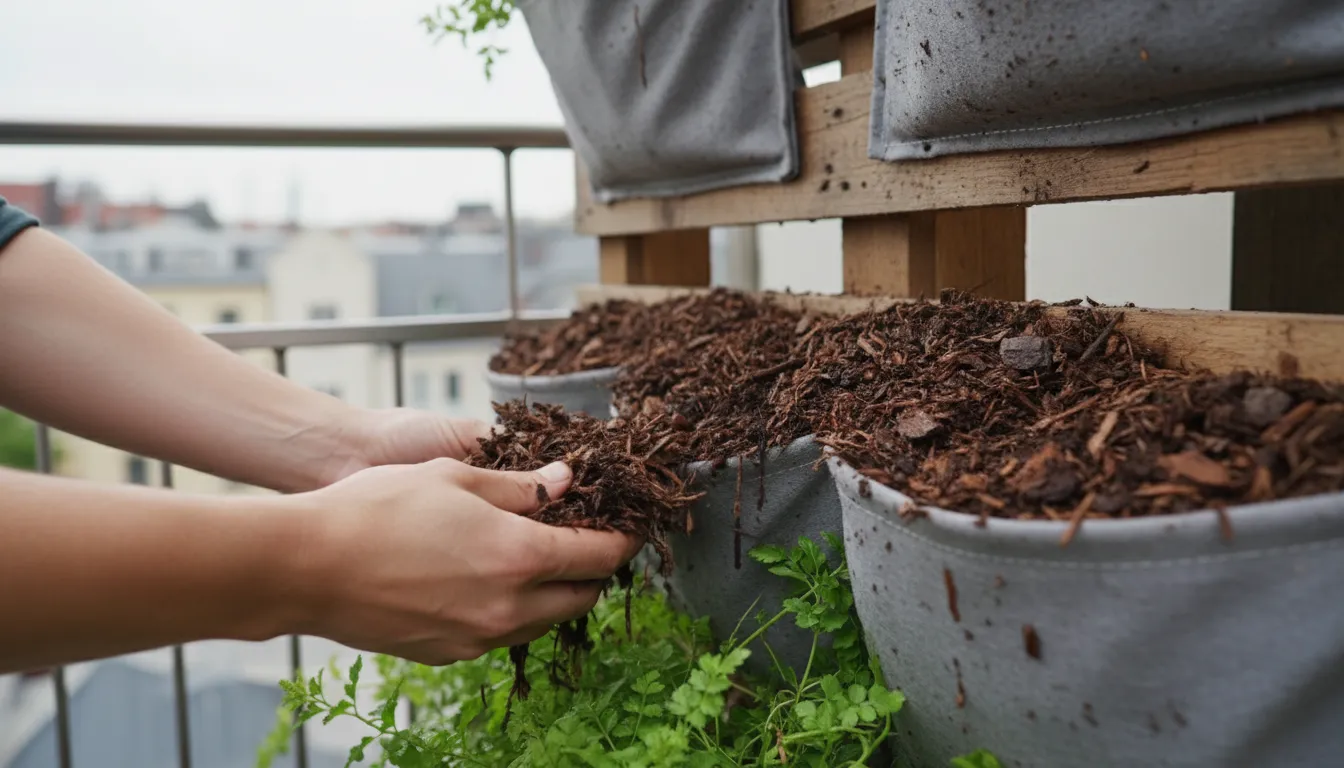
- Mulch: Apply a thin layer of shredded bark, coco coir, or pebbles on top of the soil in each pocket or pot to reduce evaporation.
- Consider a Self-Watering System: Upgrade to a system with reservoirs or install a drip irrigation setup for more consistent moisture.
- Provide Shade: For sun-sensitive plants, offer temporary shade during the hottest part of the day, or relocate to a shadier spot if possible.
Challenge 2: Overwatering and Root Rot
Cause: Poor drainage, too frequent watering in cool or humid conditions, or heavy, compacted soil.
Solution:
- Ensure Adequate Drainage: Verify all containers have drainage holes. If not, drill them. Ensure water can freely exit the system and is collected in a tray, not standing around roots.
- Use Lightweight Potting Mix: Avoid dense garden soil. Use a specialized potting mix designed for containers that offers excellent drainage.
- Check Soil Moisture Before Watering: Always feel the soil before watering. Only water when the top inch or two feels dry.
- Improve Air Circulation: Space plants appropriately. Prune dense foliage to allow better airflow, which helps dry out soil surface.
Challenge 3: Leggy or Stunted Growth
Cause: Insufficient light, lack of nutrients, or overcrowding.
Solution:
- Increase Light Exposure: Move your vertical garden to a sunnier location. If indoors, supplement with a full-spectrum grow light. Rotate your garden regularly for even light distribution.
- Fertilize Regularly: Vertical gardens deplete nutrients quickly. Implement a consistent feeding schedule with a balanced liquid fertilizer.
- Thin Out Plants: Remove weaker seedlings or prune back overcrowded plants to give remaining plants more room, light, and nutrients.
- Choose Appropriate Plants: Ensure your plant choices are suitable for the available light and container size.
Challenge 4: Pests and Diseases
Cause: Introduction of infected plants, poor air circulation, or environmental stress weakening plants.
Solution:
- Inspect Regularly: Catch issues early. Check undersides of leaves for pests.
- Isolate New Plants: Keep new plants separate for a week or two before adding them to your main garden.
- Use Organic Pest Control: For aphids, spider mites, or whiteflies, spray with insecticidal soap or neem oil. A strong jet of water can also dislodge many pests.
- Improve Airflow: Prune dense foliage to increase air circulation, deterring fungal diseases like powdery mildew.
- Sanitize Tools: Clean pruning shears and other tools regularly to prevent spreading diseases between plants.
Challenge 5: Algae Growth on Surfaces/Pipes
Cause: Constant moisture, sunlight on moist surfaces, or stagnant water in reservoirs.
Solution:
- Clean Regularly: Wipe down exposed surfaces, especially pipes or reservoirs, regularly to remove algae buildup.
- Paint Opaque: If using clear PVC pipes or bottles, paint the exterior with an opaque, non-toxic paint to block sunlight and inhibit algae growth.
- Improve Drainage/Circulation: Ensure water is not pooling unnecessarily. For self-watering systems, ensure proper water circulation.
- Introduce Beneficial Bacteria: In larger hydroponic vertical systems, certain beneficial bacteria can help control algae.
By proactively addressing these common challenges, you can prevent minor issues from becoming major problems, ensuring your vertical garden remains a vibrant and low-maintenance feature in your apartment.
Eco-Friendly Vertical Gardening: Sustainable Practices
At SimpleGardenJoy.com, we believe gardening should be both rewarding and responsible. Vertical gardening naturally lends itself to sustainable practices, allowing you to minimize your environmental footprint even in a small apartment.
By making conscious choices, you can create a green space that benefits both you and the planet.
Repurpose and Upcycle Materials
One of the most impactful ways to garden sustainably is to give new life to old items. Many vertical garden ideas are perfect for repurposing:
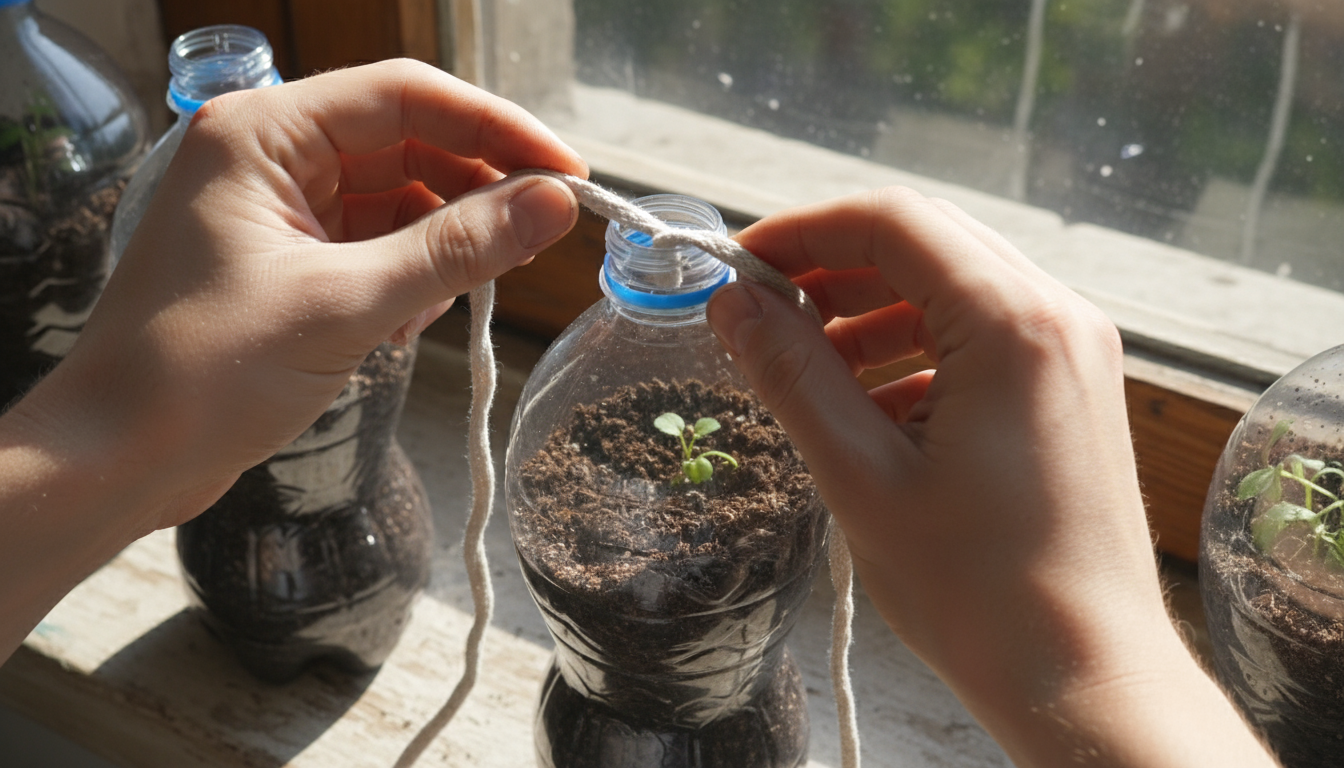
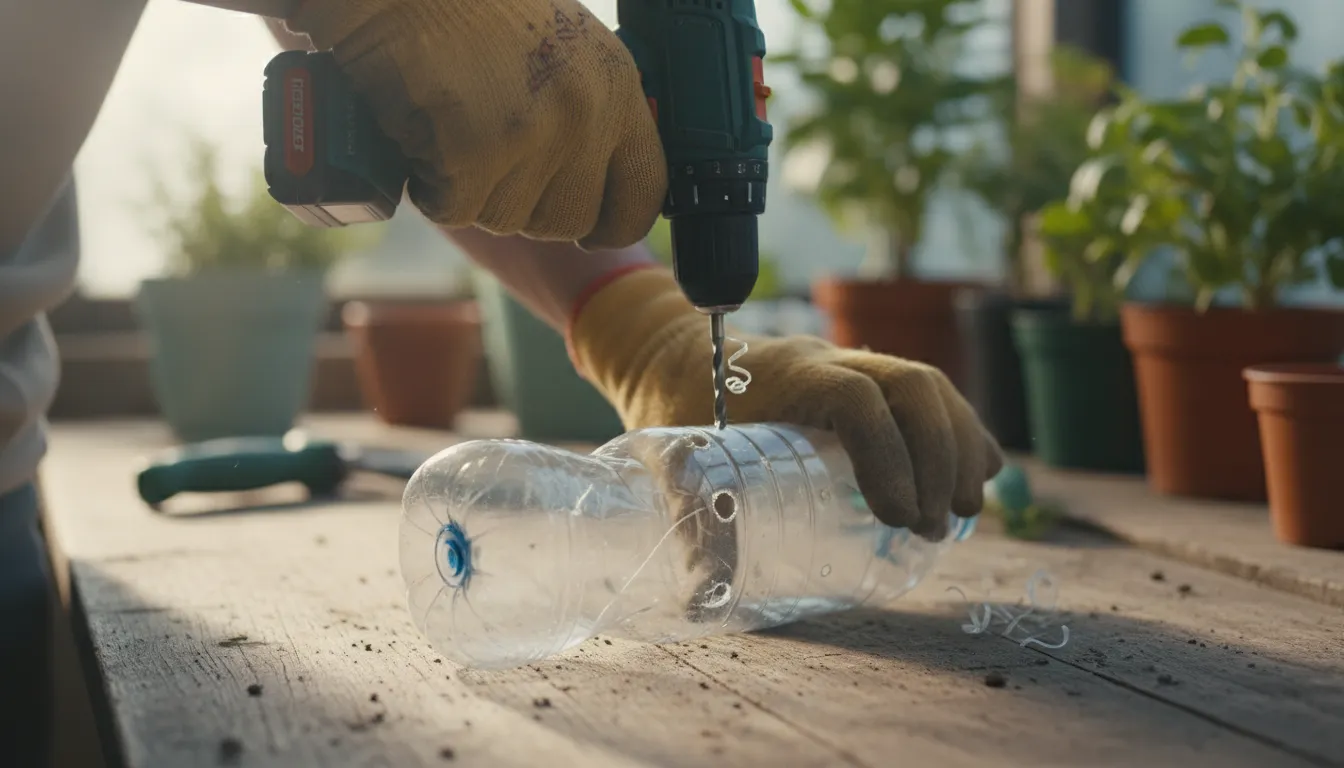
- Plastic Bottles: Transform discarded soda or water bottles into individual planters, often incorporating self-watering wicks. This diverts plastic from landfills.
- Wooden Pallets: Salvaged pallets can be cleaned and reconfigured into sturdy tiered gardens. Always ensure they are heat-treated (HT) and not chemically treated (MB).
- Rain Gutters: Old rain gutters or remnants from construction projects can become linear planting beds.
- Old Furniture: Repurpose old dressers, shelves, or even shoe organizers into unique vertical planters.
- Coffee Cans or Food Tins: Cleaned and decorated cans make excellent small containers for herbs or succulents. Remember to drill drainage holes.
By choosing repurposed materials, you reduce waste, conserve resources, and often save money, aligning perfectly with an eco-conscious ethos.
Conserve Water Smartly
Water is a precious resource, and efficient watering practices are vital for any garden, especially in vertical setups where containers can dry out quickly.
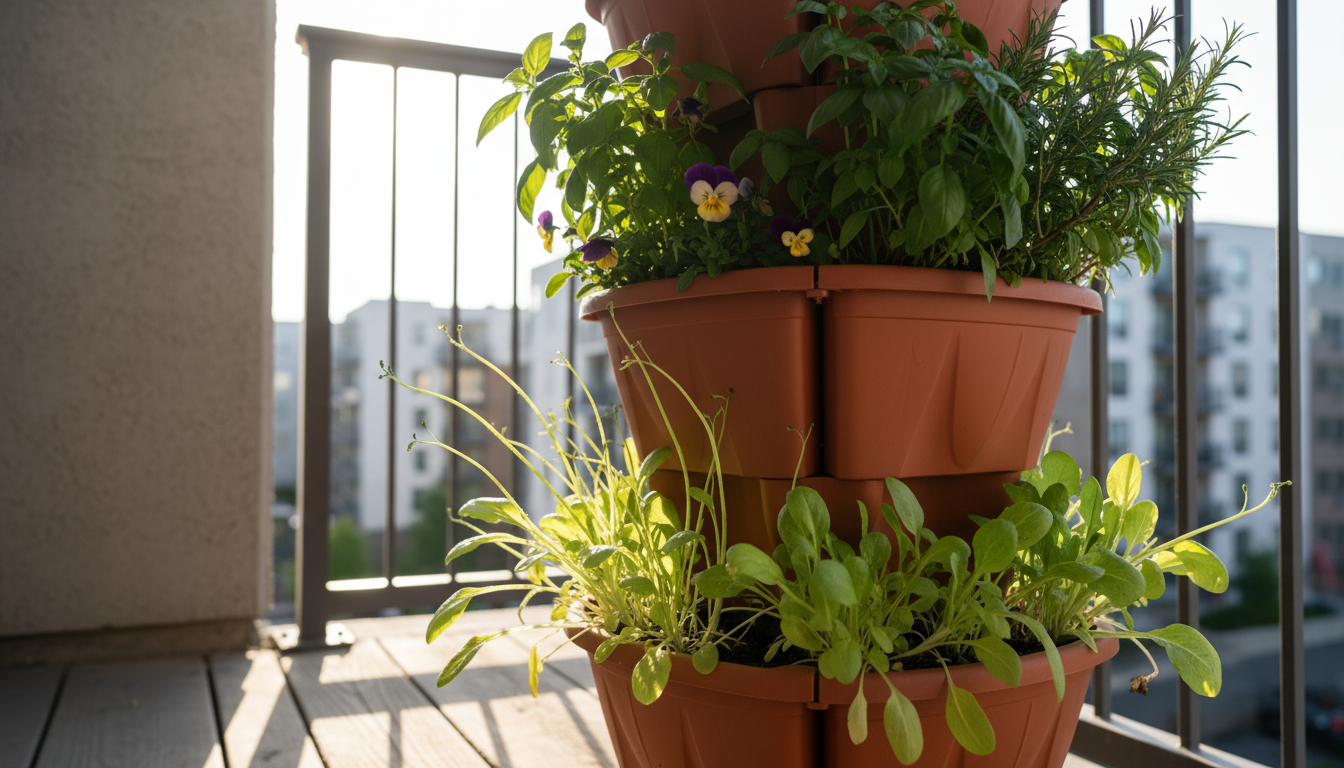
- Drip Irrigation or Self-Watering Systems: These methods deliver water directly to the plant roots, minimizing evaporation and runoff. They can reduce water usage by up to 50% compared to overhead watering.
- Mulch: Apply a layer of organic mulch (like coco coir, wood chips, or pebbles) to the top of your soil. This insulates the soil, reduces water evaporation, and keeps roots cooler.
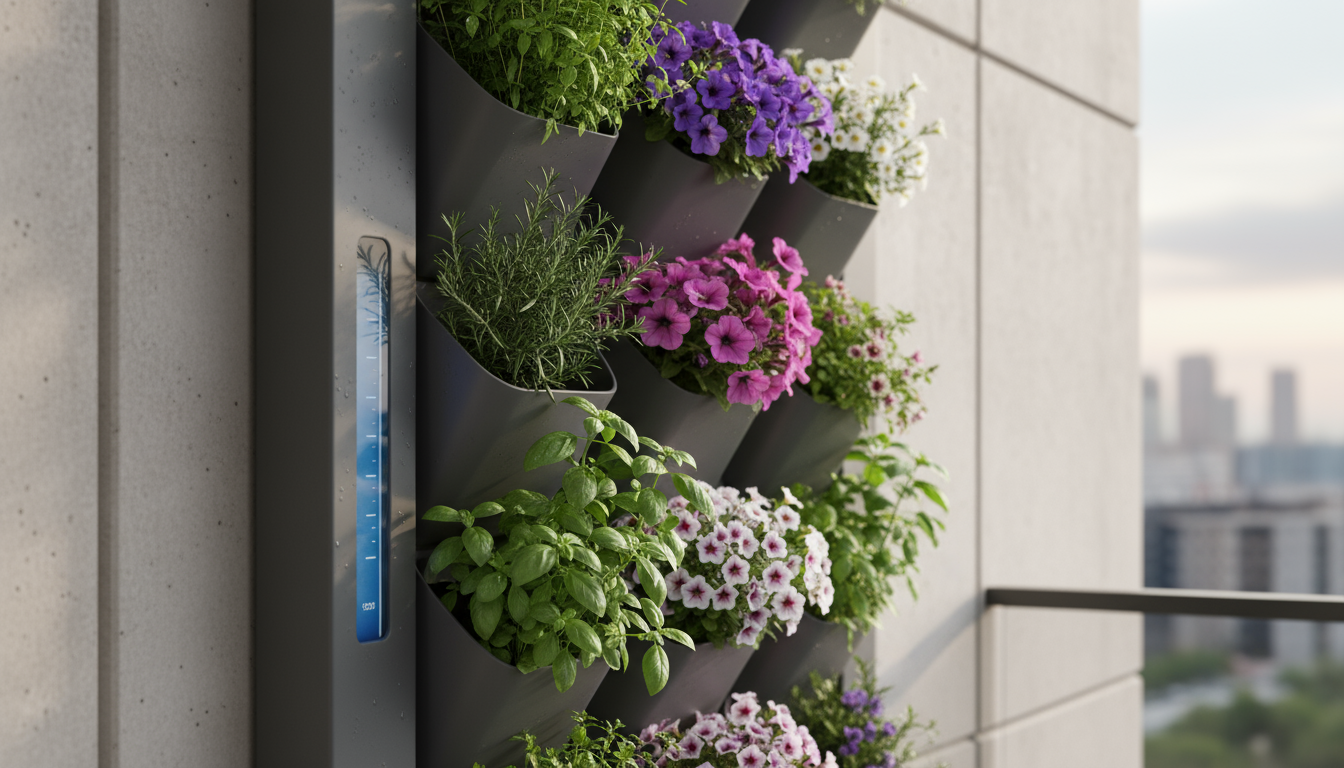
- Collect Rainwater: If you have a balcony, consider a small rain barrel or container to collect rainwater. This chemical-free water is excellent for plants and reduces your reliance on tap water.
- Water in the Morning: Watering early in the day allows water to soak in before the sun evaporates it, and gives foliage time to dry, reducing disease risk.
Choose Sustainable Potting Mixes
The foundation of your vertical garden is the soil. Make environmentally friendly choices for your potting mix:
- Peat-Free Mixes: Peat harvesting damages peat bogs, which are vital ecosystems and carbon sinks. Opt for peat-free potting mixes that use alternatives like coco coir, compost, or rice hulls.
- Compost: Incorporate your own homemade compost (if space allows) or purchased organic compost. It enriches the soil, improves water retention, and provides a slow release of nutrients, reducing the need for synthetic fertilizers.
- Vermicompost (Worm Castings): These are nutrient-rich and excellent for boosting plant health naturally.
Practice Integrated Pest Management (IPM)
IPM focuses on prevention and non-chemical solutions to control pests, protecting your plants and the environment.
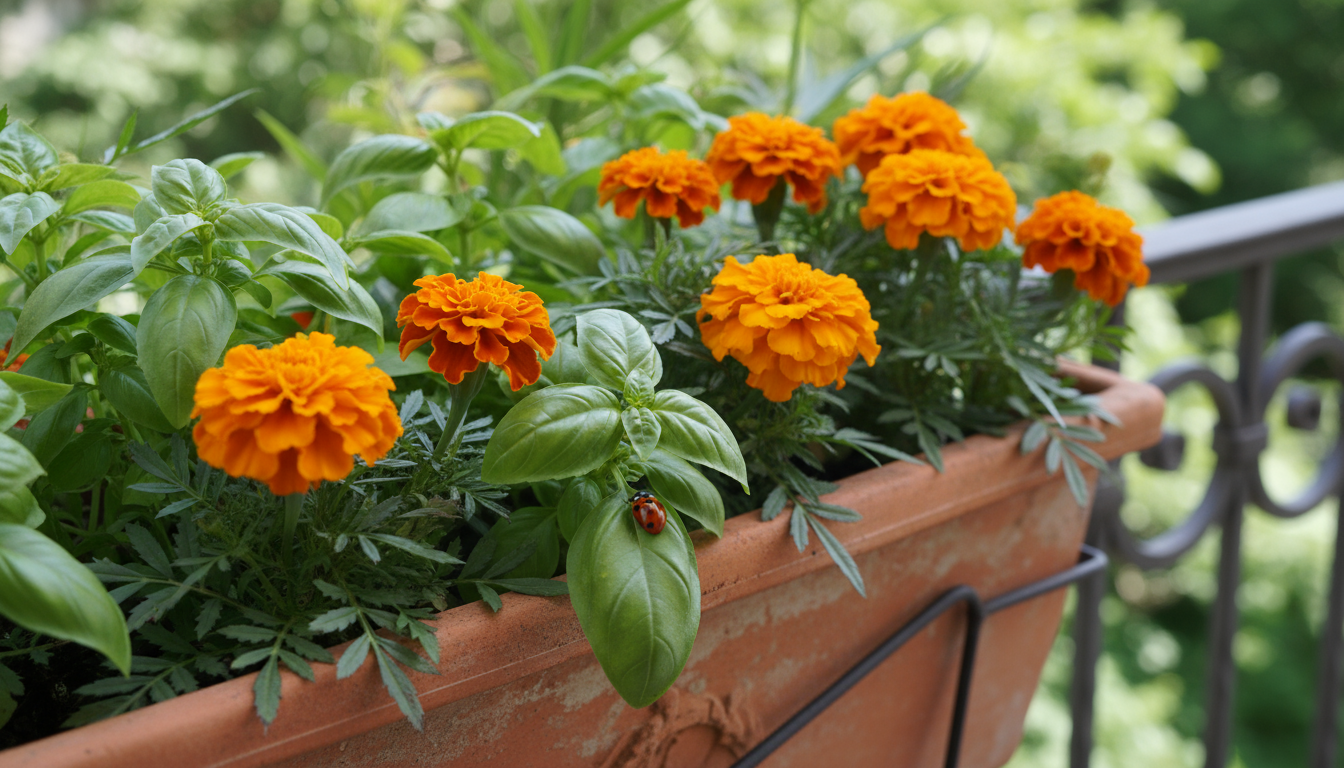
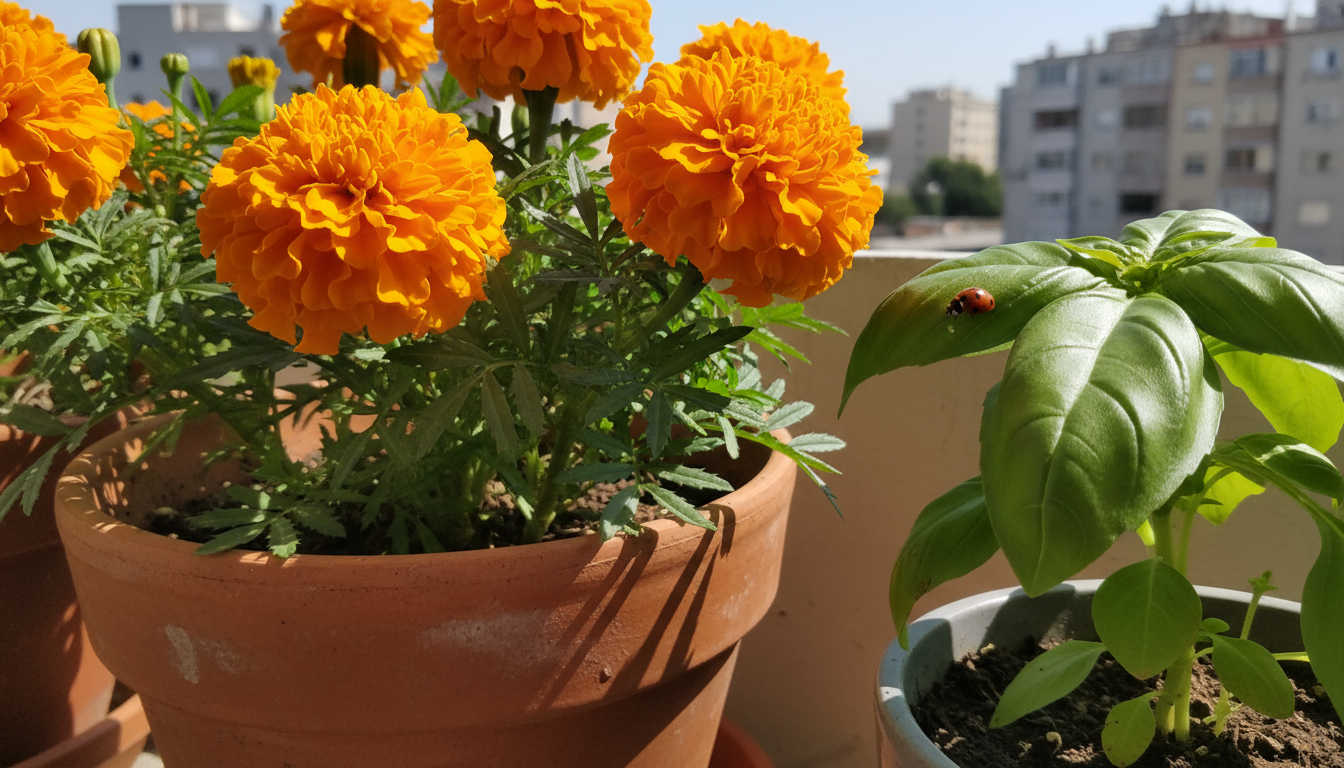
- Beneficial Insects: Encourage natural predators like ladybugs by planting companion flowers.
- Hand-Picking: For larger pests, simply remove them by hand.
- Organic Sprays: Use insecticidal soap, neem oil, or homemade garlic/chili sprays as a last resort for stubborn infestations. These break down quickly and do not harm beneficial insects or the environment like synthetic pesticides.
- Companion Planting: Some plants deter pests naturally. Marigolds, for example, can deter nematodes and other harmful insects.
Grow Organically
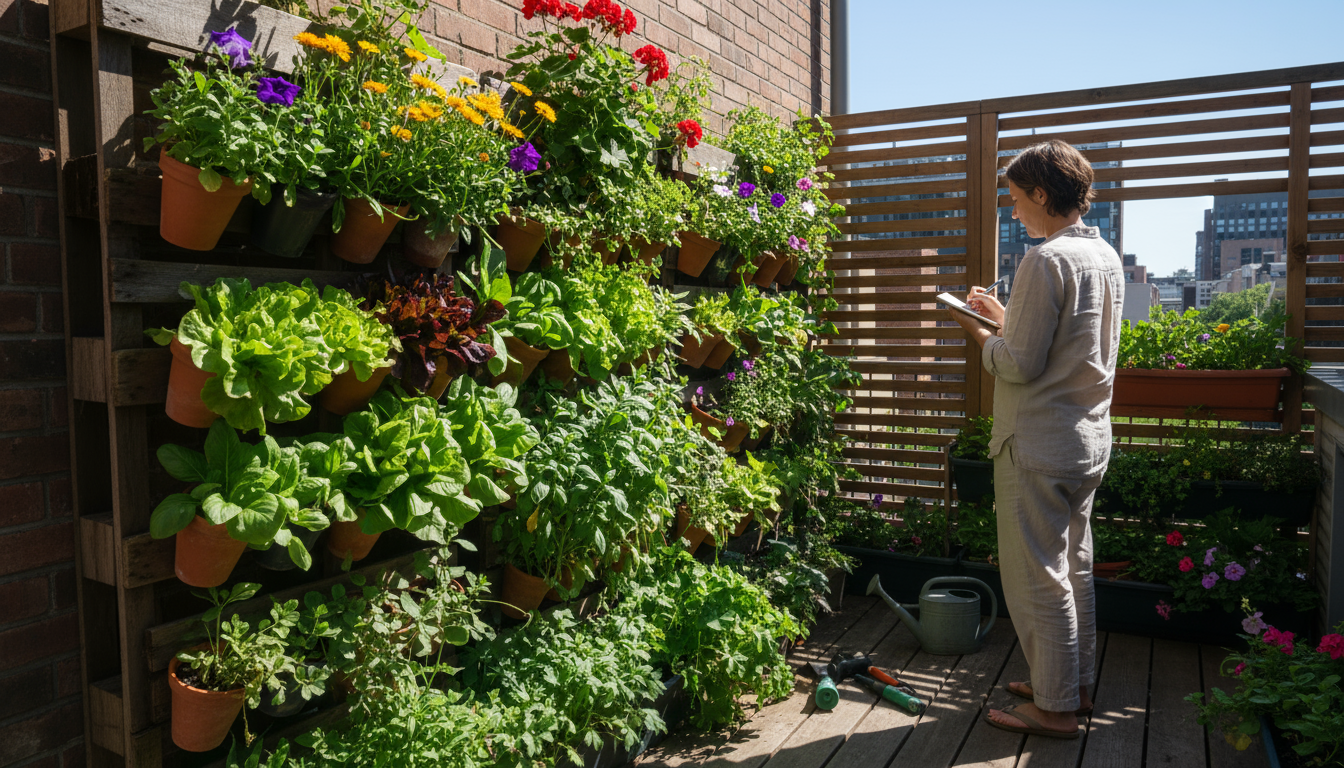
Commit to avoiding synthetic chemical pesticides and fertilizers. Organic gardening methods nurture the soil, support beneficial insects, and ensure your edible plants are free from harmful residues.
Compost Food Scraps (Even in Small Spaces)
Even in an apartment, you can divert food waste from landfills. A small indoor worm bin (vermicomposting) is odorless and incredibly efficient at turning kitchen scraps into rich fertilizer for your vertical garden.
By embracing these eco-friendly practices, your vertical garden becomes more than just a beautiful feature; it becomes a testament to sustainable living, providing you with fresh produce and a connection to nature, all while minimizing your impact on the planet.
Frequently Asked Questions
What types of plants grow best in vertical gardens?
Plants with shallow root systems, compact growth habits, or those that naturally trail or climb are ideal.
Excellent choices include leafy greens (lettuce, spinach, kale), most culinary herbs (basil, mint, rosemary), strawberries, compact cherry tomato varieties, bush beans, small peppers, and a wide array of flowers like petunias, nasturtiums, or impatiens.
Succulents and air plants also thrive in many vertical setups, especially decorative ones. Always match your plant choice to the light conditions of your vertical garden location.
How often do I need to water a vertical garden?
Watering frequency depends heavily on several factors: the type of vertical system, the size of the plant containers, the type of plants, and environmental conditions (temperature, humidity, wind). Smaller containers and hotter weather require more frequent watering.
Many vertical gardens need watering daily or every other day during peak growing season. Always check the soil moisture by feeling it with your finger; water when the top inch or two feels dry.
Self-watering systems or drip irrigation can reduce manual watering frequency significantly.
Can I grow vegetables in a vertical garden in my apartment?
Absolutely! Vertical gardens are excellent for growing many edibles.
You can grow herbs, leafy greens like lettuce and spinach, strawberries, radishes, bush beans, small peppers, and even compact varieties of cherry tomatoes or cucumbers. The key is choosing varieties that do not require deep root space and matching them to your available sunlight.
Vertical systems like pallet gardens, rain gutters, or PVC pipe systems are particularly well-suited for productive vegetable growing.
What about drainage? Will water damage my apartment or balcony?
Proper drainage is crucial for plant health and preventing damage. All containers or pockets in your vertical garden must have drainage holes to prevent root rot.
If indoors or on a balcony above other units, you must incorporate a system to catch excess water. This can be individual drip trays under pots, a continuous catch basin at the bottom of a tiered system, or a waterproof backing for fabric pocket planters.
Always ensure runoff is contained and diverted away from structures to prevent water damage or nuisance to neighbors.
Are vertical gardens heavy? What if my wall can’t support the weight?
A vertical garden can become surprisingly heavy once filled with wet soil, water, and mature plants. For example, a square foot of wet soil can weigh 80-100 pounds.
You must assess the weight capacity of your wall or railing. For lighter options, consider fabric pocket planters, hanging shoe organizers, or freestanding ladder shelves.
For heavier systems like large pallet gardens or modular living walls, ensure they are securely mounted into wall studs or appropriate anchors, or consider freestanding options. Always prioritize safety in installation and consult your landlord if you are a renter.
Getting Started with Your Apartment Vertical Garden
Embarking on your vertical gardening journey in an apartment is an exciting and rewarding endeavor. You have discovered 15 creative ways to transform your small space into a vibrant, productive oasis, along with essential guidance on plant selection, setup, and maintenance.
Remember, every successful garden starts with a single step, and the beauty of vertical gardening is its adaptability and accessibility.
Do not feel overwhelmed by all the options. Begin by choosing one idea that resonates with you and fits your current space and budget.
Perhaps a simple hanging shoe organizer for herbs on your balcony, or a small ladder shelf for succulents by a sunny window. Experiment with a few easy-to-grow plants to build your confidence.
Your apartment vertical garden will not only provide fresh produce and beautiful aesthetics but also offer a calming connection to nature in your urban environment.
You are not just growing plants; you are cultivating a lifestyle that embraces sustainability, creativity, and the joy of green living in any space, no matter how small. Grab your trowel, select your plants, and start building your elevated green sanctuary today.
For trustworthy gardening information, visit: Michigan State University Extension — Gardening, Ohio State University Extension — Gardening, University of Wisconsin Extension — Horticulture and Iowa State University Extension — Yard & Garden. These organizations provide expert, research-based advice for gardeners at all levels.
Disclaimer: This article is for informational purposes only and is not a substitute for professional gardening advice. Always consult local extension services or horticulture experts for region-specific guidance.
Can someone call me
I really liked the way the information is presented. Simple and informative. Thanks.