
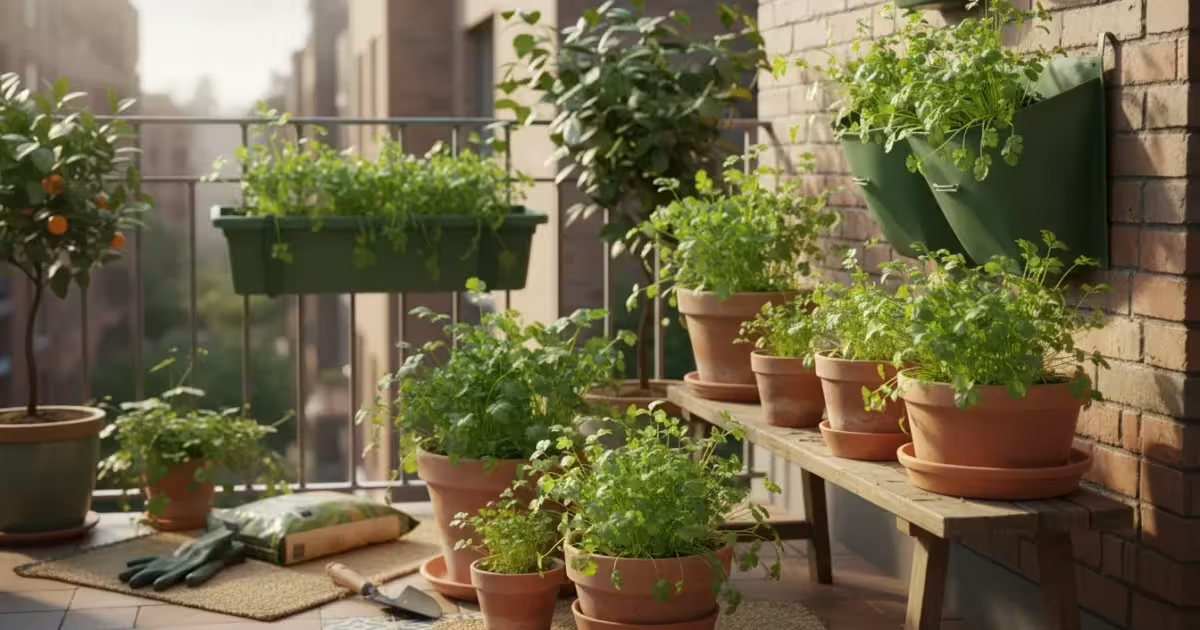
Cilantro, with its vibrant, fresh flavor, elevates countless dishes, from zesty salsas to aromatic curries. If you love its distinctive taste, you understand the frustration of seeing your carefully tended plants suddenly shoot upwards, producing flowers instead of flavorful leaves. This common phenomenon, known as bolting, happens quickly, especially as temperatures rise, turning your lush herb into a bitter disappointment. But what if you could enjoy a continuous supply of fresh cilantro all summer long, even from a single pot on a sun-drenched balcony? It is not only possible, it is entirely within your reach.
If balcony conditions become too scorching during midsummer, you can also grow herbs indoors to secure a steady harvest in a temperature-controlled setting.
As your dedicated gardening coach, I will guide you through the precise strategies needed to outsmart the heat and keep your cilantro productive. This deep dive focuses on practical, small-space solutions, ensuring you can cultivate a thriving supply of this essential herb without needing extensive garden beds. You will learn about selecting the right varieties, optimizing your growing conditions, and implementing smart gardening techniques that promote leafy growth while delaying bolting. Get ready to transform your approach to growing cilantro, securing a summer full of fresh flavor directly from your patio or balcony.
Understanding Cilantro: Why It Bolts and How to Fight Back
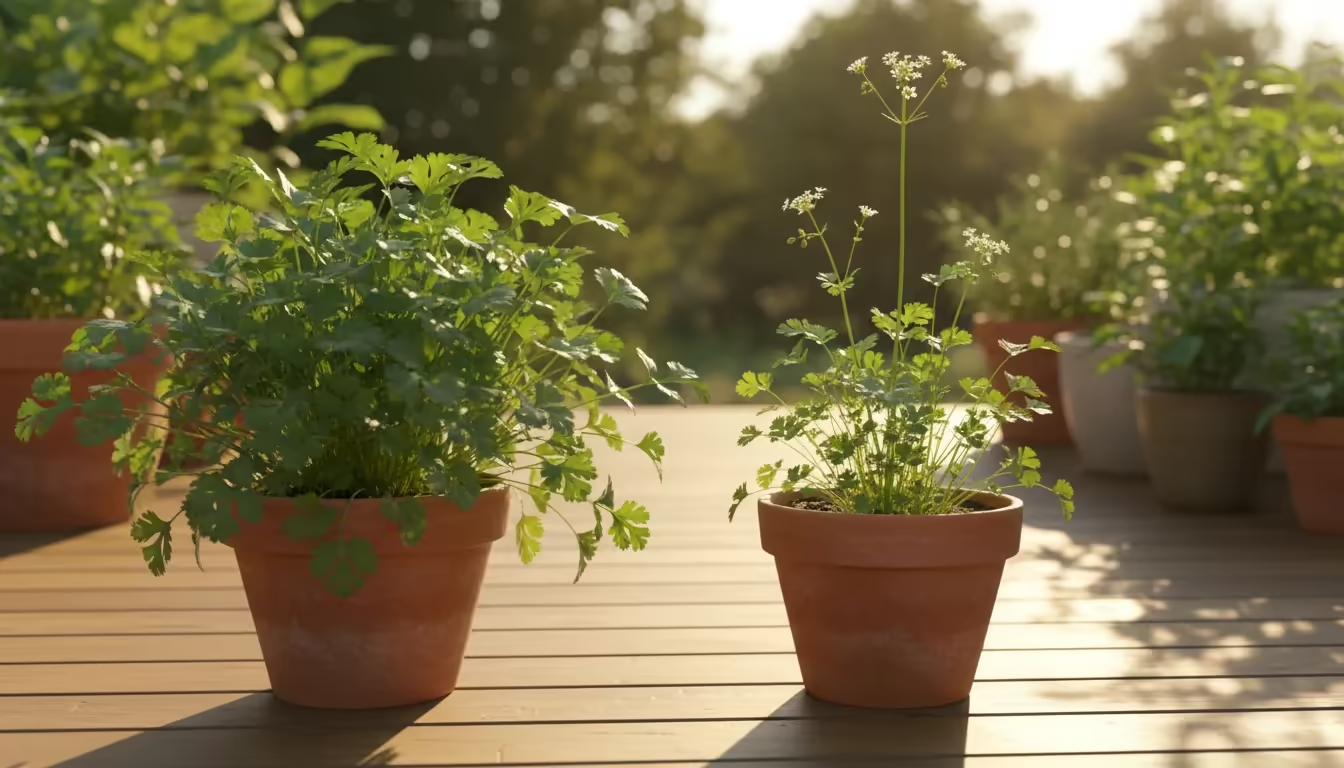
Cilantro, botanically known as Coriandrum sativum, is an annual herb with a natural life cycle that involves growing, flowering, and setting seed. Bolting is simply a natural progression in this cycle. However, for gardeners focused on culinary uses, bolting marks the end of delicious leafy harvests. When cilantro bolts, the plant rapidly sends up a central flower stalk, produces small white flowers, and then forms seeds. This process diverts the plant’s energy from leaf production to reproduction. The leaves become smaller, more sparse, and often develop a bitter, unpleasant taste, losing their characteristic fresh aroma. Understanding the triggers for bolting is your first step in preventing it.
The primary trigger for cilantro bolting is temperature. Cilantro prefers cool weather, ideally between 50 and 75 degrees Fahrenheit (10 to 24 degrees Celsius). When temperatures consistently rise above 75 F (24 C), especially combined with long daylight hours, the plant perceives its growing season is ending. It then rushes to produce seeds to ensure the next generation, a survival mechanism. This explains why cilantro thrives in spring and fall but struggles in the peak heat of summer.
Beyond temperature, other environmental stressors contribute to premature bolting. Inconsistent watering is a major culprit. If the soil repeatedly dries out completely before being watered again, it stresses the plant, signaling a need to reproduce quickly. Similarly, nutrient deficiencies or imbalances can weaken the plant, making it more susceptible to bolting. Overcrowding in a pot also creates competition for resources, leading to stress. Even simply reaching maturity will eventually trigger bolting, which is why succession planting becomes so vital. By recognizing these triggers, you can implement targeted strategies to mitigate their effects and extend your cilantro harvest.
Choosing Your Champion: Heat-Tolerant Cilantro Varieties
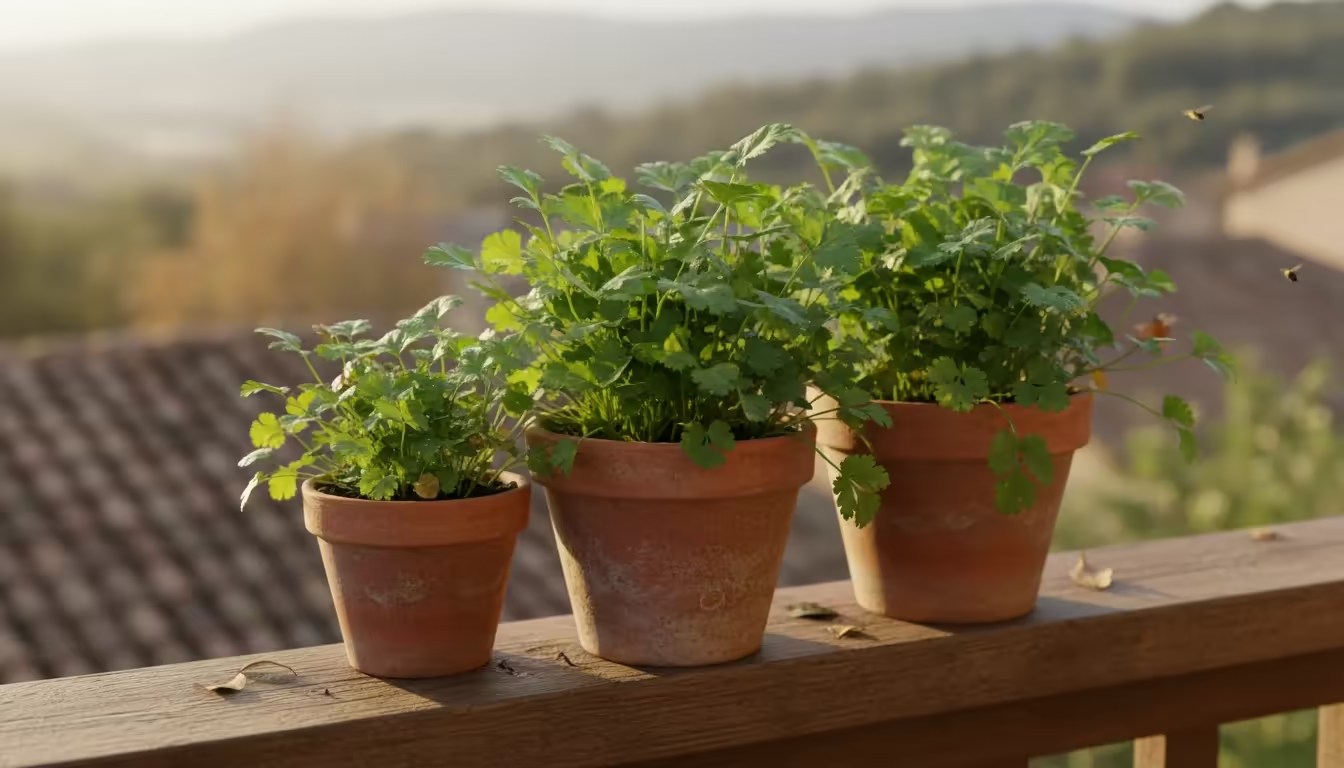
While all cilantro eventually bolts, some varieties exhibit a greater resistance to high temperatures and slower bolting tendencies. Selecting these “slow-bolt” or “heat-tolerant” varieties is a foundational step in your summer-long cilantro strategy. These specialized cultivars have been bred to withstand warmer conditions for longer, giving you a significantly extended harvest window compared to standard varieties.
Gardeners in particularly hot microclimates can also pair cilantro with heat-loving herbs that won’t bolt to keep patio containers productive all season.
Here are some of the top heat-tolerant varieties to consider for your balcony herb garden:
- ‘Slow Bolt’: As its name suggests, this variety is specifically developed to resist bolting. It maintains its leafy growth and fresh flavor even as temperatures climb, making it an excellent choice for summer growing.
- ‘Santo’: A very popular choice among gardeners, ‘Santo’ is known for its robust growth, abundant leaves, and good resistance to bolting. It is a reliable performer in many climates.
- ‘Calypso’: This variety is praised for its dense, upright growth habit and its ability to produce leaves for a longer period before flowering. Its vigorous growth ensures you get plenty of harvests.
- ‘Leisure’: ‘Leisure’ offers a classic cilantro flavor and is another variety selected for its slower bolting characteristics. It provides consistent harvests of broad, flavorful leaves.
- ‘Delfino’: While sometimes referred to as ‘Cilantro Dill’ due to its delicate, fern-like leaves, ‘Delfino’ is a true cilantro variety. It is notable for its excellent flavor and its superior heat tolerance, making it a great option for hot climates.
You find these varieties available as seeds from reputable garden suppliers. Investing in these specific seeds is a small step that makes a monumental difference in your success. Always check the seed packet descriptions for terms like “slow bolt,” “heat tolerant,” or “bolt resistant” to confirm you are selecting the best options for growing cilantro in pots on a hot balcony. These varieties empower you to challenge the conventional wisdom that cilantro is strictly a cool-weather crop, turning your single pot into a long-term flavor factory.
The Perfect Pot and Prime Placement for Success
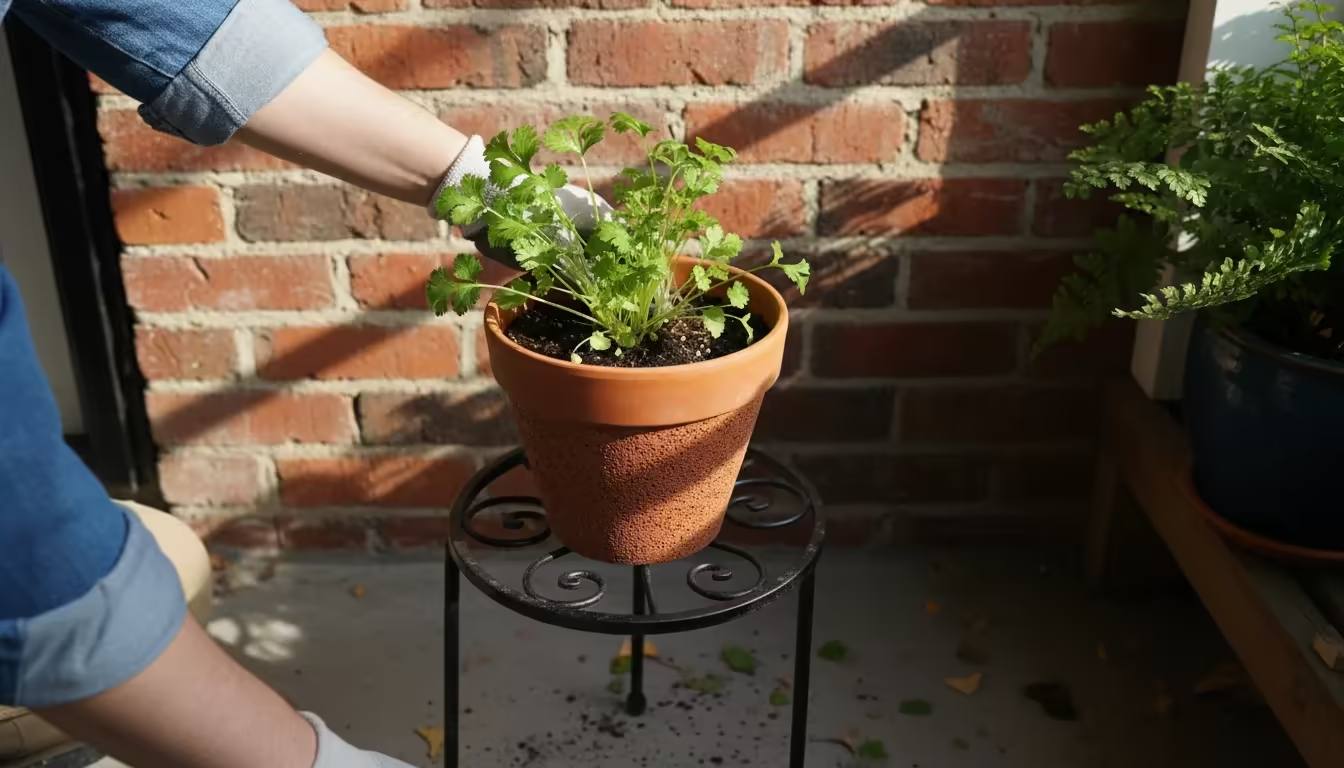
The right container and its strategic placement are critical for maintaining healthy cilantro, especially when battling summer heat. Your goal is to provide a stable, well-drained environment that minimizes stress on the plant.
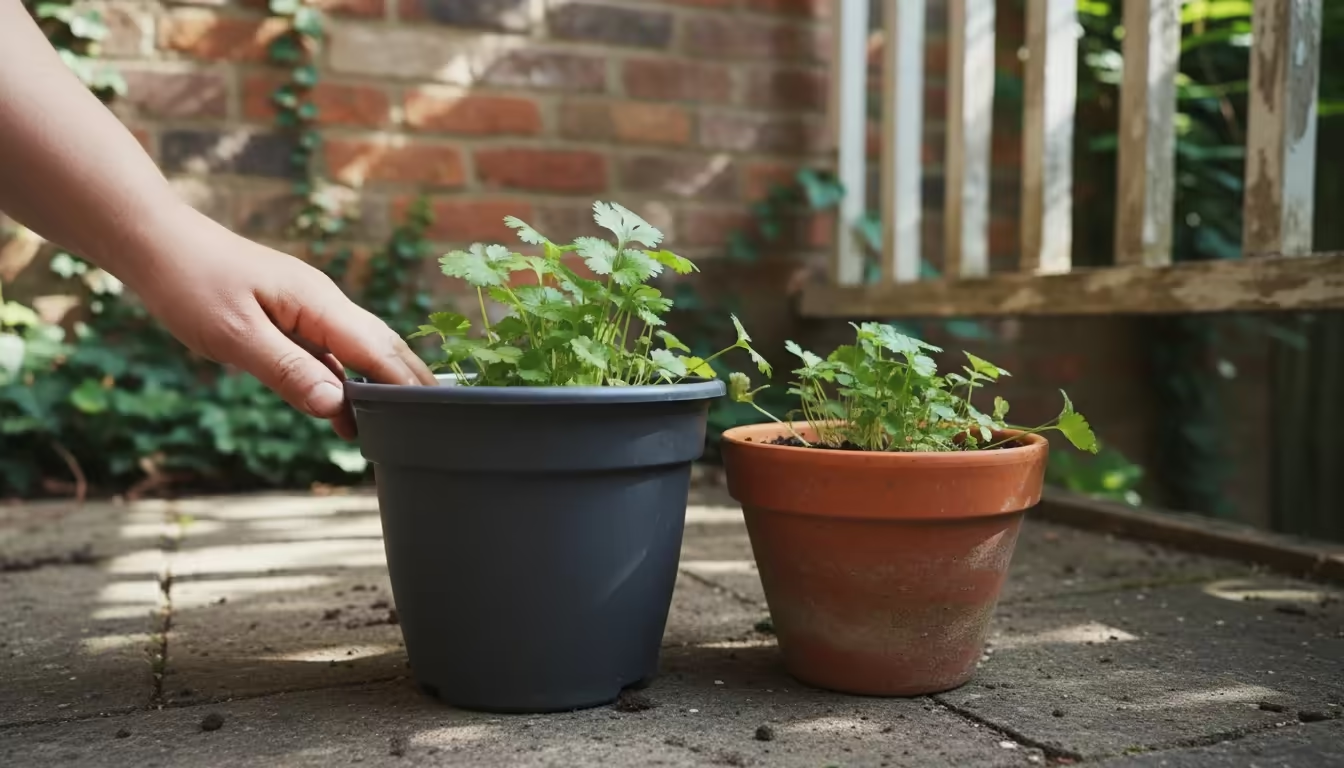
Choosing the Right Pot
Container size directly impacts soil volume and moisture retention. A larger pot offers more soil, which insulates roots from temperature fluctuations and holds moisture more consistently. For a single cilantro plant, or even a small cluster grown via succession planting, a pot that is at least 8-10 inches (20-25 cm) in diameter and depth provides sufficient space for root development and soil volume. Deeper pots are generally better than wider, shallow ones.
- Material matters:
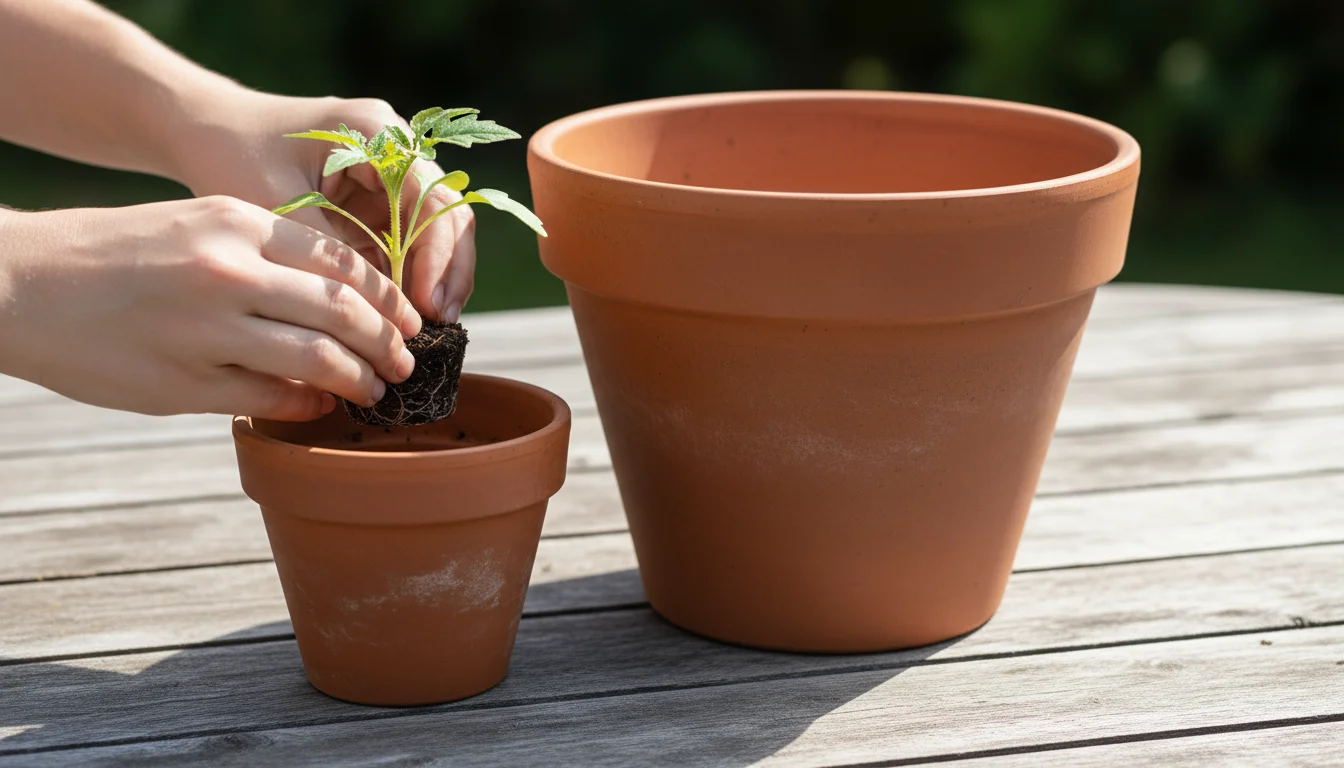
- Terracotta pots are attractive and breathable, allowing air to circulate. However, they also dry out very quickly, which can be problematic in hot, sunny conditions. You may need to water more frequently.
- Plastic pots retain moisture much better, reducing your watering frequency. They are also lighter and often more affordable. Choose lighter-colored plastic pots to reflect sunlight and prevent excessive soil heating.
- Glazed ceramic pots offer good moisture retention and insulation. Their heavier weight provides stability, which is beneficial for balconies or windy locations.
- Fabric grow bags are excellent for aeration and preventing rootbound plants. They also help regulate soil temperature, keeping roots cooler in summer through evaporative cooling.
- Drainage is non-negotiable: Regardless of material, your pot absolutely must have drainage holes at the bottom. Proper drainage means water moves freely through the soil and out of the pot, preventing waterlogging which suffocates roots and causes plant stress. Waterlogging is a common killer of container plants.
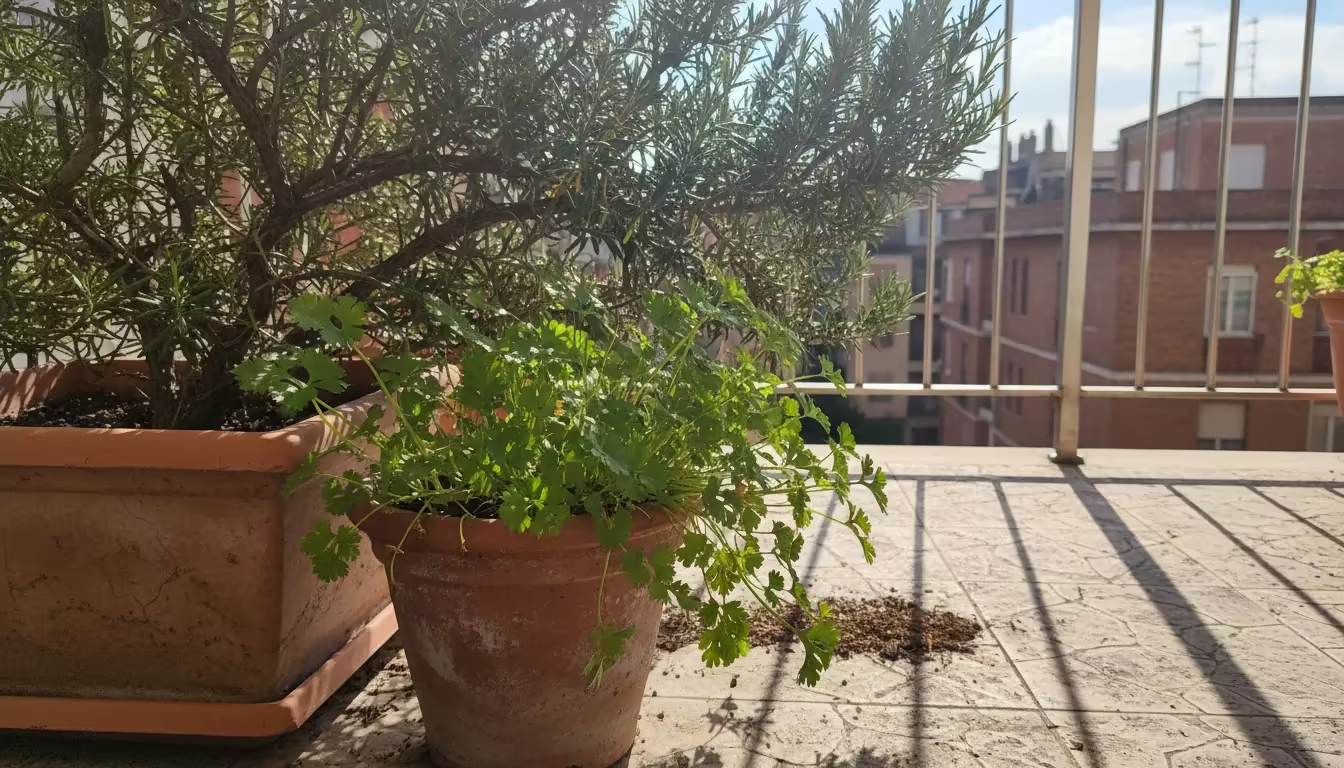
Prime Placement: A Cool Retreat for Your Cilantro
Even with heat-tolerant varieties, intense afternoon sun on a hot balcony is your enemy. Cilantro thrives in partial shade during the hottest parts of the day. Aim for a location that receives 4-6 hours of morning sun, followed by shade in the afternoon. If your balcony is south-facing and gets direct sun all day, you will need to create artificial shade.
For more compact arrangement ideas, consider pairing multiple herbs in a single container, much like a pizza pot project that maximizes limited patio space.
- Morning sun is ideal: Place your pot where it gets direct sunlight from sunrise until midday.
- Afternoon shade is crucial: Move the pot to a shadier spot, or use natural or artificial shade. A larger plant, a piece of furniture, or even a temporary shade cloth can provide relief.
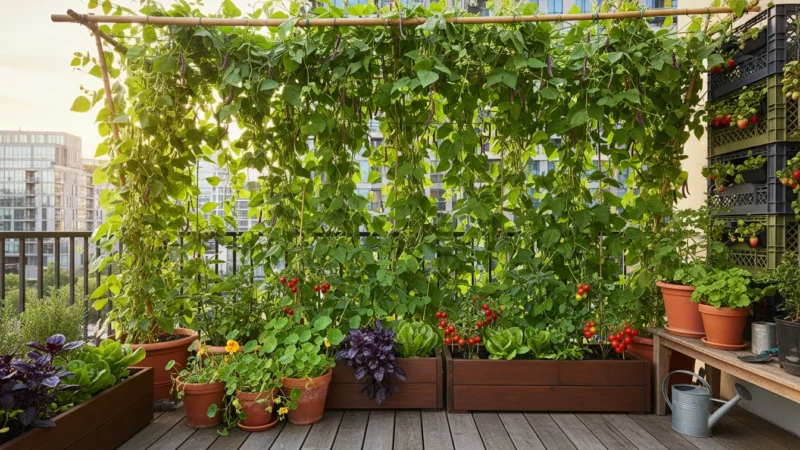
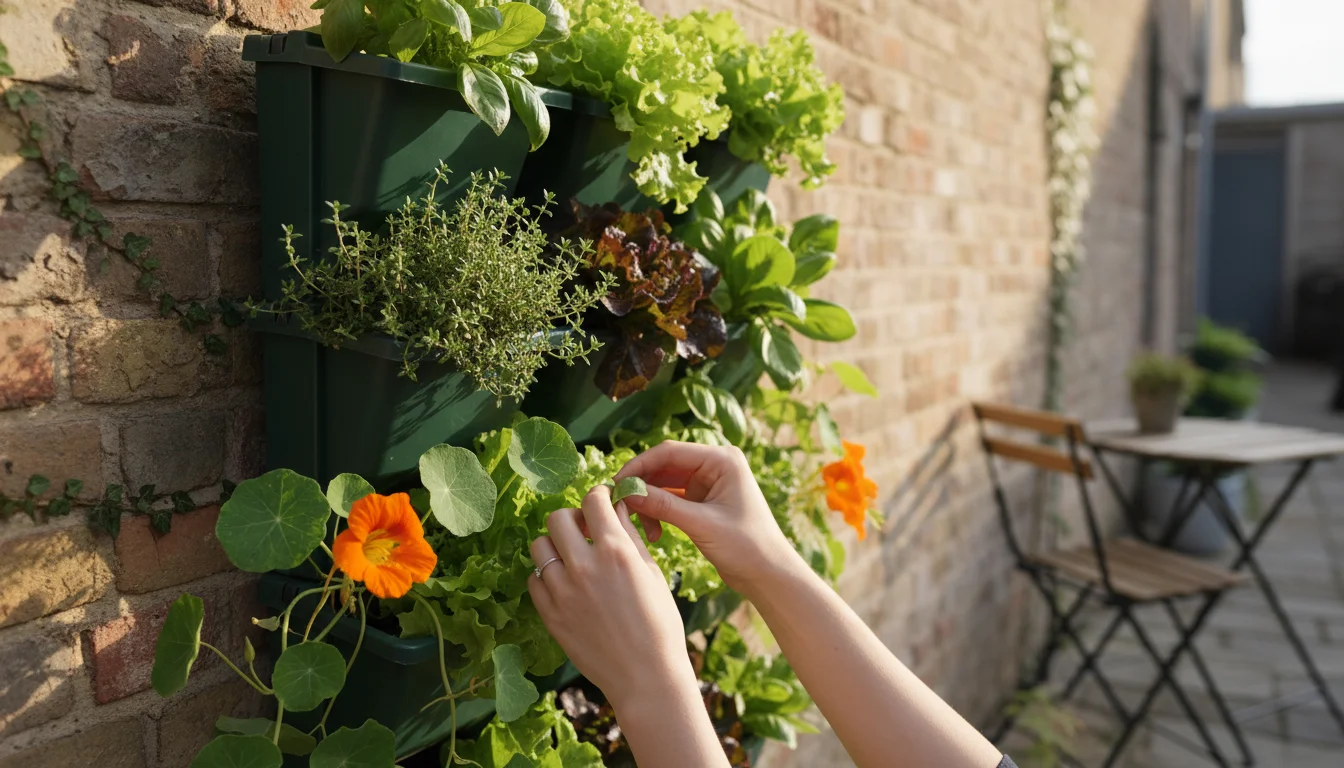
- Consider vertical gardening: If space is tight, a vertical planter or wall-mounted pocket system can offer options for different light exposures, allowing you to position cilantro in a cooler, shadier pocket.
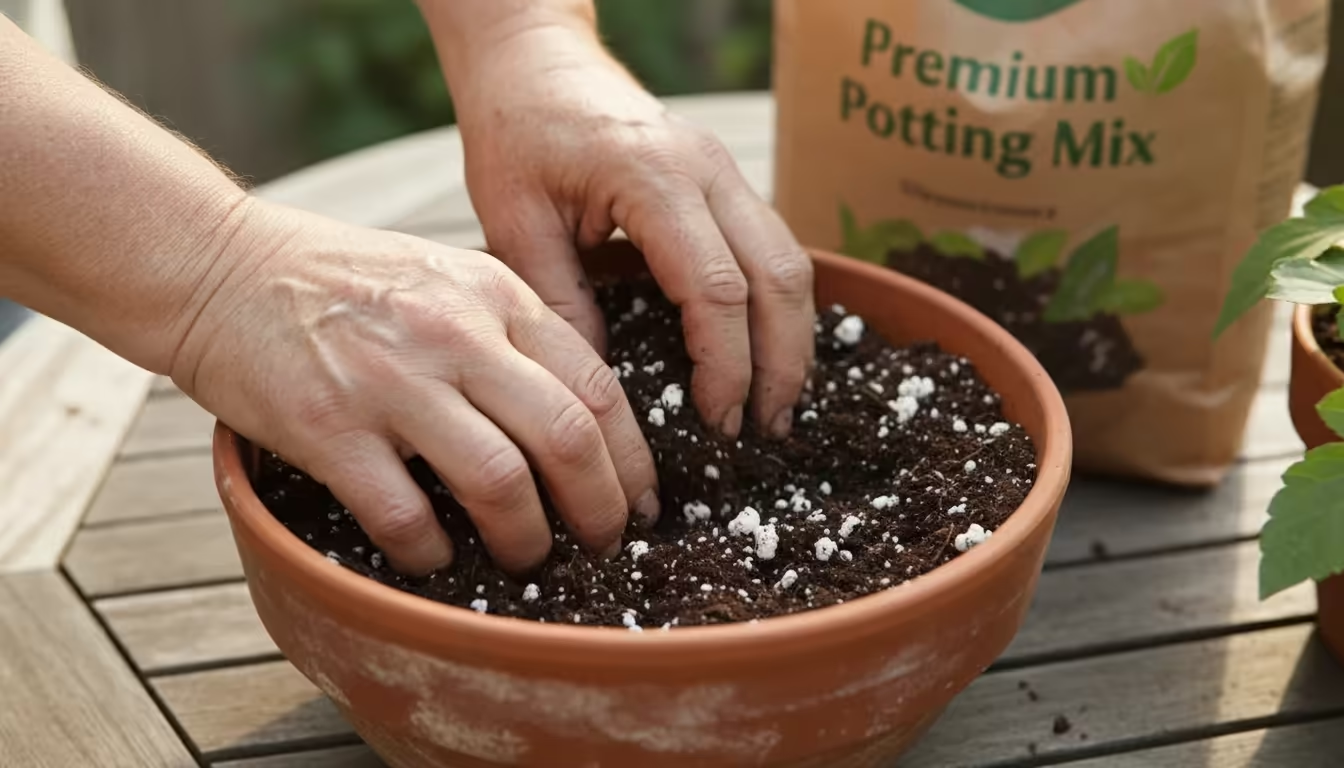
Potting Mix Essentials
The right soil provides nutrients, aeration, and moisture retention. For container-grown cilantro, always use a high-quality potting mix designed for containers, not garden soil. Garden soil is too dense for pots, compacts easily, and lacks proper drainage. A good potting mix typically contains peat moss or coco coir for moisture retention, perlite or vermiculite for drainage and aeration, and a slow-release fertilizer.
- Enhance drainage and aeration: You can further improve your potting mix by adding extra perlite or vermiculite, aiming for a mix that feels light and airy. This helps prevent root rot, a common issue in container gardening.
- pH preference: Cilantro prefers a slightly acidic to neutral soil pH, generally between 6.0 and 7.0. Most commercial potting mixes fall within this range.
By carefully selecting your pot, strategically placing it, and using an appropriate potting mix, you create a foundational environment that supports your cilantro in its quest to beat the bolt.
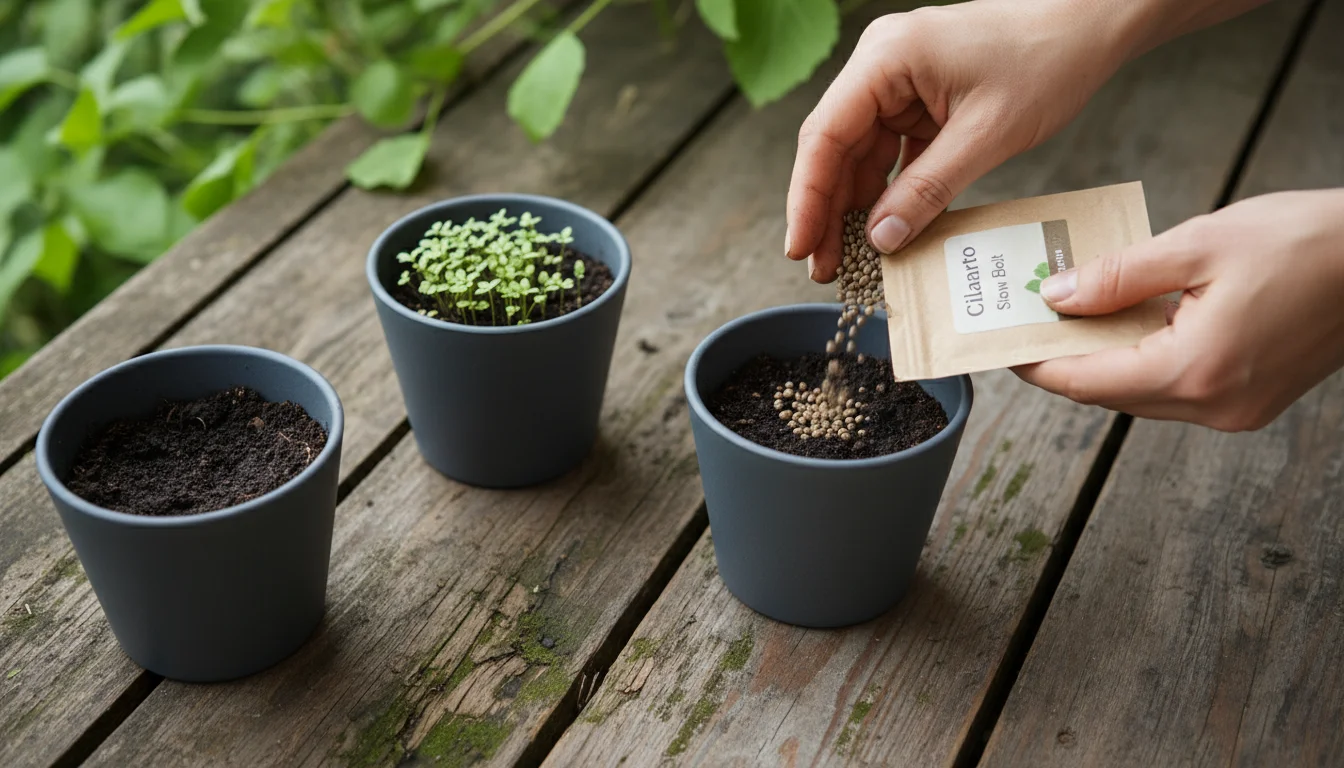
Sowing Seeds for a Season of Flavor: Step-by-Step Planting
Sowing cilantro seeds is straightforward, but employing a technique called succession planting is the true secret to ensuring a summer-long supply. Instead of planting all your seeds at once, you will stagger your plantings, guaranteeing a continuous harvest as older plants begin to fade or bolt.
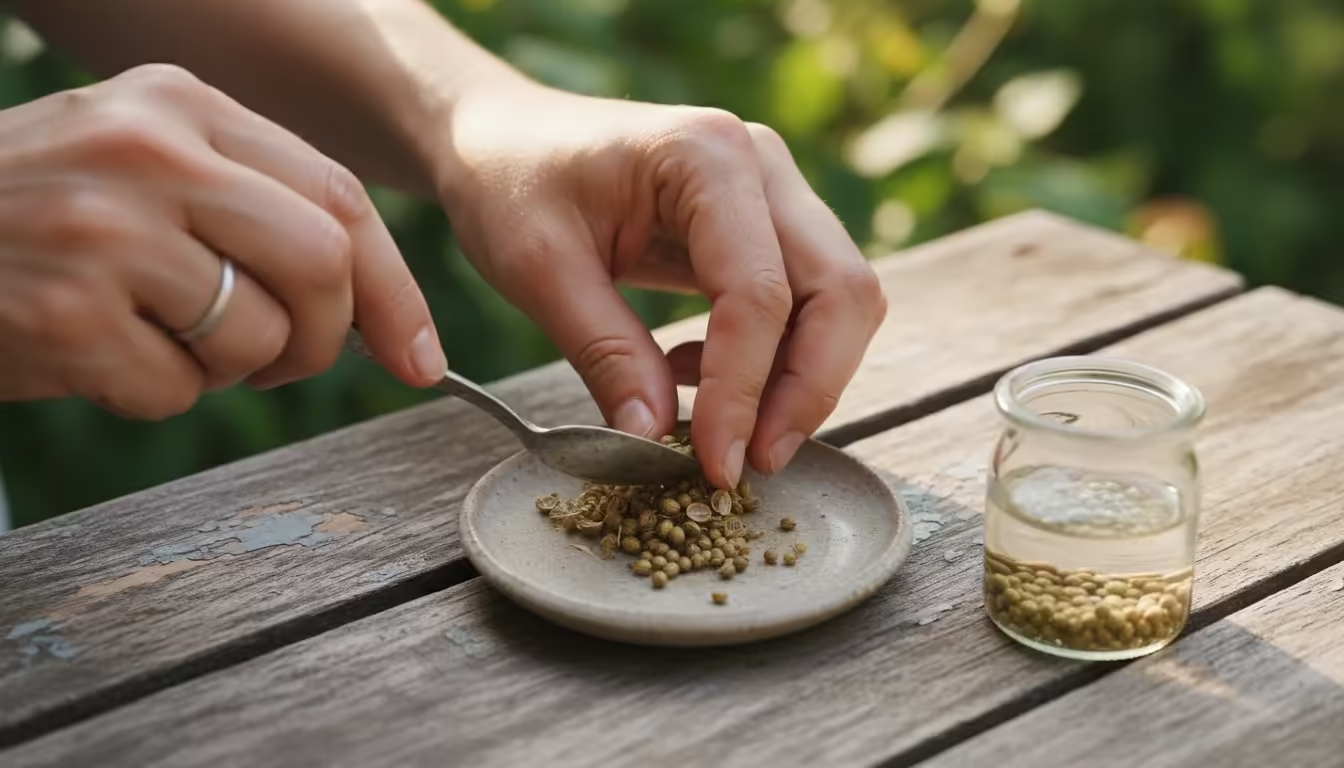
Step-by-Step Seed Sowing
Follow these steps for successful planting:
- Prepare the seeds: Cilantro seeds are actually two seeds encased in a single husk. To improve germination rates, lightly crush the husks with the back of a spoon or your hand to separate them. This allows water to penetrate more easily. Soaking the separated seeds in room-temperature water for 24 hours before planting can further boost germination.
- Fill your pot: Fill your chosen pot with the prepared potting mix, leaving about an inch (2.5 cm) of space from the rim. Gently pat the soil down, but do not compact it too much.
- Sow the seeds: Scatter the separated seeds evenly over the soil surface. Aim for a density that allows for later thinning. If you are planting in a larger pot, you can create a few small clusters of seeds.
- Cover the seeds: Lightly cover the seeds with about a quarter to a half-inch (0.6-1.2 cm) of potting mix. Cilantro seeds require darkness to germinate.
- Water gently: Water the pot thoroughly immediately after planting. Use a watering can with a fine rose attachment or a spray bottle to avoid disturbing the seeds. Keep the soil consistently moist, but not waterlogged, until germination occurs.
- Ensure warmth for germination: Cilantro seeds typically germinate in 7-14 days. While they prefer cooler growing temperatures, they need soil warmth for germination. Keep the pot in a location with temperatures between 65-75 F (18-24 C) during this initial period.
- Thin your seedlings: Once seedlings emerge and are about an inch tall, thin them to create adequate spacing. For a continuous harvest in a single pot, aim for plants spaced about 4-6 inches (10-15 cm) apart. Overcrowding leads to competition and stress, which encourages bolting. You can even snip off the thinned seedlings and use them as microgreens.
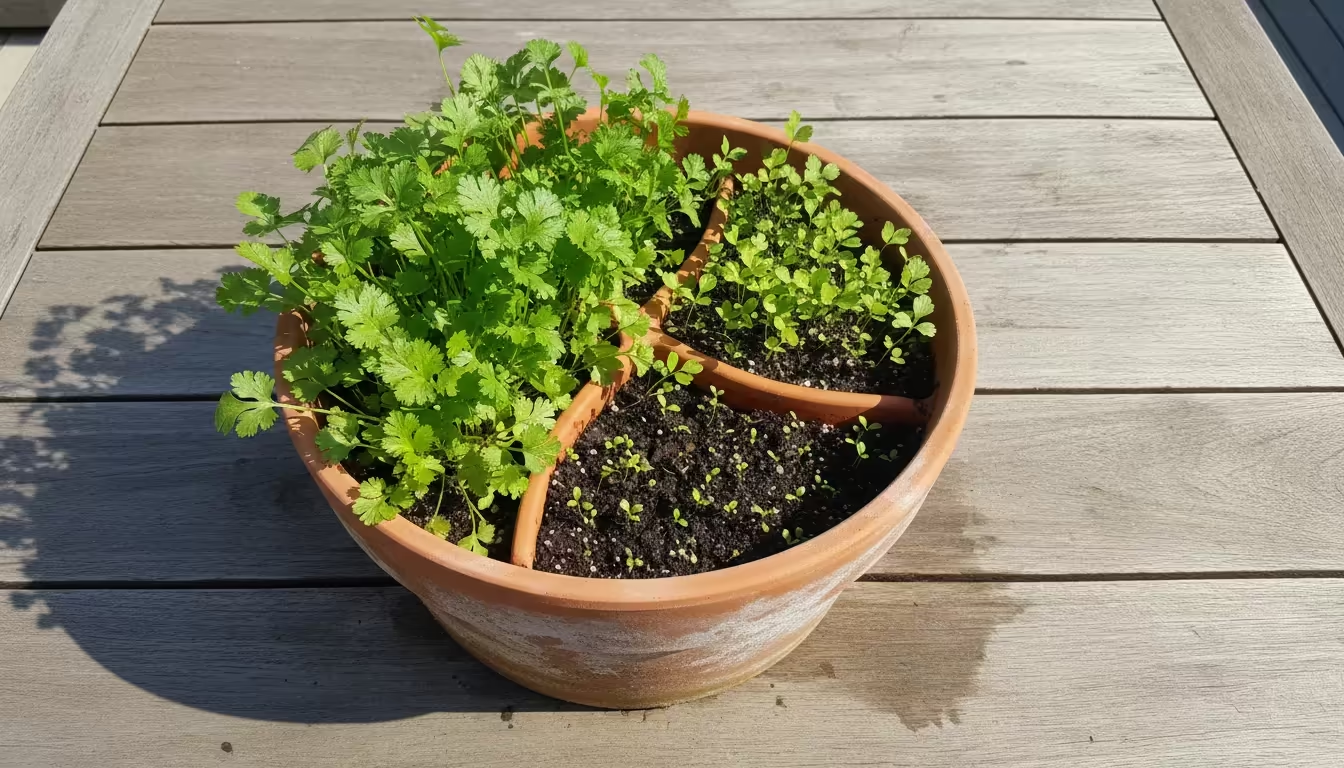
The Power of Succession Planting Cilantro in Containers
This technique is how to keep cilantro from bolting in summer and still enjoy fresh leaves. Instead of planting all your seeds at once, you will create a staggered planting schedule.
- Divide your pot: Mentally or physically divide your single large pot into 2-3 sections. You could use small dividers if desired, but it is not strictly necessary.
- Stagger plantings: Plant a batch of seeds in the first section. Wait 2-3 weeks, then plant the next batch in the second section. Wait another 2-3 weeks and plant in the third section.
- Continuous harvest: By the time your first batch of cilantro starts to mature or show signs of bolting, your second batch will be ready for harvest. The third batch will be growing strong as the second batch begins to slow down. This provides a continuous rotation of fresh, leafy plants.
- Replenish: Once a section of cilantro bolts significantly, pull out the spent plants, amend the soil with a little fresh potting mix and compost, and replant new seeds in that section. This ensures your single pot remains a productive hub for fresh cilantro all summer long.
This systematic approach to succession planting cilantro in containers maximizes your yield and combats cilantro’s natural tendency to bolt, making fresh leaves a consistent part of your summer kitchen.
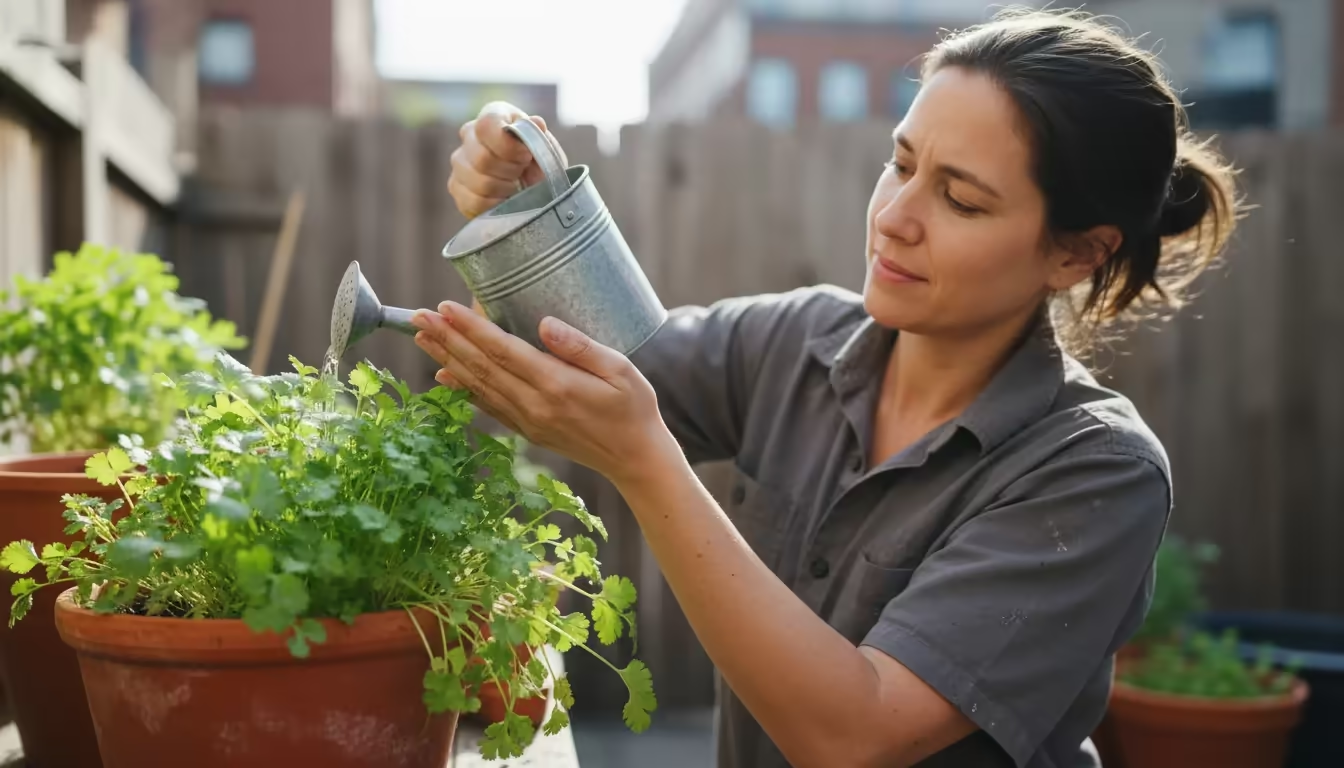
Watering and Feeding Your Cilantro for Optimal Growth
Consistent, appropriate watering and judicious feeding are paramount to preventing stress and prolonging the life of your cilantro plant. Your goal is to keep the soil evenly moist without ever becoming waterlogged or bone dry. This balance is especially important for heat tolerant herbs in containers, where soil can dry out quickly.
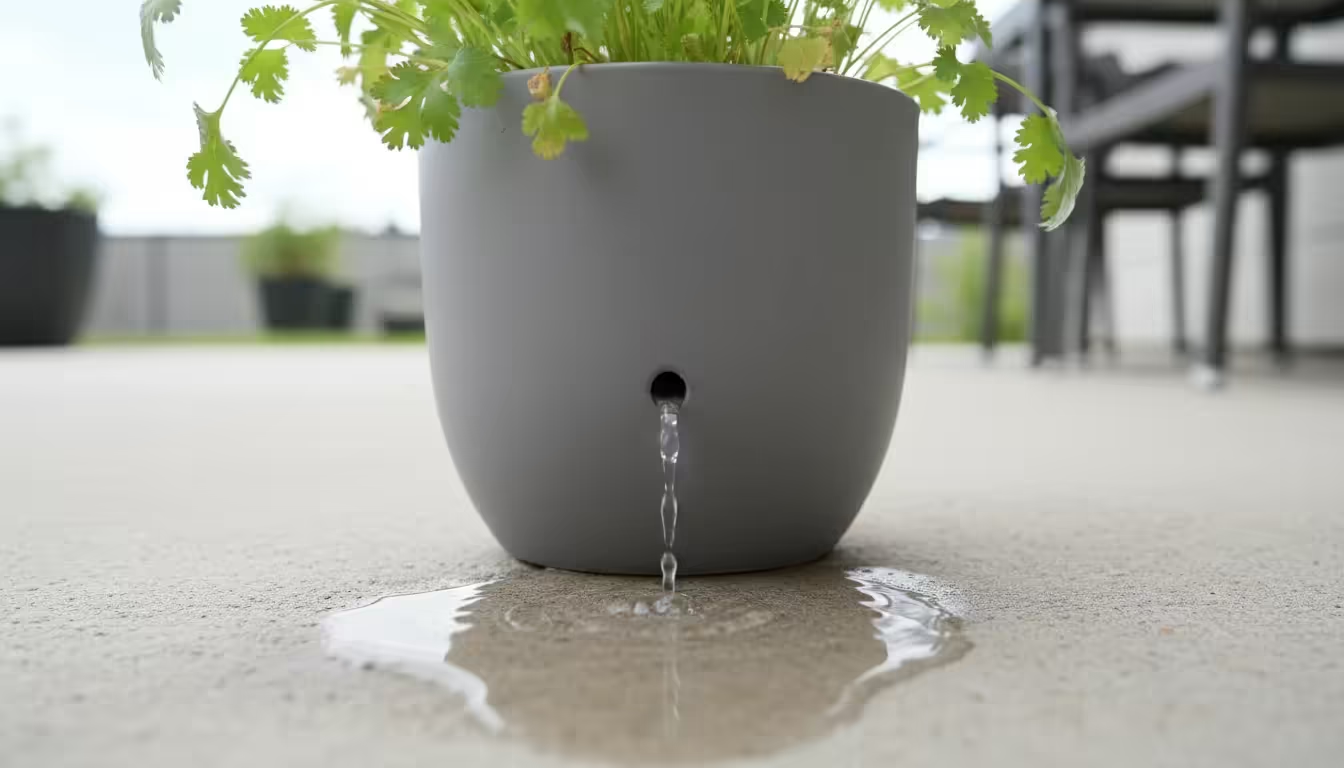
The Art of Watering Cilantro
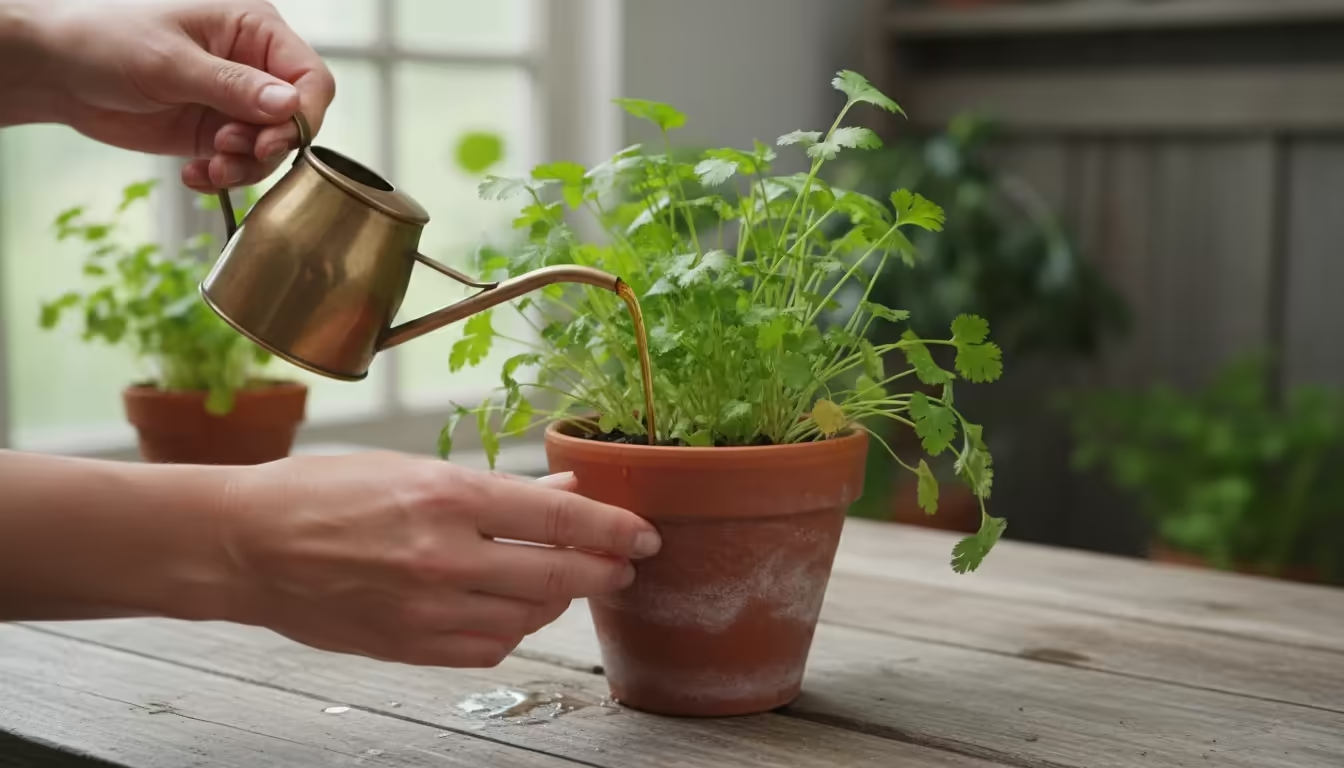
Cilantro needs consistent moisture. Fluctuations in soil moisture, especially allowing the soil to dry out completely, are significant stressors that prompt bolting. Aim for a watering schedule that keeps the soil moist to the touch, similar to a wrung-out sponge. However, avoid overwatering, as standing water starves roots of oxygen, leading to root rot.
- Check soil moisture daily: Especially in hot weather, check the top inch (2.5 cm) of soil. If it feels dry, it is time to water. You can use your finger or a moisture meter.
- Water deeply: When you water, do so thoroughly until water begins to drain from the bottom of the pot. This ensures that the entire root ball receives moisture. If water rushes out immediately, the soil may be too dry and compacted. Water slowly, allowing the soil to absorb it.
- Water in the morning: Watering in the early morning allows the plant to absorb water before the heat of the day. It also gives any moisture on the leaves time to evaporate, reducing the risk of fungal diseases.
- Consider a saucer, but be cautious: A saucer under your pot can catch excess water, preventing spills on your balcony. However, never let your pot sit in standing water for extended periods. Empty the saucer after about 30 minutes to ensure good drainage.
Good drainage means how effectively water passes through the soil and out of the pot. If water sits, it creates an anaerobic (oxygen-lacking) environment that kills beneficial soil microbes and plant roots. Consistent moisture is good, but constant saturation is detrimental.
Feeding Your Cilantro
Cilantro is not a heavy feeder, especially if you start with a good quality potting mix that often includes some slow-release nutrients. Excessive fertilization, particularly with high-nitrogen fertilizers, can promote lush but weak growth and sometimes even encourage bolting if not balanced. The goal is steady, healthy growth, not rapid bursts.
- Initial nutrients: Your fresh potting mix typically provides enough nutrients for the first few weeks of growth.
- Light feeding for sustained growth: After about 3-4 weeks, or once you begin harvesting, you can introduce a very mild, balanced liquid fertilizer. Dilute it to half or even quarter strength of the manufacturer’s recommendations.
- Frequency: Apply this diluted fertilizer every 3-4 weeks. An organic option like a diluted fish emulsion or a balanced liquid herb fertilizer works well. The goal is to gently replenish nutrients used by the plant, supporting continuous leaf production.
- Avoid over-fertilizing: More is not better when it comes to fertilizer for cilantro. Too much can burn roots or throw the plant into stress, potentially triggering bolting.
By mastering your watering habits and providing gentle, consistent nutrition, you empower your cilantro to thrive, producing abundant, flavorful leaves without the stress that leads to premature bolting. This careful attention supports the long-term health of your balcony herb garden.
Creating a Cool Oasis: Temperature Management Strategies
Managing ambient temperature is perhaps the most critical factor in how to keep cilantro from bolting in summer. Since cilantro strongly dislikes heat, your primary objective is to create a microclimate that keeps its roots and foliage as cool as possible, especially during peak afternoon temperatures on a hot balcony.
Strategic Shade
Direct, intense afternoon sun is the enemy of summer cilantro. Implement shade solutions to protect your plants.
- Relocate for shade: If your pot is portable, simply move it to an area that naturally receives afternoon shade, perhaps behind a larger plant, a piece of outdoor furniture, or into the corner of your balcony that gets less direct light. An east-facing spot that gets morning sun but afternoon shade is ideal.
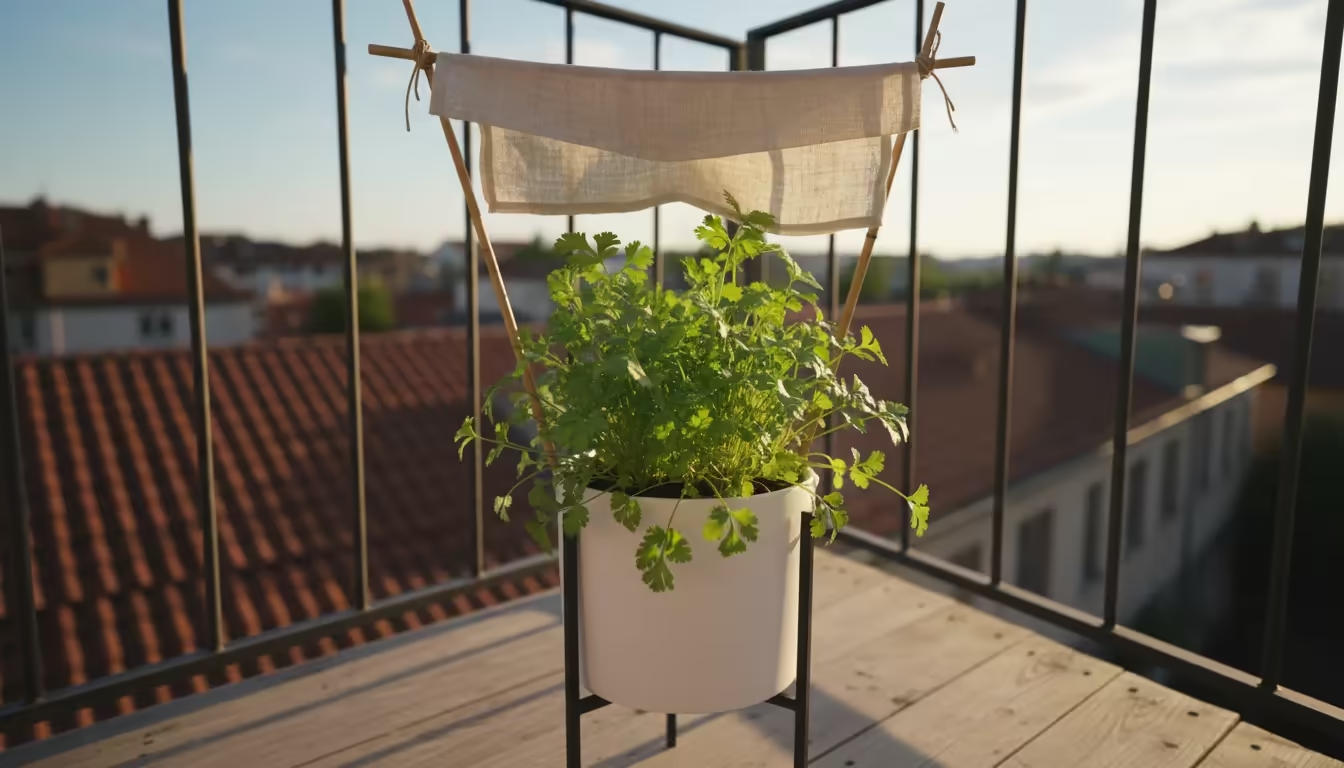
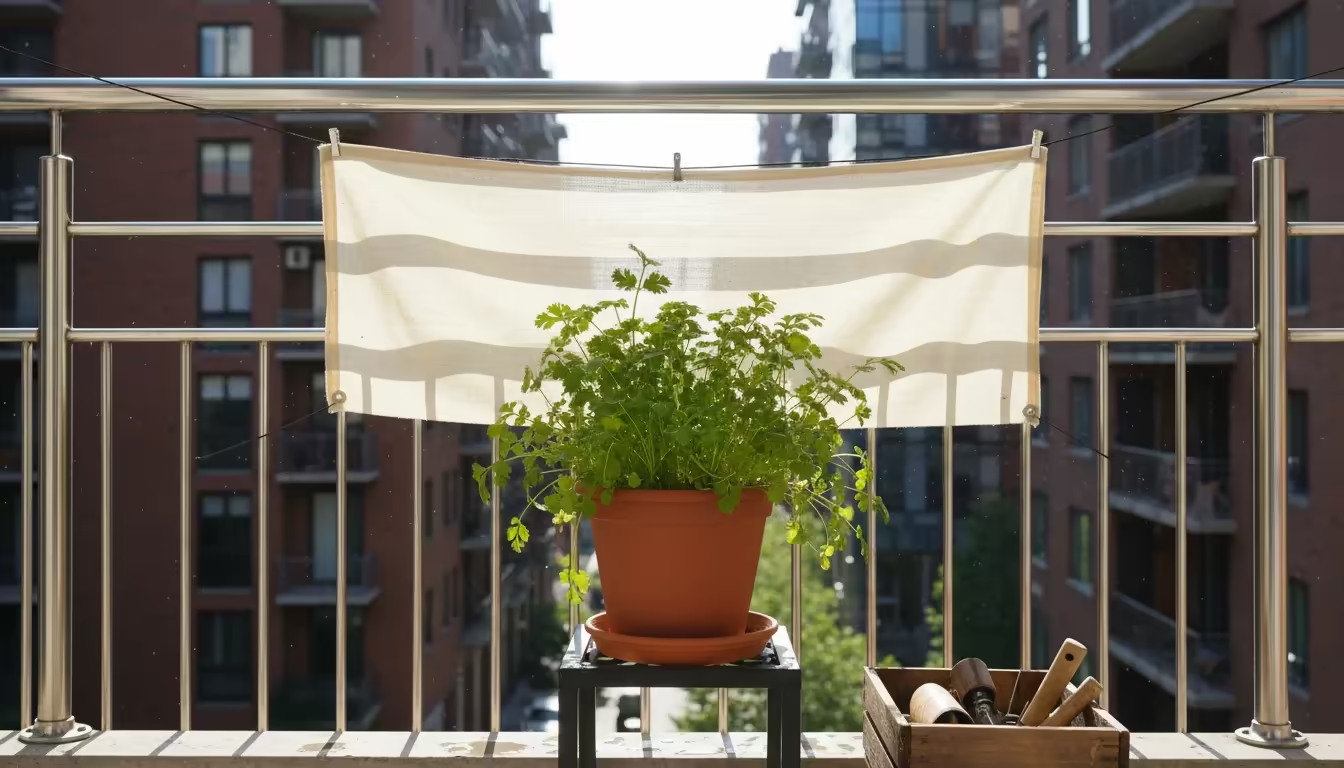
- Use a shade cloth: For balconies with unavoidable direct sun, a light-colored shade cloth is a game-changer. You can drape a piece of 30-50% shade cloth over a simple frame or even suspend it using temporary hooks or clips to provide overhead protection during the hottest hours. This reduces the intensity of sunlight and can significantly lower the temperature around your plant.
- Companion planting (with caution): While less applicable for a single pot, if you have other, taller plants on your balcony, strategically placing your cilantro behind them can offer natural shade. Ensure the companion plant does not compete excessively for root space or moisture.
Cooling the Roots
Keeping the root zone cool is just as important as shading the leaves. Hot soil temperatures stress the plant and accelerate bolting.
- Choose light-colored pots: Dark-colored pots absorb more heat, transferring it directly to the soil and roots. Light-colored plastic, ceramic, or fabric pots reflect sunlight and stay cooler.
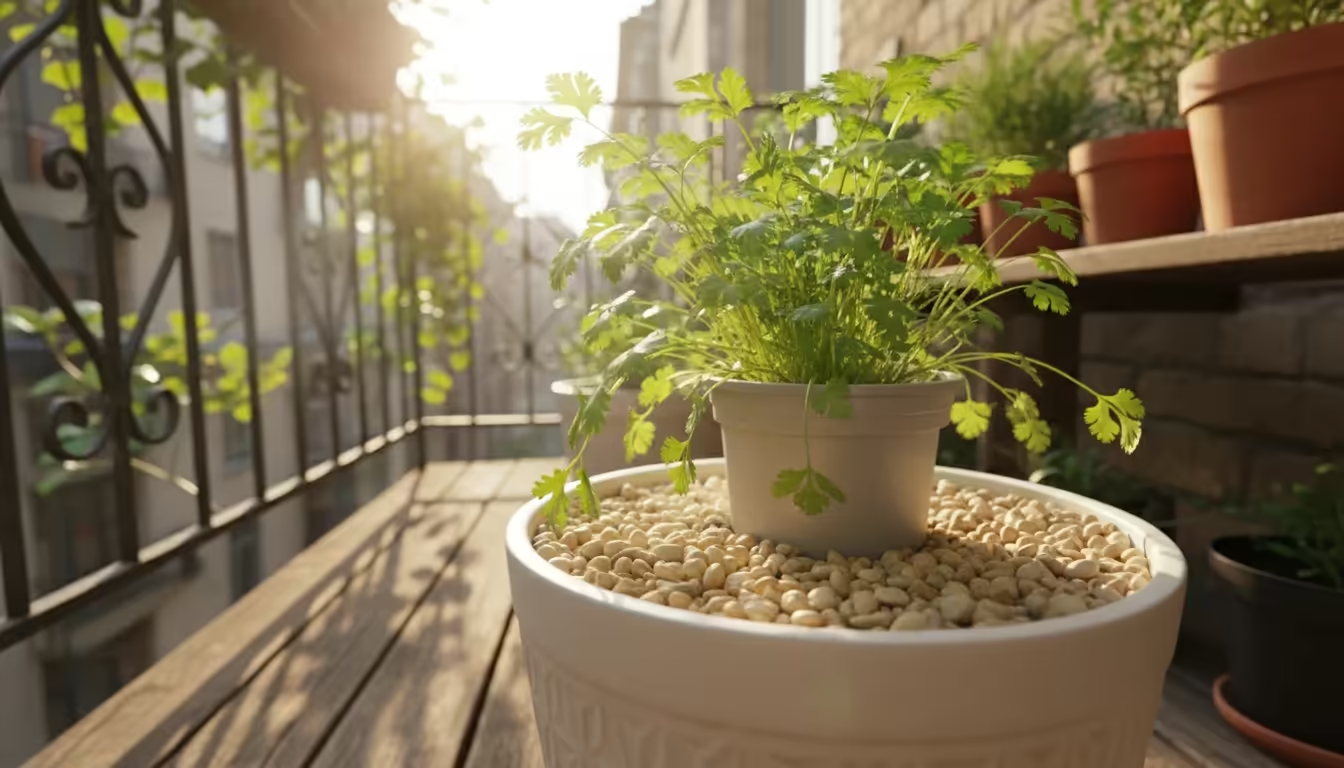
- Mulch the surface: Apply a 1-2 inch (2.5-5 cm) layer of light-colored mulch to the top of your potting mix. Options include straw, shredded leaves, or even pebbles. Mulch insulates the soil, keeping roots cooler, reducing evaporation, and suppressing weeds. It is an incredibly effective tool for growing cilantro in pots on a hot balcony.
- Double potting: Place your cilantro pot inside a larger, decorative pot. The air gap between the two pots provides an insulating layer, keeping the inner pot’s soil cooler. You can also fill the gap with mulch, newspaper, or even sand for added insulation.
- Water temperature: Avoid watering with very cold or very hot water. Use room-temperature water to prevent shocking the plant’s roots.
Boosting Humidity and Airflow
While cilantro does not require high humidity, good airflow prevents fungal issues, and slightly increased humidity can help cool the plant through transpiration.
- Grouping plants: If you have other plants on your balcony, grouping them can create a slightly more humid microclimate as they collectively transpire. This also provides additional shade for smaller plants.
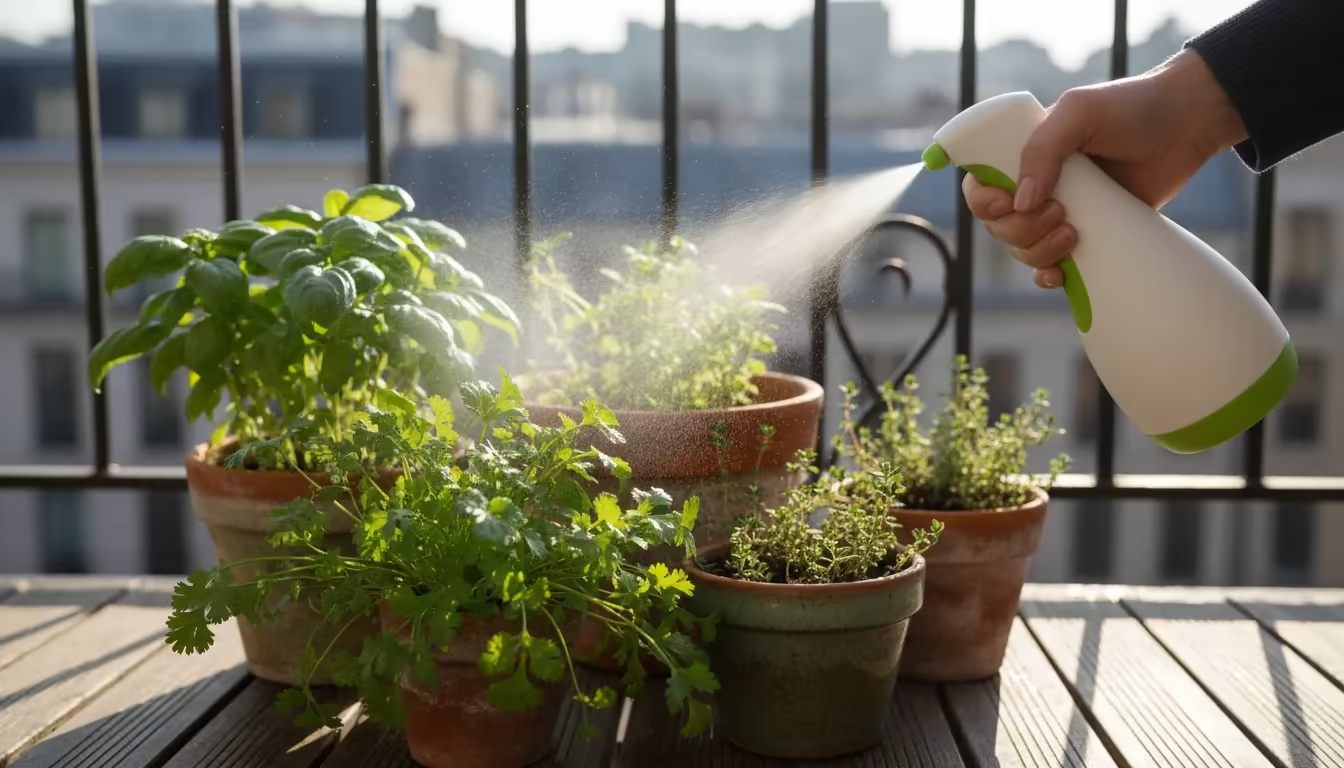
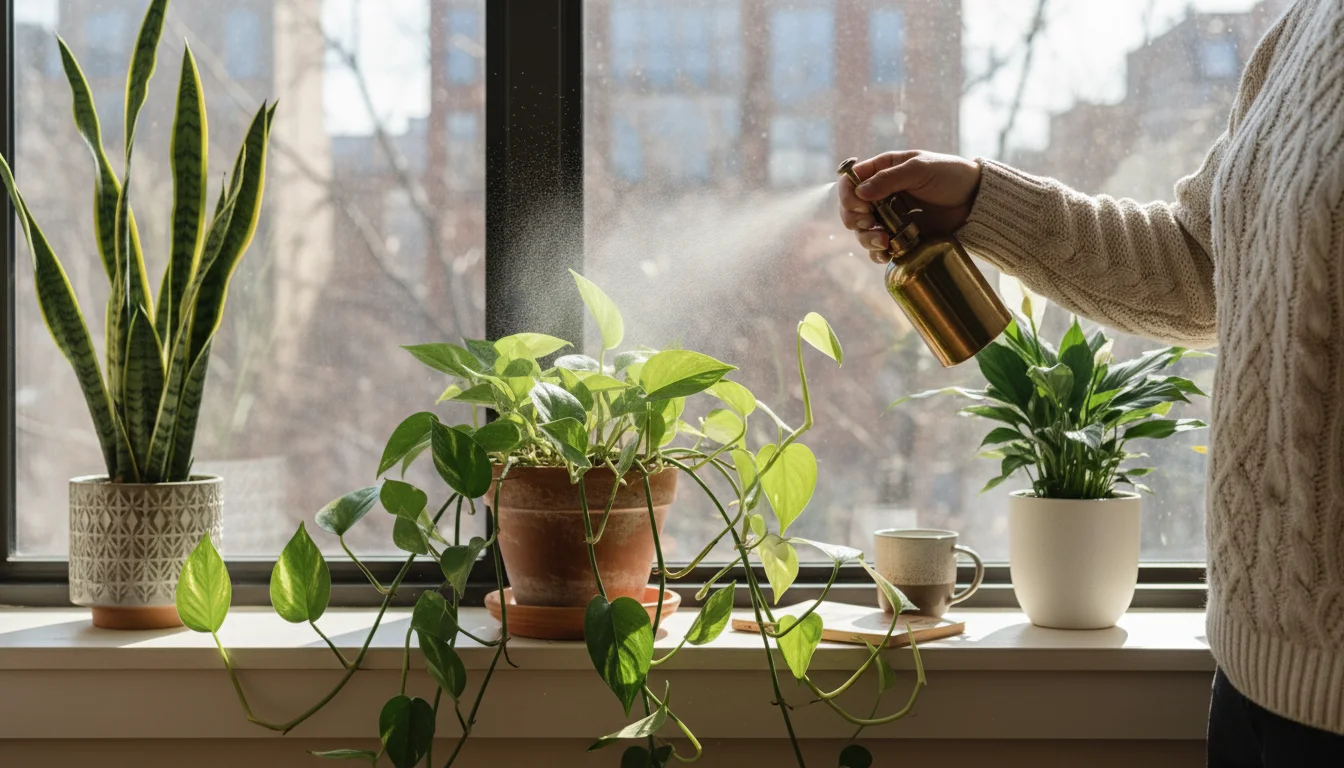
- Misting (with caution): Lightly misting the foliage in the early morning can help cool the plant, but ensure good air circulation to prevent prolonged wetness, which invites fungal diseases. This is a temporary measure and should not replace proper watering.
By actively managing temperature through strategic shade, root cooling, and thoughtful placement, you create an environment where your cilantro can thrive and delay bolting, giving you fresh harvests throughout the warmer months. These measures significantly increase your chances of successfully growing cilantro through summer.
Harvesting for Longevity and Flavor
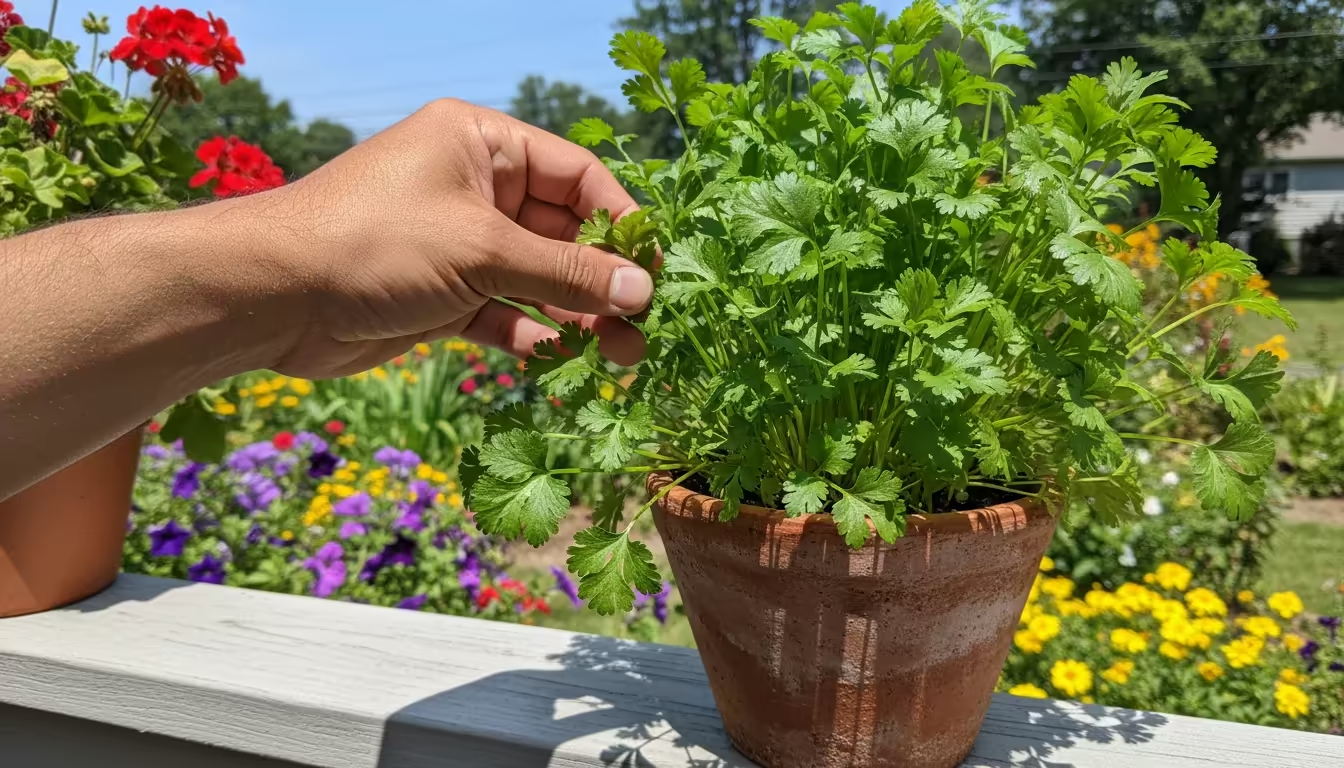
The way you harvest your cilantro directly influences how long it remains productive and flavorful. Proper harvesting techniques encourage the plant to produce more leaves, rather than shifting its energy towards flowering and seed production. Your goal is to keep the plant in its vegetative state for as long as possible.
When to Harvest
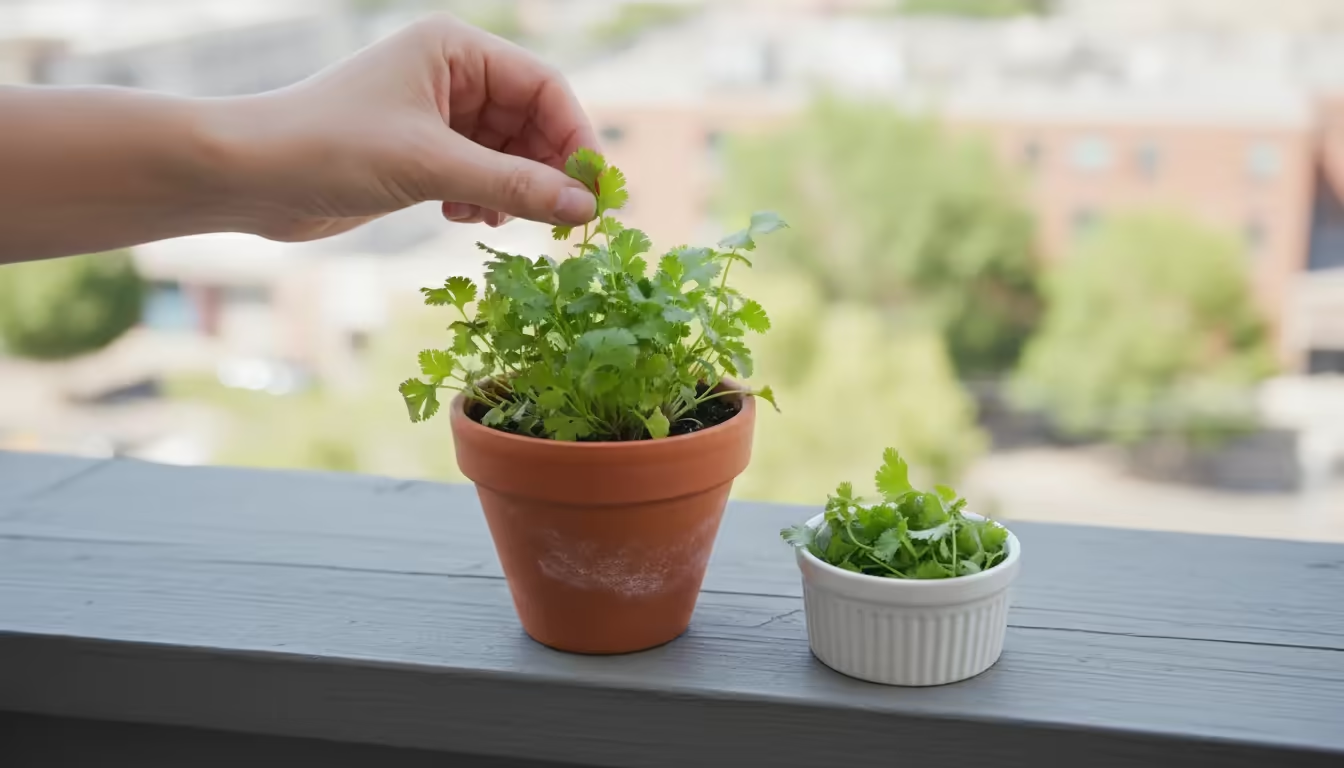
You can begin harvesting cilantro once the plants are about 4-6 inches (10-15 cm) tall and have developed several sets of true leaves. This typically occurs about 3-4 weeks after sowing, depending on growing conditions and the specific variety.
- Harvest regularly: The most crucial tip for encouraging longevity is to harvest frequently. Regular harvesting signals to the plant that it needs to produce more leaves, delaying its natural urge to bolt.
- Harvest young leaves: Young, tender leaves generally offer the best flavor.
How to Harvest for Continuous Production
Follow these steps to harvest your cilantro in a way that promotes ongoing growth:
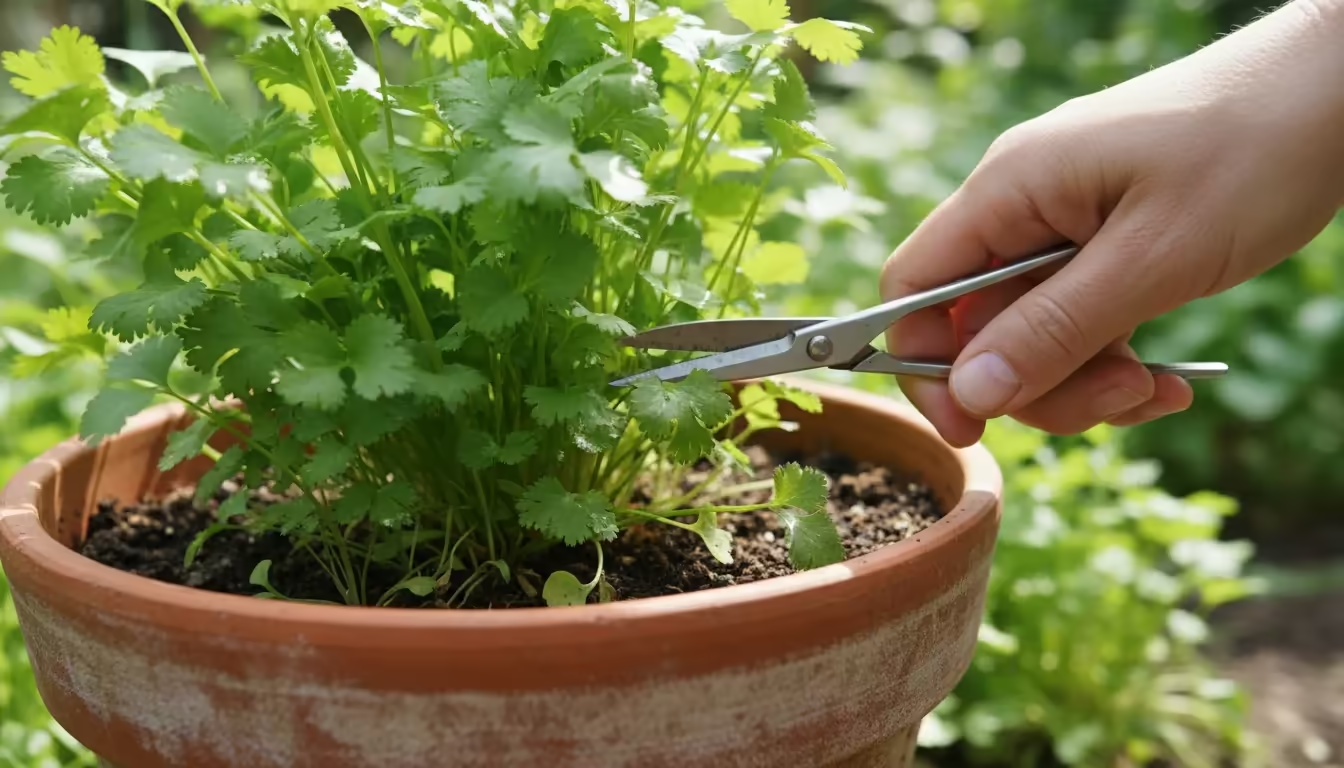
- Use sharp tools: Always use clean, sharp scissors or pruners to avoid tearing the stems, which can wound the plant and invite disease.
- Harvest outer leaves first: Focus on snipping the larger, outer leaves from the plant. This allows the smaller, inner leaves to continue growing and developing.
- Cut at the base: Cut the leaf stems close to the base of the plant, just above the soil line. This encourages new growth to emerge from the central growing point.
- Do not remove too much: Never remove more than one-third of the plant’s foliage at any one time. Over-harvesting can stress the plant and reduce its ability to photosynthesize, weakening it and potentially triggering bolting.
- Pinch off flower stalks immediately: If you see a central stalk emerging with tiny flower buds, pinch it off immediately. This is the plant’s attempt to bolt. Removing it redirects the plant’s energy back into producing leaves. While this might delay bolting, it will not stop it indefinitely, but it buys you more time for fresh harvests.
- Consider a “cut and come again” approach: For dense plantings, you can carefully snip entire sections of foliage about an inch above the soil line. This works particularly well for succession-planted sections. The plants will regrow, offering another harvest. Remember the “one-third” rule.
Using Your Fresh Cilantro
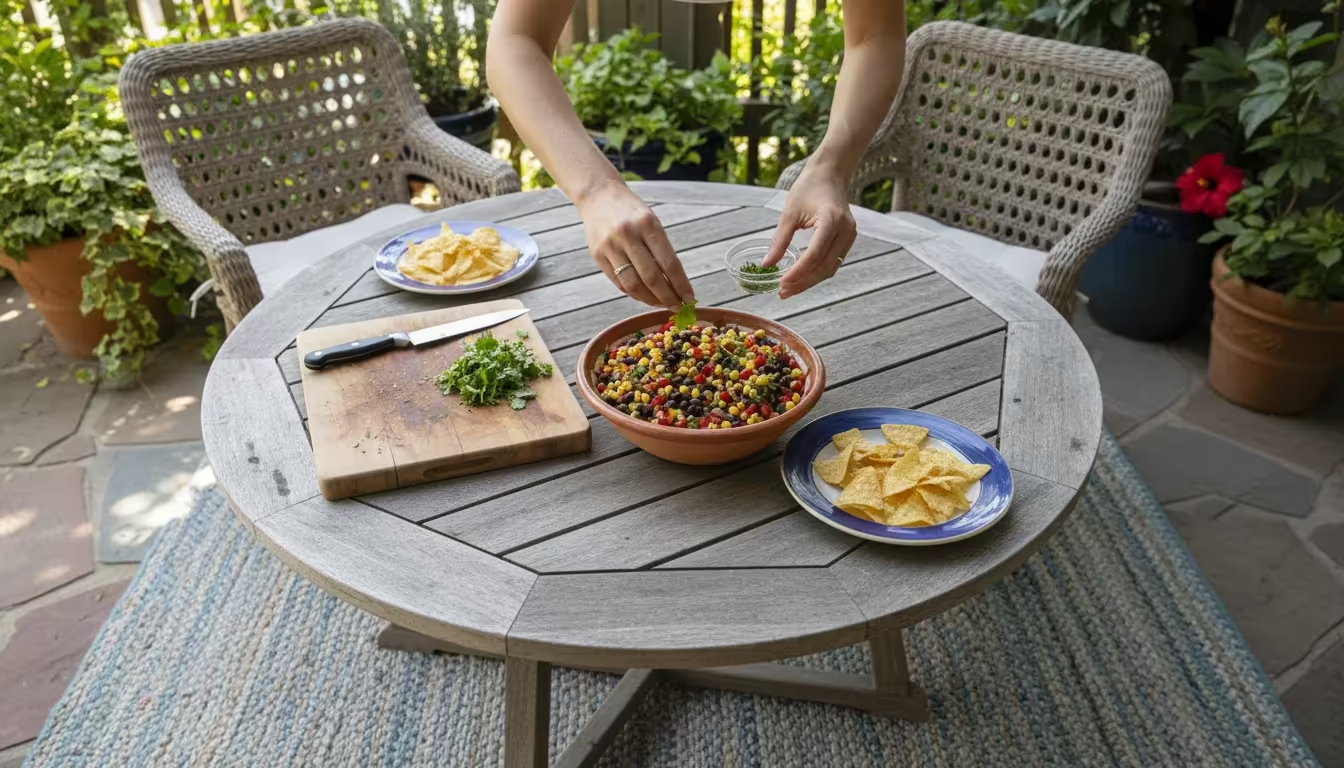
Once harvested, cilantro is best used fresh for its full aromatic impact. You can store fresh cilantro by placing the cut stems in a glass of water, much like a bouquet, and covering the leaves loosely with a plastic bag. Refrigerate it, and it will stay fresh for about a week. You can also chop and freeze cilantro in ice cube trays with a little water or olive oil for longer-term storage, perfect for adding to cooked dishes later. Enjoying your harvest promptly is part of the joy of growing cilantro.
Common Challenges and Troubleshooting Your Cilantro Plant
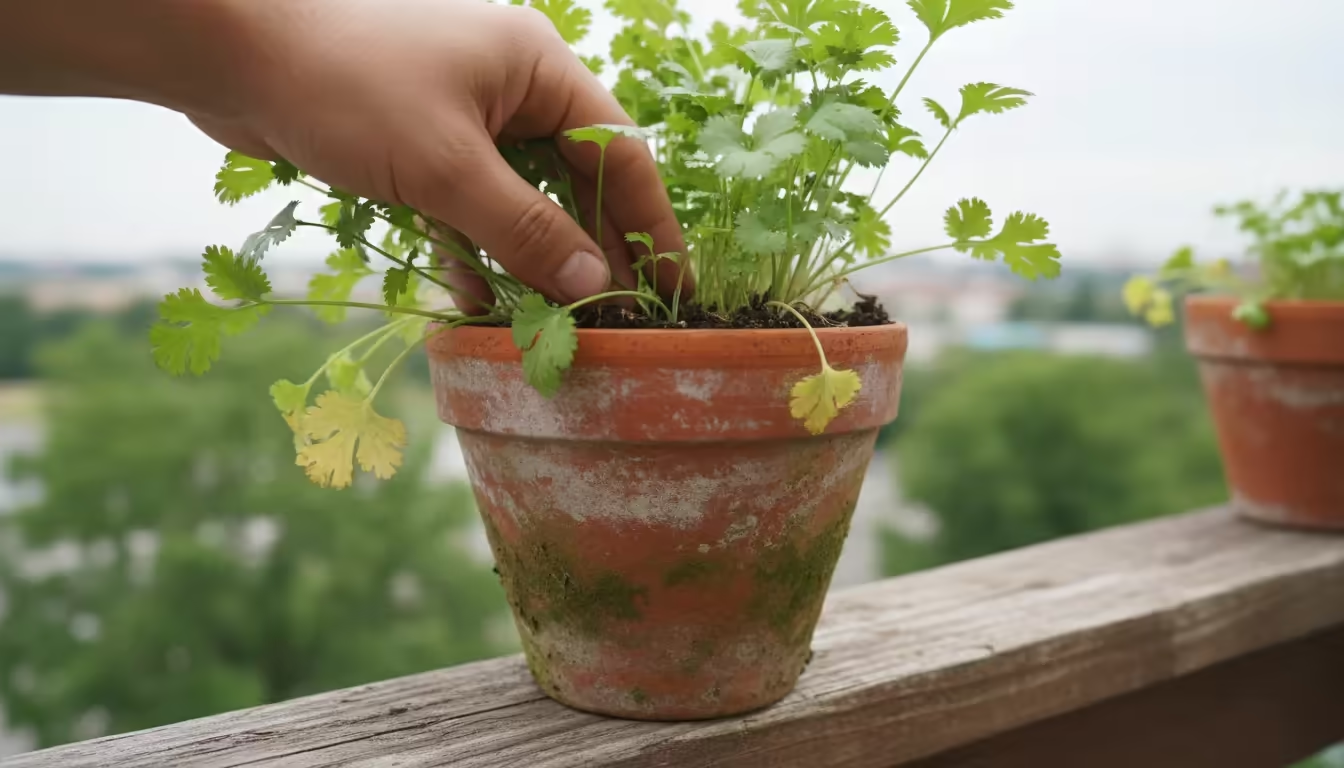
Even with the best intentions, you might encounter a few hurdles when growing cilantro. Recognizing common issues and knowing how to address them quickly will keep your balcony herb garden thriving and your cilantro producing. Timely intervention can often save a stressed plant from bolting or succumbing to pests.
Bolting Despite Your Efforts
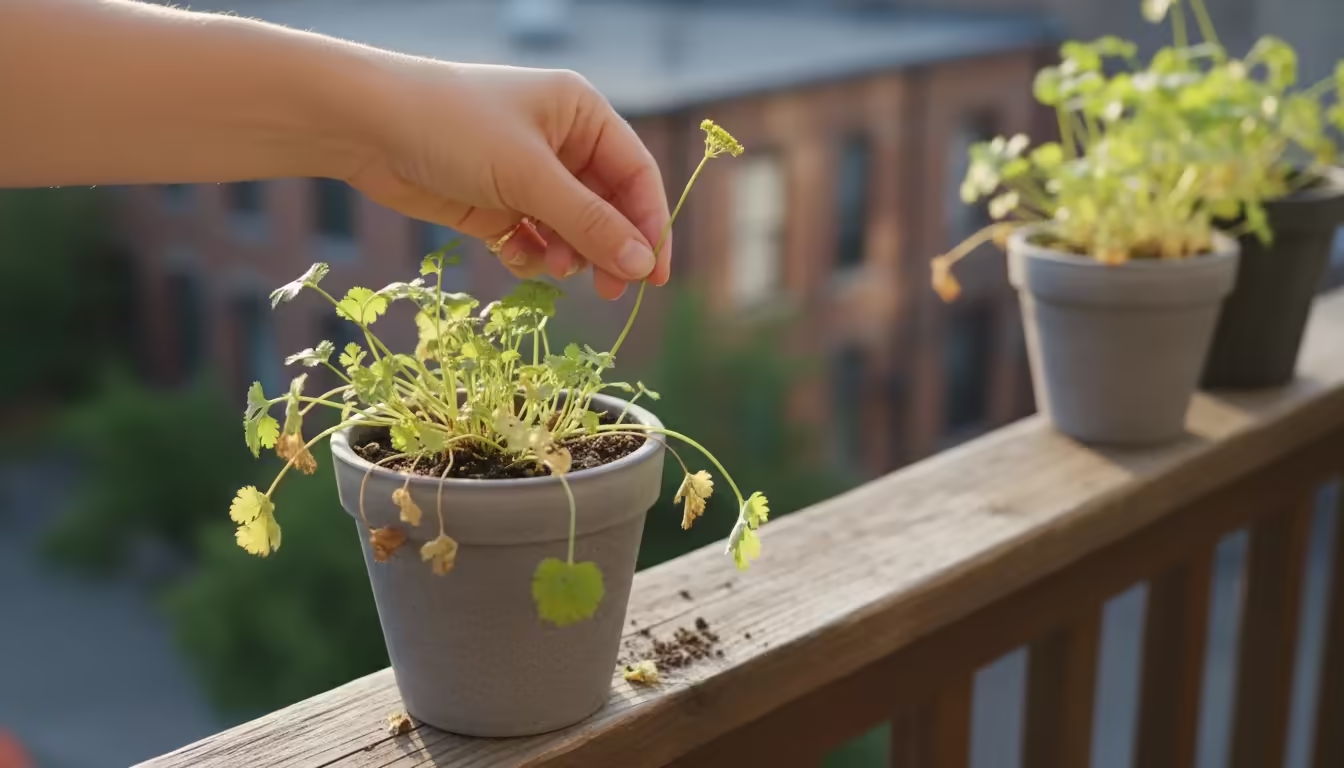
Even with heat-tolerant varieties and diligent care, cilantro might still bolt, especially during extreme heat waves.
- Cause: High temperatures, inconsistent watering, overcrowding, or simply reaching the end of its natural life cycle.
- Solution: If a plant bolts, pinch off the flower stalk immediately. This might buy you a little more time, but typically, once a plant commits to flowering, its leafy production diminishes, and flavor changes. This is where succession planting becomes your safety net. If a plant has gone to seed, consider letting a few seeds mature to save for future planting, but replace the plant with a new sowing for fresh leaves.
Yellowing Leaves
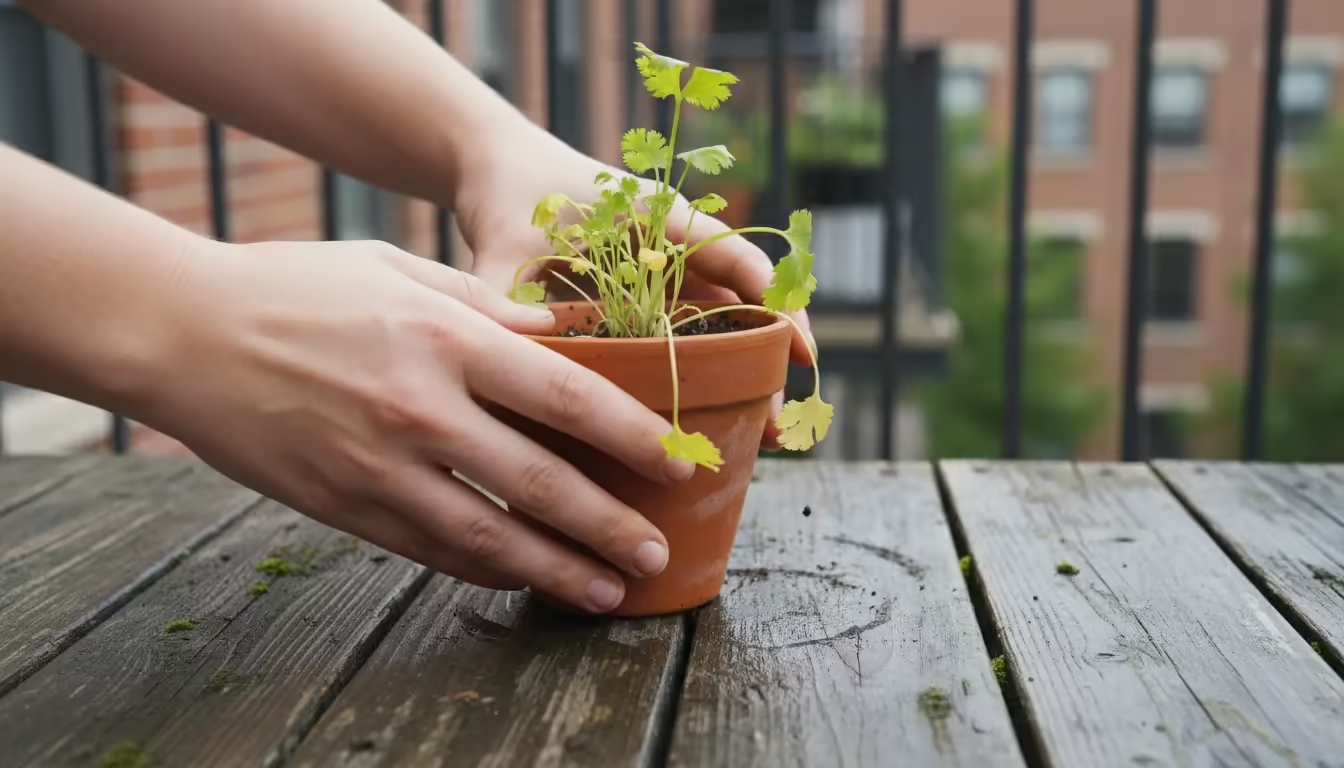
Yellow leaves can indicate several problems.
- Cause: Overwatering or poor drainage. If the soil stays consistently soggy, roots drown and cannot absorb nutrients.
- Solution: Check drainage holes. Ensure water flows freely from the pot. Reduce watering frequency, allowing the top inch of soil to dry before watering again. If the issue is severe, consider repotting into fresh, well-draining soil.
- Cause: Nutrient deficiency. Particularly nitrogen, which is vital for green, leafy growth.
- Solution: Apply a diluted liquid fertilizer as described in the feeding section. Remember, cilantro is not a heavy feeder, so use a weak solution.
- Cause: Too much sun/heat. Intense, direct sun on a hot balcony can scorch leaves and cause them to yellow.
- Solution: Provide shade, especially during the hottest part of the day, using a shade cloth or by moving the pot.
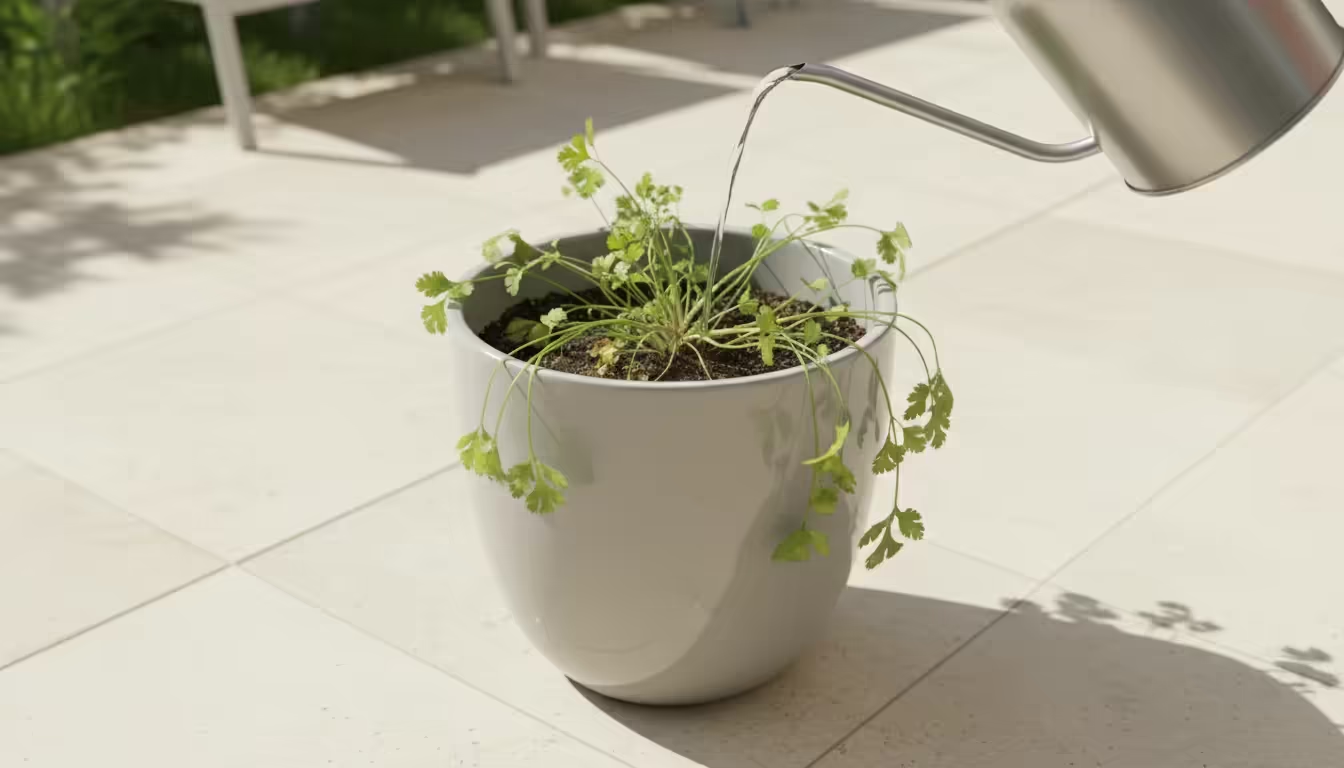
Wilting Cilantro
A sudden droopiness in your cilantro can be alarming.
- Cause: Underwatering. The most common reason for wilting is dry soil.
- Solution: Water thoroughly until water drains from the bottom. Ensure the soil absorbs the water slowly. The plant should perk up within a few hours. Establish a consistent watering schedule.
- Cause: Root rot. If the plant is wilting despite moist soil, it could be root rot from overwatering.
- Solution: This is harder to recover from. Check the roots; if they are brown and mushy, the plant may be beyond saving. Ensure excellent drainage for future plantings.
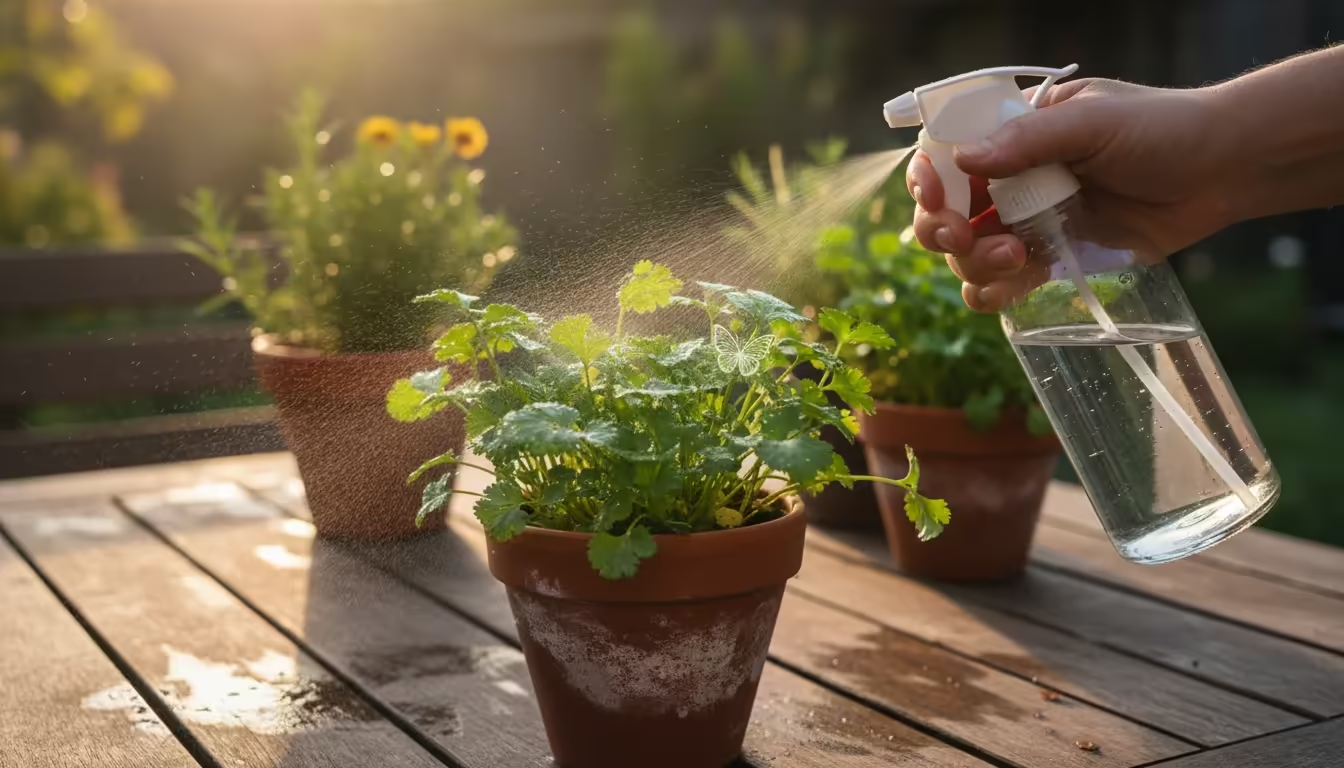
Pests: Aphids and Leaf Miners
Even small-space gardens can attract unwelcome guests.
- Aphids: Small, pear-shaped insects often found clustered on new growth or the undersides of leaves. They suck plant sap, causing distorted or yellowed leaves.
- Solution: For a few aphids, simply blast them off with a strong spray of water. For larger infestations, use insecticidal soap. Mix a few drops of mild dish soap with water in a spray bottle and apply it to affected areas, ensuring coverage of the undersides of leaves. Apply in the early morning or evening to avoid burning the leaves. Repeat every 5-7 days until the problem is resolved.
- Leaf Miners: You will notice squiggly white trails on the leaves. These are tunnels created by leaf miner larvae.
- Solution: Remove and destroy affected leaves immediately to prevent the larvae from completing their life cycle. For severe infestations, neem oil can be an effective organic treatment, acting as a deterrent and disrupting their development.
Regularly inspect your cilantro plants, paying close attention to both the top and undersides of leaves. Early detection of any problem makes troubleshooting much easier and more effective, ensuring your plant remains a productive part of your balcony herb garden.
Frequently Asked Questions
How long does cilantro typically last before bolting?
Under ideal cool conditions, cilantro can produce leaves for 6-8 weeks before bolting. In warmer conditions or without proper care, it might bolt as early as 3-4 weeks. Using slow-bolt varieties and implementing the strategies discussed, such as succession planting and temperature management, significantly extends this period, allowing for summer-long harvests.
Can I still use cilantro leaves after the plant has bolted?
Technically, yes, you can still consume the leaves. However, they will often develop a bitter or unpleasant flavor, losing the fresh taste you seek. The plant’s energy shifts to seed production, diminishing the quality of the foliage. It is generally recommended to harvest the last of the good leaves just before or as soon as you see the flower stalk emerging, and then replace the plant.
What about growing cilantro from store-bought seeds or whole coriander seeds?
You can certainly grow cilantro from whole coriander seeds purchased from a grocery store, as these are simply the dried seeds of the cilantro plant. While many grocery store seeds are viable, their germination rates might be lower compared to seeds specifically packaged for planting by garden suppliers. Store-bought seeds also may not be specific “slow-bolt” varieties, so you might face quicker bolting. For best results and to ensure you get heat-tolerant types, purchase seeds from a reputable seed company.
Can I save seeds from my bolted cilantro plants?
Yes, absolutely! If your cilantro bolts, you can allow the plant to continue its cycle, letting the flowers mature into seeds. These seeds, known as coriander, can be harvested once they turn brown and dry. Save them for planting next season or use them in your cooking. Ensure the plant is healthy and not diseased if you plan to save seeds, as diseases can pass to future generations. This is a great way to close the loop on your balcony herb garden.
My cilantro bolted even with a shade cloth. What else can I do?
While a shade cloth is very helpful, it is one part of a comprehensive strategy. Re-evaluate your watering schedule to ensure consistent moisture without waterlogging. Check if your pot is light-colored and if you have applied mulch to keep roots cool. Also, consider the specific variety you planted; sometimes, even “slow-bolt” varieties struggle in extreme, prolonged heat waves. Implementing succession planting ensures that even if one plant bolts, others are on the way. You may need to sow new batches more frequently during the hottest periods.
For trustworthy gardening information, visit:
Colorado State University Extension — Gardening, North Carolina State Extension — Gardening, Virginia Cooperative Extension — Lawn & Garden, University of Maryland Extension — Home & Garden and Rutgers New Jersey Agricultural Experiment Station. These organizations provide expert, research-based advice for gardeners at all levels.
Disclaimer: This article is for informational purposes only and is not a substitute for professional gardening advice. Always consult local extension services or horticulture experts for region-specific guidance.

Leave a Reply