
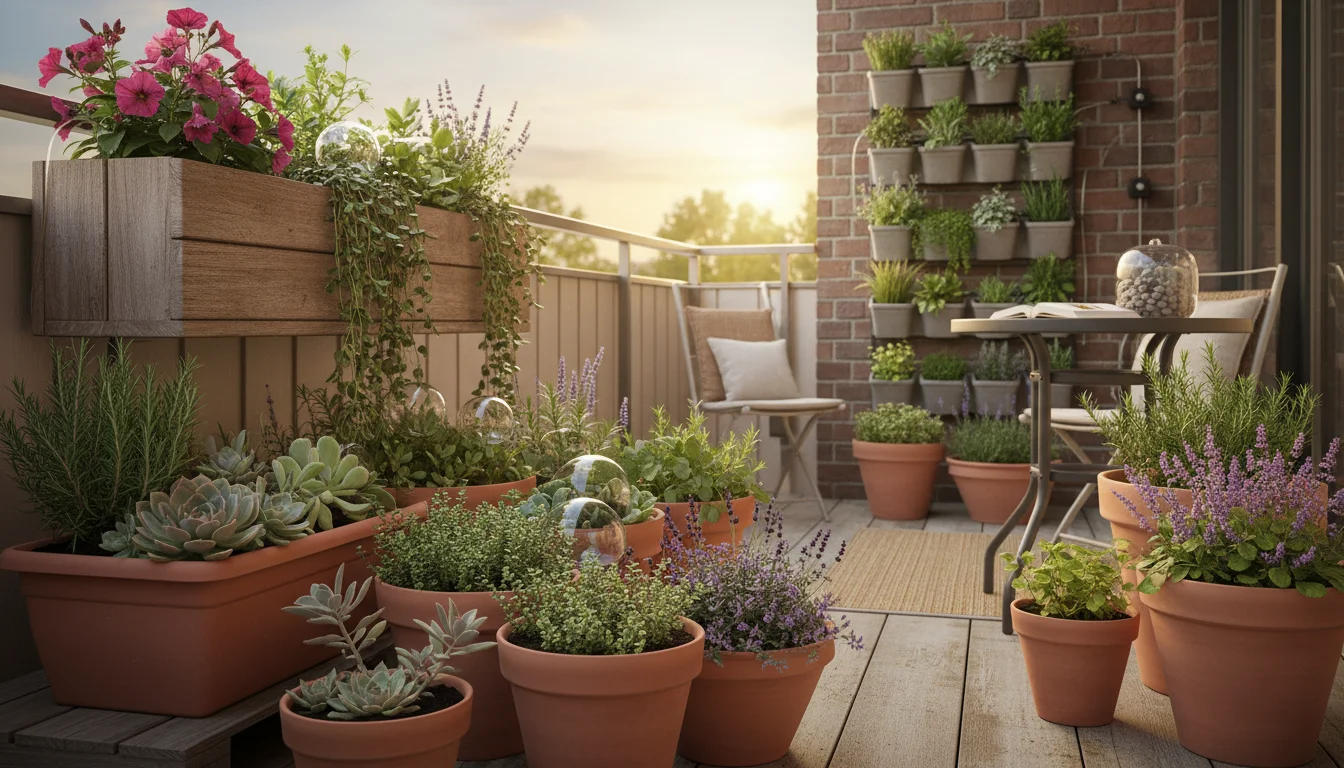
Anticipating a relaxing vacation fills you with excitement, but a common worry often creeps into a gardener’s mind: “Will my beloved balcony plants survive without me?”
You have invested time and effort into cultivating your container garden, and returning to wilted, crispy foliage can quickly dampen post-vacation spirits. This concern is particularly relevant for small-space gardeners whose plants rely entirely on them for water and nutrients.
In addition to keeping plants alive, learning how to design a cozy balcony garden can turn your outdoor area into a comfortable extension of your living space.
Learning to manage these challenges is key, as improper watering is one of the most common balcony garden mistakes beginners make.
The good news is that you absolutely can enjoy your time away without sacrificing your green haven. With some smart planning and a few practical techniques, your container garden can not only survive but thrive in your absence.
This guide provides actionable insights and strategies, transforming your balcony into a resilient, ‘vacation-proof’ oasis, whether you are gone for a weekend or an extended trip.
We focus on low-maintenance, effective solutions designed for gardeners like you, who value both flourishing plants and peace of mind.
Contents10 sections
- Understanding Plant Hydration: Why Container Gardens Dry Out Faster
- Pre-Vacation Plant Preparation: Setting the Stage for Success
- Self-Watering Planters and Reservoirs: Your Automated Allies
- DIY Plant Watering Systems: Ingenious Solutions for Pots
- Passive Watering Techniques: Simple Tricks for Short Trips
- Selecting Resilient Plants: Your Long-Term Strategy
- Enlisting Support: Friends, Neighbors, and Professional Care
- Common Mistakes to Avoid: Ensuring Your Return to a Thriving Garden
- Post-Vacation Recovery: Bringing Your Plants Back to Life
- Frequently Asked Questions
Understanding Plant Hydration: Why Container Gardens Dry Out Faster
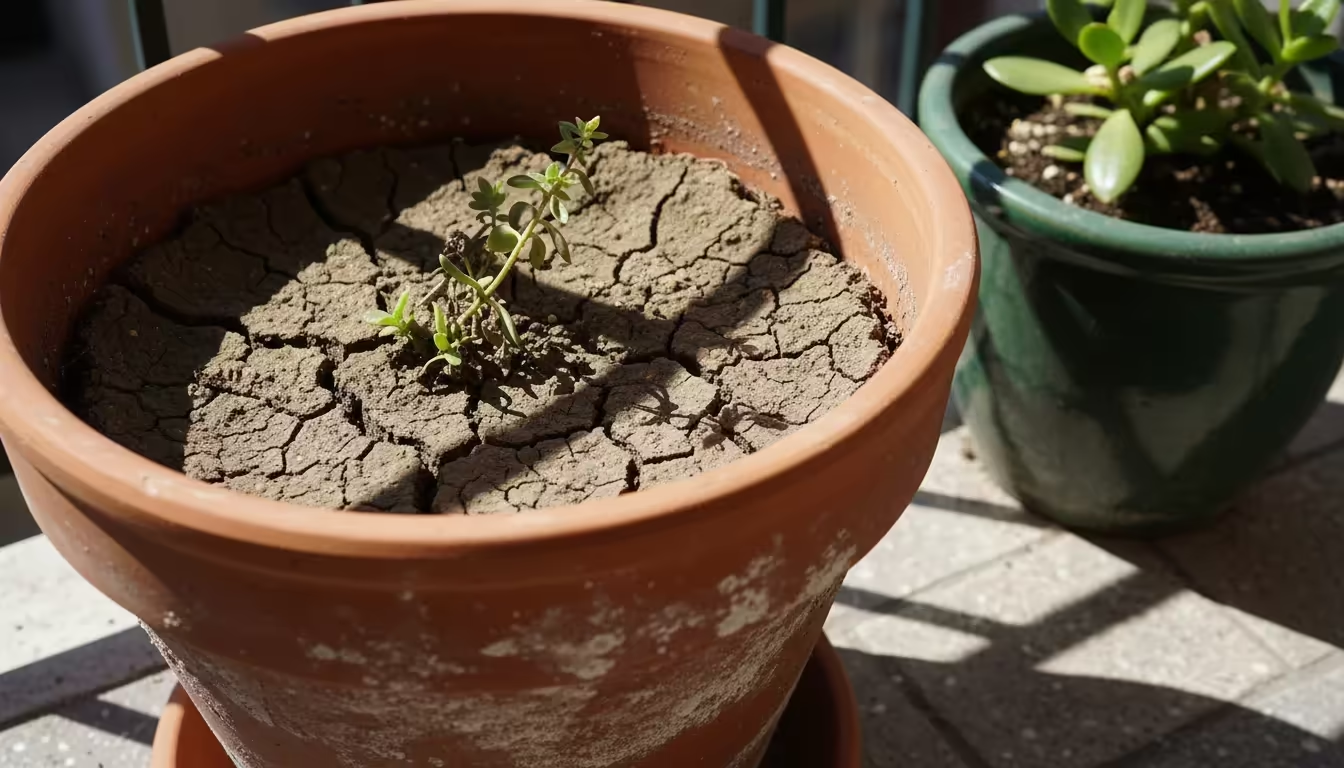
Before you implement solutions, you need to understand the challenge. Container gardens, by their very nature, face unique hydration issues compared to in-ground gardens.
The soil volume is limited, which means less water storage capacity. Roots are confined, making them more susceptible to temperature fluctuations and rapid drying.
Several factors accelerate water loss in your pots:
In colder months, you should also take steps to prepare empty balcony pots for winter so that terracotta and ceramic containers don’t crack from freezing temperatures.
Remember that water needs drop significantly as seasons transition, so make sure you adjust your container watering schedule for cooler weather to avoid overwatering.
If your balcony is particularly drafty, you might also want to protect your container plants from harsh winds to prevent them from drying out too quickly.
Extreme summer weather can accelerate dry-out times dramatically, making a balcony heat survival plan essential for your container plants.
- Pot Size and Material: Smaller pots hold less soil and therefore less moisture, drying out quickly. Porous materials like terracotta absorb water from the soil, further increasing evaporation compared to plastic or glazed ceramic pots.
- Sun Exposure and Wind: Direct, intense sunlight heats pots and soil, evaporating water rapidly. Consistent wind acts like a dehydrator, drawing moisture from both the soil surface and plant leaves through transpiration.
- Plant Type and Growth Stage: Thirsty plants, such as many annuals or vegetables, consume water at a higher rate. Larger plants with extensive foliage also transpire more water. Young, actively growing plants generally require more frequent watering than mature, established ones.
- Soil Composition: Fast-draining potting mixes, while excellent for preventing root rot, retain less moisture. While good drainage, meaning water moves through the soil efficiently, is crucial, excessively well-draining soil can be problematic if you are away.
Recognizing these factors allows you to tailor your `vacation watering` strategy effectively. Your goal is to slow down water loss and provide a consistent, albeit reduced, supply of moisture.
Pre-Vacation Plant Preparation: Setting the Stage for Success
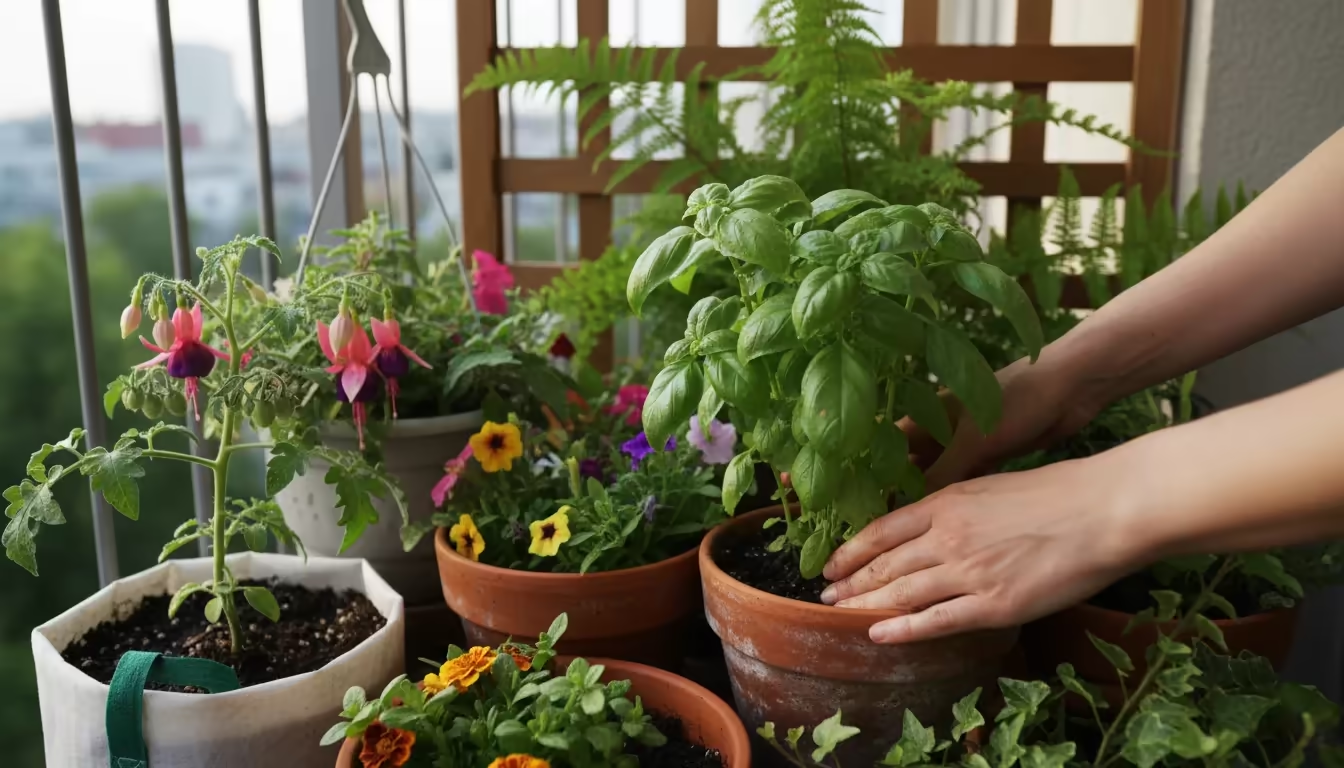
A successful `container garden vacation care` strategy begins days, even weeks, before you pack your bags. Proper preparation minimizes stress on your plants and maximizes the effectiveness of any watering system you implement.
If you expect temperatures to plummet while you are away, check a balcony garden frost protection checklist to keep delicate plants safe.
If your vacation falls during late autumn, learning how to overwinter your container plants will keep them insulated and safe from sudden freezes.
Cultivating proactive routines to prevent pests in your balcony garden before you leave is the best way to ensure bug infestations don’t take over in your absence.
If you are planning a trip during the colder months, you may also want to check out our vacation-proof winter houseplant checklist to keep your indoor plants safe.
- Deep Water Thoroughly: One to two days before you leave, give all your plants a deep, slow watering. Water until you see it draining from the bottom of the pot. This ensures the entire root ball is saturated.
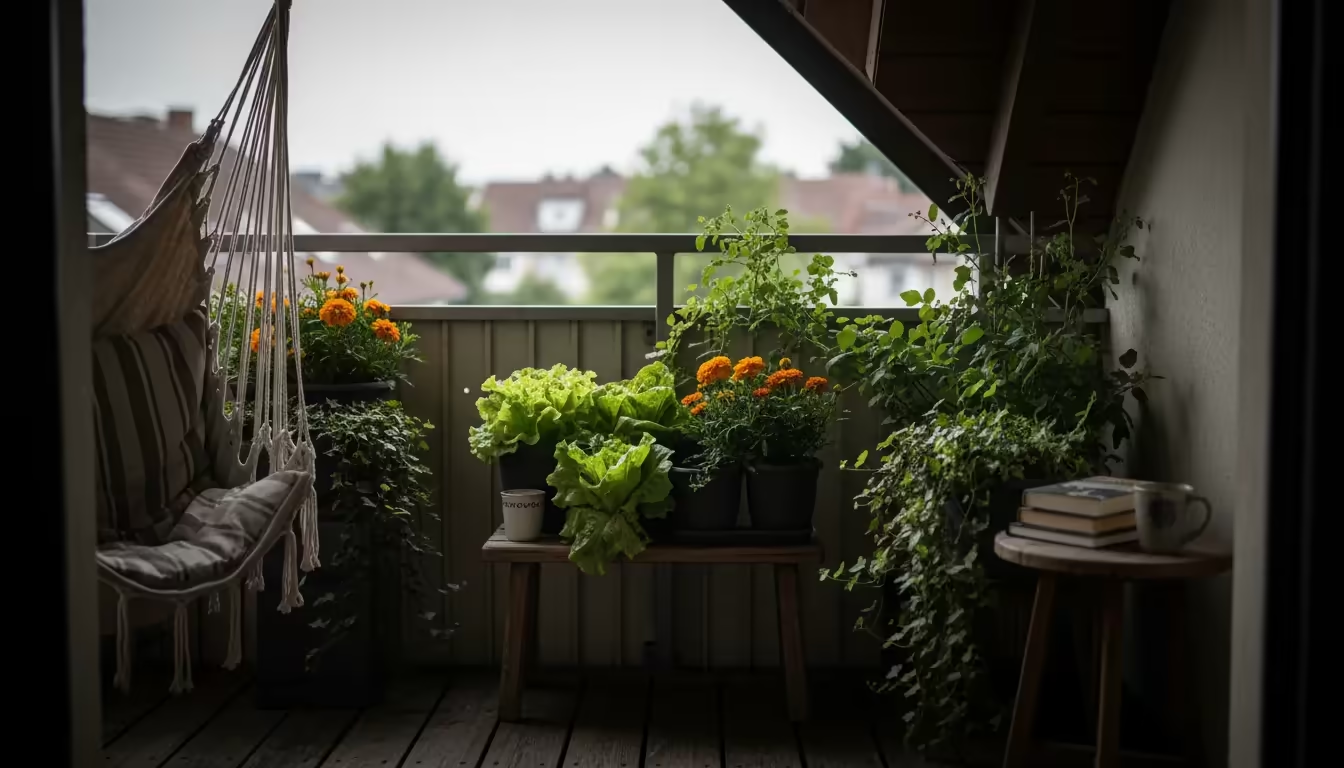
- Move Plants to a Shadier, Sheltered Location: Relocate sun-loving plants to a spot where they receive morning sun but are protected from intense afternoon heat. Grouping pots together creates a microclimate, increasing humidity around the plants and reducing moisture loss from the soil and leaves. A covered balcony or a spot against a wall can offer significant protection from direct sun and wind.
- Prune Judiciously: Remove any spent flowers, yellowing leaves, or excess foliage. This reduces the plant’s overall water demand because it has fewer leaves to support through transpiration. Avoid heavy pruning, which can stress the plant.
- Mulch, Mulch, Mulch: Apply a 1-2 inch layer of mulch to the top of the soil in each pot. Options include shredded bark, coco coir, or even small pebbles. Mulch acts as an insulating layer, significantly reducing evaporation from the soil surface. Studies show mulching can reduce soil moisture evaporation by up to 30%.
- Pause Fertilization: Do not fertilize your plants immediately before or during your vacation. Fertilizer encourages new growth, which requires more water and can stress a plant that is already receiving less attention.
- Inspect for Pests and Diseases: Check your plants thoroughly for any signs of pests or diseases. Address any issues before you leave, as these problems can escalate rapidly in your absence, especially if plants are already under stress.
These preparatory steps are fundamental. They create a more stable environment for your plants, making subsequent watering methods much more effective for your `container garden vacation care` plan.
Self-Watering Planters and Reservoirs: Your Automated Allies
For gardeners seeking a truly hands-off solution, `self-watering planters` represent a highly effective investment. These systems fundamentally change how your plants access water, providing a consistent supply without daily intervention.
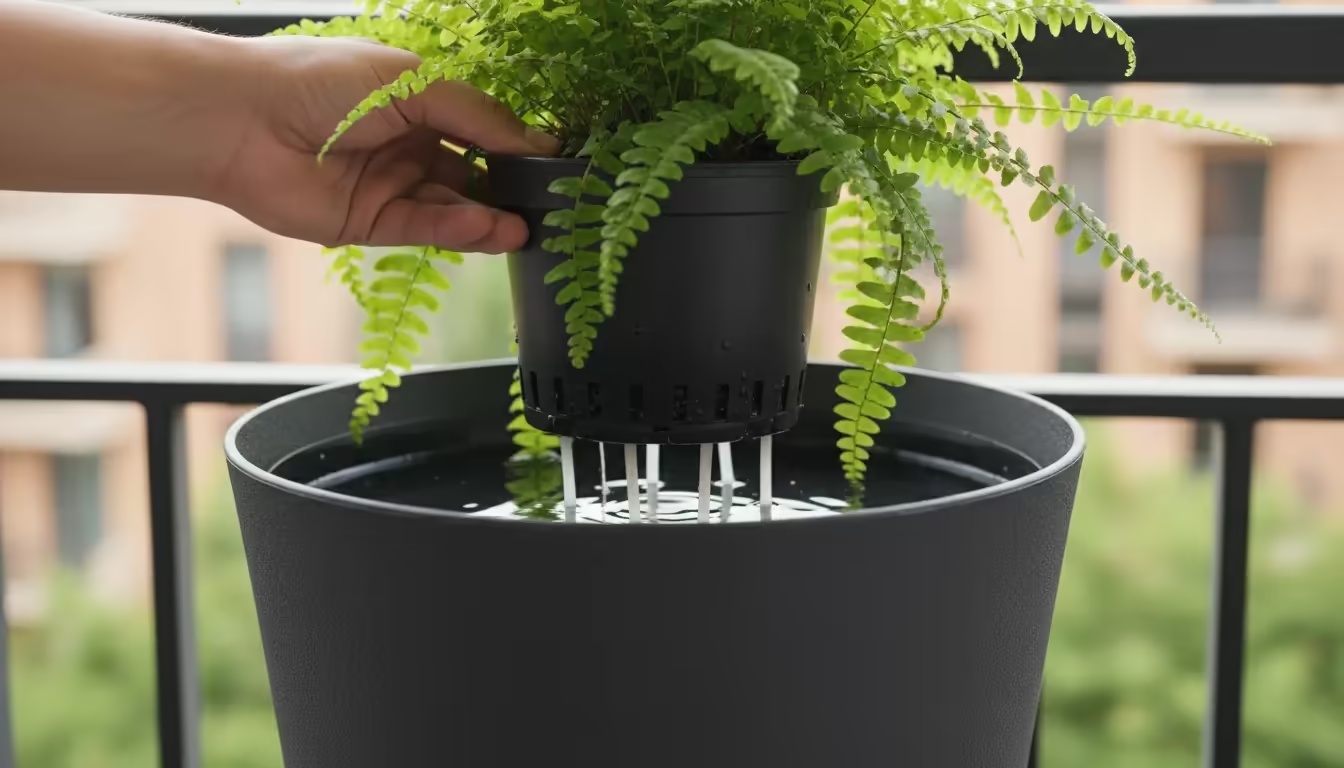
How Self-Watering Planters Work
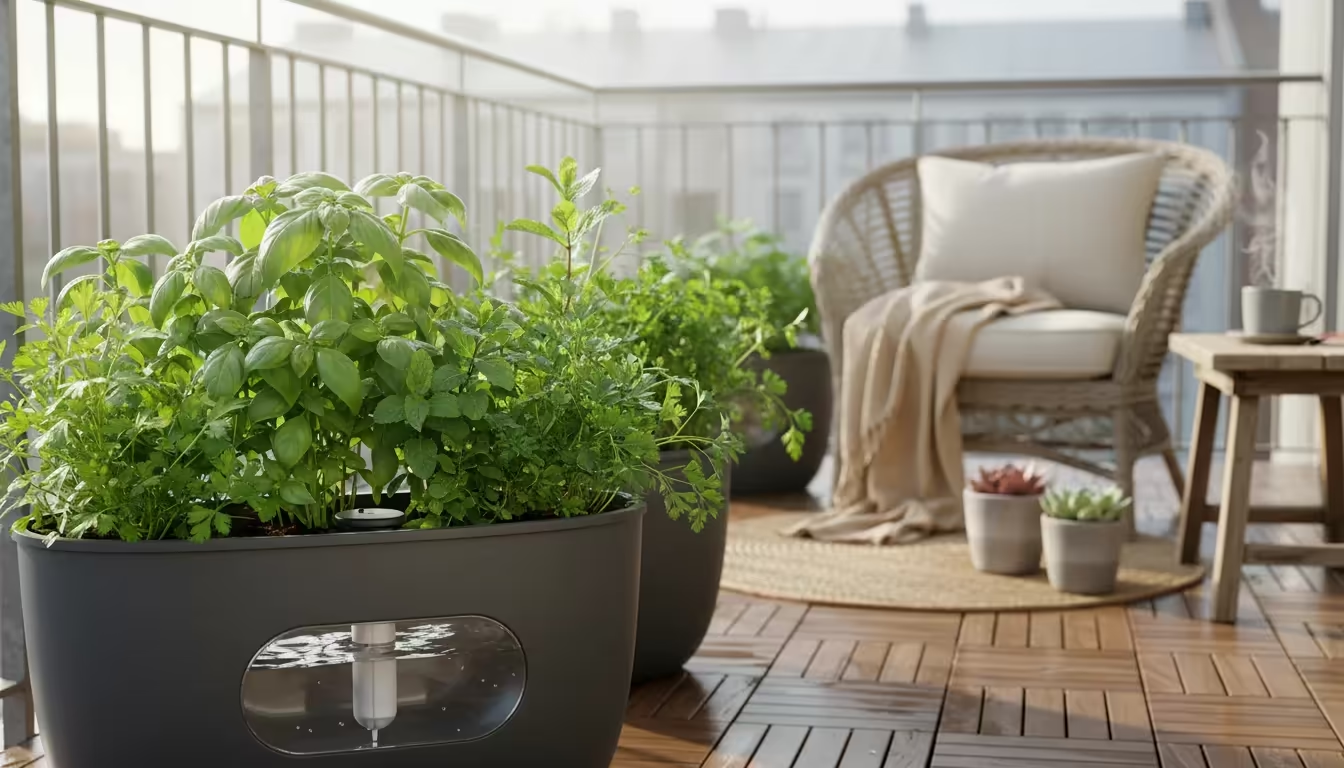
Most `self-watering planters` consist of two main components: a soil reservoir where the plant grows and a water reservoir below it. A wicking system, often a perforated false bottom, capillary mat, or wick, connects the two.
Water from the lower reservoir is drawn upwards into the soil as the plant needs it, mimicking the natural process of water absorption. You fill the water reservoir, and the plant takes what it requires, reducing the risk of both overwatering and underwatering.
Outside of vacations, managing moisture during transitional seasons requires a different strategy, such as using a balcony pots watering guide to handle erratic spring weather.
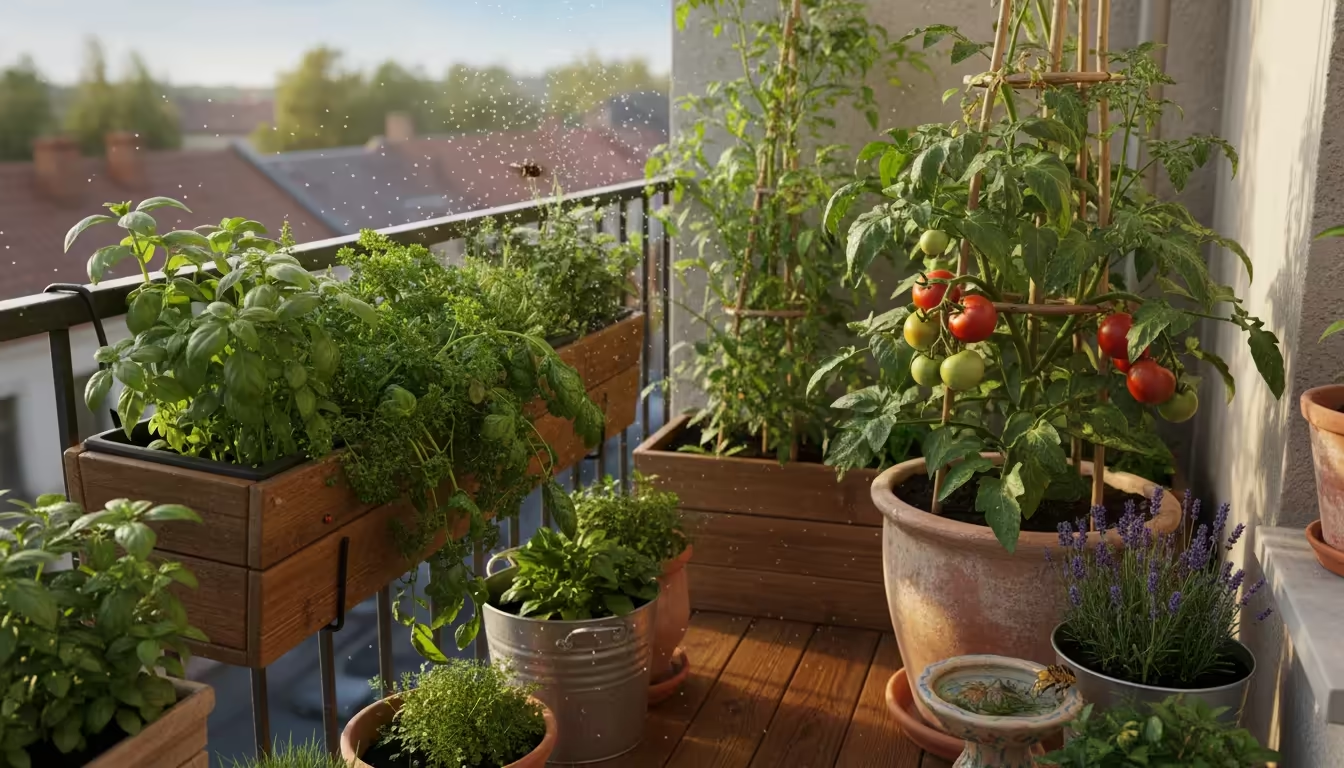
Benefits for Vacation Care
- Consistent Moisture: Plants receive a steady supply of water, preventing the extreme wet-dry cycles that stress roots.
- Extended Watering Intervals: Depending on the size of the reservoir and plant needs, these planters can keep your plants watered for days or even weeks. Some large systems can last for two weeks or more.
- Reduced Water Waste: Water is absorbed directly by the plant roots, with minimal evaporation from the soil surface or runoff.
- Root Health: Consistent moisture helps develop stronger, deeper root systems.
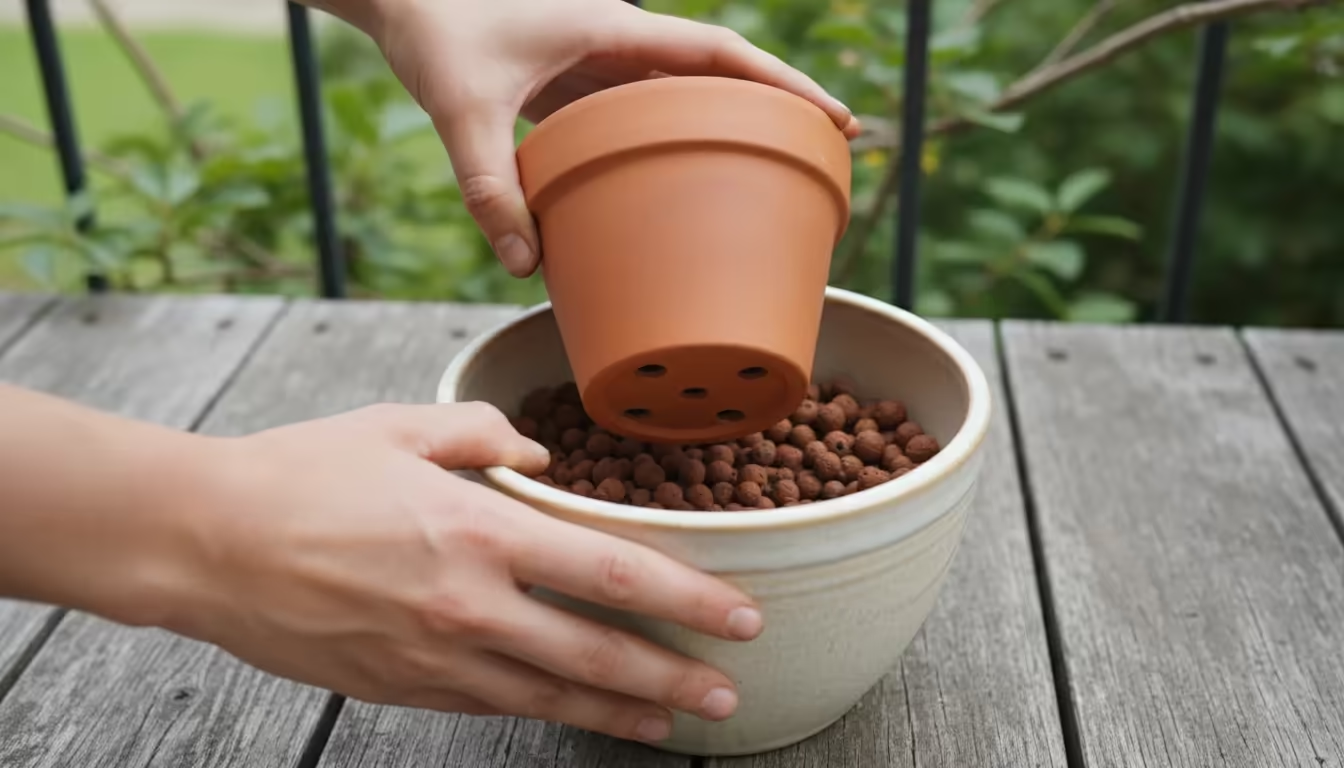
Types of Self-Watering Systems
- Integrated Self-Watering Planters: These pots come with the reservoir and wicking system built-in. They are an excellent choice for new plantings. Available in various sizes and aesthetics, they suit any balcony design.
- Self-Watering Inserts: If you love your existing pots, you can purchase inserts that transform standard containers into `self-watering planters`. These typically fit inside a larger pot, providing the necessary water reservoir and wicking mechanism.
- DIY Reservoir Systems: You can create simple reservoir systems by placing a smaller pot with drainage holes inside a larger, non-draining pot or container. Add a layer of gravel or an inverted small pot in the bottom of the larger container to create a water reservoir, and ensure the inner pot sits just above the water level, allowing roots to wick moisture up as needed.
When selecting `self-watering planters`, consider the size of your plants and the duration of your typical trips. Larger reservoirs provide longer periods of hydration.
Ensure your chosen potting mix is appropriate; a good quality mix with some moisture-retaining components works well with these systems.
If you prefer a budget-friendly option, you can easily build your own DIY self-watering containers using simple household items.
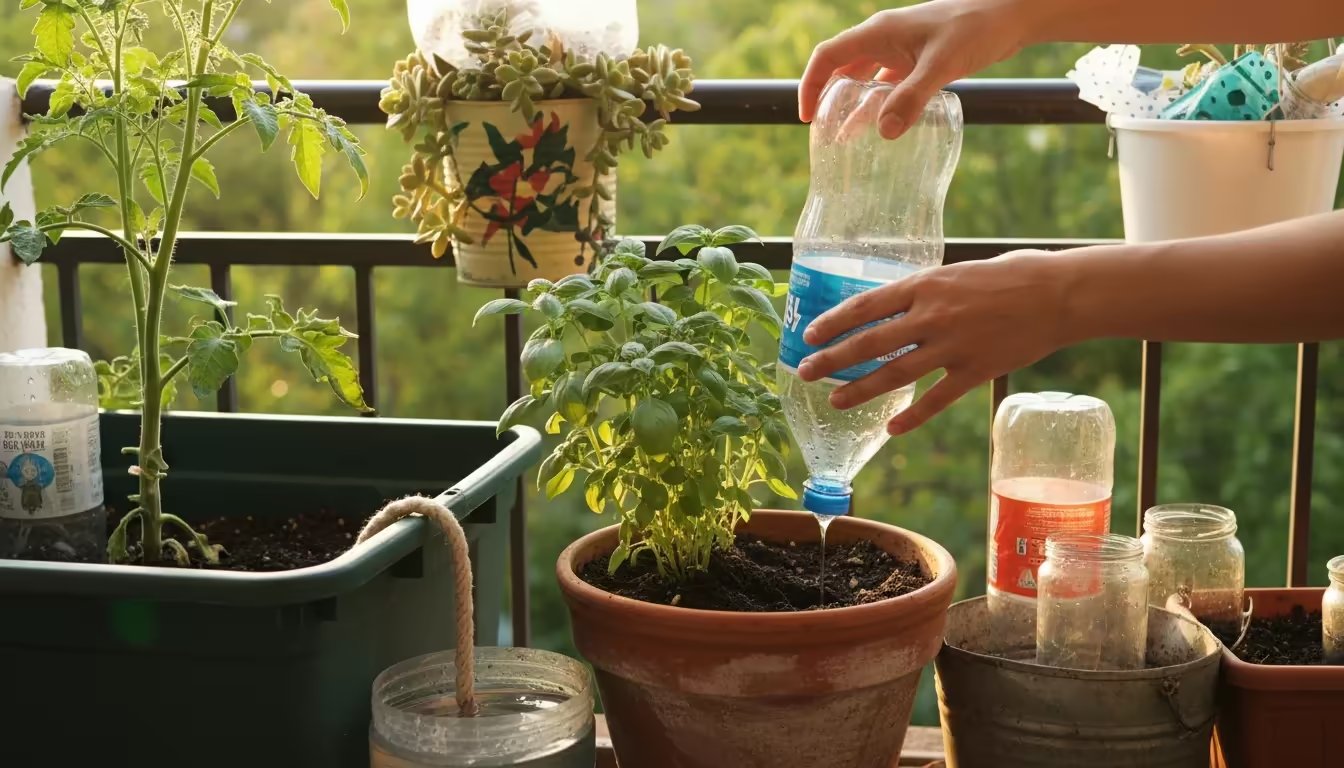
DIY Plant Watering Systems: Ingenious Solutions for Pots
You do not need expensive equipment to ensure your plants survive your absence. Many clever, budget-friendly `diy plant watering system for pots` options provide effective `how to water plants while on vacation for a week` solutions, or even longer.
If you live in a particularly dry region, adopting low-water gardening practices alongside these temporary systems will help your garden thrive with minimal resources.
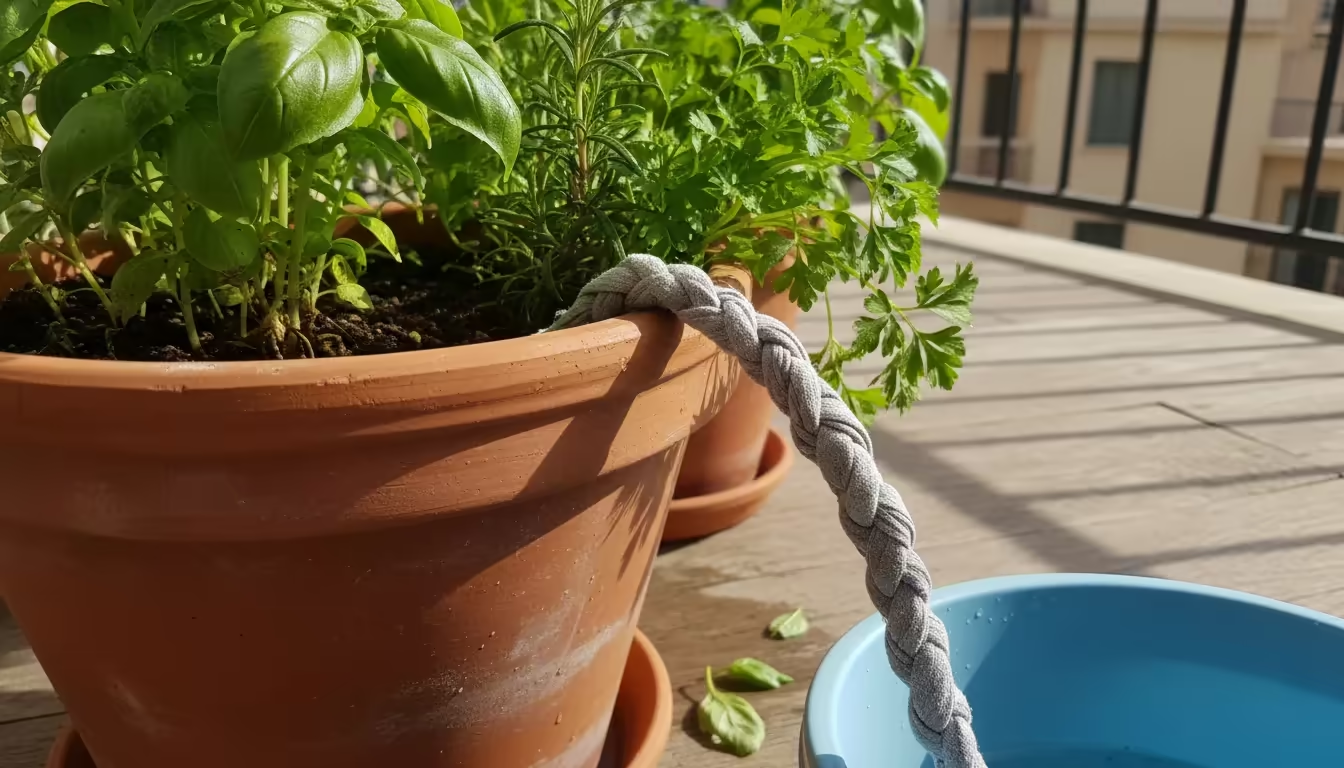
1. Wicking System (Capillary Action)
This method utilizes capillary action to draw water from a reservoir to your plant’s soil. It is incredibly effective for multiple pots.
- Gather Materials: You need a large water reservoir (a bucket, plastic bin, or even a large clean soda bottle works well), cotton rope or wicking cord (old cotton shoelaces or strips of cotton fabric also work), and your potted plants.
- Prepare the Wick: Cut a length of cotton rope long enough to reach from the bottom of your water reservoir to several inches into the soil of your pot. Ensure the rope is thoroughly wet before use, as dry cotton wicks poorly initially.
- Position the Reservoir: Place your water reservoir slightly higher than your potted plants. This creates a natural siphon effect, aiding water movement.
- Insert the Wick: Place one end of the wet wick into the water reservoir, ensuring it reaches the bottom. Bury the other end several inches deep into the soil of your potted plant, near the root ball. For larger pots or thirstier plants, use two wicks.
- Test the System: Test this system for a few days before you leave to ensure the wicking rate is appropriate for your plant and pot size. You may need to adjust the height of the reservoir or the number of wicks.
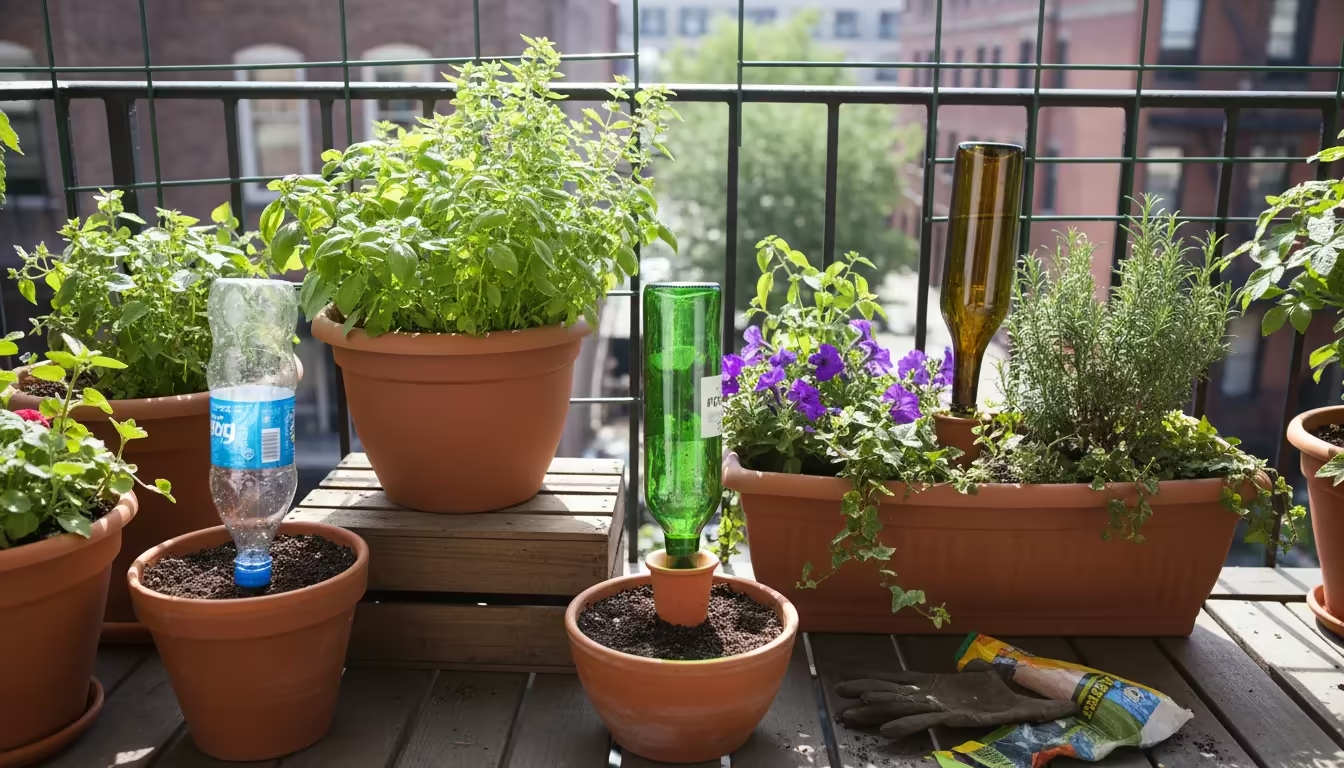
2. Inverted Water or Wine Bottle Drip System
This classic `diy plant watering system for pots` provides slow, consistent moisture directly to the soil.
- Prepare the Bottle: For plastic water bottles, poke a few tiny holes in the cap using a small nail or needle. For wine bottles, you might use a terracotta watering spike that fits into the bottle neck, which allows for gradual water release. Alternatively, for a truly DIY approach with wine bottles, you can attempt to create a small opening near the bottle’s mouth, but this requires more care and can be tricky.
- Fill and Invert: Fill the bottle with water, then quickly invert it and bury the neck (or the watering spike attached to it) a few inches into the soil, away from the plant’s stem. Ensure the soil is already moist to prevent the water from gushing out too quickly.
- Secure the Bottle: If the bottle is large, you may need to stake it to prevent it from tipping over.
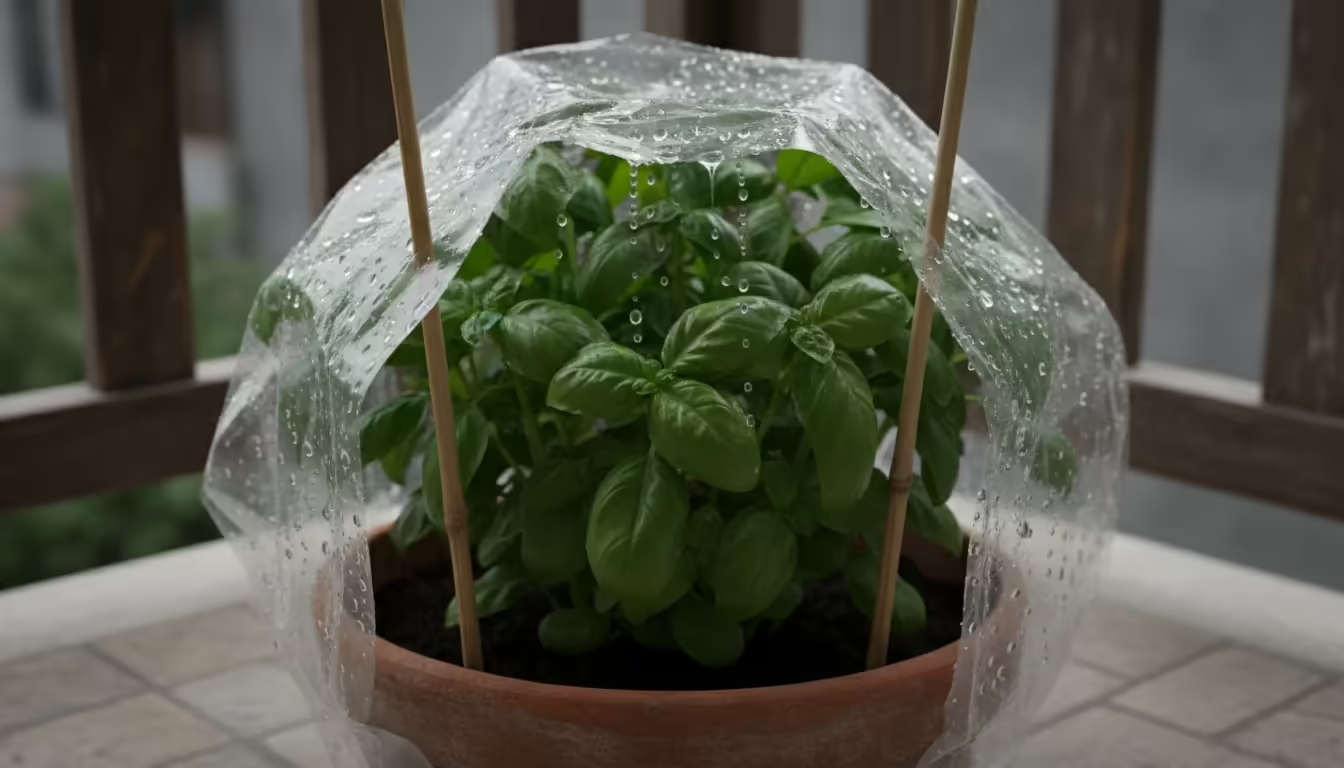
3. Mini Greenhouse Effect with Plastic Bags
For smaller plants and shorter trips (up to a few days), this method creates a humid microclimate.
- Water Thoroughly: Deep water your plant immediately before using this method.
- Cover the Plant: Place a clear plastic bag over the plant and pot, securing it around the rim of the pot or gently at the base of the plant. Do not let the plastic touch the leaves too much, as this can encourage fungal growth. You can use stakes to hold the bag up.
- Position: Move the plant to a shadier location. The bag traps moisture evaporating from the leaves and soil, creating condensation that drips back down, effectively recycling water.
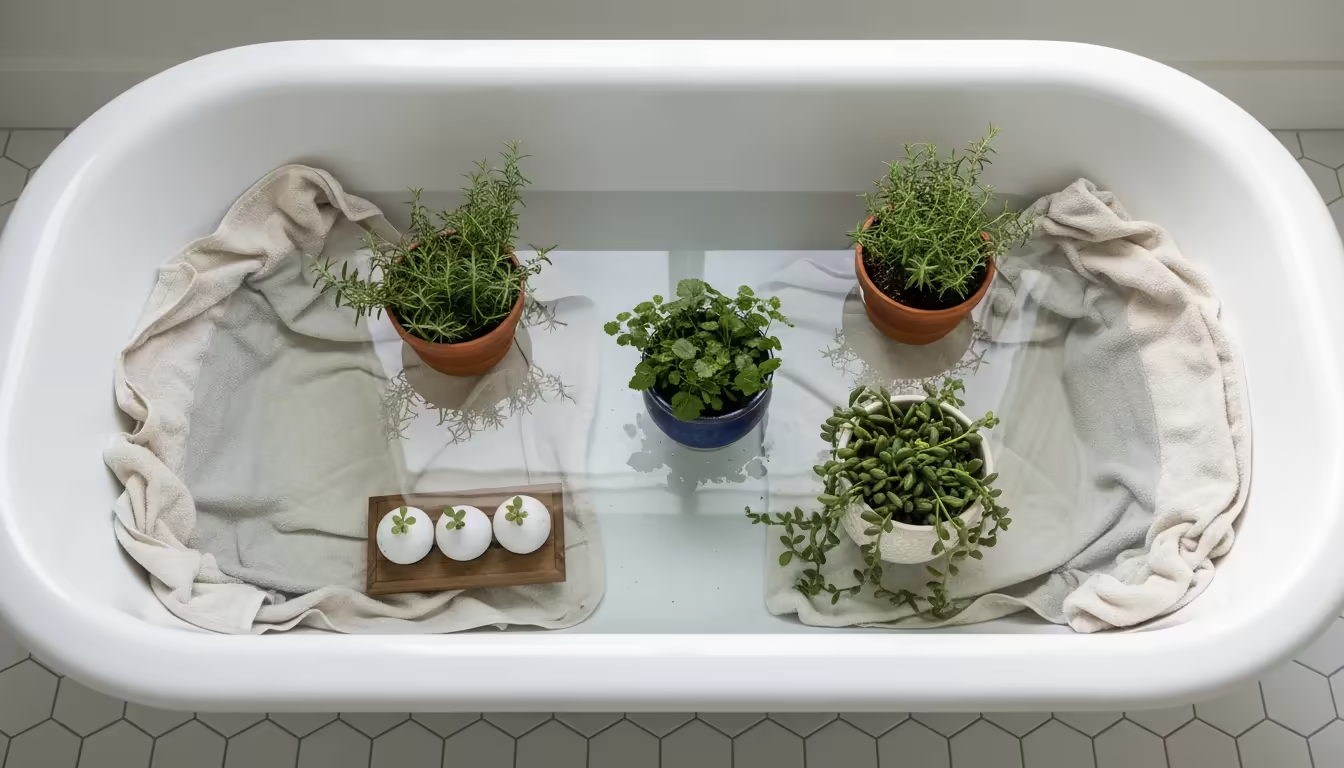
4. Bathtub or Sink Reservoir
This method is suitable for a collection of small to medium-sized pots, particularly for a `how to water plants while on vacation for a week` scenario.
- Clean the Basin: Thoroughly clean your bathtub or sink.
- Protect the Surface: Place old towels or a thick plastic sheet at the bottom to protect the surface and provide some wicking action.
- Add Water: Fill the basin with an inch or two of water.
- Place Plants: Arrange your potted plants (ensure they have drainage holes) on the towels. The plants will absorb water from the bottom through their drainage holes.
- Consider Light: Remember that bathrooms and kitchens may not offer ideal light conditions. Only use this method for plants that tolerate lower light or for very short periods.
Always test your `diy plant watering system for pots` at least a week before your departure. This allows you to fine-tune the setup and prevent any unpleasant surprises upon your return.
Passive Watering Techniques: Simple Tricks for Short Trips
Beyond specialized systems, some basic practices can significantly extend the time your plants can go without direct watering. These passive techniques are excellent additions to any `container garden vacation care` plan, particularly for shorter trips.
- Group Your Plants: Place all your container plants closely together. This creates a mini-ecosystem where the transpiration from one plant helps to increase humidity around its neighbors. This shared, more humid environment reduces individual water loss.
- Shade and Shelter: Even if you cannot move plants indoors, relocate them to the shadiest part of your balcony or patio. Protection from direct afternoon sun and strong winds dramatically reduces evaporation and transpiration. Consider using a temporary shade cloth if your space allows, which can reduce light intensity and heat by 30-50%.
- Humidity Trays or Saucers with Pebbles: Place pots on trays filled with pebbles and a small amount of water, ensuring the bottom of the pot does not sit directly in the water. The evaporating water from the tray increases humidity around the plants without causing root rot. This works especially well for plants that appreciate higher humidity, such as ferns or tropicals.
- Deep Saucers: If your pots have saucers, ensure they are clean and capable of holding a small reservoir of water without leaking. While typically you empty saucers to prevent root rot, for a short vacation (2-3 days), allowing a small amount of water to collect can provide a slow release of moisture through the drainage holes. Use this with caution, ensuring your plants are not sitting in standing water for too long.
Implementing these simple, yet effective, strategies adds another layer of protection for your plants, buying them precious time and reducing their overall water demand during your absence.
Selecting Resilient Plants: Your Long-Term Strategy
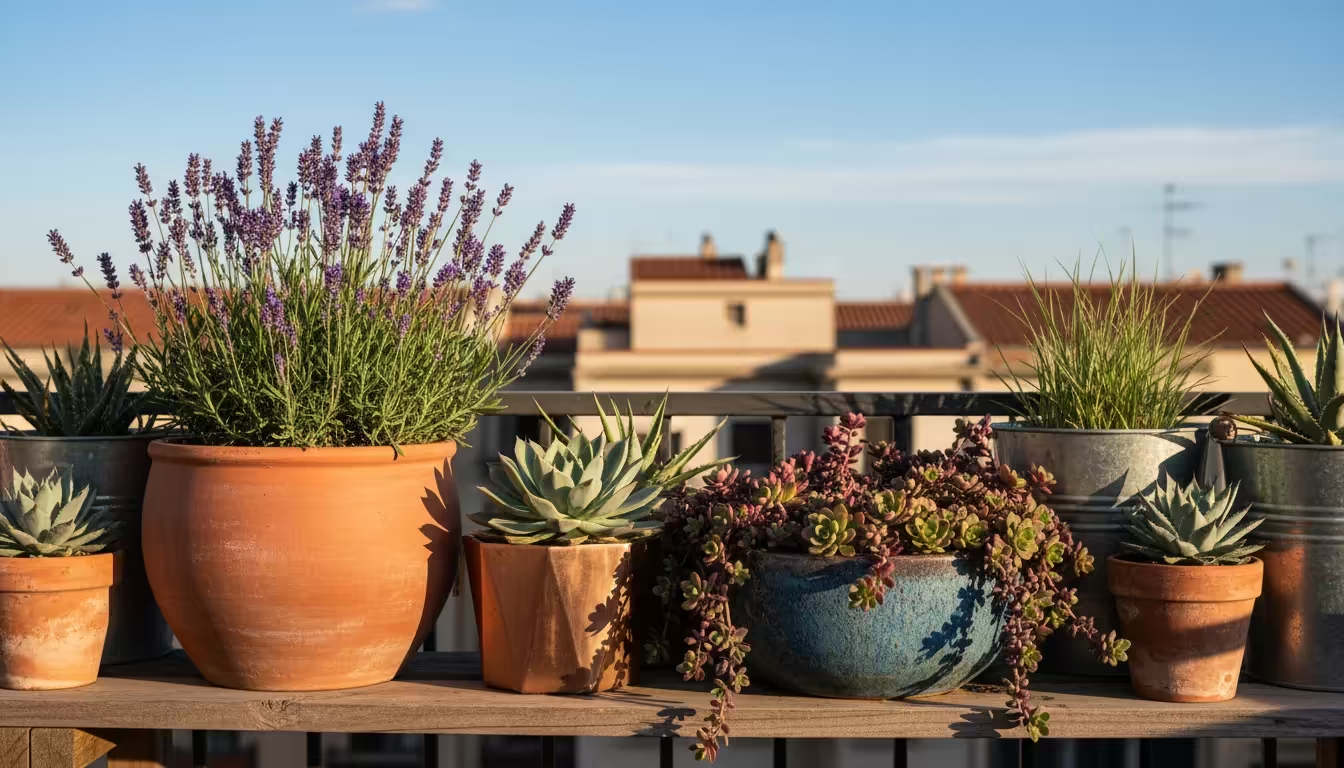
For busy gardeners or those who travel frequently, choosing plants naturally suited to less frequent watering is a foundational strategy for a truly `vacation-proof` balcony. Integrating drought-tolerant species into your `container garden vacation care` plan reduces stress for both you and your plants.
Drought-Tolerant Plant Categories for Containers:
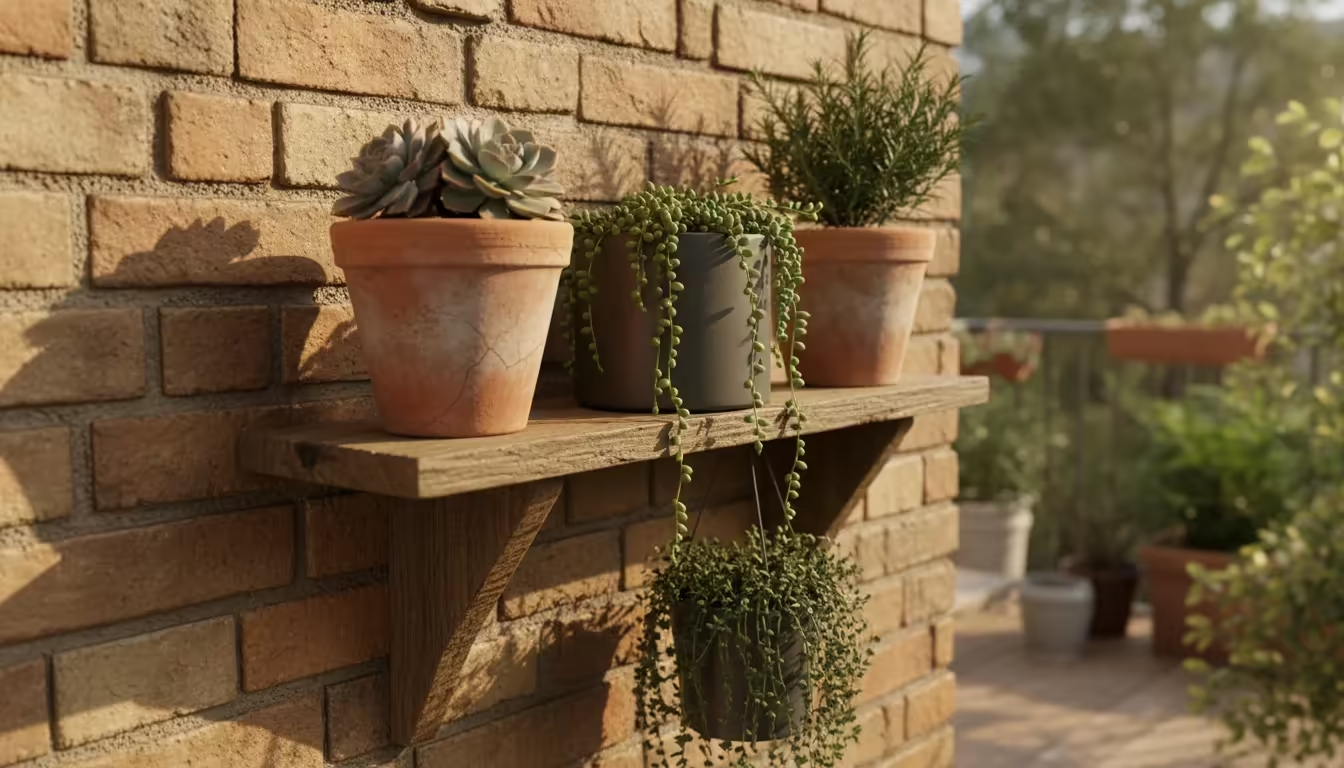
- Succulents and Cacti: These are the champions of water storage. Their thick, fleshy leaves or stems store water for extended periods. Examples include Sedum, Sempervivum (hen and chicks), Echeveria, and various Cacti. They thrive on neglect and can easily go for two weeks or more without water, especially if kept out of intense sun.
- Mediterranean Herbs: Many herbs originating from arid regions are naturally drought-tolerant once established.
- Rosemary: A woody, fragrant herb that tolerates dry conditions well.
- Thyme: Low-growing and robust, thyme needs minimal watering once settled.
- Lavender: Famous for its beautiful flowers and scent, lavender prefers drier soil.
- Oregano: Another resilient herb that performs well in containers with good drainage.
These herbs often thrive in full sun but can manage with less water when mature.
- Certain Ornamental Grasses: Many varieties of ornamental grasses are incredibly tough and require infrequent watering. Examples include Blue Fescue (Festuca glauca) or Little Bluestem (Schizachyrium scoparium). They add texture and movement to your balcony and are very forgiving.
- Specific Annuals and Perennials: While many annuals are thirsty, some offer surprising resilience.
- Portulaca (Moss Rose): Vibrant, low-growing, and loves full sun and dry conditions.
- Verbena: Many varieties are tough and handle drier soil once established.
- Gaillardia (Blanket Flower): Cheerful, daisy-like flowers that are highly drought-tolerant.
- Coreopsis (Tickseed): Bright yellow flowers, adaptable to various conditions, including some dryness.
For perennials, consider plants like Yarrow (Achillea), Daylily (Hemerocallis), or Salvia, many of which can endure periods of drought.
Tips for Success with Resilient Plants:
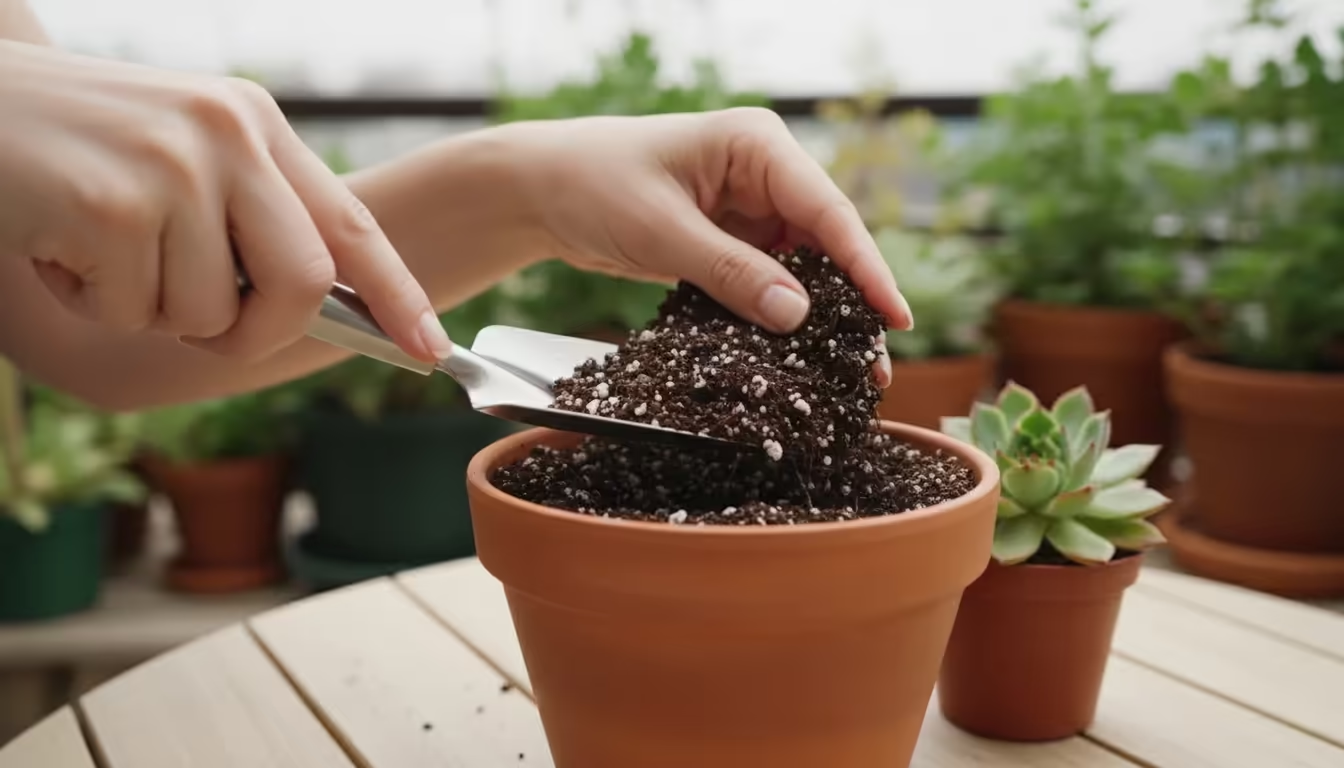
- Proper Potting Mix: Use a well-draining potting mix specifically designed for containers, possibly with added perlite or grit for extra drainage. For succulents and cacti, a specialized cactus mix is ideal.
- Establishment Period: Even drought-tolerant plants need regular watering during their establishment phase (first few weeks after planting) to develop strong root systems.
- Container Choice: While plastic pots retain moisture better, many drought-tolerant plants actually prefer the excellent aeration provided by terracotta, as long as you account for its increased evaporation.
By consciously selecting plants that naturally require less water, you build a garden that is inherently more forgiving and easier to maintain, making your `container garden vacation care` much simpler.
Enlisting Support: Friends, Neighbors, and Professional Care
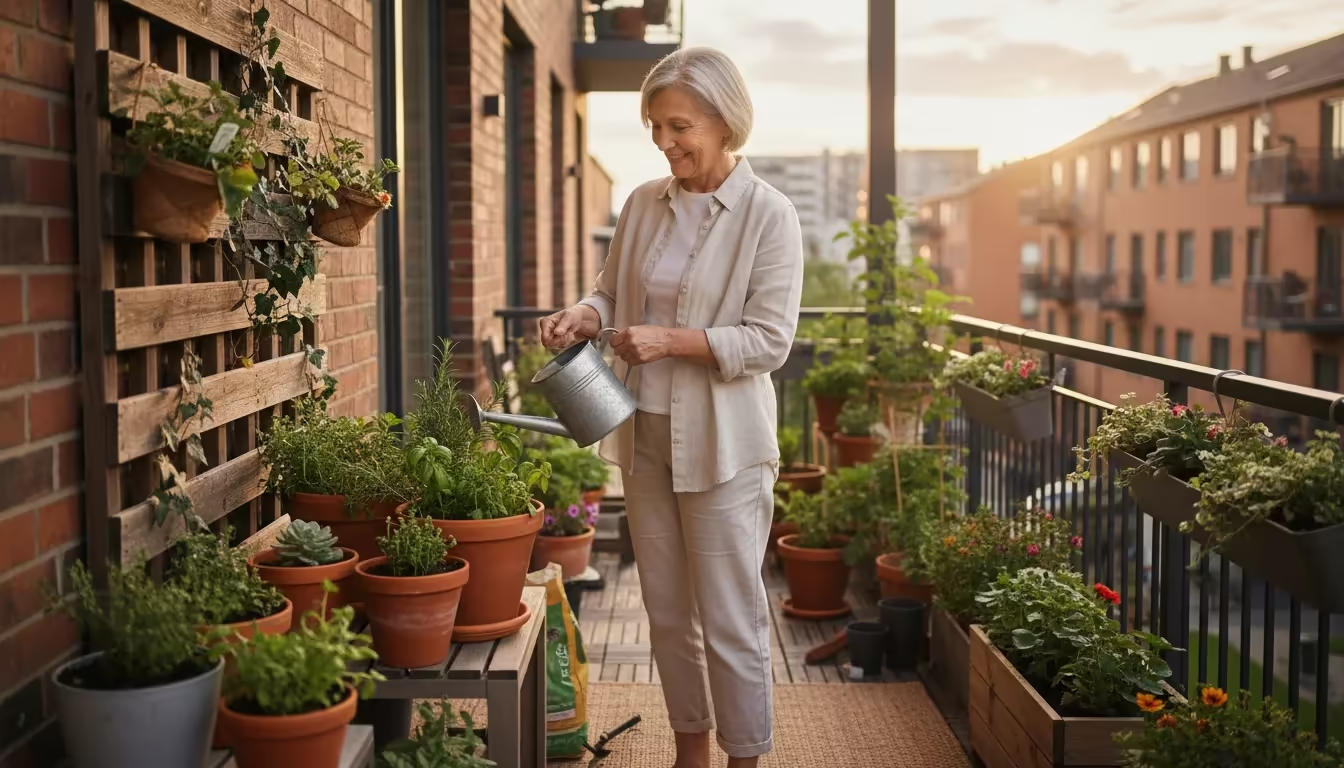
Sometimes, the best `vacation watering` strategy involves a trusted human touch. Enlisting help from a friend, neighbor, or professional can be the most reliable solution, especially for long trips or delicate plants.
Asking a Friend or Neighbor:
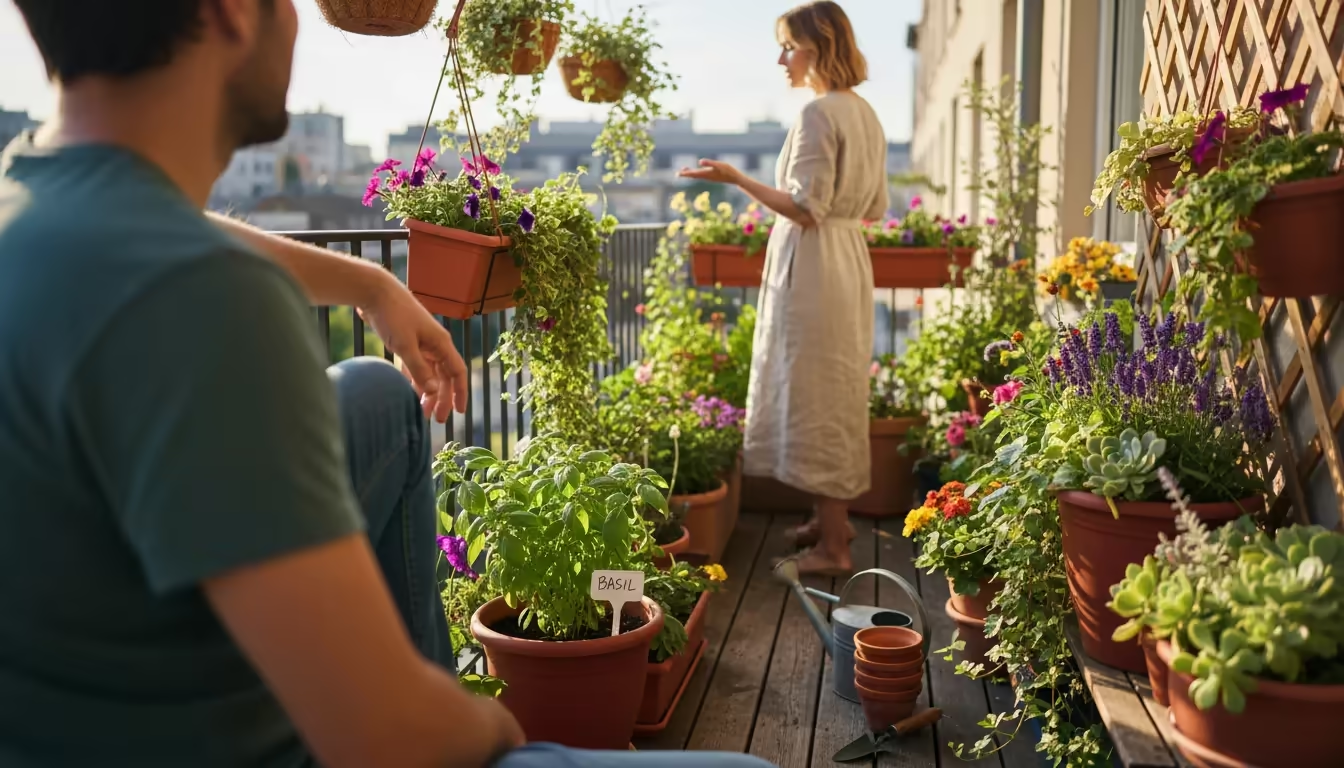
This is often the most cost-effective and comforting option. Most people are happy to help for a few minutes a day, especially if you offer to reciprocate.
To ensure success:
- Provide Clear Instructions: Do not assume your plant-sitter knows what your plants need.
- Write it Down: Create a clear, concise watering schedule. Specify which plants need daily watering, which need it every few days, and which should be left alone.
- Show, Do Not Just Tell: Walk them through the process. Demonstrate how to check soil moisture (e.g., sticking a finger 1-2 inches deep). Show them how much water each plant typically needs and how to avoid overwatering (water until it drains from the bottom, then stop).
- Label Pots: Consider placing small, clear labels on pots indicating watering frequency or any special instructions.
- Consolidate and Organize: Group all plants that need watering in one easily accessible area. Make sure watering cans, hoses, and any other necessary tools are clean and readily available.
- Provide Contact Information: Leave your phone number or email, and a number for an emergency contact or local gardening expert if a plant issue arises.
- Offer a Thank You: A small gift, a reciprocal favor, or a treat upon your return shows your appreciation.
Professional Plant Sitter or Garden Service:
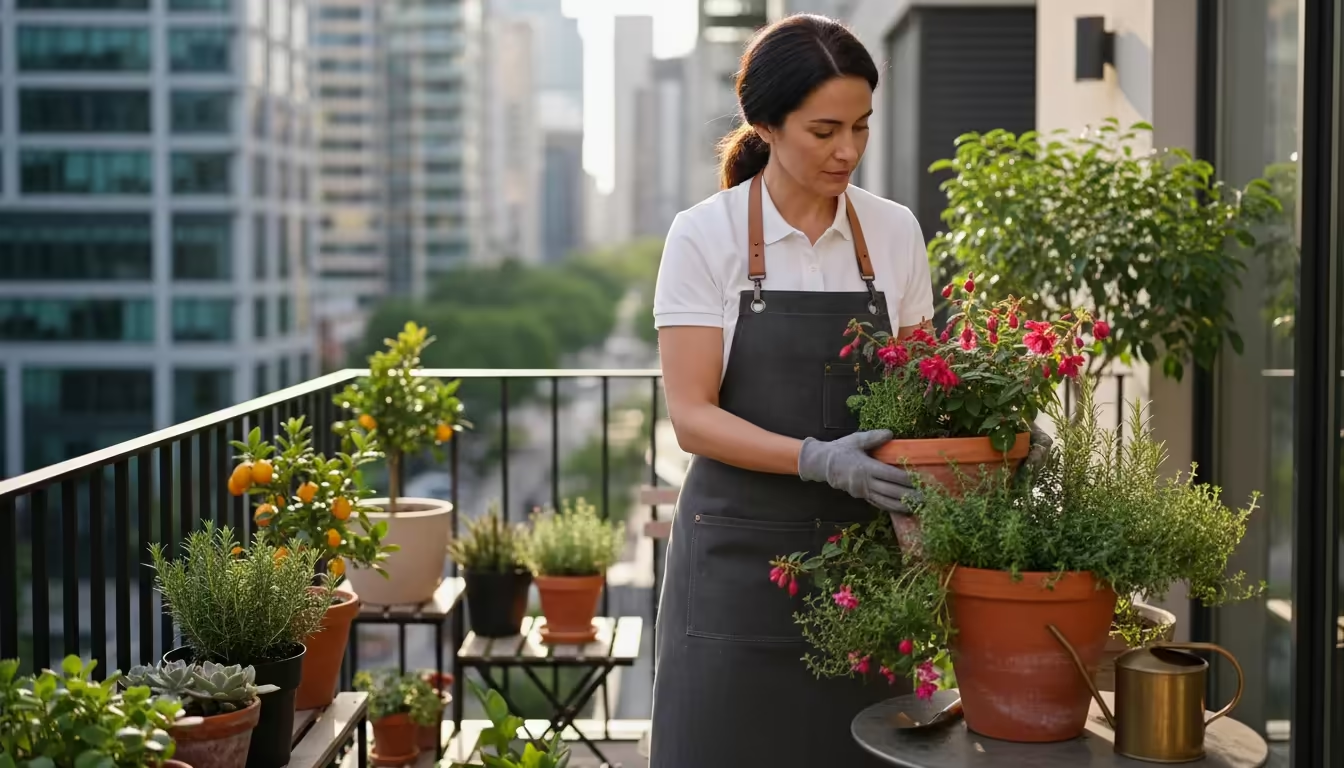
For very large collections, valuable plants, or extended absences, a professional service might be worth the investment. These services offer:
- Expertise: They possess knowledge of plant care, identifying issues, and providing appropriate treatment.
- Reliability: Professional services are insured and generally more dependable than relying on a casual favor.
- Comprehensive Care: Beyond watering, they can also check for pests, adjust lighting, and provide other maintenance tasks.
Research local services in advance, read reviews, and get references. Ensure they understand the specific needs of your `container garden vacation care` for your small space.
Common Mistakes to Avoid: Ensuring Your Return to a Thriving Garden
Even with the best intentions, certain missteps can jeopardize your plants’ survival while you are away. Understanding these common pitfalls helps you refine your `vacation watering` strategy and increase your success rate.
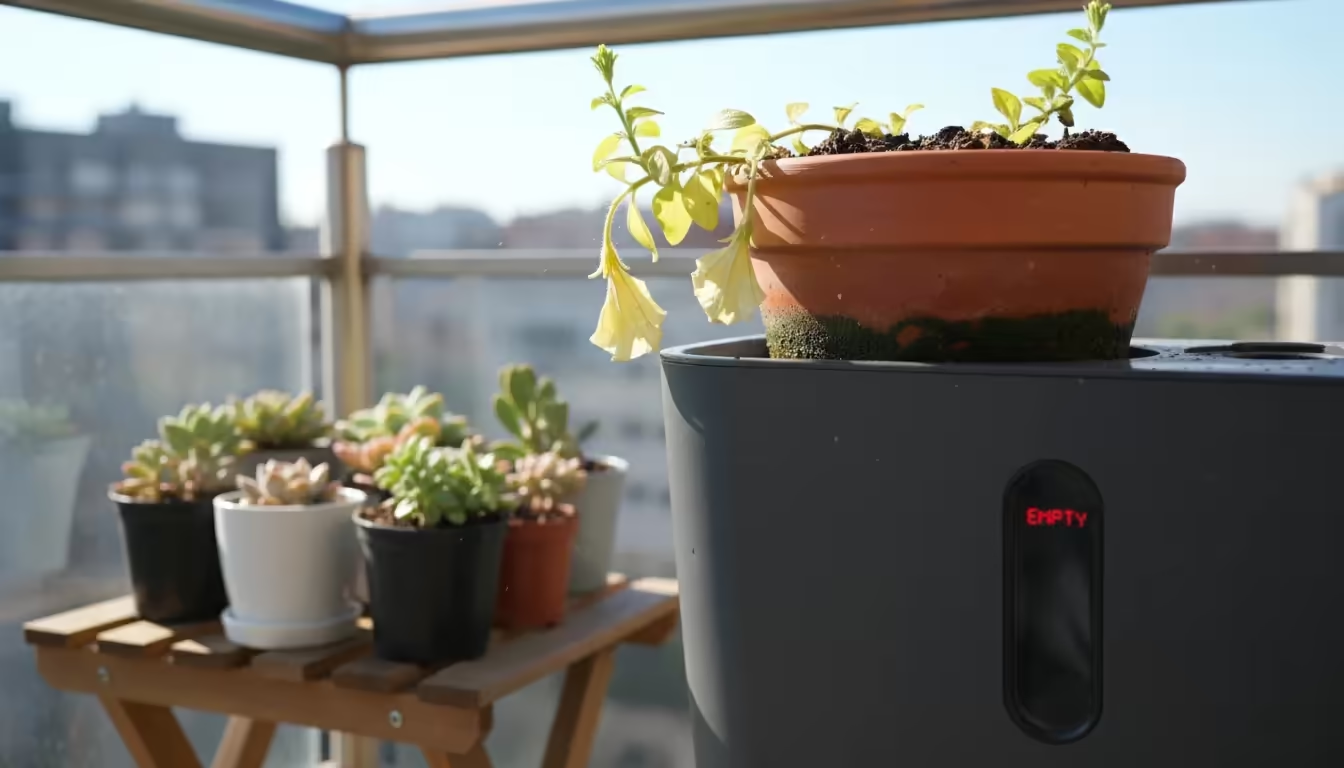
- Overwatering Before Leaving: Your instinct might be to drench your plants to “stock them up.” However, excessively soggy soil, especially without adequate drainage and air circulation, creates an anaerobic environment. This suffocates roots and leads to root rot, which is often fatal. Water deeply, but allow excess water to drain completely.
- Ignoring Drainage: Every container plant needs proper drainage holes. Without them, water pools at the bottom, leading to root rot regardless of your watering system. Ensure holes are clear and not blocked by soil or roots.
- Assuming One-Size-Fits-All Care: Different plants have different water needs. A thirsty annual will struggle with the same `vacation watering` schedule as a drought-tolerant succulent. Group plants by their water requirements and tailor your solutions accordingly.
- Not Testing DIY Systems: Never deploy a `diy plant watering system for pots` for the first time on the day you leave. Test any new setup for at least a week prior to your departure. This allows you to observe how quickly the water is consumed and make necessary adjustments to wicks, bottle hole sizes, or reservoir levels.
- Leaving Plants in Extreme Conditions: Even with watering solutions, plants left in scorching direct sun or exposed to harsh winds will struggle. Heat and wind dramatically accelerate water loss. Moving plants to shadier, more sheltered locations is crucial.
- Over-Fertilizing: Fertilizing right before or during your vacation promotes new growth that requires more water, increasing the plant’s stress. Hold off on feeding for a few weeks before your trip.
- Neglecting Pest and Disease Checks: Small pest infestations or fungal issues can explode in your absence, especially when plants are under stress. Inspect plants thoroughly and treat any problems before you depart.
By consciously avoiding these mistakes, you significantly improve your plants’ chances of remaining healthy and vibrant until your return. Your proactive approach to `container garden vacation care` pays dividends.
Post-Vacation Recovery: Bringing Your Plants Back to Life
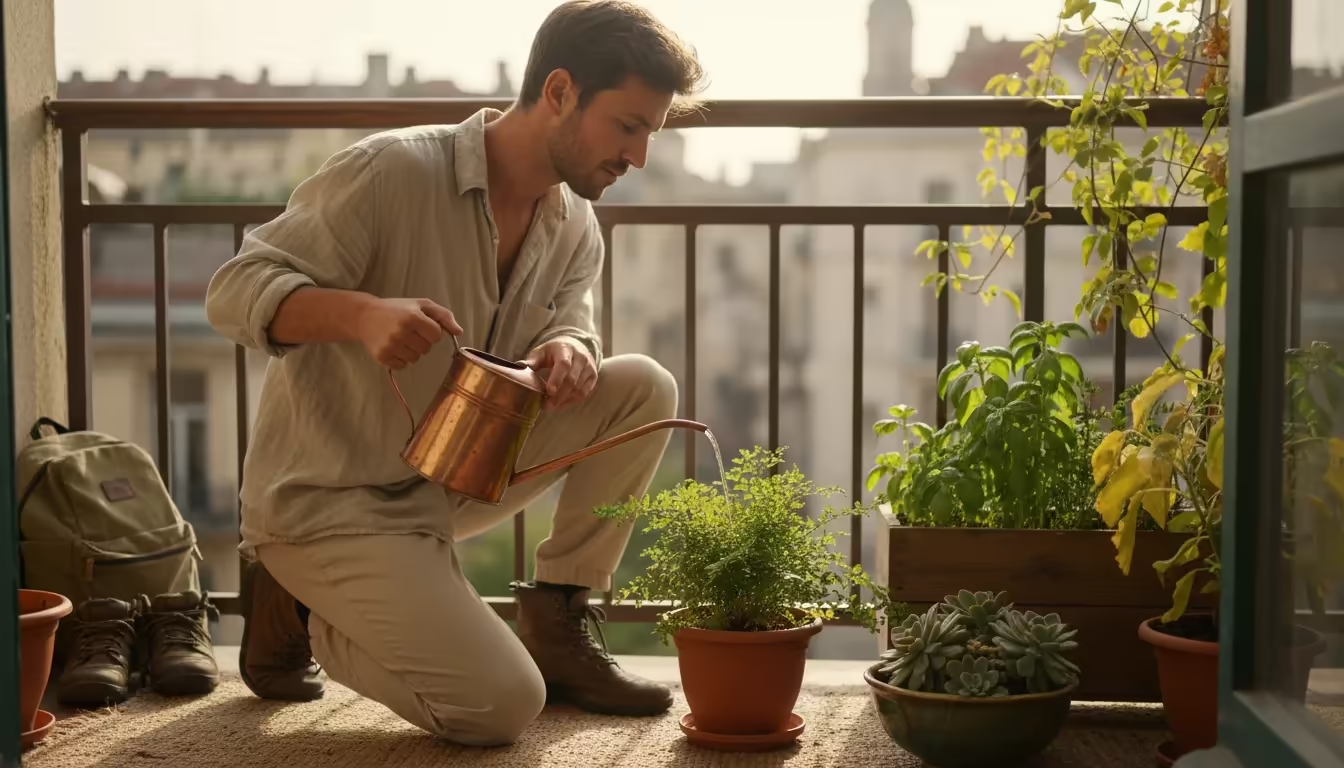
You have returned from your trip, and it is time to assess your garden. Even with the best preparation, some plants might look a little tired.
Do not panic. Most plants are remarkably resilient.
Here is your action plan for post-vacation recovery:
- Assess the Situation Calmly: Take a walk through your balcony garden. Note which plants look healthy, which are wilting, and which show signs of significant stress (crispy leaves, defoliation).
- Water Gently and Gradually: If plants are dry, water them thoroughly but slowly. Allow the water to soak in, wait a few minutes, and water again until you see drainage. Avoid a sudden flood of water onto bone-dry soil, which can run straight through without hydrating the root ball. For severely wilted plants, consider placing the entire pot in a tray of water for 30 minutes to an hour to allow for bottom absorption.
- Remove Dead and Damaged Foliage: Prune away any crispy, yellow, or dead leaves and stems. This helps the plant redirect energy to new, healthy growth and improves air circulation, which can deter fungal issues.
- Return Plants to Their Optimal Locations: Once plants have recovered from any immediate dehydration, gradually move them back to their preferred light conditions. If they have been in shade for a while, reintroduce them to full sun over a few days to prevent sunburn.
- Monitor for Pests and Diseases: Stressed plants are more susceptible to pests and diseases. Inspect them closely in the days following your return. Look for signs of common pests like spider mites or aphids, and address them promptly.
- Resume Regular Feeding (Cautiously): Wait at least a week after your return, and once plants show signs of recovery, before resuming your regular fertilization schedule. Start with a half-strength dose to avoid shocking the plant.
- Be Patient: It takes time for plants to bounce back. Some may recover fully within a few days, while others might take weeks to show new growth. Celebrate the survivors and learn from any losses to refine your `vacation watering` strategies for future trips.
Your consistent post-vacation care is just as important as your pre-departure preparations. With a little attention, your balcony garden will soon be thriving again, ready for you to enjoy.
Frequently Asked Questions
How long can container plants truly go without water?
The answer varies significantly depending on several factors: the plant type (succulents vs. leafy annuals), pot size and material, ambient temperature and humidity, and sun exposure. In mild conditions, some drought-tolerant plants in large pots might go 10-14 days.
Thirsty annuals in small terracotta pots in full sun might struggle after just 1-2 days. For most container gardens, planning for 3-7 days without direct human intervention is a reasonable goal with proper preparation and systems in place.
Beyond a week, you generally need more robust `self-watering planters` or human assistance.
Are automatic irrigation systems suitable for balcony gardens?
Yes, absolutely. Small-scale automatic drip irrigation systems are an excellent, highly effective option for balcony gardens, especially for longer absences or extensive collections.
These systems use thin tubing with emitters that deliver water directly to each plant’s soil, often on a timer. They are precise, minimize water waste, and can be customized for individual plant needs.
Many systems are easy to set up, using a connection to an outdoor spigot or even a water reservoir, making them a top-tier `how to water plants while on vacation for a week` solution.
Should I fertilize my plants before I go on vacation?
No, you should avoid fertilizing your plants right before or during your vacation. Fertilizers encourage new growth, which demands more water and energy from the plant.
If the plant then experiences water stress during your absence, this new, tender growth will be the first to suffer.
It is best to pause your fertilization routine a week or two before you leave and resume it only after you return and your plants have recovered from any potential stress.
What if I only have a small, unshaded balcony?
Even on an unshaded balcony, you have options. Prioritize moving plants to the shadiest corner available, even if it is only slightly shadier.
Grouping plants closely together creates a microclimate, increasing humidity. Utilize mulching heavily to reduce soil evaporation. `Self-watering planters` or robust `diy plant watering system for pots` (like wicking systems) are even more crucial here.
Also, consider focusing on naturally drought-tolerant plants that can handle intense sun and drier conditions for your long-term success. A temporary shade cloth can be a game-changer if you can rig one up.
For trustworthy gardening information, visit:
UC IPM (University of California Integrated Pest Management), Missouri Botanical Garden, Kew Science — Plants of the World and Brooklyn Botanic Garden. These organizations provide expert, research-based advice for gardeners at all levels.
Disclaimer: This article is for informational purposes only and is not a substitute for professional gardening advice. Always consult local extension services or horticulture experts for region-specific guidance.