
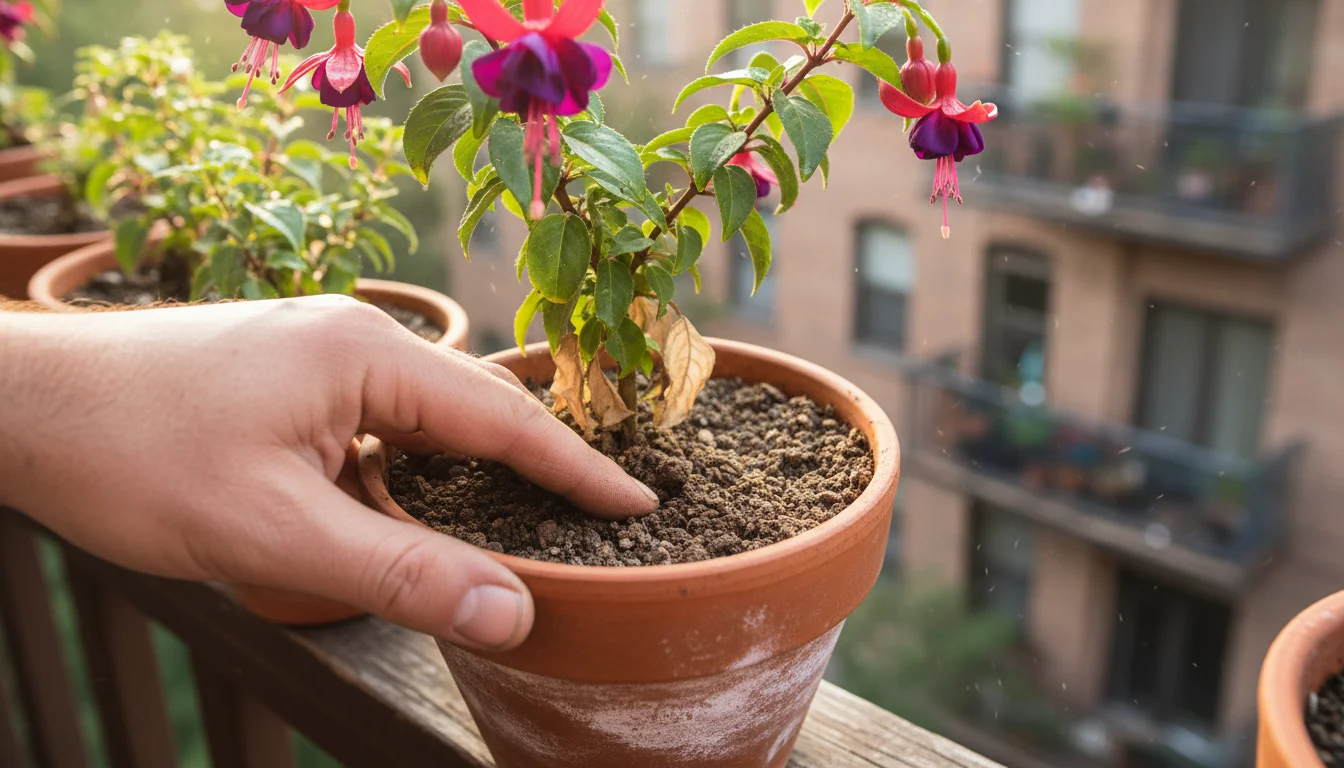
As summer’s heat fades and autumn’s crisp air arrives, many gardeners naturally assume their plants need less water. It feels intuitive, doesn’t it?
Cooler temperatures mean less evaporation, so less watering. Unfortunately, this common assumption can lead to a critical error we call the “Fall Drought” mistake.
Your balcony plants, especially those in containers, often remain surprisingly thirsty in cooler weather, even when you think you are giving them a break.
This article will expose the myths behind fall watering and provide you with practical, actionable strategies to keep your container plants thriving through autumn.
You will learn to recognize the subtle signs of thirst, understand why your pots dry out faster than you think, and confidently adjust your watering routine to prevent stress and ensure a healthy transition into winter.
Contents10 sections
- Understanding the ‘Fall Drought’ Mistake: Why Less Water Isn’t Always More
- The Hidden Thirst: How Cooler Temperatures Deceive You
- Container Conundrums: Why Pots Dry Out Faster
- Decoding Your Plants: Signs of Underwatering in Cooler Weather
- The Art of Fall Watering: A Step-by-Step Guide for Balcony Gardens
- Wind, Warm Spells, and Winter Prep: Adapting Your Watering Strategy
- Smart Watering Solutions for Small Spaces: Tools and Techniques
- Water-Wise Plant Choices for Fall Resilience
- Troubleshooting Common Fall Watering Problems
- Frequently Asked Questions
Understanding the ‘Fall Drought’ Mistake: Why Less Water Isn’t Always More
The “Fall Drought” mistake stems from a logical but incomplete understanding of how plants use water. While it is true that the scorching sun of summer causes rapid evaporation, cooler autumn temperatures do not eliminate a plant’s water needs.
Your plants are still actively growing, photosynthesizing, and preparing for dormancy, all processes that require a consistent supply of moisture. Many gardeners drastically reduce their watering frequency and volume as soon as the weather cools, inadvertently subjecting their plants to stress.
Consider the delicate balance within your plant. Roots absorb water from the soil, which then travels up to the leaves.
There, it is used in photosynthesis, the process where plants convert sunlight into energy. Excess water exits the plant through tiny pores on the leaves in a process called transpiration.
While transpiration rates decrease in cooler, less sunny conditions, they do not stop entirely. Your plants continue to lose water, albeit at a slower pace.
If you reduce watering too much, too soon, you deprive them of this essential resource.
Additionally, the transition from summer to fall is rarely linear. You often experience warm, sunny days interspersed with cooler periods.
These fluctuations mean your plants’ water needs are dynamic, not static.
Failing to recognize this variability and adopting a “set and forget” approach to fall watering puts your plants at risk of underwatering, mimicking drought conditions right when they need stable hydration to build energy reserves for winter.
The consequences of the Fall Drought mistake include stunted growth, yellowing leaves, premature leaf drop, and increased susceptibility to pests and diseases.
For perennial plants, insufficient water in the fall can weaken them, making them less likely to survive the winter and bounce back strong in spring. For annuals, it shortens their productive life, cutting short your enjoyment of their beauty.
Understanding this foundational concept is the first step toward successful `fall watering plants`.
The Hidden Thirst: How Cooler Temperatures Deceive You
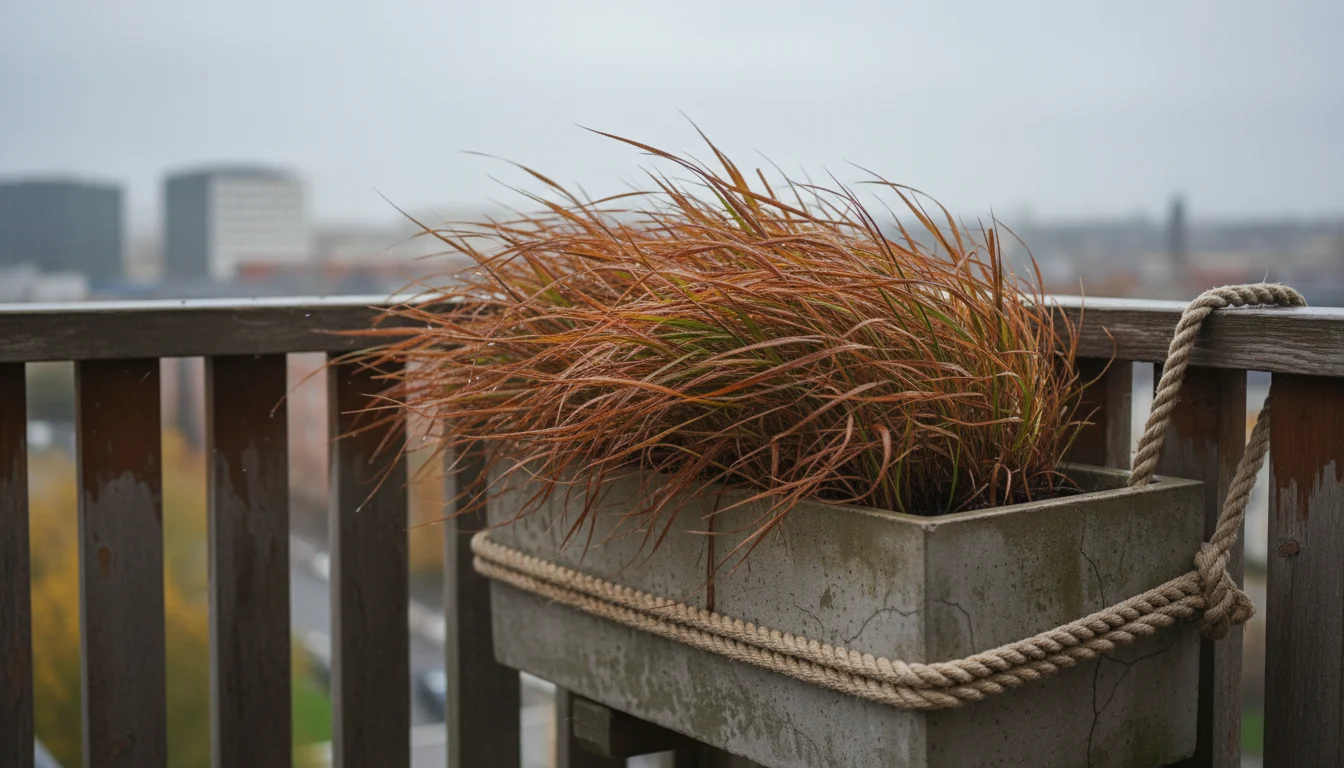
The deceptive nature of fall watering lies in how cooler temperatures mask underlying thirst. Several factors contribute to your plants needing more water than you might expect, even when the thermometer dips.
- Wind Exposure: Balconies and patios are often exposed to significant wind, which is a major culprit in drying out container plants. Wind whips away moisture from leaf surfaces, increasing transpiration rates dramatically. It also accelerates evaporation from the soil surface. Even on a cool, cloudy day, a brisk wind can dry out your pots remarkably fast. Think of it like hanging laundry on a windy day, the clothes dry quickly regardless of temperature. Your plants experience a similar effect.
- Dry Air: Autumn air, especially in many regions, becomes drier as humidity drops. Low humidity means the air can absorb more moisture from your plants and the soil. This contributes to increased evaporation and transpiration, even if the air itself feels cool.
- Active Growth and Nutrient Uptake: Many plants, particularly fall-blooming annuals like chrysanthemums or pansies, as well as vegetables like kale or Swiss chard, are actively growing in the fall. They are developing new leaves, flowers, or fruits. This growth requires water. Perennials are busy redirecting energy to their root systems, a critical process for winter survival, which also demands consistent moisture. Plants draw up nutrients dissolved in water, so if water is scarce, nutrient uptake suffers.
- Root Systems: The roots of container plants are confined to a limited space. Unlike plants in the ground, which can spread their roots wide and deep to access moisture reserves, container roots quickly exhaust the available water in their pot. This makes `container watering` a frequent necessity, regardless of the season. Established plants, especially those that have been in the same pot for a while, often have extensive root systems that fill their containers. More roots mean more plant material needing water, and less soil volume to hold it.
- Sun Exposure: While the sun’s intensity decreases in fall, many balcony gardens still receive several hours of direct sunlight. Even with cooler ambient temperatures, direct sun on dark pots can heat the soil and accelerate drying.
These elements combine to create a scenario where plants in containers are still losing water at a significant rate, even if you do not feel the intense heat of summer.
Your perception of “cool” weather often does not align with your plant’s actual physiological needs, leading to the hidden thirst that catches many gardeners off guard.
Container Conundrums: Why Pots Dry Out Faster
Pots, by their very nature, present unique challenges for consistent moisture management. Understanding these `container watering` dynamics is crucial for `balcony garden care`.
Here are the primary reasons why your pots dry out faster than you might think:
- Limited Soil Volume: This is the most significant factor. A plant in a container has access to only the water held within that specific pot. There is no surrounding ground to draw moisture from. This finite reservoir of water is quickly depleted by the plant and by evaporation.
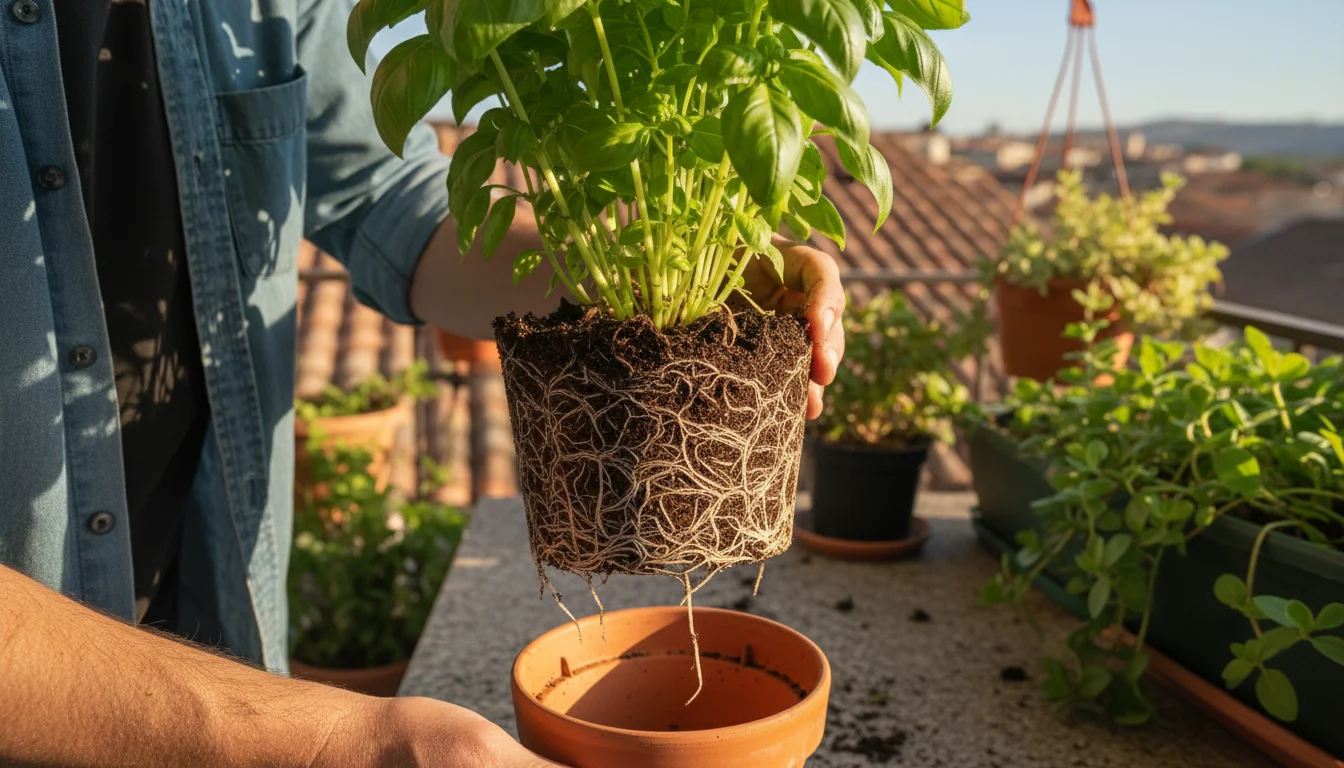
- Root-Bound Plants: Over time, plant roots can fill their container, becoming “root-bound.” When a pot is mostly roots and little soil, it holds very little moisture. The plant essentially sits in a dense mat of roots that struggles to retain water, requiring more frequent watering.
- Potting Mix Composition: Standard potting mixes are designed for good drainage, which is generally a positive feature. However, this also means they do not hold water as long as dense garden soil. Lighter, peat-based mixes dry out quicker than heavier, compost-rich ones. Over time, potting mix can also degrade and compact, reducing its ability to absorb and hold water effectively.
- Pot Material: The material of your pots greatly influences how quickly they dry.
- Terracotta or Clay Pots: These are porous materials, meaning water evaporates not just from the soil surface, but also through the sides of the pot. While excellent for drainage and preventing root rot, they lead to much faster drying, especially in windy or sunny conditions.
- Fabric Grow Bags: Similar to terracotta, fabric pots allow air pruning of roots and excellent drainage, but their breathable material also means rapid moisture loss through the sides.
- Plastic, Glazed Ceramic, Metal: These materials are non-porous and retain moisture significantly longer than terracotta or fabric. This can be an advantage for water retention, but it also increases the risk of overwatering if drainage holes are inadequate or watering is too frequent.
- Drainage Holes: Adequate drainage is paramount. Without proper drainage, water can sit in the bottom of the pot, leading to root rot. However, good drainage also means excess water quickly exits the pot, leaving only what the potting mix can hold. This necessitates regular monitoring and replenishment.
Successfully managing `container watering` involves a constant awareness of these factors. You cannot treat a plant in a small terracotta pot the same way you treat one in a large plastic planter.
Adjust your approach based on the specifics of your containers and the plants they hold.
Decoding Your Plants: Signs of Underwatering in Cooler Weather
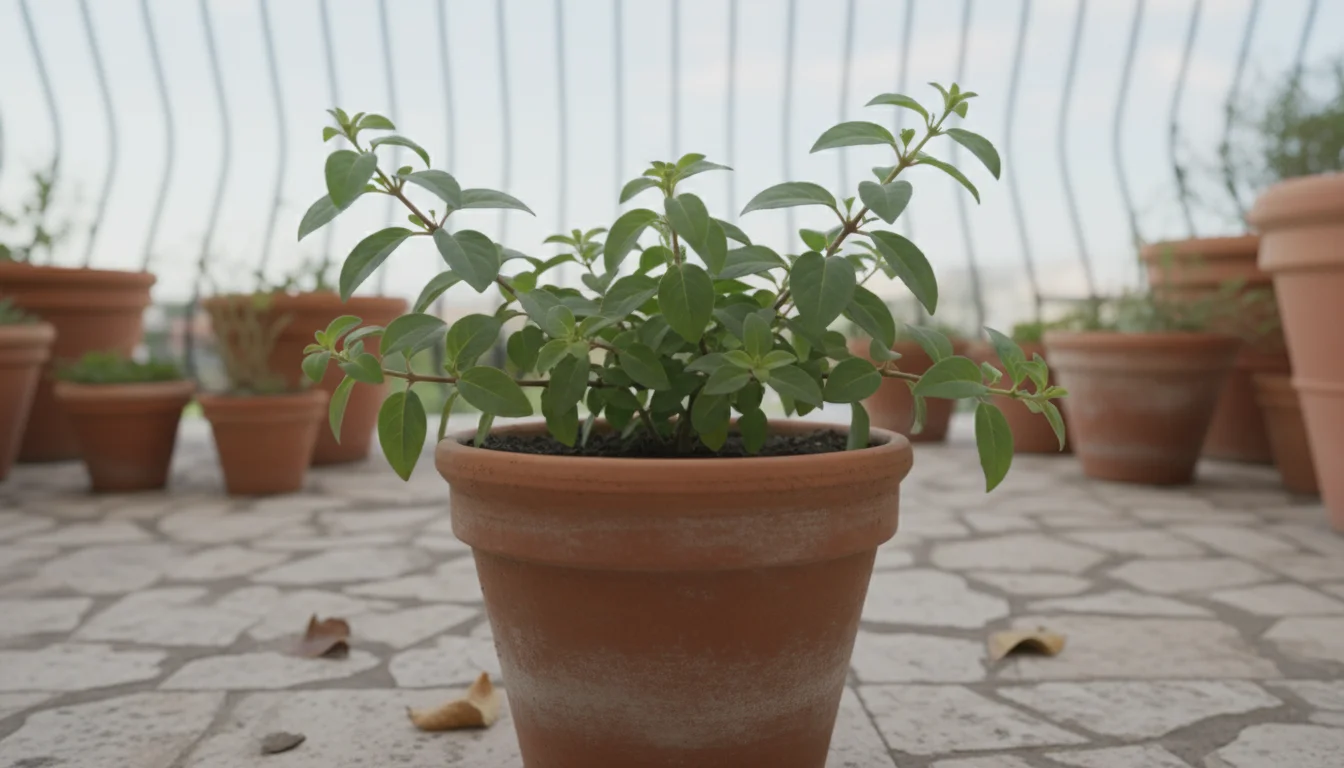
Identifying `signs of underwatering in cool temperatures` can be trickier than in summer. When it is hot, plants wilt dramatically, providing a clear signal.
In cooler conditions, the signs are often more subtle and can easily be mistaken for other issues, such as disease or nutrient deficiency.
Here is what to look for:
- Subtle Wilting or Drooping: Your plant might not collapse entirely, but its leaves may lack their usual turgor, appearing slightly flaccid or less upright. Young, tender growth often shows this first. Compare it to a well-watered plant of the same type; you will notice a distinct difference in perkiness.
- Dull, Lifeless Foliage: Leaves can lose their vibrant color and sheen. They may appear dull, sometimes taking on a grayish or yellowish tint. This differs from nutrient deficiency, which often follows specific patterns on older versus newer leaves.
- Crispy or Brown Leaf Edges/Tips: As a plant struggles for water, its cells begin to die, starting at the furthest points from the water source. You may notice browning or crisping around the edges or tips of leaves. This is a clear indicator of dehydration.
- Stunted or Slowed Growth: If your plant should be growing but is not, or if new growth appears unusually small, insufficient water might be the cause. Photosynthesis requires water, so a lack of it slows down all metabolic processes.
- Premature Leaf Drop: Plants under water stress often shed older leaves to conserve moisture for newer growth. If your plant is dropping healthy-looking green leaves, or an excessive number of yellowing leaves, consider underwatering.
- Bud or Flower Drop: Flowering plants will abort buds or drop existing flowers if they do not have enough water to sustain them. This is a survival mechanism to divert resources.
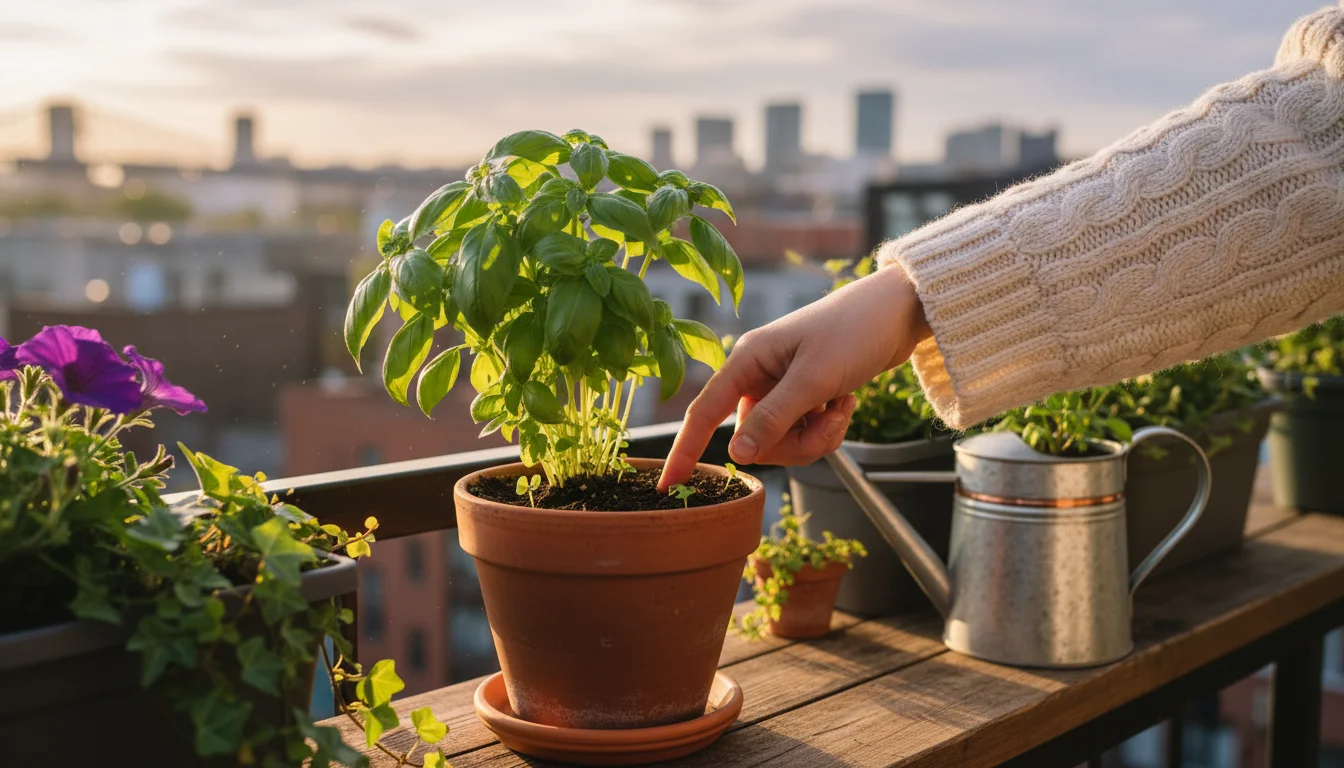
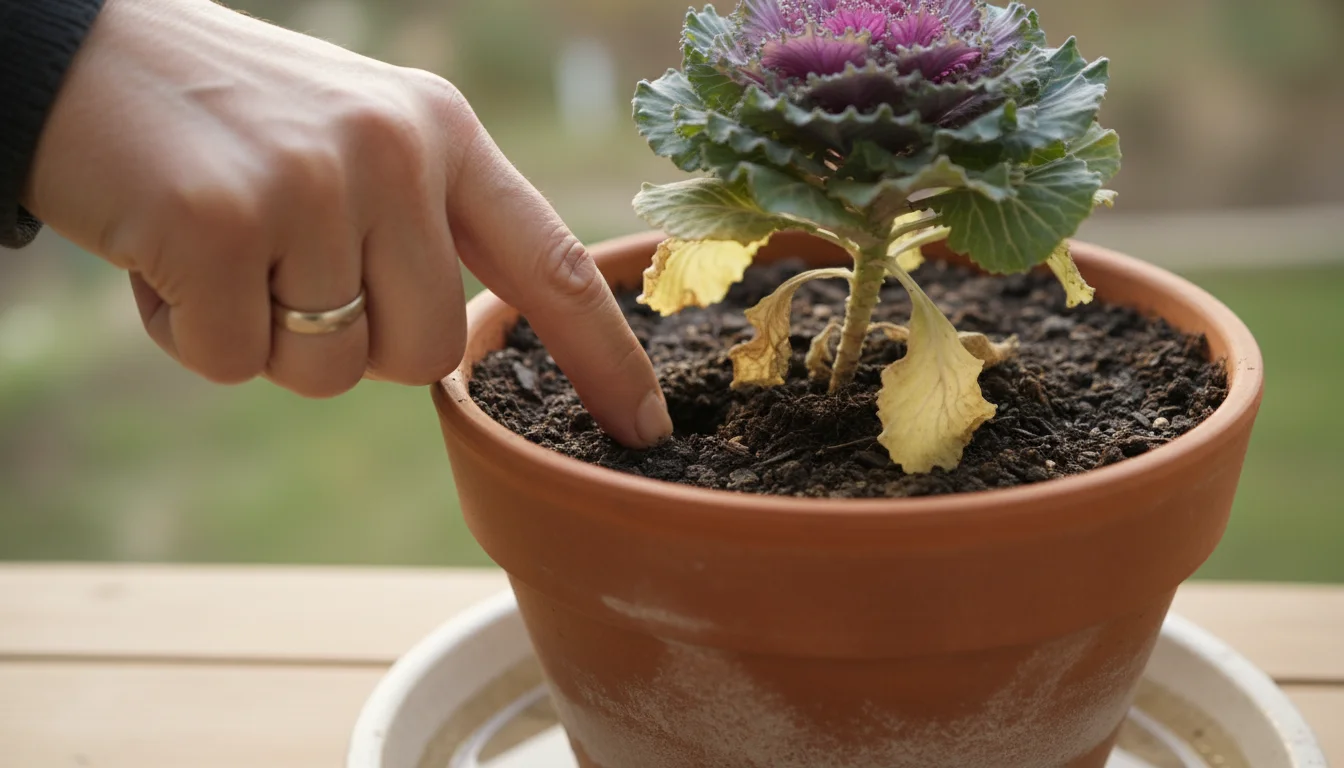
- Soil Check: The ultimate indicator. Stick your finger about two inches into the potting mix. If it feels dry, powdery, or dusty, your plant is definitely thirsty. Do not just look at the surface; the top inch can dry out quickly, while the lower soil may still retain moisture. This deep finger test is your most reliable tool.
Pay close attention to these signs, especially when the weather is cool. A plant consistently stressed by underwatering becomes weakened and more susceptible to other problems.
Regular inspection and a hands-on approach to checking soil moisture are your best defenses against the Fall Drought mistake.
The Art of Fall Watering: A Step-by-Step Guide for Balcony Gardens
Mastering `how often to water pots in the fall` requires a shift from a rigid schedule to an adaptive, responsive approach. This practical guide focuses on the best practices for `balcony garden care` during the cooler months.
Step 1: The Daily Finger Test (Your Most Important Tool)
Forget fixed schedules. Your plants’ needs fluctuate.
Every day, or at least every other day, push your finger about two inches deep into the soil of each pot. For smaller pots, an inch might suffice.
If the soil feels dry, it is time to water. If it feels moist, wait.
This is the most reliable way to assess current moisture levels.
Step 2: Water Thoroughly, Not Just a Sip
When you water, do so until water drains from the bottom of the pot. This ensures that moisture reaches the entire root ball.
Surface watering encourages shallow roots, which makes plants more vulnerable to drying out. Water slowly and evenly.
If water immediately runs out the bottom, the soil might be too dry and compacted to absorb it efficiently. In this case, water a little, wait 10-15 minutes for the soil to absorb, and then water again until runoff.
Step 3: Timing is Key
In fall, the best time to water is generally in the morning.
This allows the plants to absorb moisture throughout the day before cooler evening temperatures set in. Watering late in the day or evening means the soil stays wet longer, increasing the risk of fungal issues in the cooler, less evaporative conditions.
It also ensures the plants have hydration before any potential daytime wind or sun exposure.
Step 4: Consider the Plant Type
Different plants have different needs. Succulents and drought-tolerant plants require less frequent watering than lush, leafy annuals or moisture-loving herbs.
Research the specific water requirements of each plant in your `balcony garden care` routine. For example, a rosemary plant will tolerate drier conditions than a pansy.
Step 5: Account for Pot Size and Material
Smaller pots dry out faster than larger ones. Terracotta and fabric pots dry out faster than plastic or glazed ceramic.
Adjust your watering frequency accordingly. A small terracotta pot might need water every other day, while a large plastic planter might only need it once or twice a week.
Step 6: Use Room Temperature Water
Extremely cold water can shock plant roots, especially in cooler weather. If you collect rainwater or use tap water, let it sit for a few hours to reach ambient temperature before applying it to your plants.
By consistently applying these steps, you will prevent the Fall Drought mistake and ensure your `fall watering plants` receive exactly what they need, exactly when they need it.
Wind, Warm Spells, and Winter Prep: Adapting Your Watering Strategy
Fall weather is notoriously unpredictable. Your `how often to water pots in the fall` strategy must be flexible enough to handle these shifts, especially on a exposed balcony.
`Watering Balcony Plants in Windy Weather`
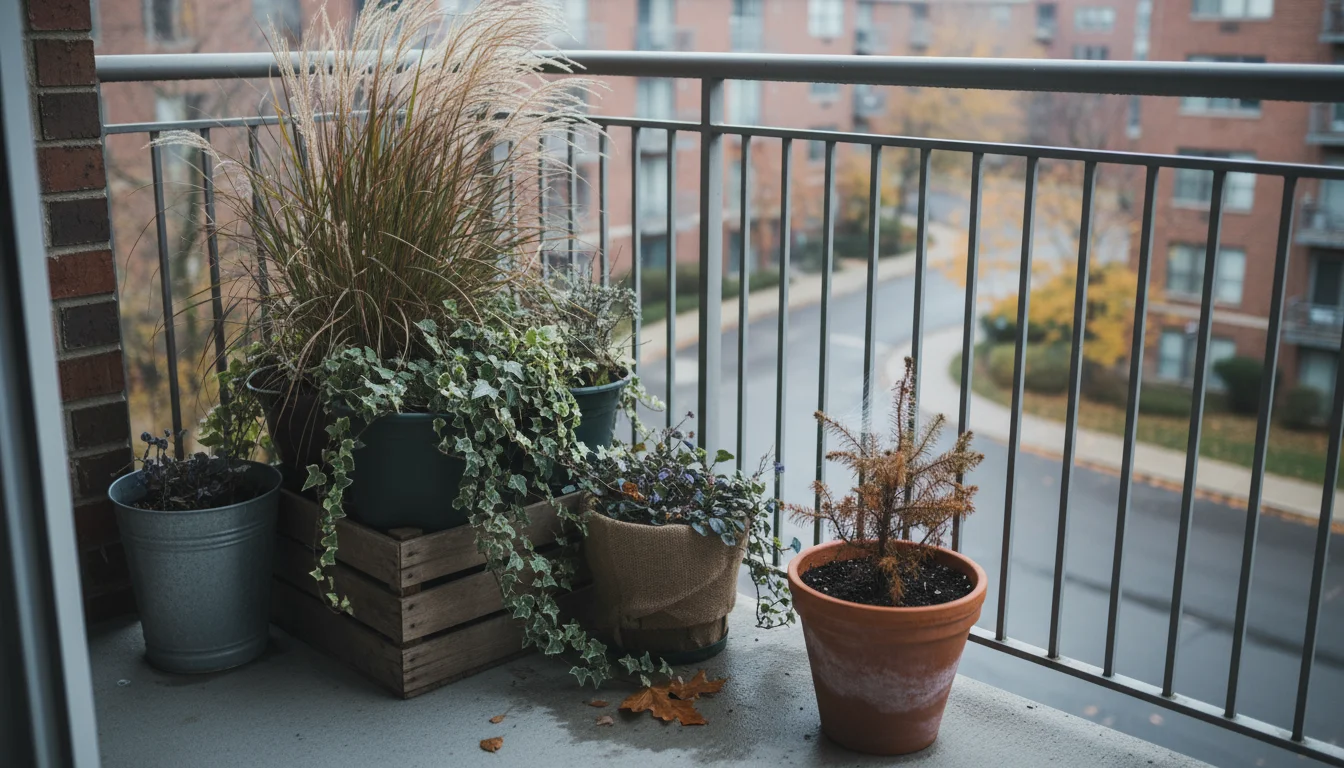
Wind is a silent killer of container moisture. Even on cool, cloudy days, sustained winds significantly increase both soil evaporation and plant transpiration.
If your balcony is particularly exposed to wind, you must be extra vigilant. On windy days, check your pots morning and evening.
You might find that pots that were moist in the morning are bone-dry by evening. Consider placing plants in more sheltered spots, if possible, or grouping pots together to create a microclimate that reduces wind exposure for individual plants.
A temporary windbreak, such as a garden screen or even a strategically placed piece of furniture, can make a substantial difference.
Managing Unexpected Warm Spells
Autumn often brings “Indian summer” or unseasonably warm periods. During these warm spells, your plants’ water needs will temporarily revert to something closer to summer levels.
Do not stick to a reduced fall watering schedule if temperatures unexpectedly rise into the 60s, 70s, or even 80s Fahrenheit. Apply the finger test diligently.
You will likely find your plants need more water more frequently during these warm interludes. Conversely, when a cold snap hits, your watering frequency will naturally decrease.
The key is observation and responsiveness.
Preparing for Winter Dormancy (Deciduous Plants)
For deciduous plants (those that lose their leaves), proper fall watering is crucial for winter survival. As these plants prepare for dormancy, they are building energy reserves in their roots.
Adequate moisture ensures this process happens efficiently. Continue regular, thorough watering until the plant has fully shed its leaves or the soil begins to freeze consistently.
Once dormant, most deciduous plants require significantly less water, primarily to prevent their roots from drying out completely. However, even in winter, containers can dry out, especially during mild periods or in sheltered spots.
The finger test remains relevant, even if less frequent.
Preparing for Winter (Evergreen Plants)
Evergreen plants, even those considered hardy, continue to transpire during winter, especially on sunny or windy days. If their soil is frozen, they cannot absorb water, leading to “winter desiccation” or winter burn.
Ensure evergreen plants are well-watered going into the first hard freeze. Continue to check their soil moisture on mild winter days when the ground is not frozen, and provide supplemental water as needed.
Good `balcony garden care` throughout fall ensures your evergreens are hydrated and resilient for the colder months ahead.
Smart Watering Solutions for Small Spaces: Tools and Techniques
Maximizing water efficiency in a small `balcony garden care` setting is both eco-friendly and practical. These solutions help you combat the Fall Drought mistake and maintain consistent moisture.
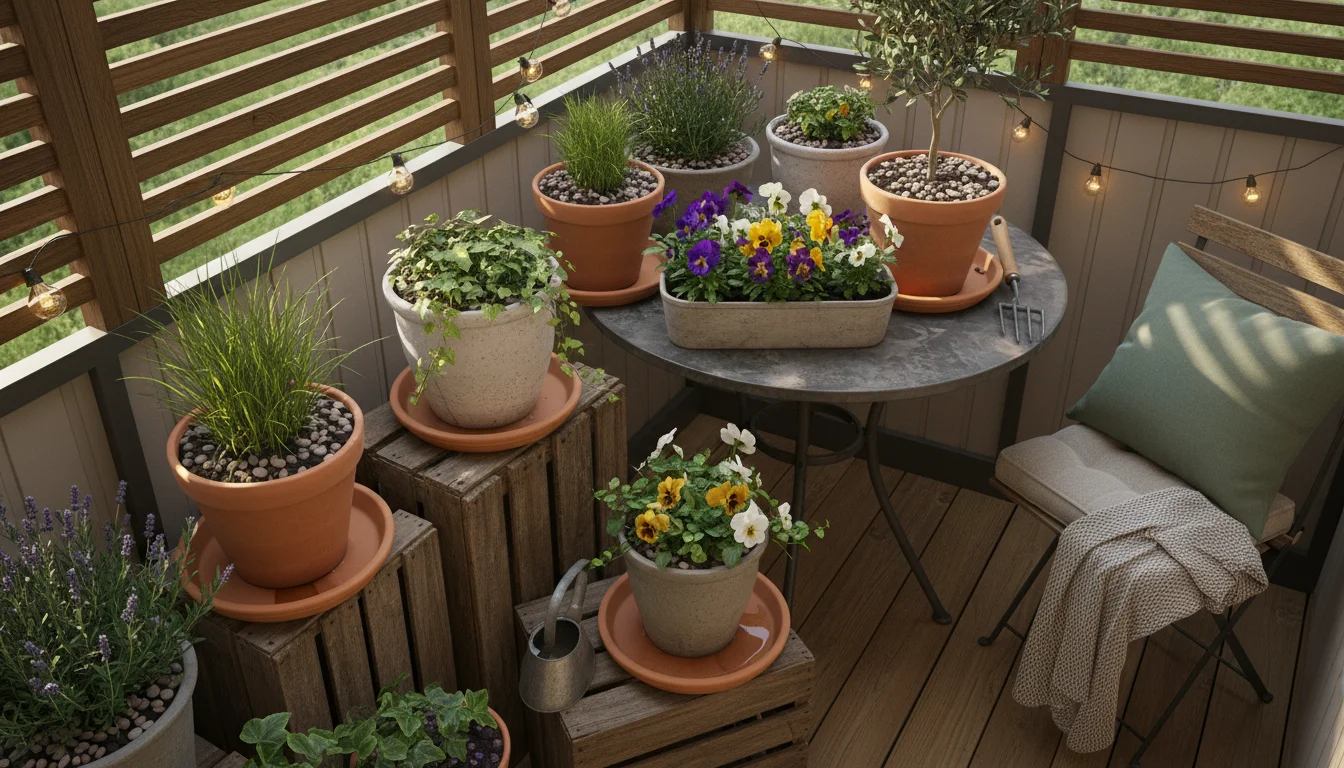
- Drip Trays and Saucers: Always place a saucer or drip tray under your pots. This catches excess water, preventing stains on your balcony and allowing your plants to reabsorb some of it. Be careful, though: do not let pots sit in standing water for extended periods, especially in cooler weather, as this can lead to root rot. Empty any excess water after about 30 minutes if it has not been absorbed.
- Mulching: Apply a layer of organic mulch, such as shredded leaves, bark chips, or even gravel, to the surface of your potting mix. Mulch acts as a protective barrier, reducing evaporation from the soil surface by up to 30%. This means you will need to water less frequently, conserving water and your time.
- Self-Watering Planters: These ingenious containers have a reservoir at the bottom that wicks water up to the soil. They are fantastic for `container watering`, reducing the frequency of manual watering and ensuring a consistent moisture supply. While they do not eliminate watering entirely, they significantly extend the time between waterings.
- Grouping Pots: Cluster your pots together. This creates a mini-microclimate where plants can share humidity and shield each other from direct wind exposure, thereby reducing overall water loss.
- Watering Cans with a Fine Rose: Use a watering can with a fine shower head (a “rose”) to deliver water gently and evenly to the soil, preventing splash and ensuring thorough saturation without washing away soil.
- Rain Barrels (if applicable): If your balcony allows for it, a small rain barrel can collect precious rainwater. Rainwater is naturally free of chlorine and other chemicals found in tap water, and it is at ambient temperature, making it ideal for `fall watering plants`.
- Moisture Meters: For those who want more precision than the finger test, an inexpensive moisture meter can provide a numerical reading of soil moisture, helping you fine-tune your `how often to water pots in the fall` schedule.
Water-Wise Plant Choices for Fall Resilience
Selecting plants well-suited to `container watering` and varying fall conditions can significantly reduce your workload and improve your gardening success. While any plant in a pot will need attention, some are naturally more resilient or forgiving of minor watering fluctuations.
- Fall-Blooming Annuals:
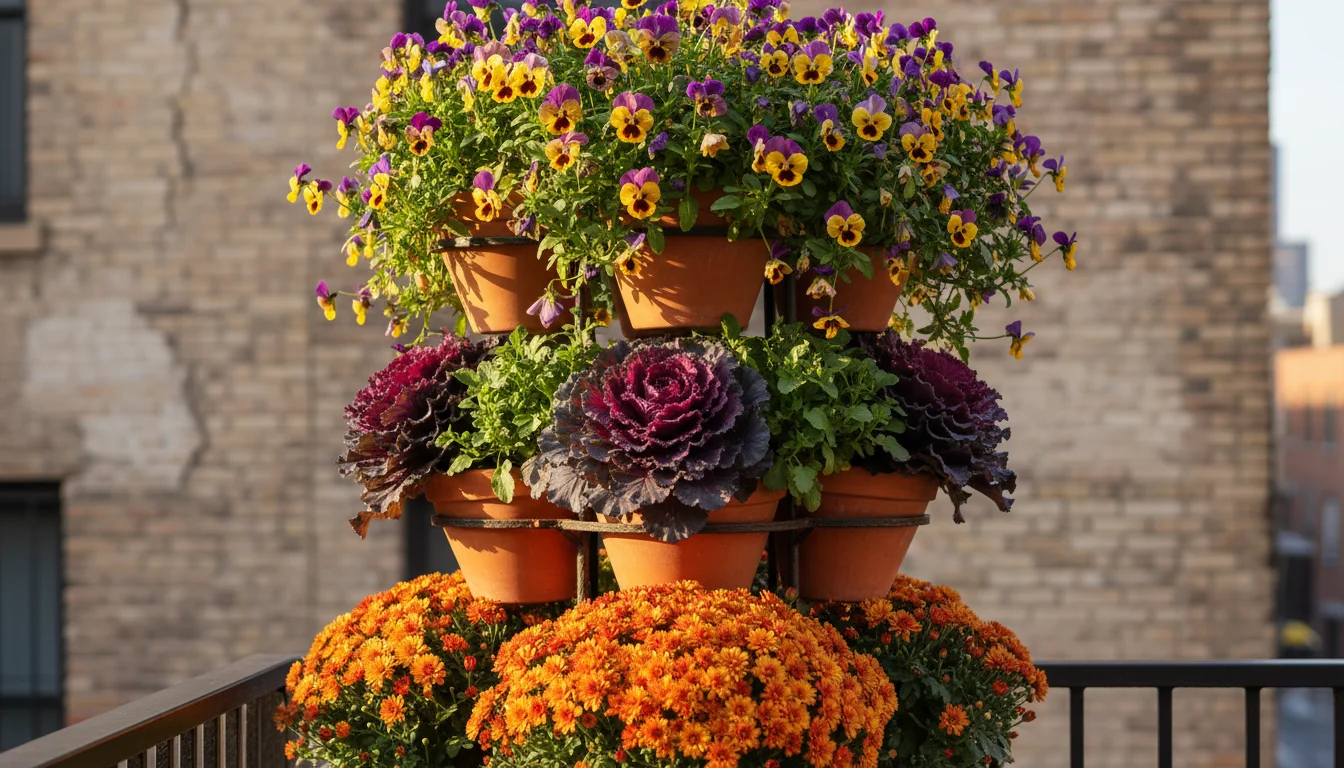
- Pansies and Violas: These cheerful flowers thrive in cooler temperatures and signal thirst relatively clearly by drooping. They do need consistent moisture to produce abundant blooms.
- Mums (Chrysanthemums): While stunning, mums are notoriously thirsty. Ensure consistent moisture for prolific flowering. Consider them a plant that requires vigilant `fall watering plants` care.
- Ornamental Cabbage and Kale: These provide fantastic fall color and are quite hardy. They appreciate consistent moisture but are a bit more forgiving than delicate flowers.
- Herbs: Many herbs do well in fall and are relatively water-wise once established.
- Rosemary, Thyme, Sage: Mediterranean herbs prefer slightly drier conditions between waterings, making them good choices for less frequent `container watering`.
- Parsley, Cilantro: These need more consistent moisture but can tolerate some drying out.
- Evergreen Shrubs (Dwarf Varieties): Small evergreens like dwarf conifers, boxwood, or certain heucheras (coral bells) offer year-round interest. They continue to need water through fall and even winter to prevent desiccation. Their resilience makes them excellent choices for `balcony garden care`.
- Drought-Tolerant Perennials (for containers):
- Sedum: These succulent-like plants store water in their leaves and are very forgiving of dry conditions.
- Lavender: Prefers well-drained soil and tolerates drying out between waterings.
- Coneflower (Echinacea): While typically a ground plant, some dwarf varieties do well in larger containers and are quite drought-tolerant once established.
When choosing plants for your fall balcony, consider their native habitats and typical water needs.
Grouping plants with similar water requirements can simplify your `how often to water pots in the fall` routine, making it easier to provide tailored care without overwatering some and underwatering others.
Always prioritize plants that fit your local climate and sun exposure for the best results.
Troubleshooting Common Fall Watering Problems
Even with the best intentions, you may encounter issues with `fall watering plants`. Here are some common problems and their solutions:
- Confusion: Is it underwatering or overwatering?
- Problem: Both underwatering and overwatering can cause yellowing leaves, wilting, and stunted growth, making diagnosis difficult.
- Solution: The finger test is your best friend. If the soil is dry 2 inches down, it is underwatering. If it is soggy, smells foul, or the plant looks generally unhappy in perpetually wet soil, it is likely overwatering. Overwatering often leads to mushy stems and roots, while underwatering makes stems brittle. Check the drainage holes. If water sits in the saucer for hours, you might have poor drainage or be watering too much.
- Water Runs Straight Through the Pot
- Problem: You water, and it immediately rushes out the bottom without seeming to soak in. This often happens with very dry, compacted, or old potting mix.
- Solution: This is a strong `signs of underwatering in cool temperatures`. Submerge the entire pot in a basin of water for 30-60 minutes, allowing the soil to rehydrate thoroughly from the bottom up. Once the soil is rehydrated, lift the pot, let it drain completely, and then resume your regular top-watering. If the soil is very old and compacted, consider repotting with fresh potting mix next spring.
- Algae or Mold on Soil Surface
- Problem: A green or white growth appears on the top of the soil. This indicates consistently moist soil and often poor air circulation.
- Solution: This is a sign of too much moisture. Reduce `how often to water pots in the fall`. Scrape off the algae or mold, and ensure the top inch or two of soil dries out between waterings. Improve air circulation around your pots by not grouping them too tightly.
- Salt Buildup (White Crust on Pot Rims or Soil)
- Problem: A white, crusty residue appears on the rim of terracotta pots or on the soil surface. This is a buildup of mineral salts from tap water that accumulate as water evaporates.
- Solution: While not a direct watering problem, it signals potential issues. Over time, salt buildup can harm plant roots. Periodically flush your pots by watering very thoroughly until a large amount of water drains out, carrying away excess salts. Using rainwater or distilled water occasionally can also help.
- Plants Wilting Despite Recent Watering
- Problem: You just watered, but your plant still looks droopy.
- Solution: This could indicate either extreme dehydration where the plant needs more time to recover and rehydrate its cells, or paradoxically, root rot from overwatering preventing water uptake. Recheck the soil with your finger. If it is soggy, you likely have root rot and may need to unpot the plant to inspect the roots. If it is still dry, or if it was extremely dry, give it a bit more water or consider the submersion technique mentioned above. Also, ensure you are watering thoroughly to moisten the entire root ball.
Troubleshooting requires patience and observation. By understanding these common issues, you can quickly diagnose and correct problems, keeping your `balcony garden care` on track.
Frequently Asked Questions
Do all my balcony plants need the same amount of water in the fall?
No, your plants do not all need the same amount of water. Different plant species have varying water requirements, even in the fall.
For example, a succulent or Mediterranean herb like rosemary will need less frequent watering than a fall-blooming annual like a pansy or a vegetable like kale. Always consider the specific needs of each plant and use the finger test to assess individual pot moisture.
How can I tell if strong winds are affecting my plants’ water needs?
Strong winds significantly increase water loss from both soil evaporation and plant transpiration. You will notice your pots dry out much faster than on calm days, even if temperatures are cool.
Check your pots more frequently, perhaps twice a day, on windy days. You can also look for signs of wind burn on leaves, such as browning edges, which indicates increased water stress.
Grouping pots or providing a temporary windbreak can help mitigate the effects of `watering balcony plants in windy weather`.
Should I water less as winter approaches?
Yes, as temperatures consistently drop and plants enter full dormancy, their water needs decrease significantly. However, you should not stop watering completely for most plants.
Continue to use the finger test; water thoroughly but less frequently. For dormant perennials and evergreens, the goal is to prevent the root ball from completely drying out.
On mild winter days when the soil is not frozen, a thorough watering can be beneficial, especially for evergreens that continue to transpire.
What is the best way to check if my container plants need water without a moisture meter?
The best and most reliable method is the “finger test.” Push your finger about two inches deep into the potting mix. If the soil feels dry to the touch at that depth, it is time to water.
If it feels moist, wait. This simple, hands-on approach directly assesses the moisture available to the roots, which is more accurate than relying on visual cues of the surface soil or a rigid schedule.
Can I use rainwater for my fall watering plants?
Yes, absolutely. Rainwater is excellent for all your plants, including `fall watering plants`.
It is naturally free of chlorine and other chemicals found in tap water, and it is typically at ambient temperature, which is less shocking to plant roots.
If you can collect rainwater on your balcony using a small barrel or container, it is a sustainable and beneficial option for your `balcony garden care`.
For trustworthy gardening information, visit:
Botanic Gardens Conservation International, American Public Gardens Association, Plant Select (Colorado) and Missouri Native Plant Society. These organizations provide expert, research-based advice for gardeners at all levels.
Disclaimer: This article is for informational purposes only and is not a substitute for professional gardening advice. Always consult local extension services or horticulture experts for region-specific guidance.