
As winter’s chill fades and the days lengthen, a sense of renewal fills the air. For your potted plants, this means waking up from their dormant slumber and preparing for another season of vibrant growth.
This critical moment, often overlooked by beginner gardeners, is when your plants need their “first feed” of spring. Providing the right nutrients at the right time ensures your container plants thrive, burst with blooms, and produce abundant harvests, even in the smallest of spaces.
This guide will walk you through everything you need to know about fertilizing container plants after winter dormancy.
You will learn precisely when to start fertilizing potted plants in spring, how to select the best fertilizer for container vegetables and ornamental plants, and practical steps for application.
Get ready to give your balcony garden, patio pots, and small yard containers the essential boost they need for a spectacular spring and summer.
Contents10 sections
- Why Fertilizing Matters for Potted Plants After Winter
- Recognizing Spring’s Arrival: When to Start Fertilizing Potted Plants
- Understanding Plant Nutrients: The ABCs of Fertilizer
- Choosing the Right Fertilizer for Your Container Plants
- Step-by-Step: How to Apply Your Spring Fertilizer
- Watering Wisdom: The Crucial Link Between Hydration and Fertilizing
- Common Mistakes to Avoid for Healthy Growth
- Special Considerations for Balcony and Small-Space Gardens
- Sustainable Fertilizing Practices: Nurturing Your Plants and the Planet
- Frequently Asked Questions
Why Fertilizing Matters for Potted Plants After Winter
Imagine waking up from a long sleep feeling sluggish and depleted. That is often how your potted plants feel after a winter of dormancy.
During winter, many plants enter a period of reduced growth or complete dormancy, conserving energy. As spring approaches, their internal clocks signal a restart, prompting them to push out new leaves, develop flower buds, and expand their root systems.
This energetic surge demands a significant input of nutrients.
The soil in containers differs significantly from garden soil. Garden soil benefits from the constant cycling of organic matter, the activity of microorganisms, and a larger volume to hold nutrients.
Potted plants, however, live in a confined environment. Each time you water, nutrients leach out of the drainage holes.
Over months of watering, especially during winter, the potting mix becomes depleted of essential elements. By spring, the soil often offers little nutritional support for the vigorous growth your plants are eager to undertake.
A spring application of fertilizer, or the “first feed,” replenishes these lost nutrients, acting like a balanced meal for your waking plants. This provides the necessary building blocks for robust stems, lush foliage, vibrant flowers, and healthy fruit production.
Without this essential boost, your plants might struggle, exhibit stunted growth, pale leaves, or fail to bloom as prolifically as they could. This initial fertilization sets the stage for a productive and beautiful growing season, making it a cornerstone of effective spring plant care.
Recognizing Spring’s Arrival: When to Start Fertilizing Potted Plants
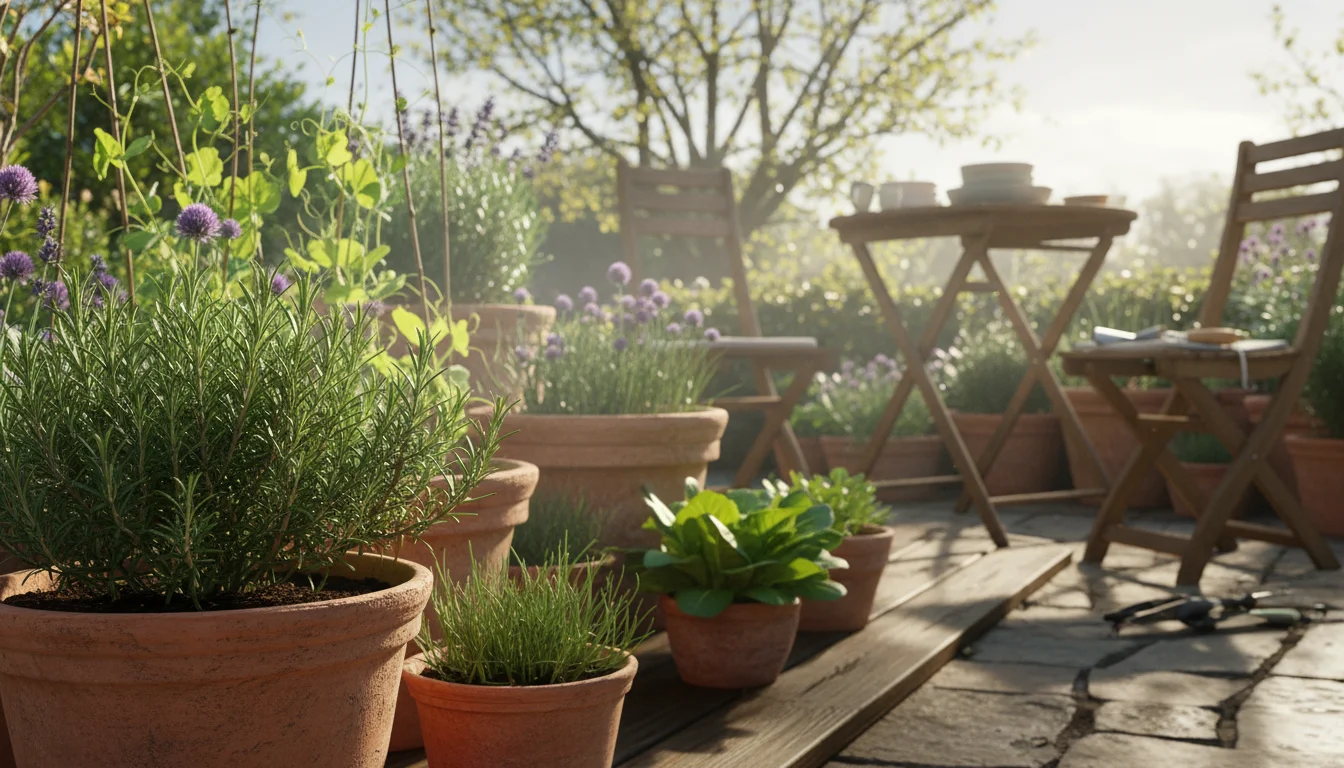
Timing your first feed correctly is crucial for success. Fertilizing too early, while plants are still dormant, can shock their systems or lead to nutrient buildup without active absorption.
Fertilizing too late means missing the peak opportunity for your plants to utilize those nutrients for initial growth. The key is to observe both environmental cues and your plants’ specific signals.
Before you begin your first feed, ensure your pots are set up correctly by following a spring planting guide for container gardeners.
Environmental Indicators:
- Consistent Warmth: Look for daytime temperatures consistently above 50-55°F (10-13°C) and nighttime temperatures remaining above freezing for several weeks. This indicates that the soil is warming up and plants are naturally beginning to resume activity.
- Longer Days: The increasing daylight hours of spring are a primary trigger for plant growth. While this happens gradually, combine it with warmer temperatures for the best timing.
- Last Frost Date: For plants that spend winter indoors or are cold-sensitive, wait until after your region’s average last frost date if you plan to move them outdoors. Fertilizing cold-stressed plants can be counterproductive.
Plant Signals:
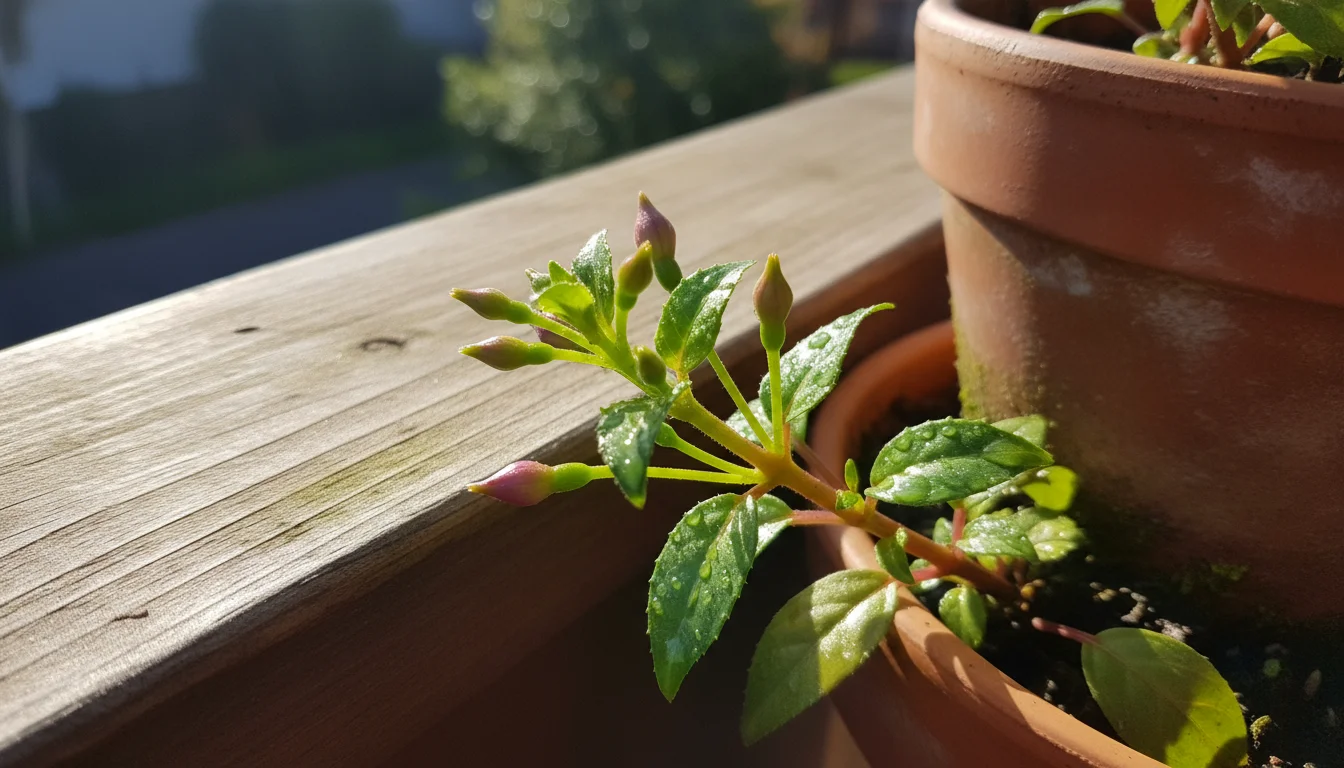
- New Growth: The most reliable sign is visible new growth. Look for tiny, light green shoots emerging from stems, new leaves unfurling, or the swelling of dormant buds. This tells you your plant is actively drawing resources and ready for a nutrient boost.
- Breaking Dormancy: If you overwintered a plant indoors, observe it for signs of “waking up.” This might include a subtle shift in leaf color, or simply an overall appearance of renewed vigor.
- Root Activity: While harder to observe without disturbing the plant, increased root activity directly correlates with top growth. When you see new shoots, you know the roots are also becoming active.
For most perennial potted plants and overwintered annuals, this window typically falls in early to mid-spring, often from March through April in many temperate climates.
If you are starting new seeds or planting young starts, begin fertilizing once they have developed their first set of “true leaves” (the leaves that appear after the initial seed leaves) and are actively growing.
Delay fertilizing newly transplanted plants for a week or two to allow them to settle into their new environment.
Understanding Plant Nutrients: The ABCs of Fertilizer
Choosing the best fertilizer for container vegetables or ornamentals requires a basic understanding of what plants need to grow. Fertilizers contain essential nutrients, categorized into macronutrients and micronutrients, each playing a vital role in plant health.
Note that while most species rest, houseplants that grow in winter have different nutritional needs compared to these spring-awakening varieties.
Macronutrients: The Big Three (N-P-K)
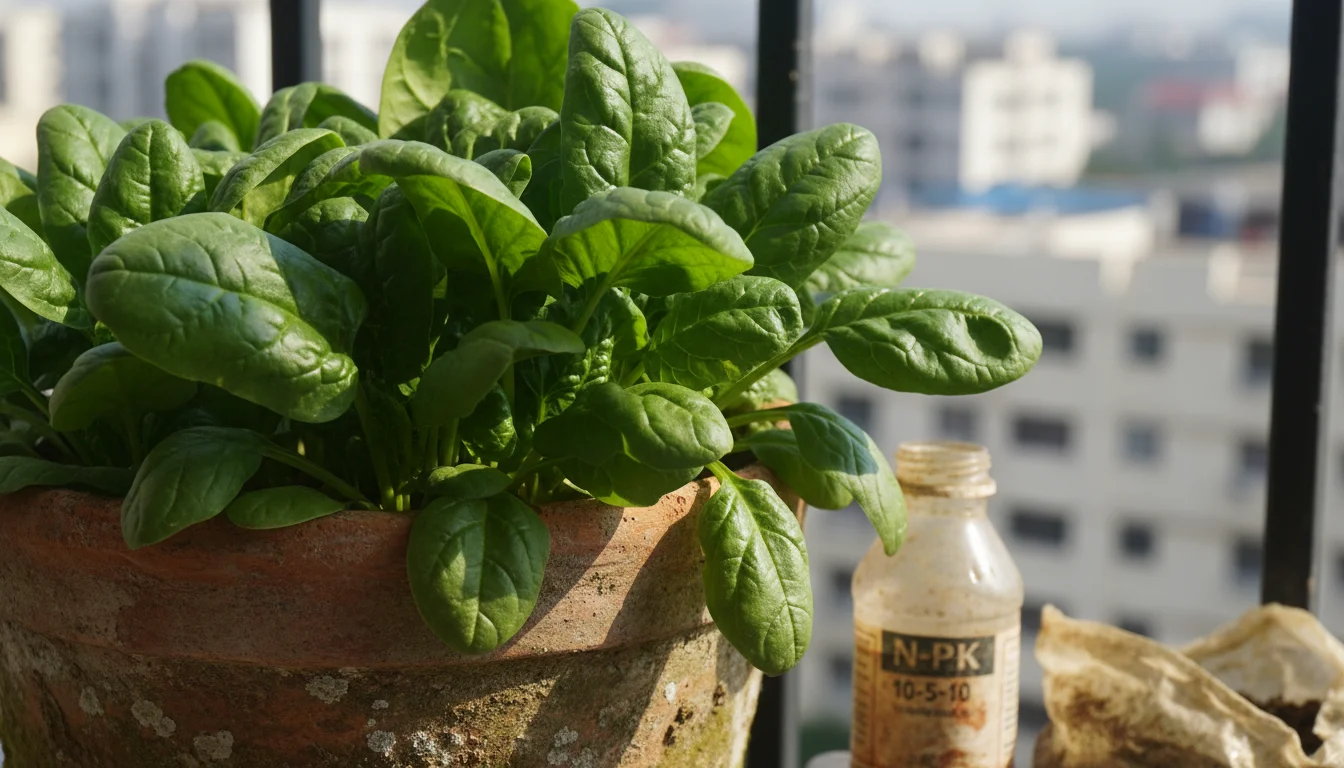
Every fertilizer label displays three numbers, such as 5-10-5 or 20-20-20. These represent the percentage by weight of Nitrogen (N), Phosphorus (P), and Potassium (K), respectively.
These are the primary macronutrients your plants require in the largest quantities.
- Nitrogen (N): Promotes lush, green, leafy growth. It is crucial for chlorophyll production, which is essential for photosynthesis. Plants with nitrogen deficiency often have pale or yellowing leaves. For foliage-focused plants or starting plants in spring, a higher nitrogen ratio can be beneficial.
- Phosphorus (P): Supports strong root development, flowering, and fruiting. It plays a critical role in energy transfer within the plant. A lack of phosphorus can lead to stunted growth, poor flowering, and weak stems. Flowering plants and container vegetables especially benefit from adequate phosphorus.
- Potassium (K): Enhances overall plant health, disease resistance, and helps regulate water movement. It also contributes to fruit quality and flower development. Potassium deficiency can result in yellowing leaf margins and weak plant structure.
Secondary Macronutrients:
Calcium (Ca), Magnesium (Mg), and Sulfur (S) are also needed in significant amounts, though less than N-P-K. They contribute to cell wall strength, chlorophyll production, and enzyme activity.
Micronutrients: Trace Elements
Though required in smaller quantities, micronutrients like Iron (Fe), Manganese (Mn), Boron (B), Zinc (Zn), Copper (Cu), and Molybdenum (Mo) are just as essential. They facilitate various plant metabolic processes.
A good quality complete fertilizer will include these trace elements to prevent deficiencies that can manifest as specific types of leaf discoloration or distorted growth.
Understanding these basic roles empowers you to select a fertilizer that matches your plant’s needs and growth stage. For your spring “first feed,” a balanced approach often works best, providing a foundational set of all necessary nutrients.
Choosing the Right Fertilizer for Your Container Plants
Selecting the ideal fertilizer for fertilizing container plants depends on your plant type, your gardening philosophy, and your desired results. You will primarily choose between synthetic and organic fertilizers, and between granular and liquid forms.
Synthetic (Chemical) Fertilizers:
These are manufactured fertilizers that provide precise nutrient ratios. They are often fast-acting because the nutrients are immediately available to the plant.
This makes them excellent for quick nutrient boosts and addressing specific deficiencies. However, they can also leach out quickly from potted plants and have the potential to burn roots if over-applied.
They offer convenience and predictable results.
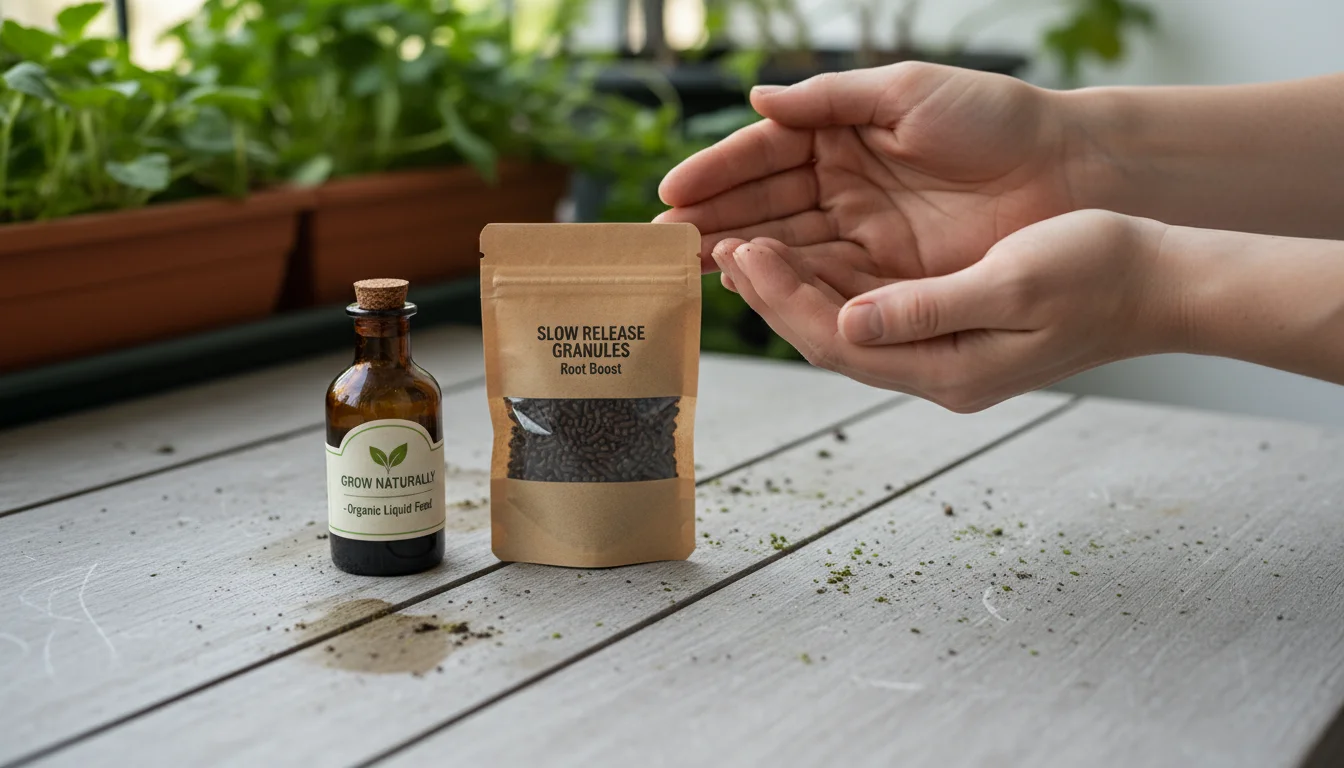
- Granular Fertilizers: These are solid pellets or granules that you sprinkle on the soil surface. They are usually slow-release, meaning the nutrients become available gradually over several weeks or months. This is beneficial for potted plants as it reduces the frequency of application and the risk of over-fertilization.
- Liquid Fertilizers: These are concentrated solutions you dilute with water and apply when watering your plants. They offer immediate nutrient availability, perfect for a quick spring boost. Their fast action requires more frequent application, typically every 2-4 weeks during the growing season, and careful measurement to avoid overfeeding.
Organic Fertilizers:
Derived from natural sources like compost, manure, bone meal, worm castings, and kelp meal, organic fertilizers improve soil health as they feed the plant. They release nutrients slowly as microorganisms break them down, building a richer, more active potting mix over time.
This slow release reduces the risk of burning and encourages healthy soil biology, aligning with an environmentally conscious gardening approach. However, their nutrient ratios can be less precise, and results may take longer to appear.
- Compost Tea/Liquid Organic Fertilizers: These provide a gentler, more immediate organic nutrient boost.
- Granular Organic Fertilizers: Offer sustained release and soil enrichment.
General Recommendations for Your First Spring Feed:
- For Most Potted Plants (Ornamentals, Herbs): A balanced liquid fertilizer (e.g., 5-5-5 or 10-10-10) at half strength, or a slow-release granular fertilizer (e.g., 14-14-14) applied once.
- For Container Vegetables and Heavy Feeders (e.g., Tomatoes, Peppers, Petunias): You might start with a slightly higher phosphorus liquid fertilizer (e.g., 5-10-5) or a balanced slow-release granular type, transitioning to more fruiting/flowering specific fertilizers later in the season.
- For Leafy Greens and Foliage Plants: A balanced fertilizer or one with a slightly higher nitrogen ratio (e.g., 10-5-5) is appropriate.
Important Note: Always read the label. Fertilizer manufacturers provide specific dilution rates and application instructions.
Following these guidelines is paramount for plant health and avoiding chemical burns. For balcony gardening tips, remember that smaller pots mean less soil volume, increasing the risk of over-fertilization.
Always err on the side of under-fertilizing rather than over-fertilizing.
Step-by-Step: How to Apply Your Spring Fertilizer
Applying fertilizer correctly ensures your plants receive the nutrients they need without harm. This step-by-step guide covers how to feed plants after winter dormancy using both liquid and granular fertilizers.
Preparation:
- Assess Your Plants: Confirm your plants show signs of new growth. If they are still completely dormant, wait.
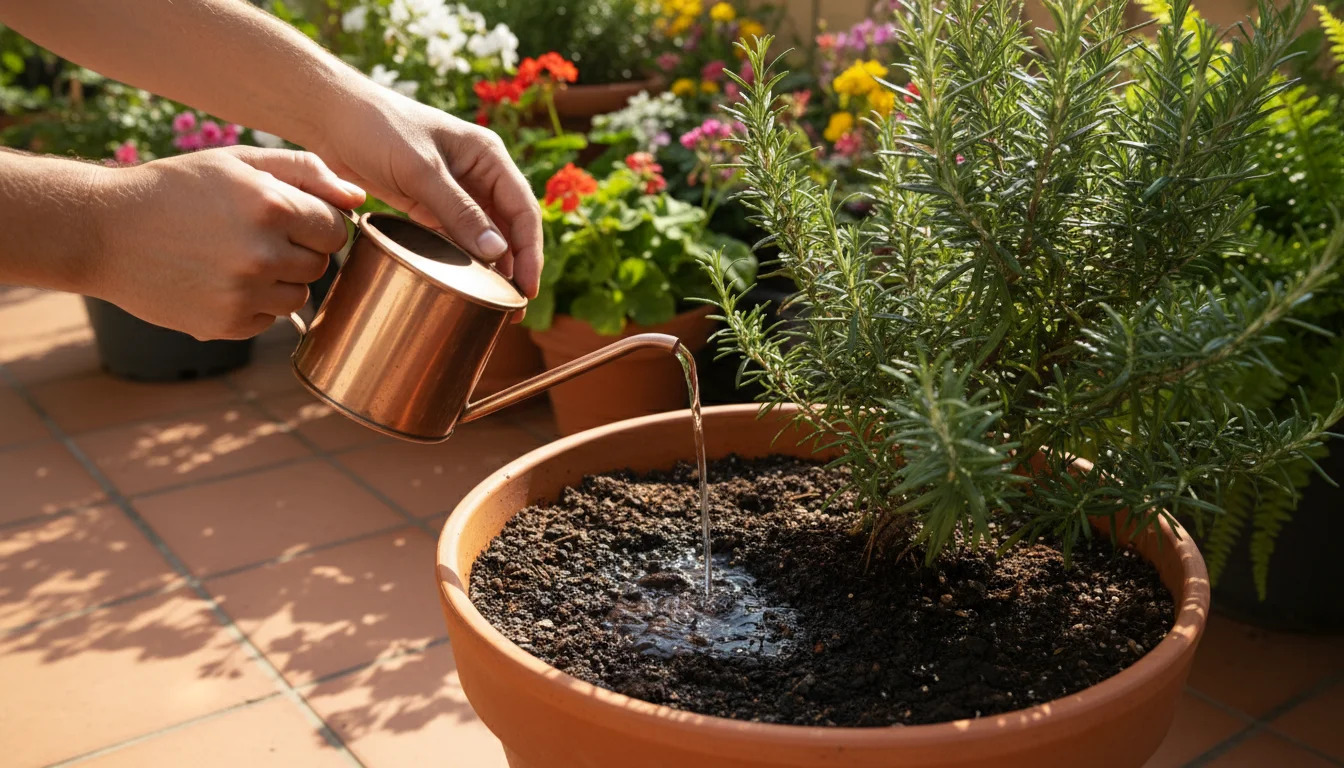
- Water Thoroughly First: Always water your potted plants thoroughly the day before or just before applying liquid fertilizer. Applying fertilizer to dry soil can lead to root burn. Moist soil helps distribute nutrients evenly and protects the roots. For granular fertilizers, watering afterward is typically sufficient, but a pre-watering ensures the plant is not stressed.
- Gather Supplies: You will need your chosen fertilizer, a measuring cup or spoon, a watering can, gloves (especially for synthetic fertilizers), and perhaps a small trowel for granular application.
Applying Liquid Fertilizer:
- Read the Label: Determine the correct dilution rate for your specific plant type and container size. For the “first feed,” consider starting at half the recommended strength to gently ease your plants into nutrient uptake, especially if you are unsure of their exact dormancy state or sensitivity.
- Mix the Fertilizer: Pour the recommended amount of liquid concentrate into your watering can. Fill the watering can with water, stirring gently to ensure thorough mixing.
- Apply to Soil: Slowly pour the diluted fertilizer solution onto the soil surface, distributing it evenly around the base of the plant. Continue until the solution begins to drain from the bottom of the pot. This ensures the roots receive the nutrients. Do not let the plant sit in standing water.
- Clean Up: Rinse your watering can and any measuring tools immediately after use.
Applying Granular (Slow-Release) Fertilizer:
- Read the Label: Check the recommended dosage for your pot size. Over-application can lead to nutrient burn.
- Distribute Evenly: Sprinkle the granular fertilizer evenly on the soil surface, around the base of the plant but avoiding direct contact with the stem. For larger pots, you can gently scratch it into the top inch of soil using a small trowel or your fingers.
- Water Thoroughly: After applying, water the plant thoroughly. This helps dissolve the granules and moves the nutrients into the soil where roots can access them. Continue watering until you see drainage from the bottom.
- Observe: Mark your calendar for when you applied the slow-release fertilizer. These typically last for several weeks to months, so you will not need another application for a while.
After fertilizing, continue to monitor your plants. Healthy new growth is a positive sign.
Yellowing or browning leaf tips can indicate over-fertilization, requiring immediate flushing of the soil with plain water.
Watering Wisdom: The Crucial Link Between Hydration and Fertilizing
Watering plays an indispensable role in the effectiveness and safety of fertilizing container plants. It is not merely about providing moisture; it is about ensuring proper nutrient delivery and preventing harm to your plants.
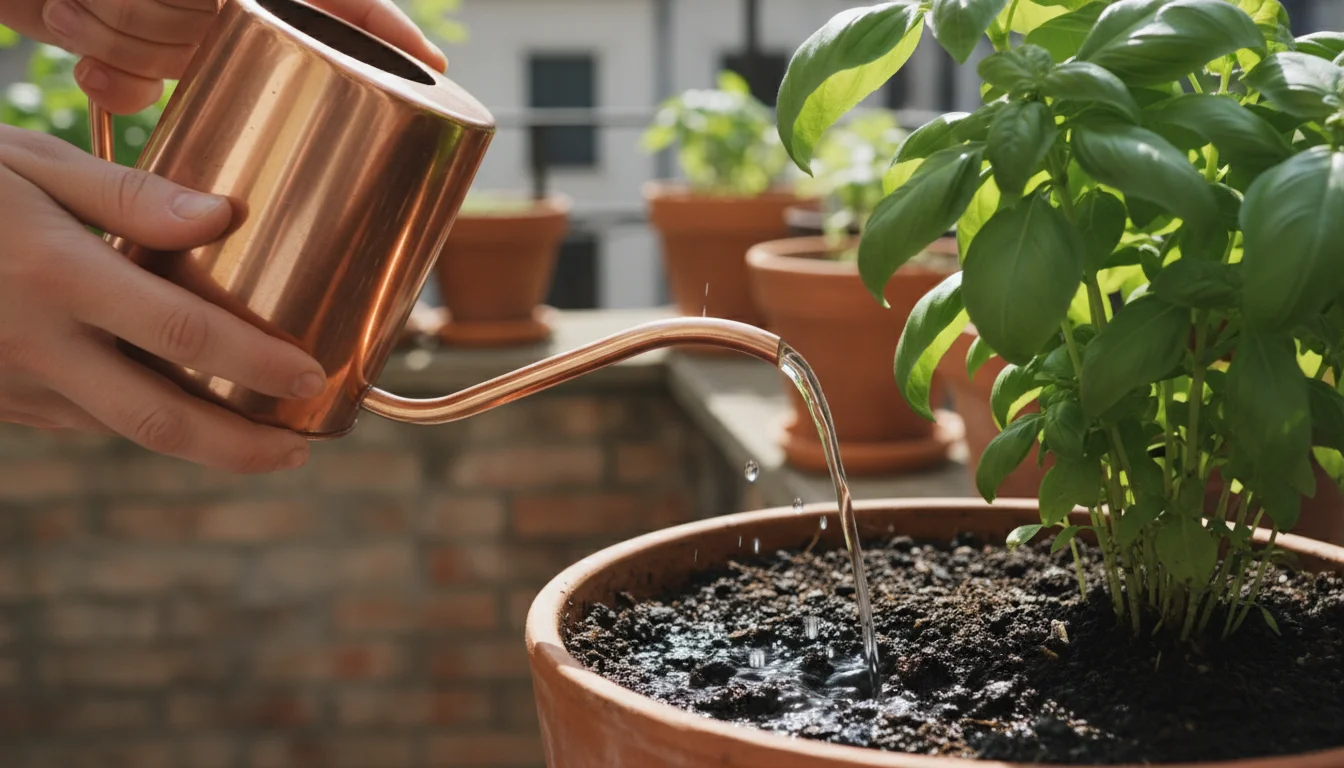
Why Water Before Fertilizing: As mentioned in the application steps, always water your potted plants thoroughly with plain water before applying liquid fertilizers. This simple act prevents fertilizer burn.
When soil is dry, the concentrated salts in synthetic fertilizers can draw moisture directly out of plant roots, causing damage. Moist soil acts as a buffer, diluting the fertilizer and allowing nutrients to spread more evenly, making them accessible to the roots without scorching them.
Nutrient Transport: Water is the primary medium through which plants absorb nutrients. Nutrients must dissolve in water within the soil solution for roots to take them up.
Without adequate water, even the best fertilizer sits unused, unable to reach the plant’s vascular system. This is especially true for granular fertilizers, which rely on water to break down and release their nutrients into the soil.
Preventing Leaching: While necessary for nutrient delivery, excessive watering can also lead to nutrient loss. Potted plants, by their nature, have drainage holes, which are vital for preventing root rot.
However, each time water drains from the pot, it carries some dissolved nutrients with it, a process called leaching. This is why container plants generally require more frequent fertilization than in-ground plants.
Aim for thorough watering where water just begins to exit the drainage holes, but avoid prolonged drenching that flushes out too many nutrients too quickly.
Soil Moisture Balance: Maintaining consistent soil moisture is a good general practice for container gardening. Fluctuations between very dry and very wet conditions stress plants and can hinder their ability to absorb nutrients efficiently.
A balanced watering routine supports a healthy root system, which in turn, is crucial for optimal fertilizer uptake. For spring plant care, observe your plants and the potting mix closely.
As temperatures rise and growth accelerates, your plants will likely need more frequent watering.
Understanding the interplay between water and nutrients ensures your fertilizing efforts are not only effective but also contribute to the long-term health of your potted plants.
Common Mistakes to Avoid for Healthy Growth
Even with the best intentions, gardeners sometimes make mistakes when fertilizing. Avoiding these common pitfalls helps ensure your spring feed leads to robust, healthy growth for your container plants.
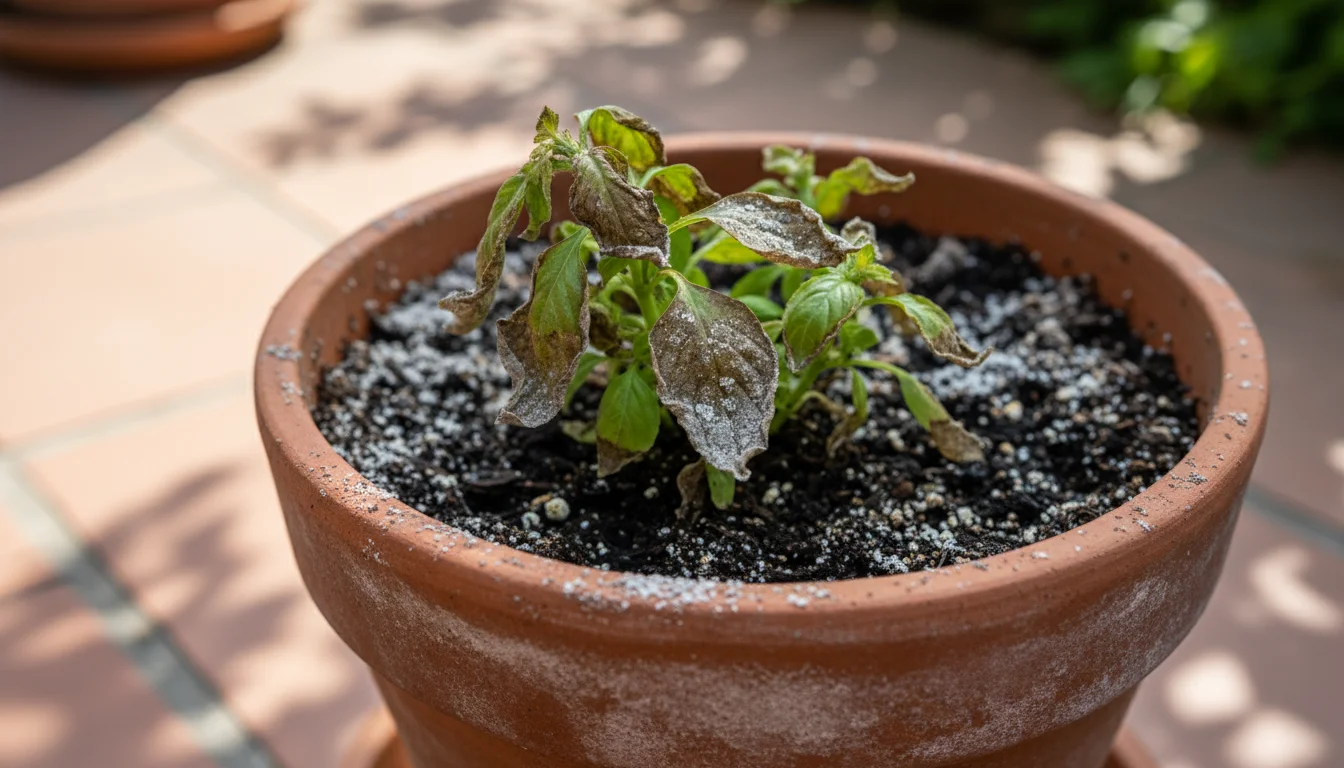
- Over-fertilizing: This is arguably the most common and damaging mistake. More is not better when it comes to fertilizer. Excessive nutrients, especially nitrogen, can “burn” the plant’s roots, leading to brown, crispy leaf edges or tips, stunted growth, and in severe cases, plant death. Symptoms of over-fertilization often include wilting despite moist soil, white crusty salt buildup on the soil surface or pot rim, and overall plant decline. Always follow package instructions and consider starting at half strength, especially for the first spring feed.
- Fertilizing Dormant Plants: Applying fertilizer when a plant is not actively growing wastes nutrients and can harm the plant. During dormancy, plants are not actively taking up nutrients, so the fertilizer sits in the soil, potentially building up salts or leaching away before the plant needs it. Wait for visible signs of new growth before applying.
- Applying to Dry Soil: As discussed, applying liquid fertilizer to dry soil can cause severe root burn. Always water your plants thoroughly before applying liquid feed. For granular fertilizers, watering immediately afterward is crucial to help dissolve and distribute the nutrients.
- Incorrect Nutrient Ratio: Using a fertilizer with the wrong N-P-K balance for your plant’s needs can hinder its development. For example, a high-nitrogen fertilizer on a flowering plant will produce lush foliage at the expense of blooms. Conversely, a low-nitrogen fertilizer will not support vigorous new leafy growth. A balanced fertilizer is a safe bet for general spring plant care, adjusting later for specific flowering or fruiting needs.
- Forgetting Micronutrients: While N-P-K are the stars, micronutrients are the supporting cast. Using fertilizers that only provide N-P-K can lead to deficiencies in other essential elements over time, resulting in issues like chlorosis (yellowing between leaf veins). Choose a complete fertilizer that includes a range of micronutrients for comprehensive plant health.
- Ignoring Soil pH: Fertilizer effectiveness is tied to soil pH. If the soil pH is too acidic or too alkaline, plants cannot absorb nutrients, even if they are present. While testing pH regularly might be excessive for small-space gardeners, if your plants consistently struggle despite proper fertilizing, consider a pH test. Most potting mixes are formulated for a neutral to slightly acidic pH, suitable for most container plants.
- Fertilizing Immediately After Repotting: Fresh potting mix contains its own supply of nutrients, often enough to sustain a plant for several weeks. Fertilizing immediately after repotting can lead to nutrient overload or root shock. Give your newly repotted plants a week or two to settle in before beginning a fertilizing regimen.
By being mindful of these common mistakes, you ensure your efforts in fertilizing container plants contribute positively to their health and vigor, setting them up for a successful growing season.
Special Considerations for Balcony and Small-Space Gardens
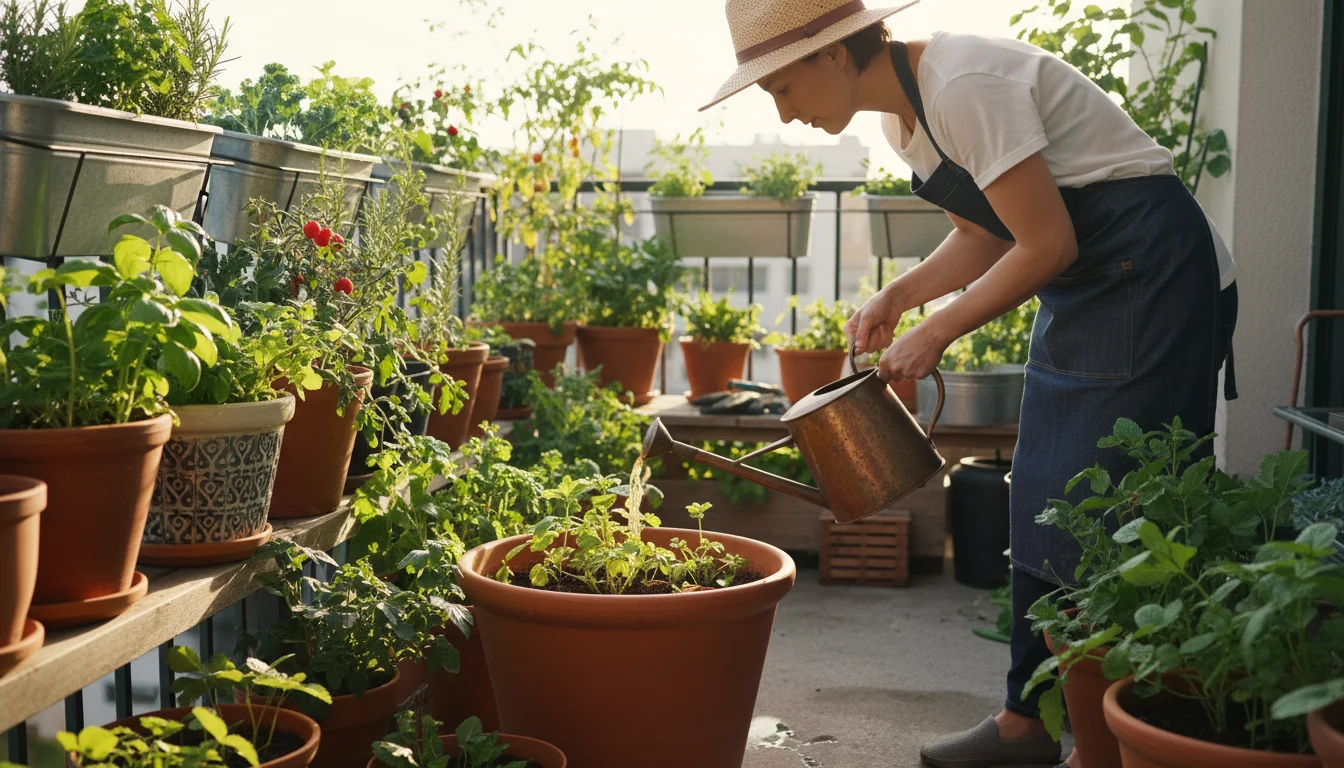
Balcony gardening tips and small-space solutions often revolve around maximizing limited resources and adapting practices to unique conditions. Fertilizing container plants in these environments requires a thoughtful approach.
Limited Soil Volume:
Containers inherently hold a finite amount of soil, which means nutrients deplete faster than in garden beds. This makes regular fertilization, starting with the first spring feed, even more critical.
However, smaller soil volumes also mean less buffering capacity against over-fertilization. Always dilute liquid fertilizers more than recommended, or use slow-release granular products to prevent nutrient burn.
Exposure to Elements:
Balconies and patios can experience more extreme temperature swings, higher winds, and more intense sun exposure compared to ground-level gardens. These conditions can increase plant stress and accelerate water evaporation, leading to more frequent watering.
Increased watering, in turn, can cause nutrients to leach out faster. Monitor your plants closely and adjust your fertilizing schedule based on their needs, potentially feeding slightly more frequently at lower doses, particularly in peak summer.
Weight and Mess:
Managing large bags of potting mix and fertilizer can be cumbersome in small spaces. Opt for smaller bags of concentrated fertilizers or liquid forms that are easier to store and handle.
Consider using water-soluble fertilizers that mix easily with water, reducing mess. For balcony gardening tips focusing on cleanliness, granular slow-release fertilizers can be less messy than liquids, as you apply them once and water in.
Plant Selection and Density:
In small spaces, you often grow a higher density of plants or focus on varieties that perform well in containers, such as dwarf vegetables or compact ornamentals. These plants can be heavy feeders and benefit greatly from consistent nutrient supply.
Understanding the specific needs of your chosen plants becomes even more important. For example, container tomatoes or peppers are notoriously hungry and will require more frequent feeding after their initial spring boost than, say, a sedum.
Runoff and Environmental Impact:
On balconies, runoff from fertilized pots can be a concern, potentially staining surfaces or impacting lower neighbors. Use saucers to catch excess water and nutrients.
Consider using organic fertilizers, which tend to be less prone to harsh runoff and contribute to healthier soil microbes, aligning with environmentally conscious practices for your small-space oasis. Proper watering techniques, as discussed, also minimize runoff.
By addressing these considerations, your small-space garden will not only thrive but also remain a manageable and enjoyable part of your home. Your thoughtful approach to fertilizing container plants ensures their vitality throughout the season.
Sustainable Fertilizing Practices: Nurturing Your Plants and the Planet
At SimpleGardenJoy.com, we believe in gardening that is both practical and environmentally conscious. Incorporating sustainable practices into your fertilizing routine benefits your plants, your garden, and the wider ecosystem.
For spring plant care, especially with fertilizing container plants, these considerations are particularly important in small spaces.
Embrace Organic Fertilizers:
Choosing organic options like compost, worm castings, fish emulsion, or kelp meal is a cornerstone of sustainable fertilizing. Organic materials improve soil structure, enhance water retention, and foster a healthy soil microbiome.
This ecosystem of beneficial bacteria and fungi makes nutrients more available to plants naturally, leading to stronger, more resilient growth. Unlike synthetic fertilizers, organics release nutrients slowly, reducing the risk of nutrient runoff into waterways and supporting long-term soil health.
This is particularly relevant for balcony gardening tips where runoff can be a direct concern.
Compost and Worm Castings:
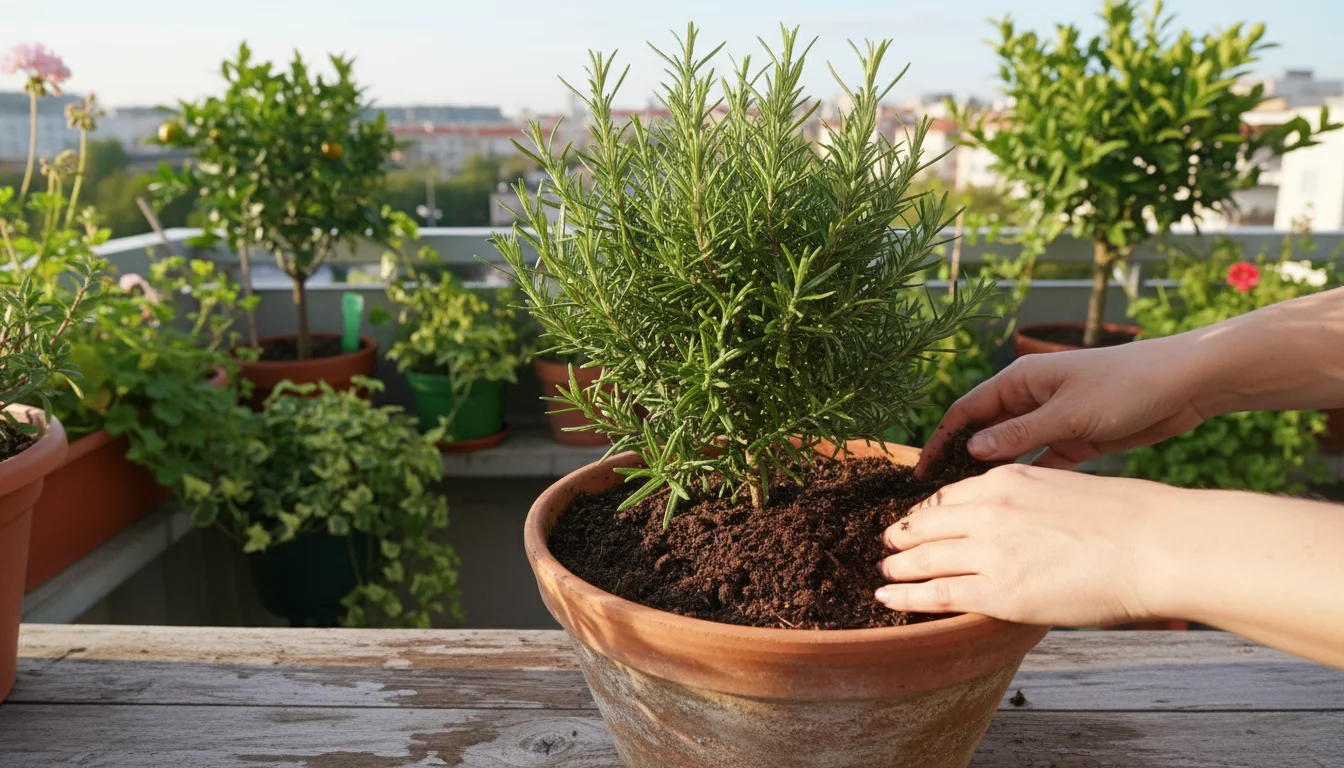
Incorporating a layer of homemade compost or store-bought worm castings into the top inch of your container soil at the start of spring provides a gentle, slow-release nutrient boost.
These amendments not only feed your plants but also enrich the potting mix, increasing its organic matter content and improving its ability to hold water and nutrients. For how to feed plants after winter dormancy, this offers a natural and holistic approach.
Use Mulch:
Applying a layer of organic mulch, such as wood chips, shredded leaves, or straw, to the surface of your potted plants offers multiple benefits. Mulch helps retain soil moisture, reduces temperature fluctuations, and suppresses weeds.
As it breaks down, it also contributes organic matter and slow-release nutrients to the soil. This minimizes the need for frequent watering and fertilizing, reducing overall resource consumption.
Test, Don’t Guess:
While perhaps less common for small-scale container gardening, soil testing kits are available and can provide valuable insights into your potting mix’s nutrient levels and pH.
This data allows you to apply only the specific nutrients your plants genuinely need, preventing over-application and unnecessary waste. For more advanced small-space gardeners, this ensures precise and efficient nutrient management.
Proper Storage and Application:
Store fertilizers in sealed containers in a cool, dry place to prevent degradation and keep them out of reach of children and pets. When applying, be precise with measurements to avoid waste and minimize environmental impact.
Clean up any spills immediately. Using saucers under your pots also prevents nutrient-rich runoff from escaping into the environment, especially on balconies or patios.
Water Wisely:
As discussed, intelligent watering directly impacts fertilizer efficiency. Water deeply and thoroughly, but avoid excessive watering that leaches nutrients rapidly.
This conserves water, keeps nutrients in the pot where your plants can use them, and supports the overall health of your potted ecosystem.
By adopting these sustainable fertilizing practices, you foster a healthier environment for your plants and contribute to a more responsible gardening lifestyle. Your small garden can make a big difference, starting with how you nurture your soil and plants.
Frequently Asked Questions
Can I over-fertilize my potted plants?
Yes, over-fertilizing is a common and damaging mistake. Applying too much fertilizer, or fertilizer that is too concentrated, can cause “fertilizer burn.”
This occurs when the high salt content of the fertilizer draws water out of the plant’s roots, leading to browning leaf tips and edges, stunted growth, and even plant death.
Always follow the product’s dilution instructions carefully, and for container plants, consider using half the recommended strength to be safe.
What if my plant is still dormant in spring? Should I fertilize it?
No, you should not fertilize a plant that is still dormant. Fertilizing dormant plants can shock their systems or lead to a buildup of unused nutrients in the soil, which can harm the roots.
Wait until you see clear signs of new growth, such as emerging shoots or unfurling leaves, before applying any fertilizer. These visible cues indicate that the plant is actively growing and ready to absorb nutrients.
Are organic fertilizers better for container plants than synthetic ones?
Both organic and synthetic fertilizers have benefits. Organic fertilizers, derived from natural sources, slowly release nutrients as microorganisms break them down, improving soil structure and fostering beneficial soil biology.
This creates a healthier, more resilient potting mix. Synthetic fertilizers offer precise nutrient ratios and are often faster-acting, providing immediate boosts.
For environmentally conscious gardening and long-term soil health, many gardeners prefer organic options. For beginners, a balanced approach combining some organic amendments with occasional use of a diluted liquid synthetic can be effective.
How often should I fertilize after the “first feed” of spring?
The frequency of subsequent fertilizing depends on the type of fertilizer you use, the plant’s specific needs, and how quickly nutrients leach from your containers. For liquid fertilizers, you might apply every 2-4 weeks during the active growing season.
For slow-release granular fertilizers, one application might last for several months, typically requiring reapplication only once or twice a season. Always consult the product label for specific recommendations and observe your plant’s health for signs it needs another boost.
Can I fertilize newly repotted plants?
It is generally best to wait at least a week or two, or even up to a month, before fertilizing newly repotted plants. Most fresh potting mixes contain enough nutrients to sustain a plant for a few weeks.
Fertilizing immediately after repotting can stress the plant’s roots, which are already adjusting to a new environment, and can lead to nutrient burn or overload. Allow your plant time to settle in before starting a regular feeding schedule.
For trustworthy gardening information, visit:
Missouri Native Plant Society, Wild Ones — Native Plants, Natural Landscapes, Pollinator Partnership and International Society for Horticultural Science (ISHS). These organizations provide expert, research-based advice for gardeners at all levels.
Disclaimer: This article is for informational purposes only and is not a substitute for professional gardening advice. Always consult local extension services or horticulture experts for region-specific guidance.