
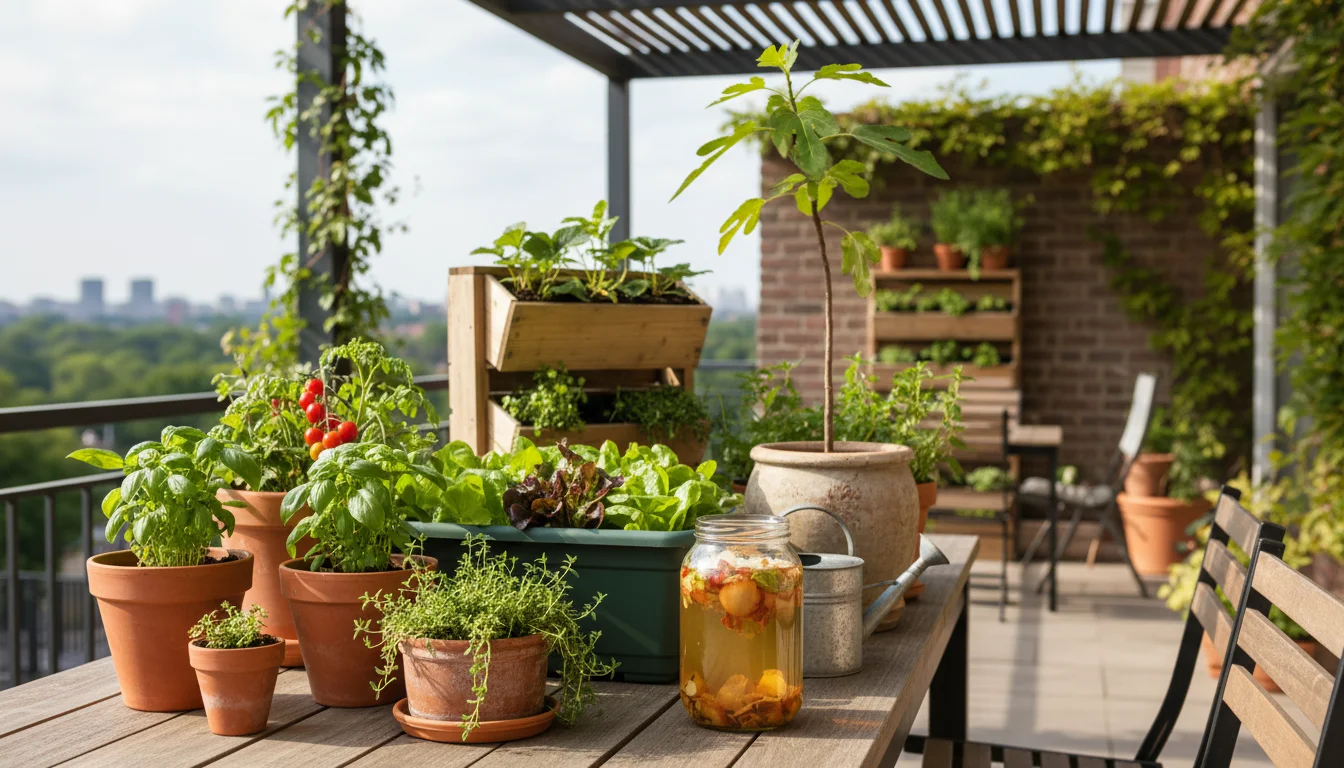
Imagine giving your balcony plants a nutrient boost without spending a single dollar on commercial fertilizers. Picture vibrant blooms, robust herbs, and bountiful vegetables thriving in your small space, all thanks to something you usually discard.
This spring, transform your kitchen waste into a powerful, organic plant food: kitchen scrap fertilizer tea. It is a simple, sustainable, and incredibly effective way to nourish your potted plants, promoting healthier growth and a more eco-conscious gardening practice.
This guide provides you with all the practical knowledge to start brewing your own homemade plant elixir, ensuring your small garden flourishes.
If you are still planning your setup, it is helpful to map your balcony garden before the spring growing season officially begins.
Before you begin feeding, make sure your pots are ready for the season by following a checklist for waking up your balcony pots after the winter frost.
Balcony and patio gardens, while incredibly rewarding, often present unique challenges. Plants in containers rely entirely on you for their water and nutrient supply.
Unlike garden beds where soil can naturally replenish itself over time, potted plants quickly deplete the limited nutrients available in their confined soil. This makes regular feeding essential for their survival and vigor.
Rather than reaching for synthetic options, you can embrace a natural solution. Crafting a DIY liquid fertilizer from everyday kitchen scraps offers a fantastic alternative, providing your plants with vital elements while reducing household waste.
You will discover how easy it is to create this potent, organic container fertilizer, giving your plants the sustenance they need to thrive this growing season.
Contents9 sections
- Unleashing the Power of Your Kitchen Scraps for Plant Health
- Why Your Balcony Plants Crave Nutrition: Understanding Essential Elements
- Choosing the Best Scraps for Your Brew: What Works and What Doesn’t
- Step-by-Step Guide to Making Your Kitchen Scrap Fertilizer Tea
- Mastering Application: Feeding Your Plants the Right Way
- Plants That Love Kitchen Scrap Tea: Optimizing for Balcony & Patio Gardens
- Troubleshooting and Common Pitfalls: Keeping Your Tea and Plants Happy
- Extending Your Impact: Other Ways to Use Scraps in Small Gardens
- Frequently Asked Questions
Unleashing the Power of Your Kitchen Scraps for Plant Health
Harnessing the power of your kitchen scraps transforms what many consider trash into garden treasure. This innovative approach to plant nutrition aligns perfectly with a low-maintenance, small-space gardening philosophy.
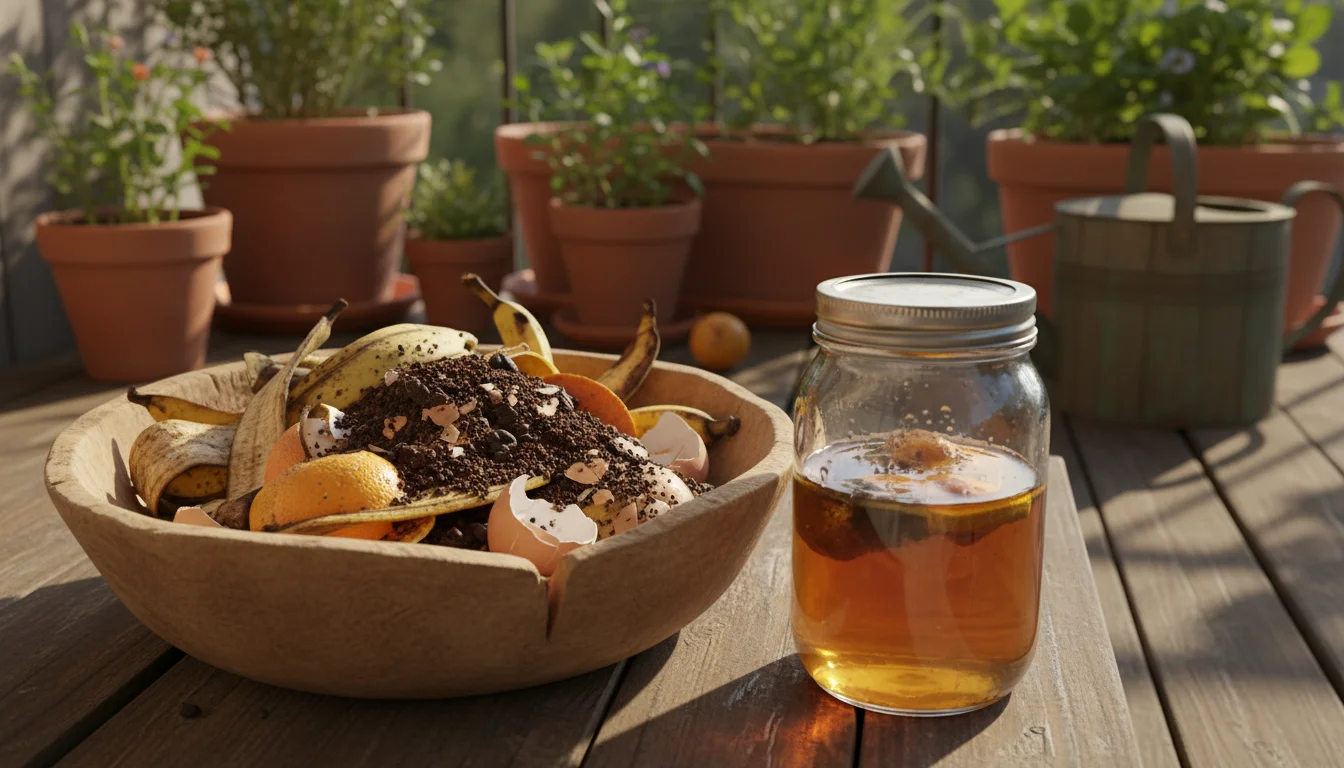
Kitchen scrap fertilizer tea is essentially a nutrient-rich liquid extracted from organic waste. It gives your potted plants an immediate, absorbable dose of beneficial compounds.
Instead of tossing fruit and vegetable peels, coffee grounds, and eggshells into the landfill, you can repurpose them to create a potent, free, and environmentally friendly fertilizer.
For an even more robust recycling setup, you can also build a DIY worm bin for kitchen scraps to generate rich worm castings alongside your tea.
This method offers distinct advantages, especially for gardeners working with limited space. First, it costs absolutely nothing.
You use materials you already have on hand. Second, it reduces household waste, directly contributing to a more sustainable lifestyle.
Third, organic fertilizers like this tea improve soil health over time by introducing beneficial microorganisms. These microbes break down organic matter, making nutrients more available to your plants.
Unlike many synthetic fertilizers, which can sometimes burn plant roots if over-applied, natural fertilizers provide a gentler, slower release of nutrients, promoting robust, long-term growth.
Think about the typical lifecycle of a fruit or vegetable. It absorbs vital minerals and vitamins from the soil as it grows.
When you consume the edible part, the peels, cores, and ends still retain many of these valuable elements. By steeping these scraps in water, you create a mild infusion that leaches these nutrients into a liquid form.
Your plants then readily absorb this liquid through their roots, benefiting from the same building blocks that supported the original produce.
This DIY liquid fertilizer offers a complete and balanced diet for your balcony plants, supporting everything from strong root development to vibrant foliage and abundant blooms. You actively participate in a closed-loop system, demonstrating true resourcefulness in your small garden.
The beauty of this system lies in its simplicity and accessibility. You do not need specialized equipment or a vast garden plot.
A bucket, some water, and your kitchen scraps are all you need to start brewing. This makes it an ideal solution for urban gardeners, apartment dwellers, and anyone keen on adopting more sustainable practices.
You move beyond basic composting, creating a ready-to-use liquid feed that delivers nutrients directly where your plants need them most. Embrace the potential of your kitchen scraps this spring and watch your balcony garden flourish like never before.
Why Your Balcony Plants Crave Nutrition: Understanding Essential Elements
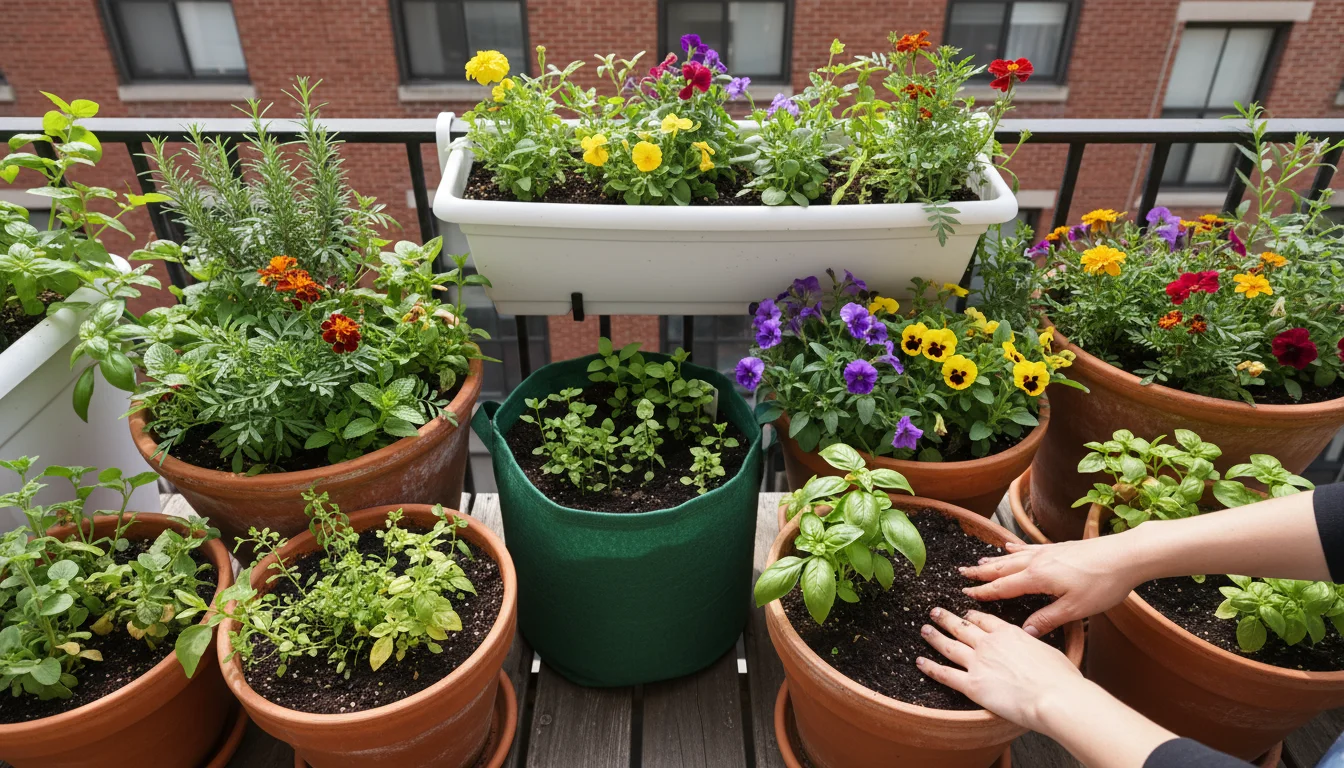
Understanding why your balcony plants need regular feeding is crucial for their long-term health. Plants in pots live in a confined environment.
Their roots cannot reach out into a larger soil reservoir to find nutrients as they would in a garden bed. This means the soil in your containers quickly becomes depleted of essential elements.
Regular watering washes away some nutrients, and the plants themselves continuously draw on what is available to fuel their growth, flowering, and fruiting processes.
To ensure your setups are ready for regular feeding, keep a handy spring planting guide for container gardeners nearby as you plan your balcony layout.
Plants require a range of nutrients for optimal health, often categorized into macronutrients and micronutrients. The three primary macronutrients, often referred to by their chemical symbols, are Nitrogen (N), Phosphorus (P), and Potassium (K).
These are the familiar N-P-K ratios you see on commercial fertilizer labels.
- Nitrogen (N) promotes lush, green leafy growth. It is vital for photosynthesis, the process by which plants convert sunlight into energy.
- Phosphorus (P) supports strong root development, flowering, and fruit production. It helps plants transfer energy and create robust structures.
- Potassium (K) contributes to overall plant vigor, disease resistance, and water regulation. It helps plants withstand stress and produce high-quality fruits and flowers.
Beyond N-P-K, plants also need secondary macronutrients like calcium, magnesium, and sulfur, along with various micronutrients such as iron, manganese, boron, copper, zinc, and molybdenum. While needed in smaller quantities, these micronutrients are equally vital for specific plant functions and overall health.
Commercial fertilizers often provide these elements in precise, synthetic formulations. However, a compost tea for pots, like the kitchen scrap fertilizer tea, delivers these nutrients in an organic, slow-release form.
It also introduces beneficial microbial life into the soil, which improves soil structure and nutrient availability. These microbes act as tiny helpers, breaking down organic matter and converting nutrients into forms readily usable by your plants.
For container gardens, where soil life can be limited, enriching it with these beneficial organisms is a significant advantage.
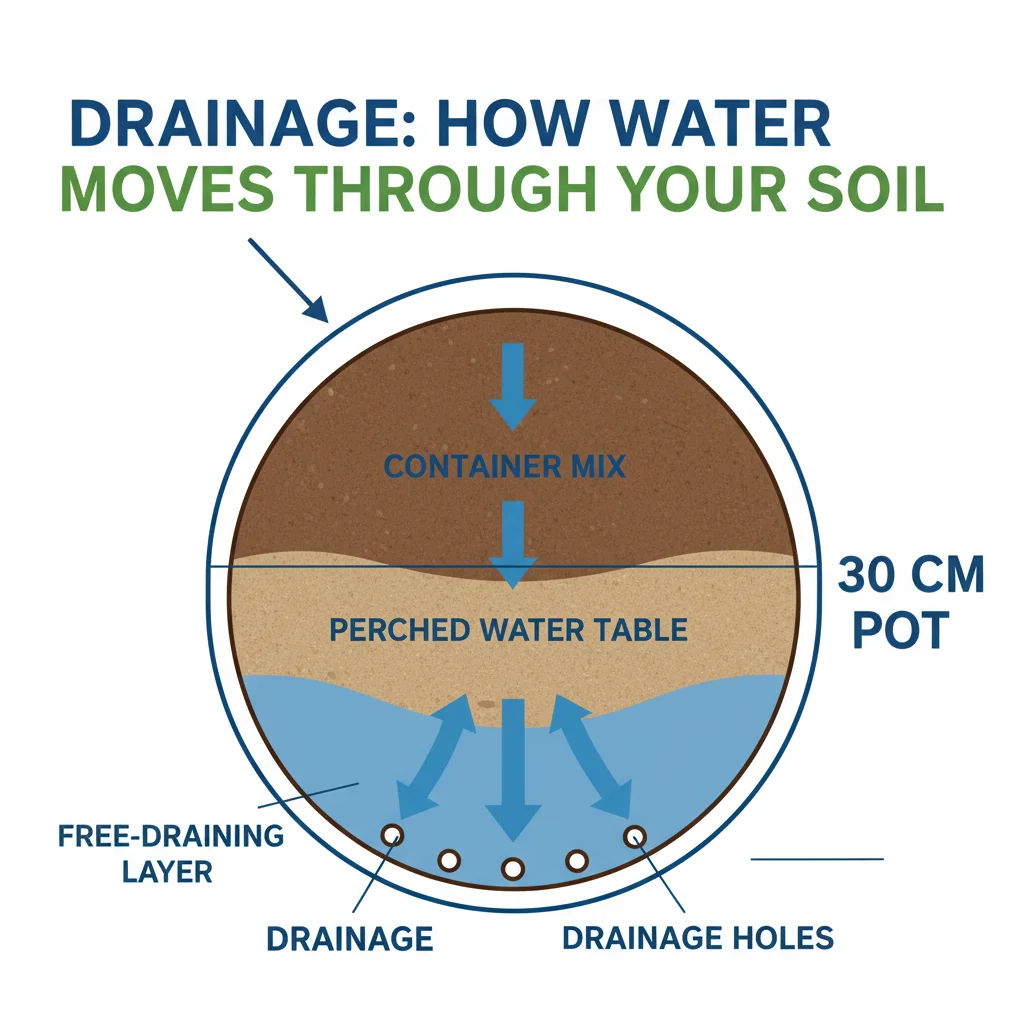
Think about drainage: how water moves through your soil. Container mixes are designed for good drainage, which is excellent for preventing root rot, but it means nutrients can wash out more quickly.
This is another reason regular feeding with a gentle, natural fertilizer becomes essential. By consistently providing your plants with this natural fertilizer for potted plants, you ensure they have a steady supply of what they need to thrive.
This proactive feeding strategy prevents nutrient deficiencies, which can manifest as yellowing leaves, stunted growth, or poor flower and fruit production. You empower your plants to reach their full potential, transforming your balcony into a green oasis.
Choosing the Best Scraps for Your Brew: What Works and What Doesn’t
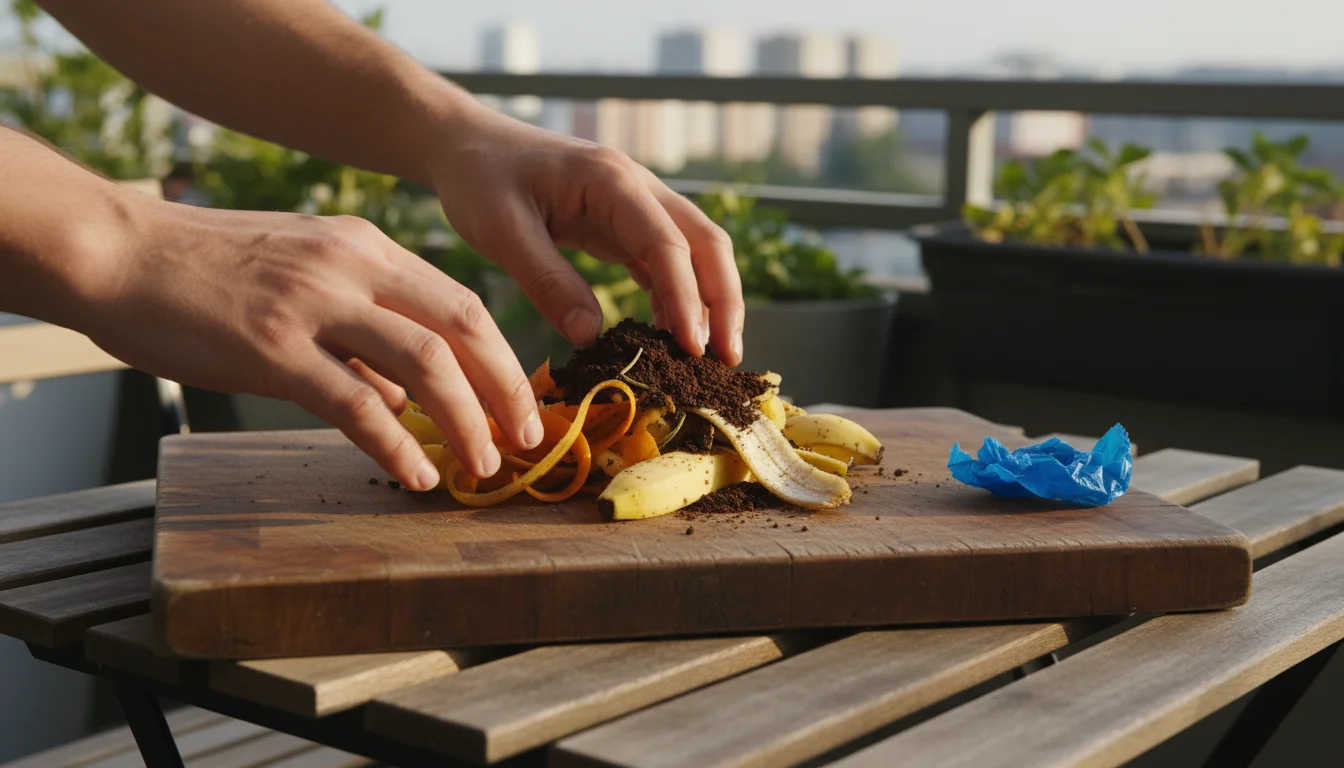
The success of your kitchen scrap fertilizer tea depends heavily on the ingredients you choose. Not all kitchen waste is suitable for brewing.
Selecting the right scraps ensures a nutrient-rich, beneficial tea, while avoiding problematic items prevents odors, mold, and potential harm to your plants. You want to focus on fresh, uncooked, and unprocessed plant-based materials.
If you love sourcing free materials, you can also learn how to scavenge and prep city leaves to create protective mulch for your pots.
What Works: Nutrient-Rich Scraps for Your Tea
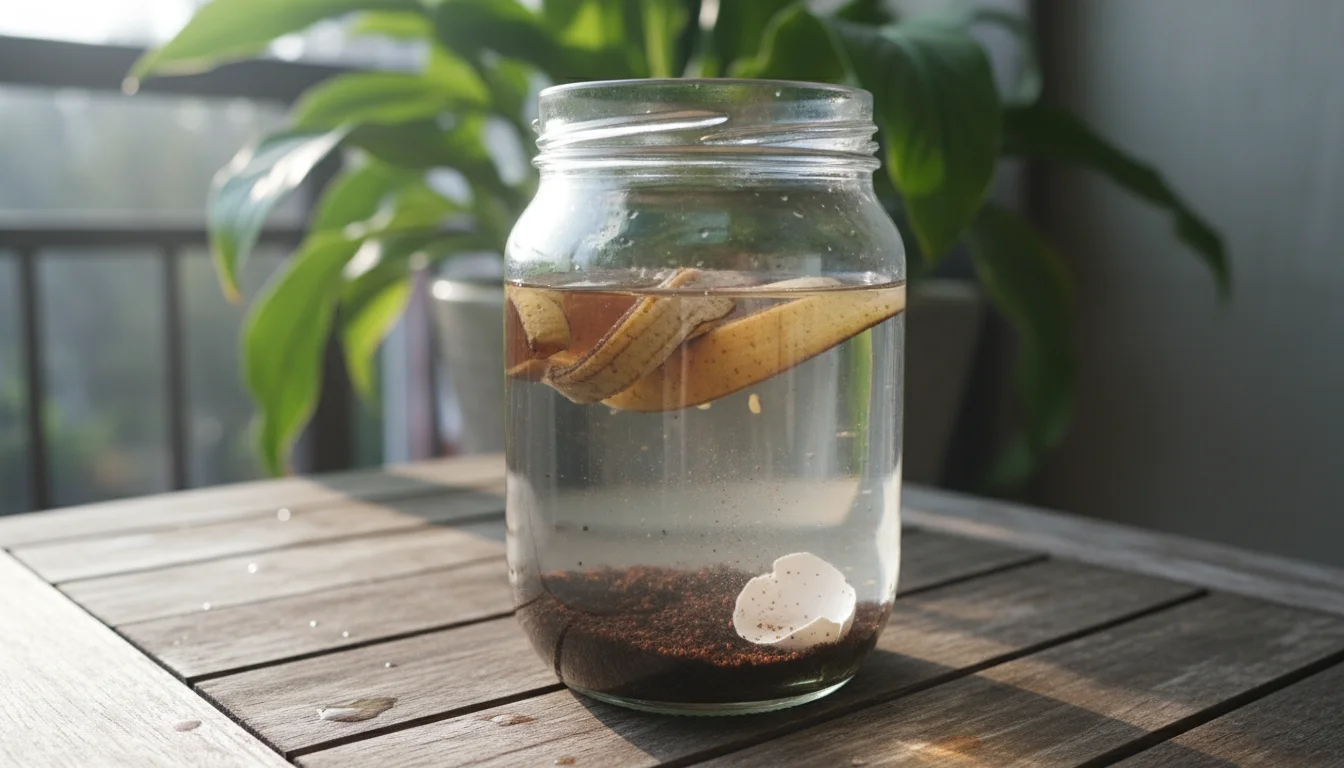
- Banana Peels: These are a powerhouse of potassium, a critical nutrient for flowering and fruiting plants. They also contain calcium, magnesium, and phosphorus. A dedicated banana peel fertilizer tea recipe is a popular choice among organic gardeners for good reason.
- Coffee Grounds: Spent coffee grounds are rich in nitrogen, which promotes lush, green foliage. They also add a slight acidity to the tea, which can benefit acid-loving plants. Ensure they are fully cooled and used in moderation.
- Eggshells: While they break down slowly, eggshells contribute calcium, essential for strong cell walls and preventing blossom end rot in fruiting plants like tomatoes. Crush them finely before adding them to your tea for better nutrient release.
- Vegetable Scraps: Bits of leafy greens, carrot peelings, potato skins, onion and garlic skins, and broccoli stems all contribute a range of micronutrients and trace minerals. Avoid diseased or moldy scraps.
- Fruit Scraps: Apple cores, pear peels, and other non-citrus fruit scraps provide sugars and various nutrients.
- Algae or Seaweed: If you live near a clean coastline, small amounts of washed seaweed can add a fantastic boost of trace minerals and plant hormones.
If you want to dive deeper into recycling organic matter, check out a beginner’s guide to small-space composting to explore other methods.
What to Avoid: Scraps That Can Harm Your Tea or Plants
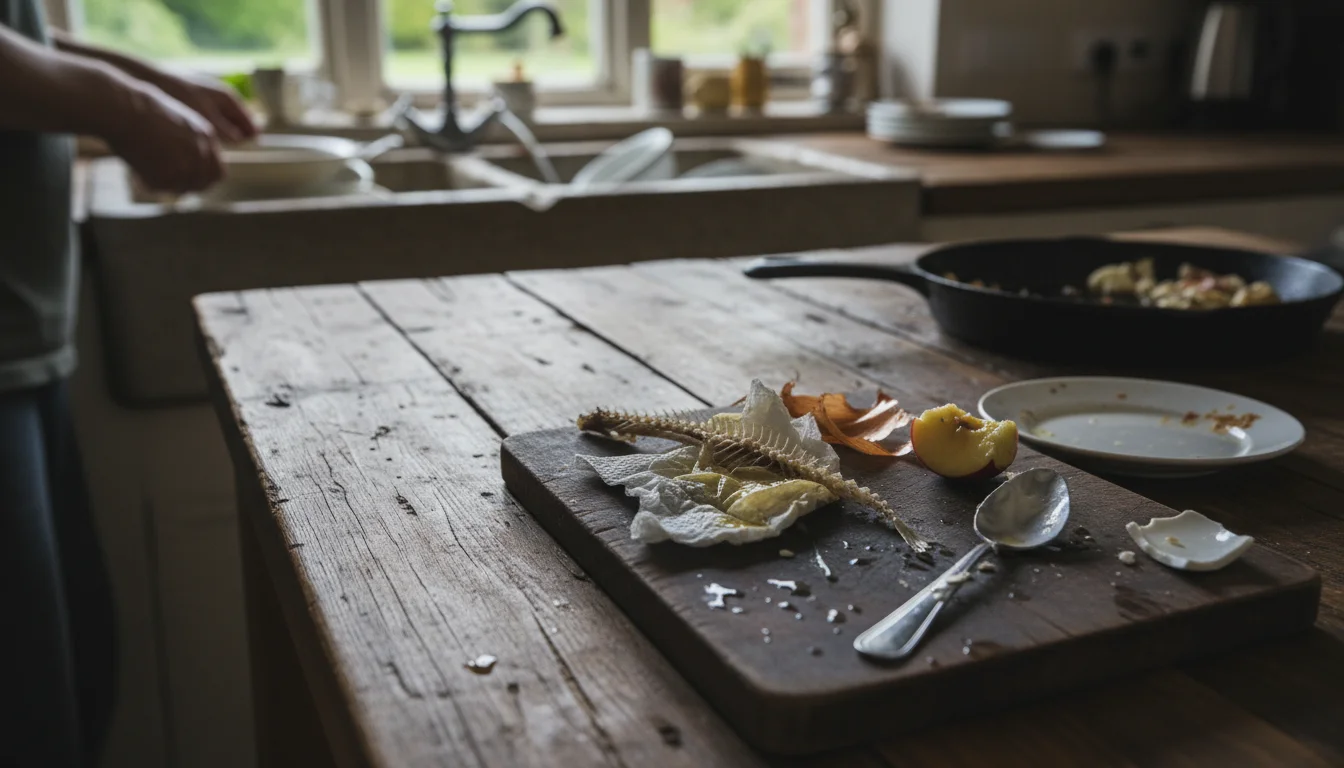
Certain items should never find their way into your kitchen scrap fertilizer tea. These can create foul odors, attract pests, introduce pathogens, or harm your plants.
For larger containers, you can also use the lasagna composting method directly in your pots during the autumn cleanup to prep for next spring.
- Meat, Fish, and Bones: These decompose slowly and attract pests like rodents and flies. They also create a very strong, unpleasant odor as they rot and can introduce harmful bacteria.
- Dairy Products: Milk, cheese, and yogurt scraps will also putrefy, produce terrible smells, and attract pests.
- Oils and Greases: Cooking oils, butter, and fatty residues do not break down well in water and can create a slick on the tea, impeding aeration and potentially coating plant roots, preventing nutrient uptake.
- Citrus Peels: While some argue for their inclusion, large quantities of citrus peels can make the tea too acidic for many plants and contain compounds that can inhibit beneficial microbial activity. Use sparingly if at all.
- Processed Foods: Anything with added salt, sugar, or preservatives should be avoided. These ingredients can harm your plants and disrupt the beneficial microbial ecosystem you are trying to cultivate.
- Diseased or Pest-Infested Plant Material: You risk spreading diseases or pests to your healthy plants. Always use healthy, clean scraps.
By carefully selecting your scraps, you ensure your DIY liquid fertilizer is not only effective but also pleasant to make and use. You create a natural, powerful boost for your balcony plants, harnessing the natural goodness from your everyday kitchen activities.
Step-by-Step Guide to Making Your Kitchen Scrap Fertilizer Tea
Making your own natural fertilizer for potted plants is a straightforward process. You do not need any special equipment, just a few common household items and a little patience.
Follow these steps to create a nutrient-rich brew that your balcony plants will love. This `how to make fertilizer from kitchen scraps` guide is designed for simplicity and effectiveness, turning your waste into valuable plant food.
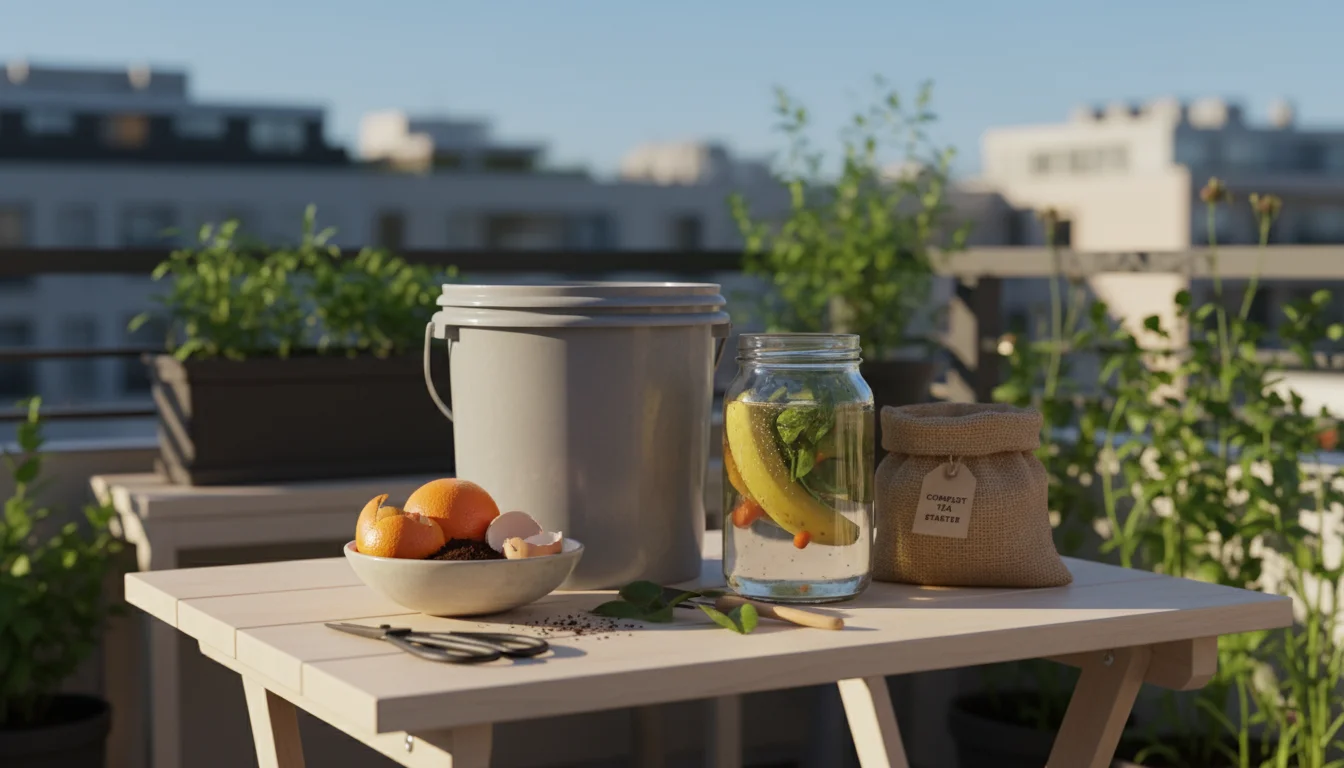
Materials You Will Need:
- A large bucket or container (5-gallon buckets with lids work well, but any non-food-grade bucket will do).
- Water (rainwater or dechlorinated tap water is best).
- Your chosen kitchen scraps (banana peels, coffee grounds, eggshells, vegetable scraps).
- A stirring stick or old spoon.
- A piece of mesh, old pantyhose, or cheesecloth for straining.
- Another container for the finished tea.
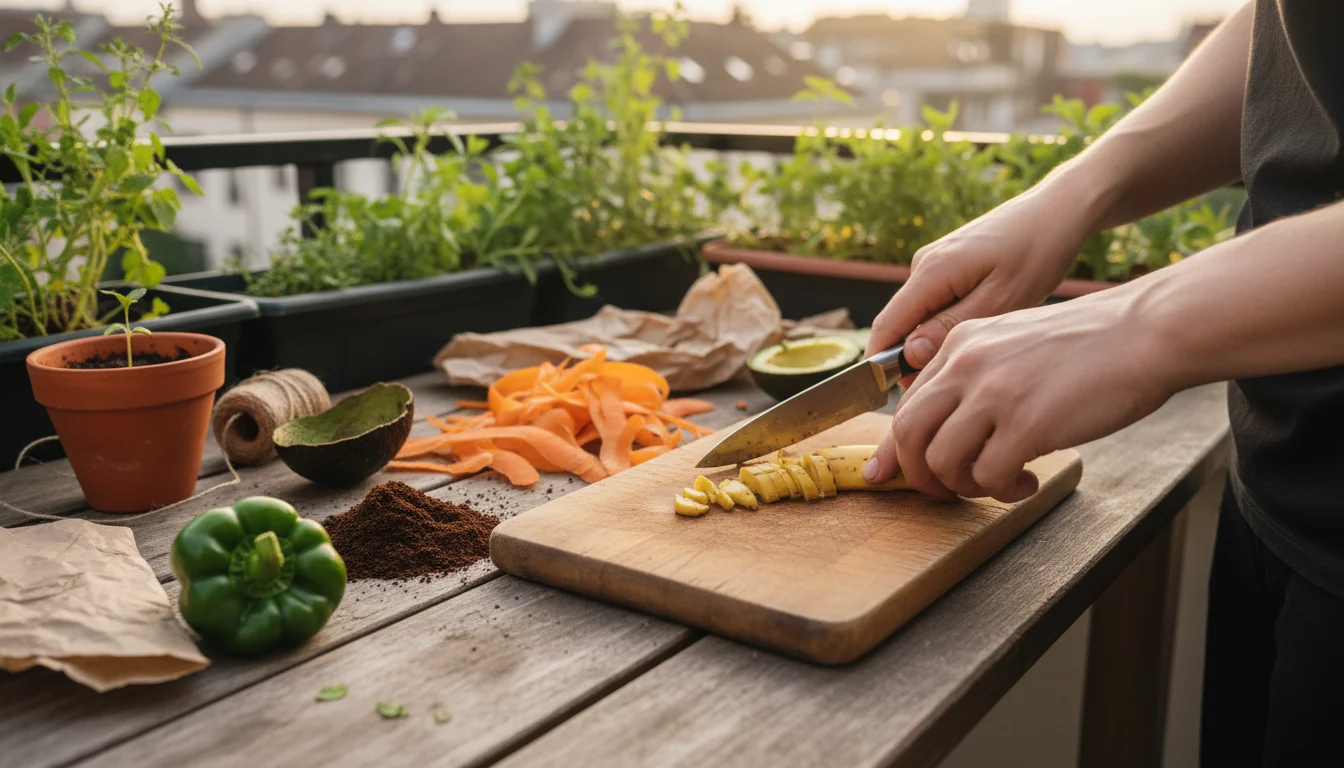
The Brewing Process:
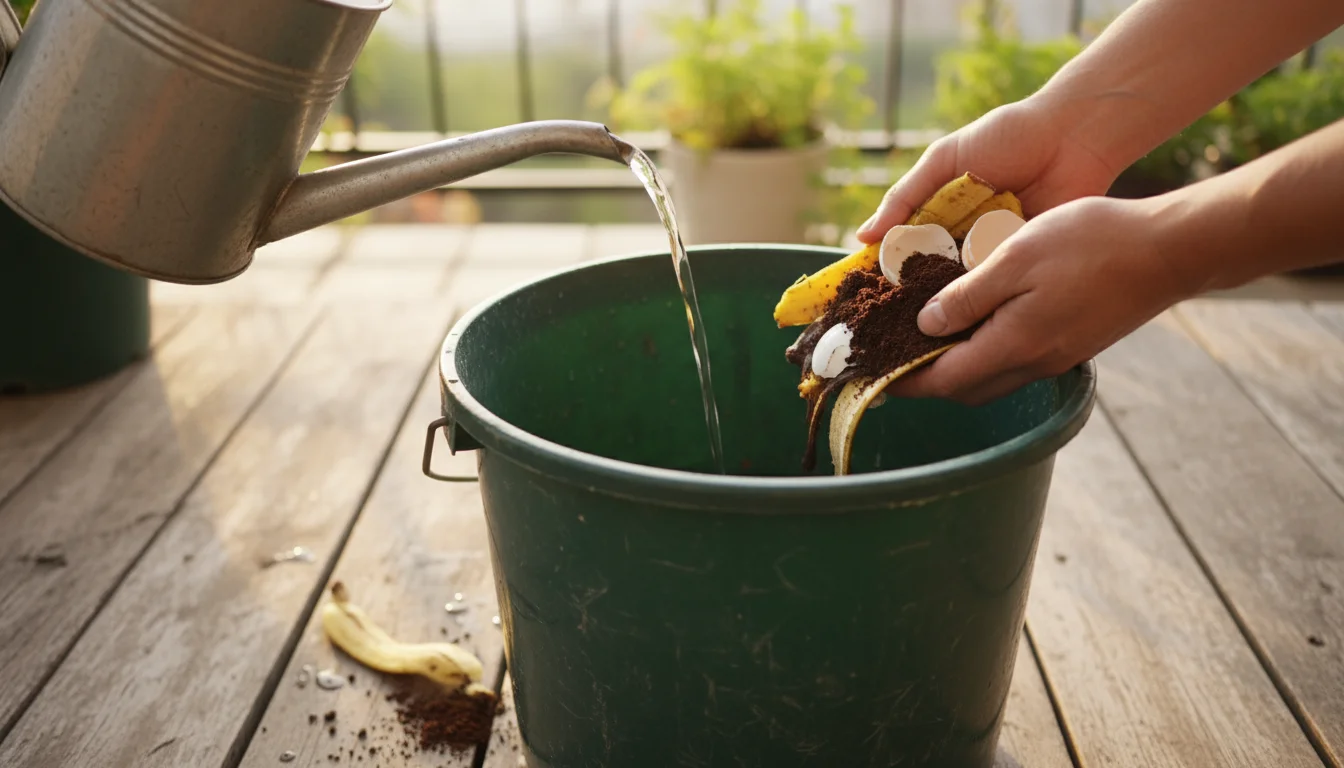
- Gather Your Scraps: Collect a variety of suitable kitchen scraps over a few days. Aim for a mix of different types to ensure a broad spectrum of nutrients. Chop larger scraps into smaller pieces; this increases their surface area, allowing nutrients to leach out more effectively. For example, finely crush eggshells for better calcium release.
- Combine Scraps and Water: Place your prepared kitchen scraps into your brewing bucket. Fill the bucket with water, ensuring the scraps are fully submerged. A general ratio to start with is about one part scraps to two parts water. For example, if you have one gallon of scraps, add two gallons of water. Use rainwater if possible, as it is free of chlorine and other chemicals found in tap water that can harm beneficial microbes. If using tap water, let it sit out for 24 hours to allow the chlorine to dissipate.
- Stir and Cover: Give the mixture a good stir to ensure everything is wet. Loosely cover the bucket with a lid or a piece of cloth. You want to allow airflow while keeping out pests and debris. Do not seal it airtight, as anaerobic conditions can lead to foul odors.
- Steep for 1-2 Weeks: Place the bucket in a warm, shaded spot outdoors. Heat helps the decomposition process, but direct sunlight can promote unwanted algae growth. Stir the mixture daily or every other day. You will notice the water changing color as nutrients leach out. A mild, earthy smell is normal, but a strong, putrid odor indicates something is wrong (likely anaerobic conditions or inappropriate scraps). If this happens, discard the batch and start fresh.
- Strain the Tea: After 1-2 weeks, your compost tea for pots is ready. Use your mesh, old pantyhose, or cheesecloth to strain the liquid from the solid scraps. You want a clear or slightly cloudy liquid. Compost the strained solid scraps in your regular compost pile, bury them directly in larger garden beds, or discard them.
- Dilute for Application: The resulting liquid is a concentrated fertilizer. You must dilute it before applying it to your plants. A common dilution ratio is one part tea to four or five parts water (1:4 or 1:5). This prevents over-fertilization and potential root burn. Always dilute, especially for tender young plants or sensitive species.
This process of brewing creates a potent, living solution. The beneficial microorganisms from your scraps proliferate in the water, contributing to a healthier soil ecosystem when you apply the tea.
You are not only feeding your plants, you are also improving the microbial life in your container soil. This holistic approach supports vigorous growth, enhances plant immunity, and ultimately leads to more resilient and productive balcony gardens.
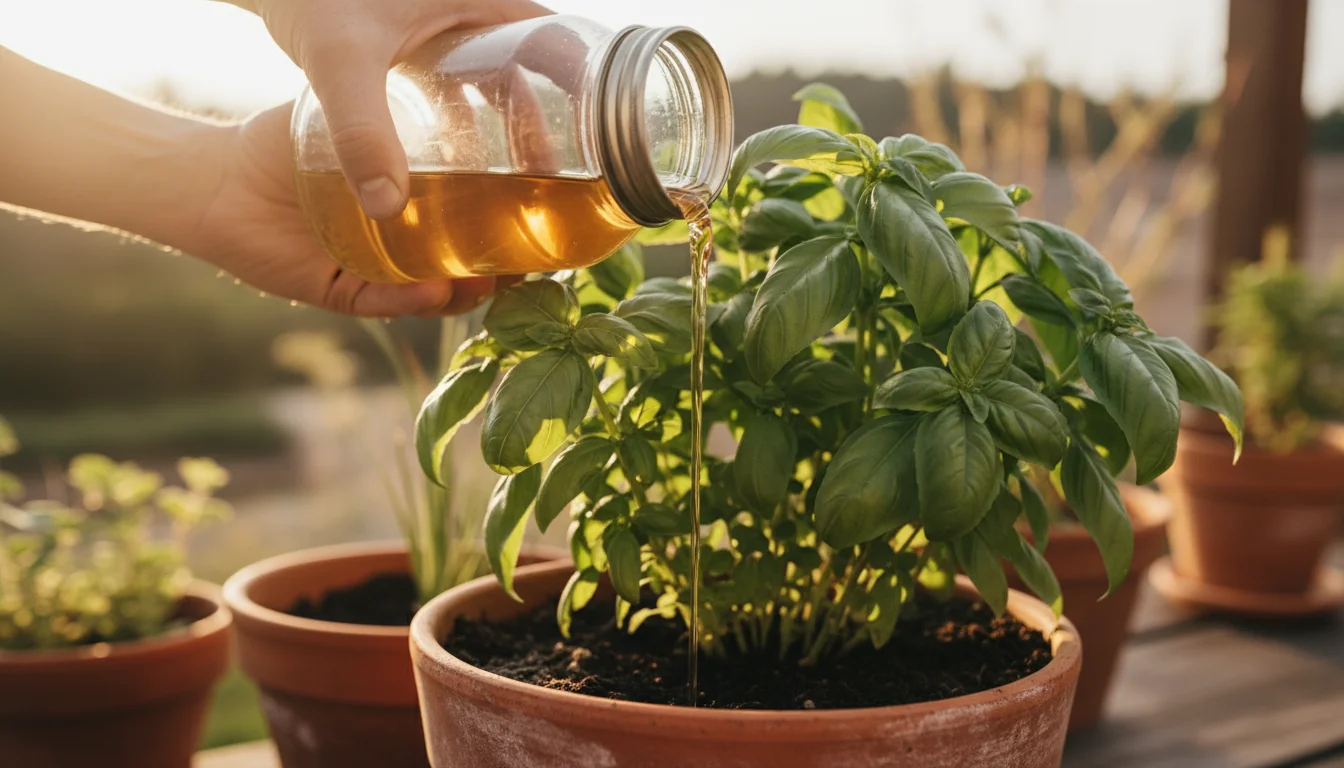
Mastering Application: Feeding Your Plants the Right Way
Applying your homemade kitchen scrap fertilizer tea correctly ensures your plants receive maximum benefits without any adverse effects. The key lies in proper dilution, timing, and observation.
You now have a fantastic natural fertilizer for potted plants, and knowing how to use it effectively is the next crucial step.
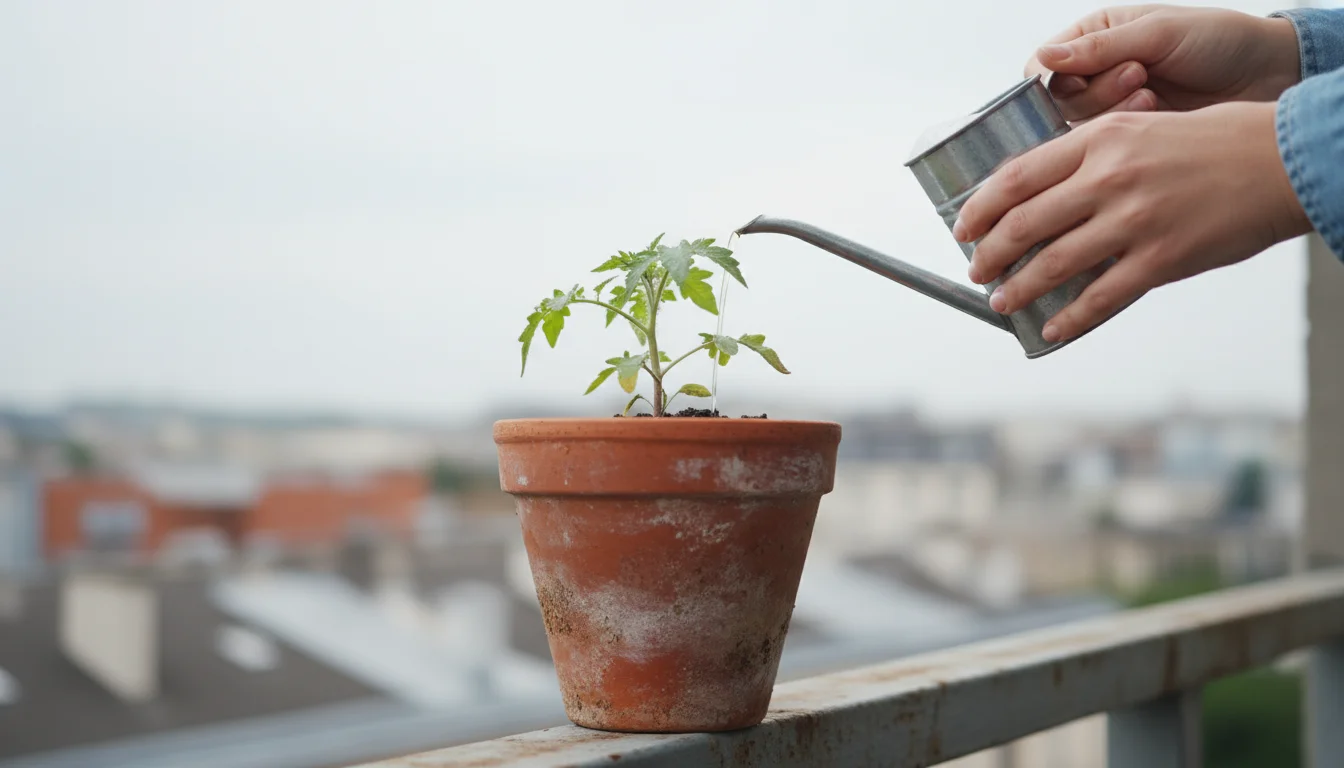
Dilution is Key
As mentioned in the brewing steps, always dilute your kitchen scrap fertilizer tea. The concentrated brew can be too strong for most plants and potentially cause nutrient burn, especially for seedlings or sensitive species.
A standard dilution ratio is 1 part tea to 4 or 5 parts water. For example, if you have one cup of finished tea, mix it with four or five cups of fresh water.
For very young or delicate plants, you might even consider a 1:10 ratio to be extra safe. Err on the side of caution; it is better to under-fertilize slightly than to over-fertilize.
When and How Often to Apply
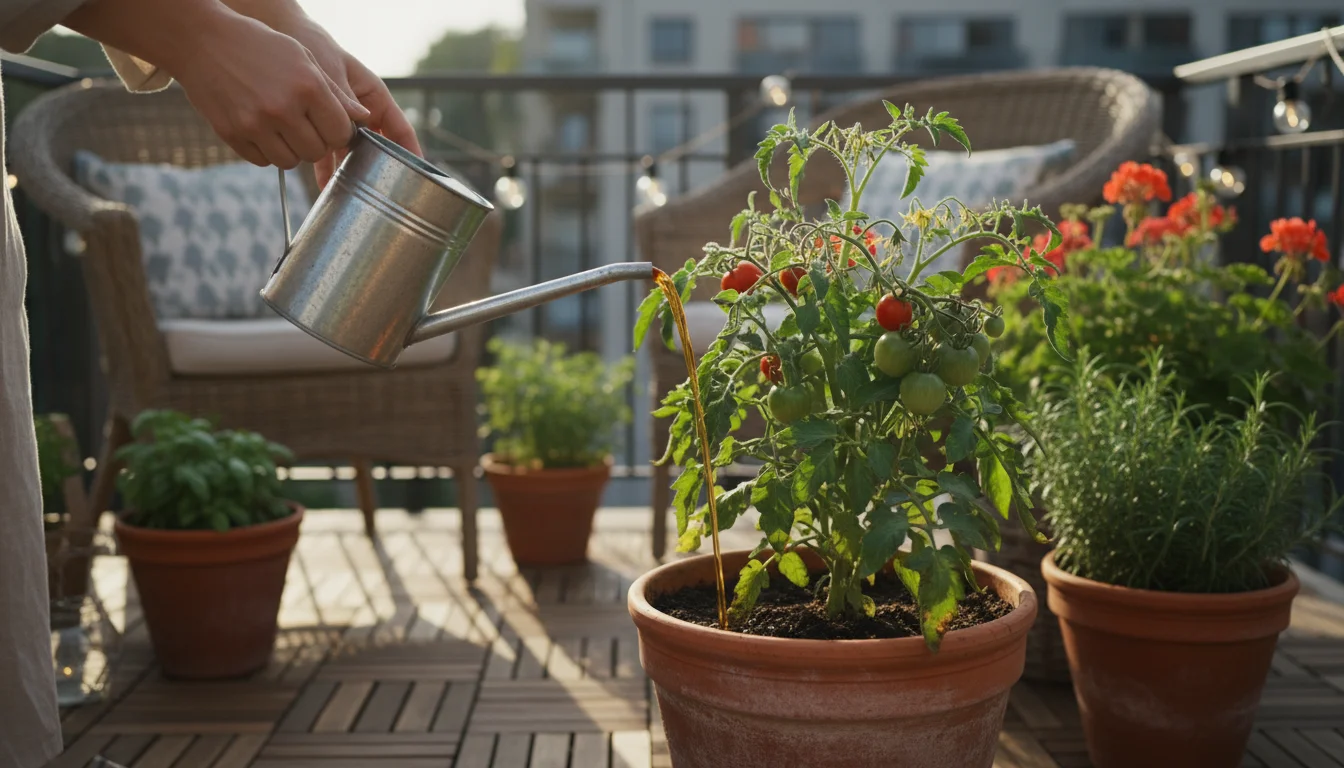
The best time to apply your fertilizer tea is in the morning or late afternoon, when temperatures are cooler. Avoid applying during the hottest part of the day, as the liquid can evaporate too quickly, and plants may be under stress.
Apply the diluted tea directly to the soil around the base of your plants. Ensure the soil is already slightly moist before applying.
Watering dry plants with fertilizer can shock them and cause root damage.
For most established balcony plants, a feeding schedule of every 2-4 weeks during the active growing season (spring through late summer) works well.
Flowering and fruiting plants, such as tomatoes, peppers, and petunias, often benefit from more frequent feeding, perhaps every two weeks, due to their higher nutrient demands. Leafy greens and herbs may thrive with a monthly application.
Observe your plants closely; their vigor and leaf color will tell you if they are happy or if they need more or less frequent feeding.
Application Methods
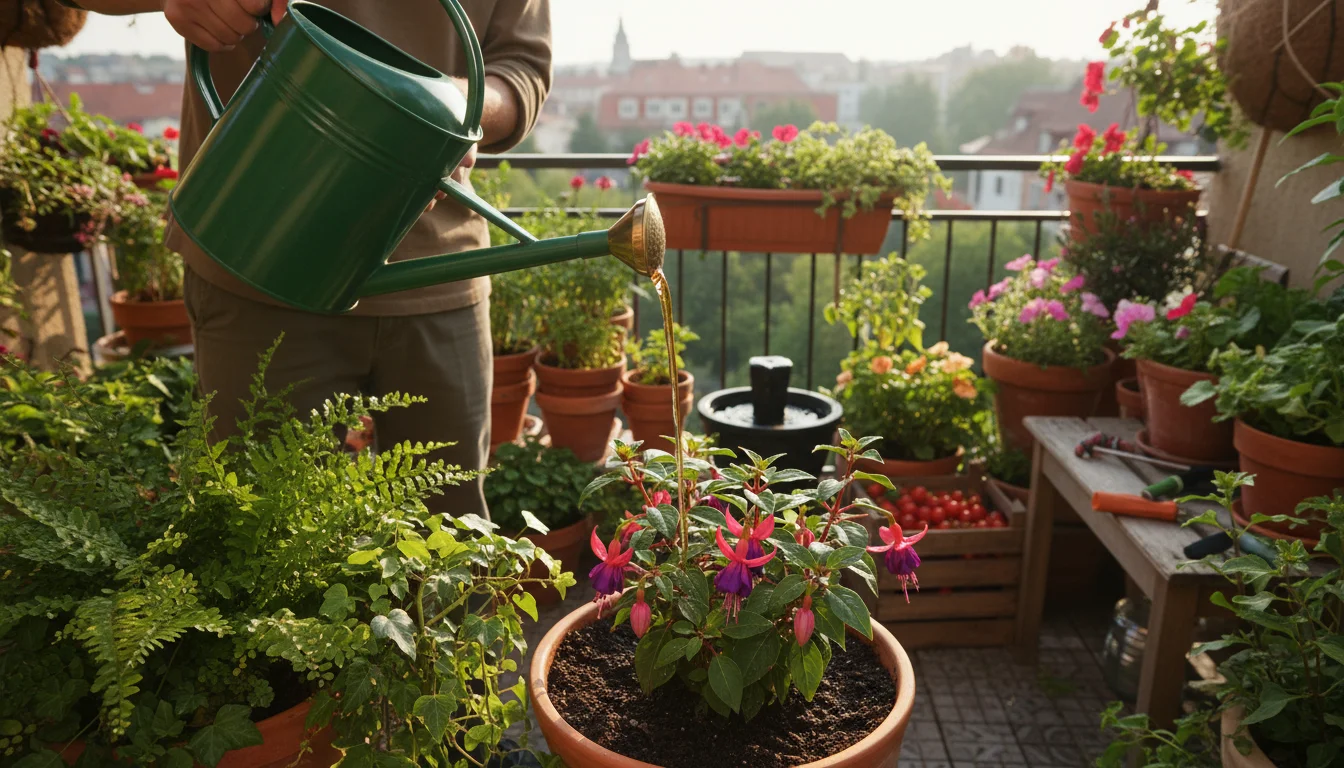
- Soil Drench: This is the most common and effective method. Simply pour the diluted tea onto the soil around the plant until it begins to drain from the bottom of the pot. This ensures the roots directly absorb the nutrients.
- Foliar Spray (Use with Caution): Some gardeners apply highly diluted compost tea as a foliar spray to deliver micronutrients directly to leaves. However, with kitchen scrap tea, this carries a higher risk of bacterial issues or leaving residue on leaves. If you choose this method, dilute significantly (1:10 or more) and test on a small section of a leaf first. Always use a fine spray nozzle.
Consider Your Plant’s Needs
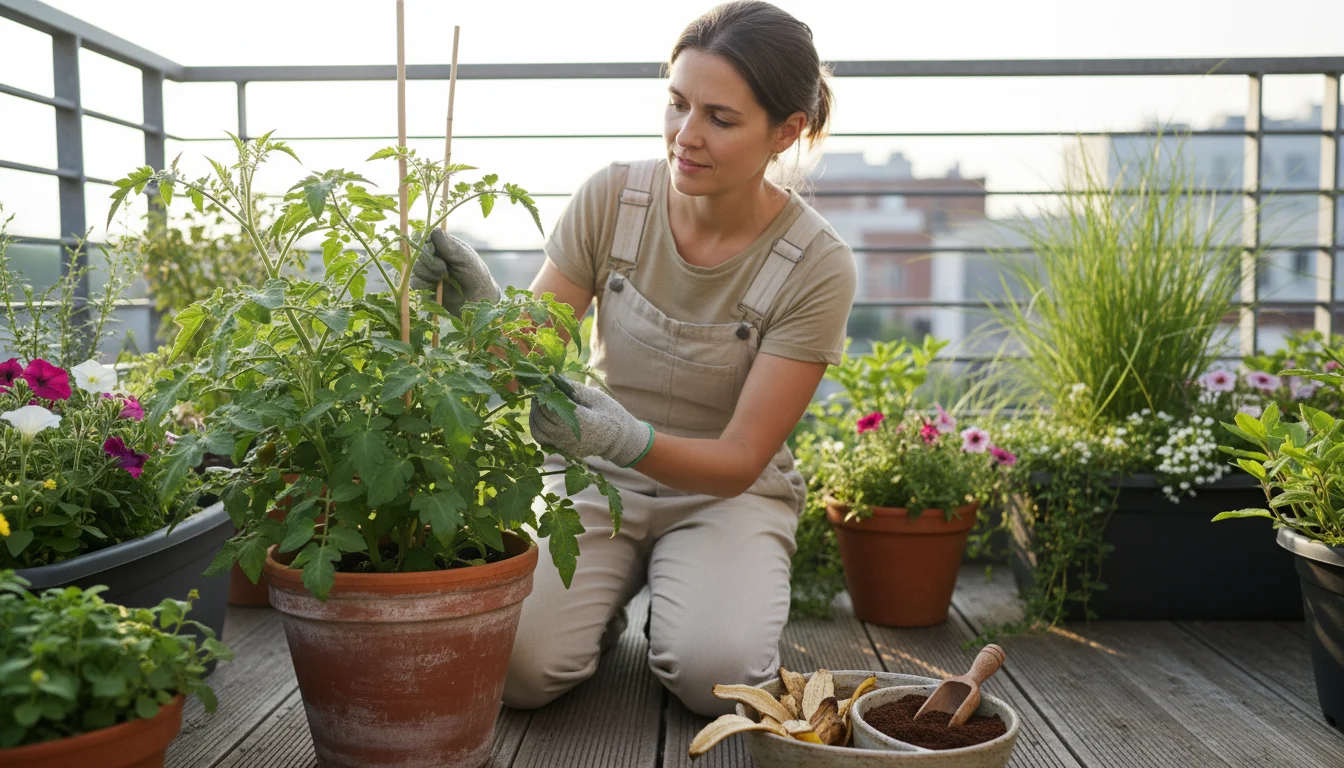
Different plants have different nutritional requirements. A banana peel fertilizer tea recipe, rich in potassium, is excellent for blooming and fruiting plants.
Coffee grounds, with their nitrogen content, are fantastic for leafy greens. A mixed kitchen scrap tea provides a balanced approach.
Adjust your scrap collection and tea application based on what your plants are doing.
For instance, if your plant is producing lots of leaves but no flowers, it might need more phosphorus and potassium, meaning more banana peels and less coffee grounds in your next brew.
By mastering these application techniques, you empower your balcony garden with a continuous supply of vital nutrients. You are providing your plants with the natural fuel they need to grow strong, healthy, and beautiful, all while maintaining an eco-friendly and budget-conscious approach to gardening.
Plants That Love Kitchen Scrap Tea: Optimizing for Balcony & Patio Gardens
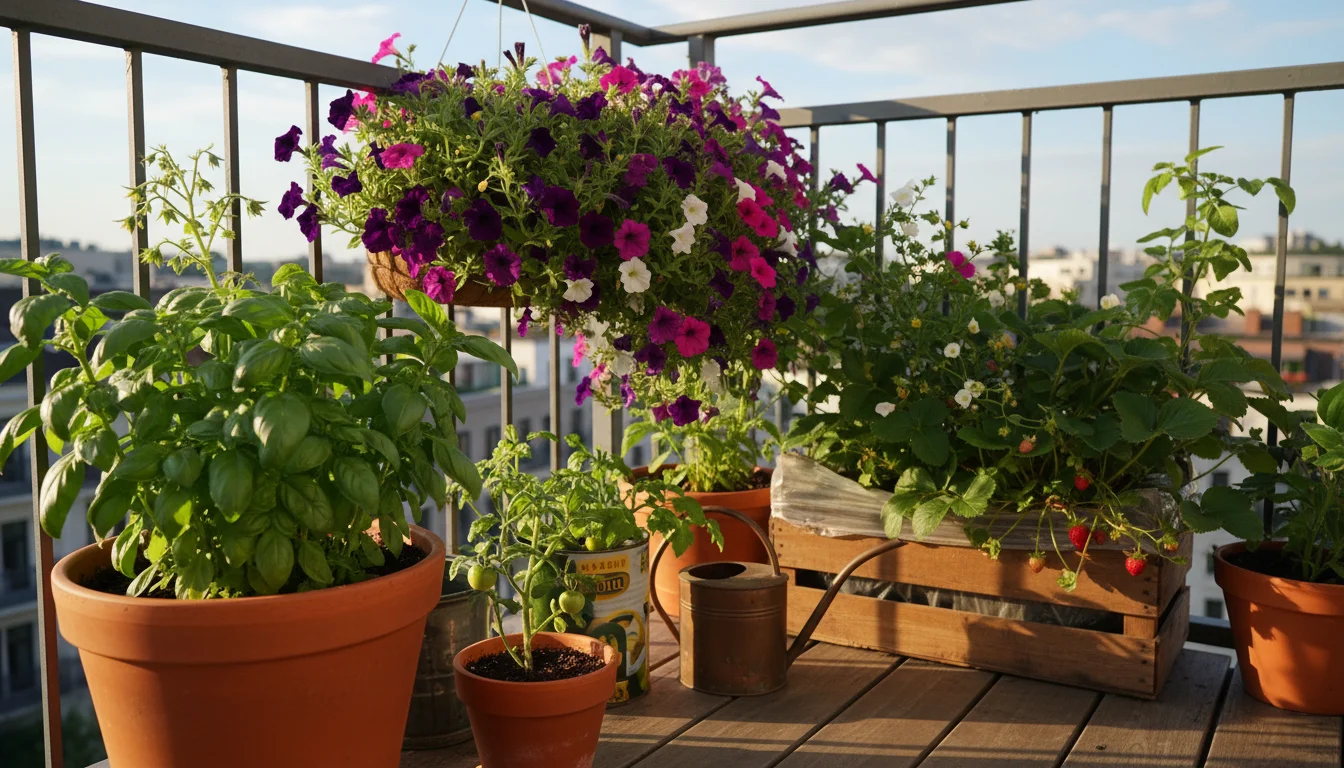
The beauty of kitchen scrap fertilizer tea is its versatility. Most container plants, especially those with vigorous growth or heavy fruiting cycles, greatly appreciate the nutrient boost.
This organic container fertilizer provides a gentle, balanced feed that supports a wide array of plants commonly grown in small spaces like balconies and patios. You can optimize your tea recipes based on what you are growing.
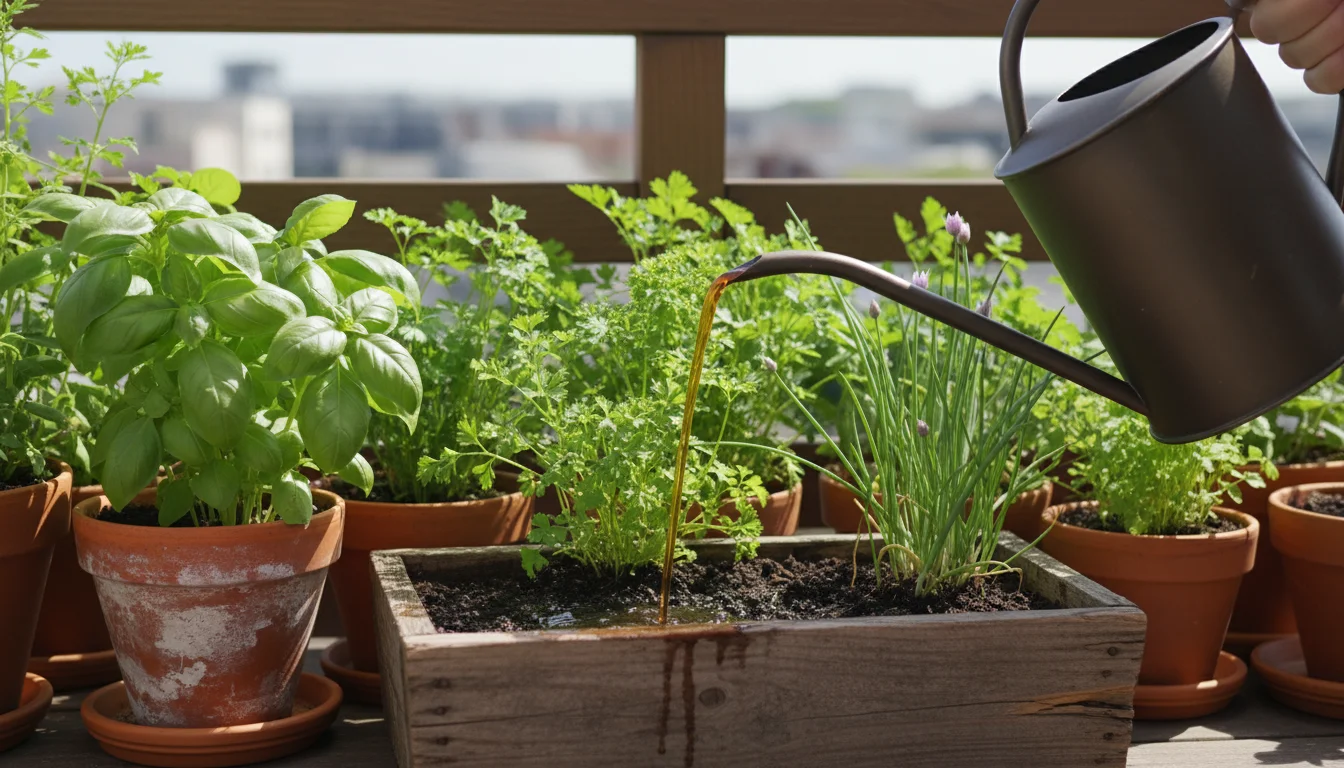
Herbs
Almost all herbs thrive on consistent, mild feeding. Basil, mint, parsley, cilantro, chives, and oregano will produce more lush foliage and maintain better flavor with regular applications of kitchen scrap tea.
The nitrogen content from coffee grounds is particularly beneficial for these leafy greens. Ensure good drainage, and they will reward you with an abundant supply for your culinary adventures.
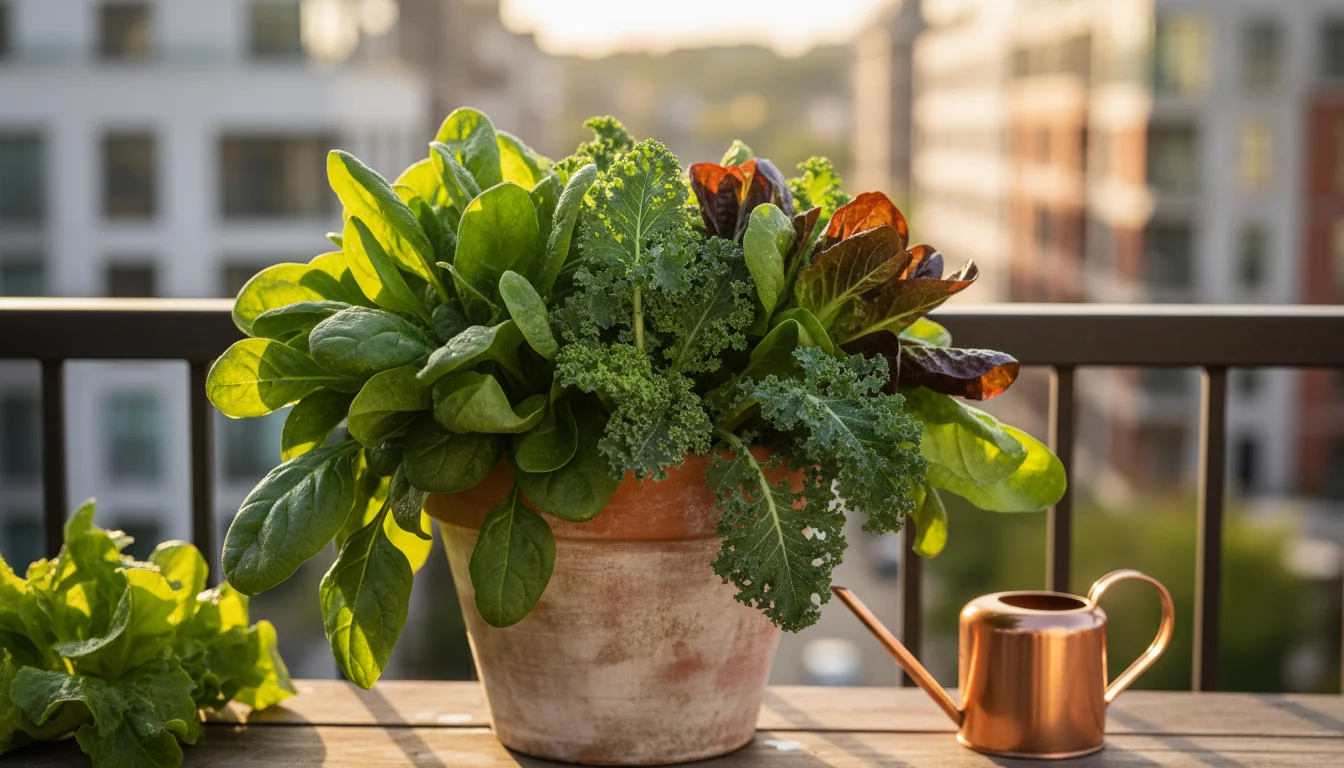
Leafy Greens
Spinach, lettuce, kale, and other leafy greens are primarily grown for their foliage, making them excellent candidates for nitrogen-rich feeds. Regular applications of your DIY liquid fertilizer will encourage rapid, healthy leaf production.
These plants grow quickly in pots, so they deplete soil nutrients faster than many others. A consistent tea schedule keeps them growing vigorously.
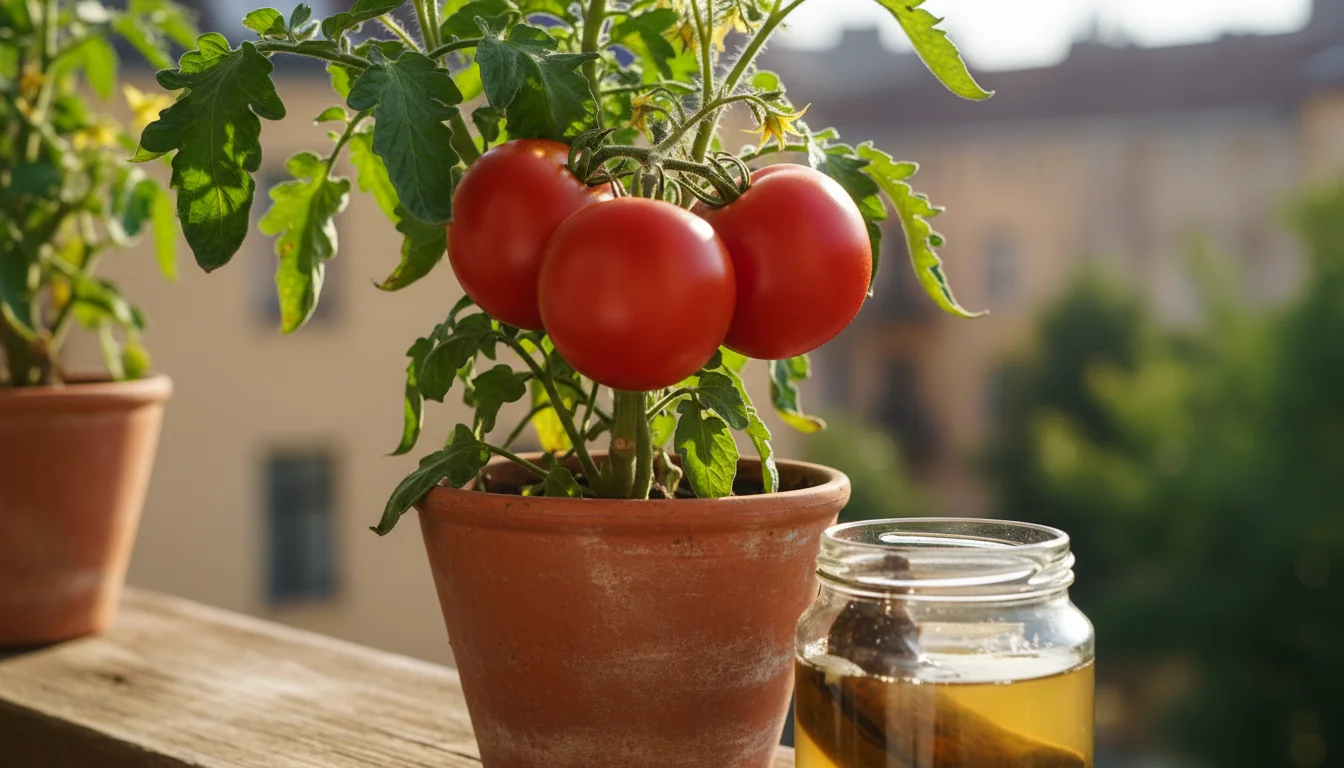
Fruiting Vegetables (Tomatoes, Peppers, Strawberries)
These are “heavy feeders” and will show significant appreciation for your kitchen scrap tea. Tomatoes and peppers especially need phosphorus and potassium for strong fruit development.
Incorporating more banana peels into your tea mix, making it a banana peel fertilizer tea recipe, will provide that essential potassium boost. Strawberries, often grown in hanging baskets or tiered planters, also benefit from the balanced nutrition, leading to sweeter, more abundant berries.

Flowering Annuals
For a continuous display of color on your balcony, annual flowers like petunias, impatiens, marigolds, and geraniums require consistent feeding to produce new blooms. The potassium in your kitchen scrap tea promotes vibrant flower production and stronger stems.
They will thank you with a profusion of colorful blossoms throughout the spring and summer seasons. You can maintain a show-stopping display without relying on synthetic bloom boosters.
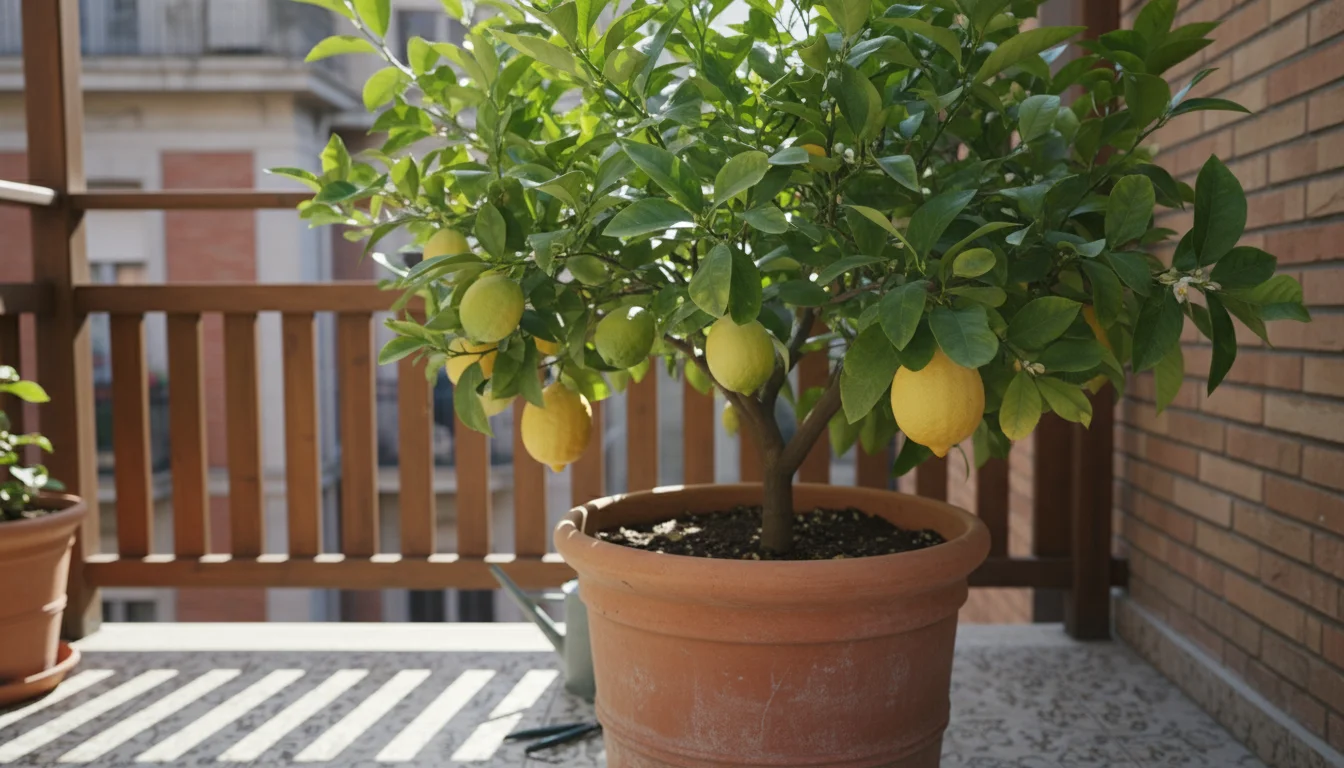
Small Citrus Trees and Dwarf Fruit Trees
If you are growing compact citrus varieties or dwarf fruit trees in large containers on your patio, they also benefit from regular organic feeding. These long-lived plants have ongoing nutrient needs.
The comprehensive blend of nutrients in kitchen scrap tea supports both leaf growth and fruit development, helping them remain healthy and productive for years.
The key is to observe your plants. If leaves are yellowing, it could indicate a nitrogen deficiency.
If flowering or fruiting is poor, it might be a lack of phosphorus or potassium. Your kitchen scrap tea, particularly a well-balanced blend, helps address these common issues by providing a spectrum of vital nutrients.
You nurture a thriving ecosystem in each pot, leading to more resilient and productive plants in your small garden space.
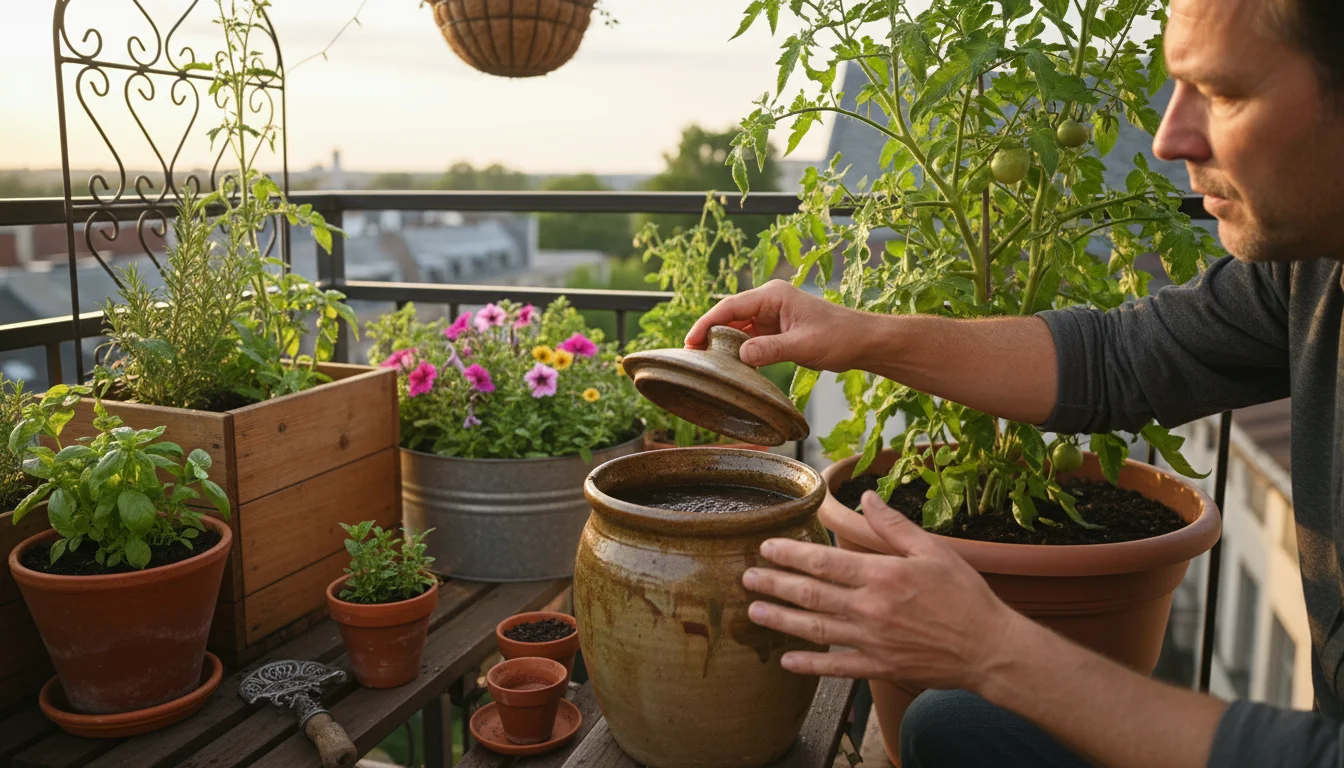
Troubleshooting and Common Pitfalls: Keeping Your Tea and Plants Happy
While making kitchen scrap fertilizer tea is simple, a few common issues can arise. Knowing how to troubleshoot these problems ensures your tea remains effective and your plants stay healthy.
You want your organic container fertilizer process to be smooth and rewarding, not frustrating.
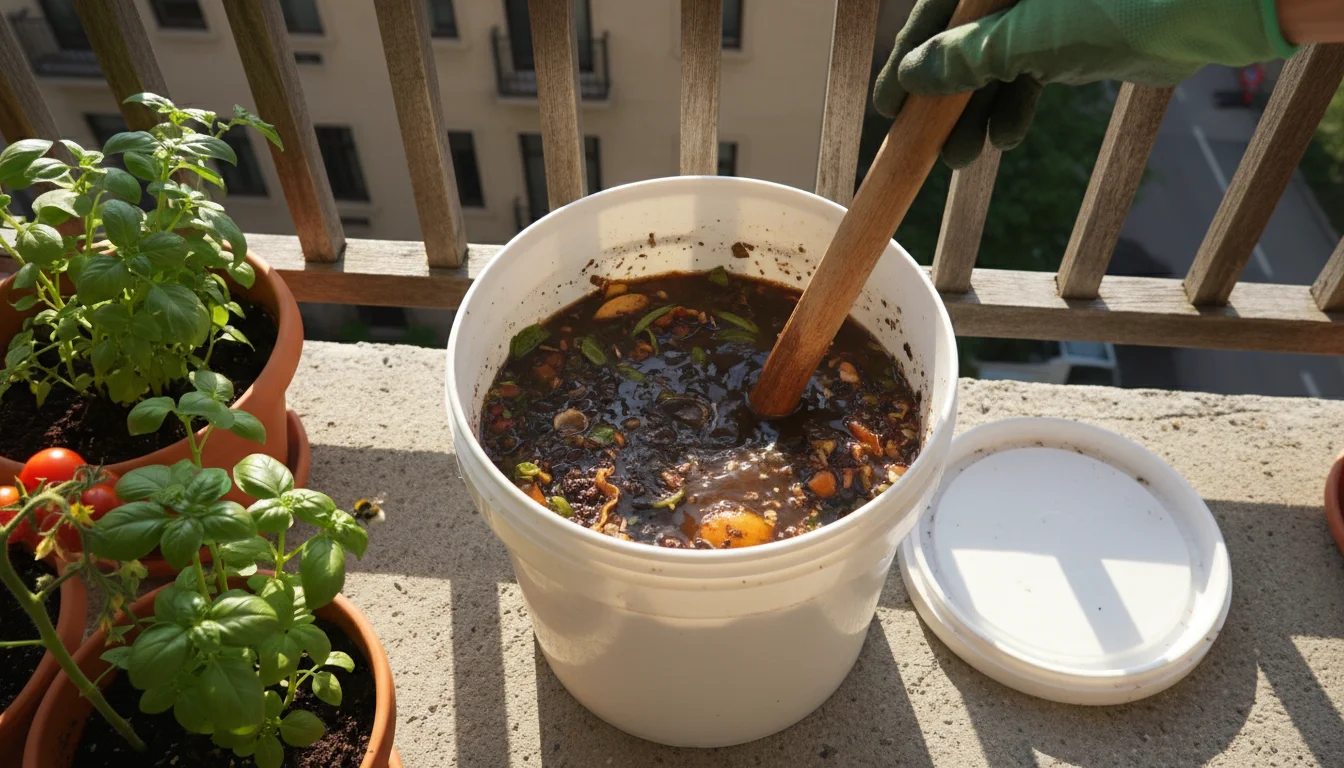
Unpleasant Odors
A mild, earthy, or slightly yeasty smell from your brewing tea is normal. However, a strong, rotten, or putrid smell indicates a problem.
This usually means the tea has gone anaerobic. Anaerobic conditions occur when there is insufficient oxygen, often due to sealing the container too tightly or packing too many scraps into the water.
This promotes the growth of undesirable bacteria that produce foul-smelling compounds like hydrogen sulfide.
- Solution: Ensure your brewing container is loosely covered, allowing for airflow. Stir the mixture daily to introduce oxygen. If the smell is already very bad, it is best to discard the batch and start fresh, adjusting your technique.
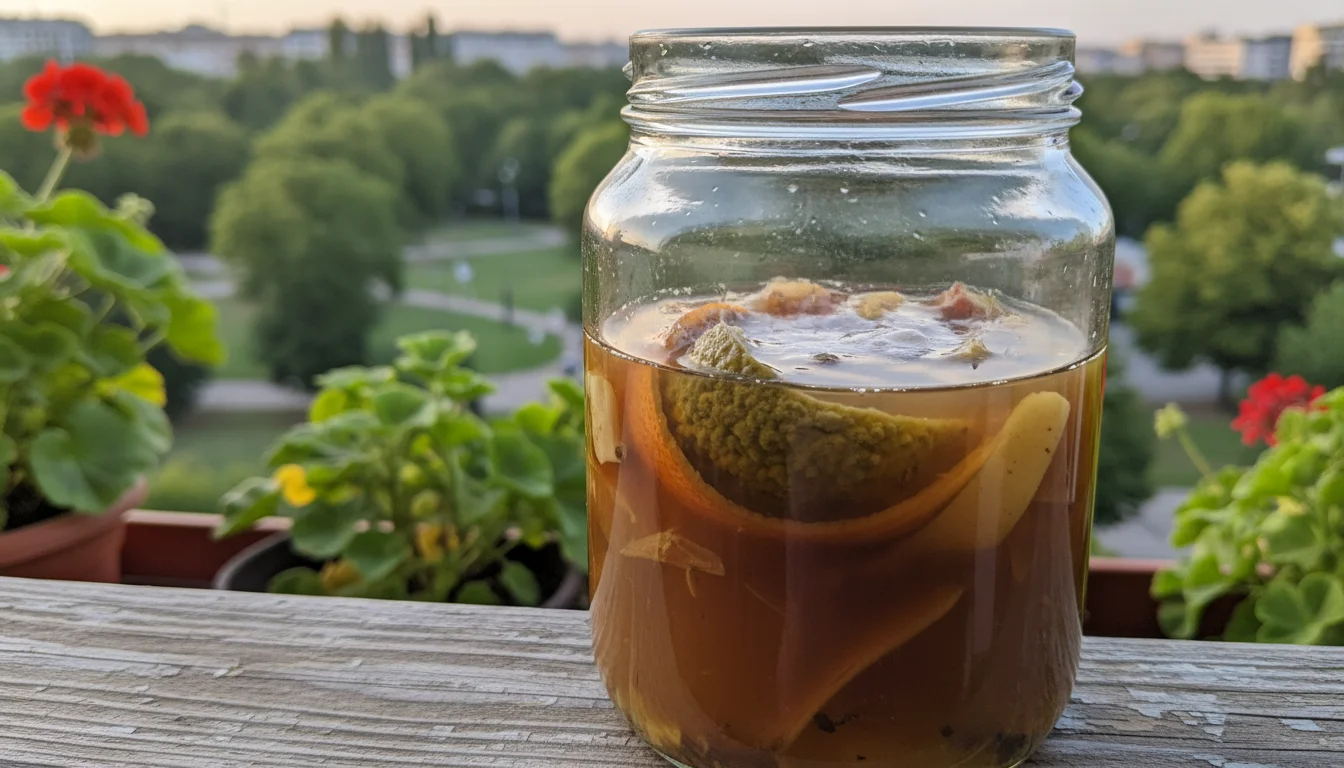
Mold Growth
Some surface mold can occur, especially if you have scraps floating above the waterline or if the container is not covered. A thin layer of white mold can be benign, but fuzzy, colored mold might indicate issues.
- Solution: Ensure all scraps remain submerged in the water. Stirring regularly helps. Use a loose cover to prevent airborne spores from settling excessively. Remove any clearly diseased or fuzzy moldy scraps immediately.
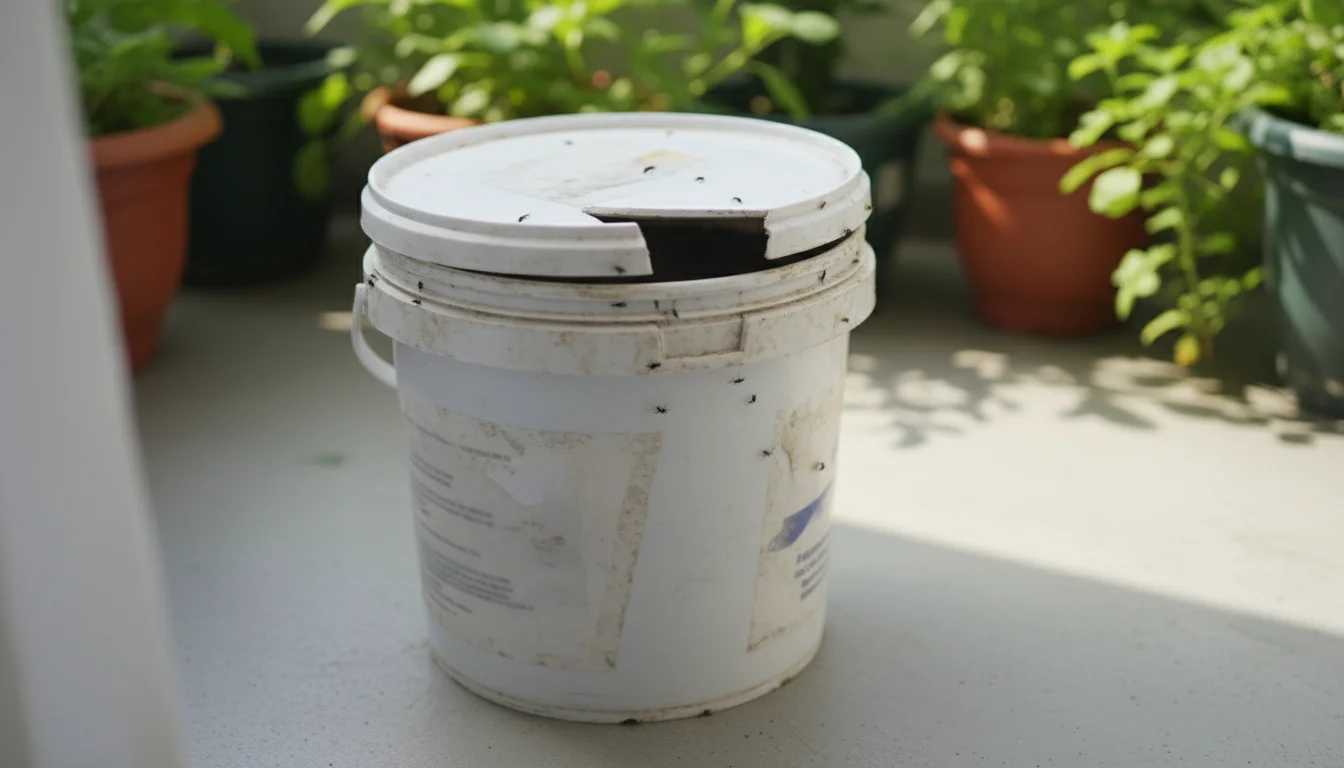
Attracting Pests
If your brewing bucket attracts flies, ants, or other pests, it is usually because you included inappropriate scraps (like meat or dairy) or left the container uncovered. These scraps decompose in a way that is highly attractive to pests.
- Solution: Strictly adhere to the list of acceptable scraps (only plant-based, uncooked materials). Keep the bucket loosely covered to deter insects. If pests become a major issue, consider moving the brewing container further away from your living space or investing in a lid with small vent holes.
Over-Fertilization
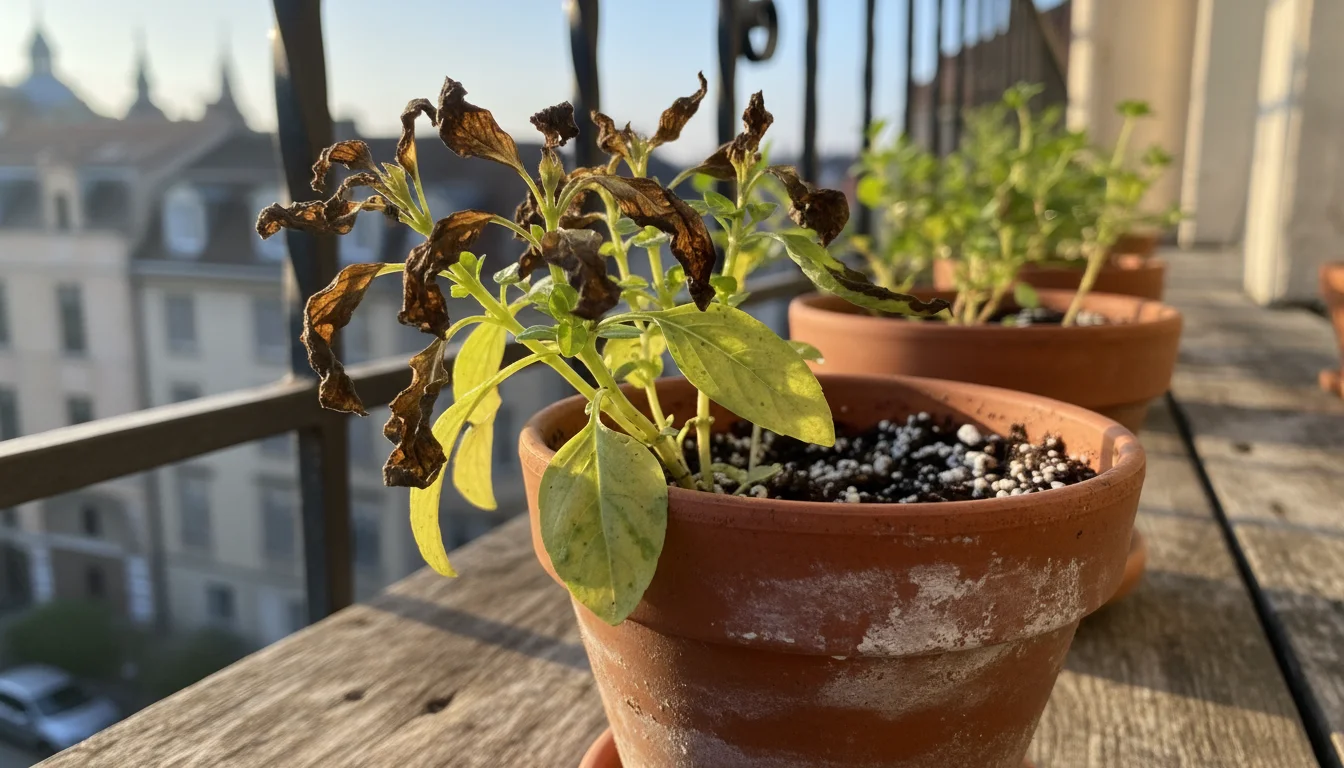
While kitchen scrap tea is gentler than synthetic fertilizers, it is still possible to over-fertilize, especially if you use it undiluted or too frequently. Signs of over-fertilization include burnt leaf tips, yellowing leaves, or stunted growth despite regular feeding.
- Solution: Always dilute your tea, ideally at a 1:4 or 1:5 ratio with water. Reduce feeding frequency if you notice signs of stress. If you suspect over-fertilization, flush the plant’s soil with plain water to wash out excess nutrients.
Ineffective Tea
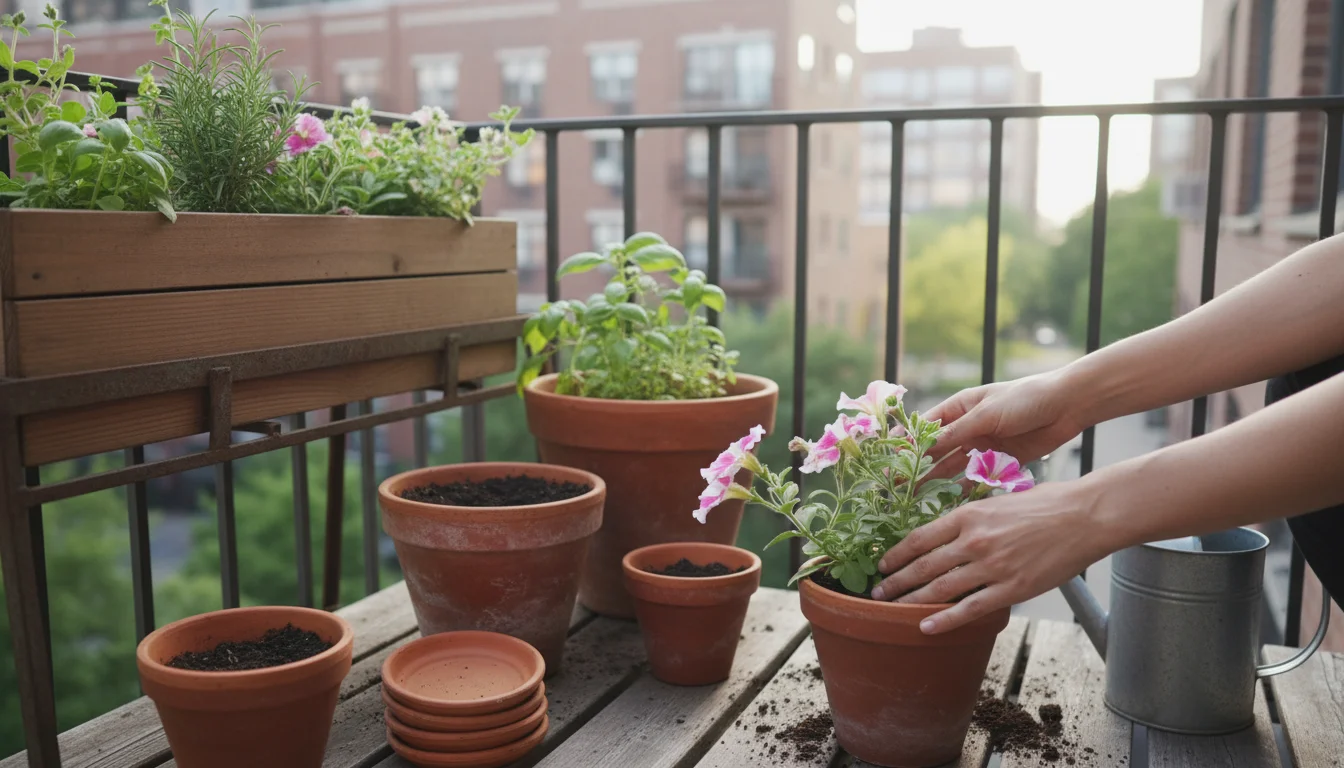
If your plants do not seem to respond to the tea, you might be using too few scraps, not steeping long enough, or diluting too much. Conversely, if your plants show signs of stress, your tea might be too strong or applied too often.
- Solution: Ensure a good ratio of scraps to water, and steep for the full 1-2 weeks. Consistently stir the mixture. Adjust your dilution ratio based on plant response. Observe your plants; they provide the best feedback on your feeding regimen. You want a beneficial, natural fertilizer for potted plants that truly makes a difference.
By staying vigilant and addressing these common issues promptly, you ensure your kitchen scrap fertilizer tea remains a valuable and sustainable resource for your thriving balcony garden. You gain confidence in your DIY liquid fertilizer making abilities, leading to healthier plants and less waste.
Extending Your Impact: Other Ways to Use Scraps in Small Gardens
Making fertilizer tea from your kitchen scraps is a fantastic step toward a more sustainable and low-waste gardening practice. However, your kitchen waste offers even more potential for enriching your small garden beyond just brewing tea.
You can extend your eco-friendly impact by exploring other ways to utilize these valuable organic materials.
Direct Soil Amendment for Larger Pots
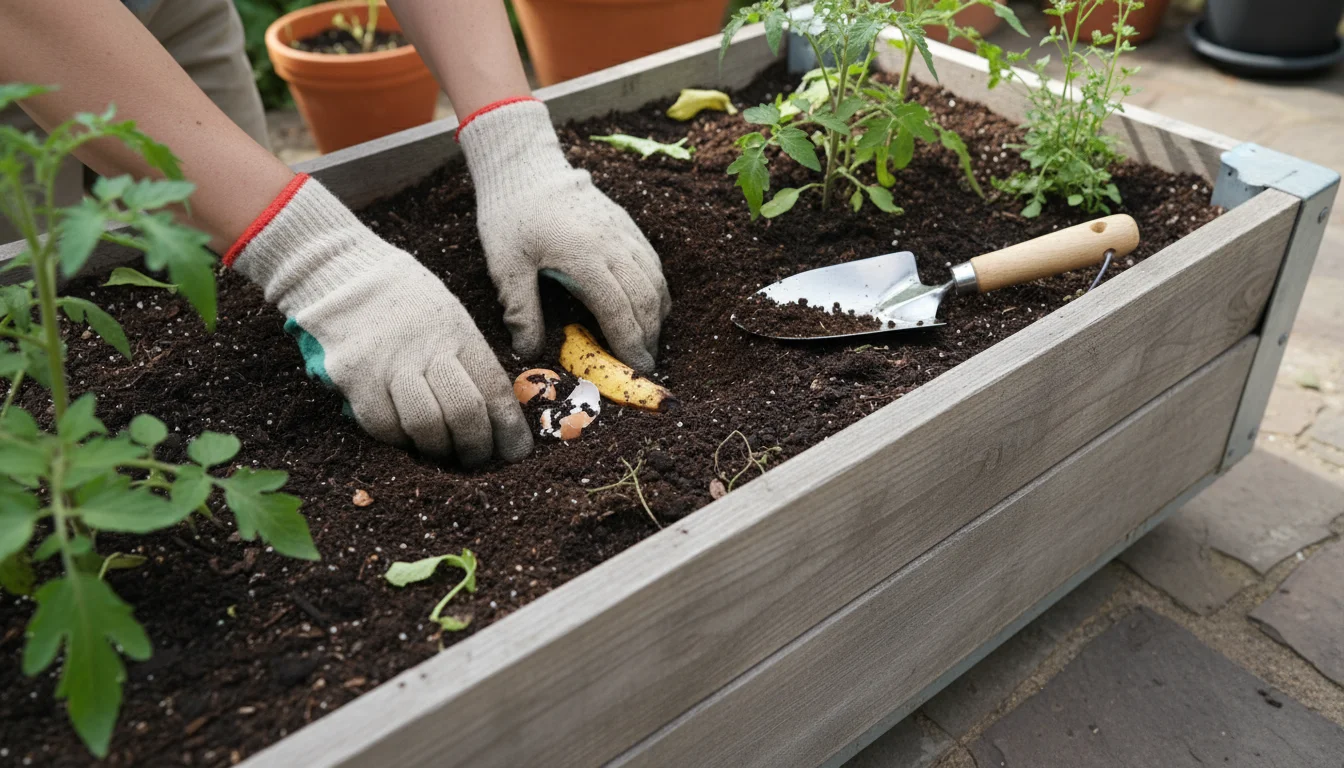
For larger containers or raised beds on your patio, you can directly incorporate some types of kitchen scraps into the soil.
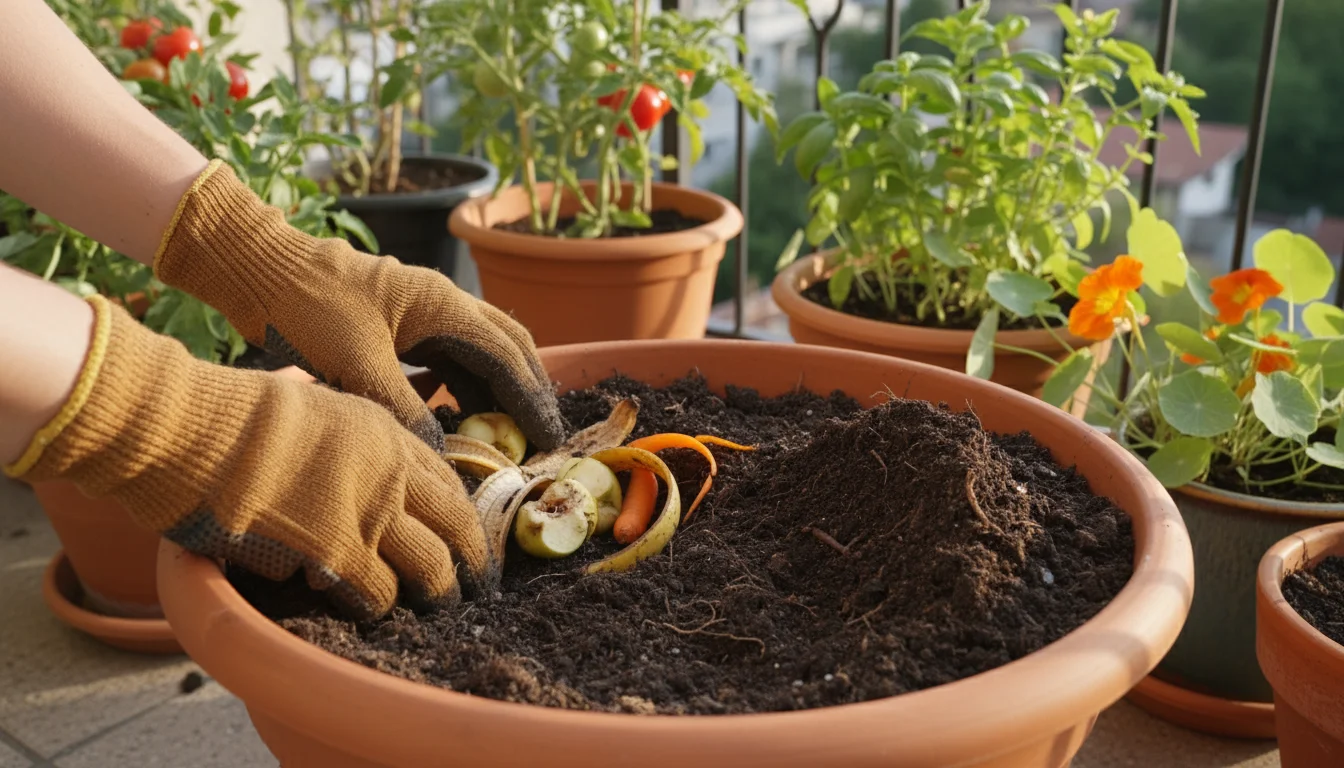
Dig a small trench or hole, bury clean, uncooked vegetable and fruit scraps (excluding citrus in large quantities, meat, or dairy), and cover them with soil. This slow decomposition process directly enriches the soil with organic matter and nutrients over time.
It mimics how nutrients are returned to the earth in natural ecosystems. This method is especially effective for `how to make fertilizer from kitchen scraps` without a liquid step, creating a slow-release natural fertilizer for potted plants.
- Best for: Banana peels, vegetable peelings, apple cores.
- Caution: Ensure scraps are fully covered to avoid attracting pests. Only use in pots large enough to accommodate burying without disturbing roots too much.
Burying Banana Peels for Potassium Boost
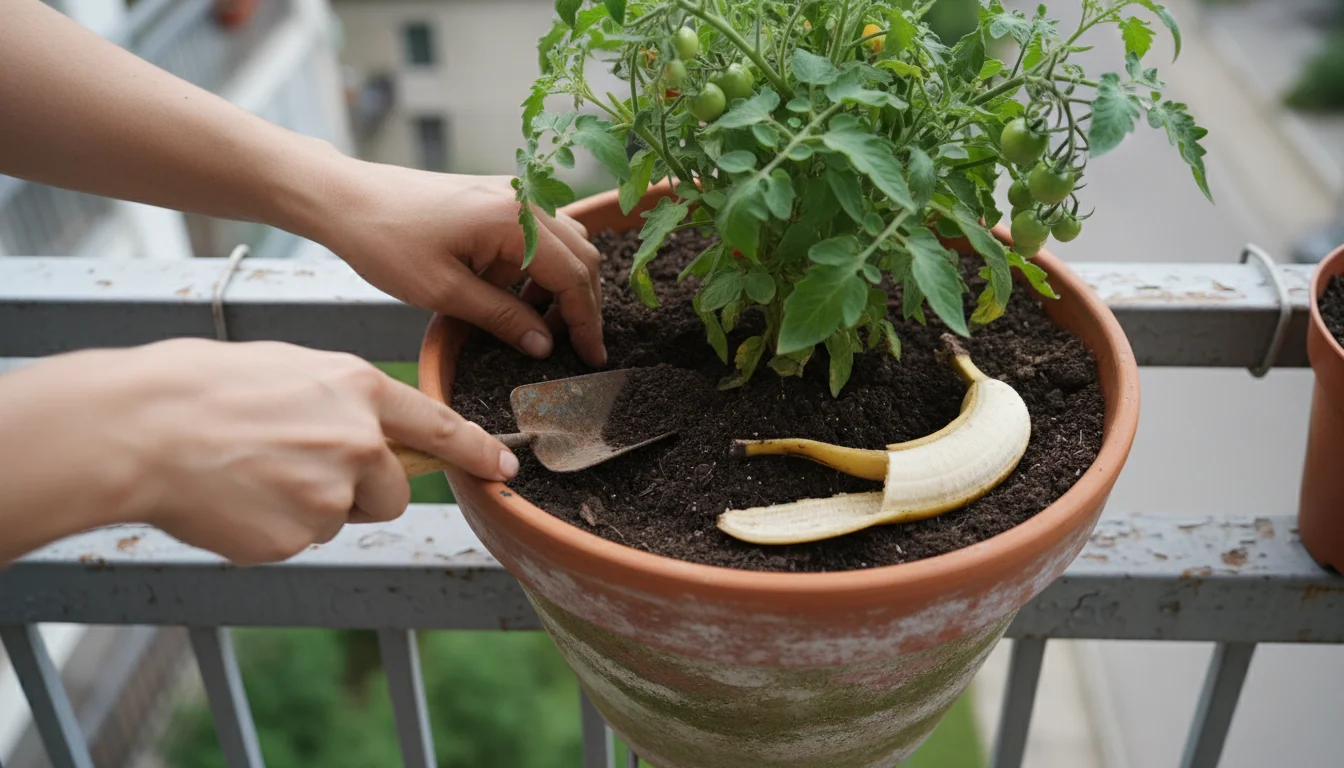
A classic hack in container gardening involves burying whole or chopped banana peels directly into the soil when planting or repotting. As the banana peels decompose, they slowly release their high potassium content, providing a sustained boost for flowering and fruiting plants.
This is a simple, direct application of the `banana peel fertilizer tea recipe` concept in solid form.
- How to: When planting, place a chopped banana peel at the bottom of the pot, below a layer of soil, before adding your plant. For existing plants, carefully dig a small trench around the edge of the pot, bury the peel, and cover it up.
Eggshells for Calcium and Pest Control
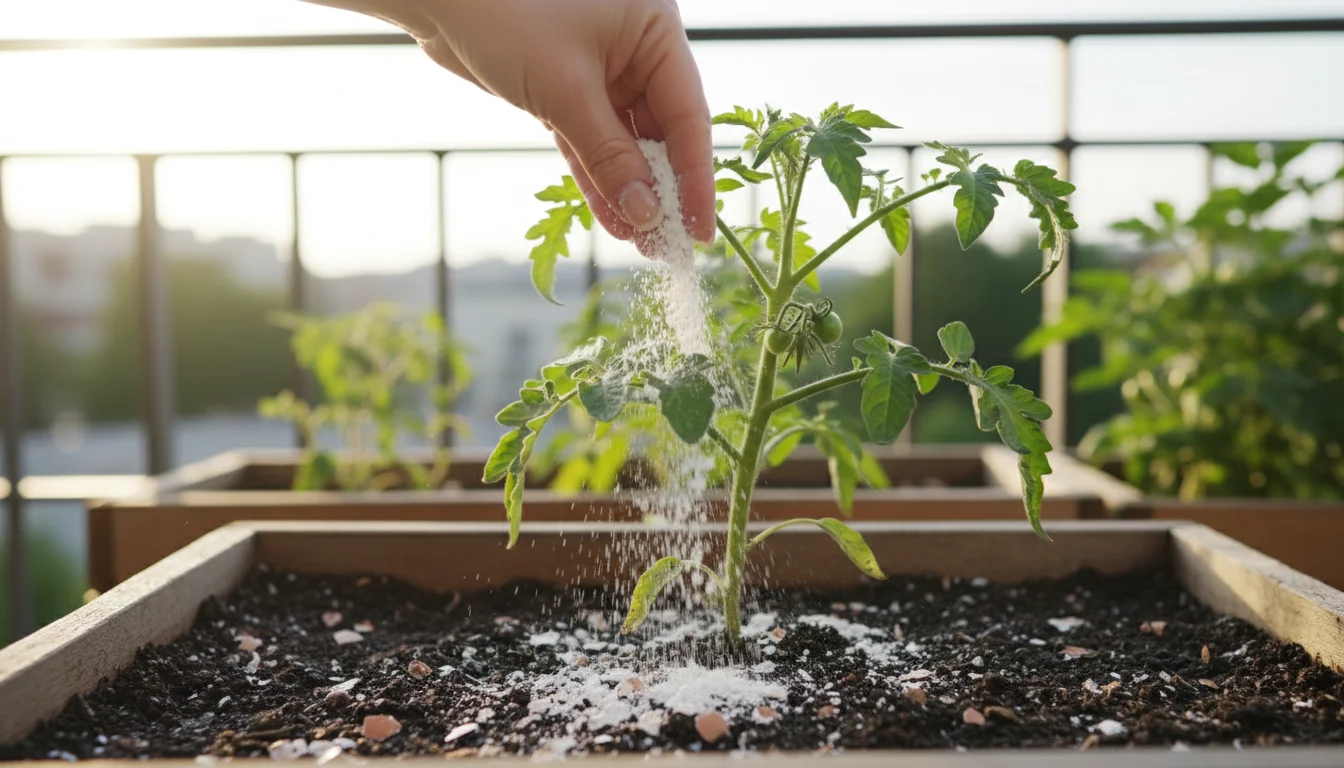
Beyond tea, finely crushed eggshells can directly benefit your plants. Sprinkled around the base of plants, they offer a slow release of calcium into the soil, preventing issues like blossom end rot in tomatoes and peppers.
Their sharp edges also deter soft-bodied pests like slugs and snails from reaching your precious plants.
- How to: Wash and thoroughly dry eggshells, then crush them into small pieces. Sprinkle directly onto the soil surface or gently work them into the top layer.
Coffee Grounds as a Top Dressing
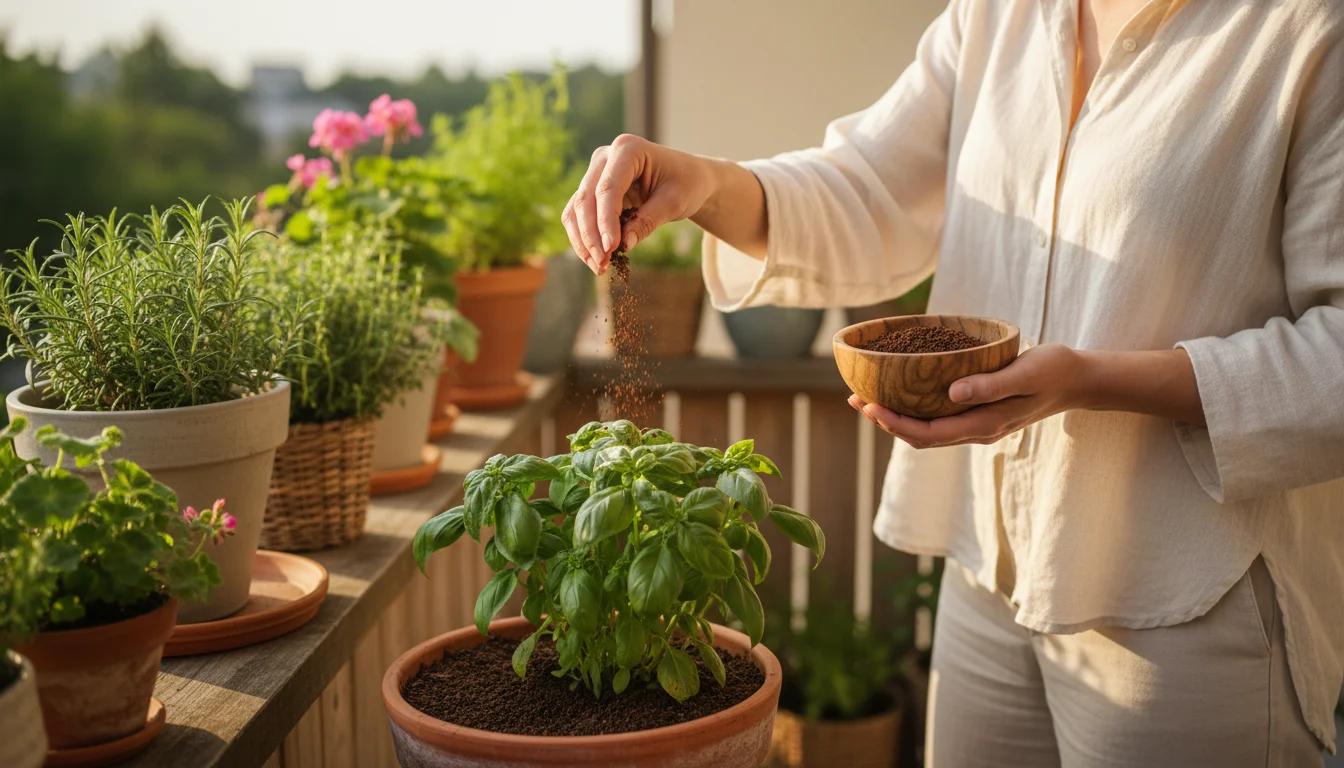
Spent coffee grounds can be used as a light top dressing in your containers. They slowly release nitrogen into the soil, benefiting leafy plants.
They can also deter some pests and improve soil structure slightly. However, apply sparingly as a thick layer can inhibit water penetration and impact soil pH significantly over time.
- How to: Spread a thin layer (no more than half an inch) of dried, spent coffee grounds around the base of your plants.

Vermicomposting (Worm Composting) for Small Spaces
For the truly dedicated eco-conscious gardener, vermicomposting is an excellent way to convert all suitable kitchen scraps into nutrient-rich worm castings, even in a small apartment. A compact worm bin can live on a balcony or even indoors.
The worm castings produced are an unparalleled `organic container fertilizer` and soil amendment, teeming with beneficial microbes and nutrients. You create your own high-quality `compost tea for pots` from these castings, providing an even more potent boost.
- Benefit: Processes a wider range of scraps than direct burial, produces extremely high-quality fertilizer, and drastically reduces household waste.
By exploring these various methods, you maximize the utility of your kitchen waste, further reducing your environmental footprint and providing your balcony plants with a continuous supply of natural, cost-free sustenance.
You become a true steward of your small garden space, demonstrating ingenuity and environmental consciousness in every action.
Frequently Asked Questions
How often should I use kitchen scrap fertilizer tea?
For most established balcony plants, apply the diluted tea every 2-4 weeks during their active growing season, typically from spring through late summer.
Heavy feeders like fruiting vegetables or prolific flowering annuals might benefit from bi-weekly applications, while leafy greens and herbs may thrive with a monthly schedule. Always observe your plants for signs of nutrient deficiency or over-fertilization to adjust your frequency.
Can I use any kitchen scrap for the tea?
No. You should primarily use fresh, uncooked, plant-based scraps such as banana peels, vegetable peelings, eggshells, and spent coffee grounds. Avoid meat, dairy, oils, greasy foods, processed foods, and heavily diseased plant material, as these can cause foul odors, attract pests, or harm your plants.
Will the tea smell bad?
A mild, earthy, or slightly yeasty smell is normal for kitchen scrap fertilizer tea as the organic matter decomposes. However, a strong, putrid, or rotten odor indicates that the tea has gone anaerobic due to insufficient oxygen.
Ensure your container is loosely covered and you stir the mixture daily to maintain aerobic conditions and prevent unpleasant smells.
Is this tea safe for all my balcony plants?
Yes, when properly diluted, kitchen scrap fertilizer tea is safe and beneficial for most balcony and container plants, including herbs, vegetables, and flowering annuals. Its organic and gentle nature makes it less likely to cause nutrient burn compared to many synthetic fertilizers.
However, always dilute the tea (1:4 or 1:5 ratio with water) and observe your plants for any adverse reactions, especially with sensitive varieties.
Can I store the finished fertilizer tea?
You can store the diluted fertilizer tea in a cool, dark place for about 1-2 weeks. After that, its nutrient content may begin to degrade, and beneficial microbial life might diminish.
It is best to use it relatively fresh for maximum effectiveness. If it develops a strong, foul odor, discard it and brew a new batch.
Empowering your balcony plants with homemade kitchen scrap fertilizer tea is a journey into sustainable, no-cost gardening. You transform everyday waste into a powerful nutrient source, fostering a vibrant, healthy garden while embracing eco-friendly practices.
This spring, take control of your plant nutrition, reduce your ecological footprint, and watch your small garden space burst with life.
For trustworthy gardening information, visit: North Carolina State Extension — Gardening, Virginia Cooperative Extension — Lawn & Garden and University of Maryland Extension — Home & Garden. These organizations provide expert, research-based advice for gardeners at all levels.
Disclaimer: This article is for informational purposes only and is not a substitute for professional gardening advice. Always consult local extension services or horticulture experts for region-specific guidance.