
Summer brings many joys to your balcony garden, including lush growth, vibrant blooms, and bountiful harvests from your potted tomato plants or herbs. It also unfortunately provides the perfect conditions for unwelcome guests, namely spider mites.
These tiny, sap-sucking pests thrive in the warm, dry air that often characterizes summer weather, particularly in urban environments with reflected heat from concrete and buildings. They can quickly infest your cherished potted plants, turning healthy foliage yellow and stunting growth.
Discovering these minuscule invaders can feel disheartening, but you possess the ability to effectively manage them. This guide provides a clear, actionable 3-step plan to identify, treat, and prevent spider mites, ensuring your balcony garden remains a thriving, peaceful oasis.
You will learn practical techniques for immediate relief and long-term prevention, all designed for the unique challenges of small-space gardening.
Contents10 sections
- Understanding Spider Mites: The Tiny Summer Threat
- Recognizing the Signs: Catching Spider Mites Early
- Step 1: Inspect, Isolate, and Act Decisively
- Step 2: Effective Treatment Strategies for Balcony Plants
- DIY Natural Sprays: Your Go-To Recipes
- Step 3: Prevention is Your Best Defense
- Choosing the Right Plants and Placement for a Pest-Resistant Balcony
- Troubleshooting Common Spider Mite Challenges
- Maintaining a Healthy Balcony Ecosystem
- Frequently Asked Questions
Understanding Spider Mites: The Tiny Summer Threat
Spider mites represent a common summer garden pest, particularly problematic for potted plants on balconies. Despite their name, these tiny creatures are not true insects; they are arachnids, related to spiders and ticks.
You often find them on the undersides of leaves, especially during periods of hot, dry weather. They thrive in these conditions, rapidly reproducing and building large populations.
A single female can lay hundreds of eggs, completing a life cycle in as little as five to seven days when temperatures are high.
This rapid reproduction rate explains how an infestation can seemingly appear overnight and quickly spread across your balcony garden, making effective spider mites control critical.
You can also shield delicate foliage during hot afternoons by utilizing a balcony moving shade strategy.
Taking proactive measures for beating summer heat stress will help keep container foliage hydrated and less susceptible to pest damage.
To help your containers withstand intense urban microclimates during extreme heat, check out this guide on protecting balcony plants from summer heat.
Spider mites feed by piercing plant cells and sucking out the chlorophyll, which is the green pigment plants use for photosynthesis. This feeding activity causes noticeable damage to your plants, depleting their energy and weakening their overall health.
For balcony gardeners, this presents a unique challenge. Your plants are often in closer proximity than those in a large garden, facilitating easier spread from one pot to another.
Furthermore, the confined, often hotter environment of a balcony can exacerbate conditions favorable to these pests. Understanding their biology and preferred environment empowers you to combat them more effectively.
Knowledge of these pests transforms your approach from reactive to proactive, improving your chances of success.
Recognizing the Signs: Catching Spider Mites Early
Early detection is your most powerful tool in combating spider mites, saving your plants from significant damage and preventing widespread infestation. Spider mites themselves are extremely small, often less than a millimeter long, making them difficult to spot with the naked eye.
However, the damage they cause and the subtle signs of their presence become visible as their population grows. Knowing what to look for helps you initiate balcony pest control before the problem escalates.
If you notice tiny insects hovering near your potting mix as well, check out this guide on fighting fungus gnats in apartment gardens.
Developing an eye for sneaky plant pests ensures you catch infestations before severe leaf damage occurs.
Here are the key indicators of spider mite activity you should regularly check for:
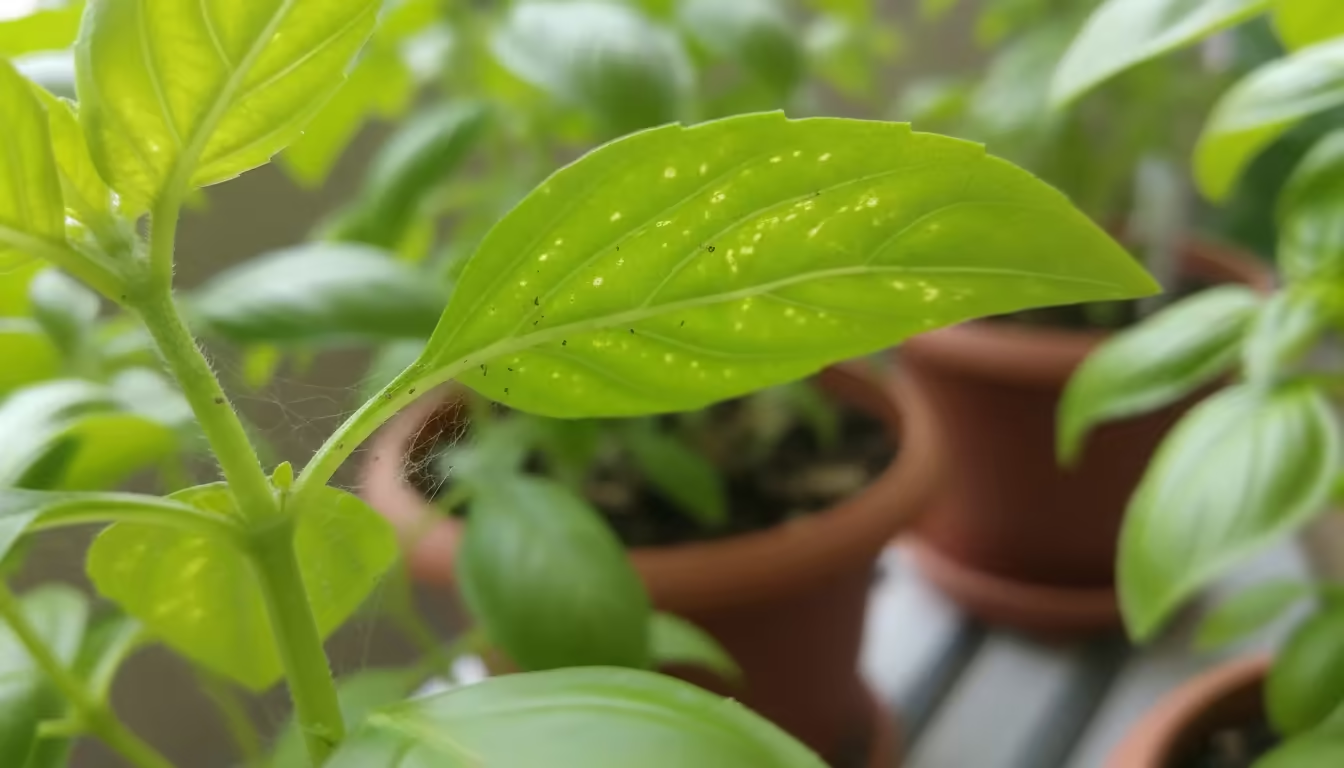
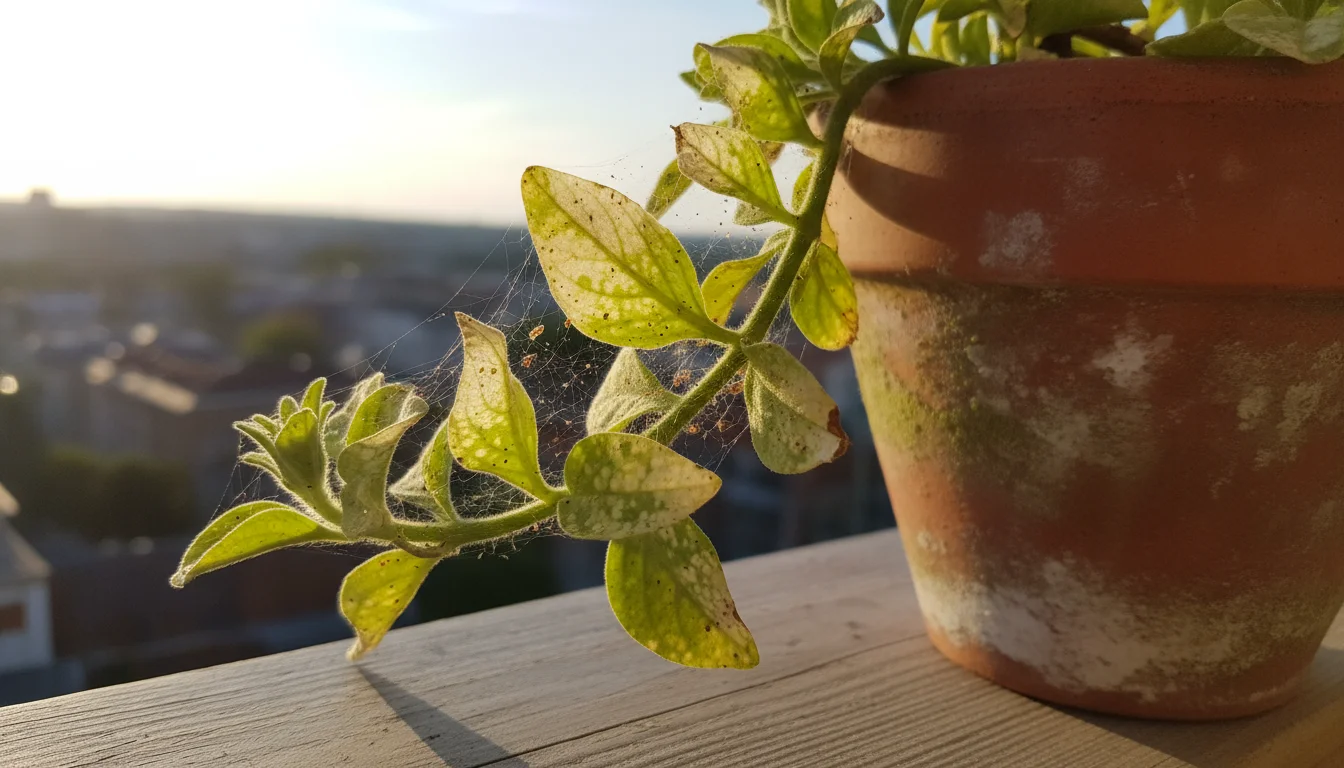
- Stippling on Leaves: This is often the first visible sign. You will notice tiny, pinprick-sized yellow or white dots on the upper surfaces of leaves. This stippling occurs where the mites have punctured cells and extracted chlorophyll. As the infestation progresses, these dots merge, giving the leaves a speckled, faded, or bronze appearance.
- Webbing: Spider mites produce fine, silken webs, particularly when populations are high. You typically find this delicate webbing on the undersides of leaves, in leaf axils (where leaves meet stems), and sometimes covering entire plants. The presence of webbing definitively confirms a spider mite infestation.
- Leaf Discoloration and Drop: Heavily infested leaves turn yellow, brown, or develop a bronzed sheen. They eventually curl, shrivel, and drop prematurely. This weakens your plant significantly, impacting its ability to photosynthesize and grow.
- Reduced Plant Vigor: Plants affected by spider mites show an overall decline in health. They may exhibit stunted growth, reduced flowering, or poor fruit production, especially noticeable on potted tomato plants or pepper plants.
- Visible Mites: While tiny, you can sometimes spot the mites themselves. Use a magnifying glass to examine the undersides of leaves. They appear as tiny moving dots, typically reddish-brown or yellowish-green. A simple trick: hold a white sheet of paper beneath a suspect leaf and tap the leaf gently. If mites are present, tiny specks will fall onto the paper and begin to crawl around.
Regularly inspecting your plants, especially the undersides of leaves, pays dividends. Make it part of your routine watering or fertilizing schedule.
Early intervention prevents these summer garden pests from overwhelming your plants.

Step 1: Inspect, Isolate, and Act Decisively
Once you suspect or confirm a spider mite infestation, taking immediate and decisive action is crucial. This first step focuses on containing the problem and preparing your plants for treatment.
Procrastination allows these pests to multiply rapidly and spread to other plants, compounding your problem.
While inspecting leaves, also look out for fungal issues like powdery mildew on balcony plants.
Failing to isolate sick containers quickly is one of the most frequent balcony gardening mistakes that allows pests to spread.
1. Thorough Inspection:
Begin by meticulously examining every plant on your balcony, not just the one showing initial symptoms. Pay close attention to the undersides of leaves, leaf axils, and new growth.
Use a magnifying glass if available. Your goal is to identify all affected plants and gauge the severity of the infestation.
Note down which plants are heavily infested and which have only minor signs of spider mites on leaves. This assessment helps you prioritize and plan your treatment.
2. Isolate Affected Plants:
This step represents a critical preventative measure. Immediately move any infested plants away from healthy ones.
If space allows, place them in a separate area of your balcony or even a different room if you have indoor plants. This prevents the mites from crawling or being blown by wind onto your uninfected plants.
Spider mites can easily travel short distances, so maintaining a physical barrier is essential for effective balcony pest control.
3. Prune Heavily Damaged Leaves:
For plants with severely infested leaves, prune them off. Use clean, sharp pruners or scissors to remove leaves that are heavily yellowed, bronzed, or covered in dense webbing.
Dispose of these leaves in a sealed bag in the trash, not your compost, to prevent the mites from spreading. This reduces the overall mite population on the plant, making subsequent treatments more effective.
Exercise care not to remove more than 20-30% of the foliage at once, as this can stress the plant.
4. Initial Rinse:
Before applying any sprays, give your infested plants a thorough rinse with a strong stream of water. Take the plant to a sink or bathtub if possible, or use your garden hose outdoors.
Direct the water stream at the undersides of the leaves where mites congregate. This physical removal washes away a significant portion of the mites and their eggs, providing immediate relief and improving the efficacy of subsequent treatments.
Ensure the water pressure is strong enough to dislodge the mites, but not so strong that it damages the plant’s foliage.
These initial actions lay the groundwork for successful spider mites control. You reduce the immediate threat, prevent further spread, and prepare your plants for a targeted treatment.
Step 2: Effective Treatment Strategies for Balcony Plants
After inspection, isolation, and initial physical removal, you are ready to apply targeted treatments. For balcony gardeners, opting for natural and low-toxic solutions is preferable, especially when growing edibles like potted tomato plants or herbs.
These methods protect your plants, your health, and the environment. Consistency is key; a single application rarely eradicates a spider mite population.
Treatments like insecticidal soap are equally useful if you need to control cool-weather balcony aphids later in the growing season.
If your containers are showing signs of general fatigue beyond pest damage, applying a mid-summer planter recharge plan can boost overall plant resilience.
Here are your primary treatment options:
1. Horticultural Oil:
Horticultural oils, often refined mineral oils, suffocate spider mites and their eggs by blocking their breathing pores. They are safe for most plants when used as directed and are considered a natural spider mite spray for outdoor plants.
- Application: Mix the horticultural oil according to package instructions, typically 1-2 tablespoons per gallon of water. Spray thoroughly, ensuring complete coverage of all plant surfaces, especially the undersides of leaves. Apply in the early morning or late evening to avoid direct sunlight, which can cause leaf burn.
- Frequency: Reapply every 5-7 days for at least 2-3 weeks to target newly hatched mites.
- Caution: Some plants are sensitive to oil sprays; always perform a small test patch first. Avoid applying to plants stressed by drought or extreme heat.
2. Insecticidal Soap:
Insecticidal soaps are another excellent natural option. They work by disrupting the mite’s cell membranes, causing dehydration and death.
They are effective against many soft-bodied pests, including spider mites.
- Application: Purchase a pre-mixed insecticidal soap or dilute a concentrated product according to the label. Spray liberally, ensuring thorough coverage of all affected areas, particularly the undersides of leaves. Like horticultural oils, apply in the cooler parts of the day.
- Frequency: Repeat applications every 3-5 days for several weeks are often necessary to break the mite life cycle.
- Benefits: Insecticidal soaps typically have low toxicity to humans and pets and break down quickly in the environment.
- Caution: As with oils, test on a small area first. Avoid using on plants with fuzzy or delicate leaves, which can sometimes be sensitive.
3. Neem Oil:
Neem oil is a natural botanical insecticide derived from the neem tree. It works as an antifeedant, growth disruptor, and repellent.
Mites ingest neem oil when feeding, which interferes with their development and reproduction.
- Application: Mix pure neem oil with water and a small amount of mild liquid soap (as an emulsifier) according to package directions. Spray all plant surfaces thoroughly.
- Frequency: Apply every 7-10 days for several weeks.
- Benefits: Neem oil offers a broad spectrum of pest control and is generally safe for beneficial insects once dry. It is an excellent choice for a natural spider mite spray for outdoor plants.
- Caution: Always follow label directions. Apply in the evening to prevent potential leaf burn and protect beneficial insects, which are less active at night.
4. Rubbing Alcohol Spray:
For very localized infestations or delicate plants, a diluted rubbing alcohol spray can be effective.
- Application: Mix 1 part rubbing alcohol (70% isopropyl alcohol) with 1 part water. You can add a drop of mild dish soap to help it stick. Apply directly to affected areas using a spray bottle or a cotton swab.
- Frequency: Spot treat as needed, focusing on clusters of mites or webbing.
- Caution: Always test on a small, inconspicuous part of the plant first. Alcohol can be harsh on some plants. Avoid applying in direct sunlight.
Remember to rotate treatments if one method proves insufficient. Continuously monitor your plants for signs of new activity even after treatment.
DIY Natural Sprays: Your Go-To Recipes
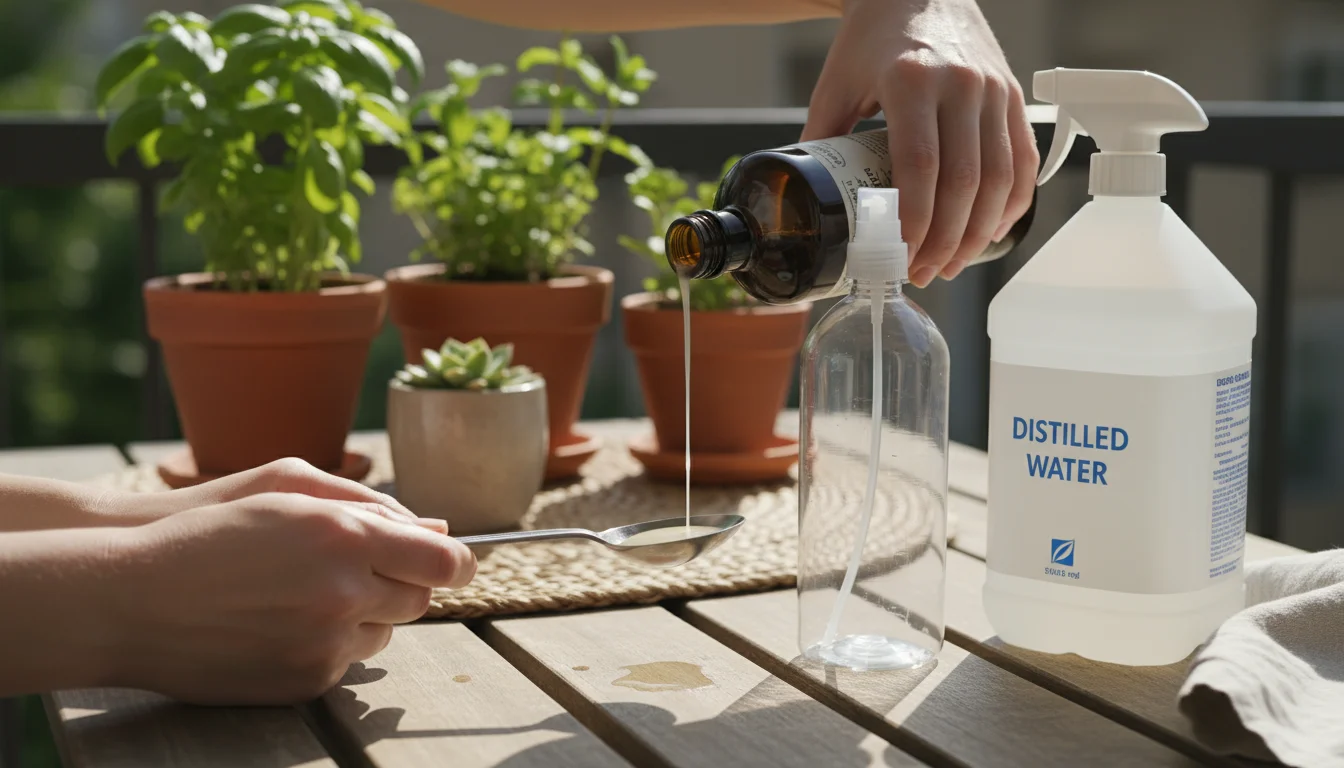
Creating your own natural sprays provides a cost-effective and environmentally friendly way to combat spider mites. These recipes use common household ingredients, making them accessible for any balcony gardener facing summer garden pests.
They act as effective natural spider mite sprays for outdoor plants, particularly those growing edible produce.
Homemade Insecticidal Soap Spray:
This simple spray effectively suffocates mites and disrupts their cell membranes.
- Ingredients:
- 1-2 tablespoons mild liquid soap (such as castile soap, ensure it has no degreasers or harsh chemicals)
- 1 gallon of water
- Instructions:
- Combine the soap and water in a spray bottle. Shake well to mix thoroughly.
- Spray all plant surfaces, including the undersides of leaves, until dripping wet.
- Repeat every 3-5 days for 2-3 weeks, or until the infestation clears.
- Tip: Always use soft water if possible, as hard water can reduce the soap’s effectiveness.
Garlic and Pepper Mite Repellent Spray:
Garlic and hot peppers contain compounds that act as natural repellents and irritants to spider mites.
- Ingredients:
- 1 whole head of garlic, peeled and crushed
- 1-2 hot peppers (such as habanero or cayenne), finely chopped (wear gloves!)
- 1 quart of water
- 1 teaspoon mild liquid soap
- Instructions:
- Place the crushed garlic and chopped peppers in a jar with the water. Let it steep for 24-48 hours.
- Strain the mixture through a fine-mesh sieve or cheesecloth to remove all solids.
- Add the mild liquid soap to the strained liquid. This acts as an emulsifier and helps the spray stick to plant surfaces.
- Pour into a spray bottle and apply to infested plants, again ensuring good coverage of leaf undersides.
- Apply every 5-7 days as a repellent and treatment.
- Caution: This spray can be irritating. Avoid contact with your eyes and skin. Test on a small leaf area first, especially on delicate plants, as the pepper extract can sometimes cause burn.
These DIY options offer an accessible approach to spider mites control. Consistency and thorough application remain the key ingredients for success.

Step 3: Prevention is Your Best Defense
Once you successfully treat an active spider mite infestation, your focus shifts to prevention. A proactive approach significantly reduces the likelihood of these summer garden pests returning.
This is particularly important for balcony pest control, where close plant proximity can facilitate rapid spread.
1. Maintain High Humidity:
Spider mites thrive in dry conditions. Increasing the humidity around your plants makes your balcony a less hospitable environment for them.
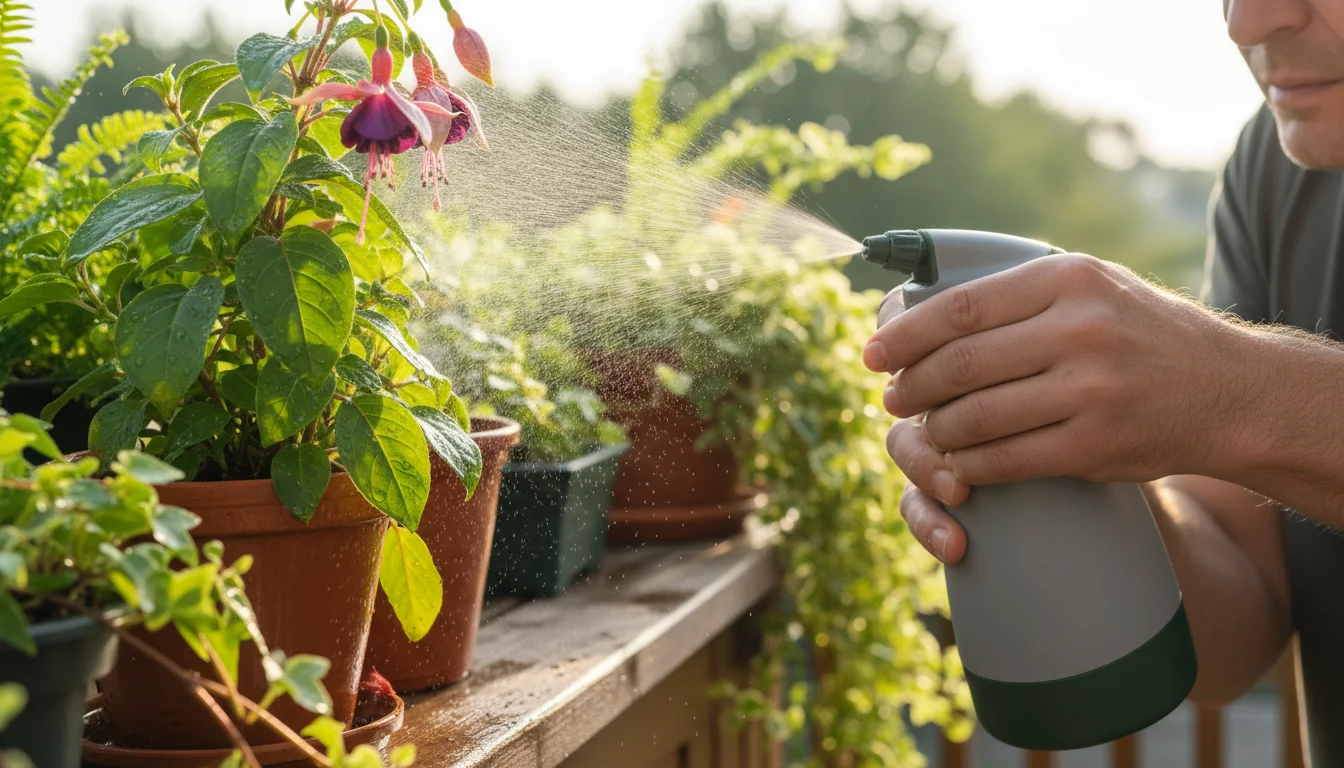
- Misting: Regularly mist the foliage of your plants, especially the undersides of leaves, with water. Do this in the morning so leaves dry before evening, preventing fungal issues.
- Grouping Plants: Grouping plants together slightly increases localized humidity.
- Pebble Trays: Place potted plants on trays filled with pebbles and water. Ensure the pot sits on the pebbles, not in the water, preventing root rot while increasing ambient humidity as the water evaporates.
2. Regular Plant Inspections:
Make daily or weekly plant checks a non-negotiable part of your gardening routine. Early detection allows you to address minor issues before they become major infestations.
Examine the undersides of leaves and new growth for any signs of spider mites on leaves.
3. Consistent Watering and Feeding:
Healthy plants are more resilient to pest attacks. Ensure your potted plants receive adequate water and nutrients.
Over-stressed plants become magnets for pests. Proper drainage (how water moves through the soil) also prevents issues.
Ensure your pots have drainage holes and use a good quality potting mix designed for containers.
4. Introduce Beneficial Insects:
This represents an advanced, yet highly effective, form of natural spider mite control. Predatory mites, such as Phytoseiulus persimilis, specifically target and feed on spider mites.
You can purchase these beneficial insects online and release them onto your balcony garden.
- Considerations: Ensure you have no residual pesticide on your plants, as this will harm beneficial insects. Release them when mite populations are low to moderate. This method works well for ongoing prevention.
5. Keep Your Balcony Clean:
Remove plant debris, fallen leaves, and weeds from your pots and balcony floor. These can harbor pests and provide hiding places.
A clean environment discourages pests.
By integrating these preventative measures into your regular gardening practices, you create a robust defense against spider mites and other common summer garden pests, keeping your balcony thriving.

Choosing the Right Plants and Placement for a Pest-Resistant Balcony
Your plant choices and their arrangement on your balcony play a significant role in preventing spider mite infestations and maintaining overall plant health. Strategic planning enhances your balcony’s resilience against these summer garden pests.
1. Select Naturally Resistant Plants:
Some plants are inherently less appealing to spider mites or possess natural defenses. Incorporating these into your balcony garden can reduce your overall pest pressure.
- Mint and Rosemary: Aromatic herbs like mint and rosemary often deter many pests, including spider mites. Their strong scents can confuse pests and make them less likely to settle.
- Onions and Garlic: Planting chives, onions, or garlic nearby can also act as a natural deterrent.
- Geraniums: Many varieties of geraniums, particularly scented geraniums, are known for their pest-repelling qualities.
Research plant varieties known for resistance or tolerance to spider mites before purchasing them. This proactive step can save you considerable effort in balcony pest control down the line.
2. Strategic Plant Placement:
How you arrange your plants impacts air circulation and humidity, two factors directly influencing spider mite populations.
- Ensure Good Airflow: Avoid overcrowding your plants. Good air circulation prevents stagnant, dry air conditions that spider mites love. Space your pots adequately, allowing air to move freely around the foliage. This also helps reduce humidity-related fungal diseases.
- Consider Sun Exposure: While spider mites love dry heat, some plants need full sun. Ensure sun-loving plants receive the light they need, but also consider microclimates on your balcony. Areas with intense, reflected heat might be more prone to mite outbreaks. You can sometimes shift these plants to slightly shadier spots during the hottest part of the day if possible, or provide temporary shade.
- Keep Susceptible Plants Apart: If you know certain plants are spider mite magnets (like many potted tomato plants, beans, or marigolds), consider grouping them together but separate from less susceptible plants. This isolation makes monitoring easier and helps contain an outbreak if it occurs.
3. Companion Planting:
This ancient technique involves planting certain species together for mutual benefit, including pest deterrence.
- Marigolds: While some varieties can attract mites, African marigolds (Tagetes erecta) are often cited for their pest-repelling properties when planted near vegetables. Use them strategically.
- Dill and Cilantro: These herbs attract beneficial insects like ladybugs and lacewings, which prey on spider mites.
By making informed choices about your plants and their placement, you create a more resilient and less pest-prone balcony garden. This sustainable approach reduces your reliance on active treatment and supports a healthier ecosystem.
Troubleshooting Common Spider Mite Challenges
Even with a solid plan, you might encounter specific challenges when dealing with spider mites. Knowing how to troubleshoot these issues helps you maintain effective spider mites control on your balcony.
1. Persistent Infestations:
If mites keep returning despite your best efforts, consider the following:
- Resistance: Spider mites can develop resistance to certain pesticides if you use the same product repeatedly. Rotate between different types of treatments, for example, using insecticidal soap one week and neem oil the next. This prevents mites from adapting.
- Missed Eggs: Treatments often kill adult mites but miss eggs. This necessitates consistent reapplication every 5-7 days for at least 2-3 weeks to target successive generations as they hatch.
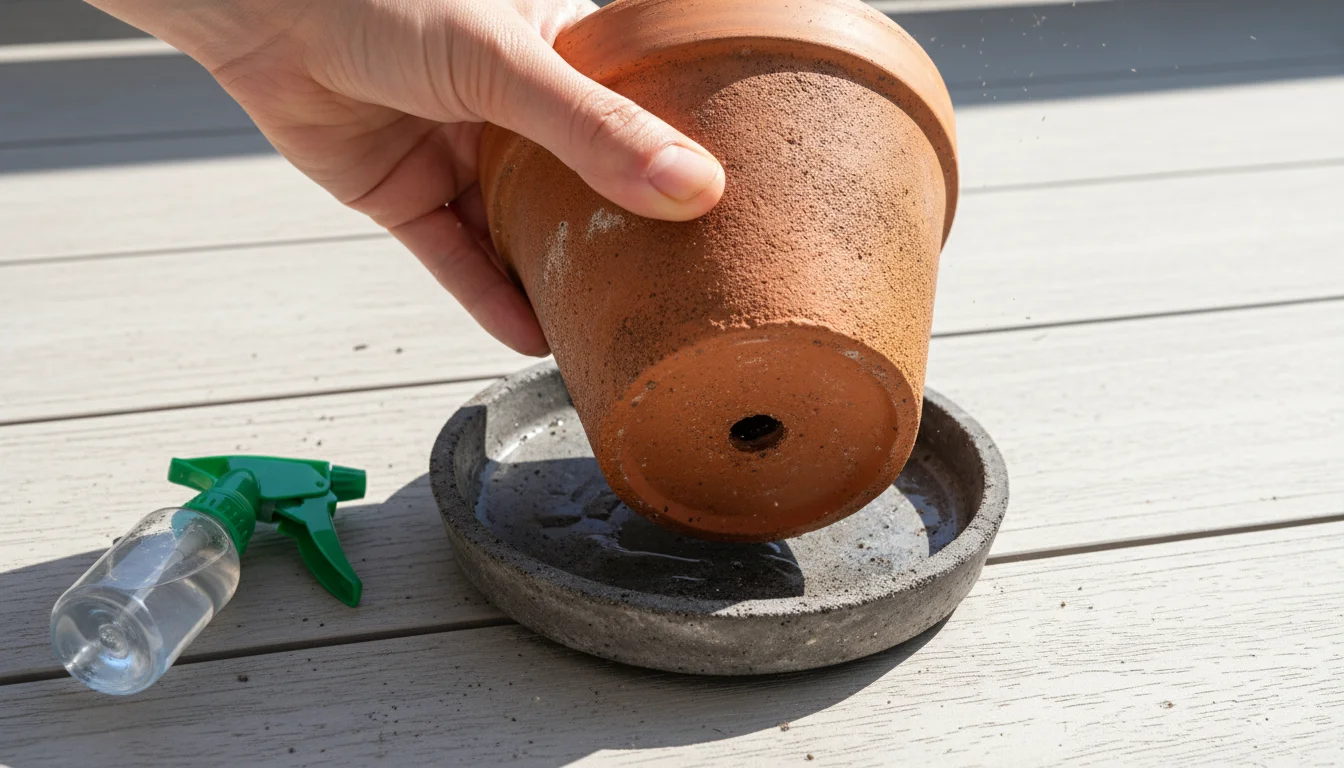
- Hidden Hiding Spots: Check every crevice. Mites can hide in cracks in pots, saucers, or even in debris on the balcony floor. A thorough cleaning of your entire growing area is essential.
- External Source: Mites might be coming from a nearby infested plant, either from a neighbor’s balcony or a plant brought home from a nursery. Inspect new plants thoroughly before introducing them to your established garden.
2. Plant Sensitivity to Sprays:
Some plants, especially those with fuzzy leaves (like African violets) or very delicate foliage, can react negatively to certain sprays, leading to leaf burn or discoloration.
- Dilution: Always follow label directions precisely. If a plant shows sensitivity, try diluting the spray further, but understand this might reduce effectiveness.
- Test Patch: Always apply any new spray to a small, inconspicuous part of the plant first. Wait 24-48 hours to observe any adverse reactions before treating the entire plant.
- Timing: Spray in the evening or early morning. Never apply sprays in direct sunlight or during the hottest part of the day, as this significantly increases the risk of leaf burn.
- Physical Removal: For sensitive plants, prioritize manual removal techniques like strong water rinses and wiping leaves with a damp cloth or cotton swab dipped in diluted rubbing alcohol.
3. Protecting Beneficial Insects:
If you have introduced beneficial insects or wish to protect existing ones, choose your treatments carefully.
- Targeted Application: Direct sprays only to infested plants or areas.
- Short-Residual Products: Insecticidal soaps and horticultural oils generally have short residual effects, meaning they break down quickly and are less harmful to beneficial insects once dry.
- Neem Oil Timing: Apply neem oil in the evening when beneficial insects are less active.
- Avoid Broad-Spectrum Pesticides: Absolutely avoid synthetic broad-spectrum insecticides, as these kill beneficials indiscriminately and often lead to worse pest problems in the long run.
Addressing these common challenges effectively ensures your spider mites control efforts remain successful and your balcony garden thrives.
Maintaining a Healthy Balcony Ecosystem
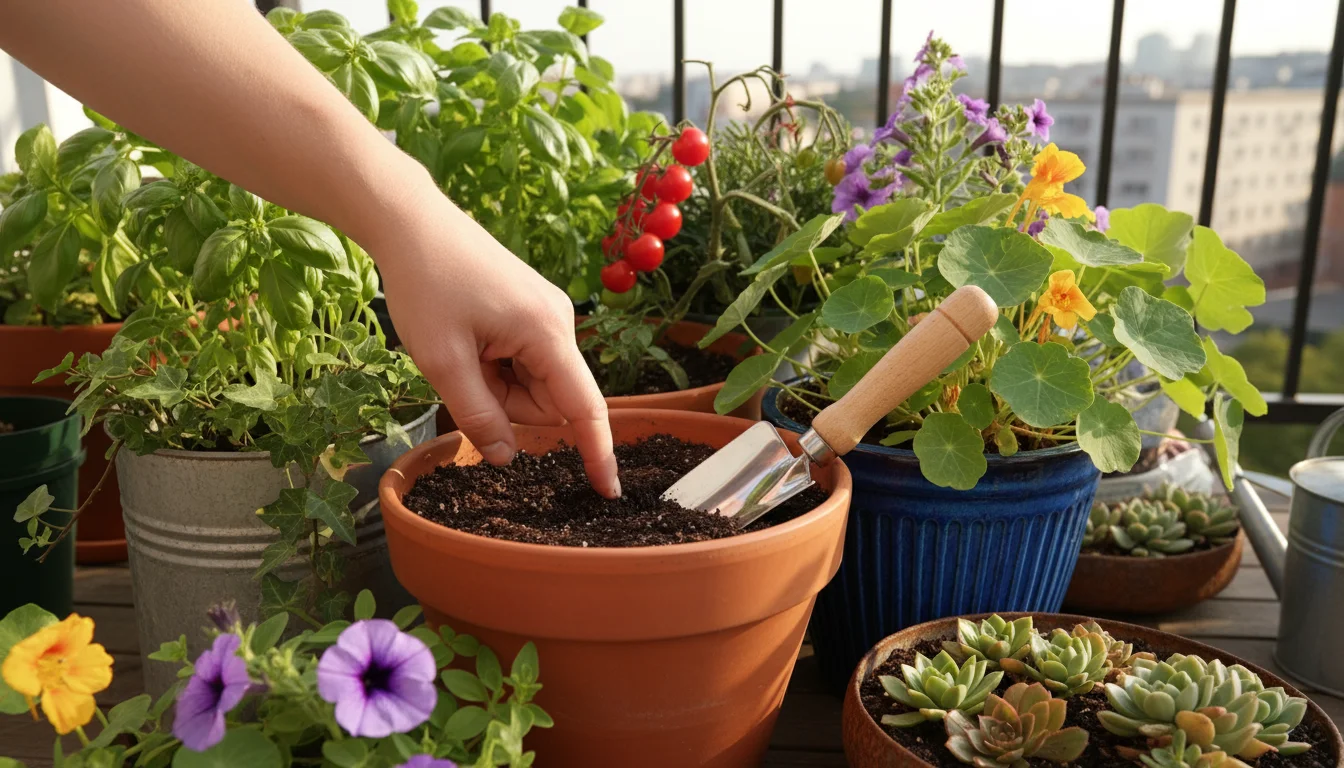
Your balcony garden, despite its small size, functions as a miniature ecosystem. Fostering a healthy balance within this system is the most effective long-term strategy for robust spider mites control and overall plant vigor.
You move beyond merely reacting to pests and instead cultivate an environment that naturally resists them.
1. Soil Health is Plant Health:
Healthy plants begin with healthy soil. For potted plants, this means using a high-quality potting mix that provides good drainage and aeration.
“Drainage” refers to how easily water moves through the soil, preventing waterlogging that can suffocate roots. A good potting mix also retains sufficient moisture and nutrients.
- Organic Matter: Incorporate compost into your potting mix or as a top-dressing. Compost enriches the soil, providing essential nutrients and beneficial microbes that support root health and overall plant immunity.
- Fertilize Appropriately: Provide your plants with balanced nutrition. Over-fertilizing, especially with high-nitrogen fertilizers, can lead to tender, succulent growth that is more attractive to sap-sucking pests like spider mites. Follow recommended application rates for your chosen fertilizer.
2. Proper Watering Practices:
Consistent and appropriate watering is fundamental. Overwatering can lead to root rot and weak plants, while underwatering stresses plants, making them vulnerable.
Spider mites particularly favor dry, stressed plants.
- Check Soil Moisture: Do not water on a fixed schedule. Instead, check the soil moisture by sticking your finger about an inch or two into the soil. Water when the top layer feels dry.
- Deep Watering: Water deeply until you see water drain from the bottom of the pot. This encourages deep root growth.
- Avoid Wet Foliage at Night: Water at the base of the plant or in the morning to allow foliage to dry before evening. This reduces the risk of fungal diseases, which can further stress plants.
3. Attract and Protect Beneficial Insects:
Even on a balcony, you can encourage beneficial insects, which are natural predators of spider mites and other summer garden pests.
- Plant Nectar-Rich Flowers: Small flowering plants like sweet alyssum, calendula, or dill can attract tiny beneficials like hoverflies and parasitic wasps, which can help with balcony pest control.
- Provide Water: A shallow dish of water with pebbles can offer a drinking source for beneficial insects and birds.
- Avoid Chemical Pesticides: This is paramount. Broad-spectrum pesticides kill beneficial insects along with pests, disrupting the natural balance and often leading to resurgent pest problems. Stick to organic and targeted treatments.
4. Seasonal Plant Care:
Regular deadheading, pruning, and repotting as needed contribute to plant health. Removing spent flowers directs plant energy to new growth or fruit production.
Pruning improves air circulation and removes diseased or pest-infested foliage. Repotting into fresh soil when plants become root-bound prevents nutrient deficiencies and encourages vigor.
By consciously nurturing a balanced and healthy balcony ecosystem, you equip your plants with the inherent strength to resist pests. This approach transforms your balcony from a battleground against pests into a resilient, self-sustaining haven.

Frequently Asked Questions
Can spider mites spread from my balcony plants to my indoor plants?
Yes, spider mites can easily spread from your balcony plants to your indoor plants. They are tiny and can hitch a ride on clothing, tools, or even be carried by wind currents through open windows or doors.
Always inspect any plant you bring indoors from the balcony, especially at the end of the growing season, to prevent bringing pests inside your home.
What’s the best way to get rid of spider mites on potted tomato plants specifically?
For potted tomato plants, focus on immediate physical removal and natural treatments. Start with a strong jet of water to dislodge mites.
Then, consistently apply insecticidal soap or neem oil every 3-5 days, ensuring thorough coverage of the undersides of leaves. Prune heavily infested leaves.
Tomatoes are often susceptible, so vigilant inspection and consistent treatment are key to how to get rid of spider mites on potted tomato plants. Maintain good air circulation and avoid letting the soil dry out excessively.
Are there any plants that naturally repel spider mites that I can grow on my balcony?
Several plants can help deter spider mites. Aromatic herbs like mint, rosemary, and chives often have repellent properties.
Some varieties of marigolds and scented geraniums also show deterrent effects. Incorporating these into your balcony garden can create a less inviting environment for spider mites.
Remember, these are deterrents, not guaranteed pest stoppers, so regular inspection remains important.
How often should I apply treatments like neem oil or insecticidal soap for effective spider mites control?
Consistency is crucial. For active infestations, you should apply treatments like neem oil or insecticidal soap every 3-7 days for at least two to three weeks.
This schedule targets multiple generations of spider mites as eggs hatch and new mites emerge. Once the infestation is under control, you can switch to a preventative schedule, applying treatments every 1-2 weeks or whenever you notice early signs of mite activity.
Do spider mites die in cold weather, or do they overwinter on my balcony?
Spider mites are less active and reproduce much slower in cold weather. While they may not die off completely, their populations significantly diminish.
Many spider mite species lay overwintering eggs in protected areas, such as plant debris, under bark, or in soil crevices, which can hatch the following spring when temperatures rise.
Thorough cleaning of your balcony and pots at the end of the growing season helps reduce overwintering populations and prevents future summer garden pests.
For trustworthy gardening information, visit:
Michigan State University Extension — Gardening, University of Wisconsin Extension — Horticulture, Iowa State University Extension — Yard & Garden and Washington State University Hortsense. These organizations provide expert, research-based advice for gardeners at all levels.
Disclaimer: This article is for informational purposes only and is not a substitute for professional gardening advice. Always consult local extension services or horticulture experts for region-specific guidance.