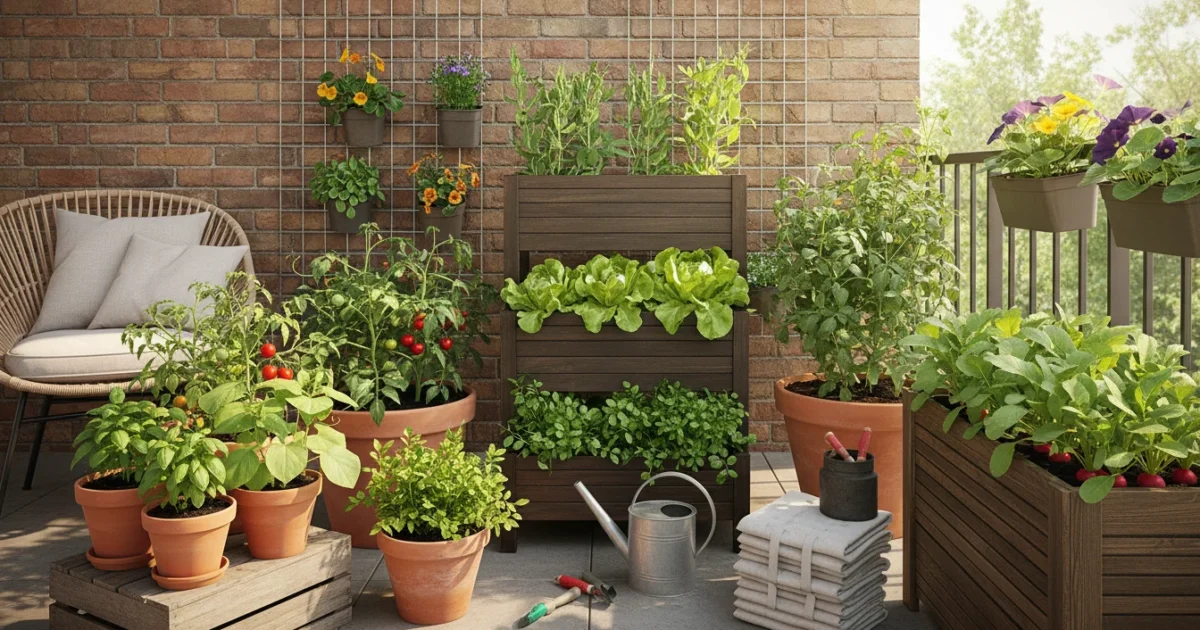
As the peak of summer unfolds, you might think your window for planting is closing. You could feel discouraged if early crops failed or if you simply missed the spring rush. But imagine extending your gardening season, reclaiming lost opportunities, and enjoying fresh produce well into autumn. You absolutely can. July marks the perfect time to give your garden a “second wind,” embracing a strategy called succession planting. This allows you to sow fast-growing vegetables for a surprising and bountiful fall harvest, even in small spaces.
Whether you garden on a balcony, patio, or in a compact yard, these late-season plantings maximize your efforts. We will guide you through five resilient vegetables that mature quickly, thriving when planted in July. Get ready to transform your gardening approach and enjoy the taste of success long after others have put their tools away.
Understanding the “Second Wind” Sowing Strategy
Gardeners often focus intensely on spring planting, believing that once Memorial Day passes, the season is largely over. This perspective, however, overlooks a significant opportunity to extend your harvest and maximize your garden’s potential. A truly productive garden embraces year-round possibilities, even in small spaces. The “second wind” sowing strategy involves planting crops sequentially throughout the growing season, a powerful technique known as succession planting. This ensures a continuous supply of fresh produce, preventing a single, overwhelming flush of vegetables and providing ongoing yields.
In addition to classic greens, you can also experiment with unique fall vegetables for pots like kohlrabi and pak choi.
Think of your garden space, no matter how small, as a dynamic system. When your spring radishes or early season spinach finishes its production, that valuable spot does not need to sit empty. Instead, you can immediately prepare the soil and plant another fast-growing crop. This utilizes the available sunlight, renewed nutrients, and precious square footage for another round of bounty. This proactive approach significantly increases your overall yield from a limited area, making it an indispensable technique for container gardeners and those with compact garden beds. It also smooths out your harvest, ensuring you have a steady supply of various fresh vegetables, reducing waste, and adding exciting diversity to your meals.
By carefully selecting vegetable varieties with shorter days to maturity, you gain the ability to precisely time your plantings. This allows new crops to reach their prime as previous ones naturally fade. This strategy not only reduces periods of empty garden space but also keeps your garden vibrant and productive throughout the entire growing season. You will experience the deep satisfaction of harvesting fresh food long into the cooler months, proving that even a small area can consistently produce a surprising amount of food. It is a smart, sustainable, and highly rewarding way to get the most out of every inch of your small garden.
Why July is Prime Time for a Second Planting
Many gardeners operate under the misconception that July is too late to plant anything meaningful, missing out on a prime window for extending their harvest. Planting vegetables in July is a strategic move that perfectly positions them for a robust fall harvest, effectively catching a crucial second growing window. Here is why this timing works so effectively to your advantage, especially for small-space gardeners:
Late-summer sowings are also ideal for planting spicy mustard greens and arugula in window boxes to pack extra punch into autumn salads.
Even if you miss the early July window, there are still last-minute container crops you can plant well into late autumn.
- Escaping Peak Heat: While July days deliver long hours of intense sunlight and heat, many fast-growing crops tolerate this initial warmth for germination and early establishment. They put down strong roots during these warm weeks, then truly flourish as temperatures begin to moderate in late summer and early fall. Crucially, the cooler fall temperatures often reduce the pressure from common summer pests, and they can significantly improve the flavor and texture of certain leafy greens like lettuce and spinach, making them sweeter and less prone to bitterness.
- Maximizing Available Light: Even as the days gradually shorten from their summer solstice peak, July-planted crops benefit immensely from strong, direct sunlight during their critical early establishment phase. They receive ample energy to develop robust root systems and healthy foliage before the shorter, less intense days of autumn fully set in. This initial boost helps them withstand later, less favorable light conditions.
- Recovering from Setbacks: Did your spring lettuce bolt prematurely in an unexpected heatwave? Did early season pests or diseases decimate your first planting of beans? July planting offers a valuable second chance to recover and replant. You can apply the lessons learned from earlier challenges, choosing more heat-tolerant varieties or implementing better pest prevention, ensuring a more successful second attempt. This resilience fosters a more rewarding and continuous gardening journey.
- Extending Your Harvest Season: Without the foresight of July planting, your garden might naturally wind down its production by late August or early September. By strategically sowing late summer vegetables, you dramatically extend your supply of fresh, home-grown produce by several weeks, often stretching well into October or even November in milder climates. Imagine the delight of enjoying crisp, homegrown spinach and fresh radishes when your neighbors have already given up on their garden beds.
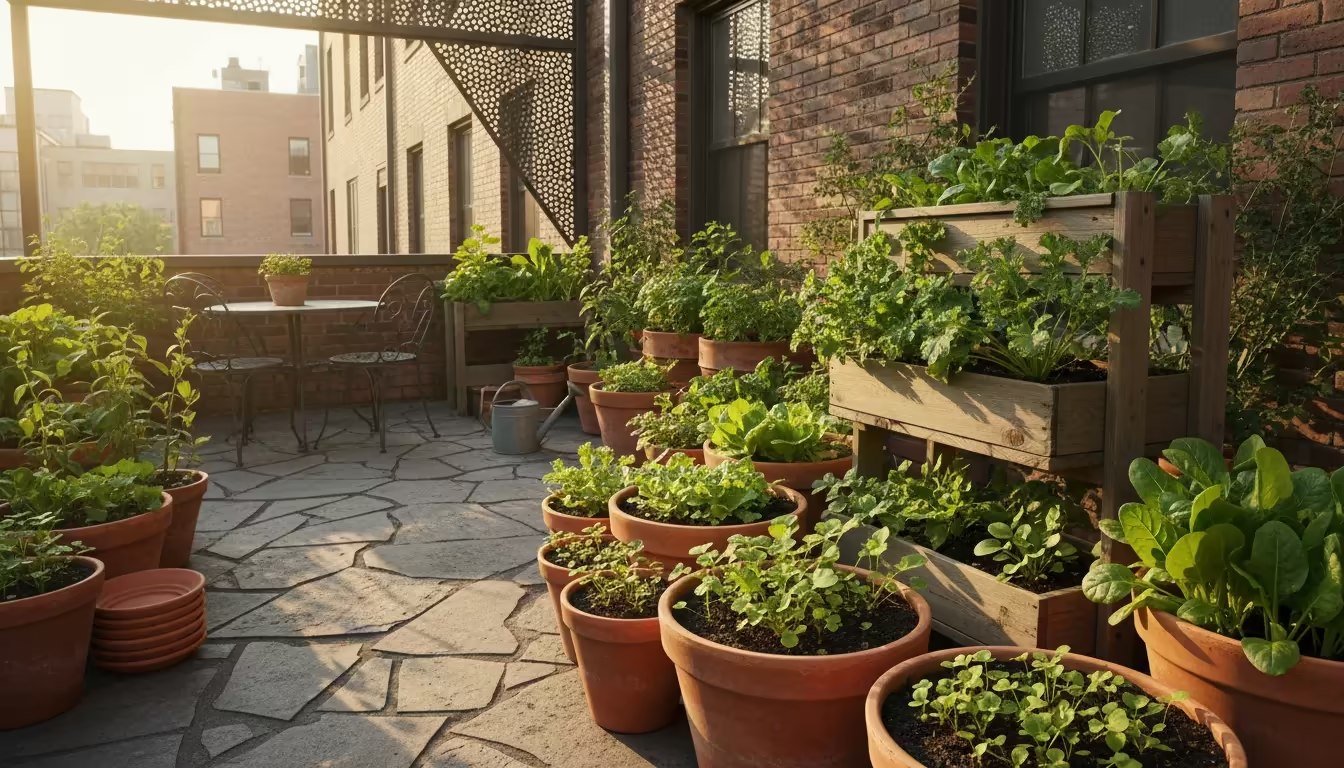
- Optimizing Small Spaces: For container gardeners and those with limited in-ground beds, succession planting in July means your valuable space never sits idle. You effectively extract maximum productivity from every pot, planter, and small patch of soil. This continuous utilization proves that even the most compact area can yield a surprisingly significant and diverse harvest, providing fresh food for an extended period.
Embracing July planting transforms what many perceive as the winding down of the gardening season into a vibrant new beginning. It cleverly leverages natural seasonal shifts to your benefit, ensuring you have a longer, more bountiful supply of fresh, home-grown food.
Essential Preparations for Late Summer Gardens
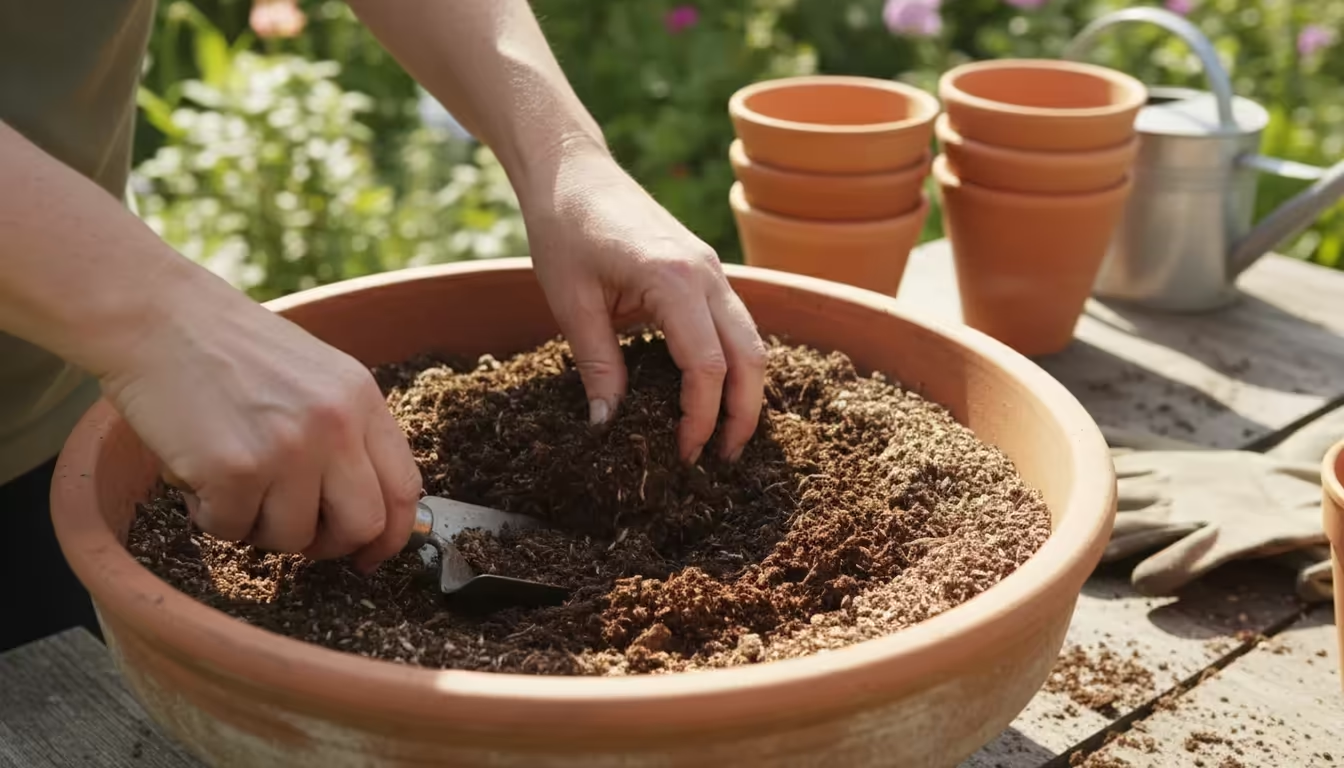
Achieving a successful July planting requires a few strategic preparations to ensure your new crops thrive. You need to create optimal conditions for them to establish themselves, especially considering the residual summer heat and the eventual arrival of cooler fall weather. Following these steps diligently will set your “second wind” garden up for success, whether in containers or small beds:
1. Assess Your Space and Sunlight
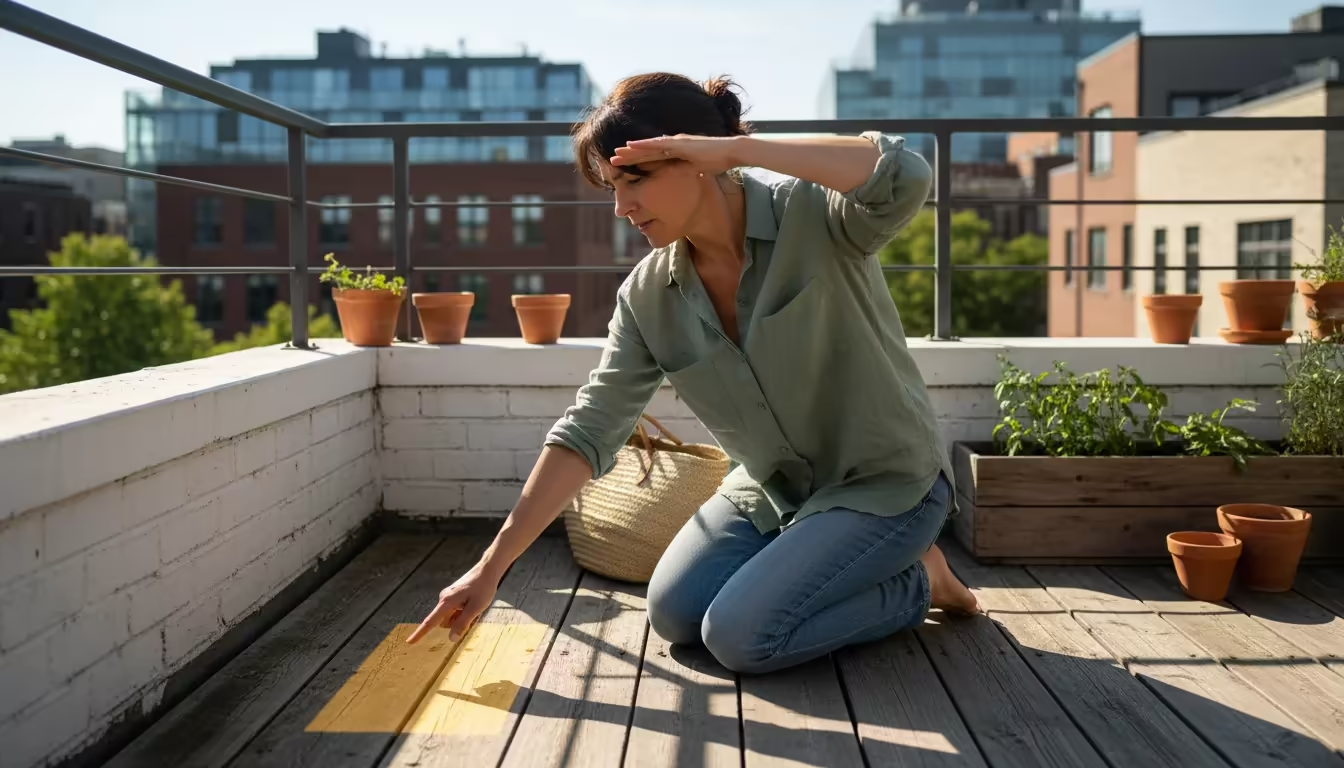
- Sunlight Analysis: Observe your garden or patio throughout the day. Most of the fast-growing vegetables we recommend require at least 6 hours of direct sunlight. While summer days are long, shadows can shift as the sun’s angle changes towards autumn. Ensure your chosen planting spots will continue to receive adequate light throughout late summer and early fall.
- Container Selection: For small-space gardeners, containers are fundamental. Choose pots appropriate for the mature size of the plant’s root system. A general guideline is that larger containers offer more stable soil temperatures and moisture levels, providing a more forgiving environment for plants. For instance, a 5-gallon container works well for 3-4 bush bean plants, while radishes and loose leaf lettuce can thrive in shallower, wider containers at least 6-8 inches deep and 12-18 inches wide.
- Clearing Old Crops: Promptly remove any spent, leggy, or underperforming spring crops. This action not only clears valuable space but also removes potential hiding spots for pests and eliminates competition for nutrients. Add any healthy plant material to your compost pile to return organic matter to your garden system.
Selecting deeper pots is essential if you want to try growing fall carrots in containers, giving root crops plenty of vertical room to develop.
To get the absolute most food out of a compact patio, focus on high-yield vegetables for pots that deliver maximum harvests per square foot.
2. Optimize Your Soil
Healthy, nutrient-rich soil is the absolute foundation of any successful garden, and it becomes even more critical for successive plantings where nutrient depletion can occur.
Preparing soft, loose soil is particularly key when planting overlooked root crops for late autumn.
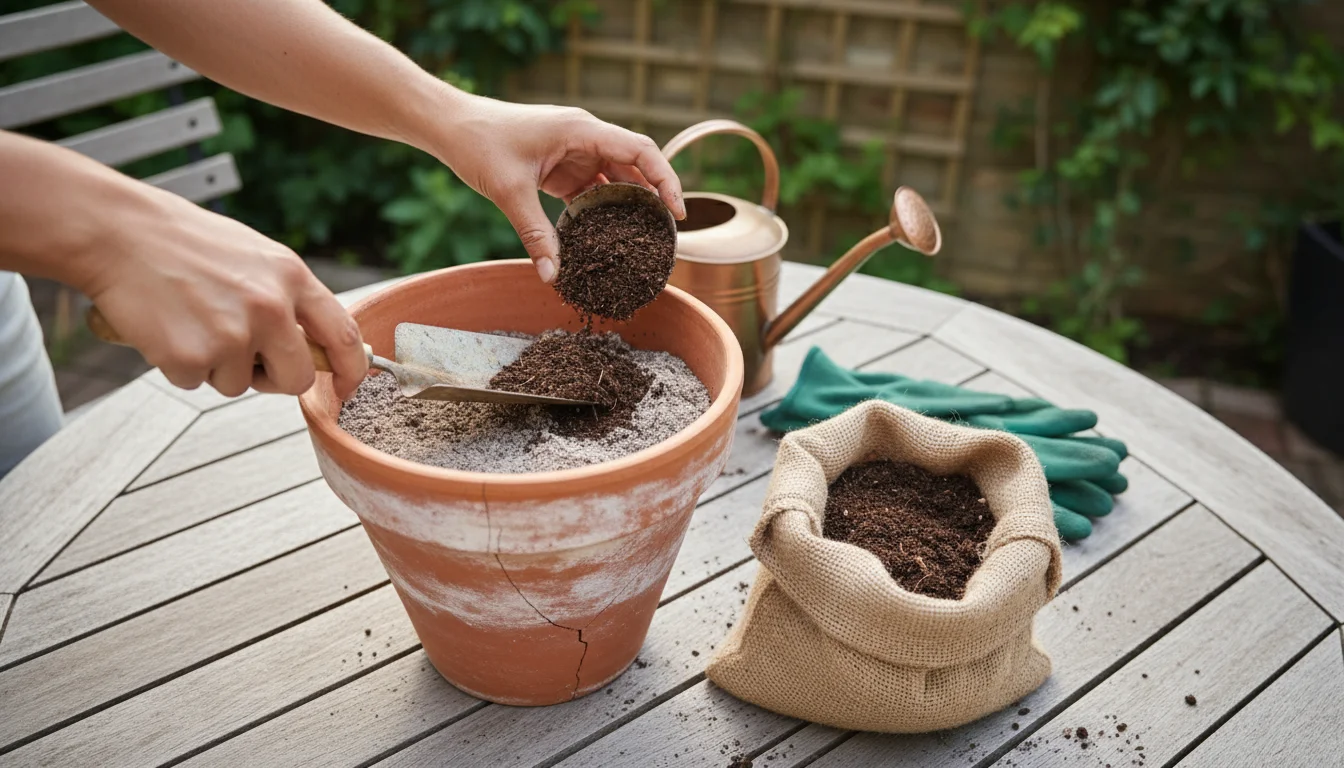
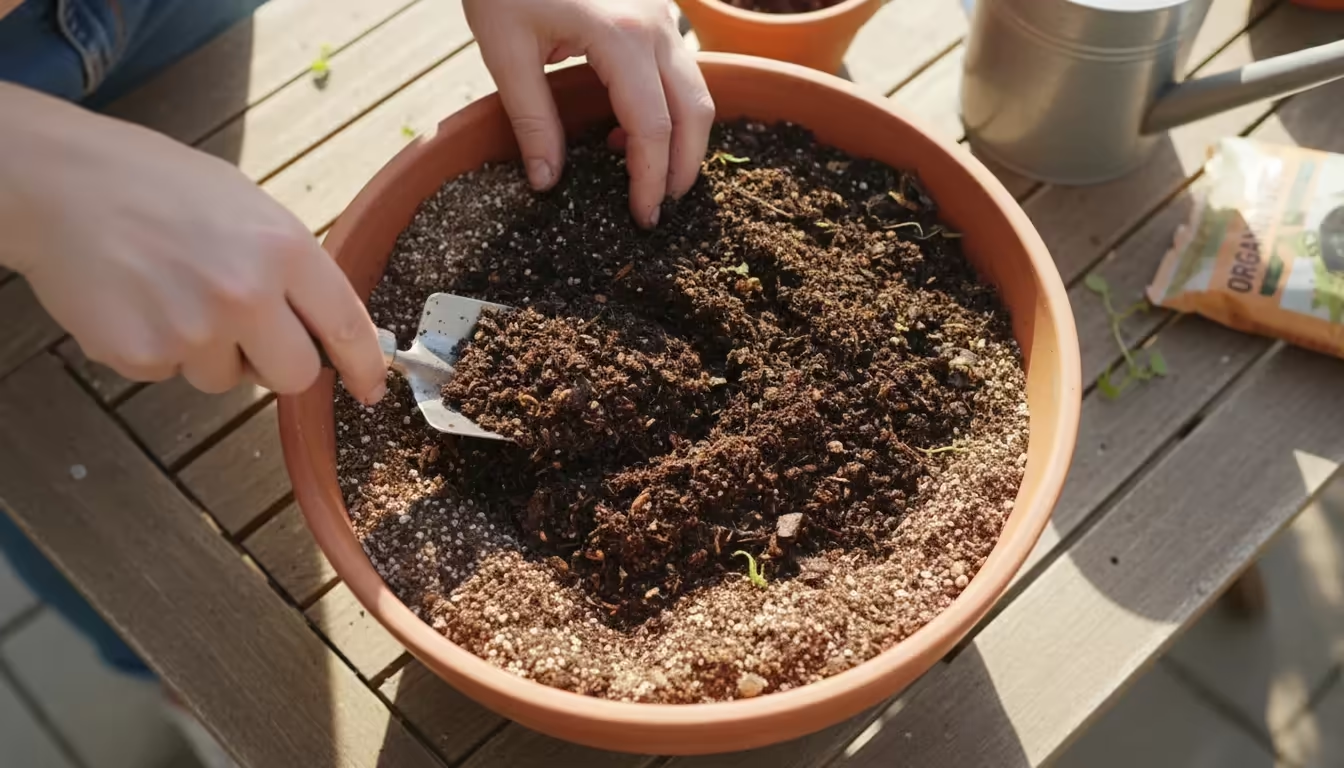
- Refresh Container Soil: If you are reusing containers from spring crops, do not simply plant new seeds into depleted soil. Remove the top few inches of old potting mix and replenish it with fresh, high-quality potting mix. Thoroughly incorporate a slow-release granular organic fertilizer or a generous amount of well-rotted compost (about 25-30% by volume) into the existing soil. This process revitalizes the soil, adding essential nutrients, improving its structure, and enhancing its water retention capabilities. Good potting mix ensures excellent drainage, which is simply how efficiently water moves through the soil and out the bottom of the pot, preventing waterlogging.
- Amend Garden Beds: For in-ground garden beds, work 2-3 inches of rich, well-rotted compost into the top 6-8 inches of soil. Compost dramatically improves fertility, enhances water retention in sandy soils, and improves drainage in heavy clay soils. While a full soil test might not be necessary for simple succession planting, if your previous crops struggled significantly, consider adding a balanced organic granular fertilizer at the planting time, following package directions.
3. Plan for Watering and Heat Protection
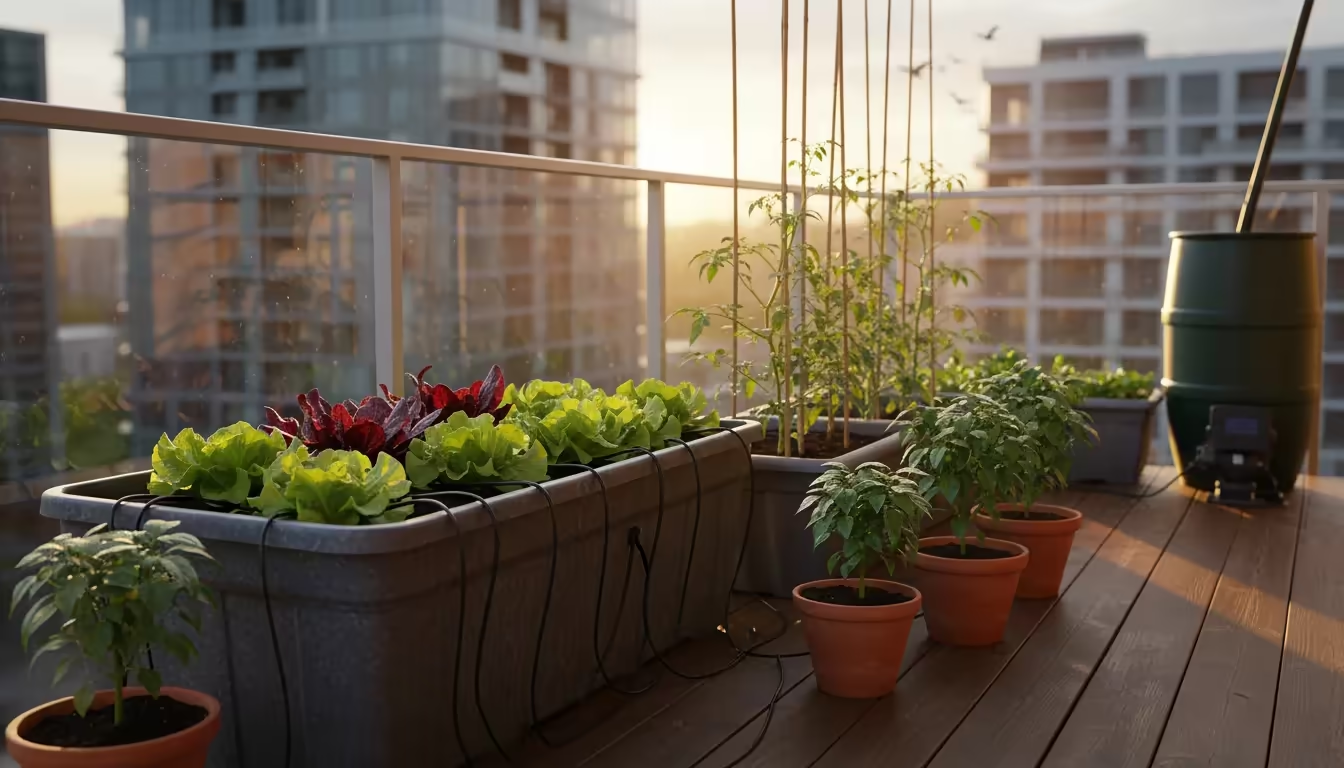
- Consistent Moisture: The combination of July heat and young seedlings means consistent moisture is crucial for germination and establishment. Young seedlings are particularly vulnerable to drying out, which can stunt their growth or even kill them. Water deeply and regularly, paying extra attention to container plants, which dry out significantly faster than in-ground beds. Consider installing drip irrigation or using self-watering containers for increased efficiency and reduced daily effort.
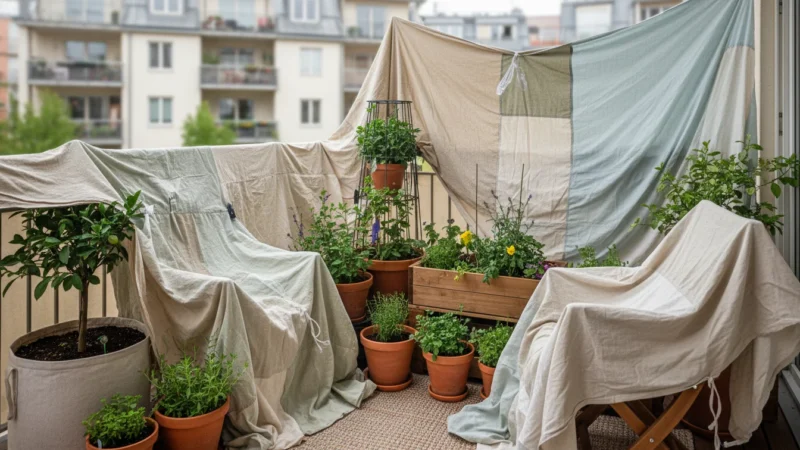
- Shade Cloth (Optional but Recommended): If you live in a region with extremely intense summer heat (consistently above 90°F or 32°C), a light shade cloth (30-40% blockage) can provide critical protection for newly planted seedlings. This helps prevent scorching, reduces heat stress, and promotes more robust establishment. Simply drape it over plants or use simple hoops to support it. Remove it once temperatures moderate in late August or when plants are well-established and growing strongly.
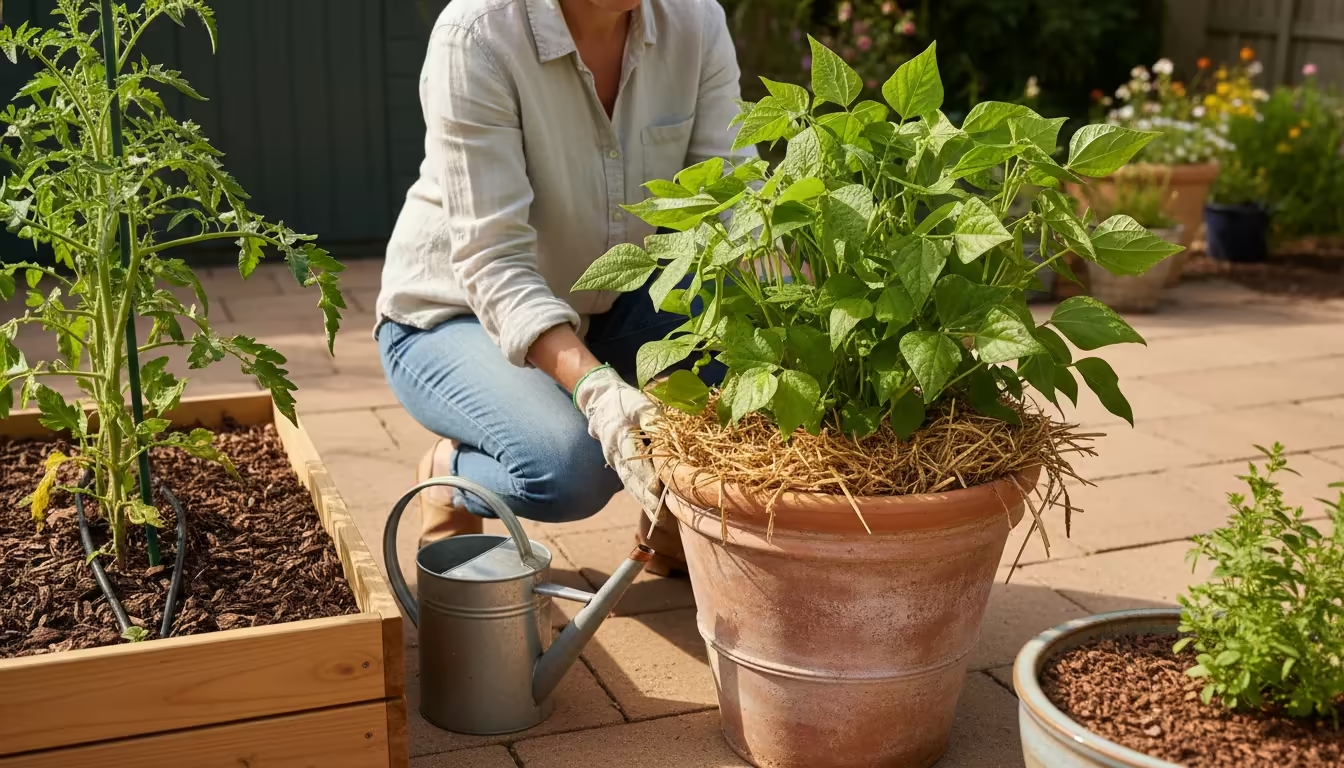
- Mulch Application: After planting, apply a 1-2 inch layer of organic mulch, such as straw, shredded leaves, or untreated wood chips, around your plants. Mulch is an invaluable tool for conserving soil moisture by reducing evaporation, suppressing weed growth that competes for resources, and helping to regulate soil temperature. It keeps roots cooler during lingering summer heat and provides insulation as fall temperatures drop.
With these thorough preparations complete, your garden is perfectly poised to welcome its second wave of productive plants. You have provided a fertile, protected, and well-maintained environment for them to flourish, setting the stage for an abundant and satisfying fall harvest.
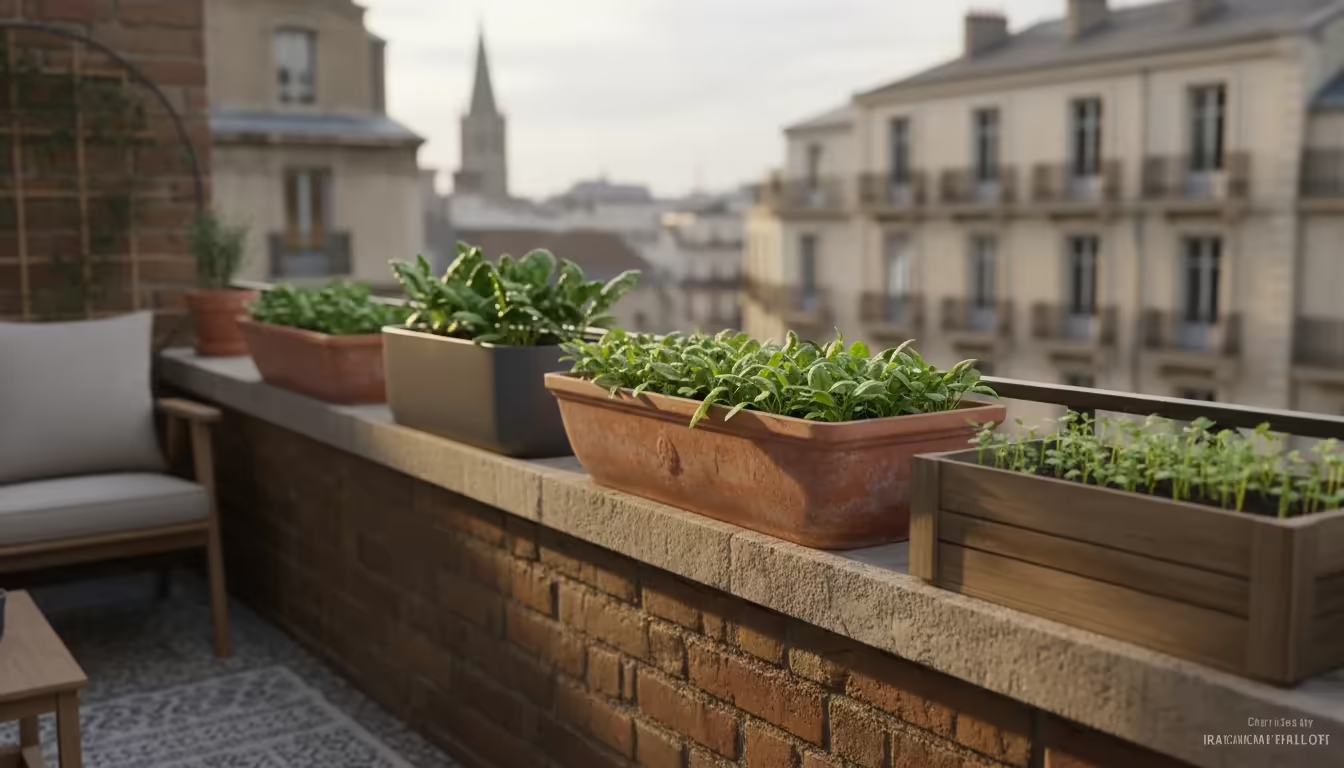
To keep your patio productive while summer heat lingers, consider filling nearby planters with heat-tolerant herbs that resist bolting.
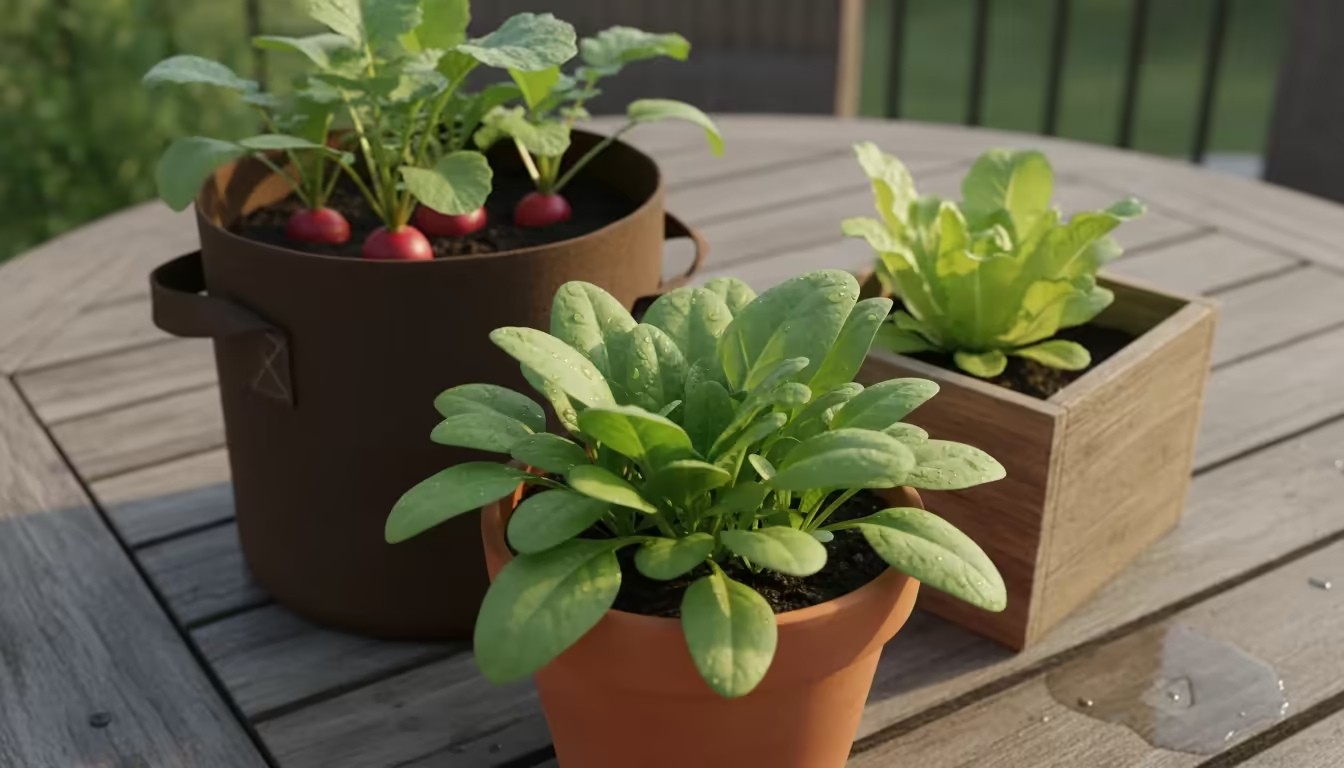
Your Top 5 Fast-Growing Vegetables for a Fall Harvest
Choosing the right varieties makes all the difference for successful July planting. Focus on vegetables known for their quick maturity, compact growth habit, and ability to thrive in fluctuating late summer and early fall temperatures. Here are five excellent choices, specifically selected for their suitability in small spaces and container gardening:
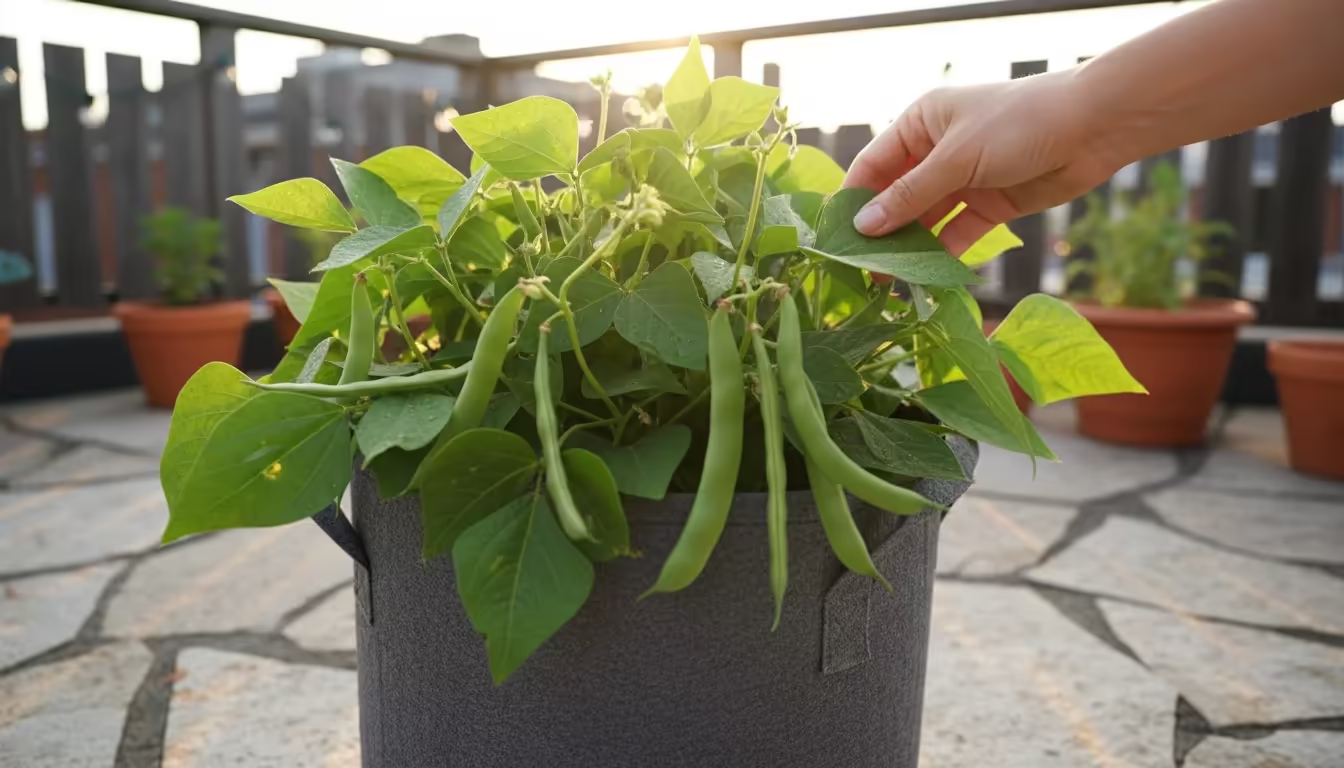
1. Bush Beans (Days to Maturity: 50-60 days)
Bush beans are an outstanding choice for July planting because of their vigorous growth and relatively quick turnaround. Unlike their vining pole bean cousins, bush beans form compact, self-supporting plants, making them perfectly suited for containers or small garden beds. They typically produce a generous harvest over several weeks from each plant. You can plant bush beans in pots in summer with exceptional success, adding protein-rich produce to your fall table.
- Why they work: Bush beans grow rapidly, offer reliable yields even in confined spaces, and show good tolerance for a range of temperatures once established. Many varieties mature in under two months, providing a quick reward for your late-season efforts.
- Planting: Sow seeds 1 inch deep and space them 3-4 inches apart. For container growing, use a pot at least 12 inches in diameter and 12 inches deep to comfortably support 3-4 plants. Use a high-quality, well-draining potting mix.
- Care: Provide consistent moisture, which is absolutely critical, especially during their flowering and pod development stages. Avoid overhead watering as much as possible to prevent common fungal diseases. Bush beans thrive in full sun, meaning at least 6 hours of direct sunlight daily.
- Recommended Varieties: ‘Provider’ (very dependable, early producer), ‘Contender’ (heat tolerant), ‘Blue Lake Bush’ (classic flavor).
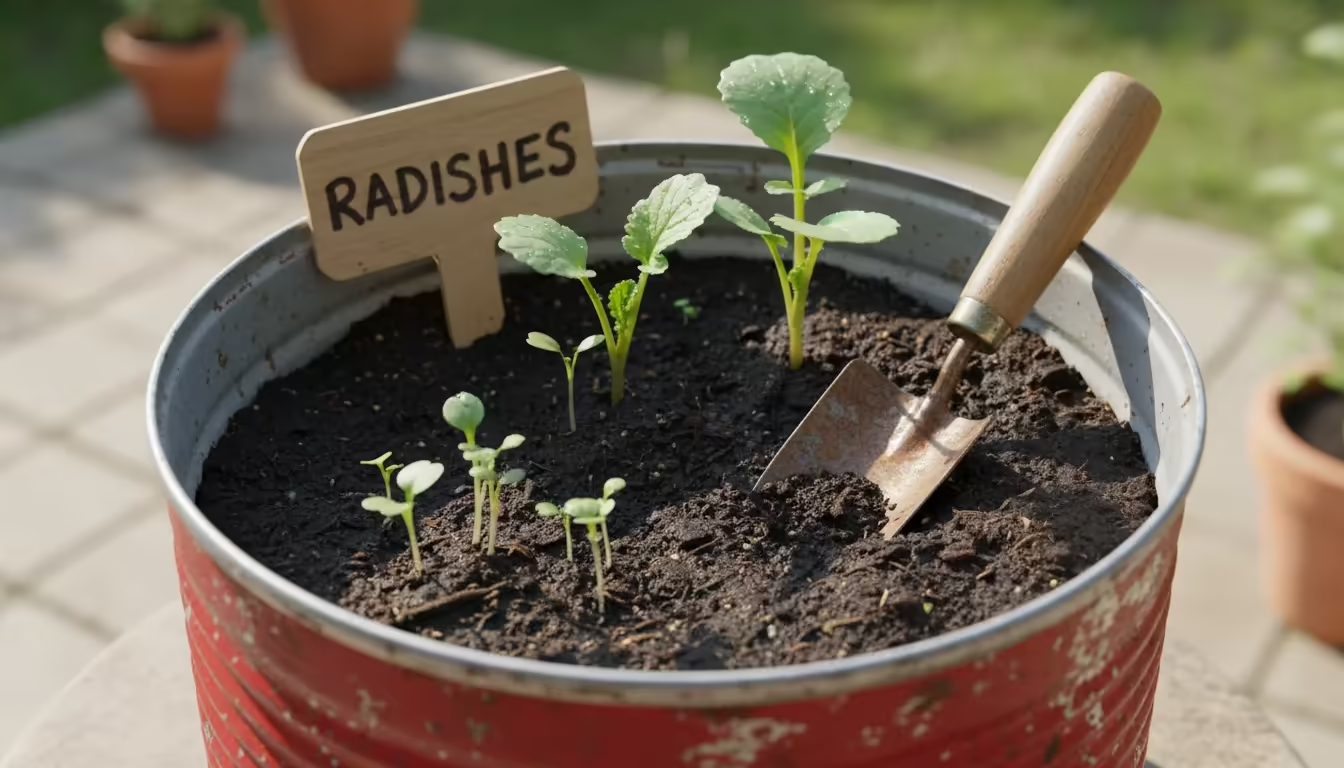
2. Radishes (Days to Maturity: 20-30 days)
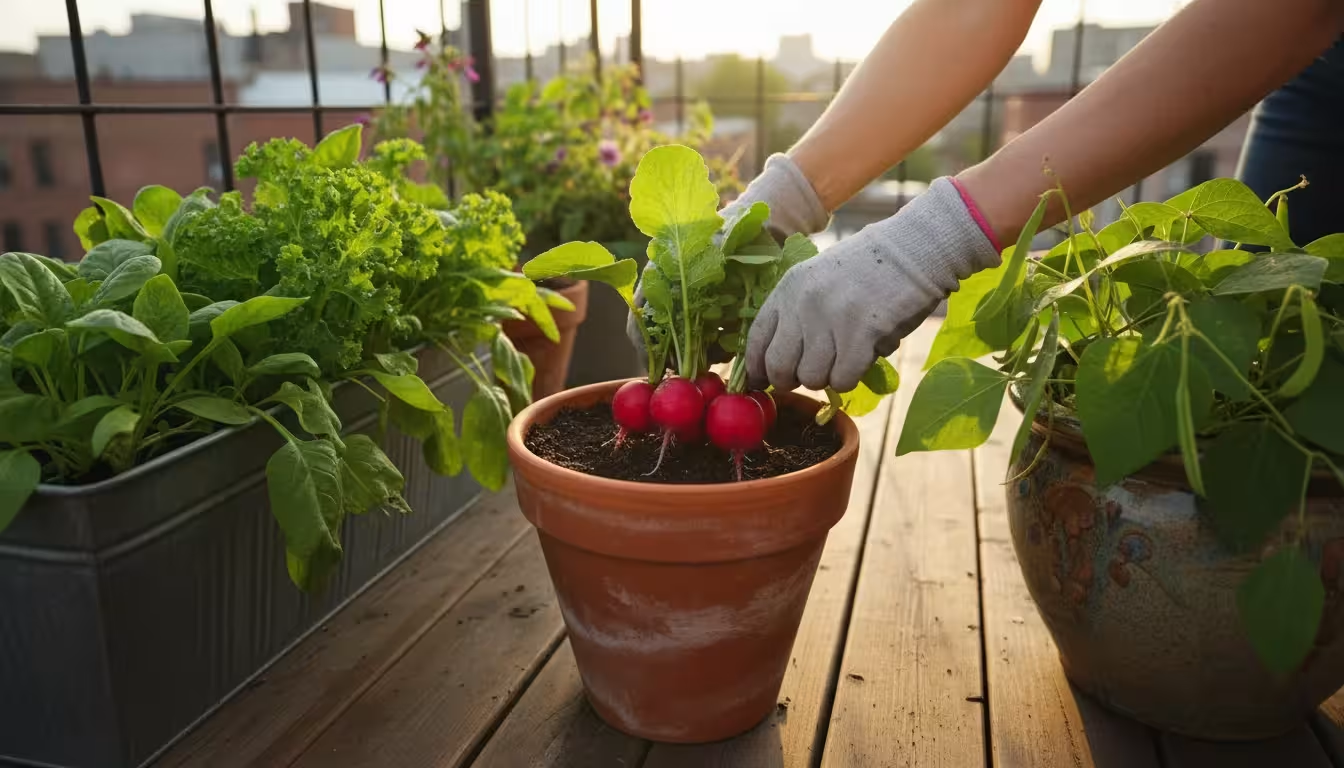
Radishes stand out as the ultimate “fast-food” of the garden, often ready to harvest in an astonishingly short period, sometimes less than three weeks. Their incredibly rapid growth makes them perfect for filling small gaps in your garden, interplanting with slower-growing crops, or fitting into the tightest schedules. Their quick turnaround time also means they are ideal for multiple successions, allowing you to plant a new batch every week or two for a continuous supply.
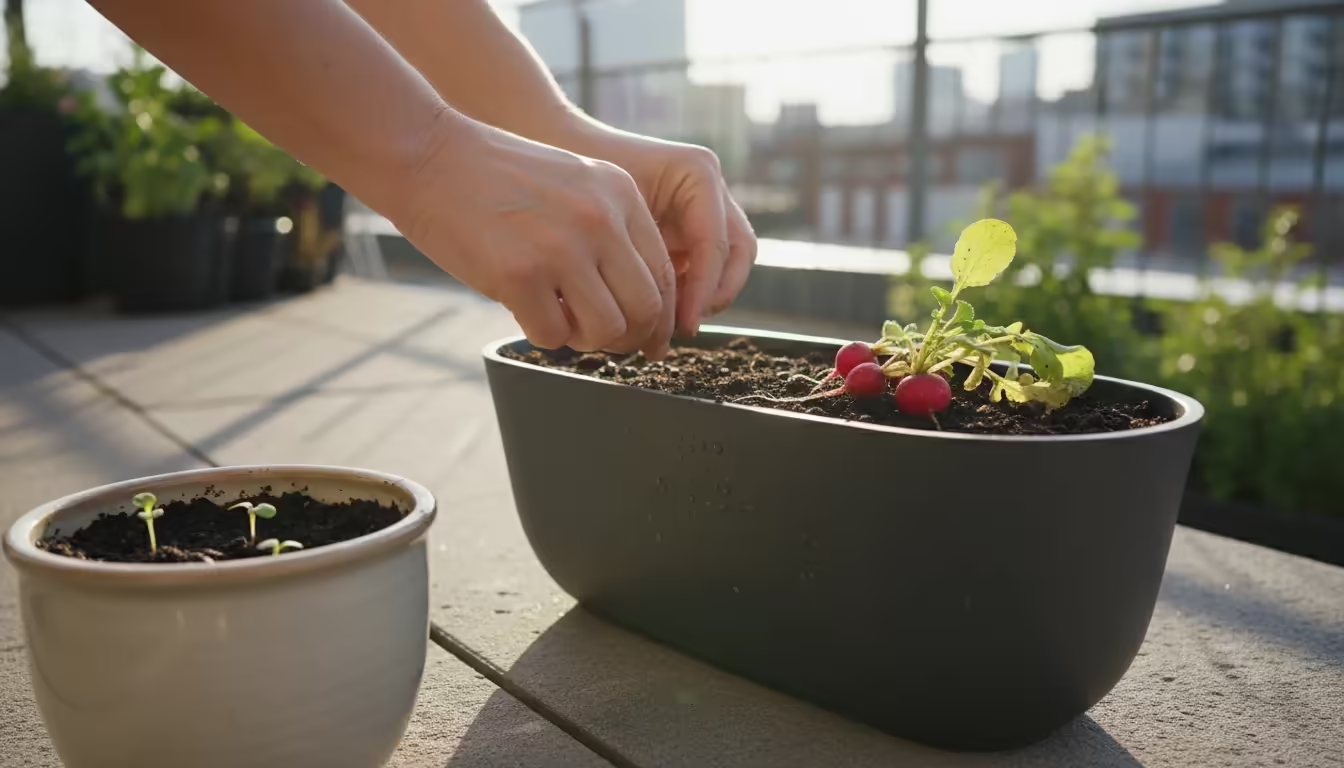
- Why they work: They are extremely fast-growing, have a compact root structure, and demonstrate excellent tolerance for the cooler temperatures of fall. Radishes do not require deep soil, making them perfect candidates for shallow containers, window boxes, or even repurposed food containers (with drainage holes).
- Planting: Sow seeds 1/2 inch deep and about 1 inch apart. You can sow them in short rows or simply broadcast them evenly across a container surface. Once seedlings emerge, thin them to stand 2-3 inches apart to allow proper root development. Any container at least 6 inches deep and 6-8 inches wide will suffice.
- Care: Keep the soil consistently moist. Inconsistent watering or allowing the soil to dry out can cause radishes to become woody, overly spicy, or crack. They perform best in full sun to partial shade.
- Recommended Varieties: ‘Cherry Belle’ (classic, round, mild), ‘French Breakfast’ (elongated, slightly milder), ‘Sparkler’ (red with a white tip).
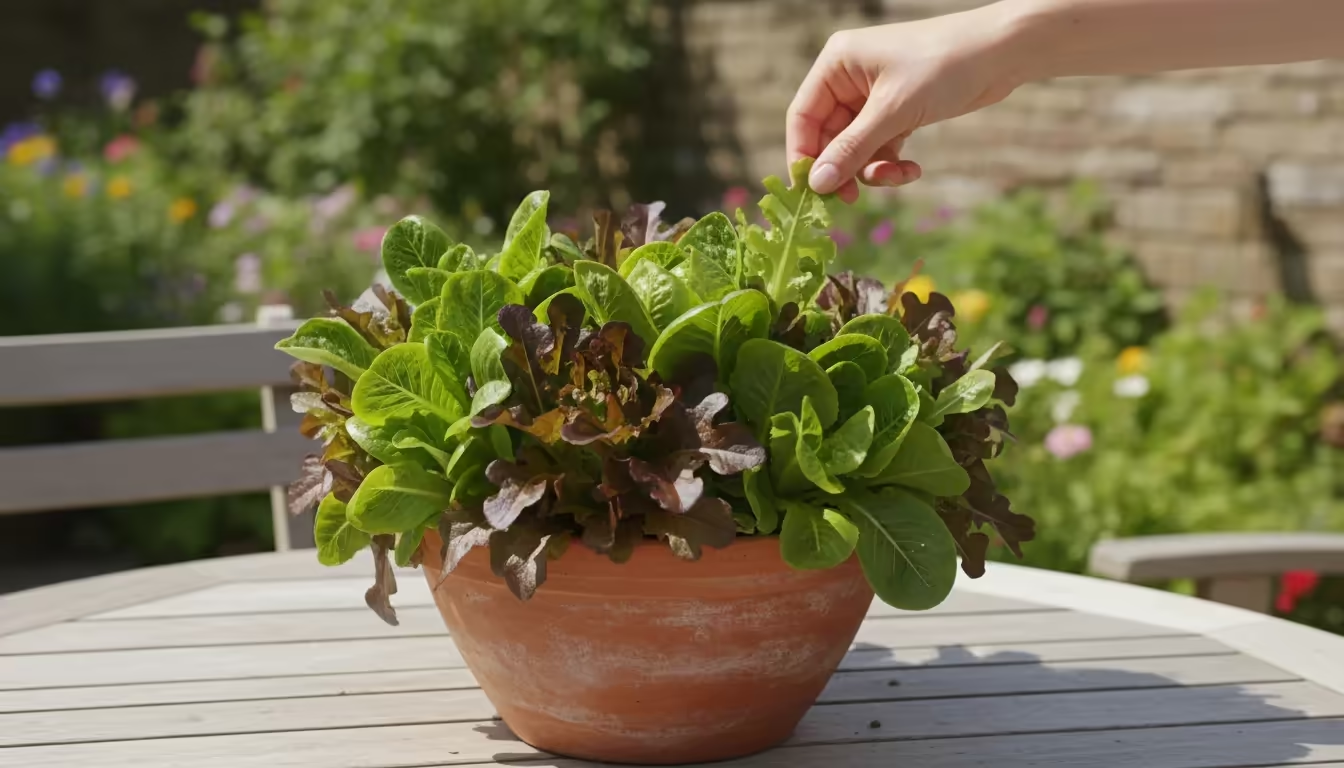
3. Loose Leaf Lettuce (Days to Maturity: 30-45 days)
Loose leaf lettuce varieties offer a fantastic “cut and come again” harvest, allowing you to snip outer leaves as needed for salads and sandwiches, thereby extending your yield over many weeks. While lettuce prefers cooler temperatures, planting in July allows it to establish during the warm season, then really flourish as the fall chill arrives, enhancing its flavor and preventing bitterness.
- Why they work: They are quick to mature, thrive in partial shade (especially beneficial as summer heat lingers), and perform exceptionally well in containers. Their ability to provide a continuous harvest from a single planting is a significant advantage for home gardeners.
- Planting: Sow seeds 1/4 inch deep and about 1 inch apart. Once seedlings emerge and show a few true leaves, thin them to 4-6 inches apart to give each plant room to develop. Containers at least 6-8 inches deep and wide are highly suitable. For a continuous supply, sow a small batch every 2 weeks.
- Care: Maintain consistent soil moisture. Partial shade, particularly during the hottest afternoon hours, helps prevent premature bolting (when the plant sends up a flower stalk and its leaves become bitter).
- Recommended Varieties: ‘Black Seeded Simpson’ (classic, wavy green leaves), ‘Salad Bowl’ (long-harvesting, various colors), ‘Parris Island Cos’ (romaine type, good heat tolerance).
4. Spinach (Days to Maturity: 30-45 days)
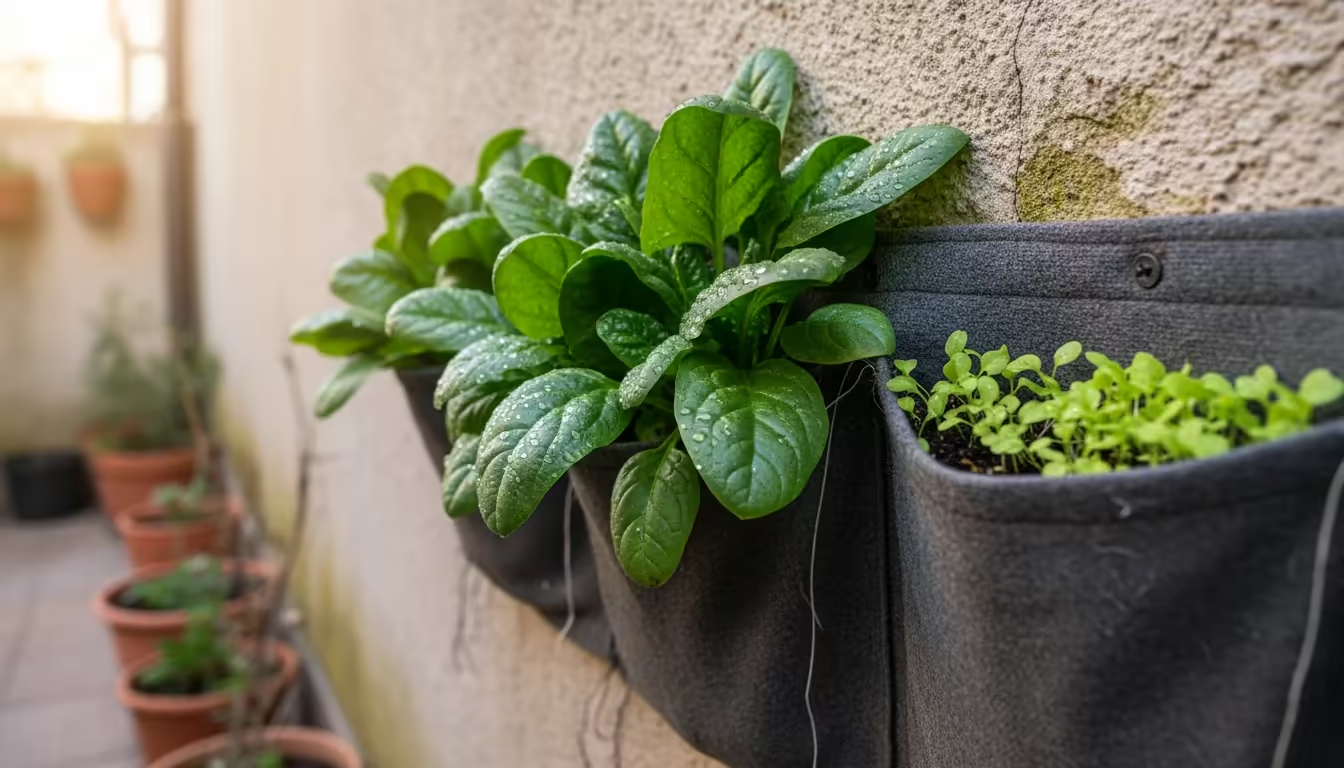
Spinach is a cool-weather champion, making it a stellar choice for a late summer vegetable. Planting in July means seeds germinate quickly in the lingering warmth, and the plants then develop robustly as temperatures gradually cool, resulting in exceptionally tender, sweet leaves. It is an excellent choice for a productive fall harvest, packed with nutrients.
- Why they work: Spinach grows quickly, tolerates light frosts (which can actually improve its flavor), and provides a highly nutritious leafy green. It is very amenable to container growing, thriving in relatively shallow conditions.
- Planting: Sow seeds 1/2 inch deep and space them 2-4 inches apart. You can also sow spinach in succession every 2-3 weeks to ensure a continuous supply well into fall. Containers at least 8 inches deep are ideal for a good spinach harvest.
- Care: Keep the soil consistently moist. Spinach is prone to bolting in hot, dry conditions, so providing partial shade during the most intense July and August heat can significantly improve your success.
- Recommended Varieties: ‘Bloomsdale Long Standing’ (classic, savoyed leaves), ‘Tyee’ (bolt-resistant), ‘Space’ (smooth leaves, good for baby spinach).
5. Bush Cucumbers (Days to Maturity: 50-60 days)
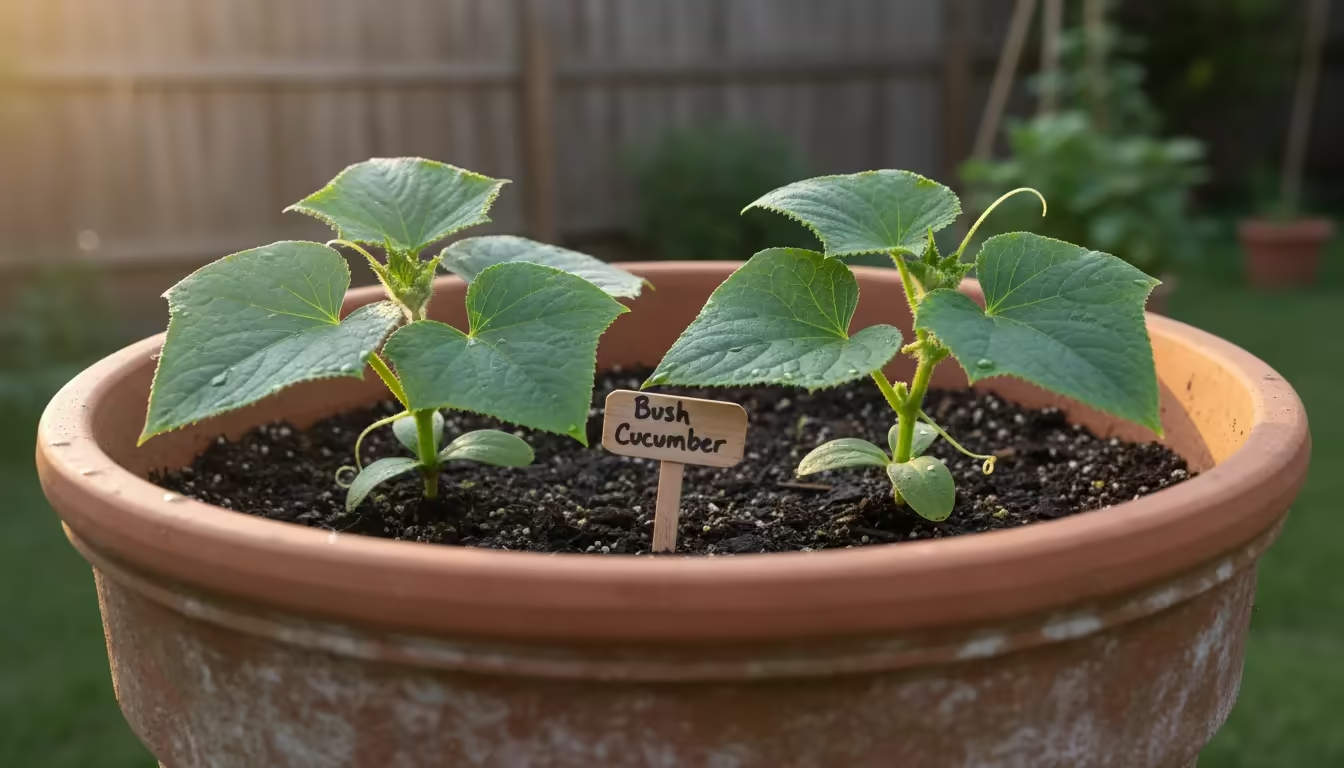
While most cucumber varieties produce extensive vines that quickly overwhelm small spaces, bush varieties are specifically bred for compact growth. This makes them surprisingly suitable for larger containers or very small garden beds. Planting bush cucumbers in July provides them with sufficient time to produce a rewarding crop before the arrival of the first hard frost. These are excellent `fast growing container vegetables for late summer`.
- Why they work: Bush cucumbers offer the delightful crunch of fresh cucumbers in a space-saving form. They provide a rewarding harvest from a limited footprint and mature quickly enough for a second planting in many regions.
- Planting: Sow 2-3 seeds 1 inch deep per “hill” or container, eventually thinning to the strongest single plant once seedlings have developed a few true leaves. Use a substantial container, at least 16-18 inches in diameter and depth, to comfortably support one bush cucumber plant.
- Care: Cucumbers are notoriously heavy feeders and drinkers. Provide rich, well-amended soil, ensure consistent, deep moisture (especially as fruits begin to develop), and consider applying a balanced liquid organic fertilizer every few weeks. They absolutely require full sun, meaning at least 6-8 hours of direct sunlight daily, to produce well.
- Recommended Varieties: ‘Bush Crop’ (reliable, good yield), ‘Spacemaster’ (compact, good for pickles or slicers), ‘Salad Bush’ (very compact, early maturing).
Mastering Container Gardening for Extended Seasons
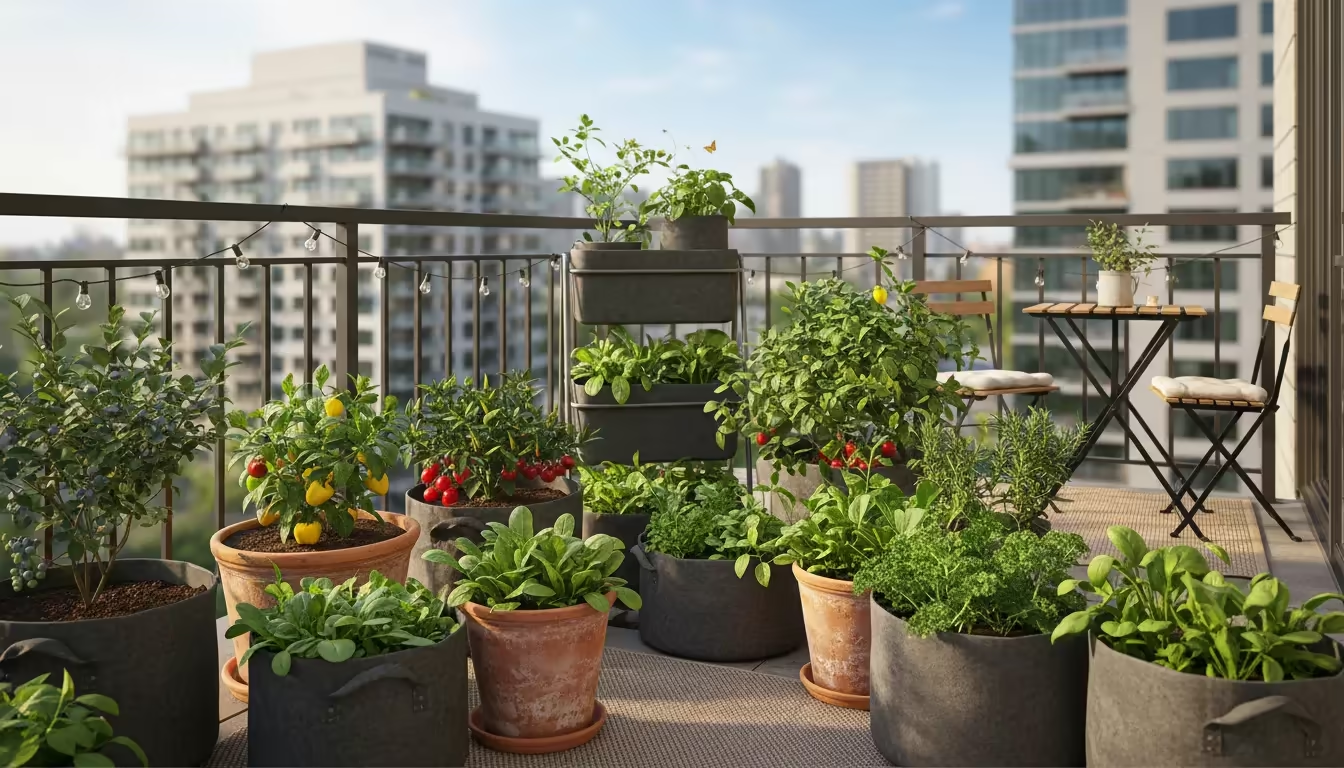
Container gardening excels as a solution for small spaces and becomes even more powerful when implementing `fall harvest containers` and succession planting strategies. Its inherent flexibility, precise control over growing conditions, and ability to maximize every square inch make it an indispensable technique for your balcony, patio, or compact yard.
Choosing the Right Containers
- Size Matters: As emphasized for each specific vegetable, always choose containers that can comfortably accommodate the plant’s mature root system. Deeper pots naturally offer a greater volume of soil, which translates directly to more stable soil temperatures and more consistent moisture levels for the roots. This stability is critical for healthy plant growth and resilience against environmental fluctuations.
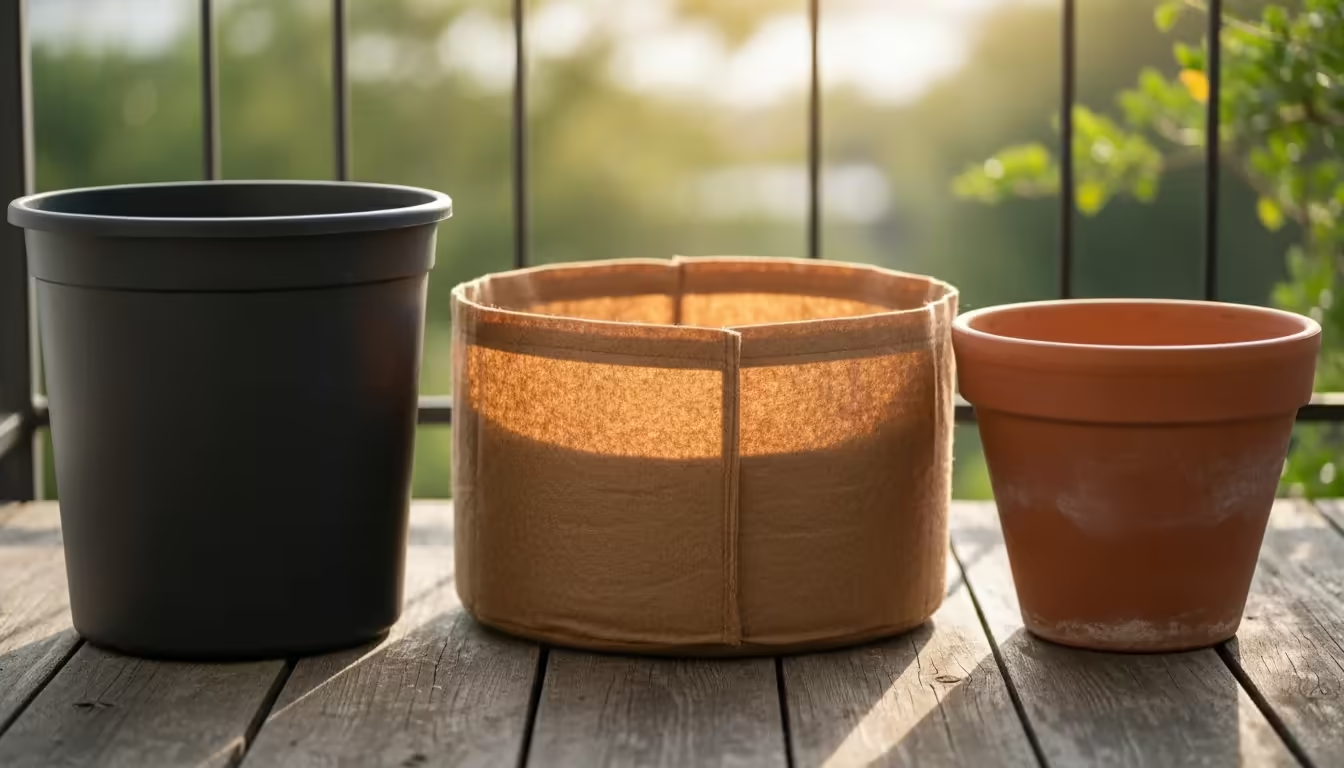
- Material Choices: Terra cotta pots are aesthetically pleasing but have porous walls that cause soil to dry out rapidly, necessitating more frequent watering. Plastic pots, conversely, retain moisture much more efficiently. Fabric grow bags offer excellent aeration to the root zone and superior drainage, preventing waterlogging while still holding adequate moisture. For gardeners with busy schedules, self-watering containers significantly reduce the frequency of manual watering.
- Drainage Holes: This is a non-negotiable requirement for all containers. Every single pot, bucket, or planter must have adequate drainage holes at the bottom. Without them, water collects, suffocating roots, leading to root rot, and ultimately killing your plants. Proper drainage allows excess water to escape freely, preventing waterlogged soil and promoting healthy root development.
Optimal Potting Mix
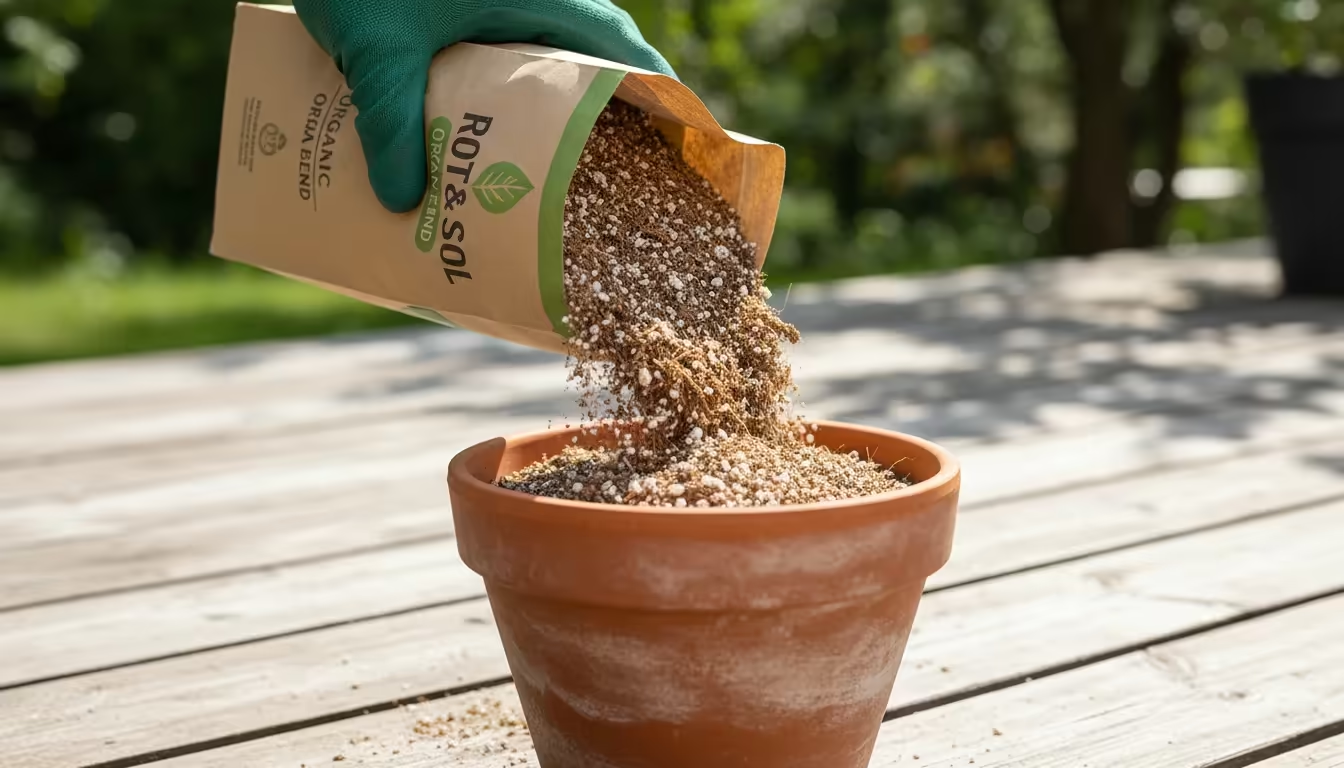
Never use heavy garden soil directly in containers; it compacts too easily, leading to poor aeration and inadequate drainage. Instead, invest in a high-quality, purpose-designed potting mix. Look for mixes that possess these key characteristics:
- Lightweight: A good potting mix typically contains ingredients like peat moss, coco coir, or perlite to ensure it remains fluffy, well-aerated, and easy for roots to penetrate.
- Well-Draining: The mix must allow water to pass through freely, preventing standing water, yet simultaneously retain sufficient moisture to keep roots hydrated between waterings.
- Nutrient-Rich: Many premium potting mixes include a starter charge of slow-release fertilizer or can be easily amended by incorporating a generous amount of compost to provide essential nutrients.
When reusing potting mix from previous seasons, rejuvenate it by mixing in 30-50% fresh potting mix along with a handful or two of finished compost or an organic granular fertilizer. This process replenishes depleted nutrients, improves the overall soil structure, and reintroduces beneficial microbial life.
Strategic Placement and Watering
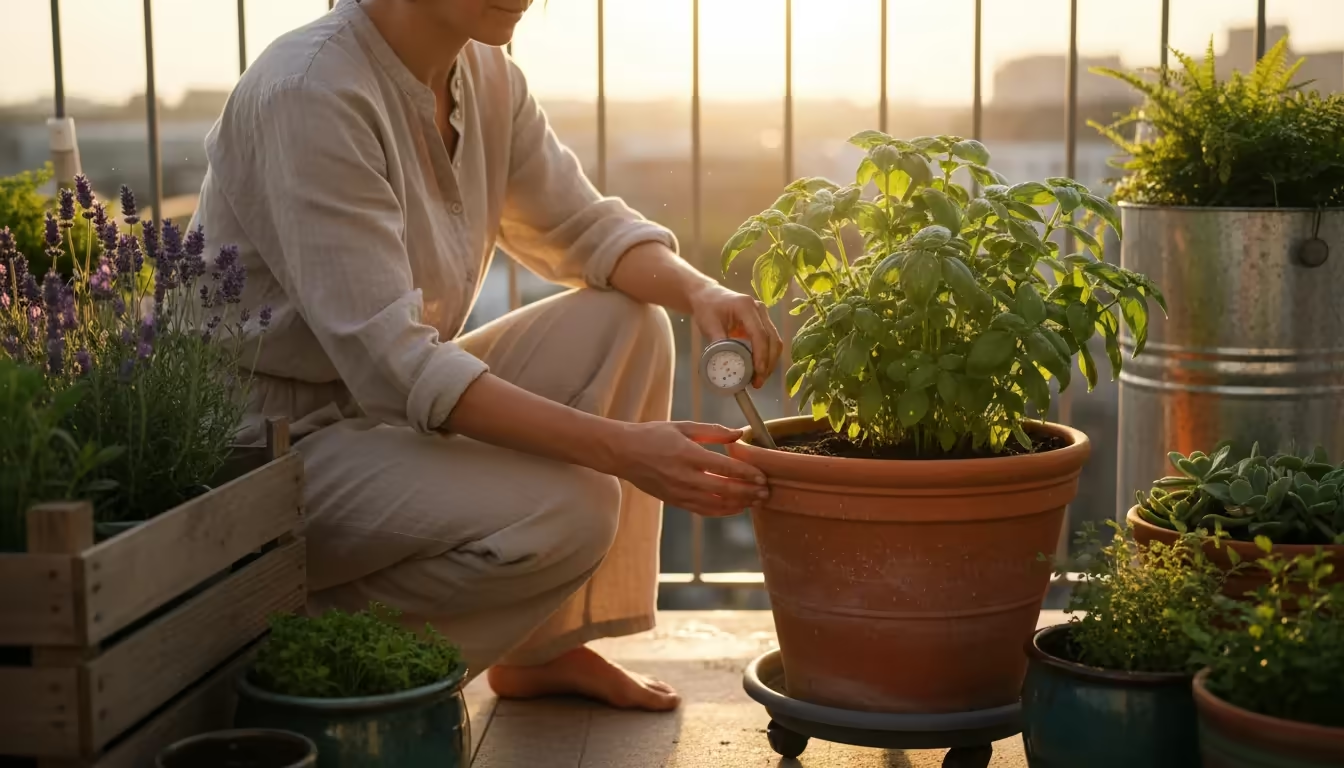
- Sunlight Tracking: One of the immense advantages of container gardening is mobility. As the sun’s angle changes through late summer and into fall, you possess the flexibility to move your containers to capture optimal sunlight throughout the day. This adaptability is a significant benefit over stationary in-ground beds.
- Consistent Watering: Container plants dry out considerably faster than plants grown in the ground due to increased exposure to air and quicker drainage. Check soil moisture daily, especially during lingering hot periods. Water deeply until you see water draining from the bottom of the pot. While consistent moisture is vital, avoid letting pots sit in standing water, but also critically avoid allowing them to completely dry out, which causes immense plant stress.
- Fertilizing: Nutrients leach out of container potting mix more quickly than from garden soil with each watering. Supplement your plants’ nutrition with a balanced liquid organic fertilizer every 2-4 weeks, or integrate a slow-release granular organic fertilizer into the soil when you initially plant your seeds or seedlings.
Your ability to precisely control the growing environment within containers makes this method a powerhouse for significantly extending your harvest season. With mindful attention to these specific details, your fall containers will undoubtedly flourish, providing abundant fresh produce.
Protecting Your Late Summer and Fall Crops
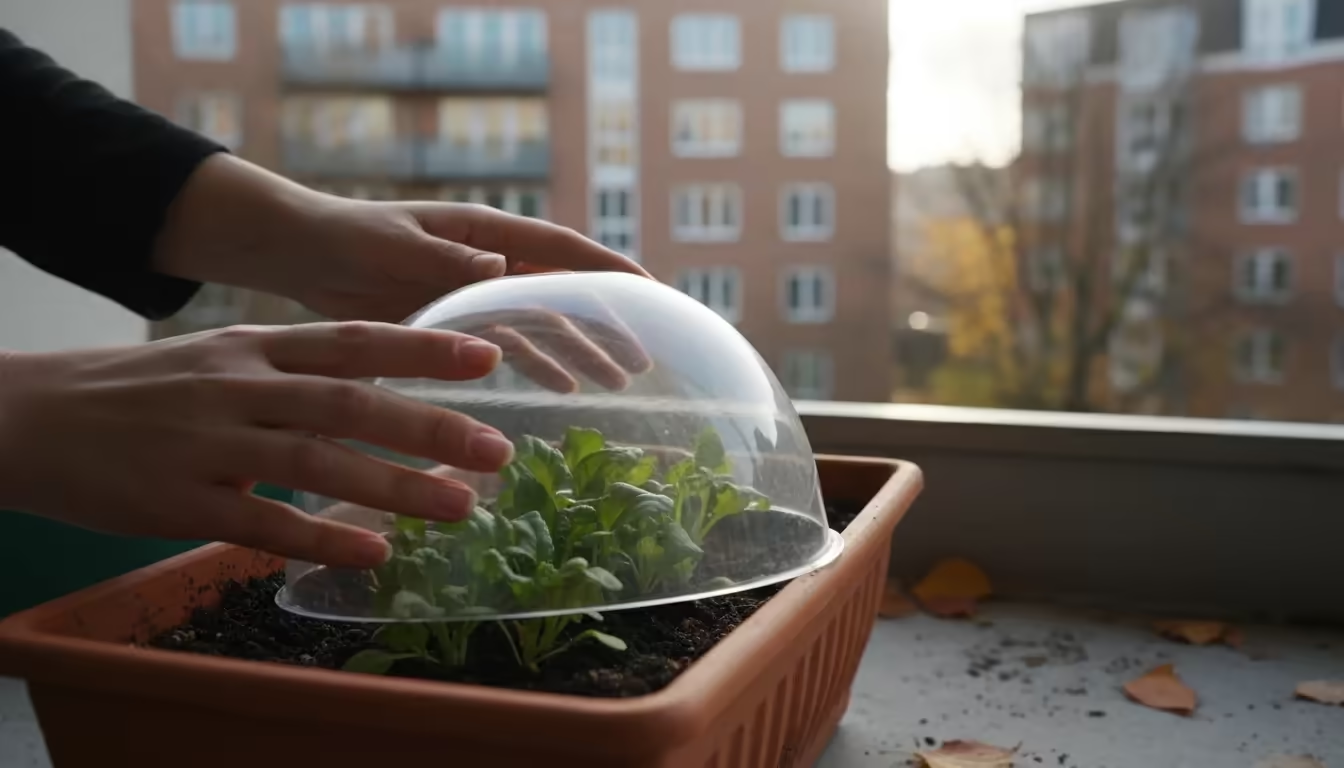
Your “second wind” garden, while resilient, faces a unique set of challenges as the season transitions from summer’s peak to the cooler embrace of autumn. Protecting your newly planted crops from common pests, potential diseases, and the eventual chill of early frosts is paramount to ensuring a successful and abundant fall harvest. Proactive measures are always more effective than reactive ones.
Pest Management
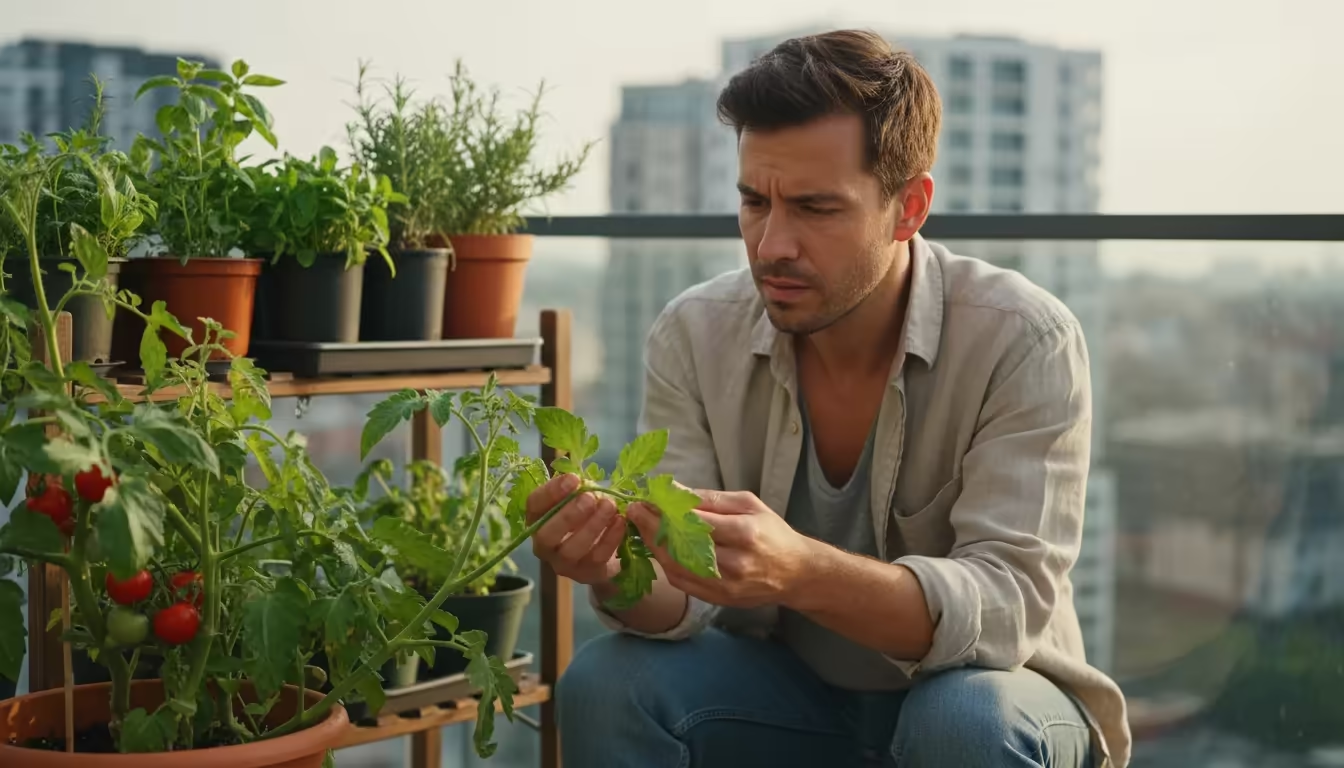
Late summer can sometimes bring a resurgence of certain insect pests that thrive in the heat. Vigilance remains your strongest defense against them.
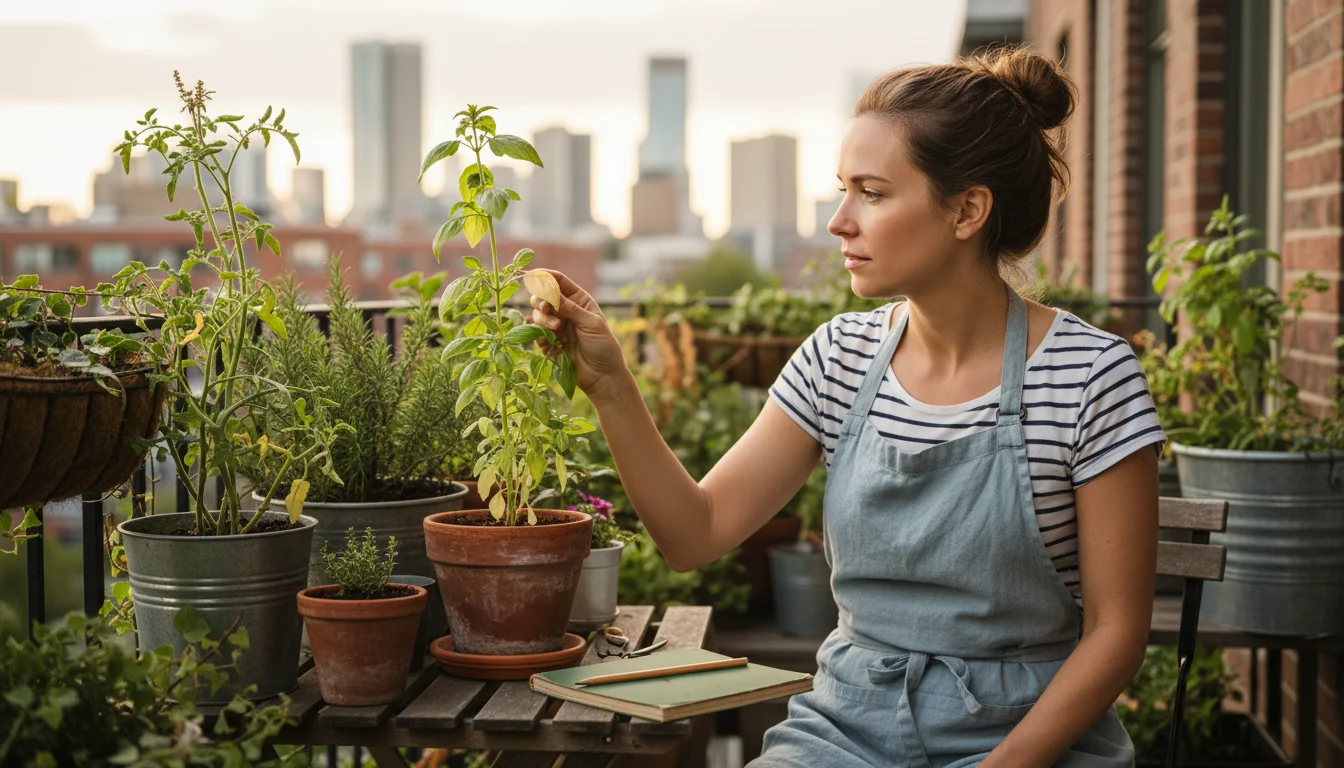
- Regular Inspections: Make it a daily habit to inspect your plants thoroughly for any signs of pests, such as aphids, cabbage worms, spider mites, or leafminers. Early detection makes control significantly easier and prevents small infestations from becoming overwhelming. Pay particular attention to the undersides of leaves, which are common hiding spots.
- Hand-Picking: For larger, more visible pests like tomato hornworms or cabbage worms, hand-picking them off your plants is a highly effective and immediate solution. Simply drop them into a bucket of soapy water to dispatch them.
- Organic Sprays: For smaller, soft-bodied pests that are difficult to hand-pick, utilize organic options like insecticidal soap or neem oil. Always read and carefully follow the label directions. These are contact killers, so thorough coverage of affected plant parts is absolutely essential for them to work.
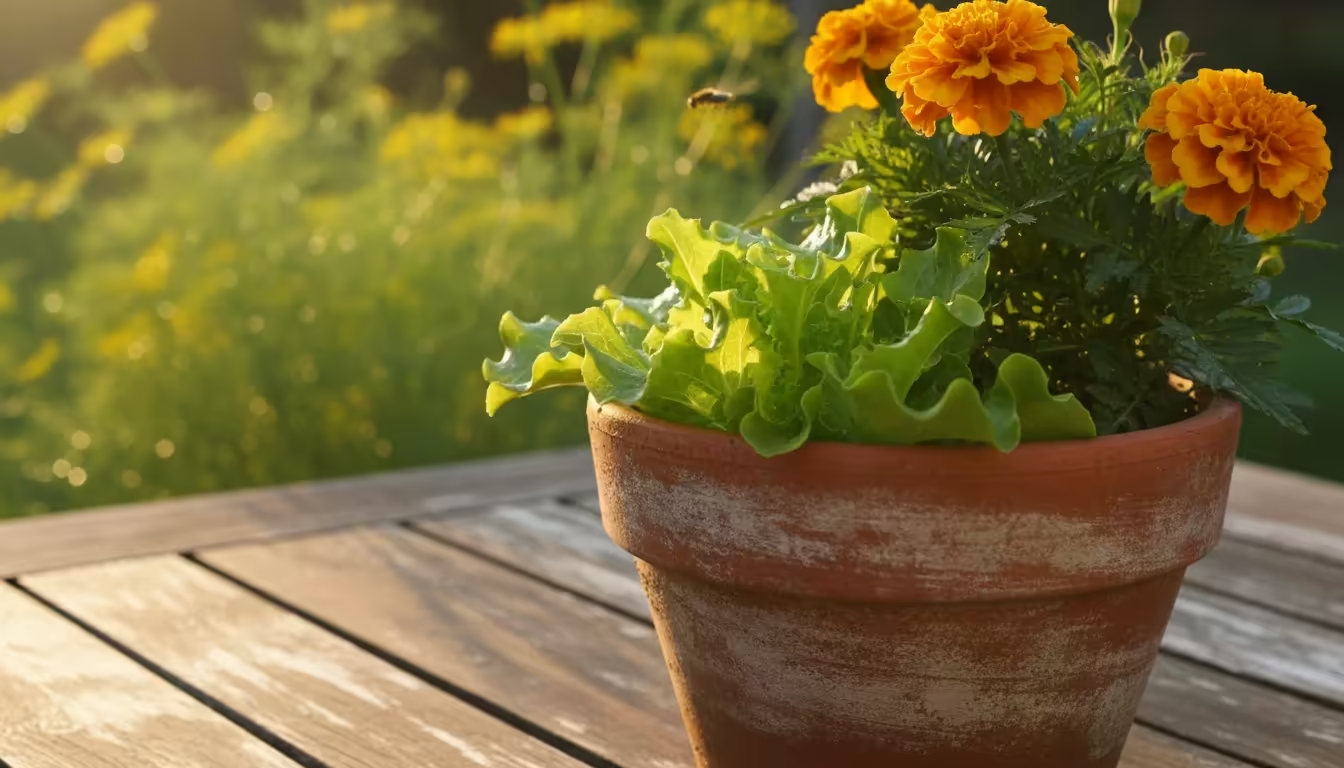
- Encourage Beneficial Insects: Create a welcoming environment for predatory insects such as ladybugs, lacewings, and hoverflies, which naturally prey on common garden pests. Plant companion flowers like marigolds, calendula, or dill to attract them, and actively avoid using broad-spectrum pesticides that harm beneficial species.
Disease Prevention
The combination of lingering humidity and changing temperatures can create conditions conducive to certain fungal diseases. Proactive prevention minimizes their impact.
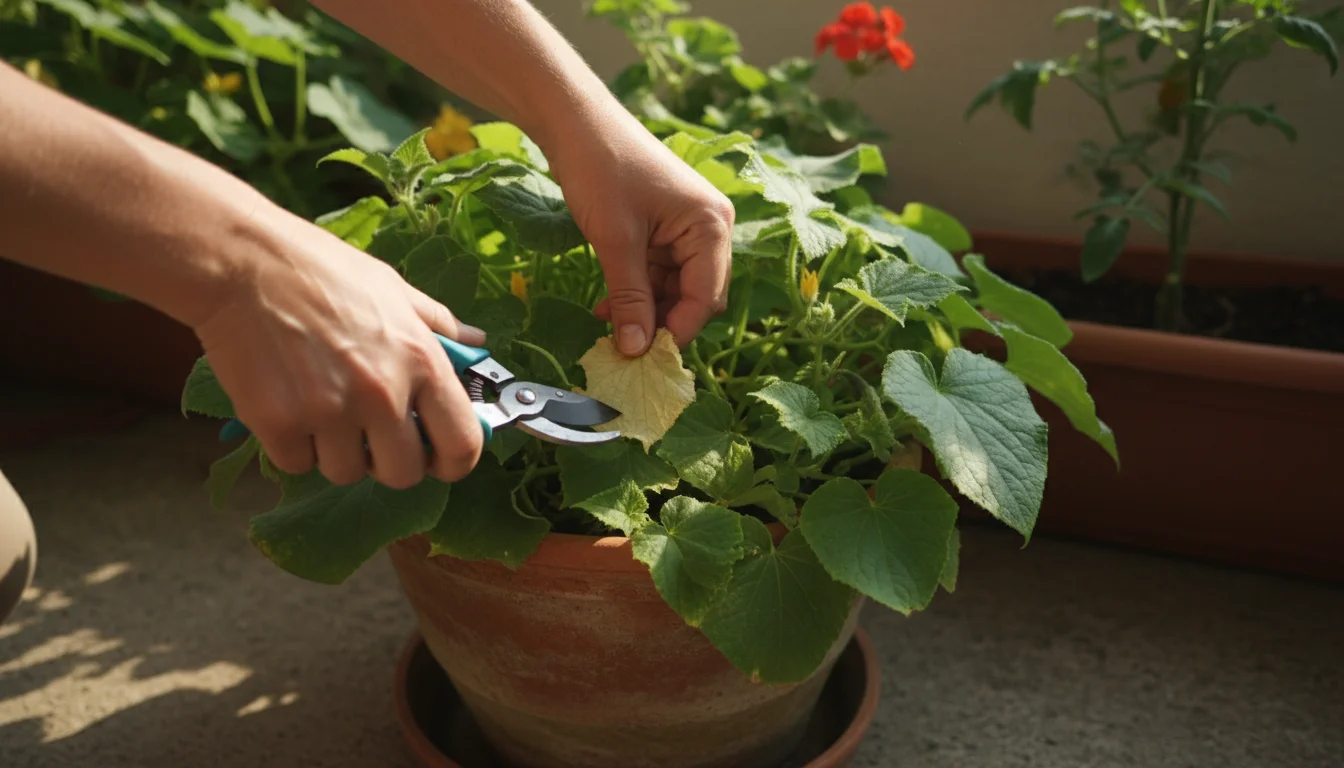
- Air Circulation: Space your plants appropriately to allow for excellent airflow around and through the foliage, especially in humid conditions or crowded container plantings. Consider pruning lower leaves on bush cucumber plants if their growth becomes overly dense, improving air movement.
- Optimal Watering Practices: Always water at the base of your plants in the morning. This practice allows any moisture on the foliage to evaporate fully before nightfall, significantly reducing the risk of fungal diseases. Avoid overhead watering, particularly in the evening.
- Garden Sanitation: Promptly remove any diseased leaves, stems, or entire plants immediately to prevent the spread of pathogens to healthy plants. Additionally, regularly sterilize your gardening tools between uses, especially after working with any visibly diseased plant material.
Protecting from Early Frosts
As autumn truly arrives, a surprise early frost can quickly decimate your hard-earned fall harvest. Taking proactive steps can safeguard your crops.
- Monitor Forecasts: Pay very close attention to your local weather forecasts, particularly when overnight temperatures are predicted to dip below 40°F (4°C). This gives you time to prepare.
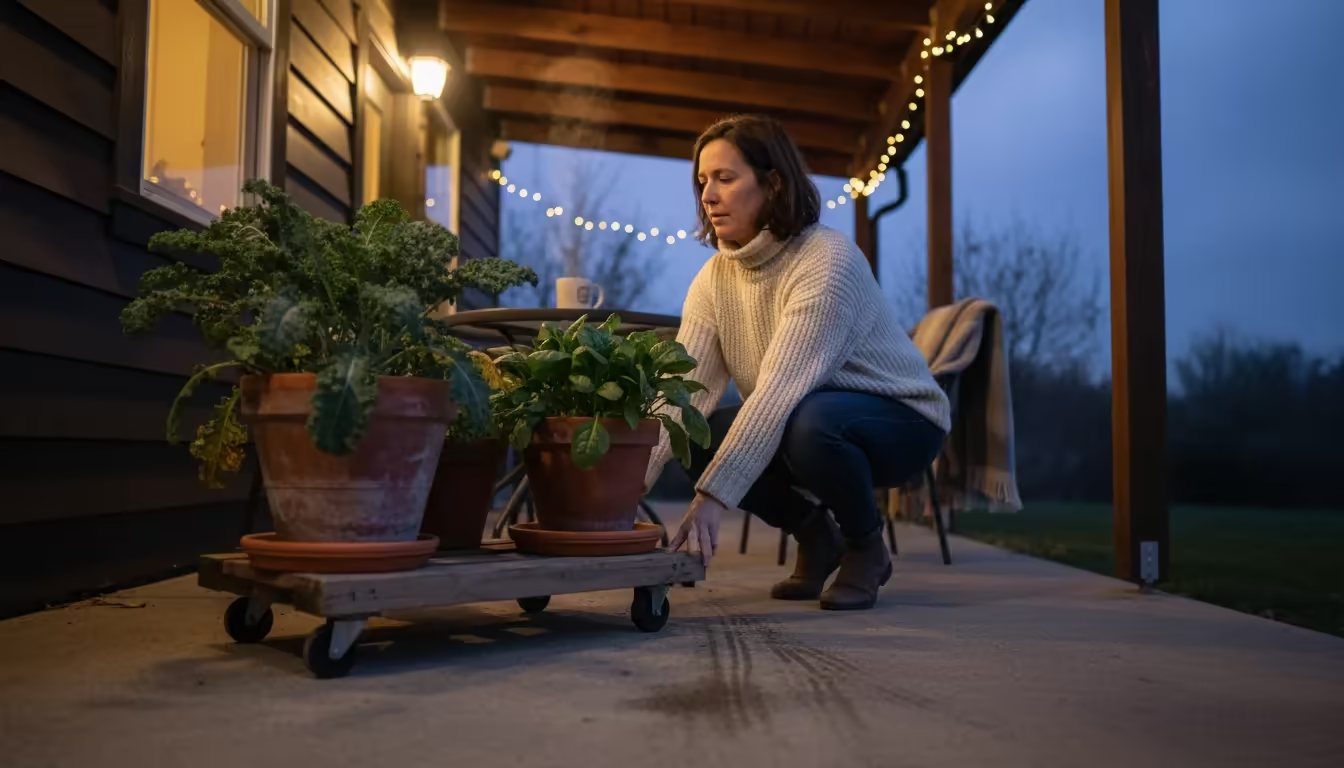
- Container Mobility: If your “second wind” crops are growing in containers, you have a huge advantage. Simply move sensitive plants indoors, into a garage, or under a protective overhang on nights when frost is expected.
- Row Covers: For crops planted in garden beds, utilize floating row covers. These lightweight, permeable fabric covers allow light and water to pass through but provide several degrees of frost protection. Drape them directly over plants or support them with simple hoops.
- Temporary Shelters: For a quick and easy solution, cover individual plants with old sheets, blankets, burlap, or even inverted buckets. Remember to remove these temporary covers in the morning once temperatures rise to prevent the plants from overheating.
By diligently implementing proactive pest management, vigilant disease prevention, and timely frost protection, you significantly increase your chances of enjoying a robust and extended fall harvest. You will savor your fresh produce well into the cooler months, long past the typical gardening season.
Sustainable Practices for Your “Second Wind” Garden
Embracing sustainable practices benefits not only your garden’s health but also your budget and the broader environment. For your “second wind” garden, these methods are particularly impactful, promoting healthy soil, efficient resource use, and a thriving ecosystem.
Water Conservation
Water is a precious resource, and efficient use is crucial, especially during late summer’s lingering heat. Implement these strategies to conserve moisture:
- Mulch Heavily: Apply a substantial 2-3 inch layer of organic mulch, such as straw, shredded leaves, or wood chips, around all your plants. Mulch dramatically reduces water evaporation from the soil surface, keeping roots consistently moist and cool. It also suppresses weeds that compete for water.
- Morning Watering: Always water your garden early in the morning. This timing reduces water loss to evaporation, as temperatures are cooler, and allows any moisture on plant foliage to dry completely before nightfall, significantly minimizing the risk of fungal diseases.
- Drip Irrigation/Soaker Hoses: These efficient systems deliver water directly to the root zone of your plants, minimizing waste compared to overhead sprinklers. For containers, consider installing small drip emitters or utilizing self-watering pots to optimize water delivery.
- Harvest Rainwater: Installing a rain barrel to collect rainwater from your roof is an excellent way to capture and store water. This reduces your reliance on municipal water supplies and provides your plants with natural, chemical-free water.
Soil Health and Composting
Healthy, vibrant soil forms the bedrock of a thriving garden. Your second round of planting relies heavily on its vitality and nutrient content.
- Incorporate Compost Regularly: Continuously add finished compost to your garden beds and refresh container soil with it between plantings. Compost profoundly improves soil structure, enhances aeration, facilitates better drainage, and boosts fertility by making essential nutrients more available to plants. It is the single best way to feed your soil naturally, fostering a robust microbial ecosystem.
- Avoid Chemical Fertilizers: Opt for organic fertilizers that work by feeding the beneficial microbes in the soil, leading to long-term soil health and sustained fertility. In contrast, synthetic chemical fertilizers can deplete soil life over time, creating a dependency on external inputs.
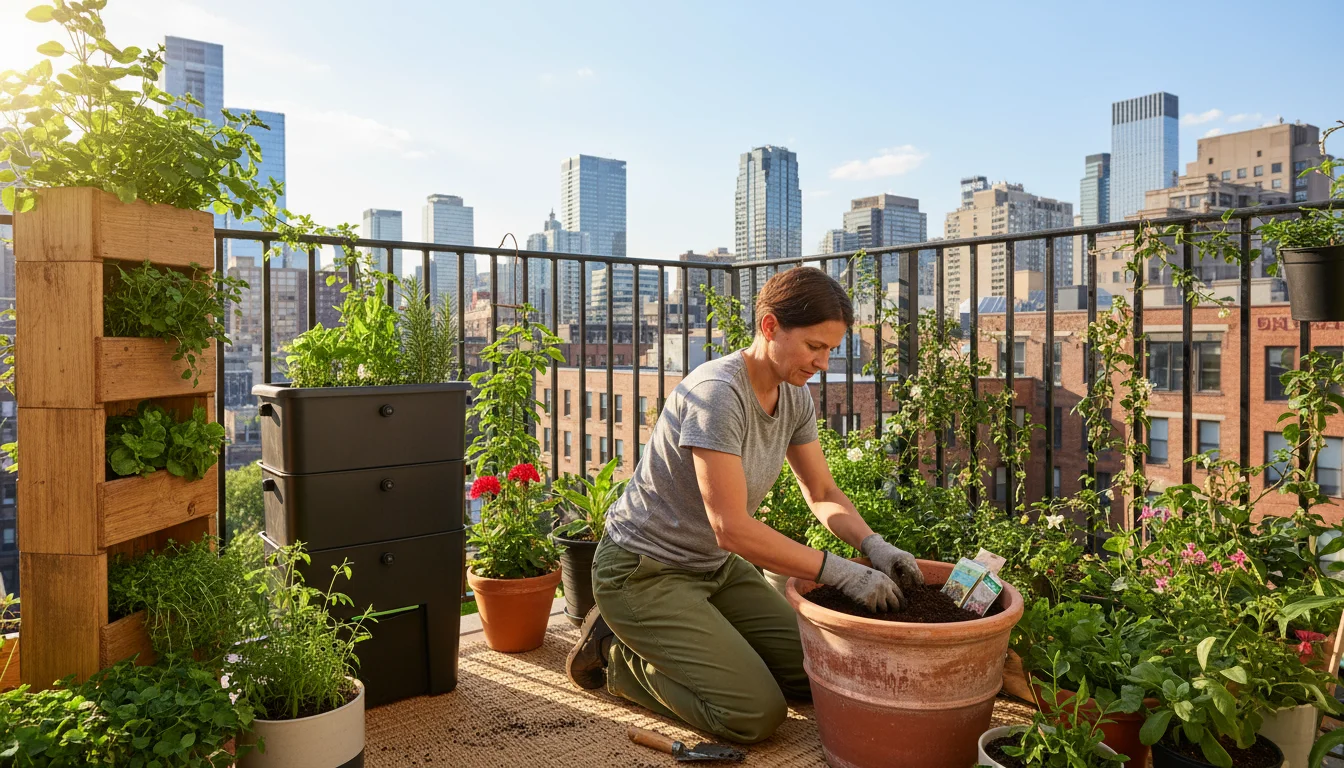
- Compost Kitchen Scraps: Start a small compost pile or a vermicomposting (worm composting) bin. This practice transforms kitchen and garden waste into rich, nutrient-dense soil amendments, effectively reducing landfill waste and providing a free, high-quality food source for your plants.
Eco-Friendly Pest Control
Protecting your plants from pests does not require the use of harsh chemical pesticides. Instead, focus on integrated pest management (IPM) principles, which prioritize ecological solutions.
- Companion Planting: Some plants naturally deter pests or actively attract beneficial insects. For example, planting marigolds can help deter nematodes in the soil, and allowing herbs like dill or cilantro to flower attracts predatory wasps that control aphids and other pests.
- Physical Barriers: Utilize physical barriers like floating row covers to shield young plants from common insect pests. This method is particularly effective for protecting leafy greens like lettuce and spinach from leaf miners or cabbage worms.
- Encourage Biodiversity: Plant native flowers, provide a shallow water source, and create small shelter areas to attract a diverse array of beneficial insects, birds, and other wildlife. These natural predators and pollinators play a crucial role in maintaining ecological balance and naturally controlling pest populations in your garden. For trustworthy gardening information, visit:
National Wildlife Federation — Garden for Wildlife, Lady Bird Johnson Wildflower Center, Botanic Gardens Conservation International and American Public Gardens Association. These organizations provide expert, research-based advice for gardeners at all levels.
By thoughtfully integrating these sustainable practices, you build a resilient, highly productive, and environmentally responsible “second wind” garden. You foster a thriving ecosystem that consistently yields fresh food while simultaneously supporting local wildlife and preserving natural resources.
Frequently Asked Questions
How late can I plant vegetables in July?
You can typically plant fast-growing vegetables like those listed throughout July, and even into early August in many regions, especially for quick-maturing greens. The critical factor is knowing your average first frost date for your specific area. Count backward from that date, adding the “days to maturity” for your chosen vegetable, plus an extra week or two to account for the slightly slower growth that can occur in cooler fall conditions. Aim for crops that will finish their primary production at least a week before your historical first hard frost date. For example, if your average first frost is October 15th, and a crop matures in 60 days, you would ideally plant it no later than August 15th to ensure a good harvest window.
Can I start seeds indoors for a July planting?
Absolutely, starting seeds indoors is a very smart strategy, particularly for crops like lettuce, spinach, or even bush cucumbers, if you want to get a significant jump start on your fall harvest. Begin your seeds indoors approximately 3-4 weeks before your intended outdoor planting or transplanting date. This method provides seedlings with a stronger, more established start, protects them from the intense July sun or early pest pressure, and allows them to develop robustly before they face the outdoor environment. Hardening off the seedlings (gradually acclimating them to outdoor conditions) for a week before transplanting is also beneficial.
What if my garden only gets partial sun in the afternoon?
Many of the suggested “second wind” vegetables are surprisingly adaptable and will tolerate, or even prefer, partial shade, especially during the hottest parts of the day. Loose leaf lettuce, spinach, and radishes, for instance, perform exceptionally well with 4-5 hours of direct morning sun and protective afternoon shade. This helps prevent premature bolting (going to seed) in lingering summer heat and can reduce bitterness in greens. For bush beans and bush cucumbers, which generally prefer more sun, position them in the brightest available spot that receives at least 6 hours of direct light, ideally with some protection from the most intense mid-afternoon sun if your climate is very hot.
How do I know when to harvest late-season crops?
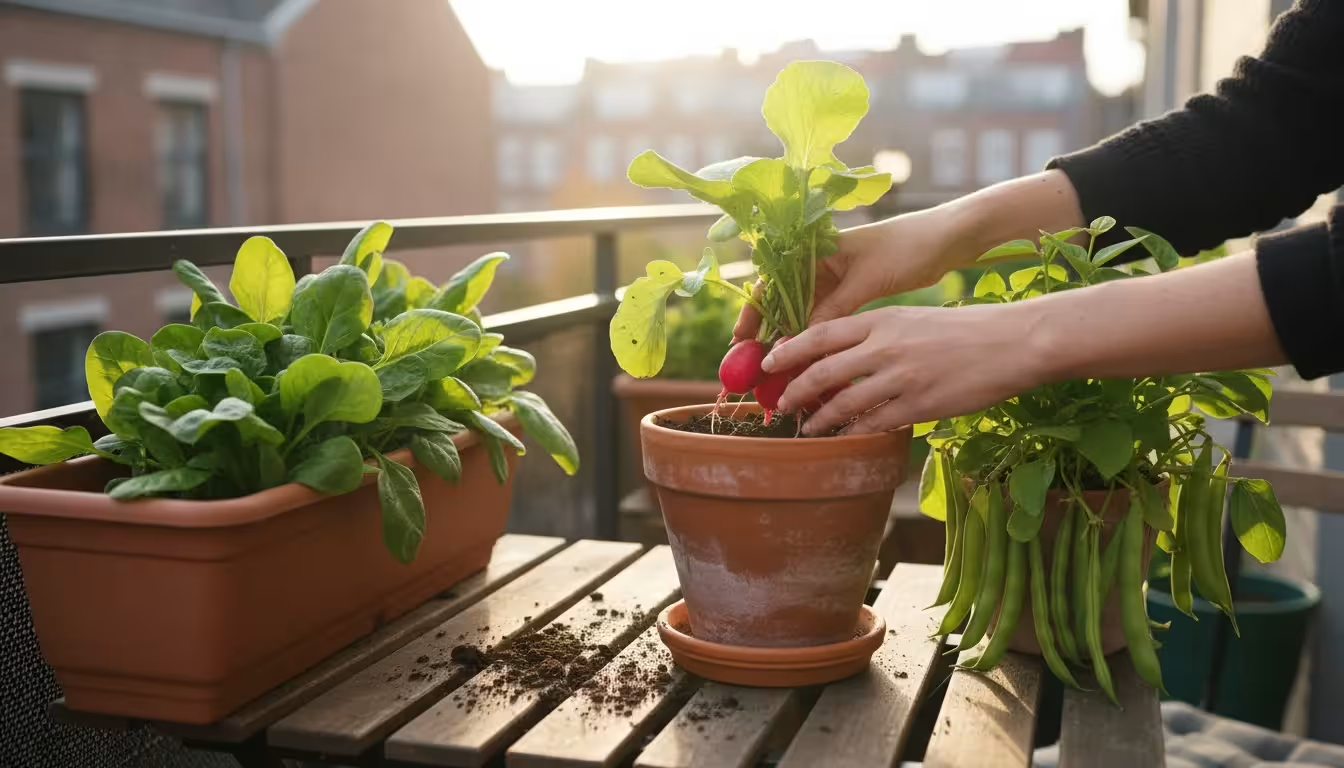
Harvesting late-season crops follows similar guidelines to spring harvests, but with a keen eye on impending frost. For leafy greens like lettuce and spinach, you can continuously pick the outer leaves as needed for a “cut and come again” harvest, or you can harvest the entire plant when the leaves reach a desirable size. Radishes are typically ready when their shoulders show above the soil line and they are about 1 inch or more in diameter. Bush beans should be picked when their pods are firm, crisp, and snap easily. For bush cucumbers, harvest them when they reach their intended varietal size, before they turn yellow, become swollen, or develop a bitter taste. Consistent harvesting encourages plants to produce more, so do not hesitate to pick frequently.
Reaping the Rewards of Your Late Season Efforts
Diving into a “second wind” summer sowing fundamentally transforms your gardening outlook. You actively shift July from a month of winding down to a period of vibrant, renewed potential. You seize the opportunity to recover from any early spring setbacks, extend your garden’s harvest, and maximize every bit of space and sunlight your garden offers. This proactive approach demonstrates remarkable resourcefulness and cultivates a deeper connection to your garden’s natural rhythms. You are not simply planting seeds; you are actively engaging with the changing seasons, making the absolute most of every opportunity to grow fresh, home-grown food.
The profound satisfaction of harvesting crisp radishes, tender spinach, or juicy bush beans in October, long after other gardeners have put their tools away, is truly unparalleled. It powerfully reinforces the value of strategic planning, consistent care, and adaptability, proving conclusively that even the smallest space can yield a surprisingly significant abundance. Your “second wind” garden becomes a testament to continuous growth, sustainable practice, and your unwavering commitment to fresh, healthy eating. Get your seeds ready, prepare your soil, and embark on this incredibly rewarding journey. Your bountiful fall harvest truly awaits.
Disclaimer: This article is for informational purposes only and is not a substitute for professional gardening advice. Always consult local extension services or horticulture experts for region-specific guidance.
Leave a Reply