
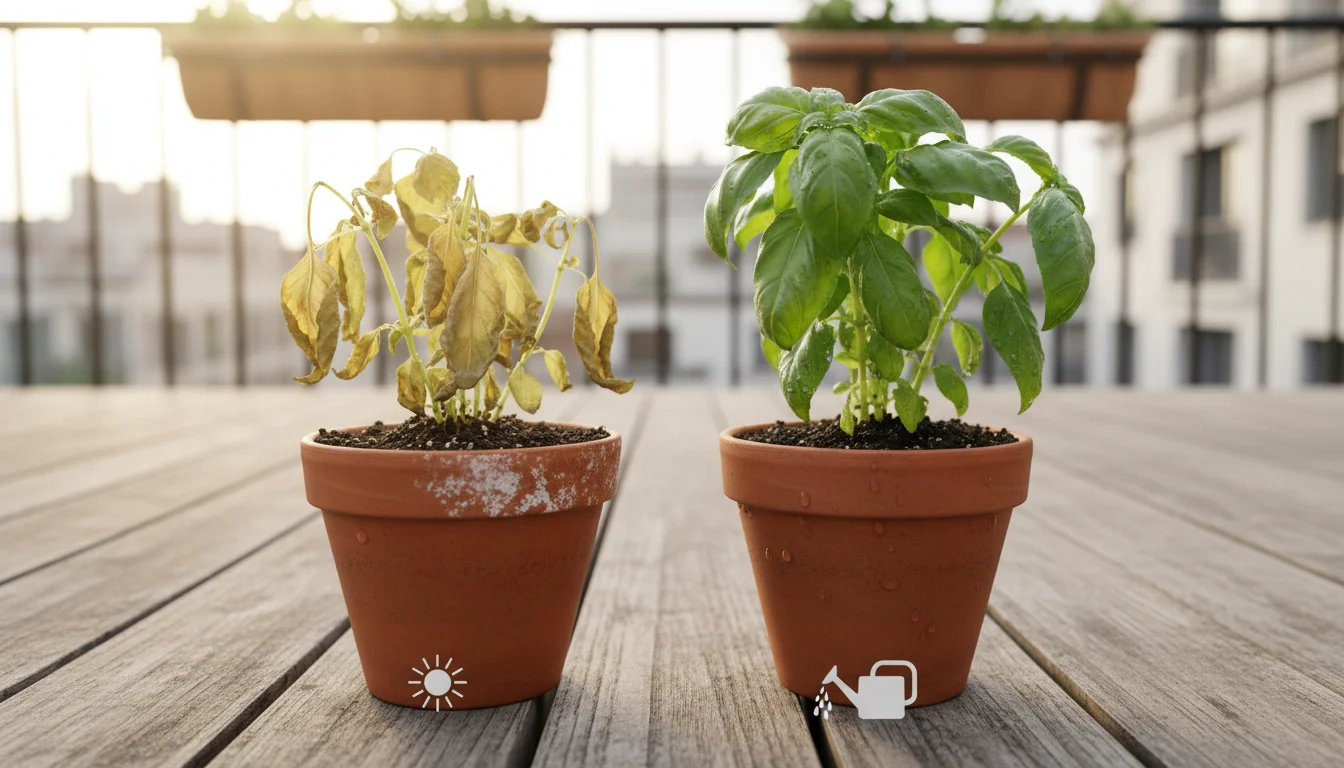
Summer on your balcony brings sunshine and warmth, which sounds ideal for plants. However, these same conditions often lead to a common, puzzling problem for many gardeners: crispy leaves.
When you see your plant’s once vibrant green foliage turning dry, brittle, and brown, you immediately ask, “Is it getting too much sun, or not enough water?”
Deciphering these vital signs can feel like solving a mystery, especially for those new to gardening or working with limited space in pots.
To protect your pots during extreme temperatures, check out our comprehensive guide on how to keep plants alive in heat waves.
Before diving in, it is also helpful to make sure you are not accidentally making other common balcony garden mistakes that could stress your plants.
As your dedicated gardening coach, I understand the frustration and concern that comes with seeing your beloved balcony plants struggle. This guide empowers you to visually diagnose whether your plant is suffering from sun scorch or simply needs a drink.
You will learn the distinct characteristics of each issue, understand their underlying causes, and gain practical, actionable steps to revive your plants and prevent future problems.
We will move past guesswork, providing clear insights into your plant’s health, ensuring your small garden space remains a thriving oasis.
Contents8 sections
- Understanding the Basics: Why Crispy Leaves Happen
- The Tell-Tale Signs of Sun Scorch on Leaves
- Decoding Thirst: Identifying Underwatering in Potted Plants
- Overwatering: A Less Obvious Culprit for Crispy Leaves
- Practical Solutions for Crispy Leaves and Stressed Plants
- Long-Term Prevention for a Thriving Balcony Garden
- Optimizing Your Balcony Space for Plant Health
- Frequently Asked Questions
Understanding the Basics: Why Crispy Leaves Happen
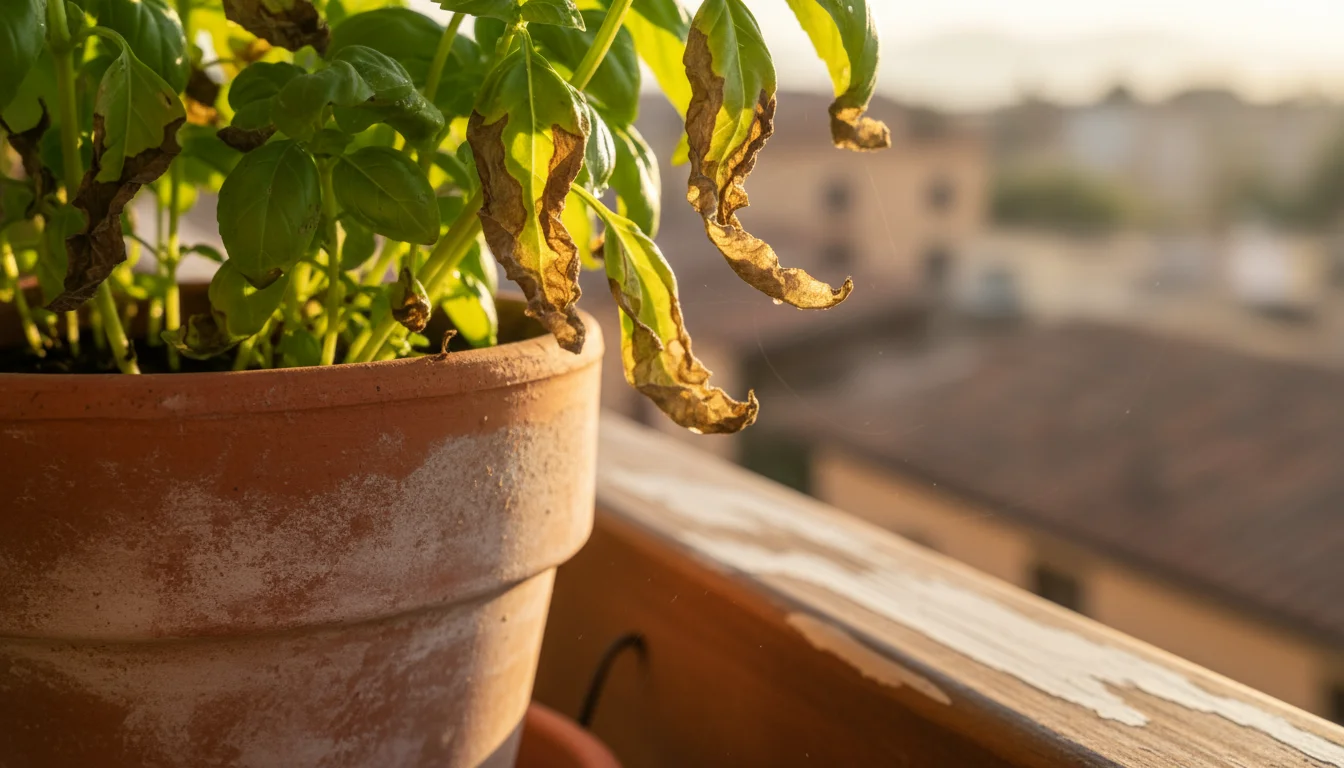
Crispy leaves on your plants indicate stress. They represent the plant’s attempt to conserve moisture or protect itself from damage.
Think of your plant’s leaves as tiny solar panels, capturing sunlight to create energy through photosynthesis. They also act as vital organs for respiration and transpiration, processes that involve water movement.
When these delicate systems face environmental challenges, the leaves often show the first signs of distress. Understanding the core functions of leaves helps you appreciate why their condition reflects the plant’s overall health.
If your overall garden is looking weary mid-season, you can follow a simple three-step recharge plan to breathe life back into tired containers.
If your balcony experiences intense direct sunlight, you can safeguard your setup using our balcony heat dome survival guide to protect your potted plants.
The two most common reasons for crispy plant leaves, especially in container gardens on balconies, are excessive sun exposure, known as sun scorch on leaves, and insufficient watering. While both result in dry, brittle foliage, their visual cues and specific patterns of damage differ significantly.
A third, less intuitive reason, can be overwatering, which leads to root issues that prevent water uptake, mimicking drought stress. Learning to differentiate these issues is your first step toward becoming a more confident and responsive gardener.
Your balcony plants, confined to pots, experience environmental conditions differently than garden beds. Container soil heats up faster, dries out quicker, and offers less buffer against extreme temperatures or inconsistent watering.
This makes them particularly susceptible to the very issues we will discuss. By understanding these fundamentals, you gain a clearer picture of why these plant leaf problems manifest so readily in your small-space garden.
The Tell-Tale Signs of Sun Scorch on Leaves
Sun scorch, often called sunburn, occurs when intense sunlight overpowers a plant’s protective mechanisms. Just like your skin, plant leaves can burn.
This damage primarily affects the outermost leaves, those most directly exposed to the sun’s harsh rays. Recognizing what sunburned plant leaves look like involves observing specific patterns and colors.
Learning to recognize early signs of sun damage is a critical part of beating summer heat stress in compact spaces.
Visual Cues for Sun Scorch:
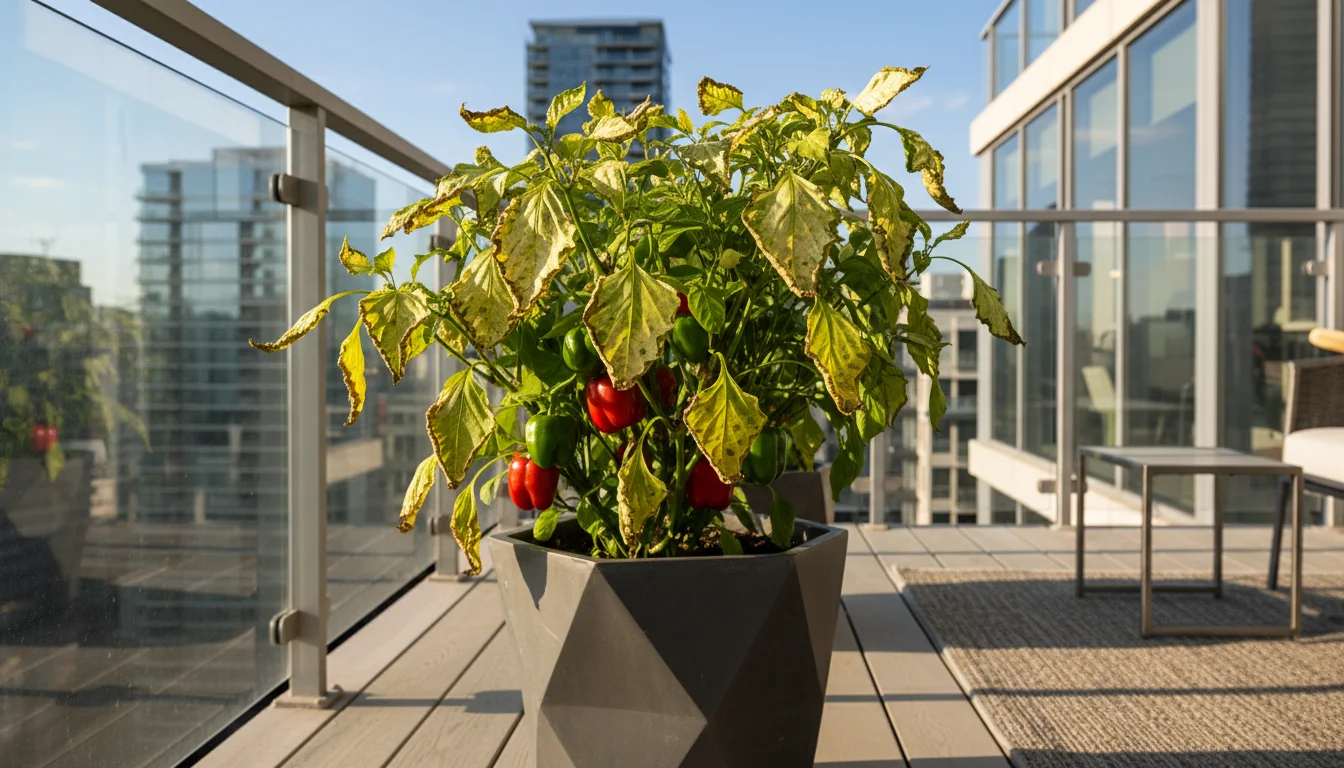
- Bleached or Washed-Out Patches: Early signs often include light green, yellow, or even white patches on the parts of the leaves facing the sun. This color change happens as chlorophyll, the green pigment, breaks down.
- Crispy Brown Edges and Tips: As sun damage progresses, these bleached areas turn dry, brown, and brittle, particularly along the leaf margins and tips. These crisp areas feel like thin paper.
- Targeted Damage: Sun scorch usually appears on the upper leaves or on one side of the plant, specifically the side exposed to the most intense, direct sunlight. Lower, shaded leaves often remain unaffected.
- Spotting and Holes: In severe cases, especially on broad-leaf plants, scorched areas can become so dry they crack, leading to holes or tears in the leaf tissue.
- Rapid Onset: You might notice sun scorch appearing relatively quickly after a sudden heatwave or moving a plant into a sunnier spot without proper acclimatization.
Consider a patio tomato plant moved from a partially shaded nursery to a full-sun balcony without gradual introduction. Its leaves, accustomed to less intense light, may develop bleached, then crispy brown patches within a few days.
Similarly, delicate herbs like basil or mint, which prefer some afternoon shade, will show these `sun scorch on leaves` symptoms if left in blistering direct sunlight all day.
Some plants are naturally more susceptible to sun scorch. These include shade-loving plants such as impatiens or hostas, plants with thin or delicate leaves, or varieties accustomed to cooler, cloudier climates.
If you have a plant known for preferring dappled light or afternoon shade, any crisping that aligns with direct sun exposure is a strong indicator of sun scorch.
Decoding Thirst: Identifying Underwatering in Potted Plants
Underwatering is perhaps the most common reason for crispy leaves in potted plants, especially during hot summer months. Your plant’s need for water increases dramatically with heat, wind, and low humidity.
When soil dries out excessively, the plant cannot draw up enough moisture to maintain its turgor pressure, which keeps leaves firm and upright. This leads to a distinct set of `signs of underwatering in pots` that you can easily learn to recognize.
While summer heat is a major factor, understanding how to adjust your watering during erratic spring weather with our goldilocks watering guide will establish a healthier foundation.
If you are planning to travel during the warm season, you will also want to check out our beginner’s guide to keeping your container garden alive while you are away.
The material of your container also determines how quickly it dries out; you can learn more about this in our guide on how different pot materials affect your plants.
Visual Cues for Underwatering:
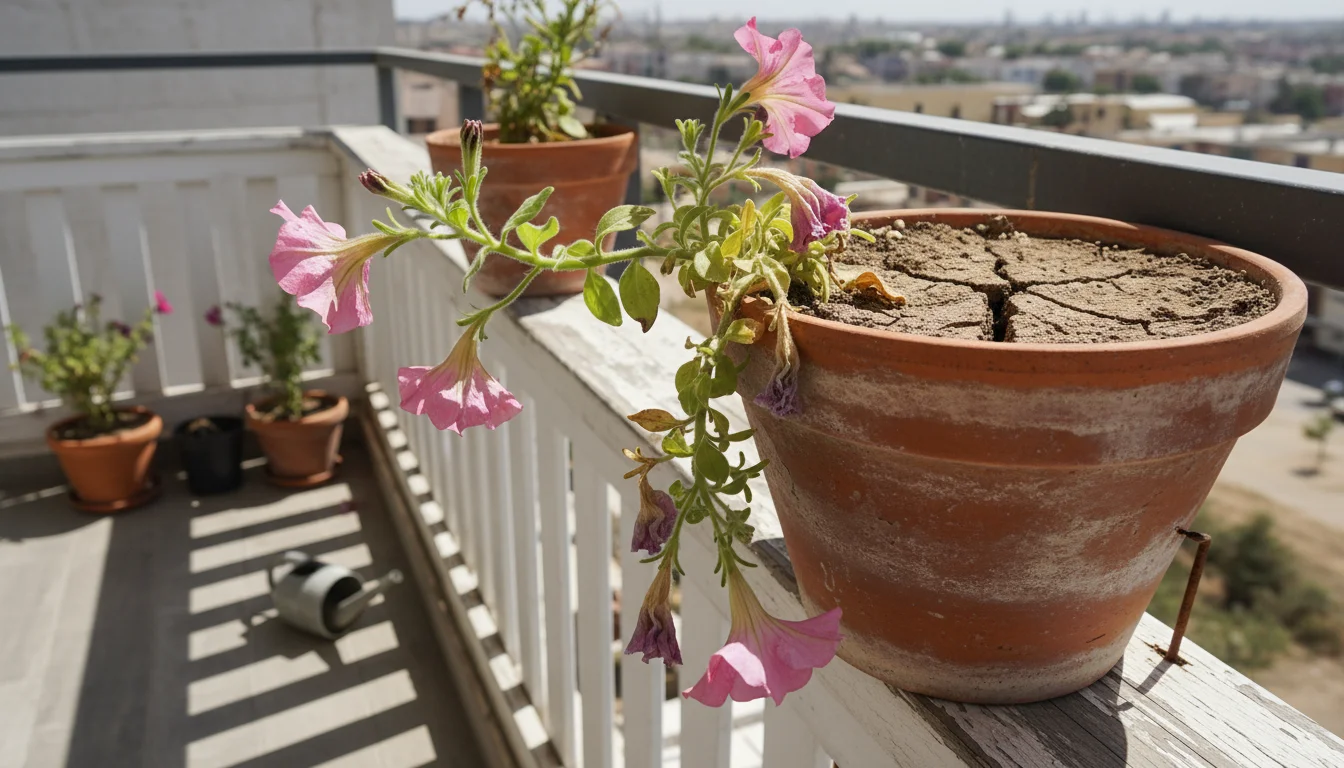
- Overall Wilting and Drooping: Before leaves become crispy, an underwatered plant often looks tired and droopy. Stems may sag, and leaves lose their rigidity, hanging limply. This is a crucial early indicator.
- Crisping from Edges Inward: Unlike sun scorch that might target specific exposed areas, underwatering often causes leaves to crisp up from their edges, moving inward. The entire leaf may eventually become dry and brittle.
- Yellowing of Lower Leaves: Plants prioritize water for new growth. When thirsty, they often sacrifice older, lower leaves, which yellow and then crisp up as the plant reabsorbs their moisture.
- Stunted Growth: A consistently underwatered plant will exhibit slow or halted growth, and any new leaves will be smaller than usual.
- Pale, Dull Foliage: The vibrant green color might fade, replaced by a duller, paler hue as the plant struggles.
- Dry, Cracking Soil: The most straightforward diagnostic is the soil itself. If the potting mix is bone dry, pulling away from the sides of the pot, and feels extremely light when you lift the container, your plant is undoubtedly thirsty.
Consider a potted petunia on a windy balcony during a heatwave. If you forget to water it for a day or two, you first observe its beautiful blooms and leaves drooping significantly.
If left unwatered, those droopy leaves will begin to turn brown and crispy, starting from the edges, often affecting the entire plant uniformly rather than just the top leaves.
Similarly, a rosemary plant, generally drought-tolerant, will still show `signs of underwatering in pots` through wilting stems and crispy needle-like leaves if neglected for too long in a small container.
The weight of the pot serves as an excellent indicator. A well-watered pot feels heavy, full of moist soil.
An underwatered pot feels noticeably light, almost empty. This simple trick helps you gauge moisture levels without even touching the soil.
Overwatering: A Less Obvious Culprit for Crispy Leaves
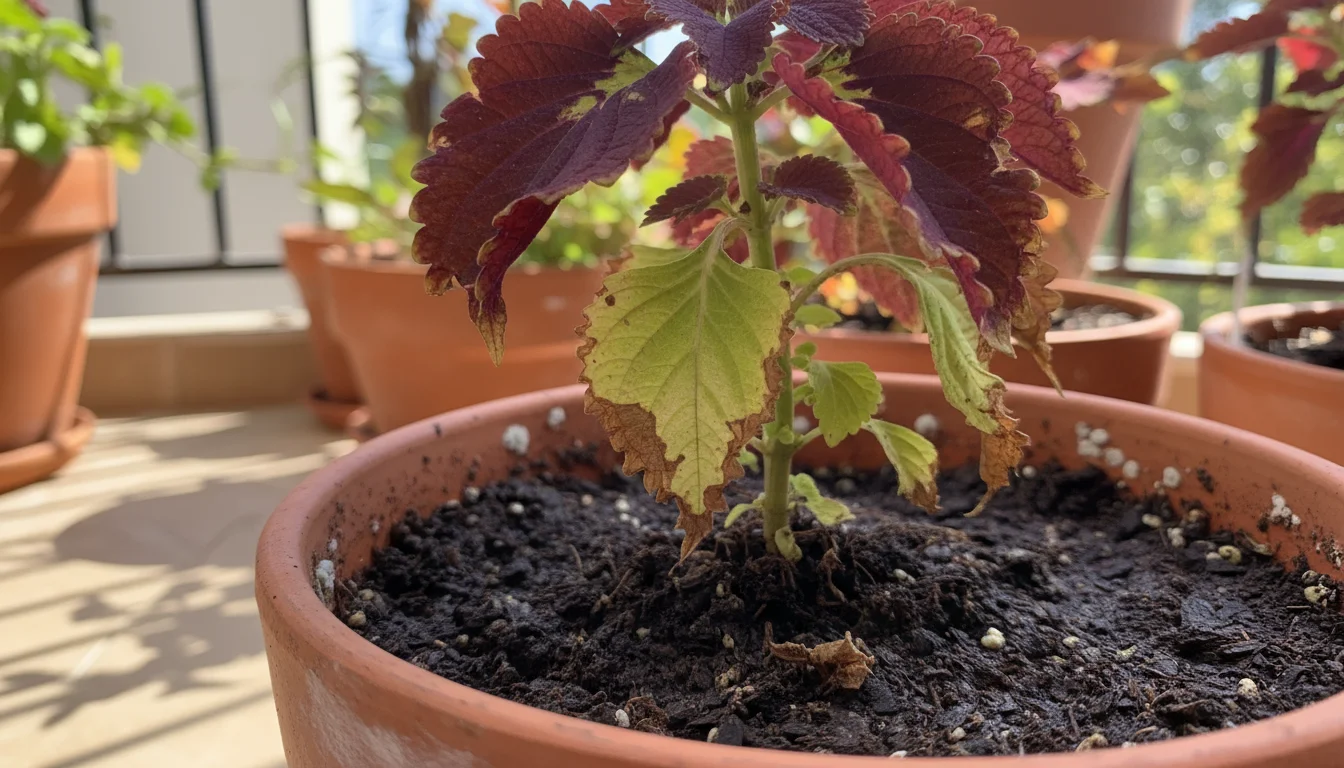
While counterintuitive, overwatering can also lead to crispy leaves, mimicking the `signs of underwatering in pots`. This is where the distinction between `underwatering vs overwatering` becomes crucial for effective diagnosis.
When you overwater a plant, the soil becomes waterlogged, depriving the roots of oxygen. Roots need oxygen to function properly and absorb water and nutrients.
Without it, they essentially drown and begin to rot. This condition is called root rot.
If you suspect root issues, performing a soil autopsy at the end of the season can reveal exactly what your potting mix is trying to tell you.
If you find yourself overwatering, it is helpful to learn how to adjust your container watering schedule as seasons transition.
Visual Cues for Overwatering Leading to Crispy Leaves:
- Yellowing, Soft Leaves First: The initial symptom of overwatering is typically yellowing leaves, often starting at the bottom of the plant. Unlike thirsty plants, these leaves often feel soft and mushy, not yet crispy.
- Stunted, Dark Growth: New growth may be stunted and appear dark, sometimes even black, due to lack of oxygen.
- Crispy Leaves Follow: As root rot progresses, the damaged roots can no longer absorb water effectively, even if the soil is moist. The plant experiences physiological drought, leading to leaves turning brown and crispy, often starting from the tips or margins. This looks similar to severe underwatering, but the root cause is different.
- Foul Odor and Mushy Stems/Roots: If you gently tip the plant out of its pot, you might notice roots that are brown, black, and mushy, emitting a foul, sulfur-like smell. Healthy roots are typically white or tan and firm. Stems near the soil line might also feel soft or mushy.
- Persistent Wet Soil: The soil in an overwatered pot remains constantly soggy, often taking a very long time to dry out between waterings. Algae or fungus might grow on the soil surface.
Imagine a plant in a pot without drainage holes, or one sitting in a saucer of standing water. The roots suffocate.
You might water it frequently, thinking it looks thirsty because its leaves are turning yellow and then crispy. However, upon inspection, the soil remains saturated, and the roots are rotting.
This critical distinction in `underwatering vs overwatering` guides your recovery strategy. If you mistake overwatering for underwatering and add more water, you worsen the problem.
Always check the soil moisture level deeply before deciding to water, and ensure proper drainage.
Practical Solutions for Crispy Leaves and Stressed Plants
Once you have diagnosed the `plant leaf problems`, taking immediate, targeted action can save your plant. Here are step-by-step solutions for addressing sun scorch, underwatering, and overwatering.
Even if your plants do not survive, remember that learning from a failed balcony garden can be your best teacher for future success.
If you want to reflect on what went wrong, doing a summer balcony regret audit helps you fix common mistakes in your plan for next year.
If your whole setup is looking a bit tired during the peak of the season, try our mid-summer recharge plan to restore your balcony planters.
Addressing Sun Scorch
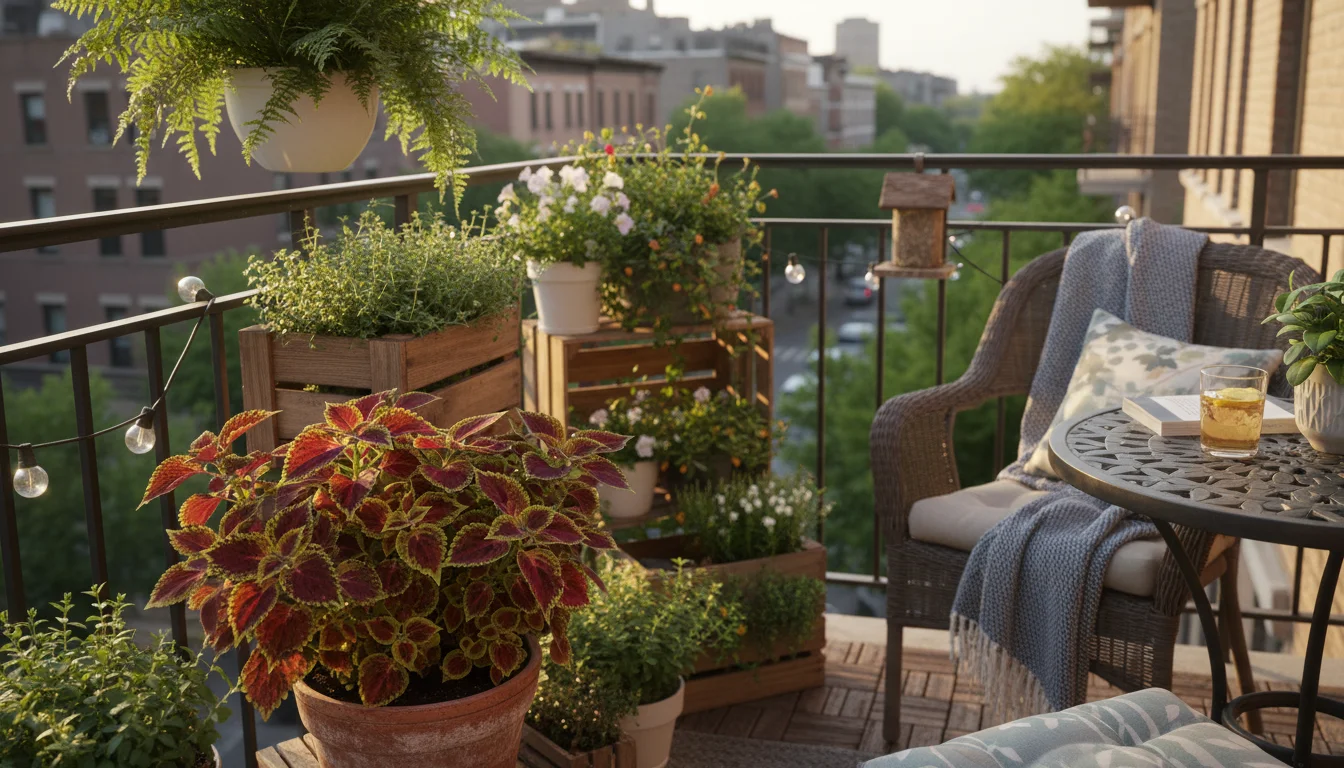
- Move the Plant: The most direct solution is to relocate the affected plant to an area with less intense direct sunlight. A spot that receives morning sun and afternoon shade is often ideal for plants prone to sun scorch. You can also use a small shade cloth or strategically place a taller, sun-loving plant to create dappled shade for a sensitive neighbor.
- Increase Humidity: Some plants suffer sun scorch more readily in dry, hot air. Misting the foliage early in the morning can help, but ensure good air circulation to prevent fungal issues. For balcony gardens, grouping plants can create a microclimate with slightly higher humidity.
- Do Not Prune Immediately: Resist the urge to cut off all the sun-scorched leaves right away. While unsightly, they still offer some shade to the lower, healthier leaves and may continue to photosynthesize to a limited extent. Remove severely damaged, completely brown leaves after the plant has recovered from stress.
- Ensure Adequate Watering: Plants in full sun, even those that prefer it, require more water. Dehydration exacerbates sun scorch. Maintain consistent soil moisture, especially during heatwaves.
Resolving Underwatering
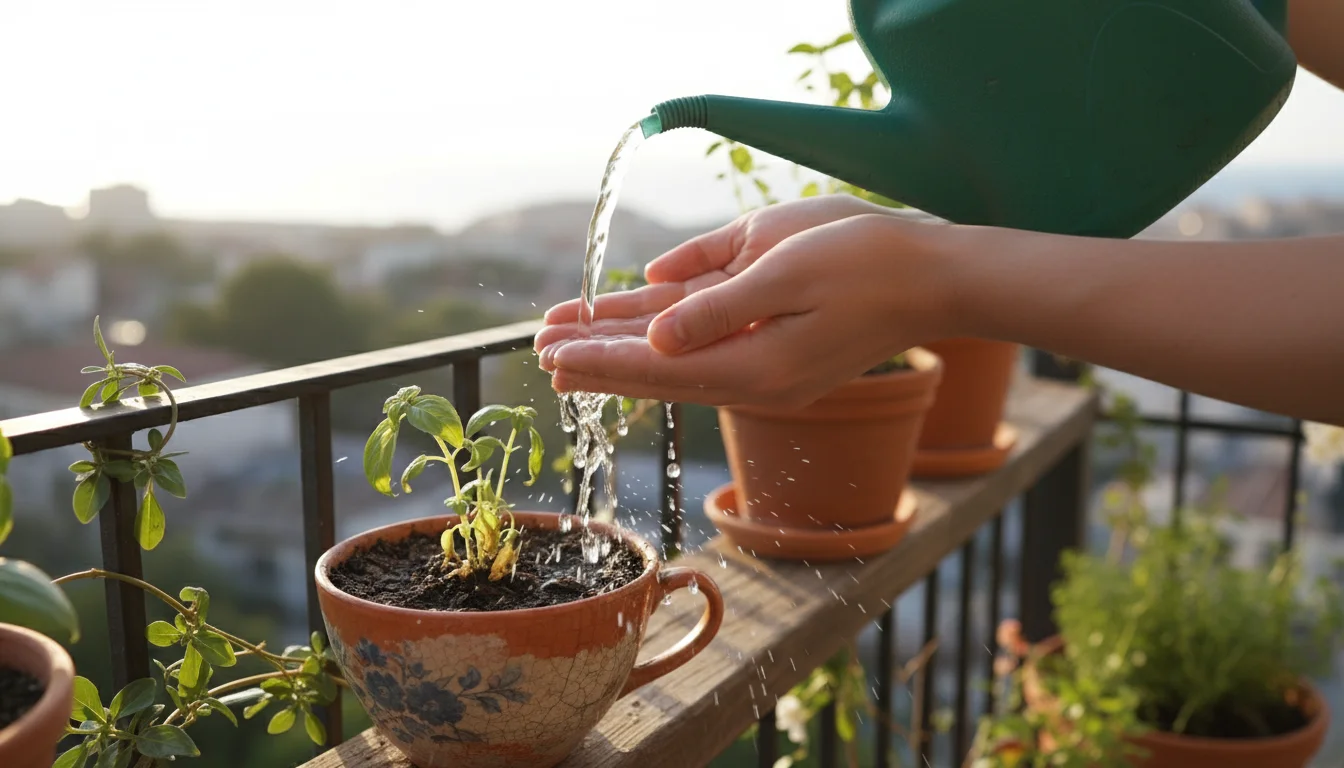
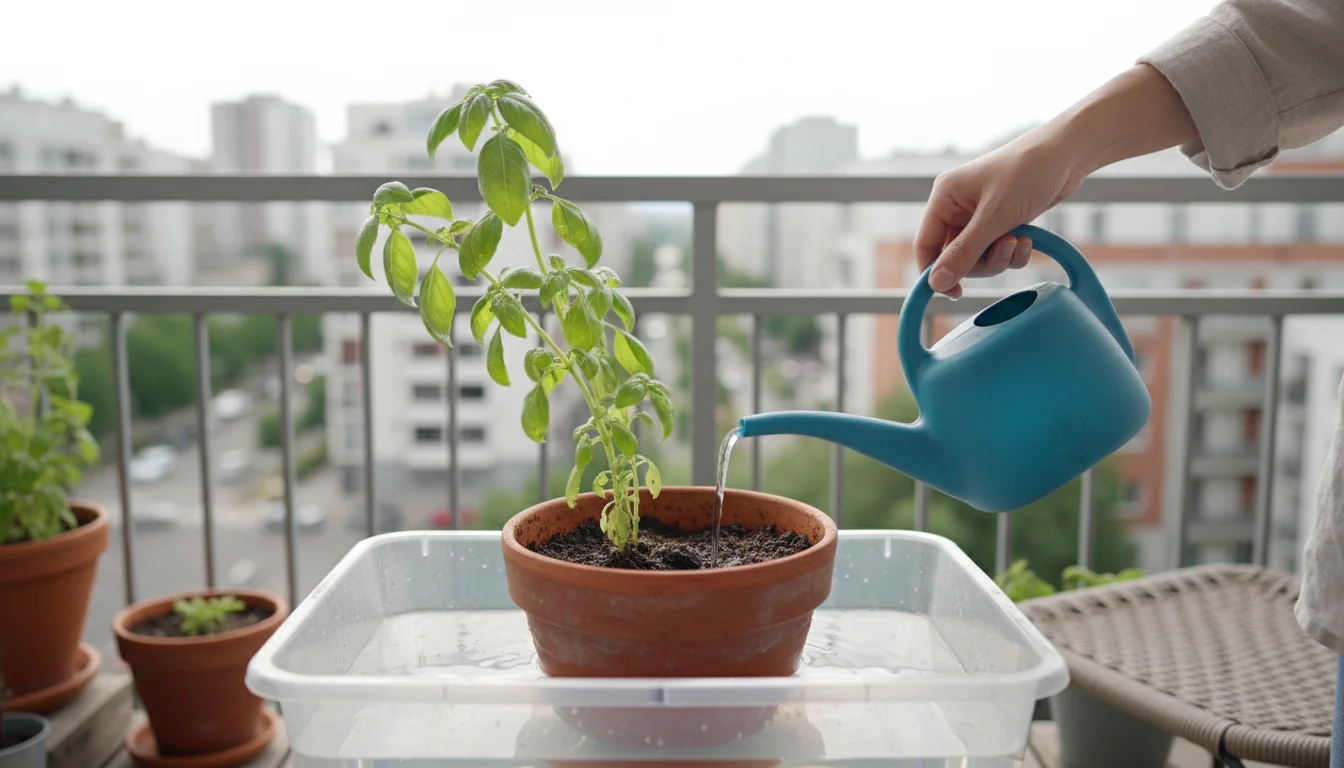
- Deep and Thorough Watering: If your plant is showing `signs of underwatering in pots`, give it a deep, slow drink. Water until it flows freely from the drainage holes. For very dry soil that has pulled away from the pot, the water might run straight through. In this case, use the “bottom-watering” method: place the pot in a basin of water for 30 minutes to an hour, allowing the soil to absorb water from the bottom up.
- Check Soil Moisture Regularly: Make it a habit to check the soil moisture with your finger. Stick your finger two inches deep into the soil. If it feels dry, it’s time to water. This simple method helps you understand your plant’s specific watering needs, which can vary based on plant type, pot size, and weather.
- Consider Pot Material and Size: Terra cotta pots dry out faster than plastic or glazed ceramic pots. Smaller pots also dry out quicker than larger ones. Adjust your watering frequency accordingly.
- Mulch the Soil Surface: Adding a layer of organic mulch (like coco coir, wood chips, or pea gravel) to the top of your pot helps reduce water evaporation from the soil, keeping it moist for longer. This is an excellent eco-friendly practice for water conservation.
Correcting Overwatering
- Stop Watering Immediately: The first step is to cease all watering until the top few inches of soil are completely dry.
- Improve Drainage: If your pot lacks drainage holes, repot the plant into a container with adequate holes. If it has drainage holes, ensure they are not blocked. Elevate the pot slightly off the saucer to prevent water from pooling underneath.
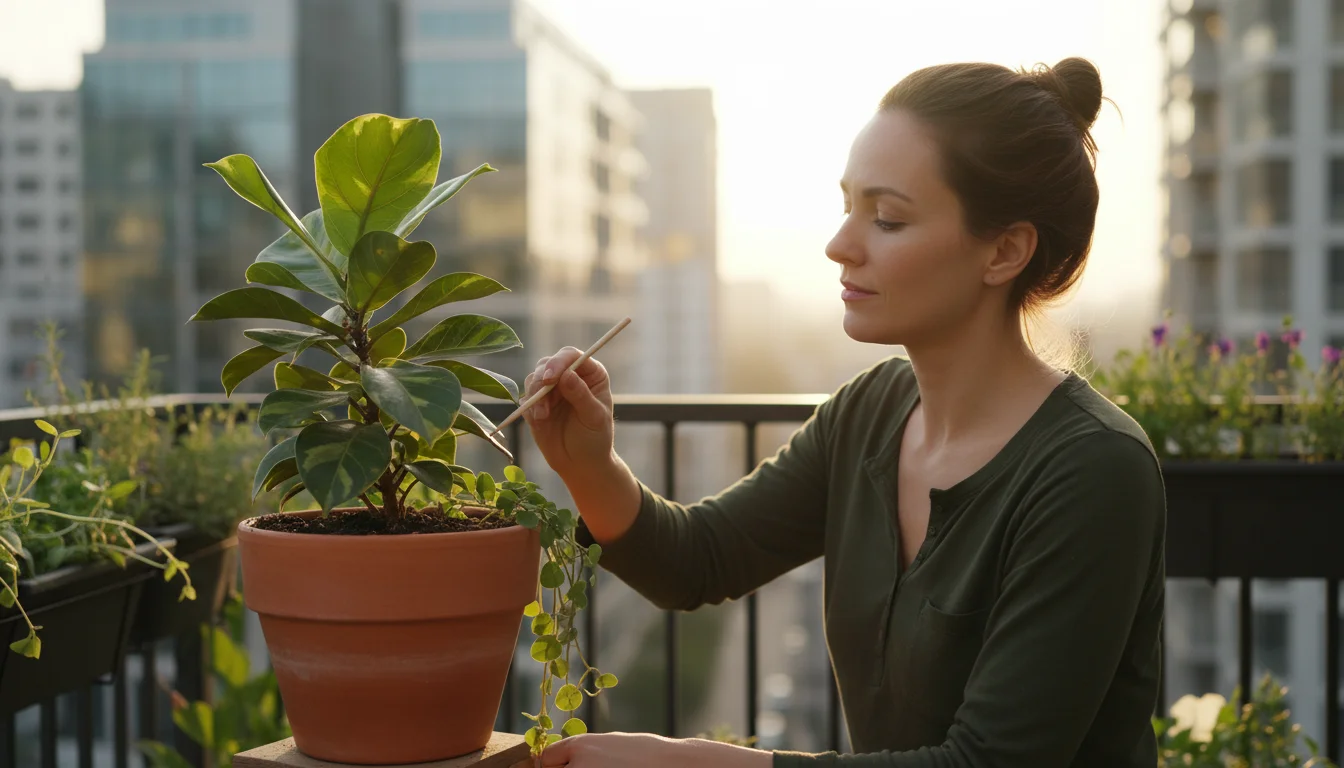
- Aerating the Soil: Gently poke holes into the soil with a chopstick or thin dowel. This helps introduce oxygen to the roots and speeds up drying.
- Inspect Roots: Carefully remove the plant from its pot. Trim away any mushy, black, or foul-smelling roots with clean, sharp scissors. Repot into fresh, well-draining potting mix, if necessary, using a clean pot.
- Adjust Watering Habits: Adopt a “water less frequently, but thoroughly” approach. Allow the top soil layer to dry out before watering again. This is key to preventing future `underwatering vs overwatering` confusion.
Long-Term Prevention for a Thriving Balcony Garden
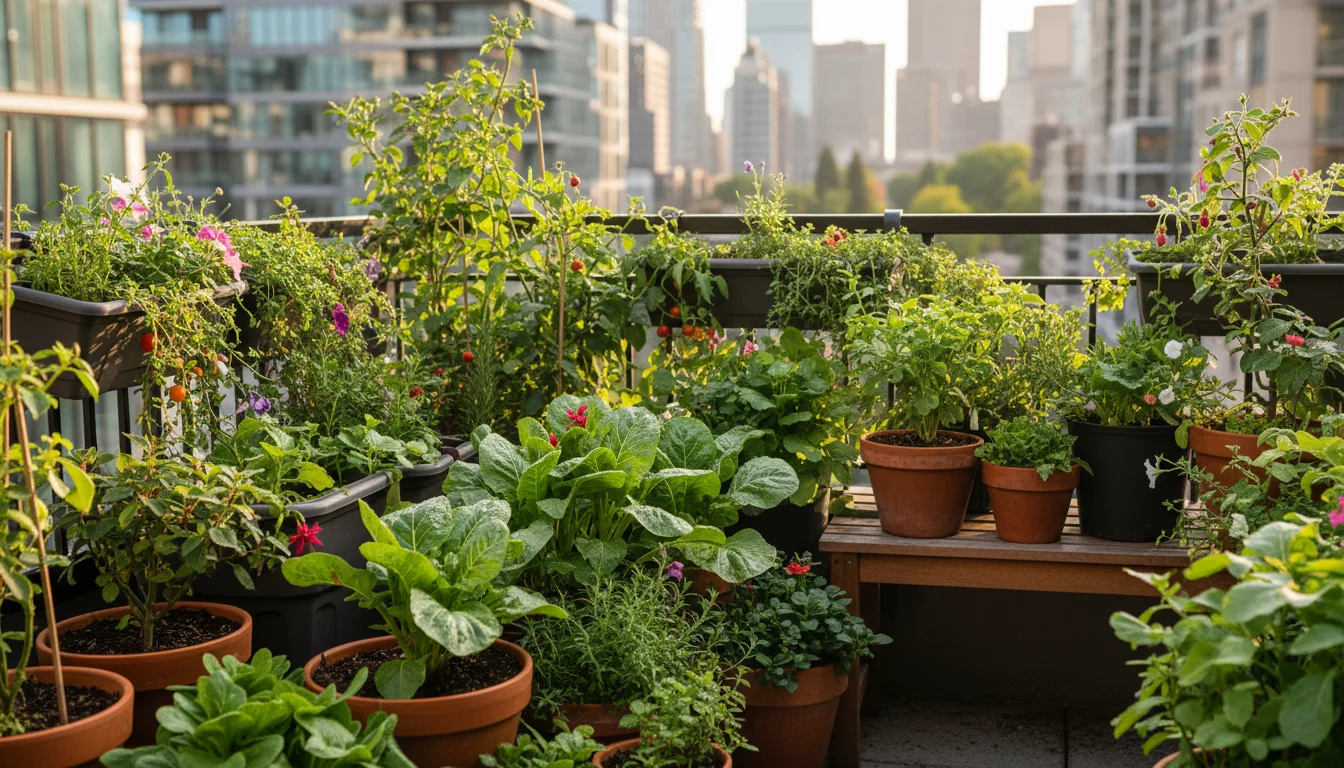
Prevention is always better than cure. By implementing thoughtful strategies, you can significantly reduce the incidence of `plant leaf problems` like crispy leaves in your balcony garden.
Smart Plant Selection and Placement
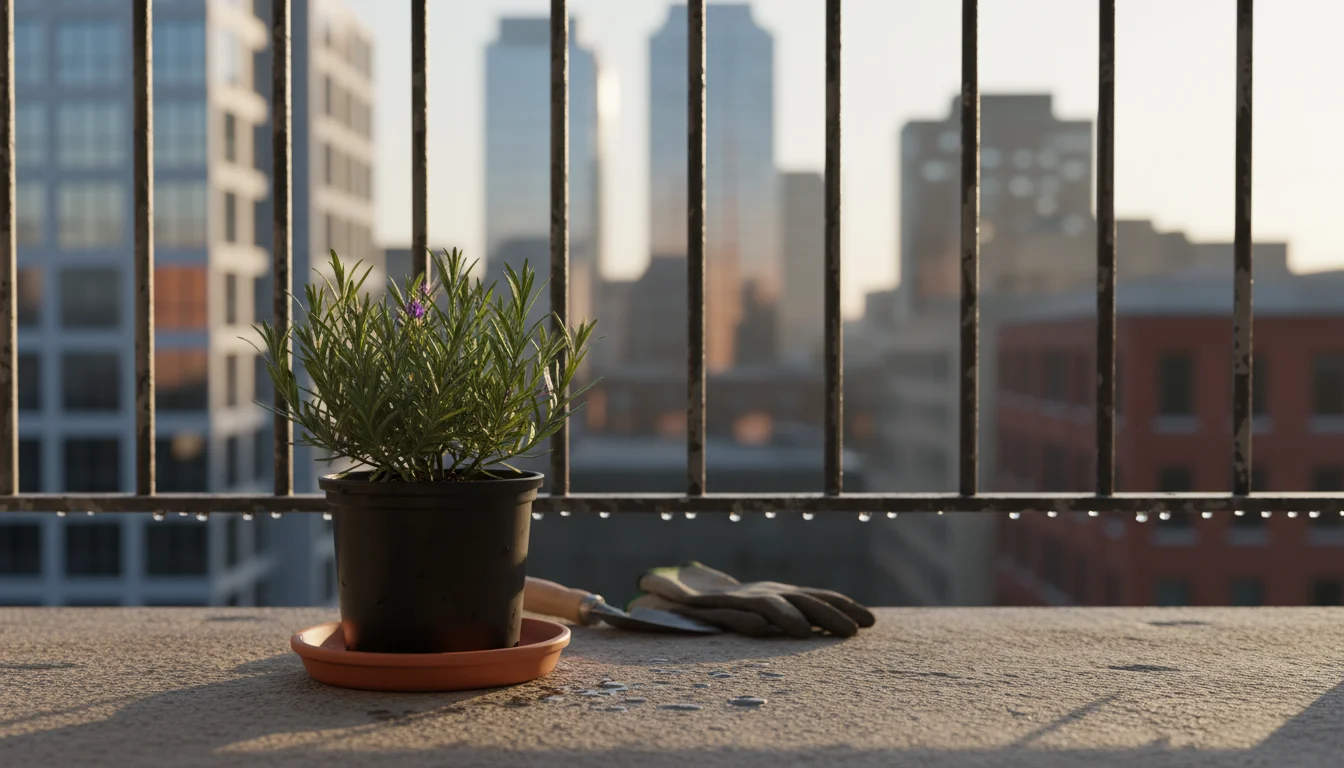
- Choose the Right Plants for Your Sun Exposure: Before you buy, research a plant’s sun requirements. If your balcony gets blistering afternoon sun, opt for heat-tolerant and sun-loving plants like certain succulents, portulaca, or many Mediterranean herbs (lavender, rosemary, thyme). For shadier spots, choose plants like impatiens, ferns, or fuchsias. Matching the plant to its environment is the single most effective preventative measure against `sun scorch on leaves`.
- Acclimatize New Plants: When bringing new plants home, especially from a greenhouse or a shadier spot, gradually introduce them to full sun. Start by placing them in an area with morning sun for a few hours, then slowly increase their exposure over a week or two. This “hardening off” period helps them adapt.
- Group Plants Strategically: Taller, sun-loving plants can provide natural shade for more delicate, shorter plants. Grouping plants together also creates a slightly more humid microclimate, benefiting all.
Optimizing Your Watering Routine
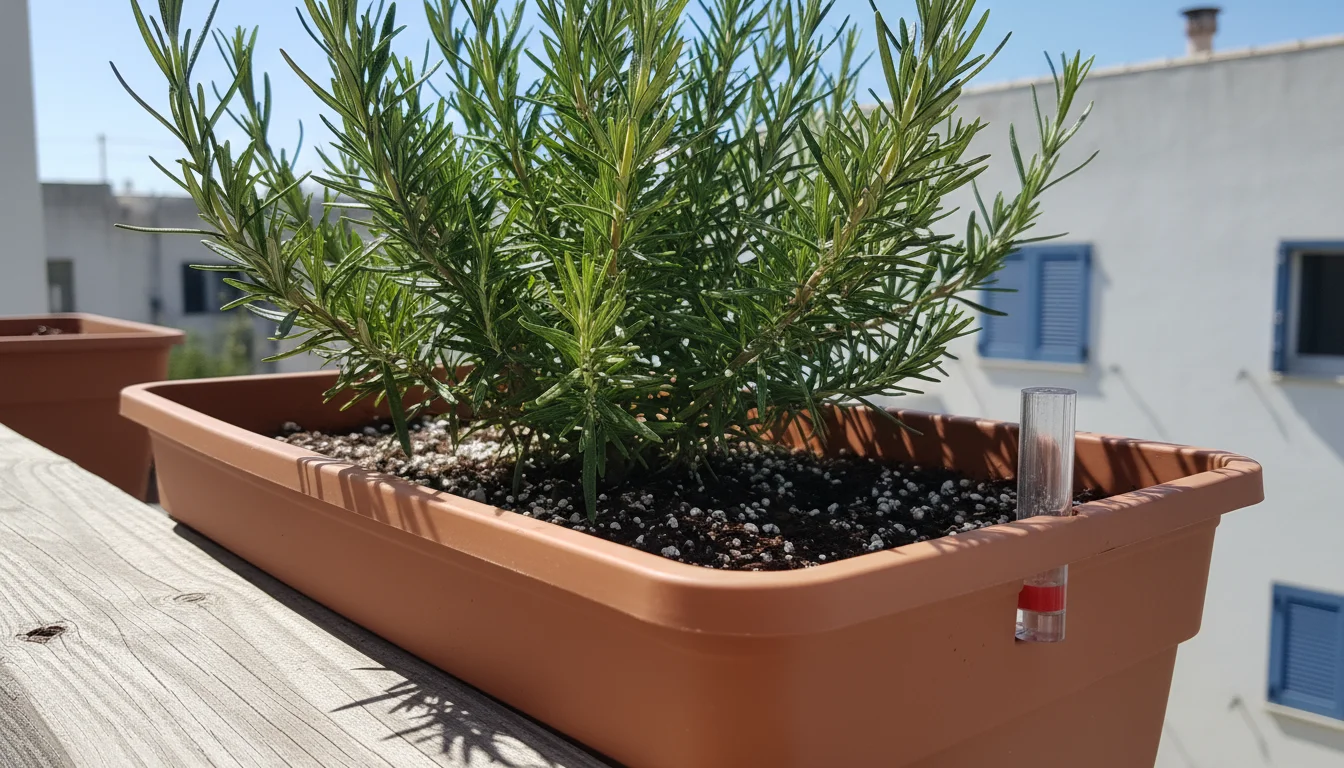
- Understand Your Potting Mix: A good quality potting mix for containers ensures proper drainage. It should retain enough moisture but not stay soggy. Avoid dense garden soil in pots, as it compacts and holds too much water, leading to `underwatering vs overwatering` issues. Look for mixes containing perlite or vermiculite for better aeration.
- Consistency is Key: Aim for consistent soil moisture. Allowing the soil to completely dry out and then drenching it (known as “feast or famine” watering) stresses plants. Daily checks and timely watering are more effective than sporadic, heavy watering.
- Consider a Self-Watering Planter: For busy gardeners or those with very thirsty plants, self-watering planters can be a game-changer. These planters have a reservoir that wicks water up to the plant roots, providing consistent moisture and reducing the frequency of manual watering. They are excellent for mitigating `signs of underwatering in pots`.
- Install a Simple Rain Gauge: If your balcony is partially exposed to rain, a small rain gauge can help you track natural precipitation, preventing unnecessary watering after a shower.
Protective Measures
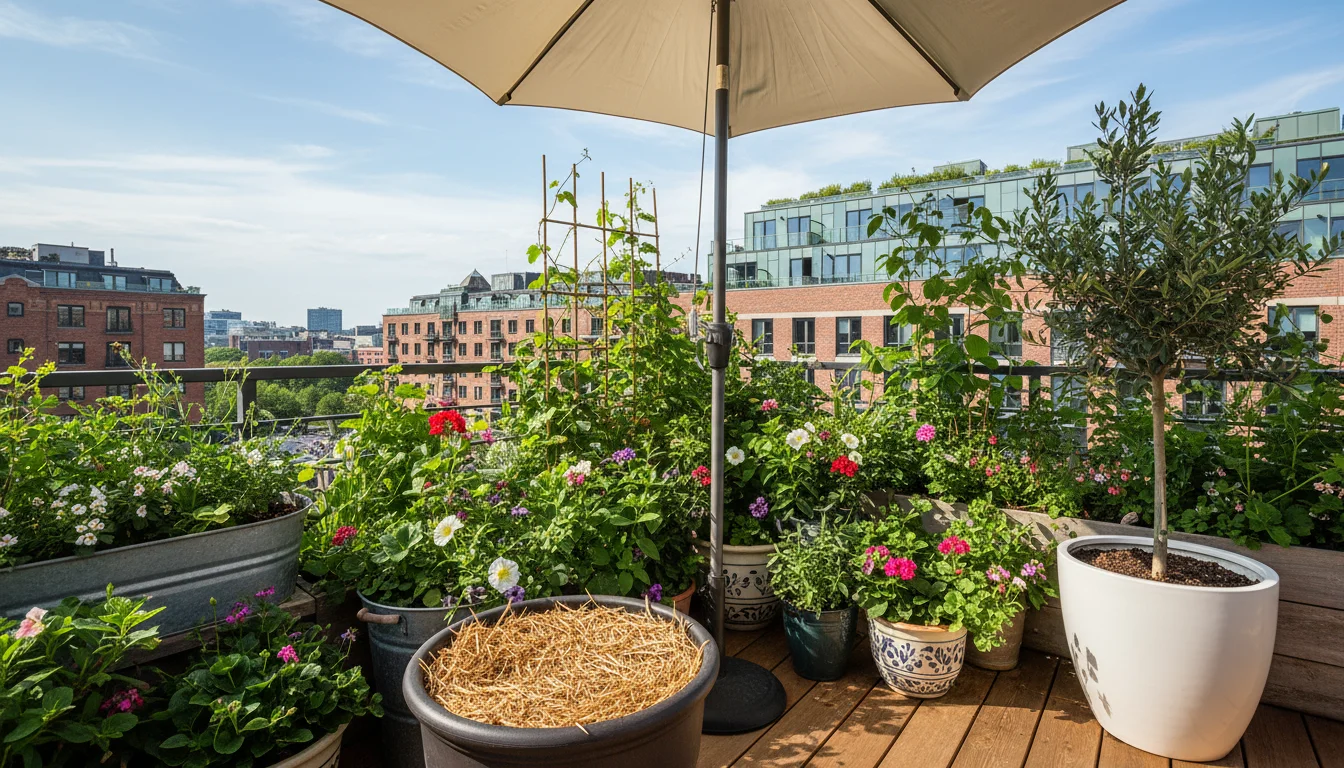
- Shade Cloths or Umbrellas: On scorching summer days, a temporary shade cloth or even a patio umbrella can provide essential relief for sensitive plants, preventing `what do sunburned plant leaves look like` from appearing.
- Mulching Pots: As mentioned before, a 1-2 inch layer of organic mulch (like straw, coco coir, or wood chips) on the soil surface of your pots significantly reduces water evaporation, keeps roots cooler, and helps suppress weeds. This is a simple, effective, and eco-friendly practice that helps maintain soil moisture.
- Check Pot Color: Dark-colored pots absorb more solar radiation and heat up faster than light-colored pots. In very hot climates, consider using lighter-colored containers or planting heat-tolerant plants in darker ones.
Optimizing Your Balcony Space for Plant Health
Your balcony or patio, despite its limited size, offers a unique opportunity to create a thriving micro-ecosystem. Strategic planning and a few thoughtful additions can make a significant difference in preventing `why are my plant leaves crispy` scenarios.
Harnessing Your Balcony’s Microclimates
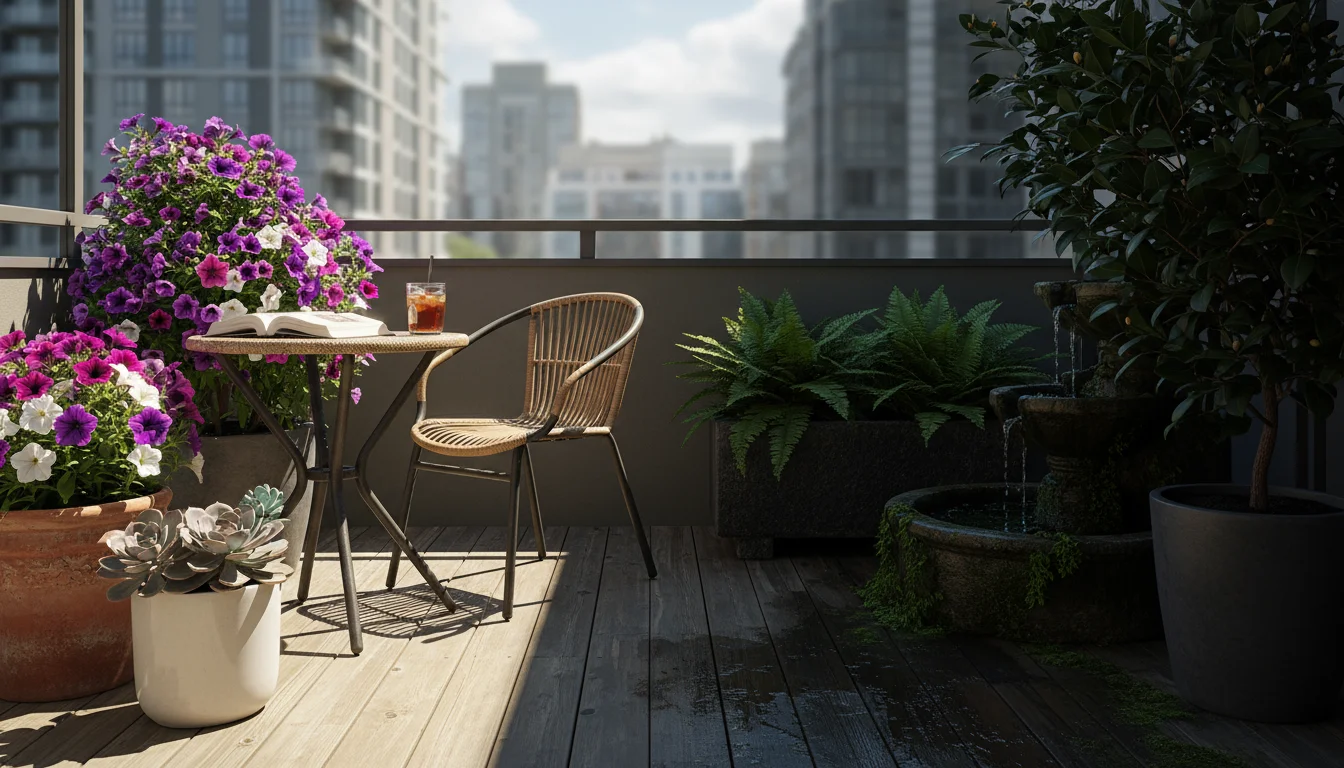
Every balcony has varying sun and shade patterns throughout the day. Observe your space.
Which areas get intense morning sun, afternoon sun, or dappled shade? Which areas are sheltered from wind, and which are exposed?
Create a simple sun map for your balcony. This observation informs your plant placement, ensuring you are not putting a shade-lover in direct afternoon sun or vice versa.
For example:
| Balcony Zone | Sun Exposure | Ideal Plants (Examples) | Common Issues Prevented |
|---|---|---|---|
| East-facing | Morning sun, afternoon shade | Herbs (mint, parsley), Impatiens, Fuchsias, Begonias | Prevents `sun scorch on leaves` for delicate plants. |
| West-facing | Afternoon sun, very hot | Succulents, Cacti, Lavender, Rosemary, Petunias | Reduces `signs of underwatering in pots` for sun-lovers. |
| South-facing | Full, intense sun all day | Tomatoes, Peppers, many annual flowers, Sunflowers | Requires diligent watering to prevent `why are my plant leaves crispy` from dehydration. |
| North-facing | Mostly shade, indirect light | Ferns, Hostas, Ivy, Peace Lily, Coleus | Avoids `what do sunburned plant leaves look like` entirely for shade plants. |
Understanding these microclimates lets you make informed choices, positioning plants where they will thrive and reducing the likelihood of `plant leaf problems` stemming from improper light.
Utilizing Vertical Space
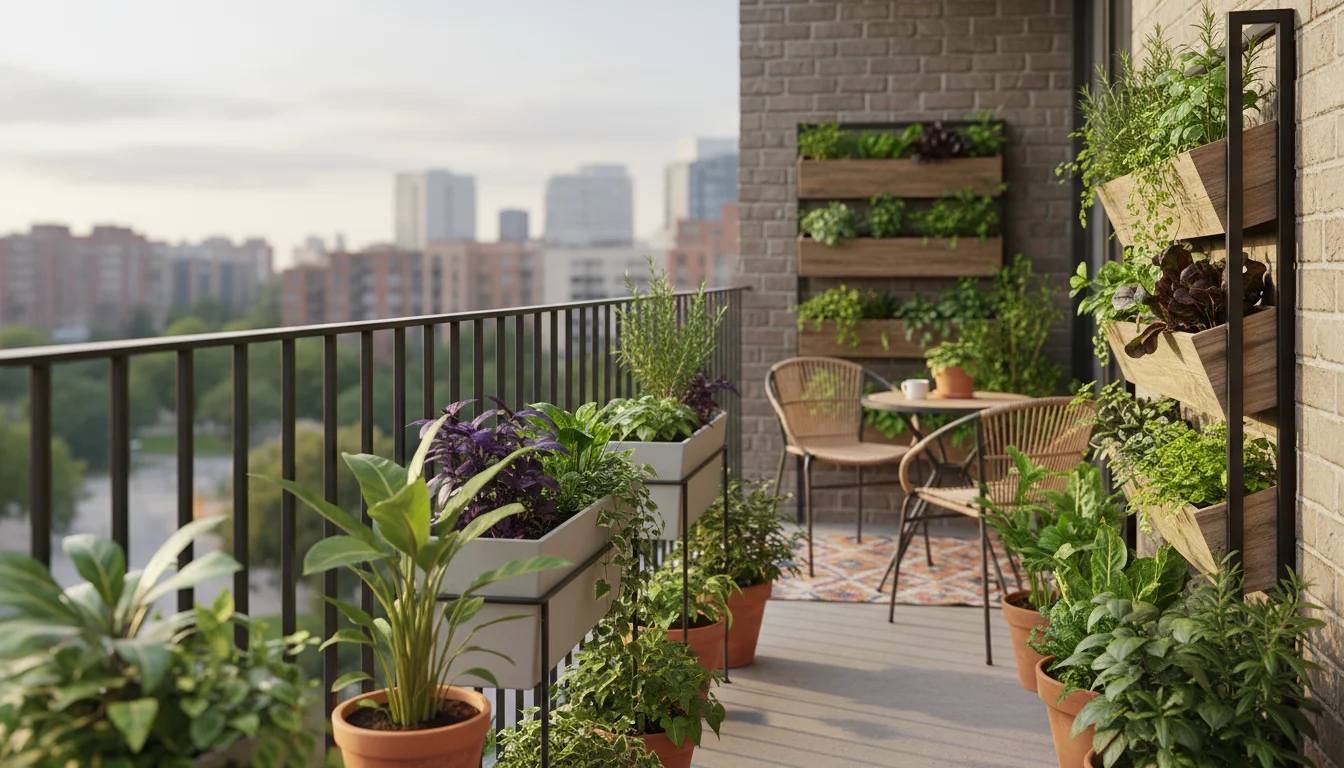
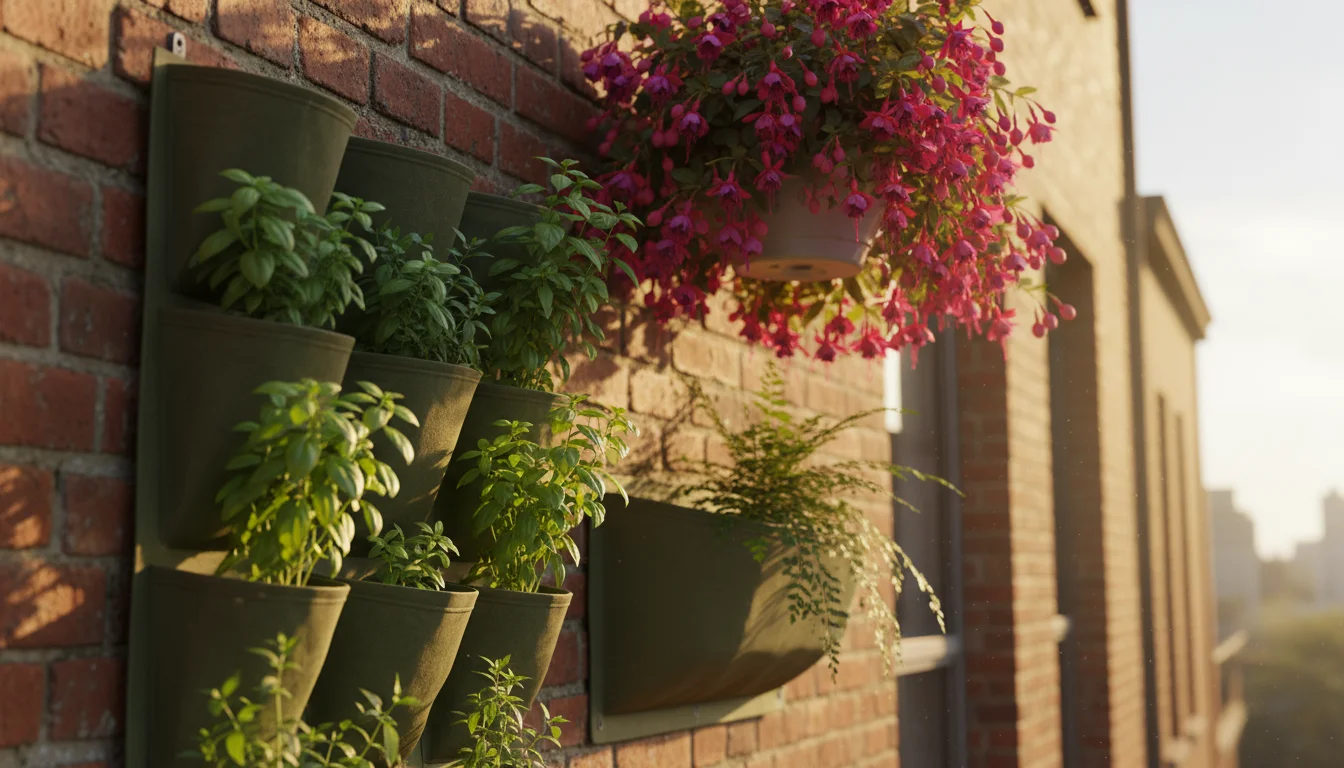
Vertical gardening solutions are excellent for small spaces. Consider tiered planters, wall-mounted pockets, or hanging baskets.
These options not only maximize your growing area but also allow you to control sun exposure more precisely. For instance, you can hang baskets with sun-sensitive plants in a spot that gets some overhead shade, while sun-loving plants sit on lower, exposed shelves.
Group Planting for Mutual Benefit
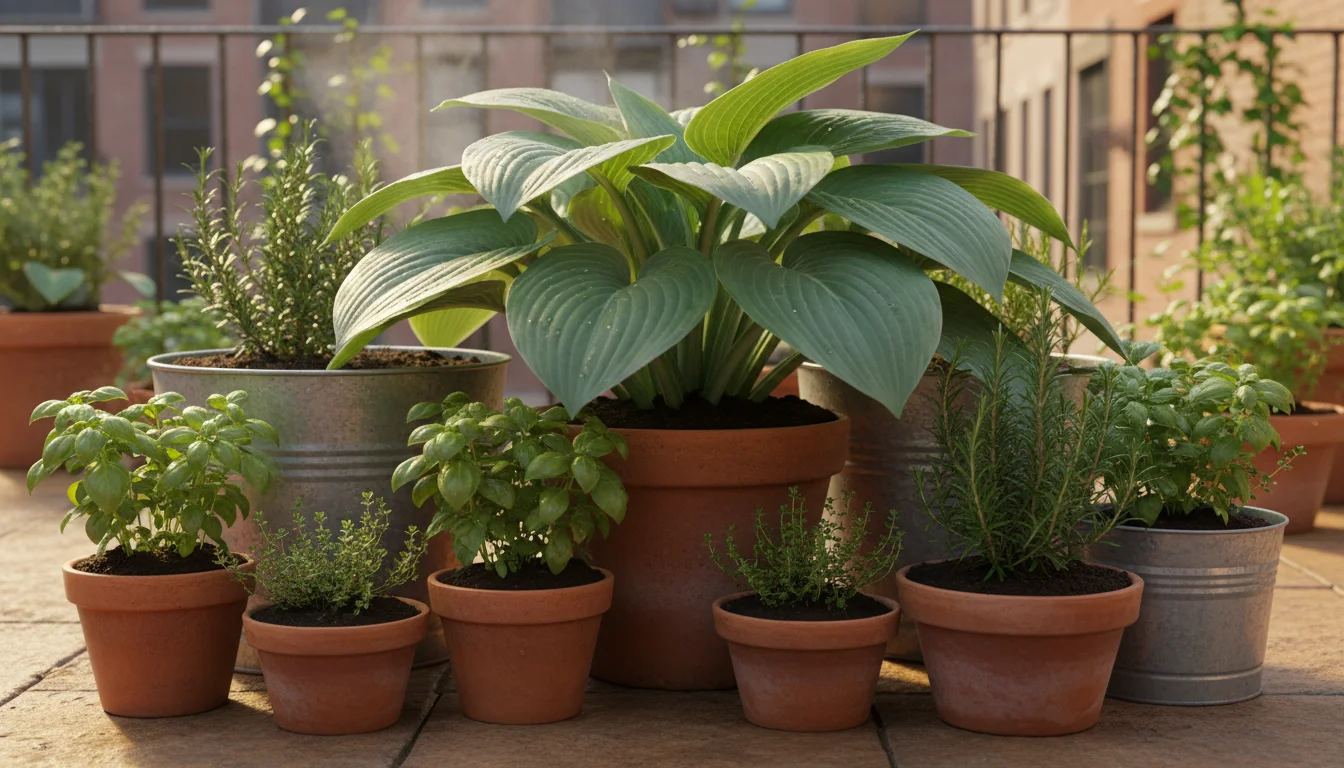
Creating plant groupings can significantly improve environmental conditions. When plants are placed close together, they create a small, more humid microclimate.
Their foliage provides a bit of shade for the soil, reducing evaporation and keeping root zones cooler. This is particularly beneficial during heatwaves, lessening the impact of both `sun scorch on leaves` and rapid soil drying.
Just ensure proper air circulation to prevent fungal diseases.
Regular Monitoring and Adaptability
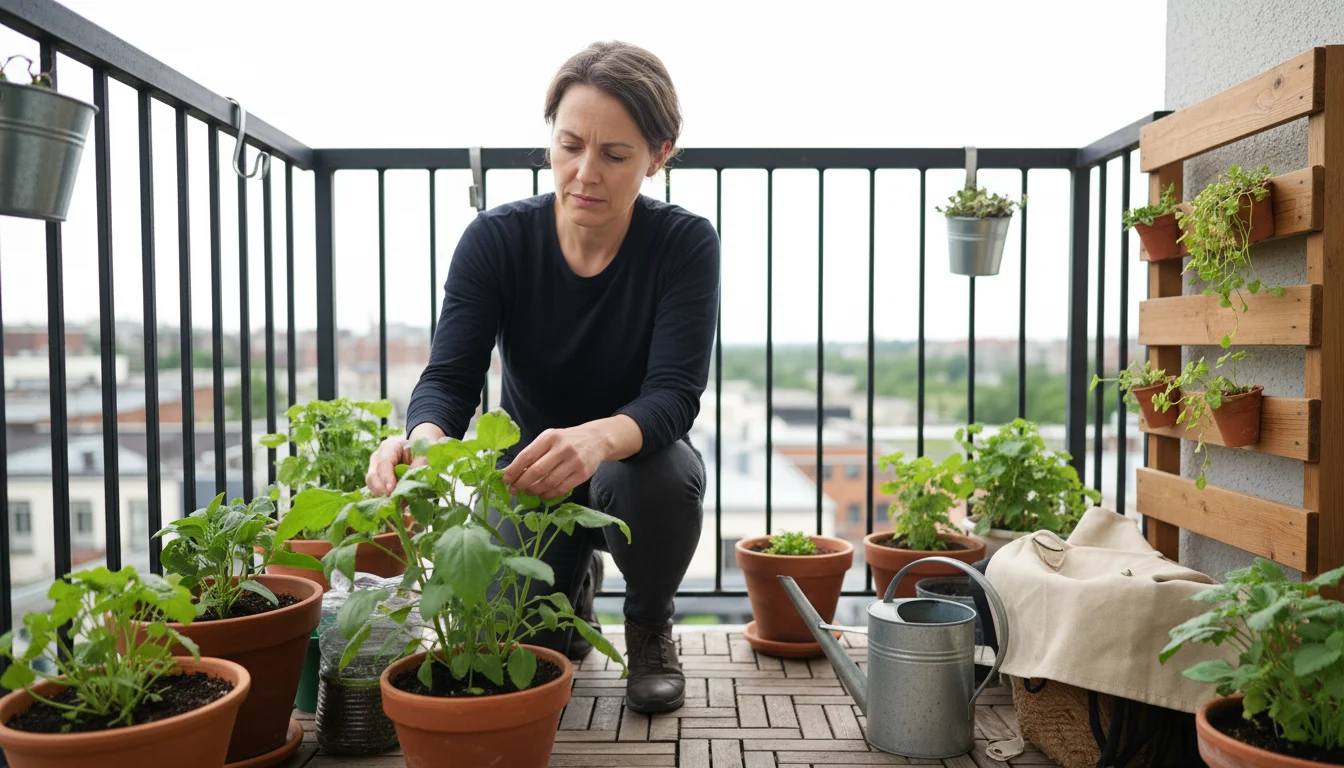
Your role as a gardener involves continuous observation. Walk around your balcony daily.
Touch the leaves, feel the soil, and observe the overall vigor of your plants. Summer conditions can change rapidly, with sudden heatwaves or unexpected rainy spells.
Be prepared to adjust your watering schedule, provide temporary shade, or even move plants indoors if extreme weather threatens. This proactive approach helps you catch issues like `why are my plant leaves crispy` early, making intervention much easier.
For trustworthy gardening information, visit:
Rutgers New Jersey Agricultural Experiment Station, University of Arizona Cooperative Extension — Gardening, University of Alaska Fairbanks Extension — Gardening, University of Georgia Extension — Gardening and Louisiana State University AgCenter — Lawn & Garden. These organizations provide expert, research-based advice for gardeners at all levels.
Frequently Asked Questions
Why are my plant leaves crispy even though I water regularly?
Crispy leaves, despite regular watering, often indicate either insufficient watering (not enough water at each session, or water running straight through dry soil), or ironically, overwatering leading to root rot. Root rot prevents the plant from absorbing water even when available.
Check your soil deeply. If it is dry two inches down, water more thoroughly.
If it is constantly soggy, improve drainage and check for mushy roots. Sun scorch can also cause crispiness regardless of water, so assess sun exposure.
Can crispy leaves recover, or should I cut them off?
Crispy, brown leaf tissue will not regain its green color or health. However, you should not immediately prune all damaged leaves.
If the damage is minor, the plant can still photosynthesize with the unaffected parts. If the plant is recovering from stress (like sun scorch or underwatering), wait until new growth appears and the plant stabilizes before removing the crispy leaves.
This gives the plant time to redirect energy and avoid further shock. Prune only completely dead leaves with clean, sharp tools.
How do I know if my plant is getting too much sun on a balcony?
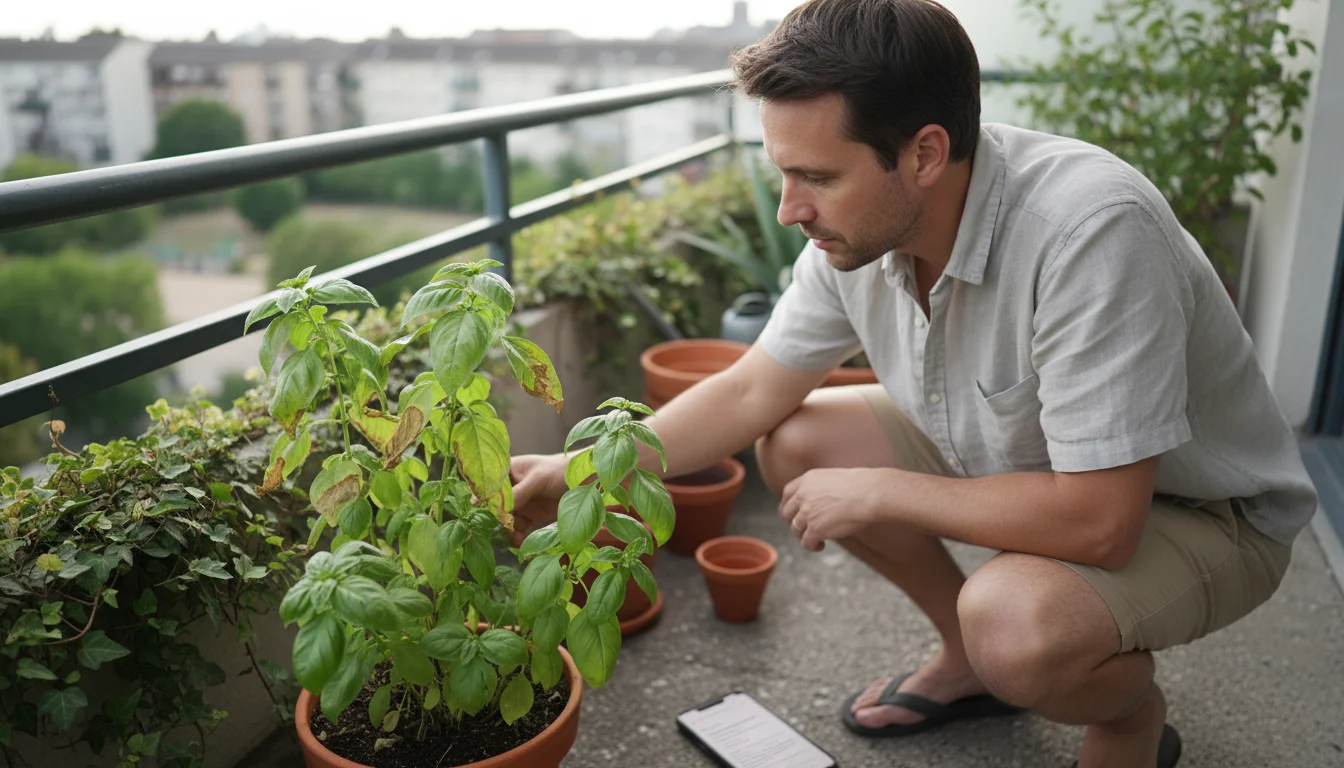
Plants receiving too much sun on a balcony will display `sun scorch on leaves`. Look for bleached, yellow, or white patches, especially on the upper leaves facing the sun, which then turn dry and crispy.
The plant might also look generally stressed, with faded leaf color. Observe which parts of your balcony receive the most intense, direct sunlight for the longest duration, especially during the hottest parts of the day.
If your plant is in one of these spots and showing these symptoms, it likely needs more shade.
What type of soil is best for preventing crispy leaves in potted plants?
For potted plants, use a high-quality, well-draining potting mix. This type of mix typically contains ingredients like peat moss or coco coir for moisture retention, and perlite or vermiculite for aeration and drainage.
Good drainage prevents `underwatering vs overwatering` issues, as it allows excess water to escape while retaining enough for the plant. Avoid using heavy garden soil, which can compact in pots and lead to root problems.
A suitable potting mix helps prevent both extreme dryness and waterlogging.
Is it possible for a plant to be both sun-scorched and underwatered?
Yes, absolutely. In hot summer conditions, a plant exposed to intense direct sun will lose water through transpiration at a much higher rate.
If you do not compensate for this increased water loss with more frequent or thorough watering, the plant can quickly become both sun-scorched and underwatered.
The `why are my plant leaves crispy` problem then becomes a dual issue, showing symptoms of both `what do sunburned plant leaves look like` and `signs of underwatering in pots`.
Addressing both the excessive sun exposure and the lack of water simultaneously offers the best chance for recovery.
Disclaimer: This article is for informational purposes only and is not a substitute for professional gardening advice. Always consult local extension services or horticulture experts for region-specific guidance.