
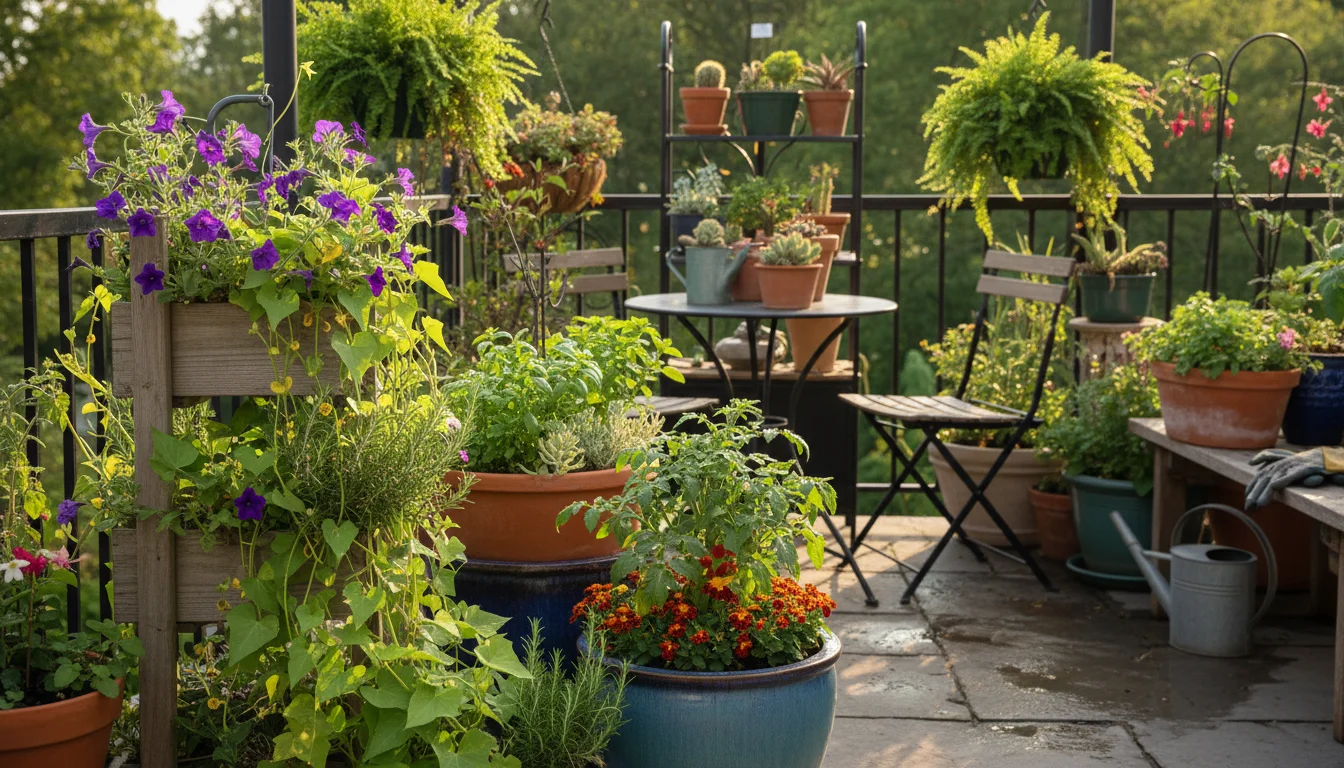
Your balcony garden likely thrived in the spring, bursting with fresh growth and vibrant blooms. Now, as mid-summer heat settles in, you might notice your potted plants look a little weary.
Leaves yellow, flowers fade prematurely, and overall vigor declines. This common challenge, often called the “mid-summer slump,” affects many container gardens.
It leaves many gardeners asking, “Why do my balcony plants look sad in July?” The good news is, you can revive potted plants with a few strategic interventions.
This practical, 3-step plan will show you exactly how to refresh container plants mid-season, bringing them back to life and ensuring a beautiful display through autumn.
While seasonal slumps are normal, you can avoid other common pitfalls by reviewing these balcony garden mistakes beginners always make.
Container plants face unique stresses. Their roots are confined, soil nutrients deplete faster, and they often dry out quicker than their in-ground counterparts.
The intense heat of summer exacerbates these issues, leading to that tired, lackluster appearance. Don’t worry, you possess the power to turn things around.
Let’s get your balcony oasis thriving once more!
Contents9 sections
- Understanding the Mid-Summer Slump: Why Your Balcony Plants Look Sad in July
- Step 1: The Essential Clean-Up and Strategic Pruning
- Step 2: Reinvigorating Your Container Soil and Root Health
- Step 3: Strategic Mid-Season Feeding for Thriving Plants
- Watering Wisdom: Keeping Hydration Consistent in Summer
- Pest Patrol and Disease Prevention for Container Gardens
- Smart Plant Choices for Summer Resilience
- Long-Term Strategies for Year-Round Container Health
- Frequently Asked Questions
Understanding the Mid-Summer Slump: Why Your Balcony Plants Look Sad in July
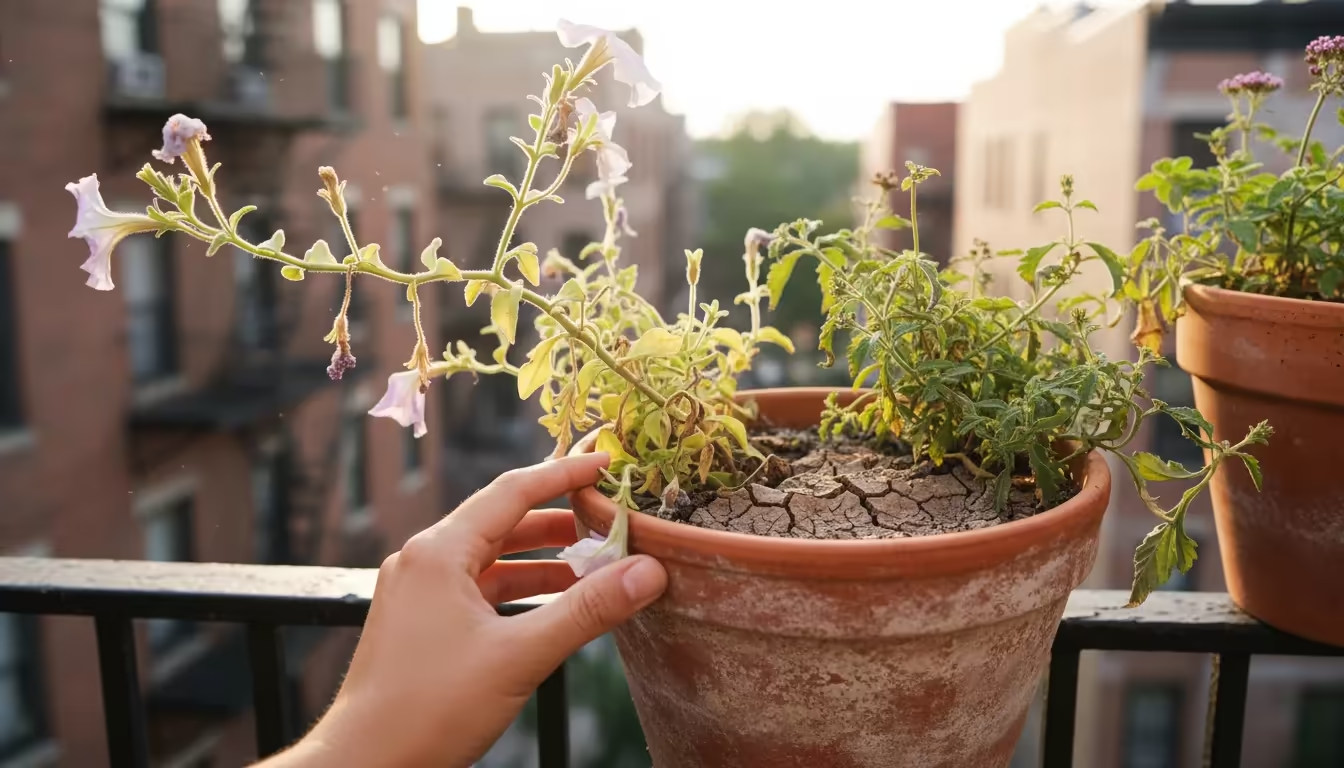
Before we dive into solutions, let’s understand why your vibrant spring planters might be struggling now. The mid-summer slump is a common issue for container gardens, stemming from a combination of environmental and physiological factors unique to potted plants.
Recognizing these causes helps you apply the right remedies and prevents future issues.
By noting these mid-season struggles now, you can perform a helpful fall regret audit later in the year to avoid repeating the same container gardening mistakes next season.
To pinpoint exactly what’s wrong, you can use our visual guide to decoding crispy summer leaves to see if your plant is scorched or simply thirsty.
Intense Heat Stress
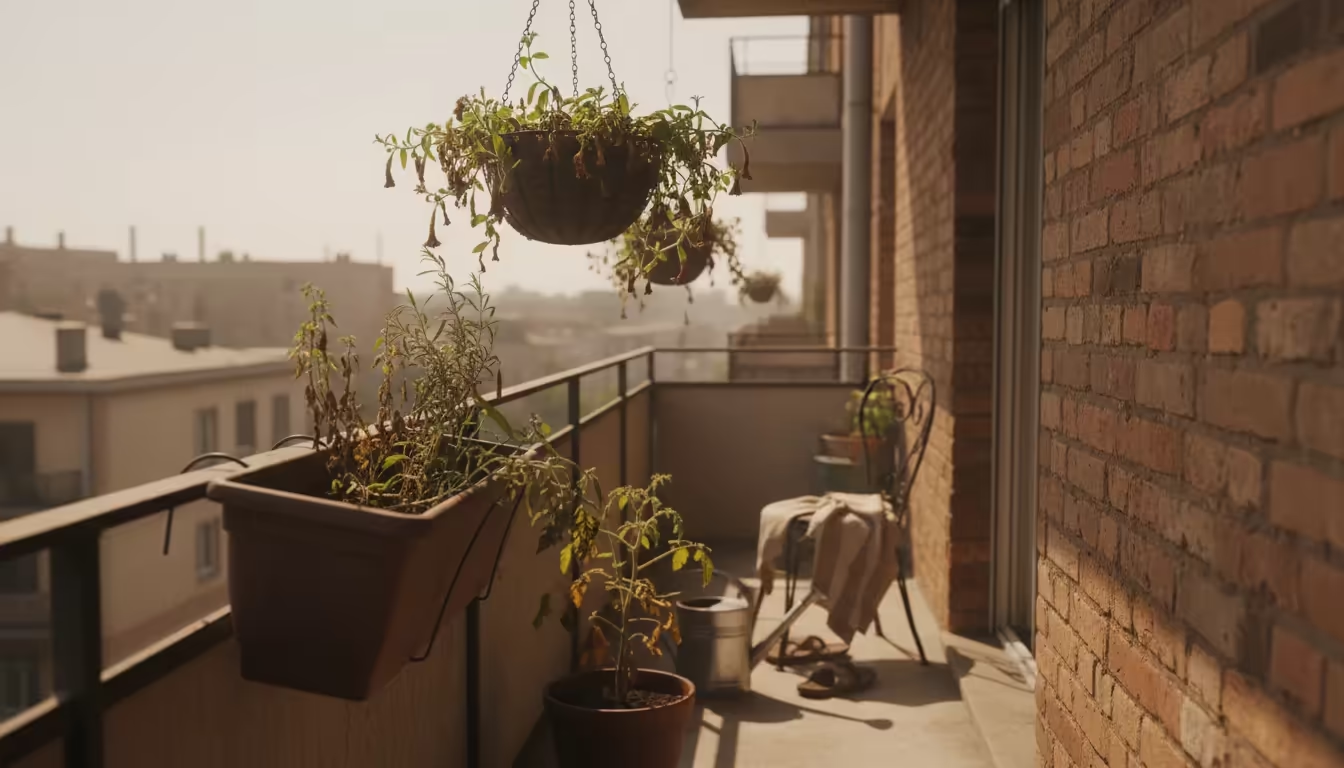
Summer brings prolonged periods of high temperatures, especially on balconies where hard surfaces like concrete and brick absorb and radiate heat. This extreme heat directly impacts your plants in several ways:
You can also take advantage of shifting light patterns on your patio by learning how to use your balcony’s moving shade to shelter sensitive pots during peak sun hours.
If your balcony gets hit with extreme temperatures, you might also want to consult the balcony heat dome survival guide to protect your plants during intense heat waves.
- Increased Transpiration: Plants “sweat” through their leaves to cool themselves, a process called transpiration. High temperatures accelerate this, causing plants to lose water much faster than they can absorb it, even with regular watering. This leads to wilting and dehydration, even if the soil feels moist.
- Root Zone Overheating: In containers, soil temperatures can soar much higher than in the ground. Roots are sensitive to heat, and an overheated root zone impairs their ability to absorb water and nutrients, effectively starving the plant despite ample resources. Dark-colored pots absorb more heat, intensifying this problem.
- Reduced Photosynthesis: While plants need sunlight for photosynthesis, excessively high temperatures can slow down this vital process, which converts light into energy. When photosynthesis is inefficient, plant growth slows, and vigor declines.
Nutrient Depletion
Container soil is a finite resource. Unlike garden beds where soil ecosystems continuously replenish nutrients, potted plants quickly exhaust the nutrients available in their limited soil volume.
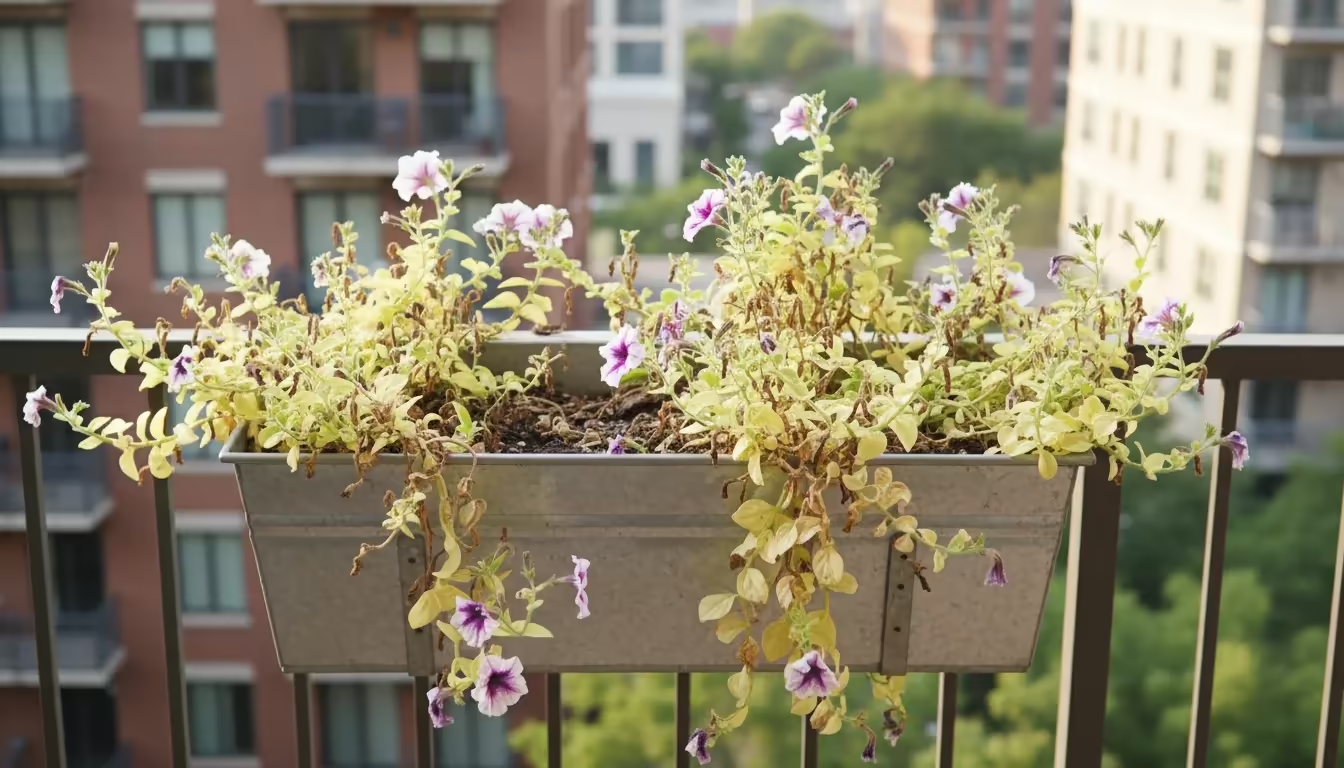
Every time you water, especially with overhead watering, some nutrients leach out of the drainage holes. By mid-summer, after weeks or months of consistent growth and watering, your plants have likely consumed most of the available food.
This leads to nutrient deficiencies, manifesting as yellowing leaves, stunted growth, and poor flowering. This is a primary reason for the need for `feeding potted plants in summer`.
If your container soil is completely spent, you can revitalize it with cheap potting soil amendments to replenish essential organic matter and soil structure.
Watering Imbalances
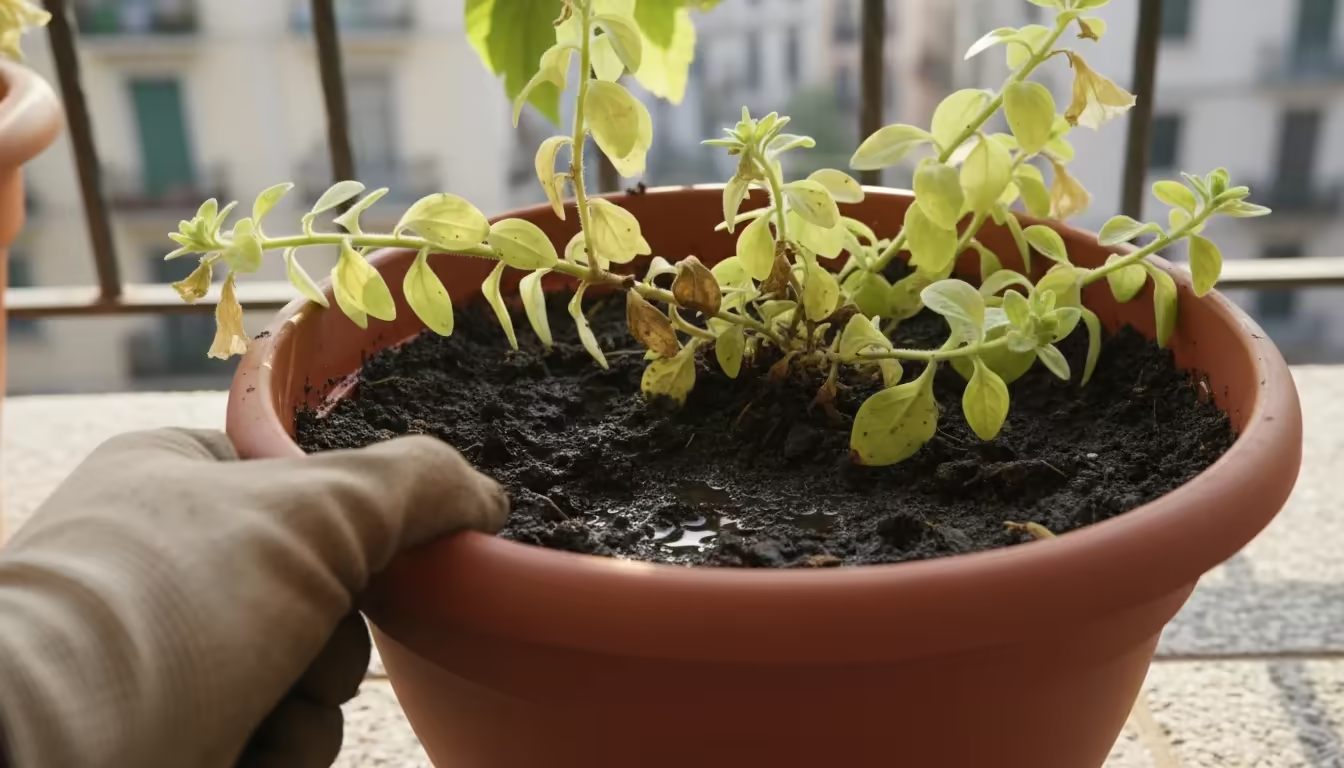
It’s a tricky balance. Under-watering in summer is obvious, causing severe wilting.
However, over-watering can also cause problems. In an attempt to combat drying, some gardeners water too frequently without checking soil moisture, leading to perpetually soggy soil.
Soggy soil deprives roots of oxygen, causing them to rot and further hindering water and nutrient uptake. This mimics the symptoms of under-watering, making diagnosis challenging.
Effective `mid-summer garden care` relies heavily on proper watering techniques.
To avoid overwatering issues, you can also learn how to adjust your container watering schedule as summer transitions into cooler fall weather.
If you are planning to travel during these hot months, make sure to set up a vacation-proof balcony garden so your plants don’t dry out while you’re gone.
Overcrowding and Root Bound Conditions
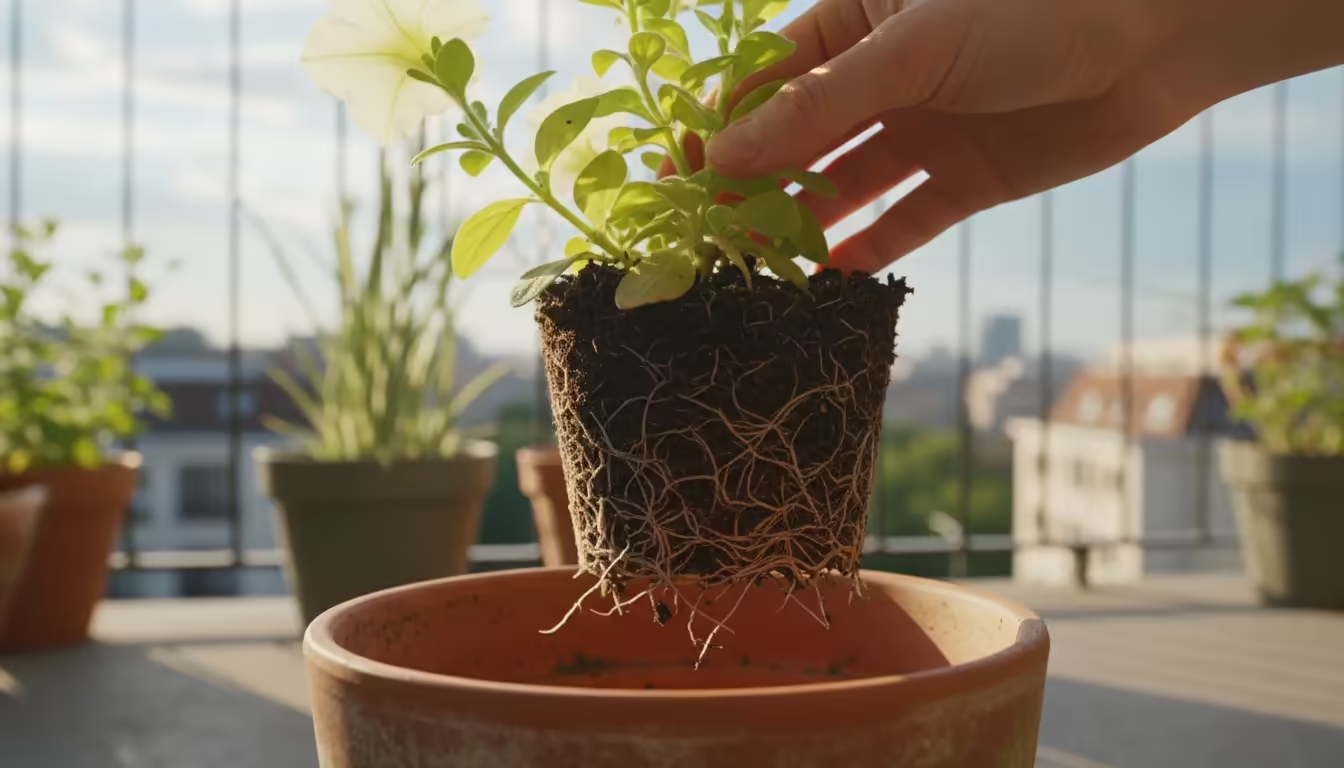
Plants grow. What started as small seedlings in spring can become large, root-bound specimens by July.
When roots completely fill a container, they have no room to expand, struggle to absorb water, and compete intensely for limited nutrients. This stress causes plants to look stunted, withered, and unable to produce new growth or flowers.
You often see roots emerging from drainage holes, a clear sign of a root-bound plant.
When combined with summer heat stress in small gardens, root-bound conditions will cause plants to decline much faster.
Understanding these challenges is the first step in providing effective `mid-summer garden care`. Your plants aren’t just “sad”; they are experiencing real physiological stress that we can alleviate.
Step 1: The Essential Clean-Up and Strategic Pruning
The first step in our recharge plan is an immediate, hands-on intervention: a thorough clean-up and strategic pruning. This revitalizes your plants by removing spent energy sinks, encouraging new growth, and improving air circulation.
Think of it as hitting the reset button for your balcony garden. This step is crucial for `how to refresh container plants mid-season`.
Gather Your Tools
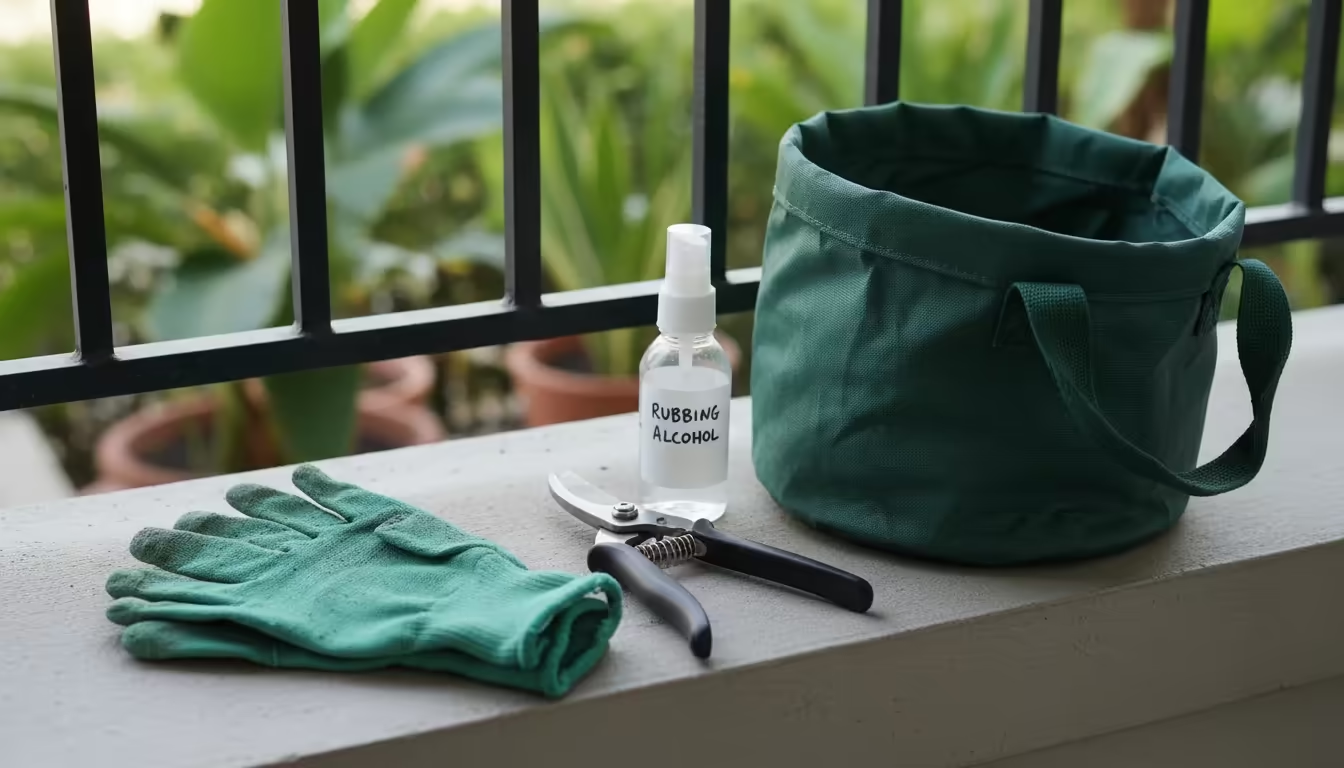
Before you begin, assemble the right tools:
- Sharp Pruning Shears or Scissors: Clean and sharp tools make precise cuts, preventing damage and disease. Sterilize them with rubbing alcohol before and after use to avoid spreading pathogens.
- Gloves: Protect your hands from sap or thorns.
- Bucket or Bag: For collecting plant debris.
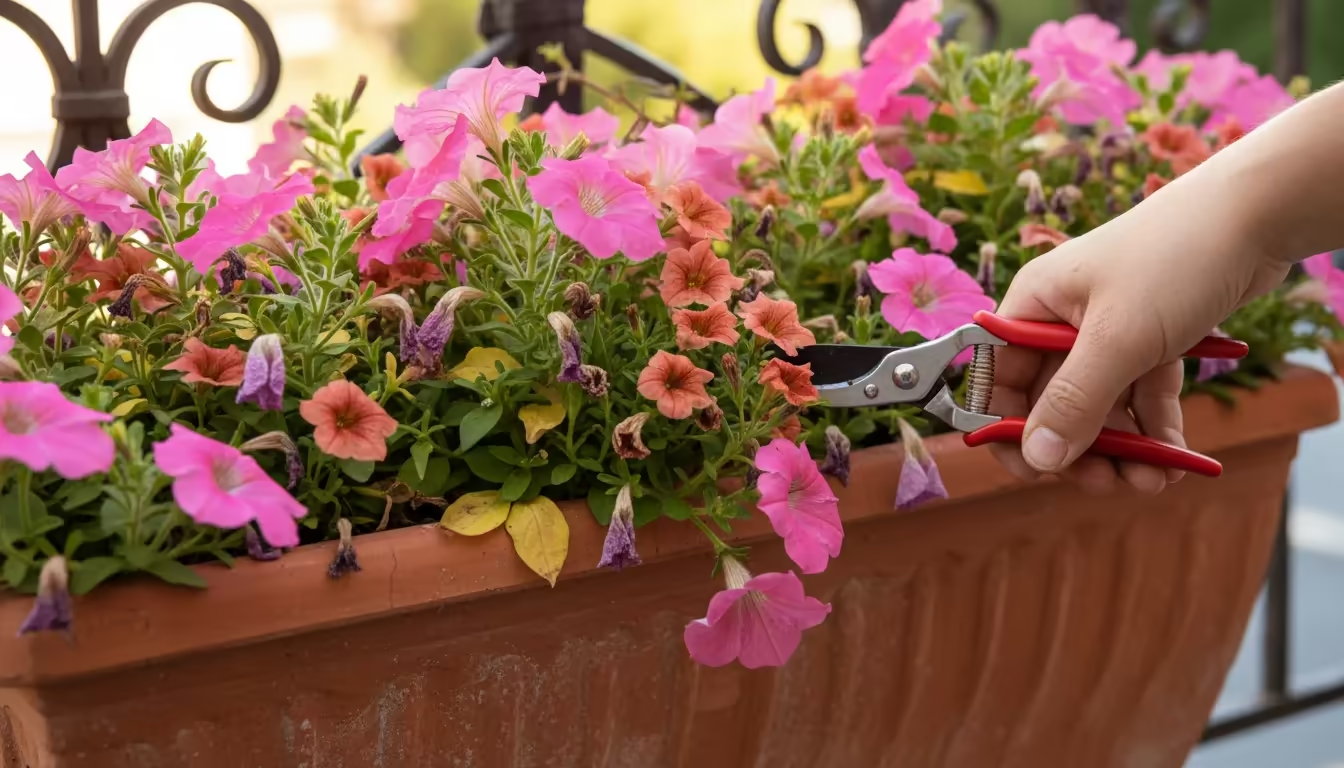
The Clean-Up Process
- Remove Dead and Diseased Foliage: Systematically inspect each plant. Look for yellow, brown, or crispy leaves; stems that feel brittle; and any foliage showing signs of disease, such as spots or mildew. Prune these back to healthy growth. Dead material offers no benefit and can harbor pests and diseases.
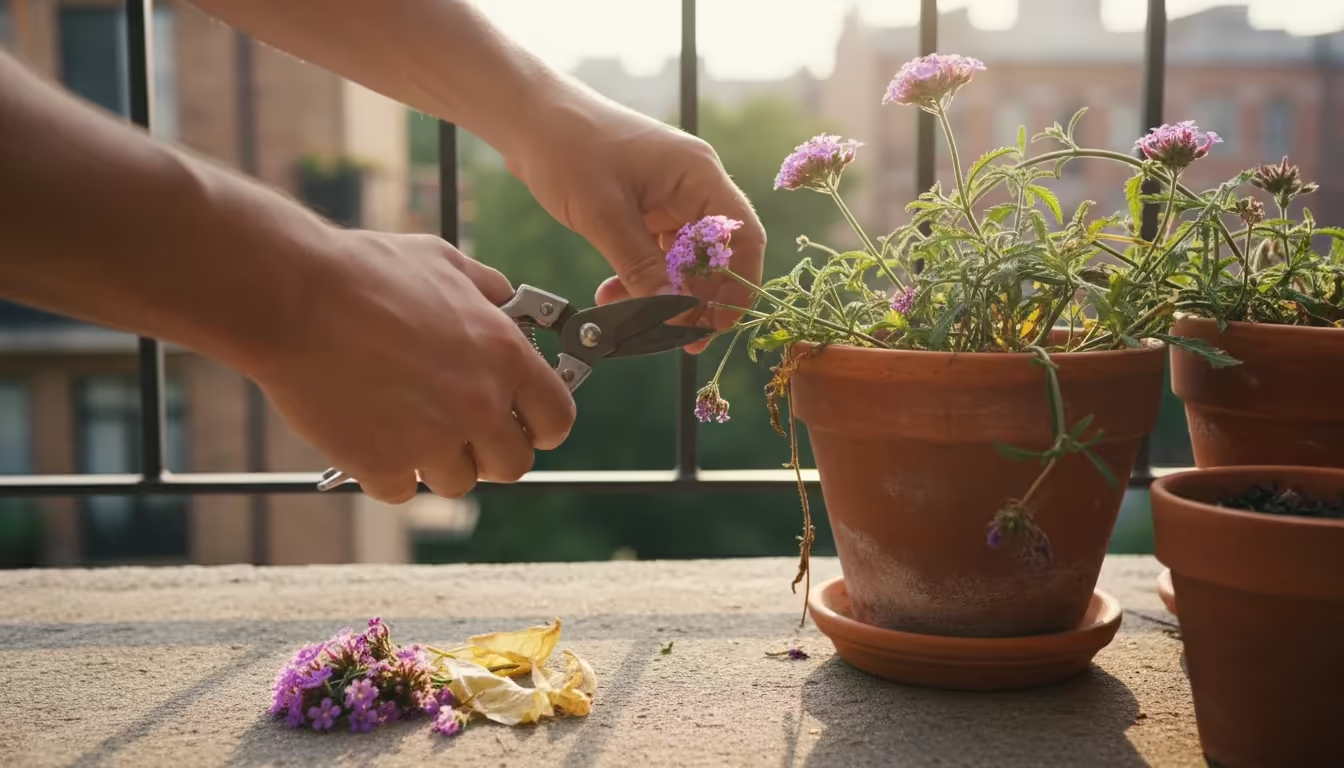
- Snip Off Spent Flowers (Deadheading): Many annuals and some perennials continue to produce blooms if you remove their faded flowers. This process, called deadheading, prevents the plant from expending energy on seed production. Instead, it redirects that energy into creating more flowers, promoting a continuous show. Pinch or snip flowers just above a set of healthy leaves or a side shoot.
- Clear Out Weeds: While less common in containers, weeds can sometimes sprout. Remove any unwanted plants competing for water and nutrients.
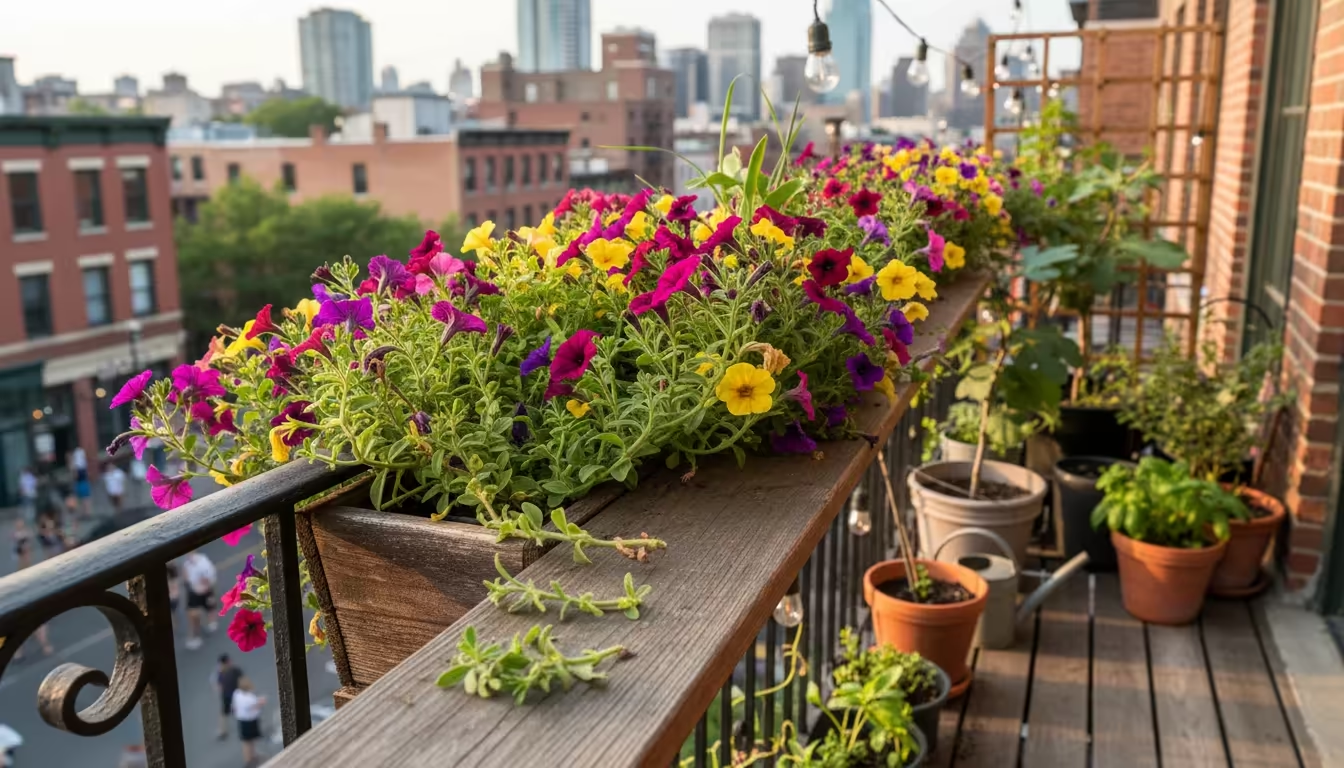
While you are clearing away faded buds, consider saving any healthy, intact blossoms to preserve your final balcony flowers before the season ends.
Strategic Pruning for Rejuvenation
Beyond simple deadheading, strategic pruning offers a powerful way to `revive potted plants`.
If some of your annuals are past the point of saving, you might want to start planning how to transition your balcony planters from summer to fall as the season winds down.
- Cut Back Leggy Growth: Many annuals, like petunias, impatiens, and calibrachoa, become leggy and sparse by mid-summer. Leggy means they have long, stretched stems with few leaves or flowers. To encourage bushier growth and more blooms, cut back these elongated stems by about one-third to one-half their length. Make your cut just above a leaf node (the point where a leaf or side branch emerges). This stimulates new growth from that node.
- Shape and Thin: If plants are overgrown and crowded, thin them out slightly. Remove any inward-growing branches or those rubbing against others. This improves air circulation, reducing the risk of fungal diseases, especially important in humid summer conditions. Shaping also creates a more aesthetically pleasing plant.
- Consider a Hard Prune for Overgrown Plants: For very tired, overgrown plants, a more aggressive prune might be necessary. This involves cutting back stems significantly, sometimes by two-thirds. While this might seem drastic, many plants respond with a vigorous flush of new, healthy growth within a few weeks. Always research if your specific plant tolerates a hard prune mid-season. Most annuals benefit greatly.
After this extensive clean-up and pruning, your plants might look a bit sparse initially, but trust the process. You’ve removed the old, tired parts, allowing the plant to focus its energy on fresh, healthy development.
This sets the stage for the next crucial step: addressing the soil.
Step 2: Reinvigorating Your Container Soil and Root Health
The soil in your containers is the lifeblood of your plants. By mid-summer, it’s likely depleted, compacted, and potentially causing root stress.
This step focuses on how to refresh container plants mid-season by addressing the foundation of their health: the soil and roots. You want to create an environment where roots can thrive and efficiently absorb water and nutrients.
Paying attention to your growing medium now helps prevent issues down the line, much like performing a fall soil autopsy at the end of the season to diagnose what went wrong.
Assessing the Soil and Root System
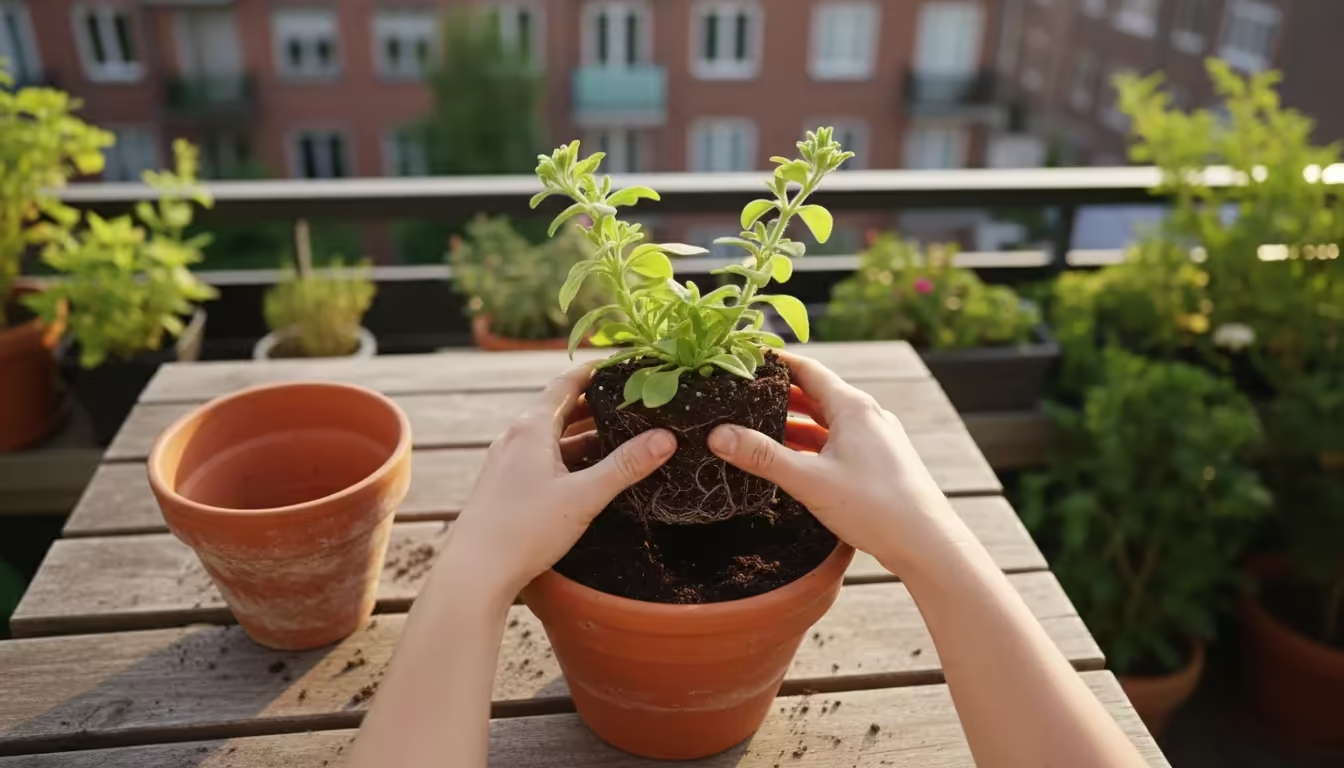
Gently unpot one or two of your most struggling plants. This allows you to inspect the soil and roots directly.
Understanding what happened to your soil can help you next season; you can perform a fall soil autopsy to analyze your potting mix once the summer ends.
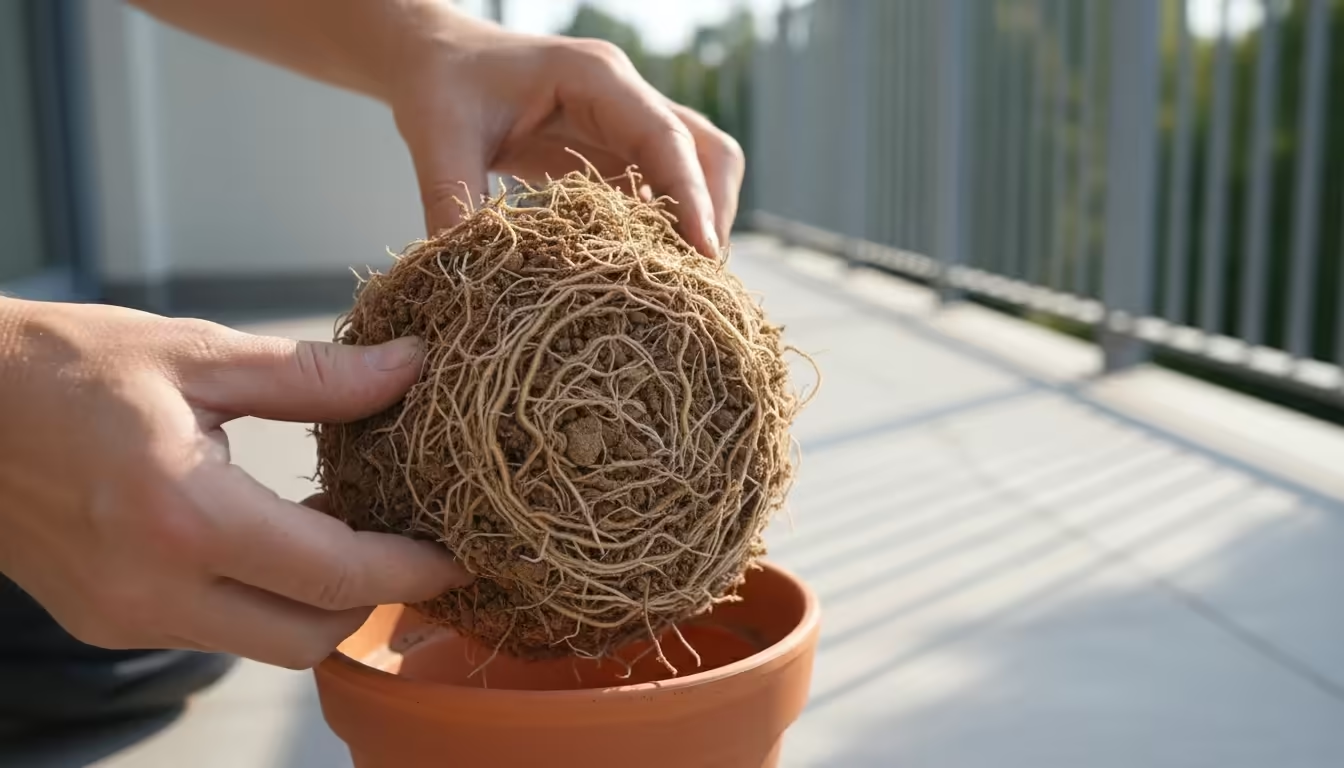
- Check for Root Bound Conditions: Are the roots circling the bottom and sides of the pot? If so, the plant is root-bound. This means the roots have filled the container and have no room to grow, hindering their ability to take up water and nutrients.
- Examine Soil Quality: Does the soil look dense, compacted, or crumbly? Has it pulled away from the sides of the pot, creating gaps? Good potting mix should be loose, airy, and hold moisture well while still draining freely.
- Check for Root Rot: Healthy roots are typically white or light tan and firm. If roots are brown, black, mushy, or smell foul, they are likely suffering from root rot, usually caused by overwatering or poor drainage.
Addressing Root Bound Plants
If your plant is root-bound, it needs more space or root pruning to `revive potted plants`.
When repotting, using a high-quality substrate is key, but you can also supercharge cheap potting soil with a few budget-friendly amendments.
- Repotting to a Larger Container: This is often the best solution. Choose a pot that is 1 to 2 inches larger in diameter than the current one. Gently tease apart the circling roots at the bottom of the root ball before placing the plant in the new pot with fresh potting mix.
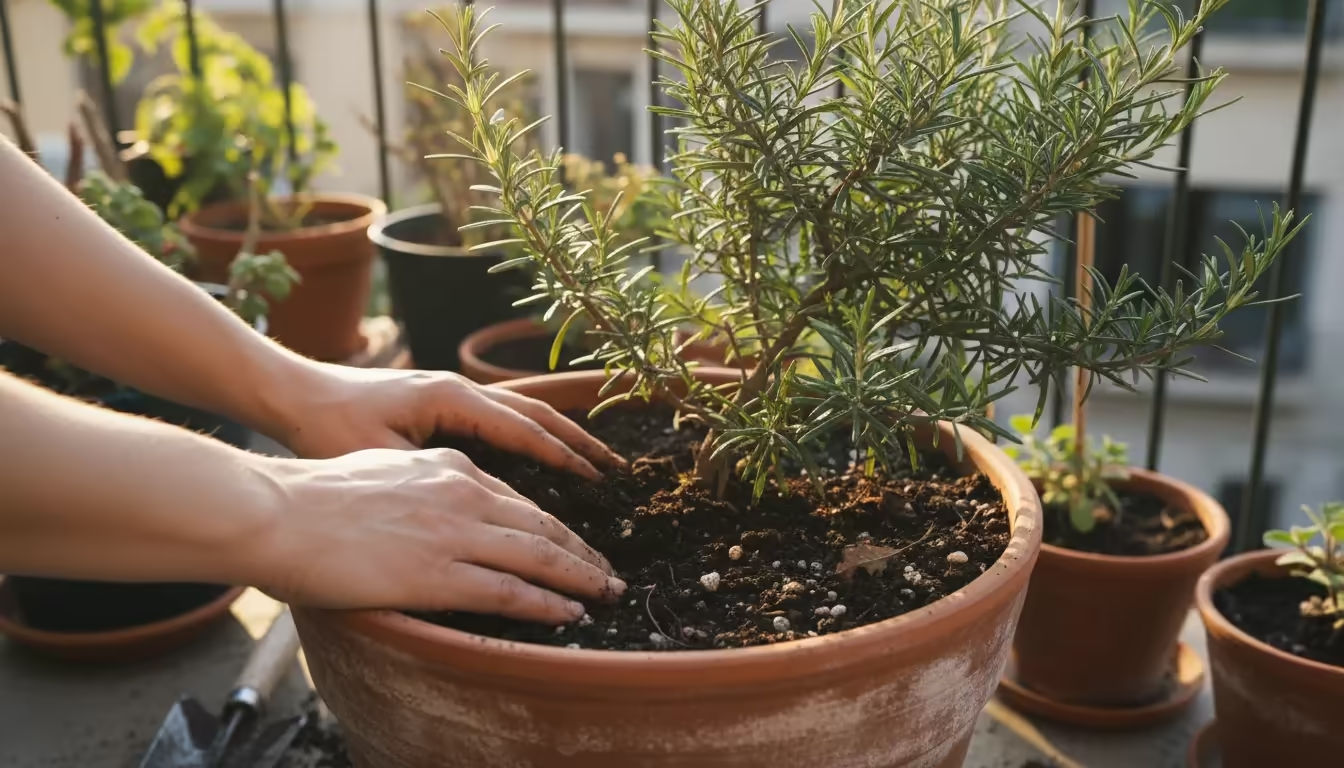
- Root Pruning (for plants you cannot repot): If you cannot move to a larger pot, you can prune the roots. Carefully remove the plant from its container. Using a sharp, clean knife or shears, cut off about one-quarter to one-third of the outer and bottom roots. Gently loosen the remaining roots. Replant the specimen back into the same container, filling the vacated space with fresh potting mix. This stimulates new root growth.
Refreshing the Existing Soil
Even if your plants aren’t severely root-bound, their soil benefits from rejuvenation. This is a key part of `mid-summer garden care`.
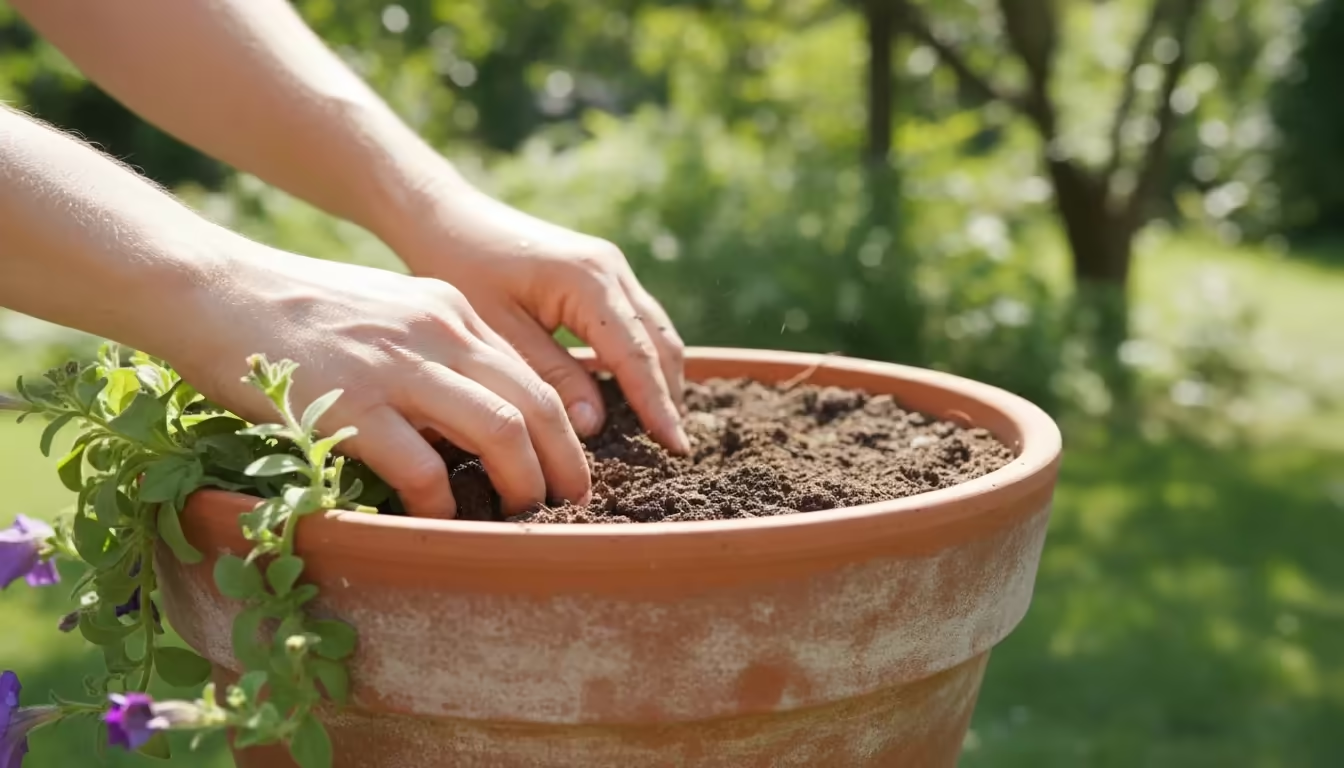
- Loosen Compacted Soil: Over time, potting mix settles and compacts. Use a chopstick or a thin garden trowel to gently poke several holes into the soil surface, being careful not to damage major roots. This improves aeration and allows water and nutrients to penetrate deeper.
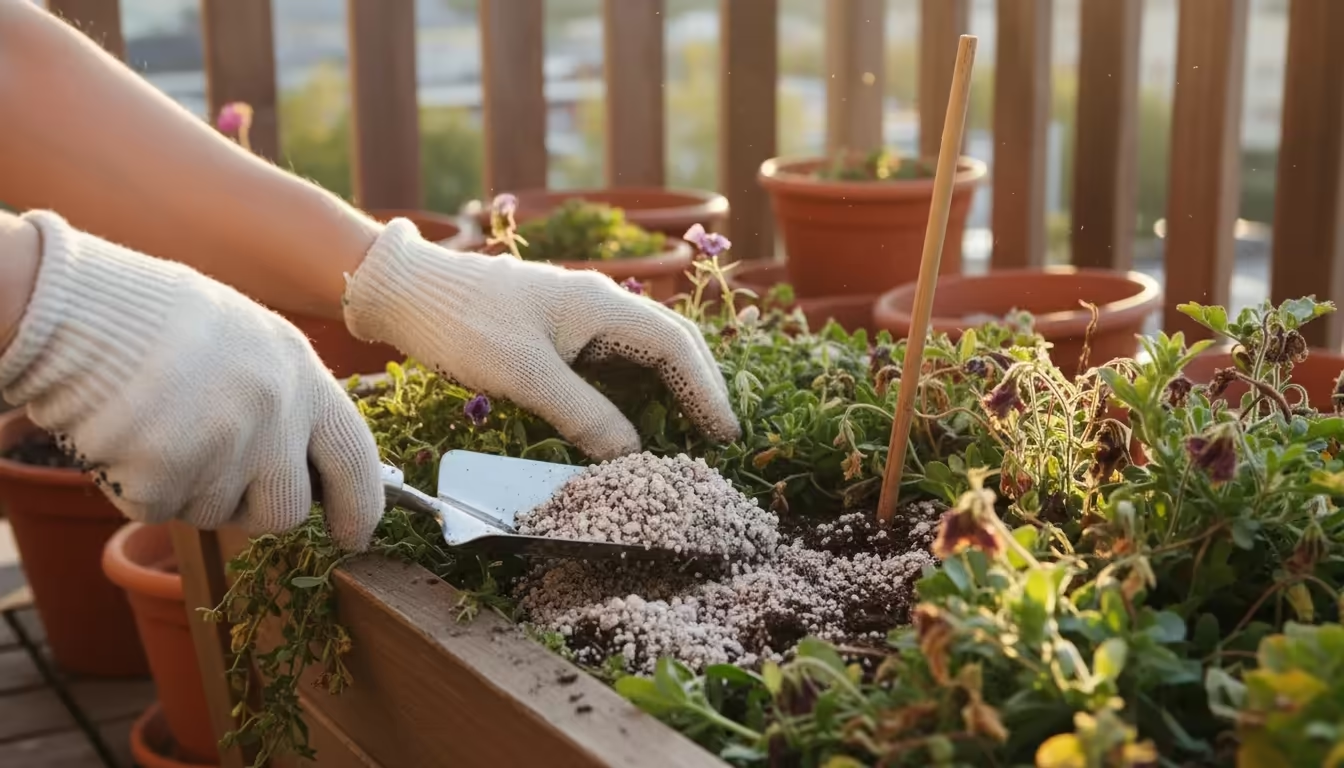
- Top-Dress with Fresh Potting Mix: Remove the top 1-2 inches of old, depleted soil from the container. Replace it with fresh, high-quality potting mix. Look for mixes that contain perlite or vermiculite for good drainage, and compost for added nutrients. This instantly replenishes some organic matter and provides a fresh layer for roots to grow into.
- Incorporate Compost or Worm Castings: Mix a few handfuls of good quality compost or worm castings into the top layer of your soil. These organic amendments slowly release nutrients, improve soil structure, and enhance microbial activity, contributing to overall plant health. They are excellent for `how to refresh container plants mid-season`.
Ensuring Proper Drainage
Drainage is how water moves through soil. Good drainage prevents roots from sitting in soggy conditions.
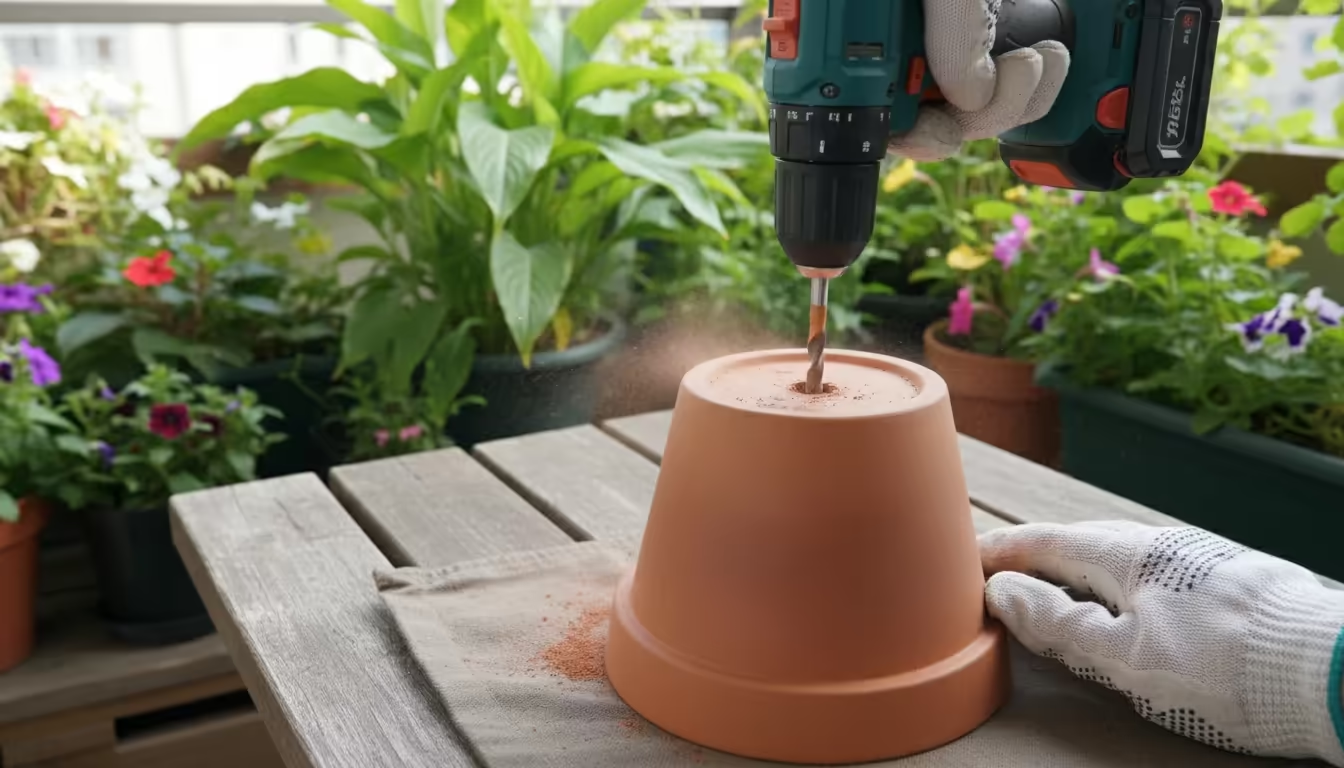
Always ensure your pots have adequate drainage holes. If a pot lacks them, drill some yourself.
If you use saucers underneath, empty them promptly after watering to prevent waterlogging. Standing water leads to root rot, a major killer of container plants.
By tending to the soil and roots, you create a robust foundation for your plants to absorb the nourishment you provide in the next step, ensuring they can effectively `revive potted plants` and thrive.
Step 3: Strategic Mid-Season Feeding for Thriving Plants
After a spring of vigorous growth and with significant water passing through their containers, your plants have likely exhausted their original nutrient supply.
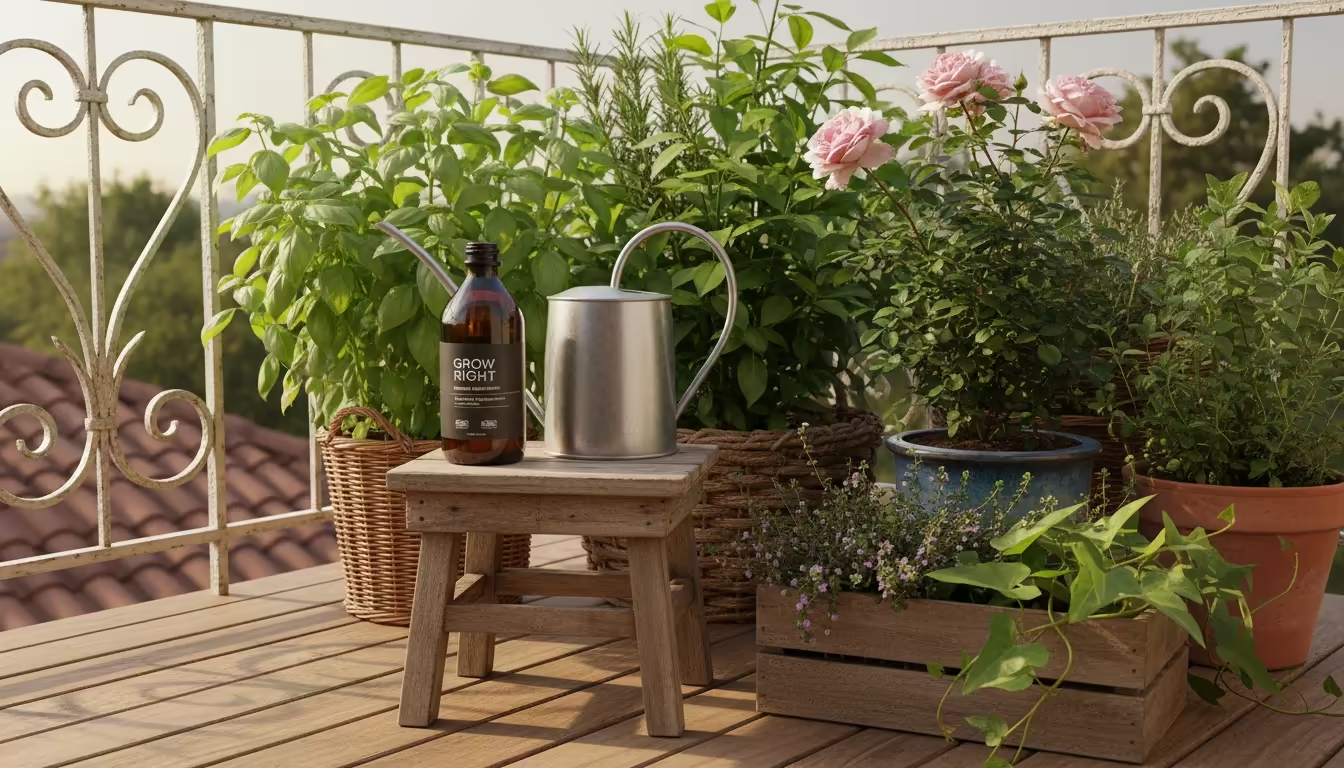
Strategic mid-season feeding is paramount to combat this depletion and is a direct answer to `why do my balcony plants look sad in July`. It provides the essential elements needed for renewed growth, vibrant foliage, and abundant flowers.
This is where `container fertilizer` truly makes a difference, turning around tired-looking planters. This critical step focuses on `feeding potted plants in summer`.
Why Fertilize Mid-Season?
- Replenish Depleted Nutrients: Every watering session leaches nutrients from container soil. Plants also actively consume nutrients for growth. Mid-season feeding replaces these lost elements.
- Fuel New Growth and Blooms: The clean-up and pruning you just performed encourages new shoots and flower buds. These processes require a fresh supply of macro and micronutrients.
- Boost Resilience: Well-fed plants are stronger, better able to withstand heat stress, and more resistant to pests and diseases.
Choosing the Right Fertilizer
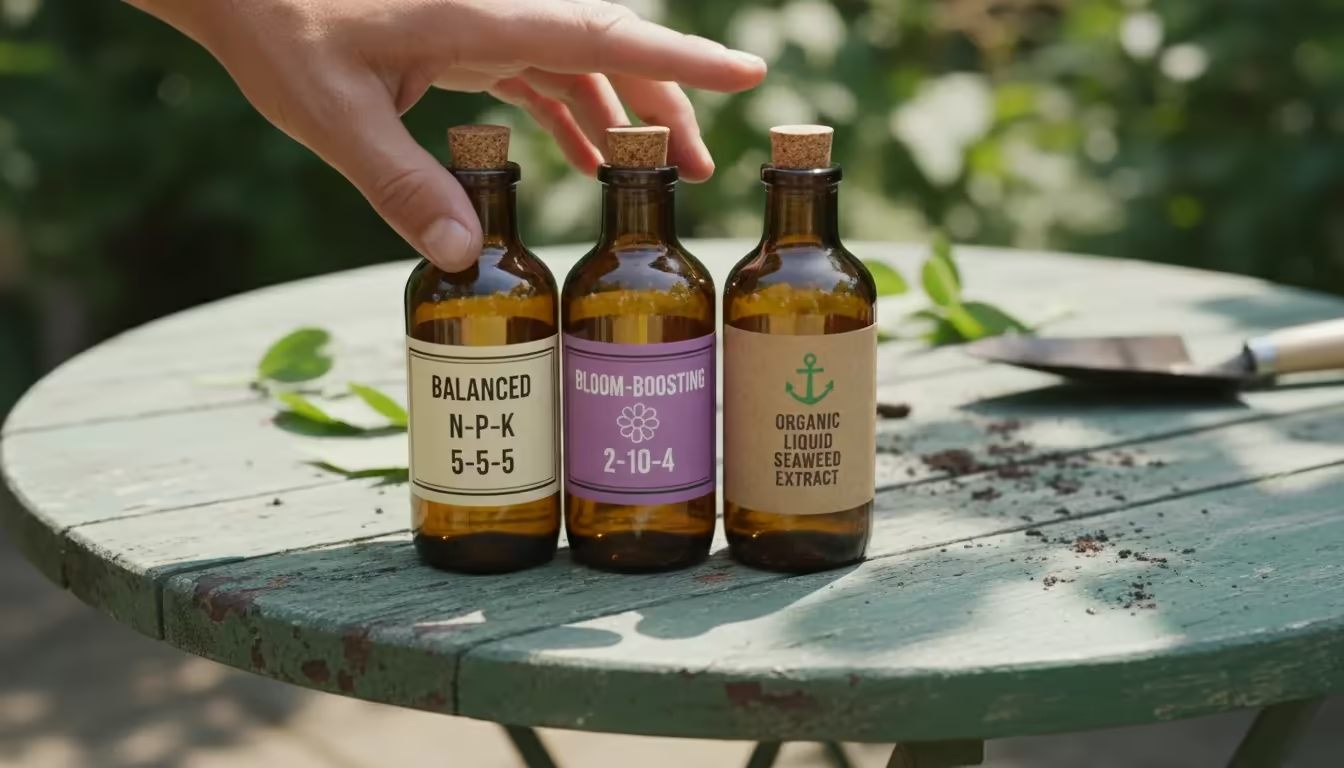
Not all fertilizers are created equal. For a quick mid-season boost, focus on balanced or bloom-boosting liquid fertilizers.
- Balanced Liquid Fertilizers: Look for an N-P-K ratio where the numbers are similar, such as 5-5-5 or 10-10-10. N (Nitrogen) promotes leafy growth, P (Phosphorus) encourages root and flower development, and K (Potassium) supports overall plant health and resilience. A balanced fertilizer offers a good all-around boost.
- Bloom-Boosting Liquid Fertilizers: If your primary goal is more flowers, select a fertilizer with a higher middle number (P), for example, 2-10-4 or 10-15-10. This formulation specifically encourages flowering.
- Organic Options: If you prefer organic methods, consider liquid seaweed, fish emulsion, or compost tea. These provide a gentle, slow-release nutrient boost and improve soil microbiology. Always ensure they are diluted properly to avoid “fertilizer burn.”
- Slow-Release Granular Fertilizers: If you didn’t incorporate these at planting, you can gently scratch a small amount into the top inch or two of soil. These release nutrients gradually over several weeks or months, offering sustained feeding. Be careful not to over-apply.
Application Methods and Frequency
Accuracy in application prevents harm and maximizes benefits.
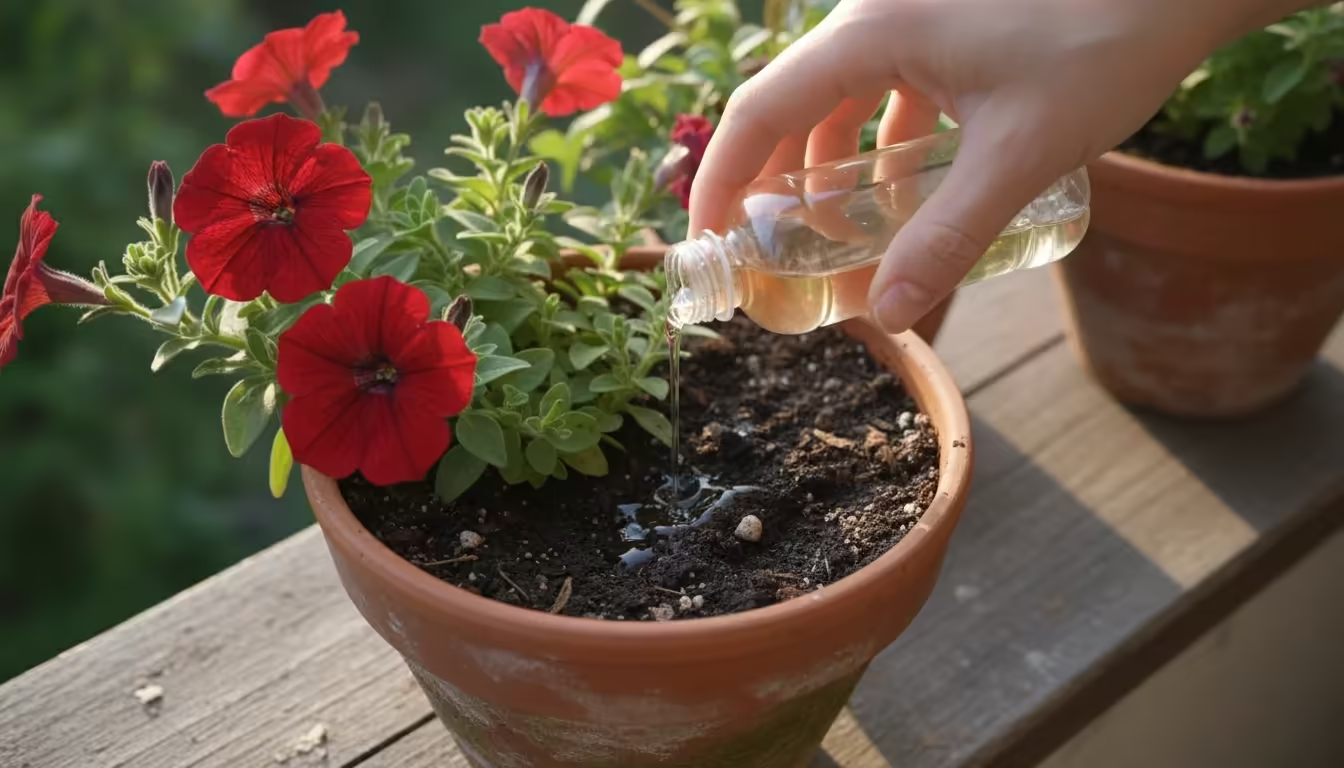
- Dilute Appropriately: Always read and follow the instructions on your chosen fertilizer packaging. For liquid fertilizers, this usually involves diluting a concentrated solution with water. When in doubt, it’s always safer to use a slightly weaker solution than recommended, especially for container plants which are more sensitive to over-fertilization. “Weakly, weekly” is a good motto.
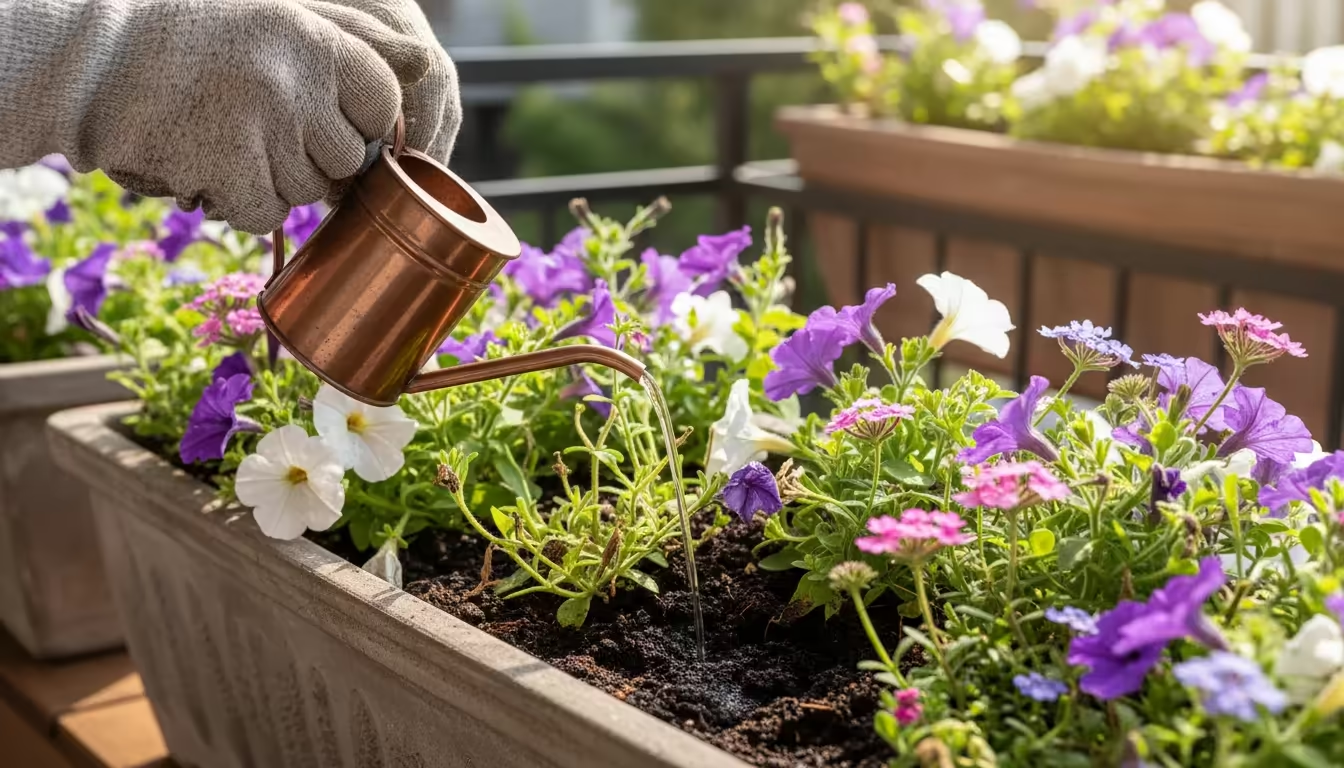
- Apply to Moist Soil: Never apply liquid fertilizer to dry soil. Fertilizing dry roots can cause “fertilizer burn,” where the salts in the fertilizer draw moisture out of the roots, damaging them. Water your plants thoroughly first, and then apply the diluted fertilizer solution.
- Frequency: For a mid-season recharge, you might apply a liquid fertilizer every 2-4 weeks, depending on the product’s recommendations and your plant’s needs. Plants that are heavy feeders (like petunias, impatiens, and fuchsias) might benefit from more frequent, dilute applications. Less hungry plants, or those that receive slow-release granules, may need less frequent feeding.
- Observe Your Plants: After a week or two, you should begin to see signs of renewed vigor: greener leaves, more robust growth, and new flower buds. If your plants look healthy and are blooming well, maintain the feeding schedule. If they still seem to struggle, ensure other factors like watering, sunlight, and pest control are also addressed before increasing fertilizer.
By consistently `feeding potted plants in summer` with the right `container fertilizer`, you provide the essential fuel for vibrant, sustained growth. This transforms your tired balcony planters into a lush, flourishing display that continues to impress throughout the rest of the season.
This strategic feeding is a core component of effective `mid-summer garden care` and directly helps to `revive potted plants` effectively.
Watering Wisdom: Keeping Hydration Consistent in Summer
Even after pruning, soil amendment, and fertilizing, inconsistent watering can quickly undo all your hard work. Watering is arguably the most critical aspect of `mid-summer garden care`, especially for container plants on a hot balcony.
Too little water, and plants wilt; too much, and roots drown. Mastering summer watering is essential to `revive potted plants` and keep them thriving.
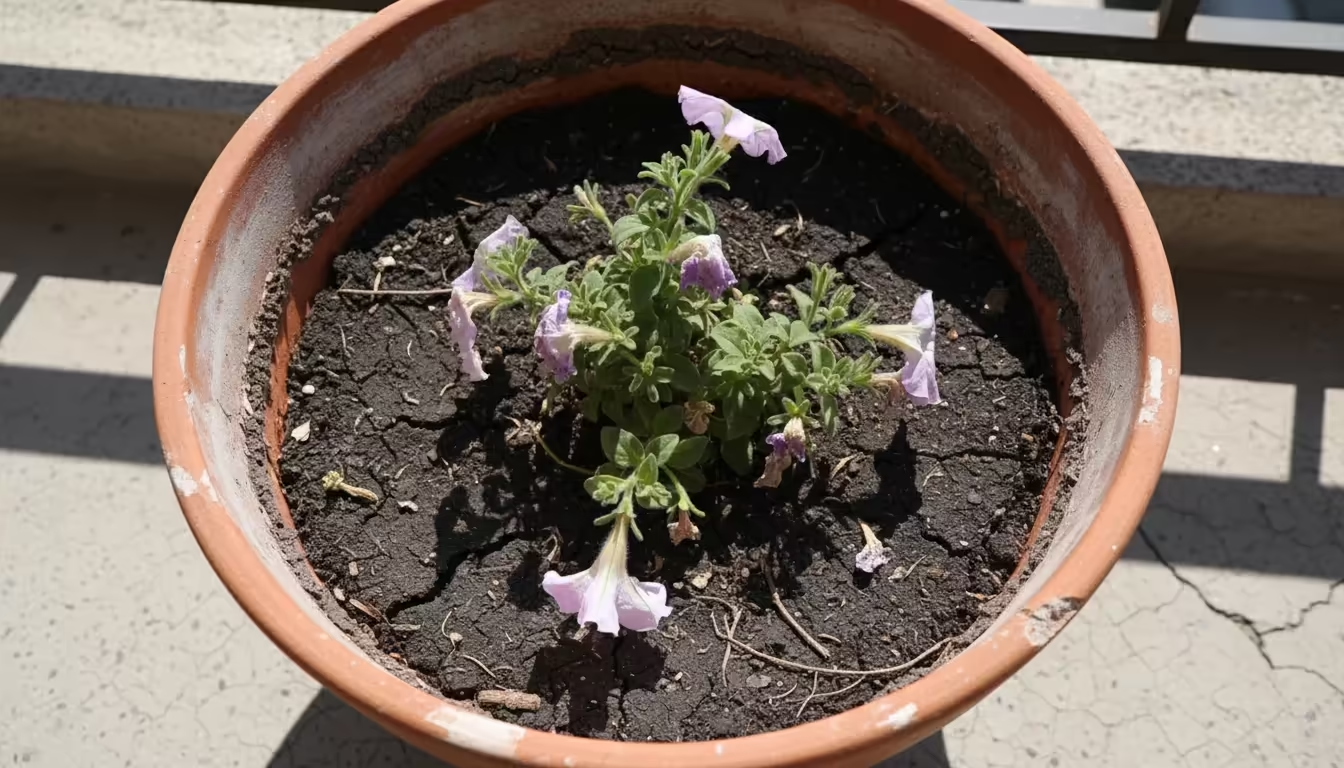
The Challenges of Summer Watering in Containers
- Faster Evaporation: Heat, wind, and direct sun rapidly dry out container soil. Dark pots absorb more heat, accelerating this process.
- Limited Soil Volume: Unlike in-ground plants, container plants have only a small reservoir of soil to hold moisture.
- Plant Thirst: Actively growing plants, especially those in bloom, demand significant amounts of water.
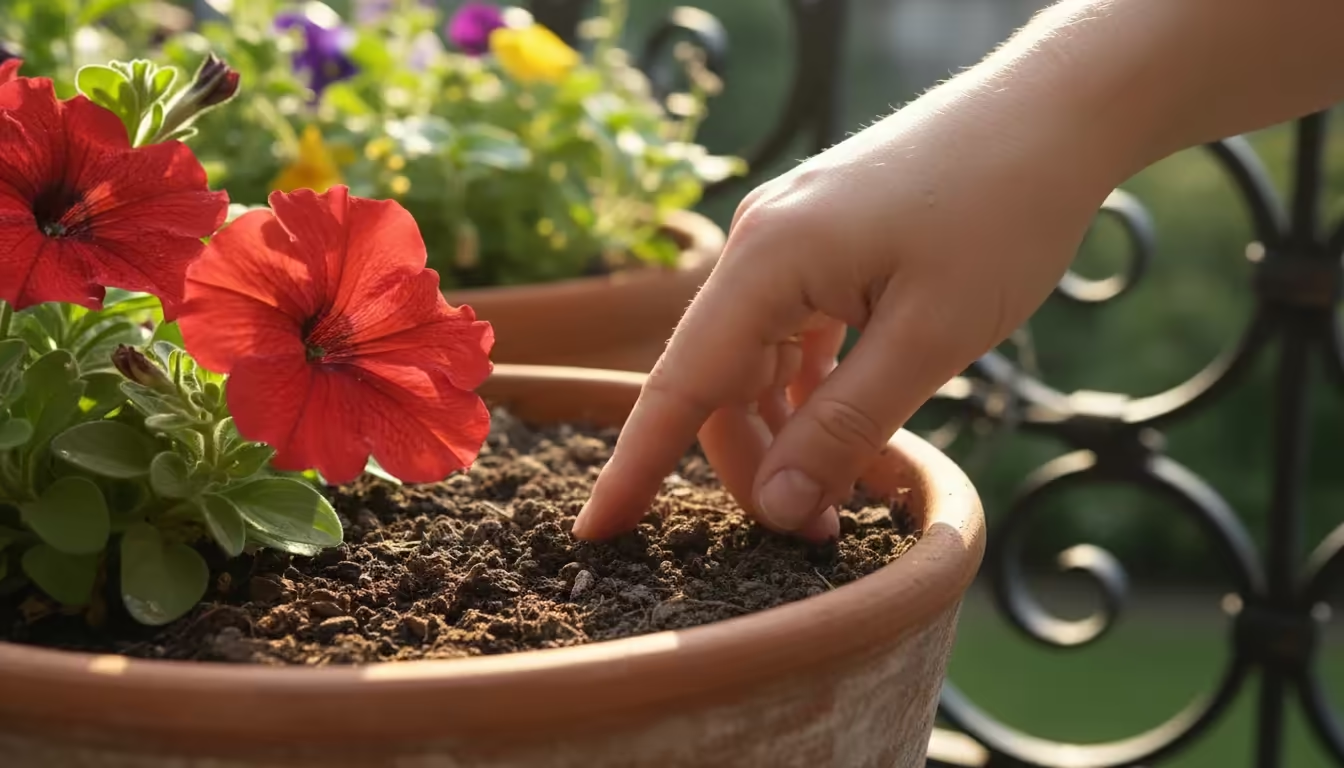
How to Water Effectively
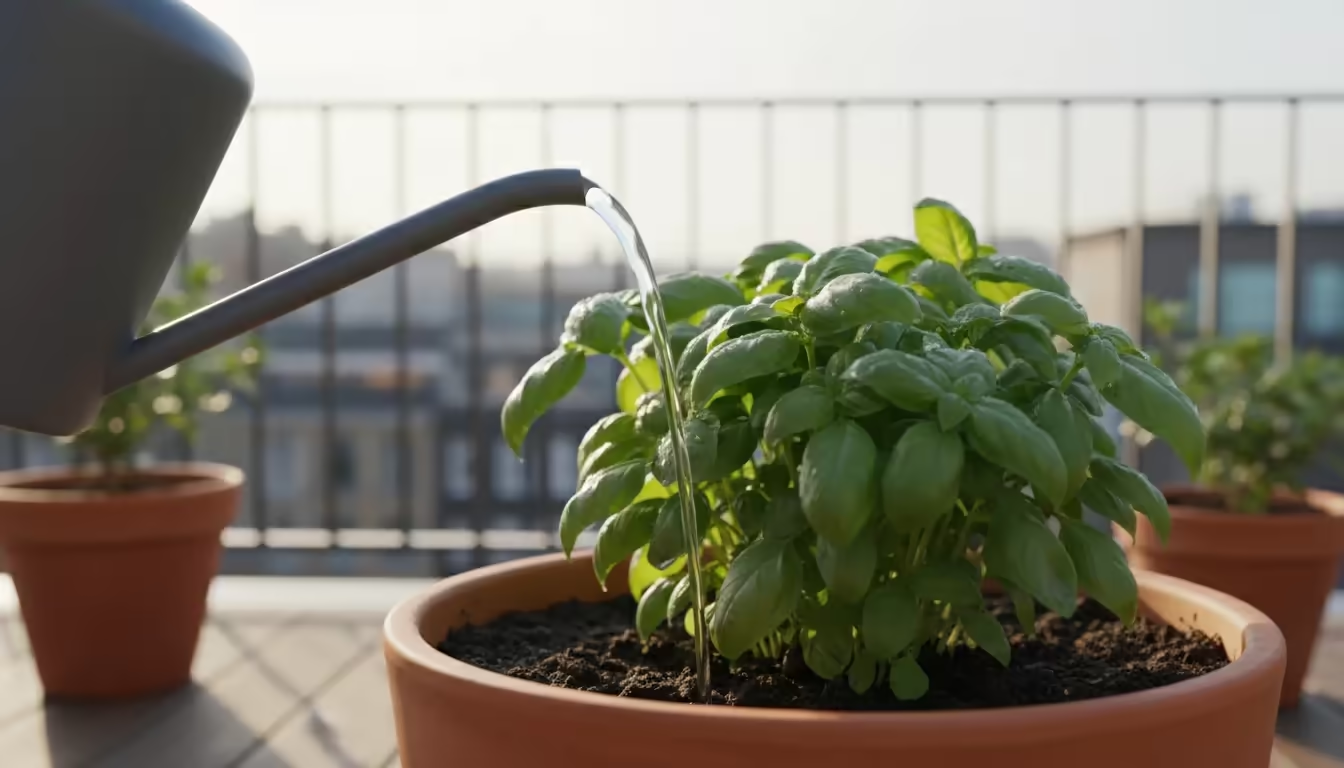
- Check Soil Moisture, Don’t Guess: The most reliable method is to feel the soil. Stick your finger about 2 inches deep into the potting mix. If it feels dry, it’s time to water. If it still feels moist, wait. A moisture meter can also provide an accurate reading. Never water simply because the calendar says so.
- Water Thoroughly: When you do water, water deeply until you see water flowing out of the drainage holes at the bottom of the pot. This ensures that the entire root ball is saturated. Surface watering often leaves the lower roots dry, leading to stress.
- Water in the Morning: The best time to water is early morning. This gives the plants ample moisture before the heat of the day increases evaporation. Watering in the evening can leave foliage wet overnight, which promotes fungal diseases.
- Consider Bottom Watering: For some plants, especially those prone to fungus or with dense foliage, bottom watering is beneficial. Place the pot in a saucer or tray filled with 1-2 inches of water. The plant will absorb water through the drainage holes. Remove the pot once the topsoil feels moist. This method is excellent for ensuring deep saturation and minimizing water loss from evaporation.
- Use Self-Watering Planters: For busy gardeners, self-watering planters are a game-changer. They have a built-in reservoir that slowly wicks water up into the soil, providing a consistent supply and reducing the frequency of manual watering. They are a fantastic low-maintenance solution for balcony gardens.
- Mulch Your Containers: A thin layer of mulch (like shredded bark, pebbles, or even coco coir) on top of the soil helps retain moisture, reduces evaporation, and keeps the soil cooler. This is an easy way to extend the time between waterings.
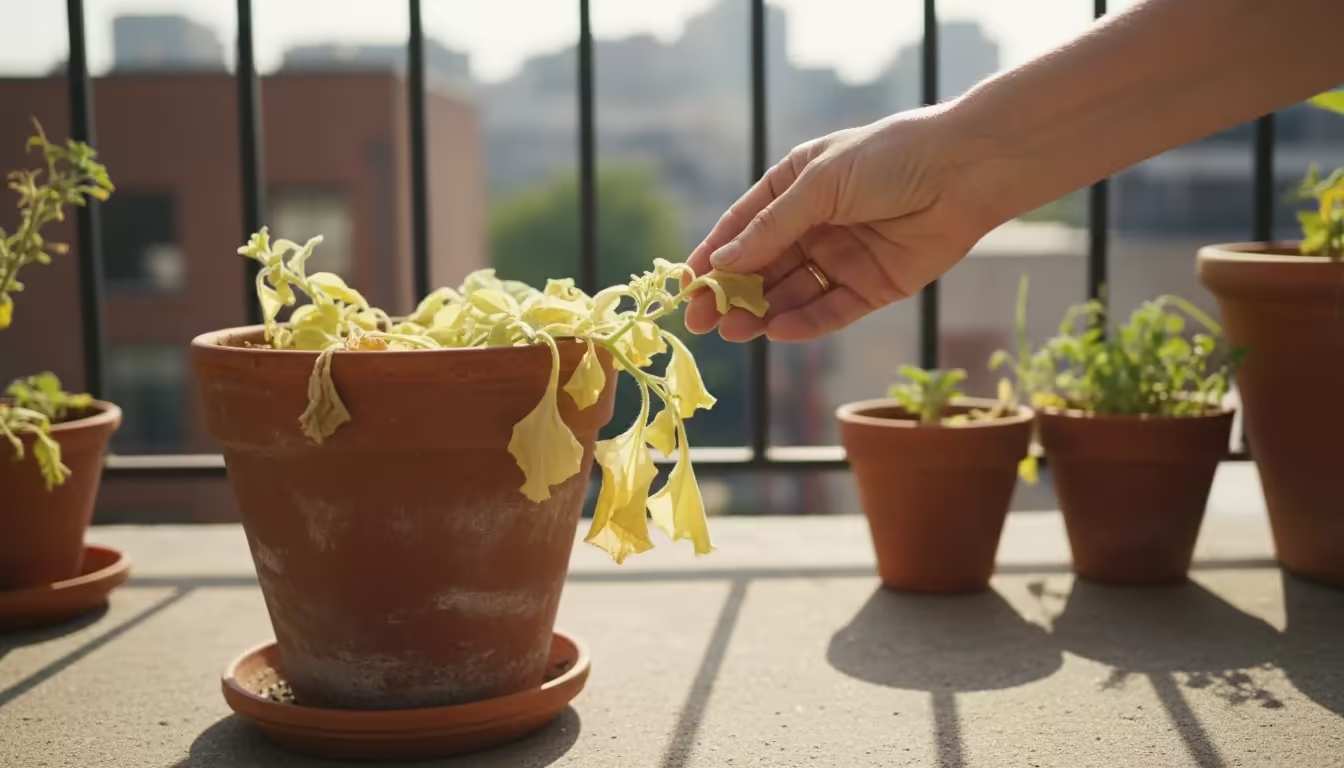
Signs of Watering Problems
- Wilting (Under-watering): Leaves and stems droop. If caught early, a good watering often revives the plant.
- Yellowing Leaves (Over-watering or Under-watering): Confusing, right? Yellowing can indicate nutrient deficiency, but also too much or too little water. If the leaves are yellowing and limp, it’s likely overwatering and root rot. If they are yellowing and crispy, it’s likely under-watering. Always check the soil moisture.
- Stunted Growth: Both extremes of watering can inhibit growth.
By paying close attention to your plants’ specific needs and the actual moisture levels in their soil, you can provide the consistent hydration necessary for them to flourish, transforming them from sad to spectacular.
Consistent watering is fundamental to `how to refresh container plants mid-season` and maintaining their health.
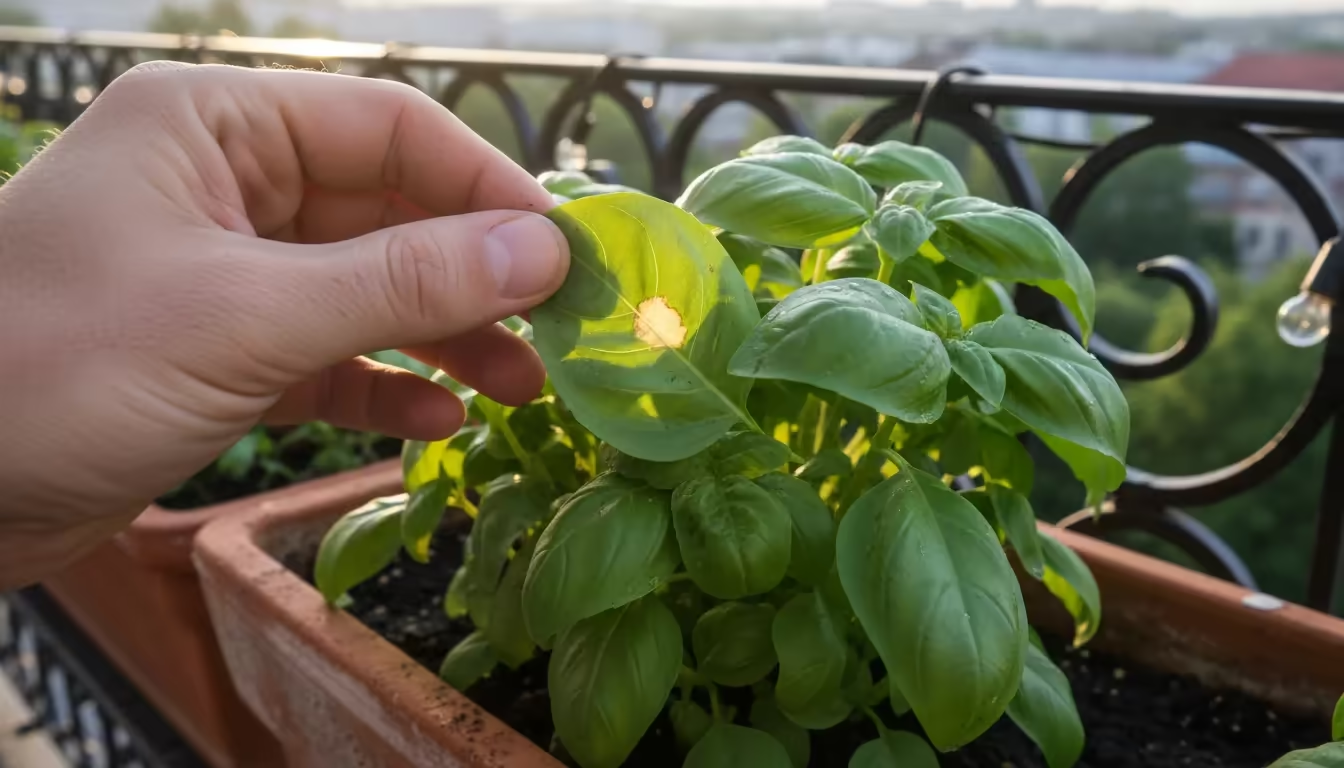
Pest Patrol and Disease Prevention for Container Gardens
A mid-summer slump can weaken your plants, making them more susceptible to pests and diseases. Regular vigilance and proactive measures are vital for effective `mid-summer garden care` and for keeping your `revive potted plants` healthy.
Small spaces like balconies can quickly see infestations spread, so early detection and intervention are key.
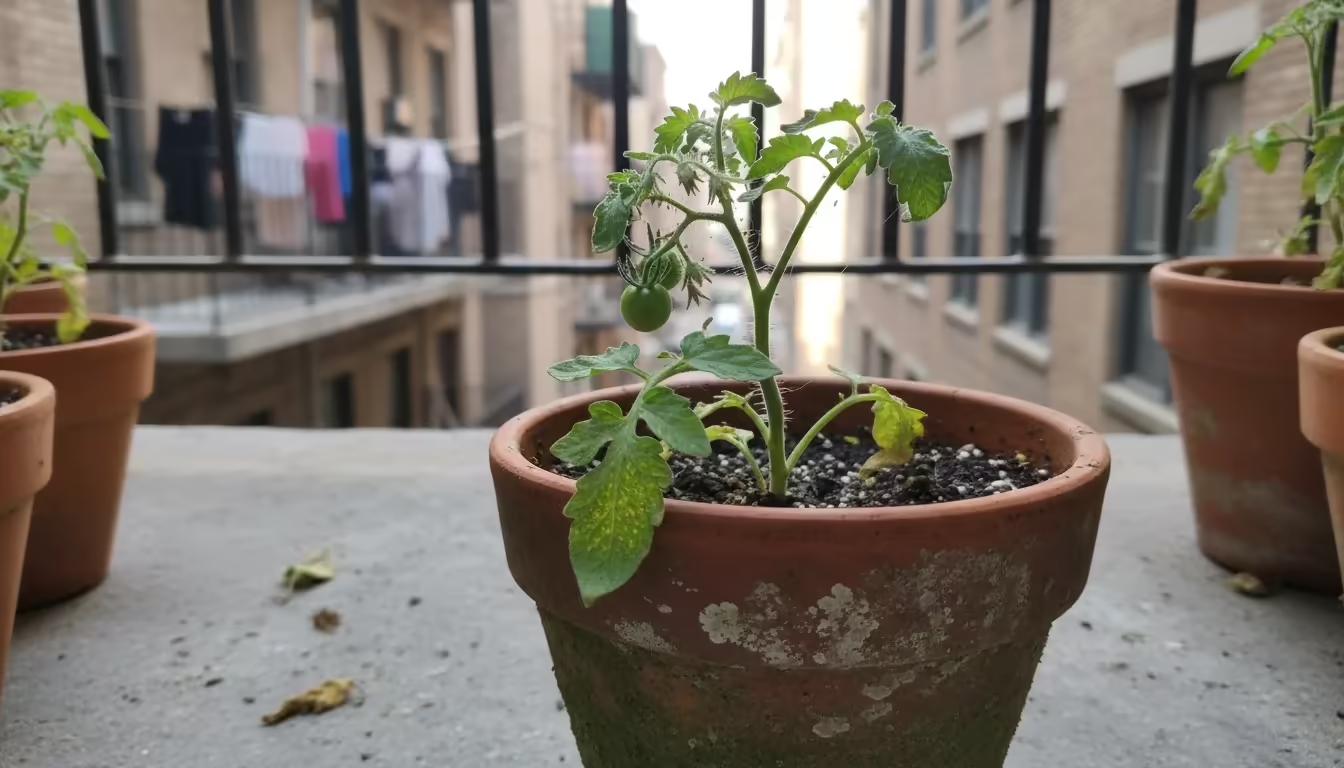
Common Balcony Pests in Summer
- Aphids: Small, soft-bodied insects often found on new growth and the undersides of leaves. They suck plant sap, causing distorted leaves and stunted growth. They leave behind a sticky residue called honeydew.
- Spider Mites: Tiny arachnids that thrive in hot, dry conditions. You might see fine webbing on leaves, and the leaves themselves may look stippled or speckled yellow.
- Whiteflies: Small, white, moth-like insects that fly up in a cloud when disturbed. They also feed on sap and excrete honeydew.
- Fungus Gnats: Small, dark flies that hover around the soil surface. Their larvae feed on roots, especially in overly moist soil.
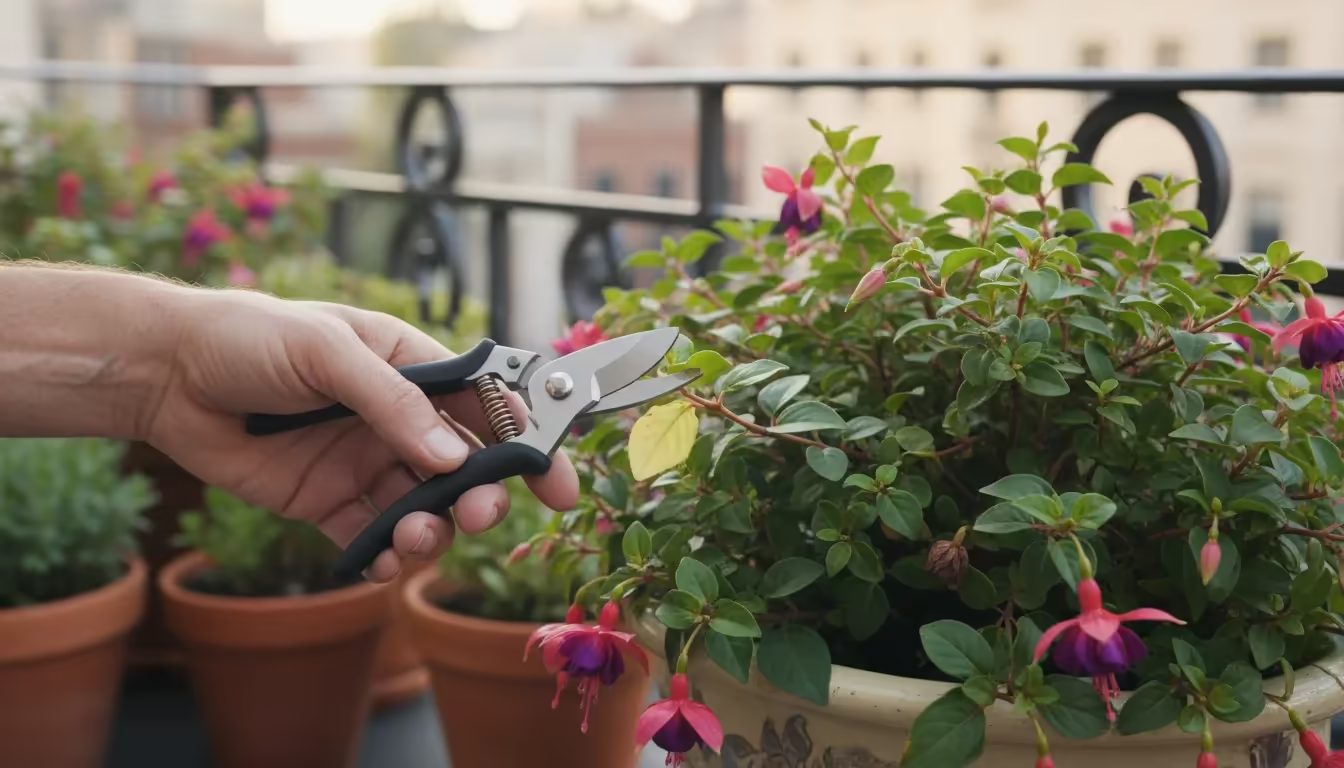
Prevention is Your Best Defense
- Inspect Regularly: Make it a habit to inspect your plants closely every few days. Check the tops and undersides of leaves, stems, and around the soil line. Early detection makes control much easier.
- Maintain Plant Health: Healthy, well-fed, and properly watered plants are naturally more resistant to pests and diseases. The 3-step recharge plan directly contributes to this resilience.
- Improve Air Circulation: Proper spacing between pots and strategic pruning (as discussed in Step 1) improves air circulation, which discourages many fungal diseases like powdery mildew.
- Avoid Over-watering: Soggy soil is an invitation for fungus gnats and root rot. Allow the topsoil to dry out between waterings.
- Sanitation: Remove dead leaves, spent flowers, and any fallen debris from your pots and balcony floor. This removes potential hiding spots and breeding grounds for pests.
- Quarantine New Plants: Before introducing new plants to your balcony, isolate them for a week or two. Inspect them thoroughly for any signs of pests or diseases to prevent them from spreading to your existing collection.
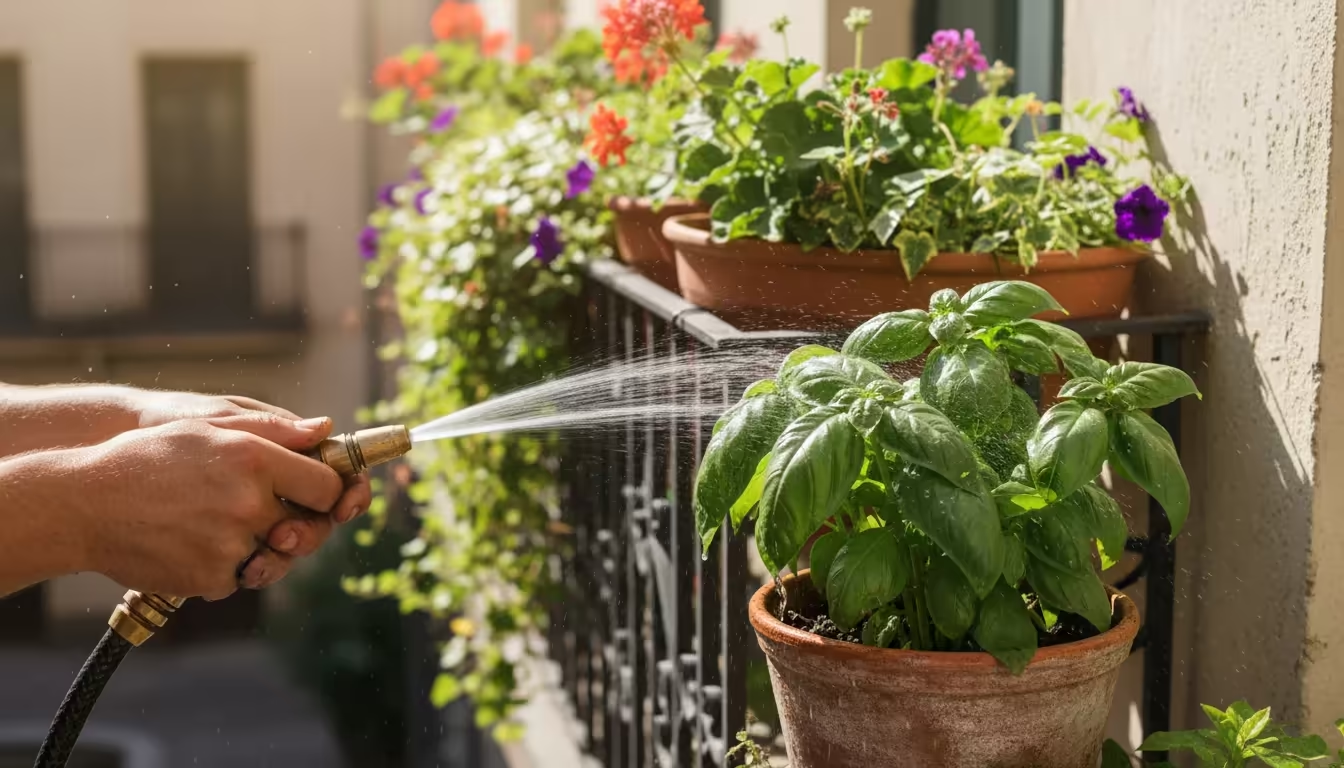
Eco-Friendly Control Methods
If you do find pests, start with the least toxic methods first.
- Manual Removal: For small infestations of aphids or caterpillars, simply pick them off by hand or blast them off with a strong stream of water from your hose.
- Insecticidal Soap: A very effective and low-toxic option for soft-bodied pests like aphids, spider mites, and whiteflies. Mix according to package directions and spray thoroughly, ensuring to cover the undersides of leaves. Repeat every 5-7 days until the problem is resolved.
- Neem Oil: An organic insecticide that disrupts insect growth and acts as an anti-feedant. Mix with water and apply as a spray, again covering all plant surfaces. It is most effective when used preventatively or at the first sign of pests.
- Beneficial Insects: For larger balcony gardens, consider introducing beneficial insects like ladybugs (for aphids) or predatory mites (for spider mites). Ensure you have no residual chemical pesticides before releasing them.
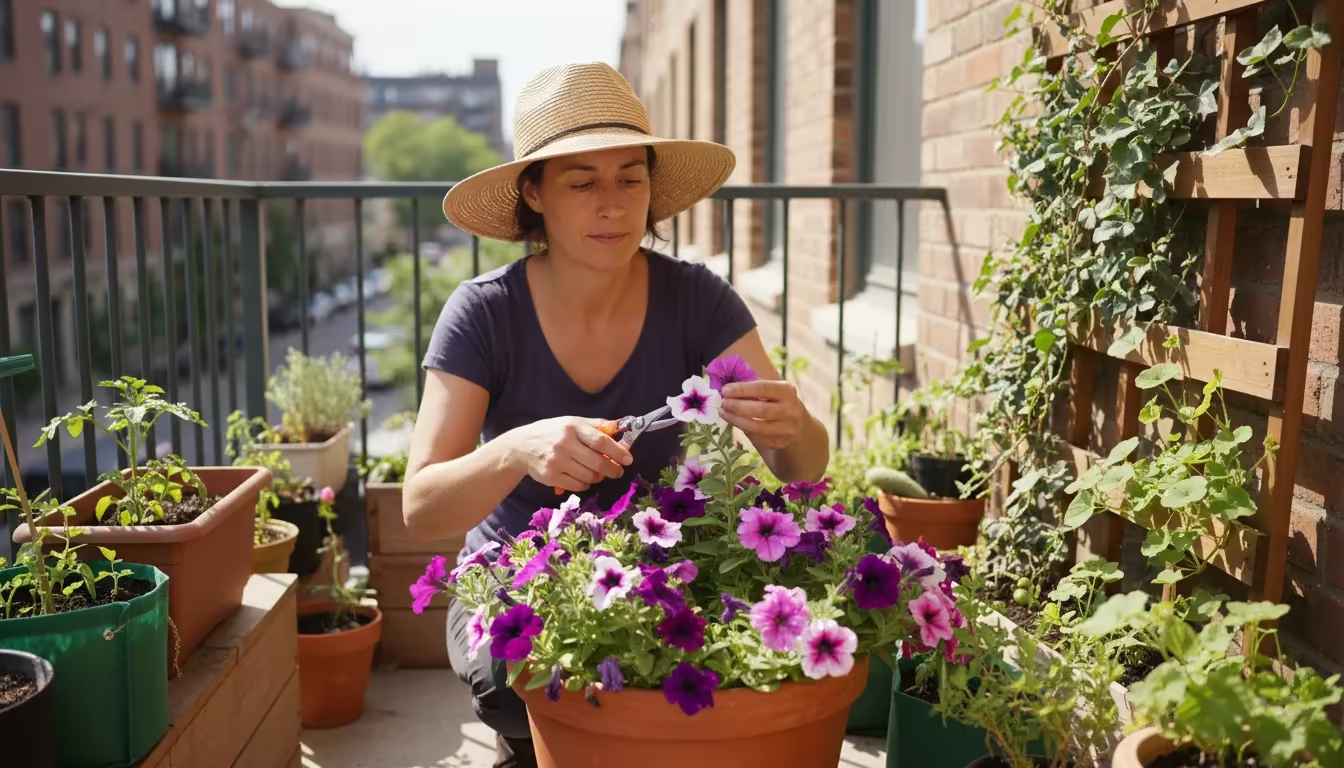
Addressing Diseases
Fungal diseases are common in humid summer conditions. Look for powdery mildew (white powdery spots on leaves), rust (orange or brown pustules), or leaf spots.
- Prune Affected Parts: Remove and discard any diseased leaves or stems immediately. Do not compost diseased material.
- Improve Air Circulation: Again, good airflow helps prevent and reduce fungal issues.
- Organic Fungicides: For persistent fungal problems, consider organic options like a baking soda spray (1 teaspoon baking soda in 1 quart of water with a few drops of dish soap) or a commercial organic fungicide. Always follow instructions.
By incorporating regular pest and disease checks into your `mid-summer garden care` routine, you can keep your balcony plants healthy and vibrant without resorting to harsh chemicals. This approach supports an environmentally conscious gardening practice.
Smart Plant Choices for Summer Resilience
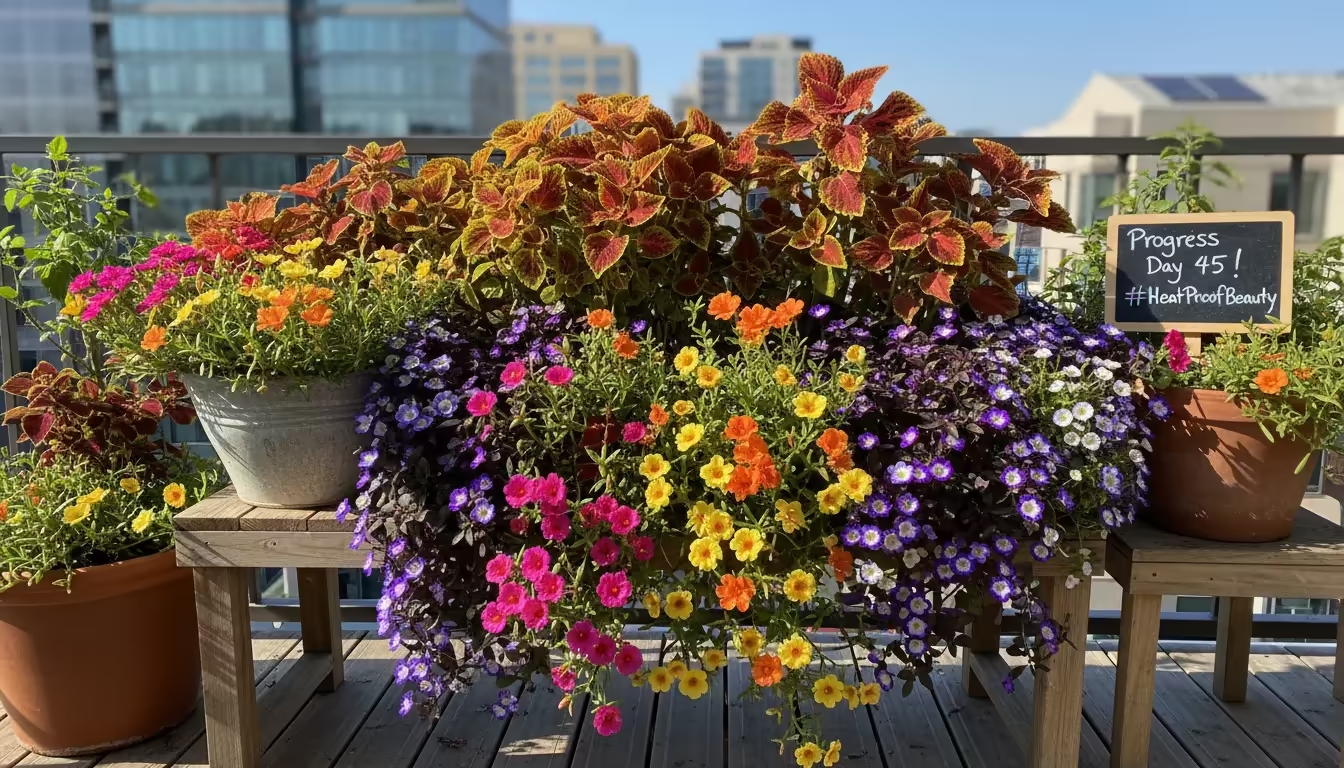
While our 3-step recharge plan can `revive potted plants` significantly, selecting the right plants at the outset, or understanding which plants handle summer stress better, provides a significant advantage.
For small-space and low-maintenance gardening, choosing heat-tolerant and drought-tolerant varieties can reduce your `mid-summer garden care` workload and ensure a more continuous display.
Understanding Plant Resilience
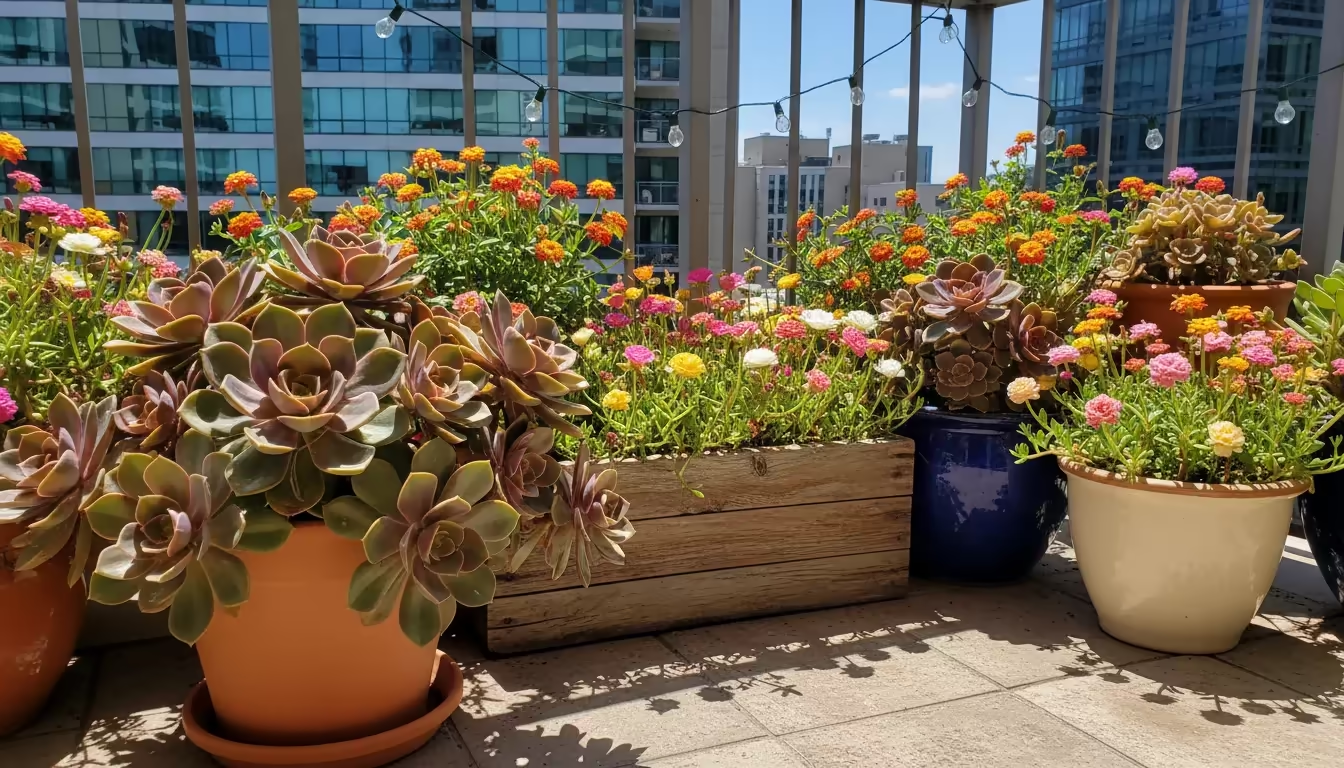
Plants have varying tolerances to heat, sun, and dry conditions. Opting for those naturally adapted to hot summers will make your balcony garden less susceptible to the mid-summer slump.
- Heat-Tolerant Plants: These thrive in high temperatures, maintaining growth and flowering even when the mercury soars.
- Drought-Tolerant Plants: These have adaptations to survive periods of less water, such as fleshy leaves (succulents), deep root systems, or waxy coatings. While container plants always need regular watering, these varieties are more forgiving if you miss a day.
- Sun-Loving Plants: Ensure your plant choices match your balcony’s light exposure. Full sun means 6+ hours of direct sunlight.
Recommended Resilient Plants for Balcony Containers
Consider incorporating some of these superstars into your containers for a more robust summer display:
- Vibrant Flowers:
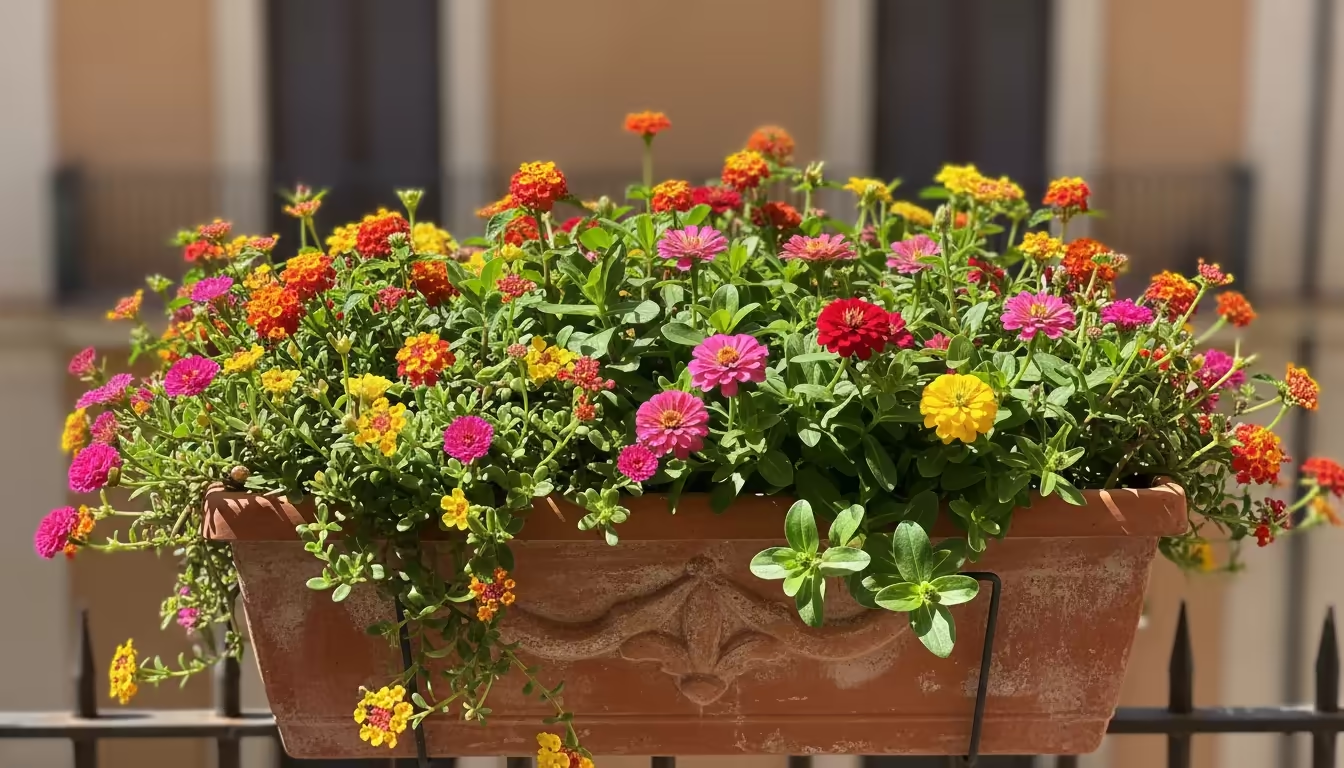
- Portulaca (Moss Rose): Extremely heat and drought tolerant, with bright, jewel-toned flowers. Thrives in full sun and well-draining soil.
- Lantana: Tolerates intense heat and sun, producing clusters of small, colorful flowers. It’s a butterfly magnet.
- Zinnia (dwarf varieties): Easy to grow from seed or starts, zinnias offer continuous blooms in various colors and sizes. Excellent cut flowers.
- Vinca (Catharanthus roseus): A fantastic choice for hot, sunny spots. It flowers profusely with glossy green leaves and is very drought-tolerant once established. Often confused with impatiens, but vinca loves sun, while impatiens prefer shade.
- Calibrachoa (Million Bells): A heavy bloomer with small petunia-like flowers. While they like consistent moisture, many newer varieties are bred for heat tolerance. Requires frequent `feeding potted plants in summer`.
- Purslane: Similar to portulaca, with succulent leaves and bright flowers, it’s virtually indestructible in the heat.
- Foliage Plants:
- Coleus (sun varieties): Many new coleus varieties tolerate full sun and heat beautifully, offering stunning foliage colors.
- Sweet Potato Vine (Ipomoea batatas): Fast-growing, trailing foliage in chartreuse, purple, or bronze. Extremely vigorous and heat tolerant.
- Sedum: A large genus of succulents with various forms and colors. Excellent for hot, dry conditions and very low maintenance.
- Herbs & Edibles:
- Basil: While it enjoys heat, consistent moisture is key.
- Rosemary: Drought-tolerant once established, loves full sun.
- Thyme: Similarly drought-tolerant and aromatic.
- Peppers (Capsicum annuum): Many pepper varieties thrive in heat and full sun, offering both ornamental appeal and delicious harvests.
Design Tips for Heat Resilience
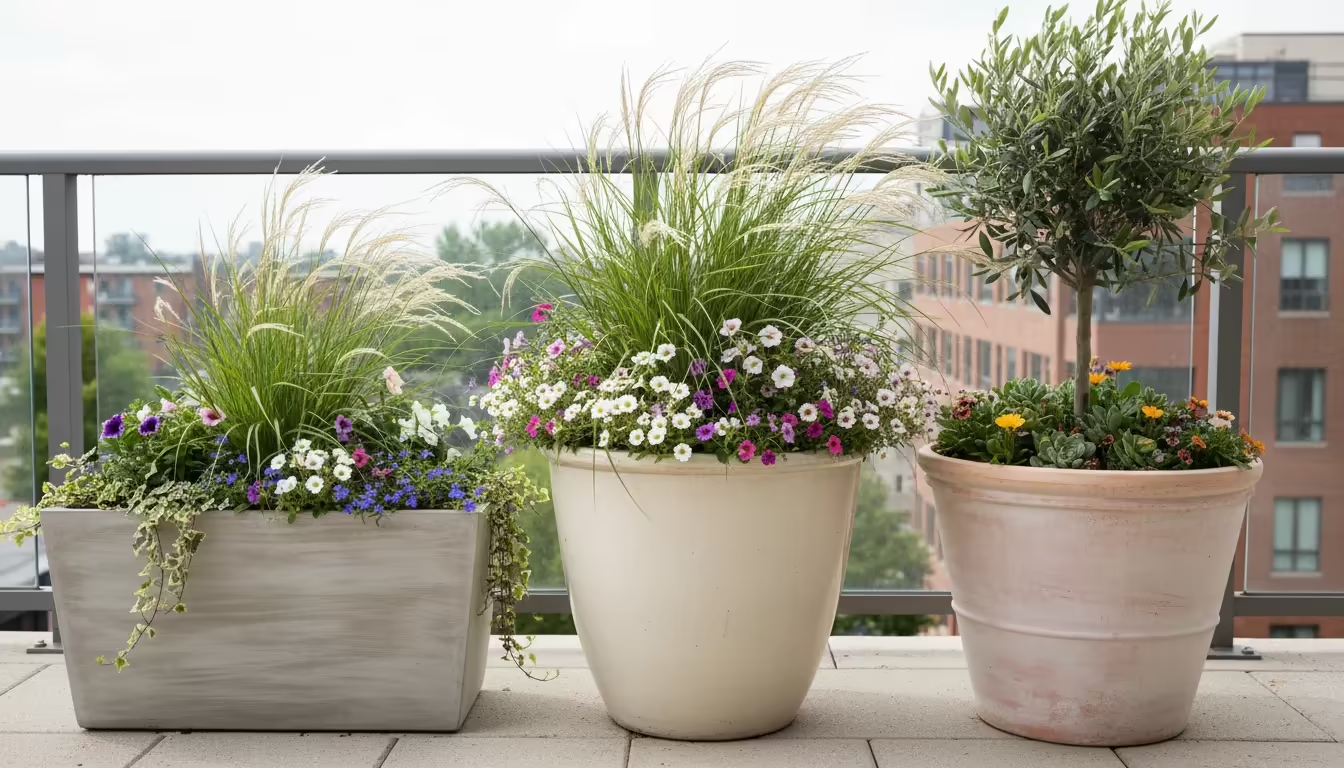
- Use Larger Pots: Larger pots hold more soil, which retains moisture longer and insulates roots better from heat fluctuations.
- Light-Colored Containers: Lighter-colored pots absorb less solar radiation than dark ones, keeping root zones cooler.
- Combine Plants Strategically: Plant larger, taller plants in the center of a container to provide some shade for smaller, more delicate plants below.
- Group Pots: Arranging pots closely together creates a microclimate that can be slightly cooler and more humid, benefiting all plants.
By consciously selecting resilient varieties and applying smart design principles, you can significantly reduce the impact of the mid-summer slump, making your balcony garden a vibrant and enduring source of joy with less intensive `mid-summer garden care`.
Long-Term Strategies for Year-Round Container Health
Implementing the 3-step recharge plan will revitalize your balcony planters for the current season, but adopting long-term strategies ensures continued success and reduces the likelihood of future mid-summer slumps. These practices also align with environmentally conscious gardening, promoting sustainable habits for your small-space oasis.
Proactive `mid-summer garden care` prevents problems instead of reacting to them.
Choosing Quality Potting Mix
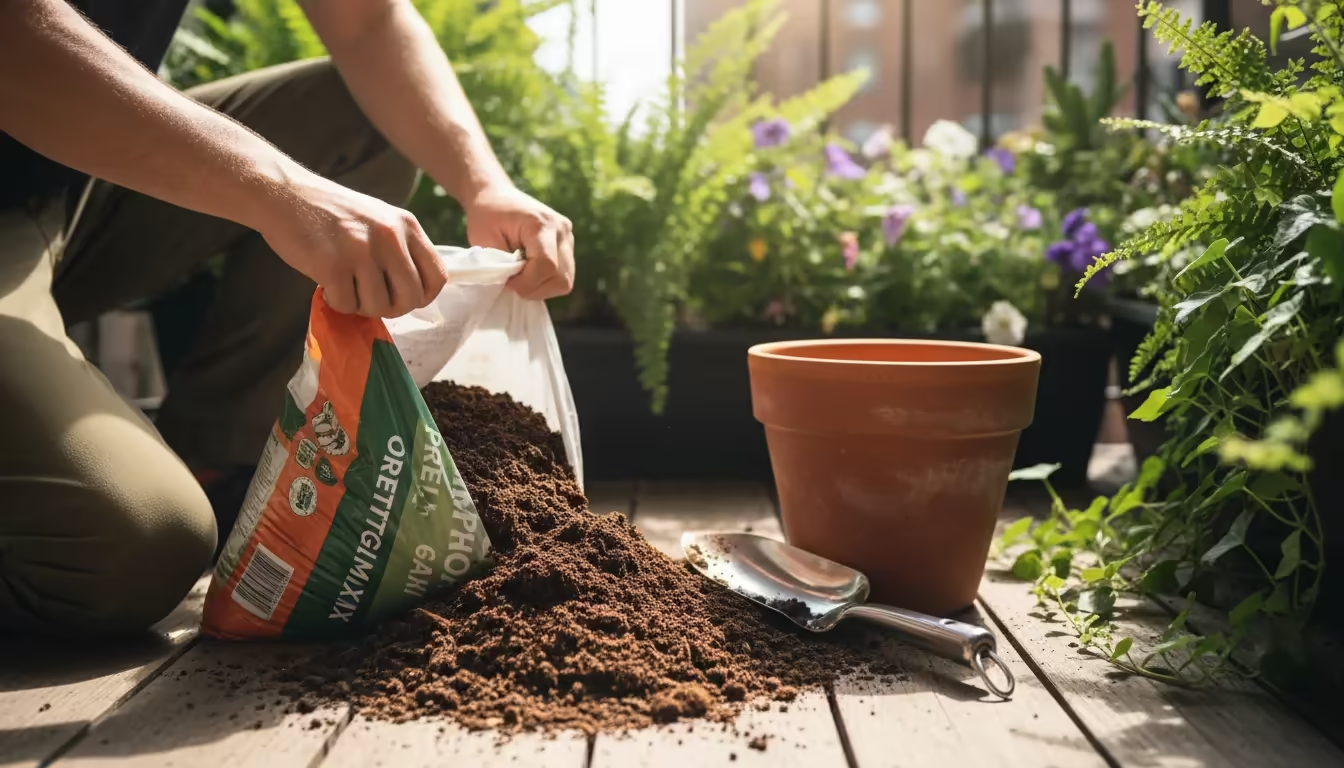
The foundation of healthy container plants is good soil. Invest in a high-quality, lightweight potting mix specifically designed for containers.
These mixes often contain a blend of peat moss, coir, perlite, and compost, providing excellent drainage, aeration, and moisture retention. Avoid using garden soil, which is too heavy and compacts easily in pots.
Good soil reduces the frequency of needing to `how to refresh container plants mid-season`.
Annual Soil Refresh
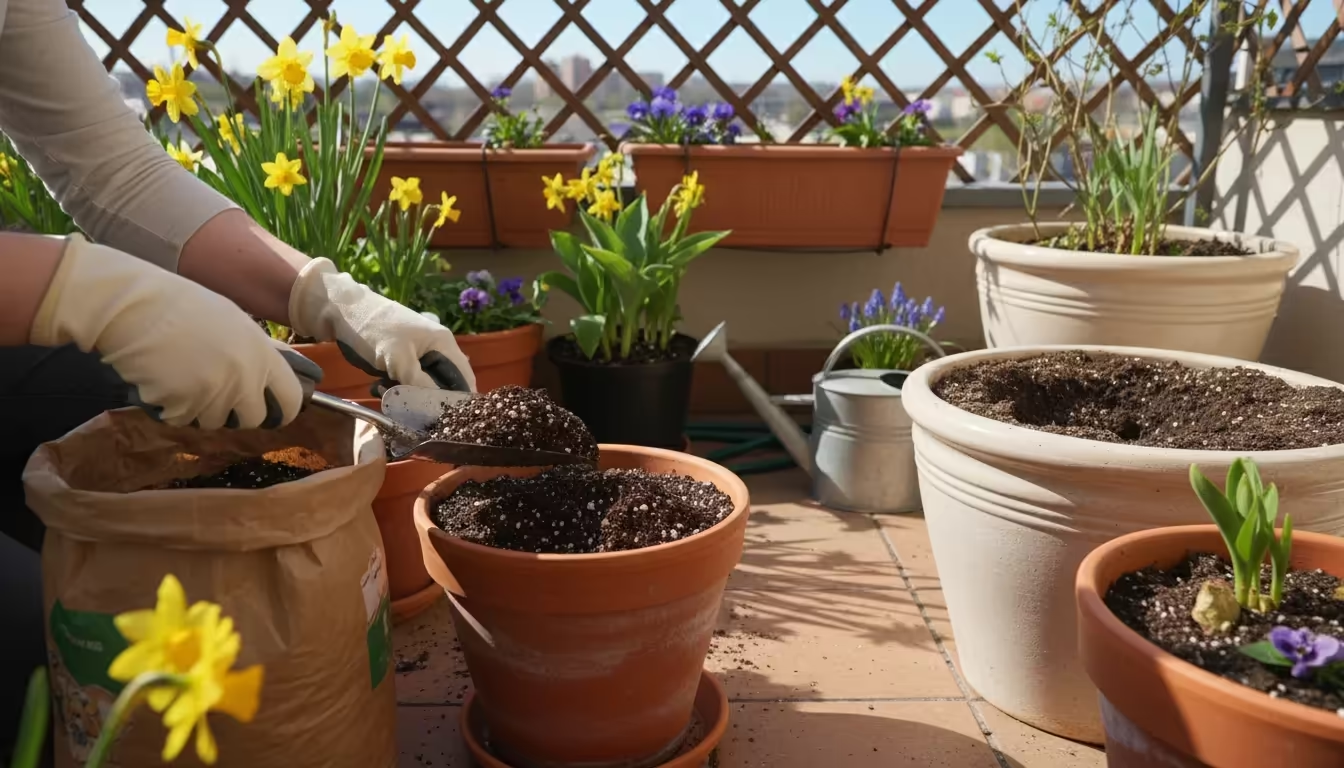
Each spring, before new plantings or as existing perennials begin to emerge, refresh your container soil. For annuals, completely replace the old potting mix with fresh soil.
For perennial container plants, remove the top few inches of old soil and replace it with new, nutrient-rich potting mix. This replenishes organic matter and provides fresh nutrients for the growing season.
This proactive approach lessens the need for reactive `feeding potted plants in summer`.
Consider Self-Watering Planters or Irrigation
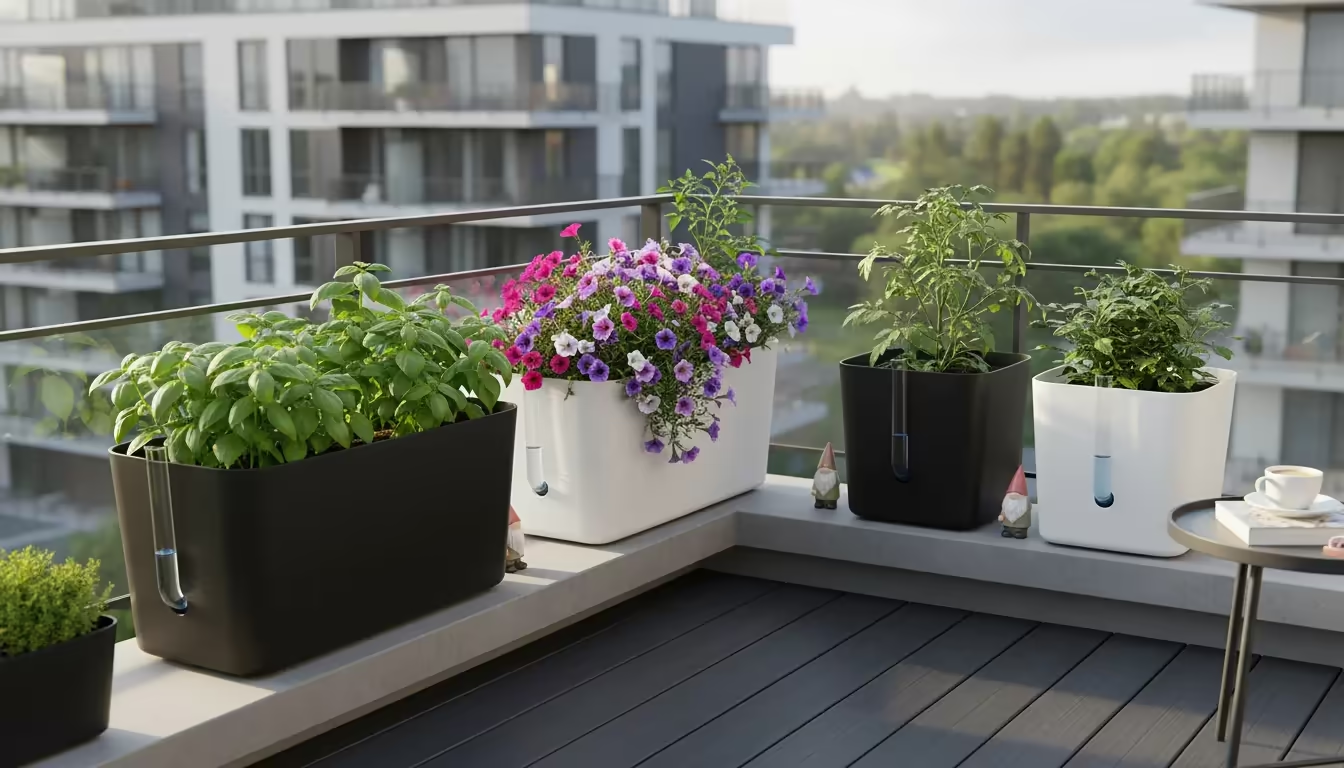
For consistent moisture, especially during summer heatwaves, self-watering planters are excellent. They include a water reservoir that wicks moisture up into the soil as needed.
For larger balcony gardens, a simple drip irrigation system or individual self-watering stakes connected to a timer can automate watering, ensuring plants never go thirsty and making `mid-summer garden care` significantly easier.
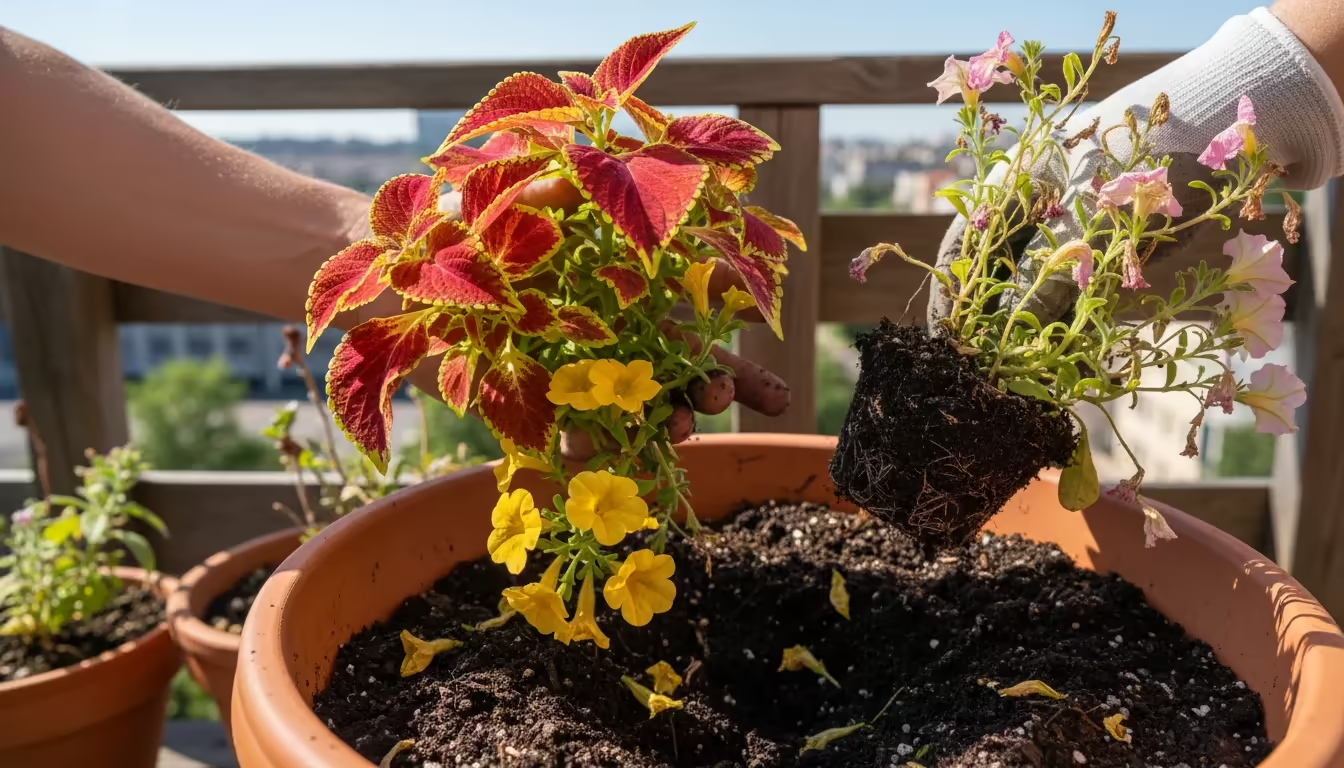
Seasonal Rotation and Plant Selection
Plan your container plantings with the seasons in mind. Choose plants that thrive in different conditions.
For example, some spring annuals might naturally fade by mid-summer. Instead of trying to force them, consider replacing them with truly heat-tolerant varieties for the latter half of summer (as discussed in “Smart Plant Choices”).
This keeps your containers looking vibrant year-round without constant struggle. This proactive planning helps to `revive potted plants` not just once, but continuously.
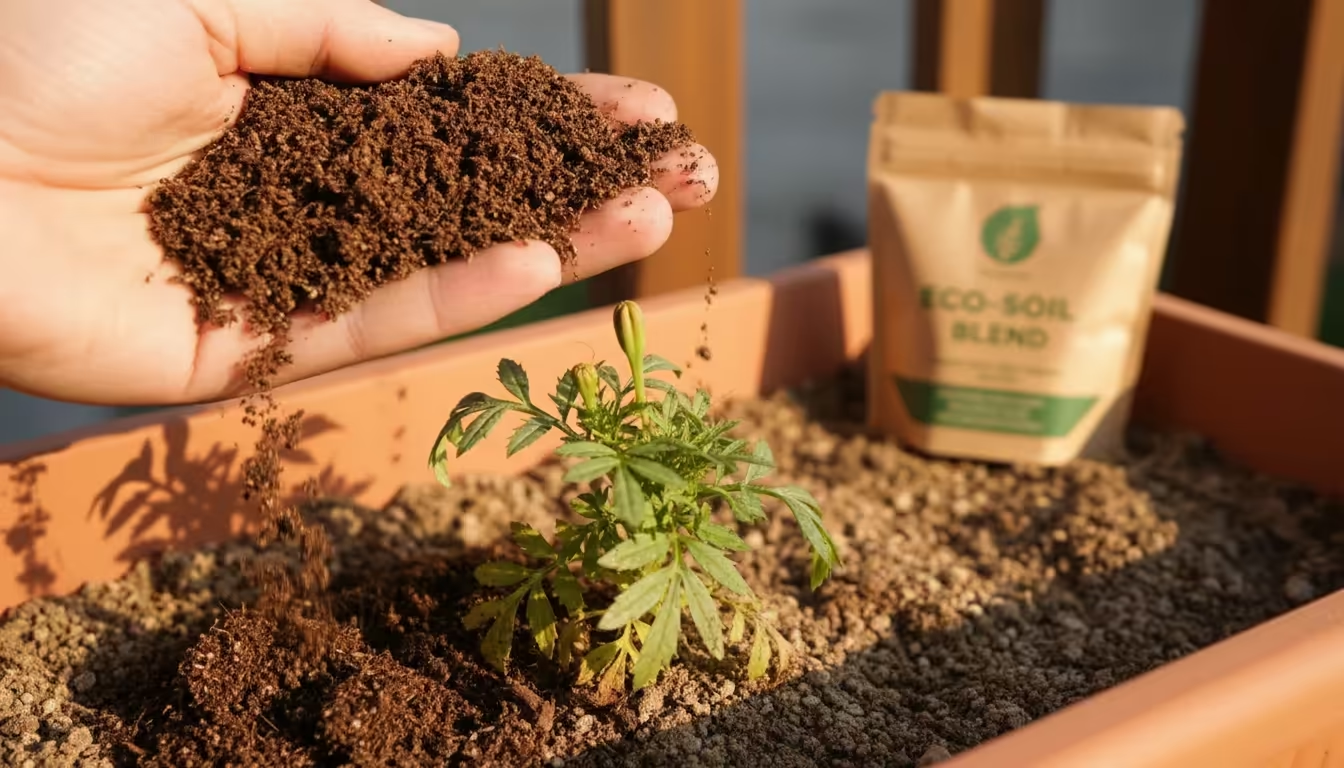
Embrace Organic Practices
Using organic fertilizers, compost, and pest control methods creates a healthier soil ecosystem and reduces your reliance on synthetic chemicals. Organic matter improves soil structure and water retention, while organic pest solutions are safer for beneficial insects, pets, and local wildlife.
These practices are sustainable and contribute to the long-term vitality of your balcony garden.
Winter Protection for Perennials
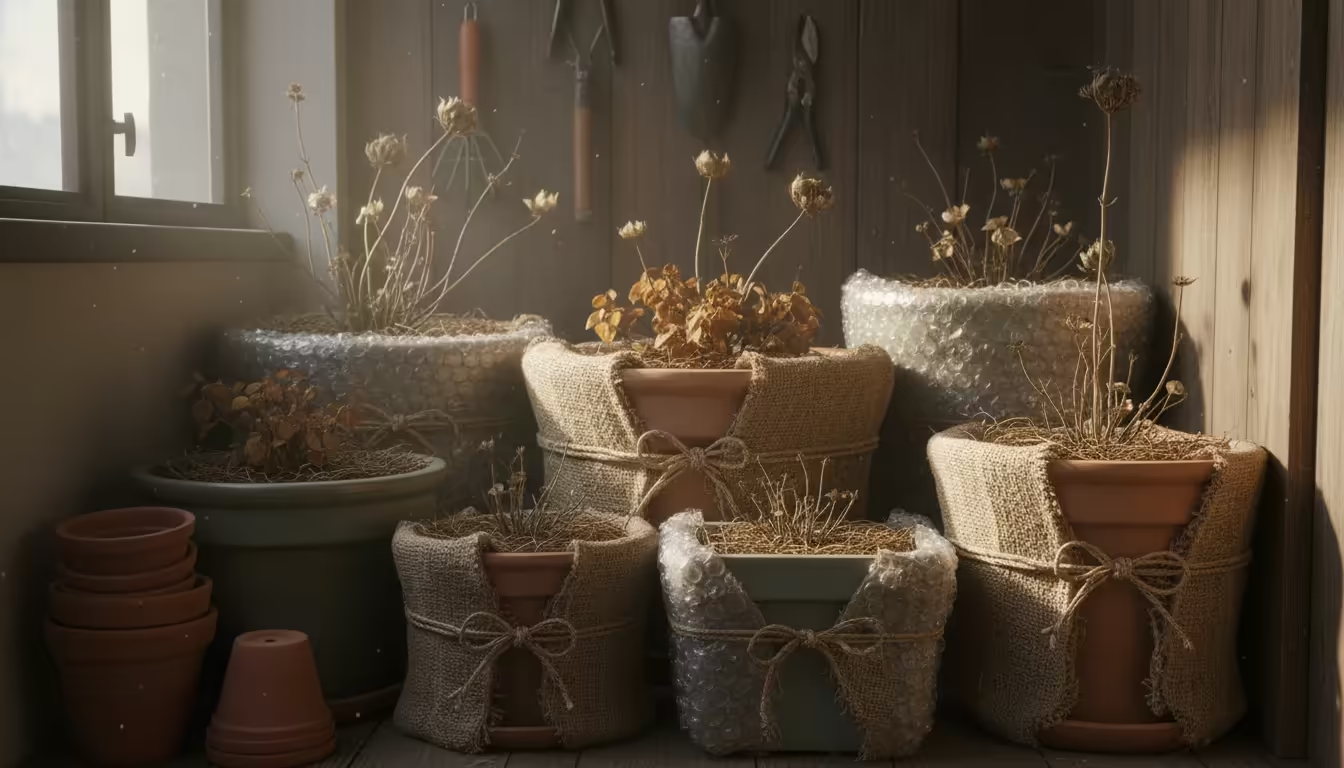
If you grow perennial plants in containers, plan for winter protection. In colder climates, move pots into a sheltered area like an unheated garage, shed, or against a protected wall.
For very hardy plants, insulating pots with bubble wrap or burlap can help prevent root freezing. This ensures your plants survive to `revive potted plants` again next spring.
By integrating these long-term strategies into your gardening routine, you build resilience into your balcony garden. This proactive approach minimizes stress on your plants, conserves resources, and ensures a more consistent, beautiful display with less effort in the long run.
You create a vibrant, healthy environment that flourishes year after year.

Frequently Asked Questions
What are the immediate signs that my potted plants are in a mid-summer slump?
You will typically observe several key indicators: wilting or drooping leaves, even after watering; yellowing or browning foliage, particularly older leaves; stunted growth or a complete halt in new growth; fewer flowers, or flowers that fade quickly; and an overall tired, dull appearance.
These are often clues that your plants need a boost in `mid-summer garden care`.
How often should I apply fertilizer to my container plants in summer?
For a noticeable improvement and sustained health, a general recommendation is to apply a diluted liquid `container fertilizer` every 2 to 4 weeks during the active growing season. Always follow the specific instructions on your chosen fertilizer packaging, as concentrations vary.
Heavy feeders like petunias or fuchsias might benefit from more frequent, very dilute applications, while less demanding plants can go longer between feedings. Applying to moist soil is critical to prevent root burn.
Can I really cut back leggy plants significantly, or will it kill them?
For many annuals and some perennials, a significant cutback, sometimes called a “hard prune,” is not only safe but highly beneficial. It encourages the plant to put out fresh, bushy growth and more flowers, essentially helping to `revive potted plants`.
Most common balcony annuals like petunias, impatiens, verbena, and calibrachoa respond very well to being cut back by one-third to one-half their size. Always make cuts just above a leaf node or branch junction.
Avoid hard pruning plants that only bloom on old wood, like some spring-flowering shrubs, but most summer container plants tolerate this well.
My plant’s leaves are turning yellow, what could be the cause?
Yellowing leaves can signal several issues. Most commonly, it indicates a nutrient deficiency, especially nitrogen, which is a prime reason for `why do my balcony plants look sad in July`.
This is usually remedied by `feeding potted plants in summer`. However, yellowing can also be a sign of overwatering (leading to root rot and oxygen deprivation), under-watering (dehydration), or even excessive heat stress.
Check the soil moisture first, then assess for nutrient needs or pest infestations.
What’s the best way to prevent my pots from drying out so quickly in the summer sun?
Several strategies can help. Use larger pots, as they hold more soil and retain moisture longer.
Mulch the top of your soil with shredded bark, coco coir, or pebbles to reduce evaporation and insulate the roots. Consider using self-watering planters, which provide a consistent water supply from a reservoir.
Grouping pots together can create a slightly more humid microclimate, reducing water loss. Finally, choose light-colored pots over dark ones, as they absorb less heat.
For trustworthy gardening information, visit:
Brooklyn Botanic Garden, Chicago Botanic Garden, New York Botanical Garden, ASPCA Animal Poison Control and Michigan State University Extension — Gardening. These organizations provide expert, research-based advice for gardeners at all levels.
Disclaimer: This article is for informational purposes only and is not a substitute for professional gardening advice. Always consult local extension services or horticulture experts for region-specific guidance.