The ‘Thirsty Three’: Why Your Potted Cucumbers, Tomatoes, and Peppers Always Wilt (And How to Fix It)
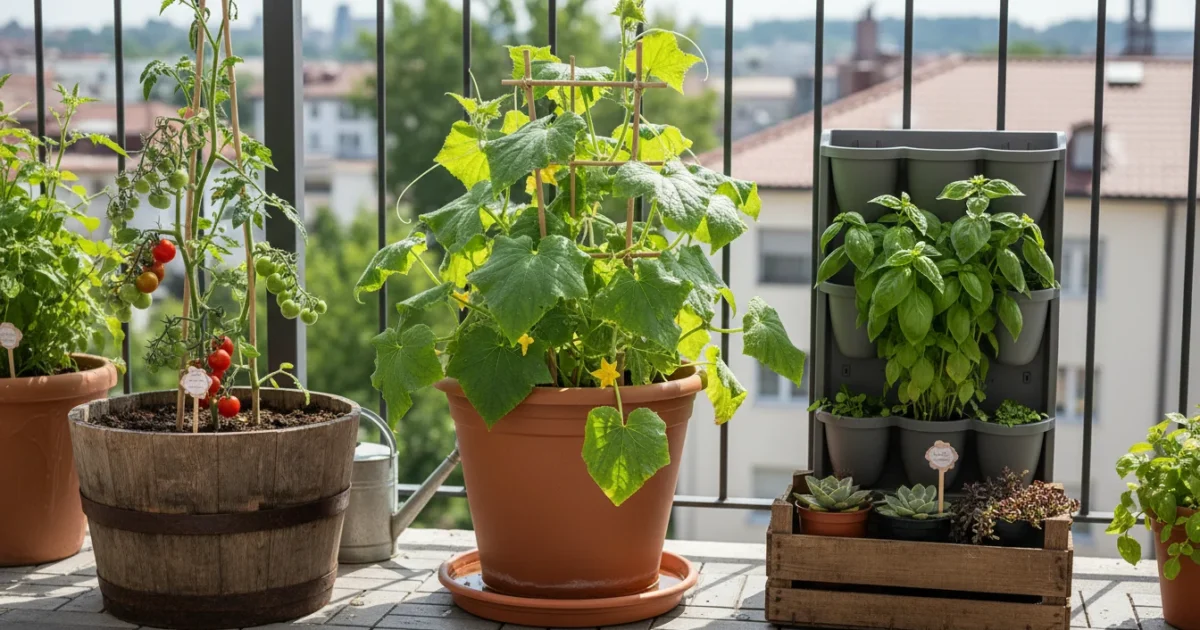
You step onto your balcony, patio, or into your small backyard, eager to check on your thriving vegetable garden. But then you see it: your beautiful potted cucumbers, tomatoes, and peppers are slumped, their leaves drooping dramatically. This common sight, often called the “Thirsty Three” phenomenon, frustrates countless gardeners, making you wonder if you did something wrong. You are not alone in facing this challenge. These three popular vegetables, beloved for their generous yields, have significant water demands, especially when growing in containers. When their needs are not met precisely, they quickly show signs of distress.
When setting up your space, being aware of common balcony garden mistakes can prevent many hydration and layout issues from the start.
Successful container gardening involves understanding how pots change a plant’s environment. Unlike in-ground gardens, containers offer limited soil volume, exposing roots to faster temperature fluctuations and quicker drying. This article will equip you with the practical, actionable insights you need to keep your potted cucumbers, tomatoes, and peppers hydrated, healthy, and producing abundant harvests. You will learn the specific reasons behind wilting and discover straightforward solutions to ensure your container garden thrives.
Understanding the ‘Thirsty Three’s’ Needs
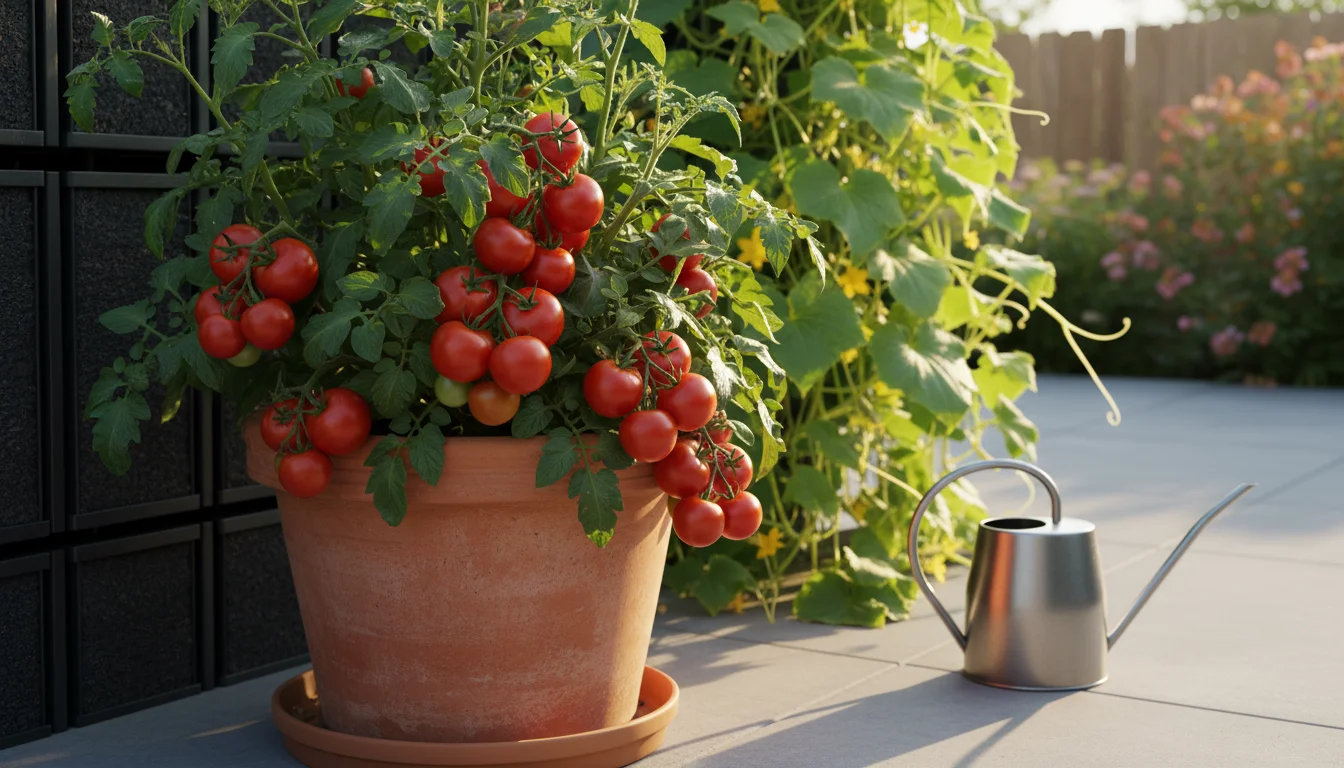
Cucumbers, tomatoes, and peppers share a common trait that makes them susceptible to wilting in containers: they are all heavy feeders and producers. These plants pour significant energy into developing large fruits, a process that requires a substantial and consistent water supply. Consider the juicy flesh of a tomato or a crisp cucumber, both predominantly water. To create these delicious yields, the plant must continuously draw water from the soil through its roots and transport it to the leaves and developing fruits.
If your high-yielding crops begin to flag as the season goes on, you can also apply a strategic recharge plan for tired balcony planters to restore their vigor.
To ensure your heavy feeders perform beautifully, check out our comprehensive guide on how to grow tomatoes in containers without failure.
Tomatoes, for instance, are vigorous growers with extensive root systems that fill containers quickly. A single tomato plant in peak summer production can transpire, or release, 1 to 3 gallons of water per week through its leaves. Cucumbers, with their rapid vining growth and large leaves, also have high transpiration rates. Peppers, while often smaller in stature, still demand consistent moisture, especially when setting and ripening fruit. If the water supply does not keep pace with this demand, wilting inevitably occurs. Your plants are simply telling you they are running on empty.
The Container Conundrum: Why Pots Exacerbate Thirst
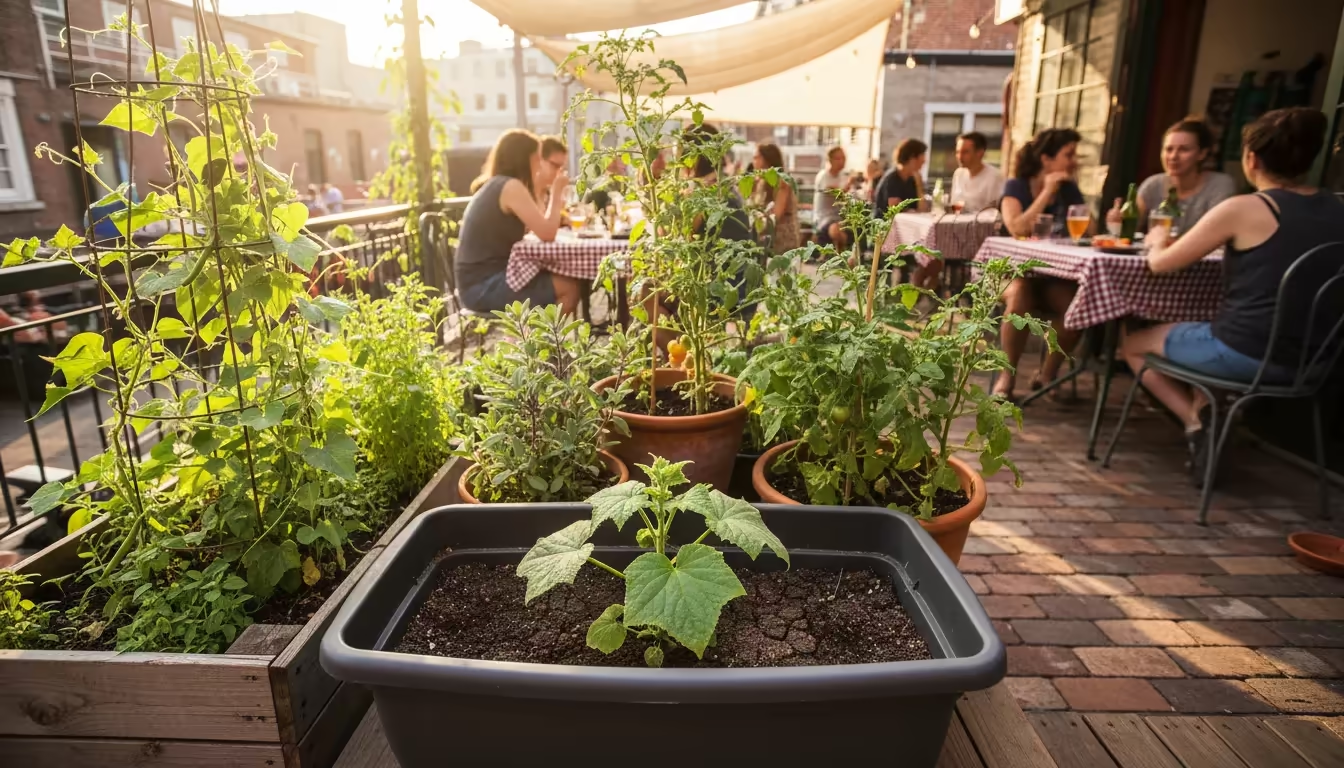
Growing vegetables in containers offers incredible flexibility for small spaces, but it also introduces unique challenges to watering. The primary issue is the limited volume of soil. Unlike plants in the ground, which can extend their roots deep and wide to access vast reserves of moisture, container plants are confined. This small soil mass dries out much faster for several key reasons:
To combat this extreme environment, implementing some principles of low-water gardening can help stabilize moisture levels in dry conditions.
Extreme summer weather can exacerbate these conditions quickly, making it essential to learn how to protect your potted plants from a summer scorch.
- Evaporation from Soil Surface: Water evaporates directly from the exposed soil surface, especially on hot, sunny, or windy days.
- Transpiration from Plant Leaves: As discussed, the plants themselves release water vapor. In containers, the available water is quickly depleted.
- Heat Absorption by Container Walls: Dark-colored pots, or those made of porous materials like terracotta, absorb and radiate heat. This heat warms the soil, accelerating evaporation and increasing the plant’s water uptake demand. A study published in the International Society for Horticultural Science journals often highlights how pot color and material affect root zone temperatures and moisture levels.
- Root Restriction: While essential for container growth, restricted root systems cannot explore a large area for water. Once the available moisture in the pot is gone, there is nowhere else for the roots to turn.
Because of these factors, container plants typically require more frequent watering than their in-ground counterparts. Wilting in container plants often signals a lack of available moisture in the root zone, rather than a problem with the plant itself.
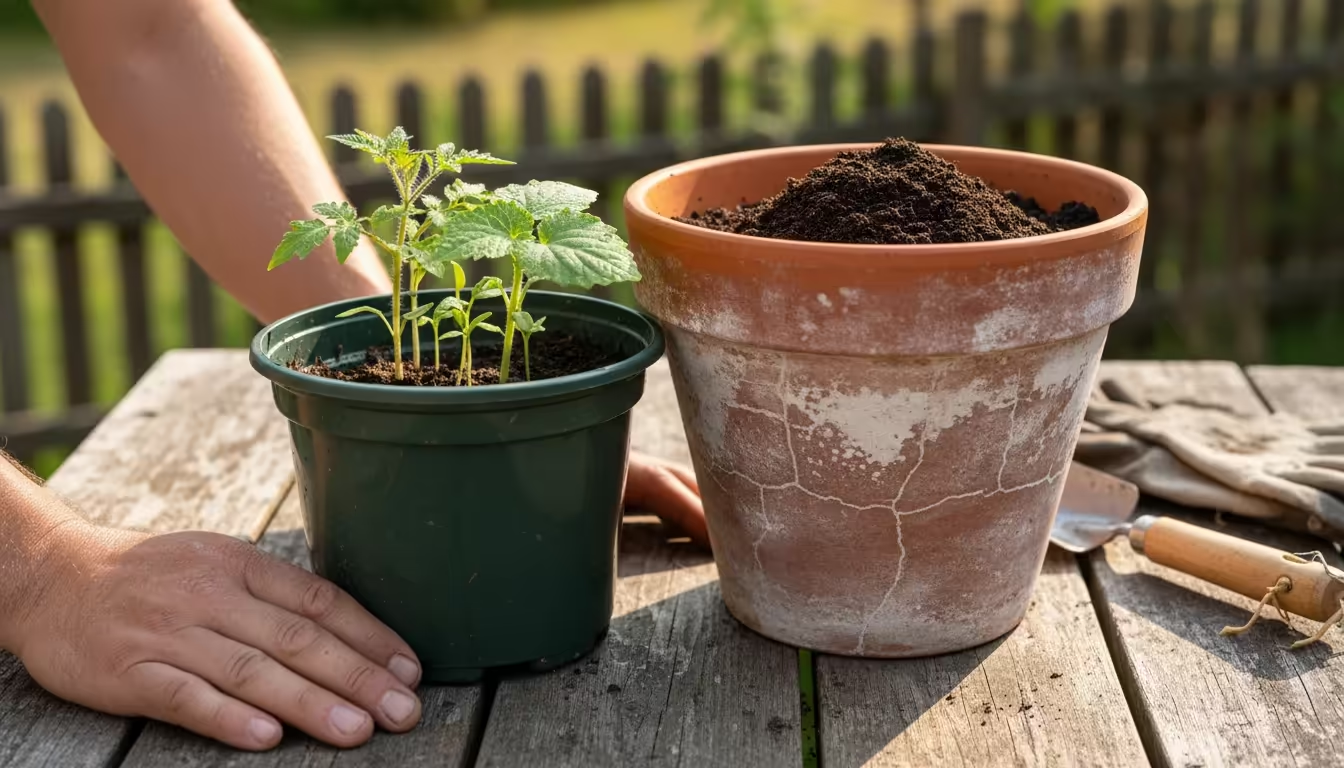
Choosing the Right Pot: Size and Material Matter
The pot you select plays a crucial role in how often you need to water and how well your plants thrive. It is not merely a decorative choice; it is a fundamental element of successful container gardening.
For those with minimal space who want to try smaller scales first, check out our guide on growing micro-tomatoes in the one-gallon container challenge.
If you want to expand your container garden further, explore our list of the best vegetables to grow in pots ranked by overall yield.
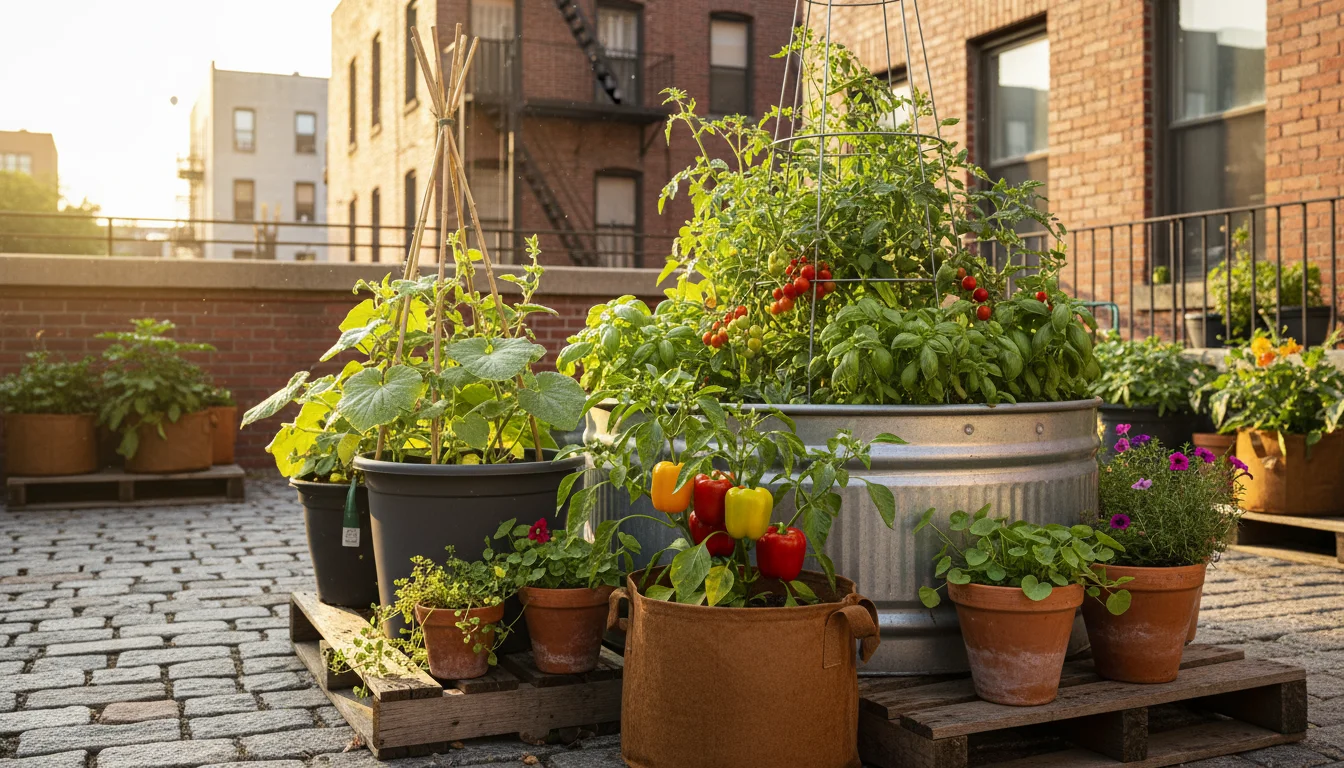
Pot Size Recommendations for the ‘Thirsty Three’:
- Tomatoes: Aim for a minimum of a 15-20 gallon equivalent container for most indeterminate varieties to allow for ample root growth and consistent moisture. Smaller, determinate varieties might tolerate a 5-gallon container, but you will water it more frequently.
- Cucumbers: For bush varieties, a 5-gallon pot per plant often suffices. Vining cucumbers benefit from 7-10 gallon containers per plant. Ensure space for trellising.
- Peppers: Most pepper plants do well in 3-5 gallon pots. Larger, hotter varieties or those you want to overwinter may prefer a 7-gallon size.
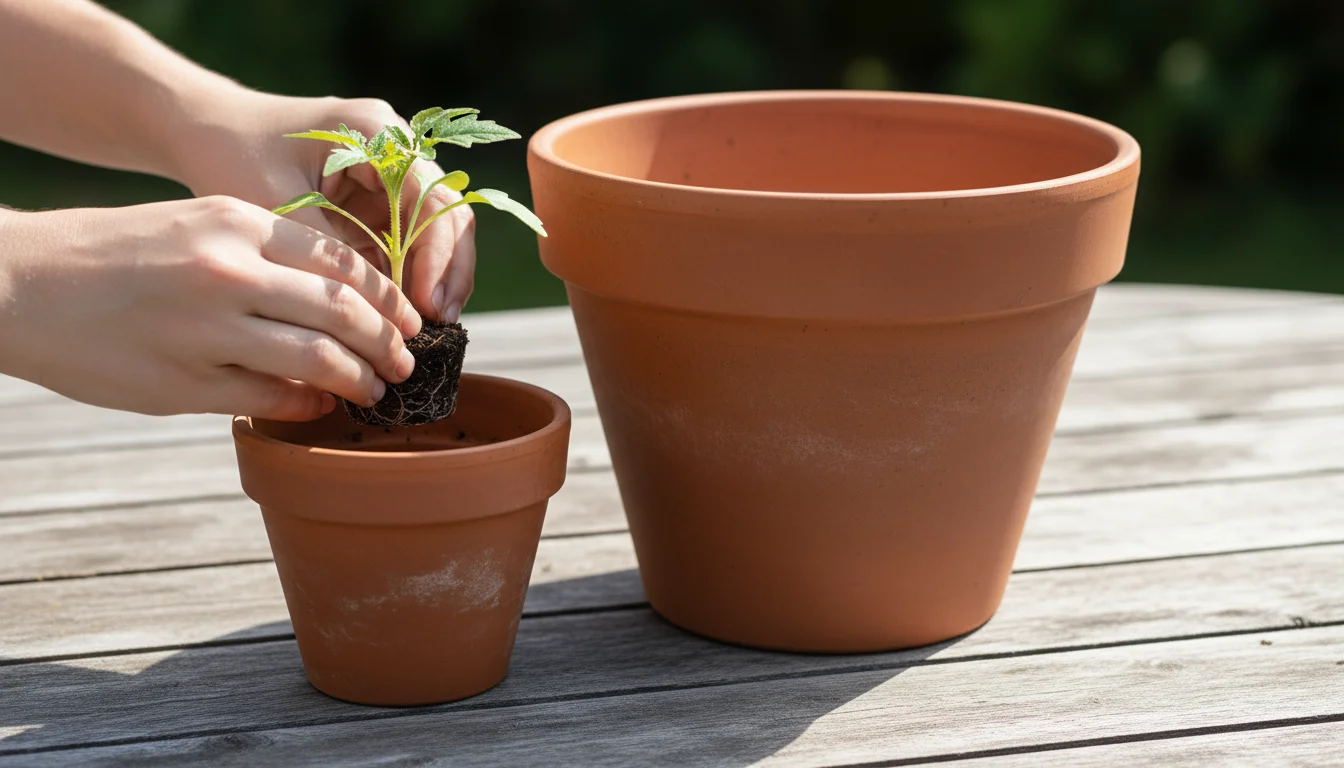
Why larger pots are better: A larger pot holds more soil, which in turn holds more water. This provides a greater buffer against drying out, meaning you water less frequently. More soil also allows for better root development, leading to healthier, more productive plants.
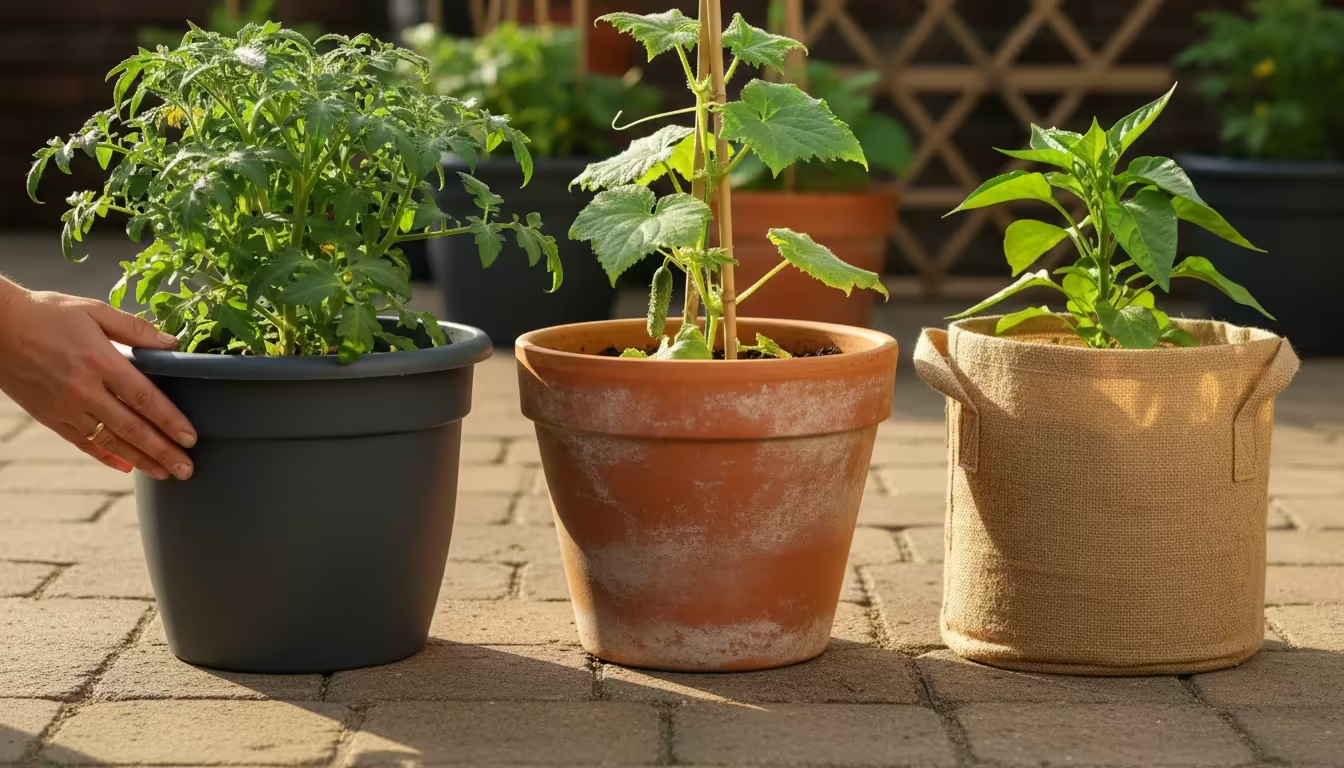
Pot Material Considerations:
- Plastic Pots: These are excellent at retaining moisture because they are non-porous. They are lightweight, durable, and generally inexpensive. However, dark plastic can absorb a lot of heat, warming the soil and potentially stressing roots.
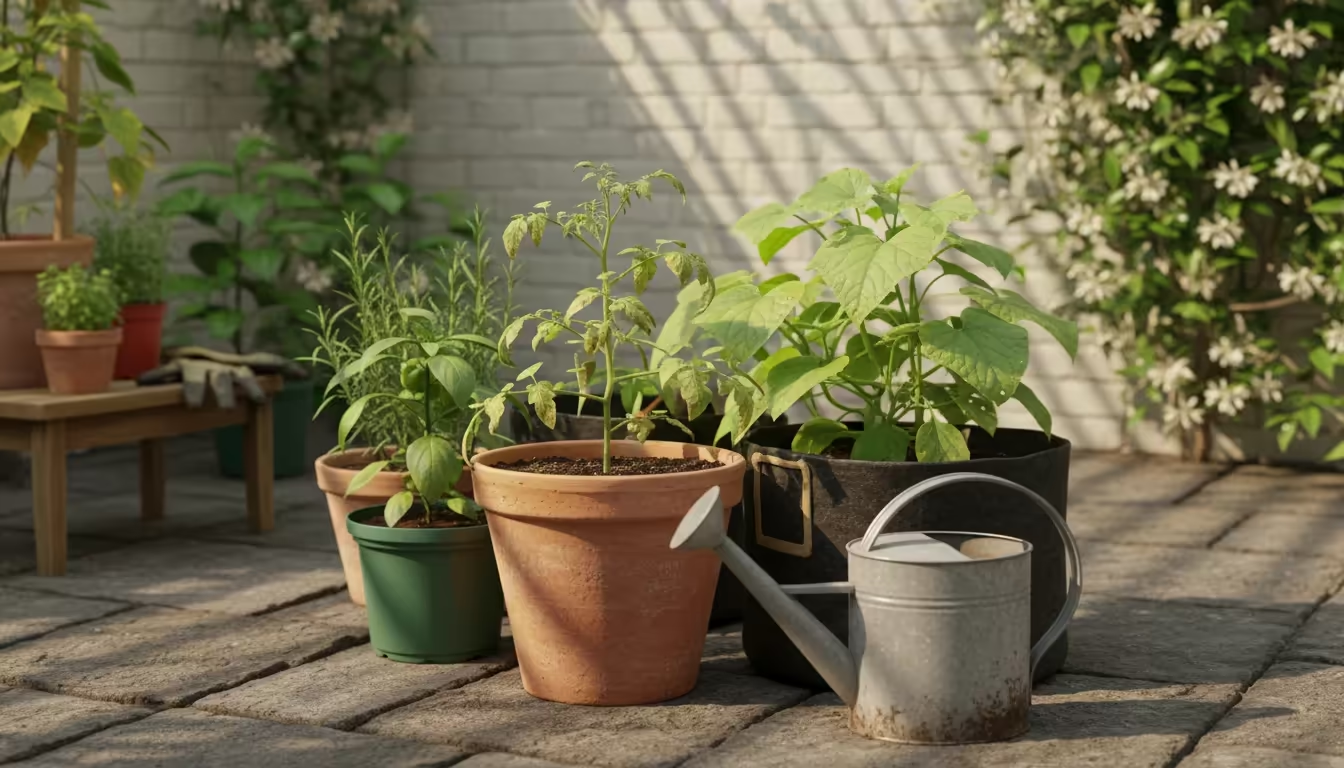
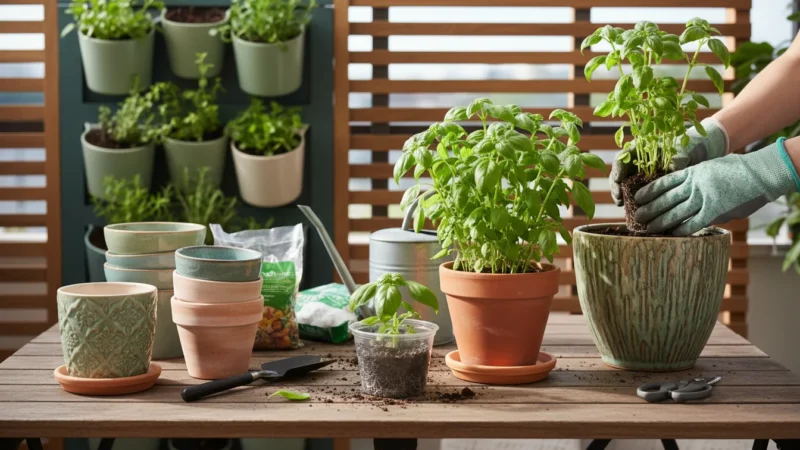
- Terracotta Pots: While aesthetically pleasing, terracotta is porous, meaning it allows water to evaporate through its walls. This can be beneficial in very humid climates to prevent overwatering, but in hot, dry conditions, it significantly increases watering frequency. You may need to water terracotta pots twice as often as plastic ones.
- Fabric Grow Bags: These breathable bags offer excellent drainage and prevent roots from circling, a phenomenon called “air pruning” that encourages a dense, fibrous root system. They also allow for good air circulation to the roots. However, their highly breathable nature means they dry out faster than plastic pots, requiring diligent watering, especially in sunny, windy locations.
- Self-Watering Containers: These pots often have a reservoir at the bottom and a wicking system to draw water up to the soil. They are fantastic for reducing watering frequency and are a great option for busy gardeners or those growing very thirsty plants.
Always ensure your chosen container has adequate drainage holes. Without them, waterlogged soil will lead to root rot, which causes wilting symptoms identical to underwatering.
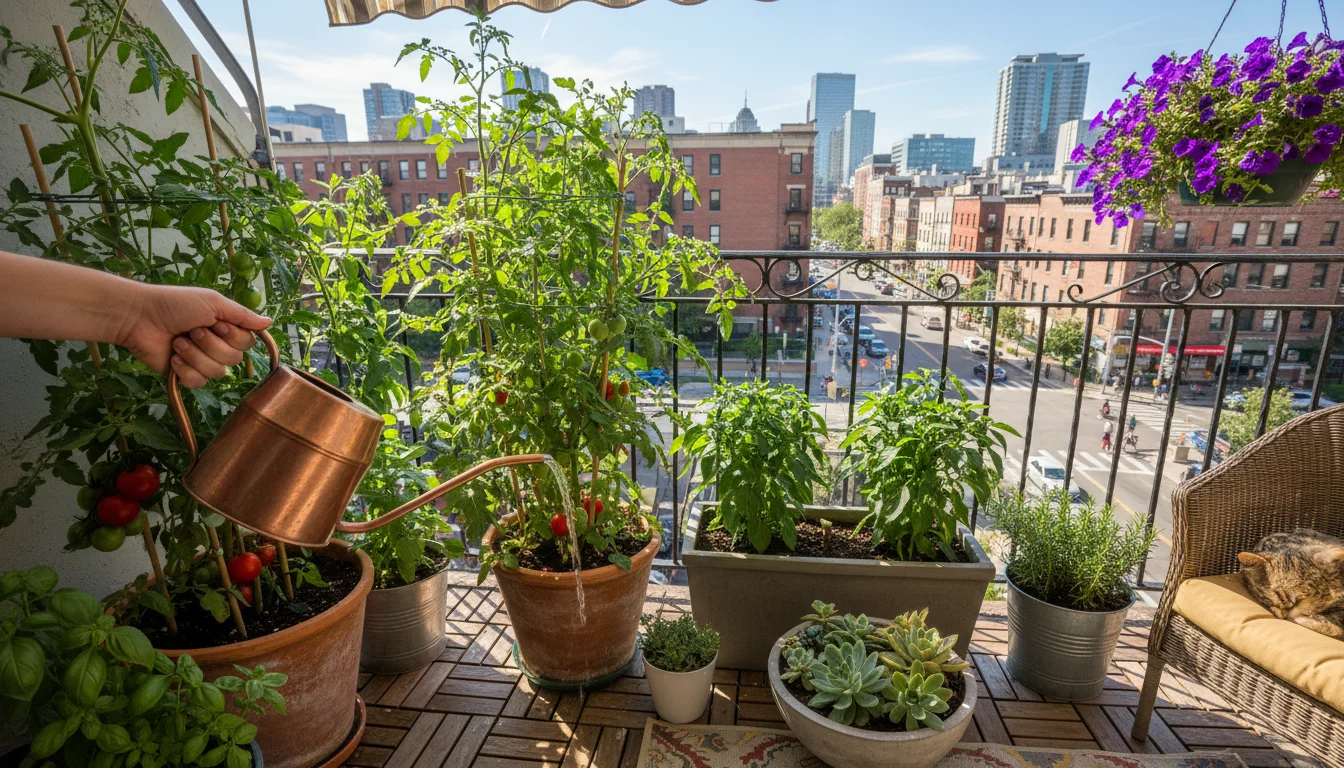
Mastering Your Watering Technique: It’s More Than Just Pouring
Knowing how often to water potted tomatoes in summer, or any of the Thirsty Three, is not about sticking to a rigid daily schedule. It is about understanding your plants’ immediate needs, which can change based on weather, plant size, and pot type. Your goal for watering container tomatoes, cucumbers, and peppers is to ensure the entire root zone receives moisture without becoming waterlogged.
If you struggle with maintaining consistency, exploring watering schedules for busy gardeners can keep your routine on track during peak heat.
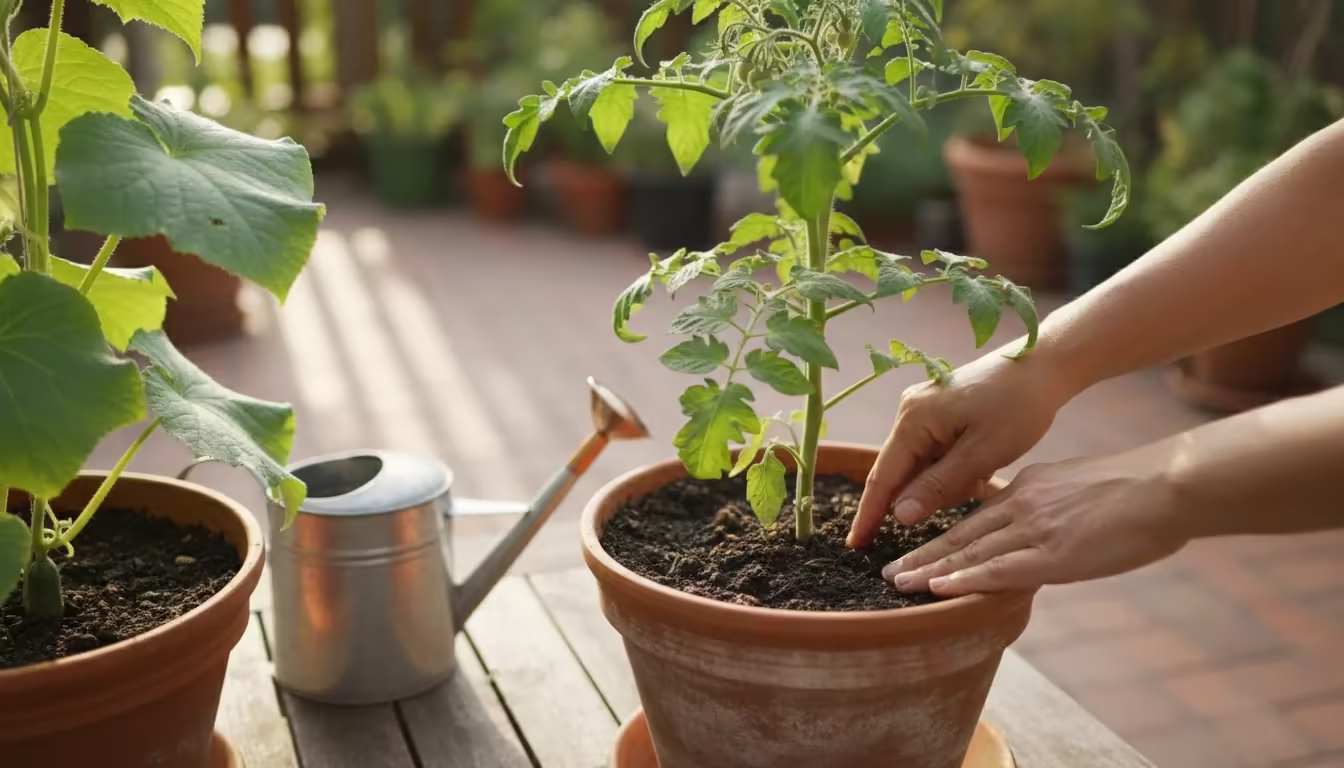
Step-by-Step Watering Best Practices:
- Check Soil Moisture First: This is the most critical step. Insert your finger about 2 inches deep into the soil. If it feels dry at that depth, it is time to water. You can also lift the pot; if it feels unusually light, it likely needs water. A moisture meter provides a more precise reading.
- Water Deeply and Slowly: Pour water directly onto the soil surface, avoiding the foliage as much as possible to prevent fungal diseases. Water slowly until you see water draining from the bottom holes of the pot. This ensures the entire root ball is saturated. If water runs out immediately, the soil may be too dry and hydrophobic. In this case, water for a few minutes, let it soak in, then water again until drainage occurs.
- Consider the Time of Day: The best time to water is early morning. This gives the plants ample moisture to face the heat of the day. It also allows any splashed water on leaves to dry before nightfall, reducing the risk of fungal issues. Watering in the evening is also acceptable, especially during very hot spells, but ensure leaves are dry if possible. Avoid watering in the midday sun, as much water will evaporate before reaching the roots.
- Frequency Varies: In peak summer, especially for large plants in smaller pots, you might need to water daily or even twice a day. On cooler, cloudier days, or when plants are smaller, you may water every 2-3 days. Let the soil moisture be your guide.
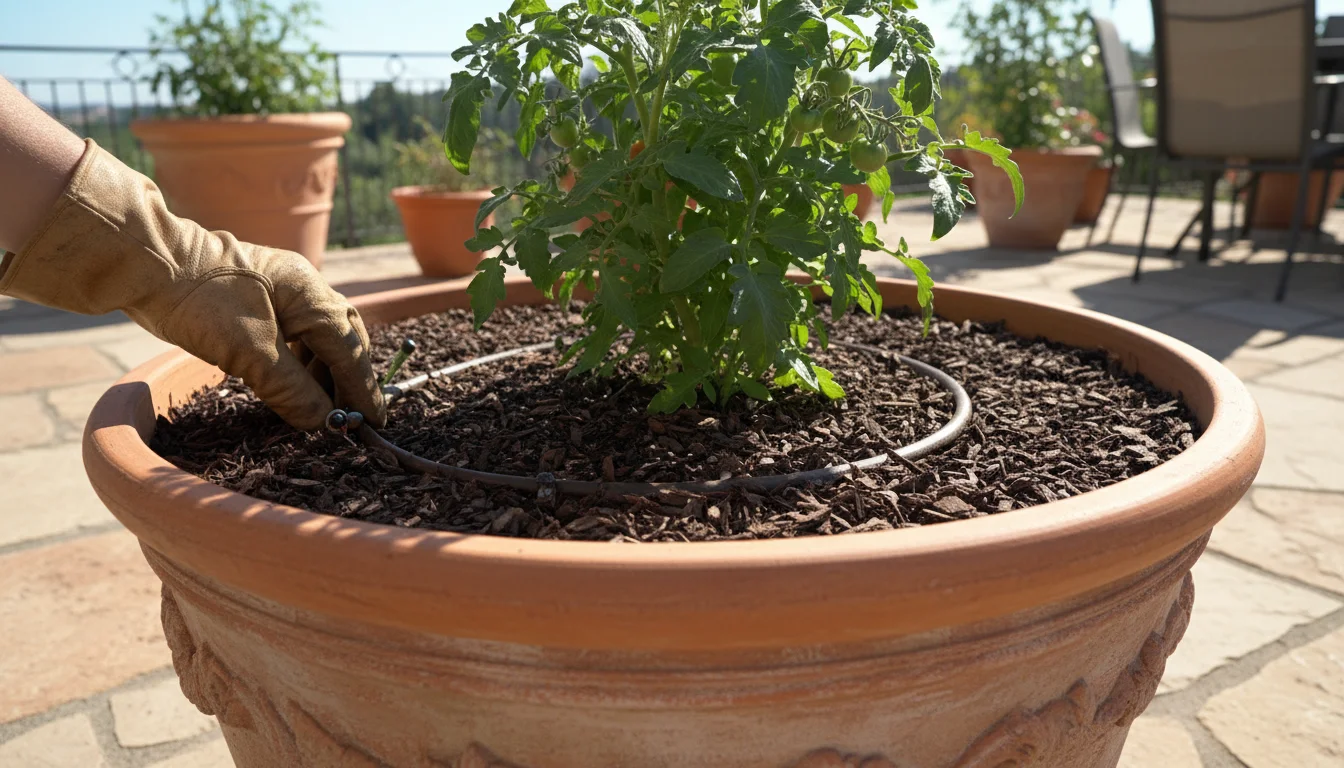
- Improve Your Balcony Vegetable Garden Watering: For consistent moisture, consider simple drip irrigation systems or self-watering inserts. These systems deliver water directly to the root zone, minimizing waste and ensuring steady hydration, making them the best watering for balcony vegetable garden solutions.
Remember, wilting due to heat stress can sometimes look like wilting due to thirst. Always check the soil. If the soil is moist and your plant is still wilting on a scorching afternoon, it might be experiencing temporary heat stress and will likely perk up as temperatures cool in the evening. However, if the soil is dry, it definitively needs water.
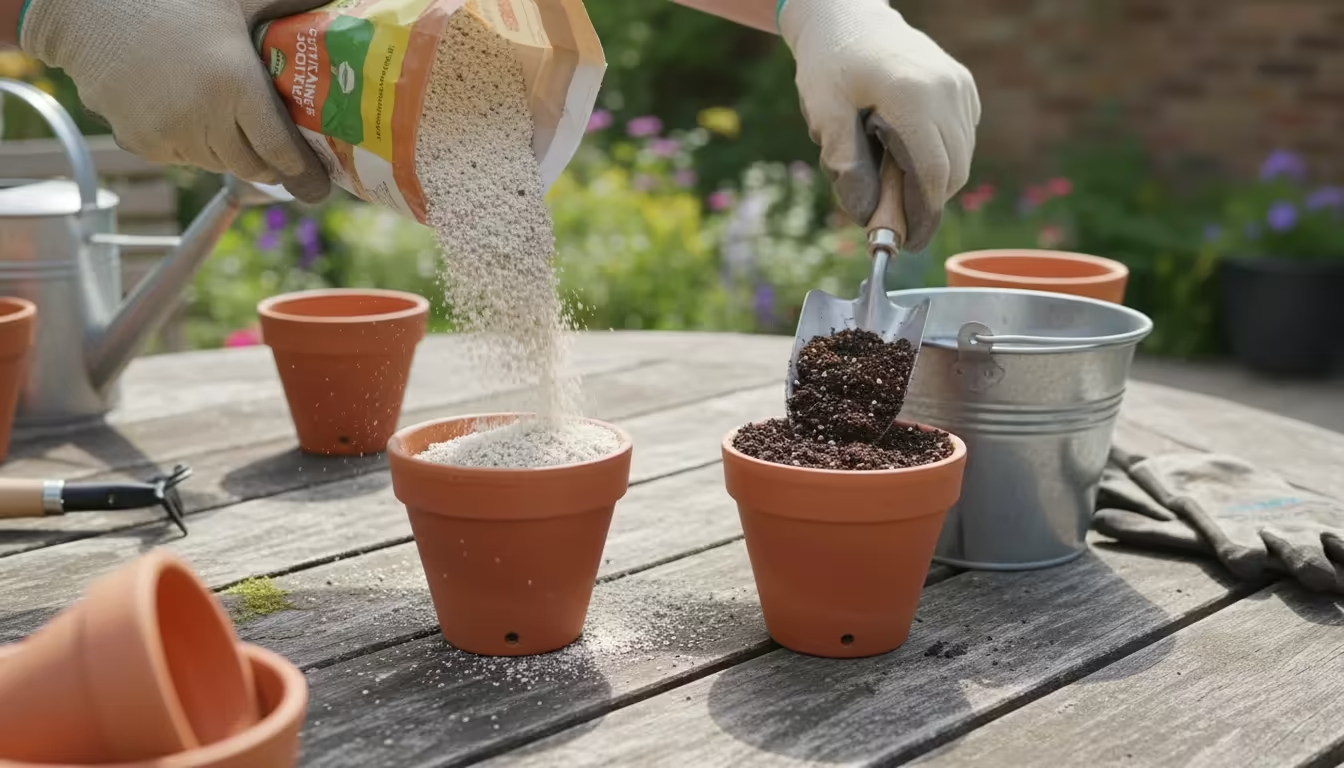
Soil Secrets for Super Soaking
The type of soil you use in your containers makes a monumental difference in water retention and availability for your plants. You cannot simply scoop garden soil into a pot and expect success. Garden soil is too dense and compacts easily in containers, leading to poor drainage (how water moves through soil) and inadequate aeration for roots.
To optimize your medium for water retention, you can master the soil basics for container gardening to create a sponge-like environment.
Understanding your soil composition is key; learn how to build healthy soil in containers to maximize water retention and keep your root systems strong.
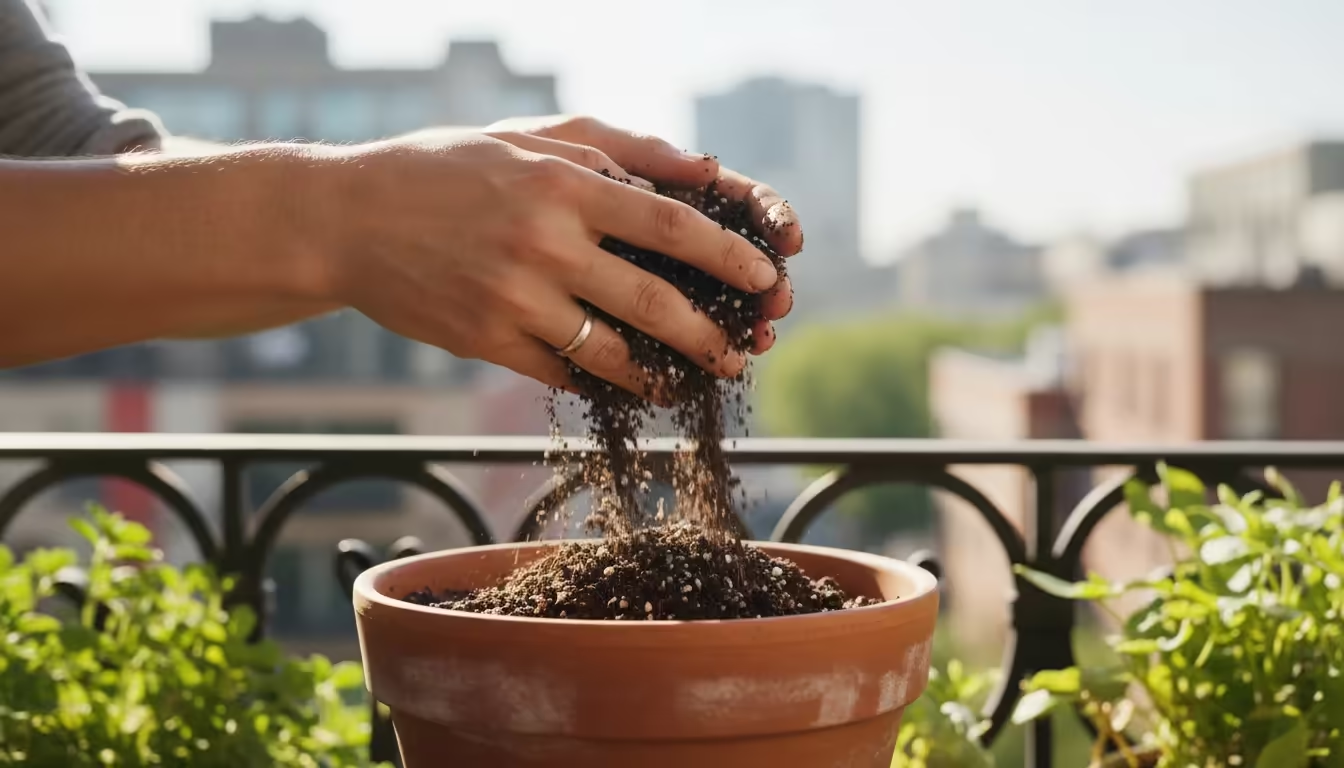
Key Qualities of Ideal Potting Mix:
- Good Drainage: While you want water retention, you also need excess water to drain away freely. This prevents waterlogging, which can suffocate roots and lead to root rot.
- Excellent Water Retention: The mix should hold enough moisture to keep the plant hydrated between waterings.
- Aeration: Roots need oxygen to thrive. A well-aerated potting mix prevents compaction and promotes healthy root growth.
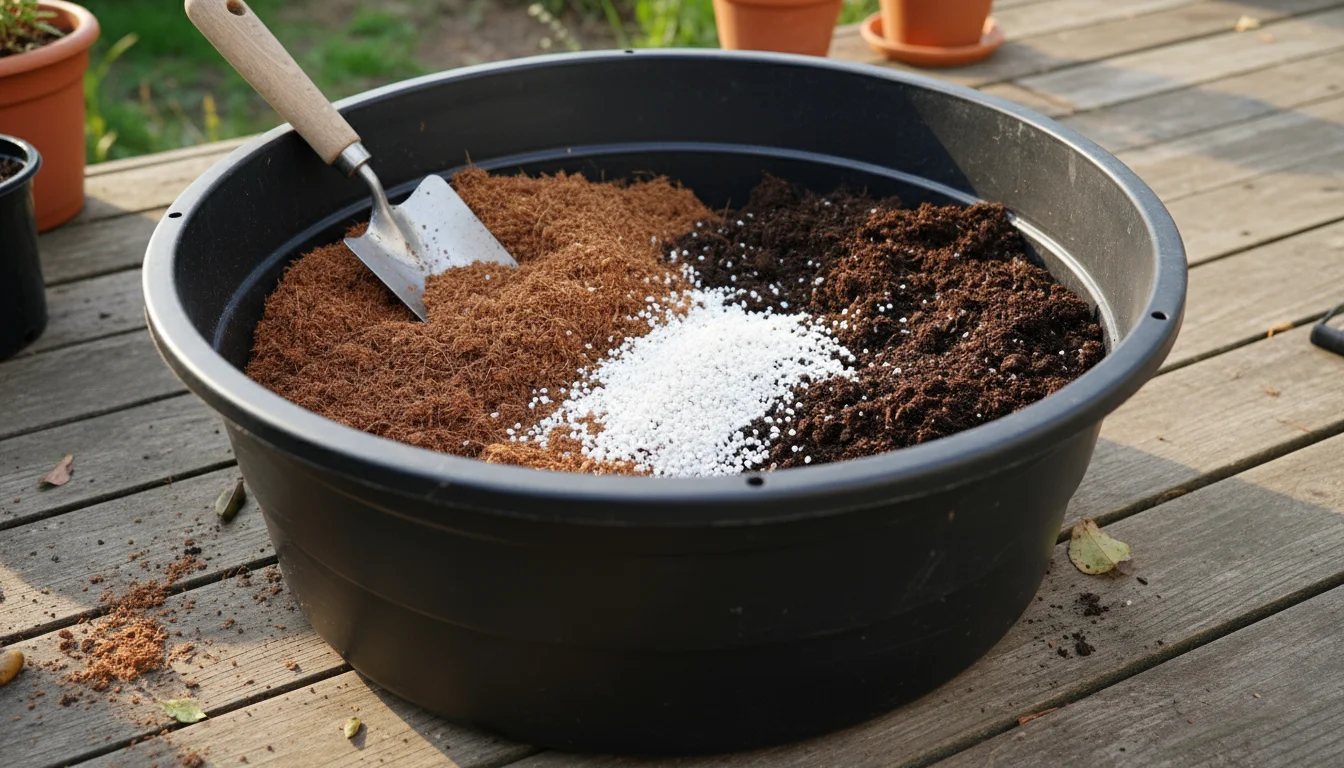
Components of a Superior Potting Mix:
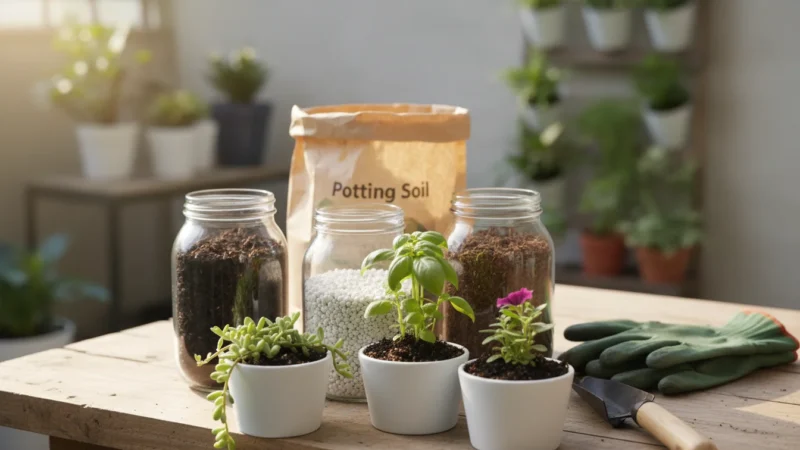
- Peat Moss or Coco Coir: These provide excellent water retention and aeration. Coco coir is a more sustainable alternative to peat moss. They act like sponges, holding moisture and then slowly releasing it.
- Perlite or Vermiculite: These lightweight, inert materials improve drainage and aeration. Perlite is volcanic glass that adds porosity, while vermiculite expands to hold both water and nutrients. A good ratio is often 1 part perlite/vermiculite to 2-3 parts peat/coir.
- Compost or Well-Rotted Manure: Incorporating compost adds vital nutrients, beneficial microbes, and significantly enhances the soil’s ability to retain moisture. This is especially important for hungry plants like tomatoes and cucumbers.
- Balanced pH: Most vegetables prefer a slightly acidic to neutral pH (6.0-7.0). Good quality potting mixes are formulated for this range.
When preparing your pots, ensure the potting mix fills the container almost to the top, leaving about an inch or two of space from the rim. This “headroom” prevents water from overflowing when you water deeply. Starting with the right foundation greatly reduces the chances of potted cucumbers wilting or your other plants struggling.
Strategic Mulching for Moisture Retention
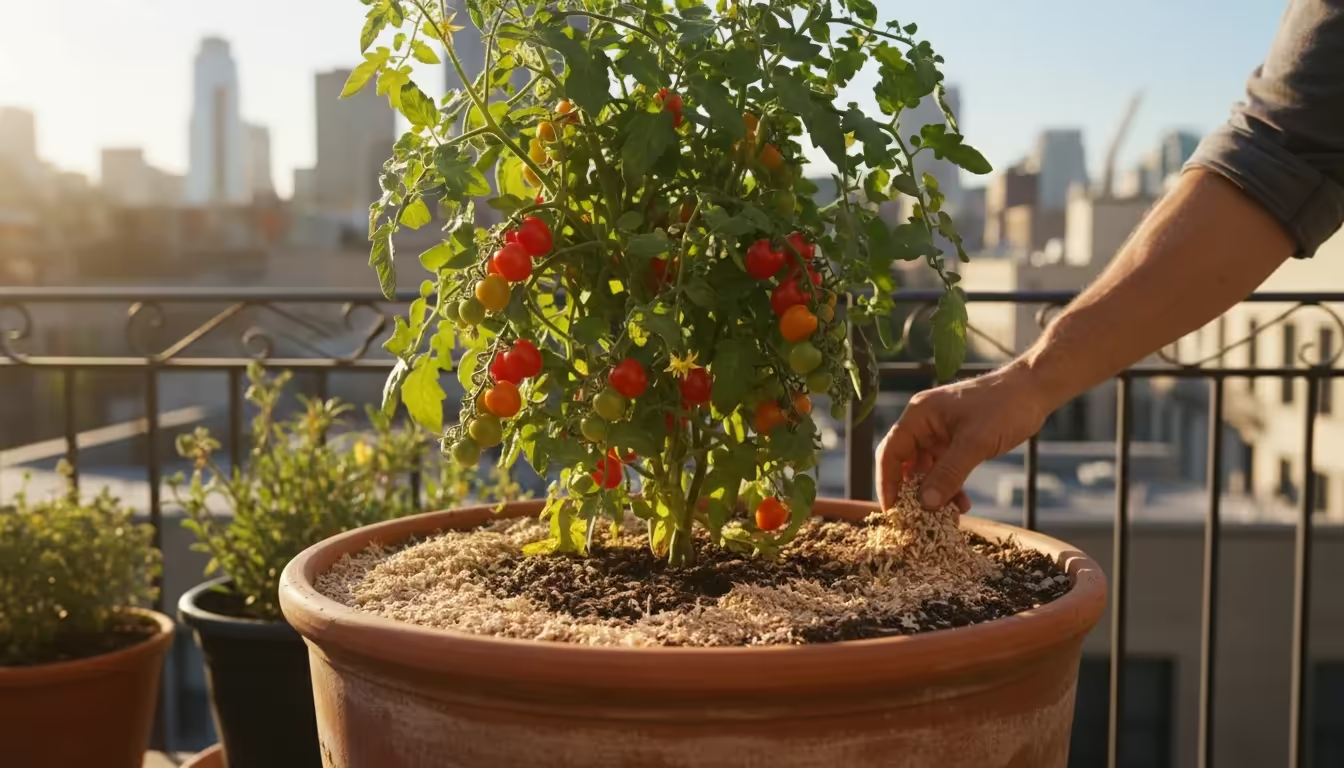
You can significantly reduce your watering frequency and improve the overall health of your container plants by applying a layer of mulch. Mulch is simply any material placed on top of the soil surface. It acts as a protective blanket, offering multiple benefits, especially for container vegetables on a sunny balcony or patio.
Adding a protective top layer is incredibly beneficial; explore our detailed guide on mulching for containers to discover why it works so effectively.
Benefits of Mulching Container Plants:
- Reduces Evaporation: Mulch directly blocks the sun’s rays from hitting the soil, drastically slowing down the rate at which water evaporates. This can save you from daily watering, especially during hot spells. Research suggests that mulching can reduce soil moisture loss by 25-50%.
- Regulates Soil Temperature: Mulch insulates the soil, keeping it cooler in the summer heat and warmer during cooler nights. This stable temperature is better for root health and reduces stress on the plant.
- Suppresses Weeds: While less of an issue in containers, mulch still helps prevent weed seeds from germinating, so your plants do not compete for precious water and nutrients.
Effective Mulch Options for Containers:
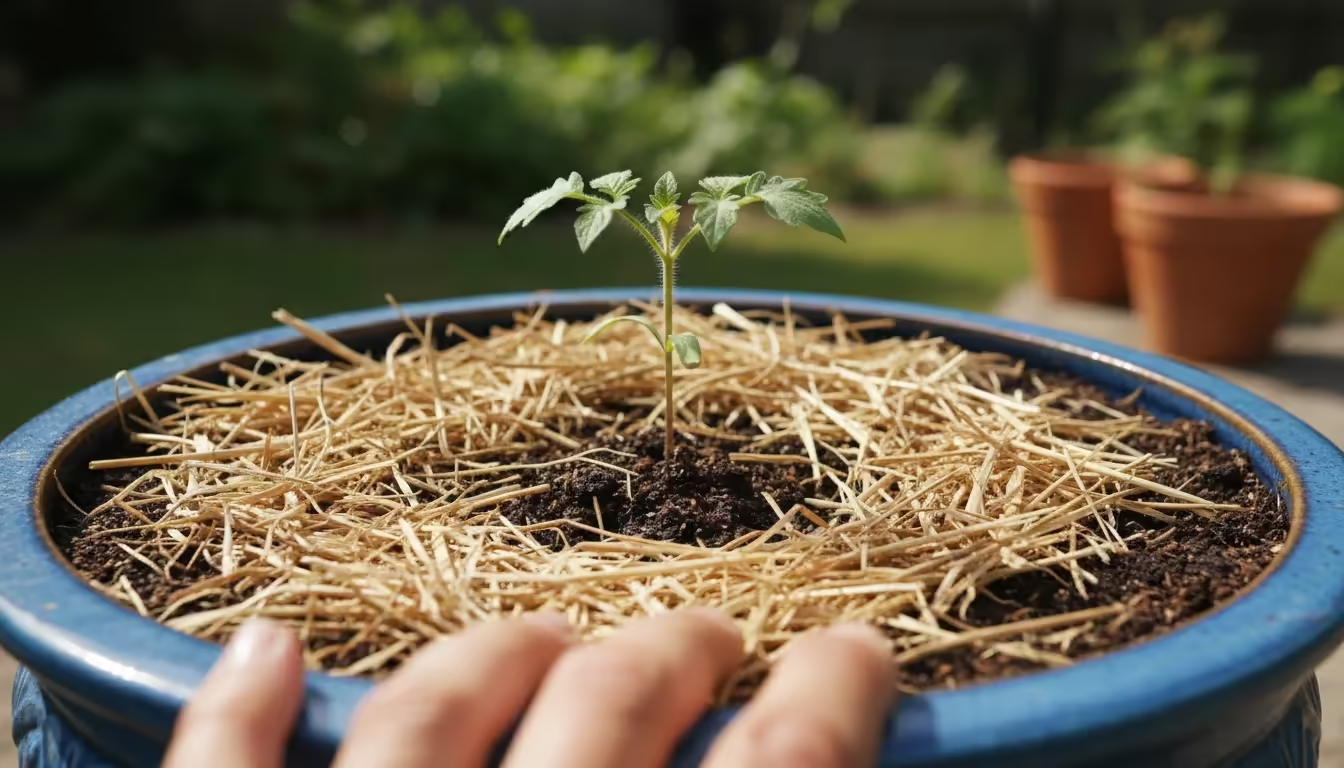
- Straw: Untreated straw is a fantastic organic mulch. It is lightweight, readily available, and breaks down slowly, adding organic matter to the soil. Apply a 1-2 inch layer around your plants.
- Shredded Leaves: If you have access to fallen leaves, shred them and use them as mulch. They are free, eco-friendly, and decompose to enrich the soil.
- Coco Coir Chips or Fiber: These are sustainable, aesthetically pleasing, and excellent at retaining moisture while allowing water to penetrate.
- Small Wood Chips or Bark: Use smaller, finer chips for containers. Avoid large, chunky bark as it can be too bulky and take a long time to break down.
Apply a 1-2 inch layer of mulch to the top of your container soil, leaving a small gap around the plant stem to prevent rot. This simple step is an environmentally conscious choice that saves water, supports soil health, and contributes to the best watering for balcony vegetable garden practices.
Shade and Shelter: Protecting from Peak Heat
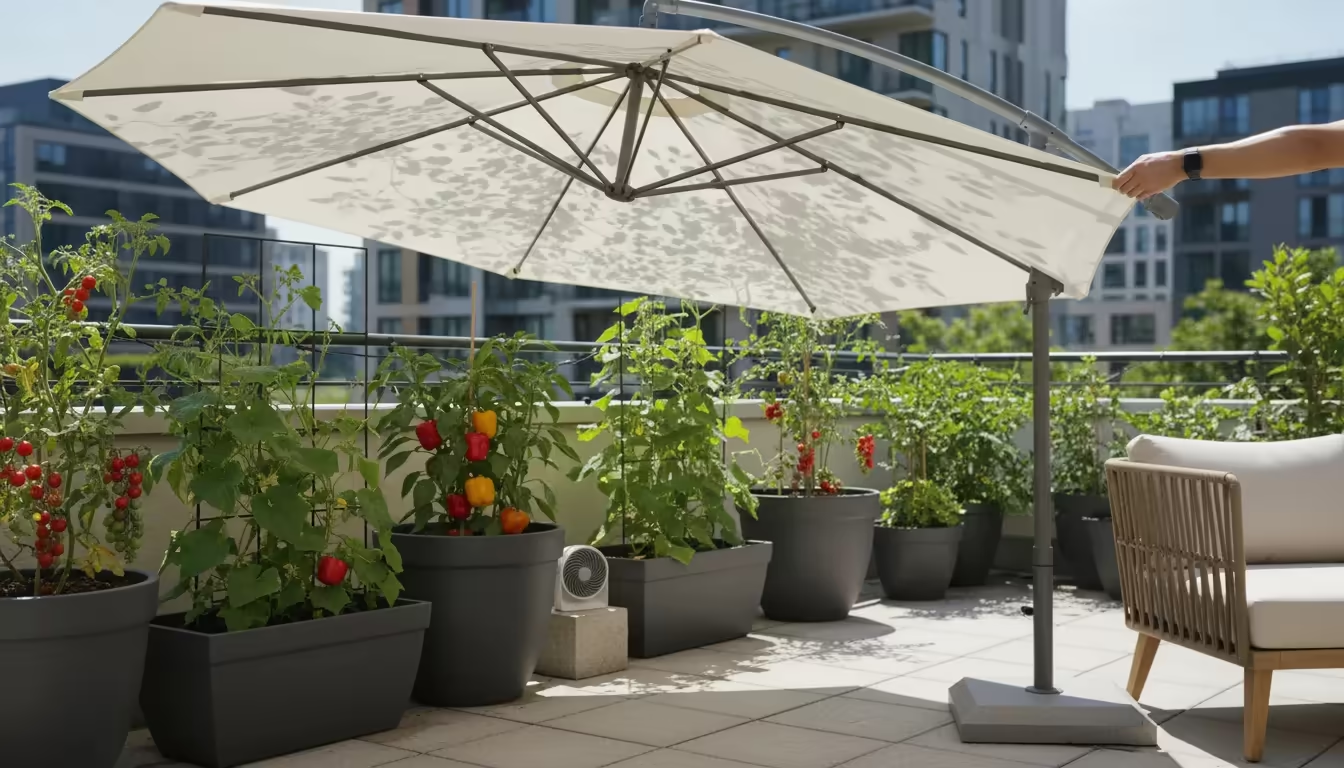
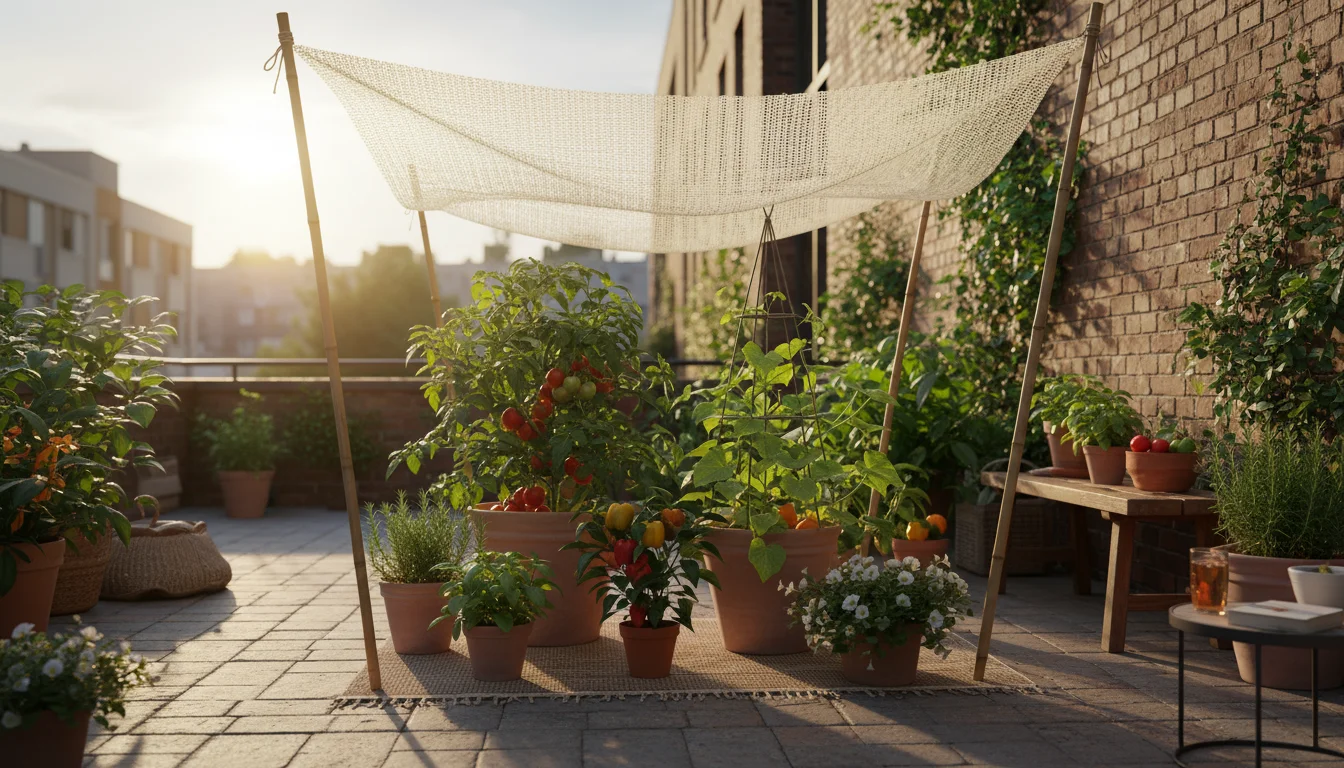
Even with perfect watering, potting mix, and mulching, intense midday sun and scorching temperatures can cause your container plants to wilt. This is often temporary heat stress, where the plant’s leaves transpire more water than its roots can absorb, even if the soil is moist. Providing strategic shade and shelter can significantly reduce this stress and prevent the need for excessive watering.
Tactics for Heat Protection:
- Temporary Shade Cloth: During heatwaves or periods of extreme sun, drape a light shade cloth (typically 30-50% shade) over your plants during the hottest part of the day, usually between 1 PM and 4 PM. You can create a simple frame with stakes or even use a patio umbrella.
- Strategic Placement: Arrange your containers so that taller plants naturally shade smaller, more sensitive ones during peak sun. Alternatively, move portable containers to a spot that receives afternoon shade from your house, a fence, or a larger tree.
- Reflective Surfaces: Avoid placing dark-colored pots directly on dark paving or asphalt, which can absorb and radiate immense heat. Elevating pots or placing them on lighter-colored surfaces helps keep the root zone cooler.
- Grouping Pots: Grouping several containers together can create a microclimate that offers some mutual shading and increases humidity slightly, reducing overall water loss.
Recognize the difference between wilting from thirst (dry soil) and wilting from heat stress (moist soil, hot conditions). While heat-stressed plants may recover in the evening, prolonged or severe heat stress can still damage them and reduce fruit set for growing peppers in pots and other vegetables. Proactive shading prevents this damage and maintains consistent plant health.
Nutrient Needs and Wilting: A Less Obvious Connection
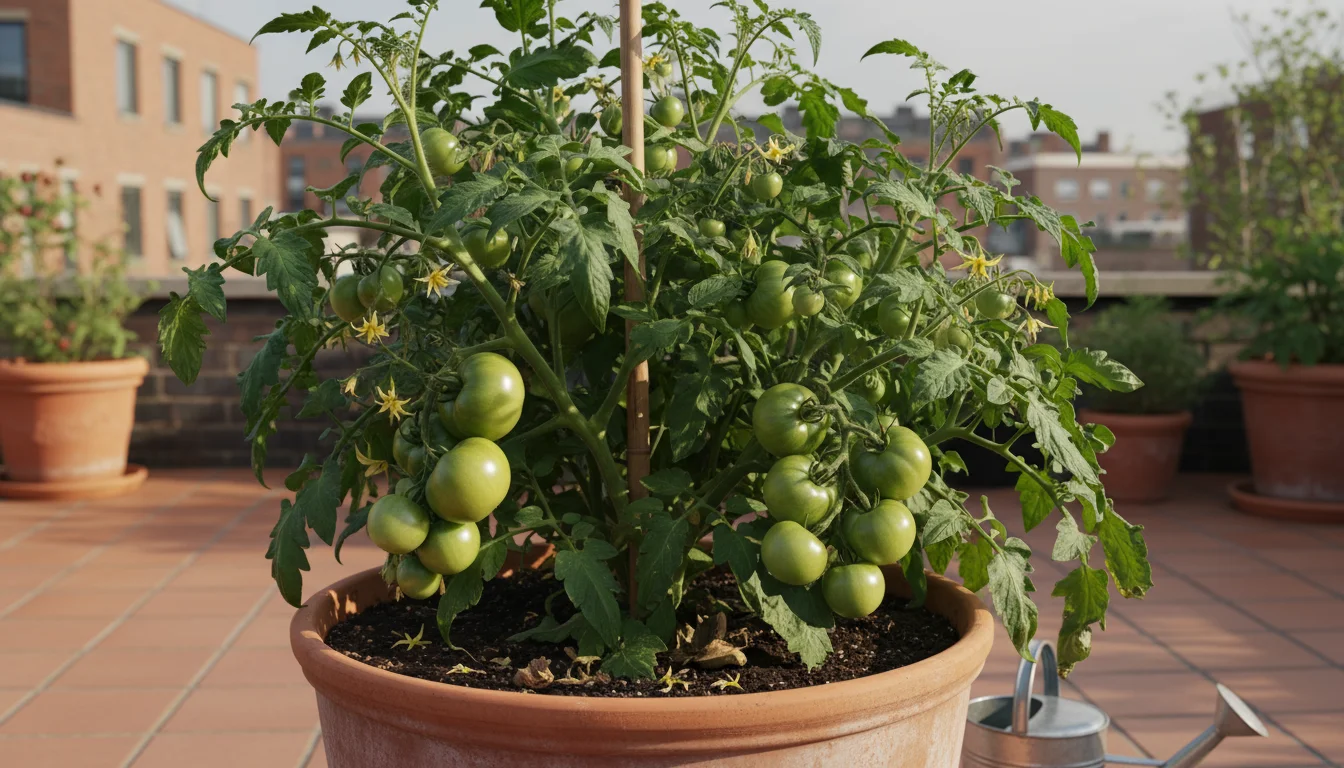
While watering is paramount, nutrient deficiencies can sometimes exacerbate wilting symptoms or make plants less resilient to water stress. A well-nourished plant is a strong plant, better equipped to handle environmental challenges.
How Nutrients Impact Water Management:
- Root Health: Healthy roots are essential for efficient water uptake. Deficiencies in phosphorus can hinder root development, making it harder for the plant to absorb enough water.
- Cell Turgor: Potassium plays a vital role in regulating the opening and closing of stomata (tiny pores on leaves), which control water loss through transpiration. A lack of potassium can impair this function, leading to increased water loss and wilting.
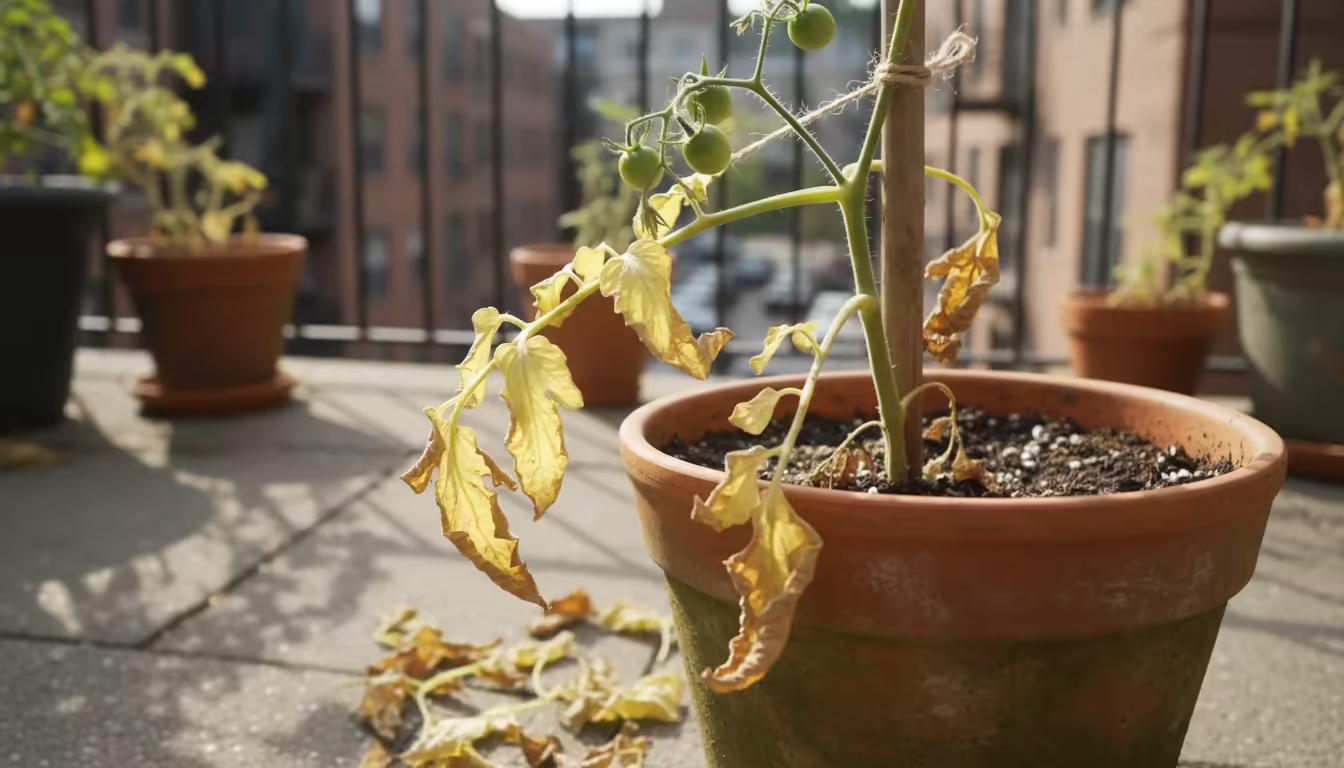
- Overall Plant Vigor: Plants lacking essential nutrients are generally weaker and more susceptible to stress. They may show signs of wilting earlier than healthy, well-fed plants, even when water is available. Nitrogen deficiency, for example, often presents with yellowing lower leaves which can also look droopy.
Container plants rely entirely on you for their nutrition. Unlike in-ground plants, they cannot seek out nutrients from the surrounding soil. Regular feeding with a balanced liquid fertilizer formulated for vegetables is crucial. Follow the product instructions carefully, typically feeding every 2-4 weeks, or with a diluted solution at every watering, depending on the product. Look for fertilizers that offer a good balance of nitrogen (N), phosphorus (P), and potassium (K), along with micronutrients. A healthy feeding regimen complements your watering efforts, building robust plants less prone to wilting and stress.
Troubleshooting Common Wilting Scenarios
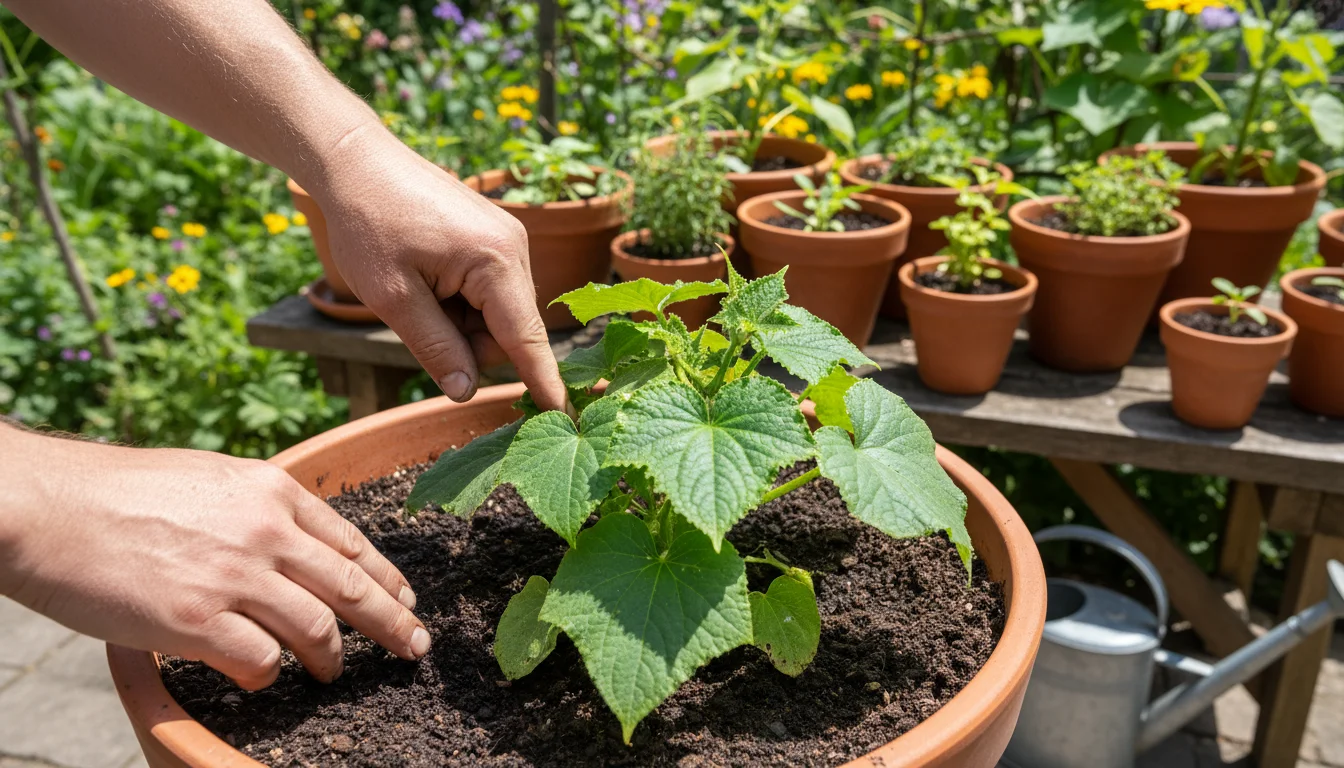
Wilting is a clear signal from your plants, but diagnosing the exact cause requires observation. Here are common scenarios and how to address them for your potted cucumbers wilting, droopy tomatoes, or flagging peppers.
- Daily Midday Wilt, Plants Recover by Evening:
- Diagnosis: This is often temporary heat stress. The plant is transpiring faster than its roots can supply water due to high temperatures and intense sun. The soil might still be moist.
- Action: If the soil is moist, your plant is probably not dehydrated but hot. Provide afternoon shade as discussed in “Shade and Shelter.” Increase humidity by grouping plants. Ensure good air circulation. If the soil is dry, then it is actual dehydration. Water immediately and deeply.
- Persistent Wilt Despite Regular Watering:
- Diagnosis: This suggests either overwatering (leading to root rot) or severe underwatering where the soil has become so dry it is hydrophobic and repelling water. Pests or diseases can also cause persistent wilting.
- Action for Overwatering/Root Rot: Check the soil. If it is soggy and smells foul, root rot is likely. Reduce watering frequency. Improve drainage if possible (e.g., ensure drainage holes are clear, consider repotting with fresh, well-draining soil). It may be difficult to recover severely rotted plants.
- Action for Severe Underwatering: If the soil is bone dry and hard, the plant may struggle to absorb water even after you water it. Place the entire pot in a basin of water for 30-60 minutes, allowing it to soak up water from the bottom. This rehydrates the soil.
- Action for Pests/Diseases: Inspect the plant carefully for signs of pests (e.g., aphids, spider mites under leaves) or diseases (e.g., stem lesions, leaf spots). Address specific pest or disease issues using appropriate organic treatments.
- Plants Wilting Soon After Watering:
- Diagnosis: This often points to insufficient watering (not watering deeply enough), a pot that is too small for the plant’s root system, or extremely hot/windy conditions that dry out the pot almost immediately.
- Action: Ensure you are watering until water drains from the bottom of the pot. Consider moving the plant to a larger container if it is severely root-bound (roots are circling the pot’s interior). Implement mulching and shading techniques to conserve moisture.
By carefully observing your plants and the condition of their soil, you can accurately diagnose the cause of wilting and provide the correct remedy. Regular monitoring prevents minor issues from becoming major problems, ensuring your efforts in growing peppers in pots, tomatoes, and cucumbers yield delicious results.
Frequently Asked Questions
Can I overwater my container plants?
Yes, absolutely. Overwatering is just as detrimental as underwatering. When soil remains constantly soggy, roots are deprived of oxygen and begin to rot. Root rot causes symptoms similar to wilting because the damaged roots cannot absorb water, even if it is abundant. Always ensure your pots have drainage holes and check the soil moisture before watering.
How do I know if my plant is wilting from heat or thirst?
The key differentiator is the soil moisture. If your plant is wilting on a very hot, sunny afternoon but the soil is still moist 2 inches deep, it is likely temporary heat stress. These plants often perk up as temperatures cool in the evening. If the soil is dry at that depth, then the plant is truly thirsty and needs immediate watering.
What’s the best time of day to water my container vegetables?
Early morning is ideal. This allows the plants to absorb moisture before the heat of the day sets in, helping them cope with high temperatures. It also ensures any water that splashes onto leaves has time to evaporate before nightfall, reducing the risk of fungal diseases.
My plant perks up after watering, but then wilts again very quickly. What’s wrong?
This usually indicates one of three things: your pot is too small for the plant, the watering was not deep enough to saturate the entire root ball, or environmental conditions (extreme heat, strong winds) are drying out the pot exceptionally fast. Consider upsizing the pot, ensuring deep watering until drainage occurs, and implementing mulching or shading strategies.
Should I water my container plants every day?
It depends. In peak summer, large plants in smaller containers, especially the ‘Thirsty Three,’ might need daily watering, sometimes even twice a day. However, on cooler days, or for smaller plants, daily watering might be excessive. The best practice is always to check the soil moisture before watering. Water only when the top 1-2 inches of soil feel dry.
For trustworthy gardening information, visit:
International Society for Horticultural Science (ISHS), Plantlife (UK), Botanical Society of America and Oregon State Extension — Gardening. These organizations provide expert, research-based advice for gardeners at all levels.
Disclaimer: This article is for informational purposes only and is not a substitute for professional gardening advice. Always consult local extension services or horticulture experts for region-specific guidance.
Leave a Reply