
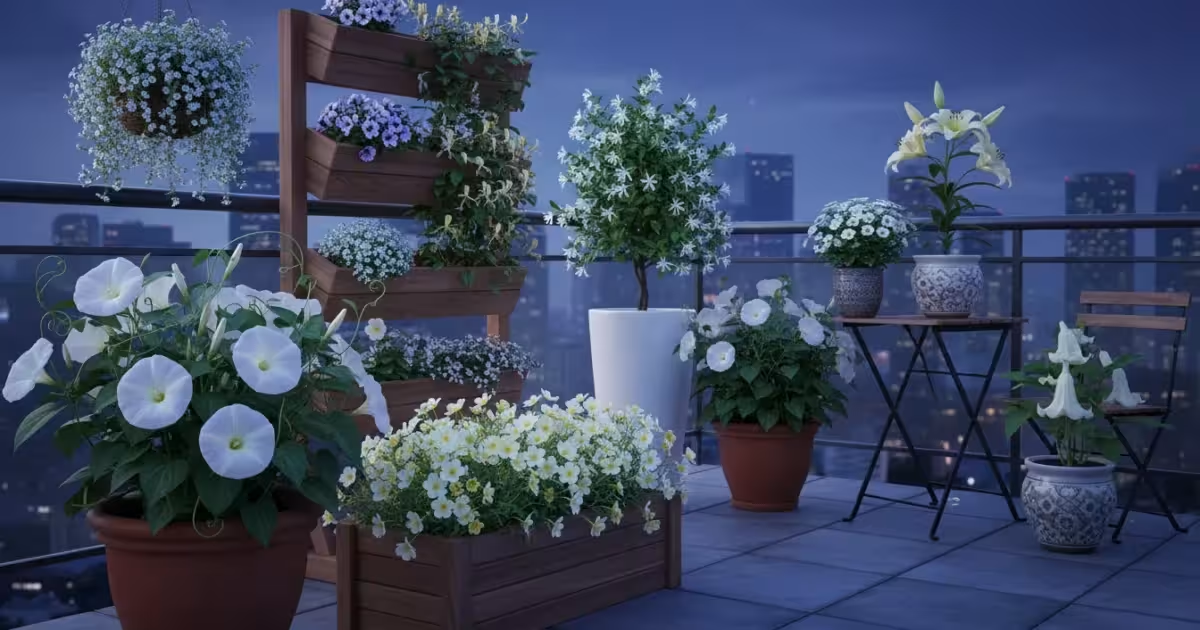
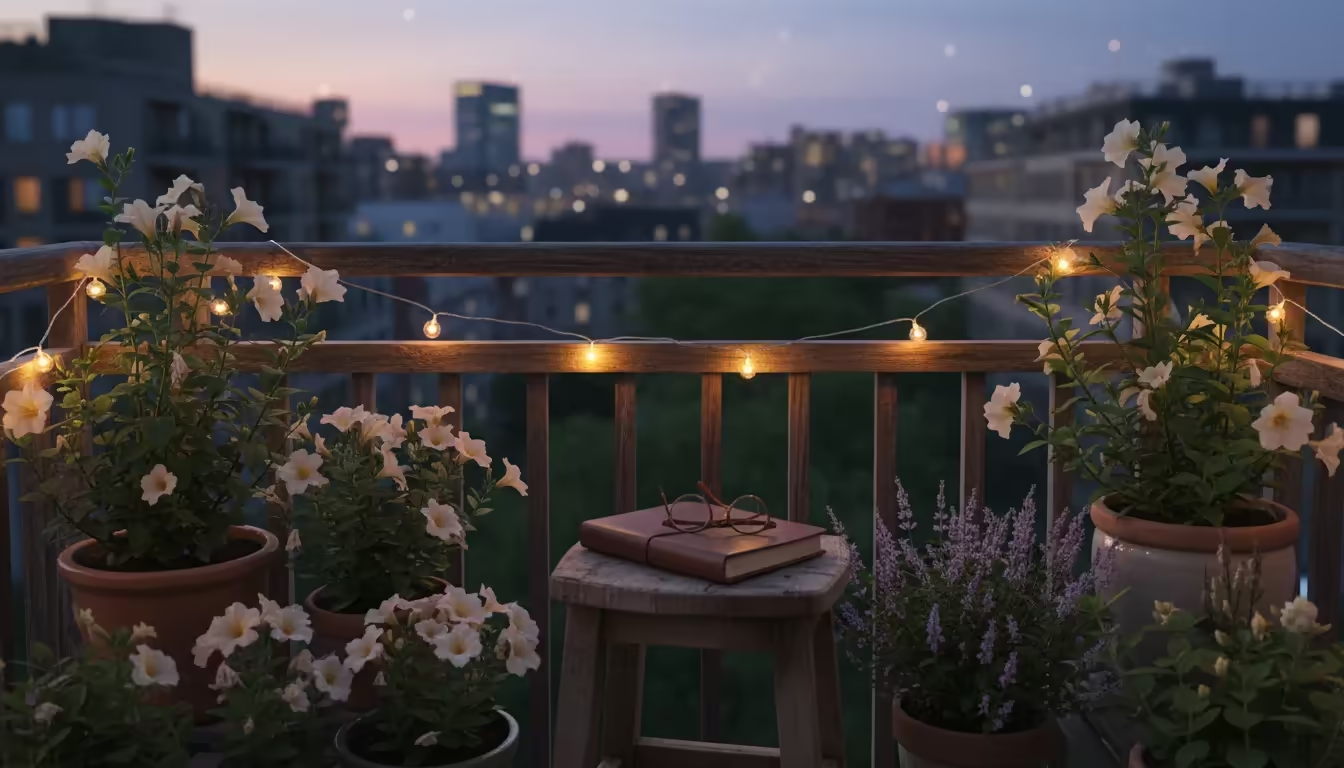
Your balcony or small garden becomes a vibrant, fragrant sanctuary during the day, but the magic does not have to end when the sun sets. As evening approaches, a new cast of botanical performers awakens, unfurling their petals and releasing intoxicating scents that transform your outdoor space into a captivating moonlit oasis. Imagine stepping onto your balcony after a long day, greeted by a wave of sweet perfume, a refreshing contrast to the daytime heat. Creating a moon garden, specifically for a small space like a balcony or patio, offers a unique sensory experience and extends your gardening enjoyment long into the summer nights. These night blooming flowers provide an unexpected twist for your summer container plants, ensuring your space remains lively and aromatic around the clock. You can easily achieve this serene nocturnal escape, even with limited space, by selecting the right night blooming flowers that thrive in pots and deliver an unforgettable sensory show.
Unveiling the Magic of Night Bloomers: Why a Night Garden?
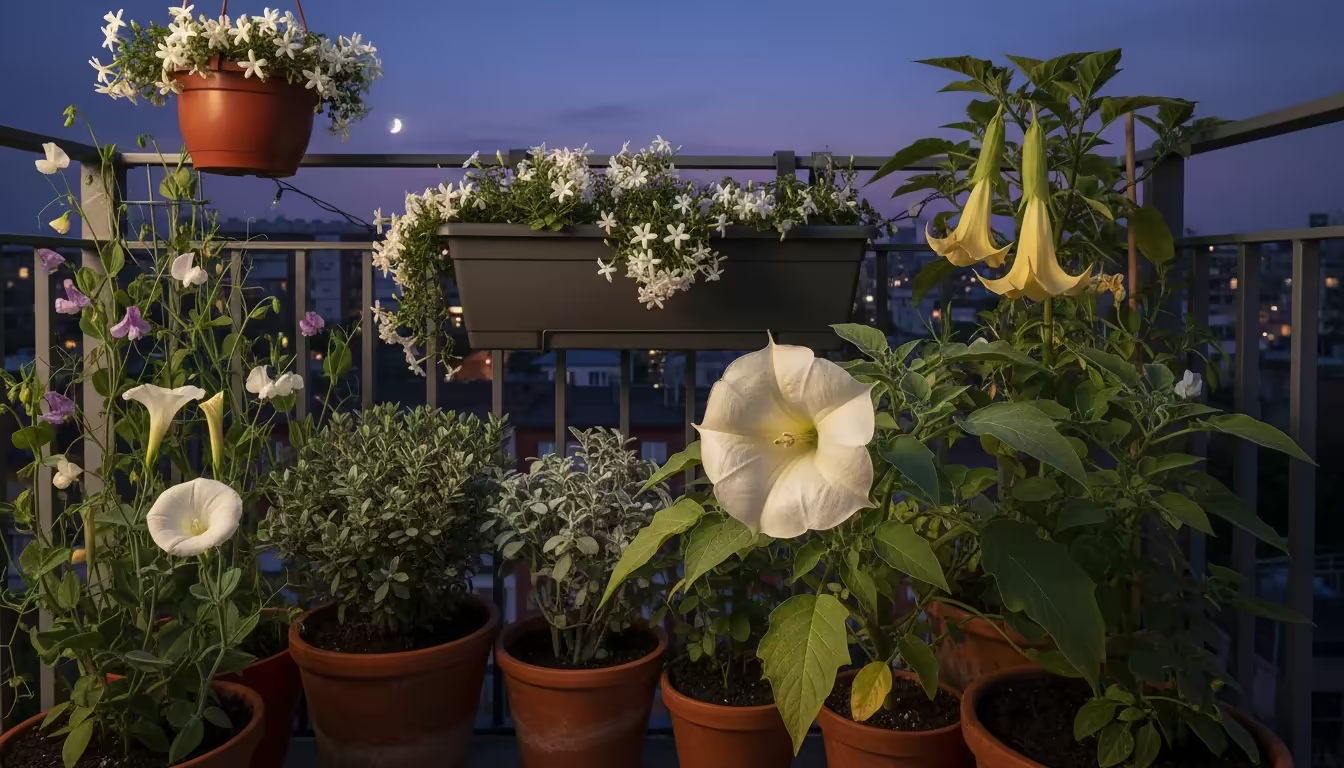
A night garden introduces an entirely new dimension to your gardening experience. While most flowers dazzle during daylight hours, a select group of plants patiently waits for dusk to unveil their beauty and fragrance. This unique adaptation serves a crucial purpose: attracting nocturnal pollinators like moths and bats. These creatures rely on strong scents and often pale, reflective colors to locate flowers in low light conditions. For you, this means a private, enchanting show that begins just as the city lights flicker on.
Once summer transitions into autumn, you can easily shift your design focus toward a fragrant autumn balcony scent-scape to keep your outdoor area smelling wonderful as temperatures drop.
The appeal of a night garden extends beyond mere novelty. If you spend your days working or away from home, a daytime garden might offer limited enjoyment. Night blooming flowers ensure you still connect with nature and experience your garden at its peak during your available hours. The intensified fragrance of these flowers that smell good at night in pots creates a truly immersive experience, masking urban odors and filling your personal space with calming, natural aromas. This sensory delight can transform a simple balcony into a peaceful retreat, a place to unwind and recharge.
Furthermore, designing a moon garden offers a creative challenge. You select plants for their nocturnal appeal, considering not just their scent but also their form and the way they interact with moonlight or subtle artificial illumination. This approach allows you to optimize a small space, creating layers of interest that change throughout the day and night. You essentially get two gardens in one: a subtle daytime presence and a dramatic nighttime spectacle. Embrace the opportunity to cultivate beauty that defies conventional gardening schedules.
Building Your Balcony Moon Garden: Essential Foundations
Even with limited space, a successful balcony moon garden starts with sound foundational practices. Proper planning and attention to basic needs ensure your night bloomers thrive and deliver their best performance. You prepare your canvas for a beautiful, fragrant display.
Site Selection and Light Considerations
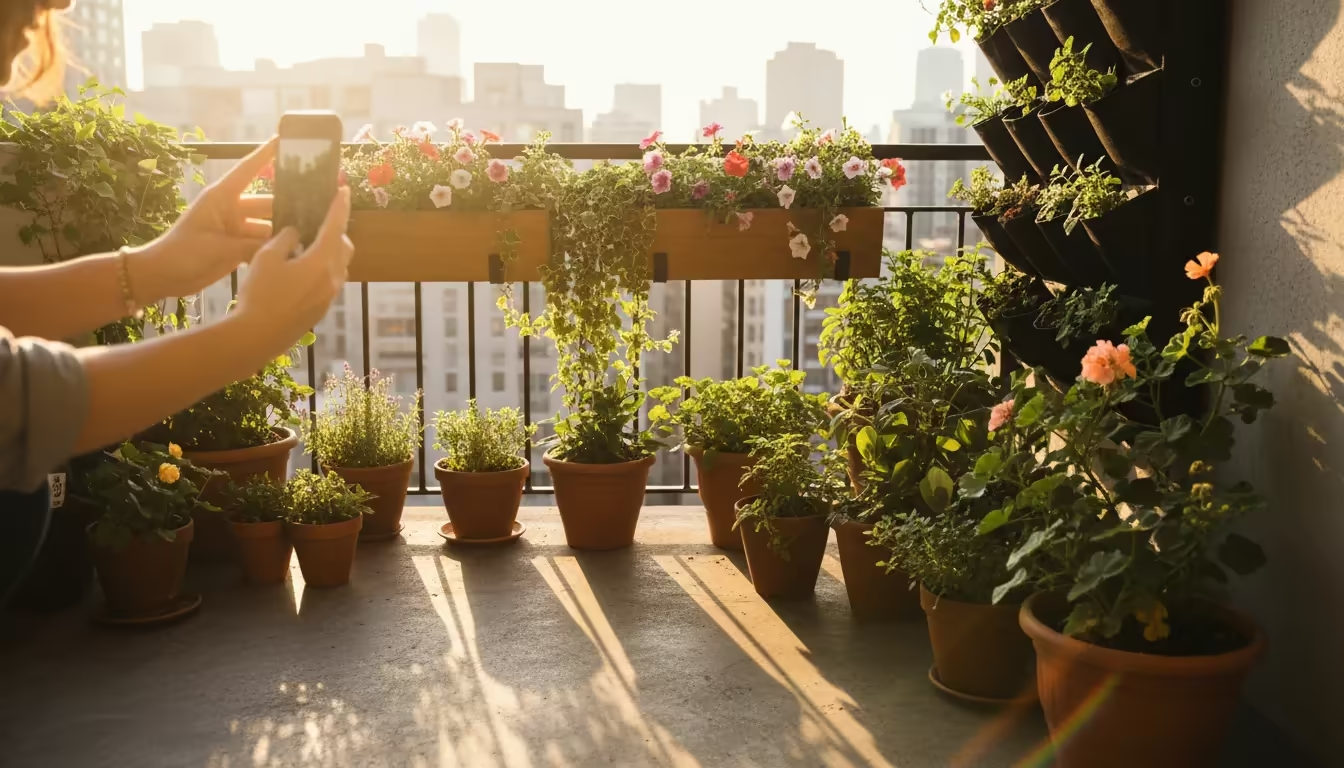
Most night-blooming flowers require sufficient sunlight during the day to store energy for their evening display. Position your containers where they receive at least 6 to 8 hours of direct sunlight. South or west-facing balconies are often ideal. Some plants tolerate partial shade, but direct sun generally leads to more vigorous growth and abundant blooms. Observe how the light moves across your balcony throughout the day. This helps you understand optimal placement for each pot.
If your outdoor space gets limited direct sunlight or loses exposure during seasonal changes, you can still succeed by selecting shade-tolerant plants for balcony pots.
Choosing the Right Containers
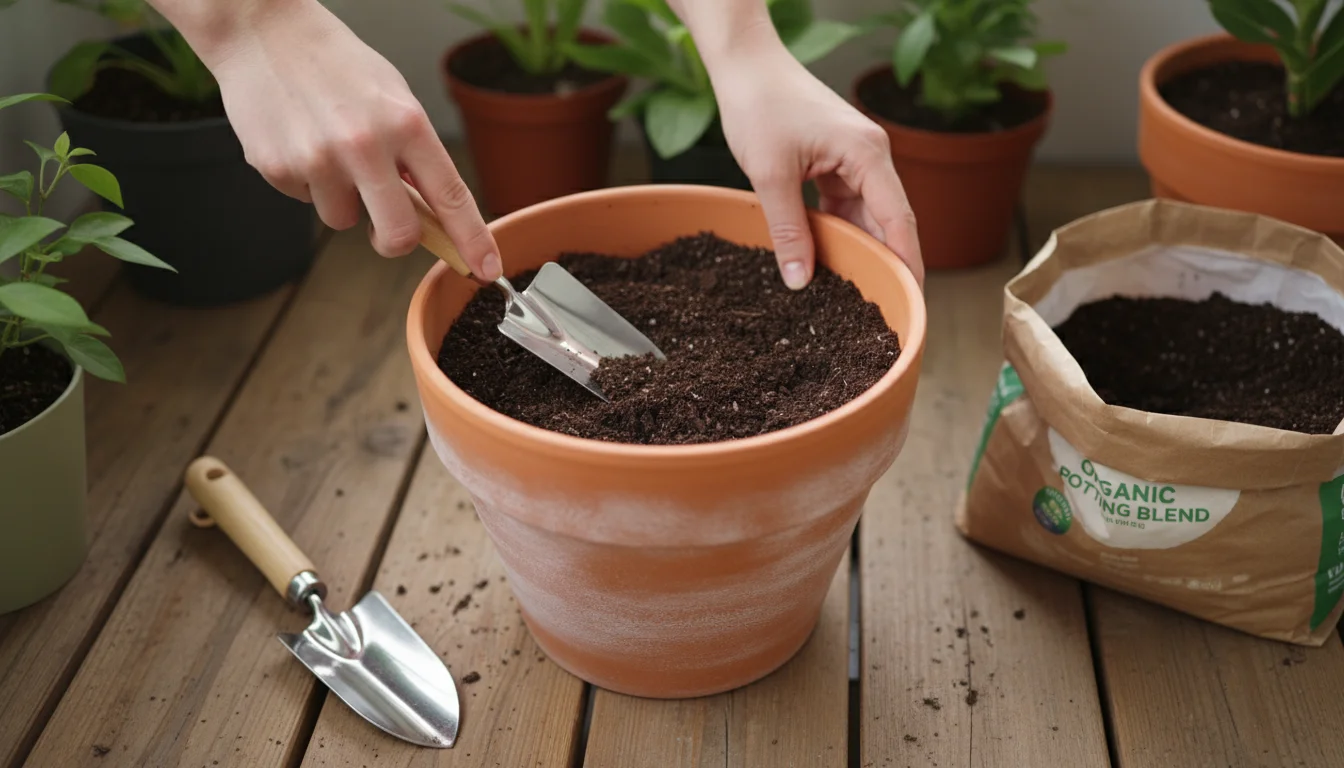
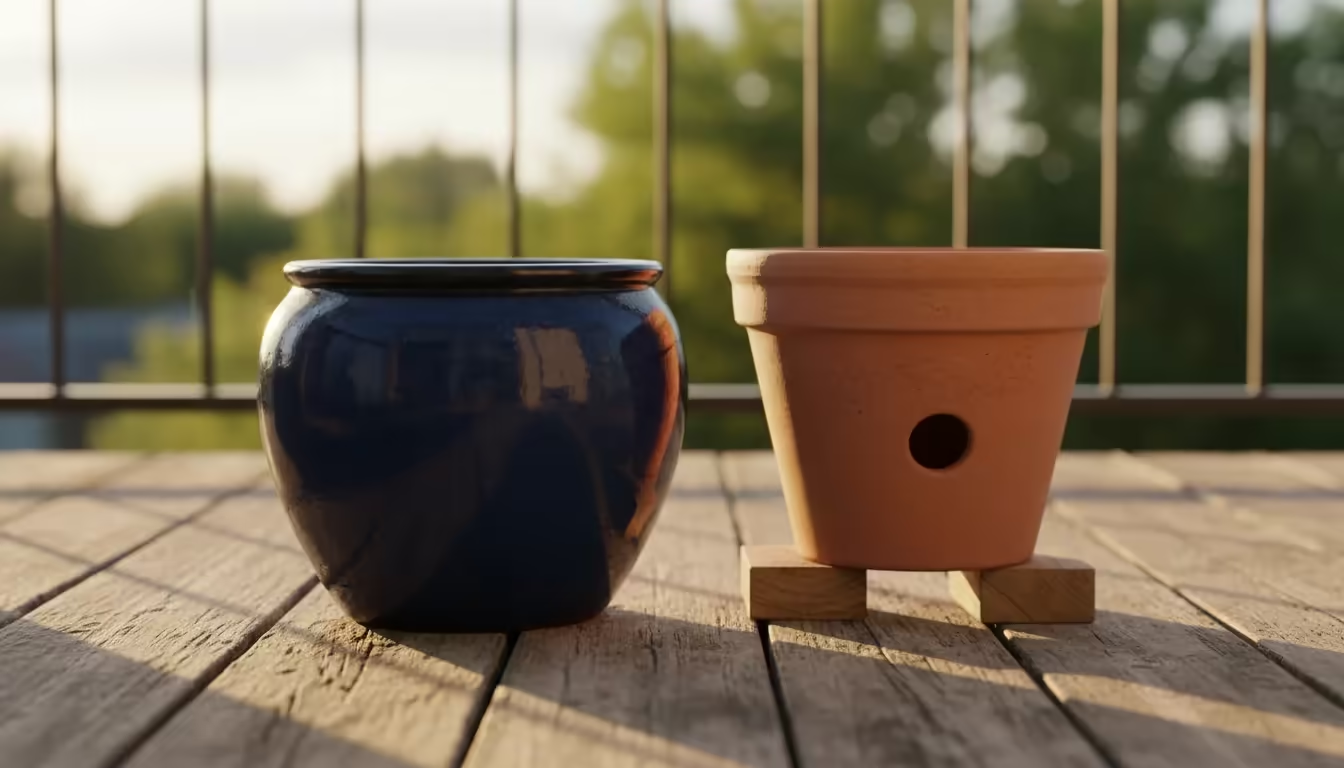
Container selection impacts both plant health and aesthetic appeal. Choose pots with adequate size for your chosen plants. A small pot restricts root growth, leading to stunted plants and fewer blooms. For most of the night bloomers discussed, a 10-inch diameter pot or larger works well. Material matters, too. Terracotta pots look classic but dry out quickly, requiring more frequent watering. Plastic or glazed ceramic pots retain moisture longer, reducing your watering chore. Most importantly, every container must have drainage holes. Drainage refers to how water moves through the soil. Without holes, water collects, suffocating roots and leading to root rot, a common killer of container plants.
Selecting the wrong pot size or material is one of the most common balcony garden mistakes beginners make.
Potting Mix Essentials
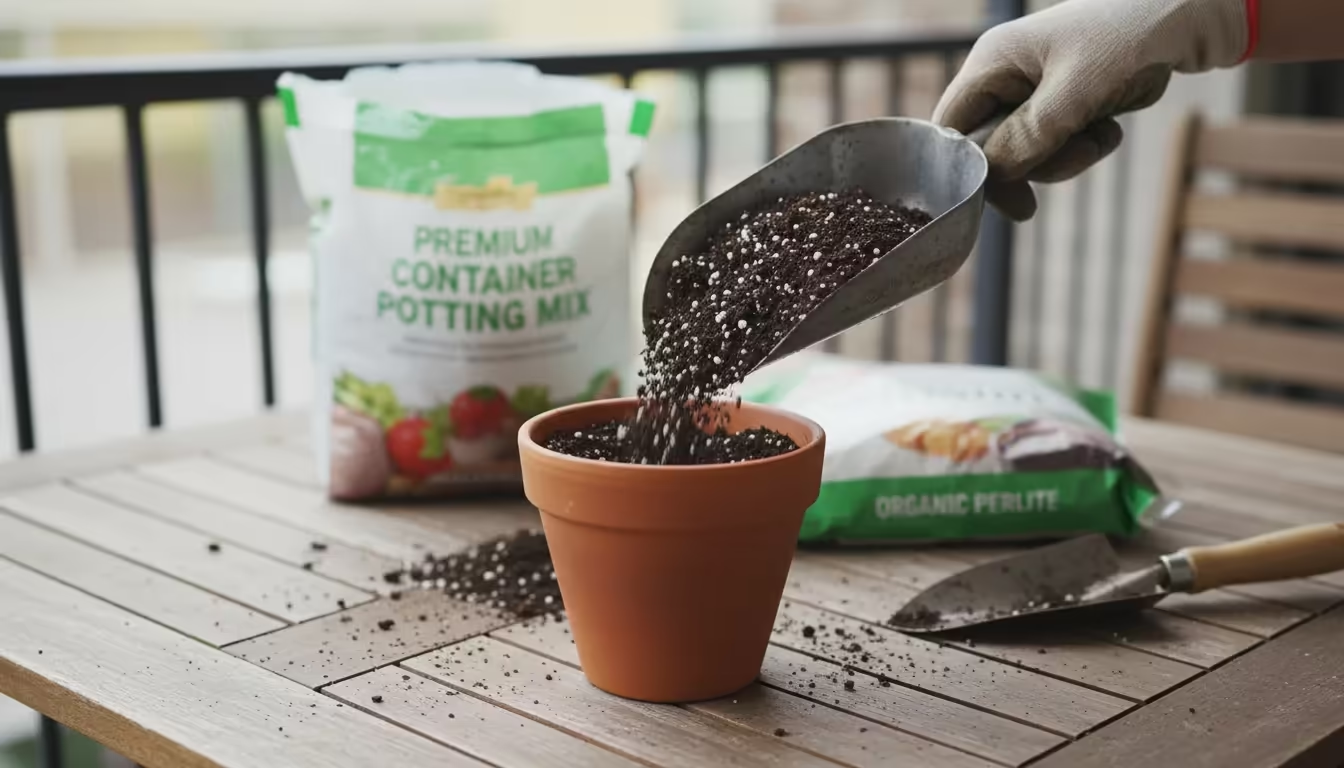
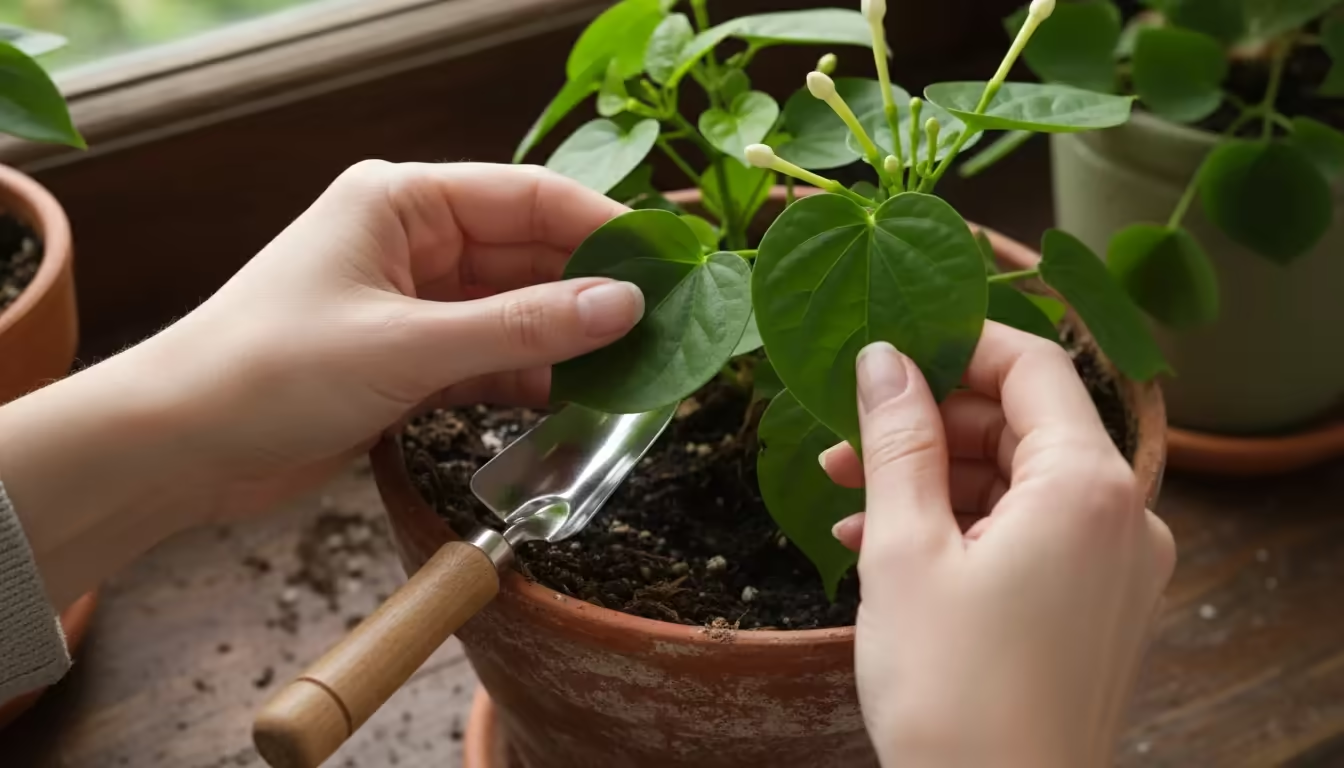
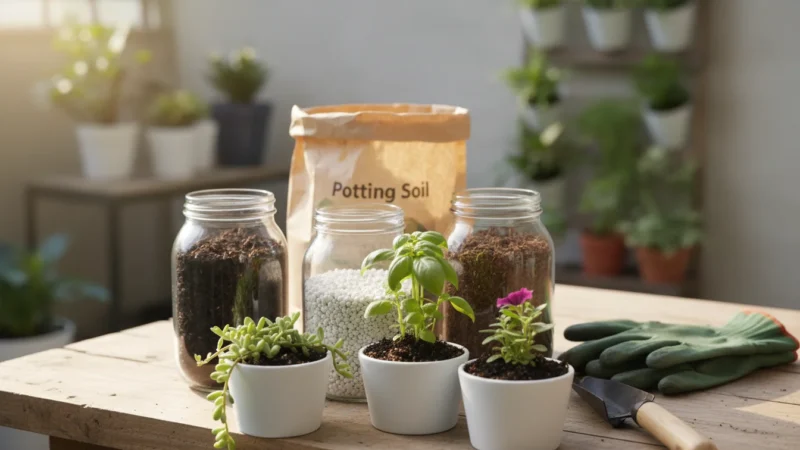
The right soil provides nutrients and ensures proper drainage. Do not use garden soil in containers; it compacts easily and lacks the necessary aeration. Instead, use a high-quality potting mix formulated for containers. Look for mixes that contain perlite or vermiculite, which improve drainage and aeration, along with some slow-release fertilizer. This combination supports healthy root development and sustained growth. If your mix seems too dense, you can amend it by adding extra perlite or a bit of coarse sand.
Watering Strategy for Container Plants
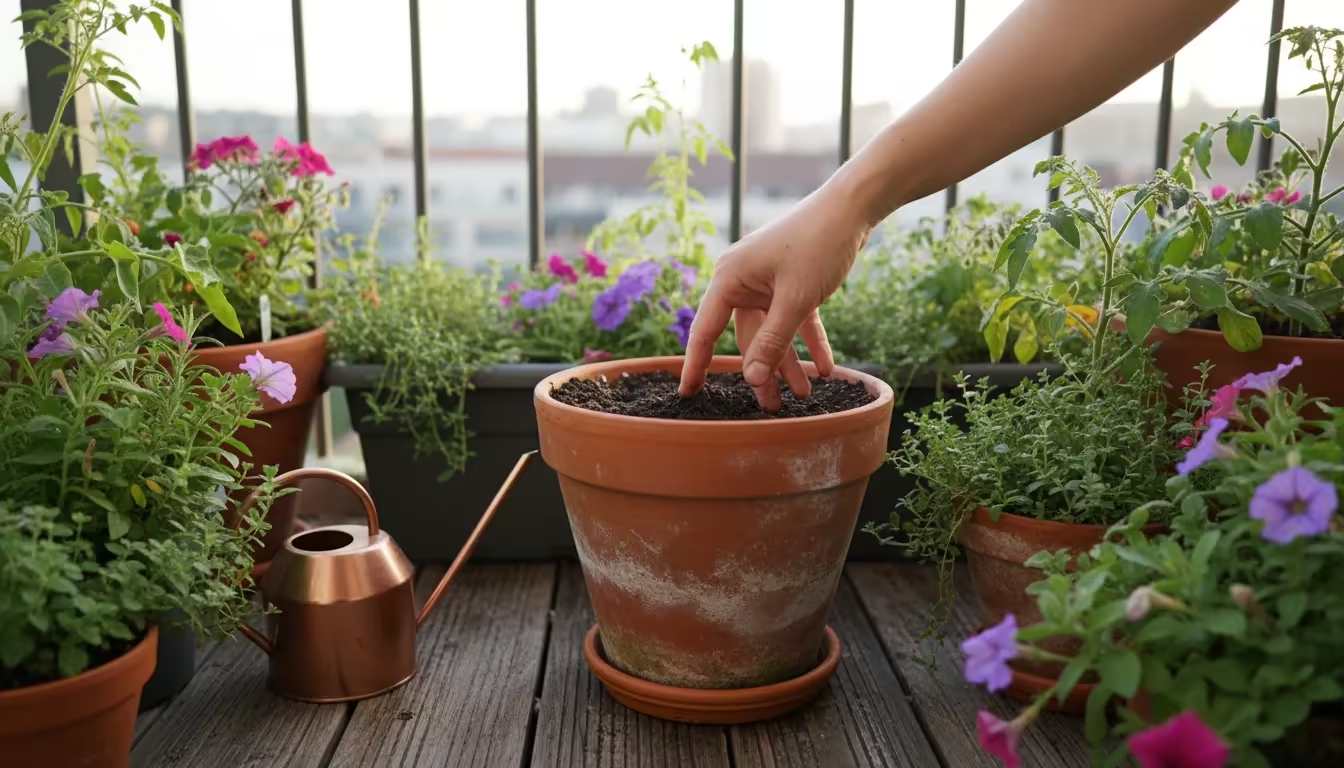
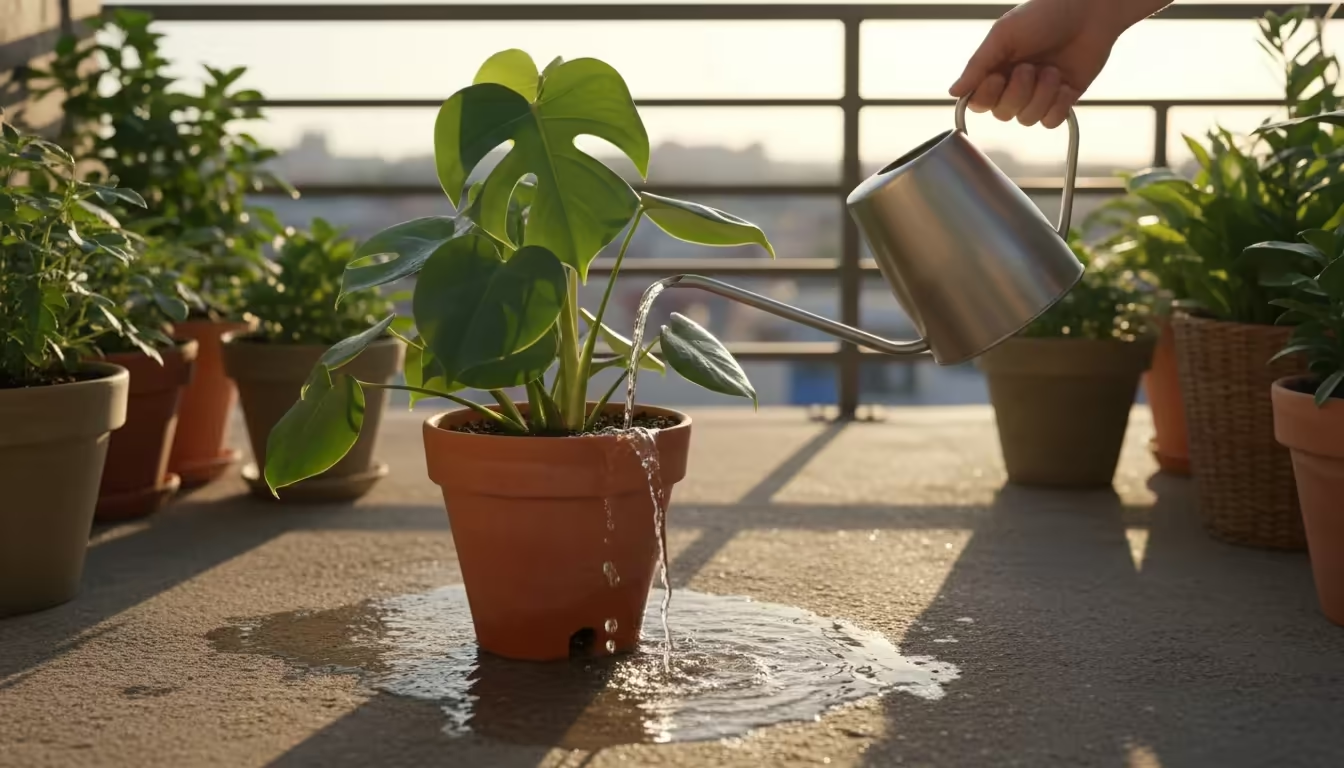
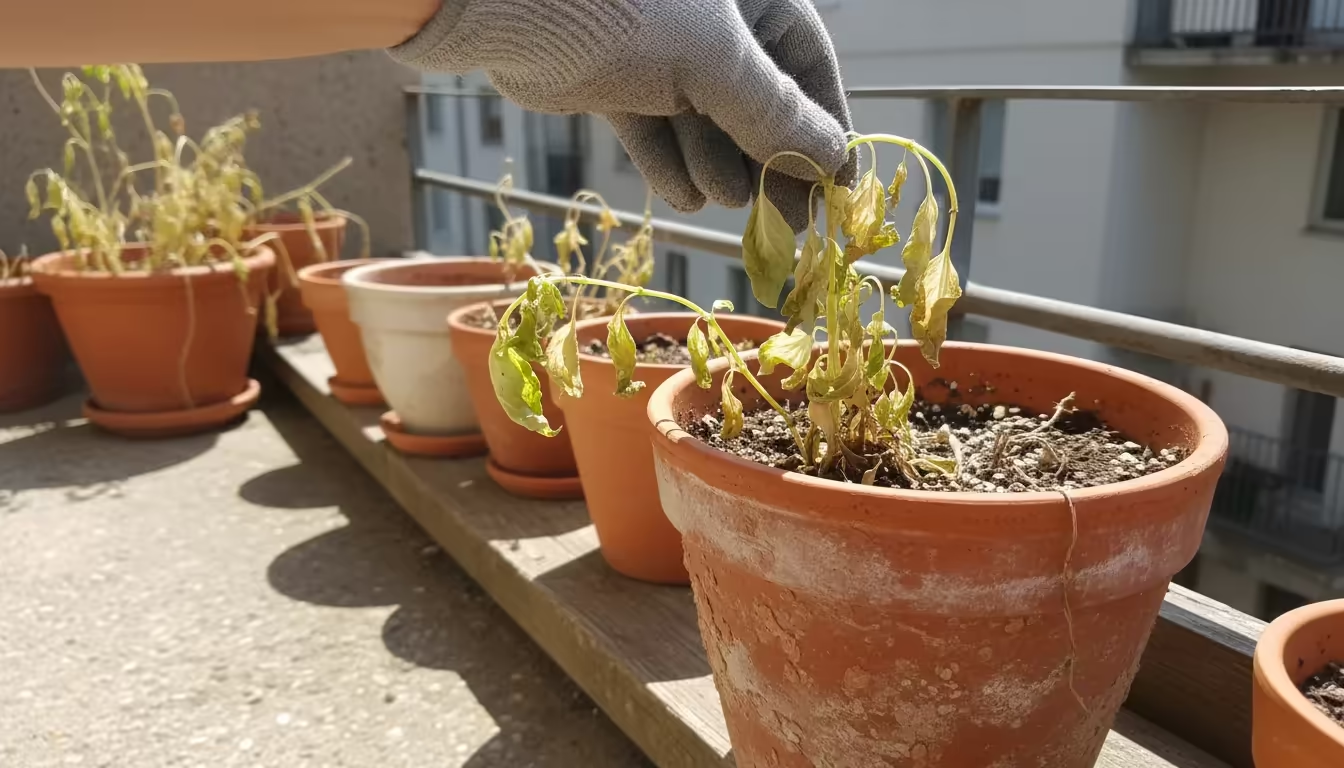
Container plants dry out faster than garden beds, especially in summer. Check the soil moisture daily by sticking your finger about an inch or two into the soil. If it feels dry, it is time to water. Water thoroughly until it drains from the bottom of the pot. Avoid frequent, shallow watering, which encourages shallow root growth. In hot, windy conditions, you might need to water twice a day. Early morning or late afternoon watering is best, allowing the plant to absorb moisture before the evening show. Consistent watering is crucial for summer container plants.
To protect your pots from scorching midday heat, you can also learn to utilize moving shade on your balcony to keep the soil and roots cool.
If your balcony gets intense afternoon sun, you can also protect your pots by following our balcony heat survival guide.
Fertilizing for Continuous Blooms
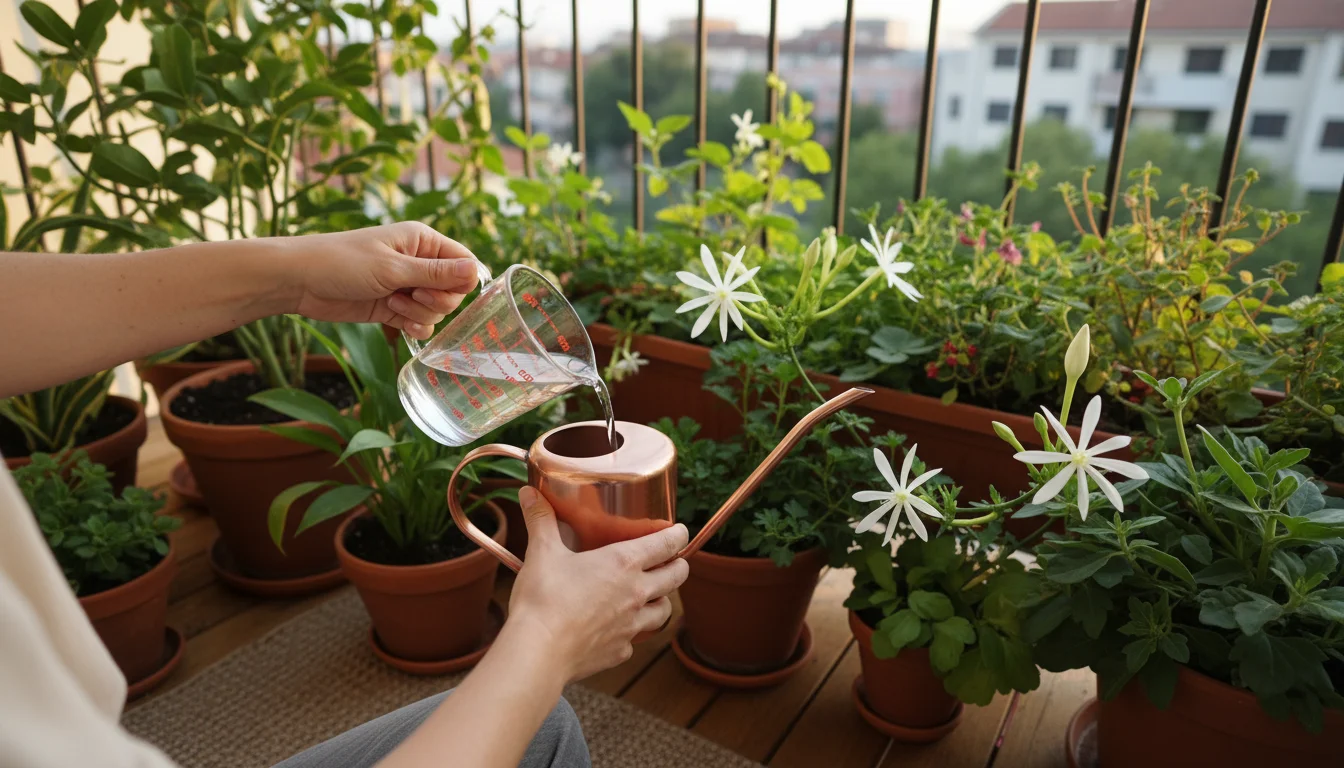
Night bloomers, like all flowering plants, are heavy feeders. The nutrients in potting mix deplete quickly, especially with frequent watering. Begin fertilizing a few weeks after planting. Use a balanced liquid fertilizer (like a 10-10-10 or 20-20-20 ratio) diluted to half strength every two to four weeks. Alternatively, incorporate a slow-release granular fertilizer into the potting mix at planting time, which feeds the plants over several months. Always follow the product instructions carefully to avoid over-fertilizing, which can burn roots.
When winter arrives and your balcony goes dormant, you can replicate this cozy atmosphere indoors with fragrant houseplants that bloom in winter.

Meet the Stars of Your Night Shift: 7 Fragrant Flowers for Small Spaces
Selecting the right plants is key to your successful and aromatic moon garden. These seven plants excel in containers, offer delightful evening fragrances, and bring unique charm to your balcony.
To ensure your balcony is just as colorful during the day, consider growing these nocturnal plants alongside long-blooming summer flowers that thrive in full sun.
To enjoy your space during the day, you can mix these evening stars with the best flowers for container gardens that bloom all summer.
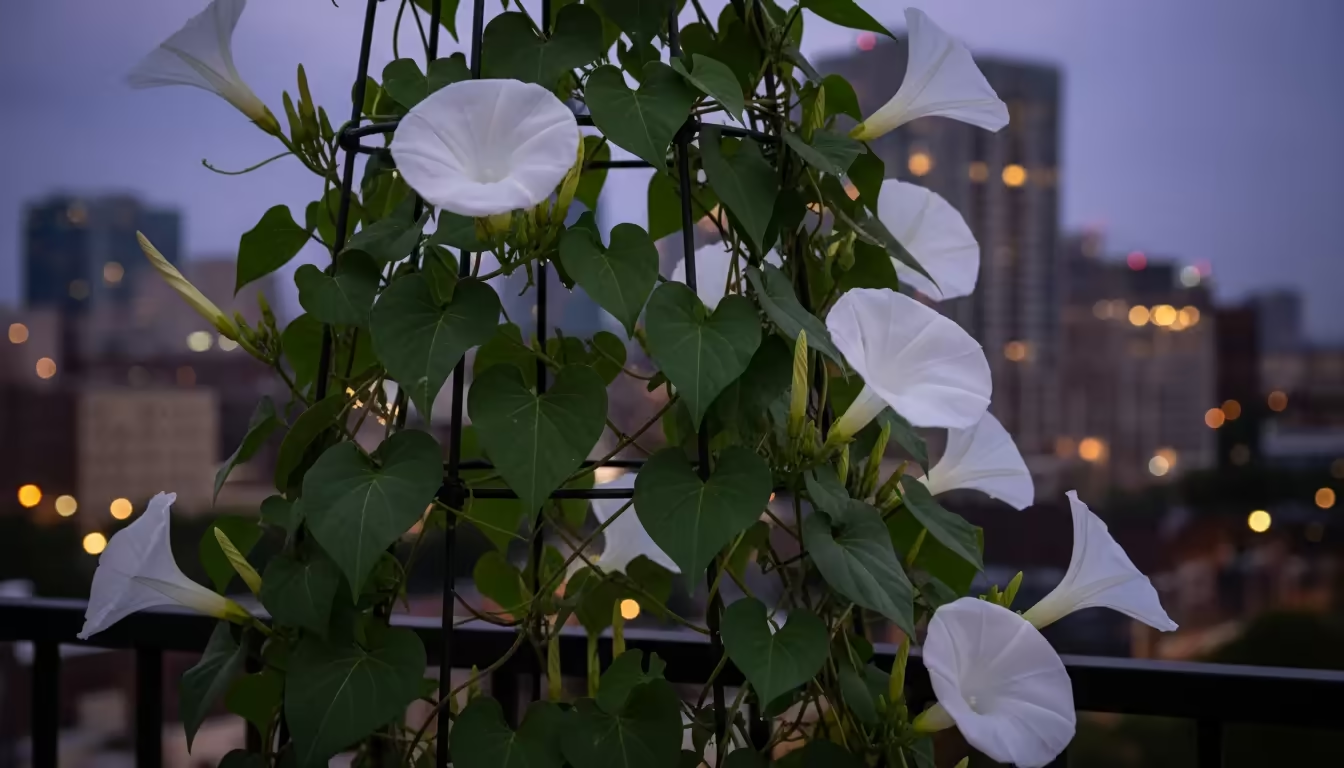
1. Moonflower (Ipomoea alba)
- Description: A climbing vine producing large, trumpet-shaped white flowers that unfurl dramatically at dusk and close with the morning sun. Its pure white blooms practically glow in moonlight, living up to its name. Growing moonflower in a container is straightforward with proper support.
- Fragrance: Sweet, strong, and heady, often described as lemon-vanilla or jasmine-like.
- Care Tips:
- Light: Full sun (at least 6 hours) for vigorous growth and abundant blooms.
- Water: Keep soil consistently moist, but do not waterlog. They are thirsty plants, especially in warm weather.
- Soil: Well-draining potting mix.
- Container Size: At least an 18-inch pot for one plant. As a vigorous vine, it requires a sturdy trellis, stakes, or string for support. Place it near a railing or wall where it can climb freely.
- Pet Safety: The seeds are toxic if ingested. Keep away from curious pets.
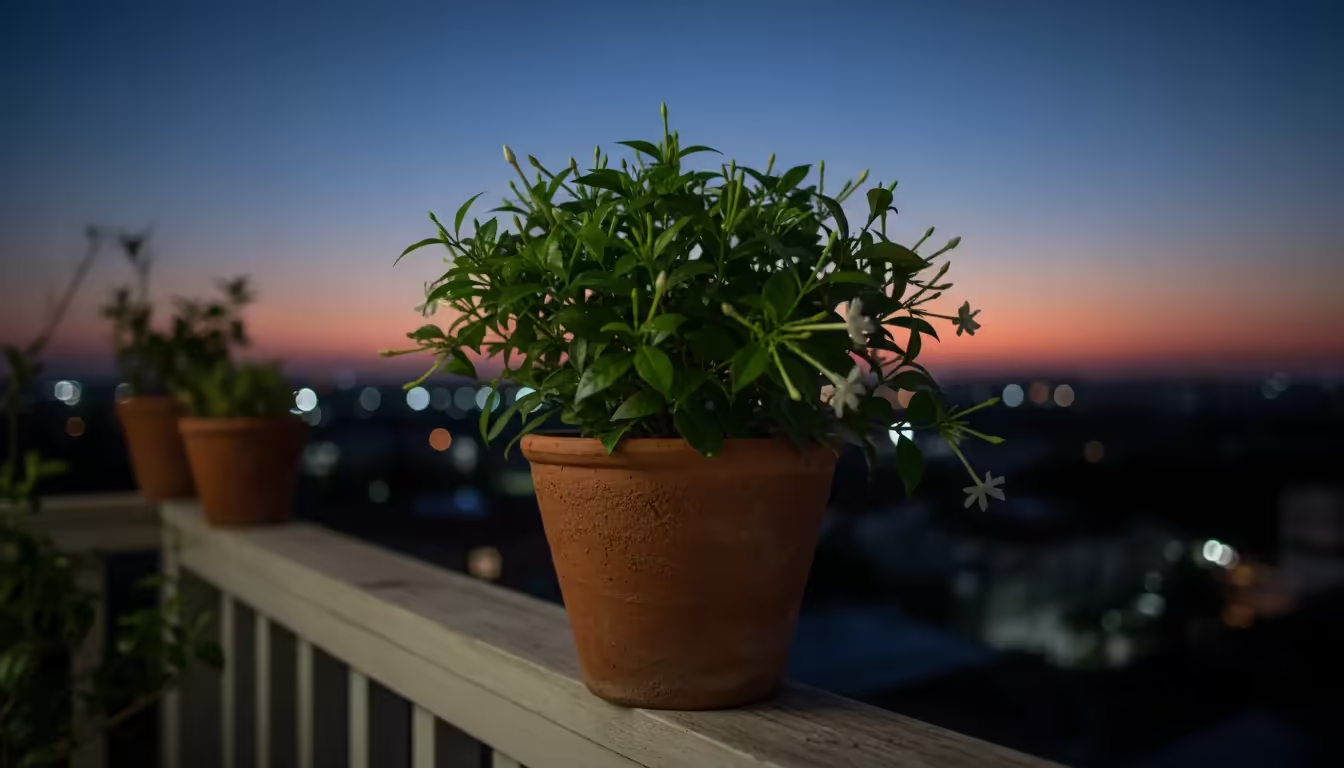
2. Night Blooming Jasmine (Cestrum nocturnum)
- Description: A shrubby plant with clusters of small, greenish-white or pale-yellow tubular flowers. While its blooms are not visually striking, its scent compensates tenfold. It blooms in flushes throughout the summer.
- Fragrance: Intensely sweet, musky, and pervasive, considered one of the strongest night scents in the plant world. It can be overwhelming in enclosed spaces, so place it where air circulates freely.
- Care Tips:
- Light: Full sun to partial shade. More sun encourages more blooms.
- Water: Prefers consistently moist soil; avoid drying out completely.
- Soil: Rich, well-draining potting mix.
- Container Size: A 12-16 inch pot allows it to grow into a substantial shrub. Prune to maintain size and shape.
- Pet Safety: All parts of the plant are toxic if ingested. Exercise caution around pets.
While this fragrant jasmine is grown mainly for scent, you can also explore other beautiful white flowering shrubs that offer a more striking visual display.
3. Four O’Clocks (Mirabilis jalapa)
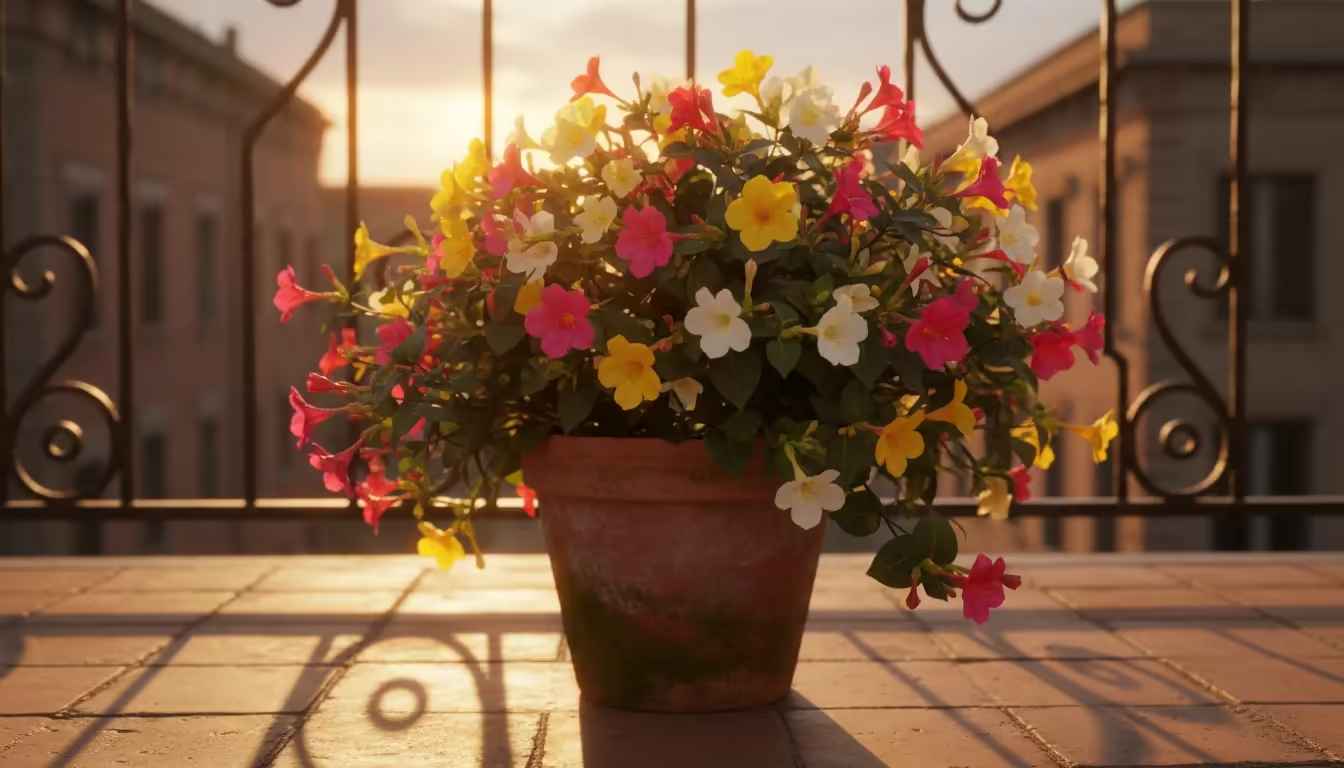
- Description: An old-fashioned favorite, producing a profusion of brightly colored, trumpet-shaped flowers in shades of pink, yellow, red, and white, often on the same plant. They open reliably in the late afternoon (around 4 PM, hence the name) and remain open until morning.
- Fragrance: Sweet, citrusy, and slightly spicy.
- Care Tips:
- Light: Full sun for best blooming. They tolerate partial shade, but flowering may be less prolific.
- Water: Moderate water needs. Allow the top inch of soil to dry before rewatering. They are somewhat drought-tolerant once established.
- Soil: Any well-draining potting mix.
- Container Size: A 10-12 inch pot can hold one plant. They form bushy plants, so give them space.
- Pet Safety: Seeds are considered mildly toxic if ingested.
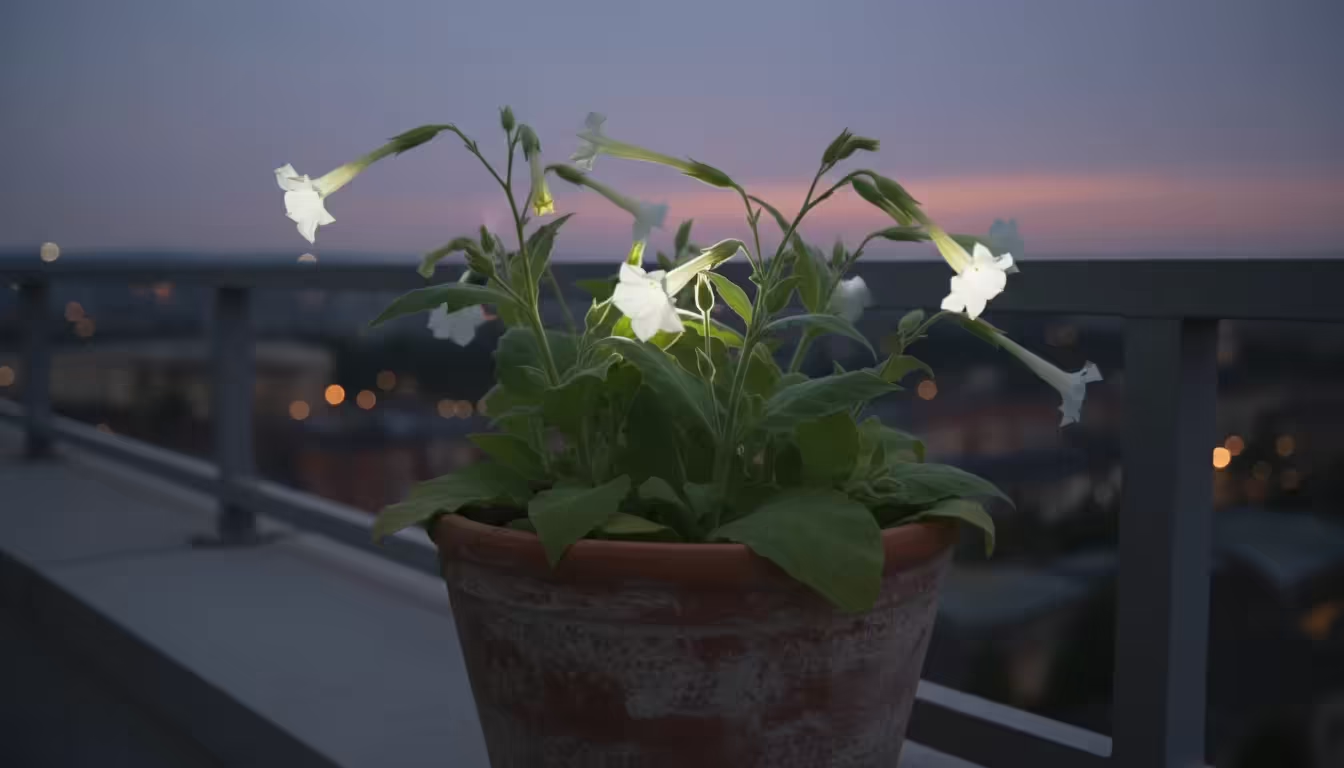
4. Nicotiana (Flowering Tobacco)
- Description: These elegant plants offer delicate, often trumpet-shaped flowers in white, lime green, or maroon. Some varieties, especially Nicotiana alata (Jasmine Tobacco), are powerfully fragrant at night. The species variety often offers the strongest scent.
- Fragrance: Rich, sweet, and jasmine-like, becoming more intense after sunset.
- Care Tips:
- Light: Full sun to partial shade. Partial shade in the hottest climates helps prolong bloom time.
- Water: Keep consistently moist. Do not let the soil dry out completely.
- Soil: Well-draining, fertile potting mix.
- Container Size: An 8-10 inch pot is suitable for individual plants. Taller varieties might require staking.
- Pet Safety: All parts of the plant are toxic, similar to other tobacco plants.
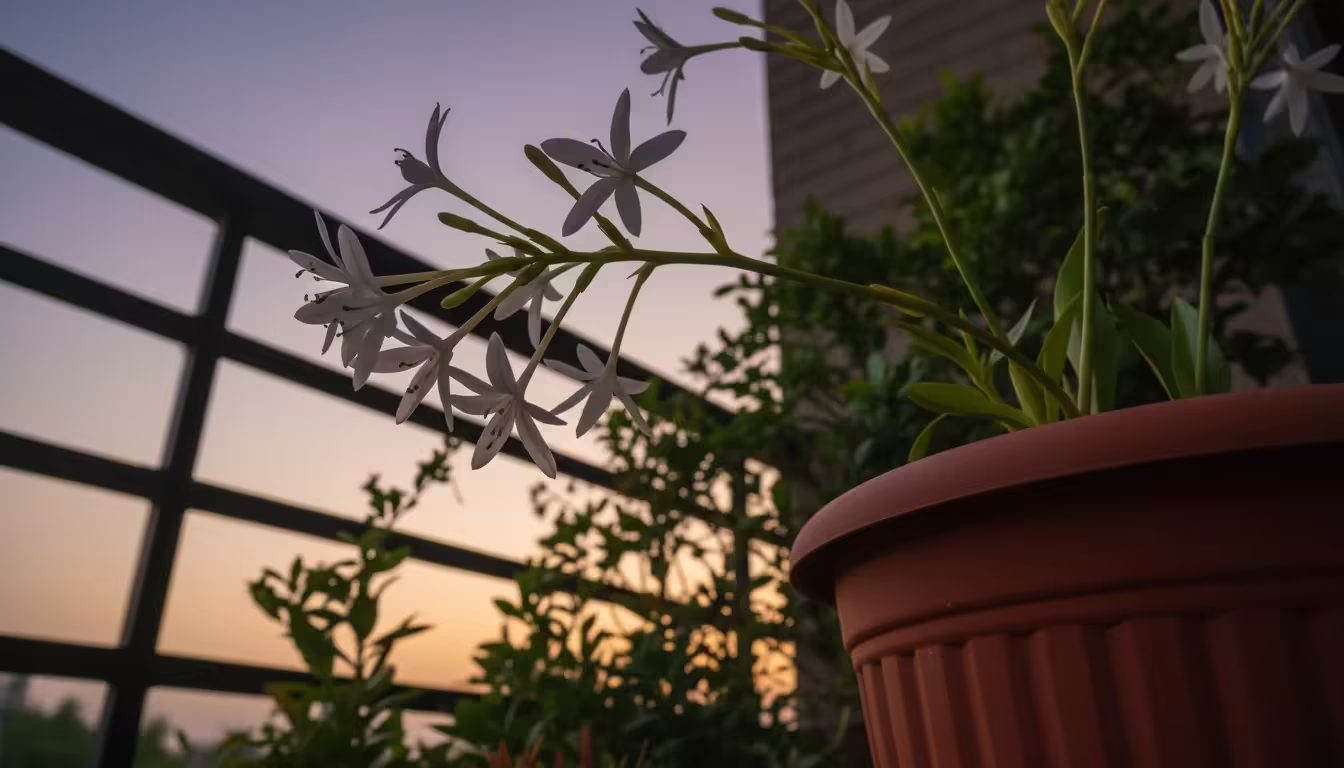
5. Tuberose (Polianthes tuberosa)
- Description: A bulbous perennial known for its elegant spikes of waxy, white, star-shaped flowers. Often used in perfumes, its fragrance is legendary. It is a striking addition to a fragrant balcony garden.
- Fragrance: Intensely sweet, rich, and exotic, often described as a blend of jasmine, gardenia, and honey. Its scent carries far.
- Care Tips:
- Light: Full sun. Requires plenty of warmth and light to flower.
- Water: Keep consistently moist during active growth and flowering. Reduce watering after blooms fade.
- Soil: Rich, well-draining potting mix.
- Container Size: Plant bulbs 2-3 inches deep, 4-6 inches apart. A 10-12 inch pot can hold 3-5 bulbs.
- Pet Safety: Generally considered non-toxic, but always check with specific plant information if concerns arise.
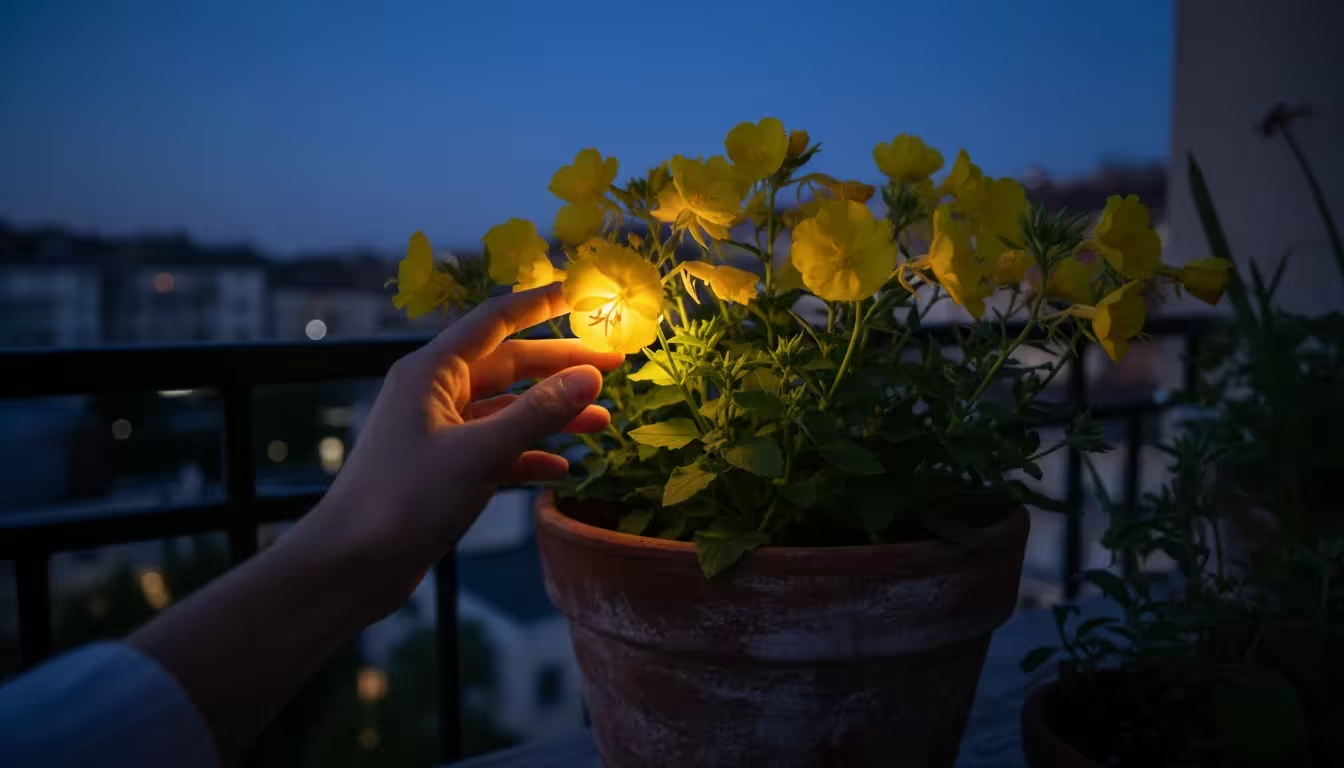
6. Evening Primrose (Oenothera biennis or Oenothera speciosa)
- Description: Many varieties exist, with Oenothera biennis being the most common night bloomer. It produces cup-shaped yellow or white flowers that open in the evening, sometimes with a burst of audible energy. Some perennial varieties make excellent moon garden ideas for small balcony spaces.
- Fragrance: Light, fresh, and lemony.
- Care Tips:
- Light: Full sun. Tolerates some partial shade.
- Water: Drought-tolerant once established, but perform best with consistent moisture, especially in containers.
- Soil: Adaptable to most well-draining potting mixes.
- Container Size: A 10-12 inch pot is generally sufficient. Some varieties can spread, so consider their growth habit.
- Pet Safety: Generally considered non-toxic.
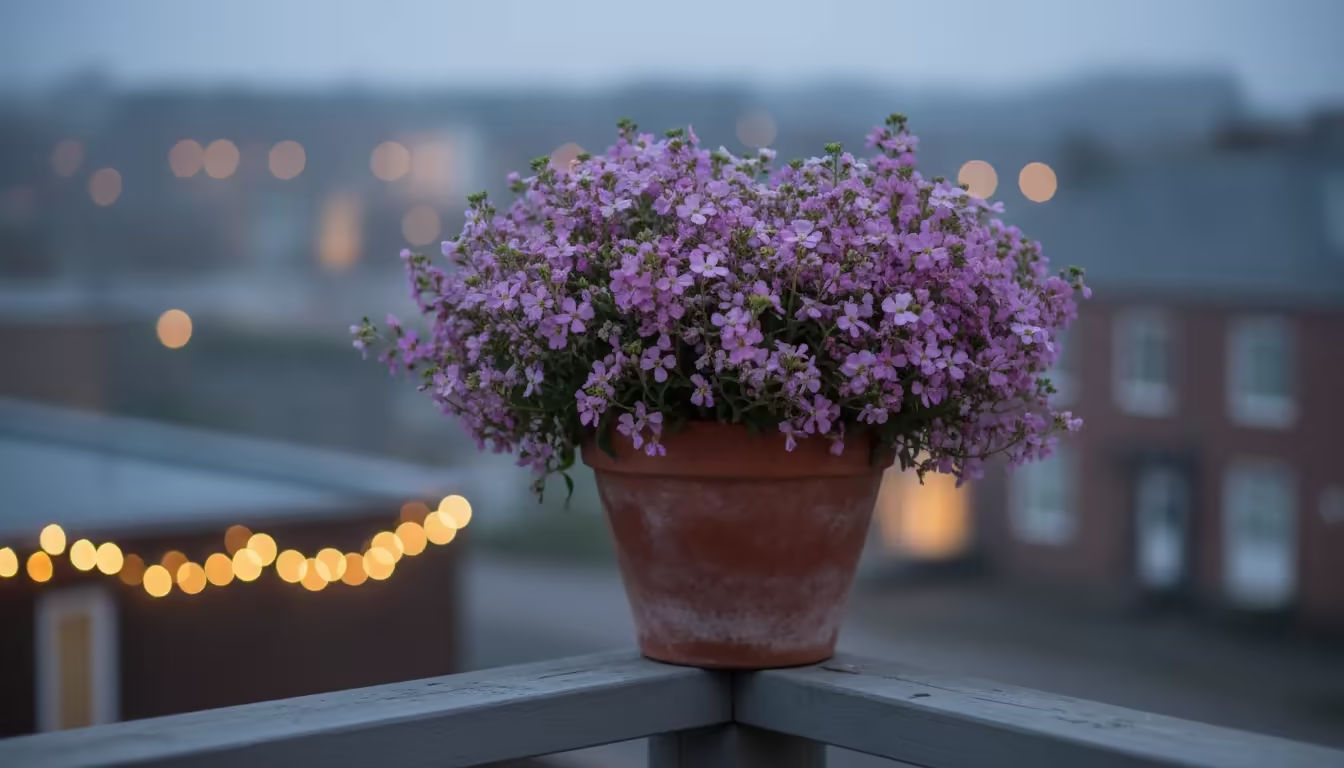
7. Night Scented Stock (Matthiola bicornis)
- Description: Do not mistake it for the more common, showier flowering stock (Matthiola incana). Night Scented Stock has rather unassuming, delicate purplish or pale pink flowers during the day. However, these humble blooms explode with fragrance as evening descends.
- Fragrance: Sweet, spicy, and clove-like. One of the most delightful and surprising night scents.
- Care Tips:
- Light: Full sun to partial shade.
- Water: Keep evenly moist. Do not allow to dry out completely.
- Soil: Well-draining potting mix.
- Container Size: Plant seeds directly into an 8-10 inch pot. Plant densely for a fuller display and stronger fragrance.
- Pet Safety: Generally considered non-toxic, but always observe your pets.
For trustworthy gardening information, visit: Brooklyn Botanic Garden, Chicago Botanic Garden, New York Botanical Garden and ASPCA Animal Poison Control. These organizations provide expert, research-based advice for gardeners at all levels. Always consult resources like the ASPCA for up-to-date and specific information regarding plant toxicity and your pets.
Designing Your Dream Nocturnal Oasis: Placement and Aesthetics
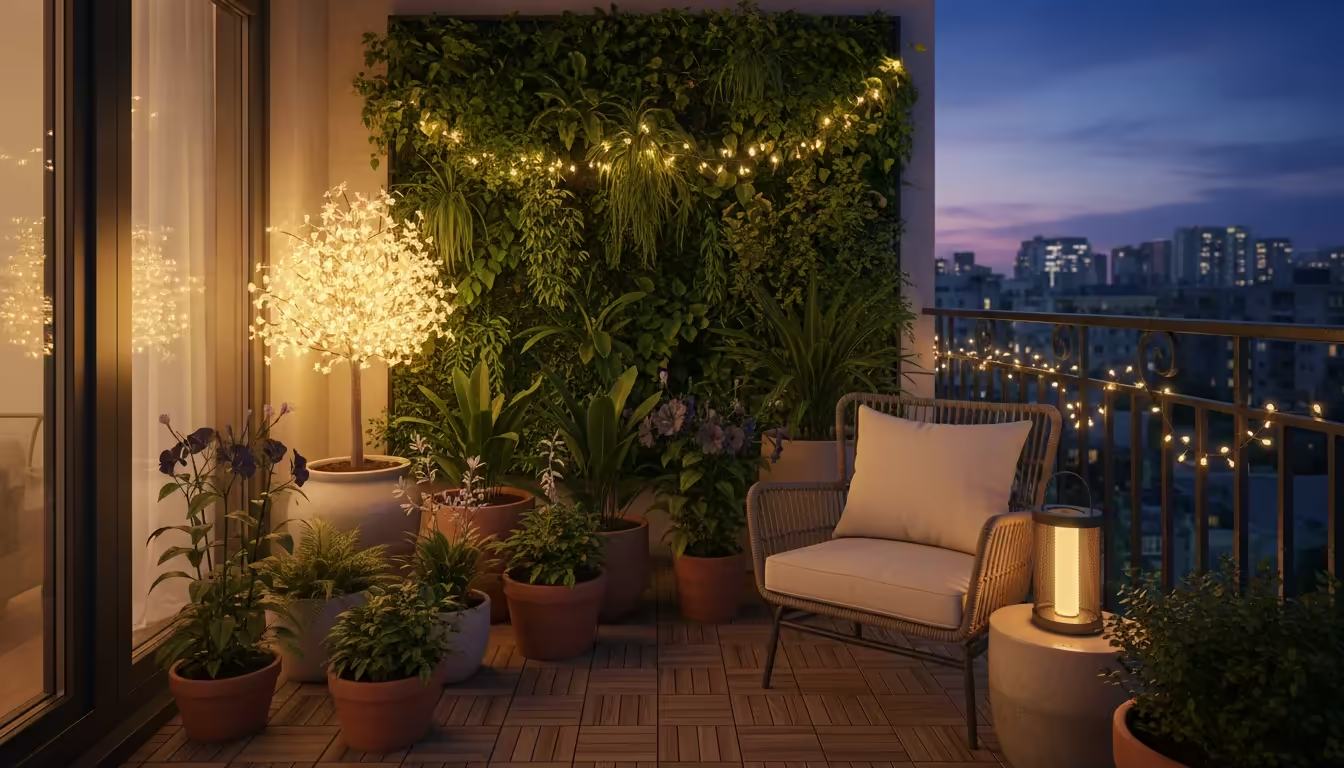
Creating a captivating moon garden ideas for small balcony spaces involves thoughtful design beyond just plant selection. You want to maximize both visual appeal and the sensory experience. Your goal is a space that feels magical and inviting after dark.
Arranging Pots for Maximum Impact
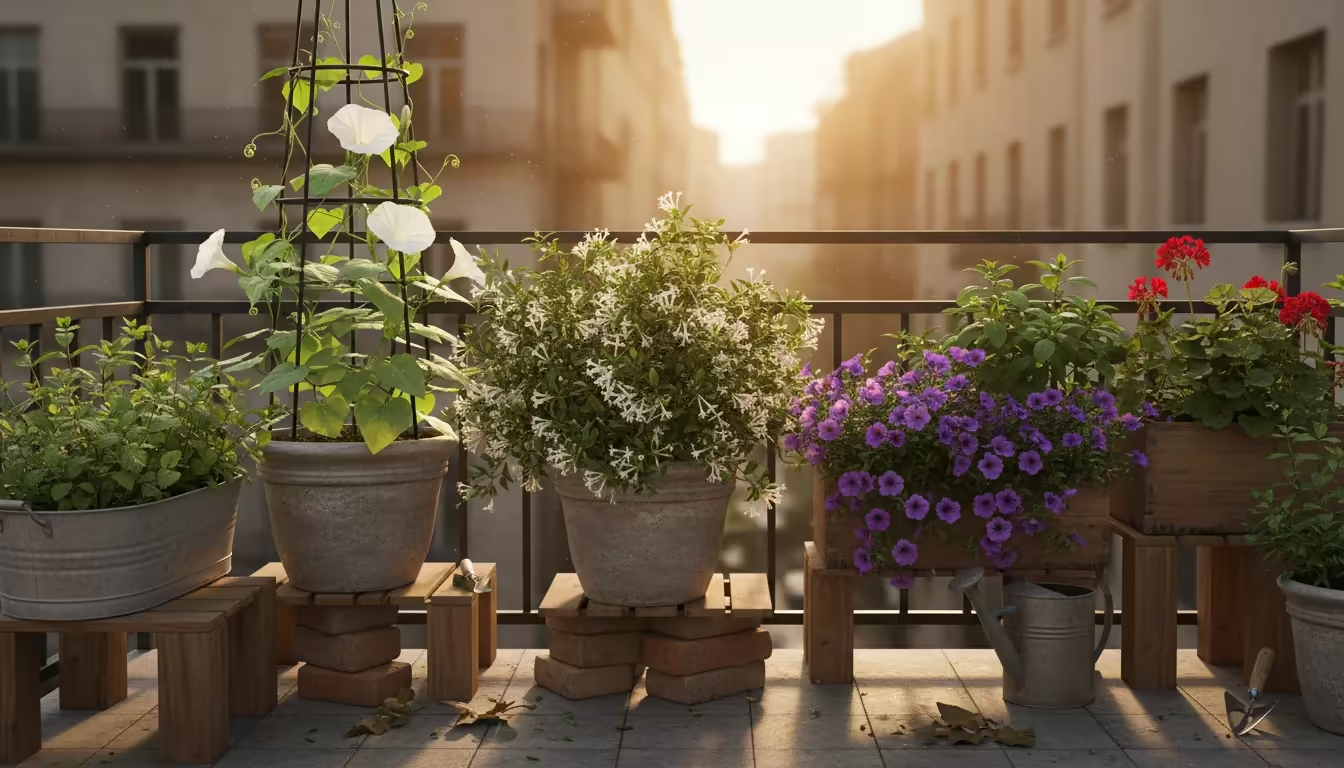
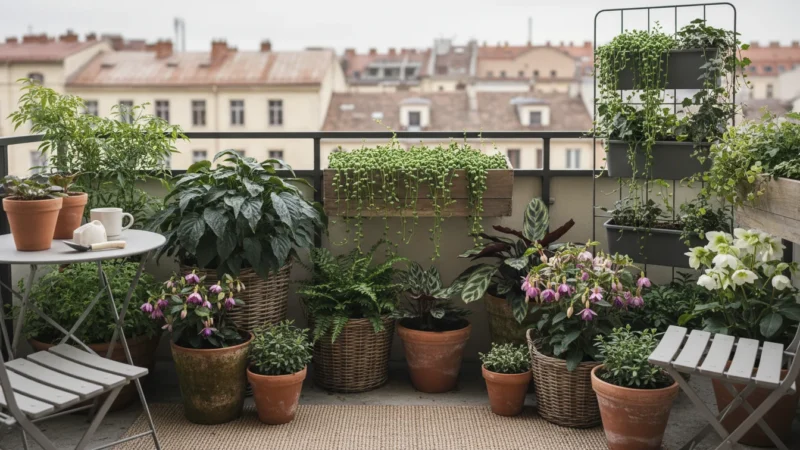
Consider the height and spread of your plants when arranging them. Place taller plants, like Moonflower on a trellis, at the back or corners of your balcony. Arrange medium-sized plants like Night Blooming Jasmine in the middle, and shorter, bushier plants like Four O’Clocks or Night Scented Stock towards the front. This layering creates visual depth and ensures every plant receives adequate light and air circulation. Grouping plants with similar light and water needs simplifies care. You create a cohesive, lush display.
Optimizing Fragrance Diffusion
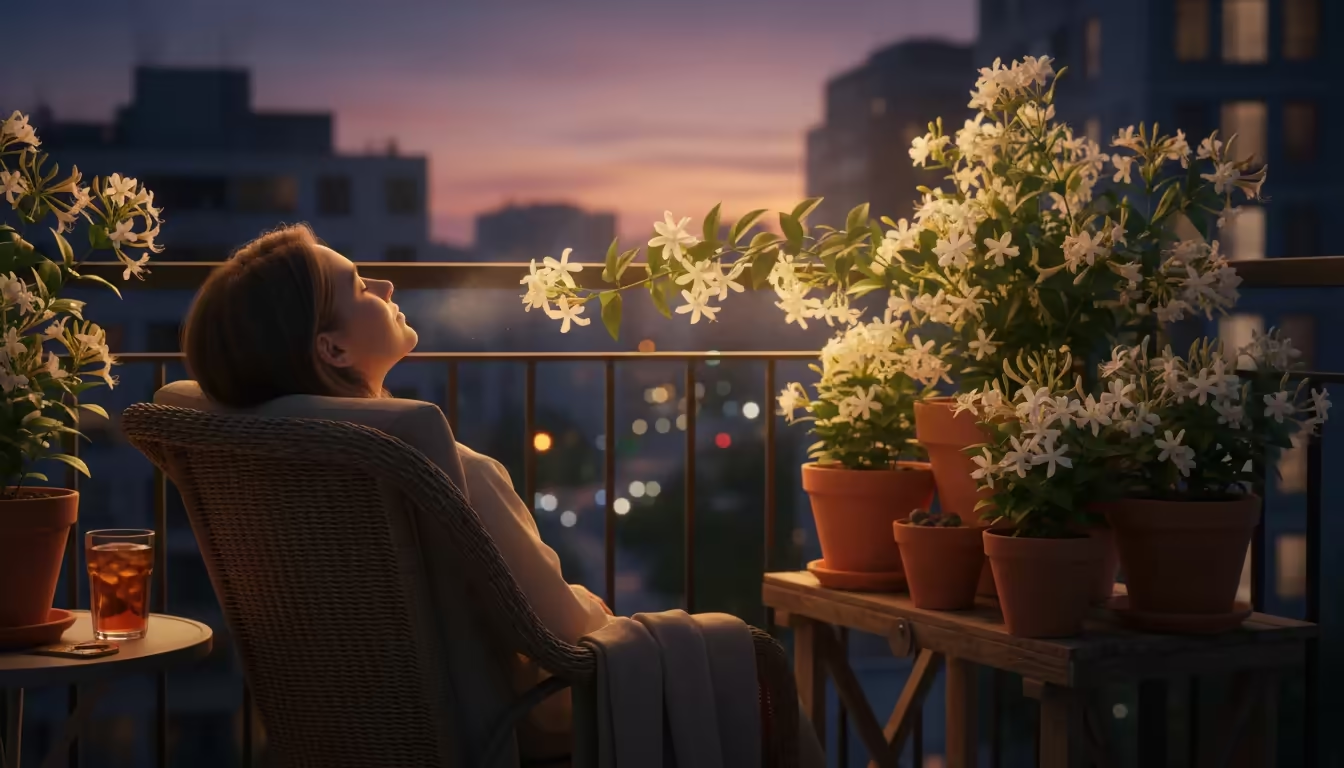
To maximize the impact of your fragrant balcony garden, place the most intensely scented plants near your seating area or balcony door. This ensures you immediately encounter their perfume as you enter the space. Consider prevailing evening breezes. Position your plants so the fragrance drifts towards your primary sitting spot. A slight breeze enhances scent diffusion, carrying the aroma throughout your balcony.
Incorporating Reflective Elements
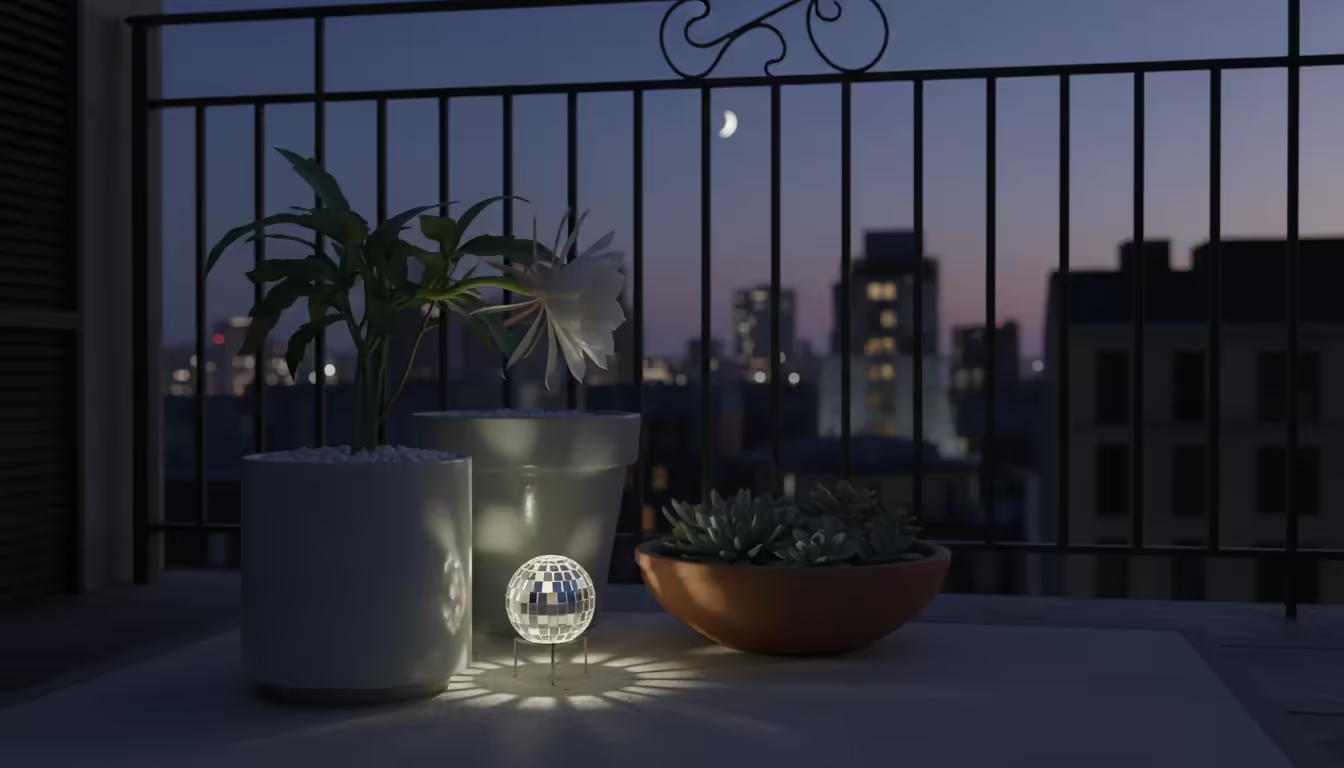
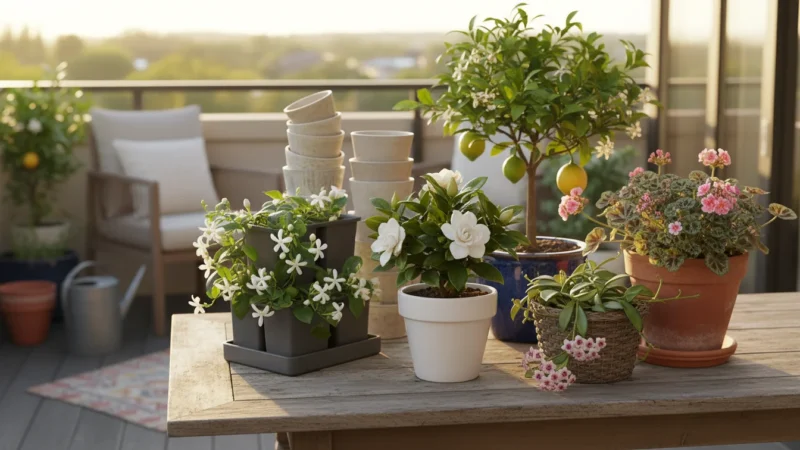
White or pale-colored pots and decor amplify the subtle beauty of night bloomers. These elements reflect moonlight, making your plants and overall space appear brighter and more ethereal. Consider white gravel as top dressing for your pots, or a light-colored outdoor rug. Mirrored surfaces or reflective garden ornaments also bounce light around, adding sparkle to your nocturnal scene. These simple additions enhance the magical ambiance.
Adding Gentle Illumination
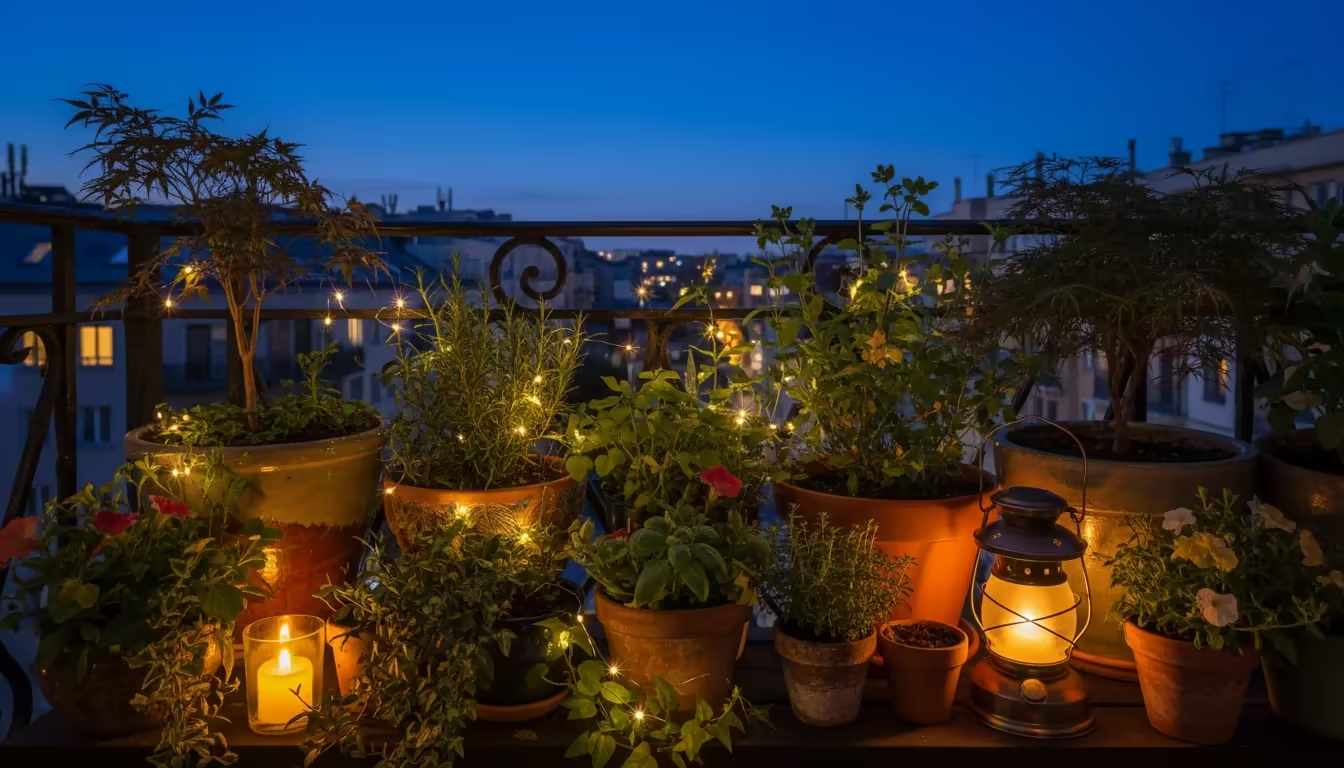
While moonlight creates a beautiful natural glow, tasteful artificial lighting enhances your moon garden. Avoid harsh spotlights. Instead, opt for soft, warm light sources. Solar-powered fairy lights strung along railings, small solar lanterns placed among your pots, or even battery-operated candles create a cozy, inviting atmosphere. These lights highlight your plants without overpowering the natural moonlight. They also make navigating your balcony safer after dark. The key is subtlety, allowing the flowers themselves to remain the stars of the show.
Nurturing Your Night Bloomers: Ongoing Care and Troubleshooting
Your night-blooming plants require consistent attention to maintain their vigor and prolific flowering. Ongoing care ensures your moon garden provides continuous enjoyment throughout the summer. You actively participate in their success.
Consistent Watering in Summer
As discussed, container plants dry out quickly, especially during hot summer days. Check your plants daily, and sometimes twice daily during heatwaves. Water deeply until water drains from the bottom. Avoid overwatering by ensuring excellent drainage and never letting pots sit in standing water. Consider using self-watering pots or adding water-retaining crystals to your potting mix to extend the time between waterings, especially if you have a busy schedule. These strategies help maintain consistent moisture for your summer container plants.
Pest Management for Balcony Gardens
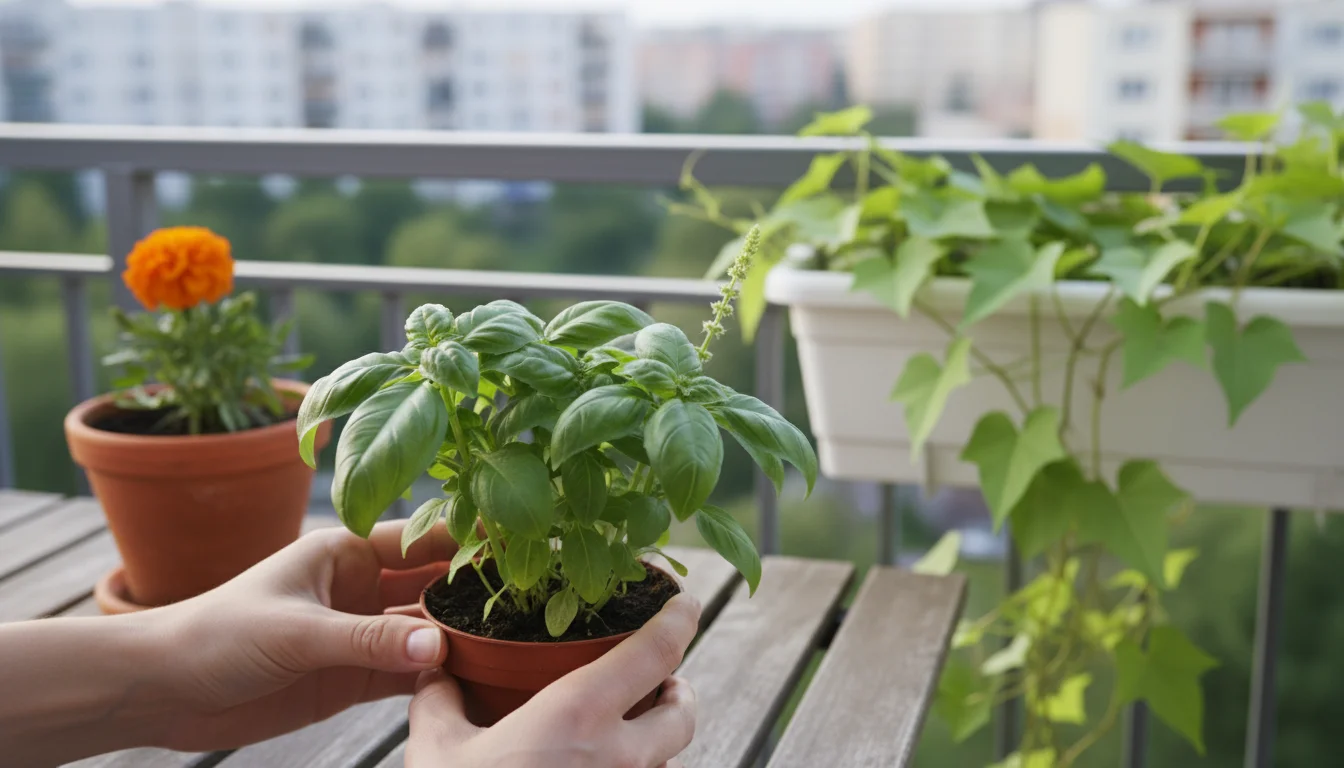
Even on a balcony, pests can find your plants. Common culprits include aphids, spider mites, and whiteflies. Regularly inspect your plants, especially the undersides of leaves. Early detection makes control much easier. For small infestations, a strong spray of water dislodges many pests. For more persistent issues, use insecticidal soap, following the package directions carefully. You can also attract beneficial insects by incorporating small companion plants like marigolds or sweet alyssum into your balcony design. These eco-friendly methods protect your plants without harsh chemicals.
Deadheading for More Blooms
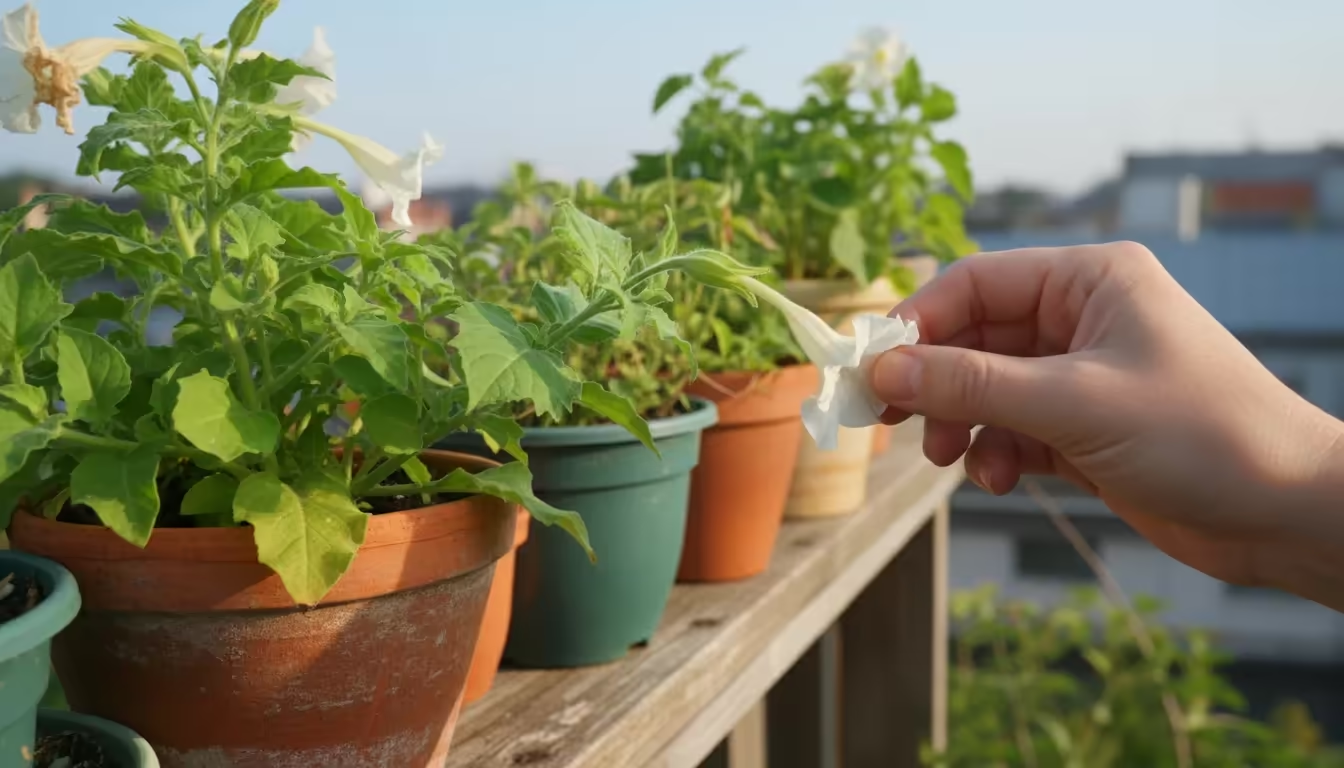
Deadheading involves removing spent or faded flowers. This redirects the plant’s energy from seed production back into producing more blooms. While some night bloomers naturally drop their spent flowers, many benefit from deadheading. For instance, Four O’Clocks and Nicotiana will produce more flowers if you regularly pinch off the fading ones. This simple task significantly extends your plant’s flowering season and maintains a tidy appearance.
Winterizing or Overwintering Tender Perennials
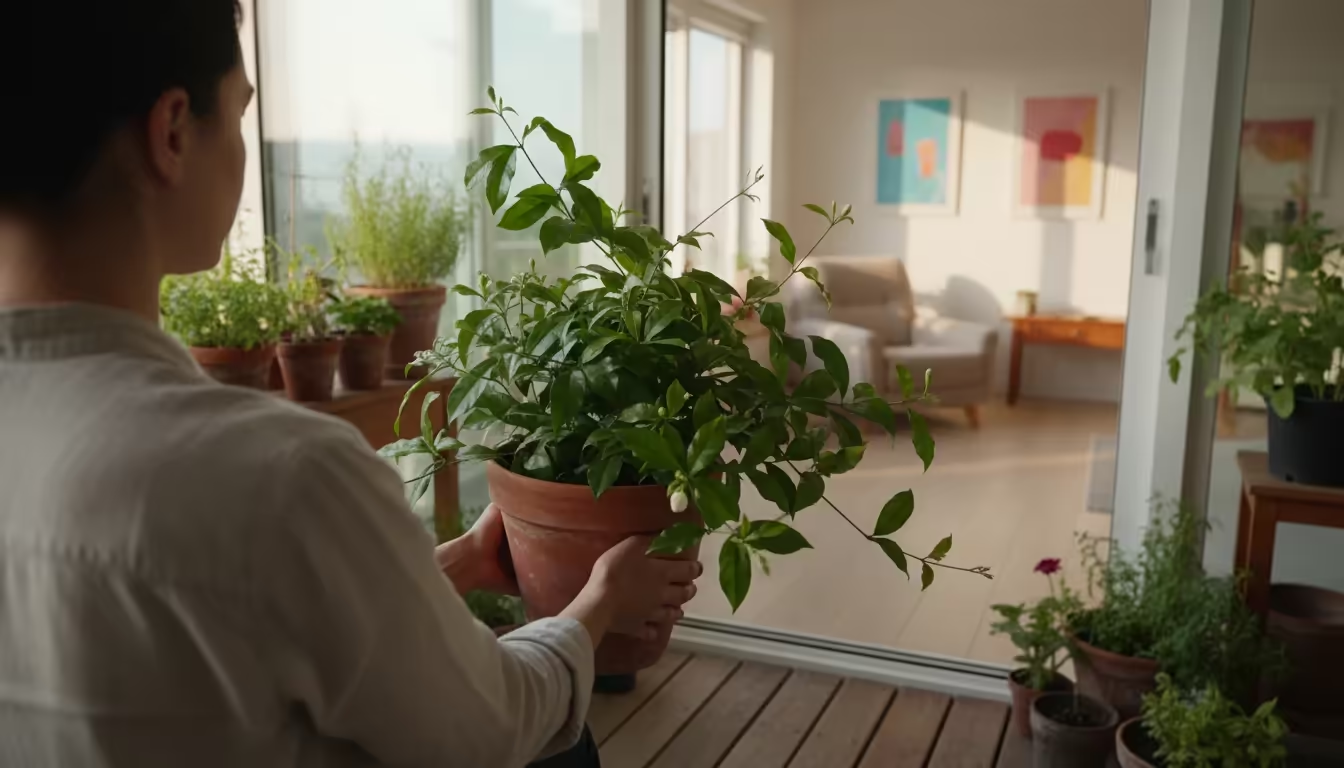
Many night-blooming plants, such as Night Blooming Jasmine, Tuberose, and Moonflower (depending on your climate zone), are tender perennials or tropicals. If you live in a region with cold winters, you have options for keeping them alive. You can bring potted plants indoors before the first frost, providing them with a sunny window or grow lights. For bulbs like Tuberose, you can dig them up, allow them to dry, and store them in a cool, dark, dry place over winter, replanting in spring. Alternatively, treat them as annuals and enjoy their single season of glory, then replant with fresh plants next spring. Your choice depends on your commitment and available indoor space.
Common Mistakes to Avoid
Mistakes happen, but you can prevent many common problems.
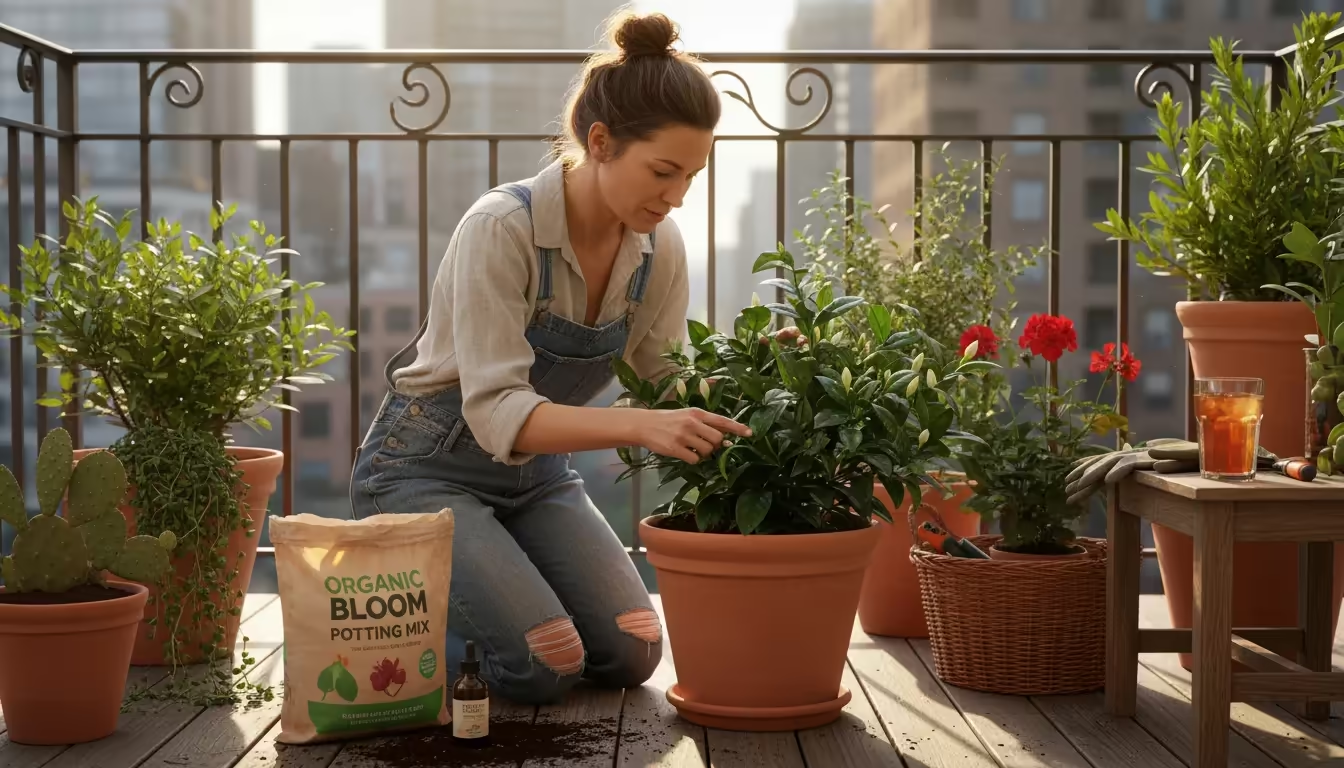
- Overwatering: The most frequent mistake for container gardeners. Learn to feel the soil and water only when needed.
- Insufficient Light: Even night bloomers need plenty of daytime sun to produce flowers. Ensure they get at least 6 hours of direct sun.
- Neglecting Fertilization: Container plants quickly exhaust soil nutrients. Regular feeding is essential for continuous blooming.
- Ignoring Pest Signs: Small infestations quickly become large problems. Regular inspection and prompt action save your plants.
- Using Poor Quality Potting Mix: Cheap soil often leads to compaction and poor drainage, hindering root health. Invest in good quality, well-draining potting mix.
Sustainable Practices for a Greener Balcony Garden
Your small-space garden provides an excellent opportunity to embrace eco-friendly practices. By adopting sustainable habits, you contribute to a healthier environment while enjoying your beautiful fragrant balcony garden.
Composting in Small Spaces
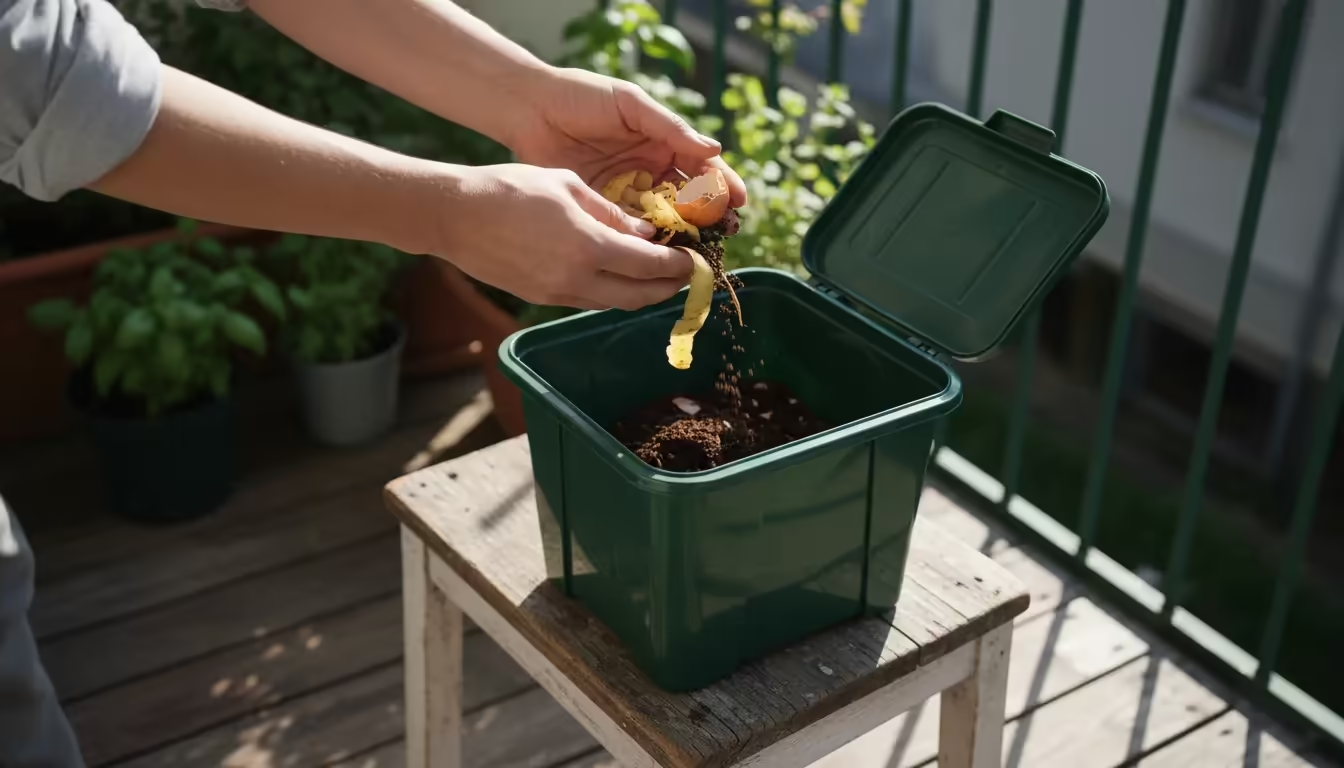
Even on a balcony, you can compost kitchen scraps and plant trimmings. A small worm bin (vermicomposting) is perfect for apartments and balconies. It takes up minimal space, produces rich worm castings (a fantastic natural fertilizer), and significantly reduces household waste. Bokashi bins offer another compact option, fermenting food waste. These methods transform waste into valuable soil amendments, enriching your container plants naturally. You reduce landfill waste and create free, nutrient-rich food for your plants.
Rainwater Collection
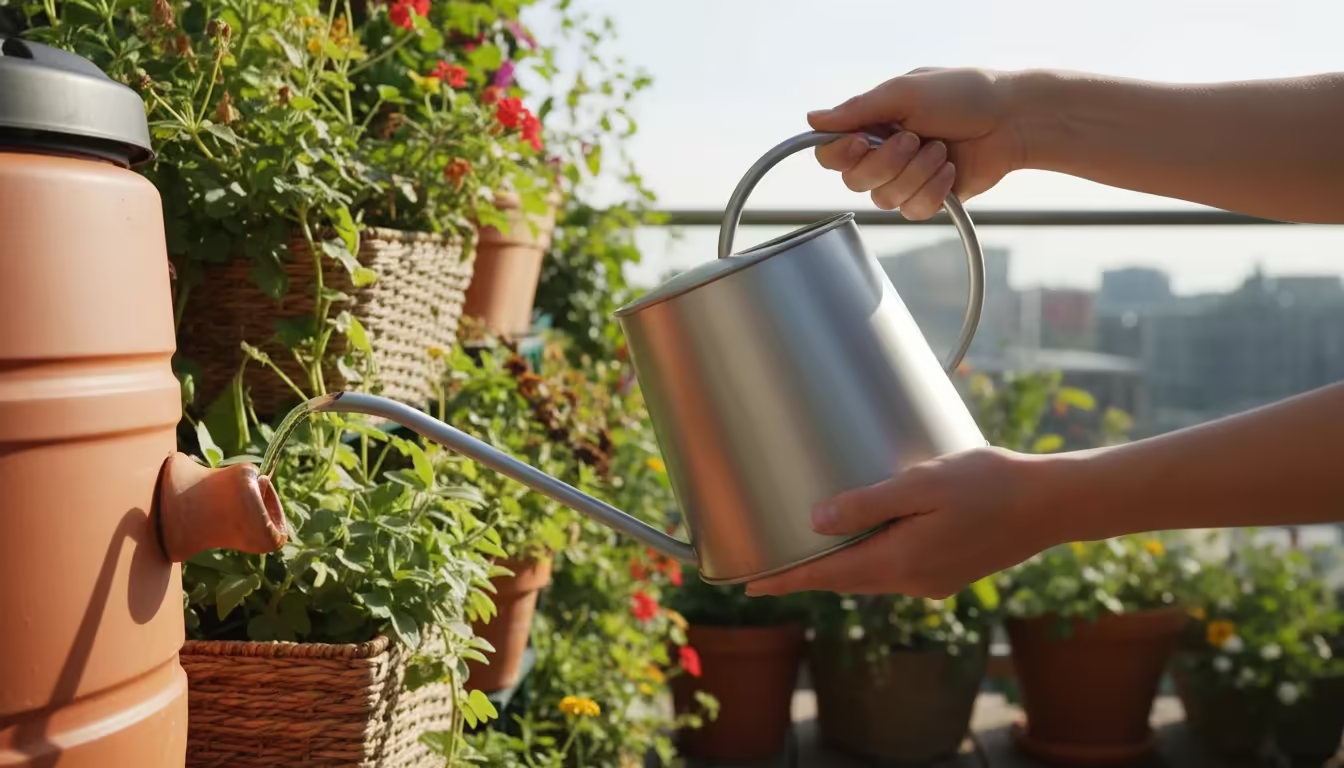
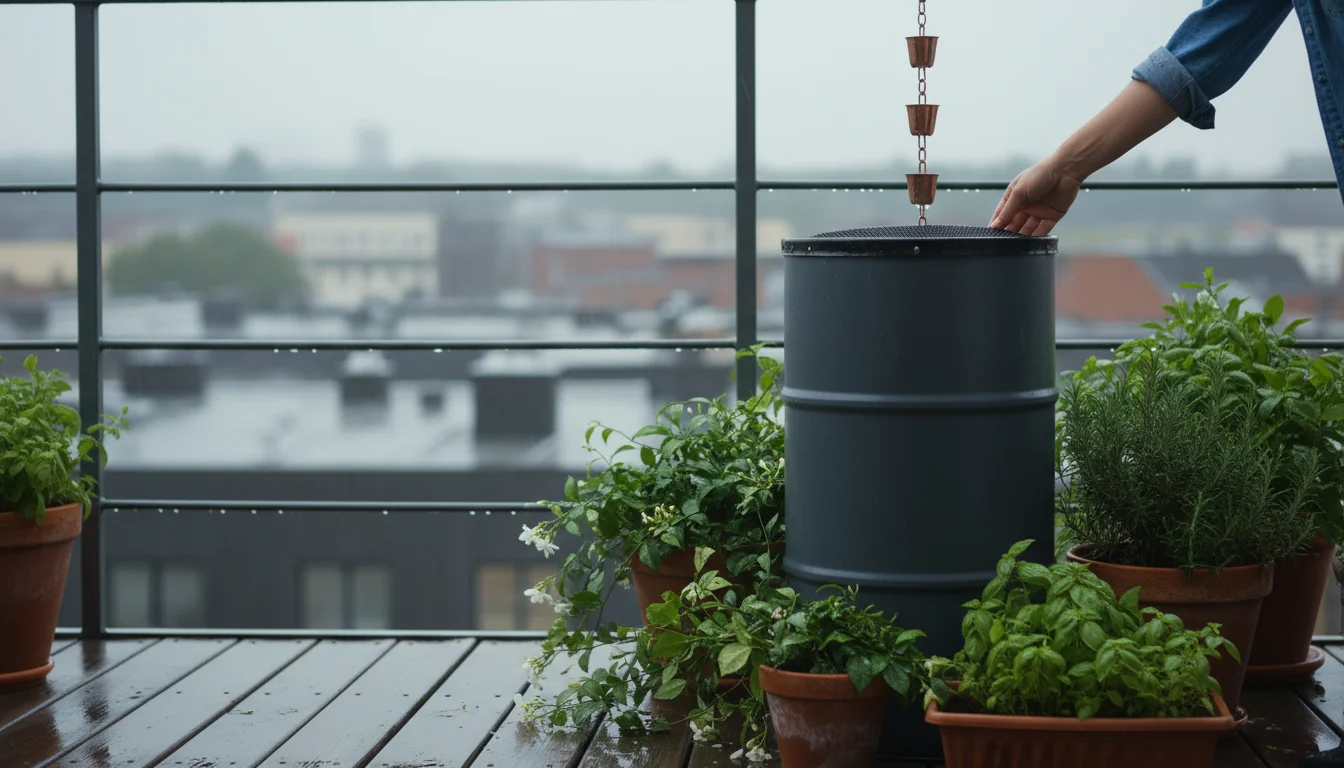
Collecting rainwater provides a sustainable and chlorine-free water source for your plants. For balconies, you can use small rain barrels or even strategically placed buckets during rain showers. This reduces your reliance on tap water and saves on your water bill. Just ensure your collection method is permissible by your building rules and that standing water does not create a mosquito breeding ground. A simple lid or screen prevents this.
Using Organic Fertilizers
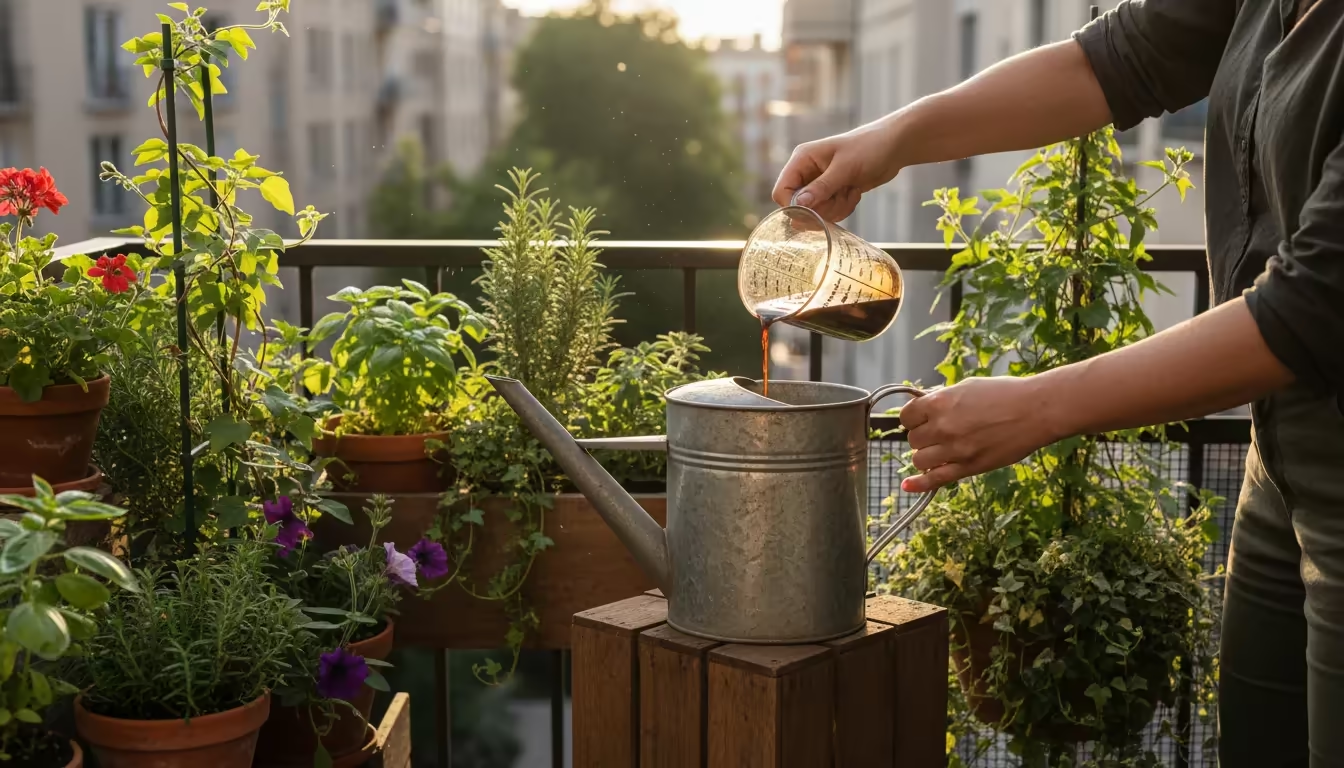
Opt for organic fertilizers over synthetic ones. Organic options, like fish emulsion, kelp meal, or compost tea, release nutrients slowly and improve soil health over time. They also pose less risk to beneficial insects and the environment. You avoid introducing synthetic chemicals into your immediate living space and nurture your plants naturally.
Attracting Beneficial Insects and Pollinators
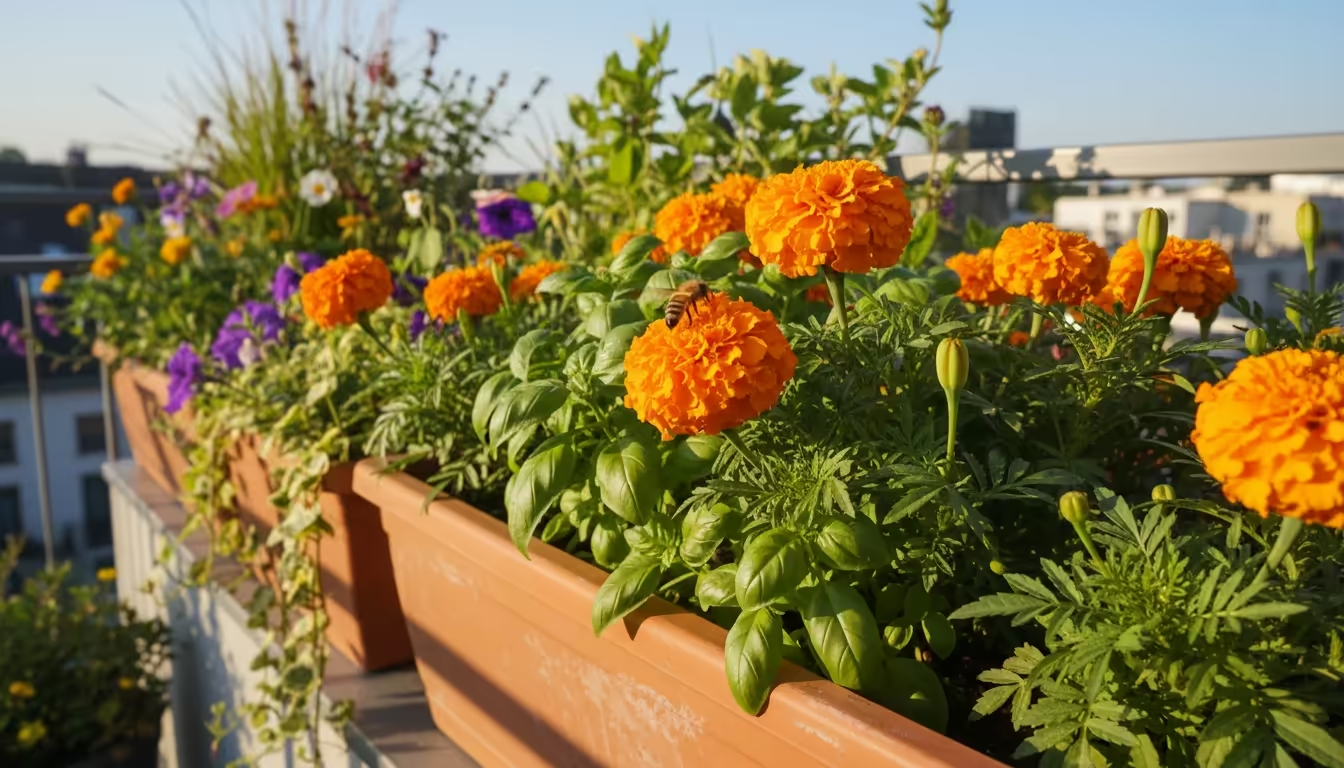
While your night bloomers attract moths, you can also support daytime pollinators by including a few bee-friendly plants. Even on a balcony, you can create a mini-ecosystem. Planting herbs like basil or thyme, or flowers like marigolds, attracts bees and other beneficial insects. These helpers control pests and support biodiversity. You create a more resilient and vibrant garden space.
Reusing and Repurposing Containers
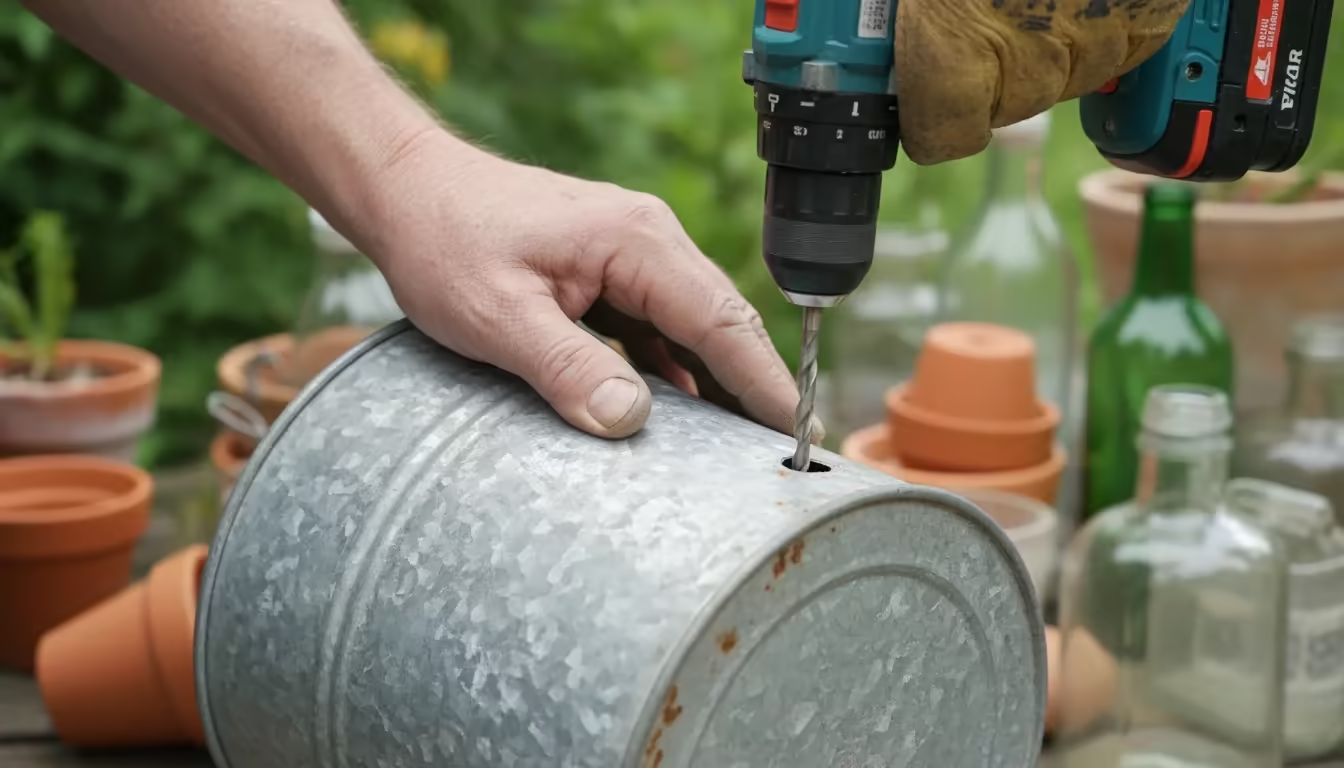
Give new life to old items by repurposing them as planters. Old metal tubs, wooden crates, or even sturdy plastic containers can become beautiful homes for your plants with a few drainage holes drilled into the bottom. This reduces waste and adds a unique, eclectic touch to your balcony garden. You save money and contribute to a circular economy.
Frequently Asked Questions
Do night blooming flowers need sunlight during the day?
Yes, almost all night blooming flowers require ample sunlight during the day. They need this energy to grow, develop buds, and fuel their spectacular evening display. Most varieties perform best with at least 6 to 8 hours of direct sun. Insufficient light results in leggy growth and sparse flowering. Think of the daytime sun as their power source for the night shift.
Can I grow all these plants in the same container?
While you can create beautiful mixed arrangements, generally, it is best to give each of these specific night bloomers their own dedicated pot or group plants with similar growth habits and water needs. For example, a vigorous vine like Moonflower quickly outcompetes smaller plants. Combining several Night Scented Stock plants in one pot works well because they are smaller and benefit from density. When mixing, ensure the container is large enough to accommodate all root systems and that light and water requirements are compatible. You often achieve better results with individual containers for optimal plant health.
How do I make my balcony smell stronger at night?
To maximize fragrance, plant varieties known for intense evening scents, such as Night Blooming Jasmine, Tuberose, and Moonflower, and place them near your seating area or balcony door. Plant several of the same variety to concentrate the scent. Ensure your plants are healthy and well-fed, as stressed plants produce fewer blooms and less fragrance. Gentle evening breezes also help carry the perfume throughout your space. Avoid placing plants too close to strong daytime odors, which can mask the delicate evening scents.
Are night-blooming flowers hard to care for?
No, most night-blooming flowers are not significantly harder to care for than other container plants. Their primary needs are consistent sunlight, regular watering, good drainage, and occasional fertilization. The main difference lies in appreciating their peak performance after dark. Some, like Moonflower, are vigorous growers and require support, but this is a simple addition. By following basic container gardening principles, you will find these nocturnal beauties quite rewarding to grow.
Your summer balcony awaits its transformation. By embracing the unique charm of night blooming flowers, you create a truly magical space. You extend your gardening enjoyment, fill your evenings with intoxicating scents, and discover a whole new side to your small outdoor sanctuary. Go ahead, choose your favorite night shift stars, and prepare for an unforgettable season of fragrant, moonlit beauty. Your serene evening escape is just a few pots away.
Disclaimer: This article is for informational purposes only and is not a substitute for professional gardening advice. Always consult local extension services or horticulture experts for region-specific guidance.
Leave a Reply