Summer brings a burst of color to our gardens, balconies, and patios. As a dedicated small-space gardener, you want to maximize every bloom, ensuring your pots and beds remain vibrant from spring through fall. You may have heard about “deadheading” as a golden rule for endless flowers, but the truth is, this gardening chore is not always necessary, and sometimes it is even counterproductive. Understanding when and when not to deadhead your flowers saves you valuable time and effort, allowing you to enjoy your garden more and fuss over it less.
Once the blooming season winds down, you can start transitioning balcony planters from summer to fall with cold-tolerant foliage.
This guide clarifies the ‘deadheading myth,’ offering practical, actionable insights into which summer flowers truly benefit from your pruning shears and which happily rebloom on their own. You will learn how to make container flowers bloom more effectively by focusing your efforts where they matter most, embracing a truly low-maintenance approach to your garden.
Understanding Deadheading: What It Is and Why It Matters
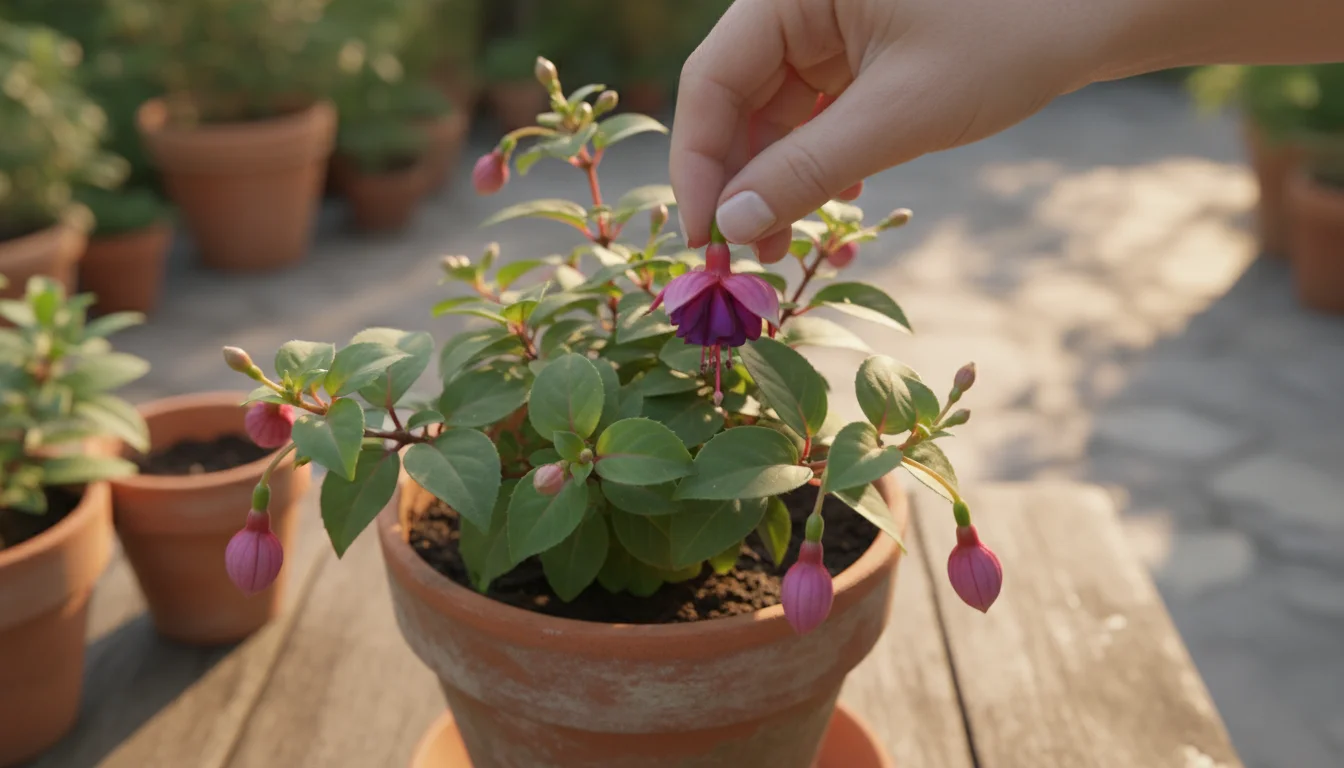
Deadheading refers to the simple act of removing spent, faded, or dying flowers from a plant. Imagine your garden buzzing with vibrant colors, and then, slowly, some flowers begin to wither. Deadheading means you snip off these tired blooms before they have a chance to develop seeds. This seemingly small task plays a significant role in encouraging many plants to produce new flowers.
Pairing routine deadheading with sensible low-water gardening practices helps potted plants conserve moisture and energy during dry stretches.
Selecting the best flowers for container gardens gives you a strong foundation for non-stop seasonal color.
Why does this matter, especially for your small-space garden? Every plant has a primary goal: to reproduce and create seeds for the next generation. When a flower fades, the plant diverts its energy into forming those seeds. By removing the spent flower, you interrupt this natural process. The plant then “thinks” it has not yet completed its reproductive cycle, prompting it to produce more flowers in an attempt to form seeds. For you, this means a longer, more abundant display of blooms throughout the summer season. You get more flowers and a tidier appearance for your potted annuals and garden beds.
For gardeners managing limited space, every bloom counts. Deadheading certain varieties ensures you get the most out of your plants, turning a small balcony or patio into a continuous floral show. It also keeps your plants looking neat and well-maintained, preventing unsightly browning flowers from detracting from their beauty.
The Science Behind Continuous Blooms: Why Deadheading Works
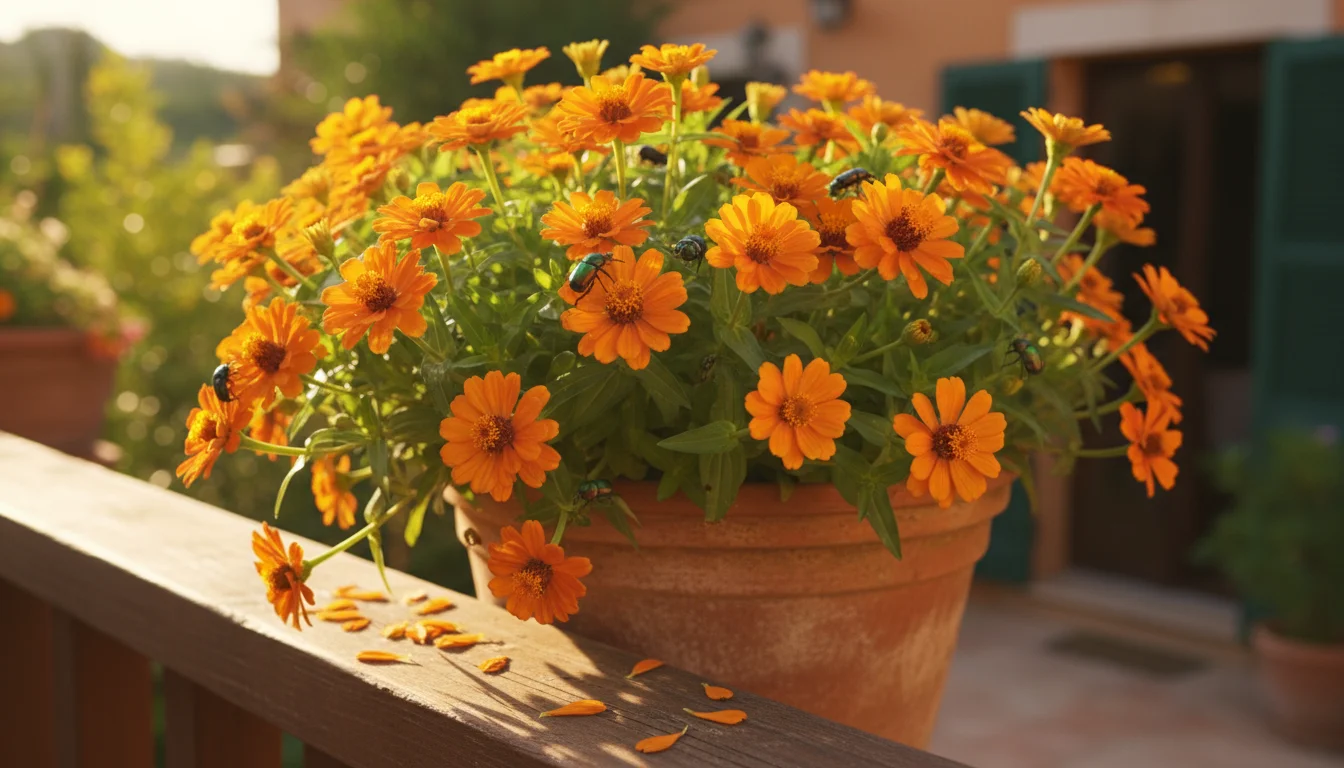
To truly appreciate the power of deadheading, understand the basic plant biology at play. Plants are highly efficient organisms, allocating their resources strategically. Their life’s mission, from a biological standpoint, is to reproduce. This means producing flowers, attracting pollinators, and ultimately, setting seed.
If your containers stall despite proper care, pairing regular trimming with a quick mid-summer slump recharge can revive tired growth.
When a flower is pollinated and begins to fade, hormonal signals within the plant shift. Energy and nutrients, previously directed towards producing vibrant petals and attracting pollinators, are now channeled into the developing seeds. This shift is resource-intensive. For annual plants, which typically complete their life cycle within one growing season, seed production signals the end of their flowering phase. Once seeds form, many annuals slow down or stop producing new flowers entirely, conserving energy for seed maturation.
By removing the spent flower, you effectively interrupt this seed-setting process. The plant does not receive the hormonal cues to stop flowering. Instead, it interprets the absence of developing seeds as a failure to achieve its reproductive goal. In response, it sends signals to produce more flower buds, triggering another flush of blooms. This clever manipulation of the plant’s natural reproductive cycle extends its flowering period, often leading to a more vigorous and prolonged display.
Think of it like this: if you remove the fruit from a fruit tree early, the tree might produce more blossoms in a later attempt to set fruit. Similarly, deadheading encourages your summer flowers to keep pushing out new blooms, ensuring your garden remains a vibrant spectacle for as long as possible. This is a fundamental technique for how to make container flowers bloom more vigorously.
Essential Tools and Effective Deadheading Techniques
Successful deadheading does not require a vast arsenal of tools, but having the right ones makes the job easier and ensures clean cuts that promote plant health.
To help your containers retain moisture between trimming sessions, consider mulching for containers to protect root systems from drying out.
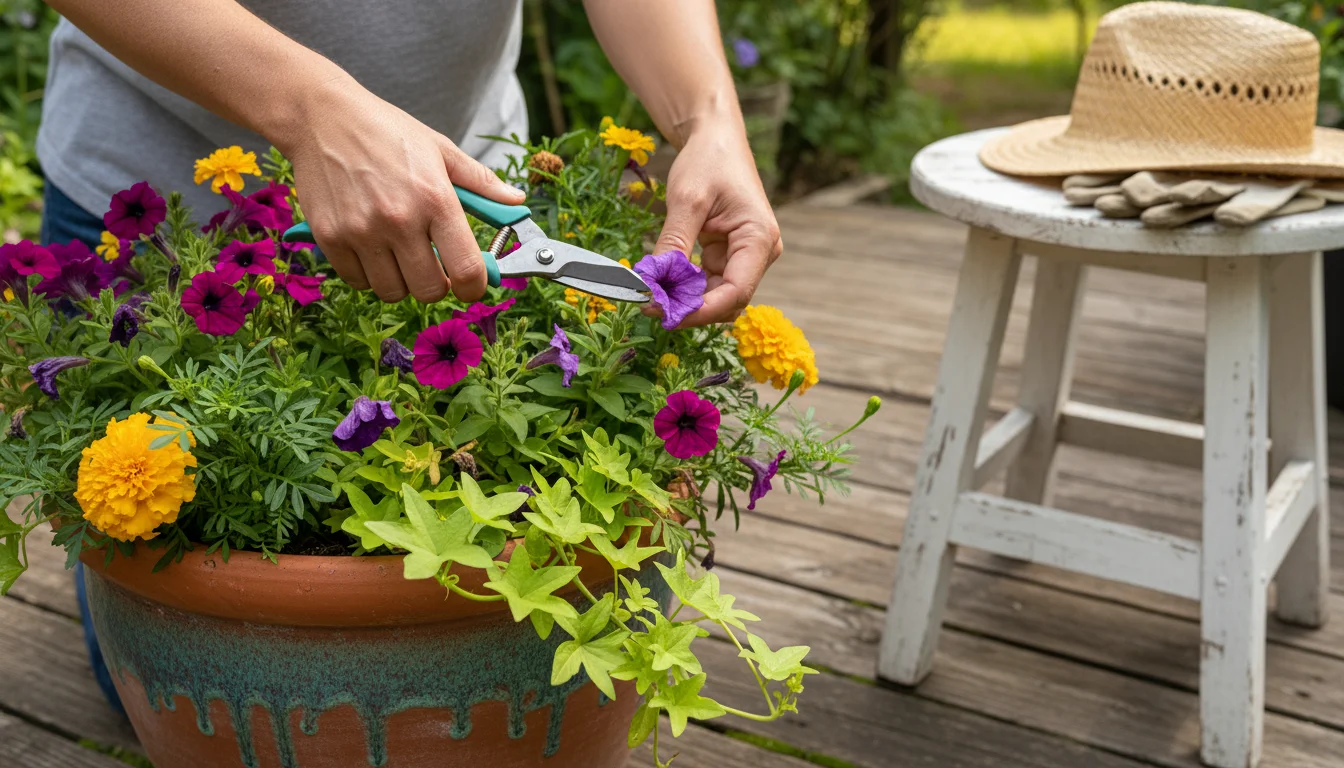
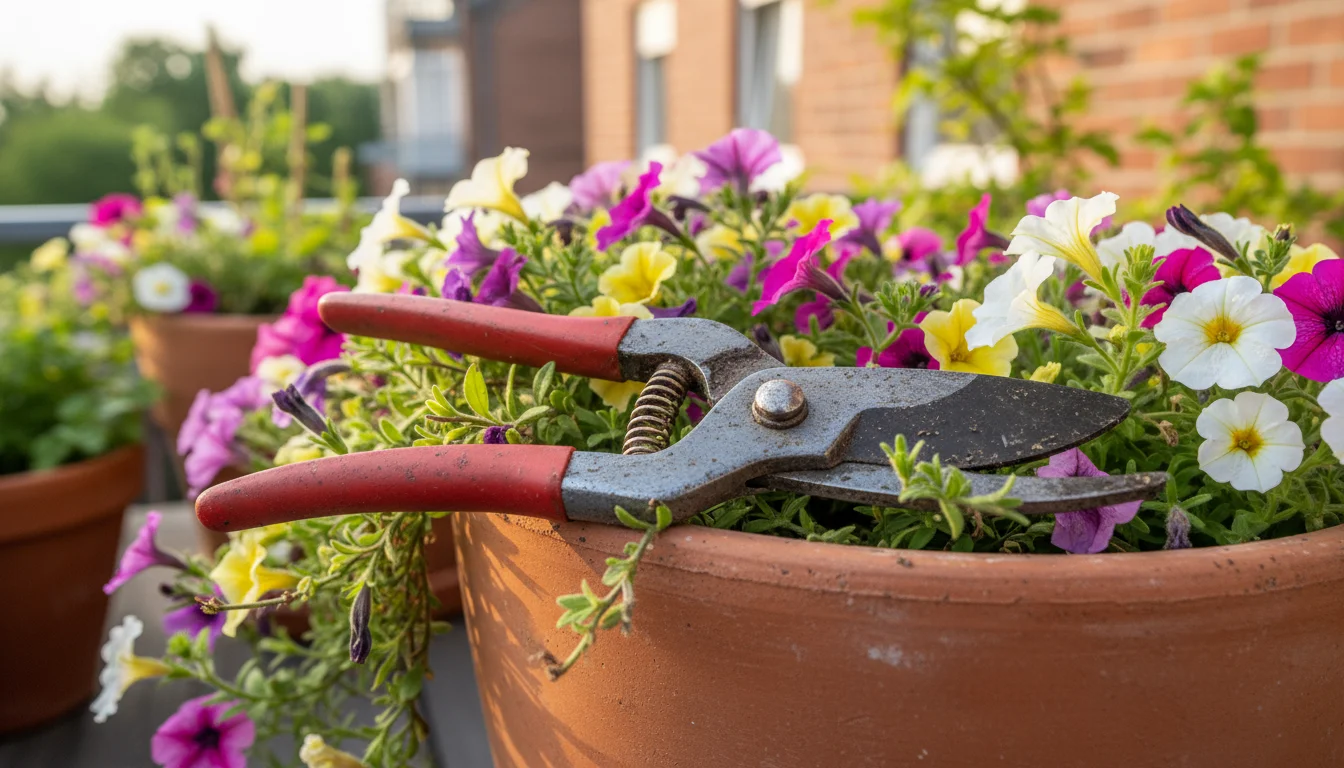
For most soft-stemmed flowers, your thumb and forefinger are your best tools. This method, known as “pinching,” works well for plants with slender stems and small blooms. For thicker stems or plants where you need to reach deeper, a good pair of pruning shears or snips becomes invaluable. Look for bypass pruners, which make clean, scissor-like cuts, minimizing damage to plant tissue. Always ensure your tools are clean and sharp to prevent crushing stems and to reduce the risk of spreading disease. A quick wipe with rubbing alcohol between plants or after each use helps maintain hygiene.
Here is a step-by-step guide to deadheading:
- Identify Spent Blooms: Look for flowers that are fading, browning, wilting, or have already dropped their petals. They often look different from fresh, vibrant blooms.
- Locate the Cut Point: The goal is to remove the spent flower and its stem down to a point where new growth or a leaf node is present. A leaf node is where a leaf or a side branch emerges from the main stem. Cutting above a leaf node or a new bud encourages the plant to put energy into that dormant bud, prompting it to grow into a new flower stem or a side branch. * For single flowers on a stem, cut the stem back to a point above the first healthy leaf or side shoot. * For flower clusters, remove individual spent flowers as they fade, or cut the entire cluster stem back to a healthy leaf or node when most blooms are spent.
- Make a Clean Cut: Use your clean, sharp pruners or your fingers to snip or pinch the stem. Avoid tearing or leaving ragged edges, as these can invite pests and diseases.
- Dispose of Debris: Remove the deadheaded material from your plant beds. Leaving rotting plant material can attract pests or promote fungal diseases.
Practicing these techniques ensures you maximize your summer flower care, promoting continuous blooming and maintaining the health of your plants.
Summer Flowers That Flourish with Deadheading
While not all flowers require deadheading, many popular summer annuals and perennials truly shine when you give them this simple attention. For these plants, diligent `deadheading flowers` means more blooms, stronger plants, and a much longer season of color.
When snipping mature stems before petals drop, you can also preserve your balcony flowers to enjoy their colors indoors.
Combining routine deadheading with reliable flowers that bloom all summer helps maintain a dense, vibrant patio display.
Here are some common summer flowers that benefit significantly from deadheading:
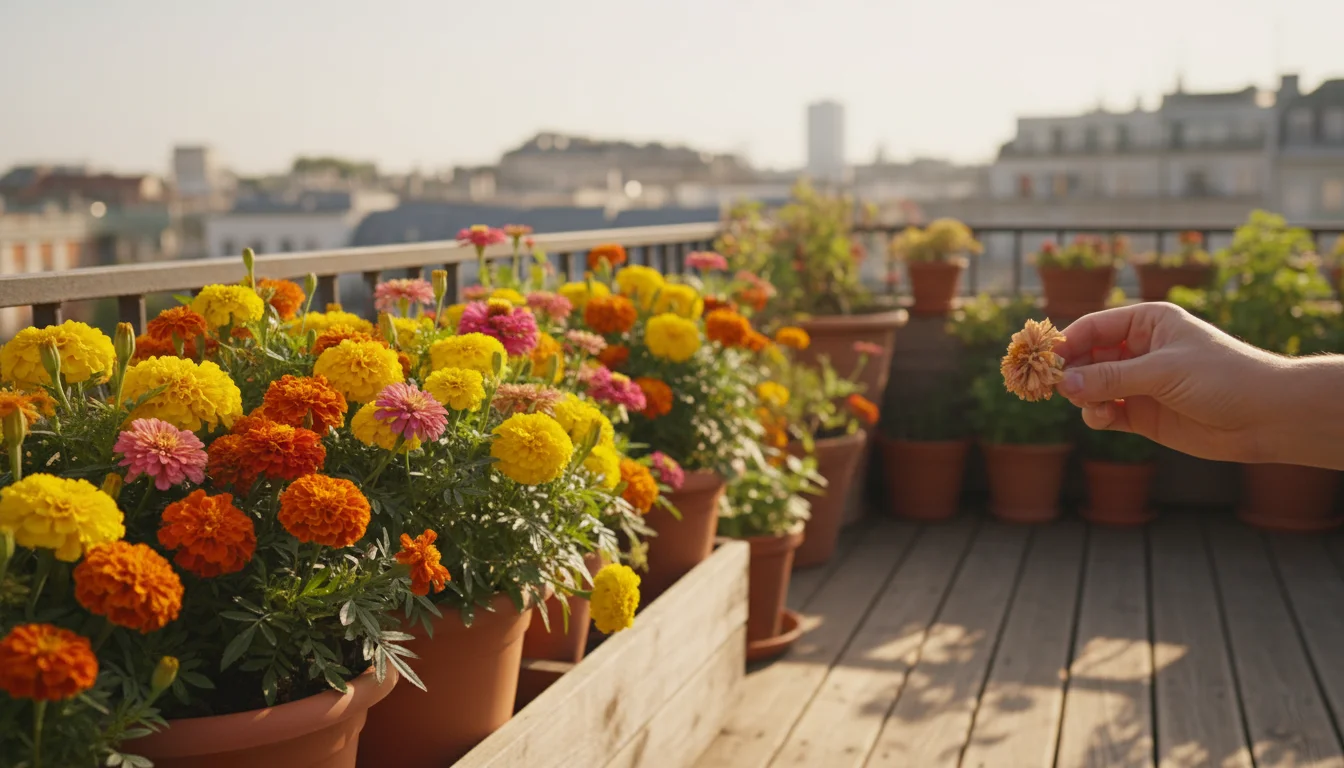
- Marigolds (Tagetes spp.): These cheerful, easy-to-grow flowers respond incredibly well to regular deadheading. Removing spent blooms prevents seed formation and encourages the plant to produce a continuous flush of new flowers, ensuring your `potted annuals care` pays off with vibrant yellows and oranges. Pinch off faded flower heads just below the bloom, above the first set of healthy leaves or a developing side shoot.
- Zinnias (Zinnia elegans): Zinnias are prolific bloomers, and deadheading is key to keeping the show going. Cutting off spent blooms, particularly on taller varieties, stimulates the plant to produce more branching and more flowers. Cut the stem above a strong side branch or a pair of leaves.
- Geraniums (Pelargonium spp.): Whether you grow upright zonal geraniums or trailing ivy geraniums, deadheading is essential for their `summer flower care`. Snap or cut off the entire flower stalk at its base, where it meets the main stem or leaf axil. This prevents the plant from setting seed and encourages continuous rebloom.
- Cosmos (Cosmos bipinnatus): These airy, daisy-like flowers produce abundant blooms when regularly deadheaded. Pinch or cut the faded flowers back to a leaf or a new budding stem. This encourages bushier growth and more flowers, perfect for filling out containers or small beds.
- Dahlias (Dahlia spp.): While some might find them intimidating, dahlias are incredibly rewarding. Deadheading is crucial for continuous blooms. Look for flowers where the petals are starting to fade or curl. Cut the spent bloom back to a leaf node or a strong side shoot, which will then develop into a new flower.
- Delphiniums (Delphinium spp.): For these stately perennials, deadheading after the initial bloom can sometimes encourage a second, smaller flush of flowers. Cut the spent flower stalk back significantly, often to the ground or to a strong basal set of leaves.
- Larkspur (Consolida ajacis): Similar to delphiniums, deadheading spent larkspur spikes encourages more blooms, extending their season. Cut the entire spent flower spike near the base of the plant.
For these flowers, incorporating deadheading into your routine ensures you enjoy maximum color and vitality throughout the summer. It is a vital step in `how to make container flowers bloom more`, redirecting the plant’s energy exactly where you want it.
Which Flowers Do Not Need Deadheading: Embracing Self-Cleaning Varieties
This is where the ‘deadheading myth’ truly gets busted. Not all summer flowers demand your attention with pruning shears. Many modern varieties, particularly those bred for container gardening and low-maintenance appeal, are “self-cleaning.” This means they naturally shed their spent blooms and often redirect their energy towards new flower production without any human intervention. For busy gardeners or those with limited mobility, knowing `which flowers do not need deadheading` is a game-changer. It saves you time, effort, and allows you to enjoy continuous blooms with minimal fuss.
During intense summer heatwaves, self-cleaning varieties also benefit from protective steps in our balcony heat dome survival guide.
Providing extra shade or deep waterings during extreme dry spells is vital for beating summer heat stress on balcony planters.
If you prefer minimal chores, look into no-fail flowers that bloom all summer with virtually no assistance.
Embracing self-cleaning varieties is a fantastic strategy for a truly low-maintenance, high-impact garden. These plants are designed to bloom prolifically on their own, making them ideal for `potted annuals care` where ease is a priority.
Here are some popular summer flowers that typically do not require deadheading:
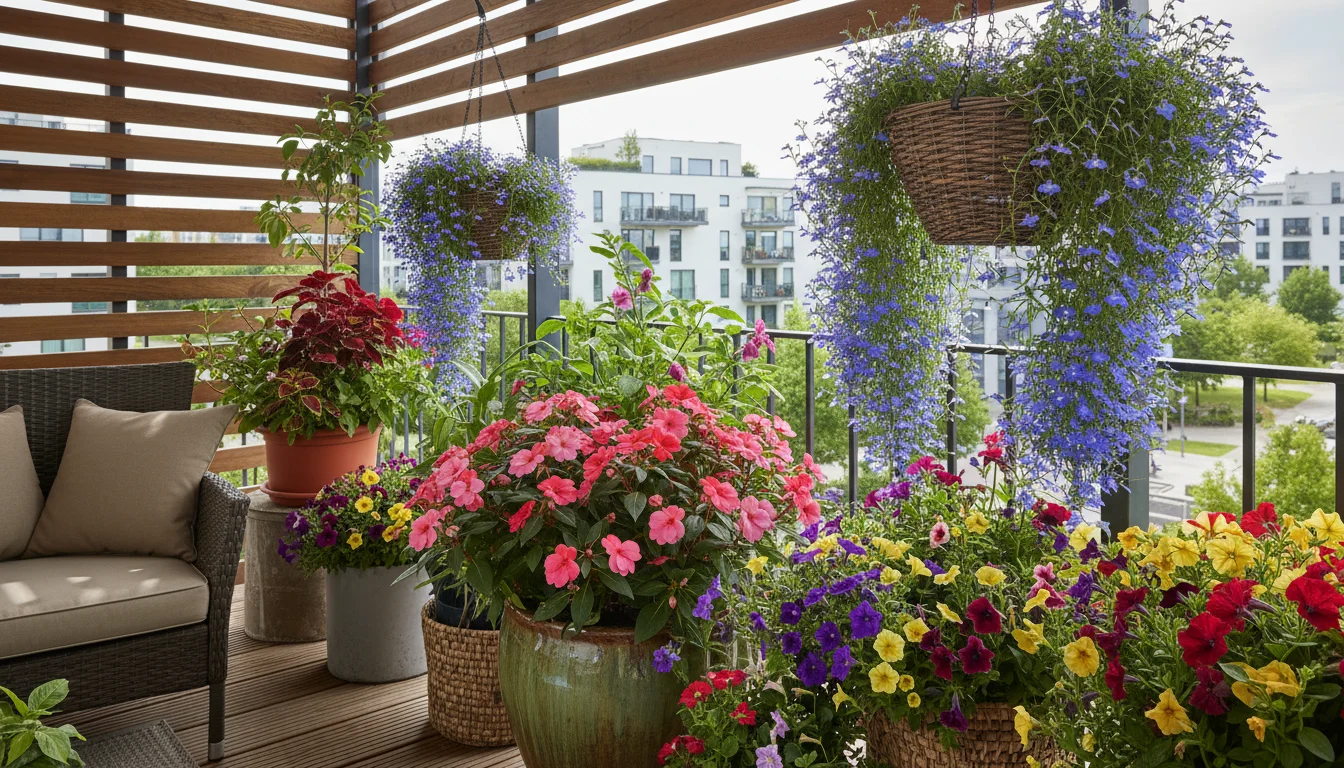
- Impatiens (Impatiens walleriana and New Guinea Impatiens): These shade-loving favorites are classic self-cleaners. Their spent flowers simply drop off, and the plants keep producing new buds without any effort from you. They are perfect for brightening shady containers and hanging baskets.
- Lobelia (Lobelia erinus): Cascading lobelia, with its delicate blue, purple, or white flowers, is another excellent self-cleaning choice. The tiny blooms are too numerous to deadhead individually, and fortunately, the plant takes care of itself, continuously producing new flowers.
- Calibrachoa (Million Bells, Calibrachoa spp.): Resembling miniature petunias, calibrachoa are vigorous bloomers and top-tier self-cleaners. Their faded flowers disappear discreetly, and the plant continues to produce a seemingly endless cascade of blooms. They are fantastic for hanging baskets and `how to make container flowers bloom more` effortlessly.
- Vinca (Madagascar Periwinkle, Catharanthus roseus): A heat-loving, drought-tolerant annual, vinca is remarkably low-maintenance. Its spent flowers fade away and are quickly replaced by new ones, requiring no deadheading.
- Bacopa (Sutera cordata): With its dainty white, pink, or purple flowers, bacopa is a charming filler for containers and baskets. It is a reliable self-cleaner, providing continuous blooms without any pruning.
- Sweet Alyssum (Lobularia maritima): This fragrant, low-growing annual forms a carpet of tiny flowers. Its prolific nature makes deadheading impractical, and thankfully, it reblooms continuously without your intervention, especially if kept adequately watered.
- Fuchsia (Fuchsia spp.): Many fuchsia varieties are self-cleaning, dropping their elegant spent blooms. For some larger-flowered varieties, a light cleanup might be occasionally helpful, but generally, they are low-maintenance in terms of deadheading.
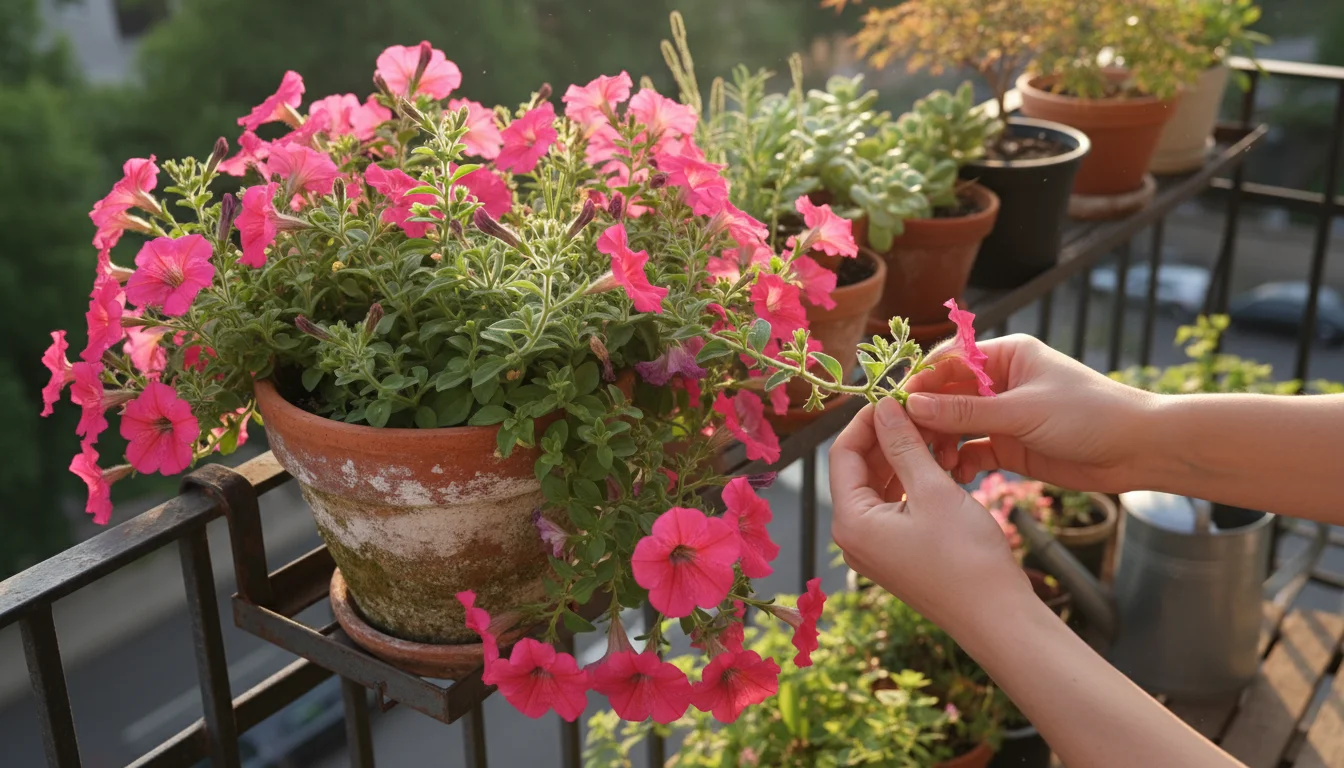
- Petunias (Petunia spp.): This is a nuanced one. Older, traditional petunia varieties often benefit from deadheading to prevent them from getting leggy and to encourage more blooms. However, many modern petunia cultivars, especially those labeled “easy care” or specific series like ‘Supertunia’ or ‘Wave’ petunias, are `self-cleaning petunias in pots`. Their spent flowers shrivel and drop, and the plants continue to flower profusely on their own. Always check the plant tag for specific instructions, but generally, newer petunia varieties require much less deadheading than their predecessors.
By selecting `which flowers do not need deadheading`, you free up your gardening time, allowing you to focus on other aspects of `summer flower care` or simply to relax and enjoy your blooming oasis.
Maximizing Blooms in Potted Annuals and Containers
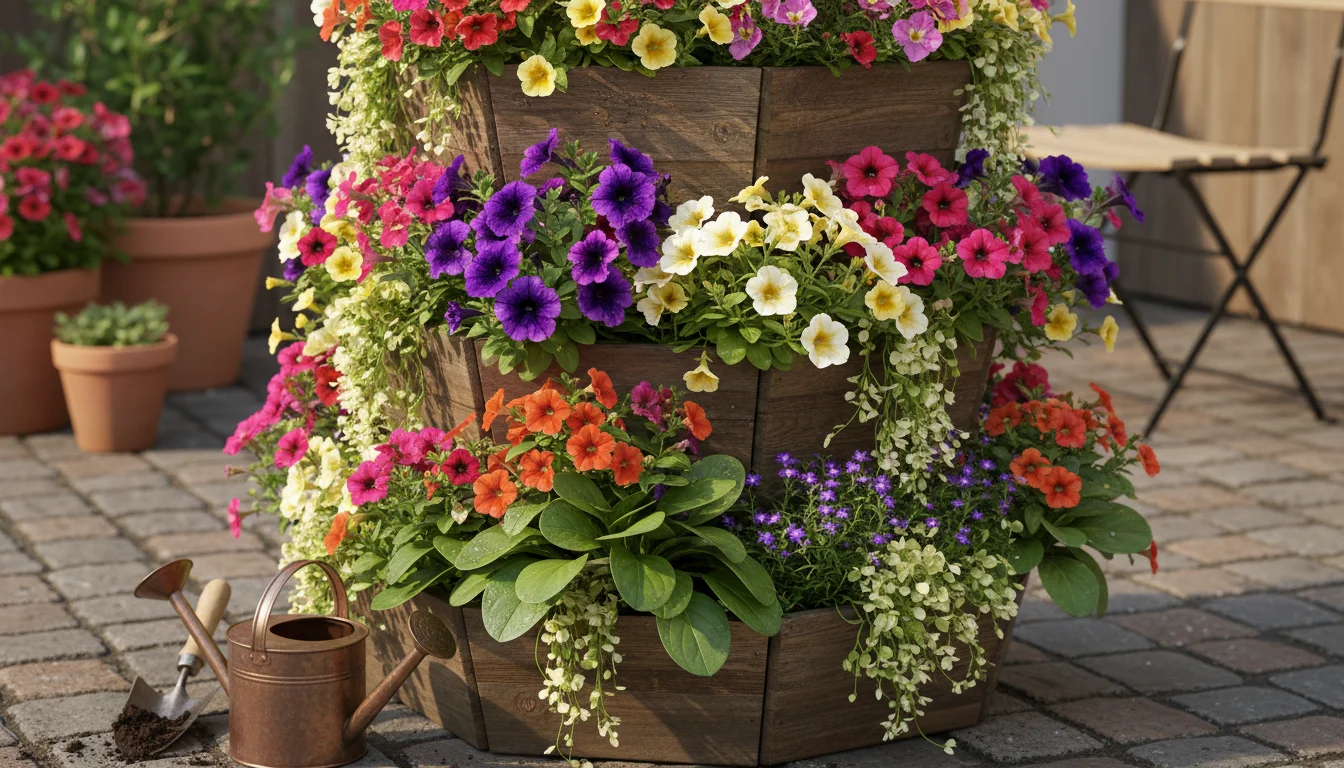
Container gardening is the heart of small-space design, offering flexibility and vibrant displays right outside your door. To truly make your `potted annuals care` effective and achieve abundant blooms, you need more than just smart deadheading practices. A holistic approach to container plant health ensures your efforts are rewarded with a season-long spectacle.
Here are the key factors to consider when aiming for maximum blooms in your pots:
- Superior Potting Mix: The foundation of healthy container plants is the right soil. Use a high-quality, lightweight potting mix specifically designed for containers. This type of mix provides excellent drainage, which means how water moves through the soil, while still retaining enough moisture and essential nutrients. Avoid using garden soil, as it compacts easily in pots, suffocating roots and impeding drainage.
- Adequate Drainage: Every container must have drainage holes at the bottom. Without them, water collects, leading to root rot, a common killer of container plants. If your pot does not have holes, drill them yourself or choose a different container. Elevating pots slightly can also improve drainage.
- Consistent Watering: Container plants dry out much faster than those in the ground. They often need daily watering, sometimes twice a day during hot, windy weather. Feel the top inch of the soil; if it is dry, it is time to water. Water until you see it flowing out of the drainage holes, ensuring the entire root ball is moistened.
- Regular Fertilization: Annuals are heavy feeders. They use up the nutrients in their potting mix quickly as they produce so many flowers. Start with a slow-release granular fertilizer mixed into the soil at planting, or begin a regimen of liquid fertilizer every 2-4 weeks. Look for a balanced fertilizer or one slightly higher in phosphorus, which promotes flowering. Follow product instructions carefully to avoid over-fertilizing.
- Optimal Sunlight: Most summer annuals require at least 6 hours of direct sunlight per day to produce a profusion of blooms. Position your containers where they receive their ideal light exposure. Shade-loving plants, of course, need protection from intense afternoon sun.
- Strategic Pruning (Beyond Deadheading): Even self-cleaning plants can benefit from occasional light pruning, especially if they start to look leggy or sparse. A gentle trim, cutting back stems by about a third, encourages bushier growth and more flower production. This is particularly useful for petunias that are not strictly self-cleaning or those that have grown a bit straggly. This process, often called “cutting back” or “shearing,” rejuvenates the plant, leading to a new flush of blooms.
- Pest and Disease Vigilance: Healthy plants are more resilient. Regularly inspect your container plants for signs of pests or diseases. Address any issues promptly with appropriate organic or chemical treatments to prevent them from sapping your plant’s energy and bloom potential.
By combining diligent `potted annuals care` with selective deadheading for specific varieties and smart choices like `self-cleaning petunias in pots`, you will create stunning container displays that bloom continuously throughout the summer. These practices are central to `how to make container flowers bloom more`, ensuring your small space bursts with life.
Beyond Deadheading: Comprehensive Summer Flower Care for Continuous Blooms
While understanding the ‘deadheading myth’ and knowing which flowers to prune is crucial, it is just one piece of the puzzle for vibrant summer blooms. A truly thriving garden, especially in small spaces, relies on comprehensive `summer flower care`. By addressing a few key needs, you empower your plants to produce continuous, healthy flowers, enhancing the beauty of your limited gardening area.
- The Importance of Watering: * Consistency is Key: Under-watering stresses plants, reducing flower production. Over-watering can lead to root rot. Aim for consistently moist, but not soggy, soil. * Container vs. In-Ground: Container plants dry out much faster due to their limited soil volume and exposure to air. They often need daily watering, sometimes twice on very hot, sunny, or windy days. In-ground plants, especially once established, have access to a larger soil reservoir and often require watering every few days, depending on rainfall and soil type. * How to Water: Water deeply until moisture runs out of drainage holes in pots, or penetrates several inches into garden beds. This encourages deep root growth. Avoid shallow, frequent watering, which promotes shallow root systems vulnerable to drought. Water the soil directly, not the foliage, to reduce the risk of fungal diseases.
- Smart Fertilization for Flowering Plants: * Nutrient Needs: Flowering annuals are heavy feeders, constantly producing new growth and blooms. They require a steady supply of nutrients, particularly phosphorus, which aids in flower development. * Fertilizer Types: You can use slow-release granular fertilizers mixed into the soil at planting time, which feed plants gradually over several months. Alternatively, apply a liquid soluble fertilizer every 2-4 weeks. Look for fertilizers with a balanced N-P-K ratio (Nitrogen-Phosphorus-Potassium) or one where the middle number (P) is higher, such as 5-10-5 or 10-15-10. * Avoid Over-Fertilizing Nitrogen: Too much nitrogen (the first number in N-P-K) promotes lush, green foliage at the expense of flowers. Follow product instructions carefully to avoid chemical burn or nutrient imbalances.
- Sunlight, The Ultimate Fuel: * Know Your Plant’s Needs: Most summer annuals and many perennials thrive in full sun, meaning 6 or more hours of direct sunlight per day. However, some prefer partial shade (3-6 hours) or even full shade (less than 3 hours). Ensure you place your plants in locations that match their light requirements. In small spaces, this might mean moving containers throughout the day or choosing plants specifically suited to the light conditions available. * Monitor for Sun Scorch: Even sun-loving plants can get stressed in extreme heat, particularly in containers. Signs of distress include wilting, browning leaves, or scorched petals. Provide temporary shade during the hottest part of the day if needed.
- Pest and Disease Management: * Early Detection: Regularly inspect your plants for signs of pests (like aphids, spider mites, or whiteflies) or diseases (like powdery mildew or rust). Early detection makes control much easier. * Organic Solutions First: Often, a strong spray of water can dislodge pests. Neem oil, insecticidal soaps, or homemade garlic sprays offer effective organic control. Remove diseased leaves or stems promptly to prevent spread. * Promote Air Circulation: Proper spacing between plants, especially in containers, improves air circulation, reducing the likelihood of fungal diseases.
- Pruning for Shape and Vigor: * Pinch Back Young Plants: For many annuals, pinching back the tips of young plants encourages bushier growth and more flowering stems, rather than a single tall stalk. This is different from deadheading but works towards the same goal of a more floriferous plant. * Refresh Leggy Plants: If a plant becomes leggy or stops flowering despite regular deadheading, you can often “cut it back” more aggressively. This involves pruning stems by one-third to one-half. While this might temporarily reduce blooms, it rejuvenates the plant, prompting a new flush of healthier, more vigorous growth and flowers.
By integrating these comprehensive `summer flower care` practices with smart deadheading strategies, your small garden will become a testament to continuous beauty, making `how to make container flowers bloom more` a natural outcome of your thoughtful care.
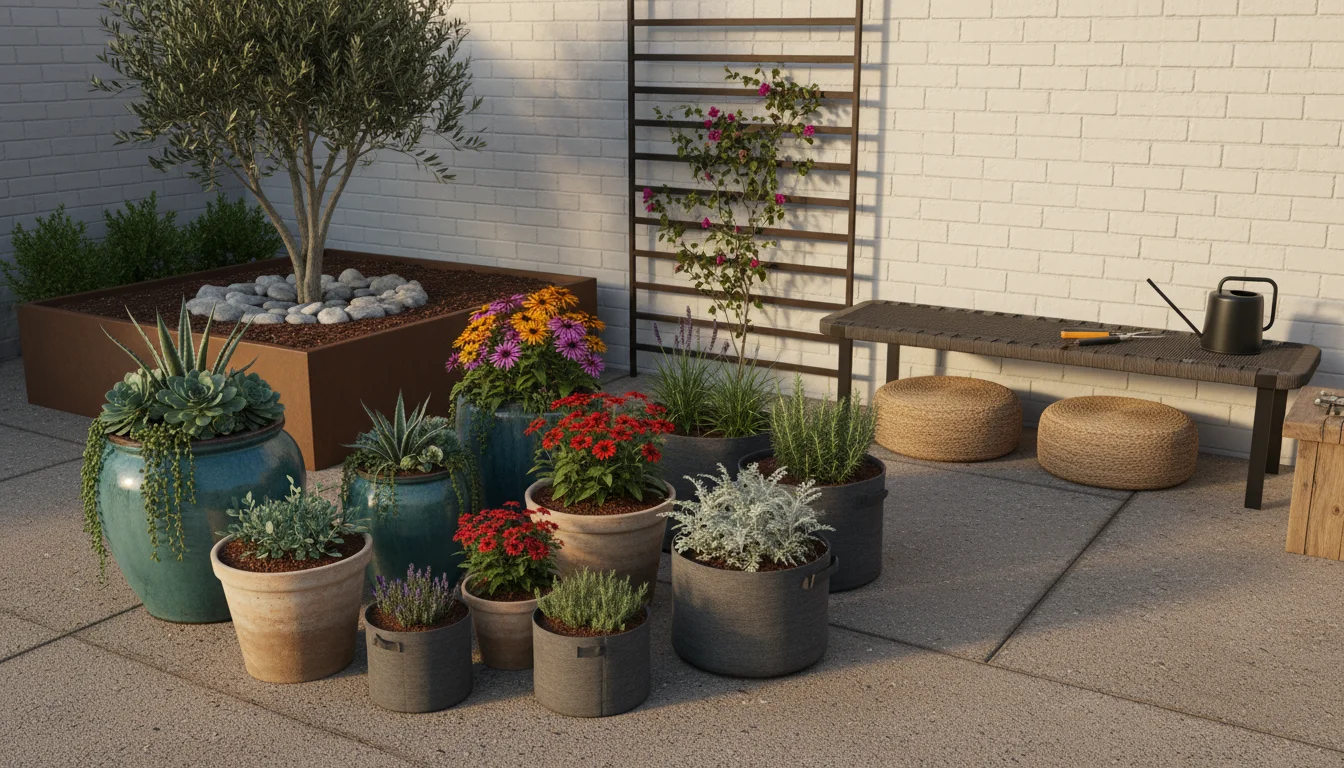
Designing for Low-Maintenance: Strategies for Effortless Beauty
The dream of a lush, vibrant garden often comes with the reality of constant work. However, for the small-space gardener, a low-maintenance approach is not a compromise; it is a smart design strategy. By intentionally choosing plants and employing specific practices, you create effortless beauty, allowing you more time to enjoy your outdoor sanctuary.
Here are key strategies for designing a low-maintenance garden, focusing on `potted annuals care` and overall ease:
- Embrace Self-Cleaning Varieties: This is arguably the most significant step in reducing maintenance. Prioritize `which flowers do not need deadheading`. Opt for plants like Impatiens, Lobelia, Calibrachoa, Vinca, and `self-cleaning petunias in pots`. These varieties manage their spent blooms independently, saving you hours of snipping and ensuring continuous color without intervention. Always read plant tags carefully for descriptions of “no deadhead,” “self-cleaning,” or “easy care.”
- Choose Drought-Tolerant Plants: In small spaces and containers, plants dry out quickly. Selecting varieties that can withstand periods of dryness reduces your watering frequency. Examples include Portulaca (Moss Rose), Sedum, Succulents, Lantana, and some varieties of Verbena. Pairing these plants together can create stunning, resilient displays.
- Container Material Matters: The material of your pots impacts watering needs. Plastic and glazed ceramic pots retain moisture longer than terra cotta or unglazed ceramic, which are porous and allow water to evaporate more quickly. While terra cotta offers a classic look, it can mean daily watering in summer. Consider self-watering planters for ultimate convenience, which have a reservoir that gradually feeds water to the soil.
- Strategic Plant Grouping: Group plants with similar light and water requirements together in the same container or garden bed. This prevents you from overwatering some plants while underwatering others. For example, do not put a moisture-loving fern in the same pot as a drought-tolerant succulent.
- Mulch, Even in Pots: A layer of mulch, such as shredded bark, coco coir, or even decorative pebbles, on top of the soil in your containers and garden beds offers several benefits. It helps retain soil moisture, suppresses weeds, and moderates soil temperature. This means less watering and less weeding for you.
- Invest in Quality Potting Mix and Slow-Release Fertilizer: As mentioned, a high-quality potting mix with good drainage and water retention is fundamental. Incorporating a slow-release fertilizer at planting time can provide consistent nutrients for months, reducing the need for frequent liquid feeding. This is particularly effective for `how to make container flowers bloom more` with minimal fuss.
- Utilize Automatic Watering Systems: For very busy gardeners or those with many containers, a simple drip irrigation system or self-watering stakes can be a game-changer. These systems deliver water directly to the plant roots, ensuring consistent moisture without daily manual effort.
- Focus on Plant Health from the Start: Healthy plants are inherently more resilient to pests and diseases, reducing the need for intervention. Start with strong, disease-free plants, provide them with appropriate light and nutrients, and ensure good air circulation.
By adopting these low-maintenance design principles, you transform your small garden into a place of relaxation and joy, not endless chores. You get to relish the continuous beauty of your `summer flower care` without the constant demands, truly embodying the Simple Garden Joy philosophy.
Common Deadheading Mistakes to Avoid
Even with the best intentions, it is easy to make a few common errors when deadheading. Avoiding these pitfalls ensures your efforts are productive, promote plant health, and genuinely contribute to `how to make container flowers bloom more` rather than hindering them.
- Deadheading Self-Cleaning Plants: This is the biggest mistake related to the ‘deadheading myth.’ Wasting time and effort removing spent blooms from plants that are naturally `self-cleaning petunias in pots` or other low-maintenance varieties is inefficient. Always identify `which flowers do not need deadheading` before you begin. You risk damaging healthy new buds by trying to deadhead plants that are designed to do it themselves.
- Cutting Too Little or Too Much: * Cutting Too Little: Just removing the petals and leaving the ovary (where seeds develop) means the plant still allocates energy to seed formation. The goal is to remove the entire structure that would become a seed pod. * Cutting Too Much: Removing too much healthy foliage along with the spent flower can stress the plant and reduce its ability to photosynthesize, which means to create food from sunlight. Always cut back to a healthy leaf node, a new bud, or a strong side shoot.
- Using Dull or Dirty Tools: Dull shears crush stems rather than making a clean cut, creating an entry point for pests and diseases. Dirty tools can spread pathogens from one plant to another. Always use sharp, clean bypass pruners or snips. Disinfect them with rubbing alcohol, especially if you are working on multiple plants or notice signs of disease.
- Neglecting Overall Plant Health: Deadheading is not a magic bullet. If your plant is stressed due to improper watering, insufficient light, nutrient deficiencies, or pest infestations, deadheading will not solve its problems. Address underlying issues first. A strong, healthy plant will respond much better to deadheading. This emphasizes that `summer flower care` is a holistic approach.
- Deadheading Late in the Season for Perennials: For perennials, it is sometimes beneficial to leave the last flush of spent flowers on the plant in late summer or early fall. This allows them to set seed, which can provide food for birds or self-sow for the following year. It also helps the plant naturally signal the end of its growing season and prepare for dormancy. This does not apply to annuals, which you generally want to keep blooming until frost.
- Ignoring the Plant’s Natural Form: While deadheading, be mindful of the plant’s overall shape. Avoid making cuts that create an awkward or imbalanced appearance. Use deadheading as an opportunity to tidy up the plant and maintain an attractive form, especially important for `potted annuals care`.
By being aware of these common mistakes, you ensure your deadheading efforts are truly effective and contribute positively to your garden’s health and beauty, leading to more abundant blooms with less frustration.
Frequently Asked Questions
Does deadheading really create more blooms, or just larger ones?
Deadheading primarily creates *more* blooms and extends the flowering season, rather than making individual blooms larger. By preventing seed formation, you redirect the plant’s energy into producing new flowers. This means your plant will continue to set new buds and produce fresh flowers over a longer period, resulting in a greater overall display of blossoms throughout the summer.
How often should I deadhead my flowers?
The frequency depends on the plant species and its growth rate. Fast-growing, prolific bloomers like Marigolds and Zinnias may need deadheading every few days to once a week. Slower bloomers or those with fewer individual flowers might only need attention every couple of weeks. The best approach is to check your plants regularly and remove spent flowers as soon as you notice them fading. This consistent `summer flower care` ensures maximum bloom production.
What happens if I do not deadhead flowers that need it?
If you do not deadhead flowers that benefit from it, the plant will naturally channel its energy into developing seeds from the spent blooms. This often signals to the plant that its reproductive goal is met, leading to a significant reduction or complete cessation of new flower production. Your garden will have fewer blooms, a shorter flowering season, and the plants may look untidier with browning, spent flowers. For `how to make container flowers bloom more`, deadheading is a crucial step.
Can deadheading help with disease prevention?
Yes, deadheading can indirectly help prevent some plant diseases. Removing spent flowers, especially those that become damp and begin to rot, eliminates potential breeding grounds for fungal issues like botrytis. It also improves air circulation within the plant, which is another key factor in reducing the risk of fungal diseases. Regularly removing decaying plant material is a good `potted annuals care` practice for overall plant health.
Are all petunias self-cleaning, or do I need to deadhead them?
Not all petunias are self-cleaning. Many older, traditional petunia varieties still benefit significantly from deadheading to encourage continuous blooming and prevent them from becoming leggy. However, many modern petunia cultivars, particularly popular trailing varieties like ‘Supertunia,’ ‘Wave,’ and ‘Easy Wave’ series, are `self-cleaning petunias in pots`. They naturally shed their spent blooms and continue to produce new flowers without manual intervention. Always check the plant tag when purchasing to determine if a specific petunia variety is self-cleaning, saving you time and effort.
For trustworthy gardening information, visit: Kew Science — Plants of the World, Brooklyn Botanic Garden, Chicago Botanic Garden and New York Botanical Garden. These organizations provide expert, research-based advice for gardeners at all levels.
Disclaimer: This article is for informational purposes only and is not a substitute for professional gardening advice. Always consult local extension services or horticulture experts for region-specific guidance.
Leave a Reply