
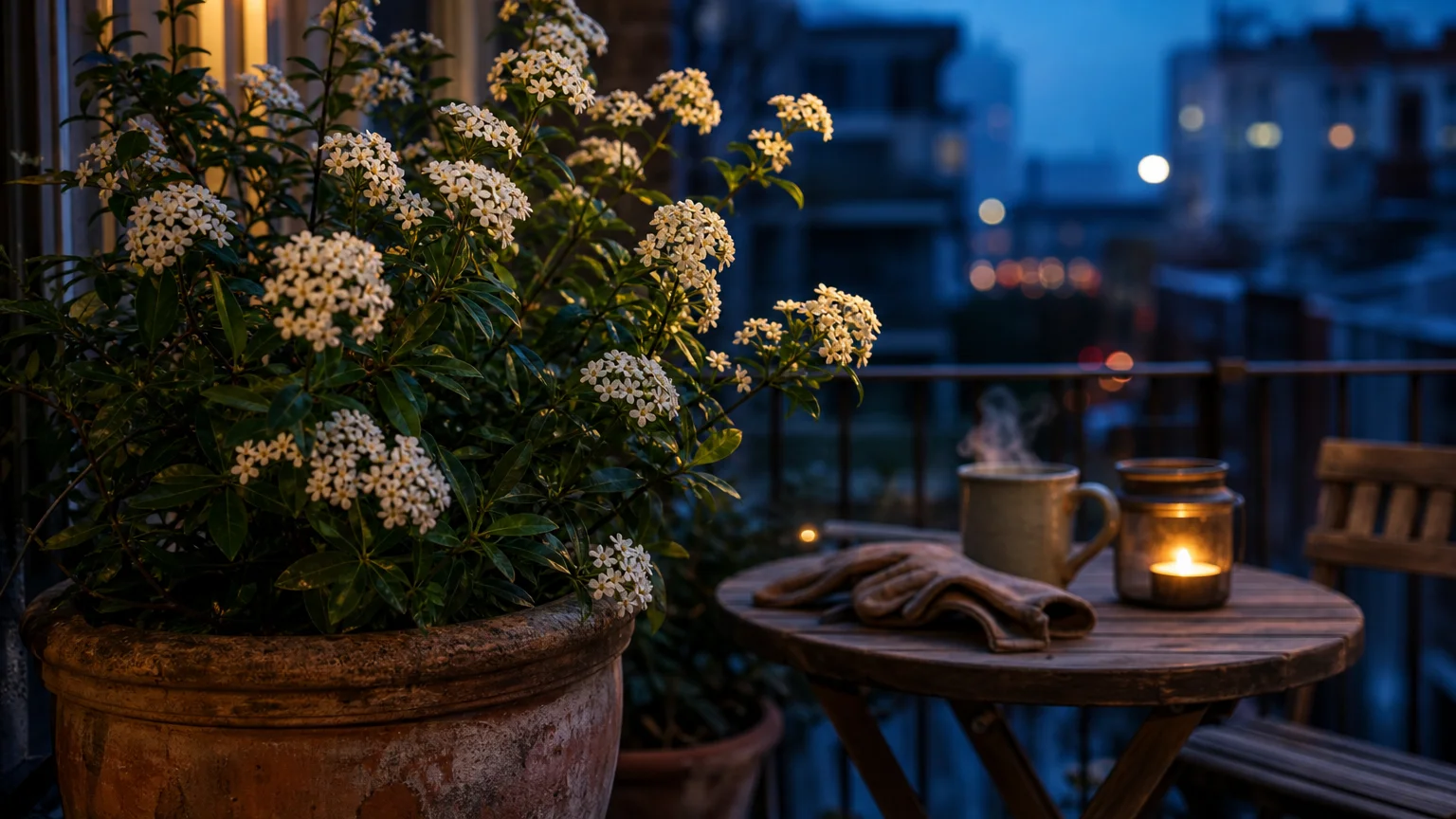
White flowering shrubs transform your outdoor space into a luminous retreat by offering brilliant visual contrast and elegant blossoms from early spring through late autumn.
Incorporating these bright blooms expands the visual depth of small gardens, patios, and balconies, making tight areas feel significantly larger and more inviting. You gain a reliable backbone of foliage while enjoying versatile plants that thrive in containers or compact borders.
Because white reflects moonlight, these selections even allow you to enjoy a shimmering twilight garden after the sun goes down.
Whether you need a fragrant focal point near your seating area or a low-maintenance hedge for privacy, selecting the right white flowering bushes ensures lasting beauty and simple maintenance year after year.
Pairing these reflective blossoms with thoughtful garden lighting ideas for small spaces ensures your luminous retreat remains a focal point even after the sun goes down.
Contents8 sections
- Why Choose White Blooming Shrubs for Small Spaces
- Early Season Stars for Spring Color
- Summer Stunners That Tolerate Heat
- Late Season and Evergreen Beauties
- Essential Soil Preparation and Planting Techniques
- Pruning and Maintenance for Maximum Blooms
- Managing Pests and Promoting Eco-Friendly Growth
- Frequently Asked Questions
Why Choose White Blooming Shrubs for Small Spaces
When you garden in a limited area—whether it is an urban balcony, a narrow side yard, or a tiny suburban patio—color choice plays a massive role in how the space feels.
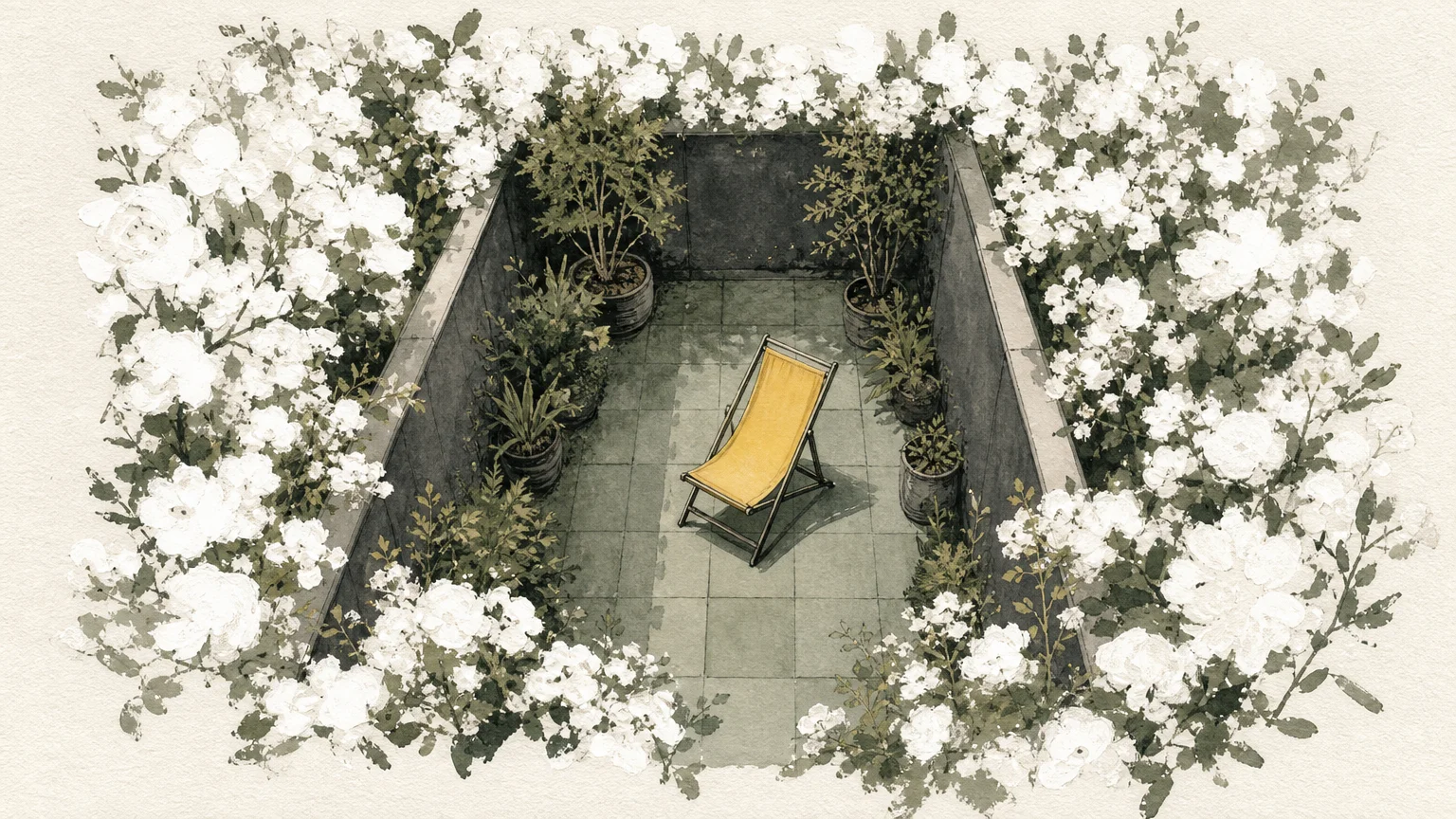
White flowers possess a unique optical quality: they recede visually, making the boundaries of your garden seem further away than they actually are.
By planting white flowering shrubs along your property lines or fence borders, you trick the eye into perceiving a deeper, more expansive landscape.
To create a stunning visual contrast, try planting your pristine white selections alongside vibrant blue flowers to make both colors pop.
Using these elegant white blossoms as visual anchors is also one of many budget garden design tips that can make a modest yard look incredibly high-end.
To make the most of your outdoor footprint, you can arrange these compact bushes using clever small garden layouts that maximize every inch.
Beyond spatial illusions, white blooming bushes serve as the perfect unifying element in garden design. If you already grow an array of bright pinks, vibrant yellows, or deep purples, adding white provides a necessary visual palate cleanser.
It prevents the garden from looking chaotic or overgrown, offering resting points for the eye. Furthermore, white flowers are highly attractive to evening pollinators.
Moths and certain beneficial beetles rely on the luminescence of white petals to find nectar after dusk, meaning your garden supports local ecology around the clock.
Many white flowering shrubs are also bred for compactness. Horticulturists understand the modern need for smaller landscaping plants, so you can easily find dwarf varieties of classic shrubs that provide full-sized blooms on frames that rarely exceed three or four feet in height.
This makes them ideal candidates for large containers, allowing you to move your garden design around as seasons change or as you acquire new patio furniture.
Early Season Stars for Spring Color
Spring marks the awakening of the garden, and nothing announces the end of winter quite like a burst of fresh white blossoms. These early bloomers set the tone for the entire growing season, offering profound fragrance and immediate visual impact.
To add vertical interest above your early-blooming shrubs, consider training beautiful climbing plants up your fences or a nearby wooden pergola.
1. Korean Spice Viburnum (Viburnum carlesii)
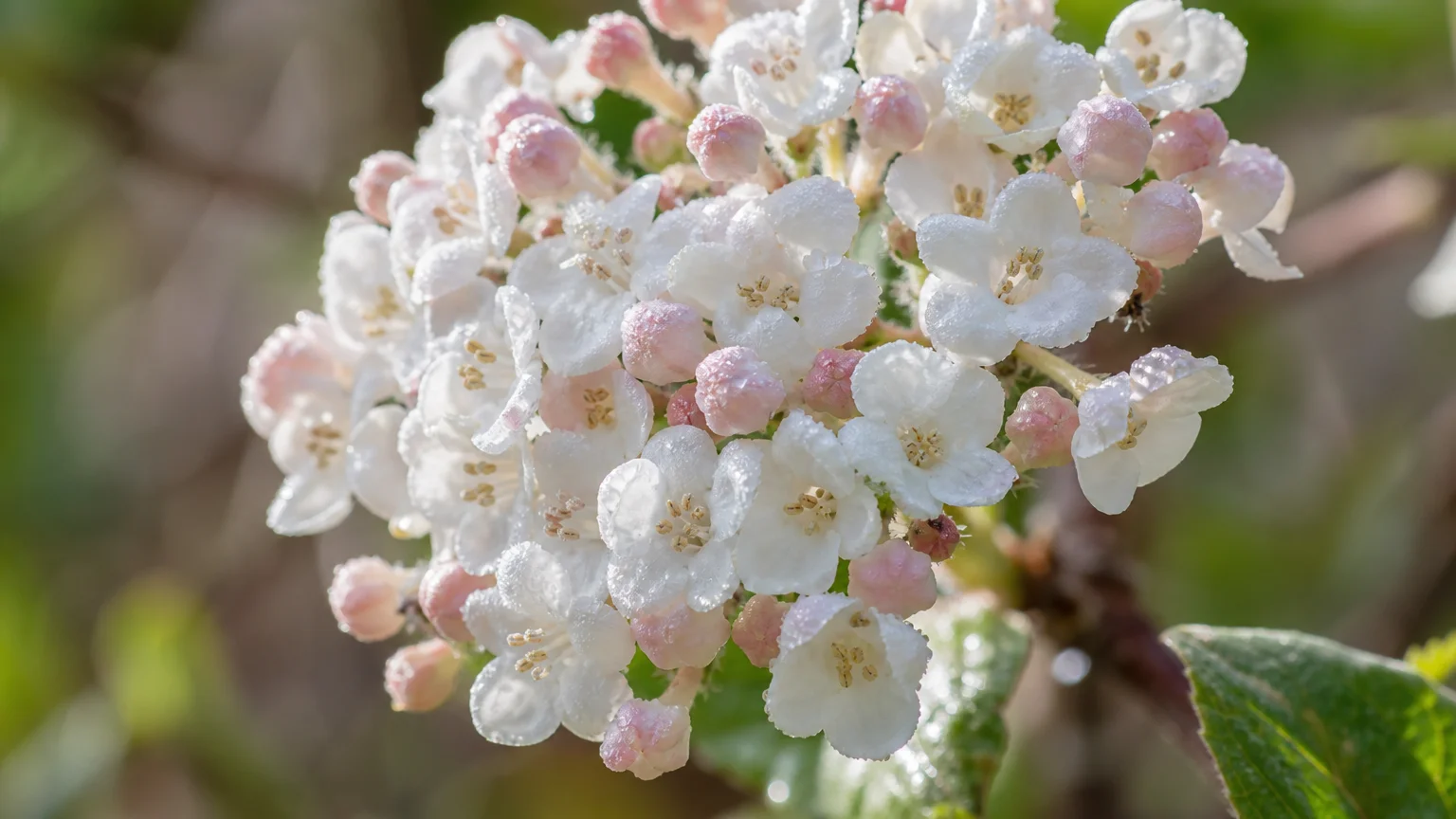
If you want a fragrance that stops visitors in their tracks, the Korean Spice Viburnum deserves a prime spot near your walkways or seating areas. In early to mid-spring, red flower buds open into snowball-like clusters of blush-white blossoms.
The scent is intoxicating—a rich blend of cloves and vanilla that carries easily on the spring breeze.
While the straight species can reach up to six feet tall, you can seek out compact cultivars like ‘Spice Baby’ which top out around three to four feet.
They thrive in well-draining, slightly acidic soil and appreciate morning sun paired with afternoon shade, especially in hotter climates.
2. Bridal Wreath Spirea (Spiraea prunifolia)
The Bridal Wreath Spirea is a classic landscaping plant that produces cascading, arching branches completely smothered in tiny white double flowers before the foliage even emerges. When in full bloom, the shrub literally resembles a frothy white fountain.
It is incredibly tough, tolerating a wide range of soil conditions, including poor, rocky earth. While it can grow quite large (up to eight feet wide), routine pruning keeps it manageable.
For maximum blooms, plant your spirea in full sun. It serves beautifully as an informal screen or a striking standalone specimen in a corner bed.
3. Mock Orange (Philadelphus coronarius)
Earning its name from the sweet, citrusy aroma of its flowers, the Mock Orange is a deciduous shrub that bursts into bloom in late spring. The four-petaled pure white flowers are highly attractive to bees and butterflies.
Because traditional mock orange bushes can become somewhat leggy and tall, small-space gardeners should look for dwarf varieties like ‘Miniature Snowflake’, which maintains a dense, compact habit around three feet tall. This shrub is remarkably drought-tolerant once established and prefers full sun to partial shade.
To keep the plant vigorous, thin out the oldest stems every few years.
4. White Azalea (Rhododendron spp.)
Azaleas are woodland natives that bring unparalleled elegance to shaded or dappled areas of the garden. White azaleas, whether you choose evergreen or deciduous varieties, light up dark corners with their papery, bell-shaped blooms.
They require acidic, organic-rich soil that stays consistently moist but never waterlogged. If you have alkaline clay soil, white azaleas are excellent candidates for container gardening, where you can easily control the soil pH by using an acidic potting mix designed for ericaceous plants.
Mulch them heavily with pine needles or composted leaves to keep their shallow root systems cool and hydrated.
Summer Stunners That Tolerate Heat
As the temperatures rise and early spring blooms fade, your garden relies on tough, heat-tolerant shrubs to maintain visual interest. These summer-flowering options stand up to the intense sun while providing weeks, sometimes months, of pristine white flowers.
To maintain an energetic wash of color on your patio, you can easily pair these heat-loving shrubs with other flowers that bloom all summer long.
5. Smooth Hydrangea (Hydrangea arborescens)
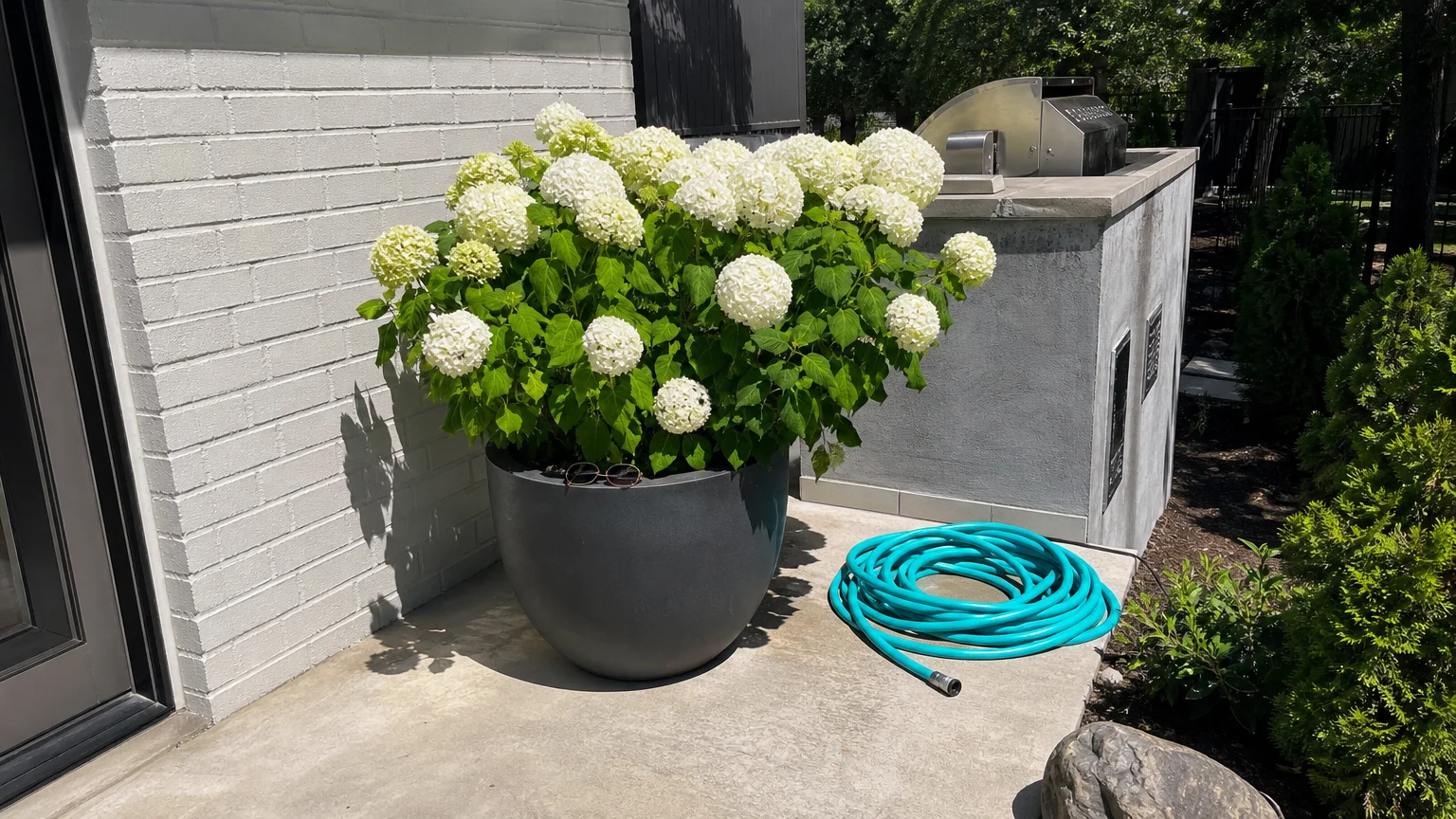
The smooth hydrangea—most famously the ‘Annabelle’ cultivar—is renowned for producing massive, spherical flower heads that can reach up to ten inches across.
These blooms start as a pale green, transition to a striking pure white at the height of summer, and eventually dry to a tan color in the fall.
Because smooth hydrangeas bloom on new wood (the current season’s growth), you never have to worry about late spring frosts killing off your flower buds. They perform best in partial shade and require consistent watering.
The massive flower heads can become heavy after summer rainstorms, so planting them near a supportive fence or placing a small physical support ring around the base helps keep the stems upright.
6. Panicle Hydrangea (Hydrangea paniculata)
Unlike their shade-loving cousins, panicle hydrangeas thrive in full sun and handle heat with remarkable grace. They produce large, cone-shaped clusters of white flowers that frequently age to dusty pink or deep rose as summer turns to autumn.
For small gardens and containers, dwarf varieties like ‘Bobo’ or ‘Little Lime’ are game-changers. They max out at about three to five feet tall and wide, delivering an extraordinary flower-to-foliage ratio.
Panicle hydrangeas are also incredibly cold-hardy and undemanding regarding soil type, making them one of the most reliable garden shrubs available.
7. White Rose of Sharon (Hibiscus syriacus)
The Rose of Sharon is a late-summer lifesaver, pushing out large, tropical-looking blossoms right when many other plants look exhausted from the heat. The ‘Diana’ cultivar is particularly valuable; it produces pure white, ruffled flowers that stay open at night.
‘Diana’ is also a sterile variety, meaning it will not drop seeds and create unwanted volunteer seedlings all over your yard. Rose of Sharon has a naturally upright, vase-shaped growth habit, making it an excellent choice for narrow spaces where horizontal real estate is lacking.
It tolerates poor soil, drought, and urban pollution with ease.
8. Dwarf White Butterfly Bush (Buddleja davidii)
If you want to draw pollinators to your patio, a butterfly bush is mandatory. Traditional butterfly bushes grow aggressively and can become invasive in certain regions, but modern breeding has given us sterile, dwarf varieties like the ‘Pugster White’ or ‘Lo & Behold’ series.
These compact plants stay under three feet tall but produce thick, heavy panicles of honey-scented white flowers from mid-summer until the first frost. They demand excellent drainage and full sun.
By deadheading the spent flower spikes, you encourage a continuous flush of fresh blooms throughout the hottest months.
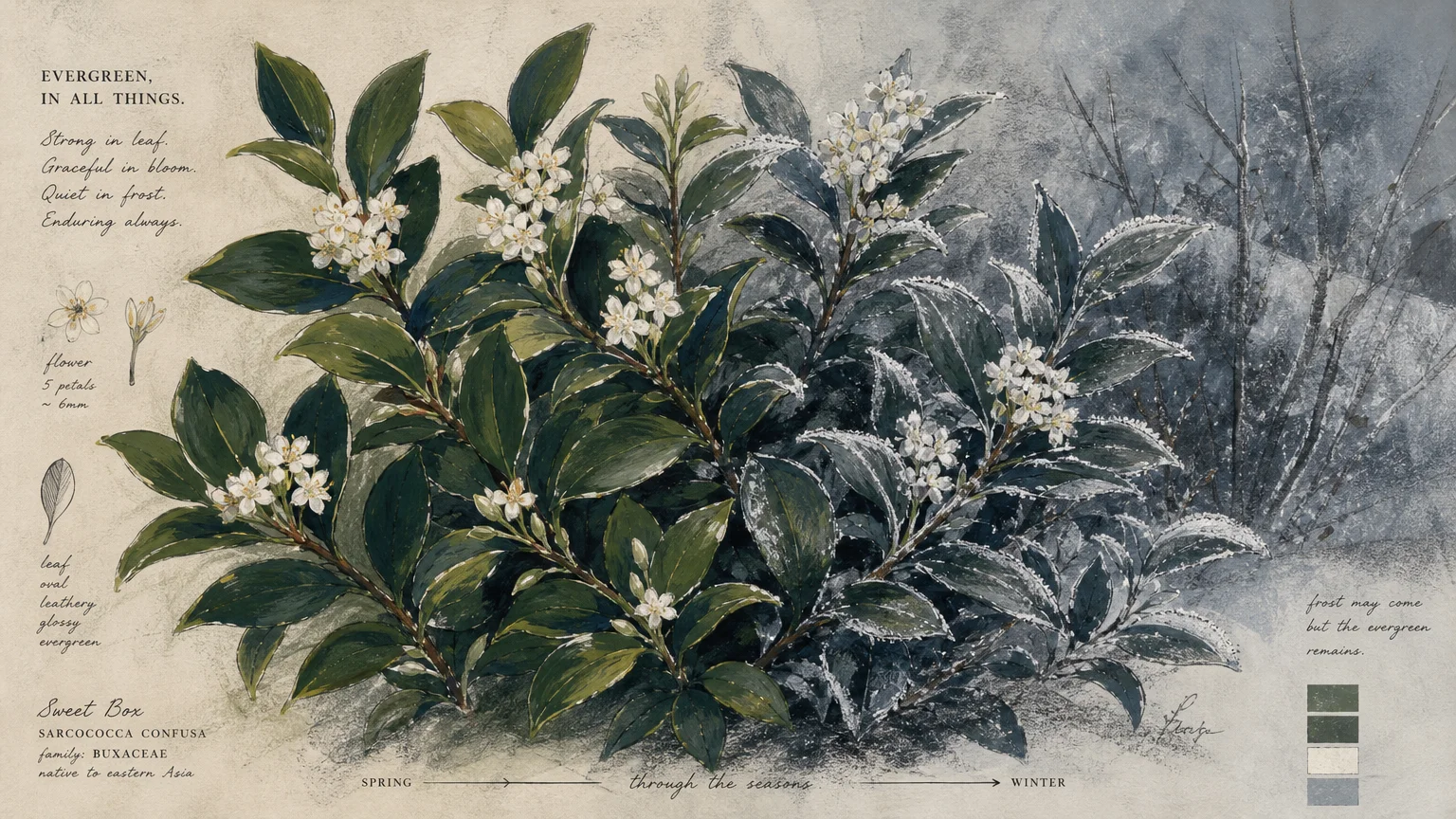
Late Season and Evergreen Beauties
To ensure your garden remains dynamic as the year winds down, incorporate shrubs that bloom late in the season or maintain rich evergreen foliage to provide winter structure.
Integrating these late-season specimens is a fantastic way to transition your patio pots into striking seasonal container displays that keep their appeal all year.
9. Gardenia (Gardenia jasminoides)
For gardeners in warmer zones (USDA Zones 8-11), the gardenia is the ultimate symbol of Southern elegance. The glossy, dark green evergreen leaves provide a striking backdrop for the waxy, brilliant white, double flowers that bloom from late spring through late summer.
The fragrance is legendary—heavy, sweet, and tropical. Gardenias are slightly demanding; they require acidic, organically rich soil, high humidity, and protection from harsh afternoon sun.
If you live in a colder climate, gardenias make fantastic container plants that you can move indoors or into a heated greenhouse before the first freeze.
10. Summersweet (Clethra alnifolia)
Summersweet is a resilient native shrub that excels in challenging garden spots, particularly areas with damp soil and partial shade. In late summer, just as the garden feels tired, it produces upright spires of fuzzy white flowers that emit a spicy, sweet fragrance.
It is a magnet for late-season butterflies and bees. The cultivar ‘Hummingbird’ is highly recommended for small spaces, maintaining a compact, mounding shape of about three feet.
As an added bonus, the dark green foliage turns a brilliant, glowing yellow in the autumn, providing exceptional late-season interest.
11. White Camellia (Camellia sasanqua)
When most plants are shutting down for winter, the Camellia sasanqua is just getting started. Blooming from late fall into early winter, these evergreen shrubs offer ruffled, delicate white flowers with bright yellow stamens.
They are more sun-tolerant and open in habit than their spring-blooming cousins (Camellia japonica). Camellias are slow growers, which makes them highly manageable for small borders and large pots.
They prefer well-drained, acidic soil and benefit greatly from a thick layer of organic mulch to protect their shallow roots from temperature fluctuations.
12. White Potentilla (Potentilla fruticosa)
Often overlooked, the shrubby cinquefoil (Potentilla) is one of the longest-blooming shrubs you can plant. Varieties like ‘Abbotswood’ produce bright white, buttercup-like flowers continuously from early summer straight through to the first hard frost.
It features fine-textured, blue-green foliage and naturally maintains a neat, rounded shape of about two to three feet. Potentilla is incredibly tough, capable of surviving harsh winters (down to USDA Zone 2), extreme drought, and poor soil conditions.
It requires almost zero maintenance, making it the perfect choice for an easy-care garden design.
Essential Soil Preparation and Planting Techniques
The secret to thriving garden shrubs lies beneath the surface. Taking the time to properly prepare your soil and execute the planting process ensures your white flowering shrubs establish deep, robust root systems.
Testing and Amending Garden Soil
Before you dig, assess your soil drainage. Most flowering bushes despise “wet feet,” which occurs when water pools around the roots, leading to root rot.
To test drainage, dig a hole twelve inches deep and fill it with water. Let it drain entirely, then fill it again.
If the water takes more than a few hours to disappear the second time, you have heavy clay or compacted soil. Improve drainage by mixing generous amounts of organic compost into the entire planting bed—not just the individual planting hole.
Amending the whole bed encourages roots to spread outward rather than circling within a small pocket of good soil.
The Planting Process
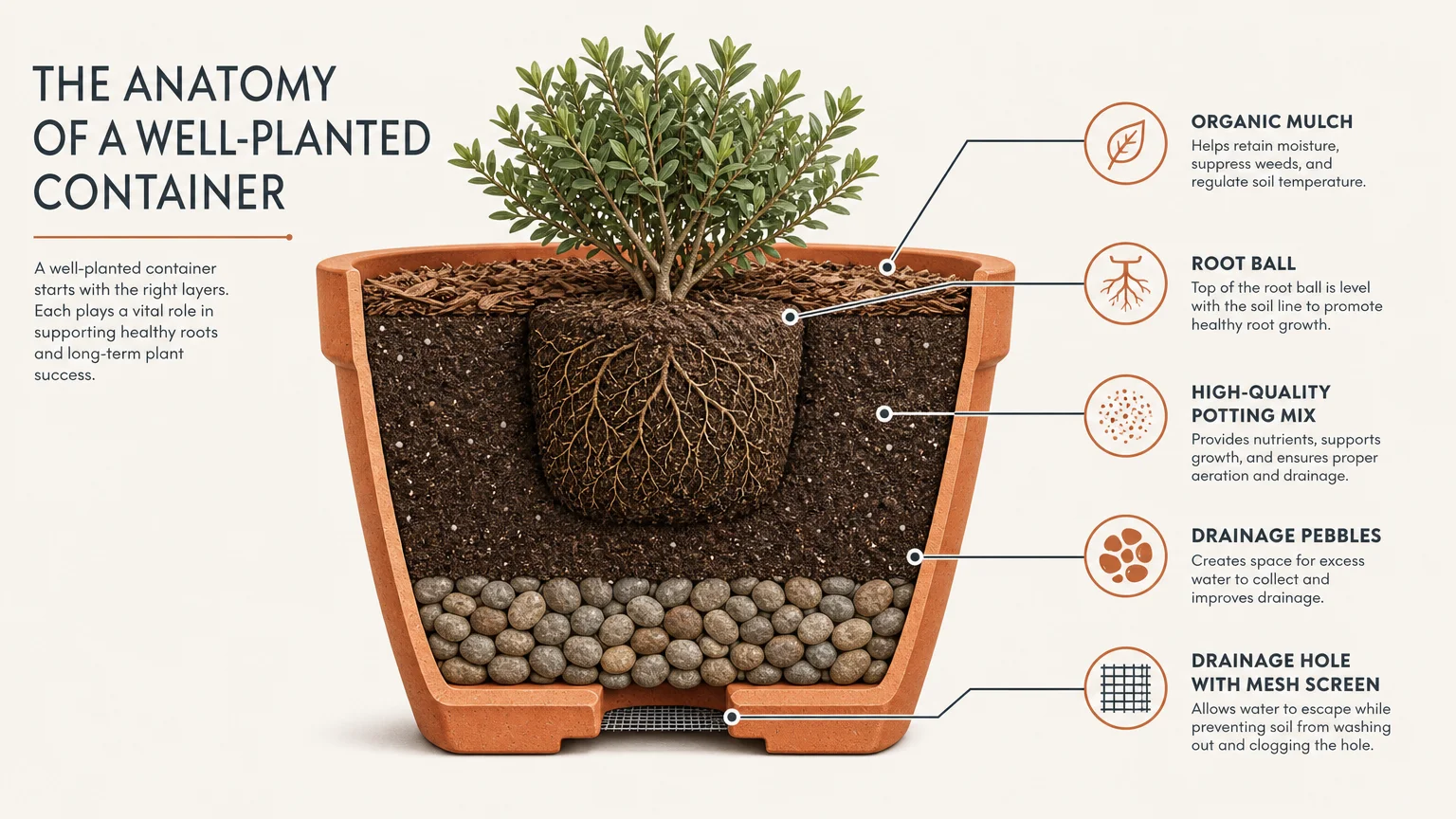
When you are ready to plant, dig a hole that is two to three times wider than the root ball, but exactly the same depth. Planting a shrub too deep is a common mistake that can suffocate the roots.
Carefully remove the shrub from its nursery pot and inspect the roots.
If they are tightly wound in a circle (root-bound), gently tease them apart with your fingers or make a few shallow vertical cuts down the sides of the root ball with a sharp knife. This forces the roots to grow outward into the surrounding soil.
Place the plant in the center of the hole, ensuring the top of the root ball is level with the surrounding ground. Backfill with the native soil, pressing down gently to remove large air pockets.
Water deeply immediately after planting to settle the soil.
Container Soil Basics
If you are planting your white flowering shrubs in pots on a patio or balcony, never use ordinary garden dirt. Garden soil becomes highly compacted in containers, restricting oxygen to the roots.
Instead, use a high-quality, lightweight potting mix tailored to the specific plant’s needs. For plants that require excellent drainage, like Butterfly Bushes or Mock Orange, mix in an extra handful of perlite or fine pine bark.
Ensure your chosen container has at least one large drainage hole at the bottom. Elevating the pot slightly on “pot feet” or bricks will keep the drainage hole clear and prevent water from pooling on your patio surface.
Pruning and Maintenance for Maximum Blooms
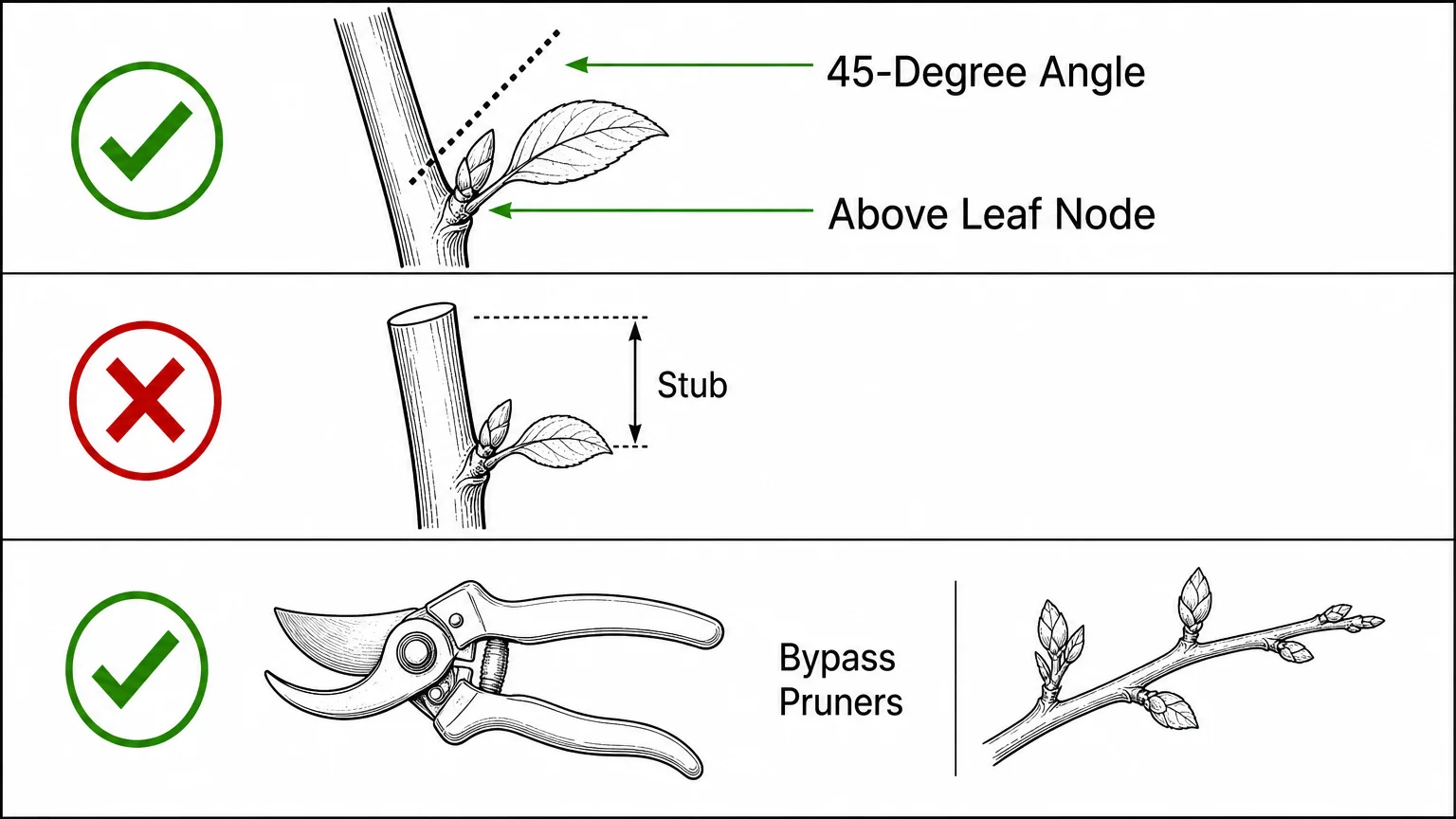
Proper pruning keeps your shrubs vigorous, controls their size for small spaces, and maximizes their flower output.
The golden rule of pruning flowering shrubs is knowing whether they bloom on “old wood” (stems grown the previous year) or “new wood” (stems grown in the current spring). Pruning at the wrong time guarantees you will chop off the impending flower buds.
Spring Bloomers (Old Wood): Shrubs like Azaleas, Spirea, Mock Orange, and Viburnum set their flower buds late in the summer for the following spring. You must prune these immediately after they finish blooming in the spring.
If you wait until late summer or fall, you will remove next year’s flowers.
Summer Bloomers (New Wood): Shrubs like Smooth Hydrangeas, Panicle Hydrangeas, Rose of Sharon, and Butterfly Bushes produce flowers on fresh, new stems grown in the current year. Prune these in late winter or very early spring before new leaves emerge.
This encourages strong new shoots that will hold heavy summer blooms.
| Shrub Type | Wood Type | Best Time to Prune | Primary Pruning Goal |
|---|---|---|---|
| Viburnum, Spirea, Mock Orange | Old Wood | Late Spring (Right after blooming) | Shape the plant; thin out old, woody stems to increase air flow. |
| Azalea, Gardenia, Camellia | Old Wood | Late Spring / Summer (Right after blooming) | Minimal pruning needed; remove dead or crossing branches. |
| Smooth & Panicle Hydrangea | New Wood | Late Winter / Early Spring | Cut back by one-third to encourage sturdy stems for heavy flower heads. |
| Rose of Sharon, Butterfly Bush | New Wood | Late Winter / Early Spring | Cut back aggressively to control size and encourage heavy summer blooming. |
| Potentilla, Summersweet | New / Mixed | Late Winter / Early Spring | Remove one-third of oldest stems to rejuvenate the plant. |
Watering and Mulching
Consistent moisture is crucial during the first two years of a shrub’s life as it establishes its root system. Water deeply at the base of the plant once or twice a week, rather than giving it a shallow sprinkle every day.
Deep watering encourages roots to grow downward, making the plant more drought-resilient in the long run. Apply a two-to-three-inch layer of organic mulch (like shredded bark or compost) around the base of the shrub.
Mulch suppresses weeds, retains soil moisture, and moderates soil temperature, keeping roots cool in the summer and insulated in the winter. Keep the mulch pulled back a few inches from the actual trunk of the shrub to prevent rot.
Managing Pests and Promoting Eco-Friendly Growth
A healthy garden is an active ecosystem, and occasional pests are a normal part of gardening. By adopting sustainable, eco-friendly practices, you can manage insect issues without resorting to harsh synthetic chemicals that harm beneficial pollinators like bees, butterflies, and ladybugs.
The first line of defense is observation. Walk through your garden weekly and inspect the leaves of your white flowering shrubs, paying close attention to the undersides of the foliage.
Common pests include aphids, scale insects, and spider mites. Aphids frequently cluster on the tender new growth of hydrangeas and spirea.
Before reaching for a spray, simply blast them off the plant with a strong stream of water from your garden hose. This physical removal is often enough to break their life cycle.
If an infestation persists, turn to organic solutions like insecticidal soap or horticultural neem oil. These products smother soft-bodied insects but break down quickly in the environment, leaving no toxic residue behind.
Always apply these treatments in the early morning or late evening when pollinators are less active, and never spray plants that are under severe drought stress.
Encourage beneficial insects to do the pest control work for you. Ladybugs, lacewings, and parasitic wasps are voracious predators of garden pests.
By planting a diverse array of native companion plants—such as yarrow, dill, or sweet alyssum—near your shrubs, you provide habitat and alternative nectar sources for these helpful garden allies.
Additionally, maintaining proper spacing between your shrubs ensures good air circulation, which naturally prevents fungal issues like powdery mildew from taking hold.
Frequently Asked Questions
Can I grow these white flowering shrubs in pots on my balcony?
Absolutely. Most of the shrubs on this list have dwarf or compact cultivars specifically bred for container gardening.
Shrubs like ‘Bobo’ Panicle Hydrangea, ‘Spice Baby’ Viburnum, and ‘Pugster White’ Butterfly Bush thrive in large pots. Ensure your container has excellent drainage, use a high-quality potting mix, and remember that potted plants require more frequent watering and fertilizing than those planted in the ground.
Why are the flowers on my white hydrangea turning green or brown?
This is a natural part of the aging process for hydrangea blooms.
When smooth hydrangeas like ‘Annabelle’ first open, they are a pale chartreuse green, turning bright white at their peak, and returning to a pale green or tan as they age and dry on the stem in late summer.
This color shift provides beautiful late-season texture and is not a sign of poor health.
How do I protect my flowering shrubs during the winter?
For container-grown shrubs, the roots are exposed to colder air temperatures than they would be in the ground. Move pots against a sheltered wall of your house to block harsh winds, or wrap the pots in burlap or bubble wrap for insulation.
For in-ground shrubs, apply a thick layer of mulch over the root zone in late fall, and avoid pruning late in the season, as fresh pruning cuts can expose the plant to winter damage.
Why isn’t my white shrub blooming?
A lack of blooms is usually caused by one of three issues: incorrect pruning time, insufficient sunlight, or excessive nitrogen fertilizer. If you prune a spring-blooming shrub in the fall, you accidentally cut off all the flower buds.
If your shrub is planted in deep shade but requires full sun, it will grow foliage but no flowers. Finally, fertilizers heavy in nitrogen encourage lush green leaf growth at the expense of blossom production.
Switch to a bloom-boosting fertilizer higher in phosphorus.
For trustworthy gardening information, visit: University of Illinois Extension — Gardening, UC IPM (University of California Integrated Pest Management), Missouri Botanical Garden and Kew Science — Plants of the World. These organizations provide expert, research-based advice for gardeners at all levels.
Disclaimer: This article is for informational purposes only and is not a substitute for professional gardening advice. Always consult local extension services or horticulture experts for region-specific guidance.