
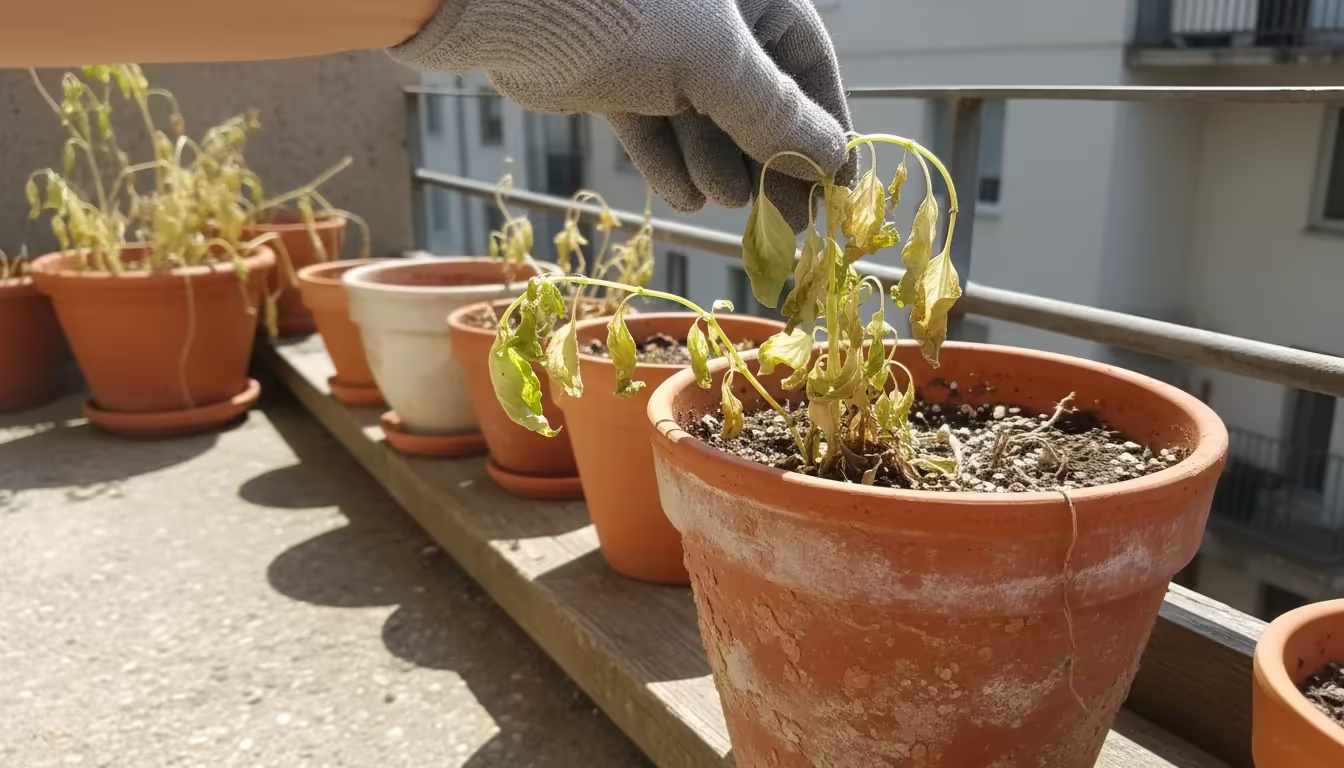
Summer brings vibrant life to our gardens, but for container plants, it also introduces a significant challenge: heat. If you have ever felt a pot baking in the sun, you know your plant’s roots are likely experiencing a similar unwelcome warmth.
This “root cooking” can quickly stress your beloved plants, leading to wilting, stunted growth, and even plant death. Understanding how different container materials react to heat is crucial for successful hot weather gardening.
Choosing the best pots for summer means protecting your plants from the ground up, or rather, from the pot up.
Planning your setup ahead of time using a comprehensive spring planting guide for container gardeners ensures you are fully prepared before the summer heat arrives.
Selecting the right container goes far beyond aesthetics. The material of your pot dictates its thermal properties, how it holds moisture, and ultimately, how well your plants thrive when temperatures soar.
In this guide, we will explore the strengths and weaknesses of terracotta, plastic, and fabric pots, providing practical insights to help you make informed decisions.
We will also dive into critical factors like watering, soil, and plant selection to ensure your container garden flourishes even on the hottest days. Get ready to transform your approach to hot weather gardening and keep your potted plants happy and healthy.
Contents10 sections
- Understanding Summer’s Challenge: Heat Stress in Containers
- Terracotta Pots: The Traditional Choice and Its Summer Strengths
- Plastic Pots: Versatility, Affordability, and Heat Management
- Fabric Grow Bags: Modern Innovation for Superior Airflow
- Beyond the Material: Critical Factors for Hot Weather Gardening
- Choosing Your Champion: Terracotta vs. Plastic vs. Fabric for Summer
- Protecting Your Plants: Strategies for Heat Mitigation
- Eco-Friendly Container Choices and Practices
- Frequently Asked Questions
- Final Thoughts for a Cooler Container Garden
Understanding Summer’s Challenge: Heat Stress in Containers
Summer’s intense sun can turn a beautiful container garden into a plant survival challenge. You notice wilting leaves, yellowing foliage, or perhaps a general lack of vigor in your potted plants.
These are common signs of heat stress, often exacerbated by the type of container you choose. Understanding why pots get so hot and how that heat affects your plants is the first step in successful hot weather gardening.
Selecting heat-tolerant plants is just as important as choosing the pot; many vibrant flowers for container gardens are specifically suited to thrive in all-day summer sun.
If you are growing on an exposed balcony, managing these temperatures is even more critical, requiring a dedicated balcony heat survival plan to keep things alive.
Containerized plants face a unique set of thermal challenges that garden bed plants do not. In the ground, soil acts as a natural insulator, regulating root temperatures and providing a vast reservoir of moisture.
Pots, however, have limited soil volume and direct exposure to ambient air and solar radiation on all sides. When the sun beats down, the pot itself absorbs heat, transferring it directly to the growing medium and, consequently, to the plant’s roots.
Darker colored pots absorb more solar radiation, escalating this problem significantly. This is why you often hear the question, “do black pots get too hot for plants?”
The answer is a resounding yes. Black and other dark-colored containers can reach internal temperatures significantly higher than the ambient air temperature, often soaring into levels that damage plant roots.
The ideal temperature range for most plant roots sits between 65 and 75 degrees Fahrenheit. When soil temperatures inside a pot climb above 85 degrees, plants begin to struggle.
At 95 degrees and higher, irreversible damage occurs, leading to root death and the plant’s inability to absorb water and nutrients. This is what we mean by “root cooking.”
Symptoms of heat stress in roots include reduced growth, wilting despite adequate moisture, browning leaf edges, and increased susceptibility to pests and diseases. Your plants literally cannot function when their roots are too hot.
Furthermore, elevated temperatures cause water to evaporate more quickly from the soil. This means your plants need more frequent watering, but even then, the hot soil can make it difficult for roots to efficiently absorb that water.
The combination of overheated roots and rapid moisture loss creates a vicious cycle that quickly depletes your plant’s energy reserves.
Effective management of container materials and placement becomes paramount to mitigate these risks and keep your plants thriving during the hottest parts of the year. Selecting the best pots for summer directly contributes to your plants’ ability to withstand these harsh conditions.
Terracotta Pots: The Traditional Choice and Its Summer Strengths
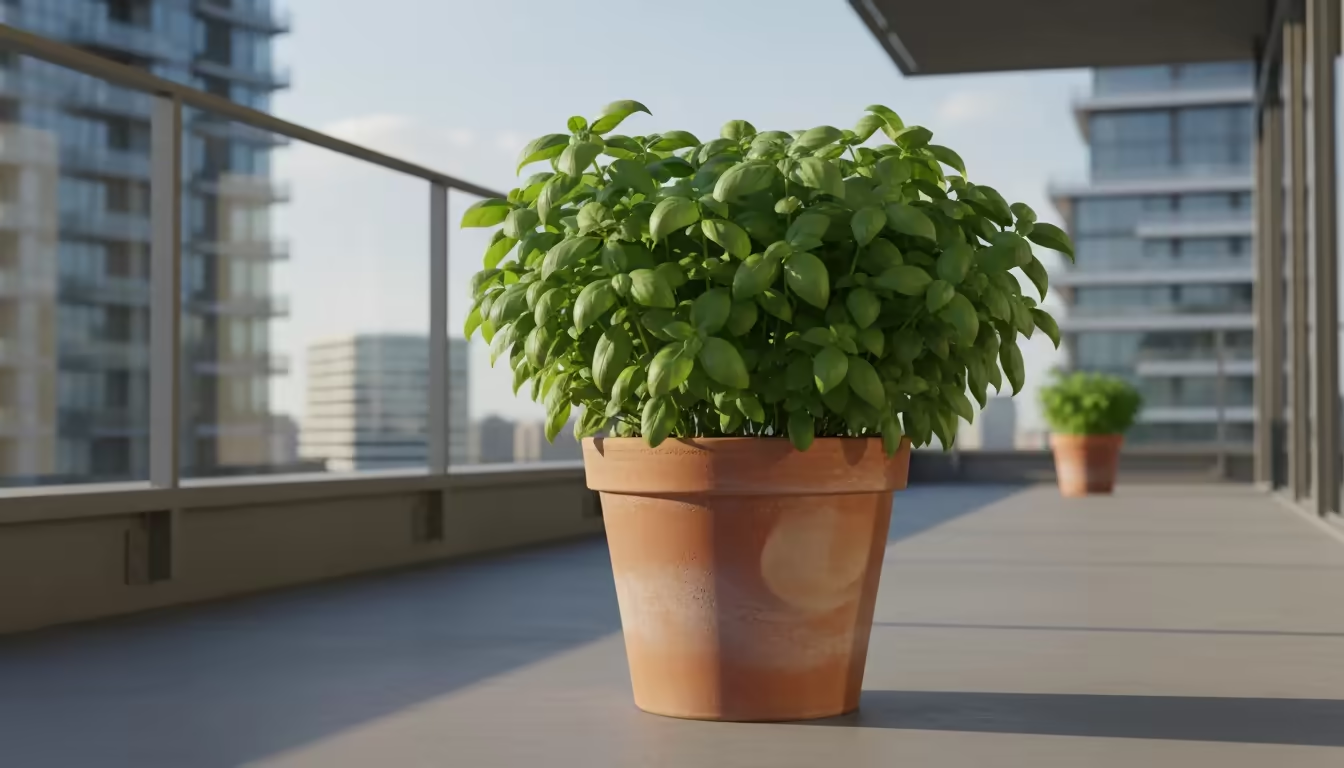
Terracotta, or unglazed clay, pots have graced gardens for centuries, prized for their classic look and natural material. When considering container materials for summer, terracotta offers distinct advantages, primarily due to its porous nature.
This porosity means the clay allows air and moisture to pass through its walls, a characteristic that becomes a significant asset in hot weather gardening.
Additionally, while we focus on keeping roots cool now, you can apply similar logic in reverse during winter by wrapping your pots for the cold to protect fragile clay from cracking.
To slow down this rapid moisture loss, you can try mulching for containers to keep the soil damp and insulate root systems.
The primary benefit of terracotta in summer is evaporative cooling. As water evaporates from the outer surface of the pot, it draws heat away from the inside, much like sweat cools your skin.
This natural cooling mechanism can lower the soil temperature within the pot by several degrees compared to non-porous materials, significantly benefiting your plant’s roots. For delicate plants or those sensitive to high root temperatures, this cooling effect can be a game-changer.
It helps prevent the dreaded “root cooking” we discussed earlier, making terracotta a strong contender for the best pots for summer.
Beyond cooling, terracotta pots offer excellent breathability for plant roots. Good air circulation around roots is vital for their health, preventing conditions that foster root rot.
The material’s natural weight also provides stability for taller or top-heavy plants, reducing the risk of tipping in summer winds.
Aesthetically, terracotta possesses an earthy, timeless charm that complements a wide variety of plants and garden styles, adding a touch of rustic elegance to your small-space garden. Its ability to develop a beautiful patina over time further enhances its appeal.
However, terracotta’s porosity, while a strength for cooling, also presents a challenge. Water evaporates quickly from the soil, meaning plants in terracotta pots often require more frequent watering, sometimes daily or even twice daily during peak summer heat.
This rapid drying can be a drawback for gardeners who prefer less frequent irrigation or for plants that demand consistently moist soil. You must monitor moisture levels diligently to prevent plants from drying out completely.
Another consideration is durability. Terracotta pots are fragile and can break if dropped or subjected to freezing temperatures when wet, making them less suitable for colder climates without proper winter storage.
They also tend to accumulate mineral salts from water and fertilizers, leaving a white crusty residue on the exterior. While some gardeners enjoy this look, it indicates mineral buildup.
You can scrub it off with a wire brush and a vinegar solution if you prefer a cleaner appearance. Despite these maintenance requirements, terracotta remains a beloved choice for its natural properties and ability to keep roots cooler in scorching summer conditions.
For gardeners dedicated to attentive watering, terracotta provides a beautiful and effective solution against summer heat.
Plastic Pots: Versatility, Affordability, and Heat Management
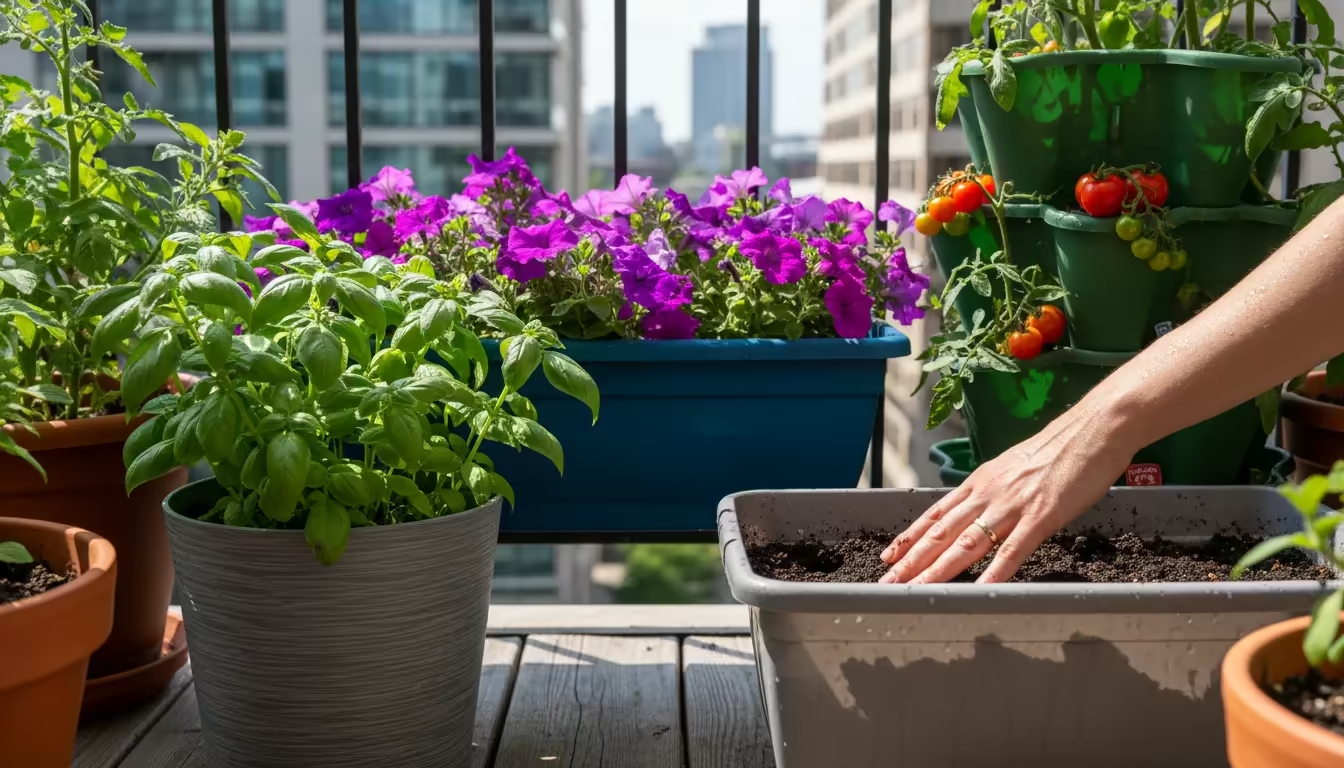
Plastic pots dominate the market, from nursery containers to decorative planters, owing to their affordability, lightweight nature, and wide range of styles and sizes. Their versatility makes them a popular choice for many gardeners, but their performance in hot weather gardening requires careful consideration.
Understanding how plastic interacts with summer heat helps you leverage its benefits while mitigating its drawbacks.
If your plastic pots become brittle or cracked after a harsh summer, it might be time for a systematic container purge to tidy up your storage area before next year.
To get the absolute most out of plastic’s water-retention benefits, you can easily build DIY self-watering containers to automate moisture delivery during intense heatwaves.
The primary advantage of plastic pots lies in their moisture retention. Unlike porous terracotta, plastic is non-porous, preventing water from evaporating through the pot walls.
This means less frequent watering compared to terracotta, which can be a significant benefit for busy gardeners or those growing plants with high water requirements.
Their lightweight design makes them easy to move, a practical feature for small-space gardeners who may need to reposition plants throughout the day to optimize sun exposure or shade.
Plastic pots are also highly durable, resisting breakage from drops and weathering, and are generally inexpensive, making them an economical choice for expanding your container collection.
The crucial drawback for plastic pots in summer is their heat absorption, particularly for dark-colored varieties. Black pots, for instance, absorb and retain a tremendous amount of solar radiation.
This directly translates to significantly higher soil temperatures inside the pot, posing a severe risk of “root cooking” for your plants. Studies have shown that soil temperatures in dark plastic pots can be 10-20 degrees Fahrenheit higher than in lighter-colored pots or terracotta.
This means that while they retain moisture, the roots might be too hot to absorb it effectively, leading to wilting despite moist soil.
If you choose plastic, opting for light-colored or white pots significantly reduces heat absorption, making them a more viable option for `best pots for summer`.
To effectively use plastic pots for hot weather gardening, adopt specific strategies. First, always select light-colored plastic containers to reflect sunlight rather than absorb it.
Second, consider double potting: place your plant, still in its original plastic pot, inside a larger, decorative container. The air gap between the two pots acts as an insulating layer, helping to regulate soil temperatures.
Third, elevate plastic pots slightly off the ground to allow air circulation underneath, preventing heat buildup from hot pavement or decks. You can use pot feet or simple bricks for this.
Finally, be mindful of drainage holes. While plastic retains moisture, it also traps excess water if drainage is insufficient, leading to root rot.
Ensure your plastic pots have ample drainage, and consider adding more holes if necessary. By employing these techniques, you can enjoy the practical benefits of plastic pots without sacrificing your plants to summer heat.
Fabric Grow Bags: Modern Innovation for Superior Airflow
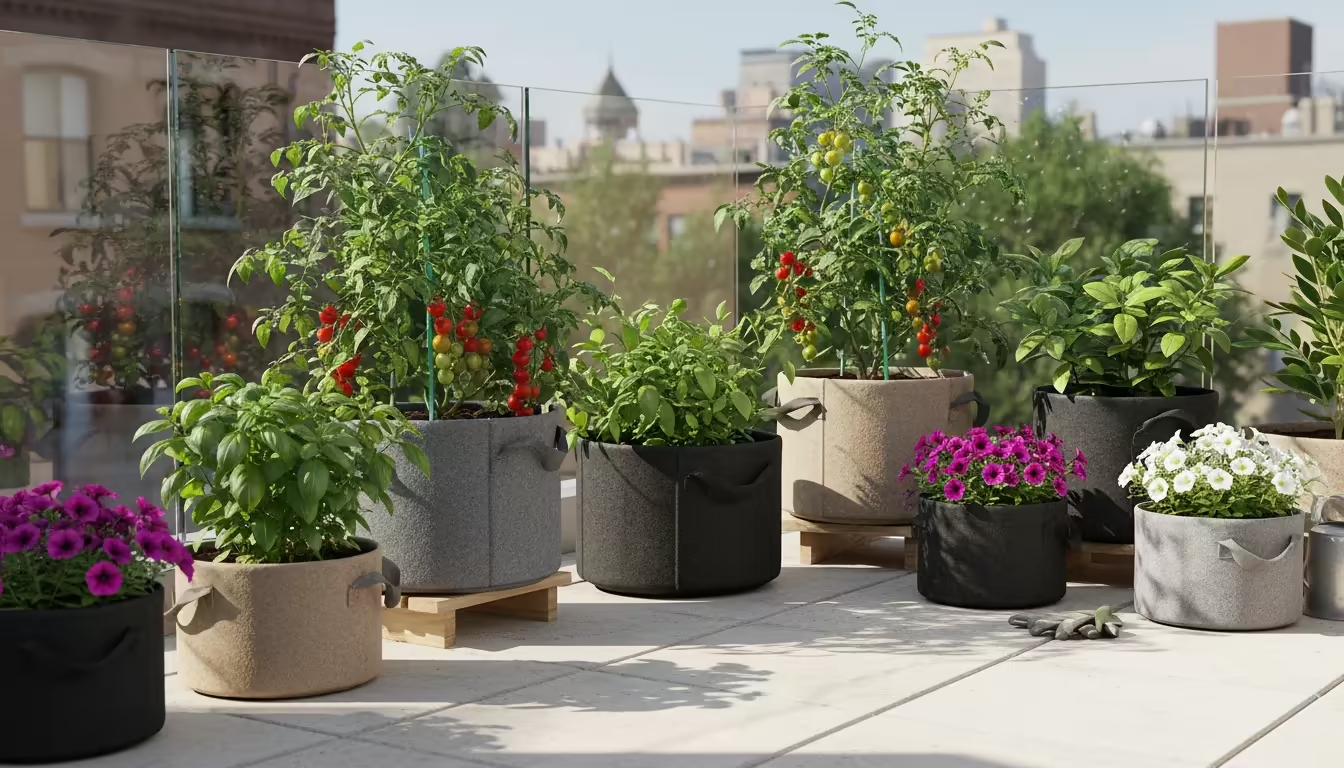
Fabric grow bags represent a modern innovation in container gardening, gaining popularity for their unique properties, especially in hot weather conditions.
Made from breathable, non-woven polypropylene fabric, these bags offer a distinct set of advantages over traditional terracotta and plastic pots, particularly when it comes to managing heat and promoting healthy root growth.
They are increasingly recognized as some of the best grow bags for heat, a critical consideration for hot weather gardening.
When summer ends, you can easily clean these lightweight bags and prepare for future seasons with a simple potting soil refresh to keep your soil active and fertile.
This exceptional root-pruning capability makes fabric bags a top choice when learning how to grow tomatoes in containers successfully.
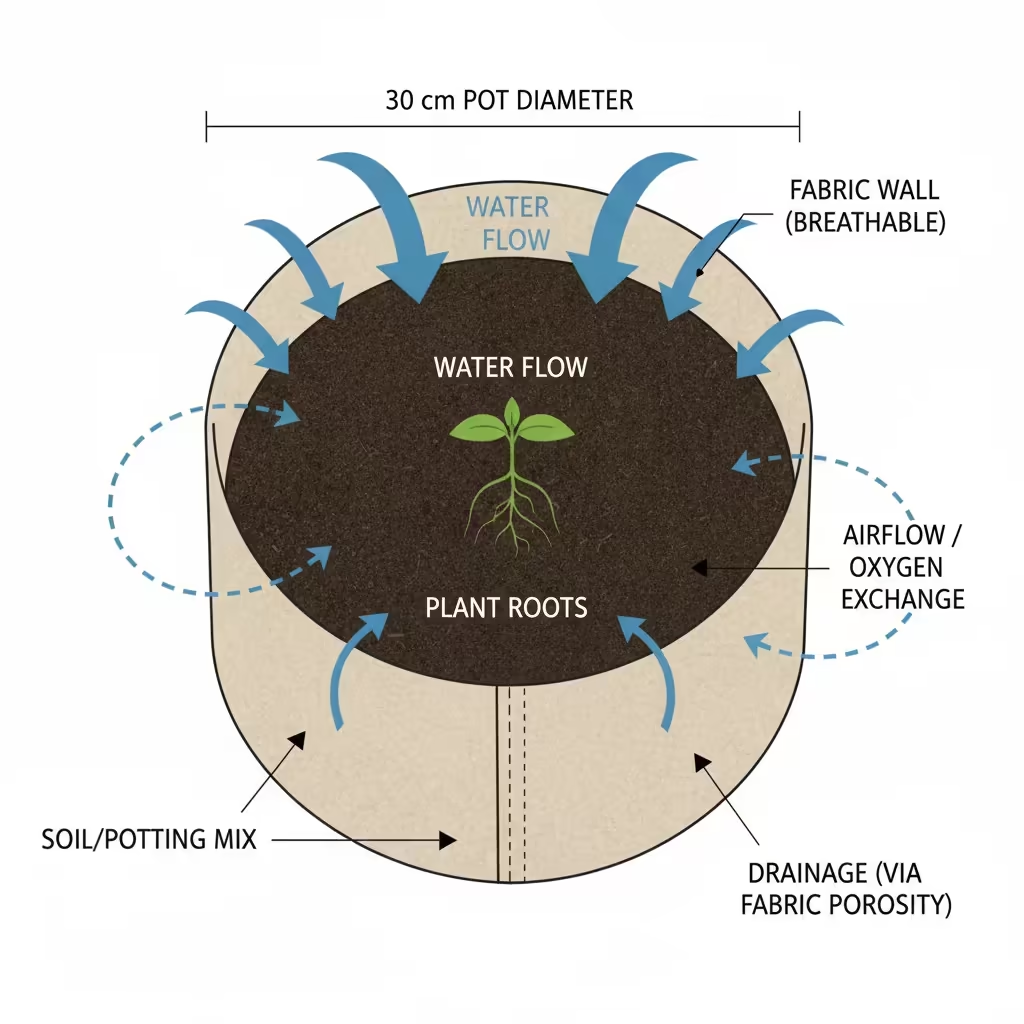
The most significant benefit of fabric grow bags is their unparalleled breathability. The porous fabric allows for excellent air circulation through the soil, preventing heat buildup.
Just like terracotta, this permeability facilitates evaporative cooling, but often more efficiently due to the entire surface area being permeable. As moisture escapes through the fabric, it actively cools the root zone, significantly reducing the risk of “root cooking” even in direct sunlight.
This makes fabric grow bags an outstanding choice for keeping soil temperatures stable and optimal for root health during the hottest months.
Beyond heat management, fabric grow bags promote a phenomenon called “air pruning.” When roots grow to the edge of the bag, they encounter air, causing their tips to dry out and stop growing.
This natural pruning encourages the plant to produce a denser, more fibrous root system internally, rather than roots circling endlessly as they often do in smooth-sided plastic pots.
A more fibrous root system is incredibly efficient at absorbing water and nutrients, leading to healthier, more vigorous plants. This enhanced root development is a major reason why many gardeners consider them the `best grow bags for heat` and overall plant health.
Fabric bags are also lightweight and flexible, making them easy to move and store when not in use. They prevent waterlogging due to their excellent drainage capabilities, ensuring roots never sit in stagnant water.
This reduces the risk of root rot, a common issue in overwatered or poorly drained containers. While their soft-sided nature might not appeal to everyone aesthetically, many gardeners appreciate their functional benefits.
However, the high breathability that makes fabric bags so effective at cooling also means they dry out very quickly.
You will likely need to water plants in fabric grow bags more frequently than those in plastic pots, and possibly even more often than in terracotta, especially on hot, windy days. This requires diligent monitoring of soil moisture.
Some fabric bags can also be prone to degradation from UV exposure over several seasons, meaning they may not last as long as rigid plastic or ceramic pots. Choosing high-quality, UV-resistant fabric bags can help extend their lifespan.
Despite the increased watering demands, the benefits of air pruning and superior heat dissipation make fabric grow bags an excellent, modern solution for ensuring plant vitality during summer’s peak.
Beyond the Material: Critical Factors for Hot Weather Gardening
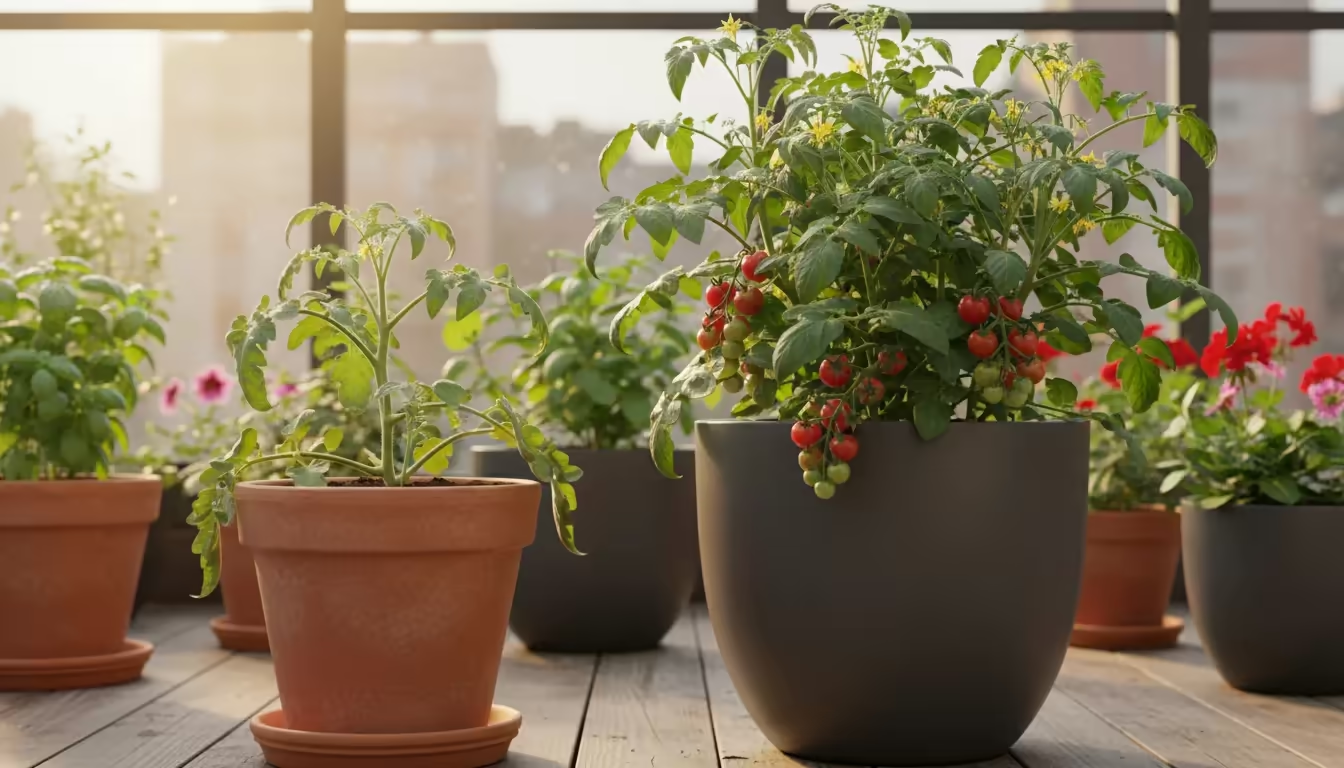
While your choice of container material plays a significant role in mitigating heat stress, it represents only one piece of the hot weather gardening puzzle. Several other crucial factors influence how well your plants thrive in summer.
Addressing these elements provides a holistic approach to ensuring your container garden remains vibrant and productive, regardless of the `container materials` you choose.
Container Size: Bigger is Better
The size of your pot is perhaps as important as its material, especially for `best pots for summer`. Larger containers hold a greater volume of soil, which in turn holds more moisture and acts as a better insulator against temperature fluctuations.
A small pot, exposed to direct sun, will heat up and dry out much faster than a large one. For heat-sensitive plants, or any plant spending the summer outdoors, always opt for the largest container your space and plant size allow.
This extra soil mass helps regulate root zone temperatures and extends the time between waterings. For example, a tomato plant in a 5-gallon pot will struggle significantly more than one in a 15-gallon fabric grow bag during a heatwave.
Choosing the Right Potting Mix
Your soil choice directly impacts moisture retention and drainage, both critical for hot weather gardening. Avoid heavy garden soil, which compacts easily and suffocates roots.
Instead, use a high-quality, lightweight potting mix specifically formulated for containers. Look for mixes that contain amendments like perlite or vermiculite for improved drainage and aeration, and coco coir or peat moss for excellent water retention.
Some mixes also include slow-release fertilizers, providing a consistent nutrient supply without adding to heat stress. A good potting mix allows water to pass through freely but holds onto enough moisture to keep roots hydrated.
Strategic Watering Techniques
Watering correctly is paramount when temperatures climb. Water deeply and thoroughly until water drains from the bottom of the pot.
This encourages roots to grow downwards, seeking moisture, rather than staying near the surface where the soil dries out fastest. The best time to water is early morning, before the sun reaches its peak.
This allows plants to absorb water before the heat stress begins and minimizes evaporative loss. Avoid watering in the middle of the day, as much of the water will evaporate before reaching the roots, and cold water on hot roots can shock the plant.
On extremely hot days, you may need to water twice daily, once in the morning and again in the late afternoon. This is particularly true for plants in smaller pots or those in `best grow bags for heat` due to their rapid drying.
Plant Selection: Choose Heat-Tolerant Varieties
Some plants simply tolerate heat better than others. When planning your summer container garden, research heat-tolerant varieties suitable for your climate.
Herbs like rosemary, thyme, and oregano, vegetables such as okra, sweet potatoes, and many peppers, and flowers like vinca, portulaca, and zinnias often thrive in hot conditions. Matching your plant’s needs with your local climate reduces the overall stress on your container garden.
The Impact of Pot Color: A Clear Warning
You have likely heard the question, “do black pots get too hot for plants?” The answer is unequivocally yes.
Dark-colored pots, especially black, absorb significantly more solar radiation than light-colored pots. This leads to dramatically higher soil temperatures, often exceeding 100 degrees Fahrenheit, which will cook your plant’s roots.
If you use dark `container materials`, consider painting them a lighter color, wrapping them in reflective material, or shading them from direct sun exposure. For optimal root health in summer, choose white, light grey, or terra cotta colored pots.
Mulching Your Containers
Applying a layer of mulch, such as wood chips, straw, or even decorative pebbles, to the top of your container soil helps conserve moisture and insulate the roots.
Mulch reduces evaporation from the soil surface, keeping the root zone cooler and extending the time between waterings. It is a simple yet effective strategy for mitigating summer heat.
Choosing Your Champion: Terracotta vs. Plastic vs. Fabric for Summer
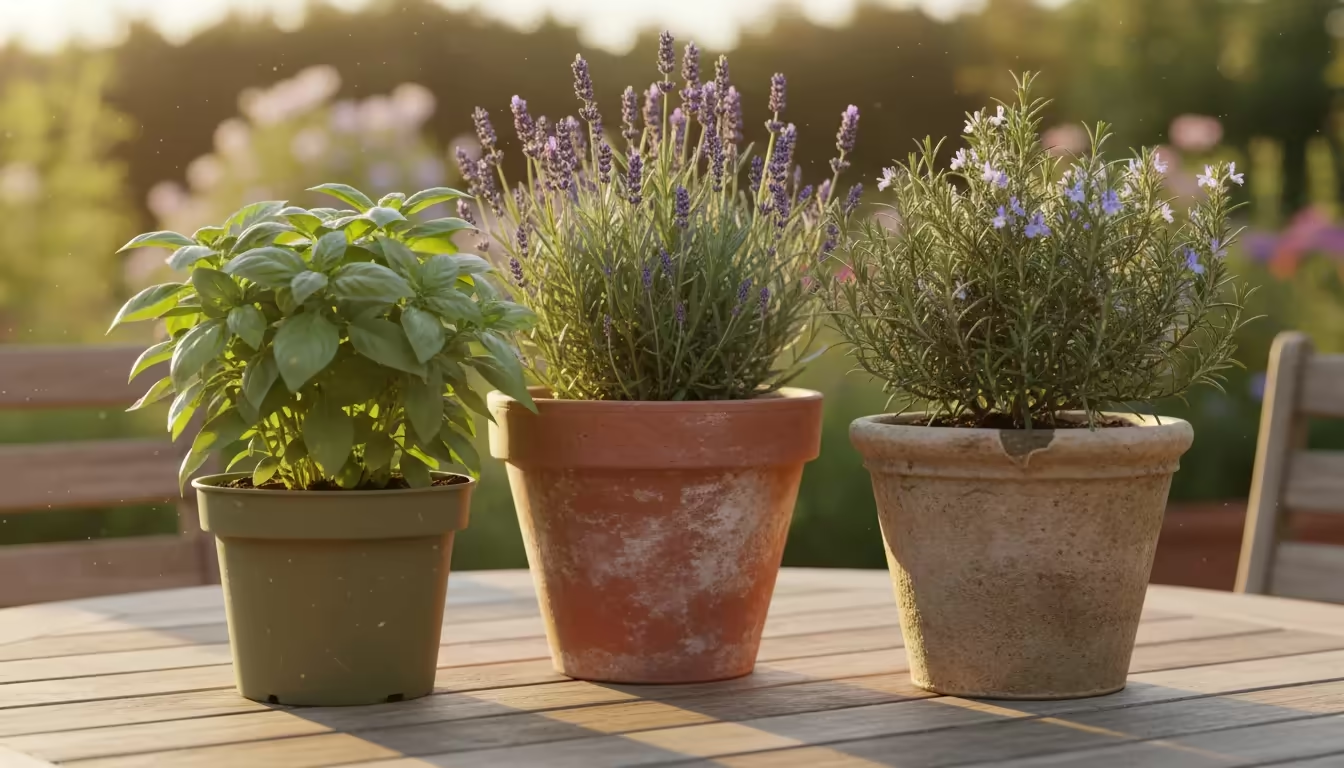
Deciding on the `container materials` for your summer garden involves weighing the unique advantages and disadvantages of terracotta, plastic, and fabric pots against your specific gardening style, plant needs, and climate. Each material offers distinct benefits and challenges, making the “best” choice highly personal.
Let us break down the comparison to help you select your champion for hot weather gardening.
- Pros: Exceptional evaporative cooling, superior breathability for roots, heavy and stable, classic aesthetic. Often considered excellent for `best pots for summer` where heat is a major concern.
- Cons: Dries out quickly requiring frequent watering, fragile and prone to breaking, can develop mineral salt buildup.
- Best For: Gardeners who enjoy daily watering, plants that prefer drier soil conditions (like herbs or succulents), and those seeking a traditional, aesthetic look. Ideal for regions with moderate humidity where evaporative cooling works effectively.
- Pros: Excellent moisture retention, lightweight and easy to move, highly durable, affordable, wide variety of colors and styles.
- Cons: Poor breathability can lead to root rot if overwatered, dark colors absorb and retain significant heat (“do black pots get too hot for plants?” – yes!), can become brittle over time from UV exposure.
- Best For: Gardeners who prefer less frequent watering, plants that thrive in consistently moist soil, and those on a budget. Essential to choose light-colored plastic pots to mitigate heat absorption. Double potting is a highly recommended strategy for plastic in direct sun.
- Pros: Superior heat dissipation through evaporative cooling and breathability, promotes air pruning for healthier root systems, lightweight and flexible, excellent drainage, often considered the `best grow bags for heat`.
- Cons: Dries out very quickly requiring frequent watering, less aesthetically appealing to some, may have a shorter lifespan than other materials.
- Best For: Gardeners focused on root health and maximum heat protection, those willing to water frequently, and space-conscious gardeners who appreciate their flexibility and storage ease. Particularly effective for vegetables and fast-growing plants.
Here is a quick comparison to summarize the `terracotta vs plastic pots in summer` and the fabric alternative:
| Feature | Terracotta | Plastic | Fabric Grow Bags |
|---|---|---|---|
| Heat Management | Good evaporative cooling, keeps roots cooler. | Poor, especially dark colors, absorbs heat. | Excellent, superior evaporative cooling & breathability. |
| Moisture Retention | Low, dries out quickly. | High, retains moisture well. | Low, dries out very quickly. | Breathability/Aeration | Good, porous material. | Poor, non-porous. | Excellent, promotes air pruning. |
| Watering Frequency | High. | Low to Moderate. | Very High. |
| Durability | Fragile, breaks easily. | Durable, but can become brittle. | Good, but may degrade with UV over seasons. |
| Weight | Heavy. | Lightweight. | Very Lightweight. |
| Aesthetics | Classic, rustic appeal. | Wide range, can look manufactured. | Functional, less decorative. |
Your ideal choice often comes down to balancing these factors. If you prioritize cooling and root health above all else, fabric grow bags or light-colored terracotta will serve you best.
If you need something low-maintenance in terms of watering and easy to move, light-colored plastic is a practical choice, assuming you take steps to insulate it from heat.
Ultimately, the `best pots for summer` are those that align with your gardening habits and provide the optimal environment for your specific plants to thrive in the heat.
Do not be afraid to mix and match different materials based on the plant and its specific needs.
Protecting Your Plants: Strategies for Heat Mitigation
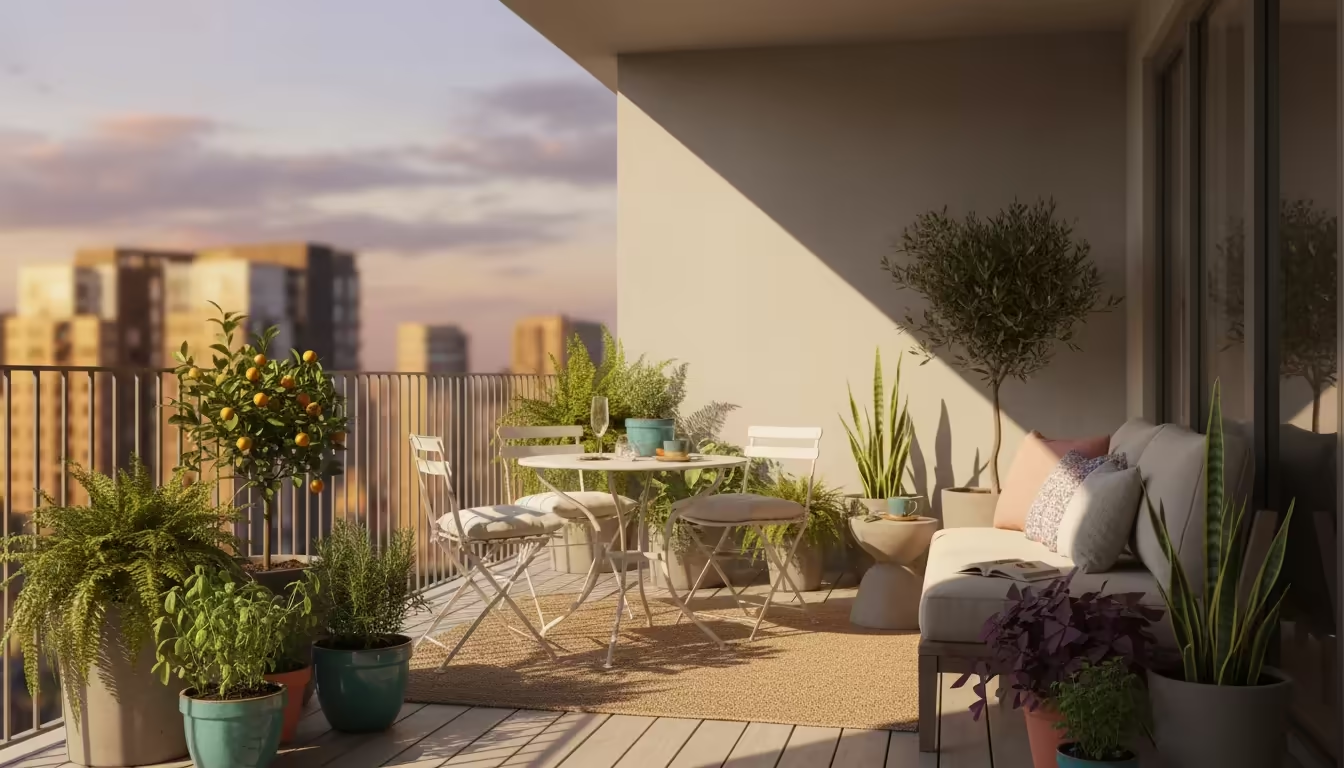
Even with the right `container materials`, summer’s relentless heat often demands additional proactive measures to keep your plants happy and healthy. Implementing specific strategies for heat mitigation can significantly reduce stress on your container garden, helping your plants not just survive, but truly flourish.
These strategies become essential aspects of your `hot weather gardening` toolkit.
Provide Strategic Shade: Direct afternoon sun, especially in hot climates, can be brutal for many plants. Moving pots to a shadier location during the hottest parts of the day, typically between noon and 4 PM, offers immediate relief.
If moving is not feasible, consider creating temporary shade structures. You can use shade cloth, an old sheet, a patio umbrella, or even strategically placed taller plants to cast shadows.
Even an hour or two of afternoon shade can make a world of difference for heat-sensitive plants. This simple act of protection prevents scorching foliage and overheated roots.
Group Your Pots Together: Grouping pots creates a mini-microclimate. The combined foliage provides some mutual shading, and the collective evaporation from the soil and leaves increases humidity slightly around the plants.
This slightly cooler, more humid environment benefits all the plants in the cluster. When grouping, ensure you still allow for some air circulation to prevent fungal issues, but keep them close enough to benefit from the shared microclimate.
This strategy works particularly well in small-space gardening where you might have many containers.
Elevate Pots for Air Circulation: Placing pots directly on hot surfaces like concrete or asphalt allows heat to transfer directly into the bottom of the container, contributing to root cooking.
Elevating your pots, even by a few inches, allows air to circulate underneath, preventing this conducted heat transfer. Pot feet, bricks, or even small pieces of wood work effectively to lift containers.
This is especially important for plastic pots and those placed on sun-baked patios.
Consider Double Potting (Pot-in-Pot Method): For particularly heat-sensitive plants or those in dark plastic pots, double potting offers excellent insulation. Place your plant, still in its original pot, inside a larger, slightly decorative outer container.
Fill the gap between the two pots with insulating material like straw, wood chips, crumpled newspaper, or even just air. This creates an insulating layer that shields the inner pot from direct solar radiation and ambient heat, significantly moderating soil temperatures.
This technique also helps answer the question, `do black pots get too hot for plants?` by providing a practical solution to their heat absorption.
Mulch the Soil Surface: As mentioned earlier, adding a 1-2 inch layer of mulch to the top of your container soil is a powerhouse strategy. Mulch acts as a barrier, reducing water evaporation from the soil surface and keeping the root zone cooler.
Organic mulches like wood chips, straw, or coco coir also break down over time, slowly enriching your potting mix. This practice is beneficial for all `container materials`, extending the time between waterings and providing a cooler, more stable environment for roots.
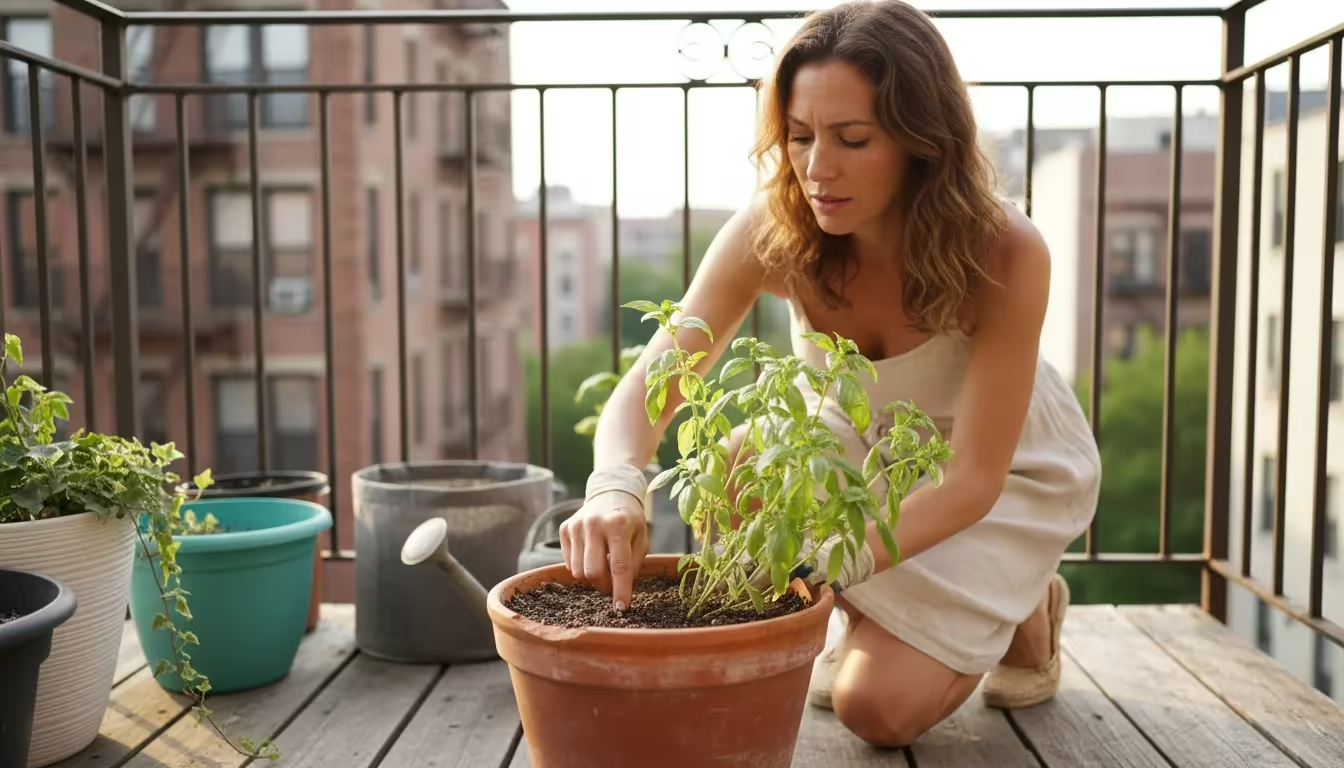
Regular Monitoring and Adjustment: `Hot weather gardening` requires vigilance. Regularly check your plants for signs of stress: wilting, drooping, or discolored leaves.
Feel the soil surface and even probe a few inches down to gauge moisture levels. Adjust your watering schedule and protective measures as needed based on daily temperatures and sun intensity.
A proactive approach allows you to address problems before they become severe, ensuring your container garden remains healthy throughout the summer.
By combining the right `best pots for summer` with these practical heat mitigation strategies, you empower your plants to withstand the summer onslaught. This layered approach creates a more resilient and thriving garden, even in the face of soaring temperatures.
Eco-Friendly Container Choices and Practices
As responsible gardeners, we strive to make choices that benefit our plants and the planet. When it comes to `container materials`, there are numerous opportunities to embrace eco-friendly practices, reducing waste and minimizing our environmental footprint.
Small-space gardening inherently offers a chance for sustainable habits, and your choice of pots can significantly contribute to this.
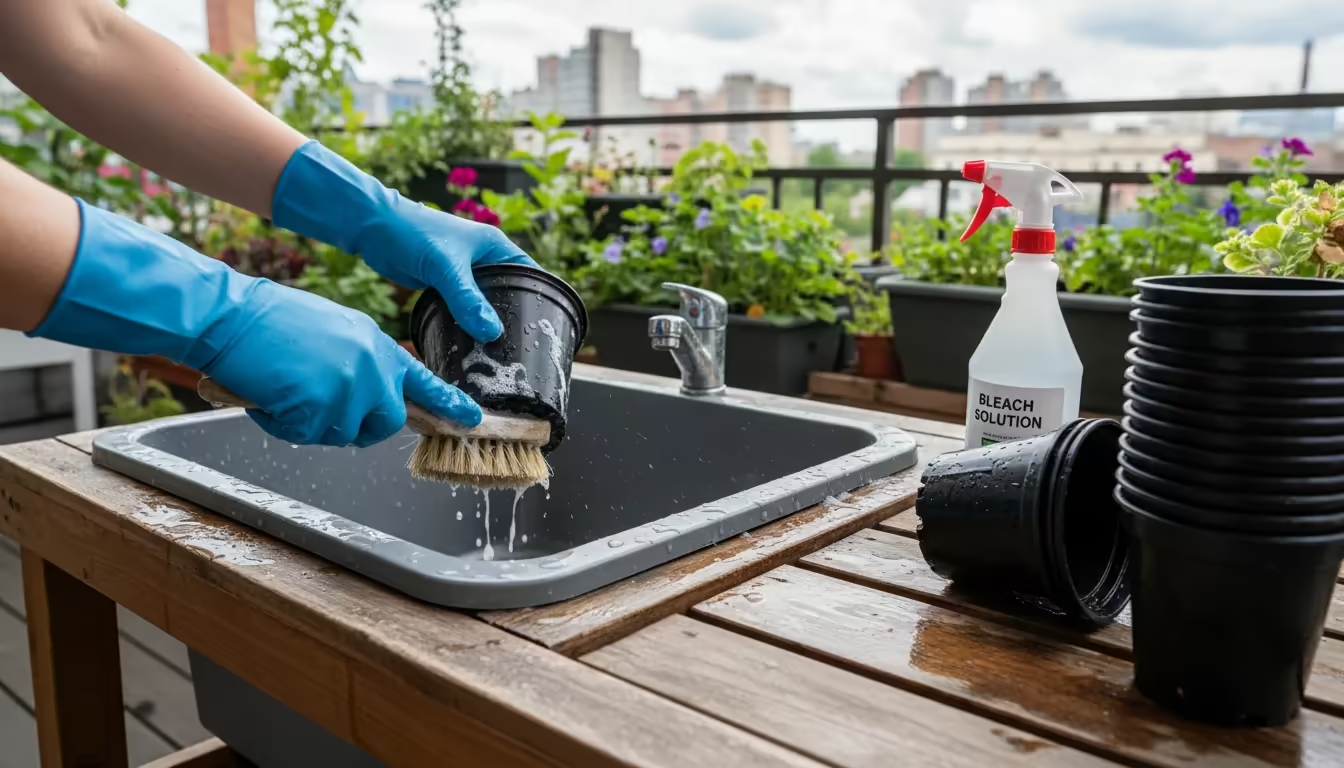
Reusing and Repurposing Containers: The most straightforward eco-friendly practice involves giving old containers a new life. Nursery pots, often made of plastic, are excellent candidates for reuse.
Instead of discarding them, clean them thoroughly with a bleach solution (1 part bleach to 9 parts water) to sterilize them and prevent disease transmission, then repurpose them for new plants or seed starting. Similarly, household items can become creative planters.
Old metal buckets, wooden crates, even large tin cans (ensure proper drainage holes are added) can be transformed into quirky, sustainable containers. This practice not only saves money but also diverts waste from landfills.
Choosing Durable, Long-Lasting Materials: Investing in durable `container materials` extends their lifespan and reduces the need for frequent replacements. While terracotta is fragile, it lasts for many years if cared for properly, especially by storing it indoors during freezing temperatures.
High-quality plastic pots, particularly those made from recycled content, can also be quite durable. Fabric grow bags, while sometimes needing replacement after a few seasons, are often made from recyclable materials themselves.
Opting for materials known for their longevity reduces overall consumption and waste.
Recycling End-of-Life Containers: When a plastic pot has truly reached the end of its life, check local recycling guidelines. Many municipalities now accept certain types of plastic gardening pots.
Look for the recycling symbol (usually a number inside a triangle) on the bottom of the pot. Clean out any soil residue before placing them in your recycling bin.
Some garden centers also have take-back programs for plastic nursery pots, making it easier to recycle them properly.
Consider Biodegradable Options: For certain applications, like starting seeds or transplanting seedlings, biodegradable pots offer an excellent eco-friendly solution. These pots, made from materials like peat, coco coir, or composted paper, can be planted directly into the ground or a larger container.
The pot naturally breaks down, minimizing root disturbance during transplanting and eliminating plastic waste. Just be mindful that they can dry out very quickly in summer heat and may not be suitable for long-term growth in exposed conditions.
DIY Containers with Sustainable Materials: Get creative and build your own containers from sustainable or reclaimed materials. Old railway sleepers, pallet wood, or natural stone can be fashioned into attractive and durable planters.
These custom-built options often fit perfectly into unique small spaces and offer a truly personal touch to your `hot weather gardening` efforts.
By consciously choosing how we acquire, use, and dispose of our `container materials`, we contribute to a more sustainable and environmentally friendly gardening practice. Every small step counts towards creating a healthier planet while enjoying the bounty of our gardens.
Frequently Asked Questions
Summer gardening in containers often brings specific questions about how best to protect your plants from the heat. Here are some common inquiries to help you navigate your `hot weather gardening` challenges.
What are the absolute best pots for summer, considering all factors?
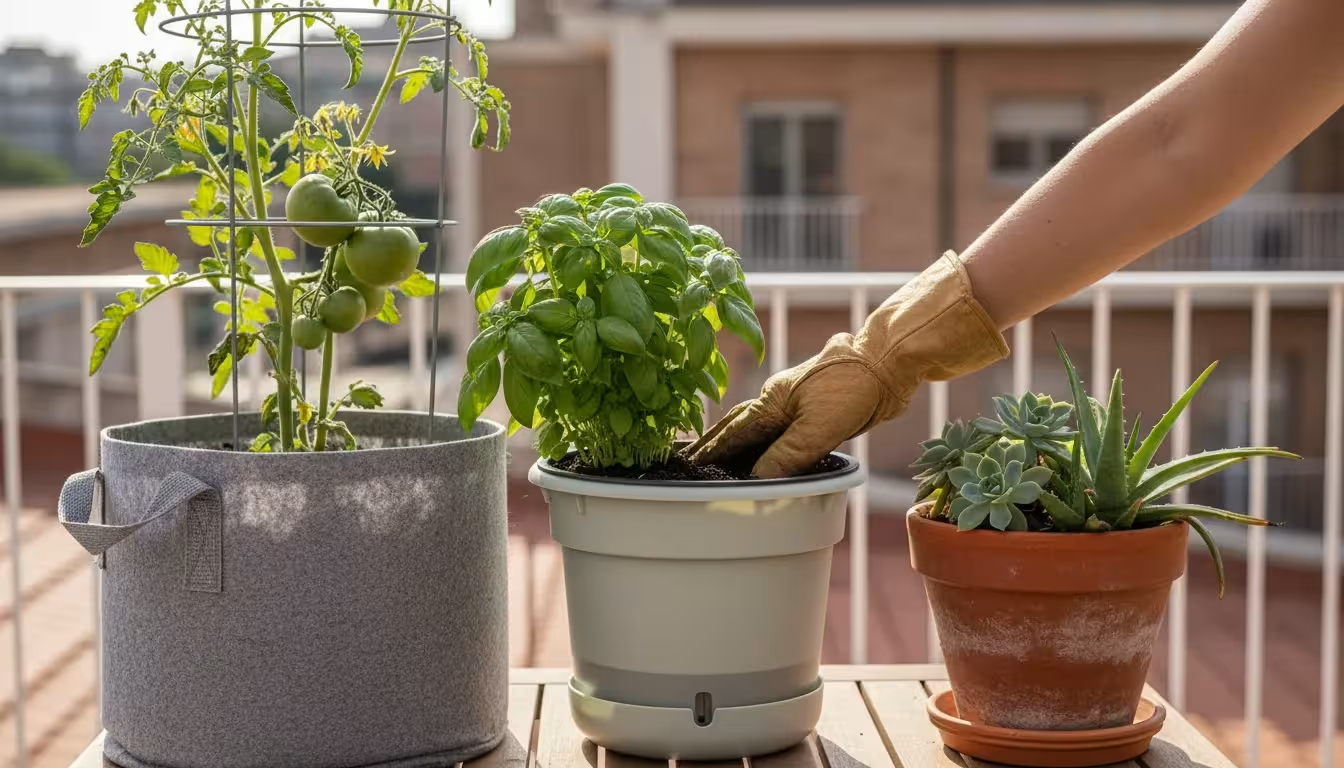
The “best” pot depends on your specific needs and gardening style, but generally, fabric grow bags and light-colored terracotta pots offer superior performance in managing summer heat.
Fabric grow bags excel in heat dissipation and air pruning for root health, making them the `best grow bags for heat`. Terracotta offers evaporative cooling and breathability.
If you use plastic, always choose light colors and consider double potting to mitigate heat absorption.
Do black pots really get too hot for plants, or is it an exaggeration?
No, it is not an exaggeration. `Do black pots get too hot for plants?` Yes, absolutely.
Black and other dark-colored pots absorb a significant amount of solar radiation, which can raise the soil temperature inside the pot by 10-20 degrees Fahrenheit or more above ambient air temperature.
This can easily lead to root damage and “root cooking,” severely stressing or killing your plants. Always avoid dark colors for containers exposed to direct summer sun, or implement strong shading and insulation strategies if you must use them.
How often should I water container plants in summer?
Watering frequency varies significantly based on `container materials`, pot size, plant type, and weather conditions. Plants in terracotta or fabric grow bags may need daily or even twice-daily watering during hot, sunny, or windy weather.
Plants in plastic pots might require watering every 1-3 days. The best approach is to check the soil moisture daily by sticking your finger 1-2 inches deep.
If it feels dry, it is time to water thoroughly. Larger pots retain moisture longer than smaller ones.
Can I paint my dark plastic pots to make them cooler?
Yes, painting dark plastic pots a lighter color, such as white or a light pastel, is an excellent strategy to reduce heat absorption. Lighter colors reflect sunlight, preventing the pot from heating up as much.
Use exterior-grade paint that can withstand the elements. This is an effective way to repurpose existing dark pots and improve their performance for `hot weather gardening`.
What is “air pruning” and why is it good for my plants?
Air pruning is a natural process where plant roots, upon reaching the permeable edge of a fabric grow bag, are exposed to air and stop growing outwards.
This encourages the plant to develop a denser, more fibrous root system internally, instead of circling around the pot as they do in hard-sided containers.
A fibrous root system is more efficient at absorbing water and nutrients, leading to a healthier, stronger plant that is better equipped to handle stress, including heat. This is a key benefit of using `best grow bags for heat`.
Final Thoughts for a Cooler Container Garden
Mastering `hot weather gardening` in containers means understanding the intricate relationship between `container materials`, plant health, and environmental factors. Your choice of pot is a foundational decision that directly impacts your plant’s ability to withstand summer’s intense heat.
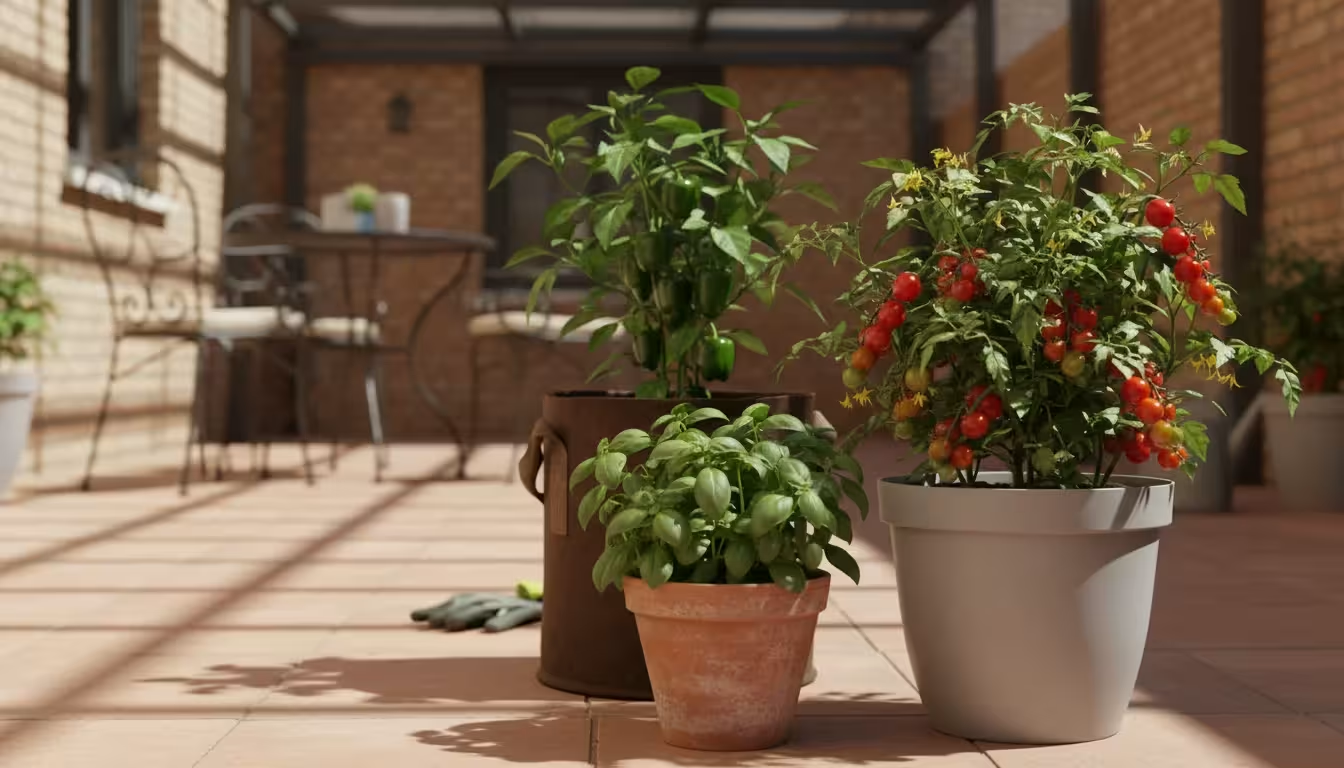
Whether you lean towards the classic evaporative cooling of terracotta, the versatile moisture retention of light-colored plastic, or the superior breathability and air pruning of fabric grow bags, each option comes with its own set of considerations.
Remember, the goal is to keep your plant’s roots cool and hydrated, preventing the detrimental effects of “root cooking.”
Beyond the pot itself, implementing strategies like using larger containers, selecting appropriate potting mix, watering strategically, providing shade, and mulching are all critical components of a resilient summer garden.
Being mindful of your `container materials` and adapting your practices will ensure your potted plants thrive even when temperatures soar.
Embrace these practical insights and experiment with different `best pots for summer` solutions. Your container plants will thank you with lush foliage, abundant blooms, and bountiful harvests.
Happy gardening, and may your summer garden remain joyfully cool!
For trustworthy gardening information, visit:
Michigan State University Extension — Gardening, University of Wisconsin Extension — Horticulture and Iowa State University Extension — Yard & Garden. These organizations provide expert, research-based advice for gardeners at all levels.
Disclaimer: This article is for informational purposes only and is not a substitute for professional gardening advice. Always consult local extension services or horticulture experts for region-specific guidance.