
Essential Principles for Bountiful Container Harvests
Achieving a high yield in your container garden goes beyond choosing the right plants. Success hinges on providing optimal growing conditions.
Understanding these core principles ensures your `vegetables in pots` receive everything they need to flourish and produce abundantly.
Maximizing productivity often involves using companion planting for small spaces to ensure your crops are thriving side-by-side.
Choosing the Right Containers
The pot itself plays a critical role. Its size, material, and drainage significantly impact plant health and productivity.
Smaller pots restrict root growth, which in turn limits plant size and fruit production. Always choose a container that is appropriately sized for the mature plant, erring on the side of larger if unsure.
- Size Matters: A general rule of thumb: larger plants like tomatoes need at least a 5-gallon container (approximately 12-14 inches in diameter and depth), while smaller plants like lettuce can thrive in 6-8 inch pots. Shallow-rooted herbs might do well in 4-6 inch pots. Deeper pots are always better for root vegetables.
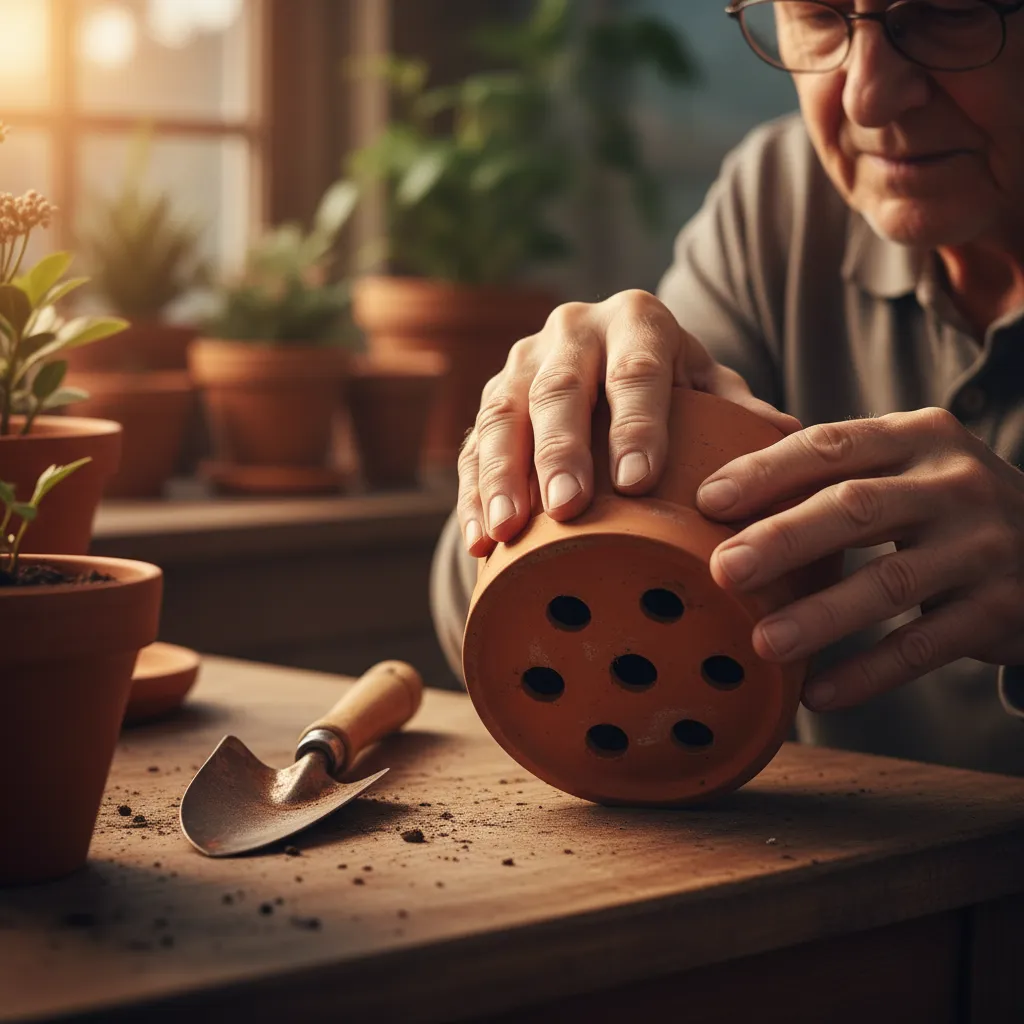
- Drainage Holes: This is non-negotiable. Containers must have drainage holes at the bottom to allow excess water to escape. Without proper drainage, roots sit in waterlogged soil, leading to root rot and plant death. If your pot lacks holes, drill them yourself.
- Material: Terracotta pots are attractive but dry out quickly, requiring more frequent watering. Plastic pots retain moisture better but can heat up in direct sun. Fabric grow bags offer excellent aeration and drainage, preventing root circling, and are often a top choice for `container gardening veggies`. Opt for lighter colors in hot climates to prevent roots from overheating.
The Foundation: Quality Potting Mix
Unlike garden soil, which can be too heavy and dense for containers, potting mix is specifically formulated to provide the ideal environment for potted plants. It ensures good drainage while retaining essential moisture and nutrients.
- Never Use Garden Soil: Garden soil compacts in pots, suffocating roots and impeding drainage. It also often contains weed seeds, pests, and diseases.
- Look for “Potting Mix” or “Container Mix”: These specialized mixes are lightweight, sterile, and designed for containers. They typically contain peat moss or coir (coconut fiber), perlite or vermiculite, and a starter dose of nutrients.
- Enhance Your Mix: You can amend a basic potting mix with compost (up to 20-30% by volume) to boost fertility and microbial activity, providing a slow-release source of nutrients for your `best crops small garden` will produce.
This is one of most useful articles! Bookmarked it. Thanks!