
Light: The Energy Source
Most vegetables are sun-lovers, requiring at least 6-8 hours of direct sunlight per day to produce a good yield. Without adequate light, plants become leggy, weak, and produce fewer flowers and fruits.
- Observe Your Space: Track how much direct sun your container gardening area receives throughout the day. South-facing locations generally offer the most sun.
- Rotate and Move: If light is limited, rotate your pots every few days or move them to follow the sun. This is a key advantage of `vegetables in pots`.
- Consider Shady Crops: If your space truly gets less than 6 hours of sun, focus on leafy greens like lettuce, spinach, and Swiss chard, which can tolerate partial shade.
Watering Wisdom
Consistent and appropriate watering is crucial. Container plants dry out much faster than in-ground plants due to increased air circulation around the pot and faster evaporation.
Irregular watering causes stress, leading to stunted growth, blossom drop, and reduced yields.
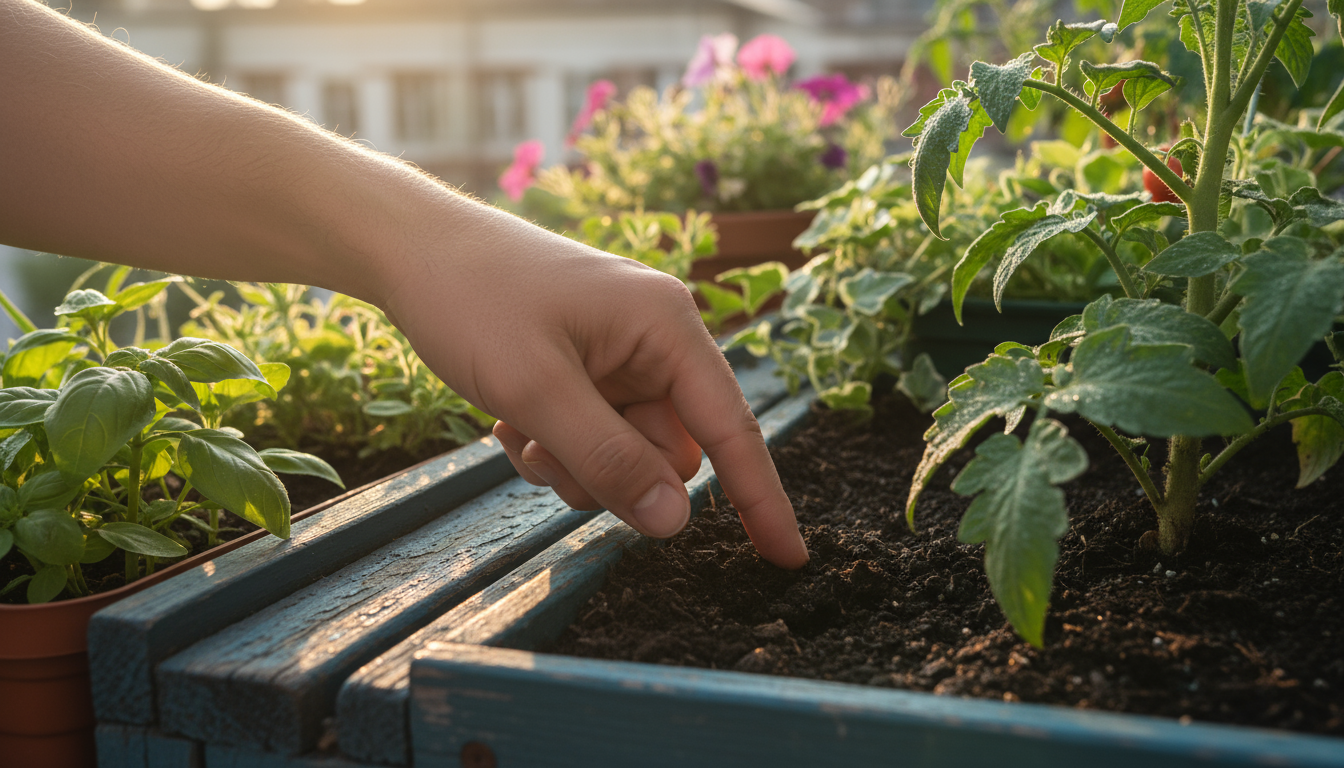
- Feel the Soil: The best way to determine if your plants need water is to stick your finger about an inch or two into the potting mix. If it feels dry, it’s time to water.
- Water Thoroughly: Water until it drains from the bottom of the pot. This ensures the entire root ball is moistened. Avoid frequent, shallow watering, which encourages shallow root systems.
- Timing is Key: Water in the morning or early evening to minimize evaporation and allow foliage to dry before nightfall, reducing disease risk.
- Adjust for Weather: Hot, windy weather or fast-growing plants demand more water. Smaller pots dry out quicker.
Nutrient Management: Feeding Your Plants
Potting mix provides some initial nutrients, but container plants quickly deplete them, especially high-yielding varieties. Regular feeding is essential for sustained growth and production.
- Start with Compost: As mentioned, mixing compost into your potting mix provides a gentle, slow-release nutrient source.
- Liquid Fertilizers: For a quick boost, use a balanced liquid fertilizer (like a 5-1-1 or 2-4-2 N-P-K ratio) every 2-4 weeks, following product instructions. You can also opt for organic options like fish emulsion or diluted compost tea.
- Slow-Release Granules: Incorporate slow-release granular fertilizers into the potting mix at the beginning of the season for continuous feeding.
- Observe Your Plants: Yellowing leaves, stunted growth, or poor flowering can indicate a nutrient deficiency. Adjust your feeding regimen accordingly.
This is one of most useful articles! Bookmarked it. Thanks!