
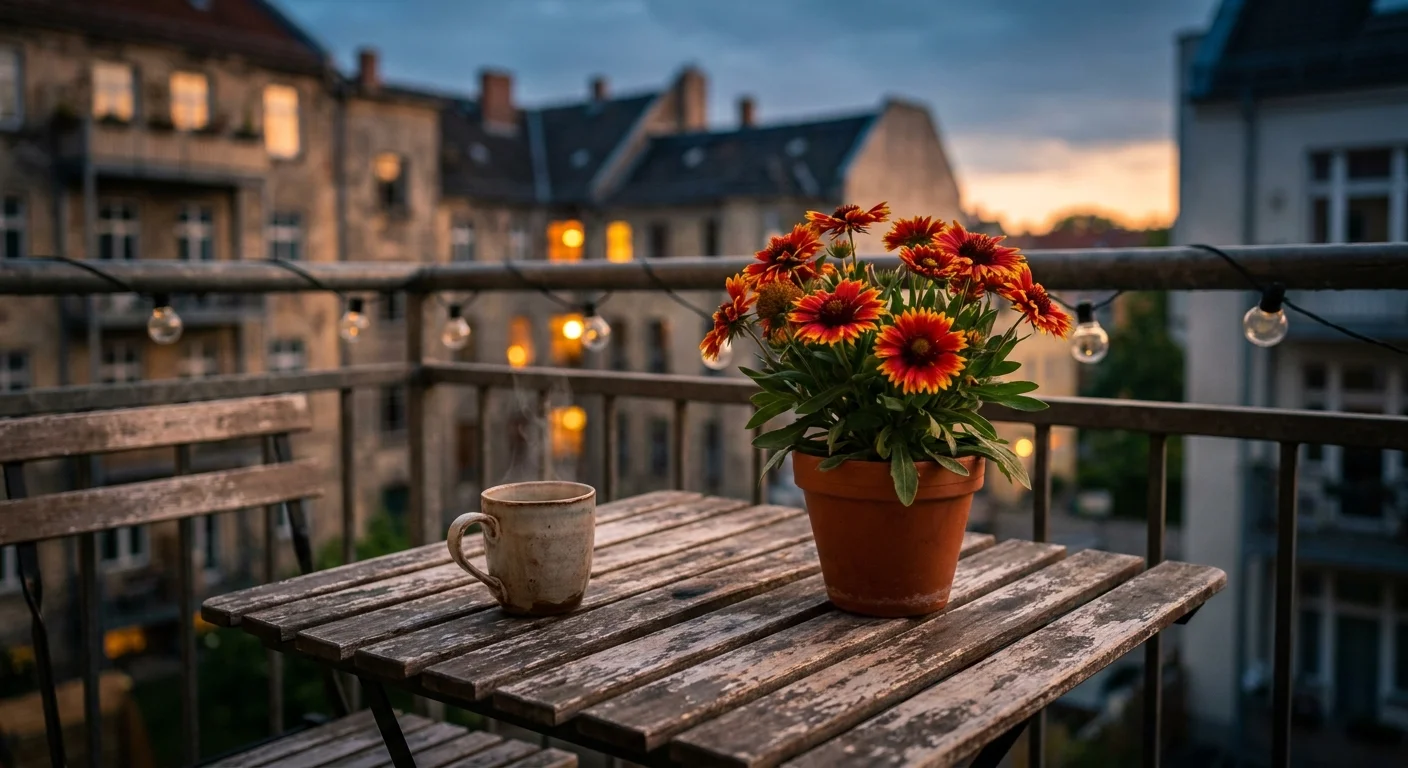
Planting perennials with multi-colored flowers instantly transforms cramped balconies and small patios into vibrant garden displays. These resilient plants return year after year, delivering complex layers of color—from vivid contrasting petals to subtle gradient hues—without requiring endless replanting.
When you maximize visual impact in a confined footprint, every single pot and planter works twice as hard to elevate your outdoor aesthetic. Selecting the right perennial flower varieties ensures long-lasting blooms, reliable growth, and lower maintenance across multiple seasons.
Whether you manage a sunny urban rooftop or a partially shaded courtyard, integrating bicolored species guarantees a dynamic, eye-catching landscape. Discover the most dependable options and the exact care techniques required to keep them thriving.
If you enjoy high-impact visuals, you might also consider adding color-changing flowers that shift their appearance as the season progresses.
Contents7 sections
- Why Choose Multi-Colored Perennials for Small Spaces
- Essential Soil and Drainage Tips for Flowering Perennials
- Top Nine Multi-Colored Perennials for Your Garden
- Designing a Colorful Balcony or Patio Layout
- Routine Maintenance for Vibrant Bicolor Blooms
- Eco-Friendly Pest Control and Troubleshooting
- Frequently Asked Questions
Why Choose Multi-Colored Perennials for Small Spaces
Gardening on a balcony, rooftop, or tiny patio forces you to make strict decisions about what earns a spot in your containers.
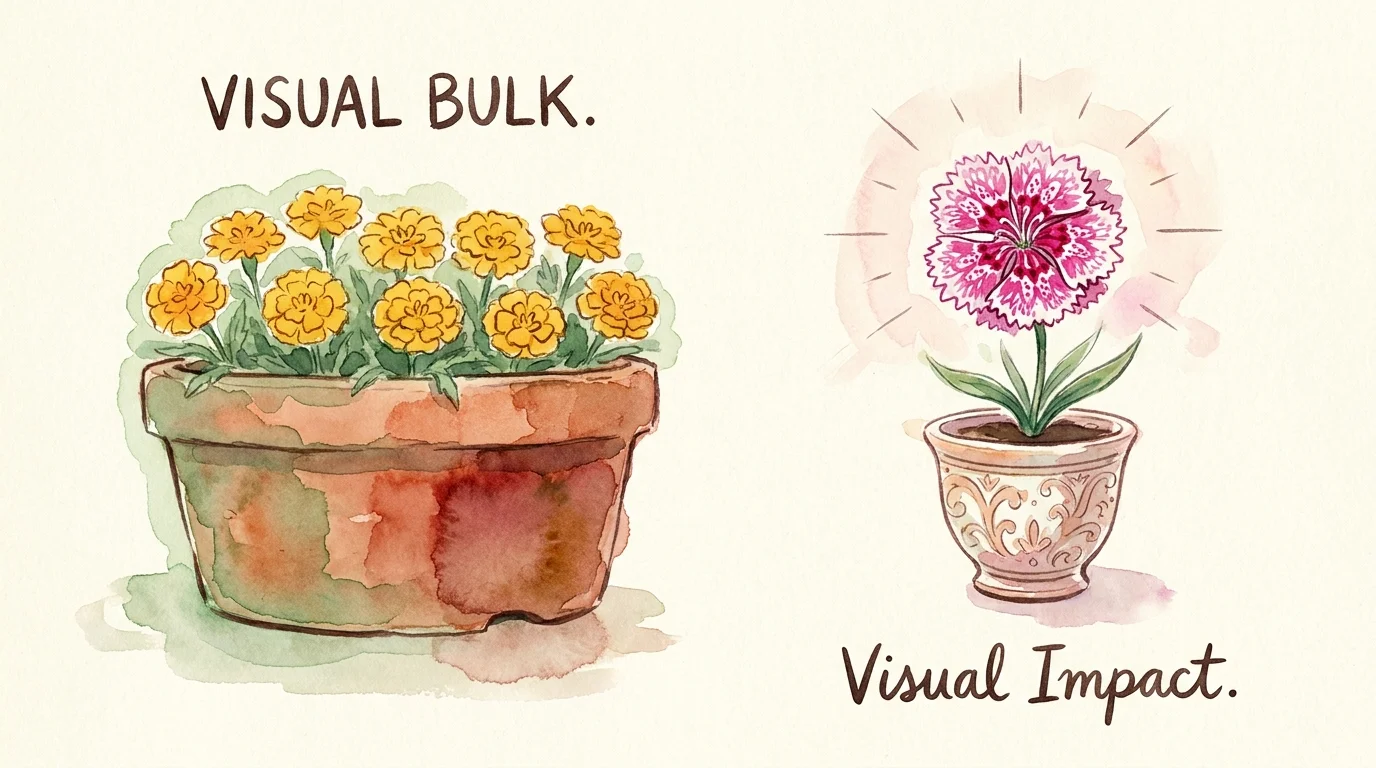
Single-color blooms look beautiful, but they often require mass planting—grouping ten or twenty of the same plant together—to create a striking visual impact. When you only have room for five or six pots, mass planting simply is not an option.
Multi-colored perennials solve this spatial dilemma by packing double or triple the visual interest into a single root system.
These colorful garden flowers feature intricate patterns, contrasting edges, or gradient fades on every single petal. A single pot containing a bicolor Dianthus or a two-toned Daylily delivers the same visual depth as a massive mixed border in a traditional backyard.
Because perennials survive the winter and regrow in the spring, you also save money and time; you avoid the annual chore of buying new starter plants and hauling heavy bags of fresh soil up to your apartment.
Furthermore, multicolored perennials act as built-in color palettes for your overall design. When a flower naturally combines purple and yellow, or crimson and white, you can use those specific hues to guide your choices for outdoor pillows, patio rugs, and decorative glazed pots.
The plant itself provides the design blueprint, making small-space decorating practically effortless.
Essential Soil and Drainage Tips for Flowering Perennials
Before you plant any perennial flower varieties, you must master the foundations of container soil and drainage. Gardeners frequently underestimate how heavily potted plants rely on soil structure.
Unlike ground soil, which benefits from deep earthworms and natural aeration, container soil compacts quickly. If the roots suffocate, your multicolored flowers will drop their buds and fade prematurely.
To build a more resilient ecosystem in a limited space, consider incorporating native plants that thrive in containers into your design.
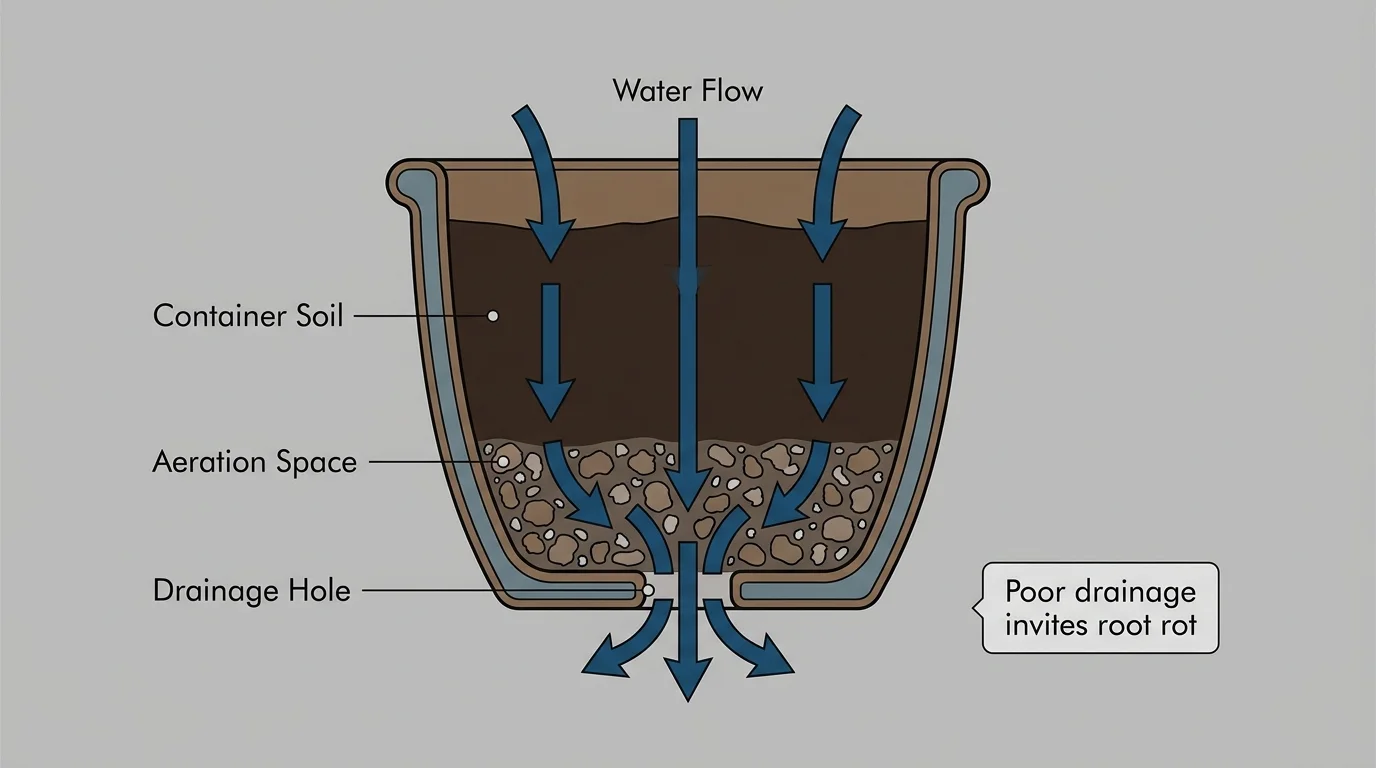
The term “drainage” simply refers to how quickly and efficiently water moves through the soil and out the bottom of your pot. When you pour water onto the soil surface, it should sink in immediately.
If the water pools on top for more than a few seconds, your drainage is too slow. Poor drainage causes the soil to remain waterlogged, which invites root rot—a fungal disease that destroys the plant from the bottom up.
To guarantee proper drainage, absolutely every container you use must feature at least one large drainage hole at the base.
Never scoop standard topsoil out of the ground for your containers; it is far too dense and carries weed seeds. Instead, create a lightweight, nutrient-rich custom blend designed specifically for potted flowering perennials.
| Soil Component | Percentage | Purpose in Container Gardening |
|---|---|---|
| High-Quality Potting Mix | 60% | Provides the lightweight base structure and retains adequate moisture for the roots. |
| Organic Compost | 20% | Delivers slow-release nutrients and beneficial microbes to support vibrant petal colors. |
| Perlite or Pumice | 20% | Small white volcanic rocks that prevent soil compaction, allowing oxygen to reach the root system. |
Mix these components thoroughly in a wheelbarrow or large plastic bin before filling your planters. This specific ratio ensures your plants receive the moisture they need without sitting in stagnant water.
Top Nine Multi-Colored Perennials for Your Garden
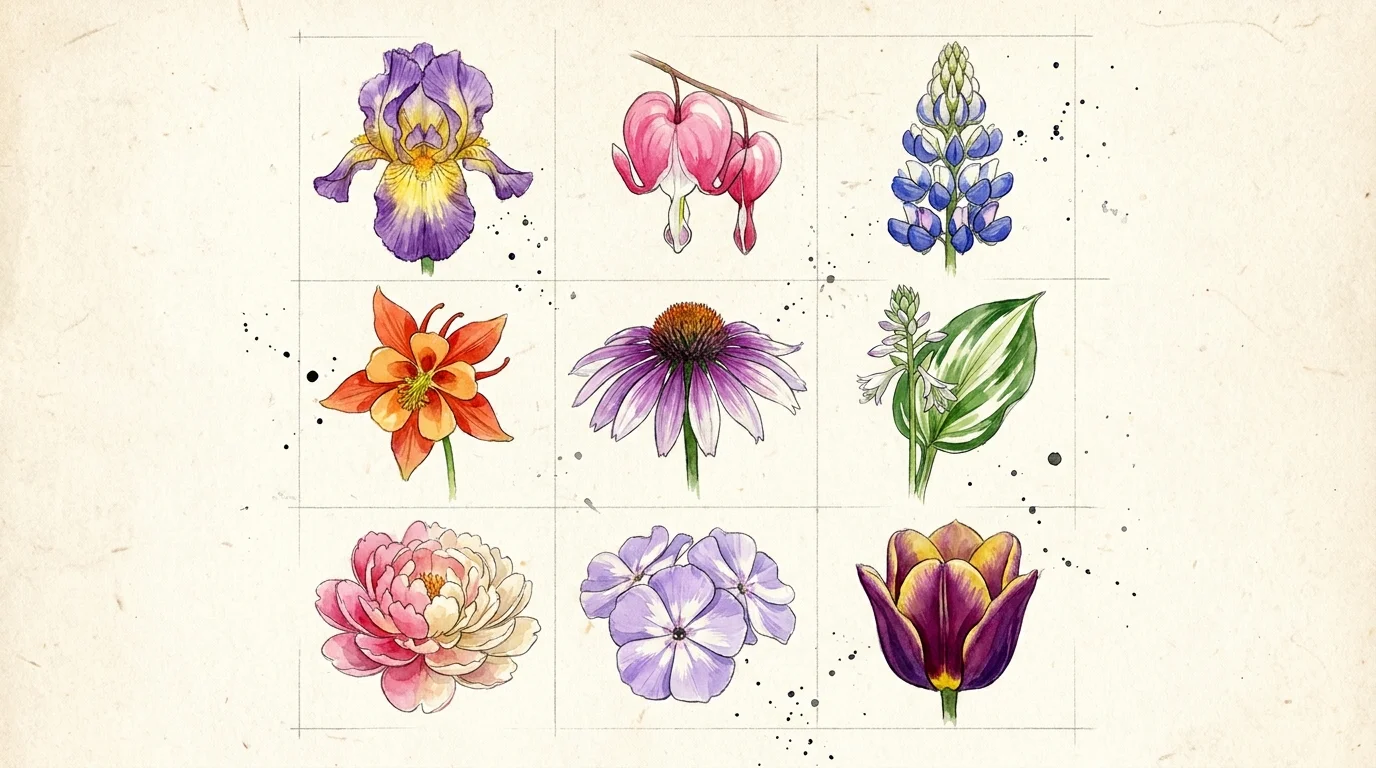
Selecting the right plant for your specific microclimate—the unique combination of sunlight, wind, and temperature on your patio—ensures gardening success. The following nine multicolored perennials thrive in containers and small yards, offering brilliant hues year after year.
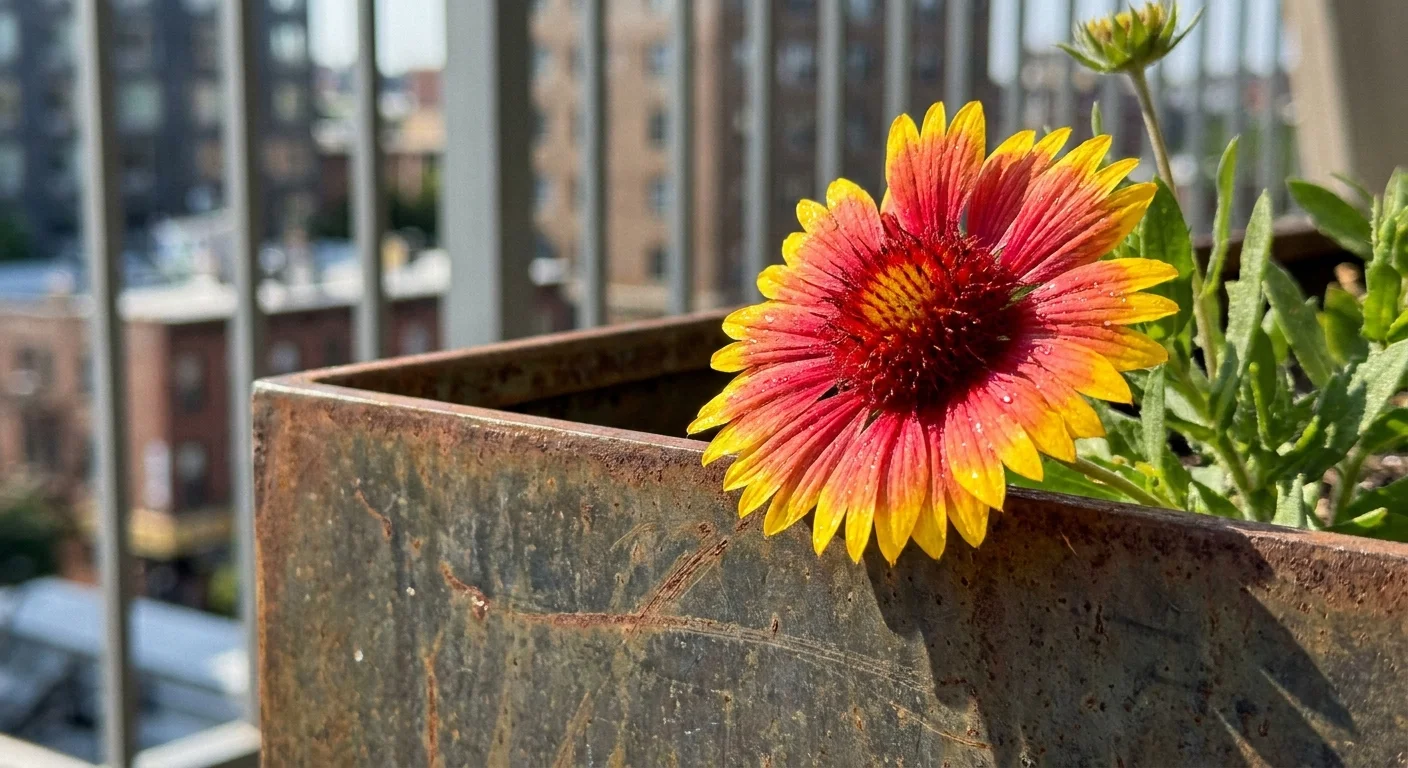
1. Blanket Flower (Gaillardia aristata)
If your balcony resembles a sun-baked desert by mid-July, Blanket Flower is your ideal companion. These incredibly tough perennials produce daisy-like blooms featuring deep crimson centers that bleed into fiery orange and bright yellow tipped edges.
Growing only 12 to 18 inches tall, they fit perfectly into medium-sized terracotta pots. Blanket Flowers demand full sun—at least six to eight hours of direct light daily—and tolerate dry spells beautifully.
Allow the top two inches of soil to dry out completely before watering them again to prevent rot.
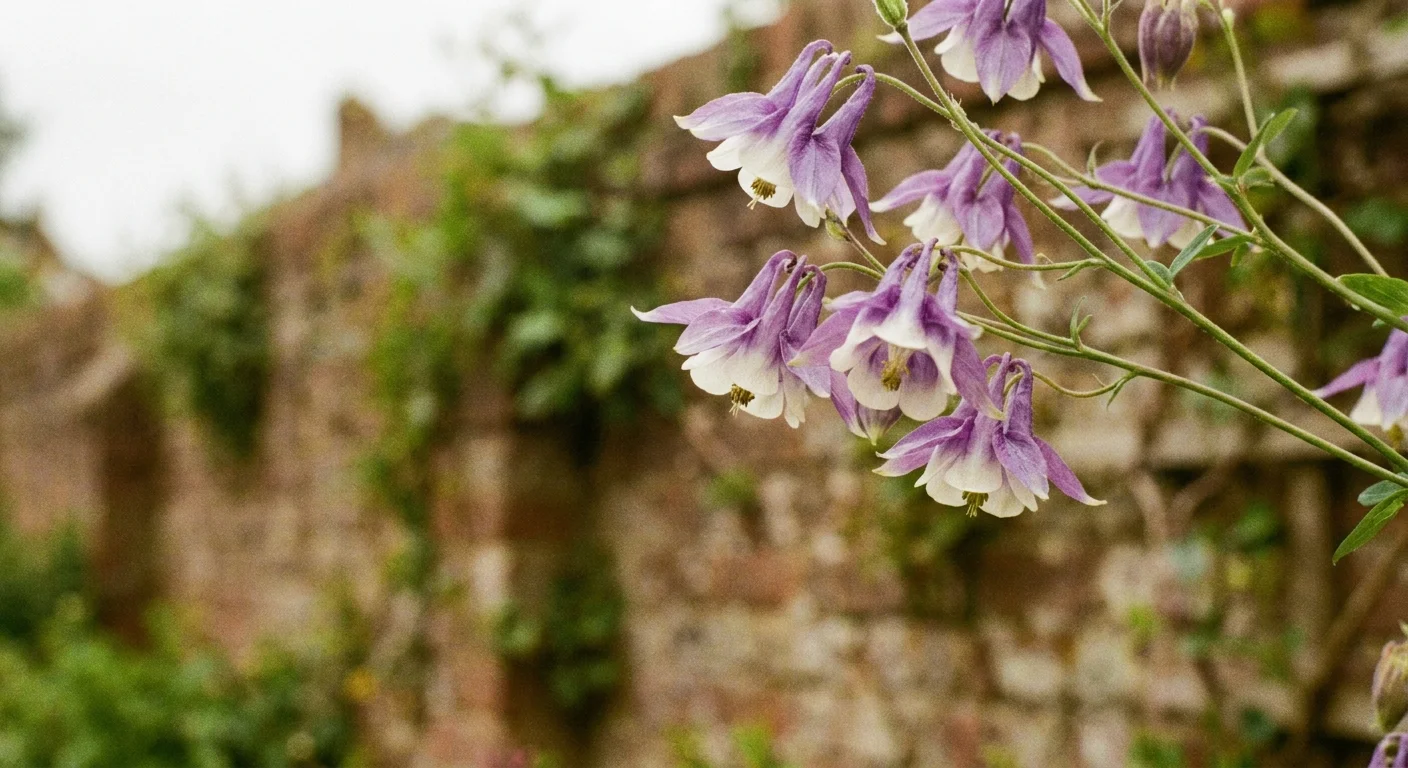
2. Columbine (Aquilegia)
For gardeners dealing with partial shade, Columbine offers delicate, intricate beauty. Their fascinating flowers feature long rearward-facing spurs and frequently display two distinct colors, such as deep violet outer petals contrasting with a pristine white inner corolla.
The ‘Origami’ series is particularly well-suited for small containers, reaching just 14 to 16 inches in height. Plant Columbines in soil that stays consistently moist but never soggy, and shield them from the harsh afternoon sun to prolong their spring blooming period.
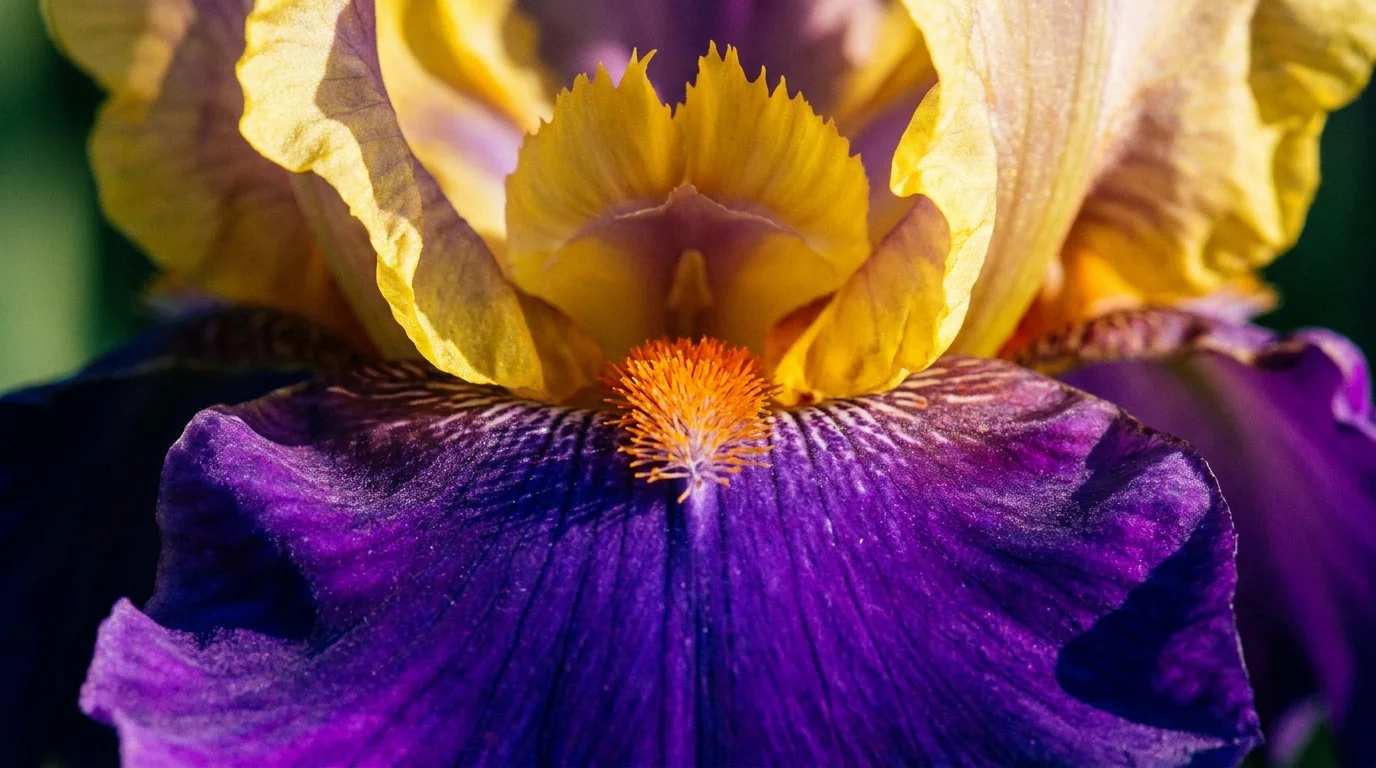
3. Bearded Iris (Iris germanica)
Bearded Irises deliver an unparalleled architectural presence. Their sword-like foliage looks stunning even when the plant is not in bloom.
When they do flower, many varieties showcase breathtaking bicolors; for example, a flower might feature pale peach upper petals (called standards) and deep maroon lower petals (called falls).
Because they grow from thick underground stems called rhizomes, Irises require wide, shallow pots rather than deep ones. When planting, leave the top half of the rhizome exposed to the sun and air; burying it completely will cause it to rot.
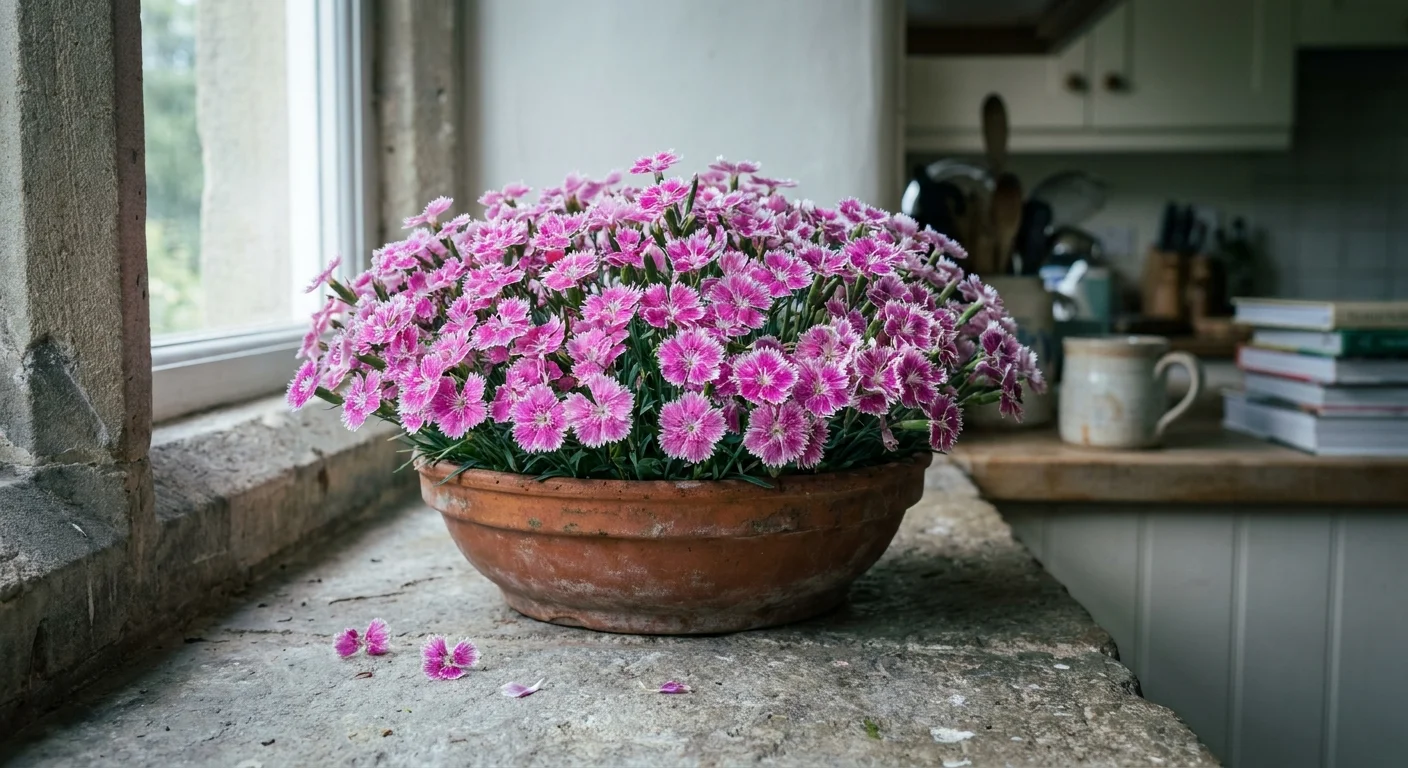
4. Cheddar Pinks (Dianthus gratianopolitanus)
Dianthus is a powerhouse for small-space gardeners looking for fragrant garden plant ideas. These low-growing, mounding perennials rarely exceed a foot in height, making them perfect for the very front of a mixed planter or spilling over the edge of a window box.
Varieties like ‘Fire Star’ feature jagged, bright pink outer petals surrounding a bold crimson central eye. Dianthus foliage remains an attractive silvery blue-green all year in mild climates.
They require excellent drainage and prefer slightly alkaline soil, so consider mixing a small handful of crushed eggshells into their potting mix.
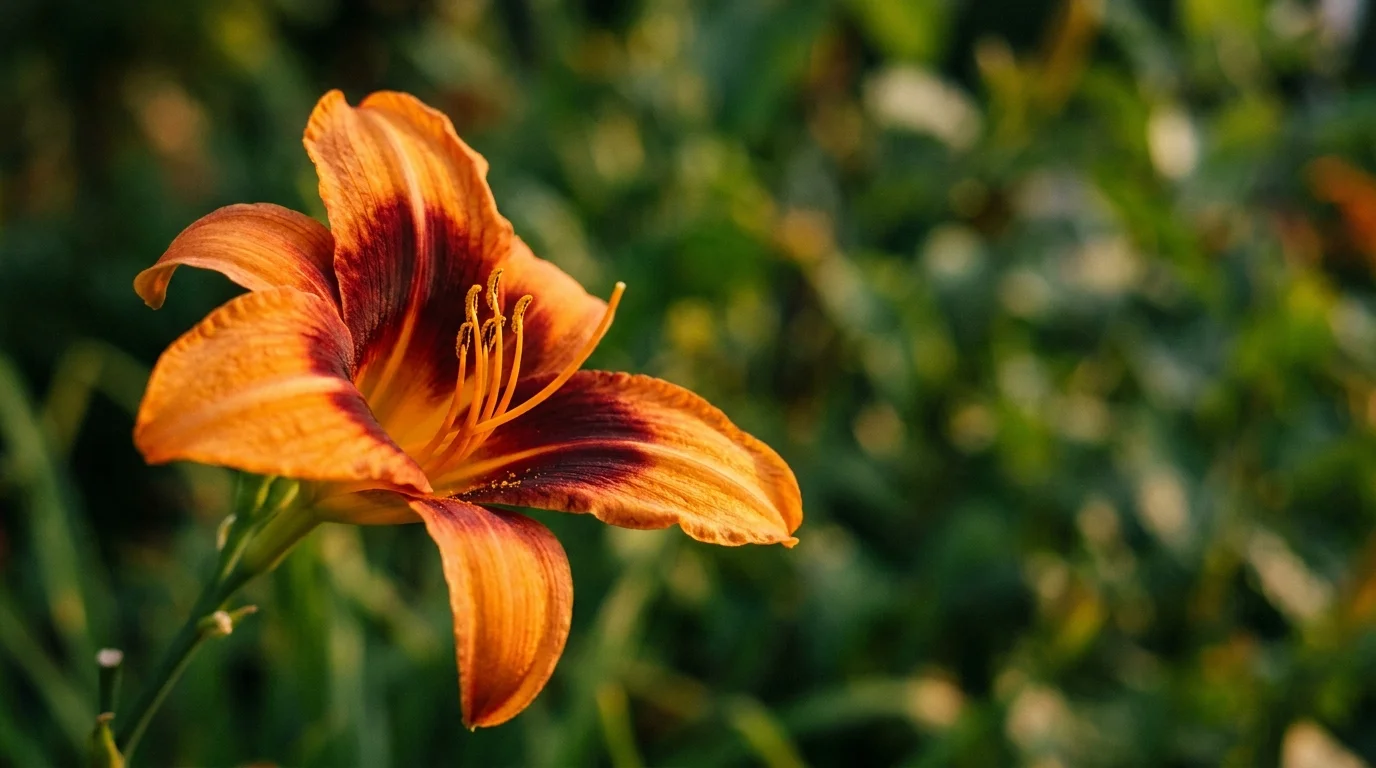
5. Daylily (Hemerocallis)
Do not let the name fool you; while an individual daylily flower lasts only a single day, a mature plant produces dozens of buds that open sequentially for weeks on end.
For multicolored impact, seek out varieties like ‘Frans Hals’, which boasts alternating petals of rusty red and golden yellow. Daylilies possess thick, tuberous roots designed to store water, making them highly resilient if you occasionally forget to water them.
Give them a pot at least 14 inches deep to accommodate their vigorous root system, and place them in full sun to maximize bud production.
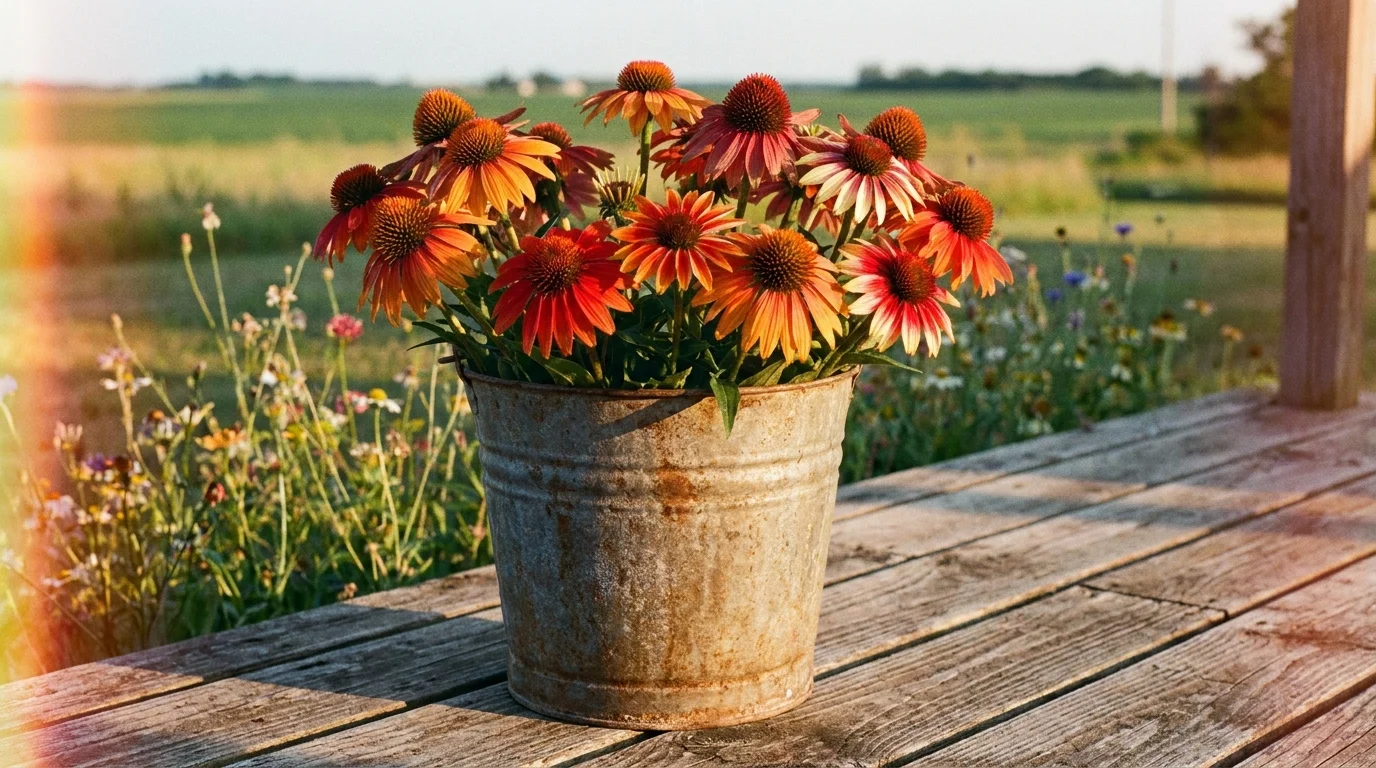
6. Coneflower (Echinacea ‘Cheyenne Spirit’)
While traditional Coneflowers are purely purple, the ‘Cheyenne Spirit’ variety is a genetic marvel. A single plant can simultaneously push out blooms in shades of red, orange, yellow, magenta, and cream.
As the flowers age, their colors shift and fade, creating a living sunset on your patio. Coneflowers produce a long taproot—a thick central root that drills straight down—so they demand a tall, deep container.
They are highly attractive to pollinators, drawing butterflies throughout the summer and goldfinches in the autumn when the flowers turn to seed.
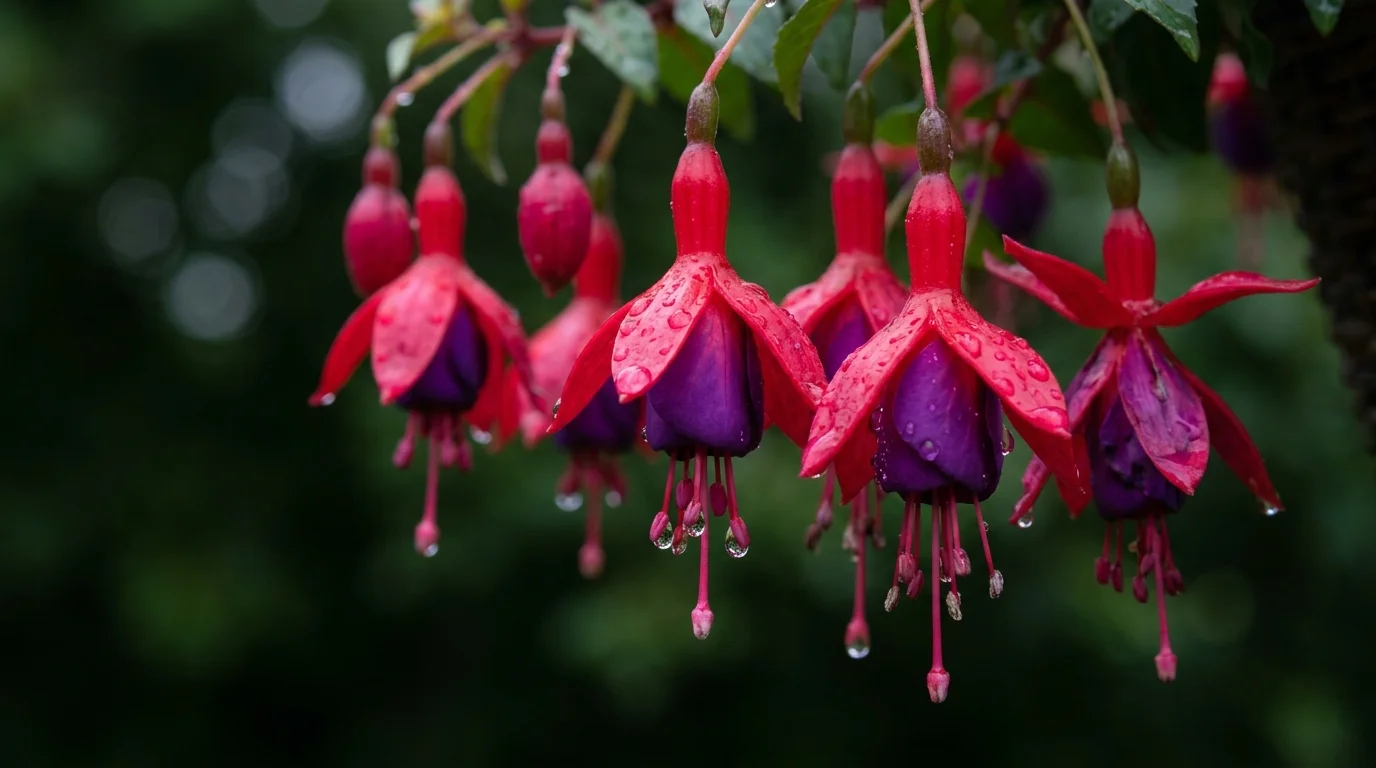
7. Hardy Fuchsia (Fuchsia magellanica)
Unlike the tender annual Fuchsias often sold in hanging baskets, Hardy Fuchsias act as woody perennials in zones 6 and warmer. Their distinct, nodding, teardrop-shaped flowers almost always feature a striking two-tone design, typically pairing bright red outer sepals with a deep purple inner skirt.
They excel in shaded or dappled-light areas where other brightly colored flowers struggle. Keep their soil consistently moist and mulch the top of the container with shredded bark to keep the root zone cool during July and August.
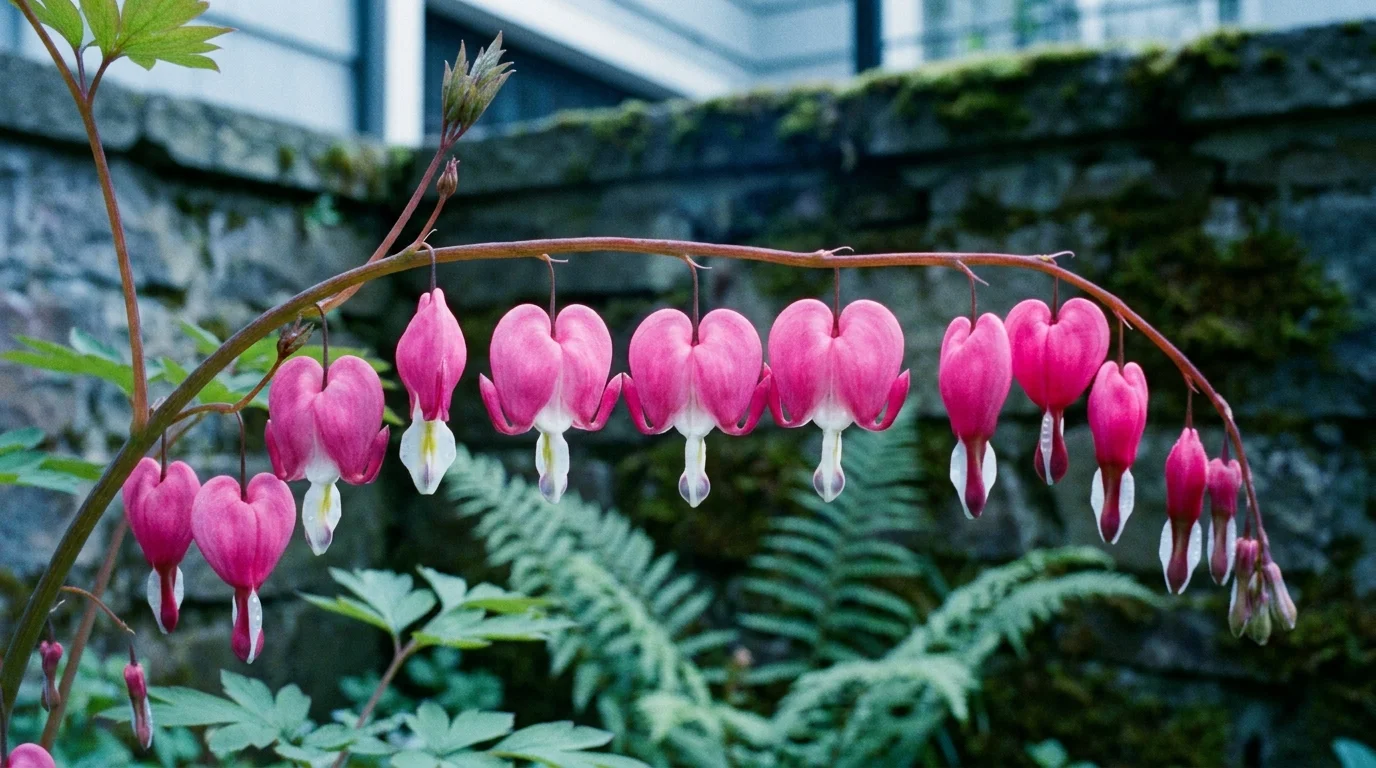
8. Bleeding Heart (Dicentra spectabilis)
Bleeding Hearts are the classic woodland perennial, famously recognized for their arching stems adorned with rows of perfect, heart-shaped, pink-and-white bicolor flowers. They perform brilliantly in shaded courtyard gardens or on north-facing balconies.
Bleeding Hearts emerge early in the spring and put on a spectacular show before retreating. It is entirely normal for their foliage to yellow and die back in the heat of late summer; they are simply entering dormancy.
Plant them alongside later-blooming shade plants like Hostas to fill the empty space once they fade.
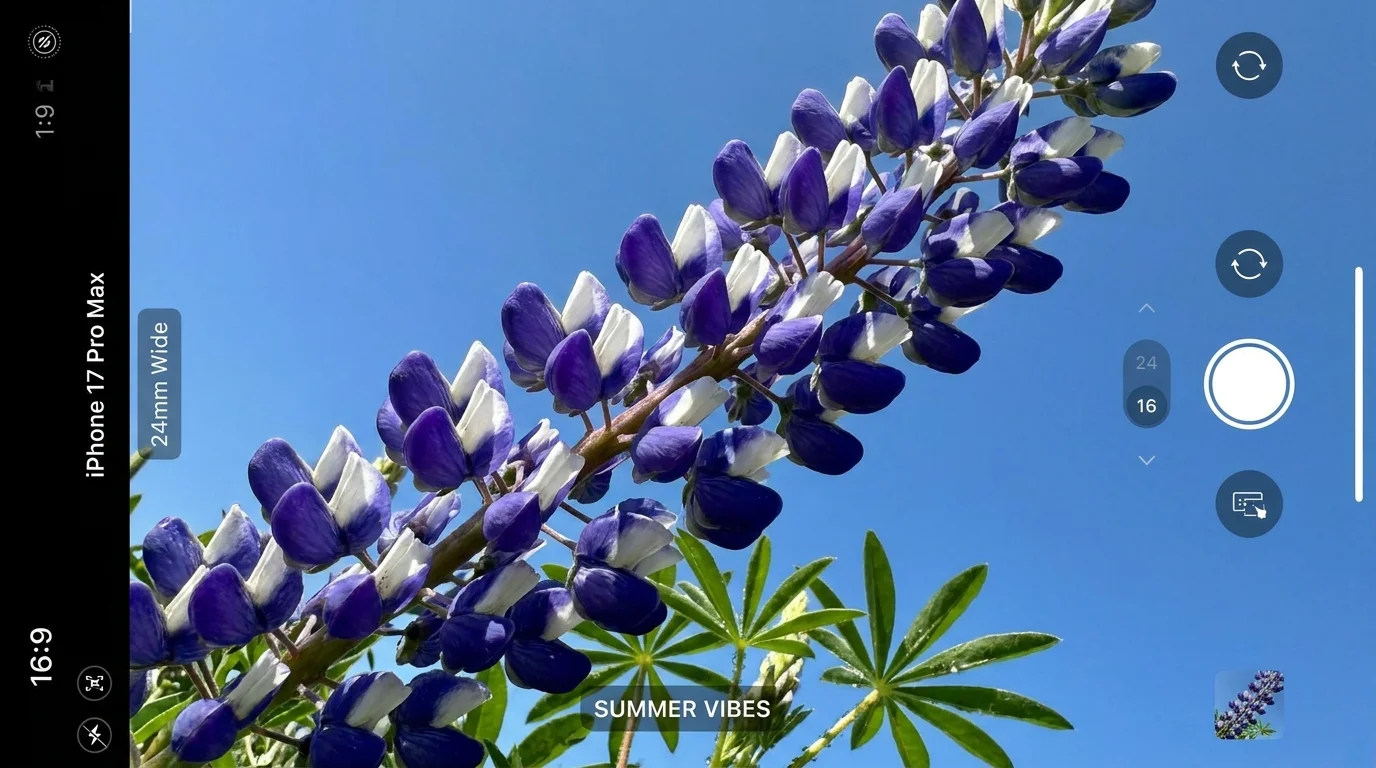
9. Lupine (Lupinus polyphyllus)
Lupines produce tall, dramatic floral spikes composed of dozens of small, pea-like flowers. Many modern hybrids, such as the ‘Russell Hybrids’, feature intense bicolor combinations like purple and yellow or pink and white.
They prefer cooler summer temperatures and absolutely resent high humidity. Like Coneflowers, Lupines possess a deep taproot and require a substantial, deep pot.
They also fix their own nitrogen from the atmosphere into the soil, meaning you rarely need to apply supplemental chemical fertilizers to keep them thriving.
Designing a Colorful Balcony or Patio Layout
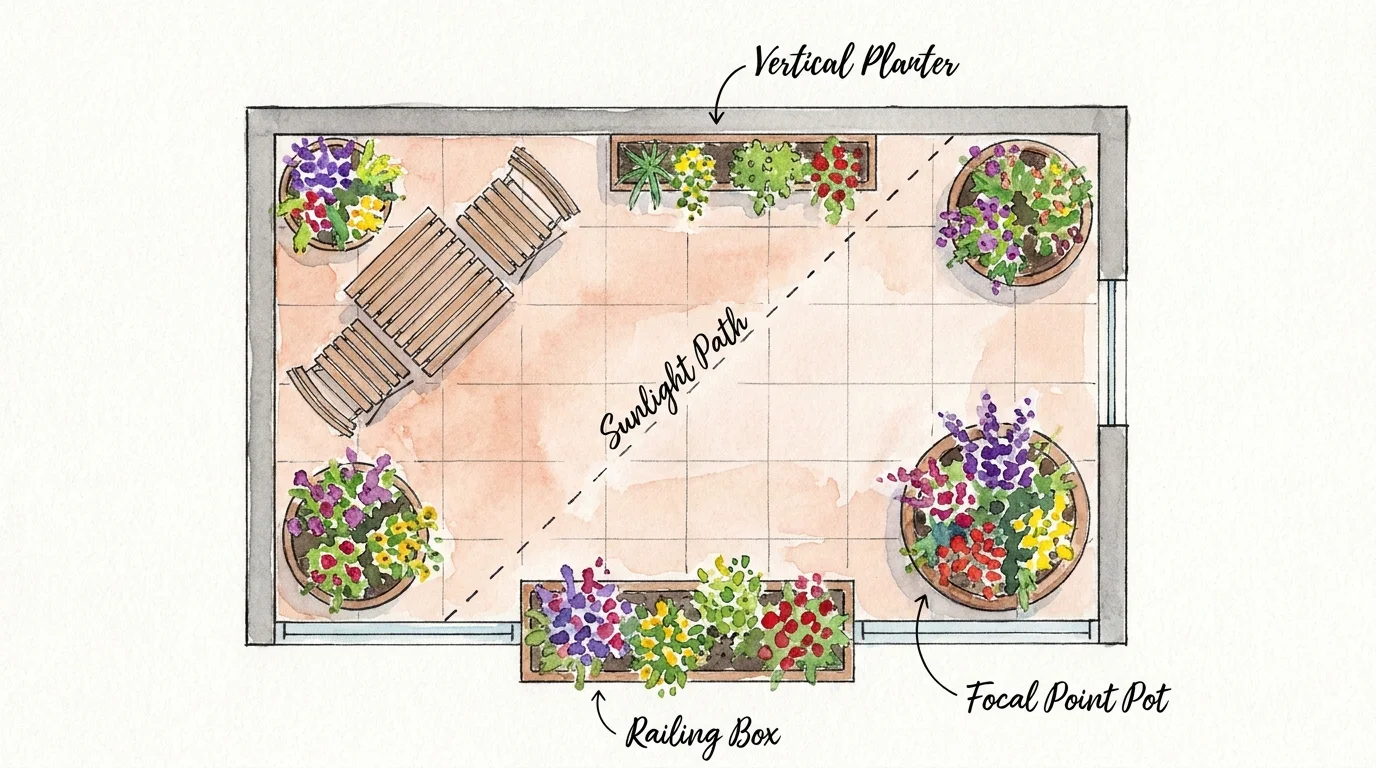
Arranging your multicolored perennials requires a strategic approach to prevent your small space from looking chaotic. Because these flowering perennials already contain complex color patterns, surrounding them with highly patterned pots or too many competing species creates visual clutter.
Stick to solid-colored, neutral containers—such as classic terracotta, slate gray, or matte white—to allow the complex blooms to serve as the focal point.
Employ the classic “thriller, filler, spiller” design method when combining plants in a large, shared container. The “thriller” is your tall, dramatic centerpiece, such as a bicolor Lupine or Bearded Iris.
The “filler” plants occupy the middle space, adding bulk and consistent color; a compact Blanket Flower serves this role perfectly. Finally, the “spiller” trails over the edge of the pot to soften the hard lines of the container, a job well-suited for mounding Dianthus.
Pay strict attention to lighting zones on your balcony. Map the sunlight by observing your space at 9:00 AM, 1:00 PM, and 4:00 PM.
Group your shade-loving Bleeding Hearts and Hardy Fuchsias in the corners that receive harsh afternoon shadows, and position your sun-worshipping Coneflowers and Daylilies along the brightest, most exposed railing.
Grouping plants with identical light and watering needs in the same area—a practice called hydro-zoning—drastically reduces your maintenance workload.
Routine Maintenance for Vibrant Bicolor Blooms
Container-grown perennials rely entirely on you for their continued health and vibrancy. Implementing a consistent, seasonal maintenance routine ensures your plants push out the brightest possible multi-colored flowers while remaining compact enough for a small space.
Fertilizing for Floral Production: Every time you water a potted plant, a small amount of nutrients washes out of the bottom drainage hole. To replenish these lost nutrients, apply a slow-release granular fertilizer in early spring as new growth emerges.
Look at the three numbers on the fertilizer bag, which represent the N-P-K ratio (Nitrogen, Phosphorus, and Potassium). Choose a blend where the middle number (Phosphorus) is higher than the first—such as a 5-10-5 formulation.
Nitrogen fuels leafy green growth, but Phosphorus specifically fuels root development and abundant flower production.
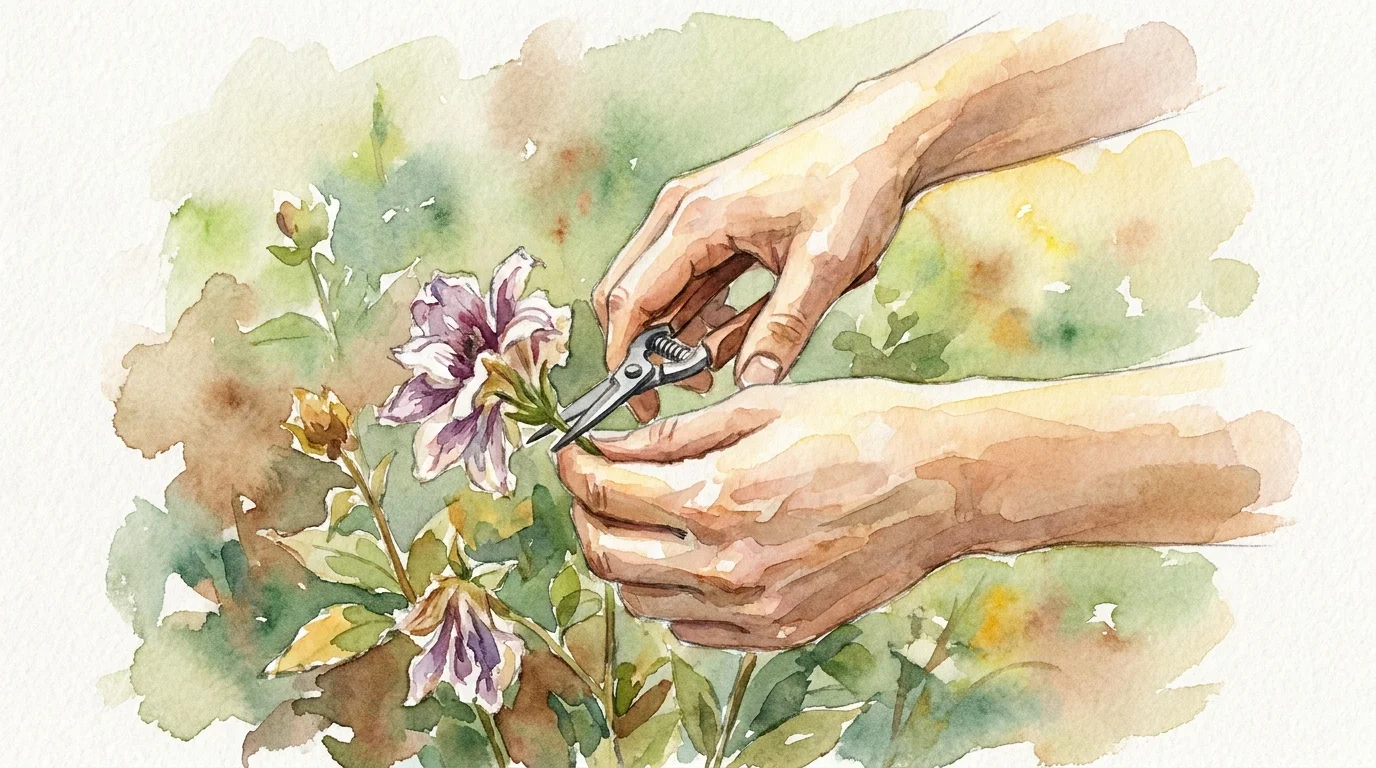
Mastering the Art of Deadheading: Deadheading simply means removing flowers once they wither and fade. If you leave dead flowers on the stem, the plant shifts its energy away from creating new blooms and focuses entirely on producing seeds.
By using sharp bypass pruners to snip off the fading flowers just above the next healthy leaf node, you trick the perennial into producing a second or even third flush of colorful blooms.
Dividing Overgrown Containers: After two or three years, vigorous perennials like Daylilies and Irises will outgrow their pots. Their root systems will circle the inside of the container, leaving no room for soil or water.
In early spring or early autumn, gently pull the entire plant out of its pot. Use a clean, sharp garden knife or an old hand saw to slice the root ball straight down the middle, creating two separate plants.
Repot one half with fresh soil, and give the other half to a neighbor or friend. Division rejuvenates the perennial, ensuring stronger growth and larger multi-colored flowers the following season.
Eco-Friendly Pest Control and Troubleshooting
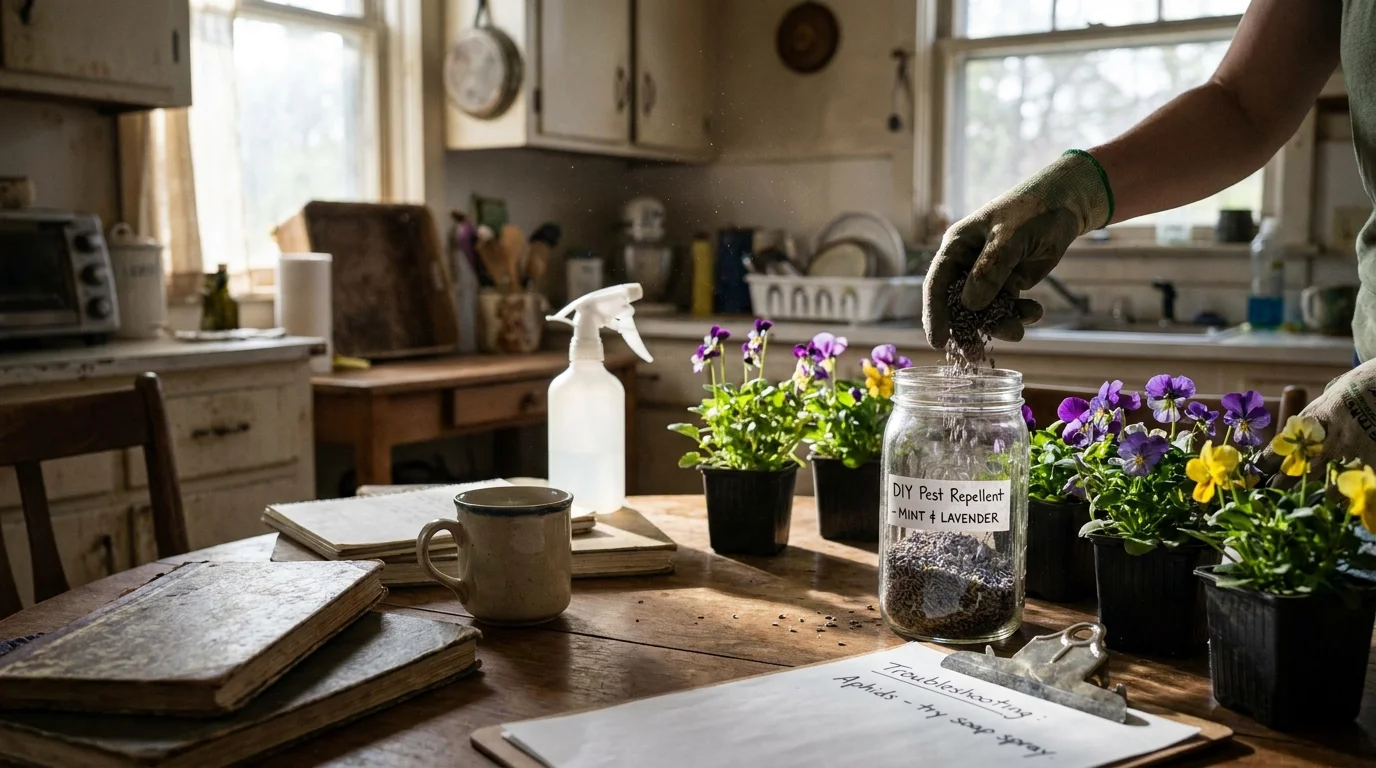
Small-space gardens provide a wonderful opportunity to practice eco-friendly horticulture. Because your pots are in close proximity to your living space, avoiding harsh synthetic pesticides keeps your patio safe for pets, children, and native pollinators.
A healthy, unstressed plant possesses natural defenses against pests. Overwatering, under-fertilizing, or placing a sun-loving plant in deep shade causes stress, making the plant a target for infestations.
If you spot tiny, pear-shaped insects clustered on the stems of your Columbines or Lupines, you likely have aphids. Instead of reaching for a chemical spray, simply blast them off the foliage with a strong jet of water from your hose or watering can.
If they persist, mix one tablespoon of pure, cold-pressed Neem oil and half a teaspoon of mild liquid dish soap into a quart of water.
Spray this natural mixture directly onto the pests in the early evening, avoiding application during the hot midday sun to prevent leaf burn.
Powdery mildew—a white, dusty fungal growth on the leaves—frequently attacks perennials packed too tightly together on balconies with poor air circulation. Prevent this by leaving a few inches of empty space between your pots so the wind can move freely through the foliage.
When you water, aim the spout directly at the soil line; wetting the leaves late in the evening encourages fungal spores to germinate overnight.
Frequently Asked Questions
Do multi-colored perennials lose their dual colors over time?
True multi-colored perennials, such as specific Iris or Dianthus cultivars, have their color patterns written into their genetics; they will not permanently lose their bicolor traits.
However, extreme heat stress, prolonged drought, or a severe lack of soil nutrients can temporarily cause the secondary colors to look washed out or faded. Restoring proper watering and applying a phosphorus-rich fertilizer usually corrects the issue by the next blooming cycle.
Can I grow bicolored perennials indoors?
Most flowering perennials perform very poorly indoors. They require intense, direct outdoor sunlight to generate the energy needed for complex bloom production.
Furthermore, perennials naturally require a period of winter dormancy—triggered by freezing or near-freezing temperatures—to reset their biological clocks. Without this winter chill, they often fail to bloom the following year.
It is highly recommended to keep them on an outdoor balcony, porch, or patio.
How often should I water perennial flowers in containers?
There is no rigid calendar schedule for watering, as it depends entirely on your local weather, pot size, and plant species. As a general rule, stick your index finger two inches deep into the potting soil.
If the soil at your fingertip feels dry, it is time to water thoroughly until liquid escapes the bottom drainage hole.
During a July heatwave, this might mean watering every single day; during a cool, cloudy week in October, you might only water once every ten days.
Will these flowering perennials survive freezing winters in pots?
Plants in containers are more vulnerable to winter cold than plants in the ground because their roots lack the insulating warmth of the deep earth. To ensure survival, choose perennial varieties that are rated at least two USDA hardiness zones colder than your actual location.
For example, if you live in Zone 6, look for plants hardy to Zone 4. You can also protect them by moving the pots against a sheltered, south-facing brick wall of your apartment, or by wrapping the pots in burlap or bubble wrap from December through March.
For trustworthy gardening information, visit:
Brooklyn Botanic Garden, Chicago Botanic Garden and New York Botanical Garden. These organizations provide expert, research-based advice for gardeners at all levels.
Disclaimer: This article is for informational purposes only and is not a substitute for professional gardening advice. Always consult local extension services or horticulture experts for region-specific guidance.