
Troubleshooting Common Container Gardening Issues
Even with the best intentions, you might encounter challenges when growing `vegetables in pots`. Identifying and addressing these issues promptly ensures your `container gardening veggies` remain healthy and productive.
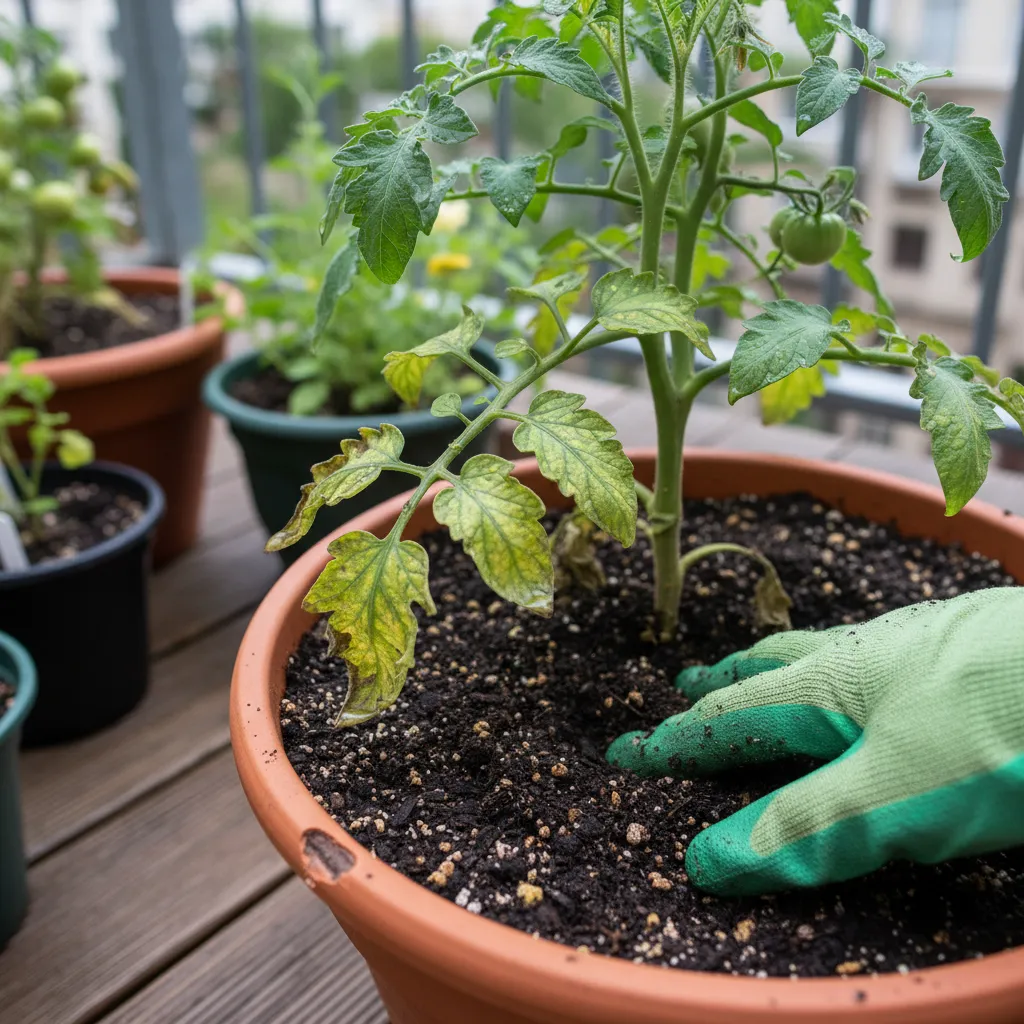
Yellowing Leaves
Yellow leaves are a common symptom with several potential causes:
- Nutrient Deficiency:
- Symptom: Older leaves turning yellow, especially between the veins.
- Solution: Your plants likely need more nitrogen. Apply a balanced liquid fertilizer or incorporate compost into the top layer of your potting mix. For consistent feeding, consider using slow-release granules at planting.
- Overwatering:
- Symptom: Leaves yellowing and possibly drooping, soft stems, foul smell from soil.
- Solution: Ensure your pot has adequate drainage holes. Allow the top inch or two of soil to dry out before watering again. Reduce watering frequency. If root rot is severe, repotting into fresh, drier potting mix may be necessary.
- Underwatering:
- Symptom: Leaves yellowing and crispy, wilting, soil pulling away from pot edges.
- Solution: Water thoroughly until water drains from the bottom. Establish a more consistent watering schedule, checking soil moisture daily in hot weather. Mulching the top of the pot helps retain moisture.
Wilting Plants
Wilting means your plant is struggling to get enough water to its leaves. This can be caused by both too much and too little water, or extreme heat.
- Underwatering:
- Symptom: Plant looks droopy, leaves may feel dry and crisp. Occurs when soil is dry to the touch.
- Solution: Water immediately and thoroughly. For severely dry pots, soak the entire pot in a basin of water for 30 minutes to rehydrate the soil.
- Overwatering (Root Rot):
- Symptom: Plant looks droopy even when the soil is wet, leaves may also be yellow. Roots are rotting and cannot absorb water.
- Solution: Assess drainage. Reduce watering. If severe, carefully lift the plant, trim off any mushy, brown roots, and repot into fresh, well-draining potting mix.
- Heat Stress:
- Symptom: Leaves droop during the hottest part of the day, but perk up in the evening.
- Solution: This is often a natural defense mechanism. Ensure plants are well-watered in the morning. If possible, move pots to a location that receives afternoon shade on extremely hot days.
Blossom Drop / No Fruit Set
Flowers form, but then fall off without producing fruit, especially common in tomatoes, peppers, and squash.
- Extreme Temperatures:
- Symptom: Flowers fall off during very hot (above 90°F / 32°C) or very cold (below 55°F / 13°C) spells.
- Solution: Move pots to a cooler, shadier spot during heatwaves, or protect them from unexpected cold.
- Poor Pollination:
- Symptom: Flowers develop but fail to swell into fruit, particularly noticeable in squash and cucumbers.
- Solution: Encourage pollinators by planting flowering herbs nearby. If pollinators are absent, hand-pollinate by gently transferring pollen from male to female flowers with a small brush.
- Nutrient Imbalance:
- Symptom: Lush green leaves but few or no fruits. Often due to too much nitrogen.
- Solution: Use a fertilizer higher in phosphorus and potassium (the middle and last numbers in N-P-K) once plants begin flowering.
Pests and Diseases
Regular inspection is the best defense. Common container pests include aphids, spider mites, and whiteflies.
Diseases can include powdery mildew or various blights.
- Aphids / Spider Mites / Whiteflies:
- Symptom: Small insects on leaves and stems, sticky residue (honeydew), stunted growth, mottled or yellow leaves.
- Solution: Blast with a strong stream of water. Apply insecticidal soap or neem oil, ensuring coverage on the undersides of leaves. Introduce beneficial insects like ladybugs if the problem persists.
- Powdery Mildew:
- Symptom: White, powdery patches on leaves, often on squash, cucumbers, or peas.
- Solution: Improve air circulation by spacing plants appropriately and pruning dense foliage. Apply a fungicide specifically for powdery mildew, or a homemade solution of baking soda and water (1 teaspoon baking soda per quart of water with a few drops of dish soap).
Proactive care and quick action are your greatest allies in maintaining a healthy, high-yielding container garden. Your vigilant attention will ensure your `best crops small garden` can produce reach their full potential.
This is one of most useful articles! Bookmarked it. Thanks!