
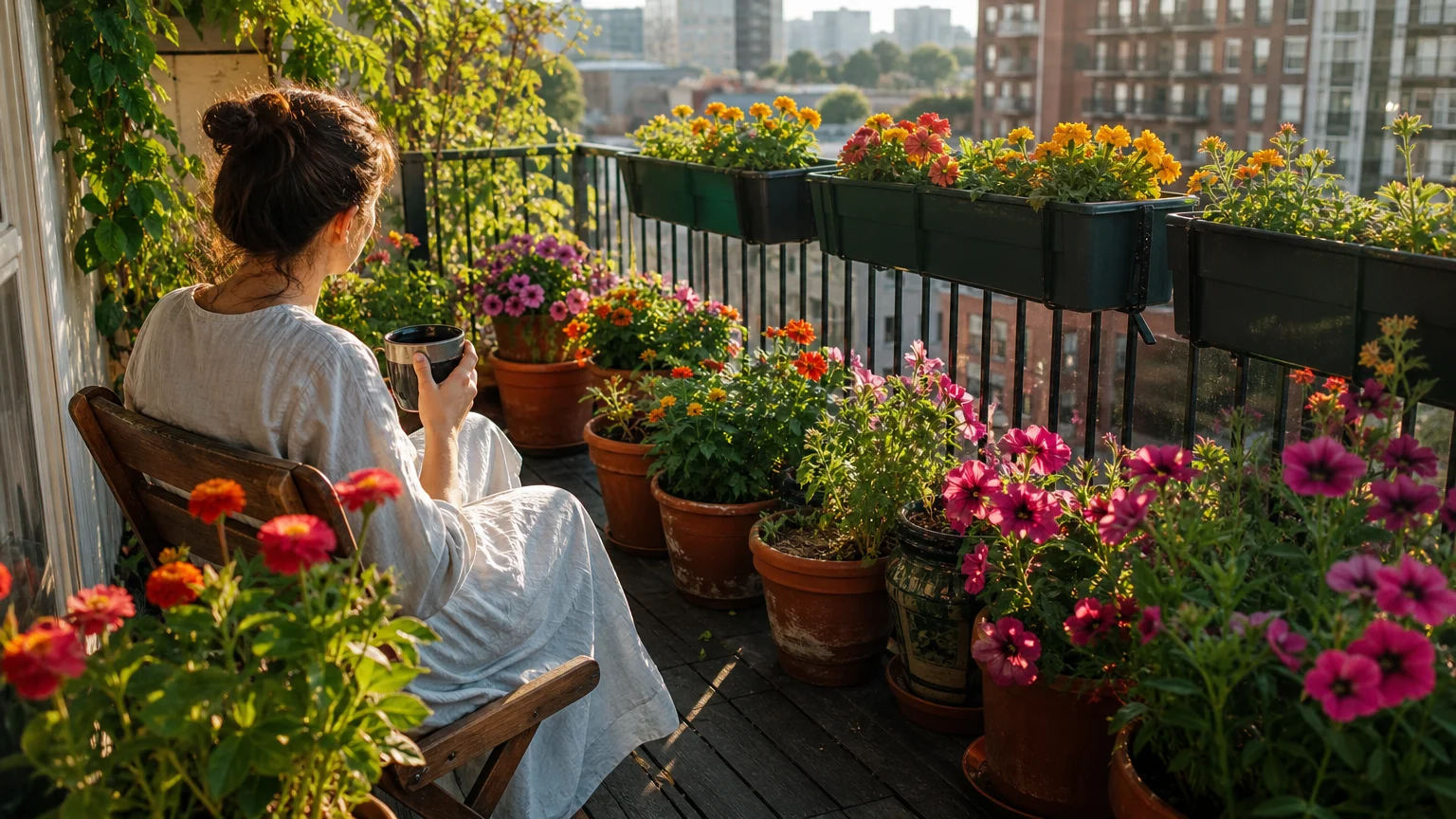
Transforming your small outdoor space into a vibrant oasis is easy when you choose the right summer flowers. Selecting long-blooming plants that deliver continuous color from June through September maximizes your effort and ensures your balcony looks spectacular all season.
You do not need a sprawling backyard to cultivate endless colorful blooms; many tough, prolific varieties thrive beautifully in compact containers. By understanding basic sunlight requirements, utilizing proper soil strategies, and adopting simple maintenance routines, you can maintain a lush, low-maintenance garden.
This guide walks you through the best seasonal gardening selections and proven care techniques to keep your outdoor sanctuary bright and welcoming throughout the warmest months of the year.
Planning ahead with seasonal container displays ensures your outdoor space remains attractive through every transition of the year.
Contents8 sections
- Understanding What Makes Plants Bloom Continuously
- Soil and Sunlight Requirements for Endless Blooms
- 11 Long-Blooming Plants for Your Balcony or Patio
- Step-by-Step Guide to Planting Container Flowers
- Essential Maintenance and Deadheading Techniques
- Troubleshooting Common Pests and Diseases
- Frequently Asked Questions
- Expert Resources and Disclaimers
Understanding What Makes Plants Bloom Continuously
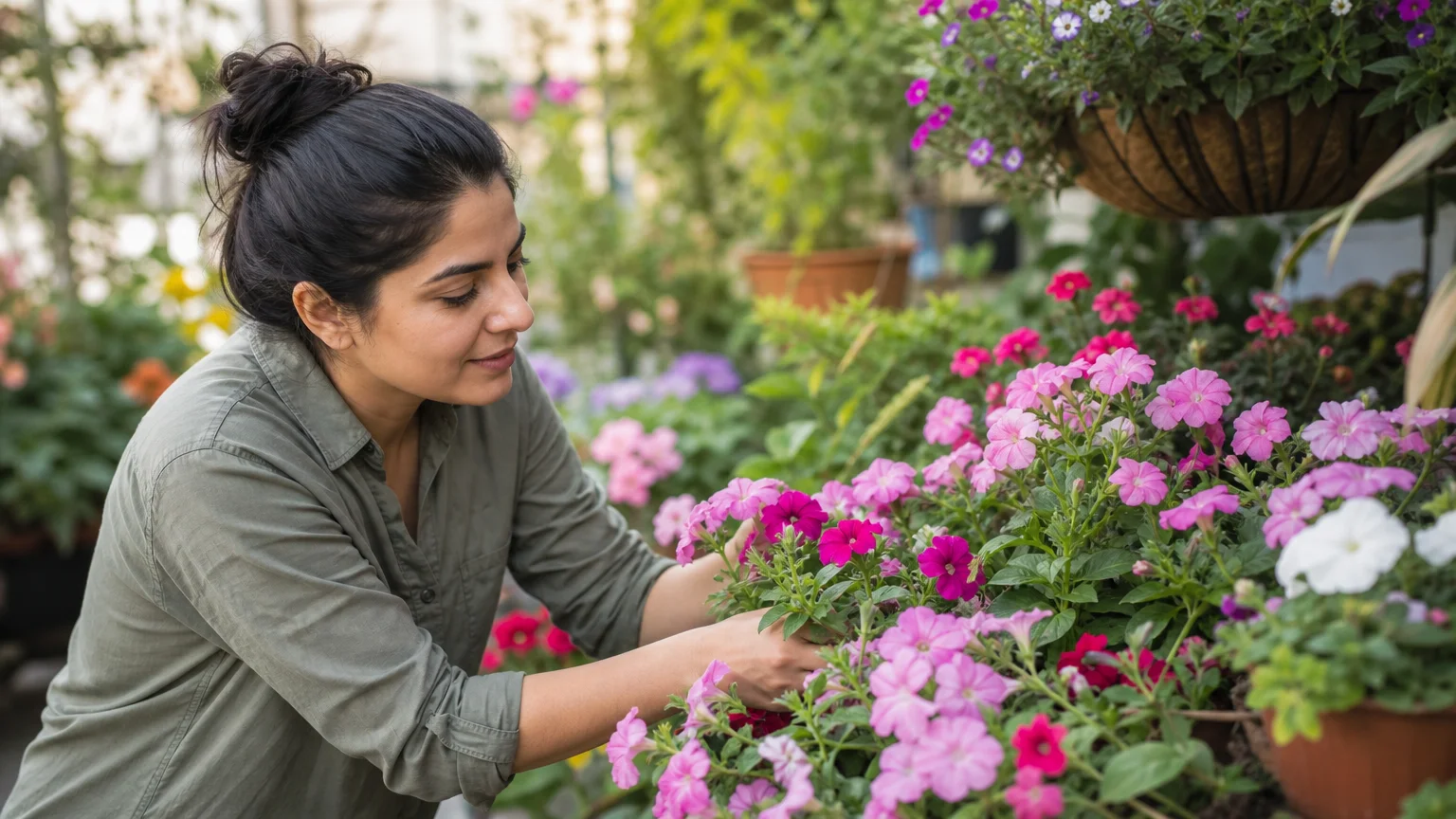
To create a vibrant balcony or patio, it helps to understand exactly why certain garden flowers put on a non-stop show while others bloom for only a week or two. In the plant world, the primary goal of flowering is to produce seeds and reproduce.
Once a plant successfully creates seeds, it often stops producing new flowers because its biological mission is complete.
If you are short on time, you can also explore these low-effort summer flowers that require very little maintenance to stay vibrant.
Many of the best long-blooming plants are categorized as annuals. Annuals are plants that complete their entire lifecycle—from germinating to producing seeds to dying—in a single growing season.
Because their time is limited, they grow rapidly and flower aggressively. If you interrupt their seed-making process by removing their fading flowers, they will simply try again by pushing out a fresh flush of colorful blooms.
This biological drive makes annuals incredibly valuable for seasonal gardening.
On the other hand, perennials are plants that return year after year. While many perennials have a short, specific blooming window, modern horticulture has developed “repeat-blooming” varieties.
These specially bred perennials are designed to provide waves of color throughout the warmer months.
Whether you choose determined annuals or resilient perennials, selecting the right genetics is your first step toward maintaining a lush, colorful display from early summer all the way to the first autumn frost.
Soil and Sunlight Requirements for Endless Blooms
Even the most resilient summer flowers will struggle if their fundamental needs are ignored. When you are gardening in confined spaces like balconies or small patios, managing soil quality and sun exposure becomes critical for success.
To ensure your potted garden gets off to the strongest possible start earlier in the year, check out our spring planting guide for containers.
Managing temperature is crucial, and learning about beating summer heat stress can help your pots survive the peak of July.
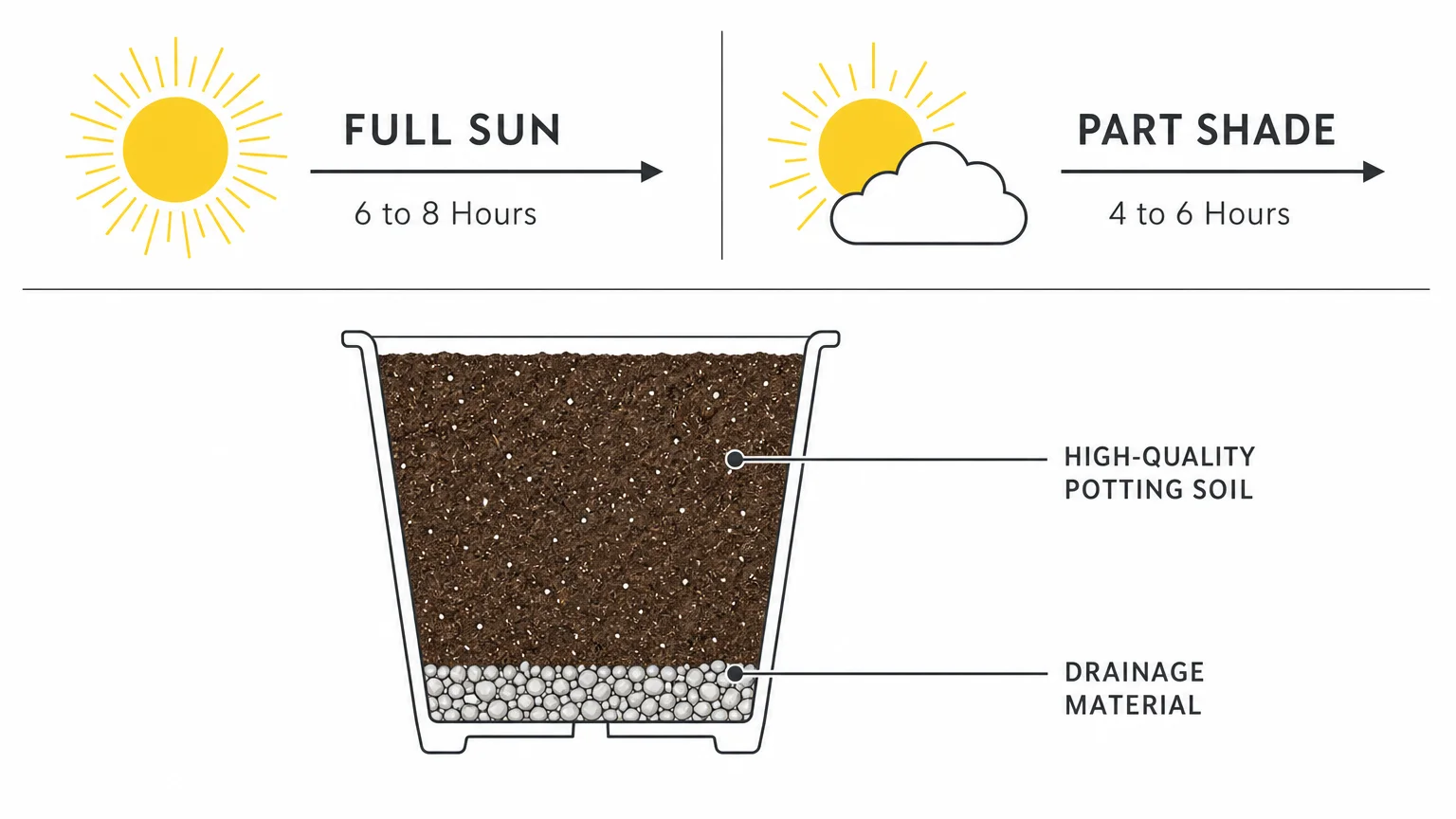
First, let us discuss sunlight. When a plant tag specifies “full sun,” the plant requires at least six to eight hours of direct, unfiltered sunlight every day.
Many long-blooming plants fall into this category; they use the intense solar energy to fuel their continuous flower production.
If your space receives “part shade”—meaning four to six hours of sunlight, usually in the cooler morning—you will need to select varieties that can thrive with less intense light.
Keep in mind that south-facing and west-facing balconies often reflect extra heat from brick walls and concrete floors, creating a microclimate that demands highly heat-tolerant plants.
Soil quality is equally important, particularly when growing in pots. Never use ordinary dirt dug up from a yard for your containers.
Garden soil is heavy, compacts easily, and lacks the necessary drainage—meaning how easily water moves through and exits the soil. Instead, purchase a high-quality, lightweight potting mix designed specifically for containers.
These commercial mixes typically contain organic materials like peat moss or coco coir to retain moisture, blended with perlite or vermiculite (small white and gold specks) to ensure excess water drains away rapidly.
Proper drainage prevents root rot and ensures the roots receive enough oxygen to support heavy, continuous flowering.
11 Long-Blooming Plants for Your Balcony or Patio
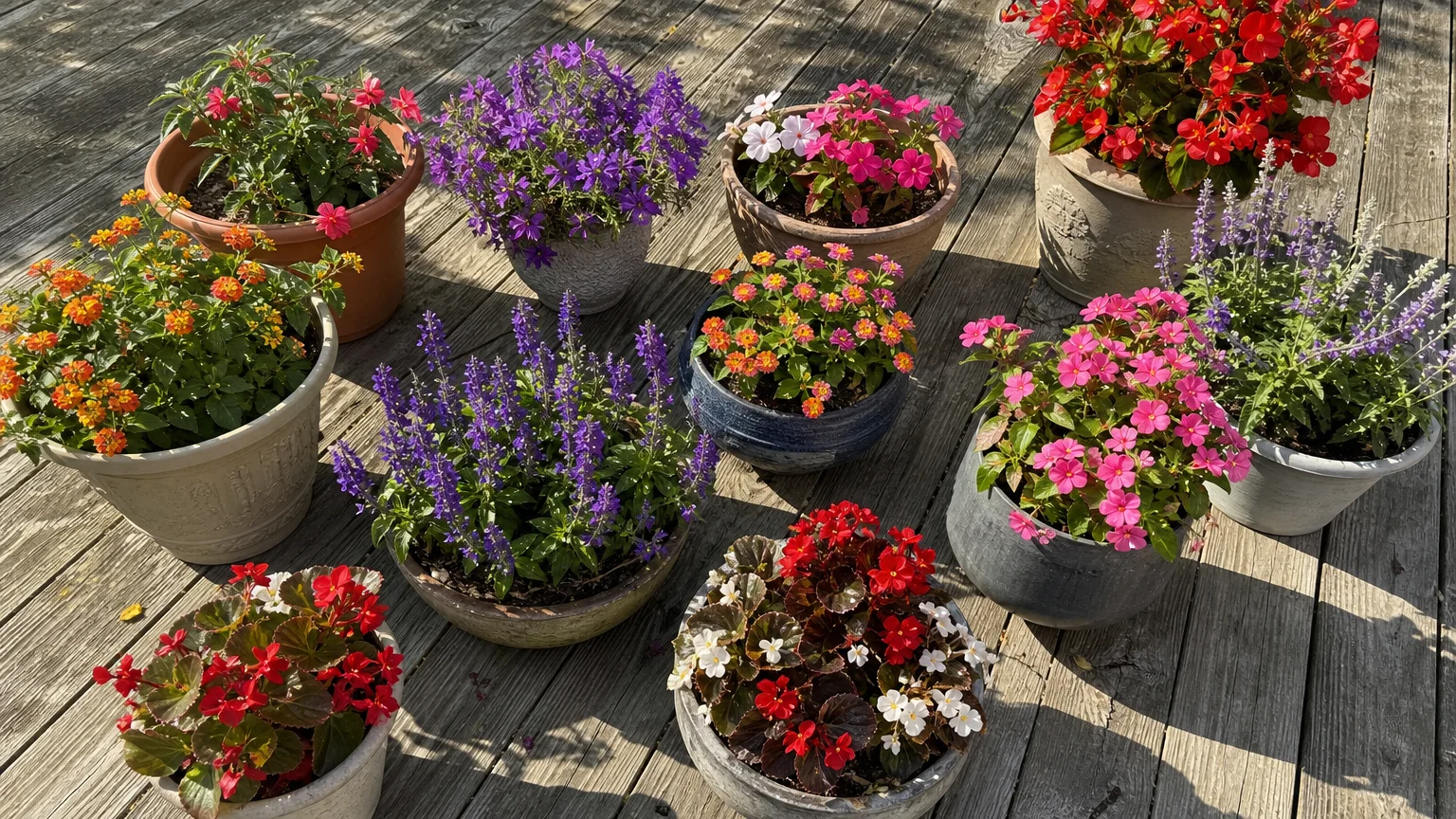
Choosing the right summer flowers takes the guesswork out of seasonal gardening. Below is a quick-reference guide followed by detailed profiles of eleven reliable performers that will keep your small space vibrant for months.
| Flower Name | Sunlight Requirement | Water Needs | Best Container Type |
|---|---|---|---|
| 1. Marigold | Full Sun | Moderate | Window boxes, shallow pots |
| 2. Zinnia | Full Sun | Moderate | Medium to large pots |
| 3. Petunia | Full Sun | High | Hanging baskets, large planters |
| 4. Calibrachoa | Full Sun to Part Sun | Moderate to High | Hanging baskets, railing planters |
| 5. Lantana | Full Sun | Low (Drought Tolerant) | Deep patio pots |
| 6. Geranium | Full Sun to Part Sun | Moderate | Terracotta pots, window boxes |
| 7. Begonia | Part Sun to Full Shade | Moderate | Shaded window boxes, small pots |
| 8. Portulaca | Full Sun | Low (Succulent) | Shallow bowls, rock gardens |
| 9. Salvia | Full Sun | Moderate | Large mixed containers |
| 10. Coreopsis | Full Sun | Low to Moderate | Medium pots |
| 11. Cosmos | Full Sun | Moderate | Deep, heavy pots (for tall stems) |
1. Marigold (Tagetes)
Marigolds are a classic staple of seasonal gardening for good reason. These cheerful, brightly colored flowers thrive in hot weather and bloom aggressively from early summer until the first frost.
Available in brilliant shades of yellow, orange, and deep red, they add a warm, inviting glow to any balcony.
While marigolds have a sharp, herbal scent, you can combine them with some of the most popular garden smells to create a fragrant sanctuary.
For container gardeners, the compact French marigold varieties are generally the best choice because they stay bushy and rarely exceed a foot in height, making them perfect for shallow window boxes. Beyond their beauty, marigolds offer practical benefits.
Their distinct, somewhat spicy scent naturally deters several common pests, making them excellent companion plants if you are growing patio tomatoes or herbs.
To keep them looking tidy and producing new buds, simply pinch off the older blooms as they begin to dry up and fade.
2. Zinnia (Zinnia elegans)
If you want bold, striking color, zinnias are an absolute must. These fast-growing plants produce sturdy stems topped with vibrant, daisy-like or pom-pom shaped flowers that attract butterflies and bees, contributing wonderfully to local ecosystems.
While traditional zinnias can grow quite tall, small-space gardeners should look for compact series like ‘Zahara’ or ‘Profusion’. These dwarf varieties naturally mound into lush, rounded shapes and are specifically bred to resist powdery mildew—a common fungal issue that plagues older zinnia types.
Zinnias are famously known as “cut-and-come-again” flowers. This means that the more you cut their blooms to bring indoors for small vase arrangements, the more aggressively the plant will branch out and produce new flowers outside.
3. Petunia (Petunia × atkinsiana)
Petunias are powerhouse bloomers that provide an overwhelming abundance of color. Their trumpet-shaped flowers spill beautifully over the edges of hanging baskets and balcony railing planters, creating dramatic, cascading displays.
If you prefer a highly resilient setup, you can also mix in hardy native plants that thrive in containers with less effort.
To get the most out of petunias, you need to treat them as the heavy feeders they are.
Because they expend so much energy generating constant blooms, they require frequent watering—often daily during the hottest weeks of the summer—and regular doses of liquid fertilizer.
If you want maximum impact with minimal fuss, look for spreading varieties like the ‘Wave’ or ‘Supertunia’ series. These specific types are bred to be self-cleaning, meaning they drop their spent flowers naturally and rarely require manual trimming to keep blooming.
4. Calibrachoa (Million Bells)
At first glance, you might mistake a calibrachoa for a miniature petunia. These charming, trailing plants produce hundreds of tiny, bell-shaped flowers that blanket the foliage completely.
If you want to create a cool and soothing container theme, consider pairing them with some beautiful blue flowers in the same planter.
Calibrachoa is ideal for hanging baskets and elevated pots where its trailing habit can be fully appreciated. Unlike standard petunias, calibrachoa does not handle soggy soil well at all; its delicate root system requires excellent drainage to survive.
Allow the top inch of the soil to dry out before giving the plant a thorough soak. They also benefit significantly from an iron-rich fertilizer to keep their foliage a deep, healthy green, ensuring their colorful blooms truly pop against the leaves.
5. Lantana (Lantana camara)
When the mid-summer heat becomes oppressive and other plants begin to wilt, lantana thrives. This rugged, heat-loving plant produces dense clusters of tiny tubular flowers that often feature multiple colors—like pink, yellow, and orange—within a single bloom head.
For a truly dynamic display, you might also want to look into color-changing flowers that shift shades as the weeks go on.
Lantana is exceptionally drought-tolerant once it establishes its root system, making it an eco-friendly choice for gardeners looking to conserve water. It is a magnet for pollinators, reliably drawing butterflies to even high-rise urban balconies.
Because lantana can grow quite vigorously, choose a deeper patio pot to accommodate its roots.
Note that the leaves have a coarse texture and a strong herbal scent, and the plant is toxic if ingested, so place it out of reach if you share your space with curious pets.
6. Geranium (Pelargonium)
Geraniums offer a timeless, classic aesthetic that works just as well on a modern apartment balcony as it does on a rustic countryside patio. Their large, rounded flower clusters sit atop sturdy stems, rising above attractive, scalloped green leaves.
There are two main types suitable for containers: zonal geraniums, which grow upright and sturdy, and ivy geraniums, which trail gracefully over the sides of pots.
Geraniums prefer their soil to dry out slightly between waterings; keeping them too wet will quickly lead to yellowing leaves and stem rot. They are highly responsive to deadheading.
Whenever a flower cluster finishes blooming, snap the entire stem off at the base where it meets the main branch to immediately prompt the plant to send up a fresh replacement.
7. Begonia (Begonia semperflorens)
If your balcony or patio is shaded by nearby buildings or large trees, you might assume continuous summer color is out of reach. Wax begonias are the perfect solution for lower-light environments, though many modern varieties tolerate the sun gracefully as well.
These compact plants feature thick, fleshy leaves that hold water efficiently, making them surprisingly forgiving if you occasionally forget to water them. They produce charming, delicate flowers in shades of white, pink, and vibrant red.
Wax begonias remain small and tidy, making them an excellent choice for tight corners, small desktop pots, or as filler plants around the base of taller container centerpieces. Because they are self-cleaning, they are one of the most low-maintenance options available for shaded seasonal gardening.
8. Portulaca (Moss Rose)
Portulaca is the ultimate survivor plant. Featuring needle-like, succulent foliage, this low-growing ground cover stores water efficiently, allowing it to withstand intense sunlight and prolonged dry spells without missing a beat.
The flowers of the portulaca look like miniature, ruffled roses in brilliant jewel tones. They have a fascinating habit of opening fully when the sun is shining brightly and closing up during cloudy days or in the evening.
Because they have very shallow root systems, portulacas are the perfect candidates for shallow decorative bowls or small tabletop planters where standard plants would quickly dry out and perish.
If you have a spot on your balcony that gets baked by the afternoon sun, portulaca will thrive there.
9. Salvia (Salvia splendens and Salvia farinacea)
To create a visually interesting container garden, you need varying plant heights. Salvia provides striking vertical interest with its tall, spiky flower stalks that contrast beautifully against mound-forming plants like marigolds or petunias.
Annual salvias come in deep, mesmerizing purples, vibrant reds, and crisp whites. They are highly attractive to hummingbirds and beneficial bees, adding delightful movement and wildlife interaction to your outdoor space.
While salvia naturally blooms for a long period, you can encourage an even bushier plant and more flower spikes by cutting the stems back by about one-third once the initial flush of flowers begins to look tired or faded.
10. Coreopsis (Tickseed)
Coreopsis brings a bright, cheerful, wildflower aesthetic to your patio. These native North American plants are incredibly rugged, shrugging off heat, humidity, and poor soil conditions with ease.
While often grown as perennials in landscape beds, compact varieties do exceptionally well in medium-sized pots for the summer. They produce an abundance of golden-yellow, daisy-like flowers that sway gracefully in the wind.
To keep coreopsis blooming from June straight through to autumn, wait until the plant finishes a major wave of flowering, then use pruning shears to shear the entire top of the plant down by a few inches.
This quick “haircut” rejuvenates the plant, promoting fresh foliage and a rapid return of colorful blooms.
11. Cosmos (Cosmos bipinnatus)
Cosmos are delicate, airy plants that add a sense of romance and whimsy to any container garden. They feature fine, fern-like foliage and simple, open-faced flowers in shades of pink, white, and magenta.
Traditionally, cosmos grow quite tall, which can make them susceptible to snapping in strong balcony winds.
However, by selecting dwarf varieties like the ‘Cosmic’ or ‘Sonata’ series, you get all the continuous blooming power on a sturdy, compact plant that tops out at about two feet. Interestingly, cosmos produce more flowers when grown in slightly poor soil without too much fertilizer.
If you feed them heavily with nitrogen, they will produce mountains of green leaves but very few flowers, so benign neglect is often the best strategy here.
Step-by-Step Guide to Planting Container Flowers
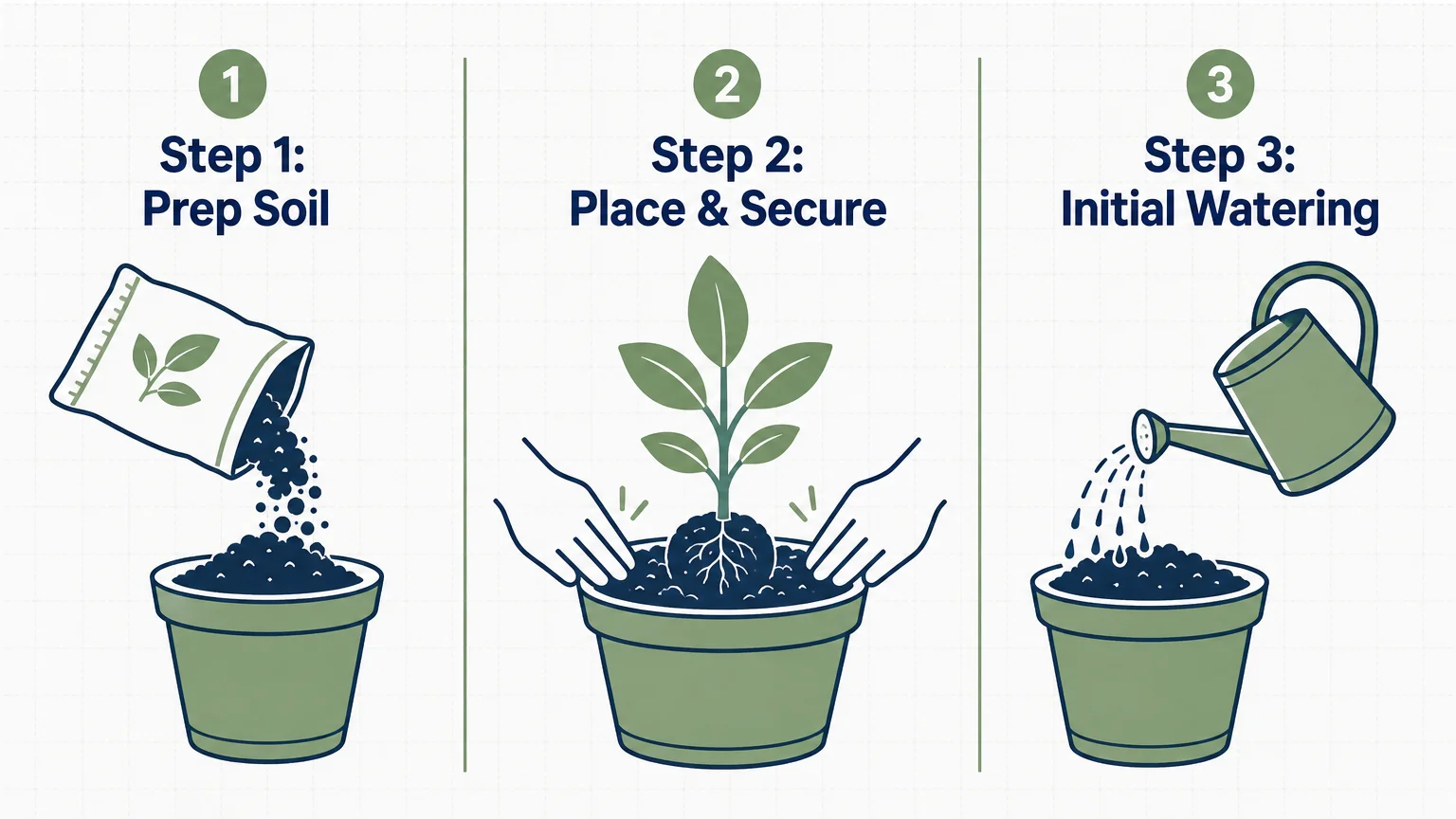
Proper planting sets the foundation for a season of healthy, vibrant garden flowers. Rushing this process can lead to root damage or poor water retention later in the summer.
Follow these straightforward steps to give your plants the best possible start in their new containers.
- Select the right container: Your pot must have drainage holes at the bottom. If it does not, you must drill them yourself. Without an escape route for water, your plant’s roots will drown and rot.
- Prepare your potting mix: Fill your container about two-thirds full with fresh, high-quality potting mix. If the mix is bone dry out of the bag, lightly moisten it with water and mix it with your hands until it feels like a damp sponge.
- Tease the roots: Gently squeeze the sides of the nursery pot to slide the plant out. If the roots are circling tightly around the bottom (a condition called being “rootbound”), use your fingers to gently massage and loosen the bottom roots. This encourages them to grow outward into the new soil rather than strangling the plant.
- Position the plant: Place your flower into the container. The top of the plant’s root ball should sit about an inch below the rim of your container. This empty inch leaves room for water to pool momentarily and soak in, rather than running off the sides and making a mess on your balcony.
- Fill and firm: Fill the remaining space around the root ball with more potting mix. Press the soil down gently with your hands to remove large air pockets, but do not pack it so densely that it becomes concrete.
- Water thoroughly: Immediately water the container until you see water flowing freely out of the bottom drainage holes. This settles the soil around the roots and eliminates any remaining air pockets.
Essential Maintenance and Deadheading Techniques
To keep long-blooming plants performing at their peak, you need to provide consistent care. Fortunately, container gardening maintenance is straightforward and easily fits into a busy schedule.
Watering is the most critical task. Container soil dries out much faster than ground soil, especially elevated on a breezy balcony.
Do not rely on a strict calendar schedule, as water needs change based on heat, humidity, and plant size. Instead, use the finger test: push your index finger about an inch into the soil.
If it feels dry, water thoroughly until it runs out the bottom. If it feels moist, wait another day.
Fertilizing is necessary because the frequent watering required for containers constantly washes vital nutrients out of the bottom of the pot. To sustain colorful blooms all summer, apply a water-soluble, bloom-boosting fertilizer every two to three weeks.
Look for a fertilizer with a higher middle number in its NPK ratio (Nitrogen-Phosphorus-Potassium), as phosphorus is the nutrient that specifically fuels flower production.
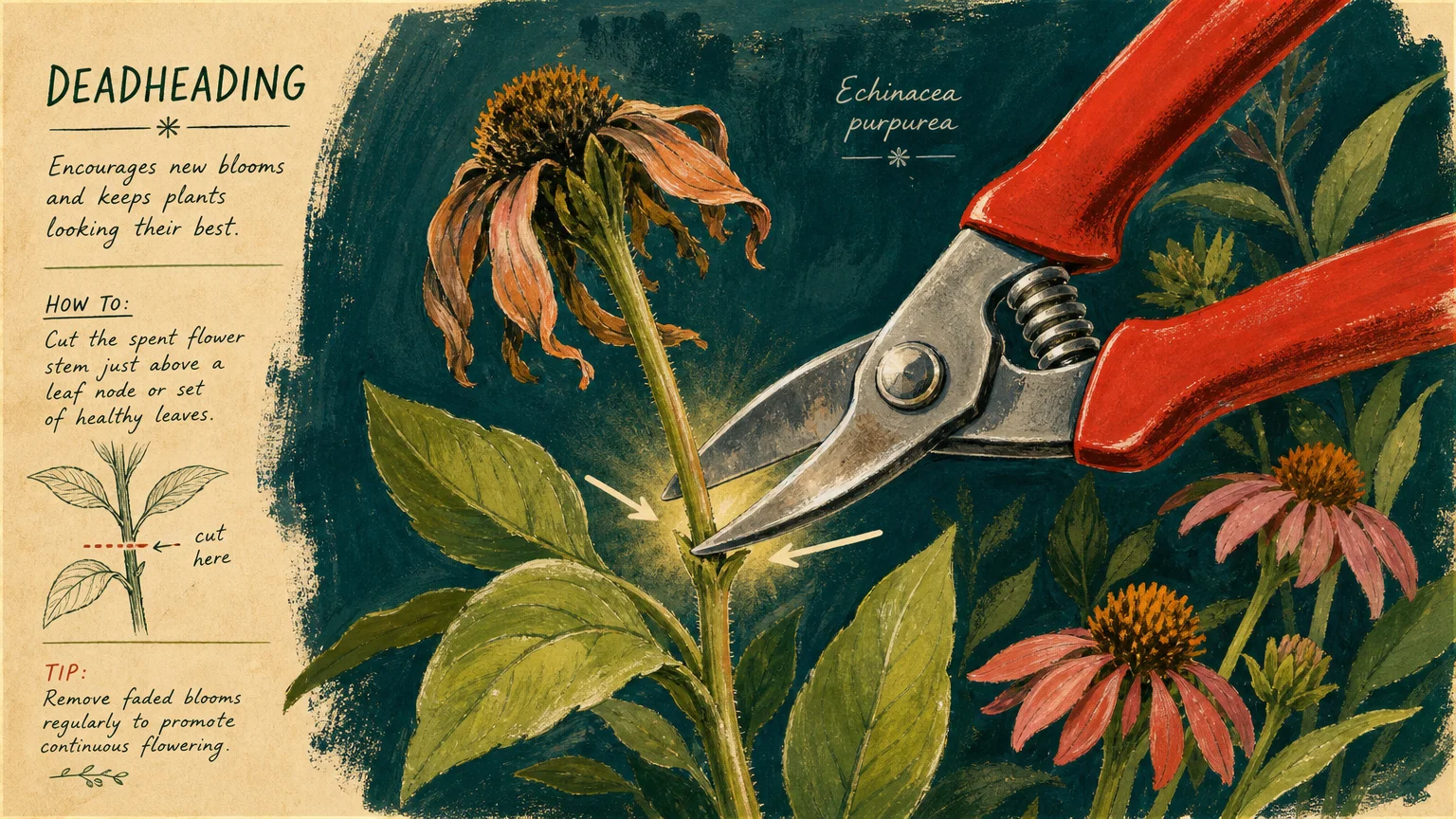
Finally, deadheading is the secret weapon for endless flowers. Deadheading is the simple process of snipping off faded or dead flowers.
When a bloom starts to shrivel, use clean scissors or your thumb and forefinger to pinch the stem off just above the next set of healthy leaves.
By removing the dying flower, you stop the plant from spending energy on producing seeds and force it to redirect that energy into creating new, colorful blooms.
Troubleshooting Common Pests and Diseases
Even with the best care, summer flowers can occasionally run into problems. Catching these issues early is the key to keeping your seasonal gardening efforts on track without relying on harsh chemicals.
One of the most common issues in small-space gardening is yellowing leaves. While it is natural for an occasional bottom leaf to yellow and drop off, widespread yellowing usually points to overwatering or poor drainage.
Check your container’s drainage holes to ensure they are not clogged with compressed soil, and scale back your watering frequency, ensuring the top layer of soil dries out before adding more moisture.
If your plants produce abundant green growth but no flowers, you are likely dealing with a sunlight or nutrient imbalance. Ensure the plant is receiving its required sun exposure.
Additionally, check your fertilizer; if you use a high-nitrogen fertilizer (like those designed for lawns), the plant will prioritize foliage growth over flower production. Switch to a bloom-focused formula.
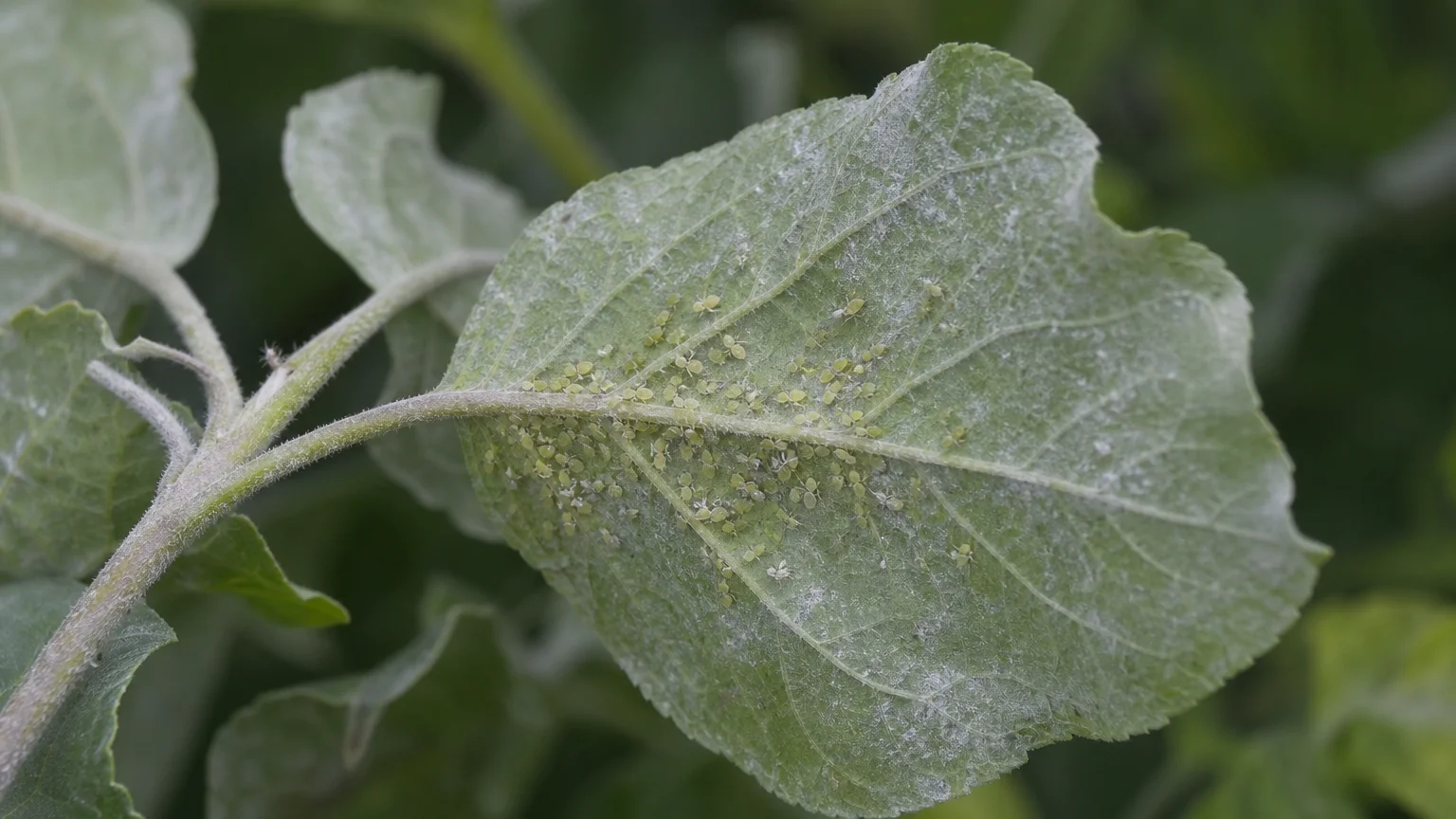
Pests like aphids and spider mites occasionally visit balcony gardens. Aphids are tiny green or black bugs that cluster on new stem growth, while spider mites leave fine, dusty webbing underneath the leaves.
For an eco-friendly solution, simply spray the foliage forcefully with a water hose to knock the pests off.
If the infestation persists, a light application of insecticidal soap or neem oil applied in the evening—so it does not burn the leaves in the hot daytime sun—is highly effective and safe for the environment.
Frequently Asked Questions
Can I grow summer flowers on a shaded balcony?
Yes, absolutely. While many long-blooming plants require full sun, varieties like wax begonias, impatiens, and certain fuchsias thrive in shaded or dappled light environments.
Always check the plant tag and select varieties specifically suited for part-shade or full-shade to ensure healthy growth.
How often should I water my container garden flowers?
There is no universal schedule, as watering frequency depends on the pot size, weather, and plant type. During peak summer heat, small or unglazed terracotta pots may need daily watering.
Always check the soil moisture with your finger; water deeply only when the top inch of soil feels dry to the touch.
Do I need to fertilize my long-blooming plants every week?
Applying fertilizer every week is usually unnecessary and can actually burn the plant’s roots due to salt buildup.
For most container annuals, applying a balanced, water-soluble liquid fertilizer every two to three weeks is the perfect rhythm to support continuous, colorful blooms without stressing the plant.
What should I do if my plants stop flowering in mid-summer?
A mid-summer slump is common when plants endure extreme heat or have gone too long without deadheading. First, snip off any seed pods and faded flowers.
Next, ensure they are adequately watered and give them a dose of liquid fertilizer. If the plant looks extremely overgrown, shearing it back by a few inches will often stimulate a vigorous new round of growth and flowering.
Expert Resources and Disclaimers
For trustworthy gardening information, visit:
Louisiana State University AgCenter — Lawn & Garden, Mississippi State University Extension — Lawn & Garden, Arkansas Extension — Yard & Garden and Kansas State University Extension — Horticulture. These organizations provide expert, research-based advice for gardeners at all levels.
Disclaimer: This article is for informational purposes only and is not a substitute for professional gardening advice. Always consult local extension services or horticulture experts for region-specific guidance.