
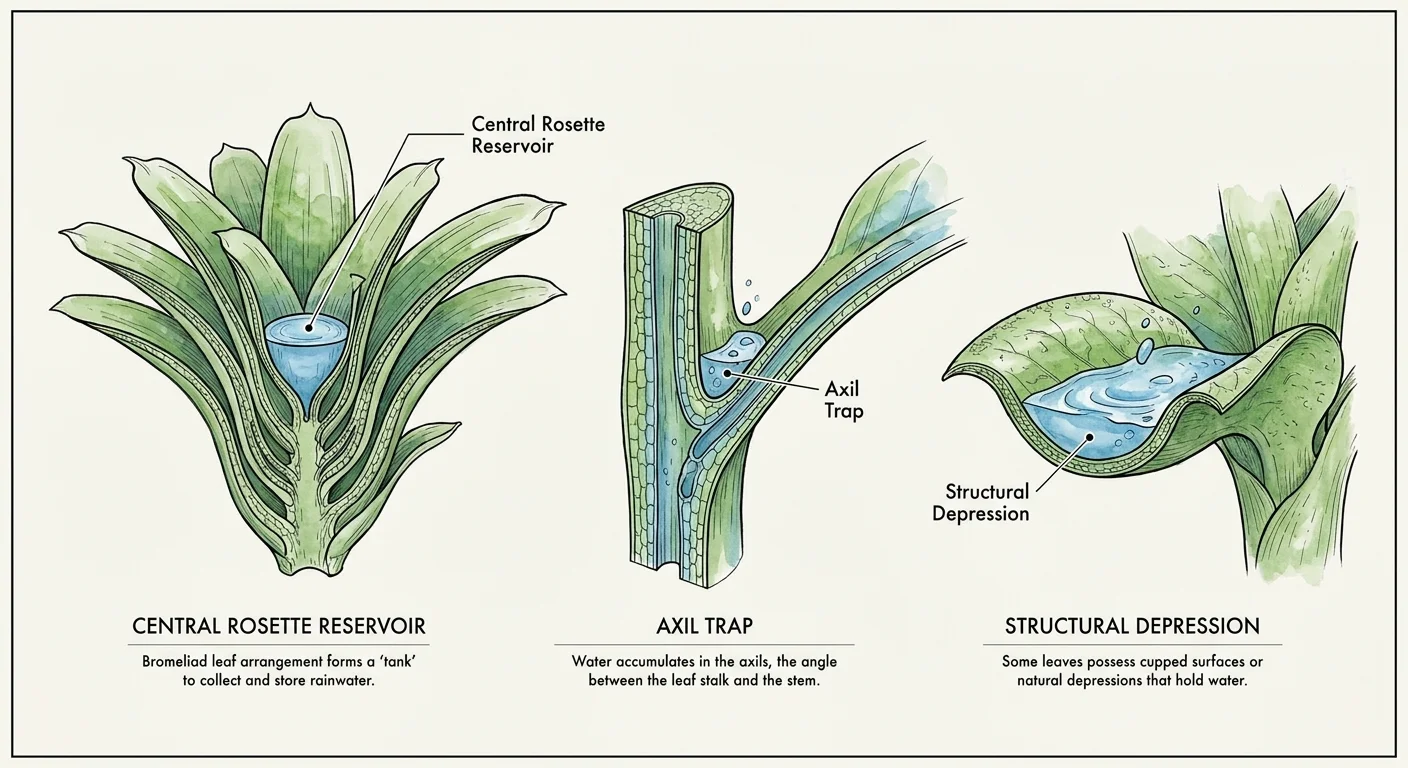
Plants with Water-Catching Structures
Many striking tropical and architectural plants evolved in environments where they had to collect their own water from rainfall. While this makes them fascinating and resilient, it also makes them prime real estate for breeding mosquitoes.
If you plan to overwinter these tropical varieties, refer to a pest-free transition checklist to keep your home insect-free.
1. Bromeliads
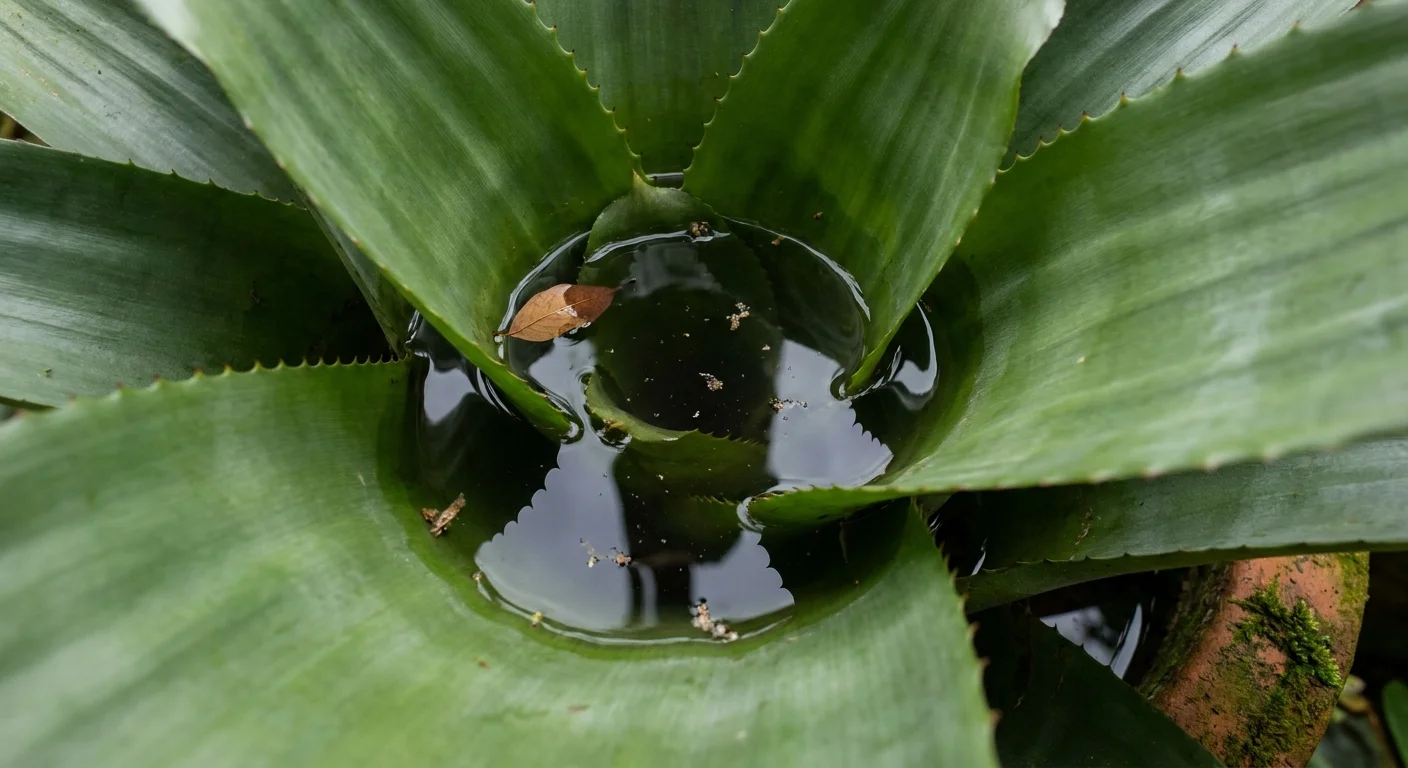
Bromeliads bring a brilliant, exotic flair to warm-weather gardens and shaded patios. However, their physical structure is designed to hoard moisture.
Most bromeliads feature a central rosette—often called a “tank”—that traps and holds rainwater and organic debris. This tiny, nutrient-rich pool of stagnant water provides the absolute perfect incubator for mosquito larvae.
How to manage it: You do not have to throw away your beloved bromeliads. Instead, make flushing them a regular part of your weekly maintenance habits.
Use your garden hose to blast out the stagnant water in the central cup every three to four days, replacing it with fresh water and washing any potential larvae out onto the dry ground where they cannot survive.
Alternatively, you can add a tiny fragment of a mosquito dunk to the center cup to kill larvae without harming the plant.
2. Elephant Ears (Colocasia and Alocasia)
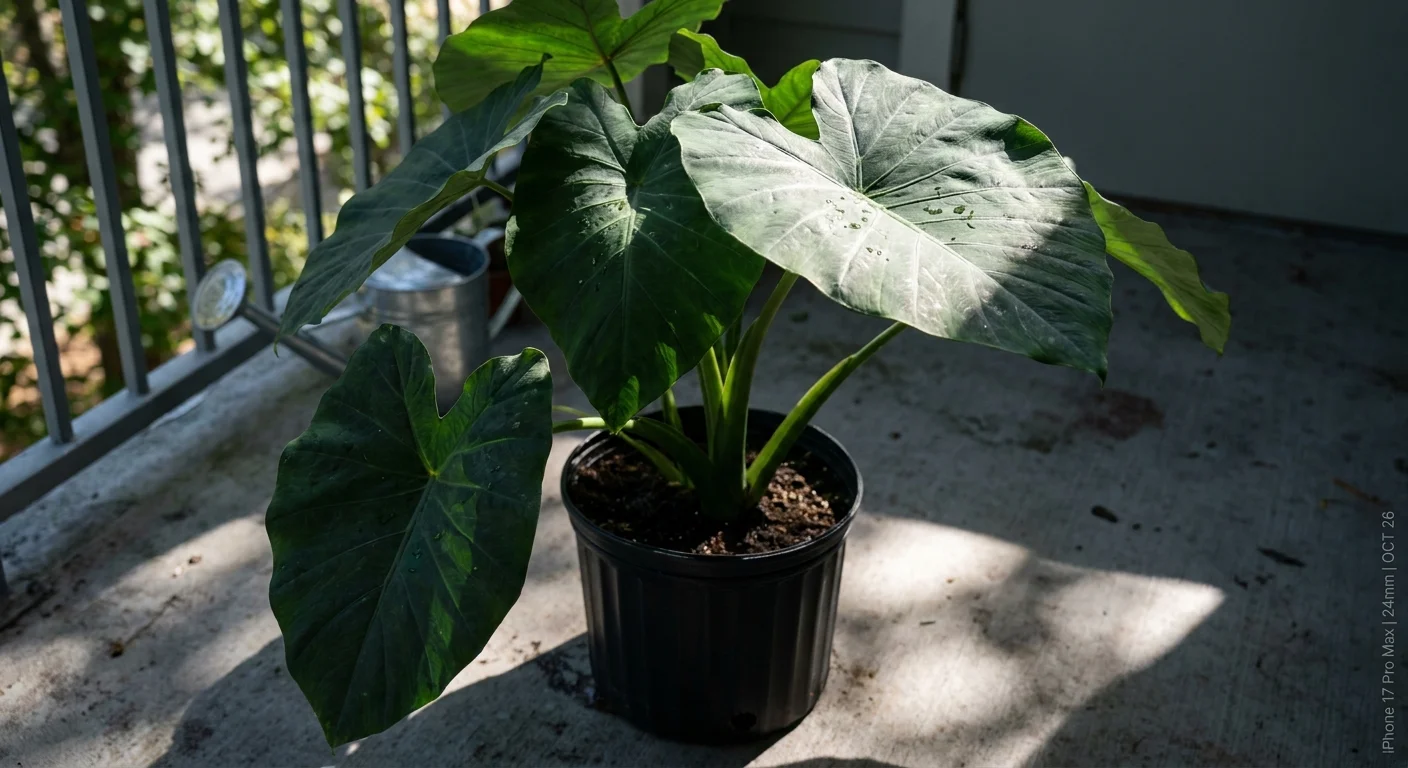
Known for their massive, dramatic foliage, Elephant Ears are incredibly popular in both containers and landscape beds. The sheer size of these leaves creates an umbrella effect, plunging the soil beneath into perpetual shade.
Furthermore, the thick stems and tight leaf bases often form natural cups that collect small amounts of rainwater or irrigation runoff.
How to manage it: Watering schedules made simple: always water your Elephant Ears directly at the soil level rather than spraying the foliage. This prevents water from pooling in the leaf axils.
You should also ensure you plant them in a well-draining, peat-free potting mix so the surface level of the soil can dry out slightly between waterings, reducing the ambient humidity that adult mosquitoes crave.
3. Pitcher Plants
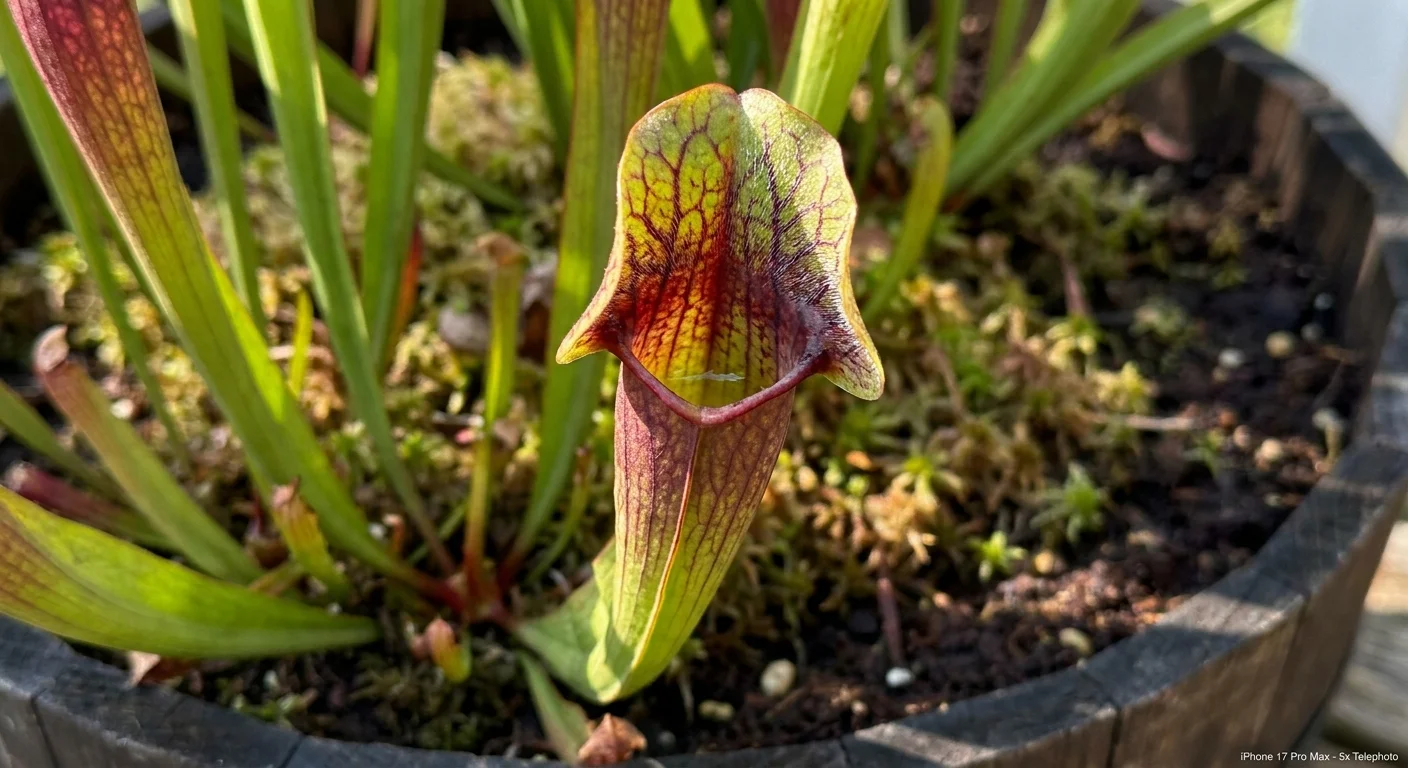
Pitcher plants are fascinating carnivorous additions to the garden, luring insects into their fluid-filled tubes to digest them. However, nature is full of surprises.
While pitcher plants consume many bugs, certain species of mosquitoes—specifically the pitcher plant mosquito (Wyeomyia smithii)—have actually evolved to breed exclusively inside these fluid-filled structures. They are entirely immune to the plant’s digestive enzymes.
How to manage it: If you cultivate outdoor pitcher plants and notice mosquitoes hovering around the tubes, you must approach treatment carefully to avoid harming the carnivorous plant. Do not flush the pitchers, as the plant needs its digestive fluids.
Instead, focus on encouraging natural predators in your yard, such as dragonflies and birds, to keep the adult mosquito population in check.
So, what are the twelve plants? Can you supply a listing?
Yes Patricia, they don’tsay!!!
Yes Patricia, they don’t say!!!
Mosquito-Producing Plants:
1. BromeliadsBamboo
2. Elephant Ears (Colocasia and Alocasia)
3. Pitcher Plants
4. Water Lilies
5. Water Hyacinth
6. Papyrus
7. English Ivy
8. Hostas
9. Dense Ferns
10. Bamboo
11. Tall Ornamental Grasses (Pampas and Fescue)
12. Privet Hedges and Dense Shrubs
Thank you JT