
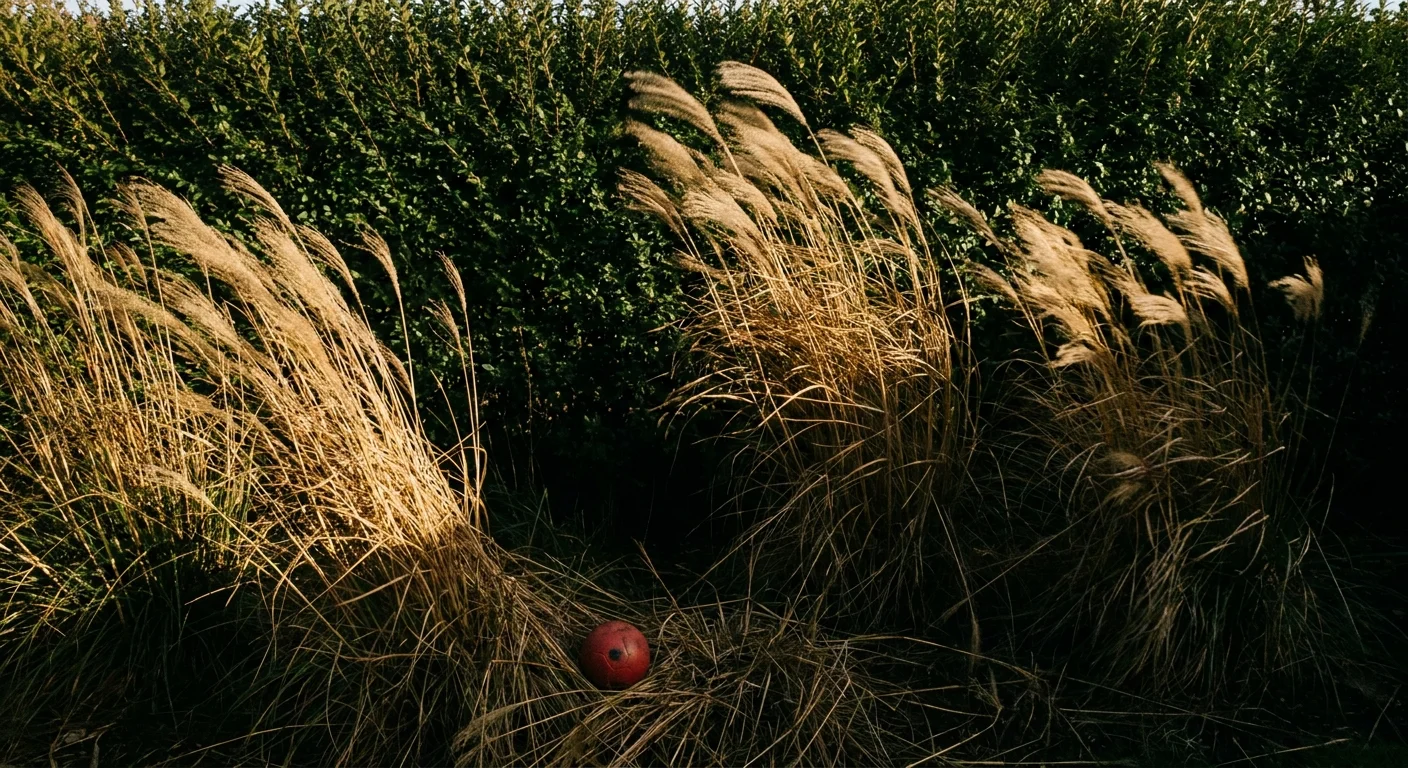
Thick Grasses and Clumping Shrubs
Airflow is the mortal enemy of the mosquito. Because they are incredibly weak flyers, even a gentle breeze prevents them from landing and feeding.
Thick, heavily clustered plants serve as physical windbreaks, creating pockets of still, calm air in your yard.
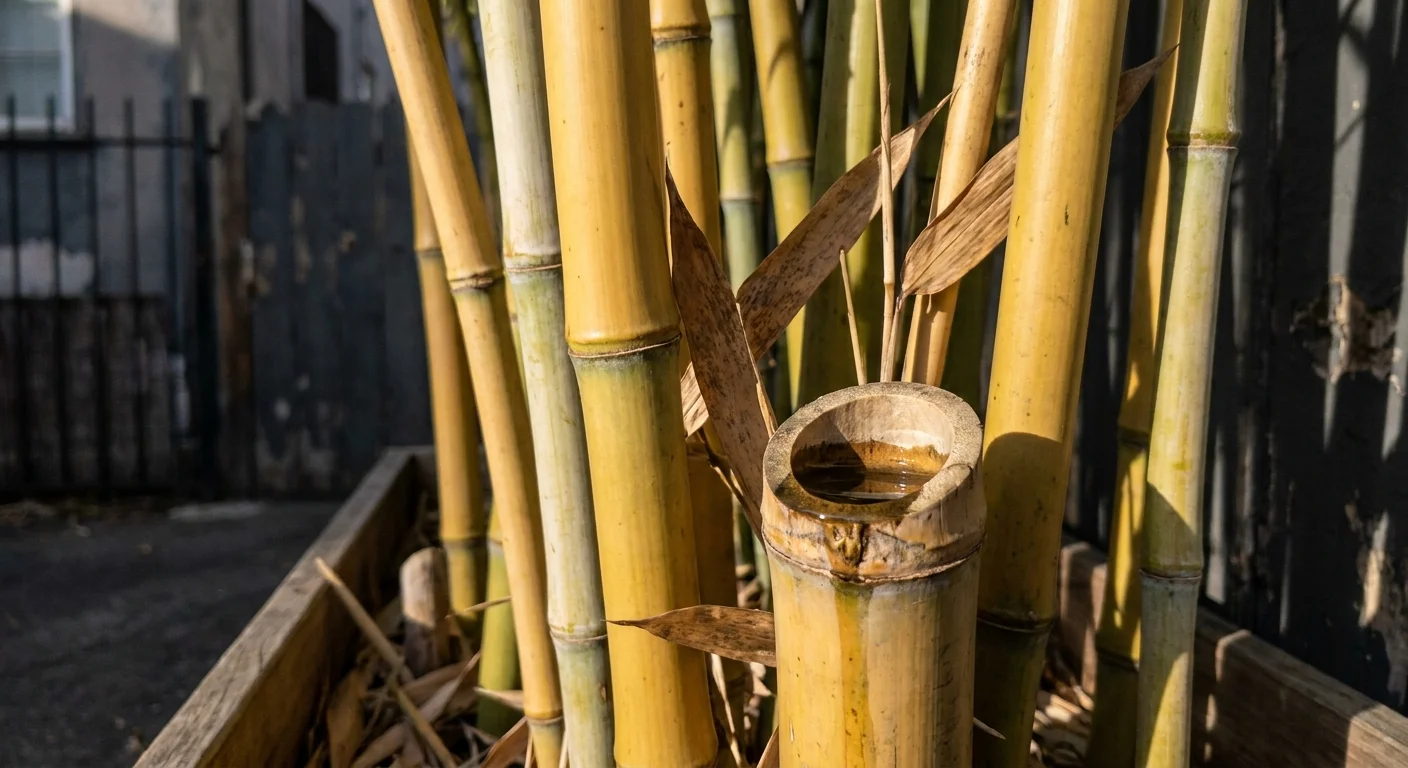
10. Bamboo
Bamboo groves are highly problematic for mosquito control for two distinct reasons. First, bamboo sheds an enormous amount of leaf litter.
This debris creates a thick, damp thatch layer on the soil that traps moisture and warmth.
Second, when you prune or cut back bamboo, the remaining hollow culms (stems) left in the ground act as tiny cups, collecting rainwater and providing thousands of miniature breeding pools.
How to manage it: Whenever you cut bamboo, ensure you cut the stem all the way down to the solid node so it does not leave a hollow cup behind. Alternatively, fill the open holes of cut stems with sand.
Rake up and remove fallen bamboo leaves weekly to eliminate the damp, decaying organic matter at the base.
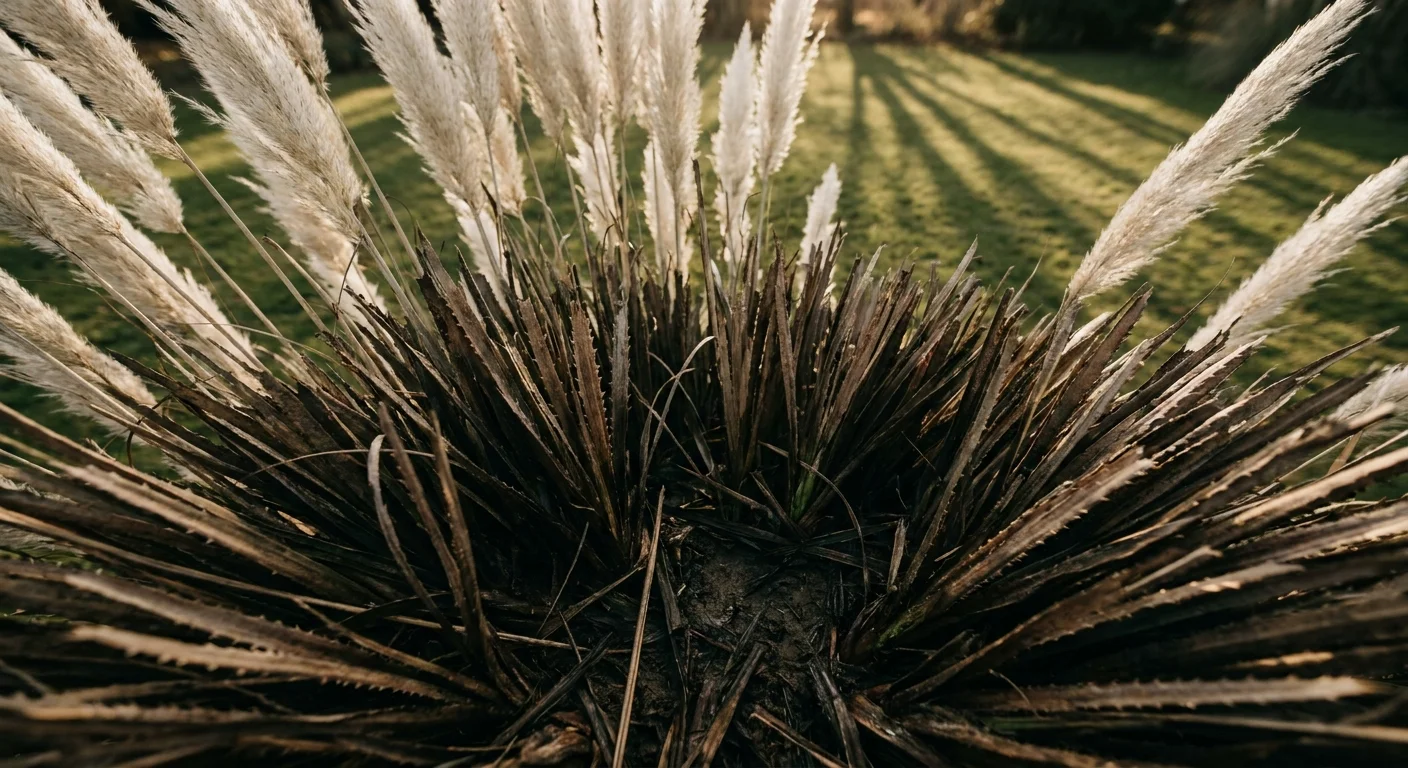
11. Tall Ornamental Grasses (Pampas and Fescue)
Large ornamental grasses are excellent for adding movement to a landscape, but as they grow older, they often develop a thick, dense core of dead foliage.
This inner core retains moisture for days after a rainstorm, providing a dark, damp, and wind-free shelter for adult mosquitoes.
How to manage it: Pruning and shaping your ornamental grasses is essential for backyard pest control. Every late winter or early spring, aggressively cut back the dead growth.
During the active growing season, manually rake out the dead thatch from the center of the clumps to restore airflow through the stems.
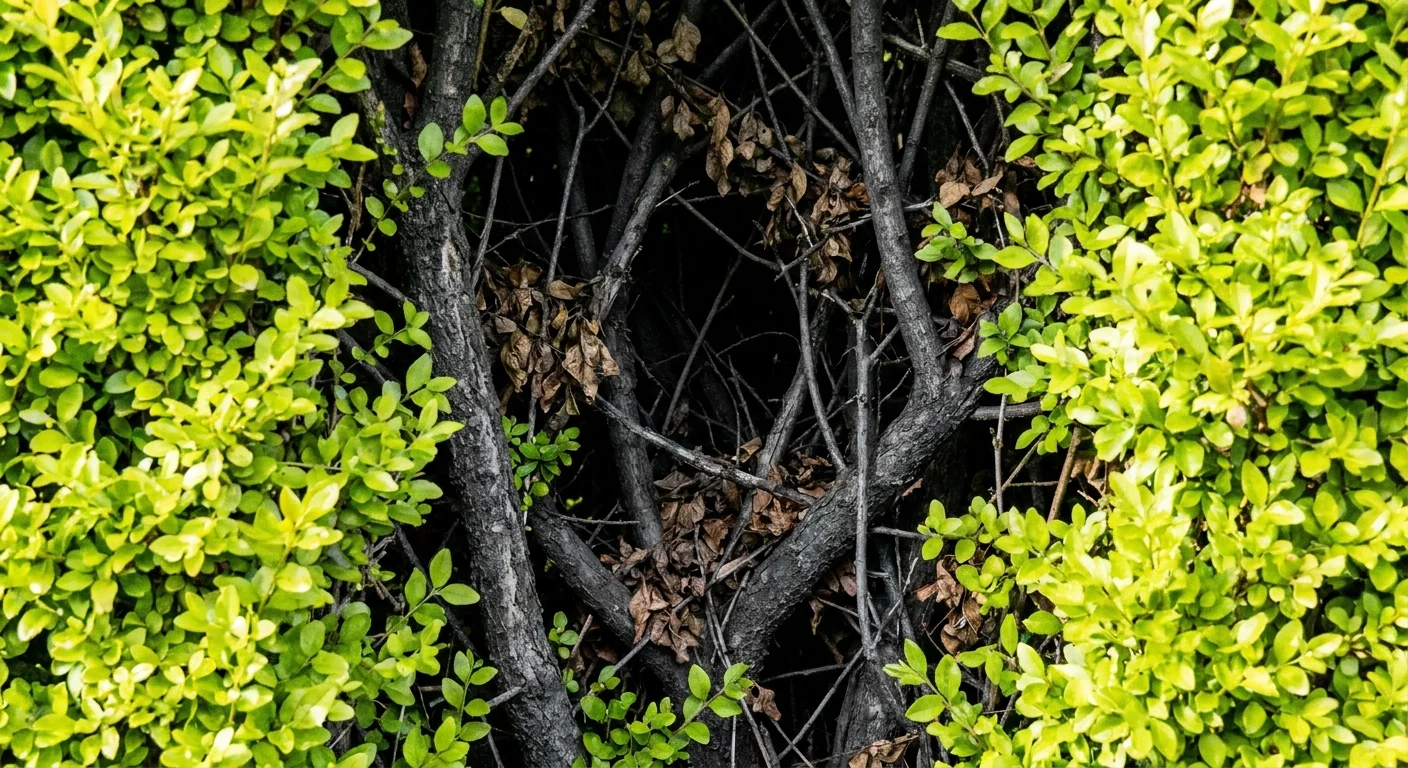
12. Privet Hedges and Dense Shrubs
Tightly clipped, formal hedges like privet or boxwood often feature incredibly dense outer foliage that blocks all natural breezes from moving through your yard.
By walling off the wind, these shrubs create a stagnant atmospheric zone on your patio, allowing mosquitoes to fly and feed without fighting air currents.
How to manage it: Instead of shearing your hedges into perfectly solid green walls, practice selective thinning. Reach inside the shrub and remove select branches from the core.
This technique allows wind to pass through the shrubbery, bringing cooling breezes to your patio while simultaneously blowing weak-flying mosquitoes off their flight paths.
So, what are the twelve plants? Can you supply a listing?
Yes Patricia, they don’tsay!!!
Yes Patricia, they don’t say!!!
Mosquito-Producing Plants:
1. BromeliadsBamboo
2. Elephant Ears (Colocasia and Alocasia)
3. Pitcher Plants
4. Water Lilies
5. Water Hyacinth
6. Papyrus
7. English Ivy
8. Hostas
9. Dense Ferns
10. Bamboo
11. Tall Ornamental Grasses (Pampas and Fescue)
12. Privet Hedges and Dense Shrubs
Thank you JT