
Aquatic and Bog Plants That Require Standing Water
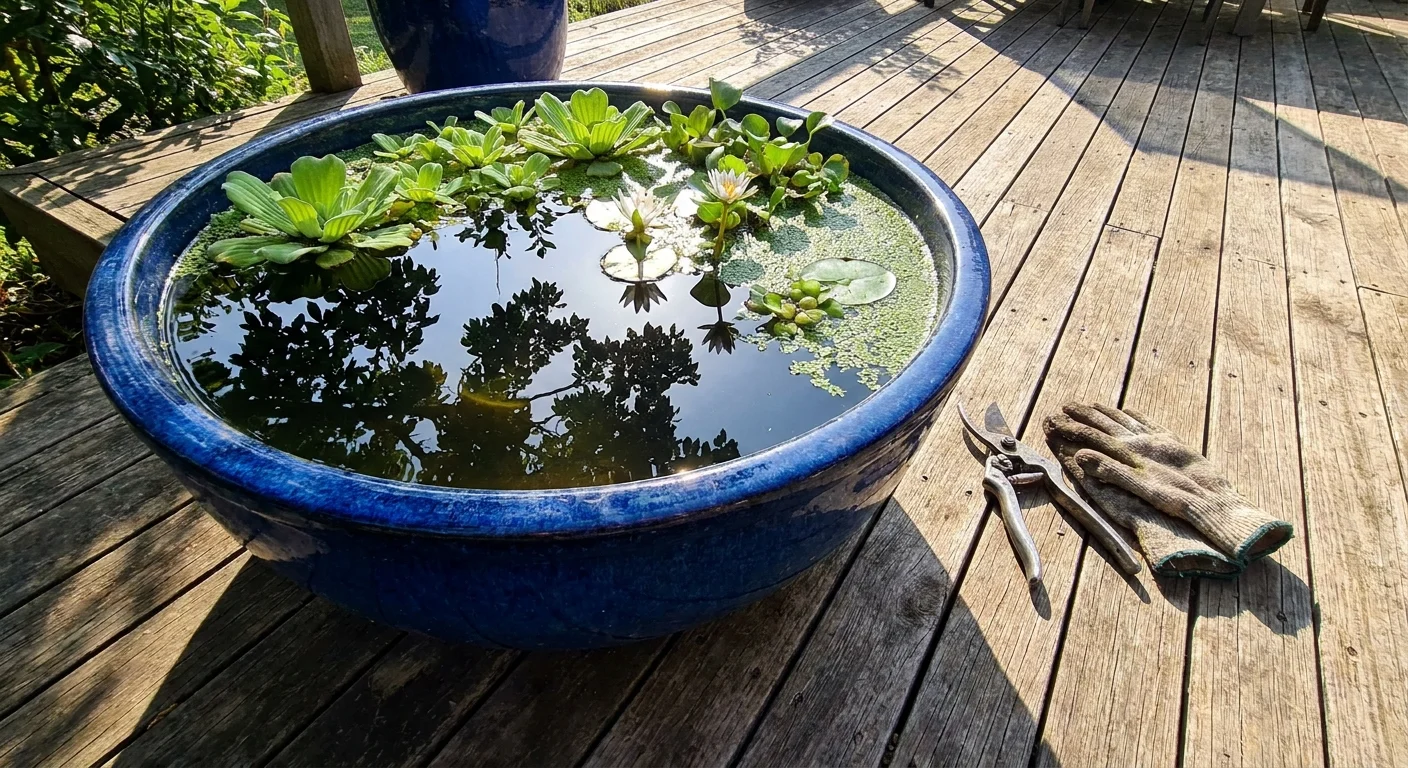
Water gardens, koi ponds, and decorative bog planters are stunning features, but they inherently provide the one element mosquitoes desperately need: standing water.
If managing standing water becomes too difficult, you might prefer flowers that survive extreme heat with very little moisture.
4. Water Lilies
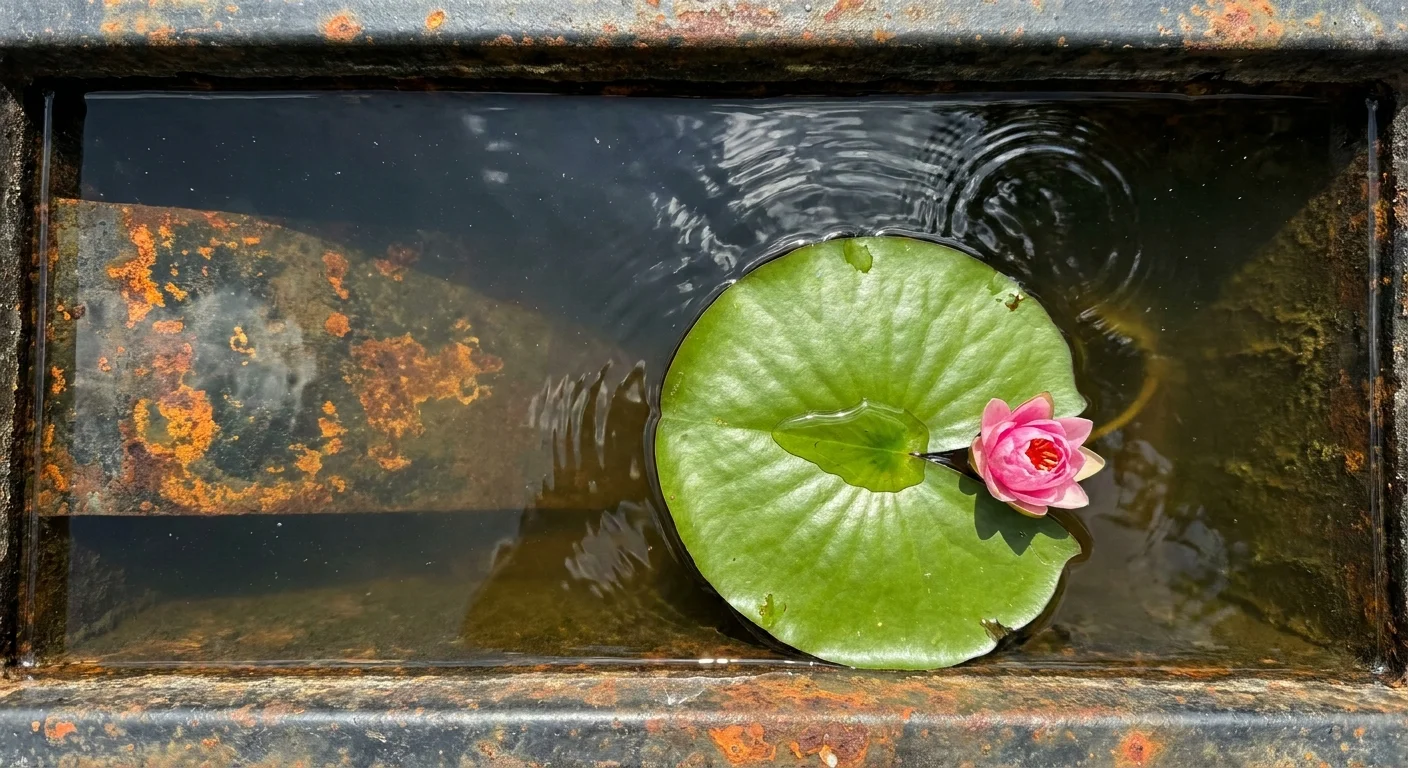
Water lilies require absolutely still, tranquil water to produce their best blooms. They do not thrive in highly aerated or fast-moving water features.
Unfortunately, tranquil, stagnant water is the exact condition female mosquitoes search for when laying their egg rafts. The broad lily pads also provide excellent camouflage for the larvae, protecting them from predators hiding beneath the water’s surface.
How to manage it: The most effective eco-friendly solution for water lilies is the introduction of Bacillus thuringiensis israelensis (BTI). This naturally occurring soil bacterium is commonly sold as mosquito dunks or granules.
When added to your pond, BTI specifically targets and destroys mosquito larvae while remaining completely safe for your plants, pets, fish, and visiting pollinators.
5. Water Hyacinth
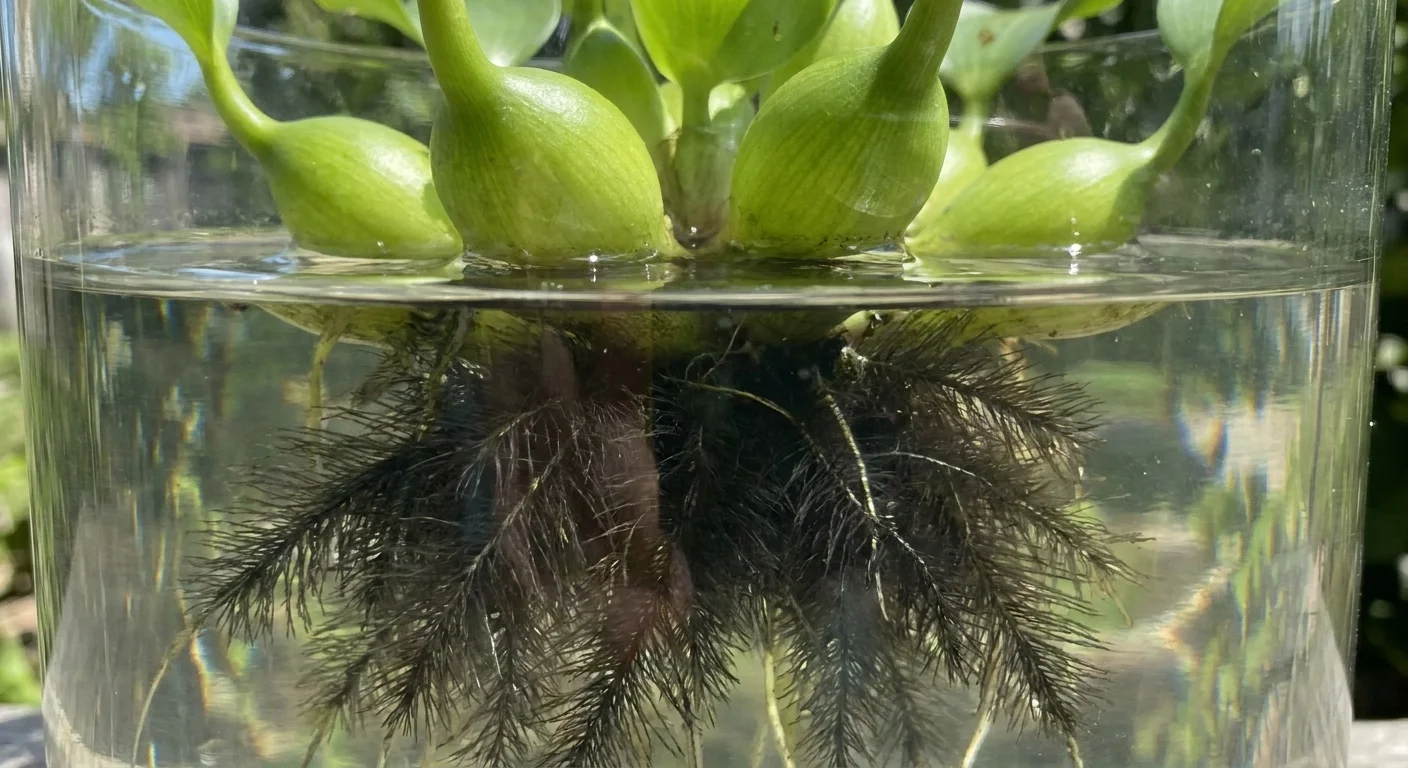
Floating water hyacinths feature beautiful purple blooms and incredibly dense, feathery root systems that hang beneath the surface. While these roots do an excellent job of pulling excess nutrients from pond water, they also create an impenetrable, tangled mat.
Mosquito larvae hide deep within these root systems, safely out of reach from fish and aquatic insects that would normally eat them.
How to manage it: Practice rigorous pruning and shaping of your aquatic plants. Do not allow water hyacinths to completely cover the surface of your pond.
Periodically thin out the floating clumps to ensure at least fifty percent of the water surface remains open and accessible to fish. Remove any dead or decaying plant matter immediately, as decomposing organic material feeds mosquito larvae.
6. Papyrus
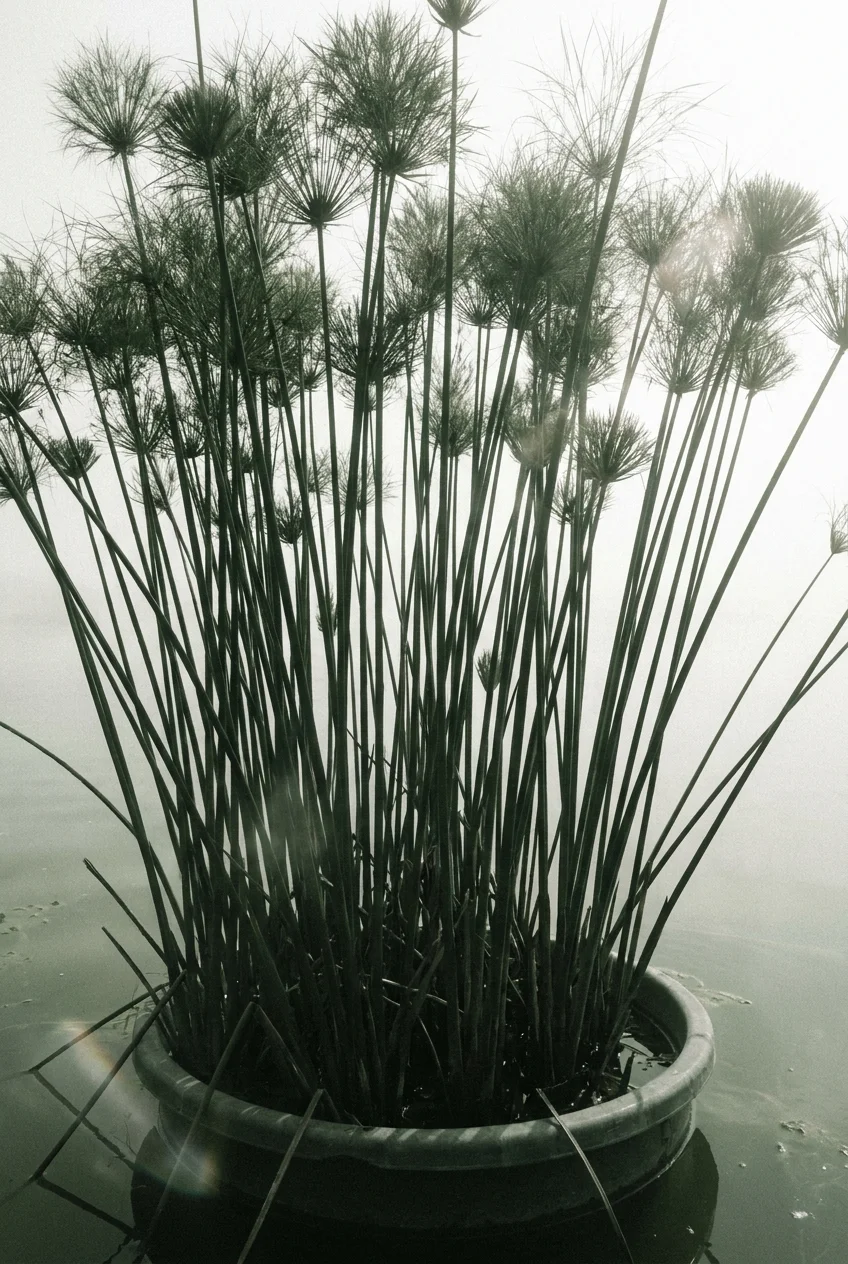
Papyrus grasses add excellent architectural height to water features, but they are true bog plants. They require constantly saturated, muddy soil or shallow standing water to survive.
This perpetually wet environment offers an open invitation to mosquitoes.
How to manage it: If you grow papyrus in a container garden, avoid letting the pot sit in a deep saucer of stagnant water for days on end.
If the plant is in a bog garden, treat the muddy soil with liquid BTI every few weeks during the peak summer heat to disrupt the mosquito breeding cycle before it begins.
So, what are the twelve plants? Can you supply a listing?
Yes Patricia, they don’tsay!!!
Yes Patricia, they don’t say!!!
Mosquito-Producing Plants:
1. BromeliadsBamboo
2. Elephant Ears (Colocasia and Alocasia)
3. Pitcher Plants
4. Water Lilies
5. Water Hyacinth
6. Papyrus
7. English Ivy
8. Hostas
9. Dense Ferns
10. Bamboo
11. Tall Ornamental Grasses (Pampas and Fescue)
12. Privet Hedges and Dense Shrubs
Thank you JT